The Chinese New Year is quickly approaching. Our last day of class before holiday break was January 20. Before then, I had insisted that our last couple of days be focused on having some fun and using this time to once again teach or remind the students about some of their Spring Festival traditions. One of my fellow grade three foreign teachers noted that I love to talk about CNY, and he is correct.
Something else that inspired me to do this topic was a recent post about how the Chinese government (I’ll refer to them as the CCP from now on) decided to ban Christmas. Sometimes I’m not sure how China would go on if they didn’t have the ability to ban something every other day. Anyway, this basically translated to companies no longer being able to publicize or celebrate Christmas or its traditions anymore, rather than a full-on countrywide ban (how would the government, even the CCP, be able to enforce that?). This goes to show the continued feeling of insecurity from the CCP about China’s identity and the “threat” of western influence on their culture. So, as a favor to them, I decided to devote the last couple of days to reinforcing their own cultural traditions. You’re welcome, CCP.
Getting back to our class celebrations, the first class was dedicated to making lucky red envelopes known as “hóngbāo” that are traditionally filled with money. These are given to the children by elders and other married adults in the family (apparently, the moment you get married, you can no longer receive a hóngbāo). (As if there weren’t enough disincentives to marry there.) I thought this would make a fun little activity, so I printed out a bunch of pretend money and gave out red paper envelope templates to be cut, folded, and glued.
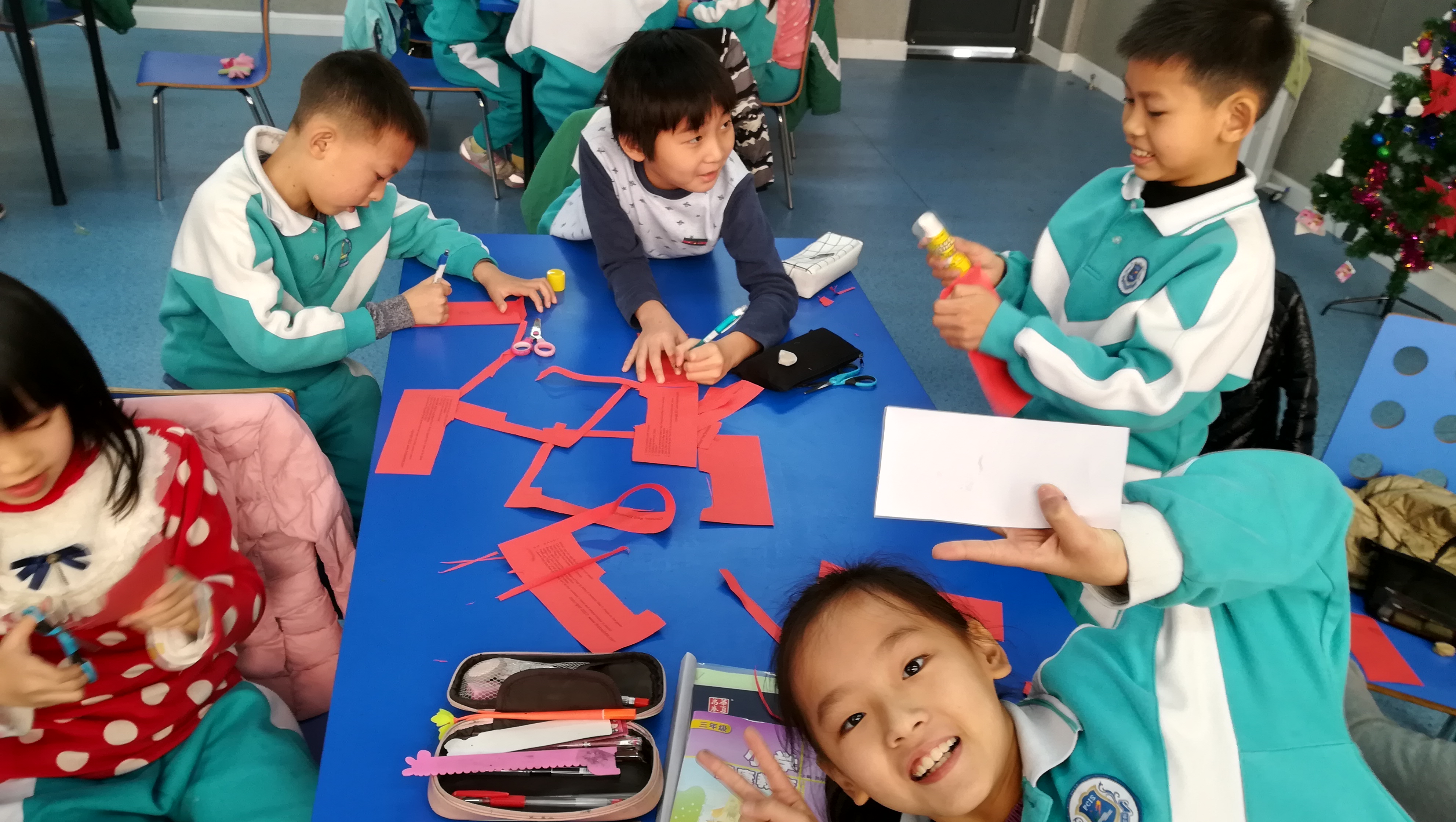
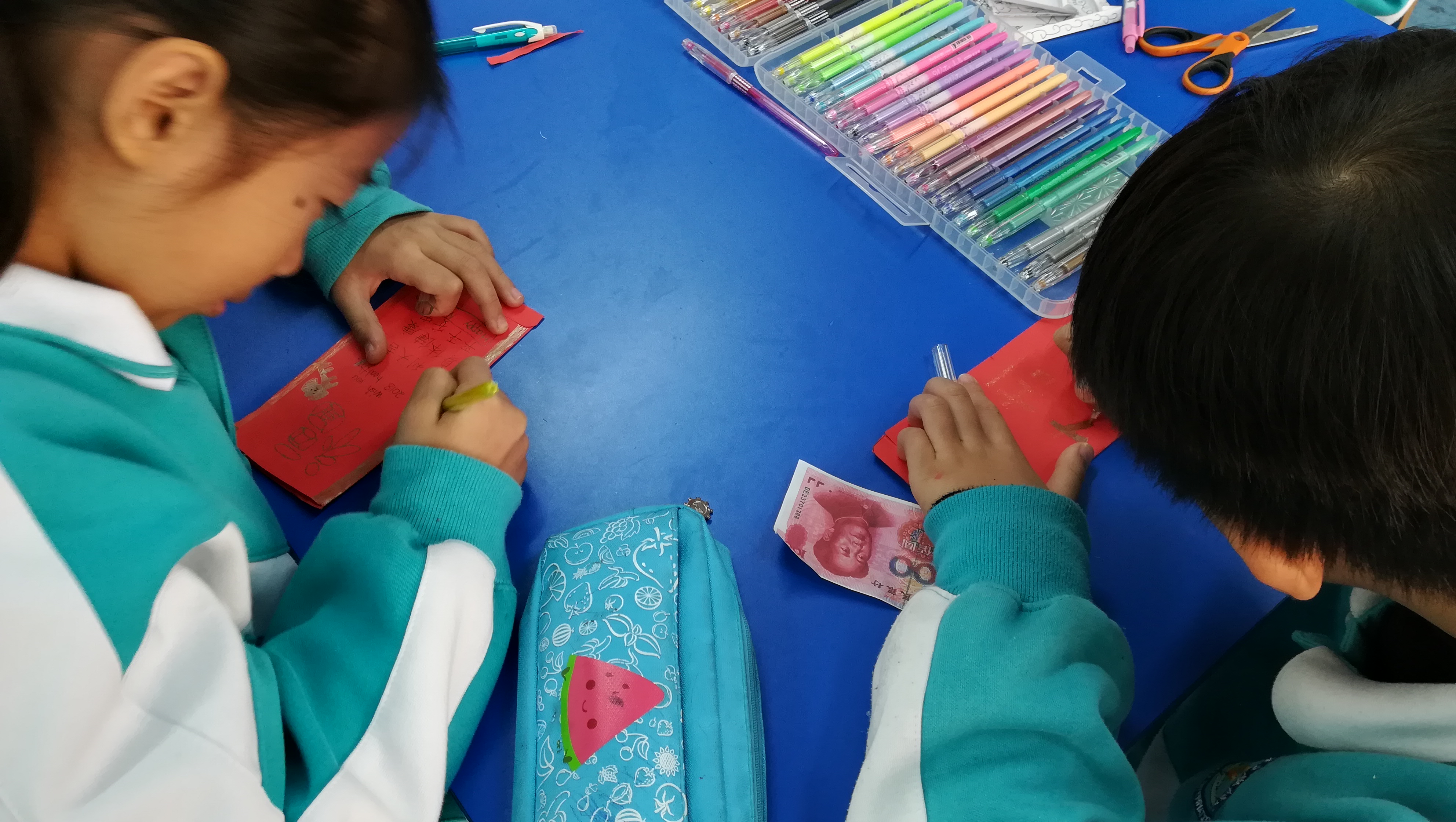
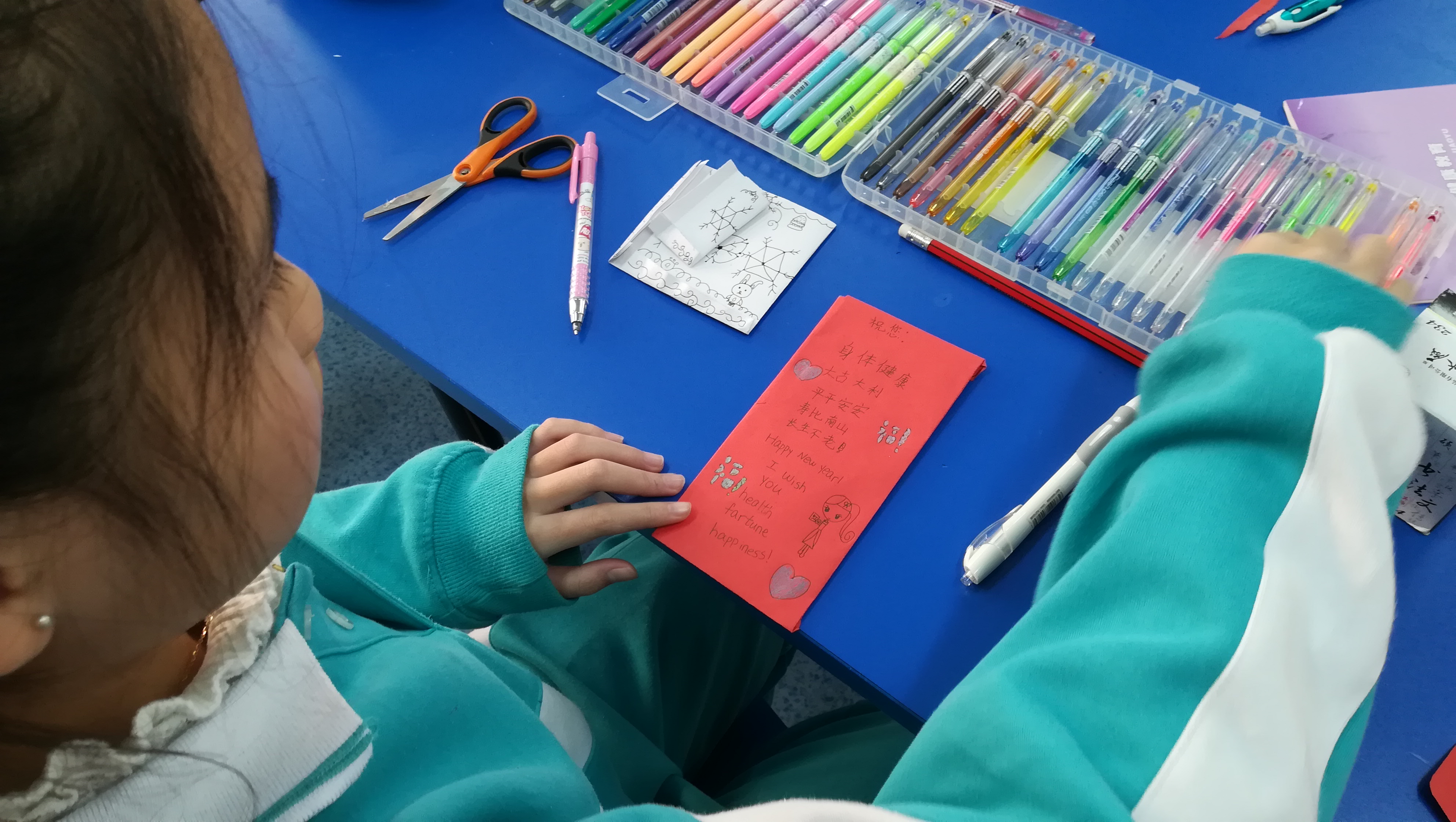

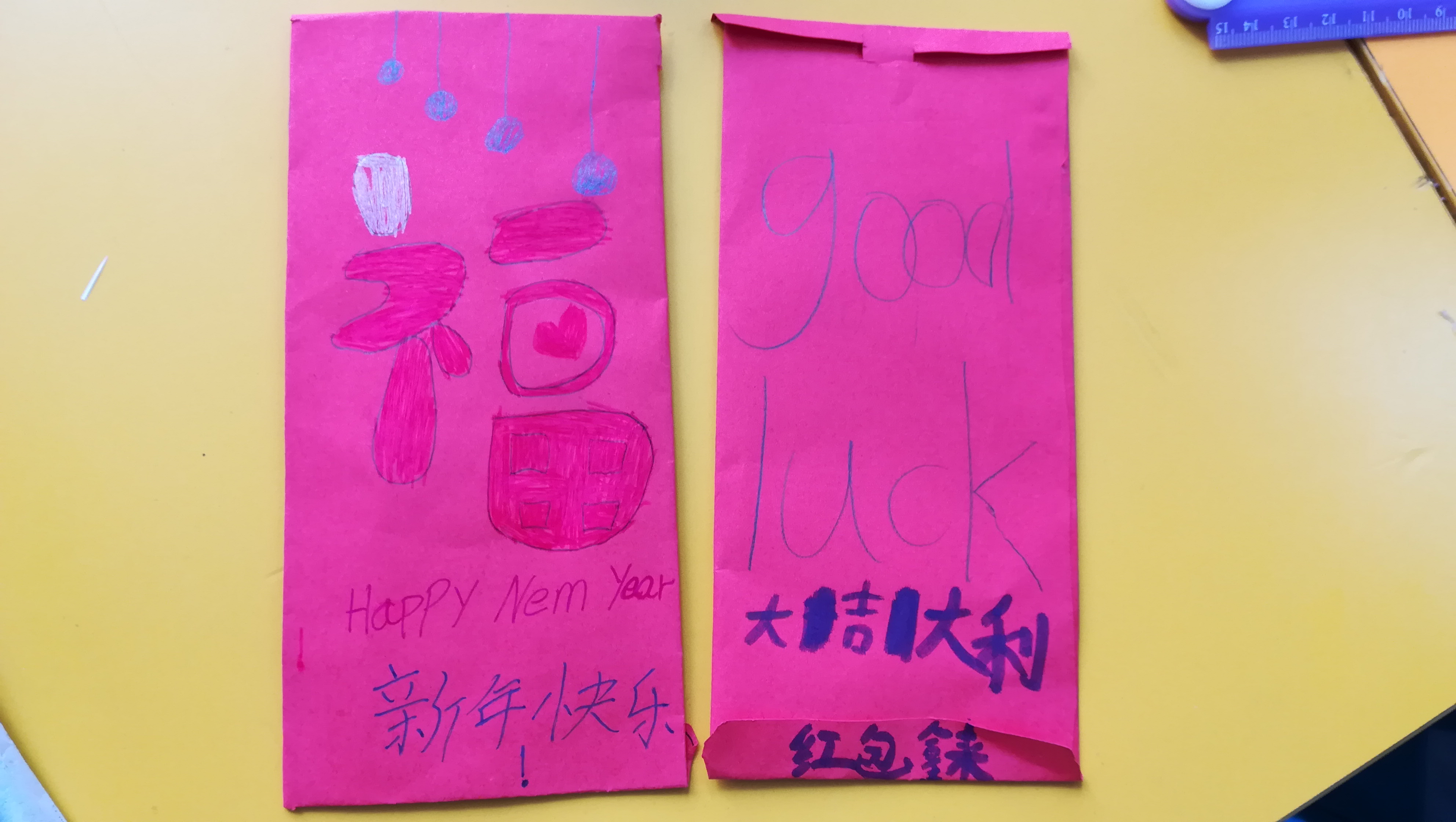
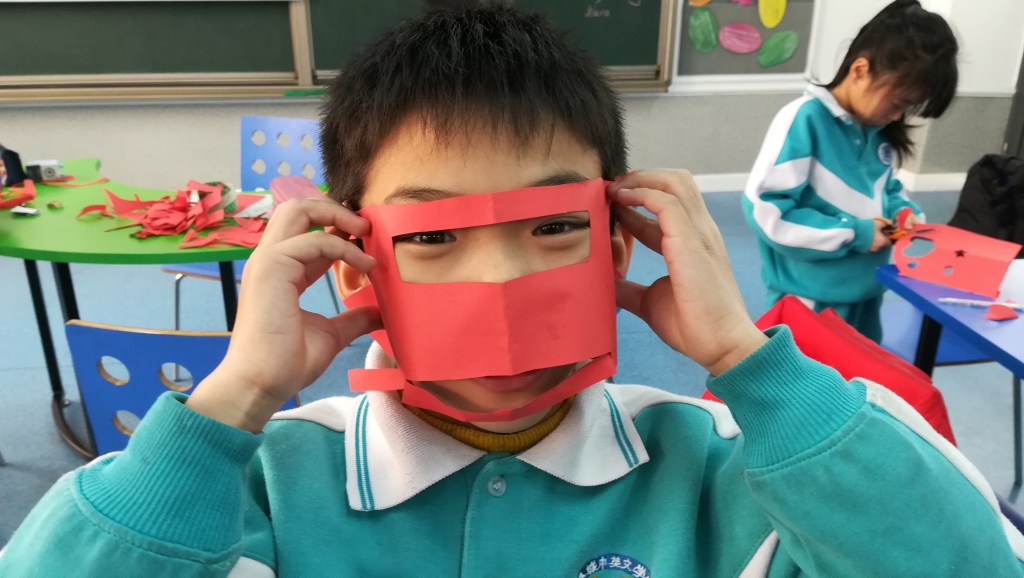
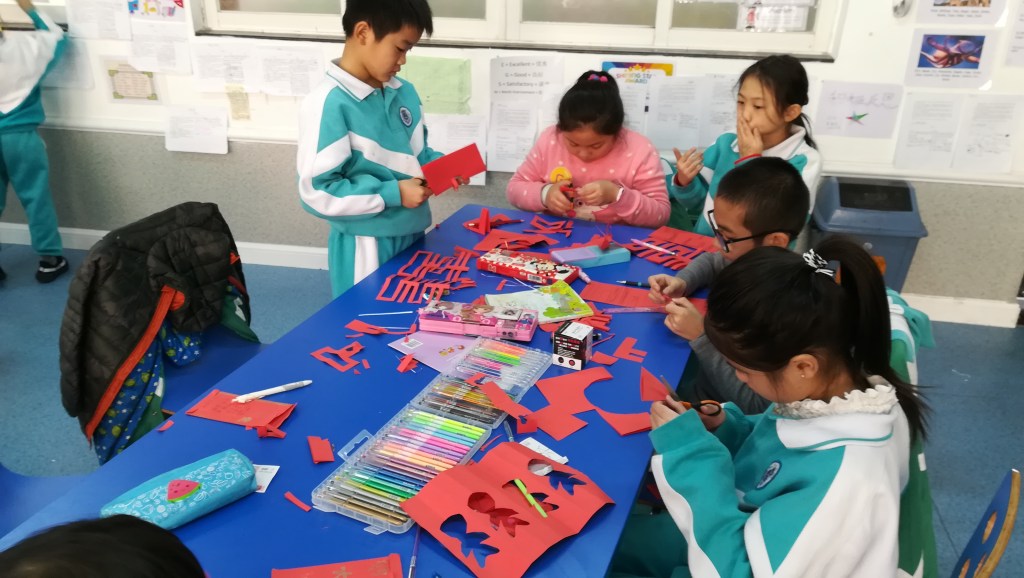
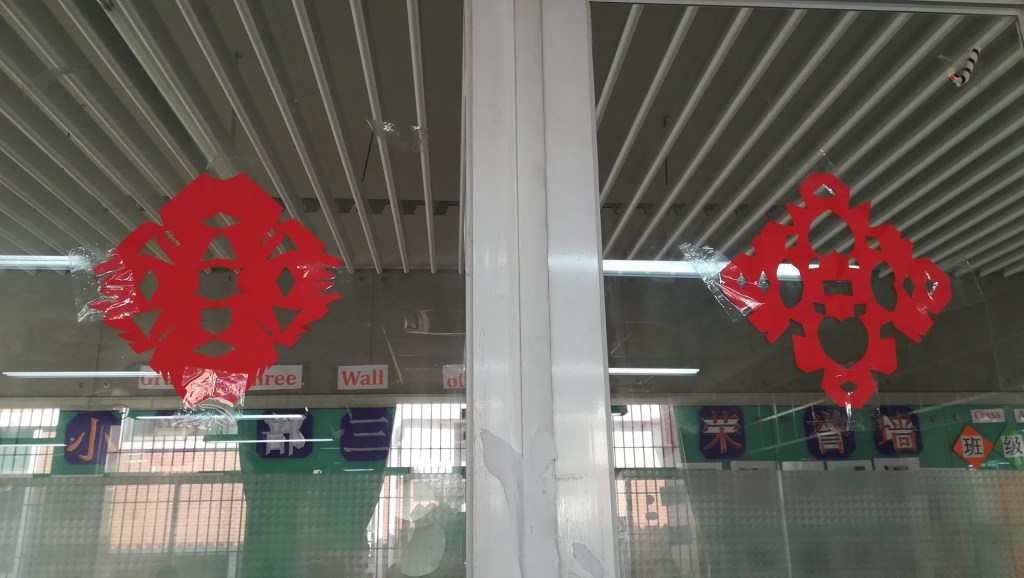
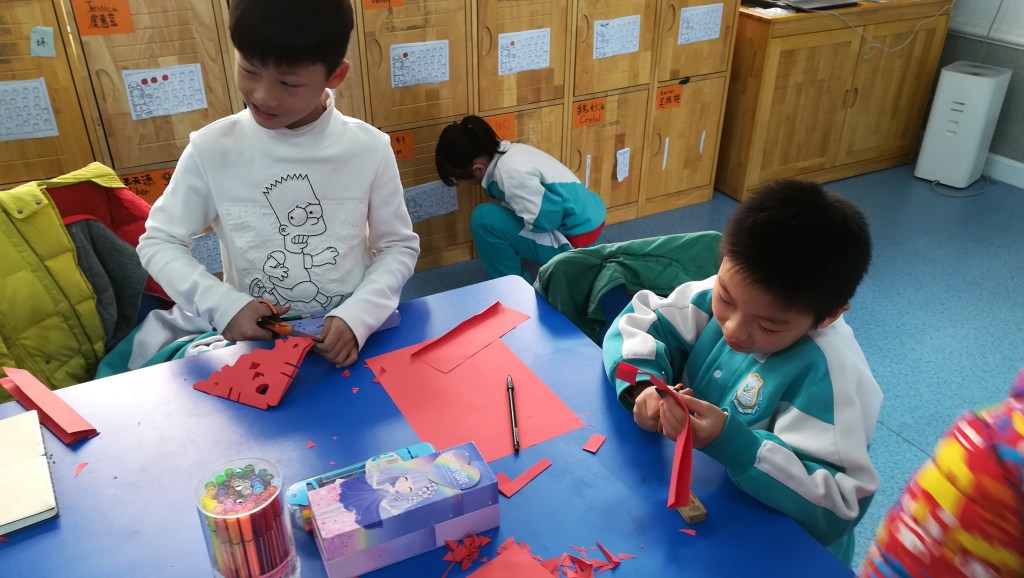
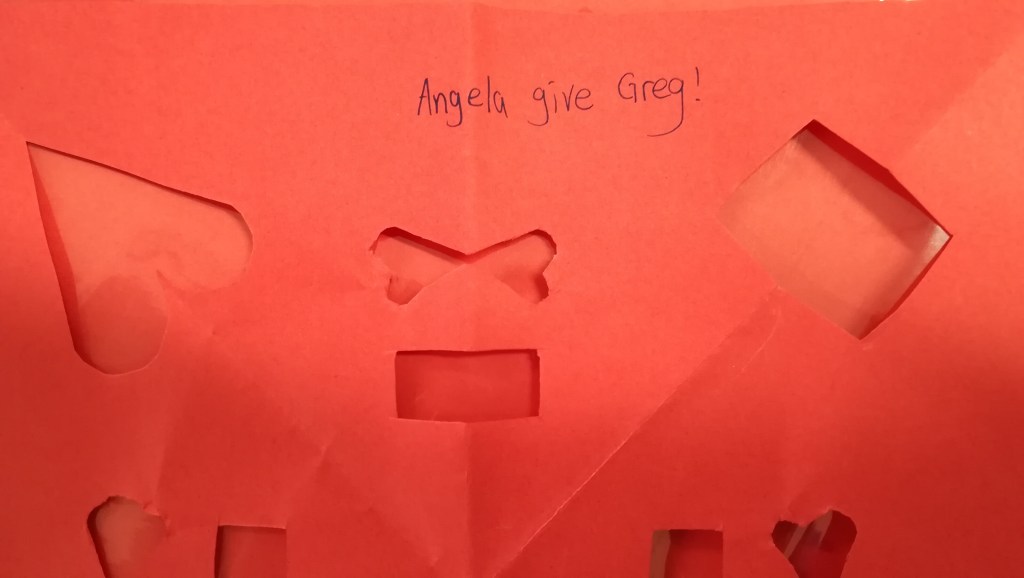
Another activity we did was the tradition of paper cutting. The idea is to fold a piece of red paper and carefully draw or design whatever pattern you want, and then cut it out (like making a paper snowflake), usually one that has to do with good luck, but it can be anything, really. These paper cuttings are put up in people’s homes to wish good luck to their residents and guests.


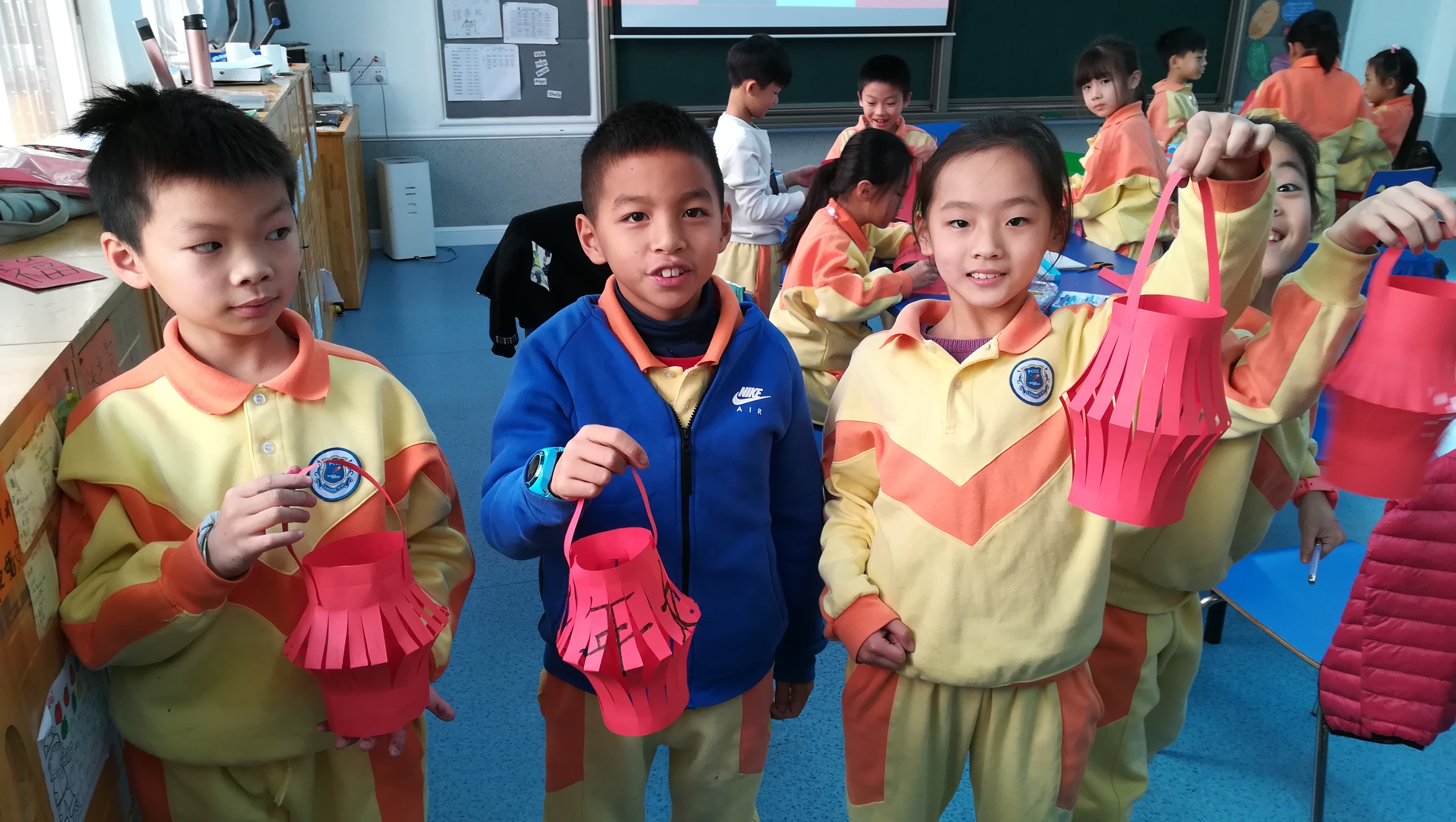
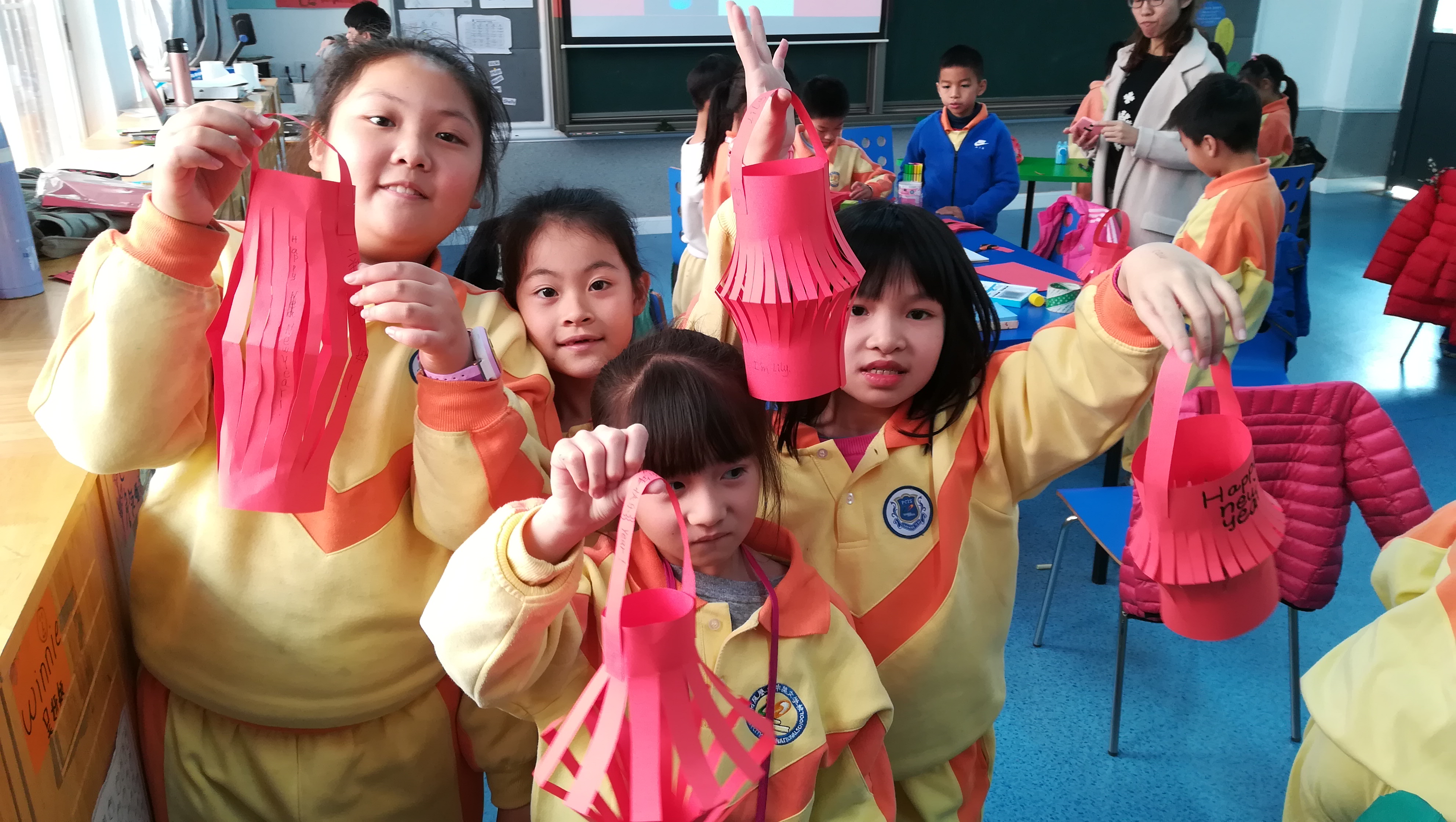
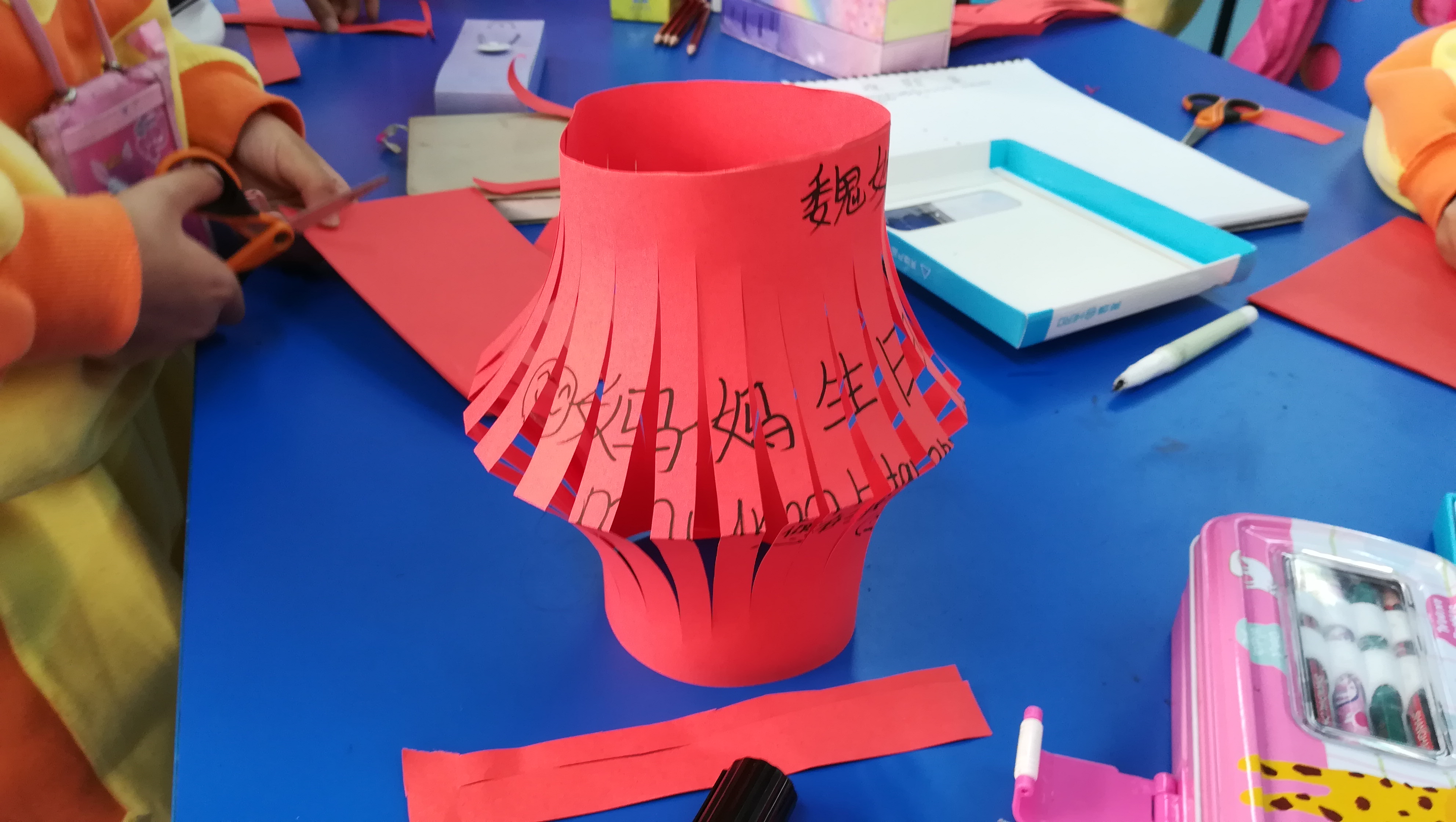
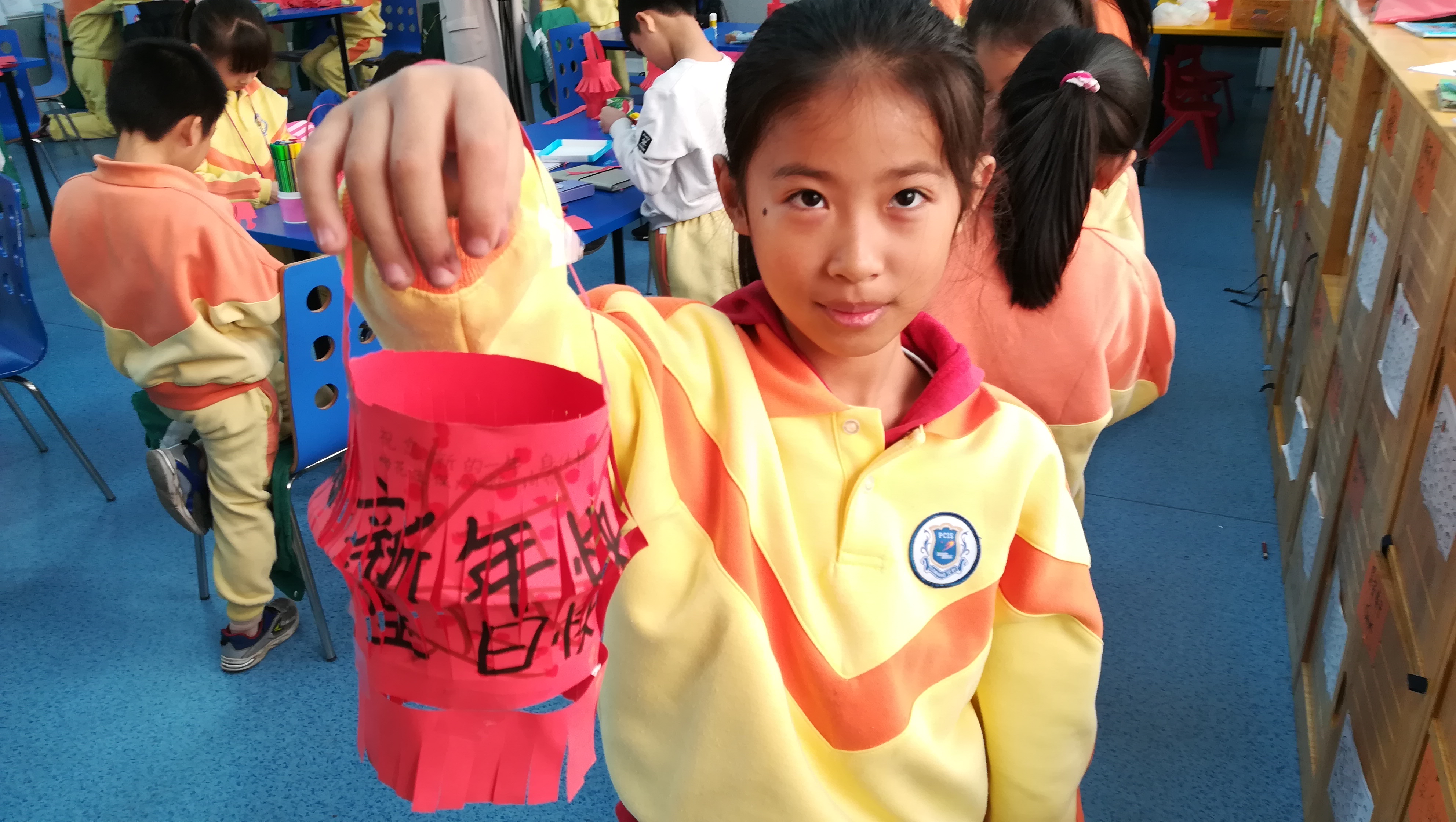
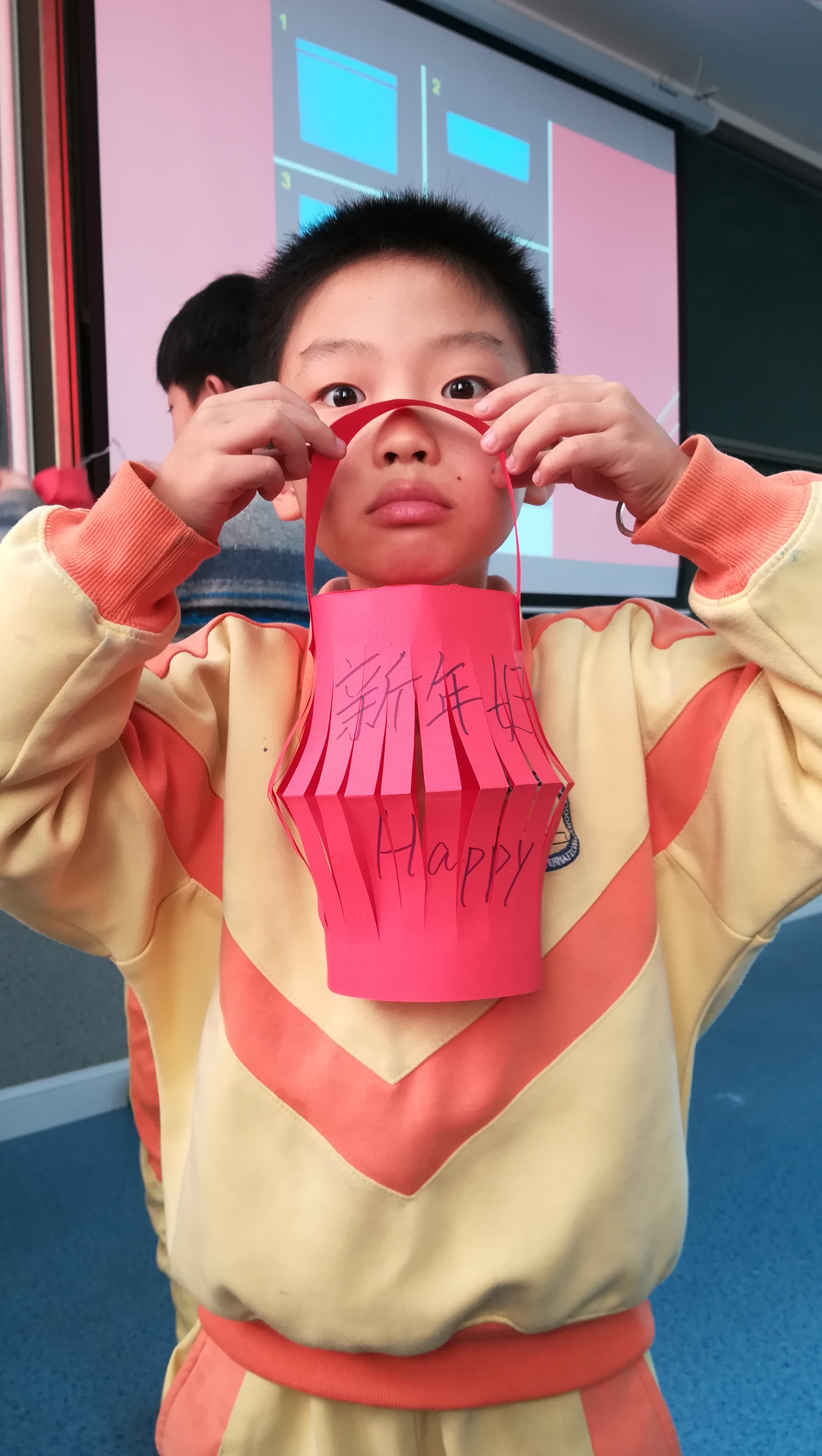
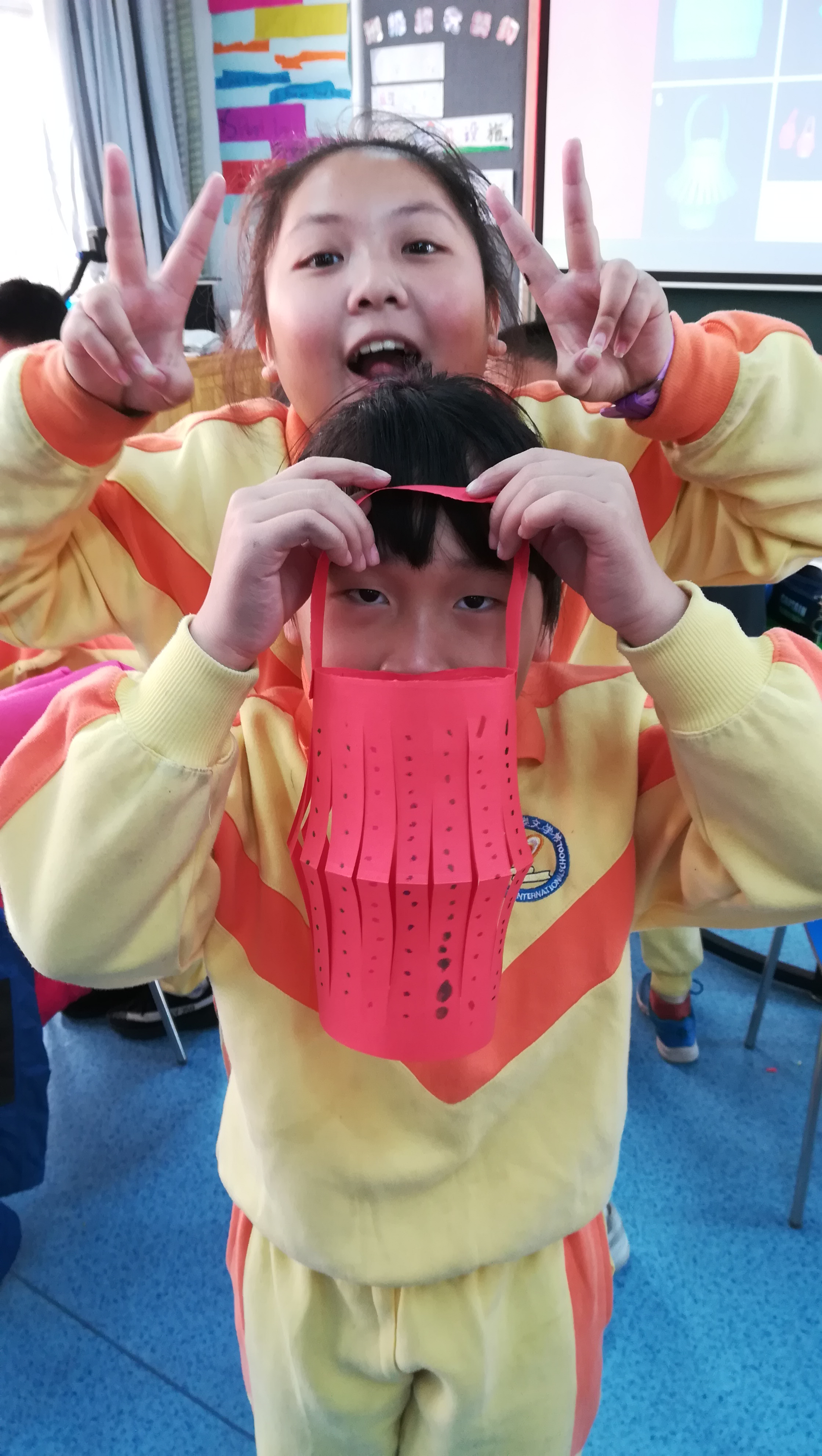
The last activity was making red lanterns. Lanterns are yet another old tradition, representing the “light” of a bright and hopeful future. You will see them around in many places, but during Chinese New Year, they are everywhere. At the end of the Chinese New Year, there is the Lantern Festival, which entails putting up many red lanterns and creating riddles to hang from them. People then go around and try to solve the riddle. If they get it right, they get a treat.
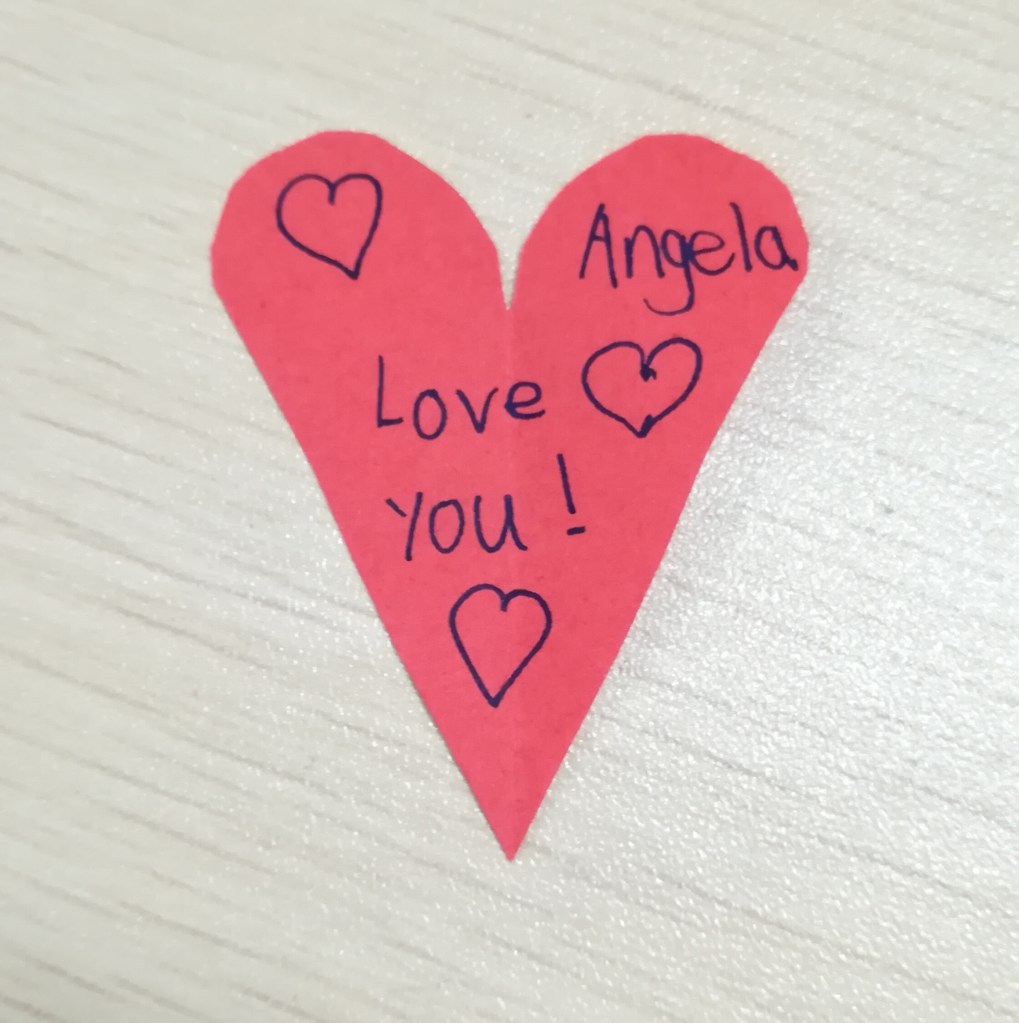
Sometimes we teachers get a rather sweet student who looks up to us. I have one such student (Angela), and she decided to let me know that she cares about me and enjoys all that I do for the class.
During this time of year, the school also likes to display student artwork, and some of it is really great.



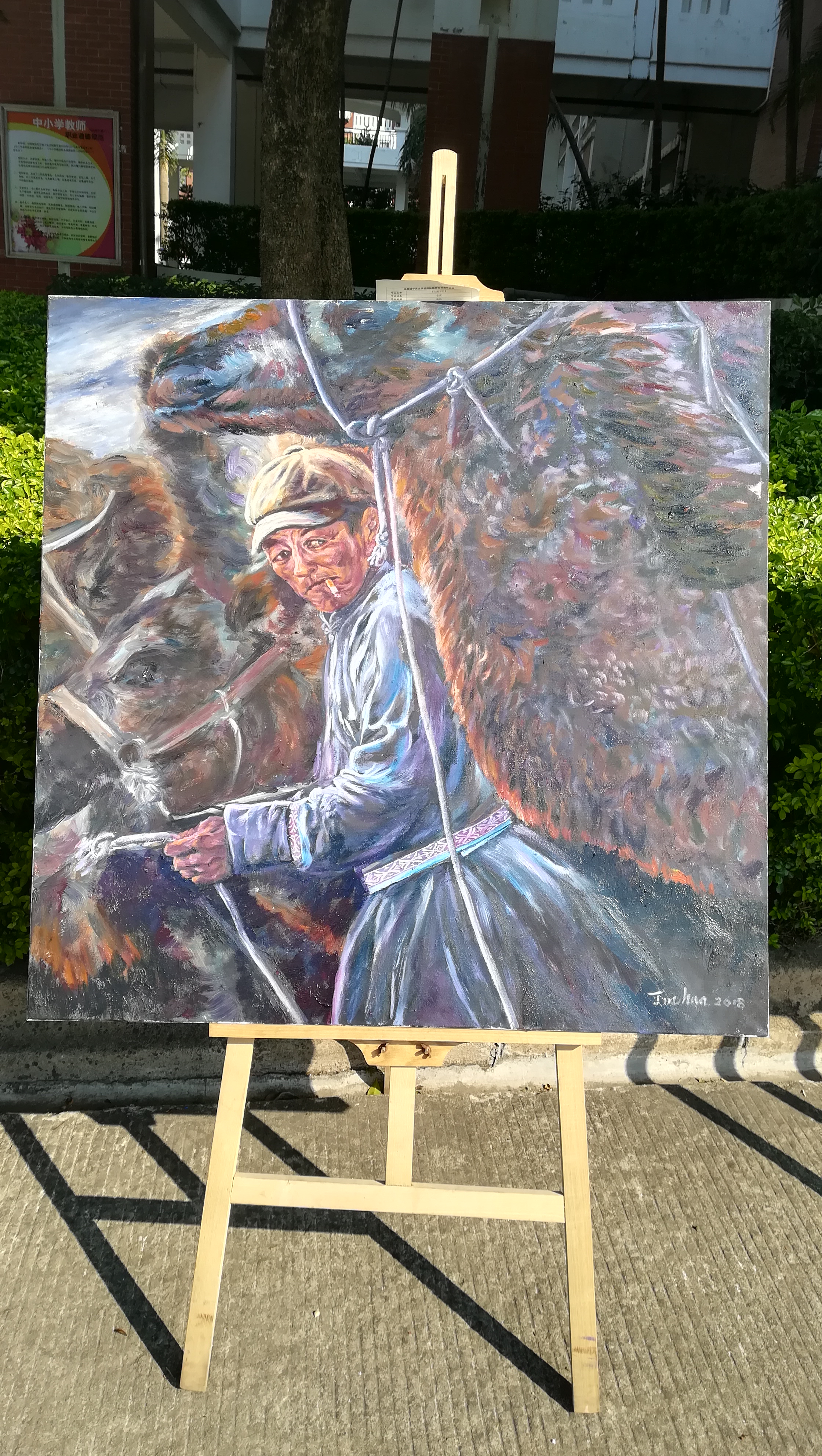

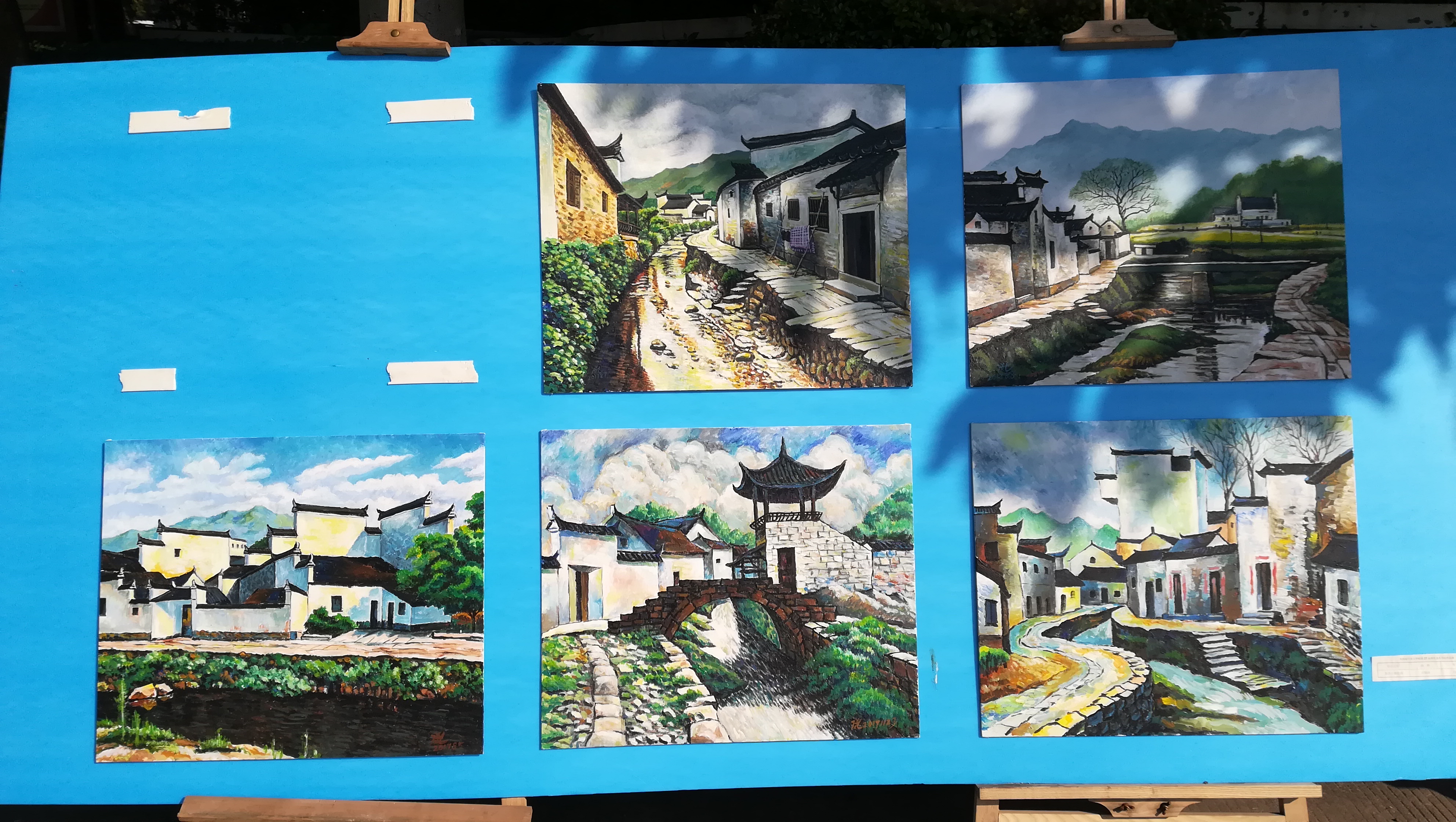
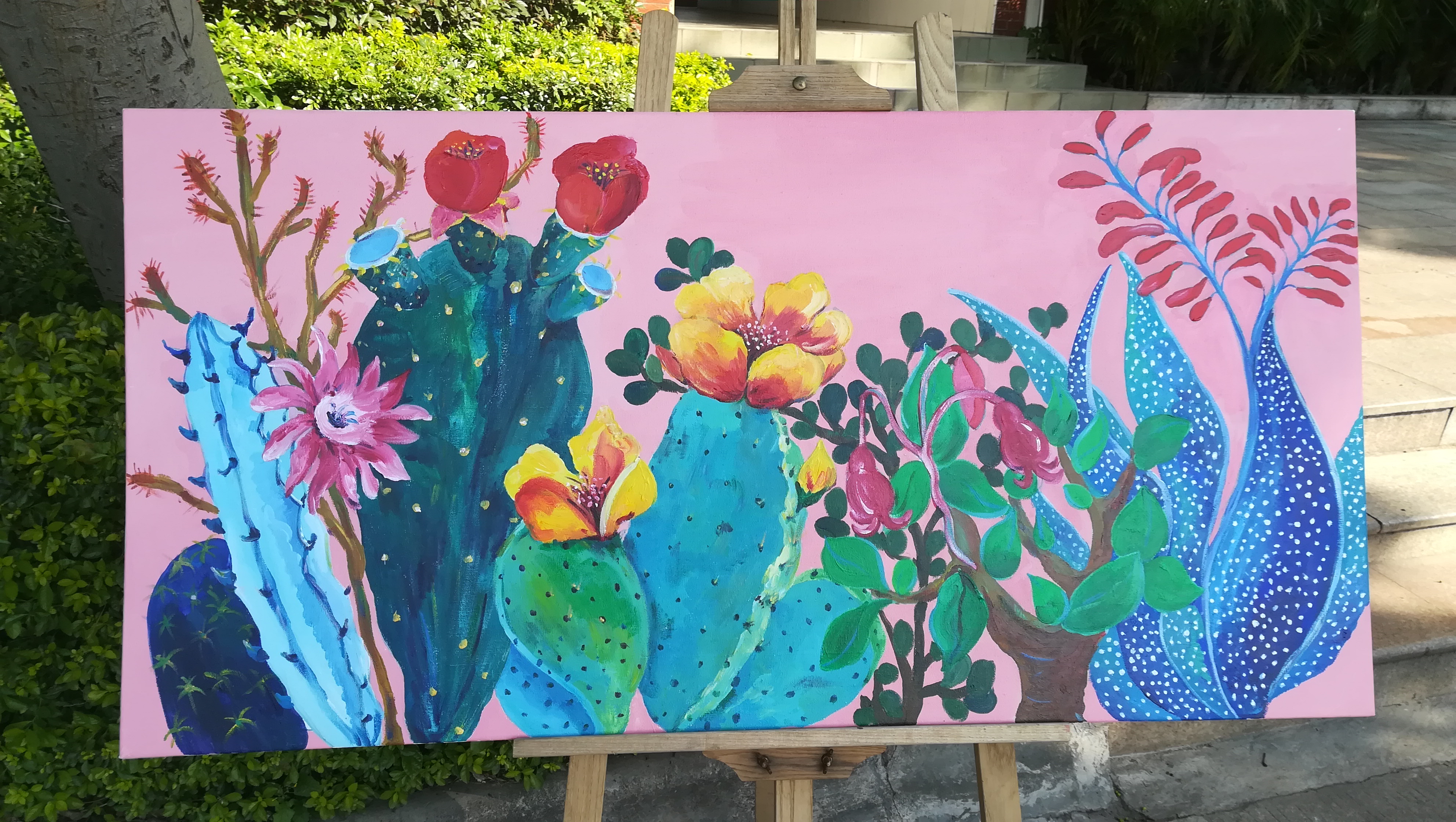

Stay tuned for my next post about my recent trip to Hanoi, Vietnam.



Leave a Reply