Continuing from west to east, the second day of my trip consisted of visiting the many temples outside of the central Nikko town area.
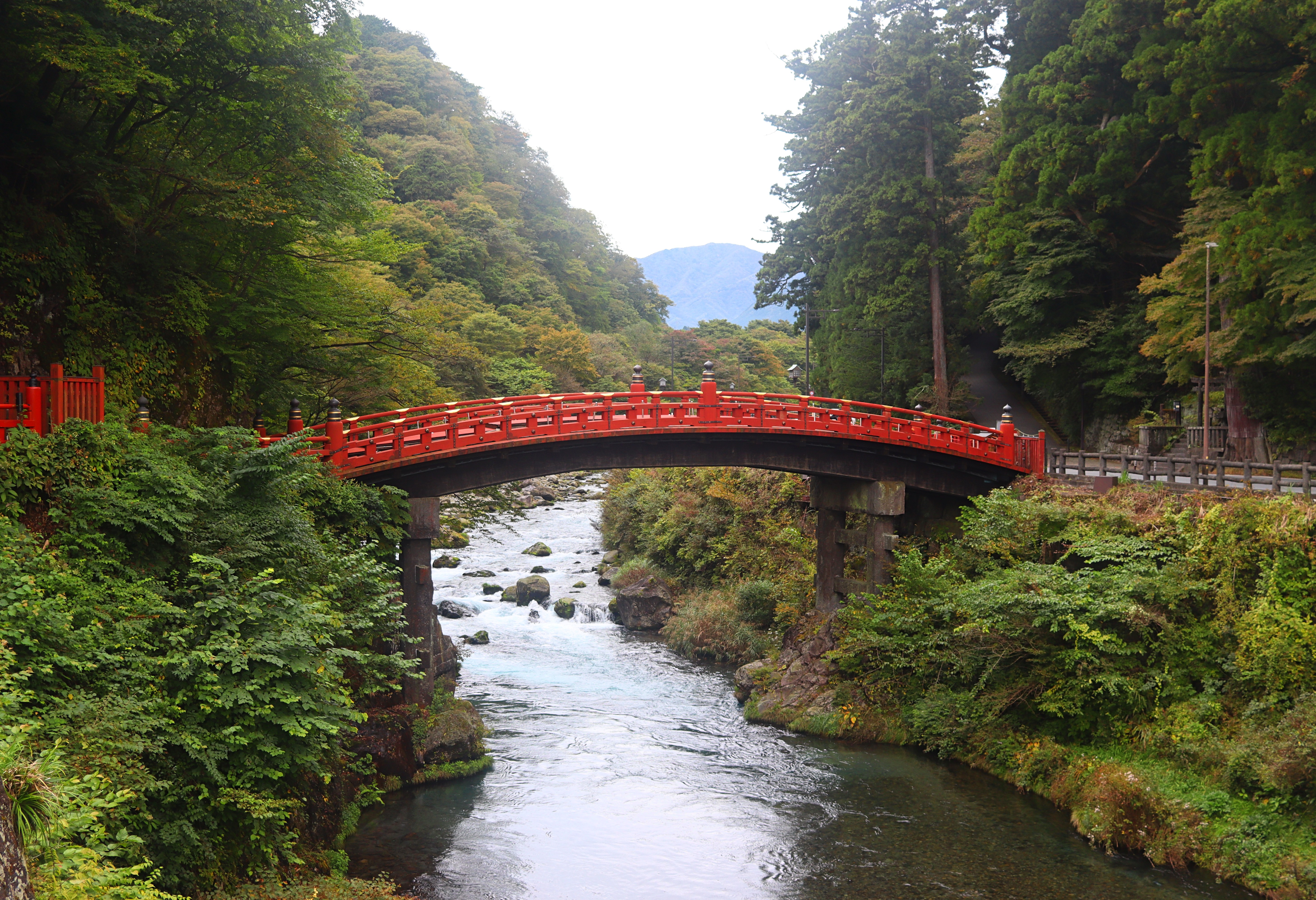
The trip began with a tour bus to Shinkyo Bridge, the entrance of the shrines (which officially belongs to the Futarasan Shrine). Although it was created in 1636, apparently there was another existing bridge already. People were not allowed to cross it until 1973. It was renovated in the late 1990s and early 2000s. Currently, you can cross it for a small fee, but I decided not to partake in this. I was hoping that the foliage here would be further along than it was, but, oh well.
Rinnoji Shrine
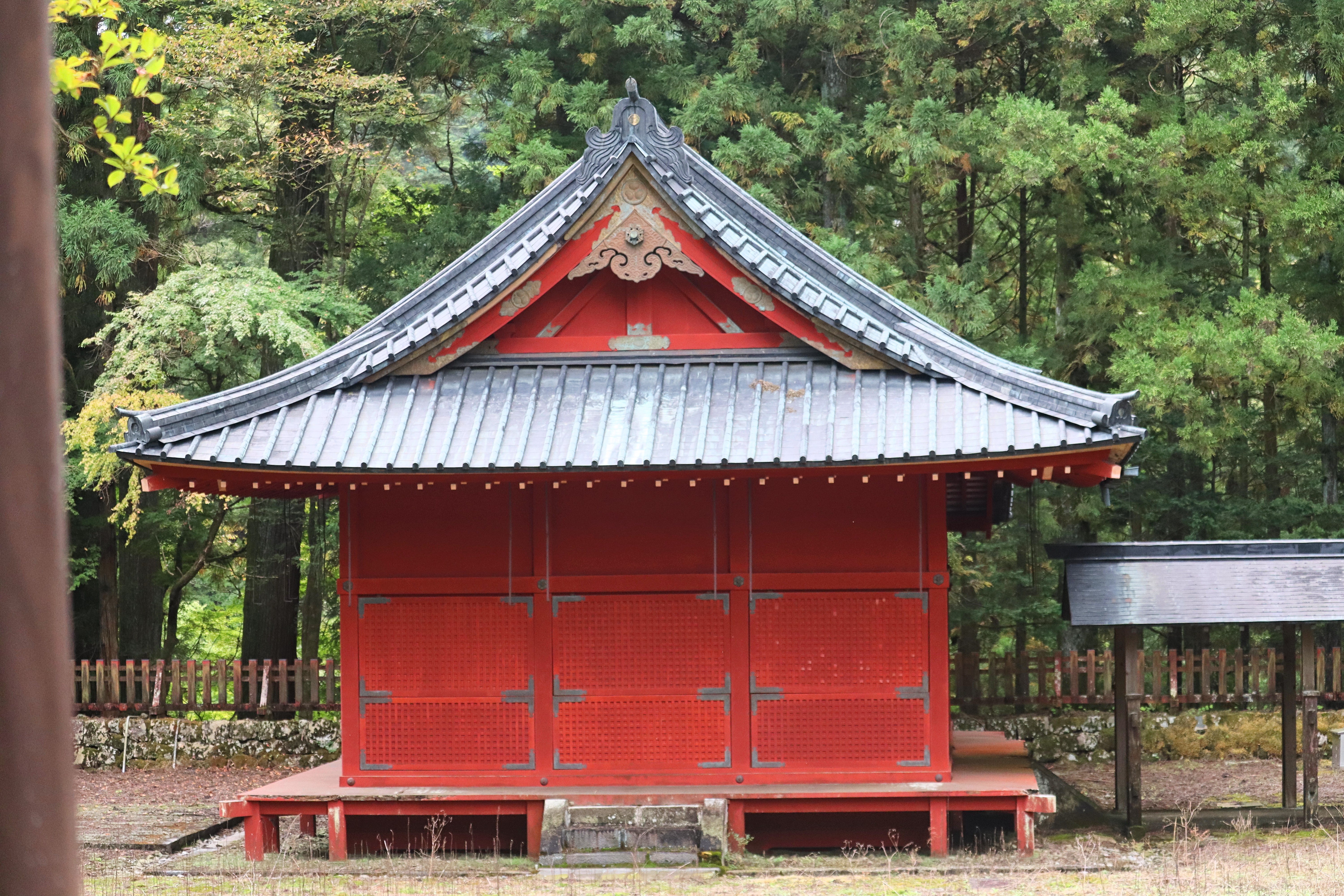
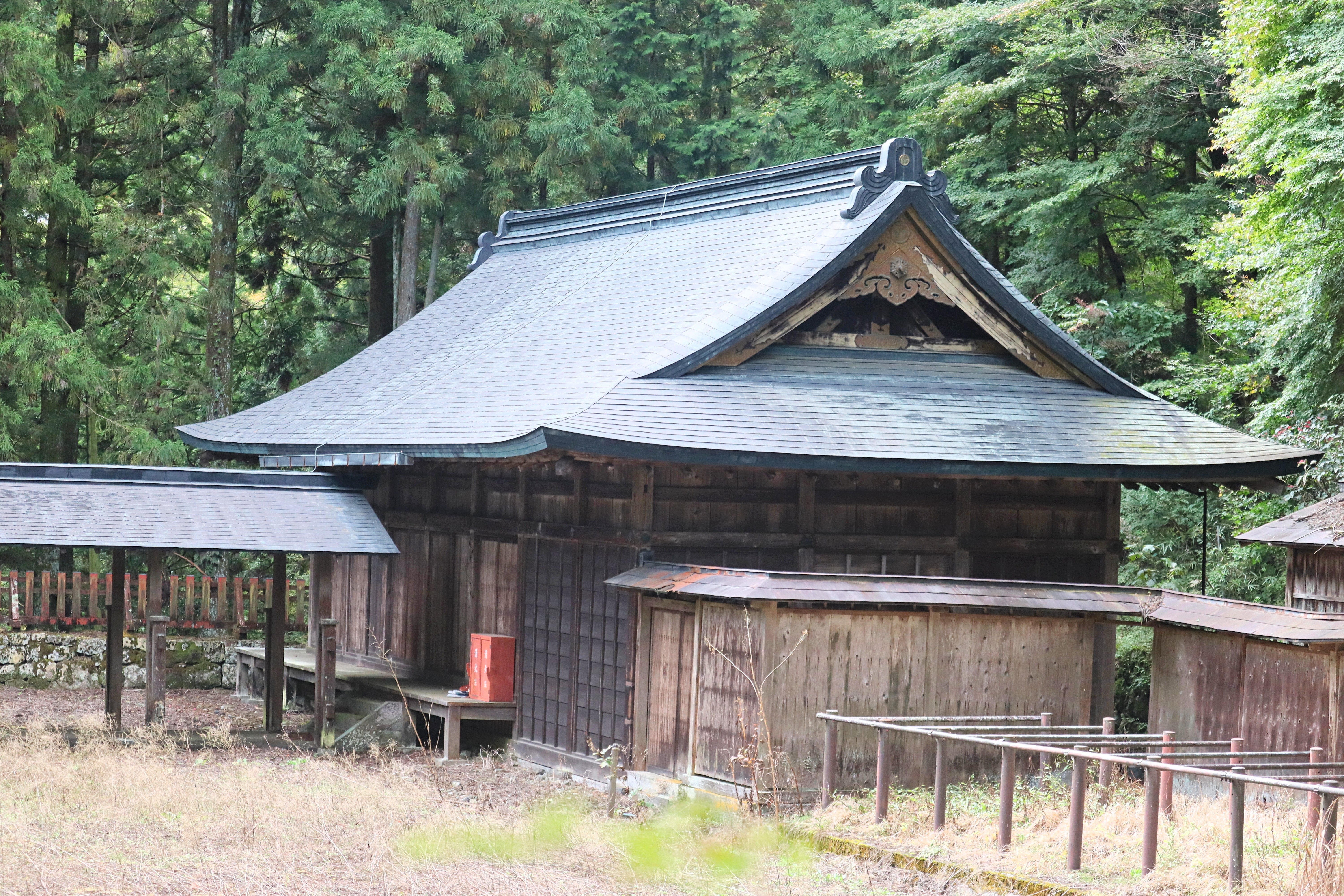
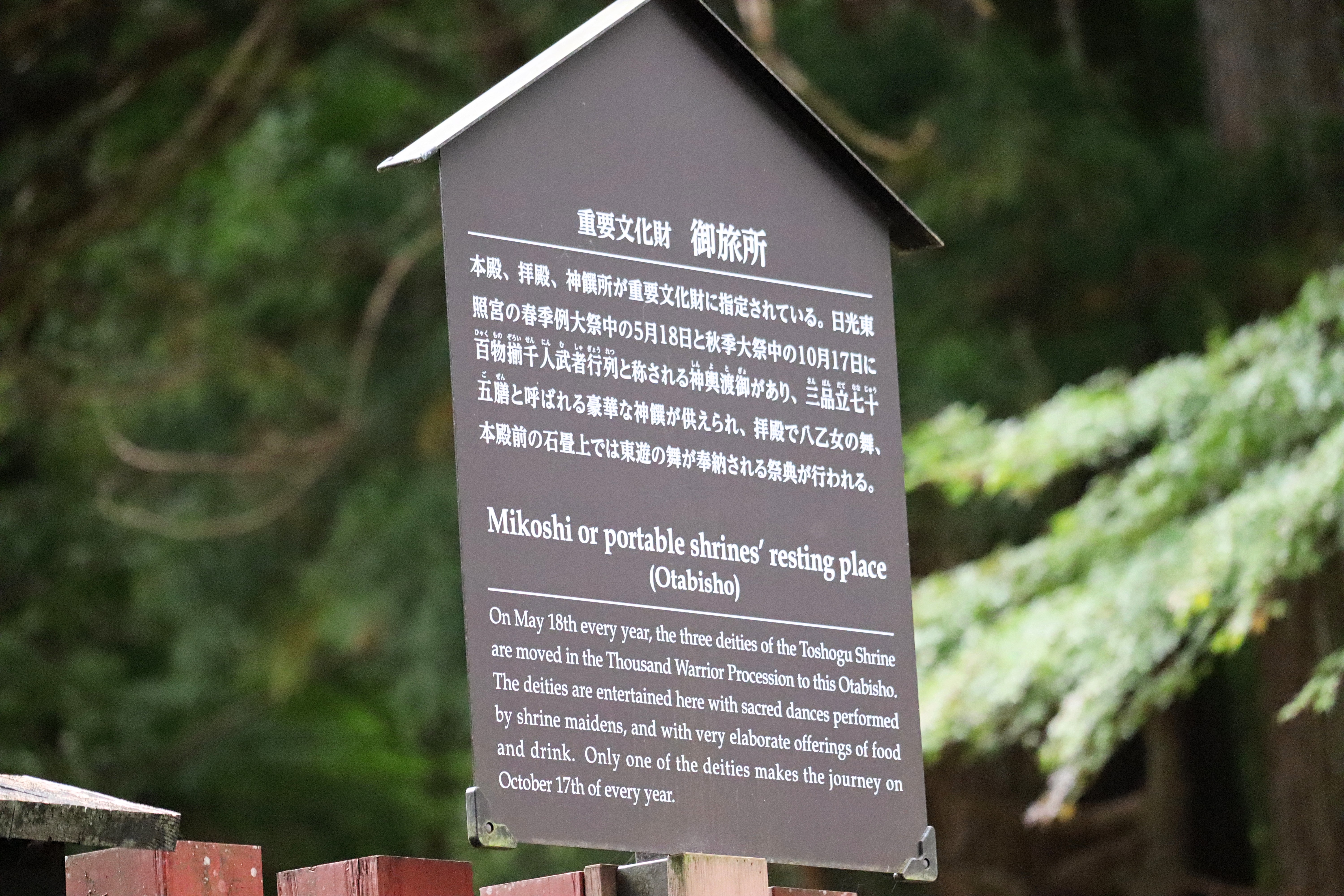
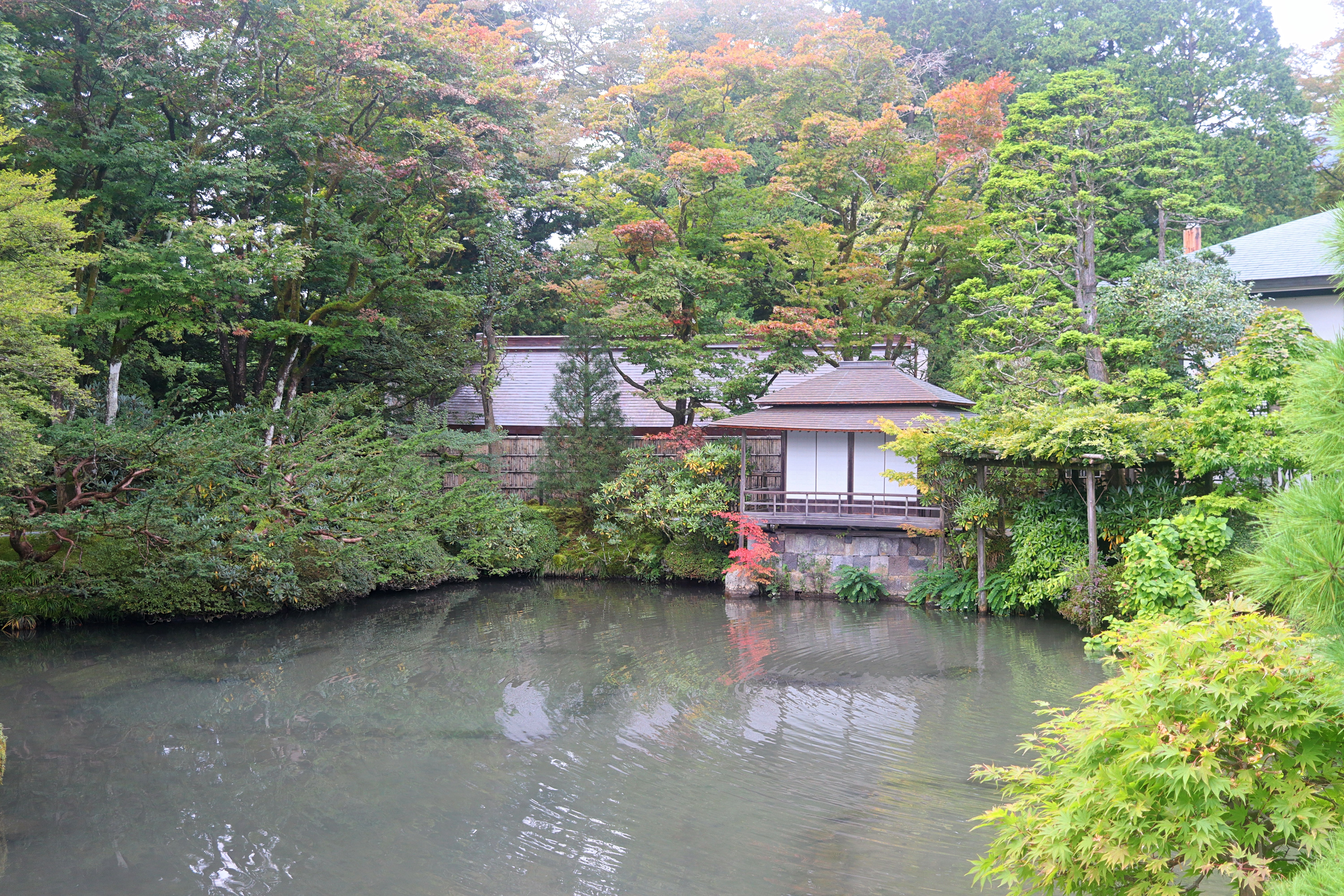
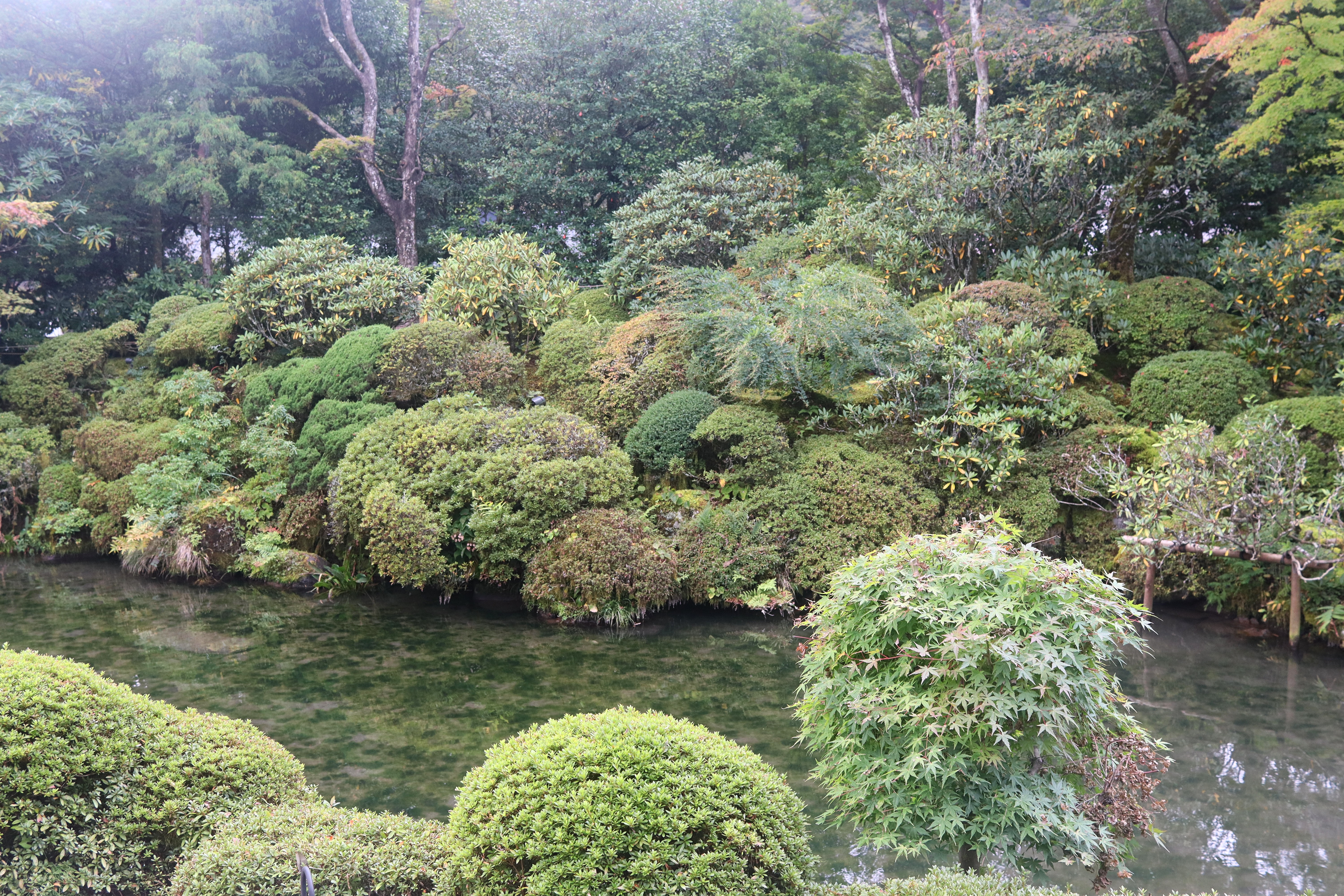
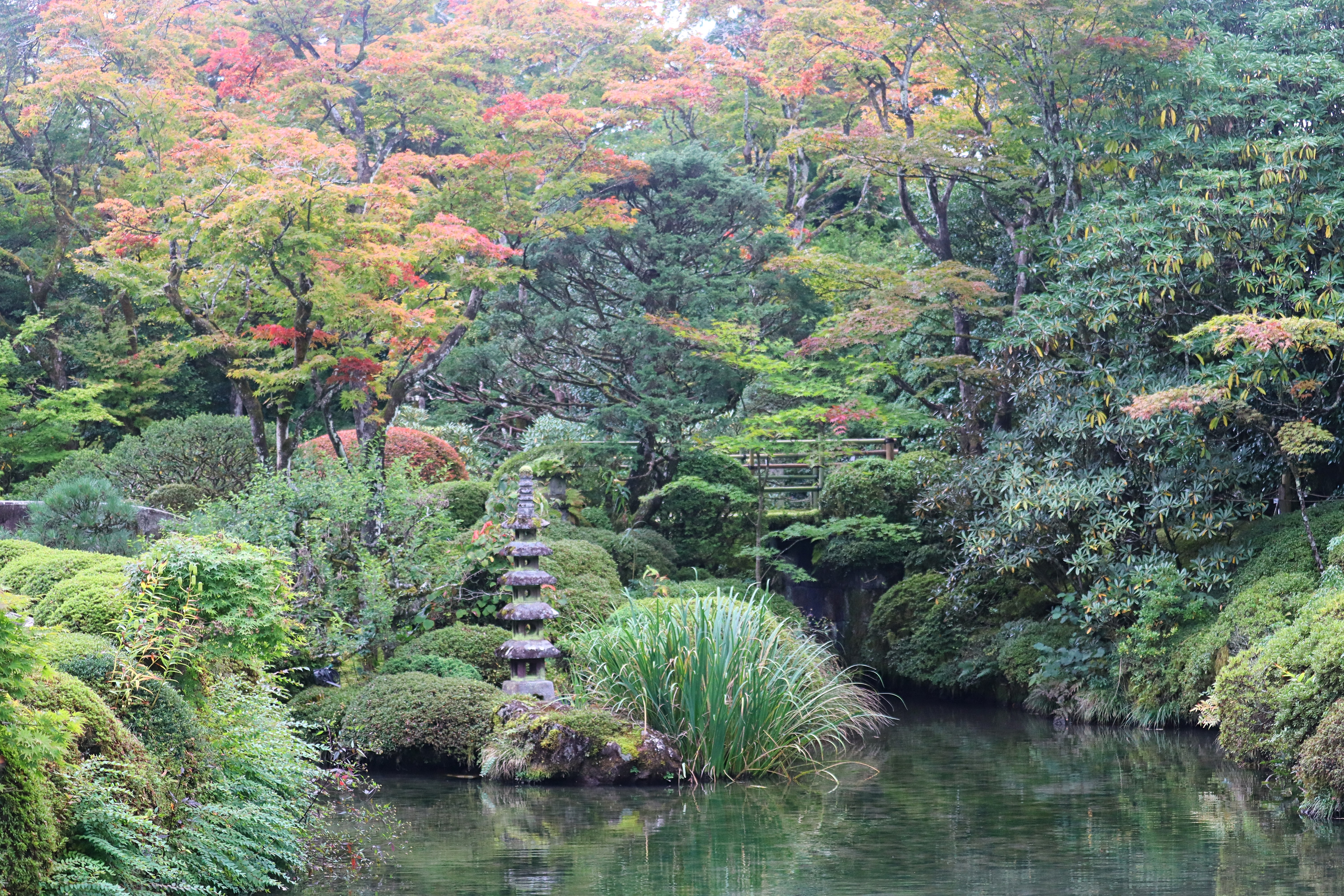
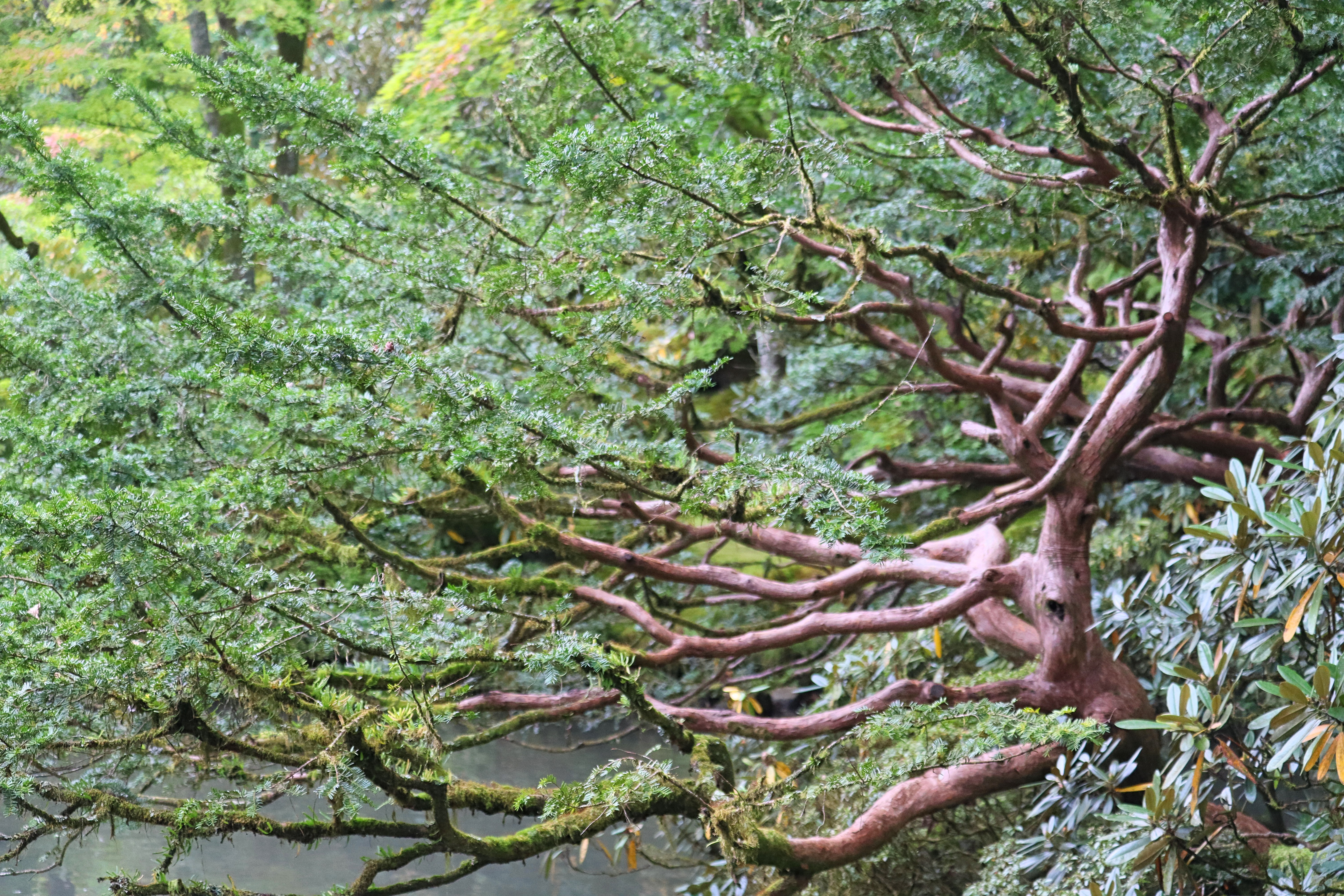
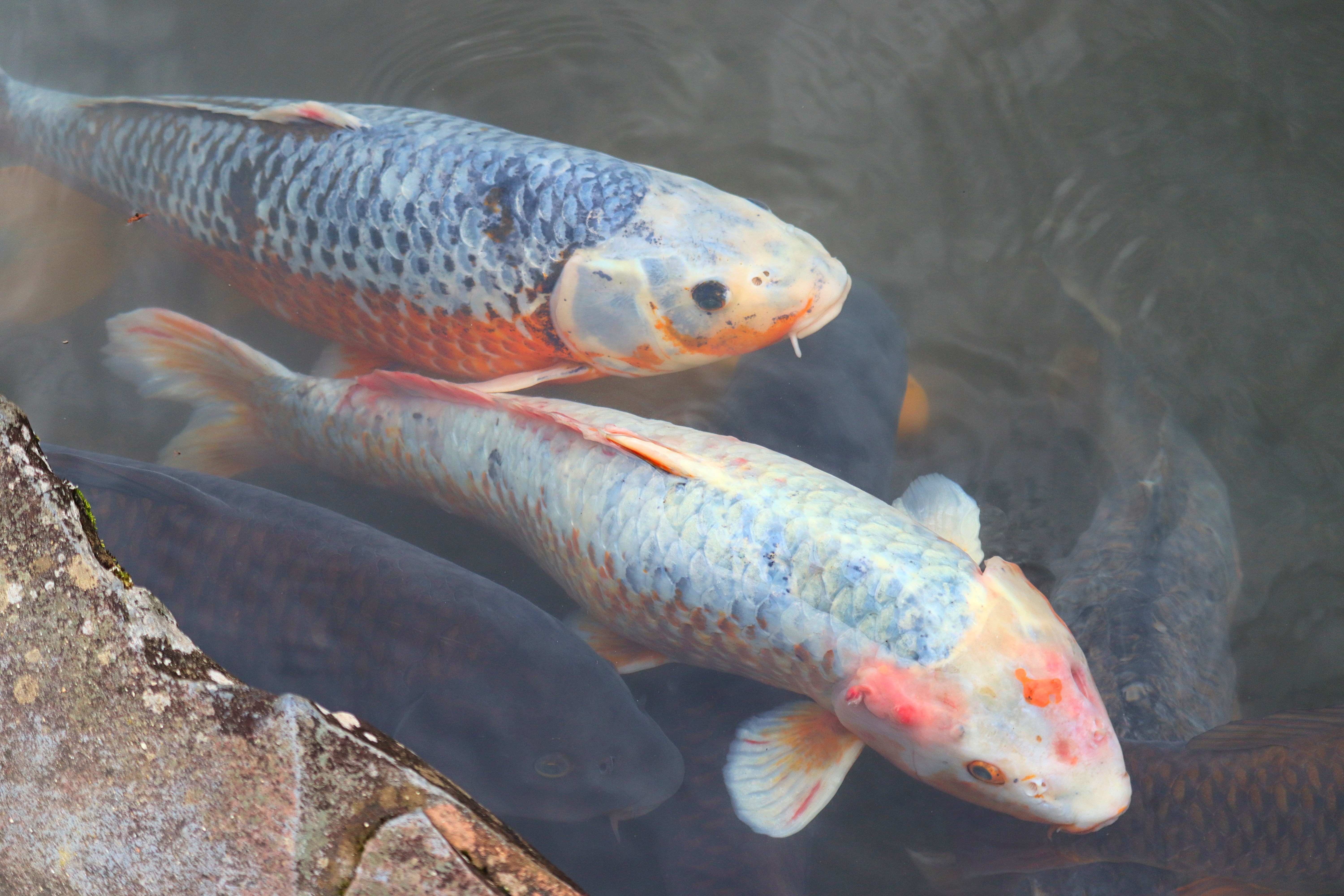
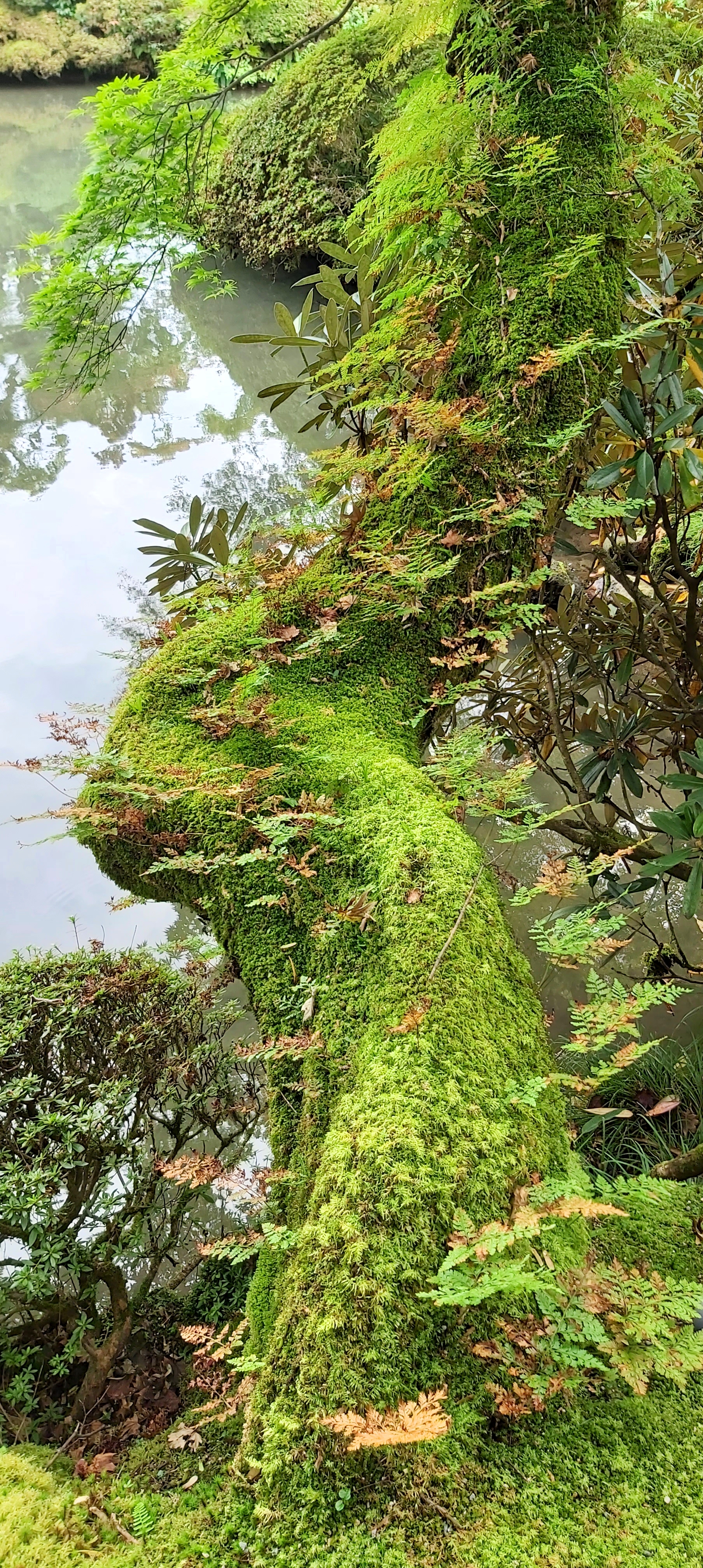
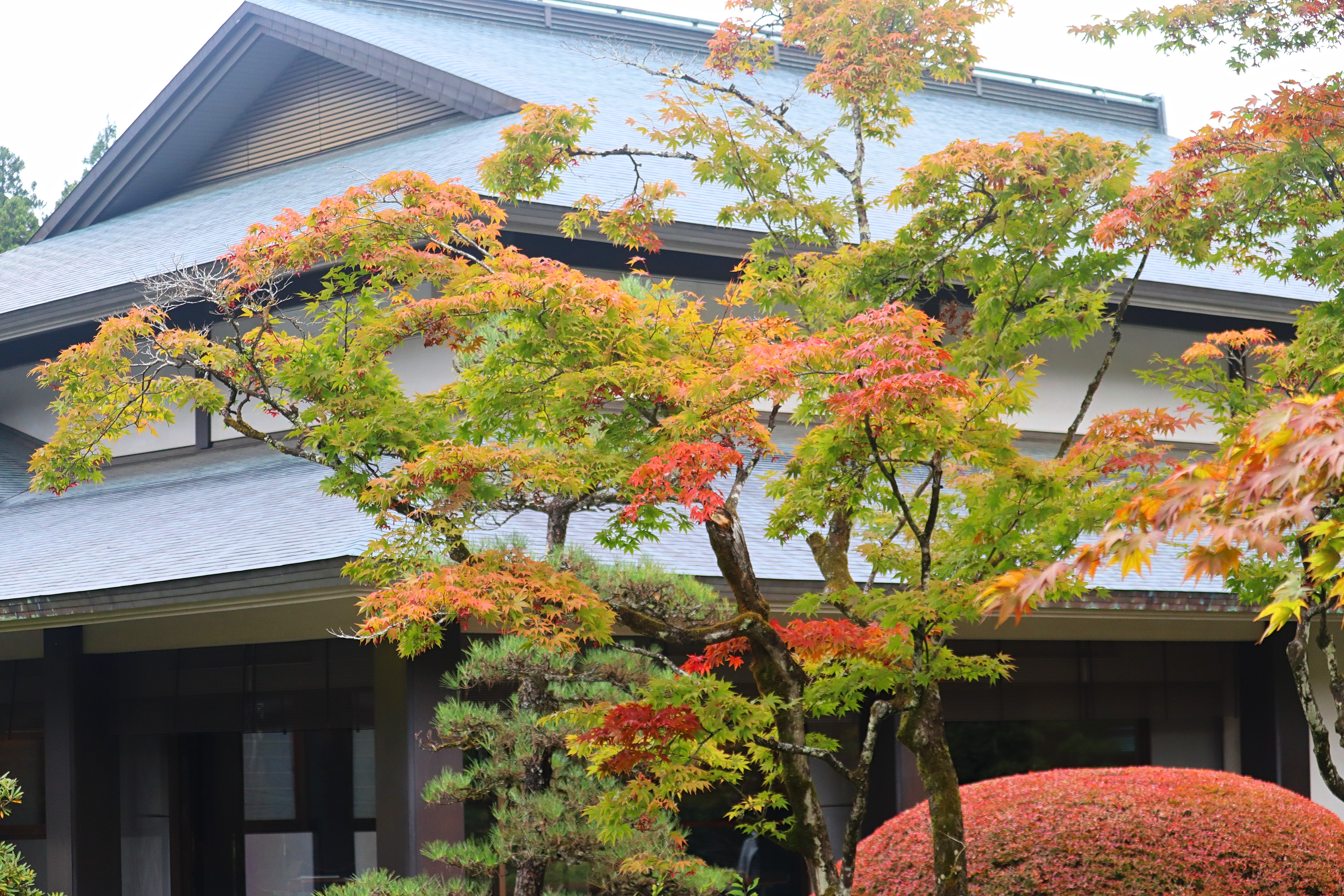
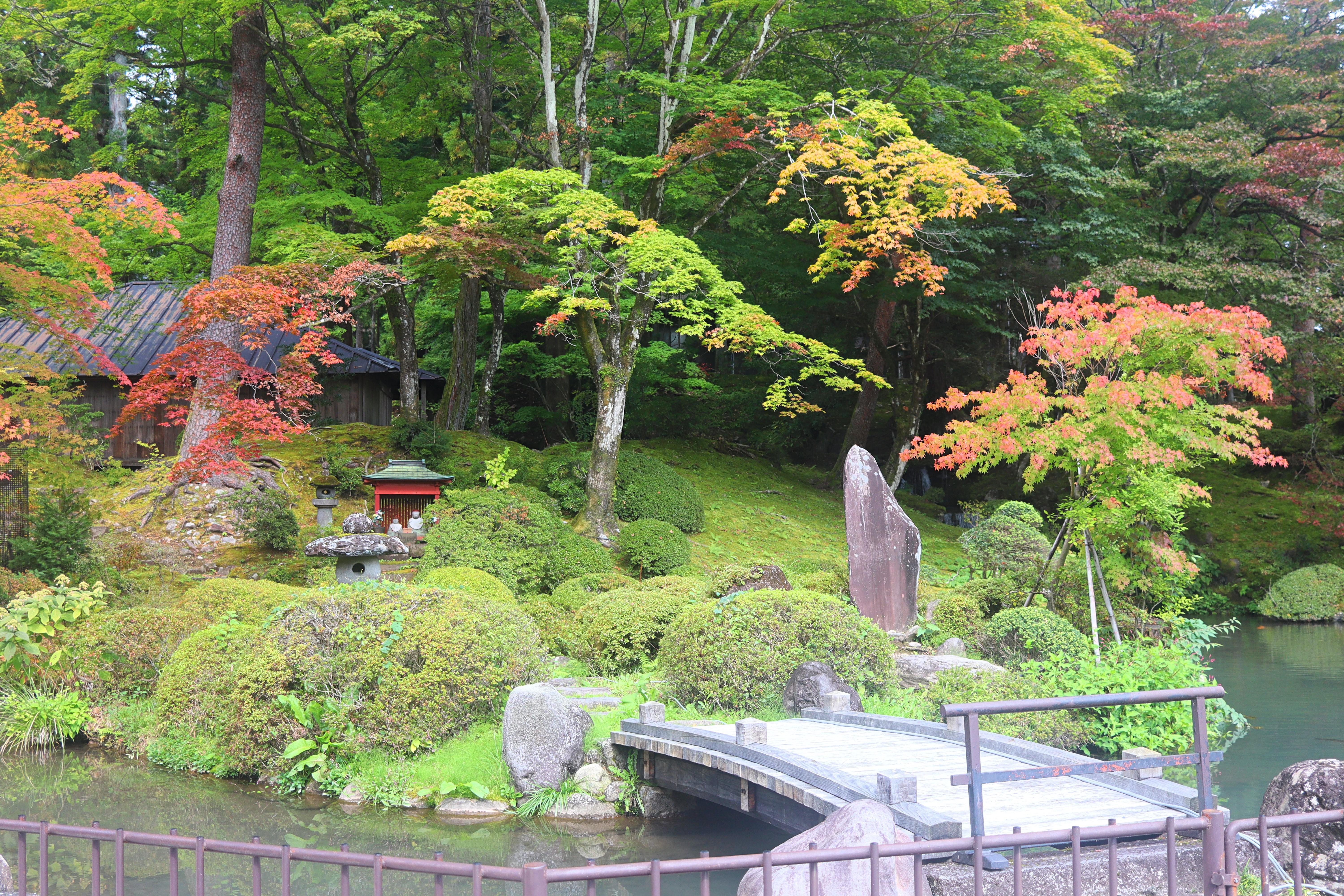
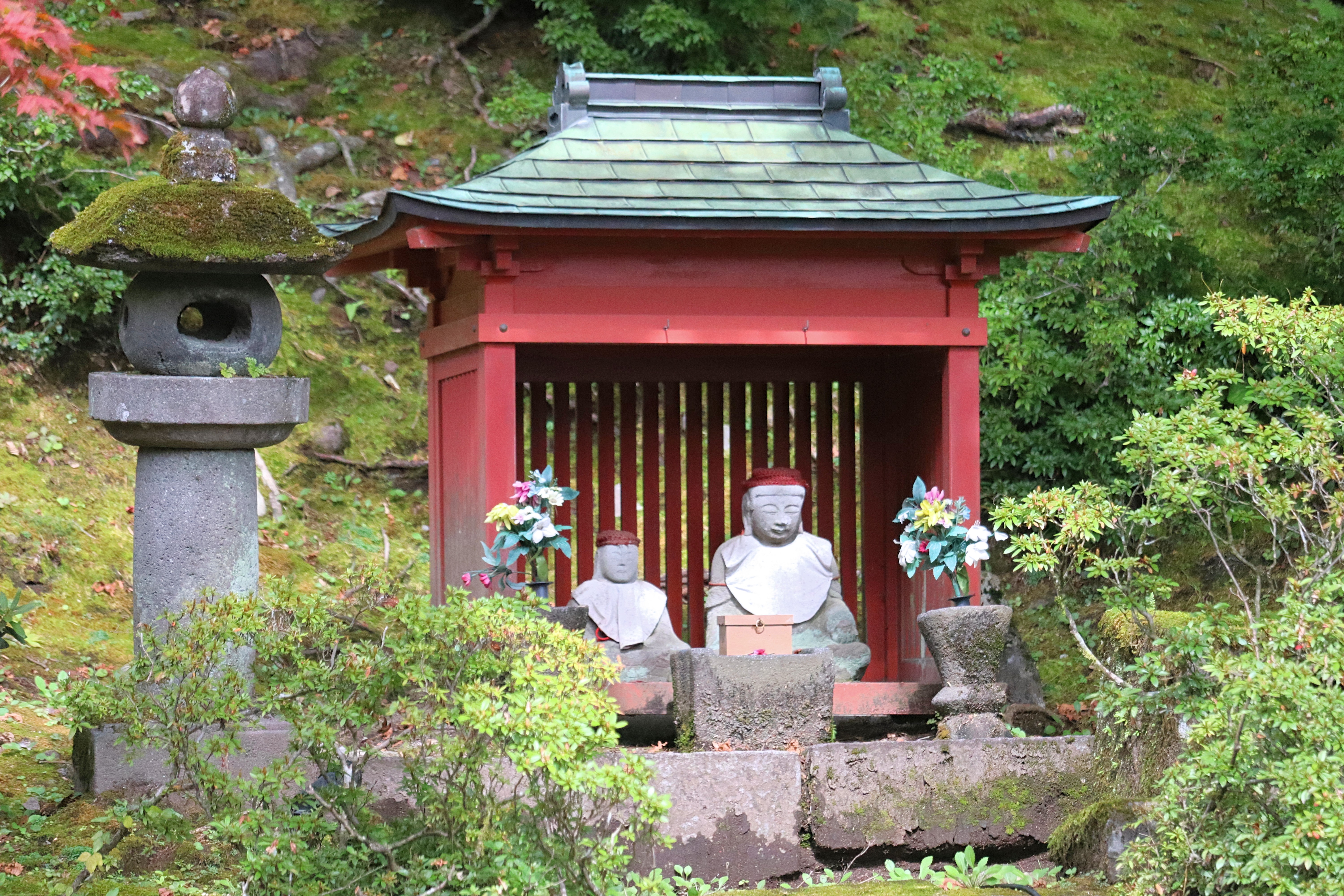
The first area I visited was actually the garden nearby (named “Shoyoen”) rather than the temple itself (“Sanbutsudo”), followed by the temple’s treasure house. On the way to the garden, I came across this interesting “resting place” for the three deities of the Toshogu Shrine.
Shoyoen



Sanbutsudo
The founder of this shrine was Shodo Shonin. He was a Buddhist monk who introduced Buddhism to Nikko back in the eighth century.


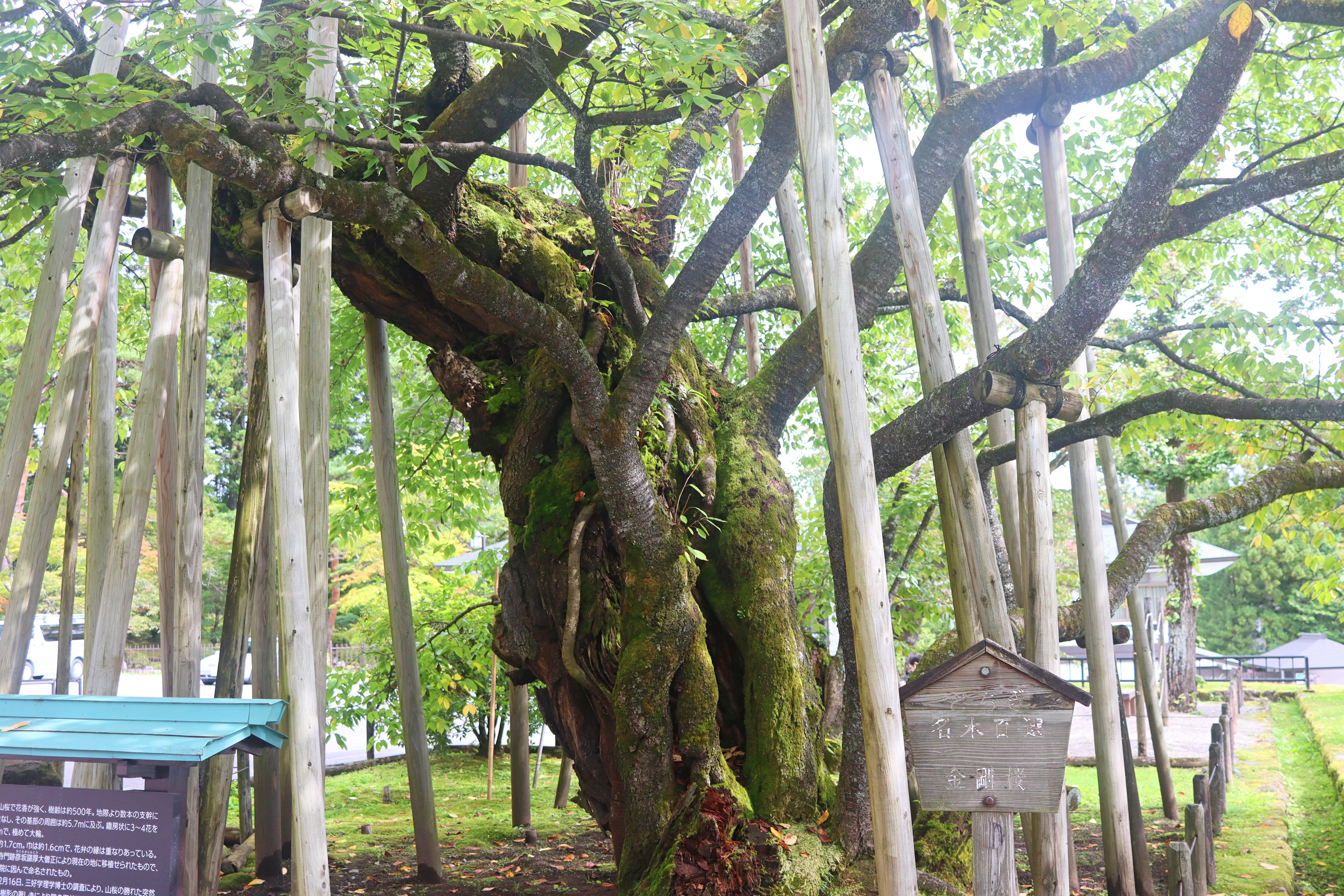

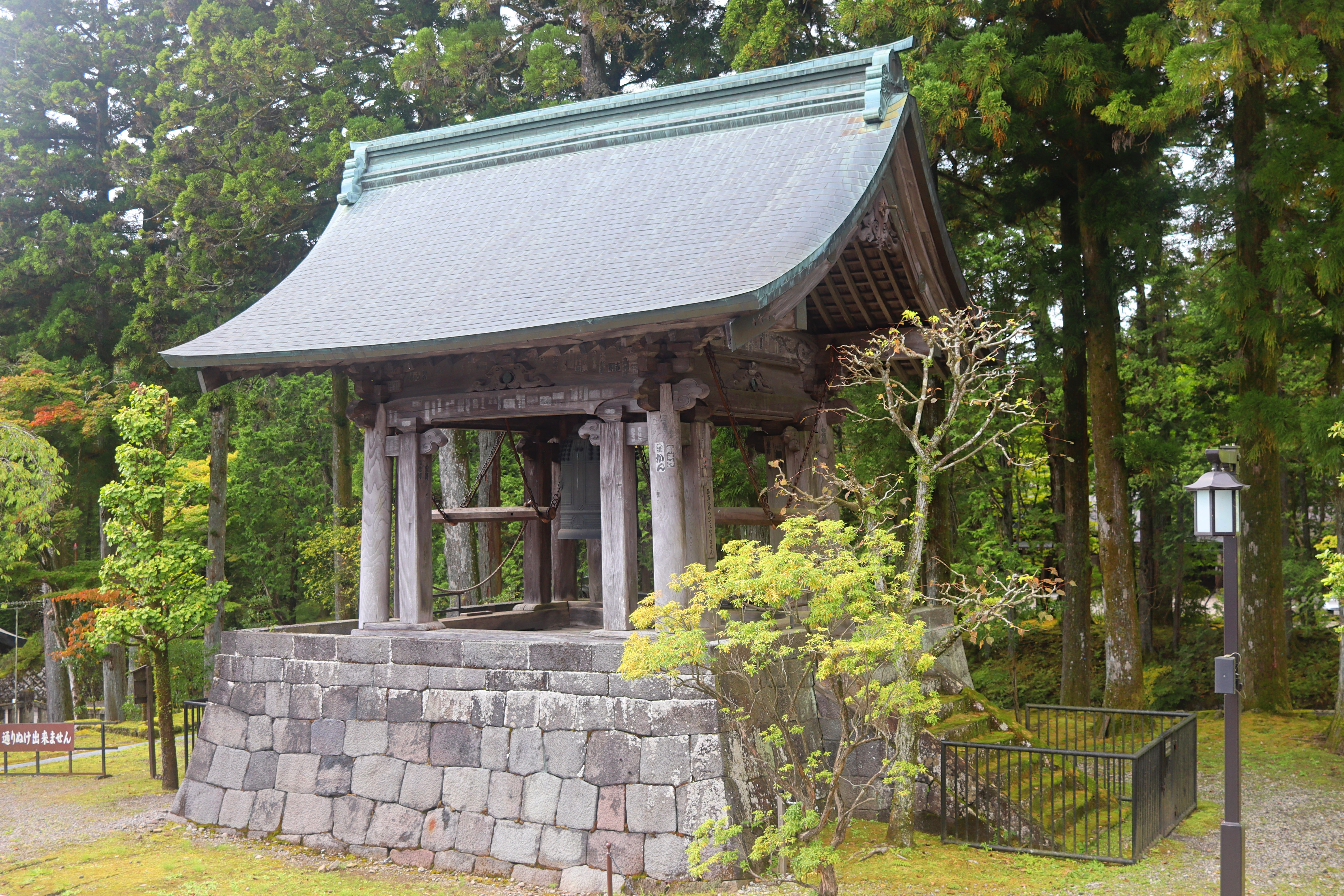

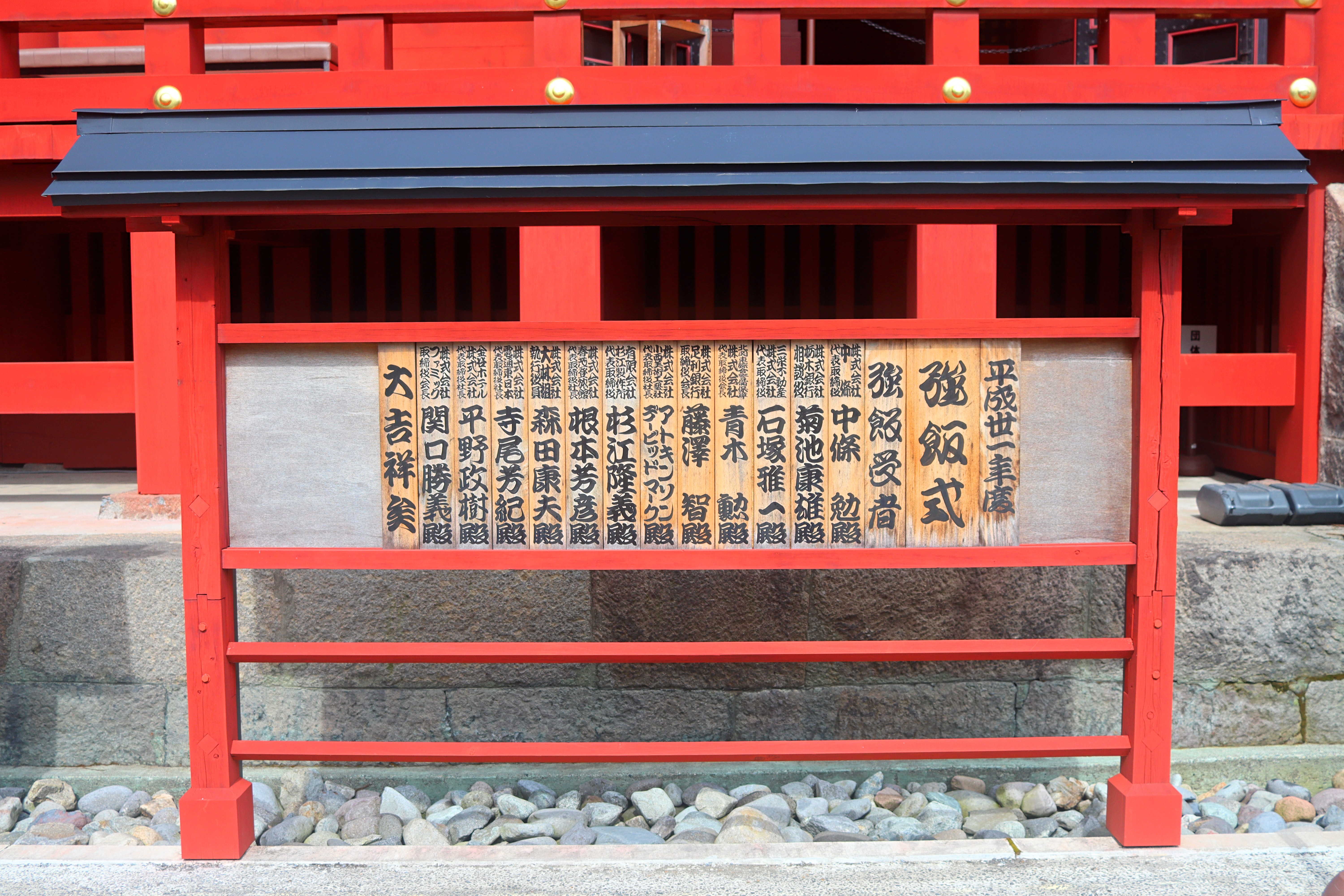
Toshogu Shrine

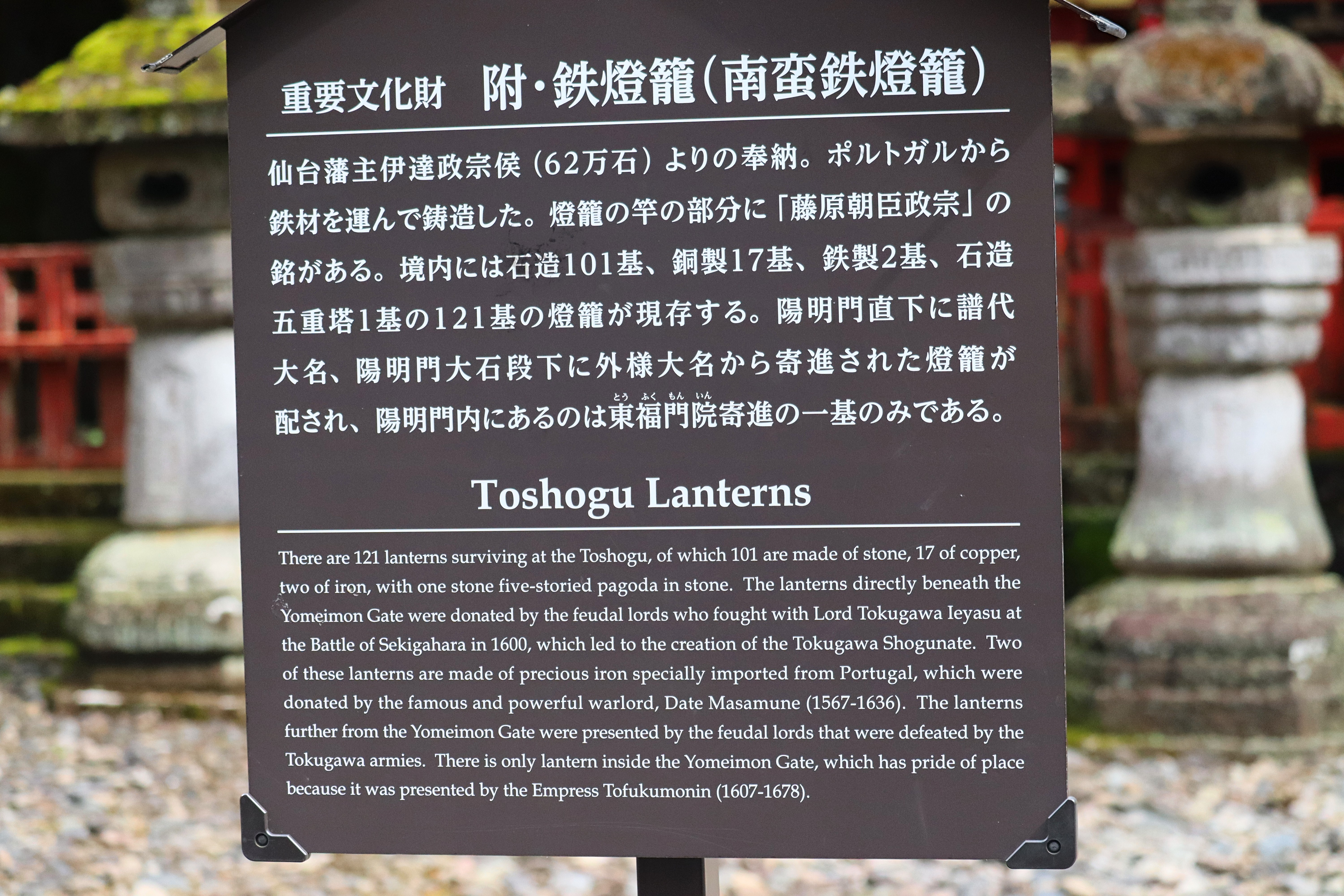
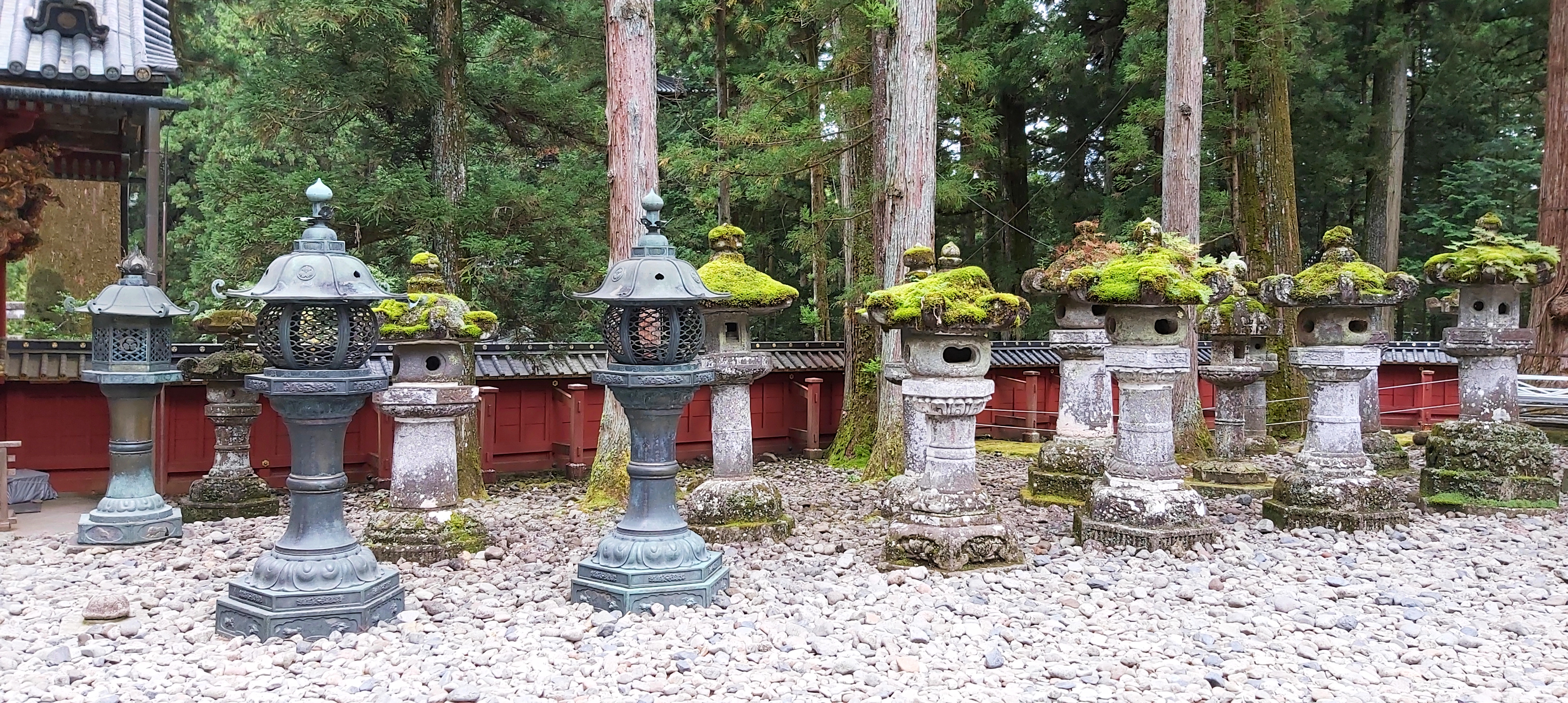
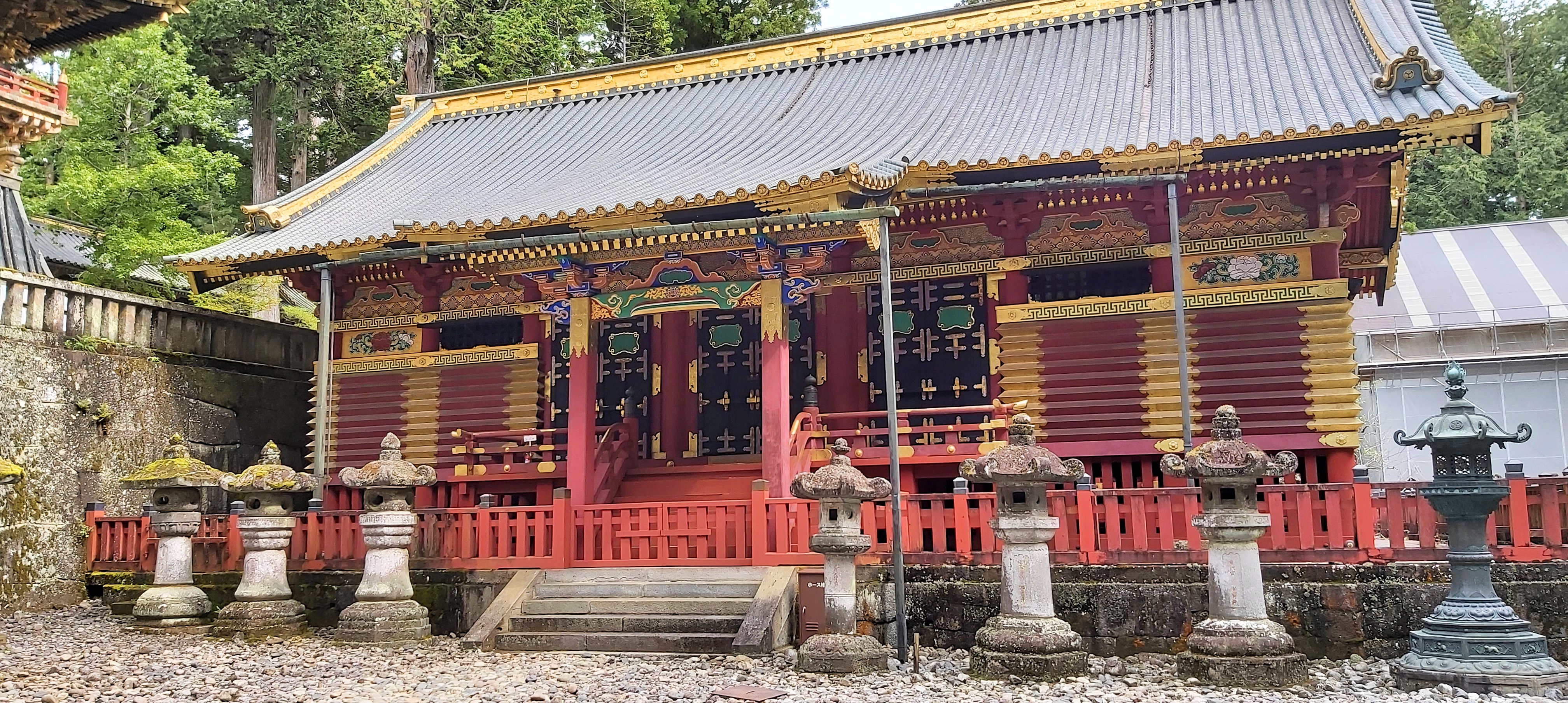
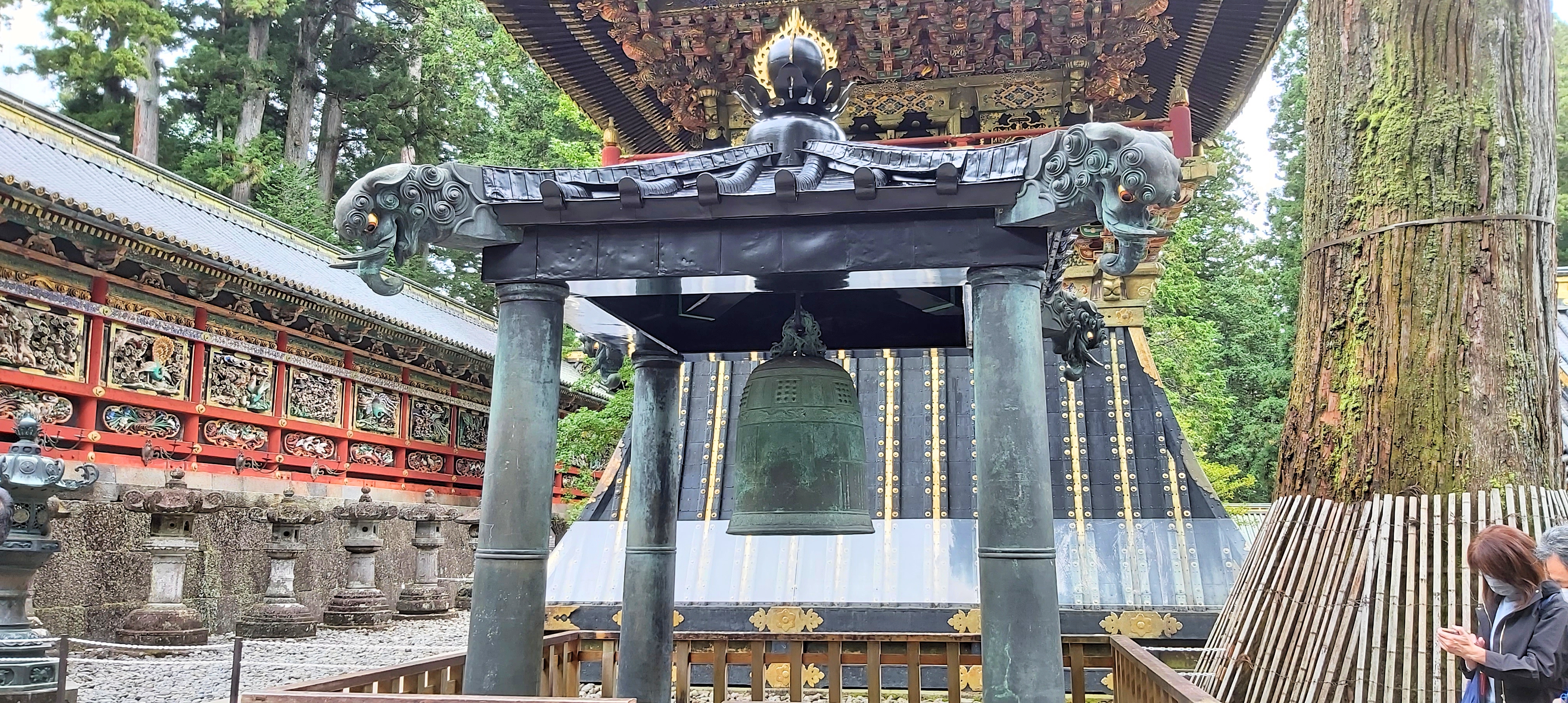
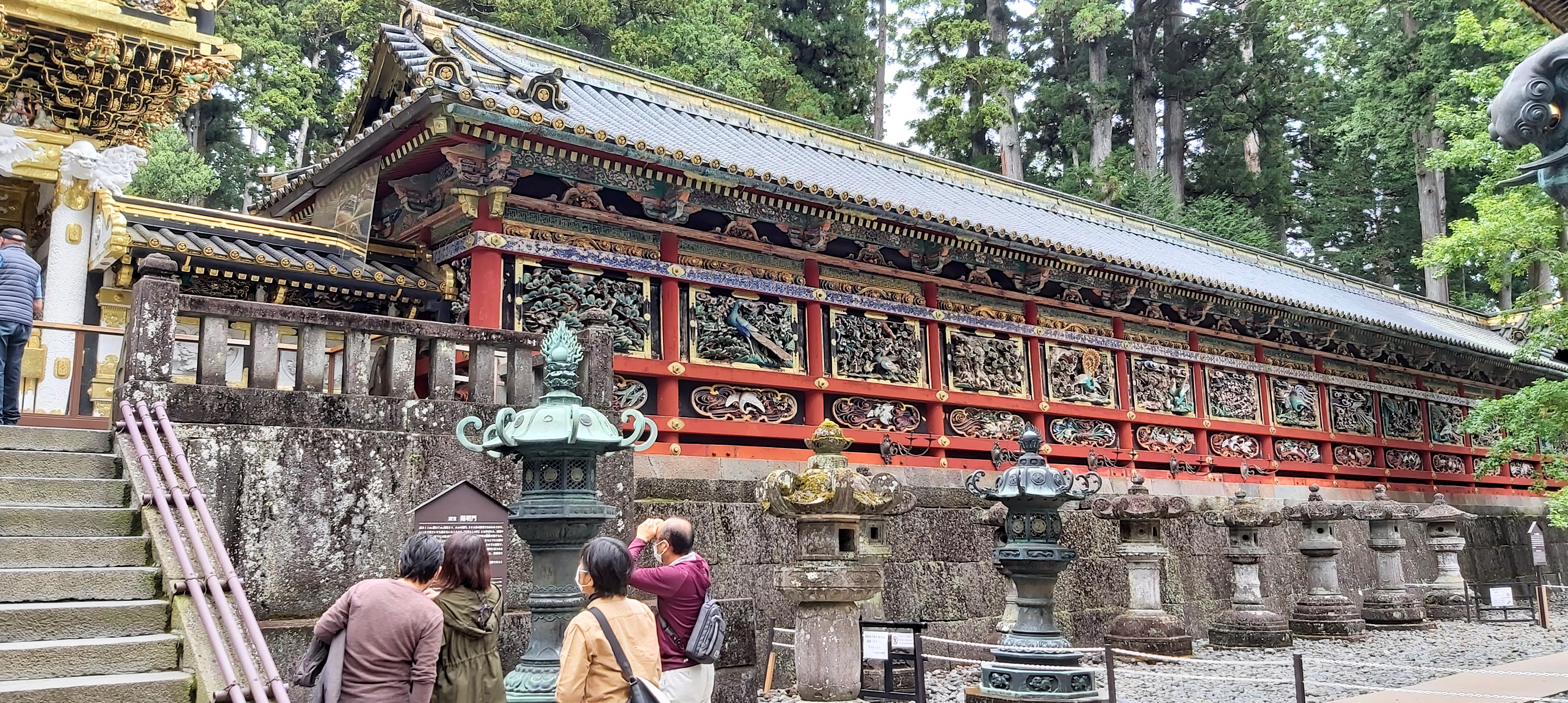
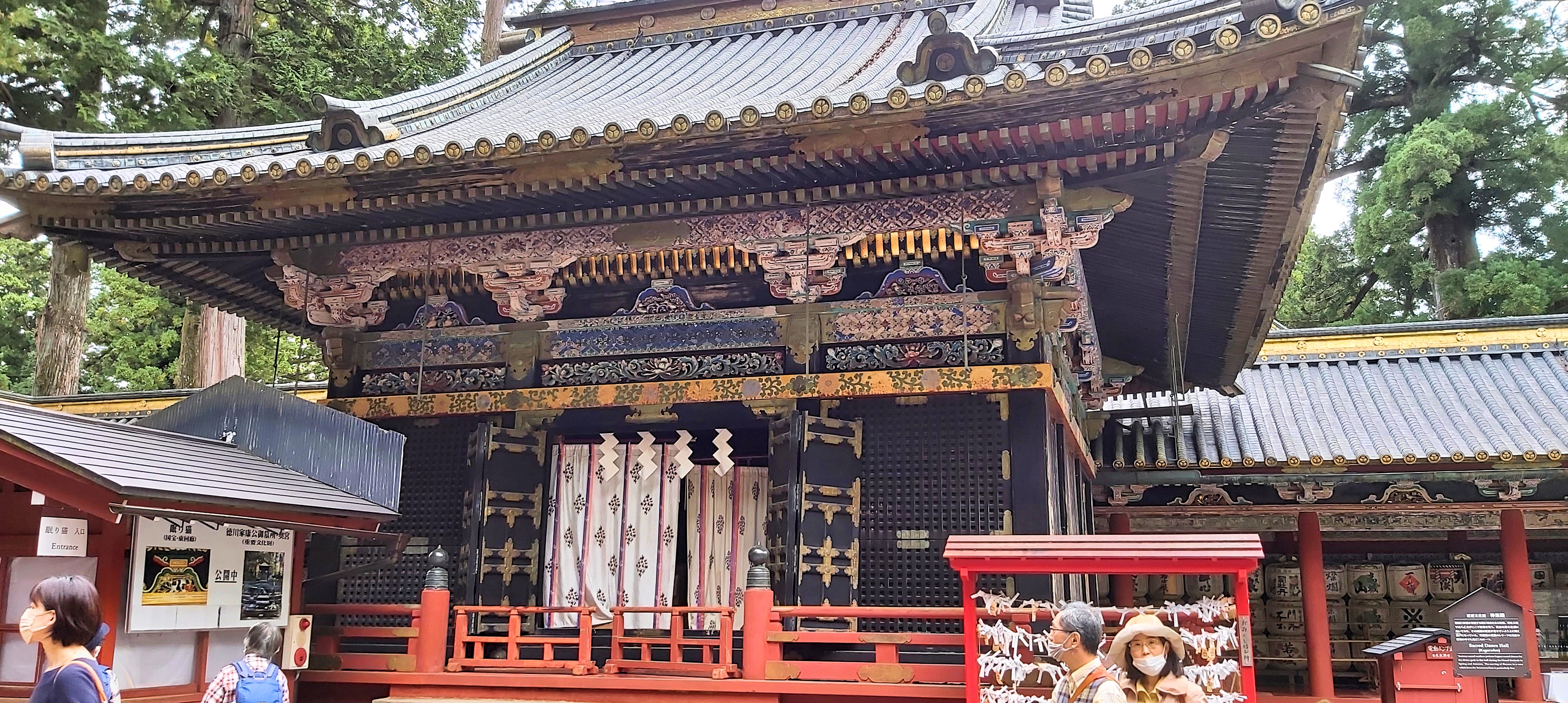
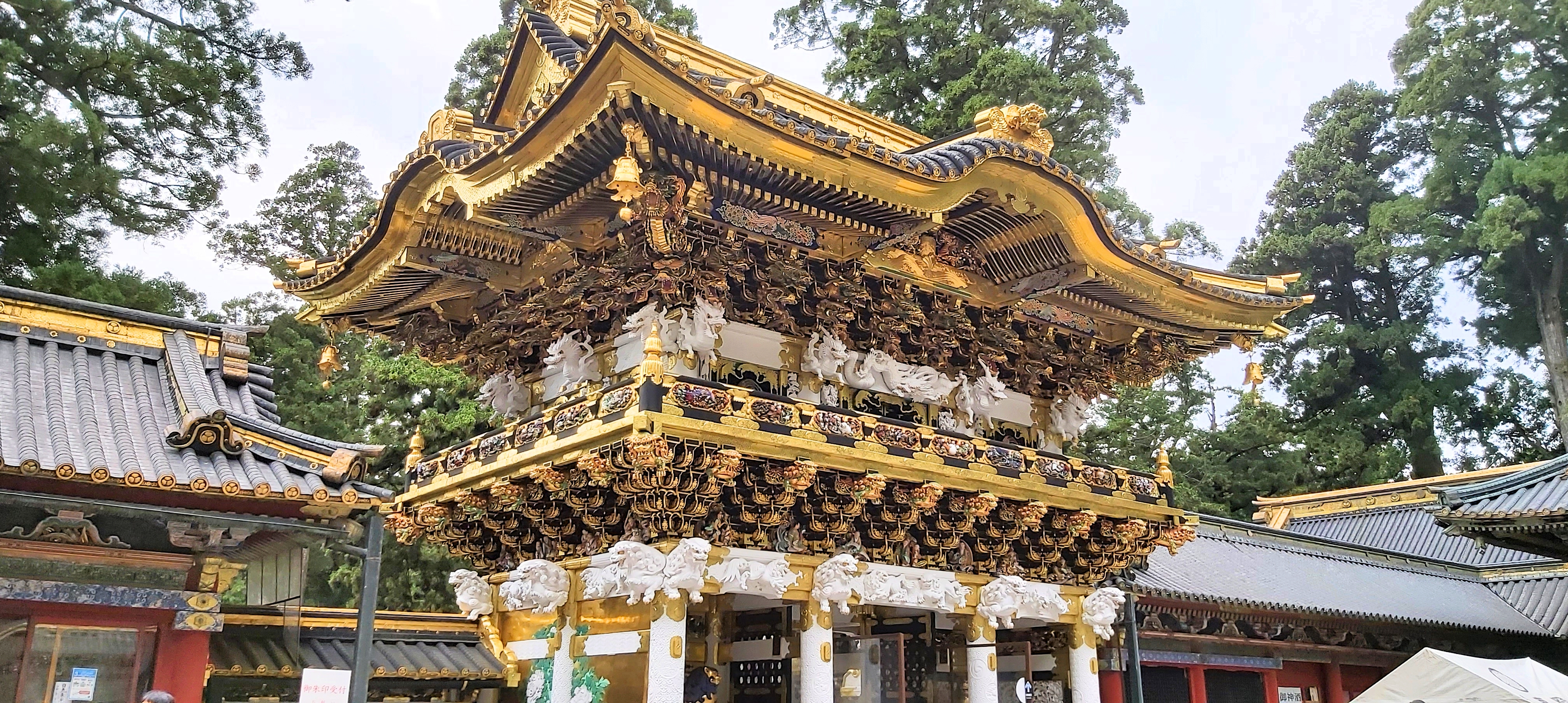
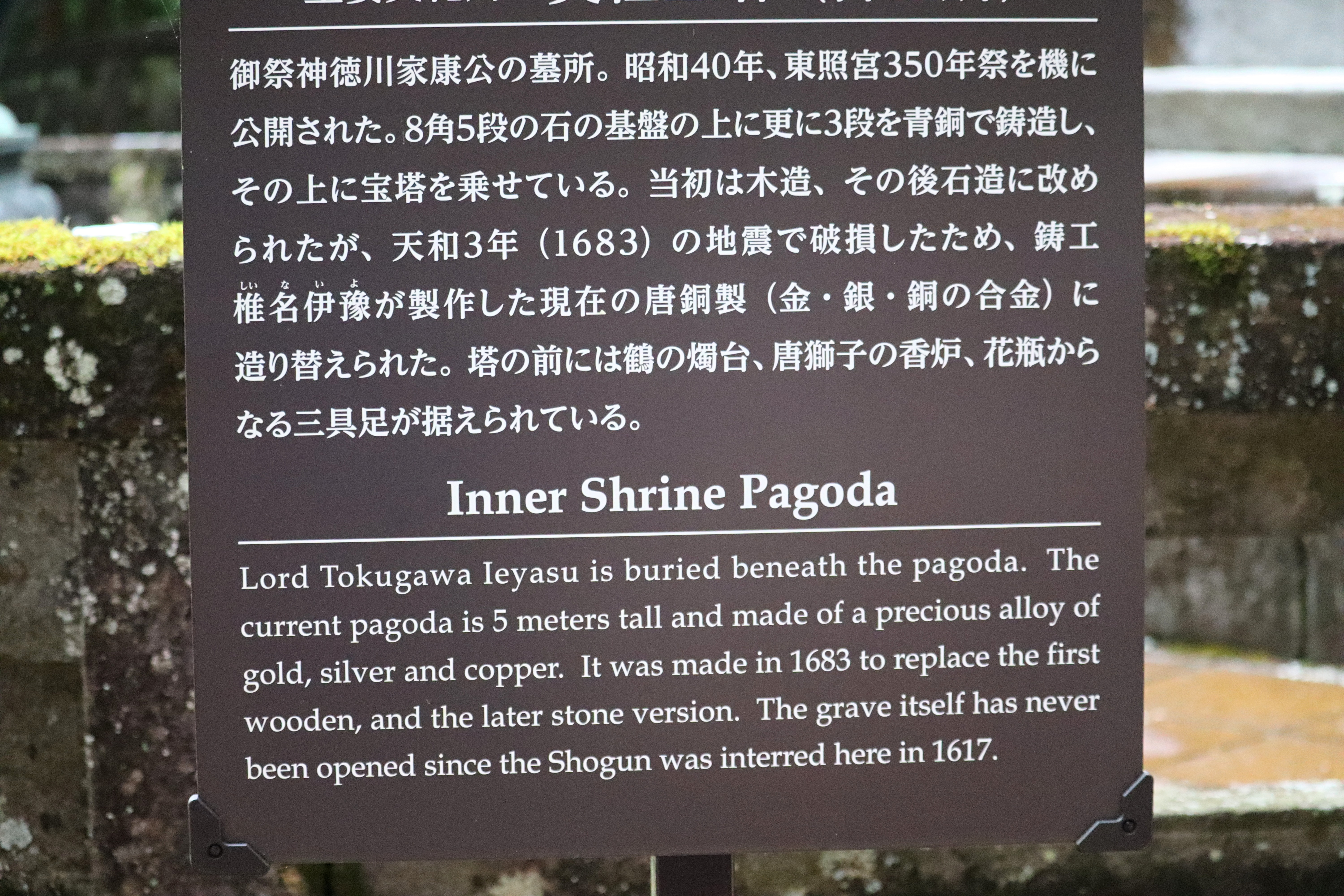
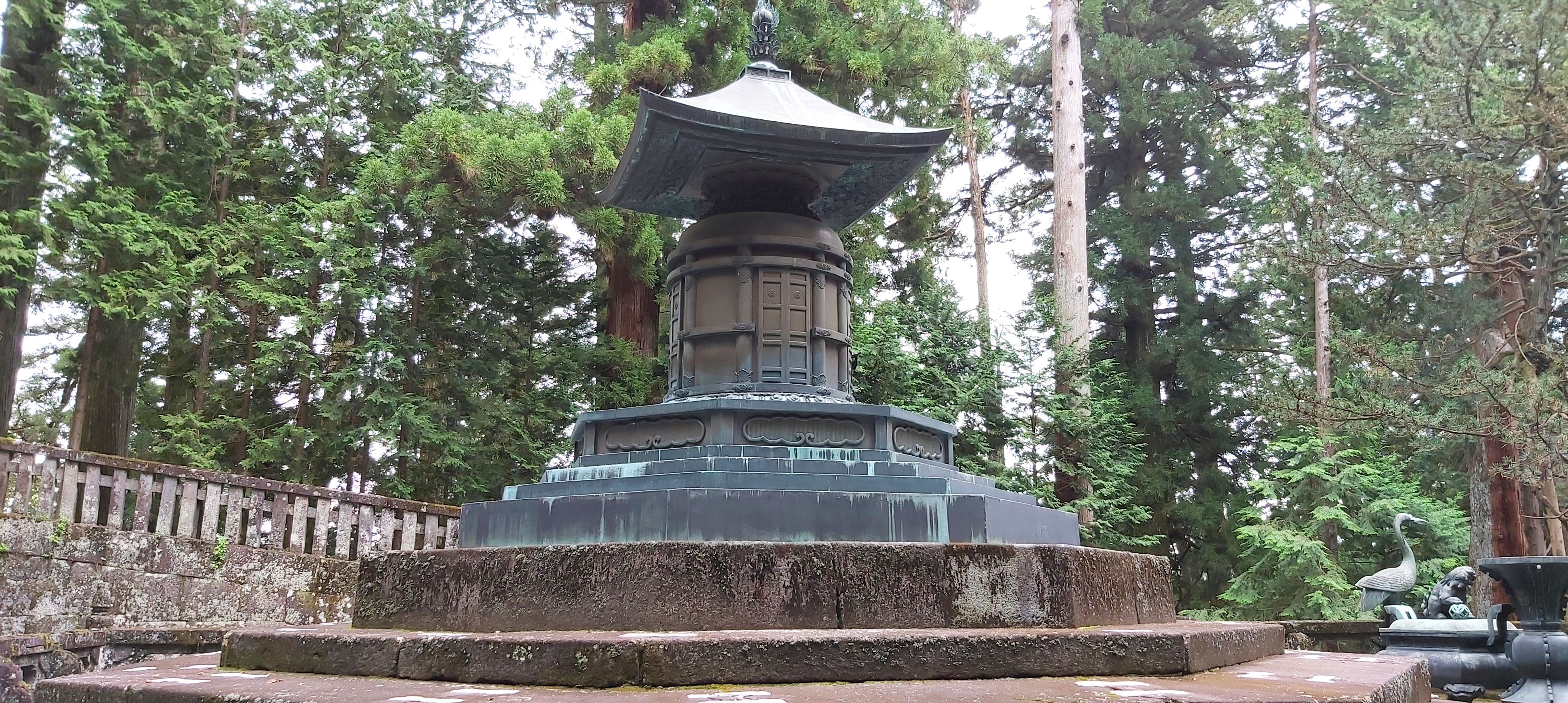
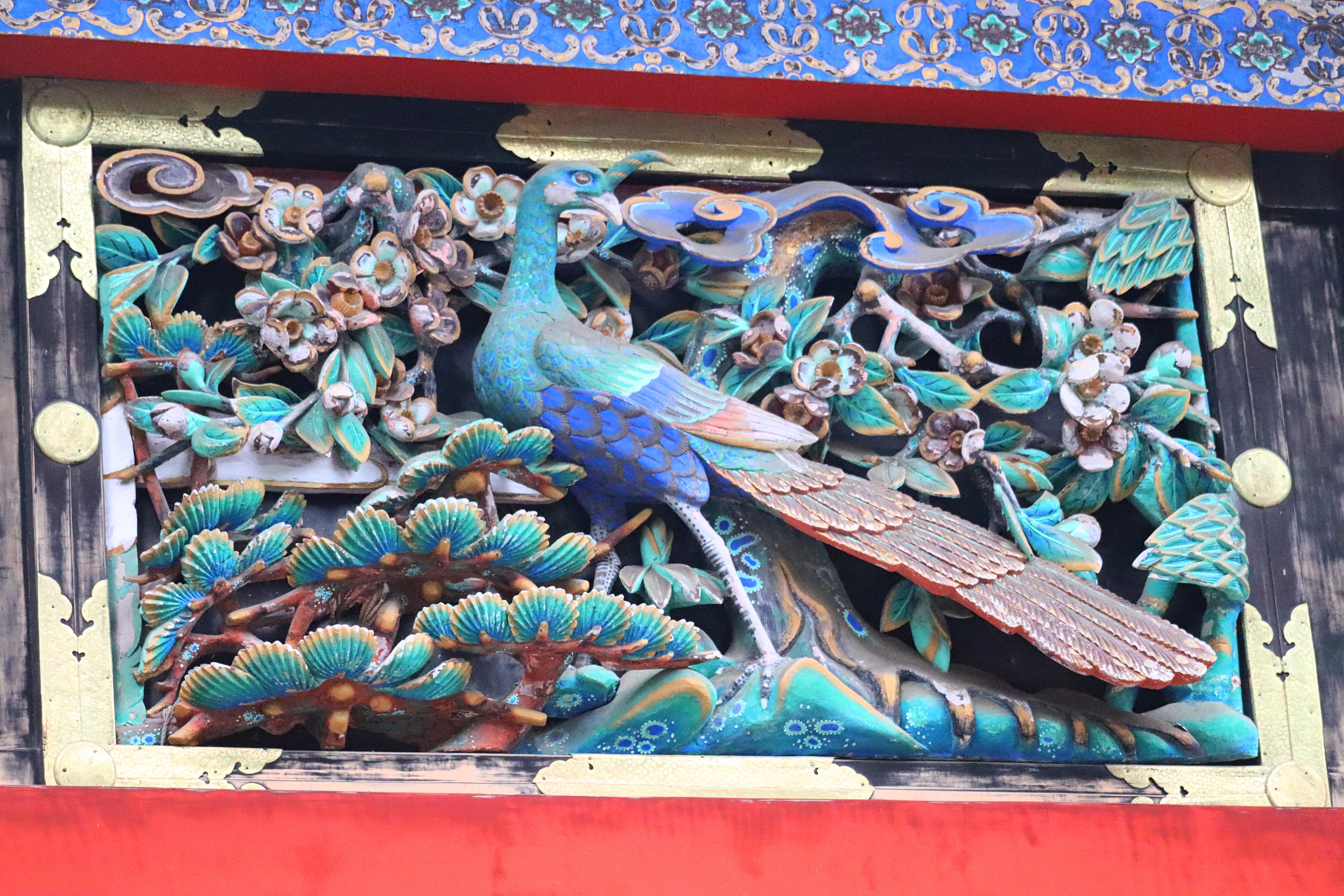
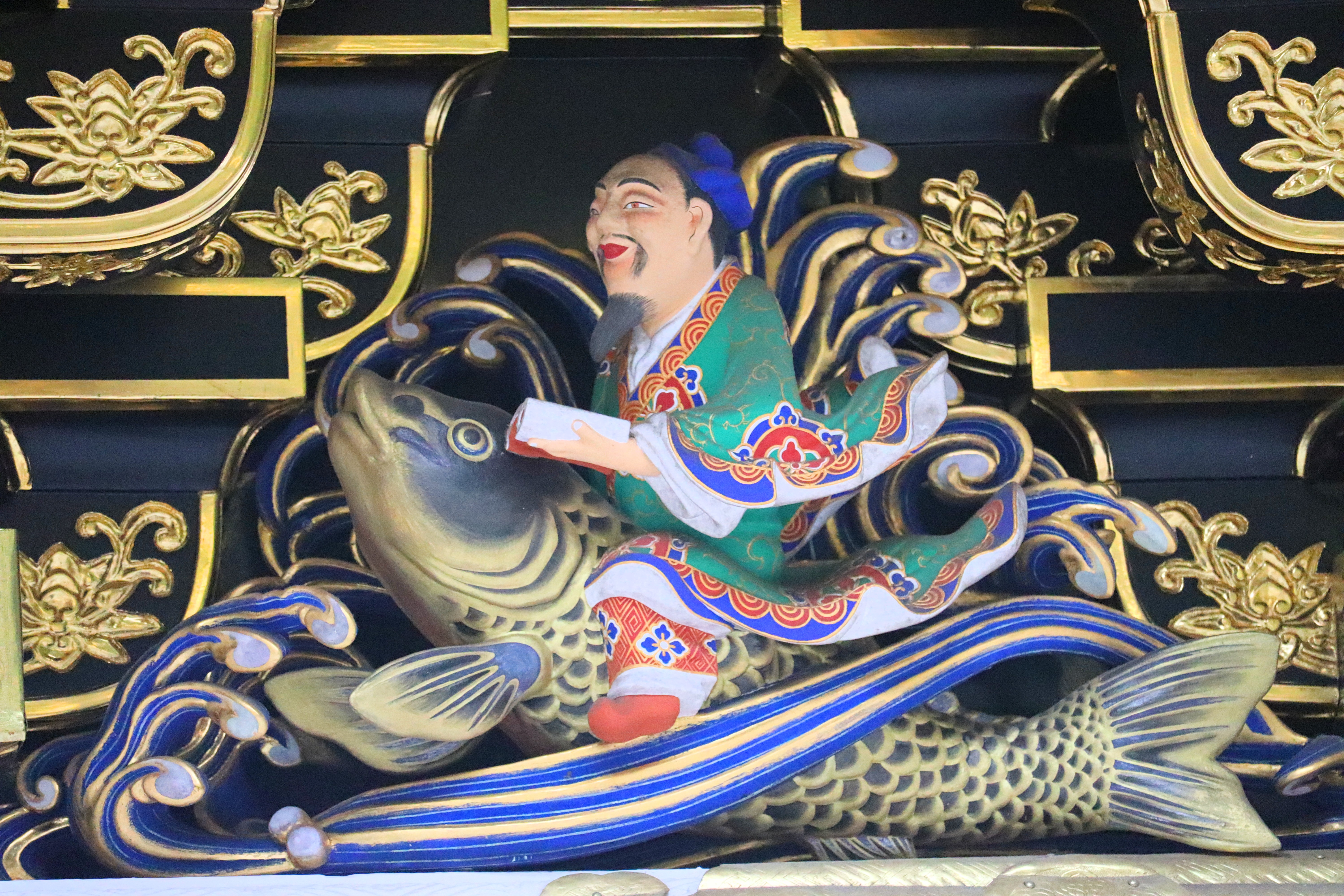
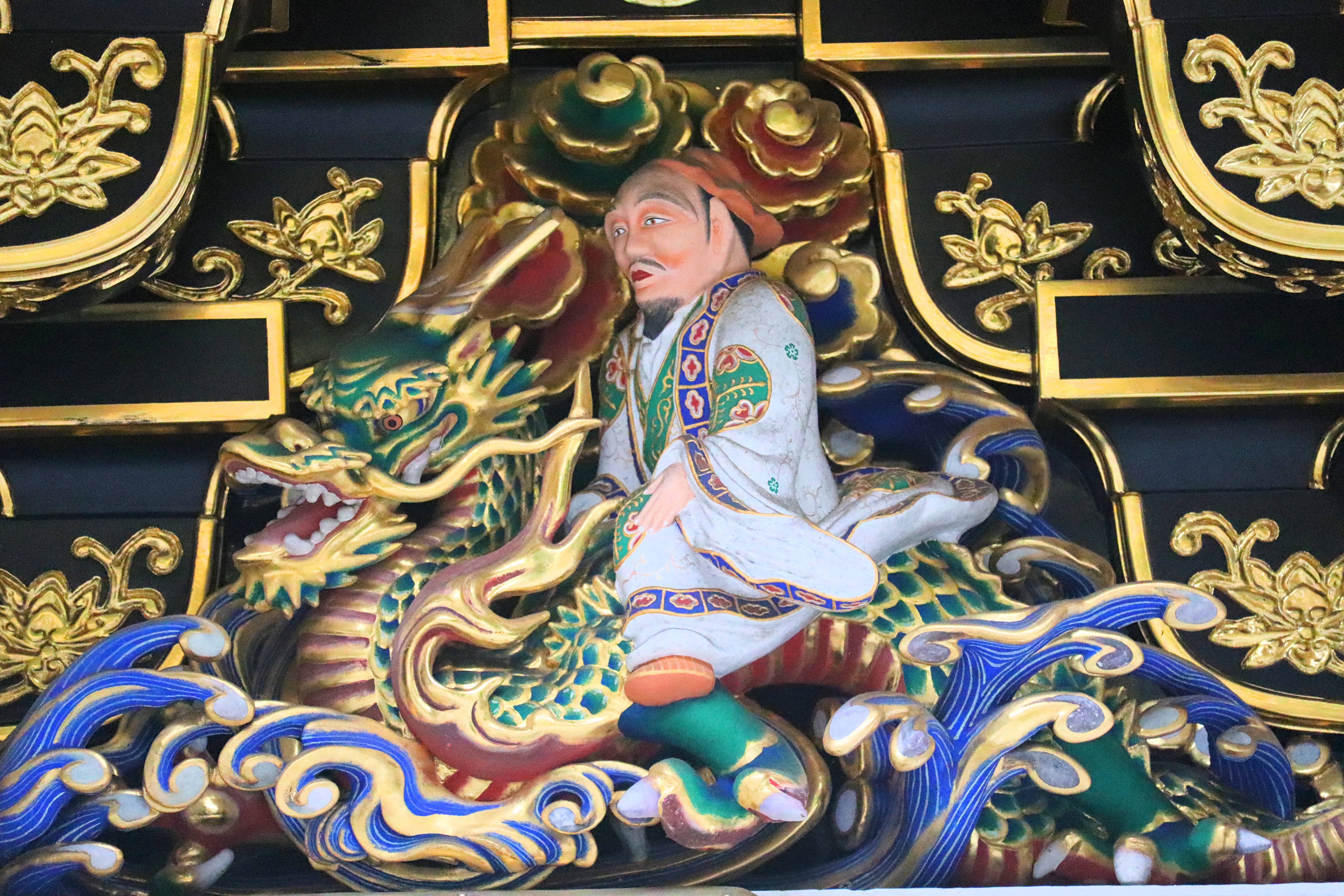
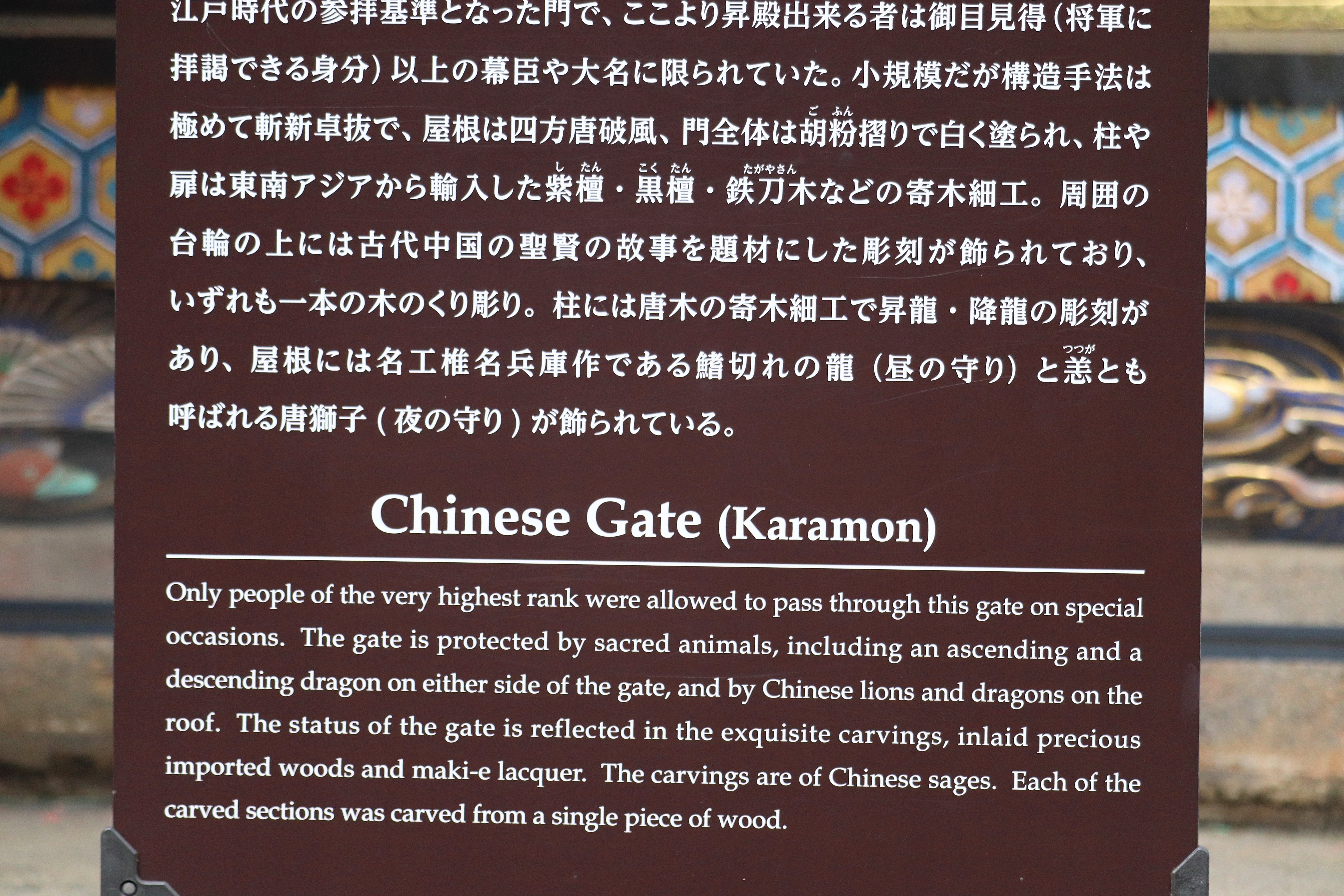
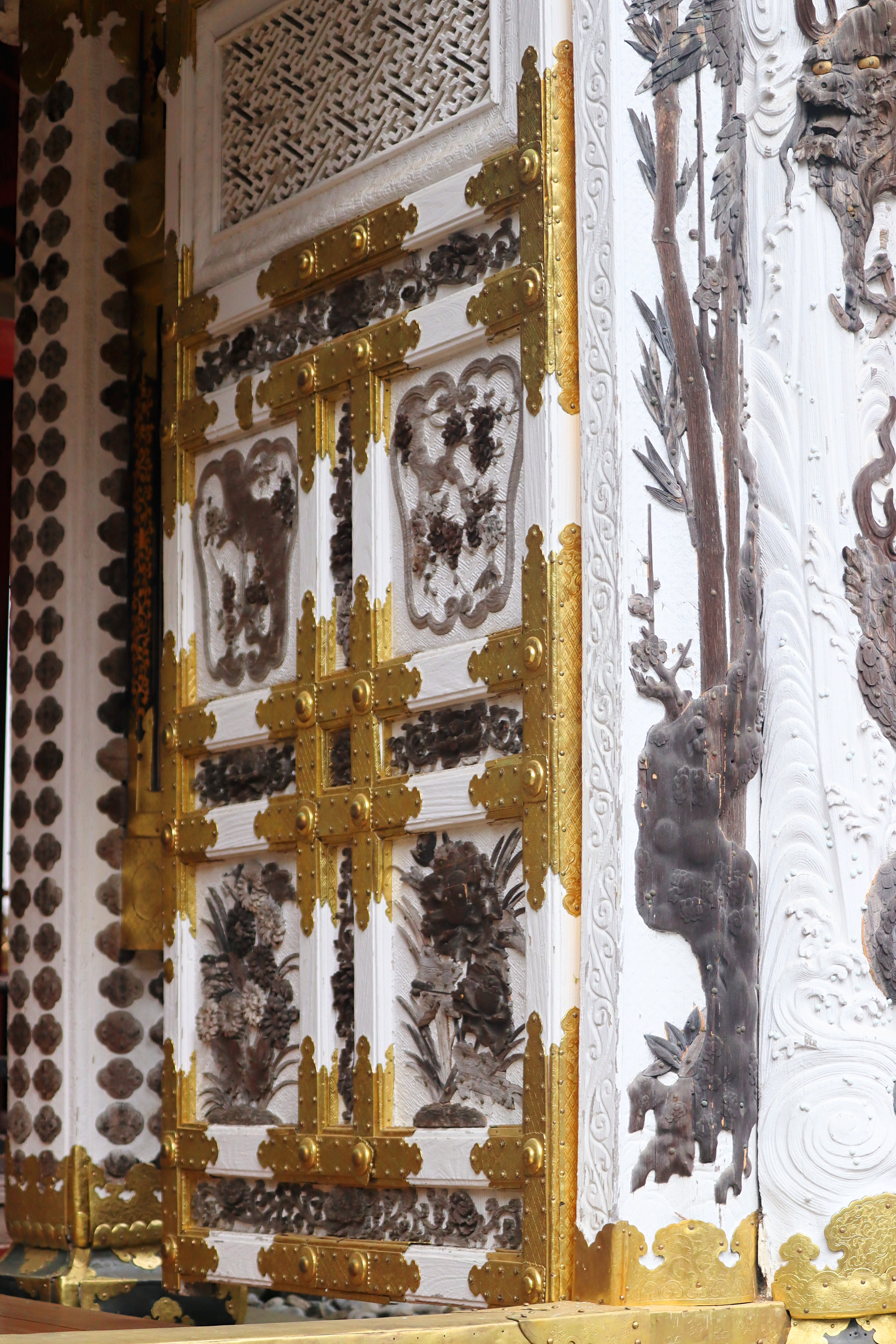
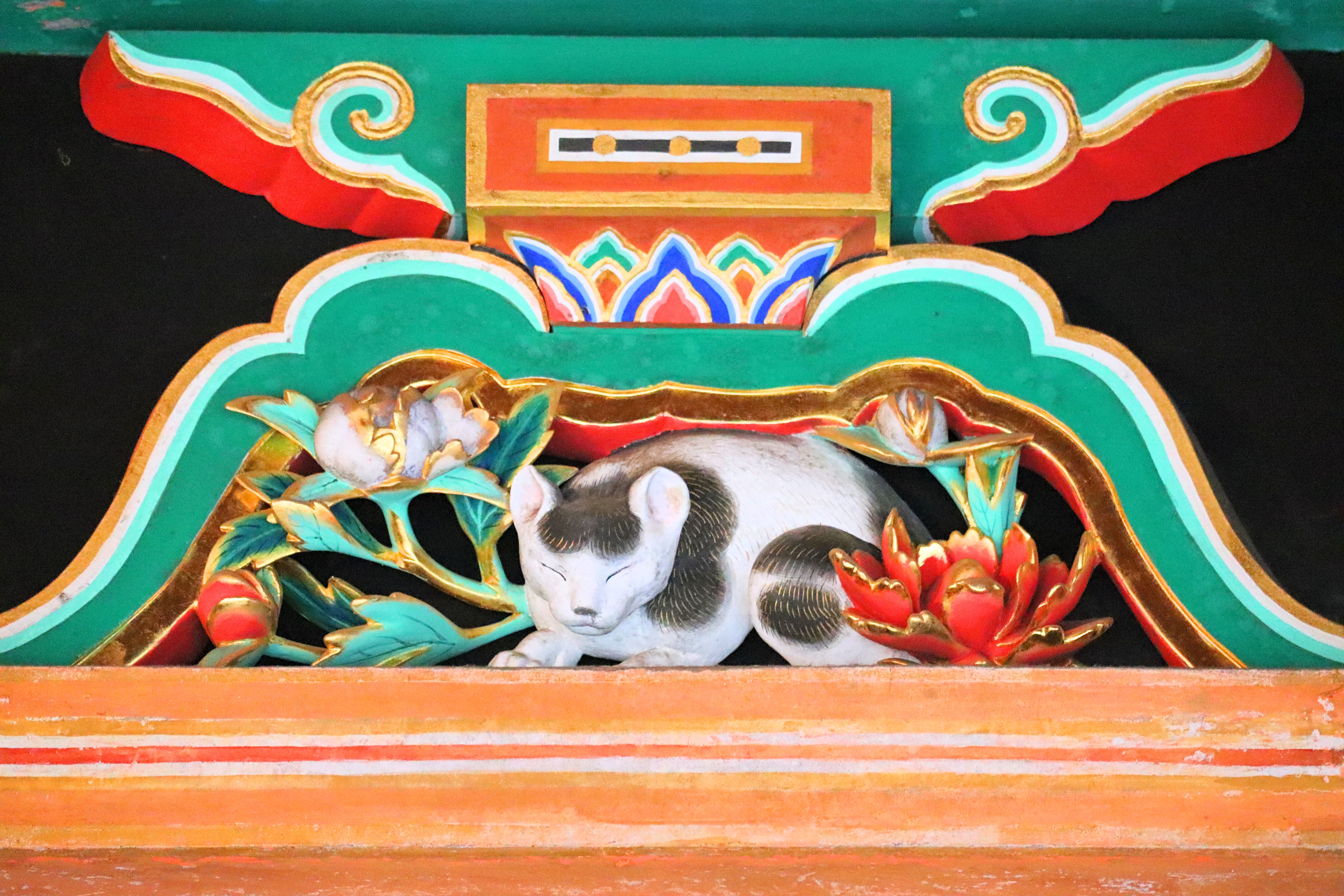
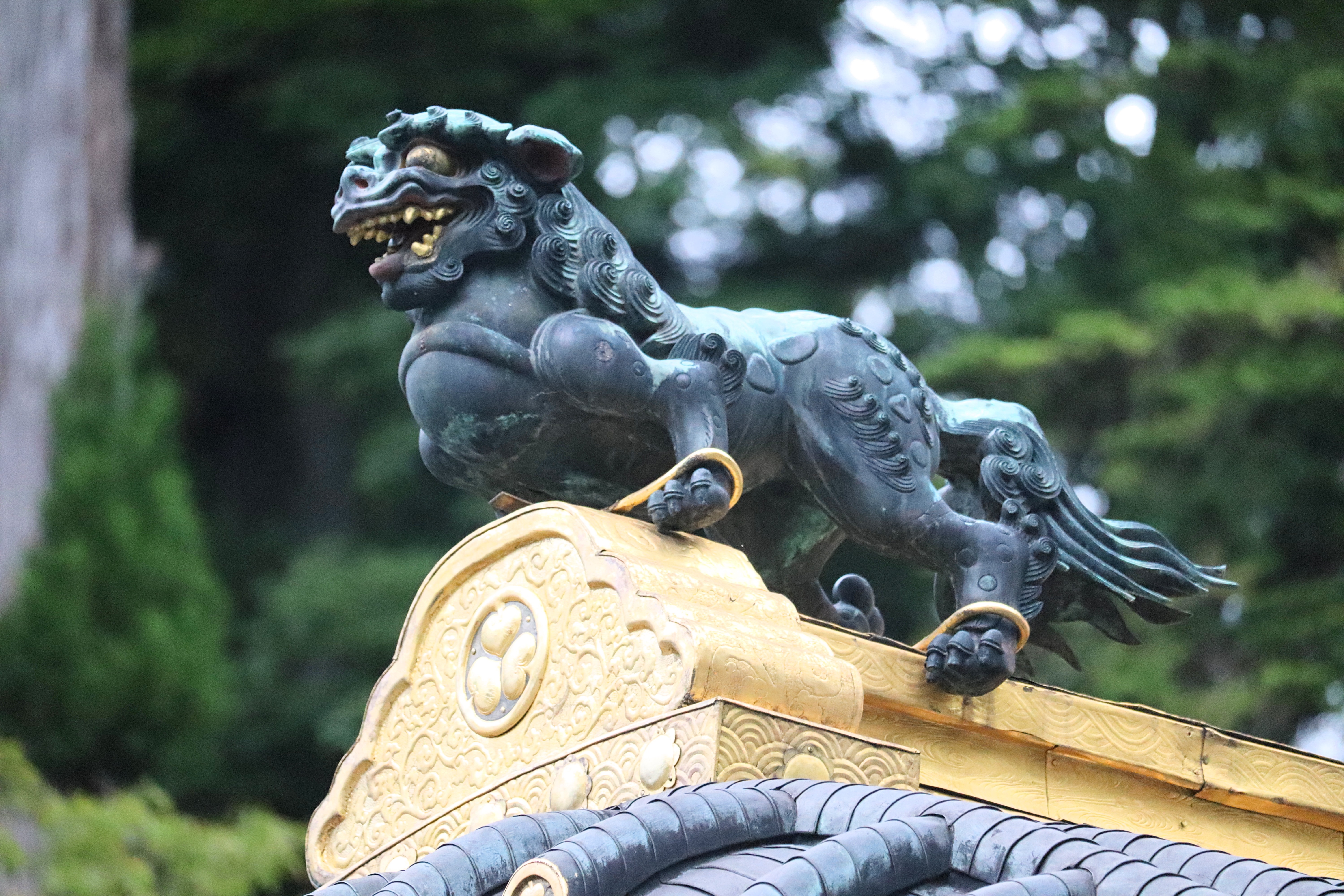
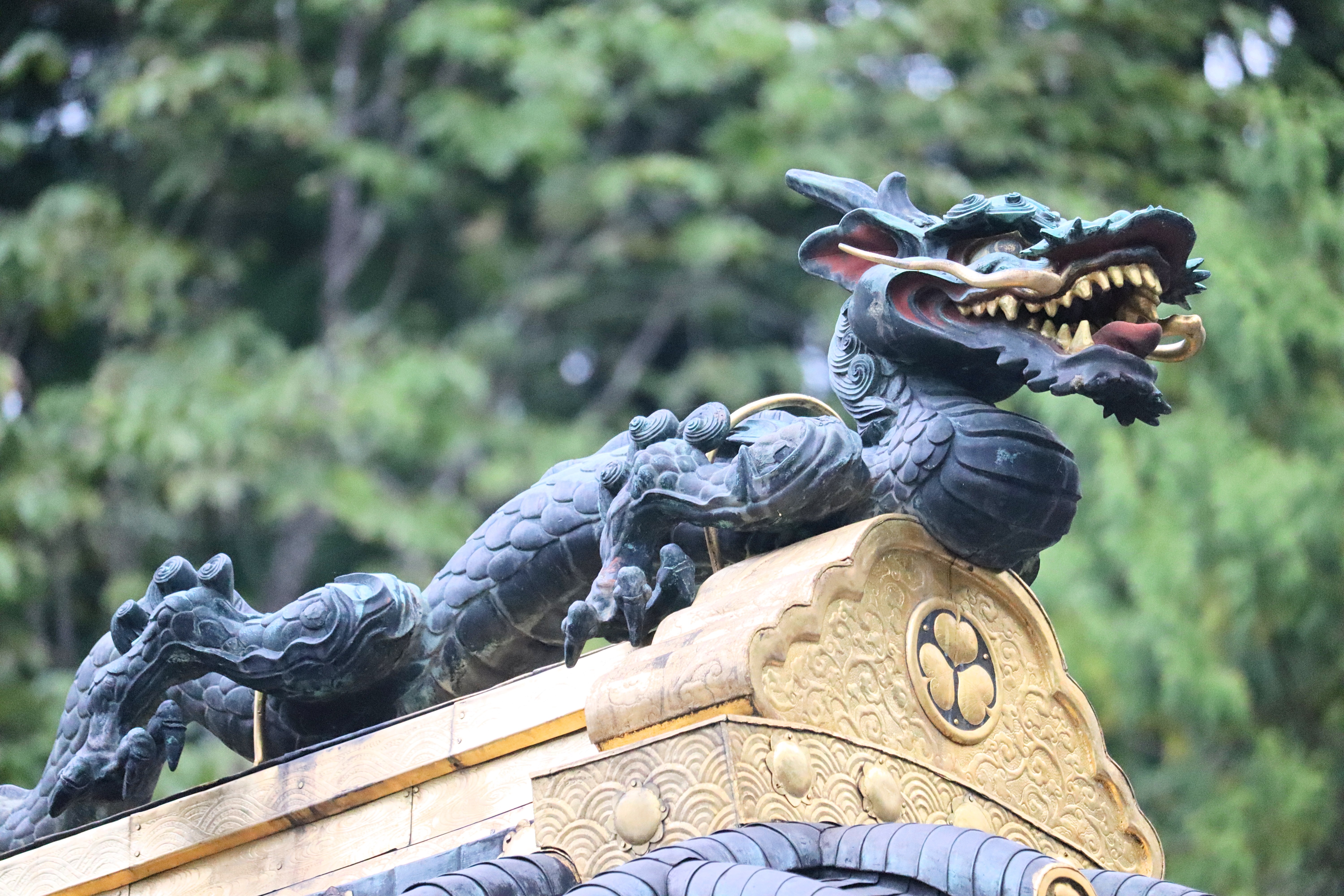
The next temple to visit was Toshogu Shrine. This is one of the most (if not the most) famous temples in Nikko. Surrounded by forest, it was built to honor Tokugawa Leyasu, the founder of the Tokugawa Shogunate. He was a member of the ruling military government of Japan, which ruled from 1603 until 1868. This shrine wasn’t originally as big as it is now. It was enlarged in the first half of the 17th century by Leyasu’s grandson. One of the things most interesting about this place is that it combines both Shinto and Buddhist elements, something that was common practice until the Meiji Period, when these two religions began to be separated and many temples began to be separated as either Buddhist or Shinto.
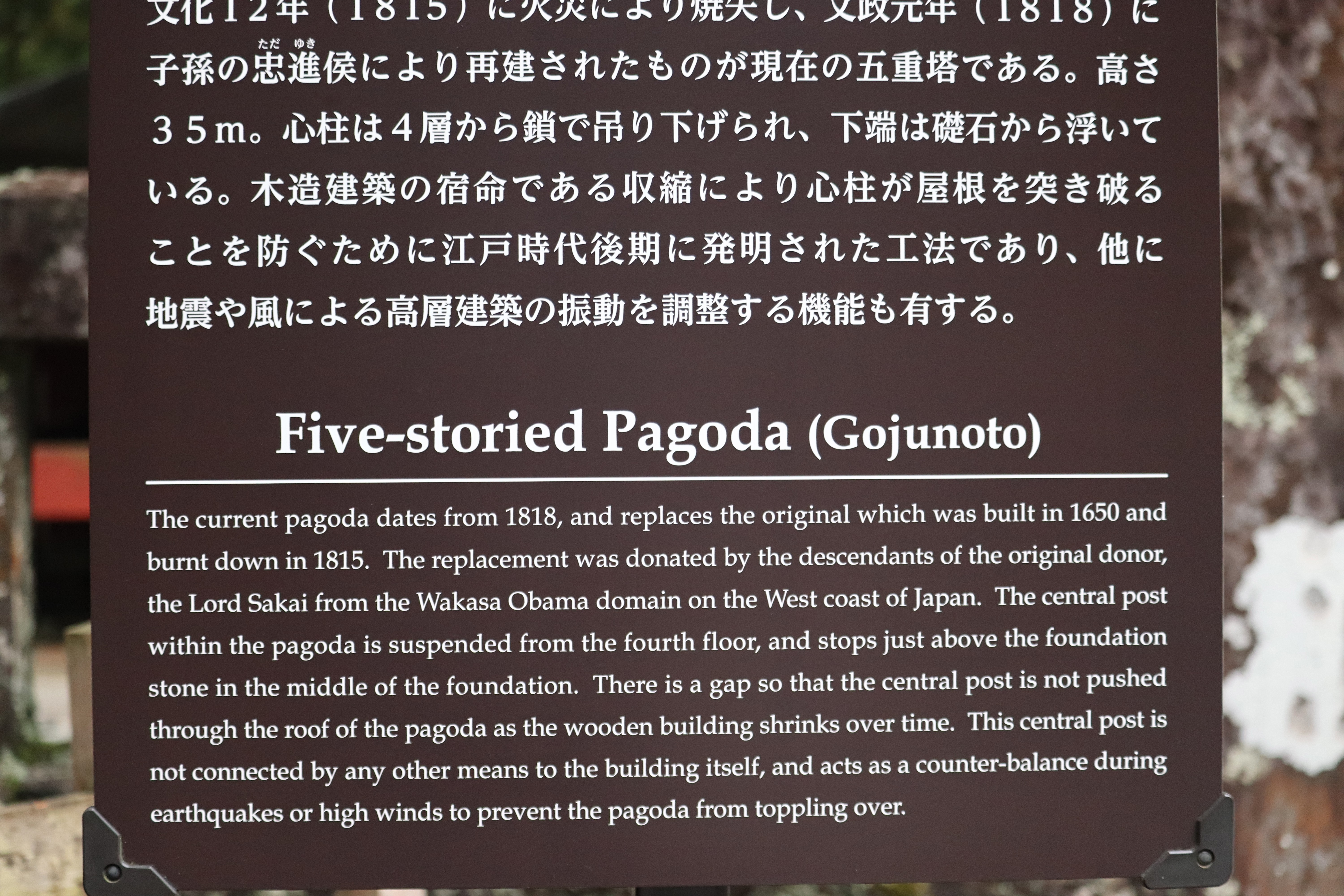

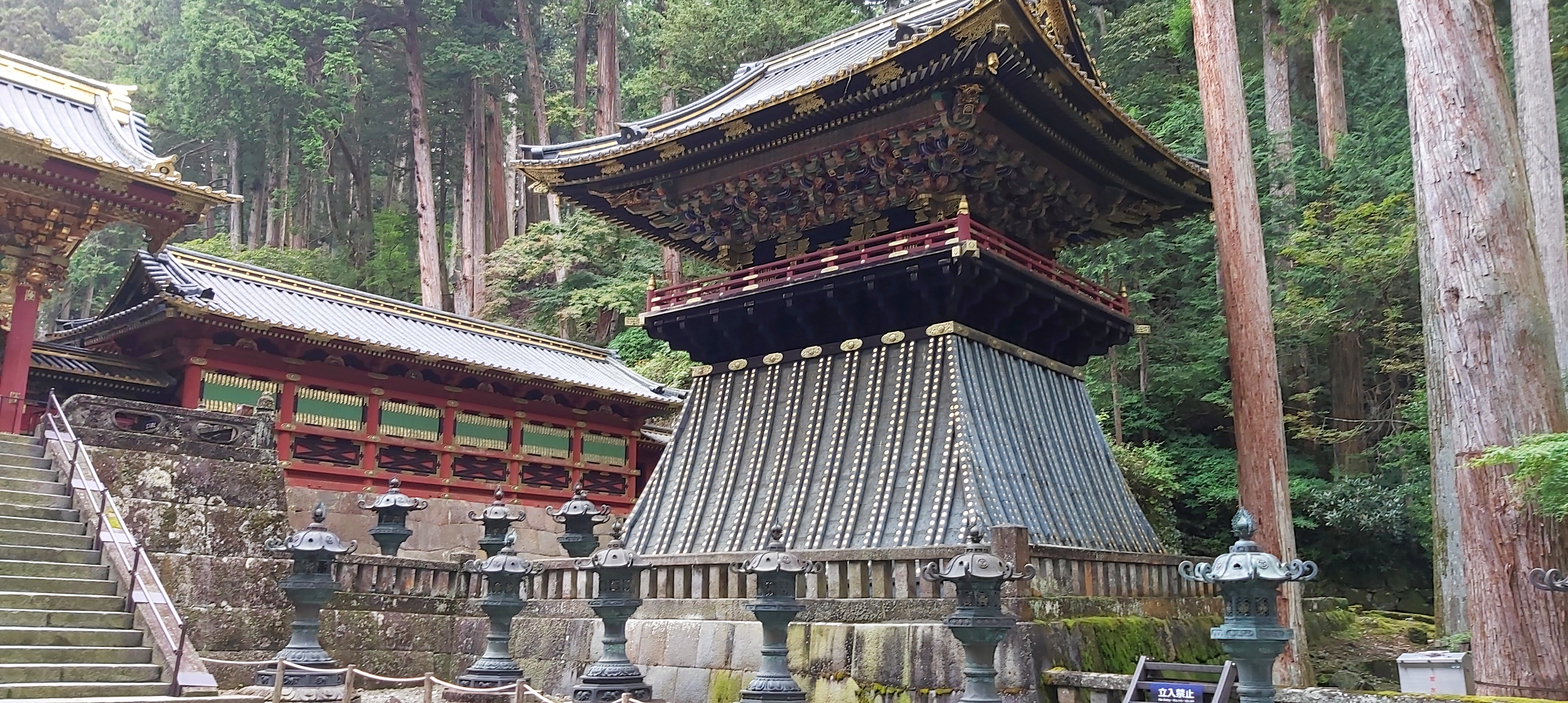
The first thing to see before the shrine is the 5-story pagoda. On it, you can see the twelve signs of the Chinese zodiac. I may have mentioned before how fussy the Japanese are with sticking to procedures and regulations, and here is another example of this. While photographing, there is someone monitoring what people photograph, making sure that no one photographs the statue of Buddha featured in the rear of the pagoda. While I was trying to get some of the zodiac animals, I was told that I must stand in certain a spot so as to ensure that I don’t photograph the Buddha. This briefly disrupted my experience, but I moved on soon enough.
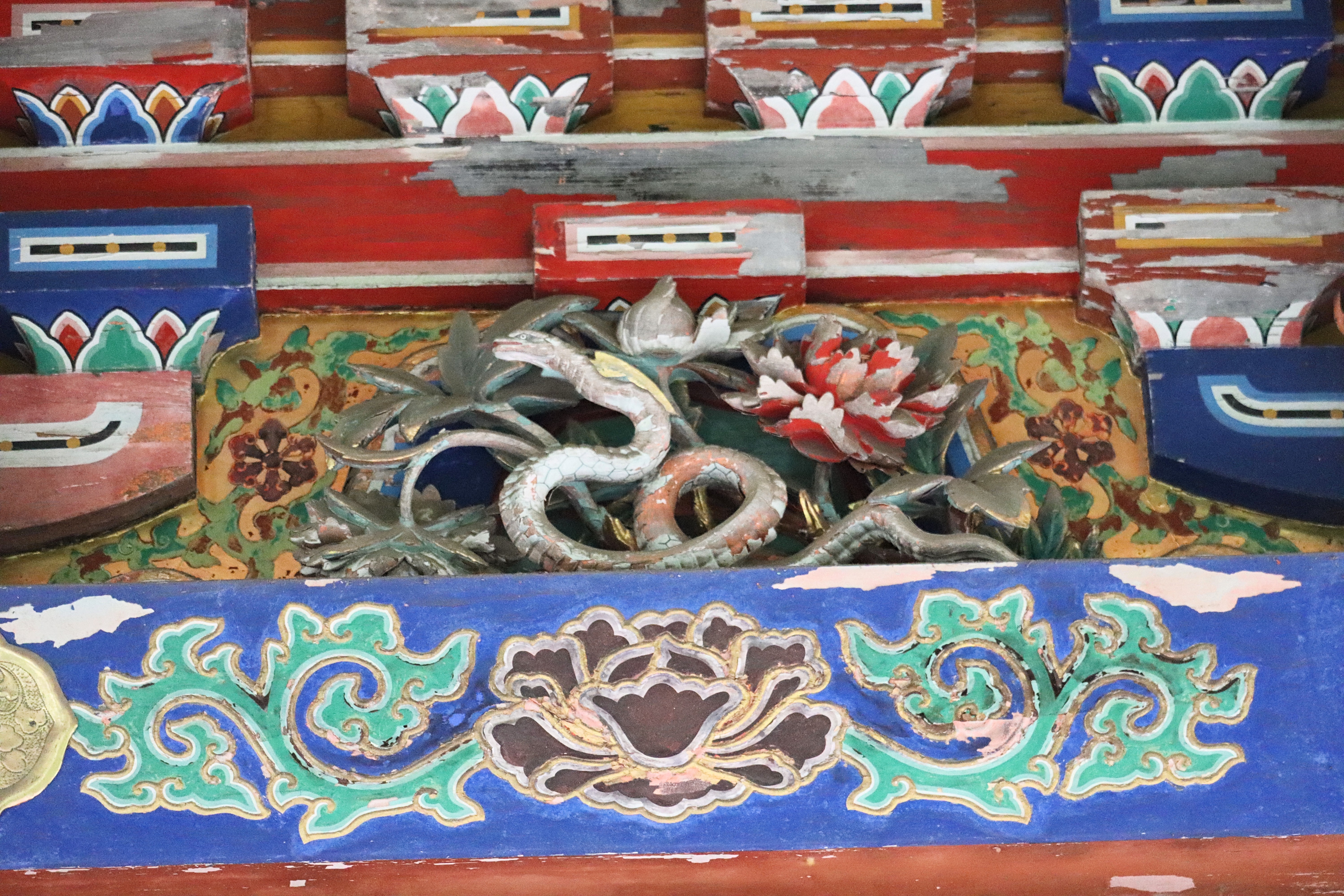
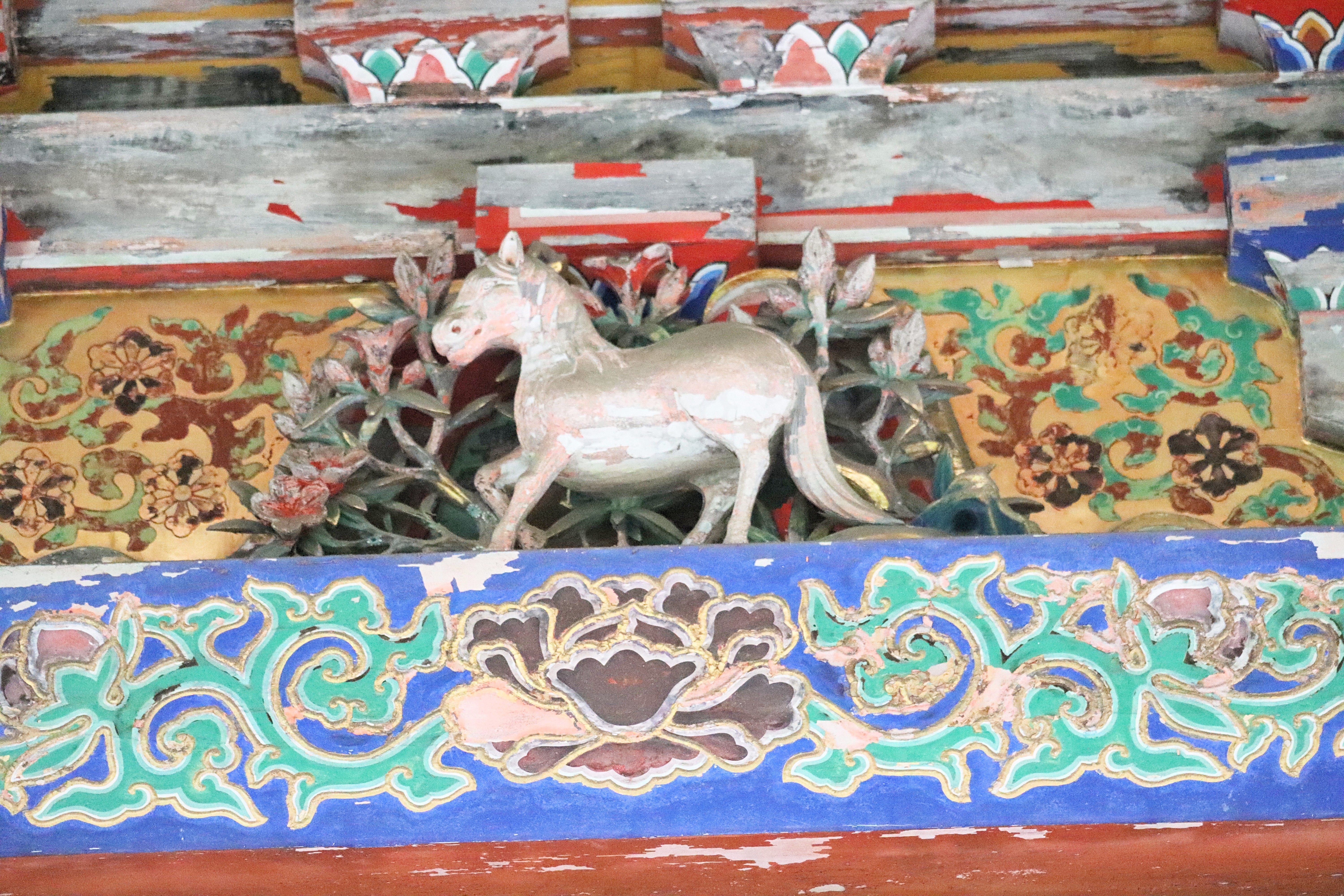

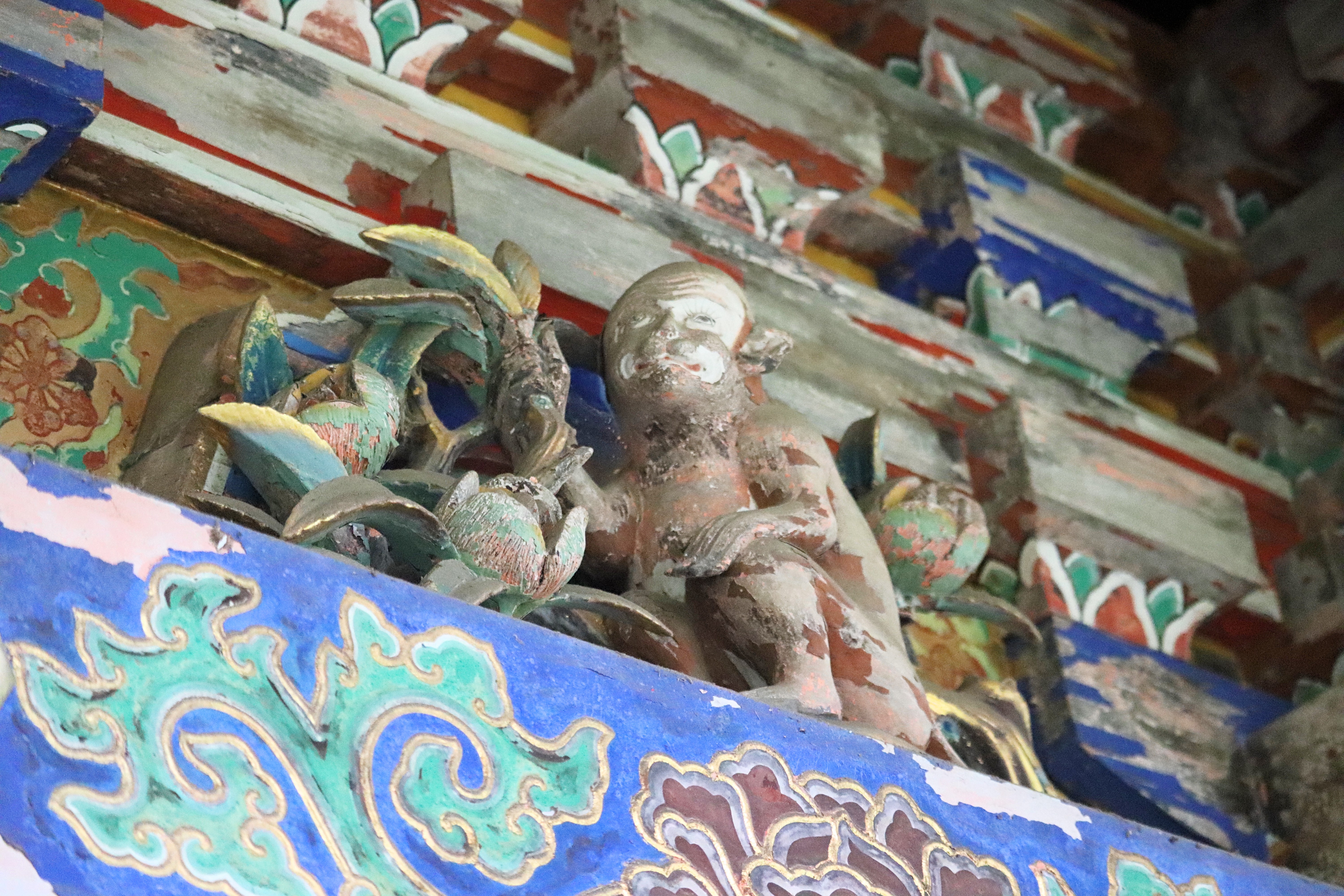
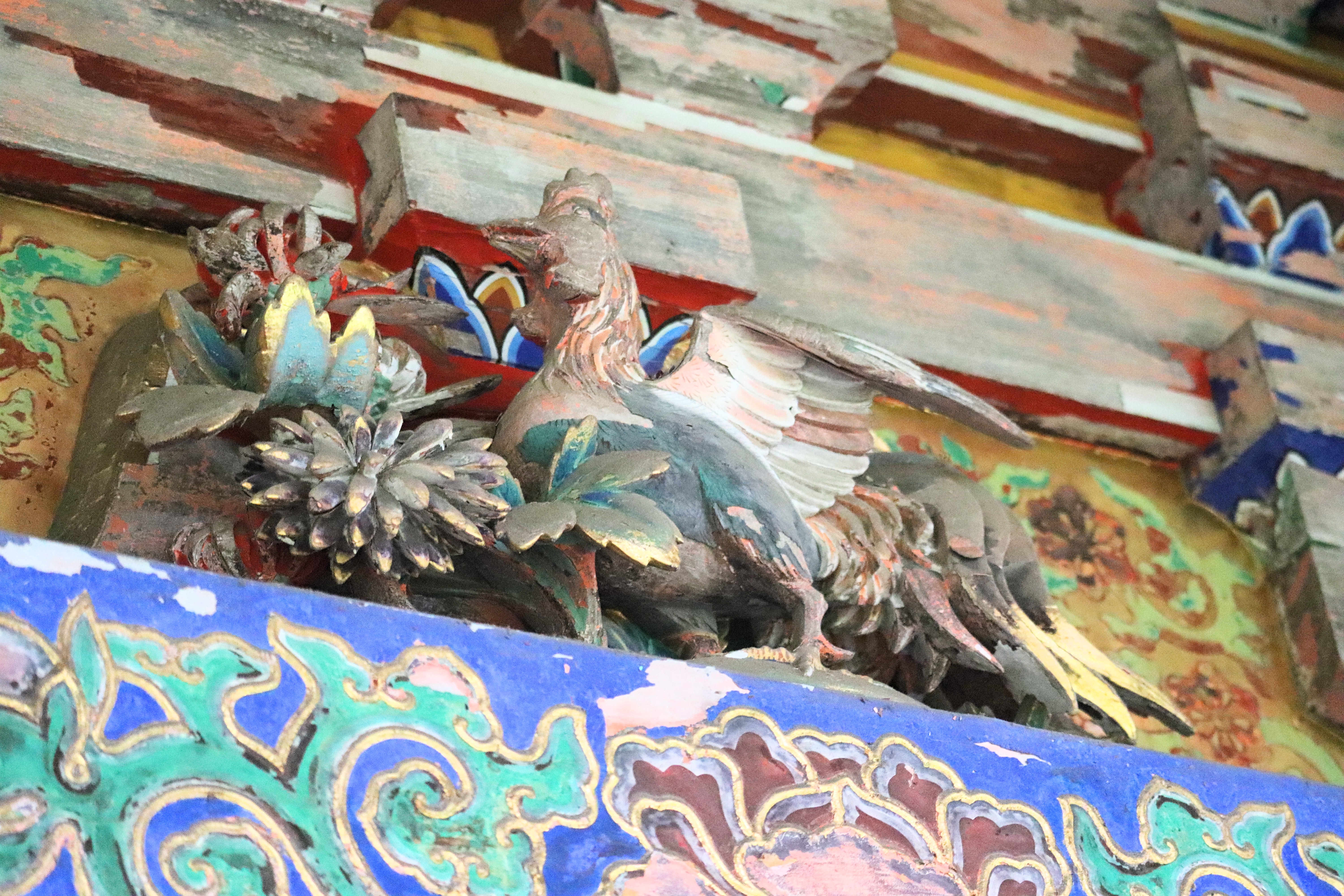
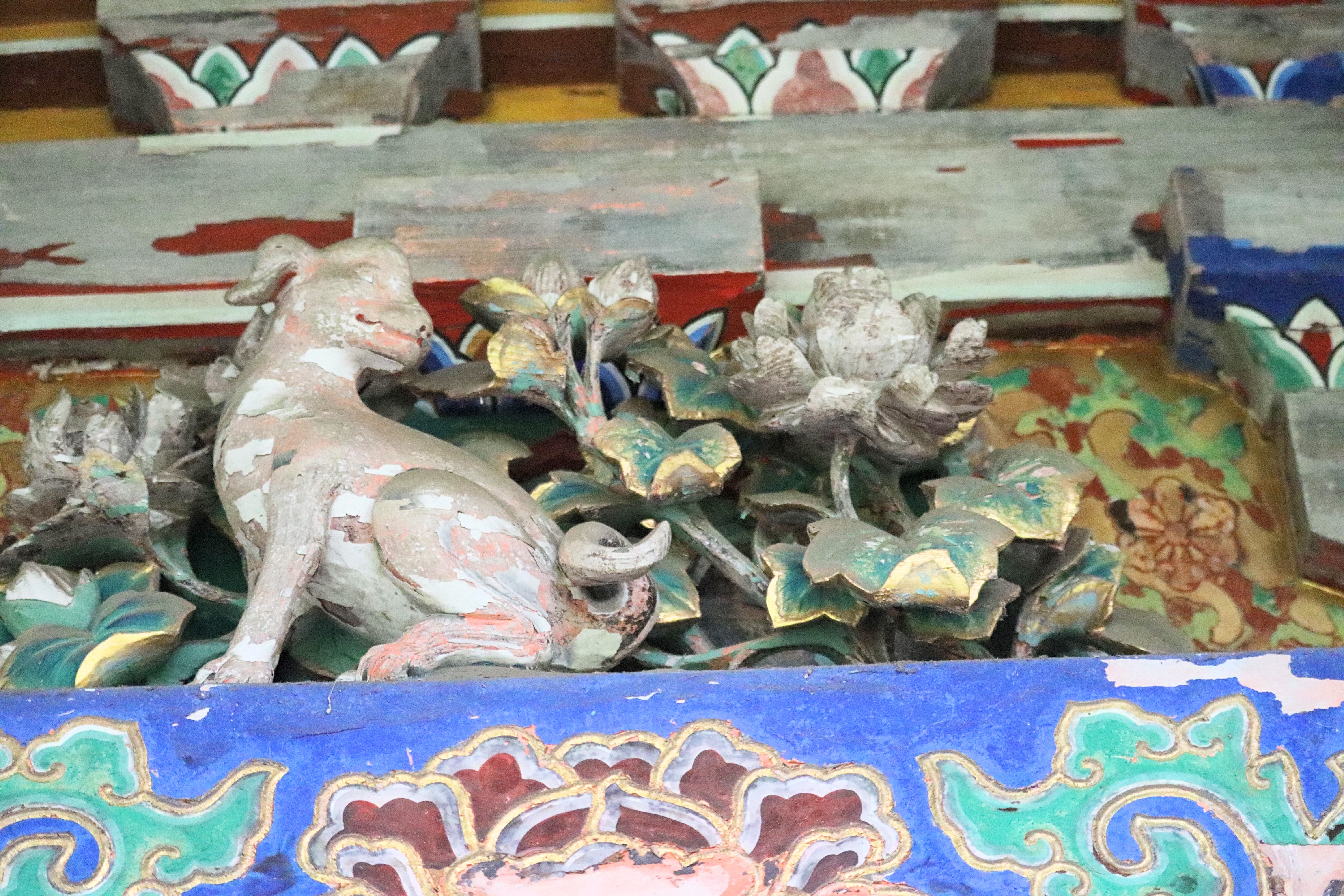
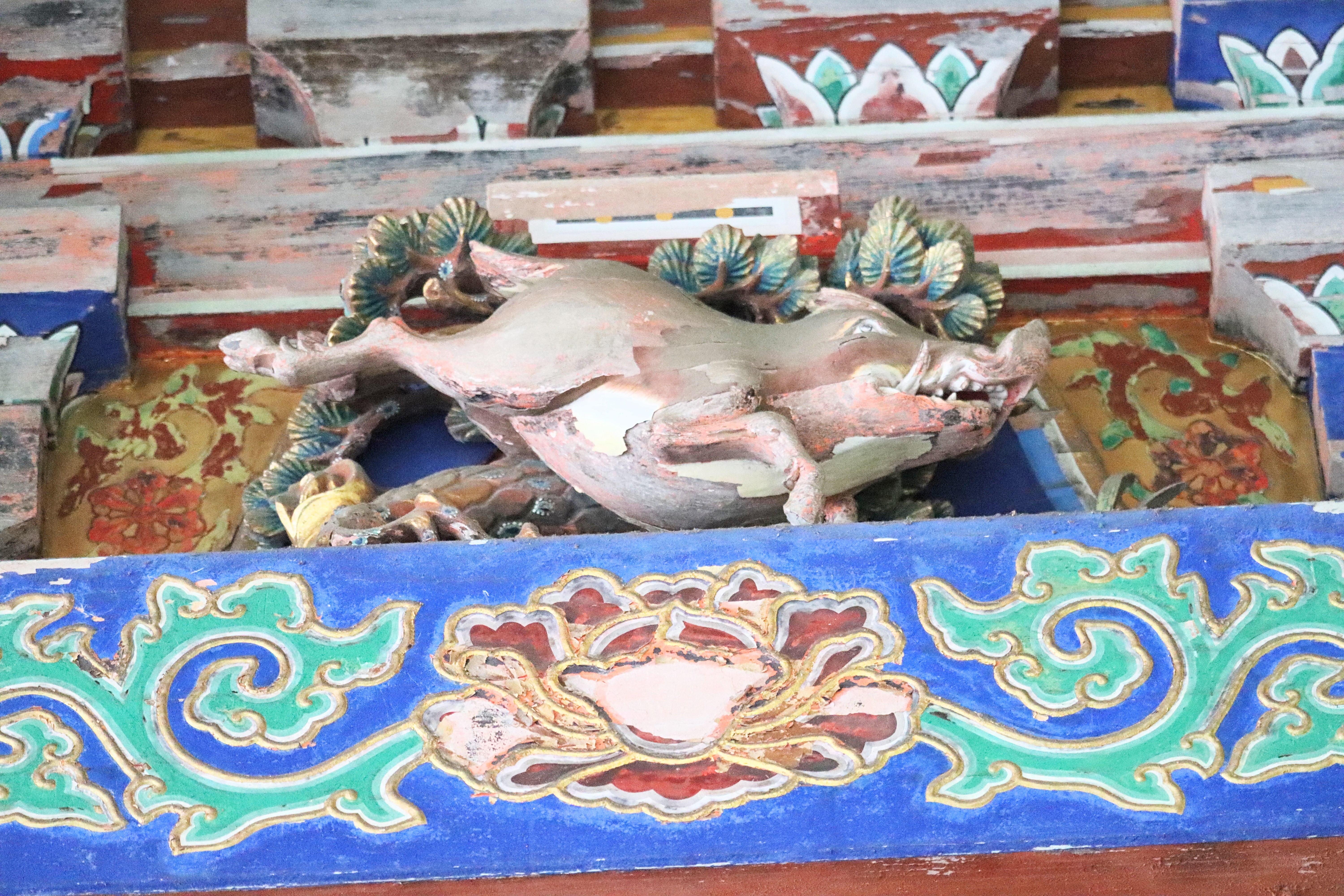

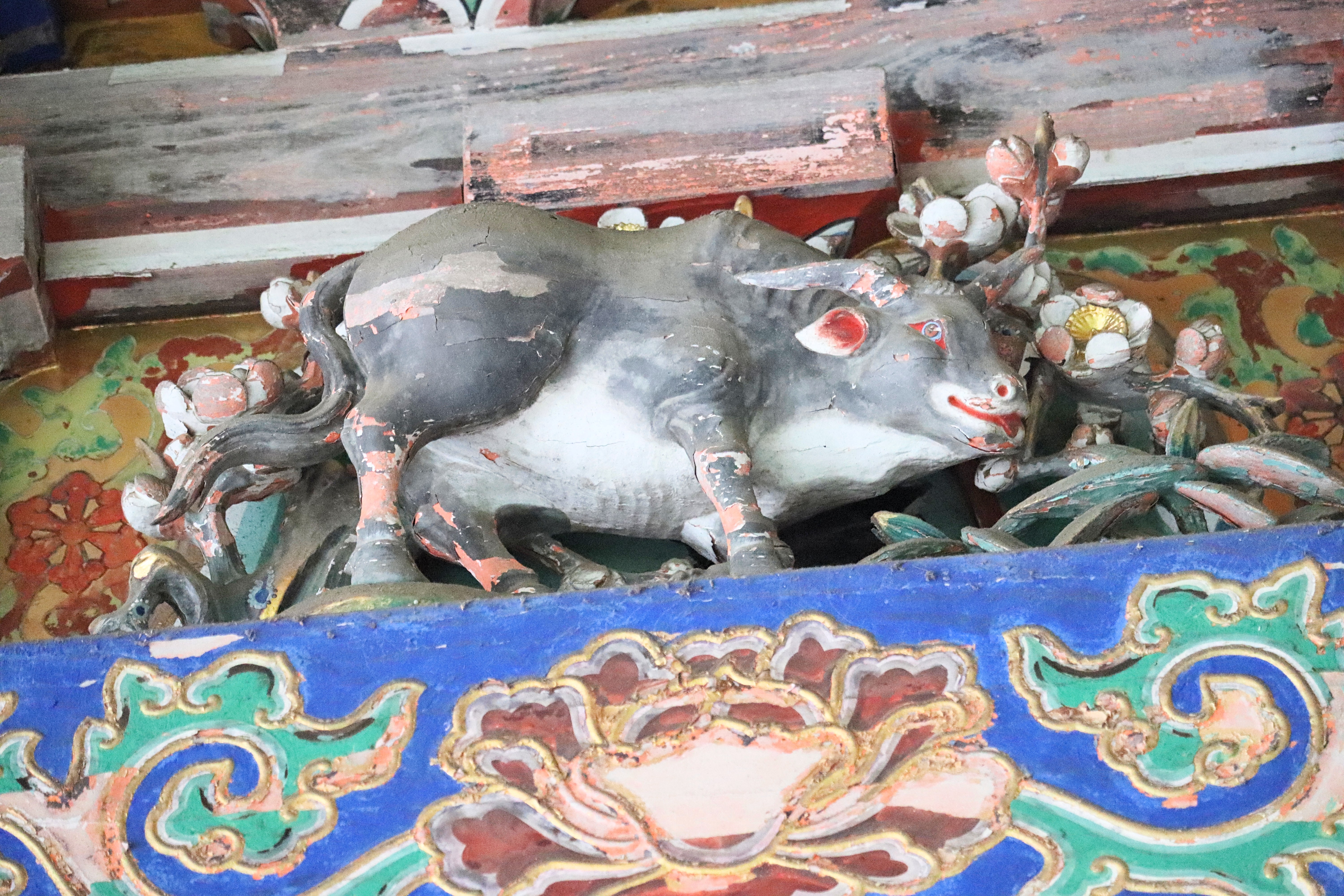


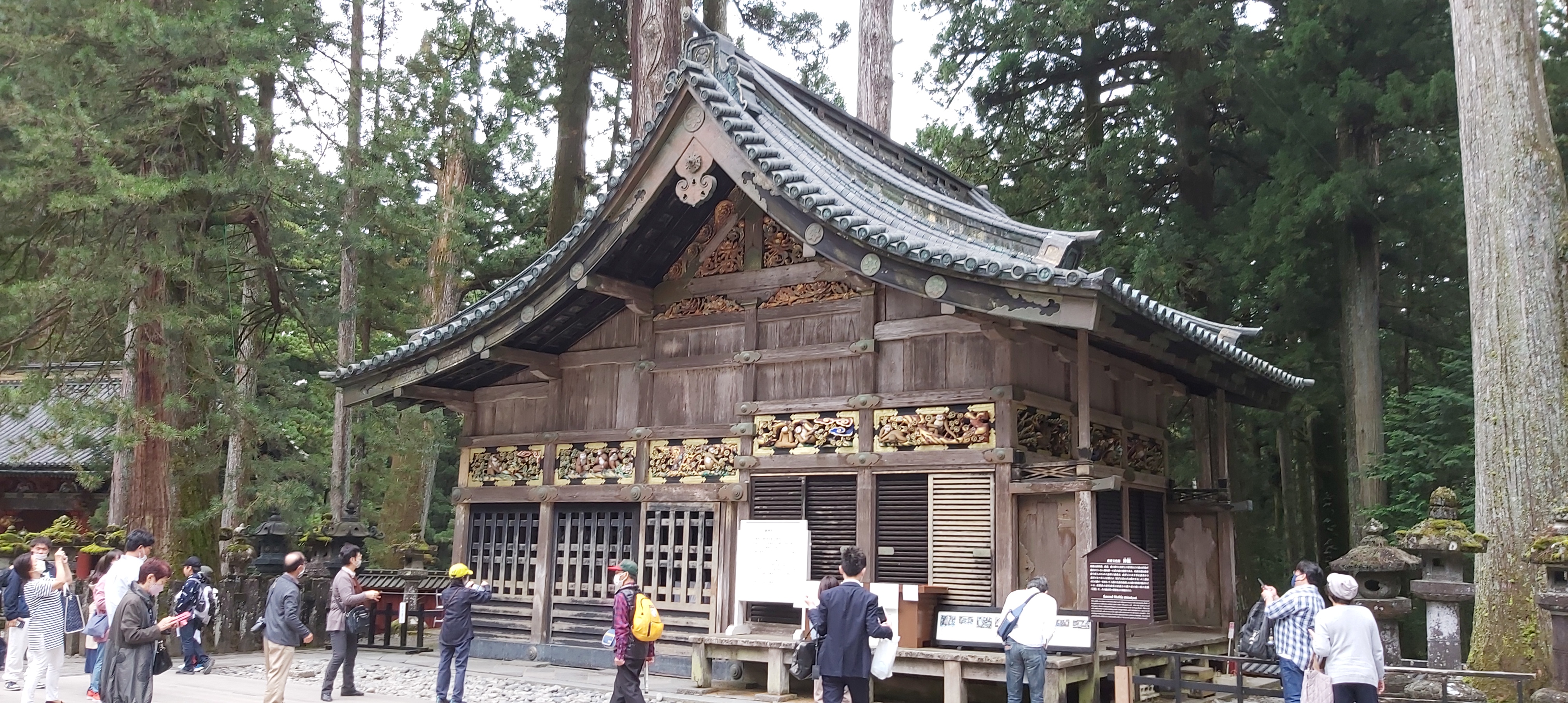
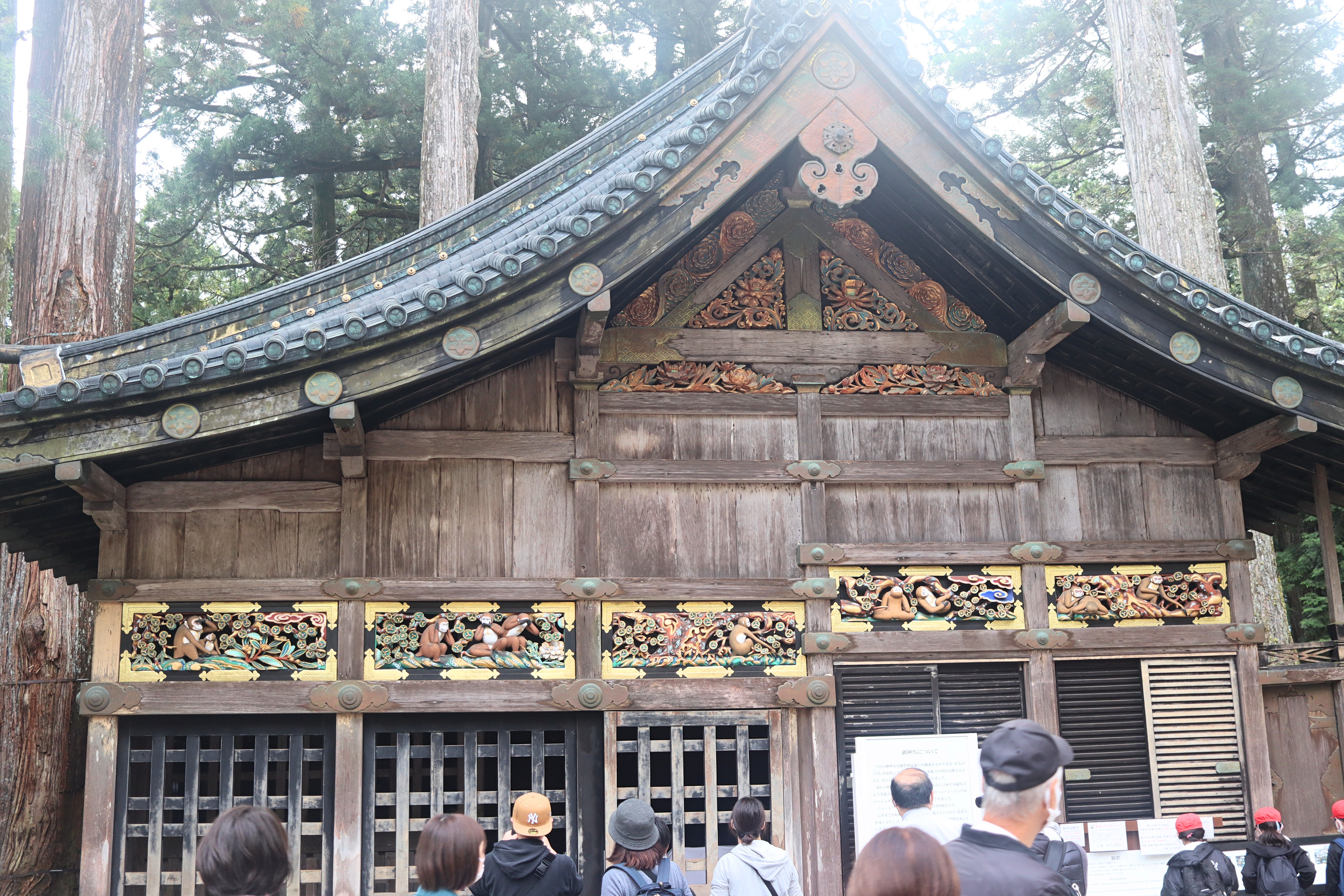
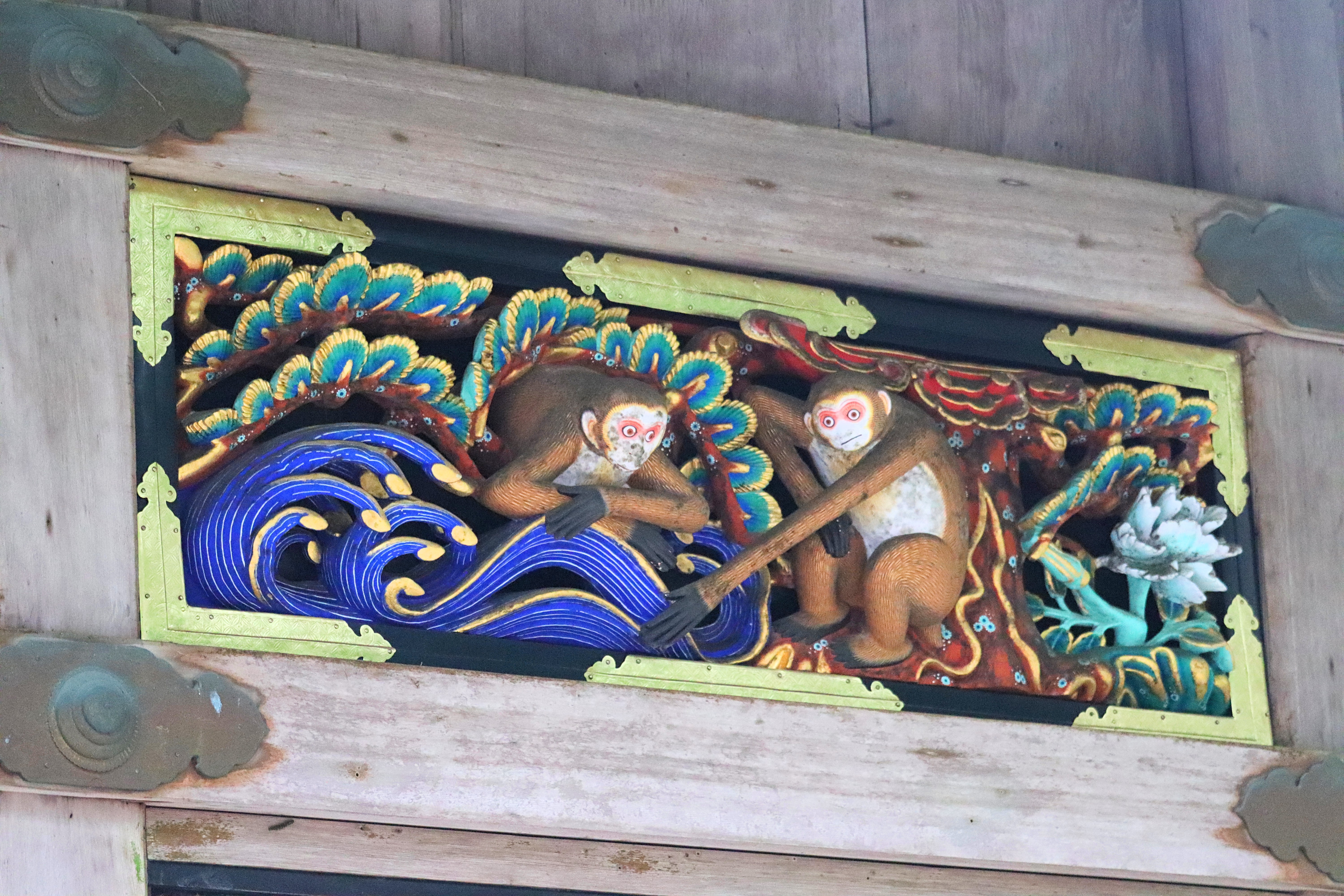
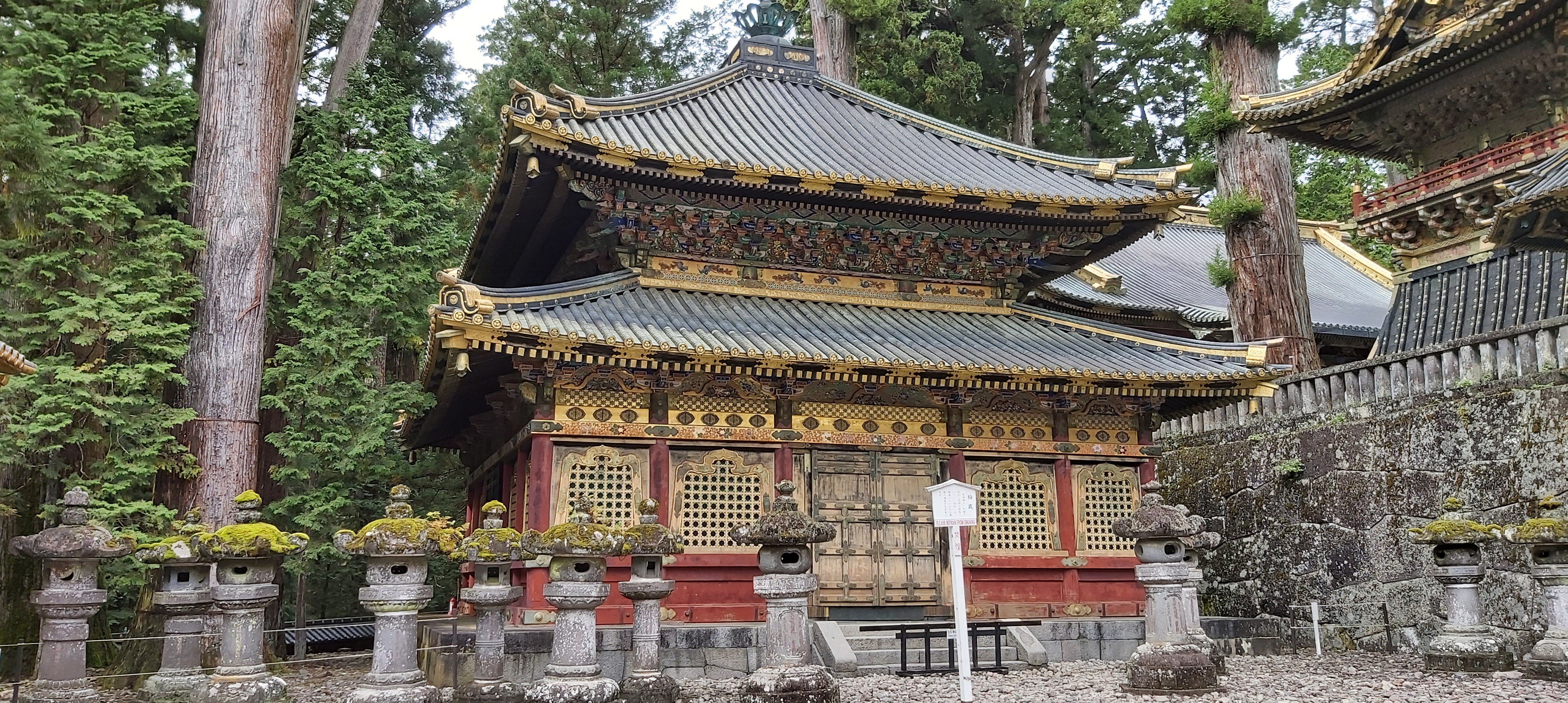
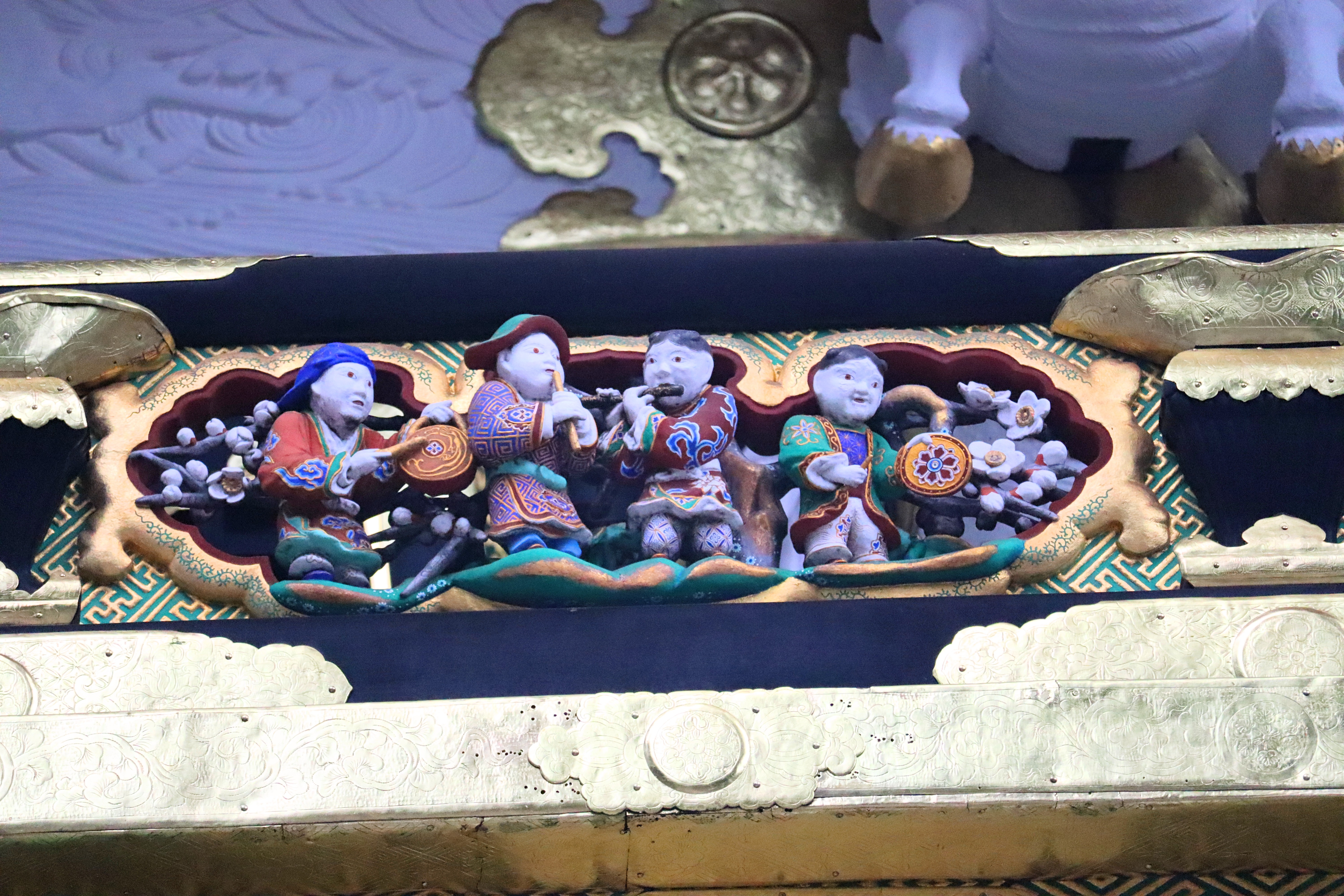
After the pagoda, there are a few storehouses, one of which contains images of the famous monkeys showing the “Hear no evil, speak no evil, see no evil” saying.










Futarasan Shrine
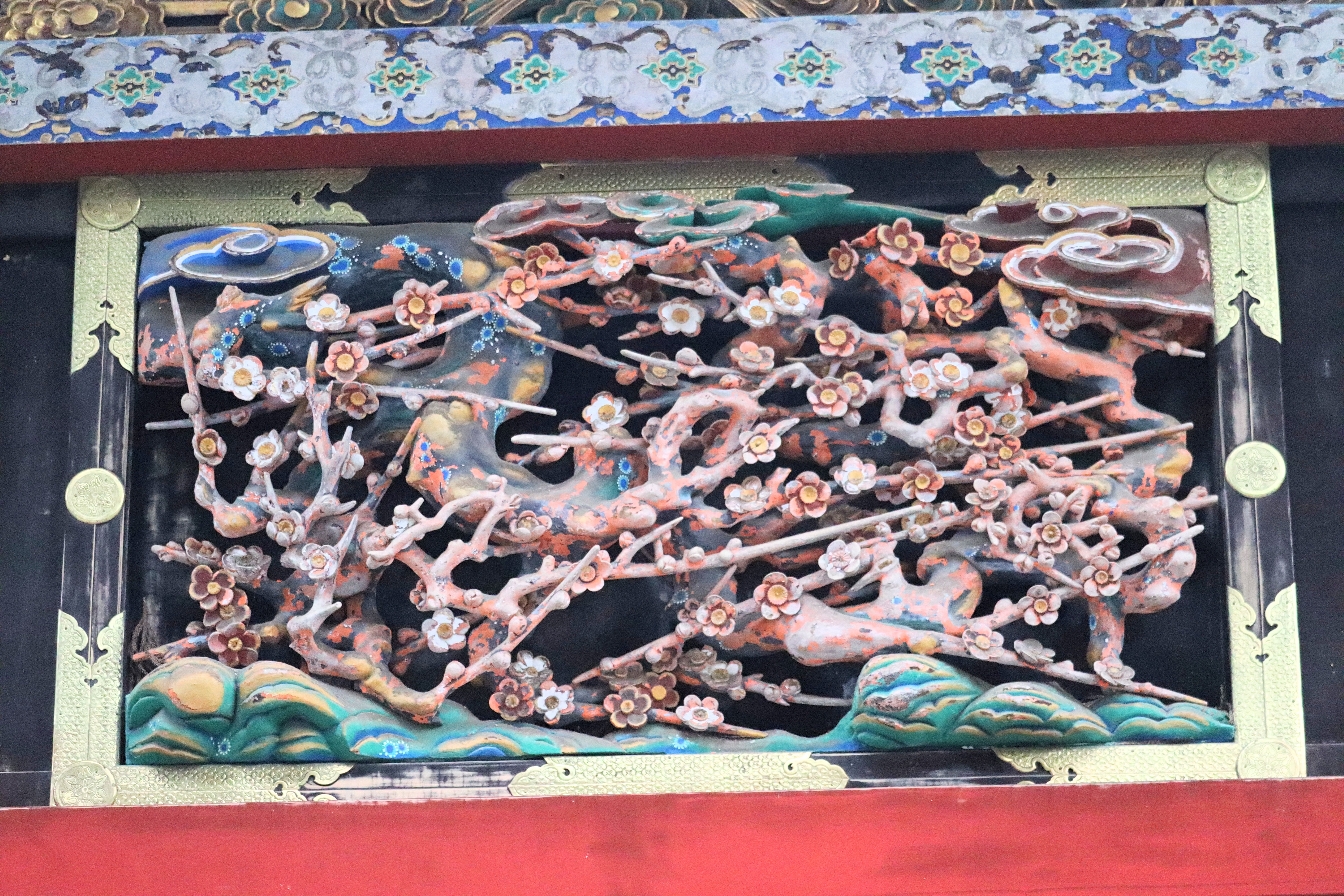
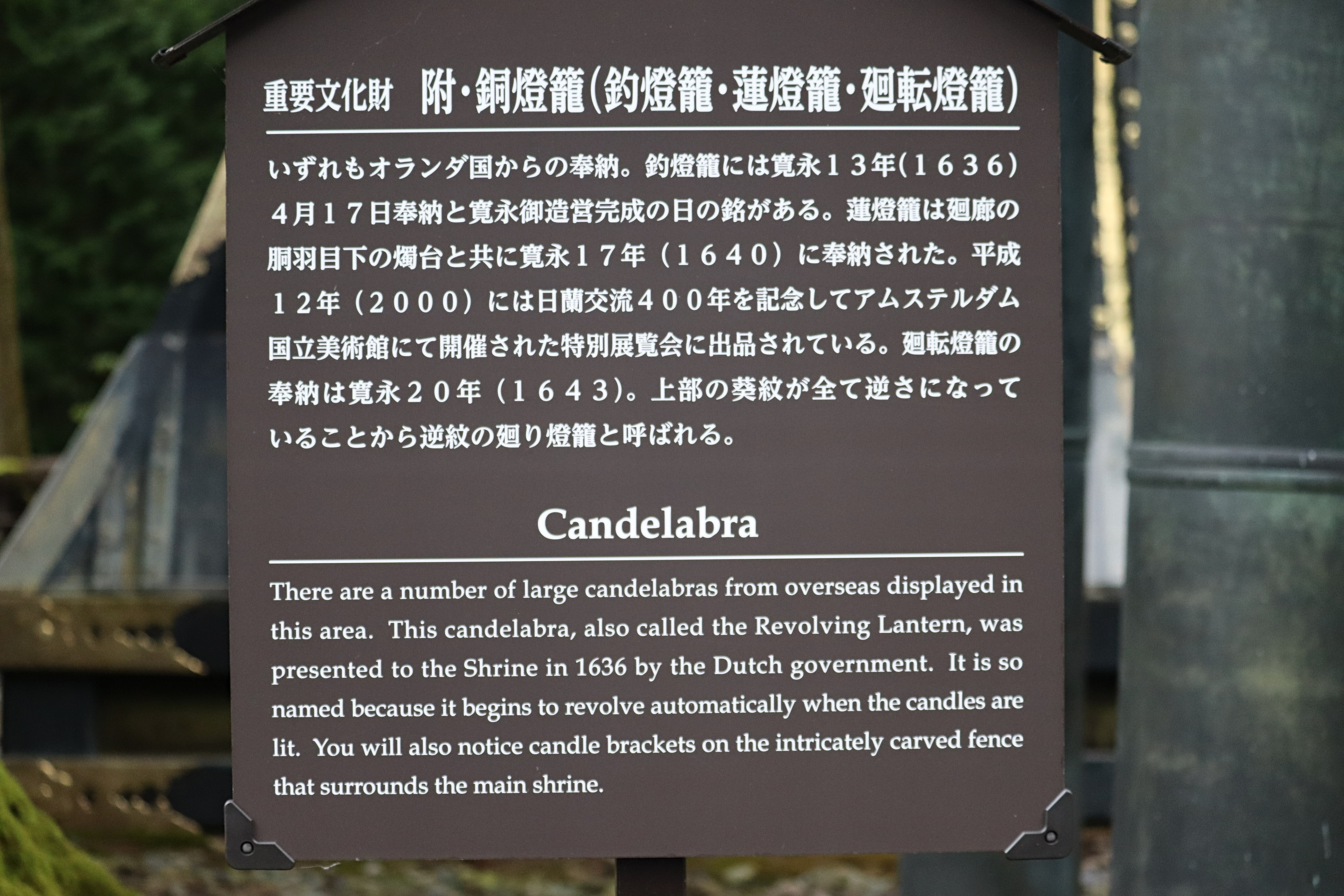
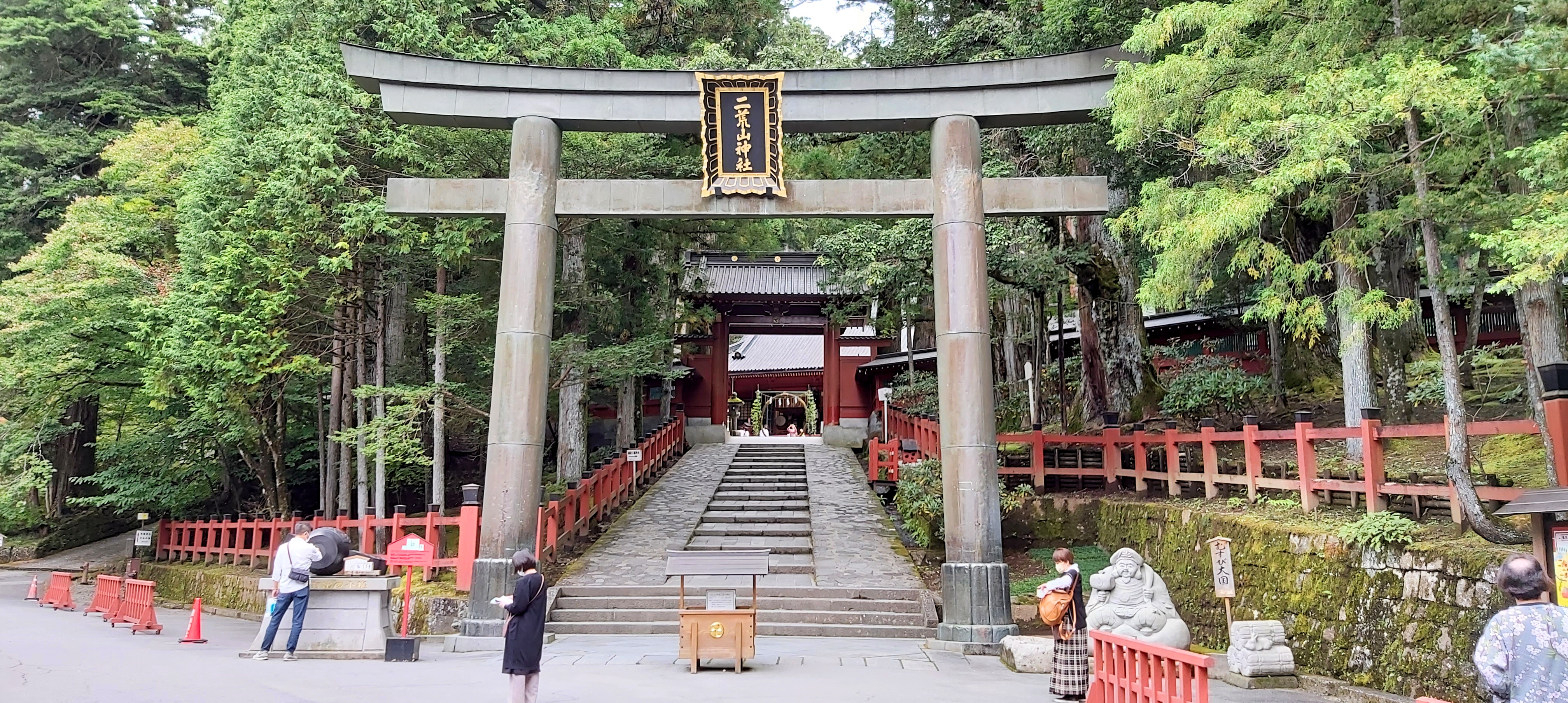
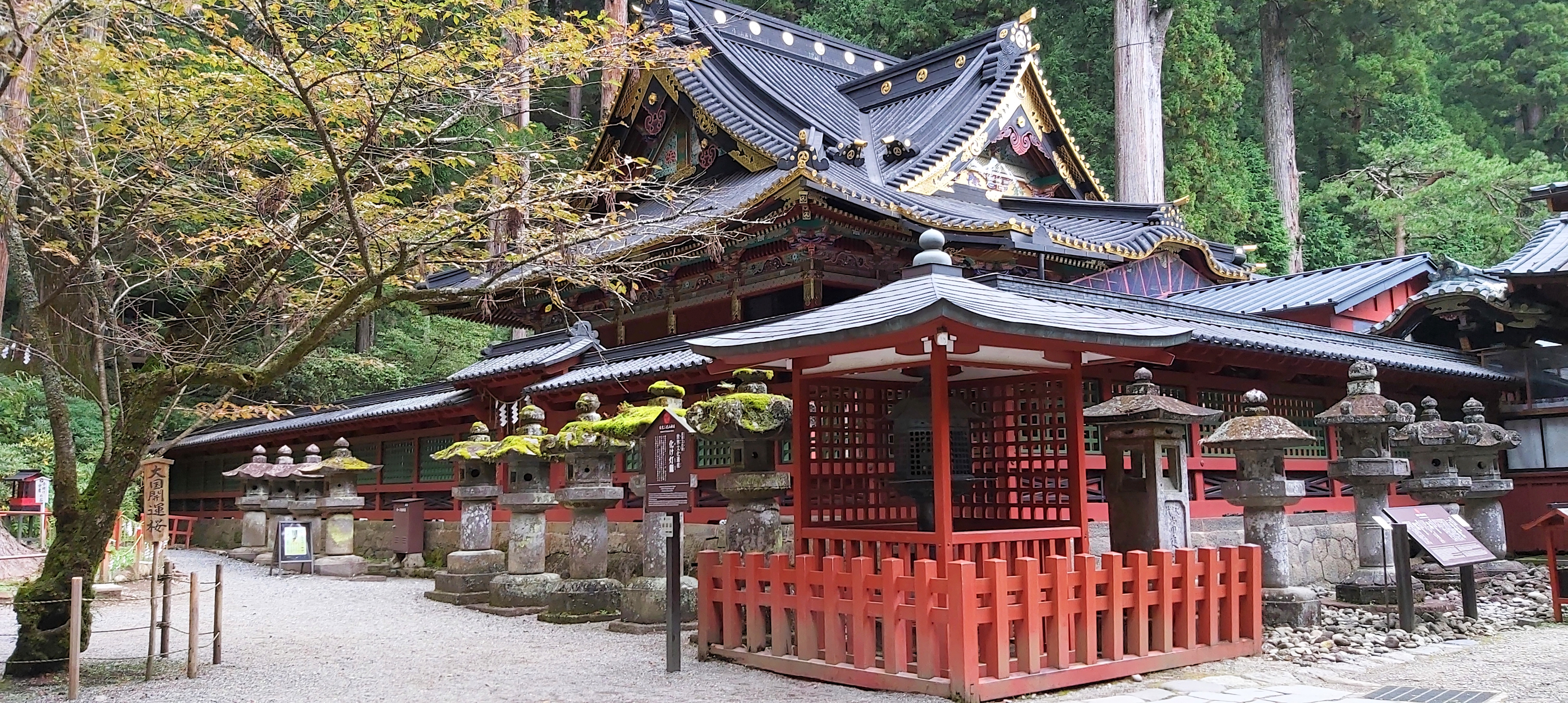
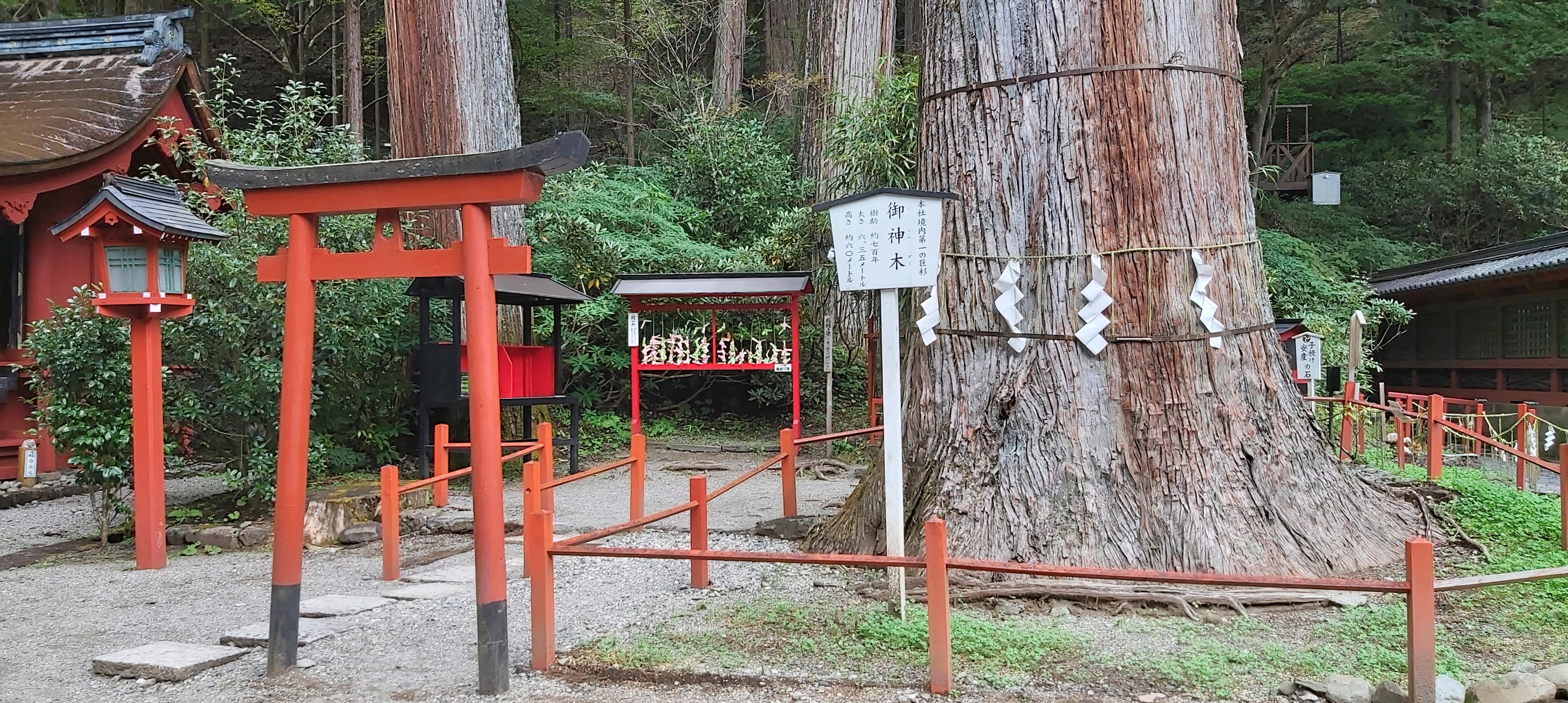
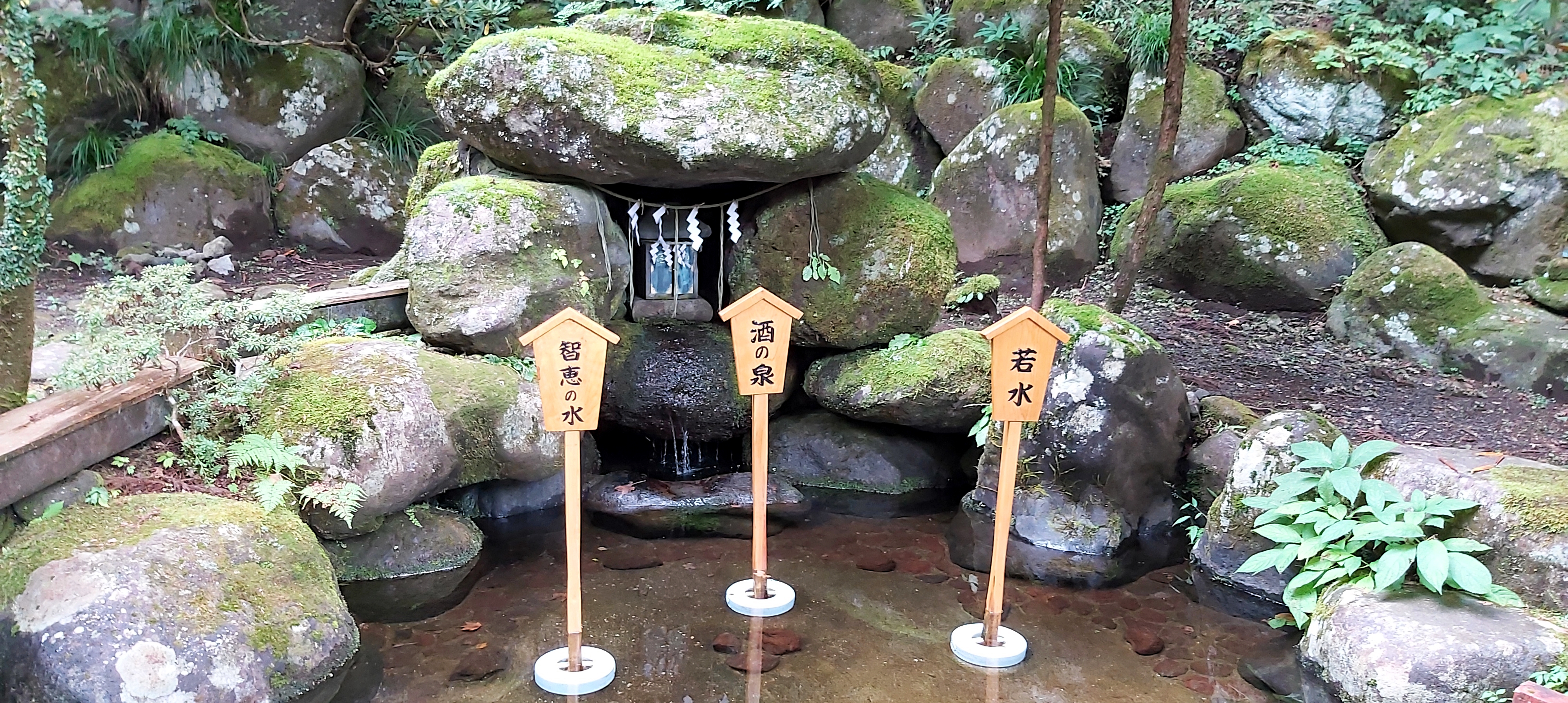
We then come to Futarasan Shrine. It was, just like Rinnoji Shrine, founded by Shodo Shonin in 782 BCE. This shrine was dedicated to the gods of the most sacred mountains in Nikko: Mount Nantai, Mount Nyoho, and Mount Taro. This site was rather quick to get through.



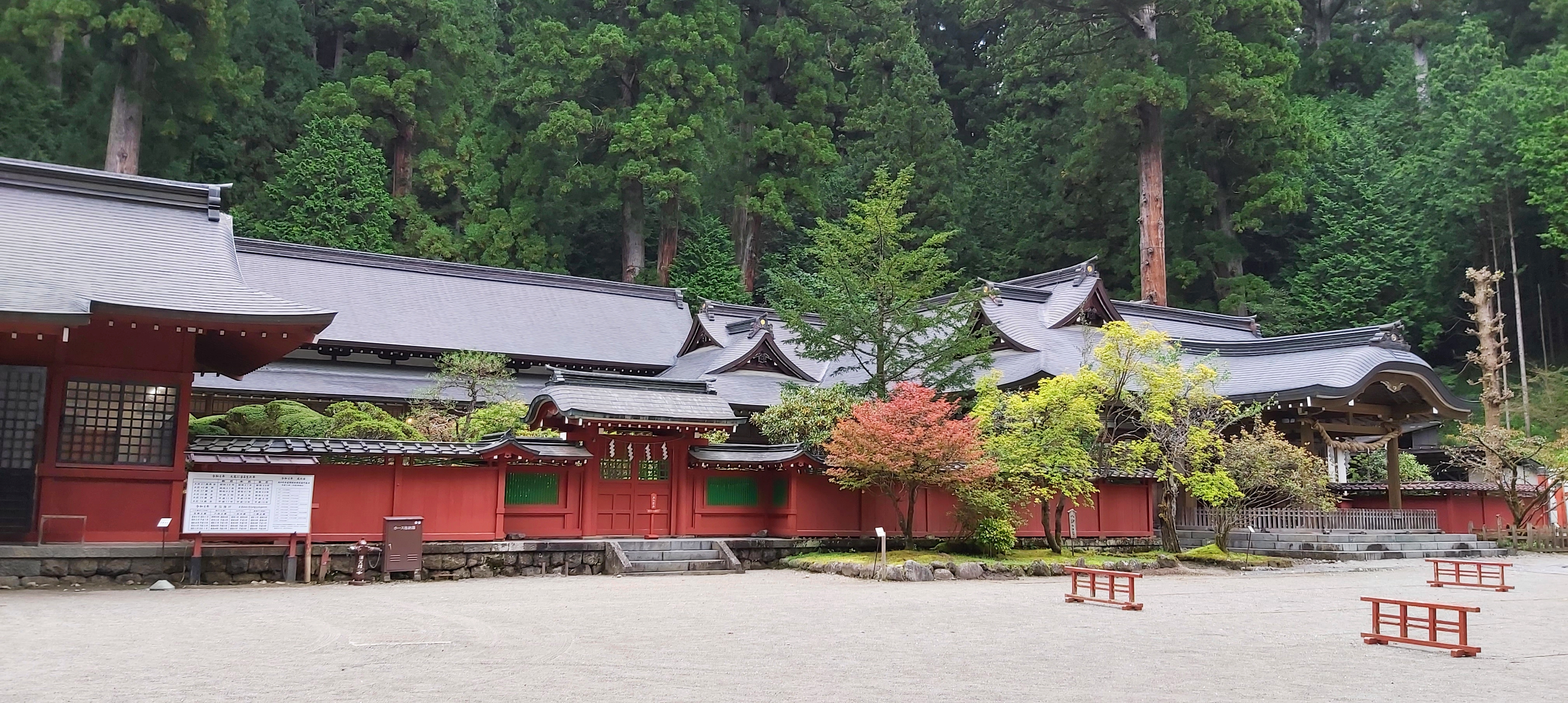
Lemitsu Mausoleum
(Taiyuin Shrine)
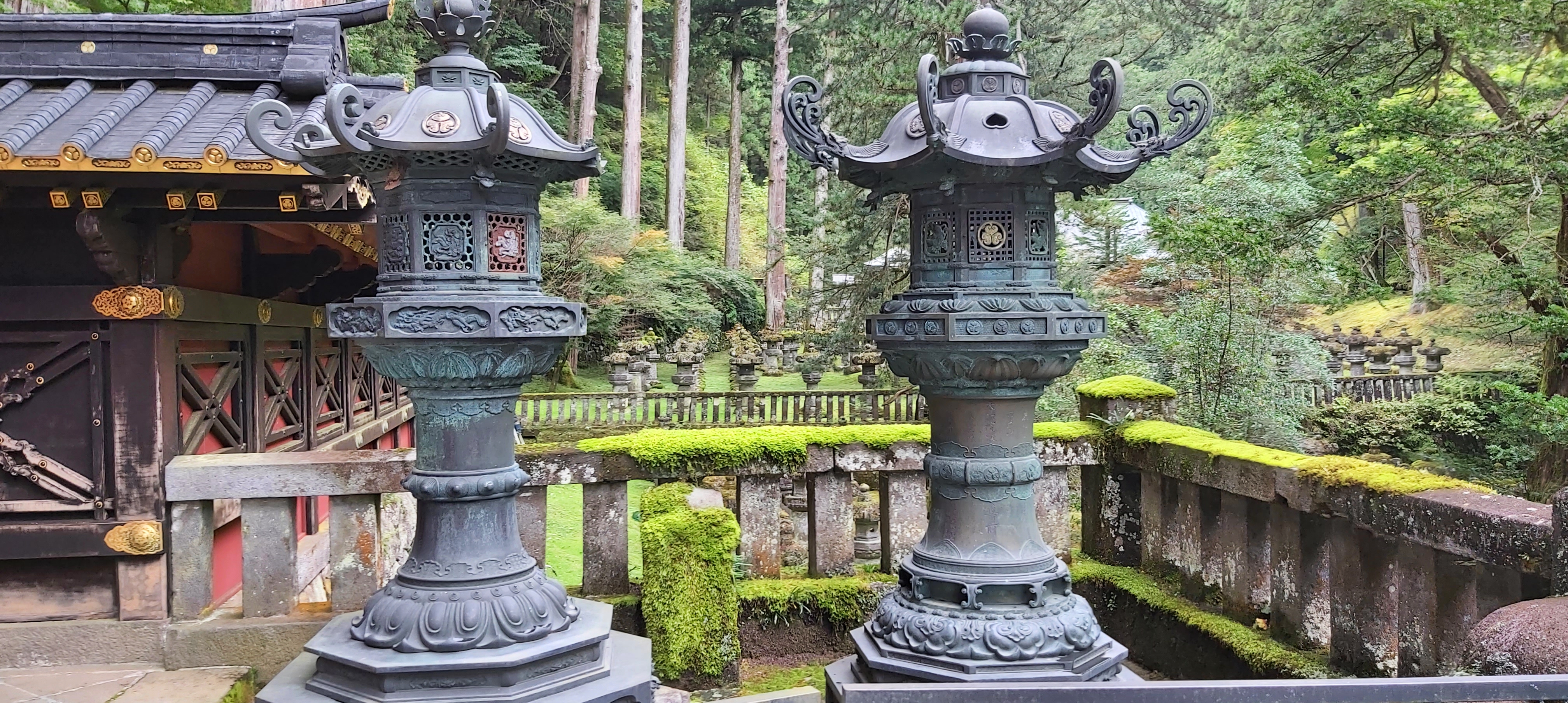
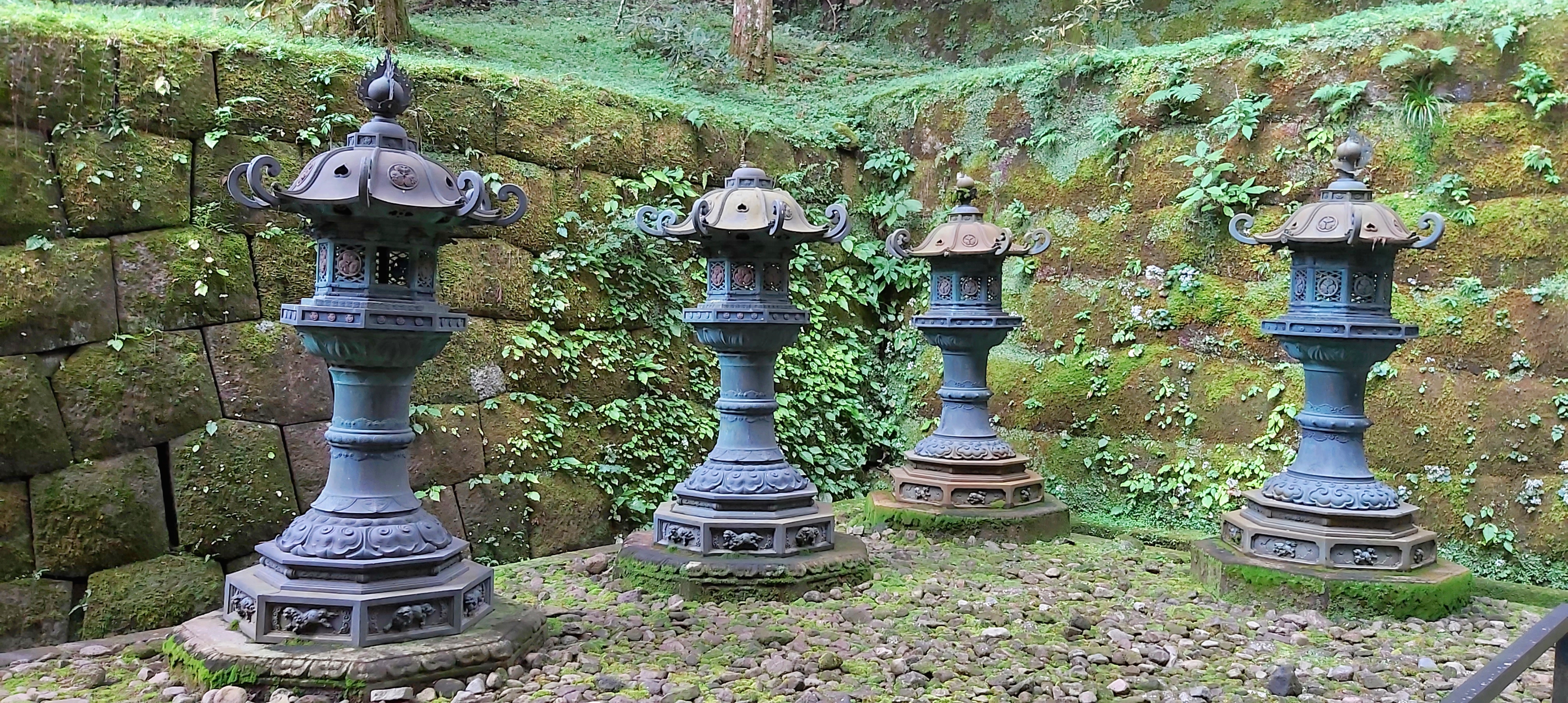
Taiyuin is the mausoleum of Lemitsu, the third Tokugawa shogun and grandson of Leyasu. This was built to resemble Toshugo but was intentionally made more subtle out of Lemitsu’s respect for his grandfather. This would also become the sub-temple of Rinnoji.
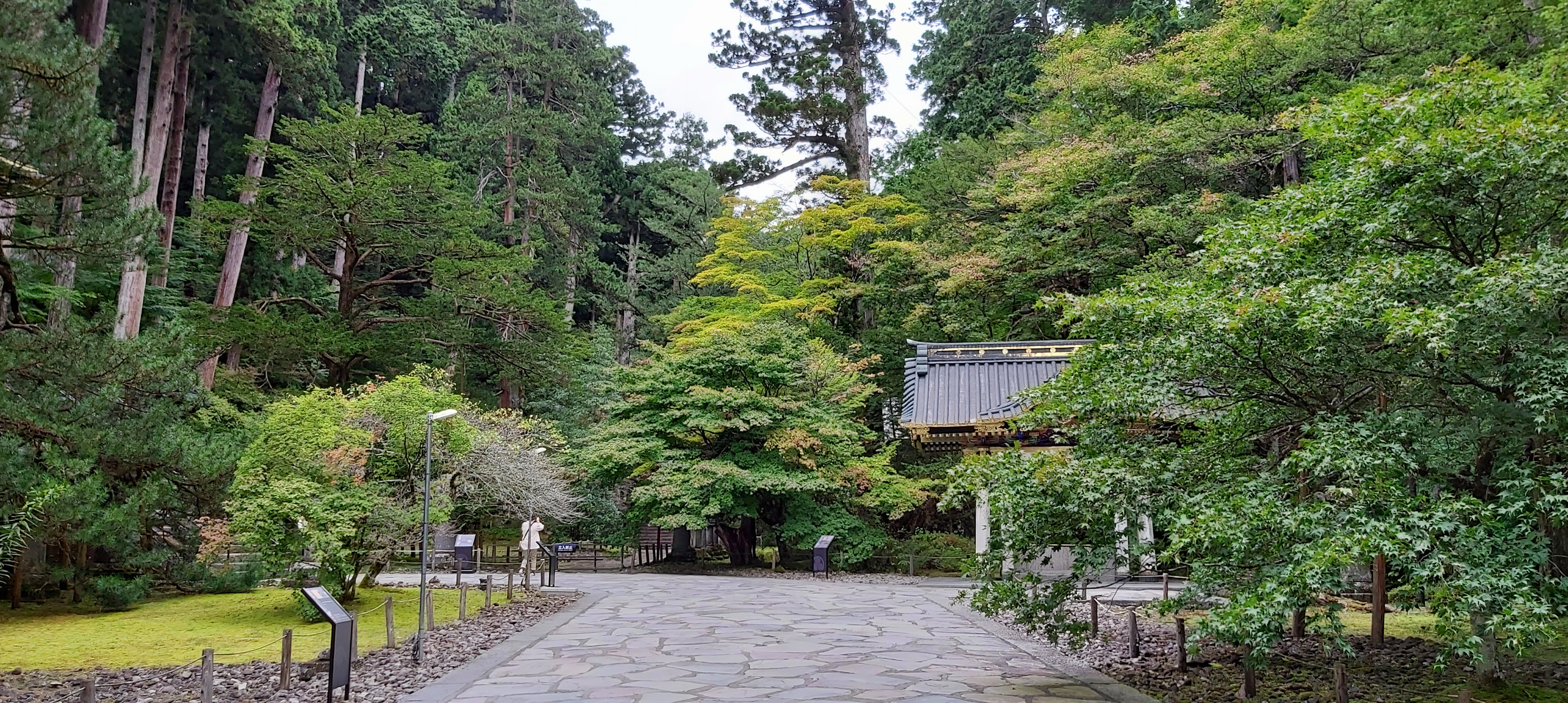
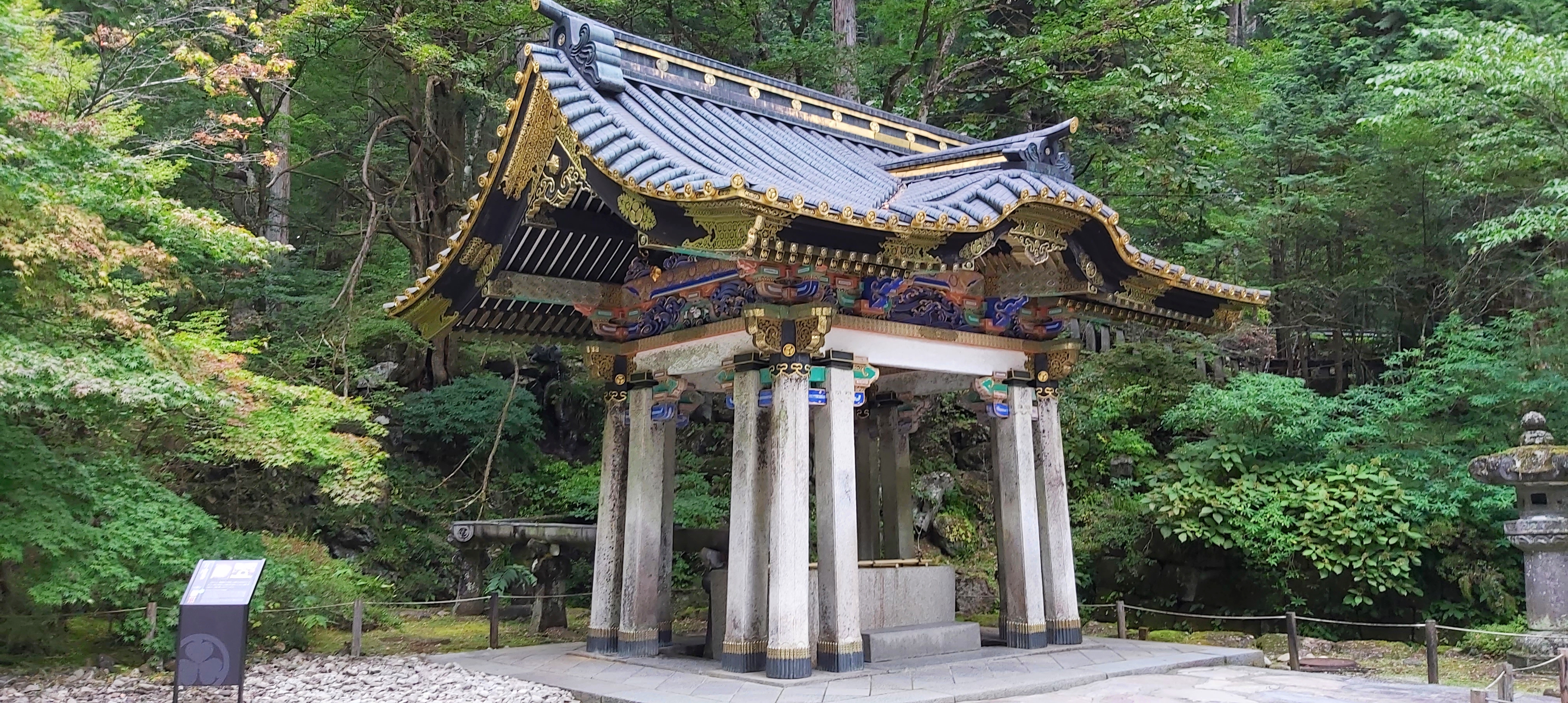
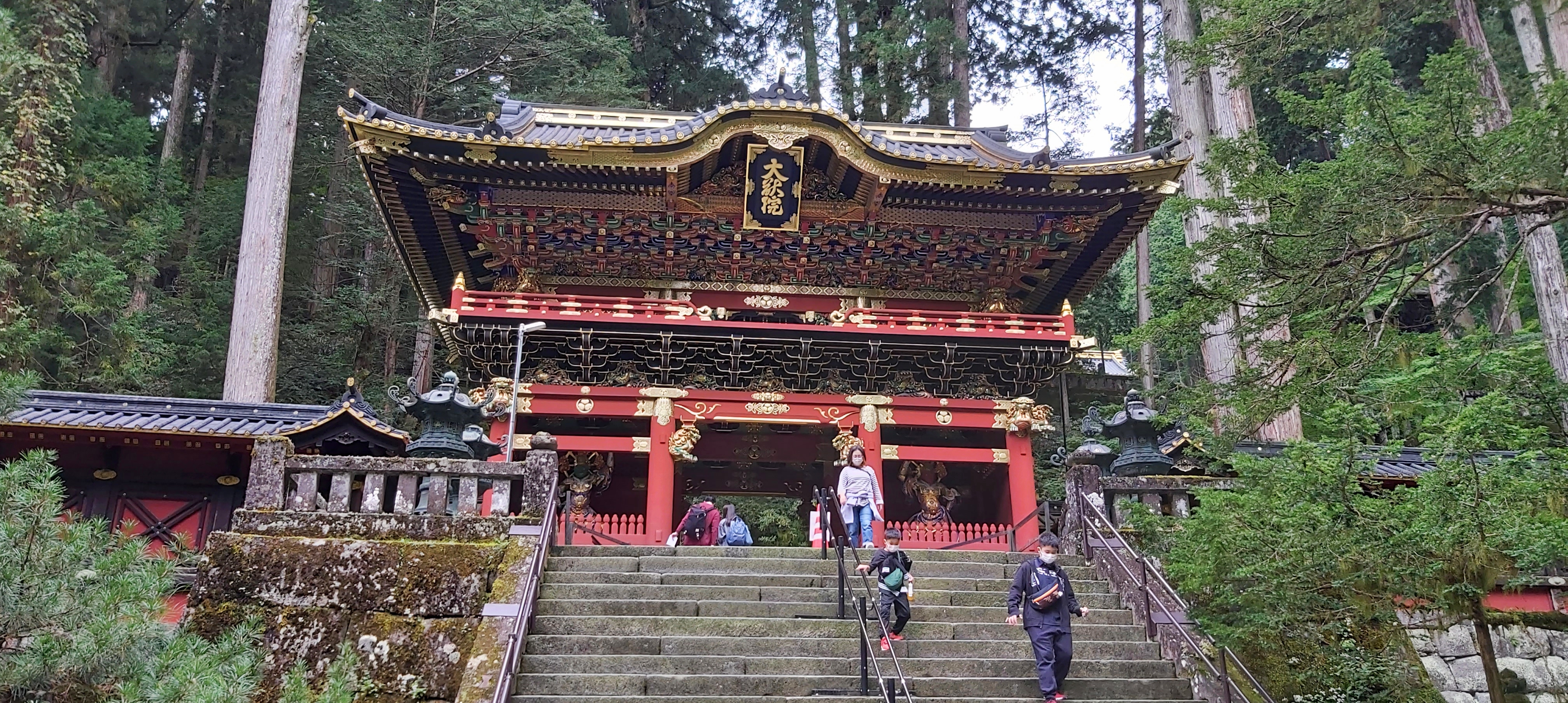




This concludes the temple portion of my trip. The final leg of my trip concluded further east in an area called Kinugawa Onsen. Join me next time for the finale of this trilogy.
Leave a Reply