My most recent trip this past weekend was to Chengdu, in Sichuan province. Sichuan borders Tibet and is the land of pandas, opera, and spicy dishes. Our school had notified us that we would have an extra two days off that week because another school needed to use our school grounds for their own physical graduation ceremony (or something like that). Chengdu was on my China to-do list, and I figured this would be a good time to go. I took the afternoon off on that Wednesday so that I could arrive in Chengdu that same day. Like with many previous Chinese flights, my flight was cancelled twice due to weather. This cut into my sight-seeing time, but it didn’t really affect my overall plans much.
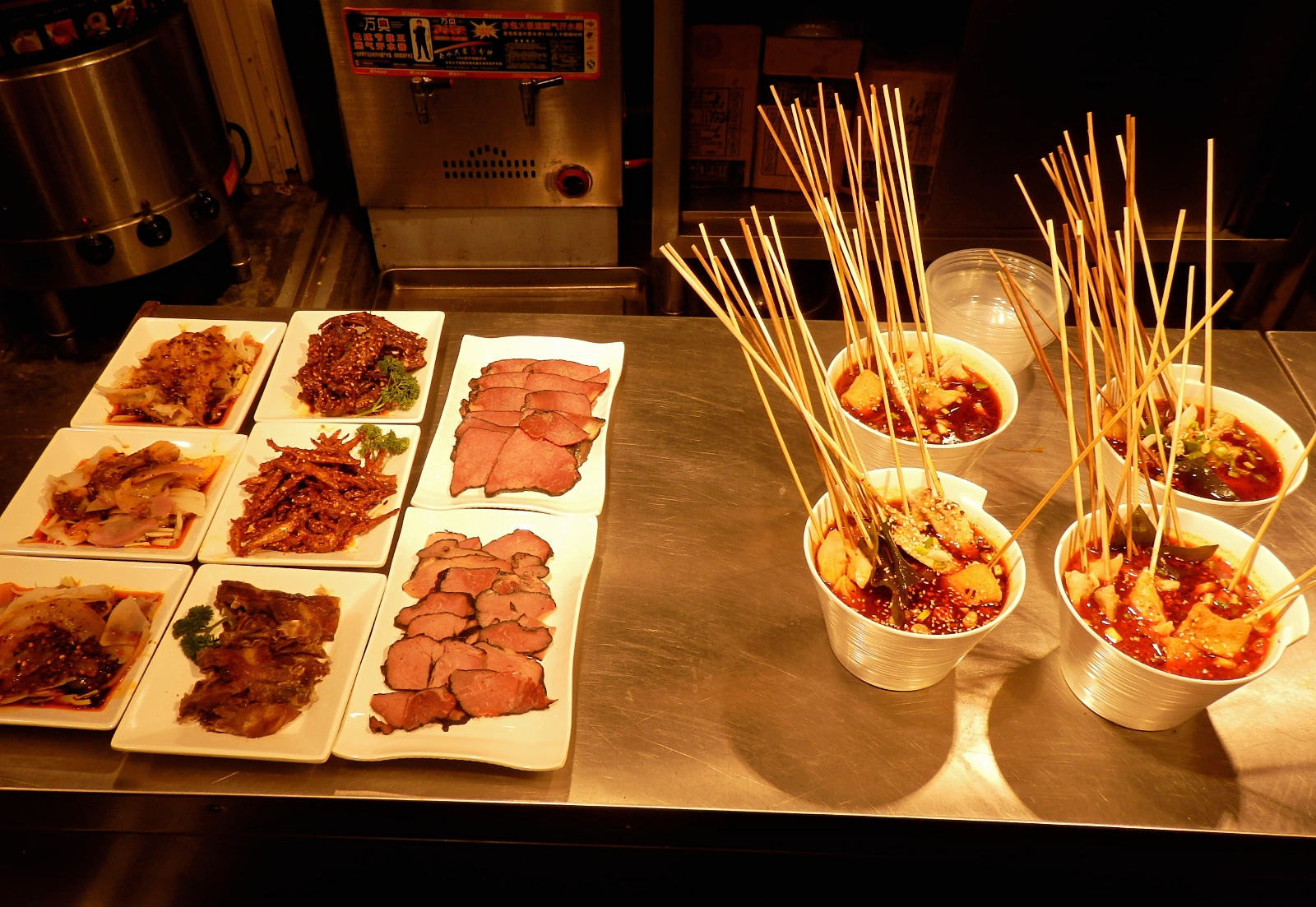
I got together with someone that I had met online a year ago (his English name is Cedric), and he took me out for my first meal in Sichuan. It wasn’t anything fancy, but it is a popular Chengdu meal called “malatang,” which is sort of like the Chengdu version of hot pot, where the boiling water is filled with seasoning and chili peppers. There are lots and lots of chili peppers. You go inside the eatery with a plastic bin and just pick as many skewers as you want. See for yourself.
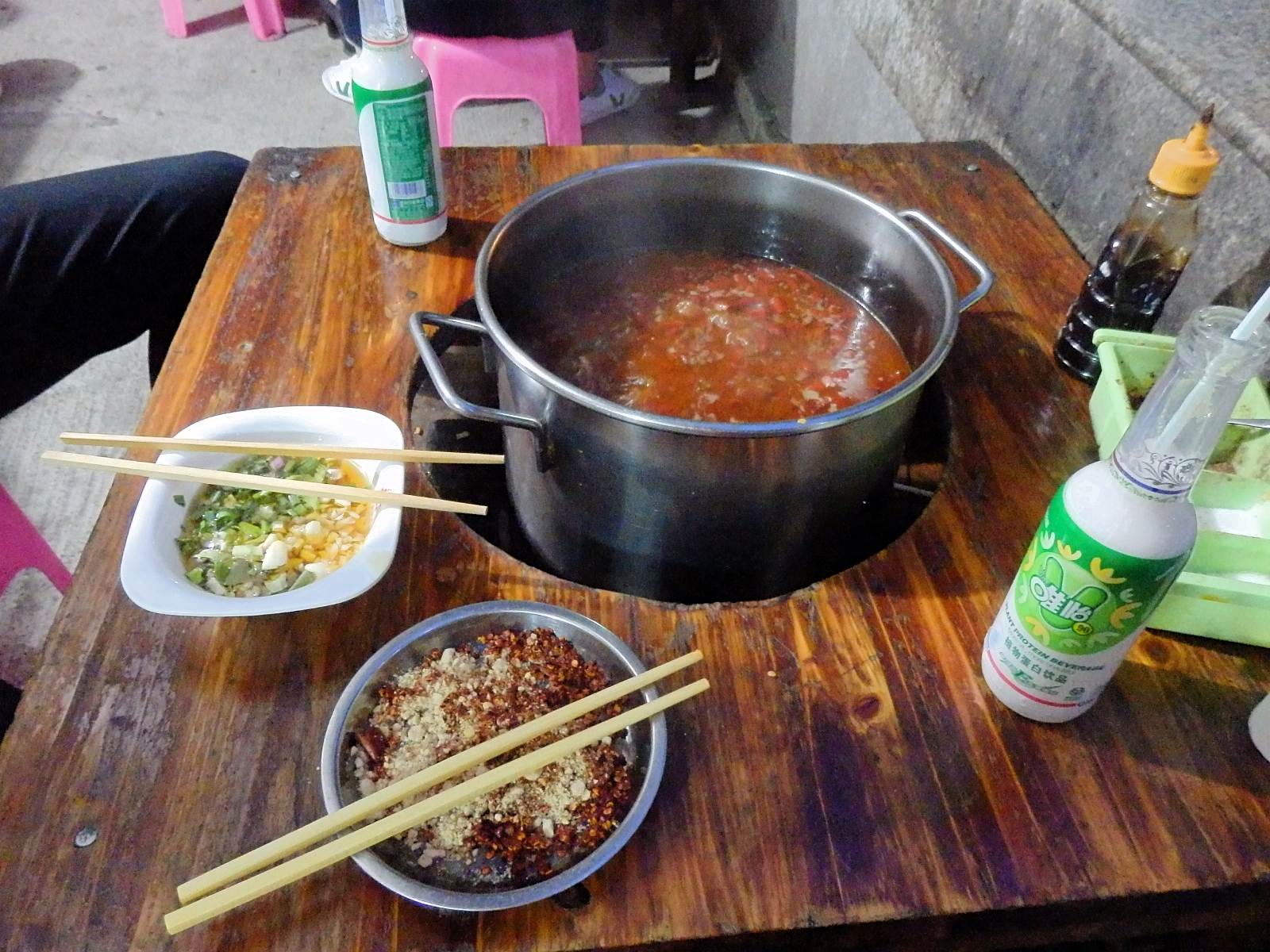


I actually didn’t eat that much Sichuan food while in Chengdu. I didn’t want to spend lots of time wandering around to see if there was anything I might like to eat, and I found a “jipai” place (sort of like a fried chicken or meat joint) right near where I was staying, as well as a dumpling place. But don’t worry, there will be more street food in my future here.
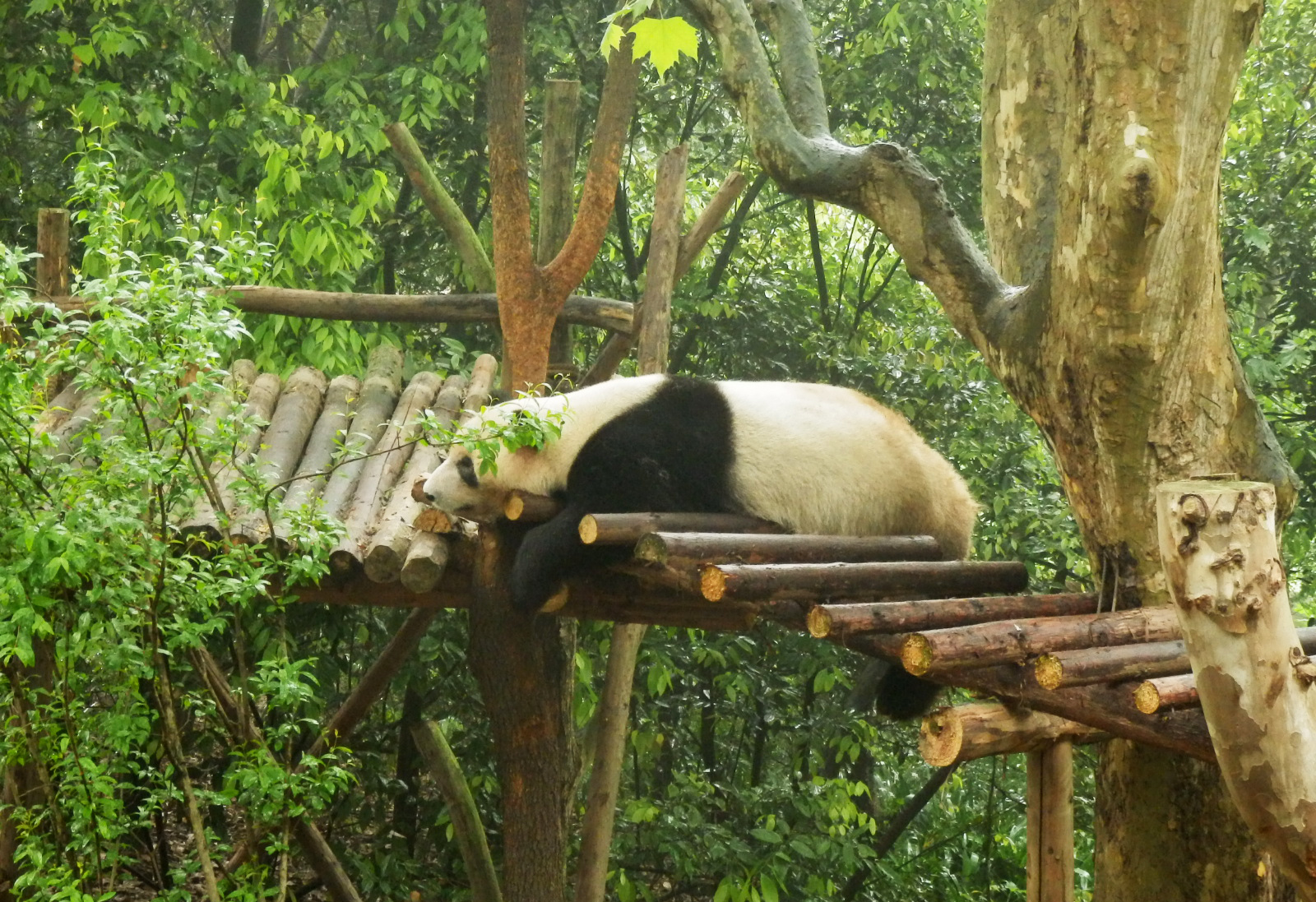
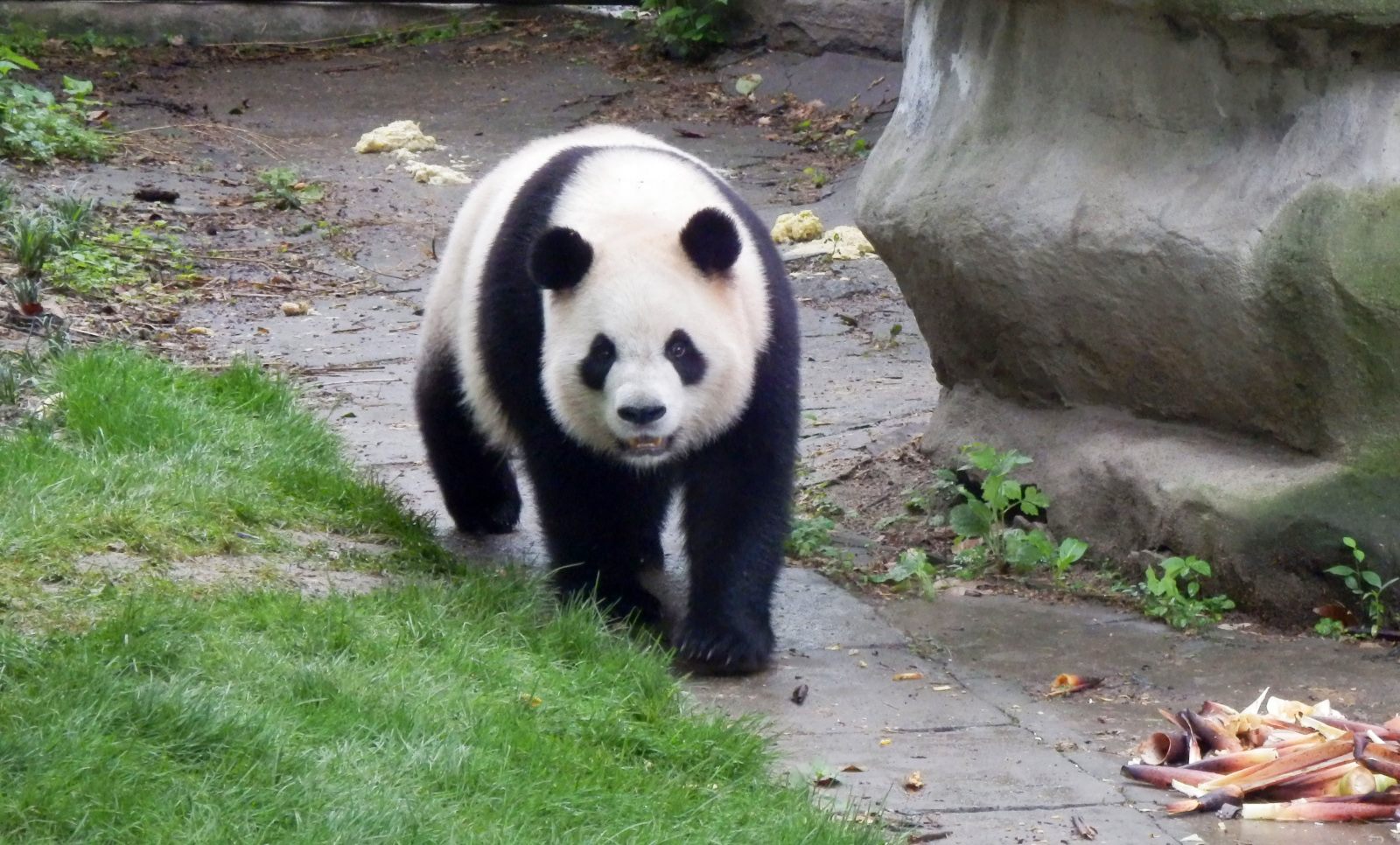
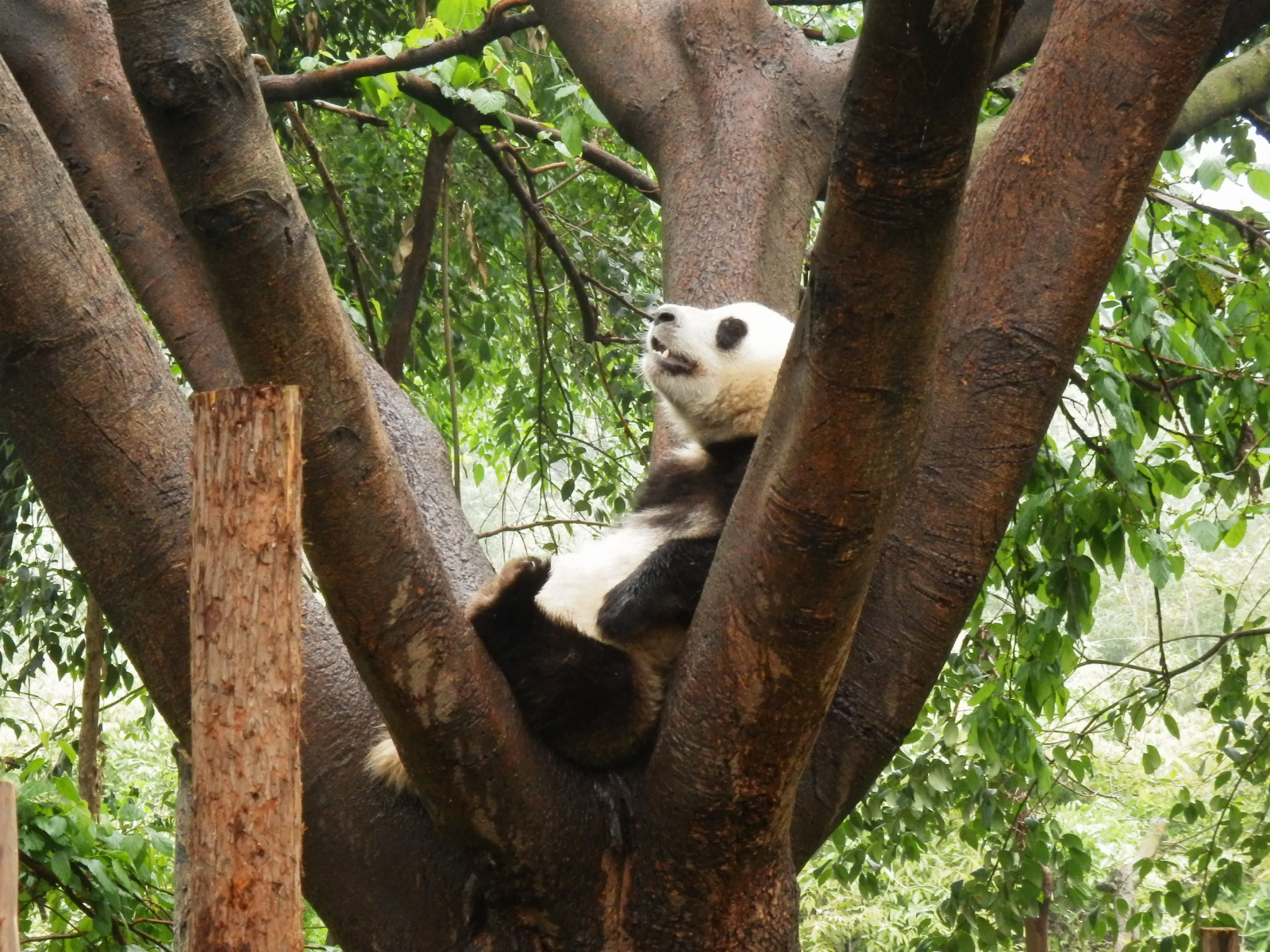
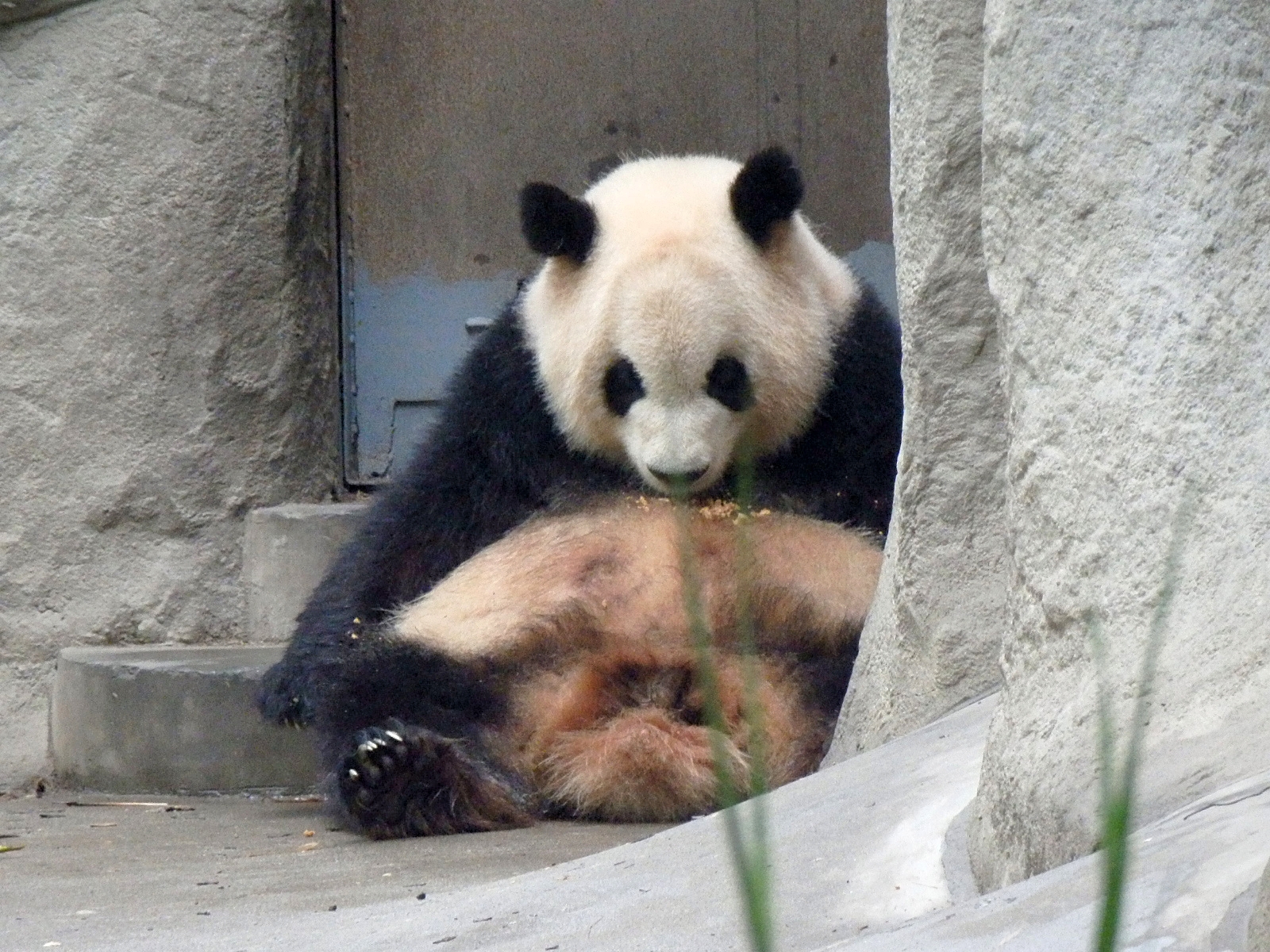
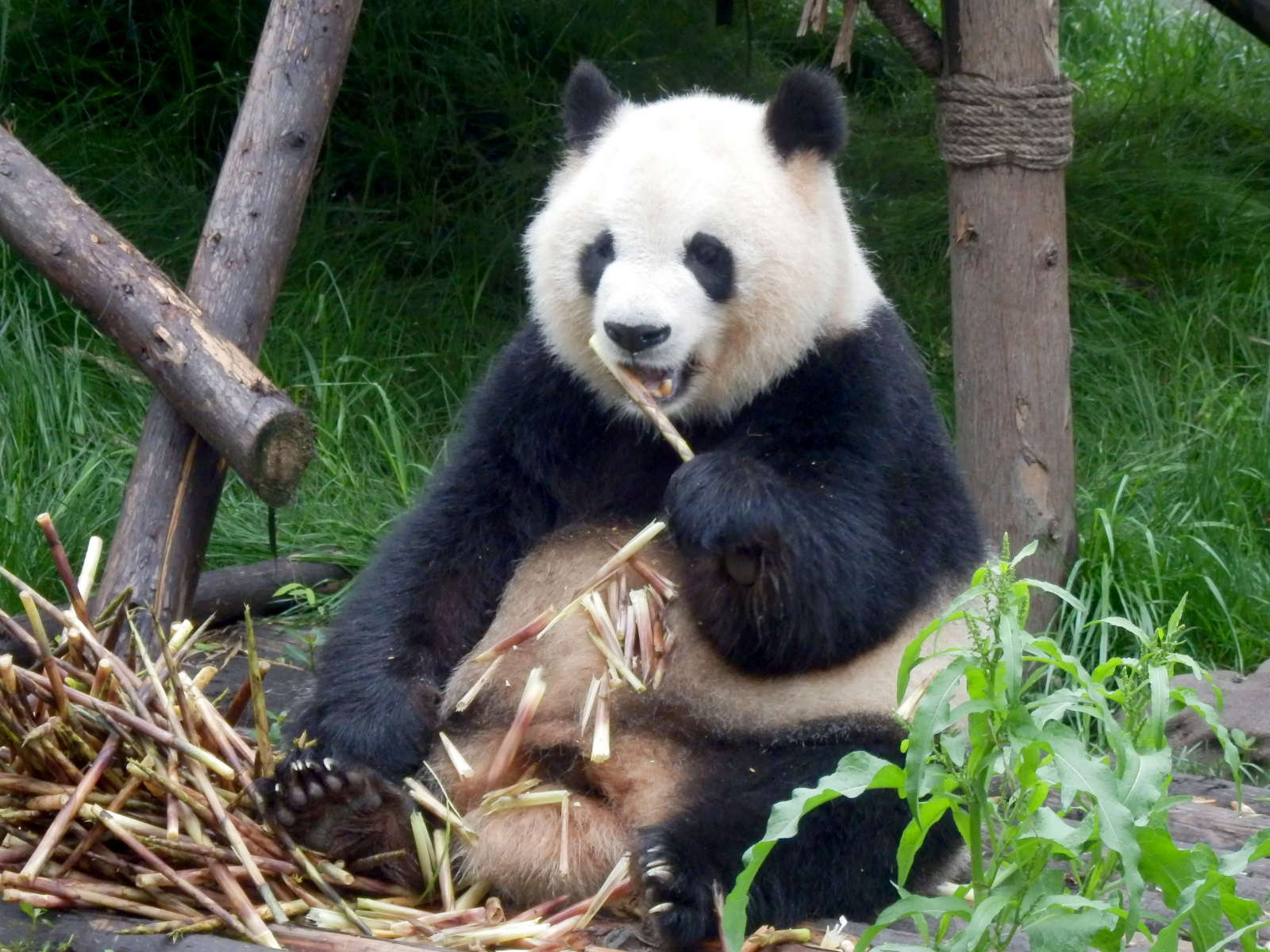
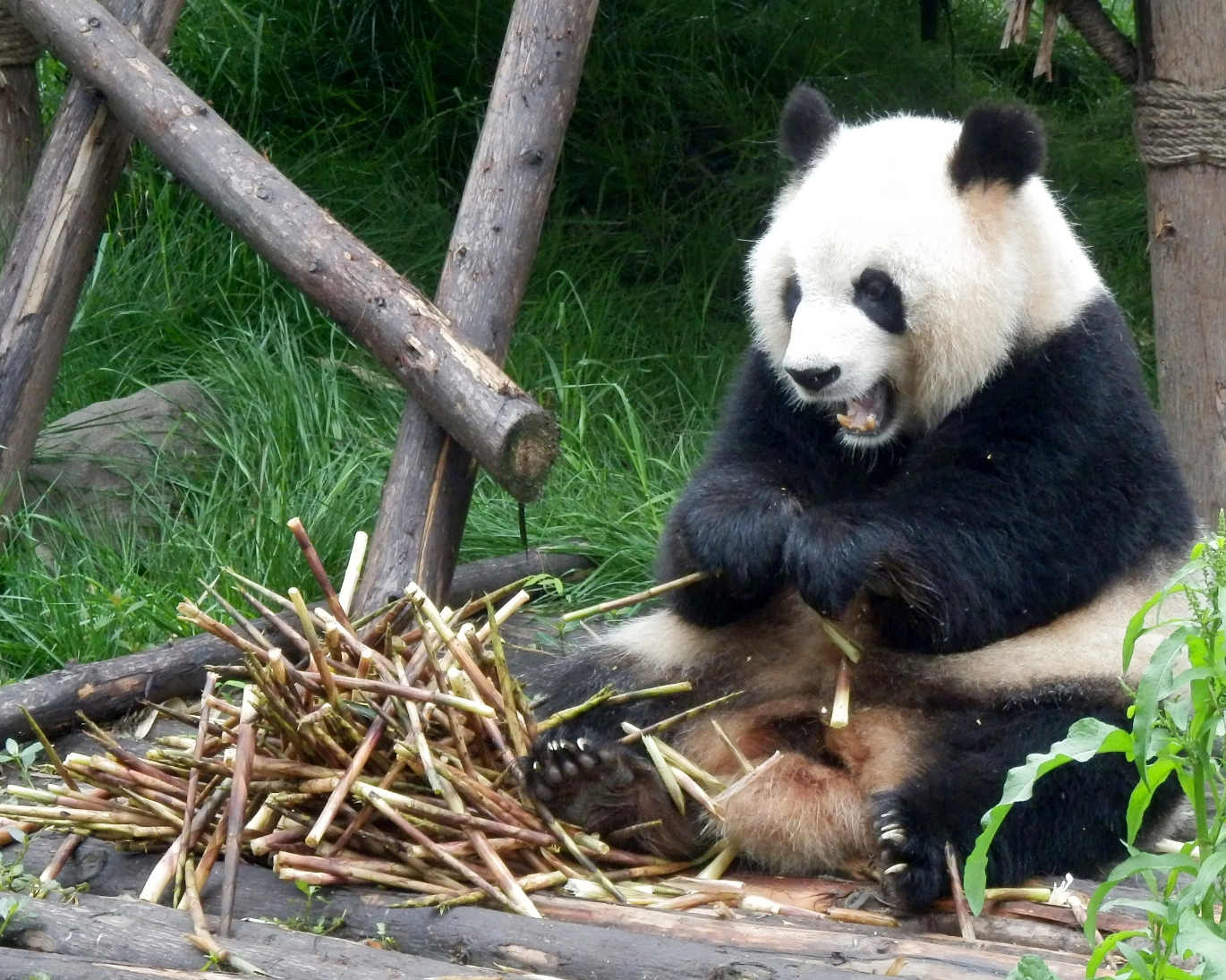
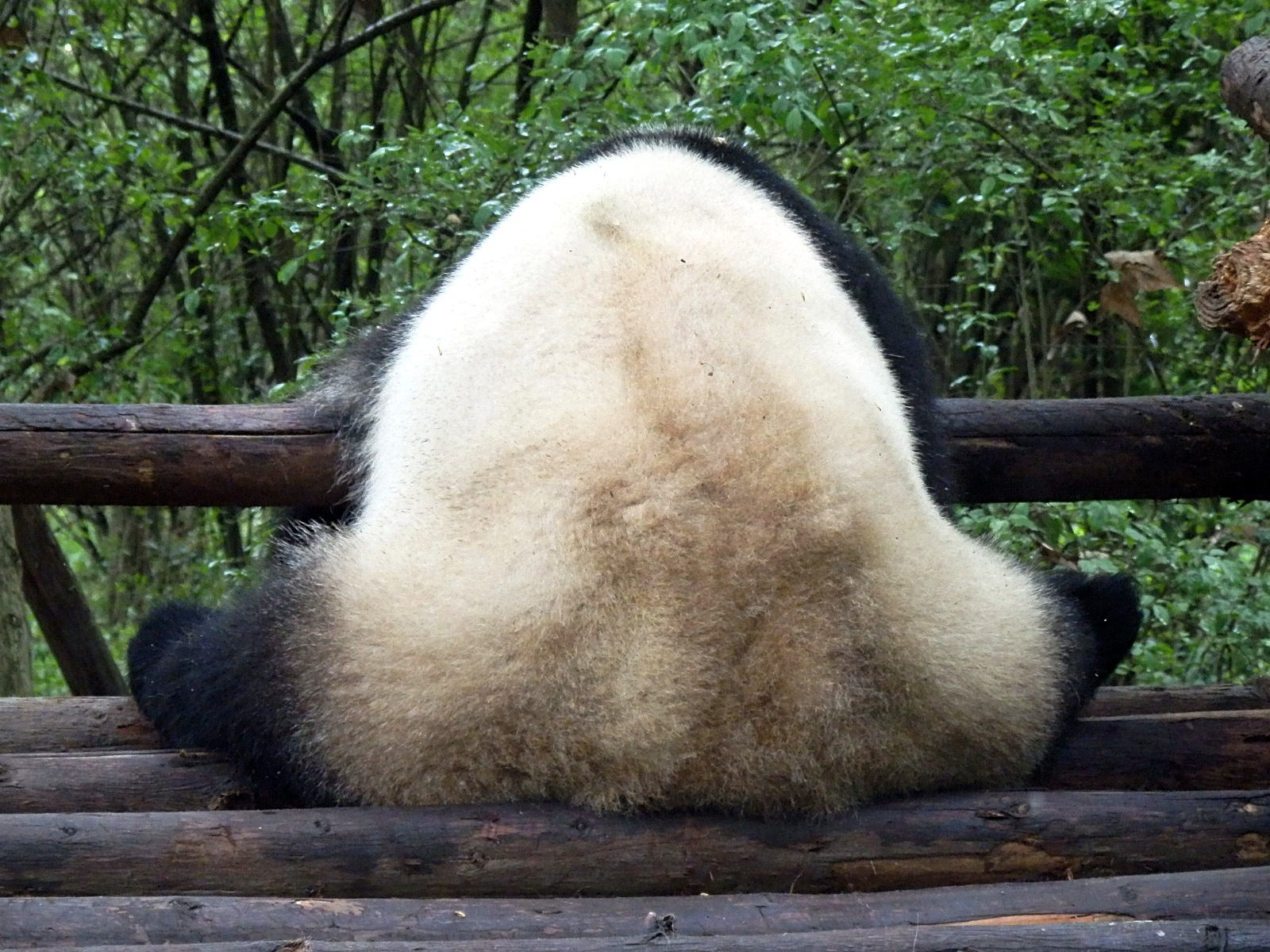
One of my first full days, I needed to see some pandas. I originally wanted to go to one of the three panda places in Chengdu called “Bifengxia,” which is apparently set in a bigger, more “natural” setting. It’s also 2.5–3 hours outside of the city. I actually bought a bus ticket and waited a bit, but as I continued waiting inside and saw or heard people continually shouting and pushing to line up for buses, I started to think that spending this much time on a trip like this might not be the experience that I had hoped for. I went back to my place, regrouped, and settled on going to the nearest and most popular Panda place (which ended up being roughly a 25-minute taxi ride). It was called the “Chengdu Research Base of Giant Panda Breeding.” Apparently, the black and white pandas as we know them are referred to as “giant” pandas.
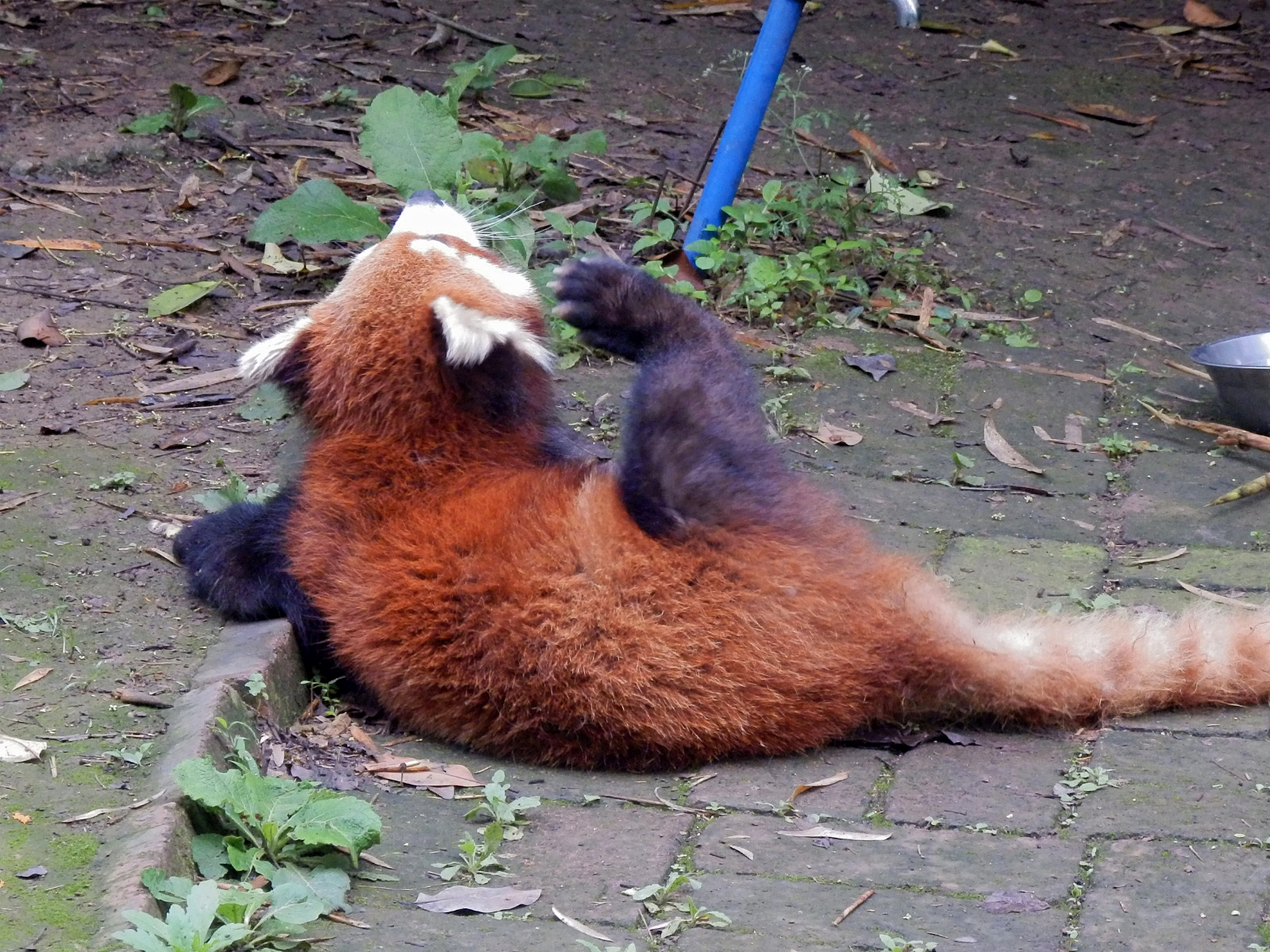
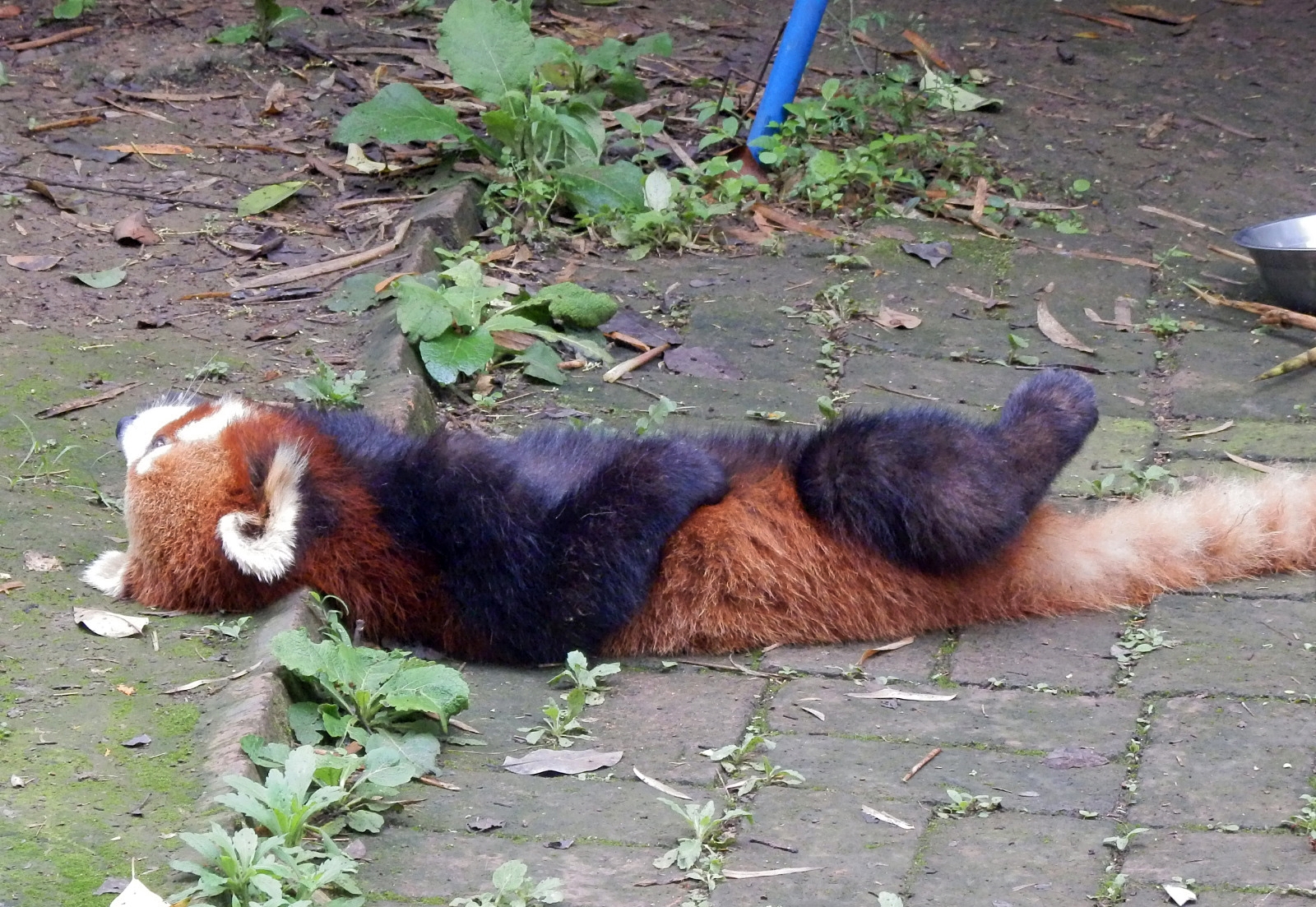
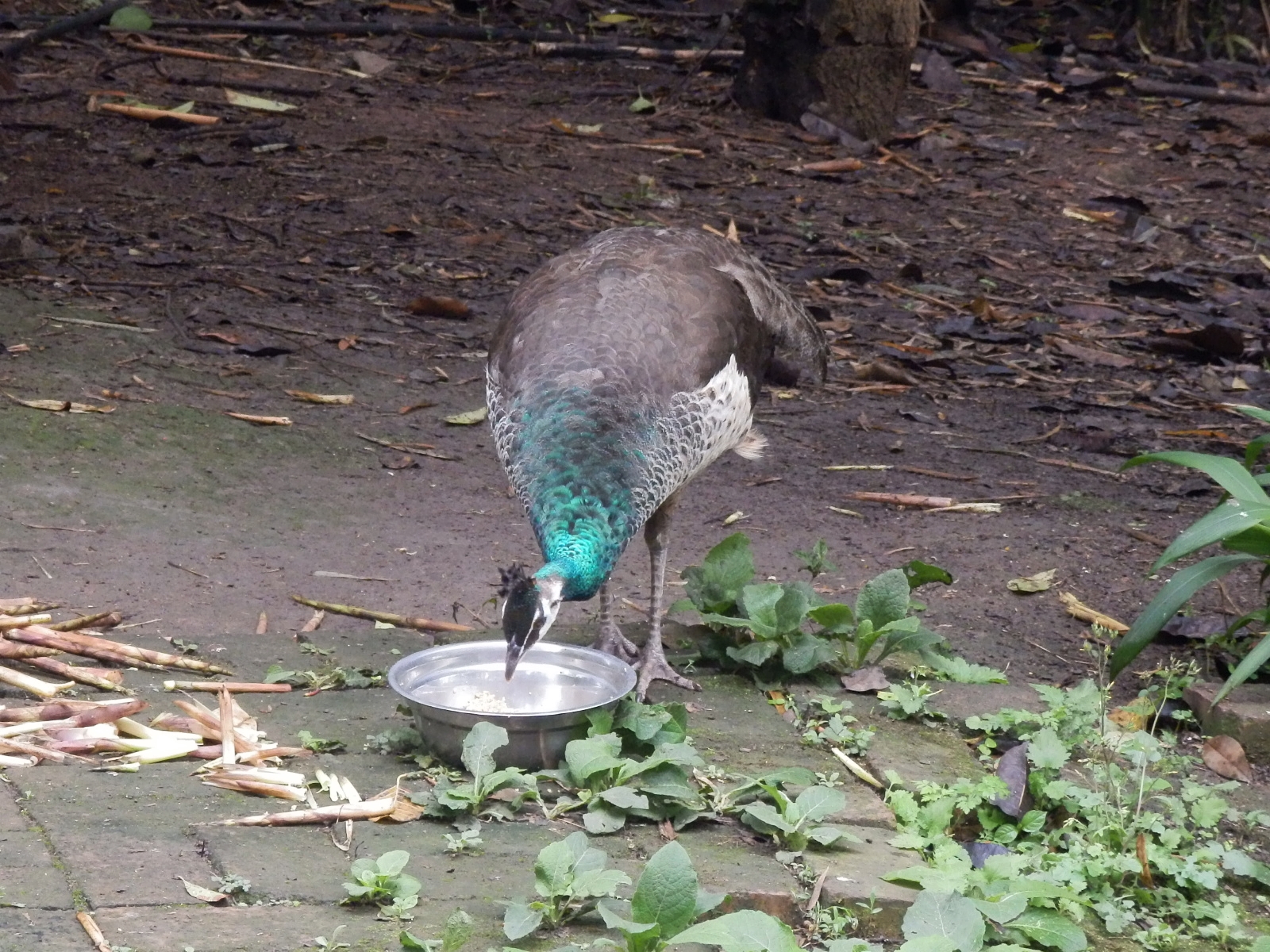
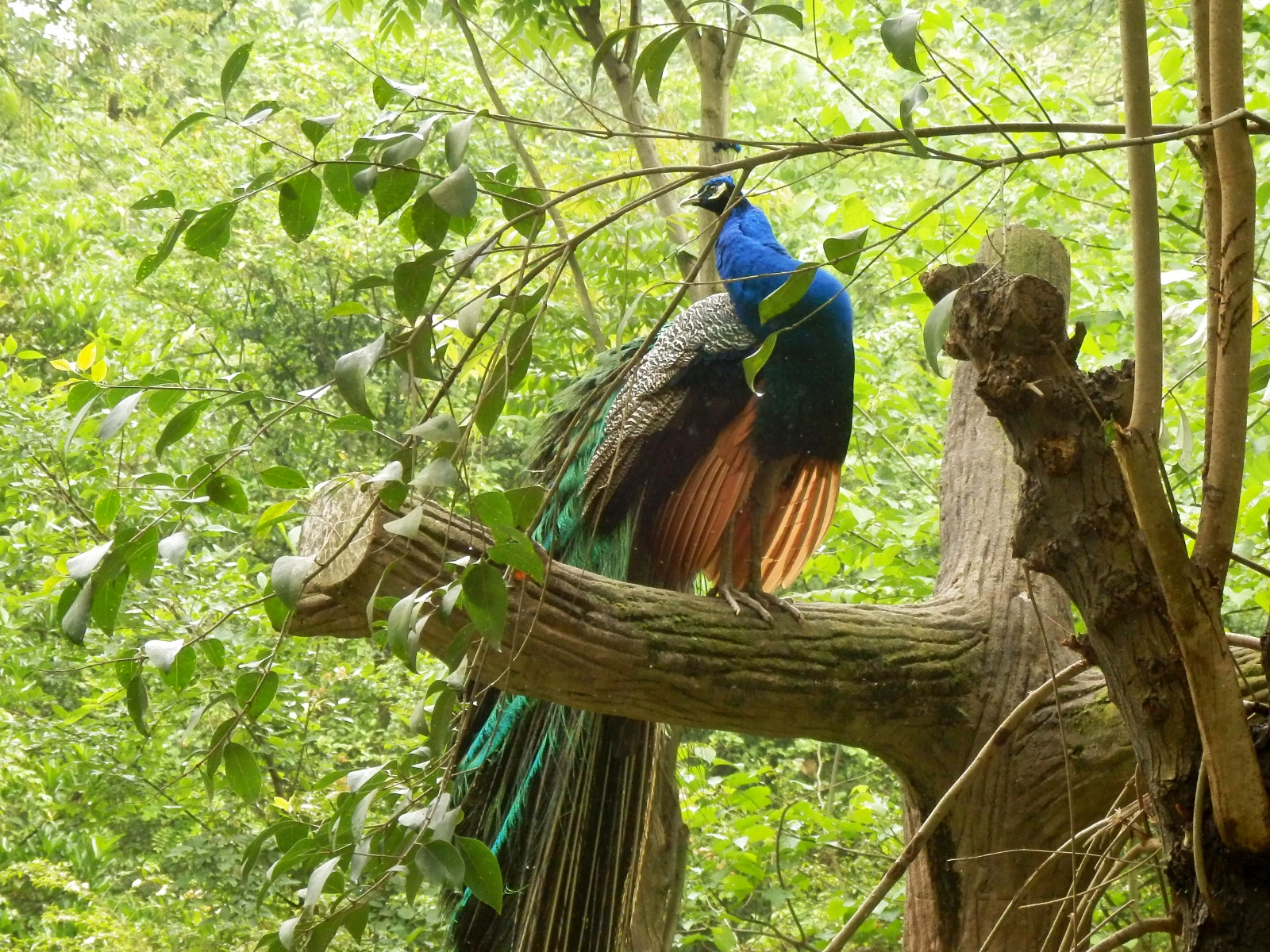
Pandas weren’t the only site to see here. They also housed some red pandas and peacocks, and they also had a butterfly museum. Now, onto the pandas (and other animals).




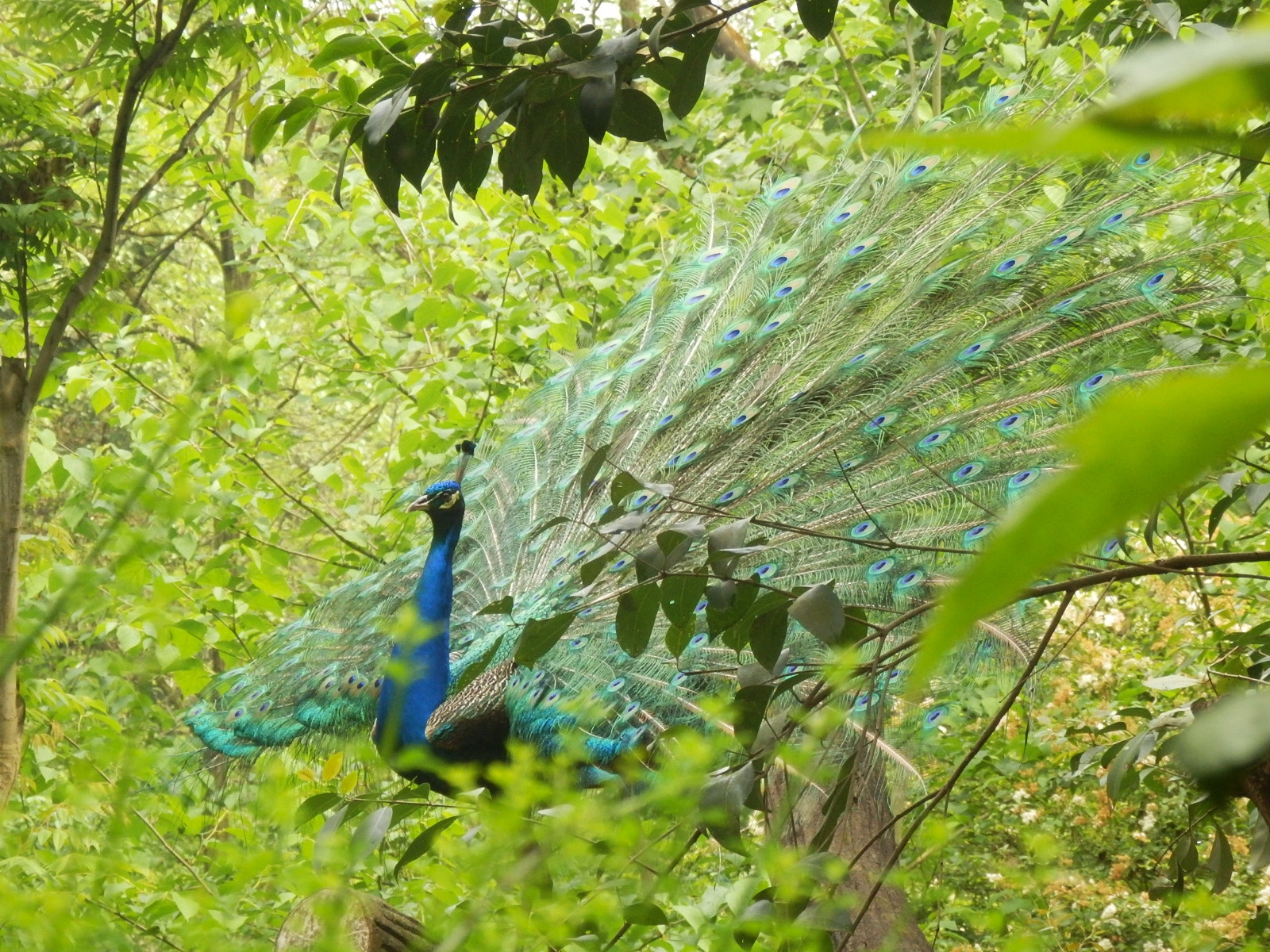
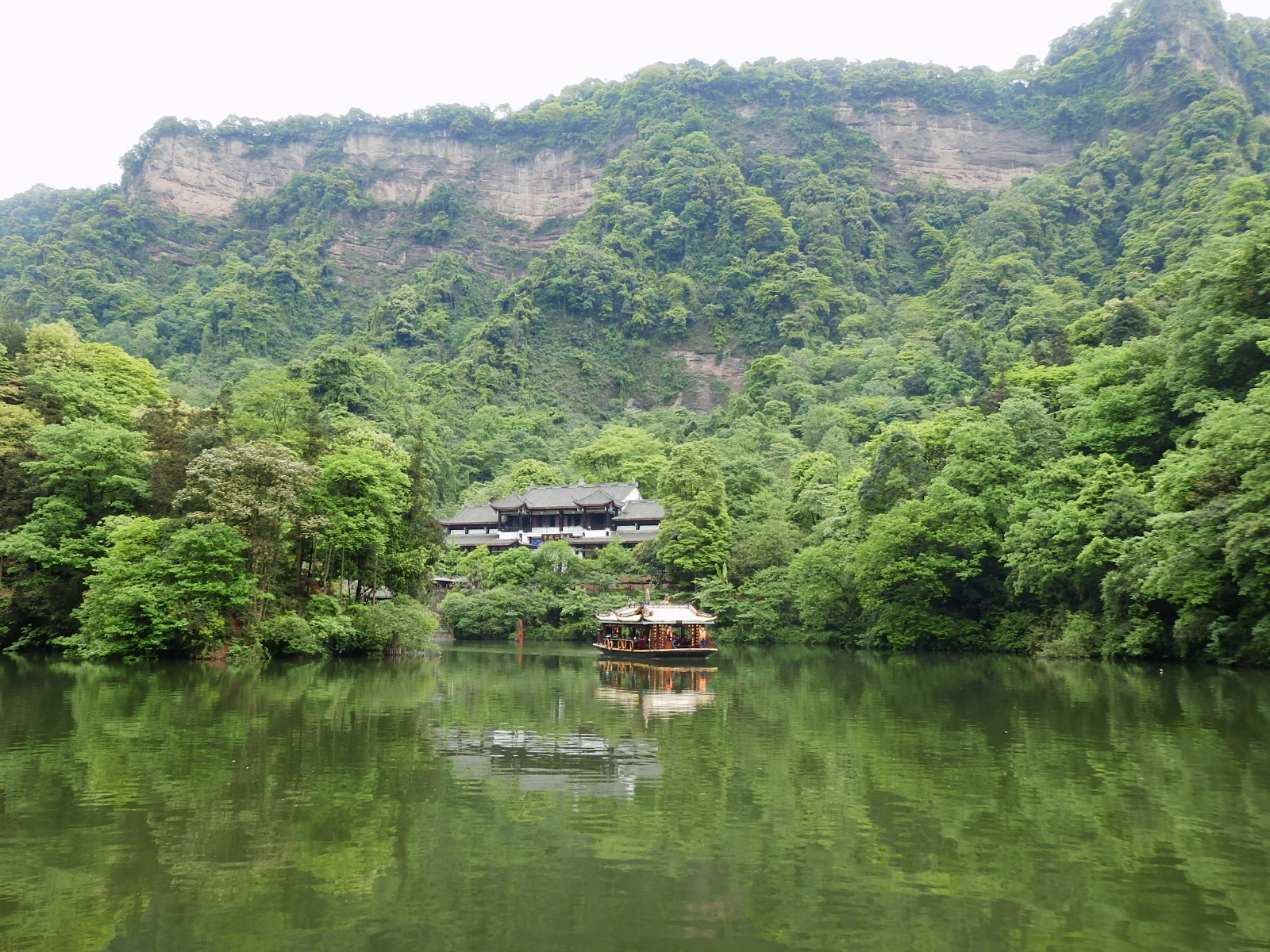
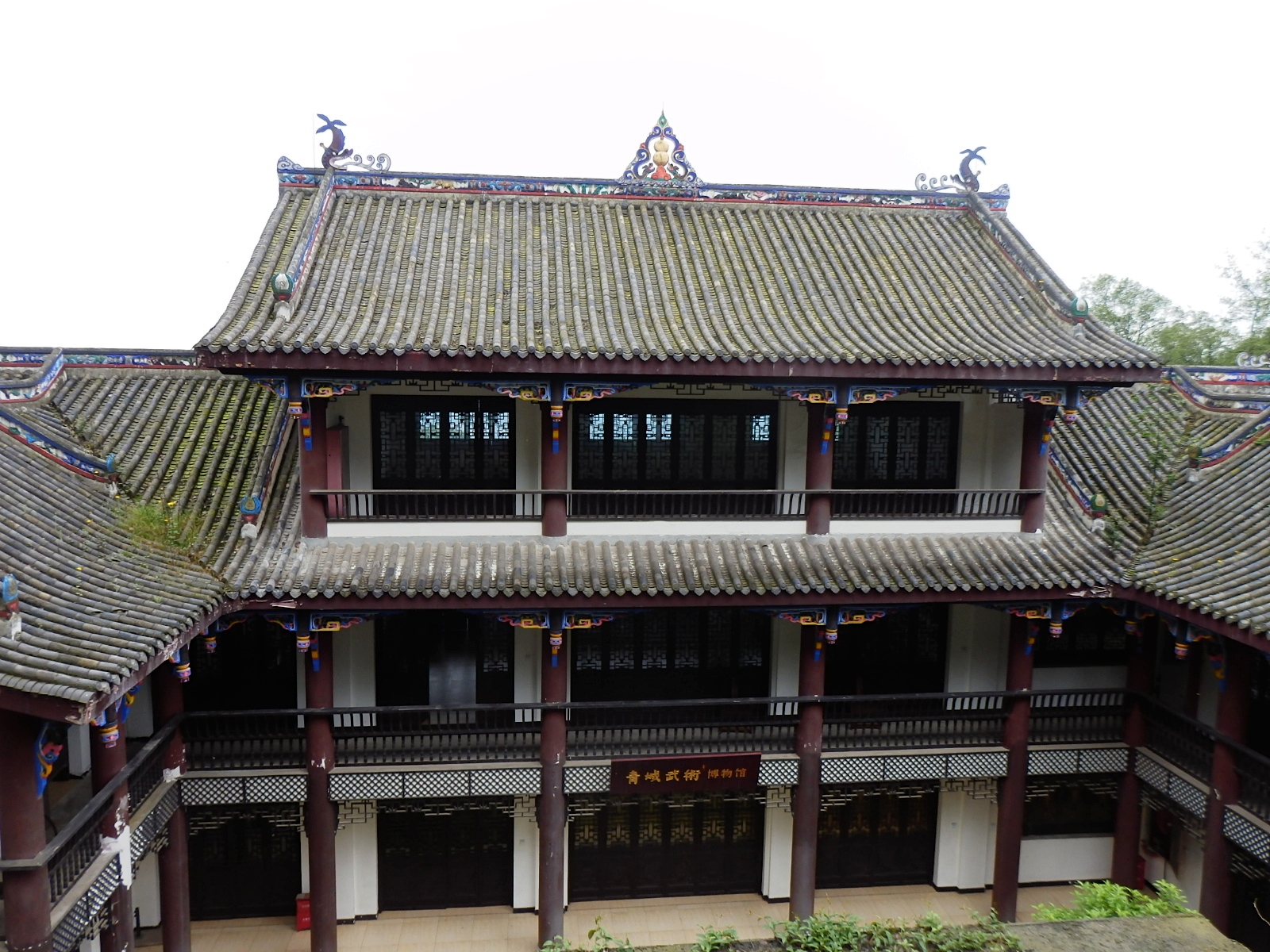
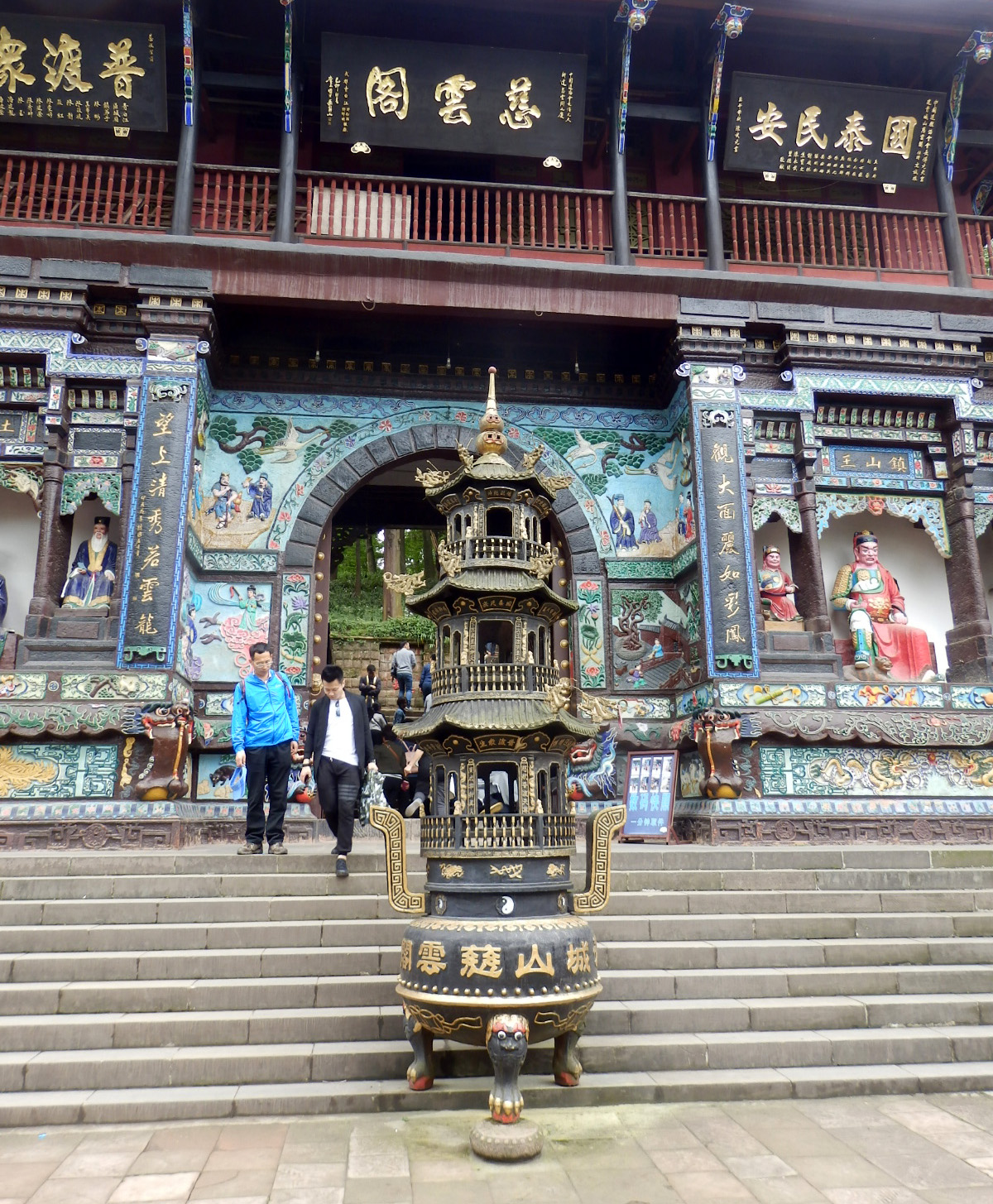
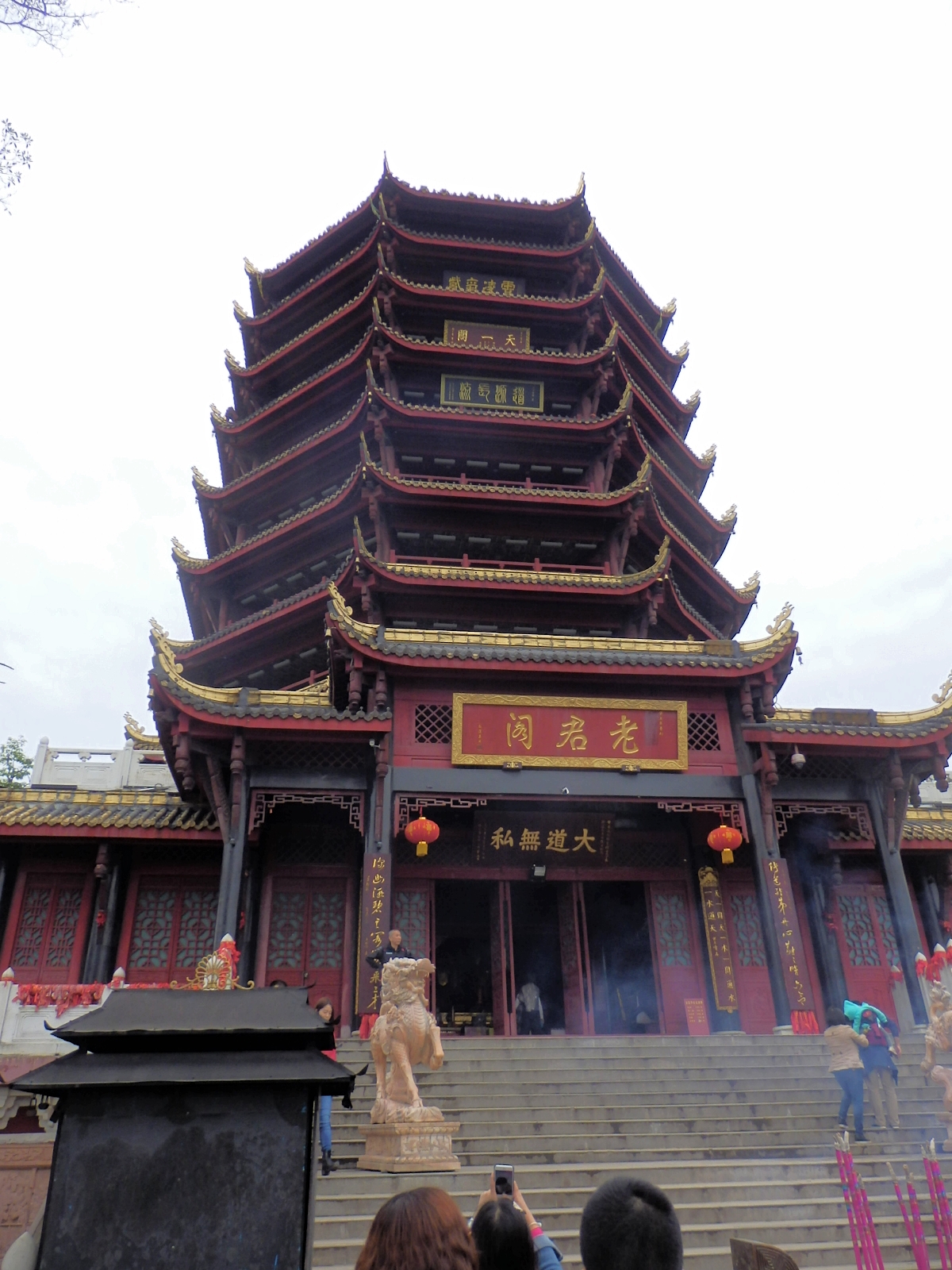
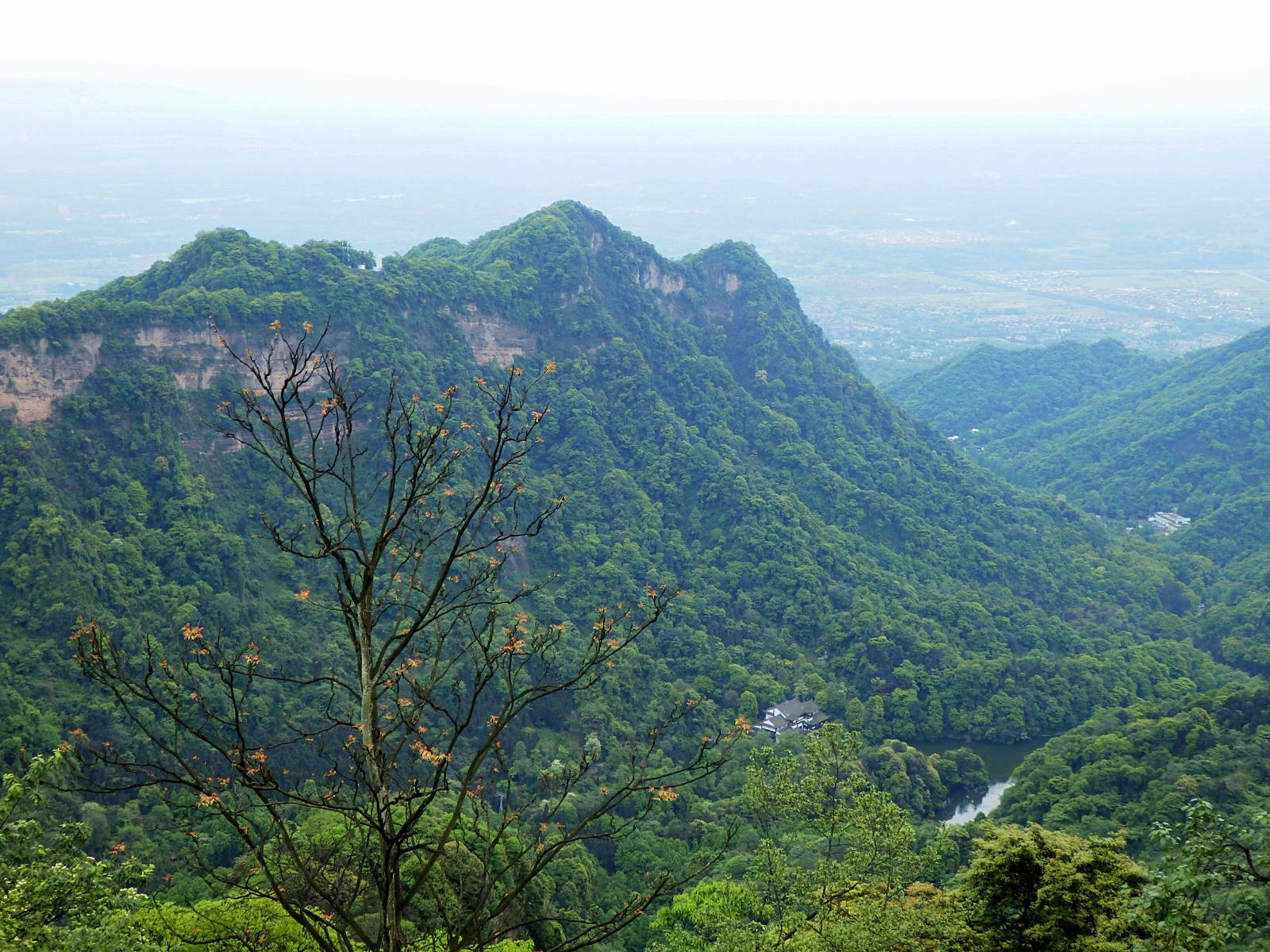
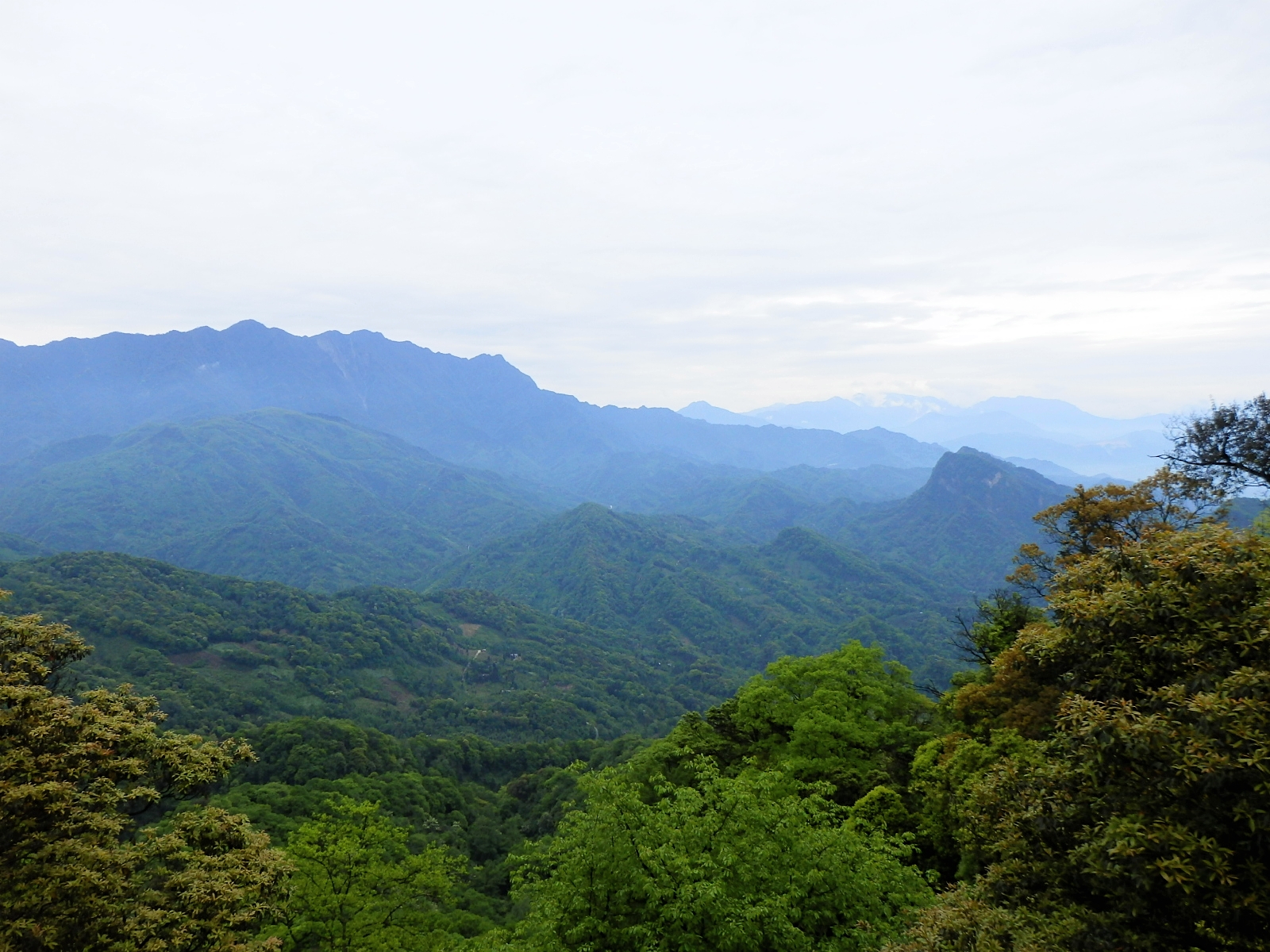
The next day was a visit to a place called Qingchengshan (Mount Qingcheng). Unlike Bifengxia, I decided not to let the shouting and people scrambling deter me from taking the bus here. This is one of the most famous Taoist mountains in China. It involves a lot of hiking along staircases that have no railings (very Chinese) through heavily treed areas.
I ultimately chose this place over going to see the Leshan Giant Buddha. Overall, it was OK, but factors like the longest hike ever to get to the ticket booth (2.2 km) with only 2 signs along the way, far too many slow-moving people, lots of people selling cheap crappy items and annoyingly loud toys, temples that looked just like every other temple I’ve seen in China, and tons of hiking upwards without knowing if you’re actually going where the signs are pointing made this an exhausting, mildly satisfying trip. But at least the mountain views were nice.


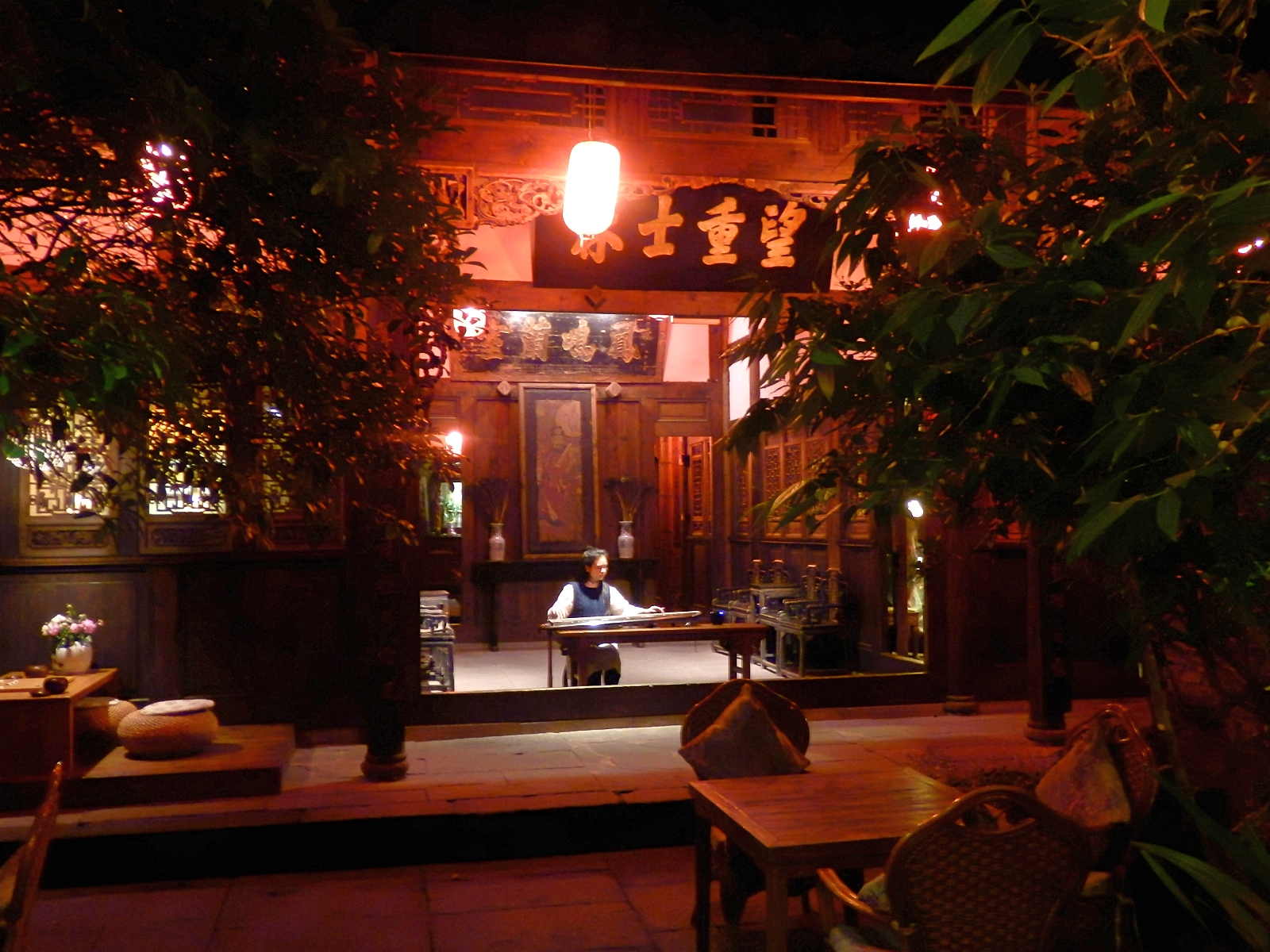
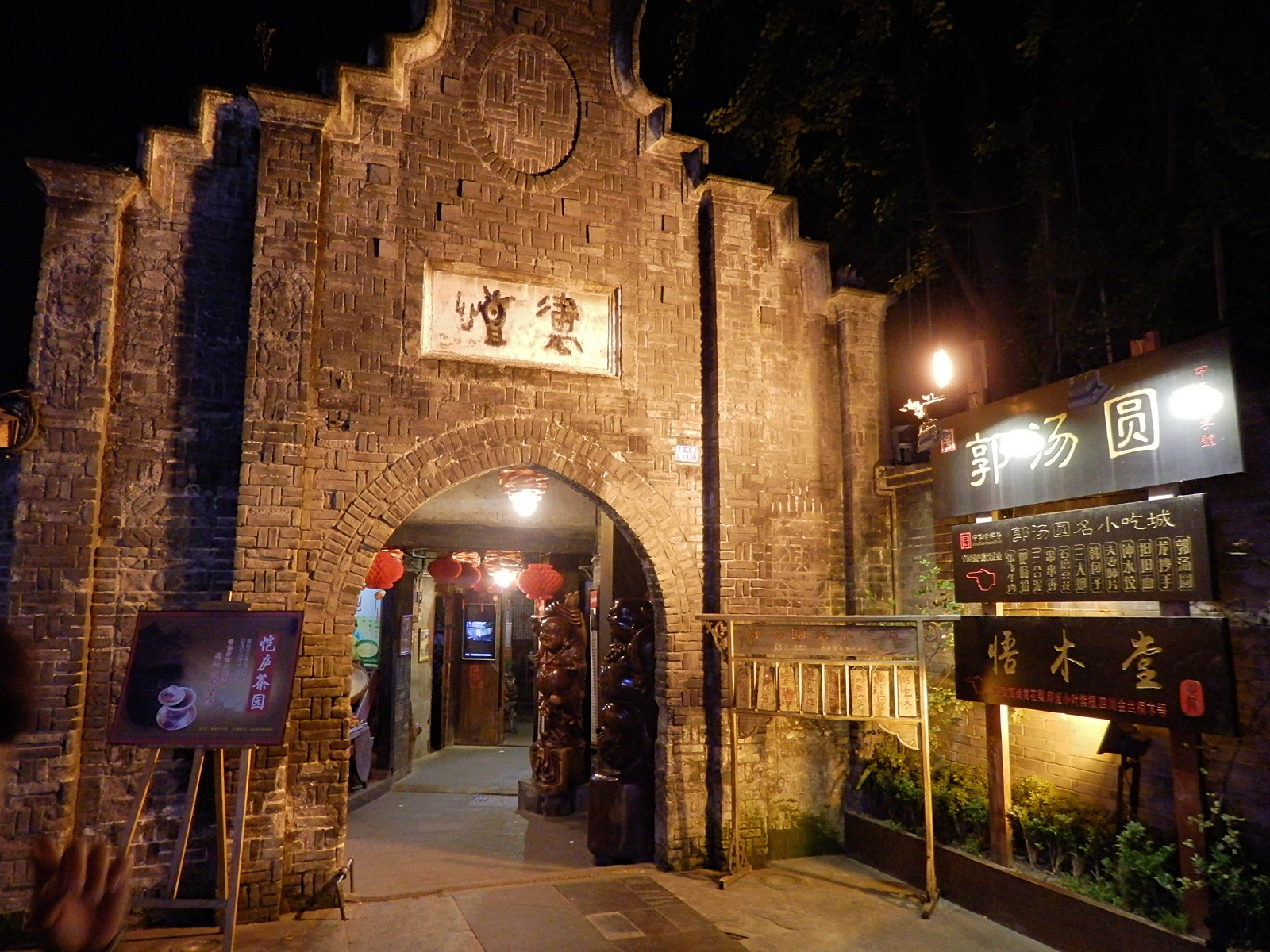
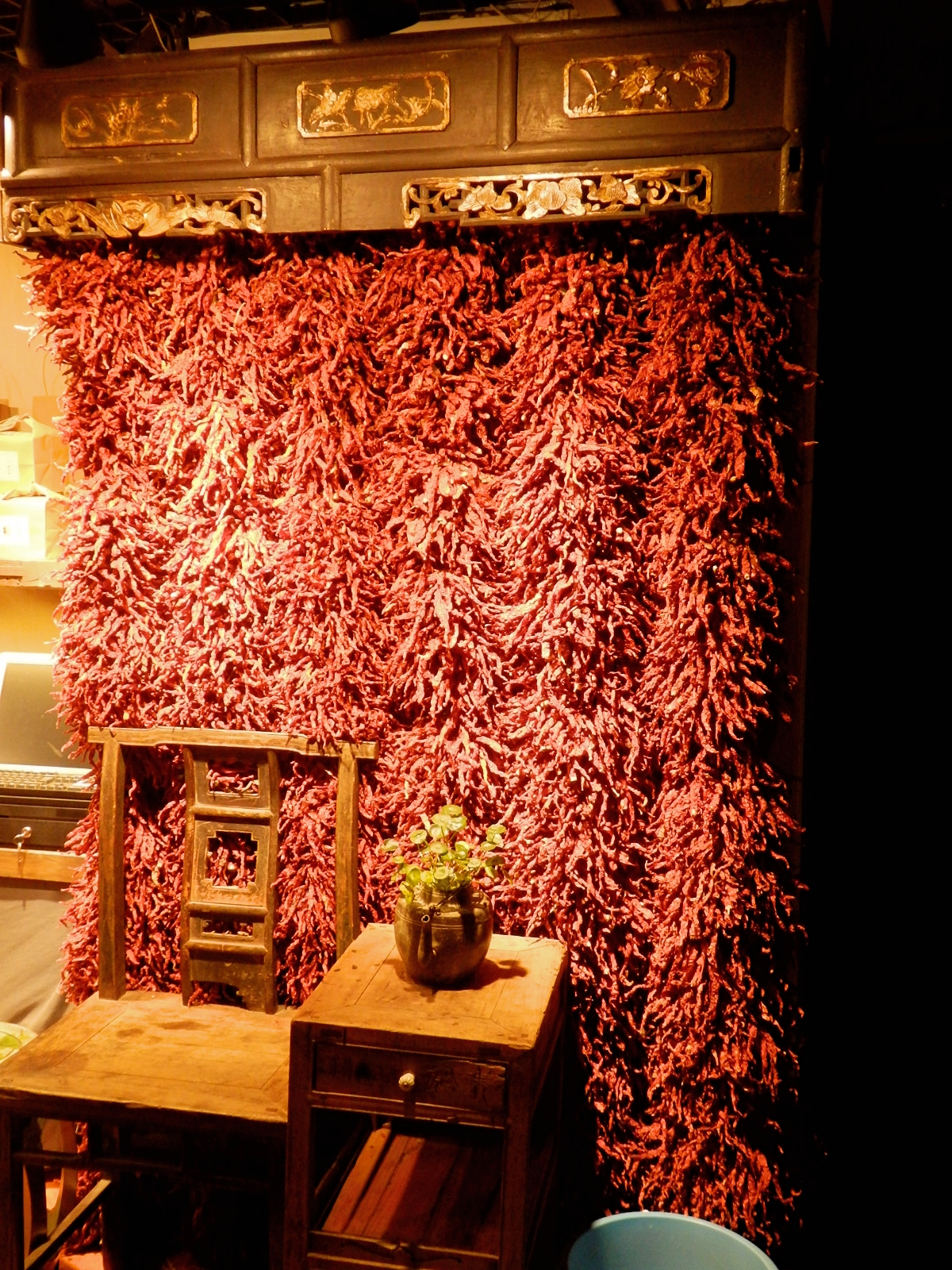
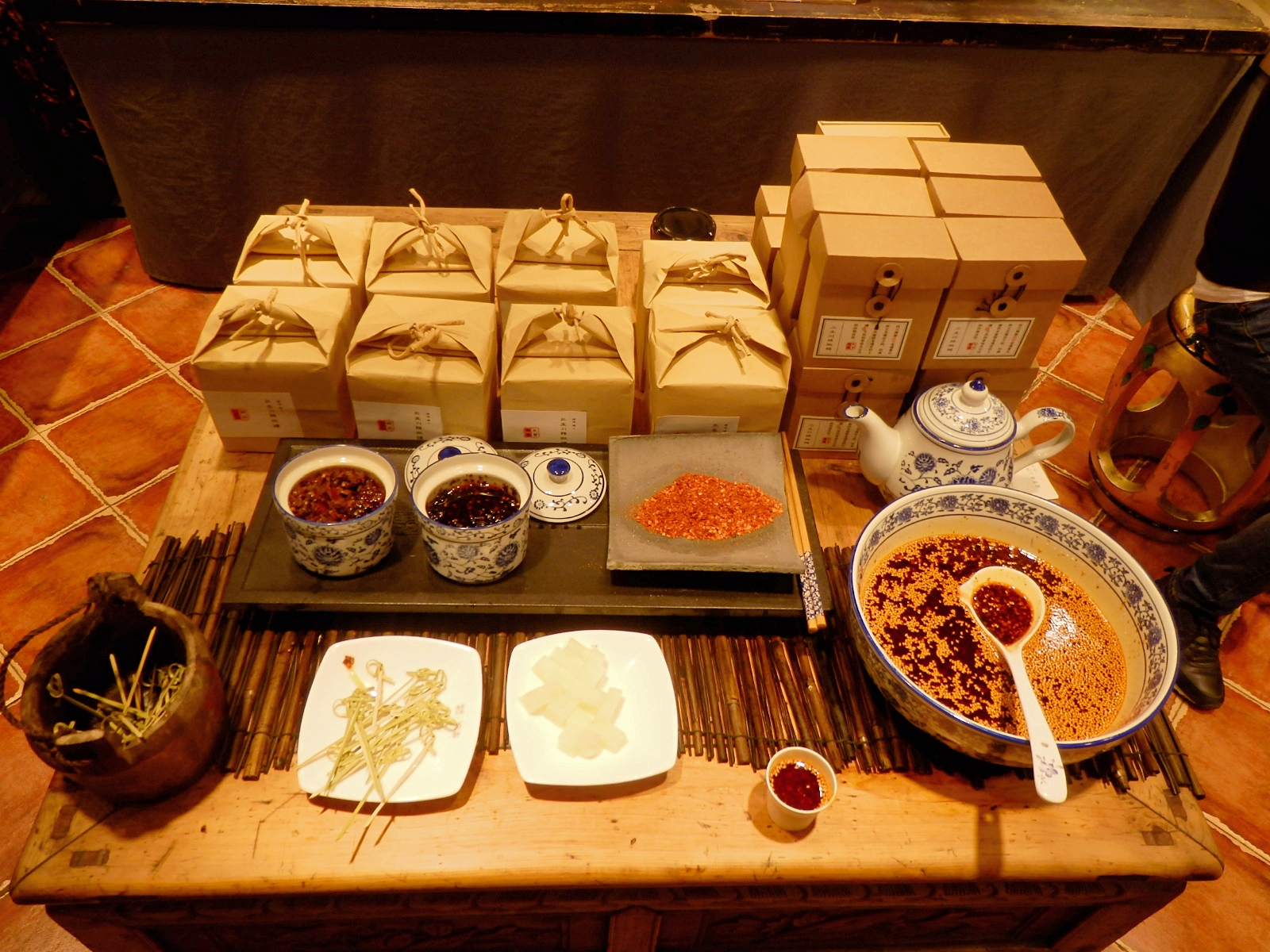
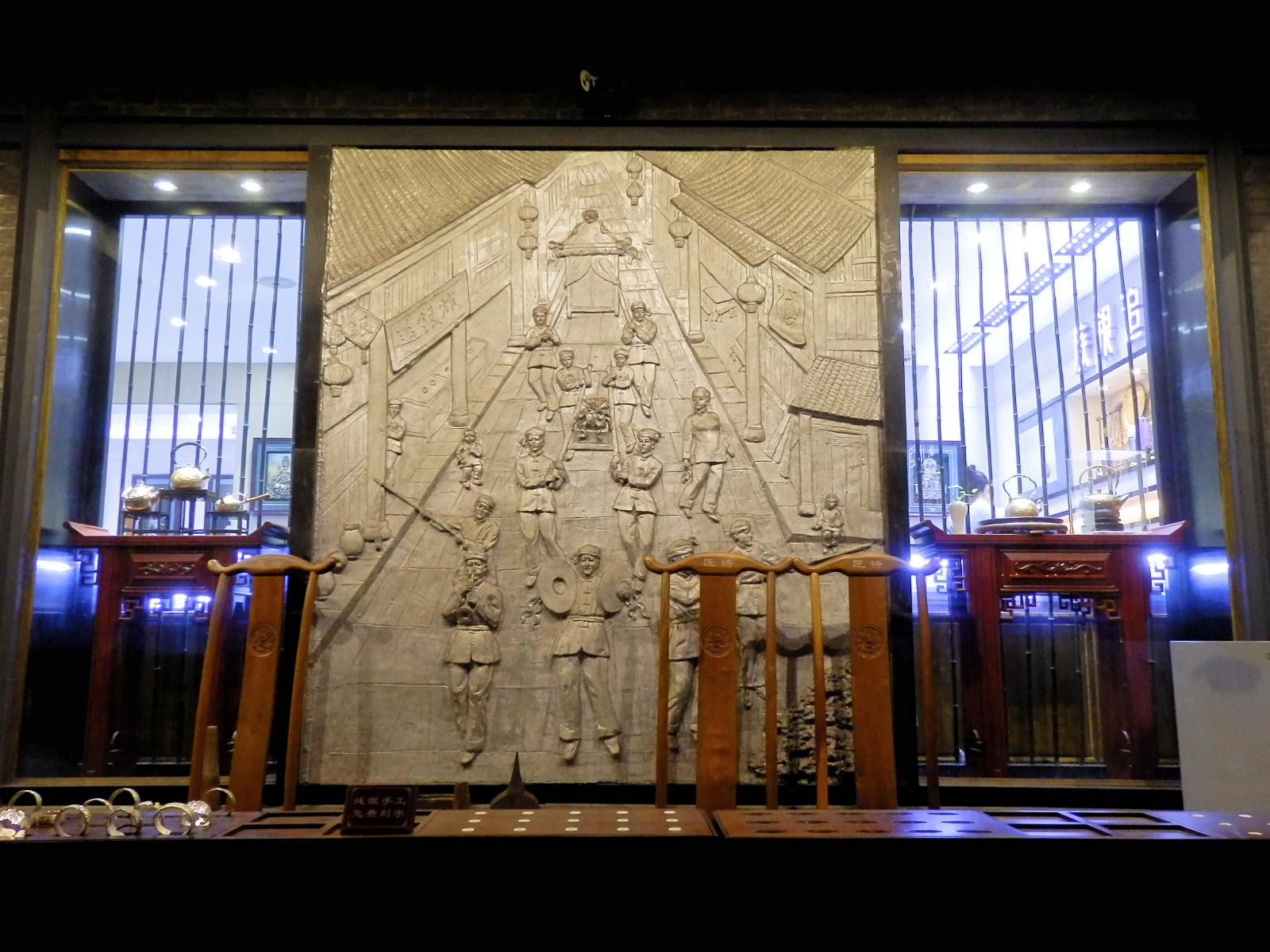
The final day there, I was waffling between going to the ancient town of Luodai (45 minutes outside of the city) or going downtown to see one of the famous street areas. I opted for the latter. The place we went to was called the Wide and Narrow Alleys, which are a set of three alleyways that still have some ancient structures leftover from when they were originally built during the Qing dynasty. It’s filled with restaurants, street stalls, tea houses, and shops. We went later at night, and I enjoyed some of the nighttime lighting from the storefronts and lanterns. The majority of the businesses there are, of course, new and modern, but the area is still nice. Cedric and I strolled along the streets and stopped at a few tea houses. We tried tea at the first place, which apparently owns and grows its own organic tea leaves. Their tea tasted great, and it had a natural sweet smell to it. The last place we stopped was a chili shop that specialized in chilies, spices, and oil.


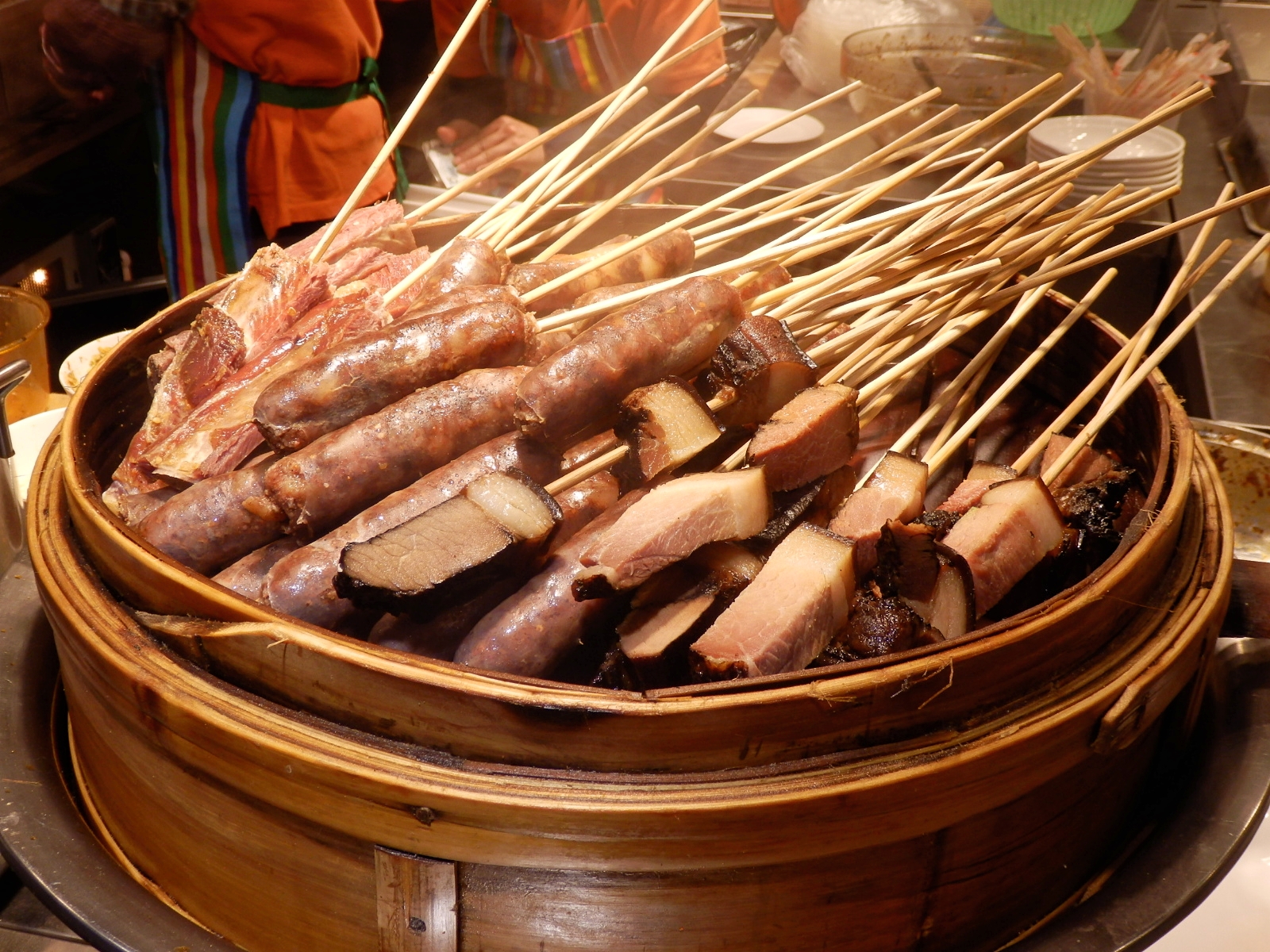
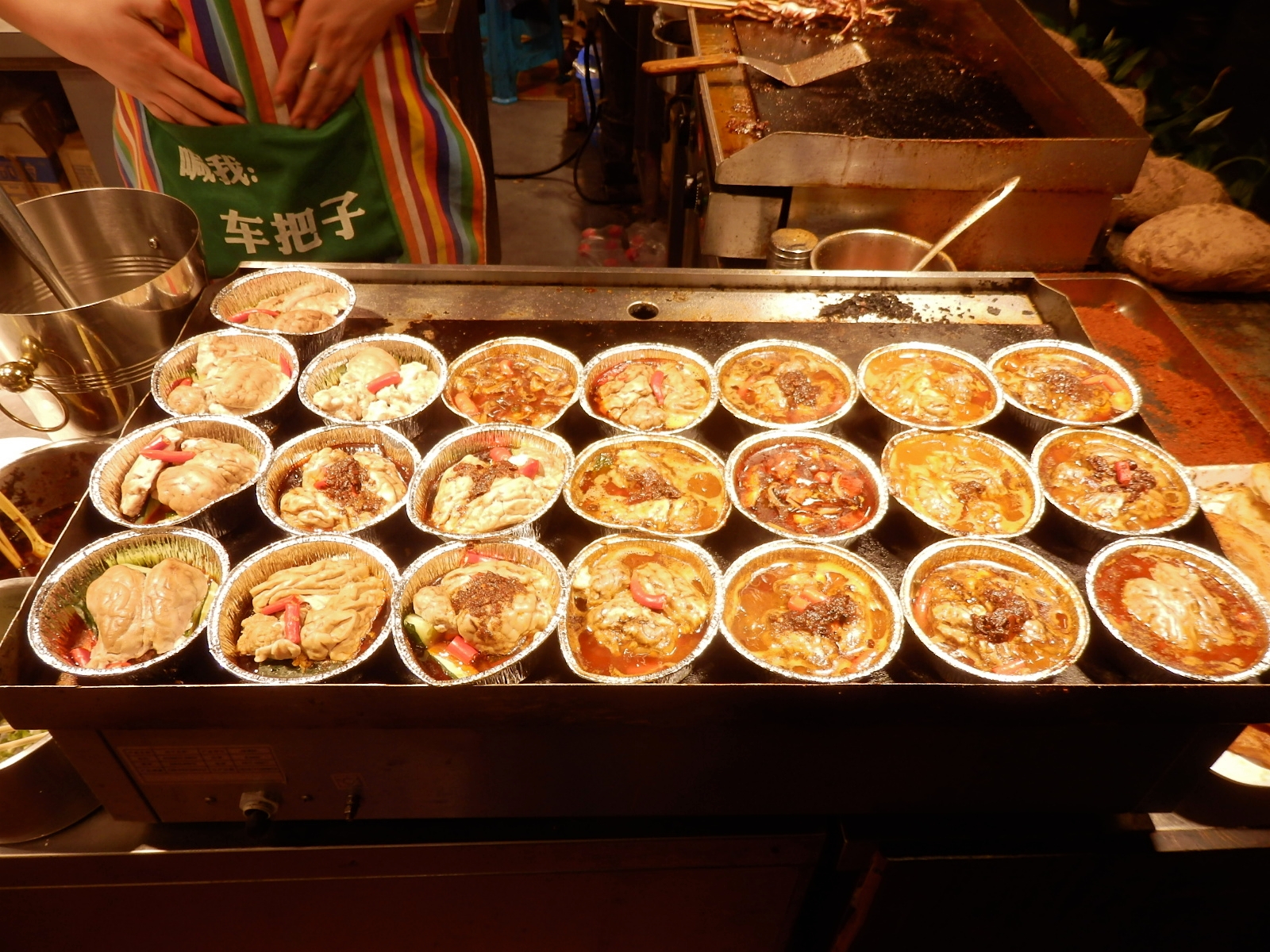
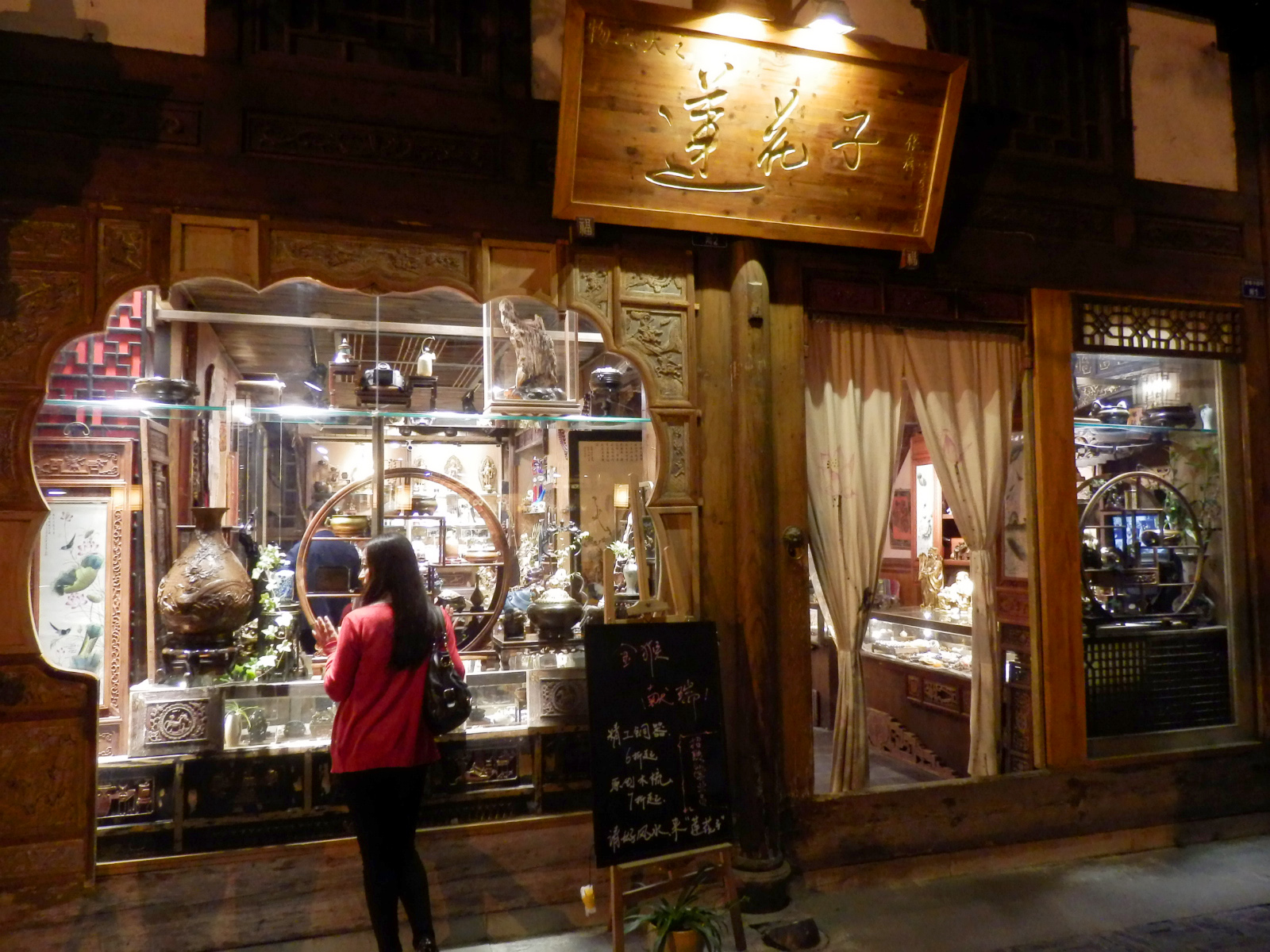
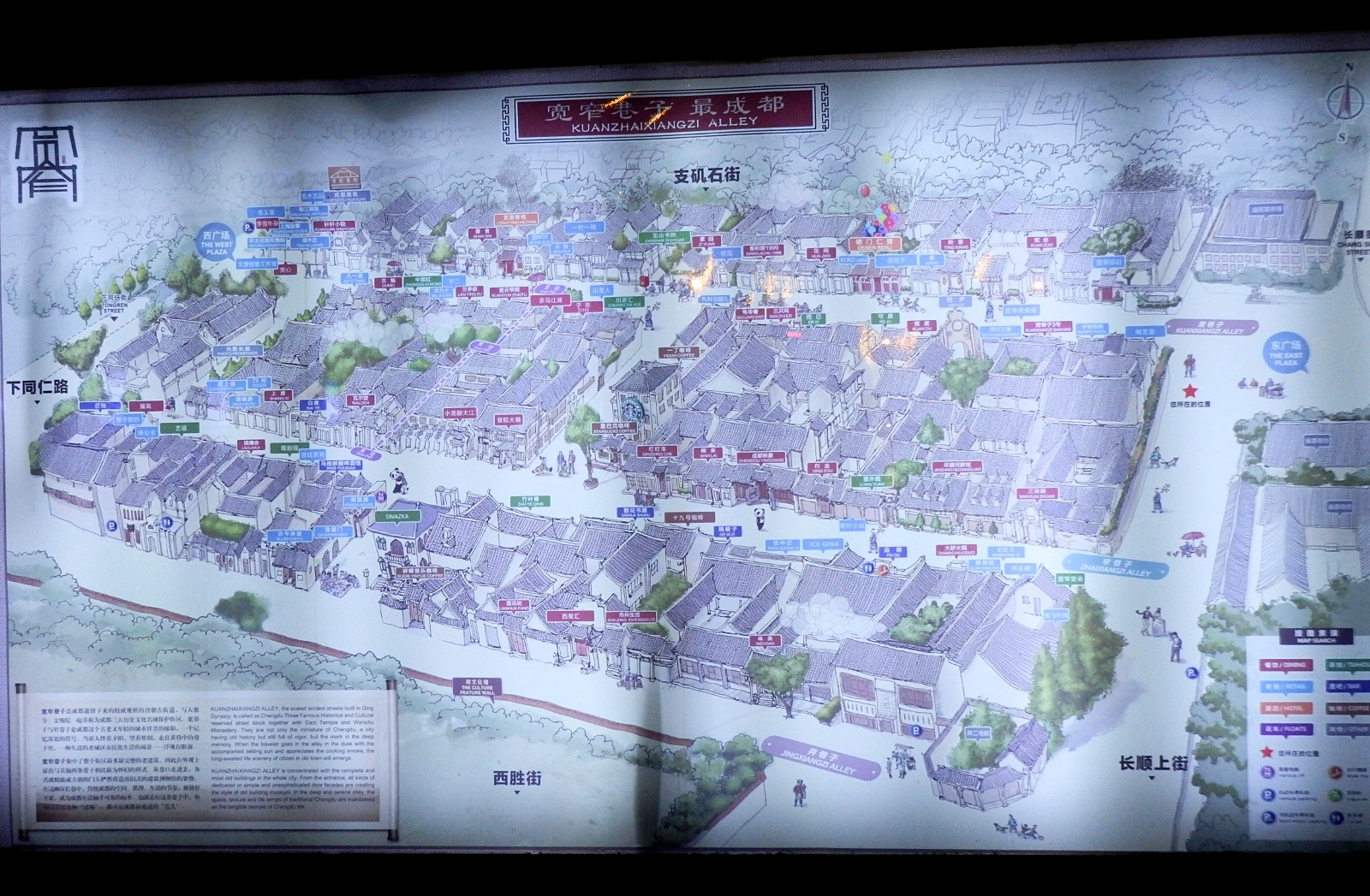
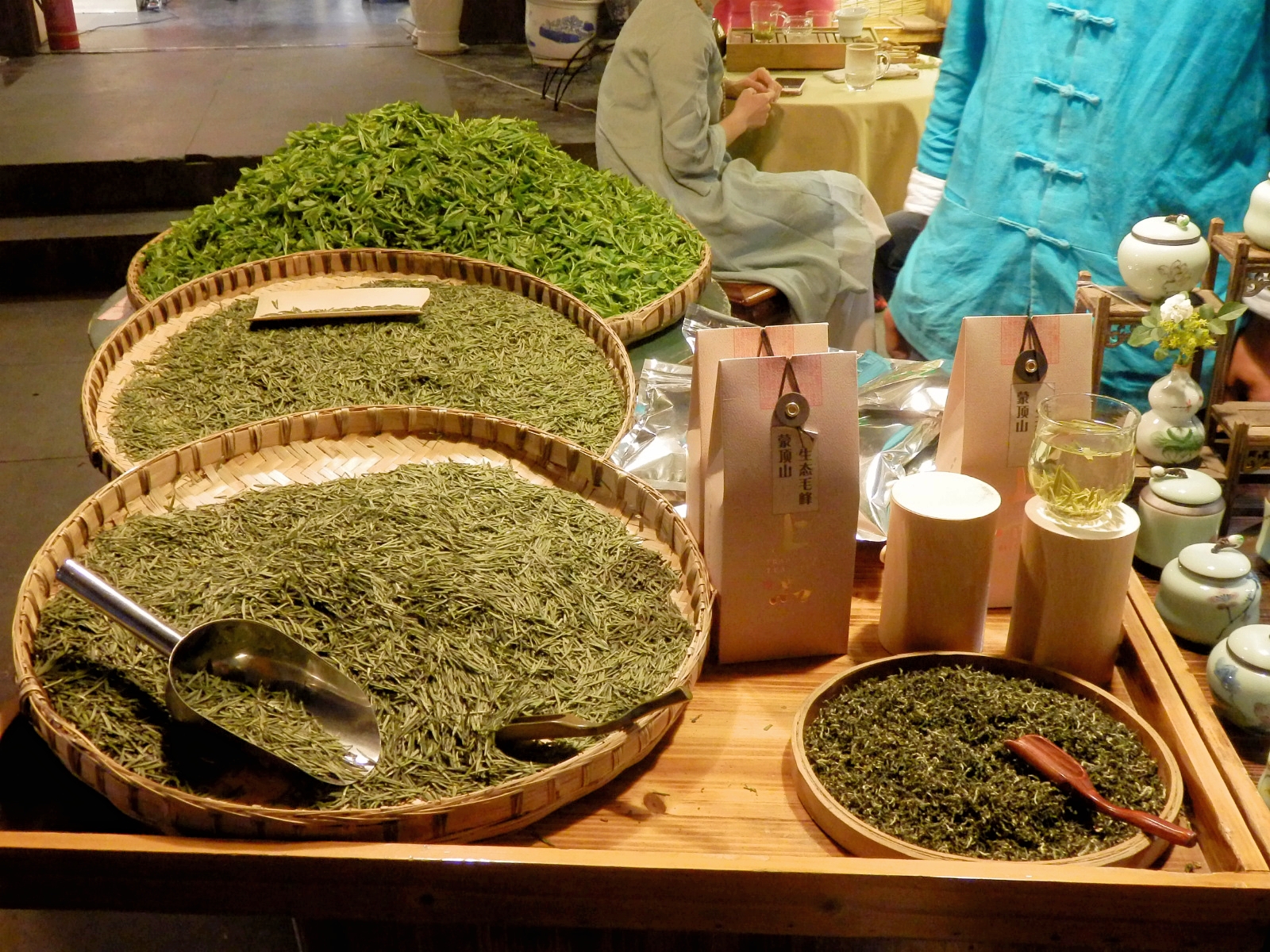
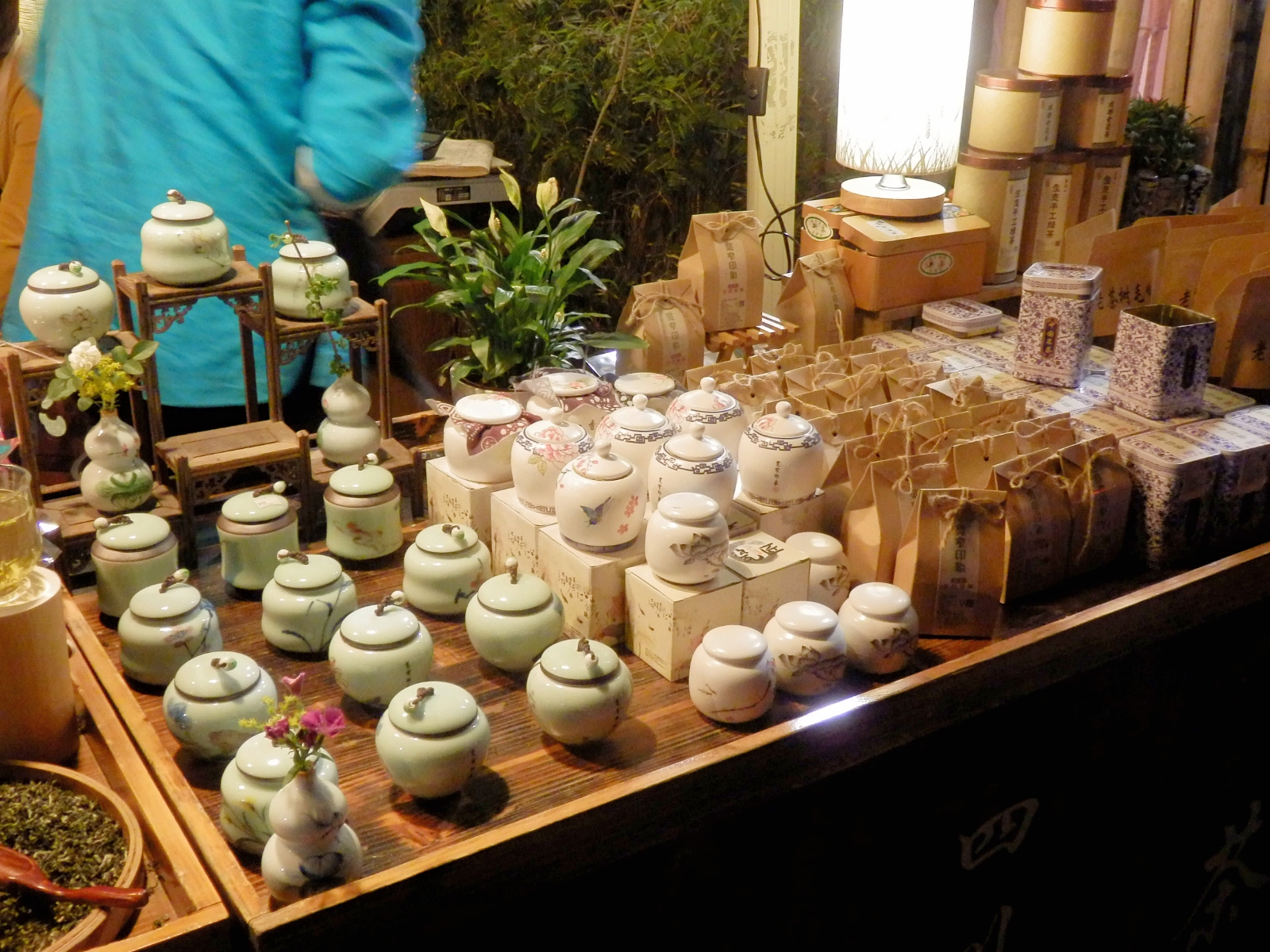
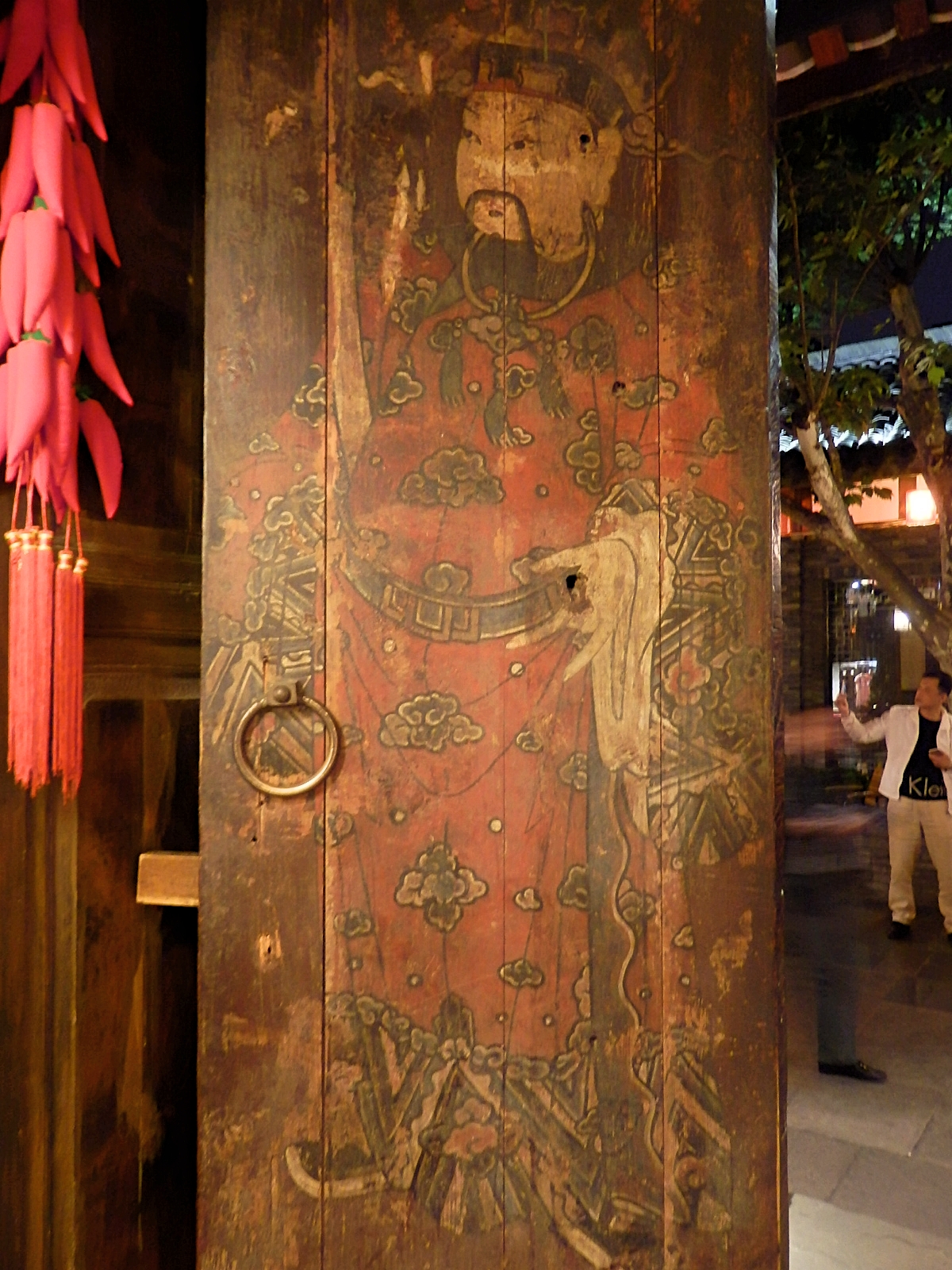


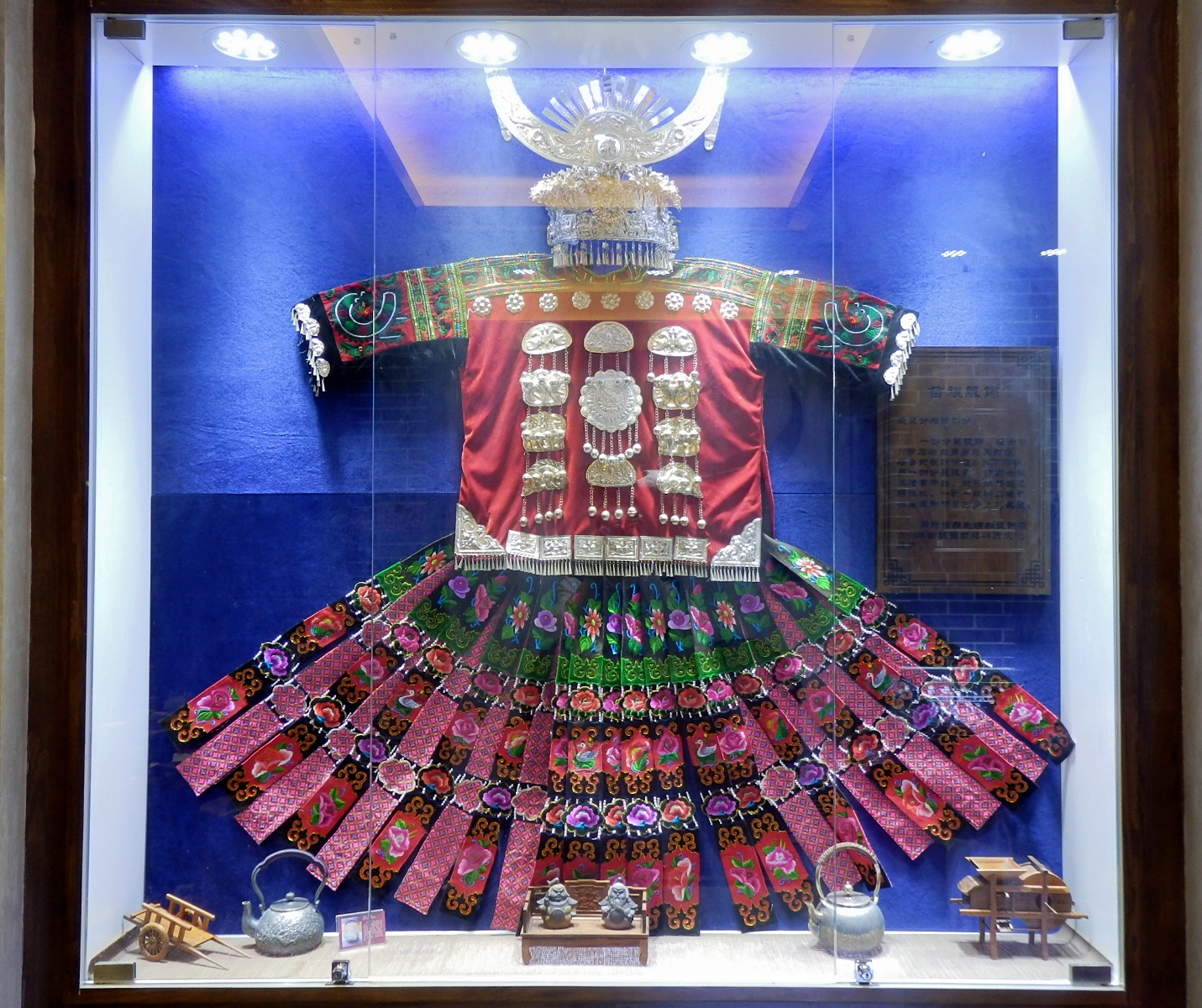
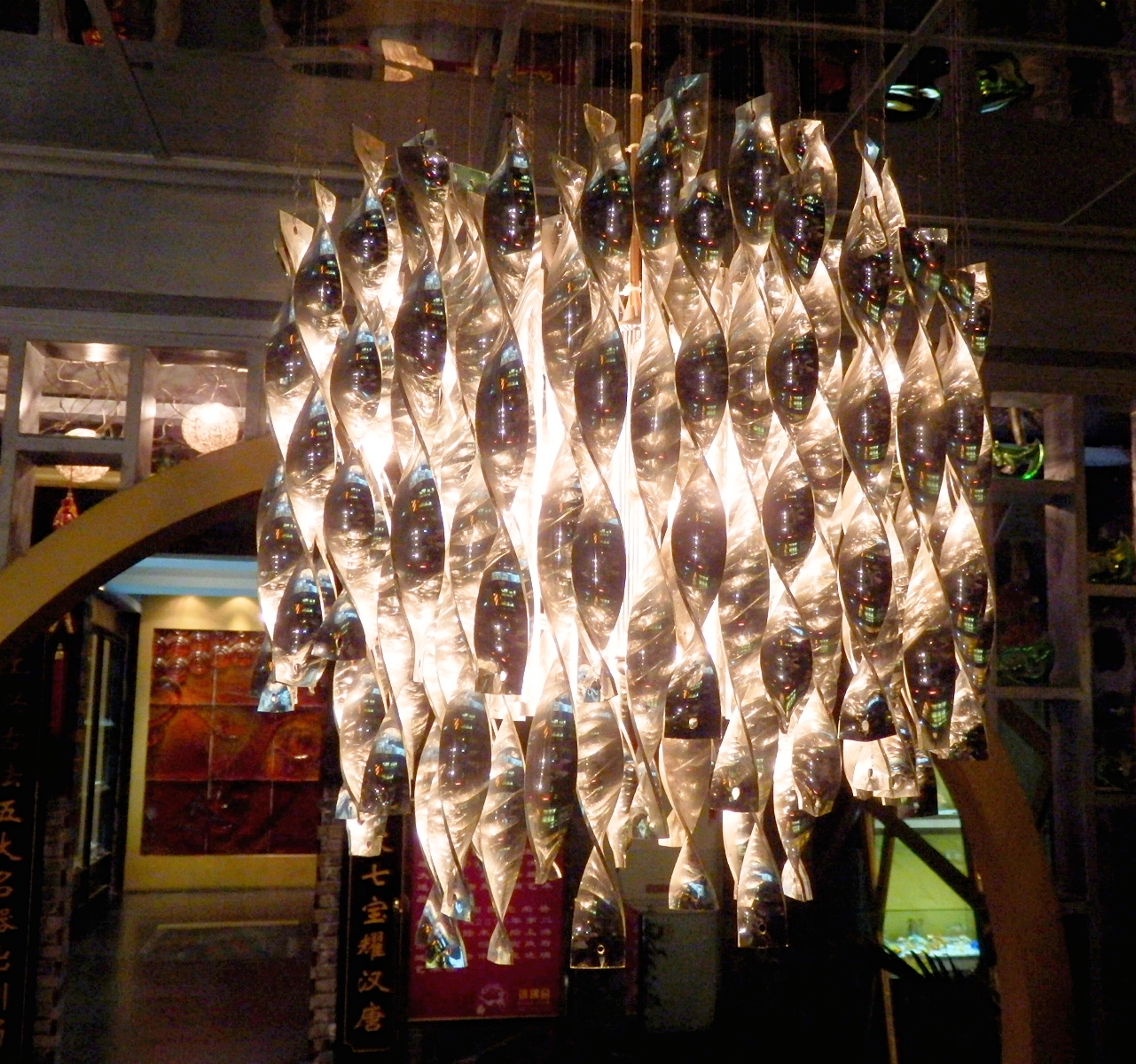
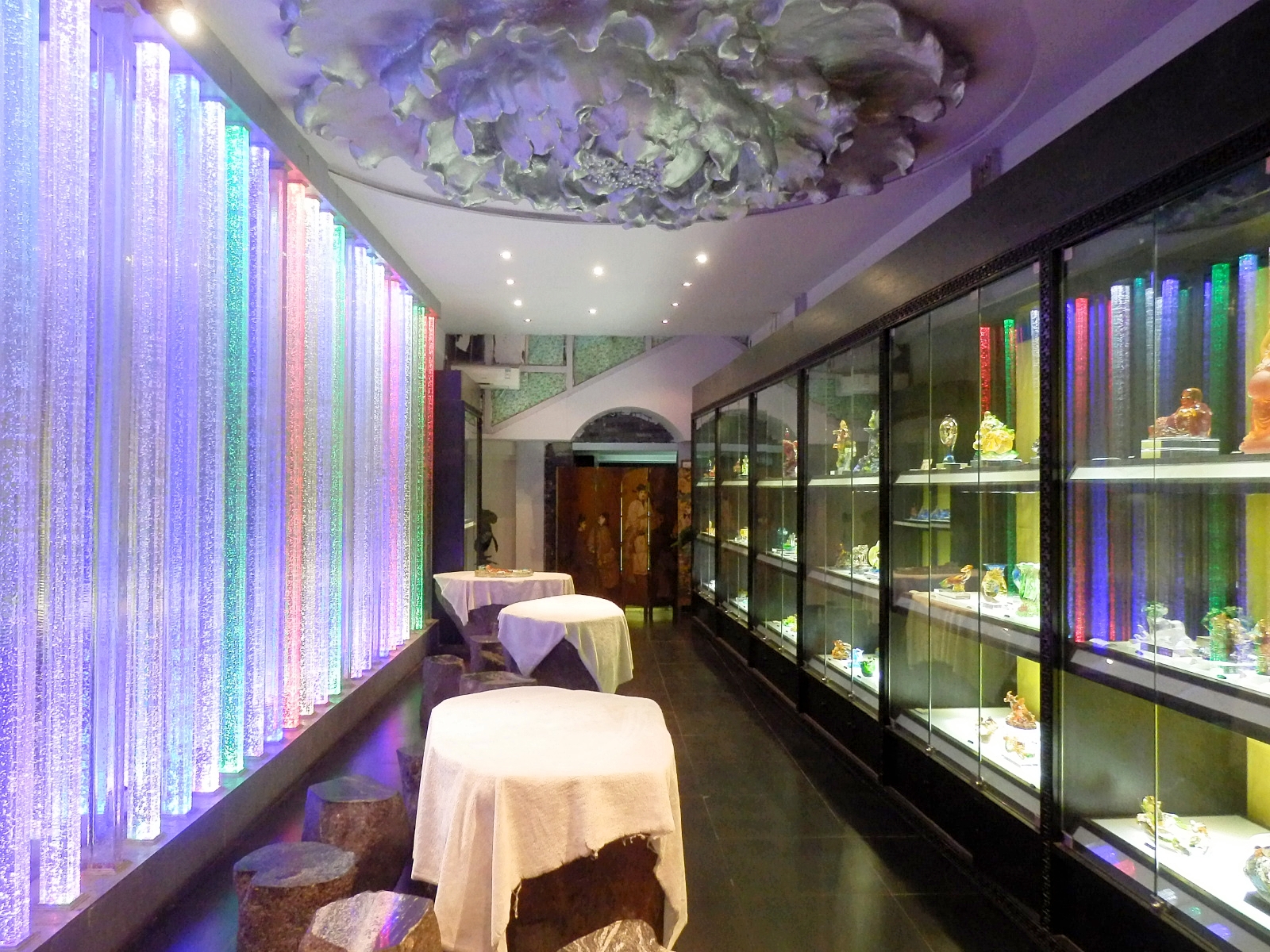



After the streets all but closed up around 11 p.m., we went to the area around Sichuan University for some midnight street snacks. We ate more skewered meat and some soup, even some grilled eggplant.
I would like to return to Chengdu to see some other sites (it’s rather difficult to see many sites here unless you are staying for a week or so because of how spread out certain places are). I might try to see the Leshan Giant Buddha, maybe the Dujiangyan Irrigation Project, and visit Luodai. I would also definitely want to visit other scenic spots that are far away from Chengdu, like Huanglong and Juizhiagou Valley. I would also try to take advantage of seeing a Sichuan Opera performance, or at least see a changing mask performance (which is part of the opera performance). I saw one once when I was still in Hangzhou, but it was at a Sichuan restaurant, so the performance time was limited. Oh, and of course, I think I should try more Sichuan cuisine!
1 comment ›