I originally wanted to title this post “Racism in Asia,” but I felt that a title like this might sound a bit too harsh. That is because this post is about what went on in our classroom today involving the kids response to a picture that I used in a power point slide.
Let me start by giving you some background. For the last week until now, we have been teaching about the theme of families. Today, while going over some vocabulary and introducing the singular/plural form of these words, I introduced some power point slides about “baby” and “babies.” When I pointed to the image of babies of different races to demonstrate the plural form, some of the kids pointed and laughed or briefly cried out. At first, I thought this was because they were being silly by reacting to the fact that the babies were only wearing diapers and nothing else. I heard some of them say “dirty” while pointing and laughing. It wasn’t long before I realized that it was not the “nudity” that they thought was dirty, but in fact the color of the skin of some of the darker-skinned kids. My co-teacher also pointed this out to me while trying to be subtle about it.


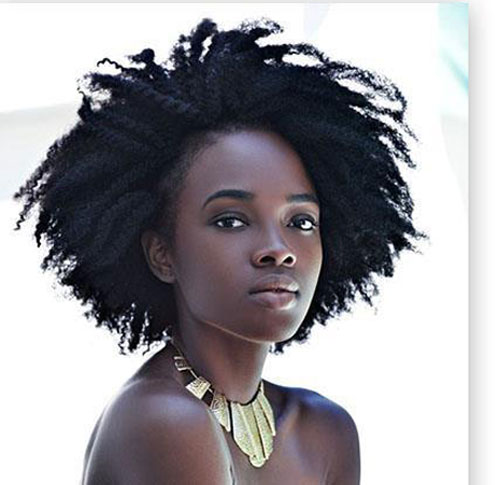
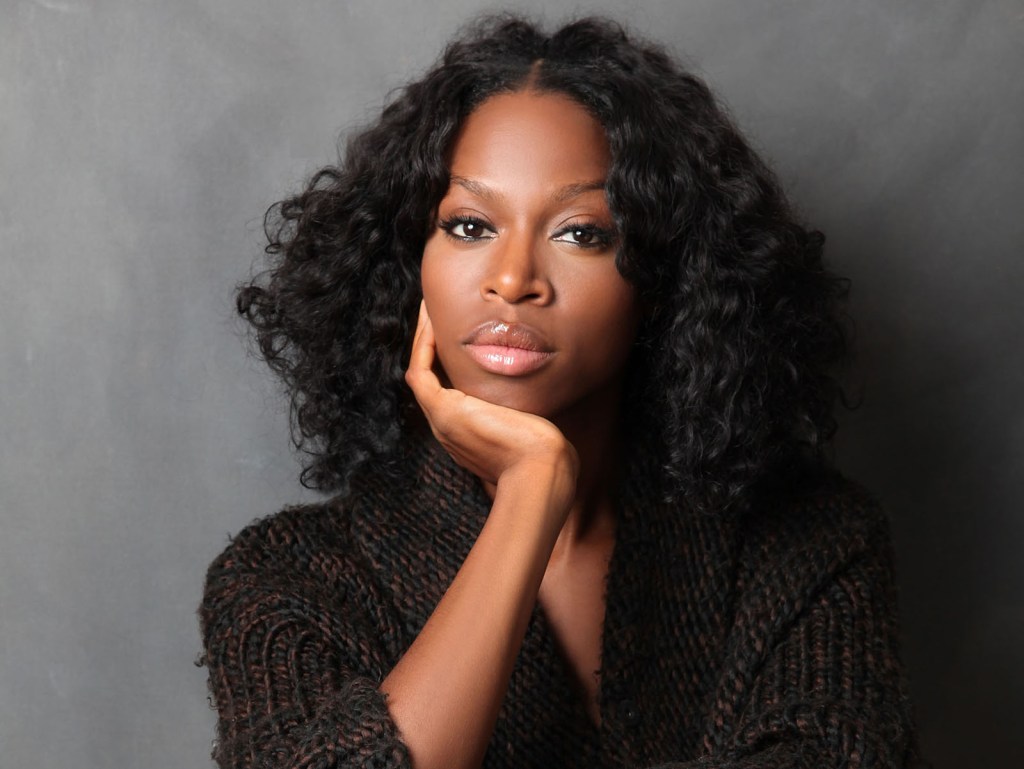





Now, I know that in Asia, white skin is considered to be the standard of beauty. However, when I saw my own kids reacting in this way to the image, I was really taken aback. I then tried to steer the conversation by asking them if everyone’s skin color around the world is the same. They replied, “No,” and I said, “That’s right. People have different colored skin, and there is no good or bad colored skin.” But this certainly wasn’t enough to make them change their minds; as one of my top students said with certainty, “But it’s not beautiful.” My co-teacher then tried to say something to the effect of what I had said (but now in Chinese). I think she could tell that I was not happy about what was happening, and I’m glad she said something, but I have to wonder if she would still have said anything if I hadn’t said something first.
I know that this mindset is not unique to China and that this kind of racism exists all over Asia, but it was still jarring to experience it right in my own classroom from my own little munchkins. I also know that we aren’t born prejudiced and that it’s something that we learn from our own families, friends, and society. Part of our jobs as teachers (especially teachers using the IB method in order to produce internationally-minded students) is to talk about cultural differences and to learn tolerance and appreciation for these differences. It makes it quite hard at times when something like this happens. It felt like a reality check, as if to say, “You might have the best intentions, but there are certain cultural factors that are very deeply ingrained and will not easily be changed by your actions.” Try as you might.” It makes you question whether you can truly make a difference against these influences. I’m not saying that I have given up. However, it has made me aware that there is still much work to be done if China wants to be embraced by the rest of the world.



1 comment ›