This year was the first time that I had both the time and money to travel during China’s national holiday in October. I had planned on coming to Sapa for several years, hoping to be able to do it during this holiday, so I finally managed to make it happen!
From my research, I thought there would be lots of things to see and do here, but I realize now that I do not need to spend a full week here. I also wish that other people’s information and recommendations were a bit more accurate. If I had known that the summer, particularly August, would actually be the best time to come here, then perhaps I would have tried to do that. Apparently, that is when the waterfalls are more plentiful due to the increased rain, and the rice terraces are full of yellow hues just before the harvest season begins. I also noticed that much of the time it was hazy and smelled of soot and pollution from all the nearby construction. This place is also saturated with hotels, restaurants, and gift shops. Oh well, I still managed to get in some decent trekking and photos. Speaking of which, let’s move on to that.
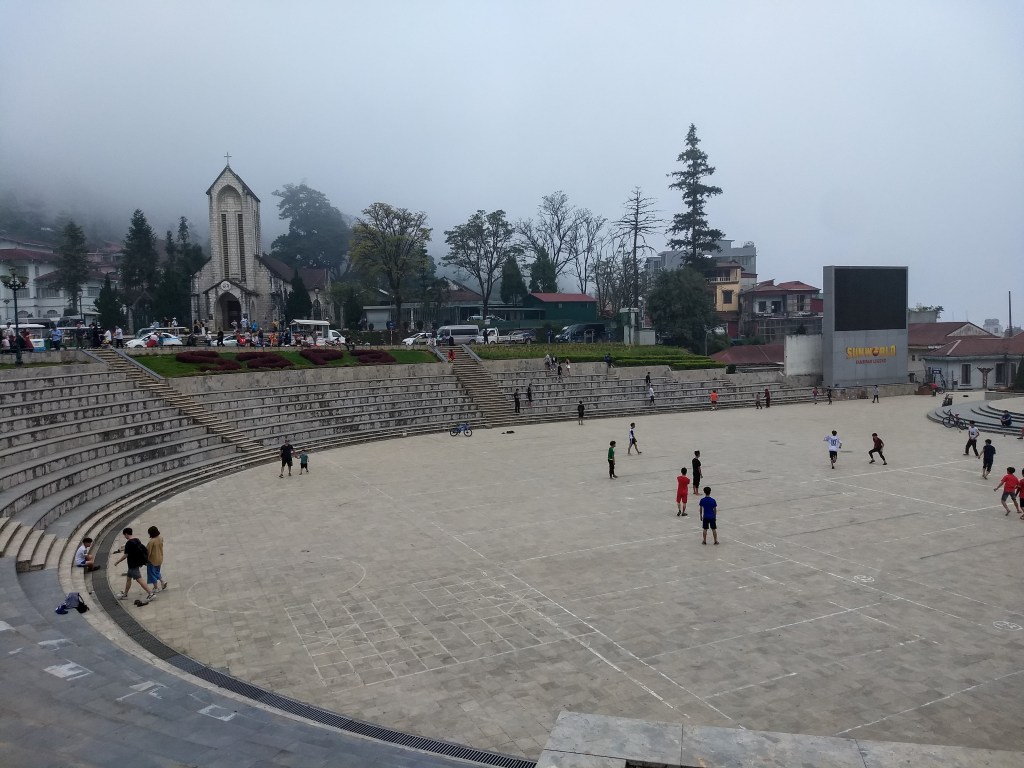
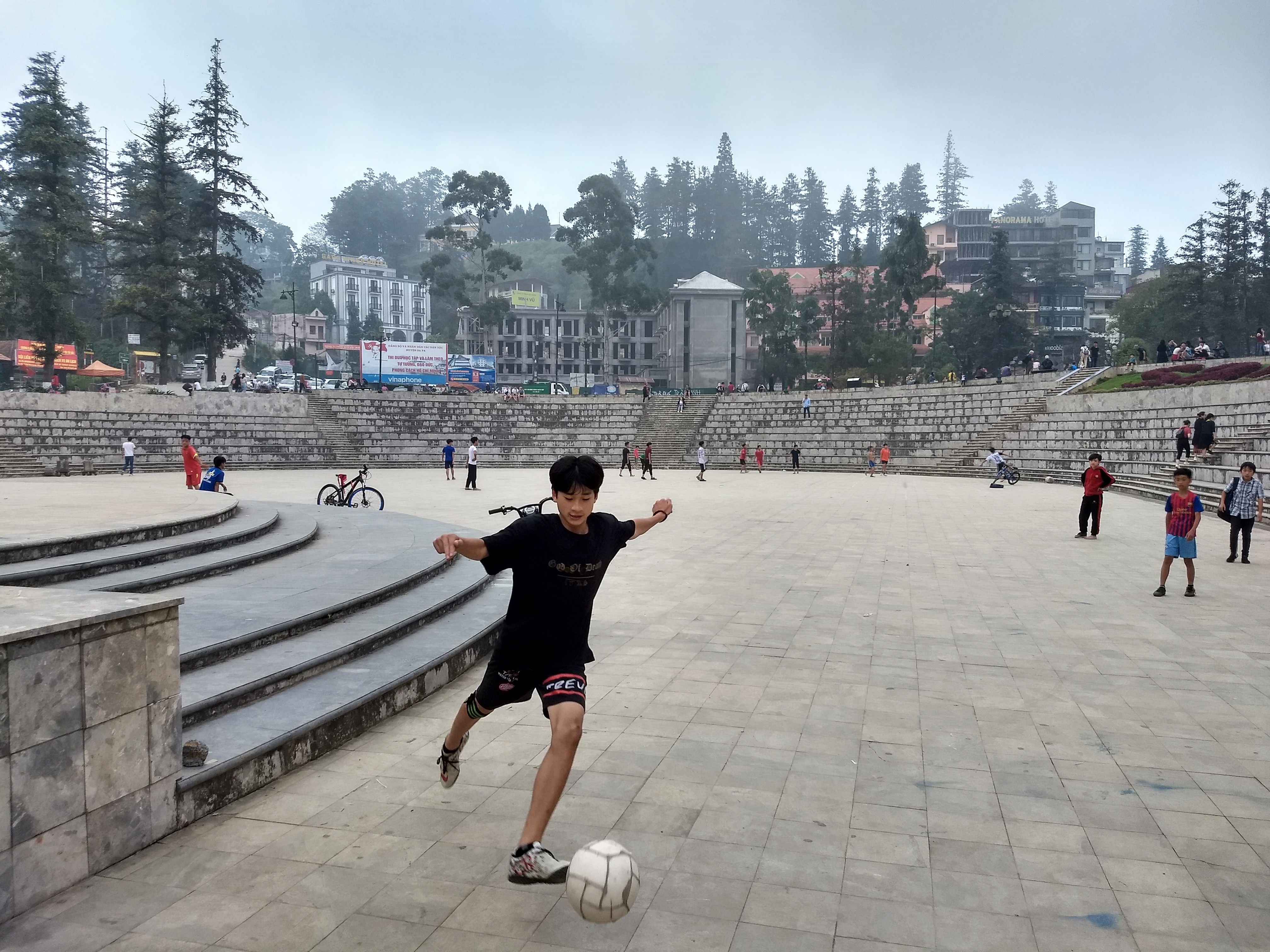
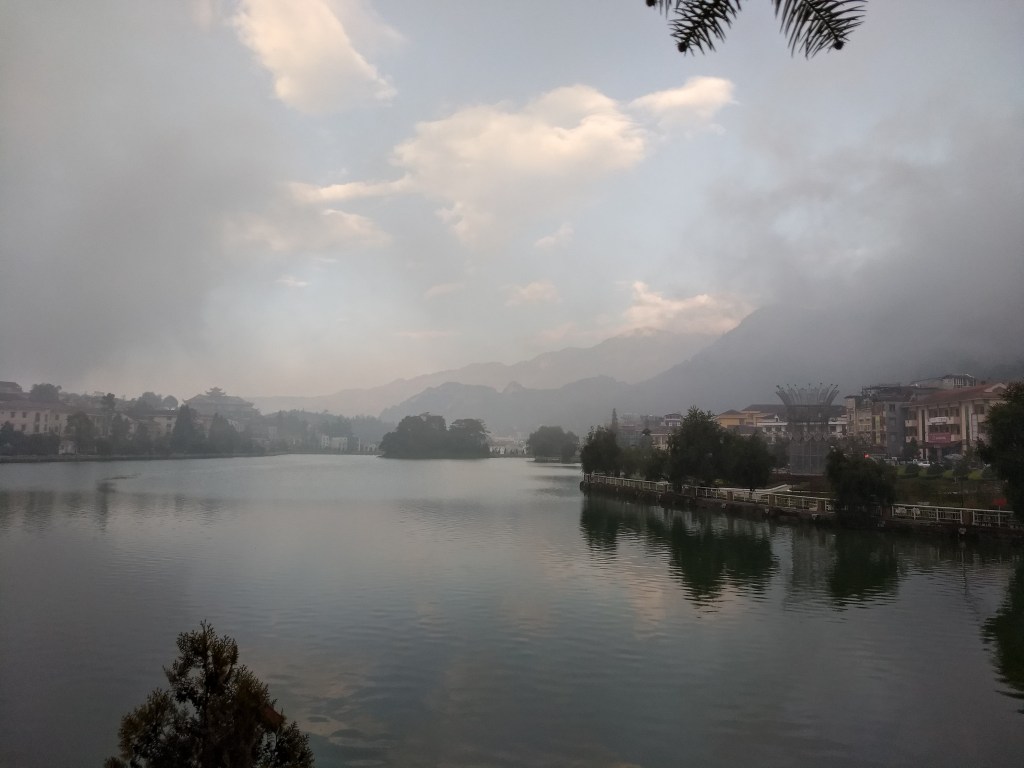
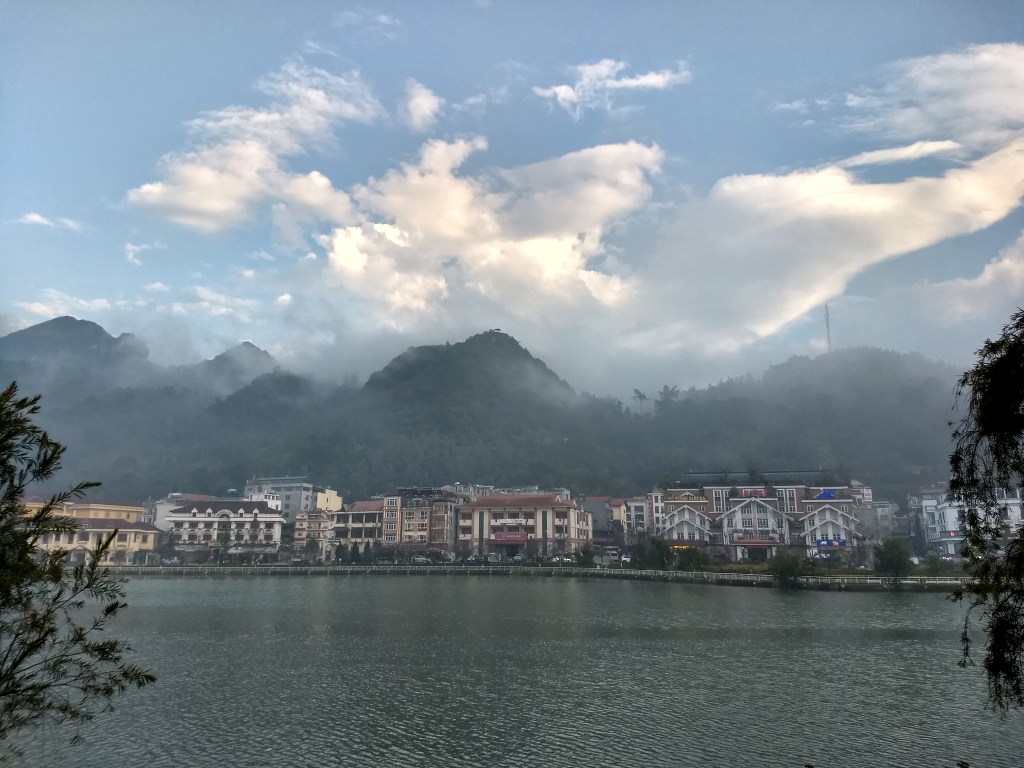
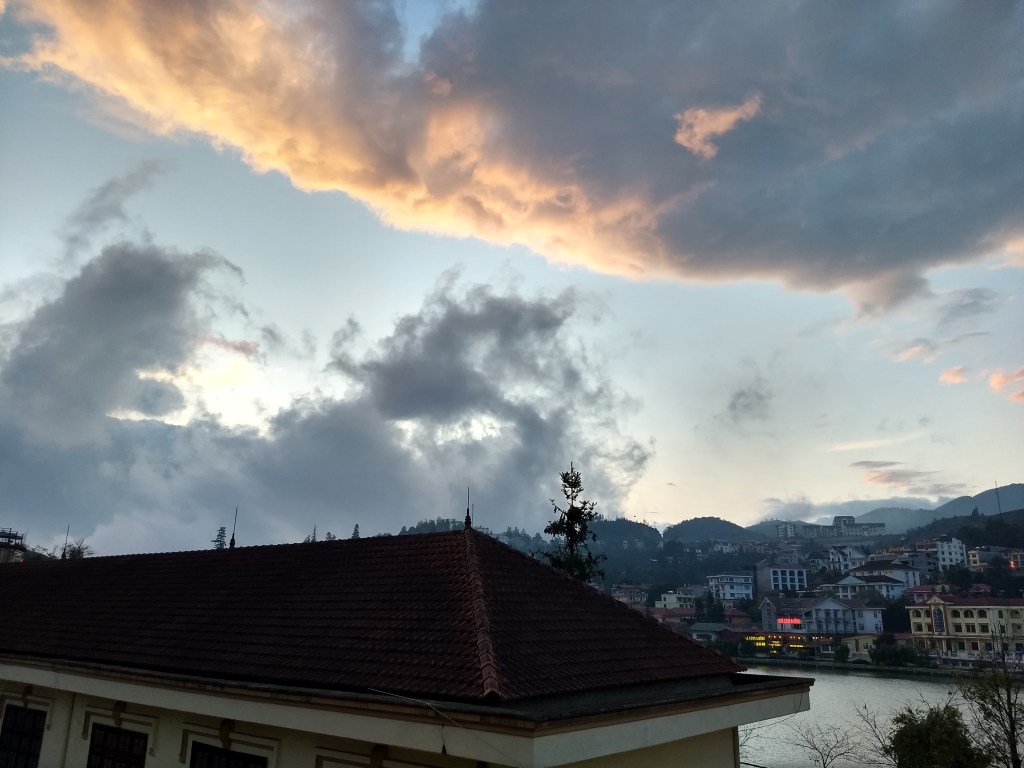
After arriving by “limousine bus” and finally checking into my hotel, I walked out onto the little balcony of the Sapa’OChau Enterprise Hotel. This is a guest house owned and operated by local minority women. I get some shots of the surrounding area throughout the day and night.





Day 1: The first day out was to go on a local “Terrace View” trek to some of the nearby villages with my guide, Su (I’m not sure if that is how his name is spelled. He only told me his name, I never saw it written). The itinerary included the Muong Hoa Valley, Y Linh Ho Village, Lao Chai, and Ta Van. During this trek my guide and I (I was lucky enough to be the only one who signed up for this trek) walked through the town and down through the fields to get to the villages.

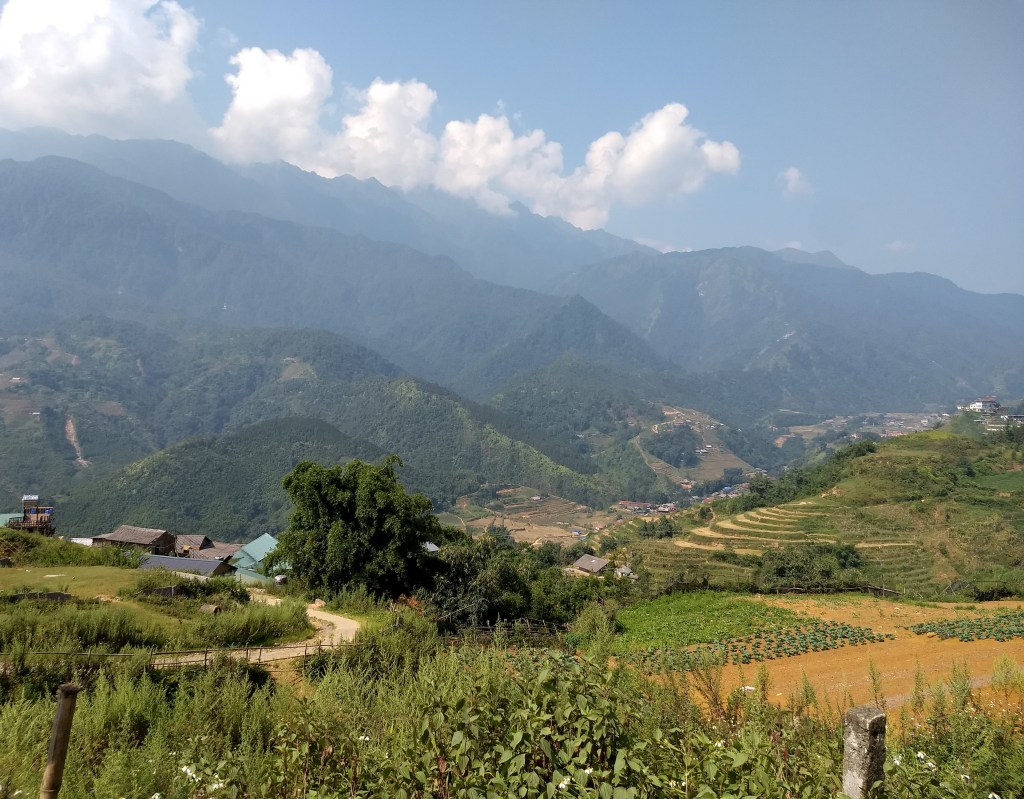
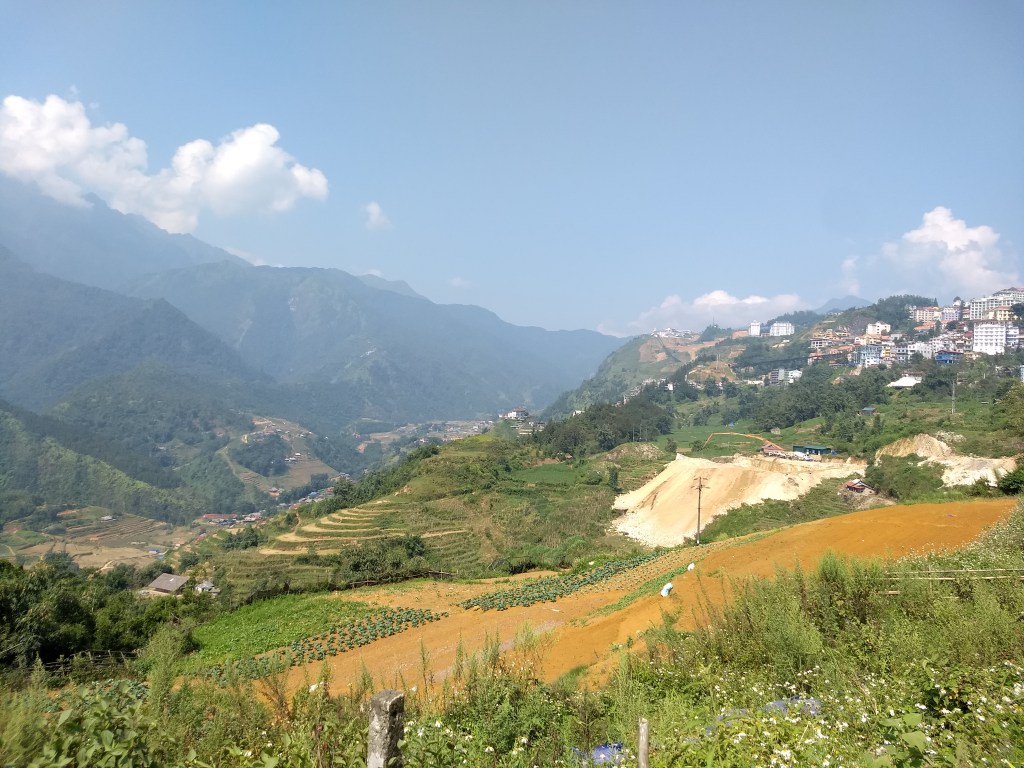
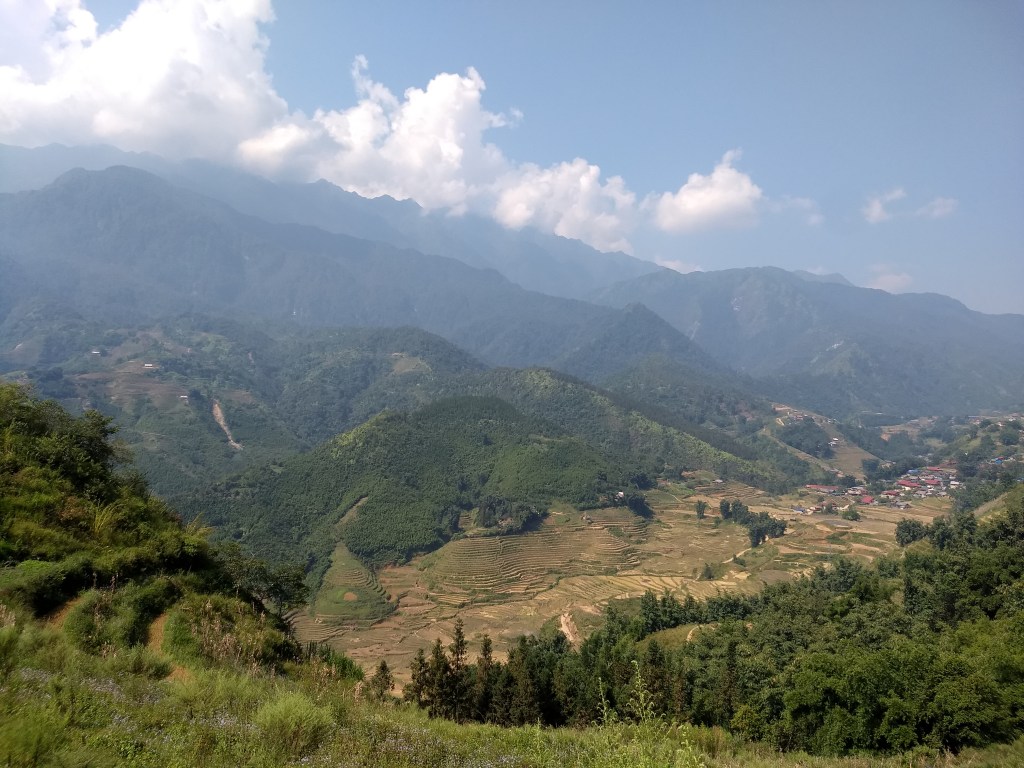
We walked through a small portion of the bamboo “forest” area and I was told that you can tell if a bamboo tree has been planted by people or if it was created naturally by whether or not they are grouped together. If they are together in a bunch then it was planted by people.
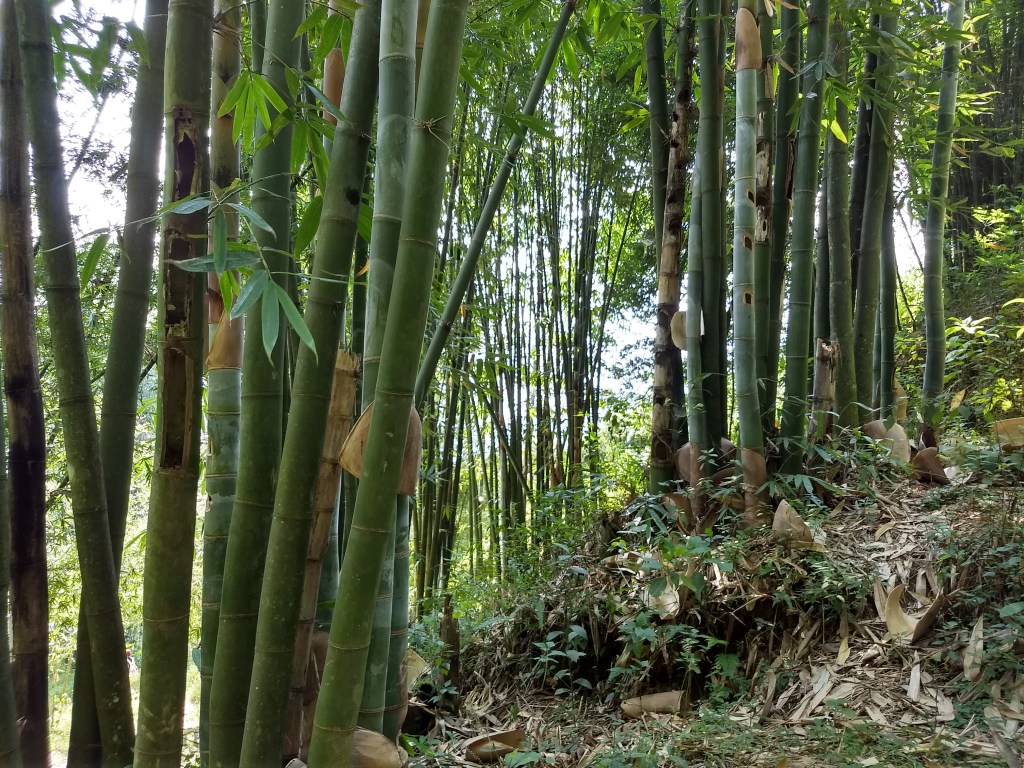

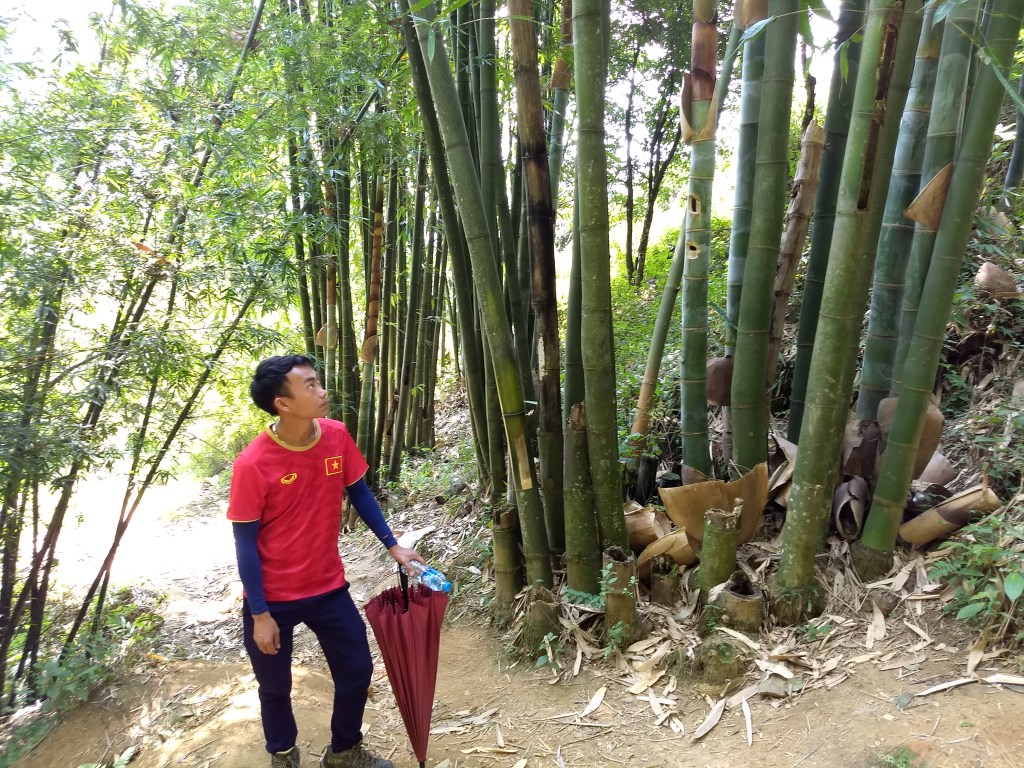
My guide told me that bamboo is grown mainly to be used for building materials but also for making baskets. They also grow bamboo to eat the shoots before the plant matures.
Along the way, we passed by a group of tourists that we had seen earlier, but now they had stopped because one of them had injured her leg. From what I saw, the injury looked like it occurred somewhere between the calf and the ankle. Little did I know that before the end of the trek, my knees would be hurting. This knee problem first started happening to me after I first got to China in Hangzhou. I couldn’t figure out any particular event that could have caused this whenever I hiked up and down, particularly when going downhill. I just thought it had something to do with the cold, wet weather. This was particularly troublesome when I went to visit Zhangjiajie National Park. In my post about that trip, you can see embarrassing photos of the result of this knee pain.
After we passed by the group, we continued on to the villages.
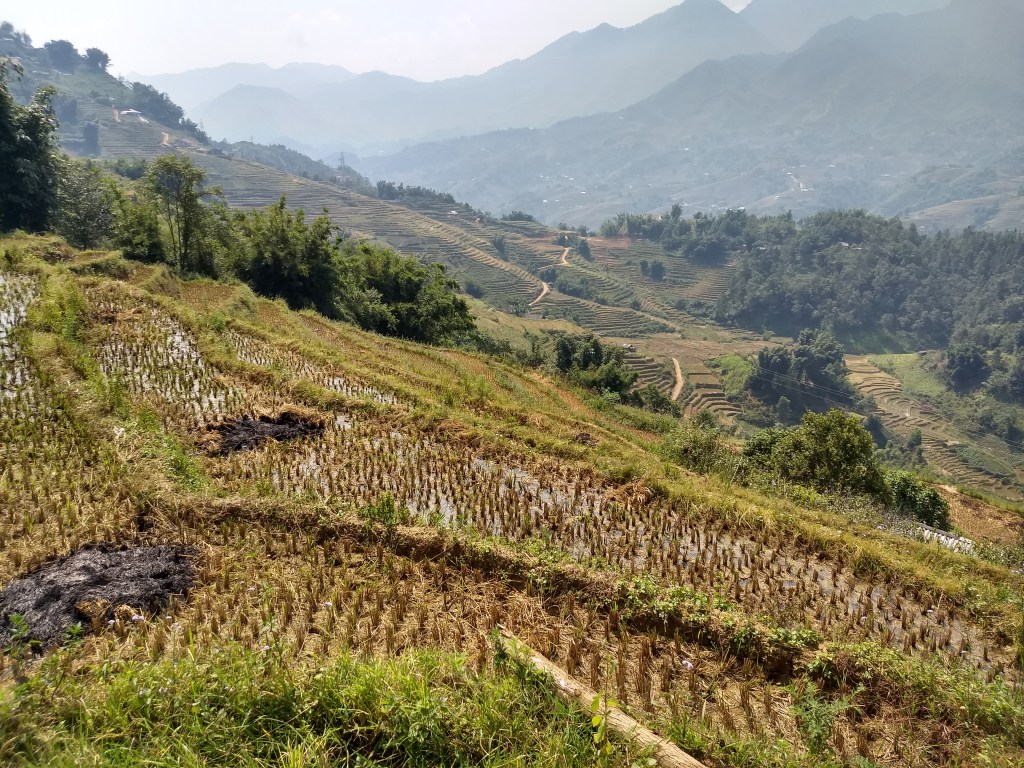
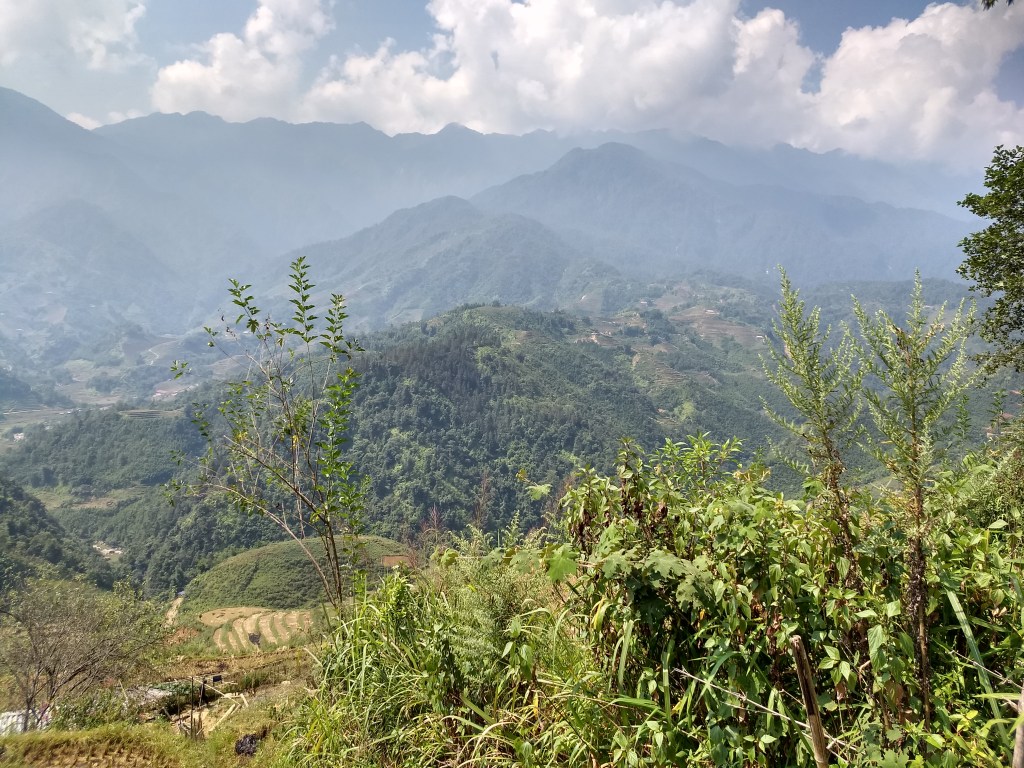

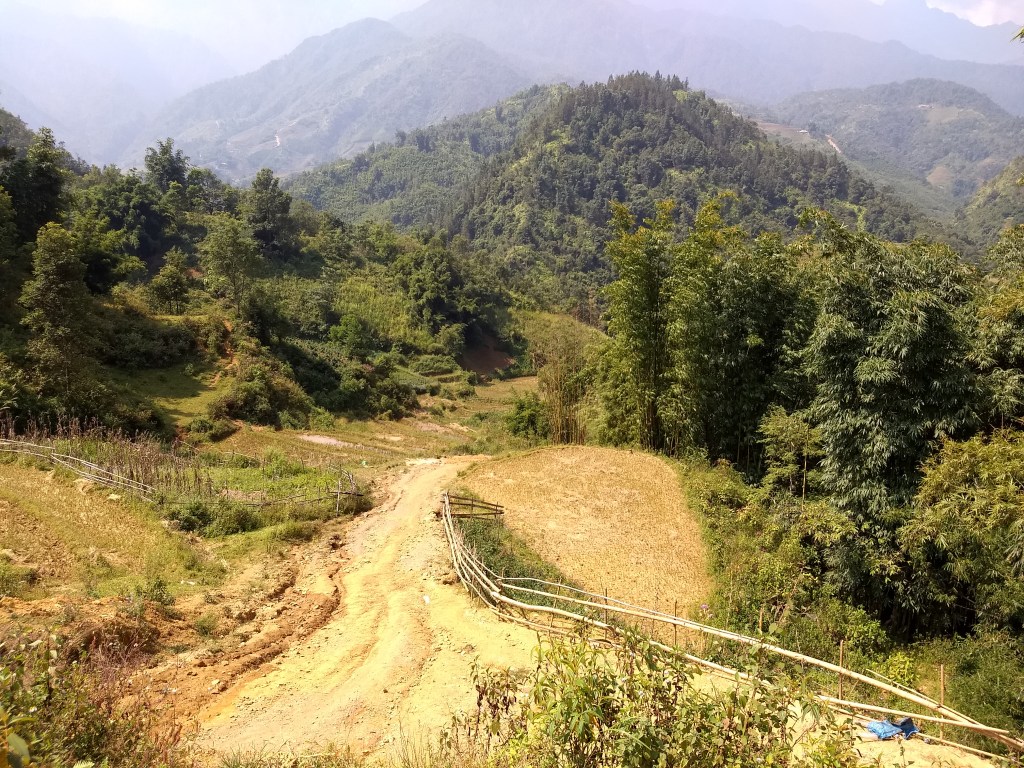
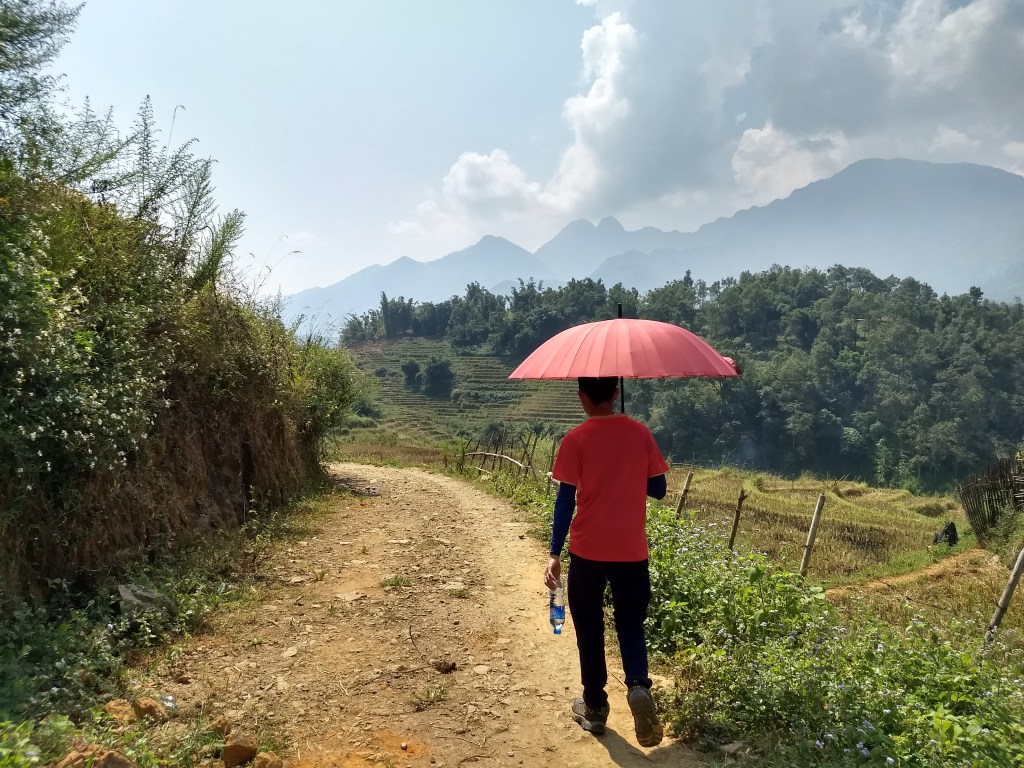

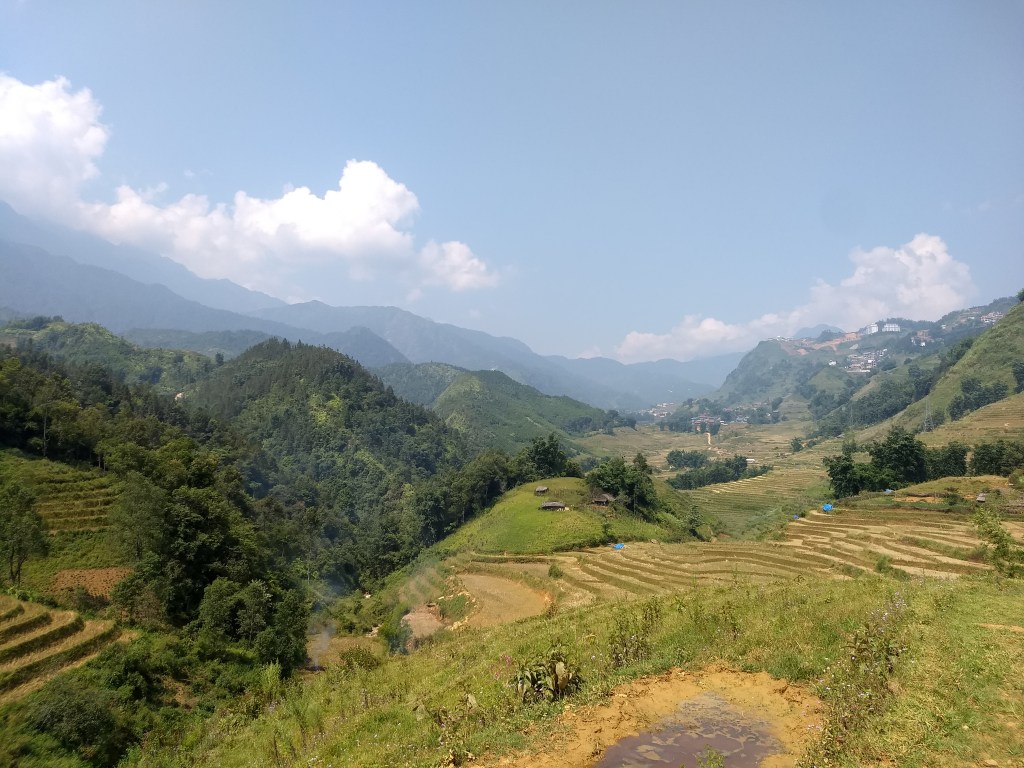

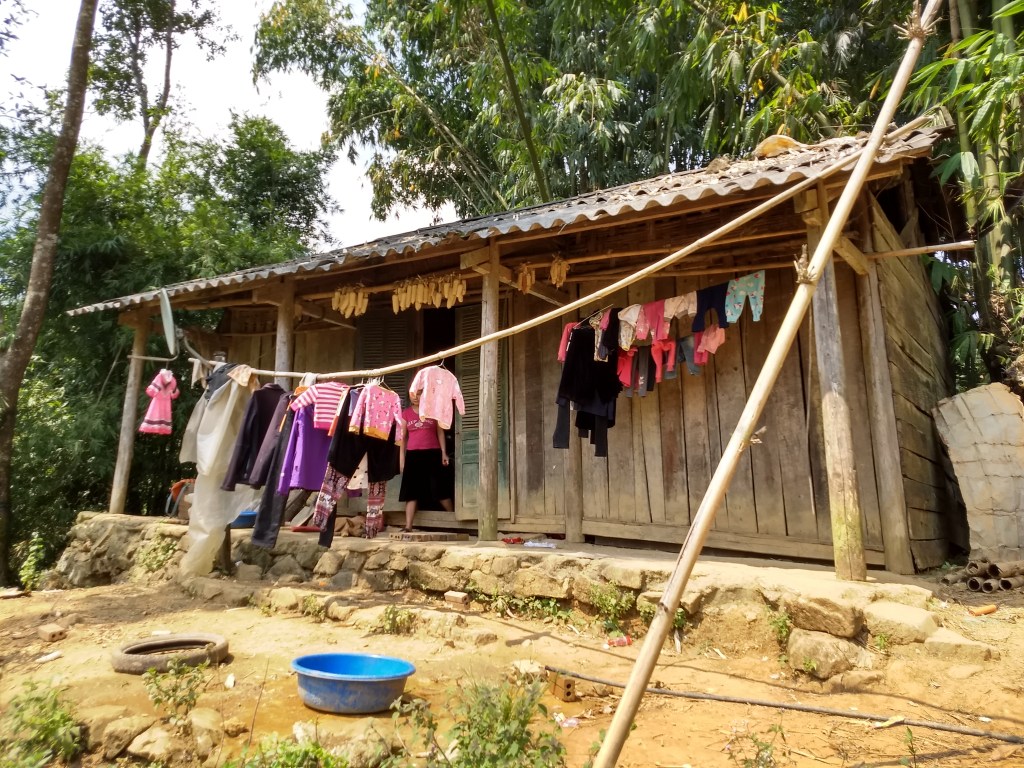
Soon we came upon one of the first village areas, which was located near the river.
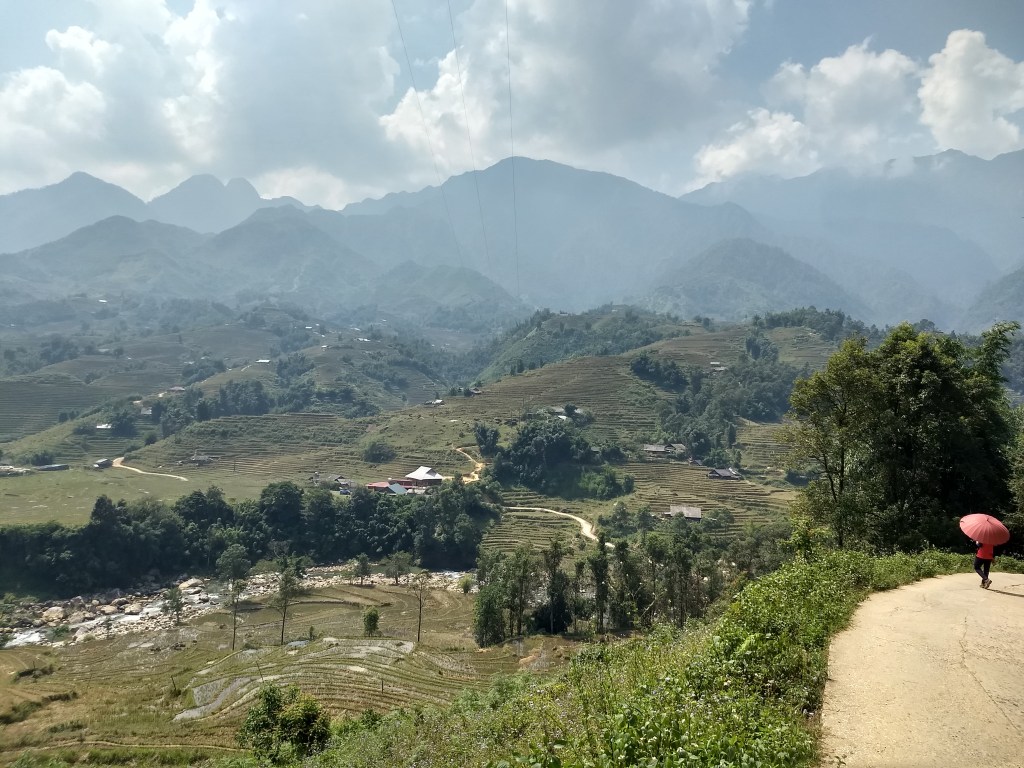

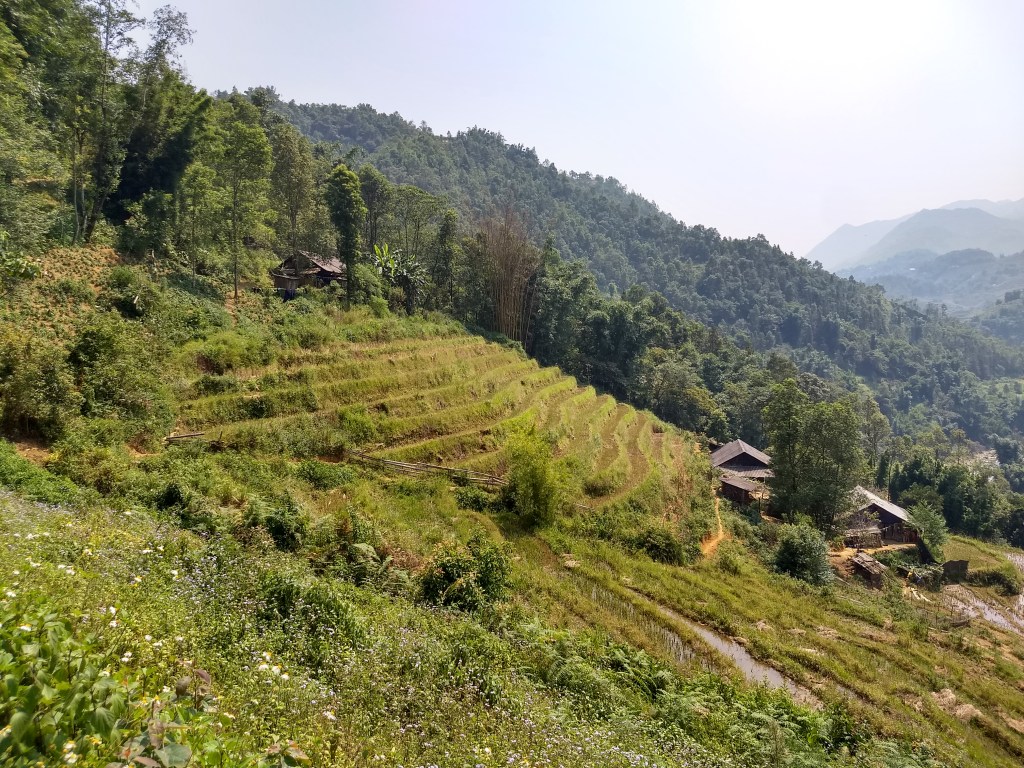
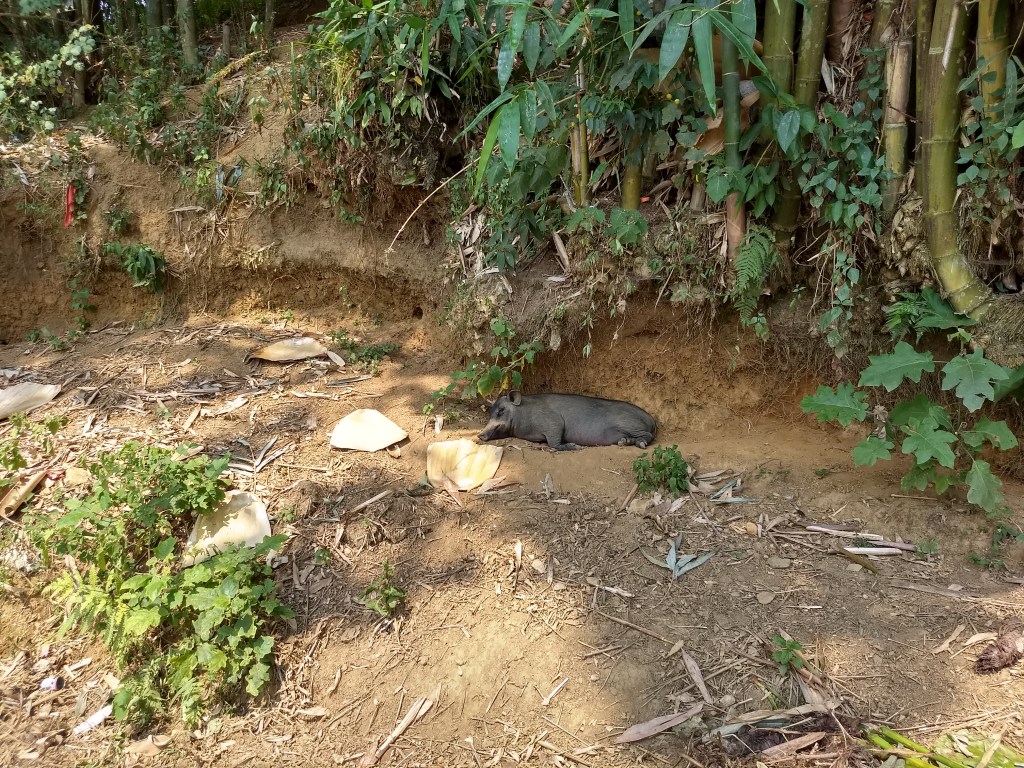
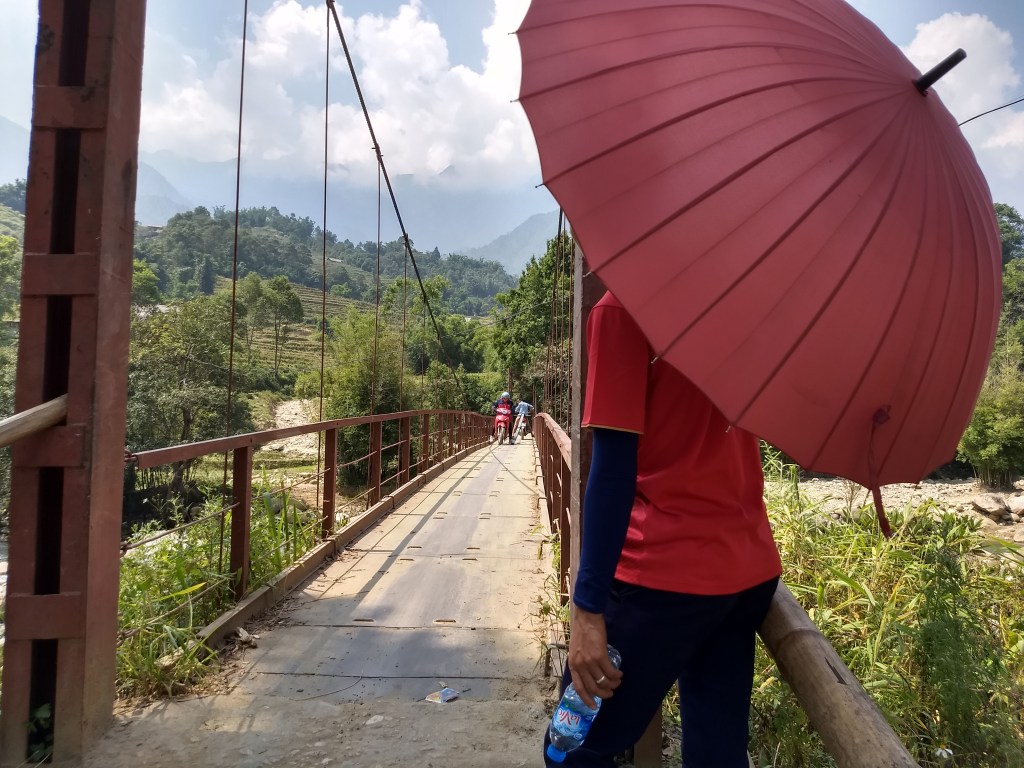
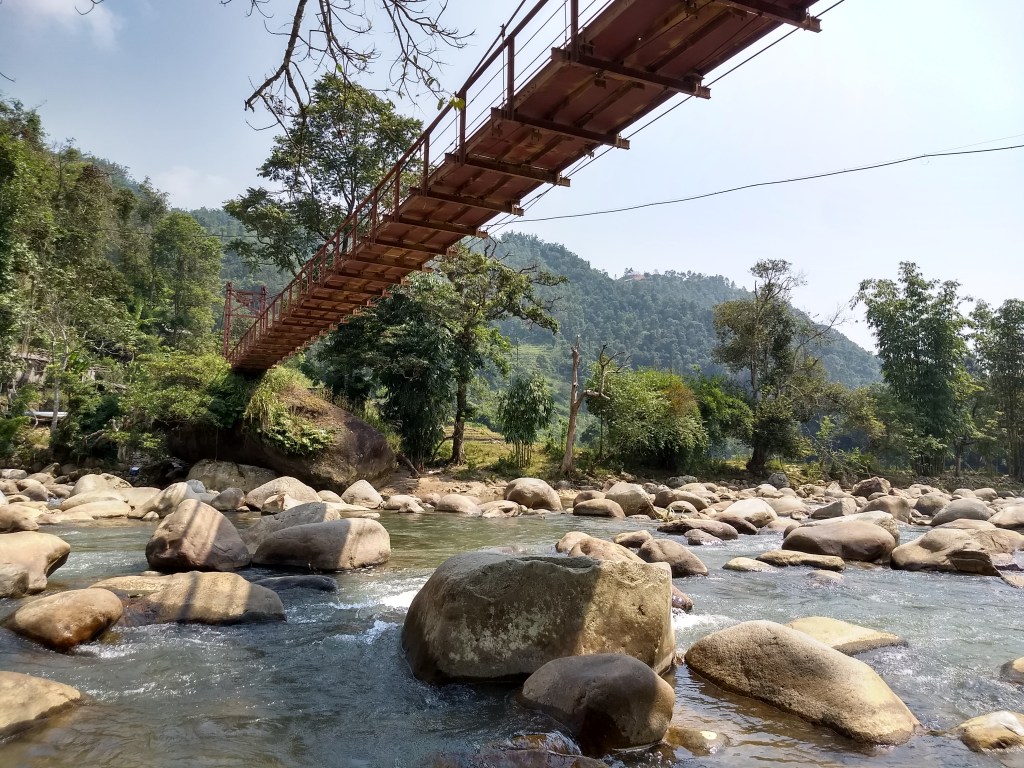
We came upon a narrow, rickety bridge where people both walked and motorbiked across. After we crossed, we went down to the riverbed, took off our socks and shoes, and relaxed for a bit.

After our rest, we continued on to the next village area, where we would have our lunch.

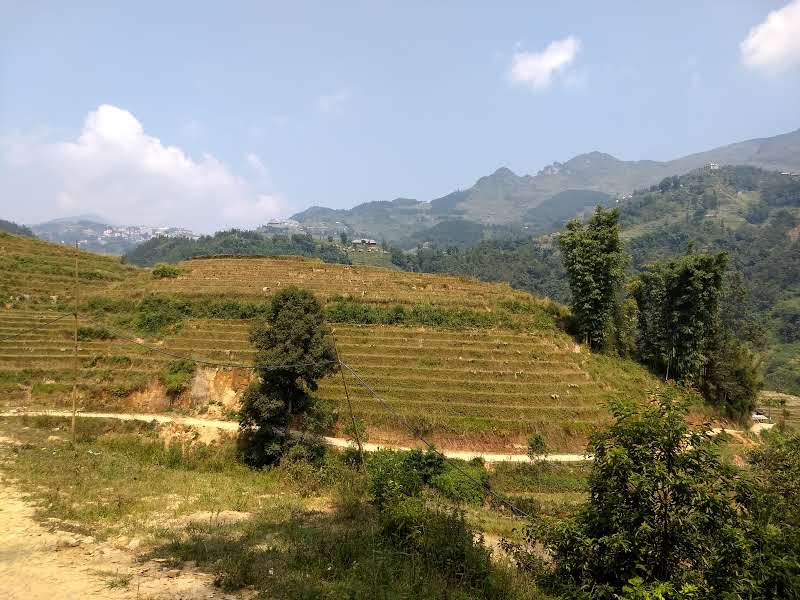
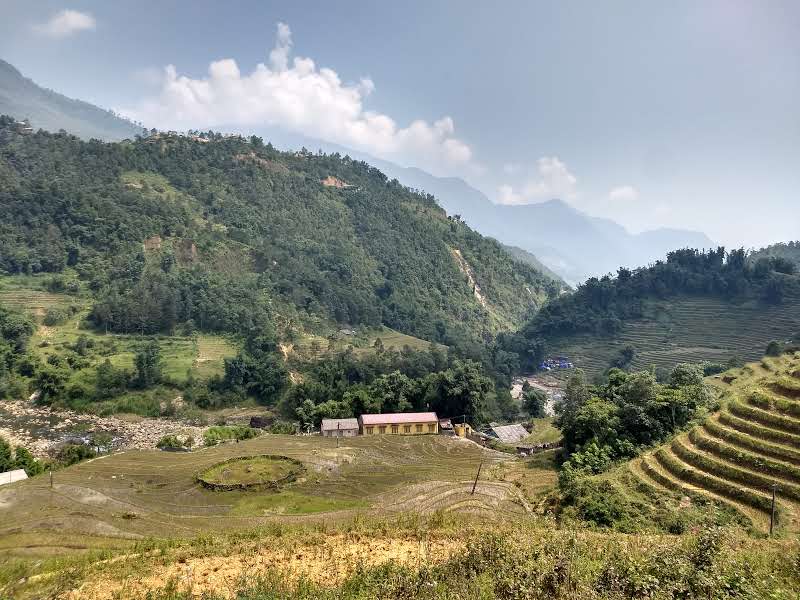

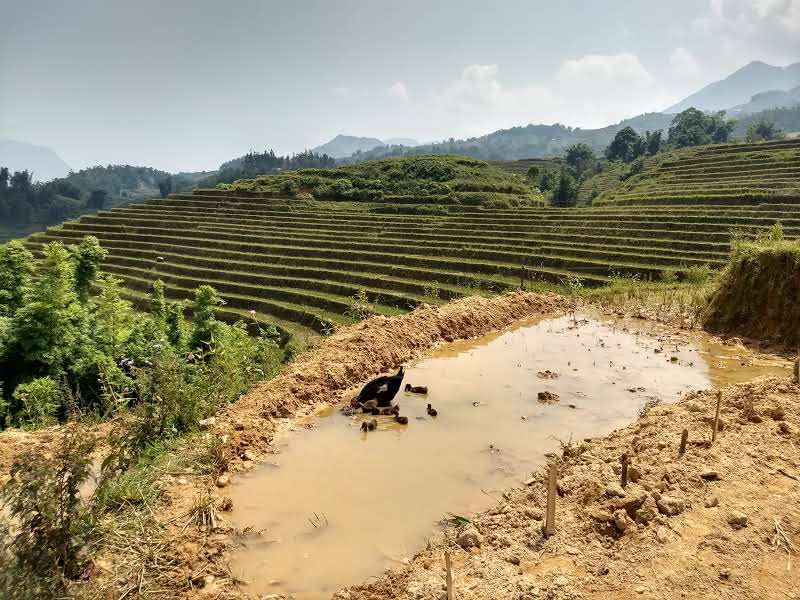


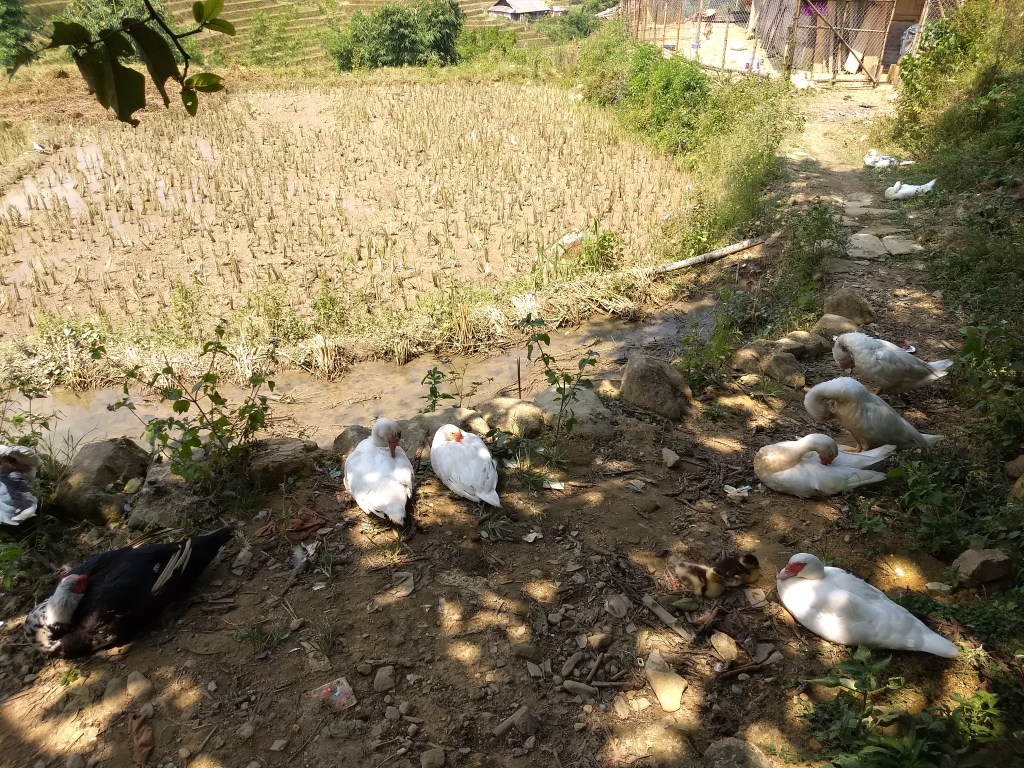
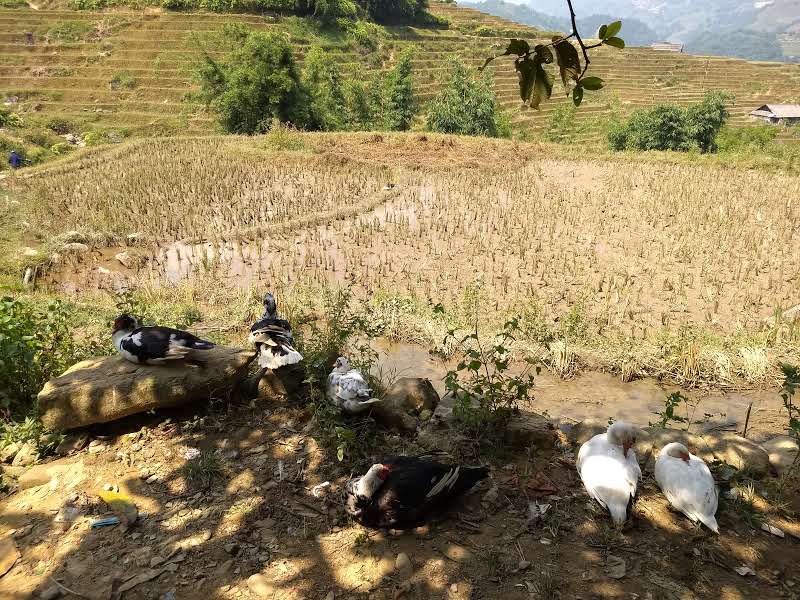
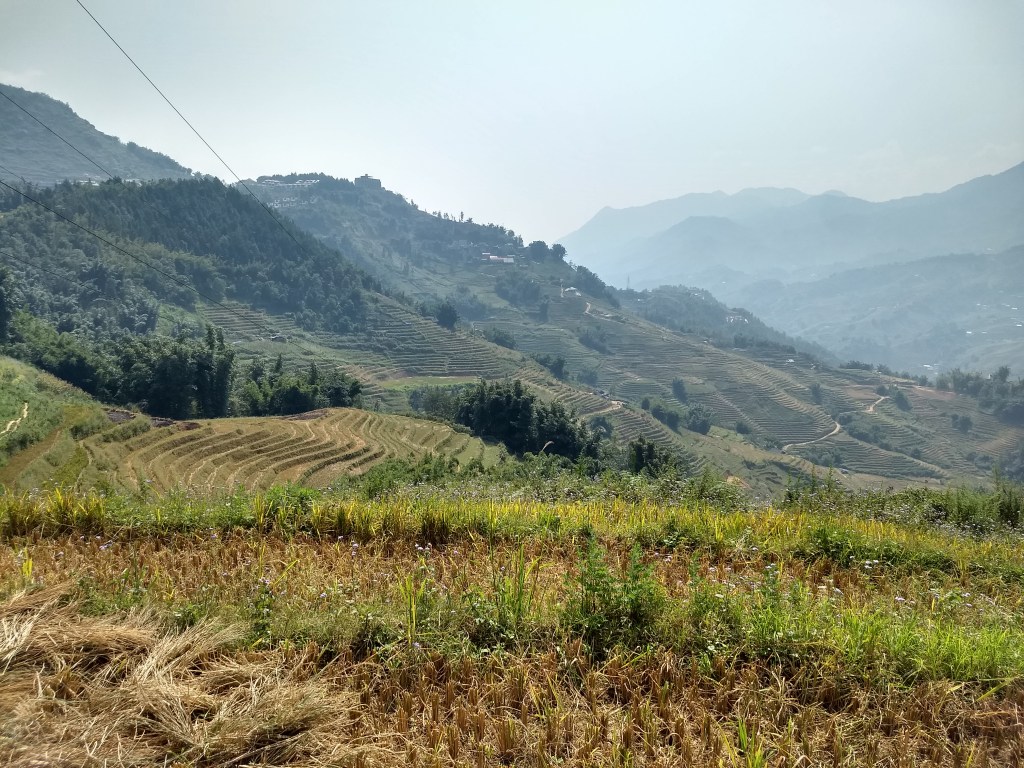
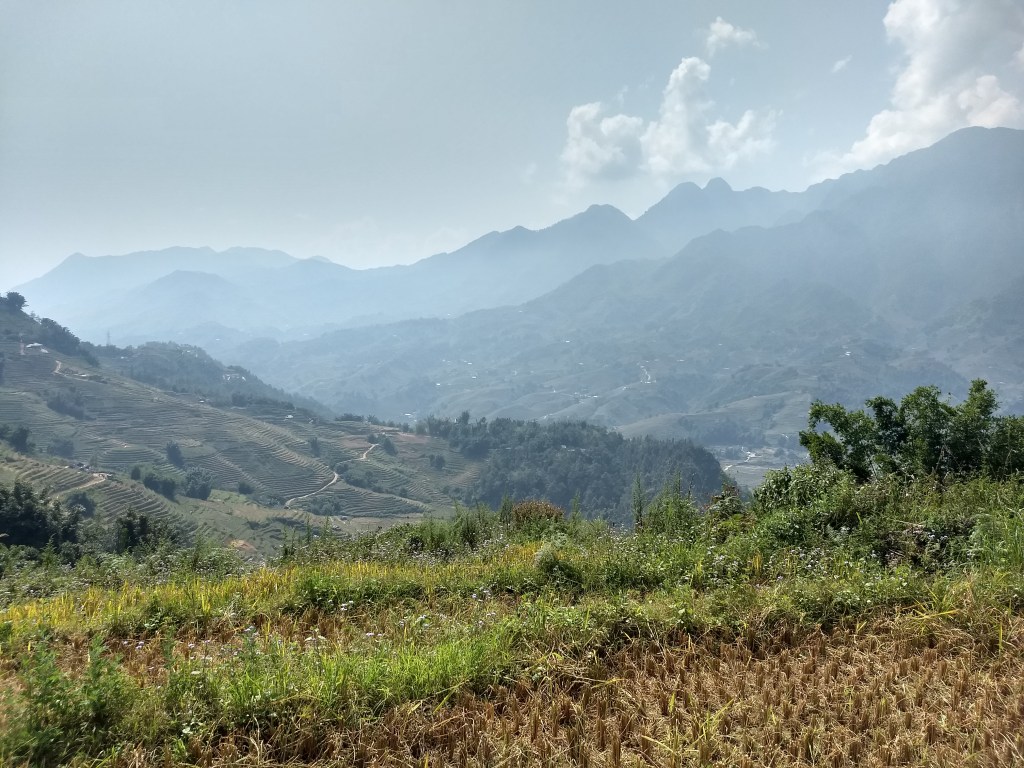
Soon we came upon the little restaurant tucked away atop the rice terraces. The set lunch was a simple fried rice dish with some meat and tofu. The view during lunch was nice, and the breeze helped with the mild but still sunny-dry heat.
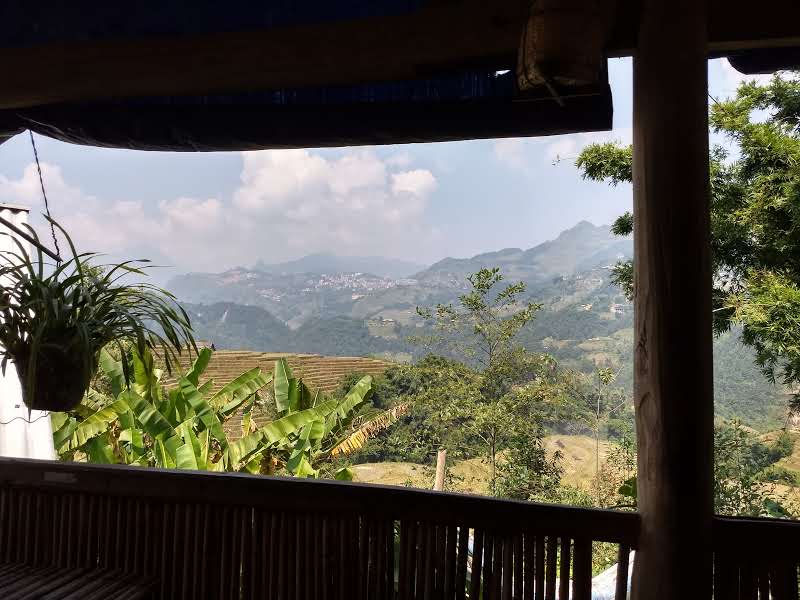
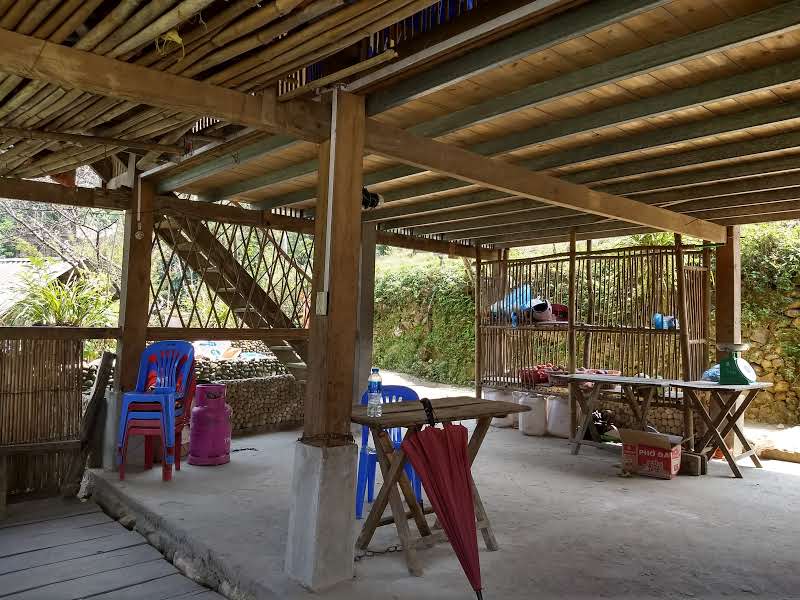
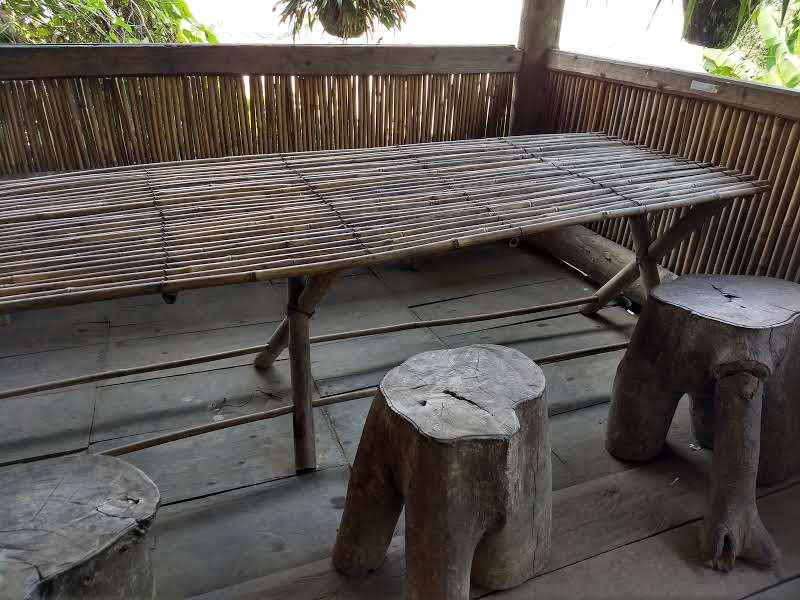

After our lunch we continued on to the next village area.


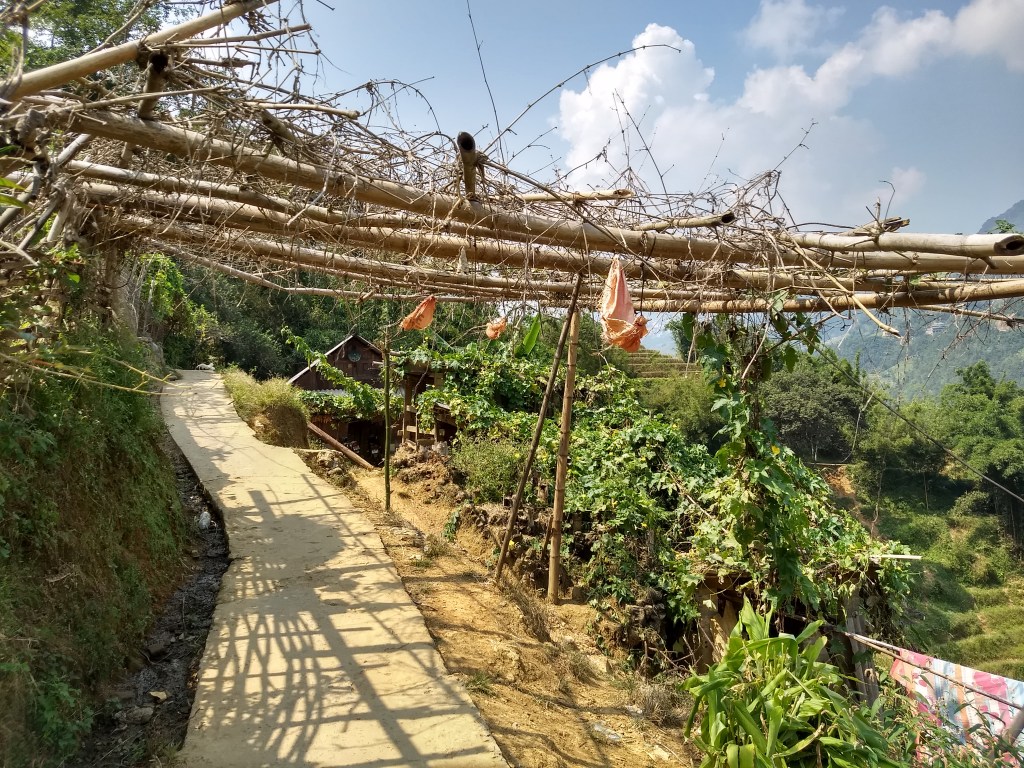
After passing by some village kids who came up to me and said, “Buy from me, $5,000” for some little bracelets, we continued on through the next village.
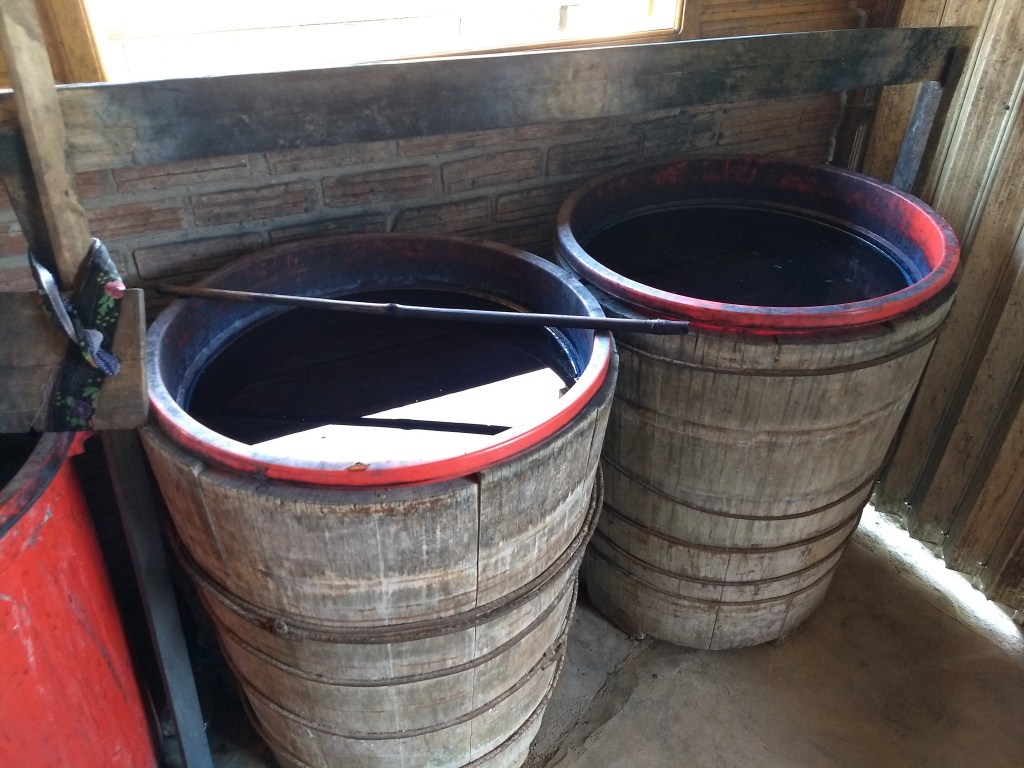
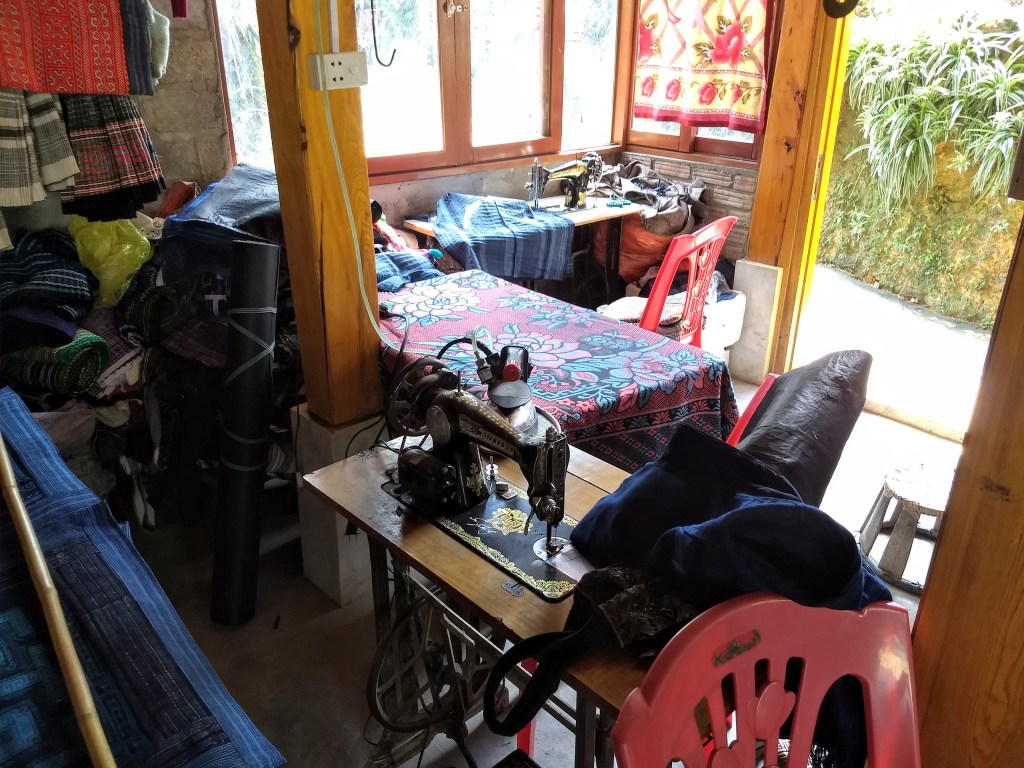
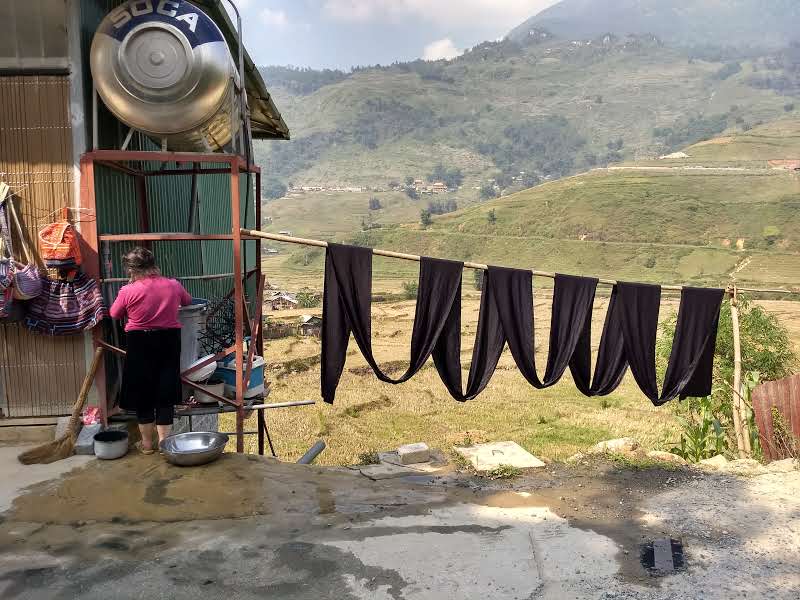
Here we came upon a handicraft store where the women make traditional clothing for the villagers as well as craft items. Su showed me the indigo plants that are grown here and how they are used to extract the blueish dye to make the clothing using cold water and daily repeated soaking in the dyed water and sun drying for over a week.
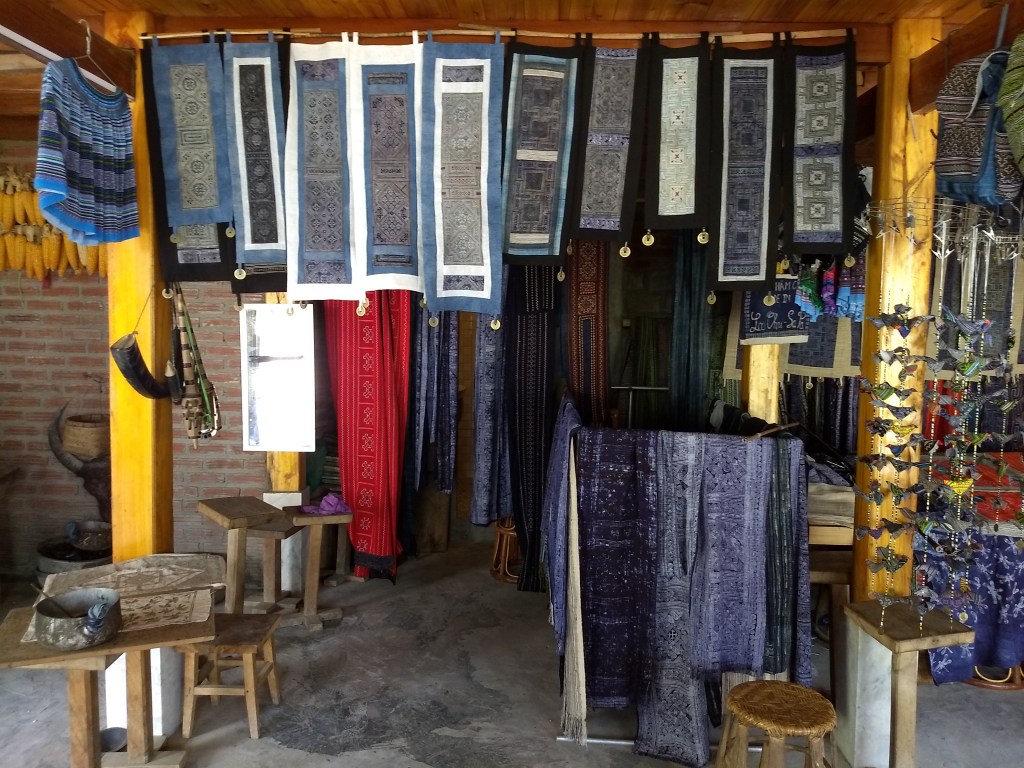


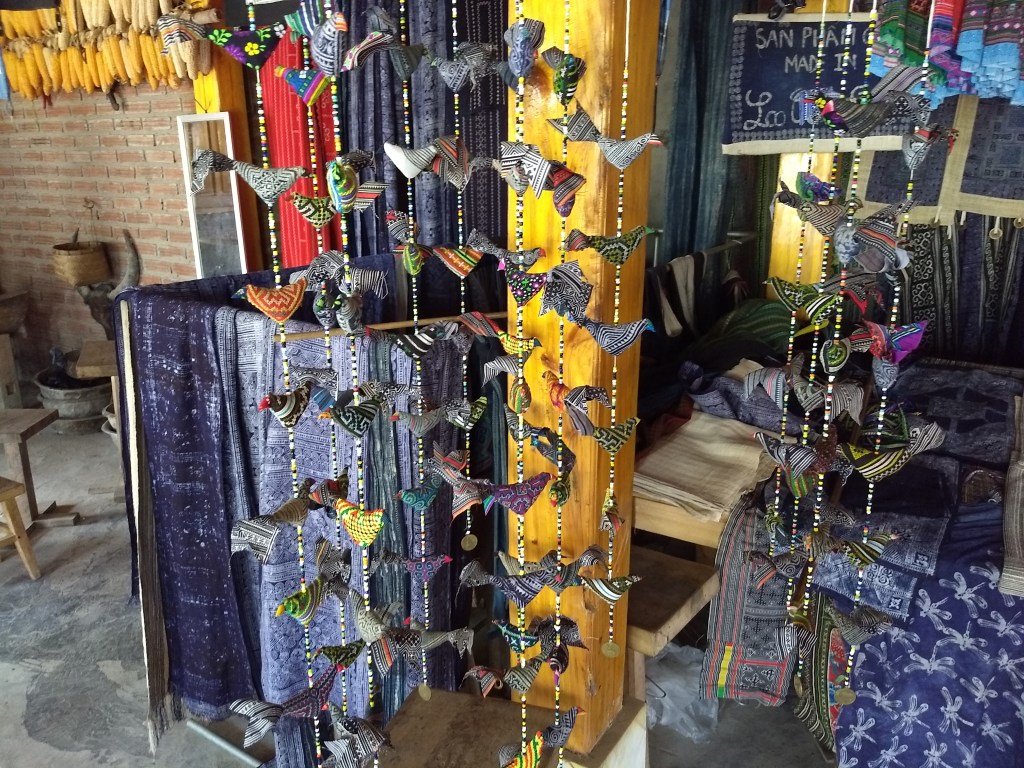
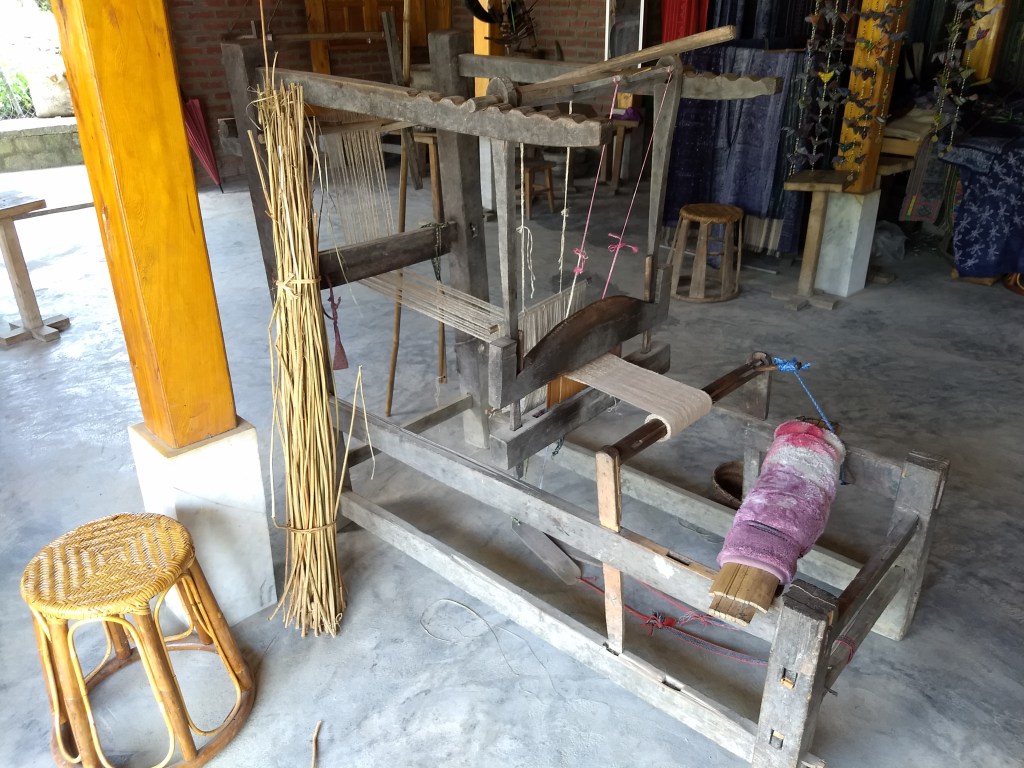
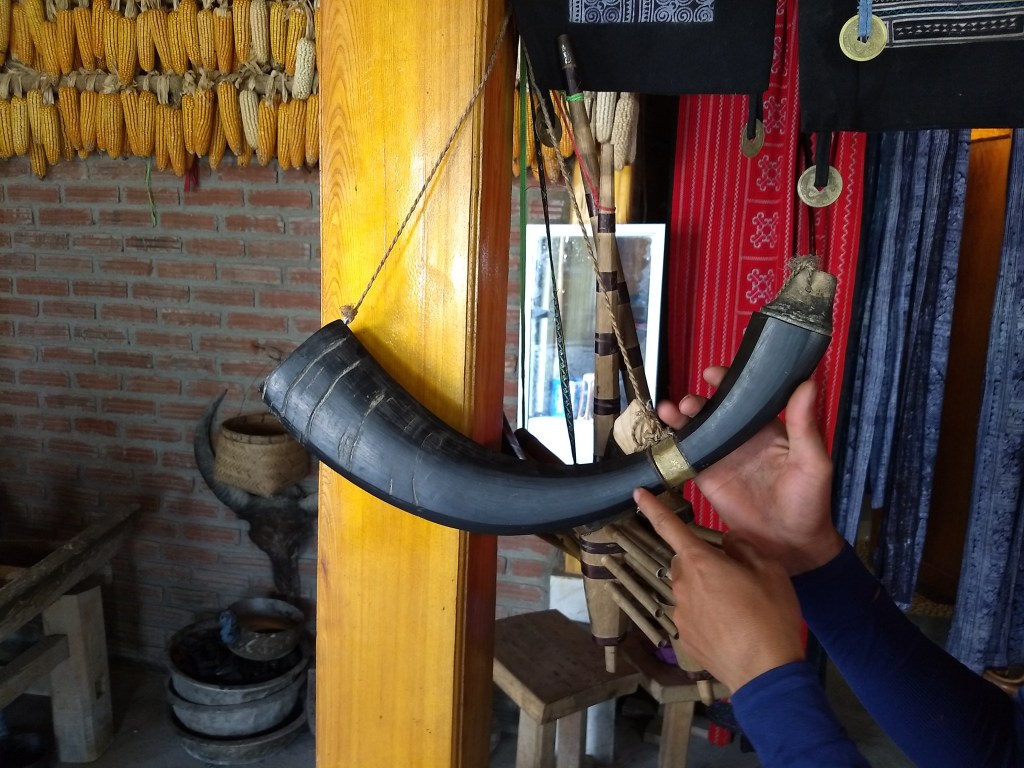
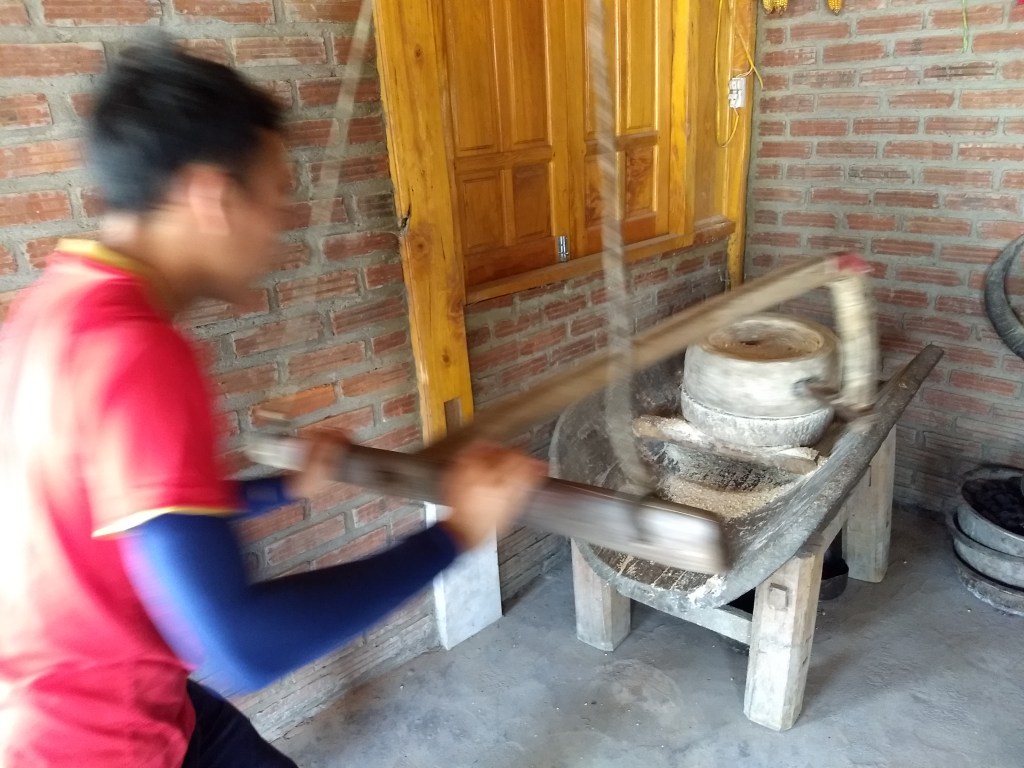
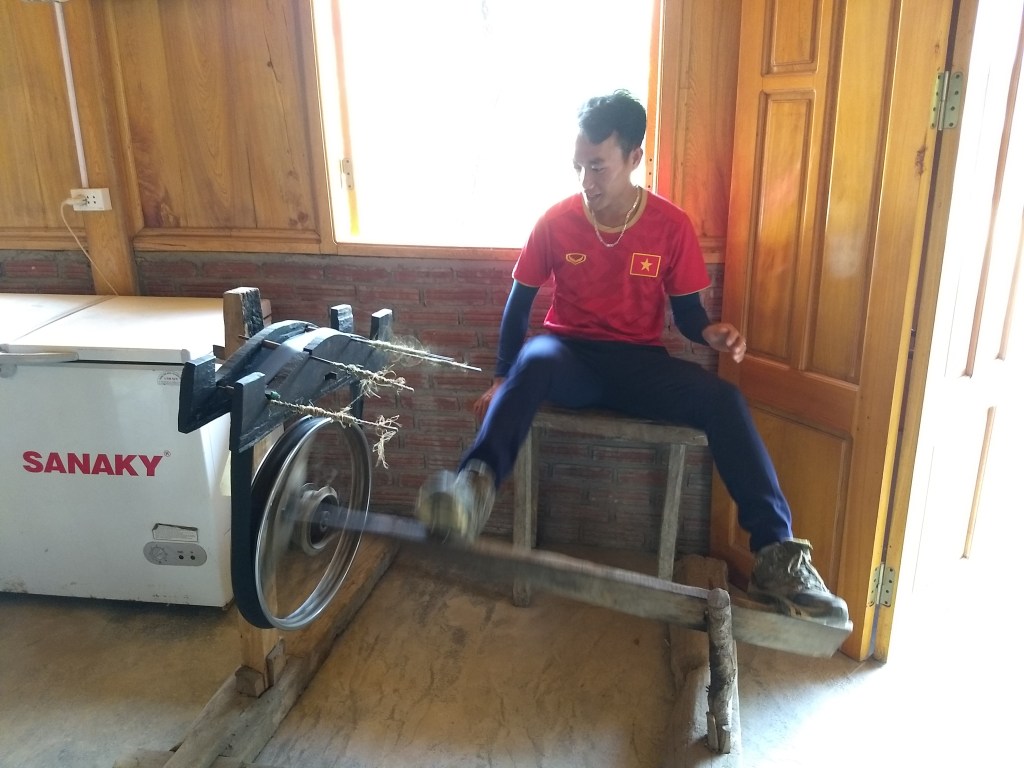
Su took me around the room and told me about the machines used to turn the hemp into usable string. It’s nice to see that old manual methods can still be useful. He even showed me a traditional instrument that is played whenever a family member dies. Wait, I just realized how that sounded. What I meant was that they don’t play this instrument for entertainment but rather for whenever there is a funeral. He also showed me an old-fashioned flour grinder that is used to grind corn.

Just outside of this handicraft story is a manual rice pounder. It’s “powered” by water. When Su showed me how it works, I wondered what the point of using this was since it didn’t seem to save time at all. See for yourself.
Also outside of the shop is a patch of hemp leaves.

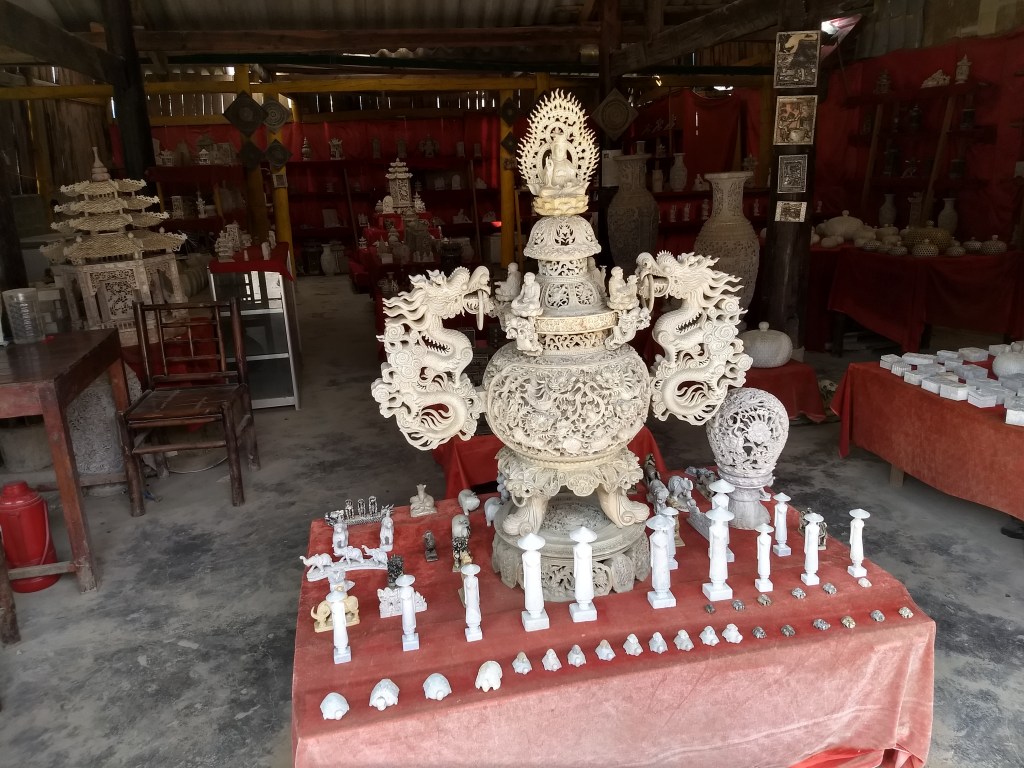
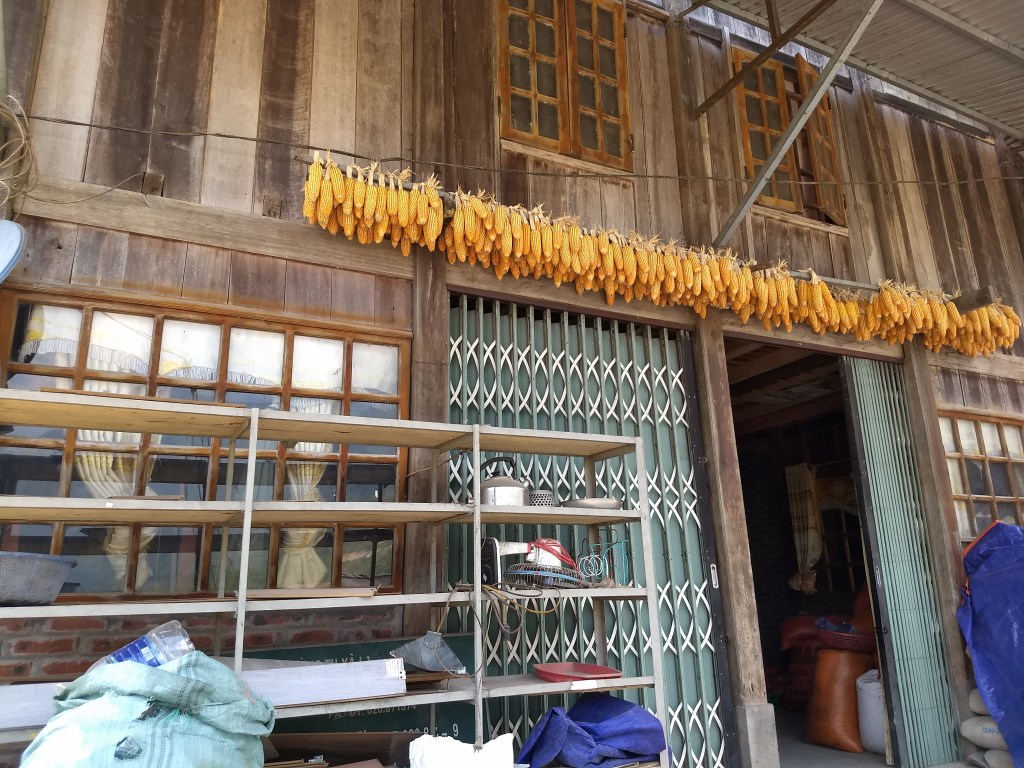
After we finished, we strolled past another village where handmade stone crafts were on display. It was also where the local village storefronts are located.




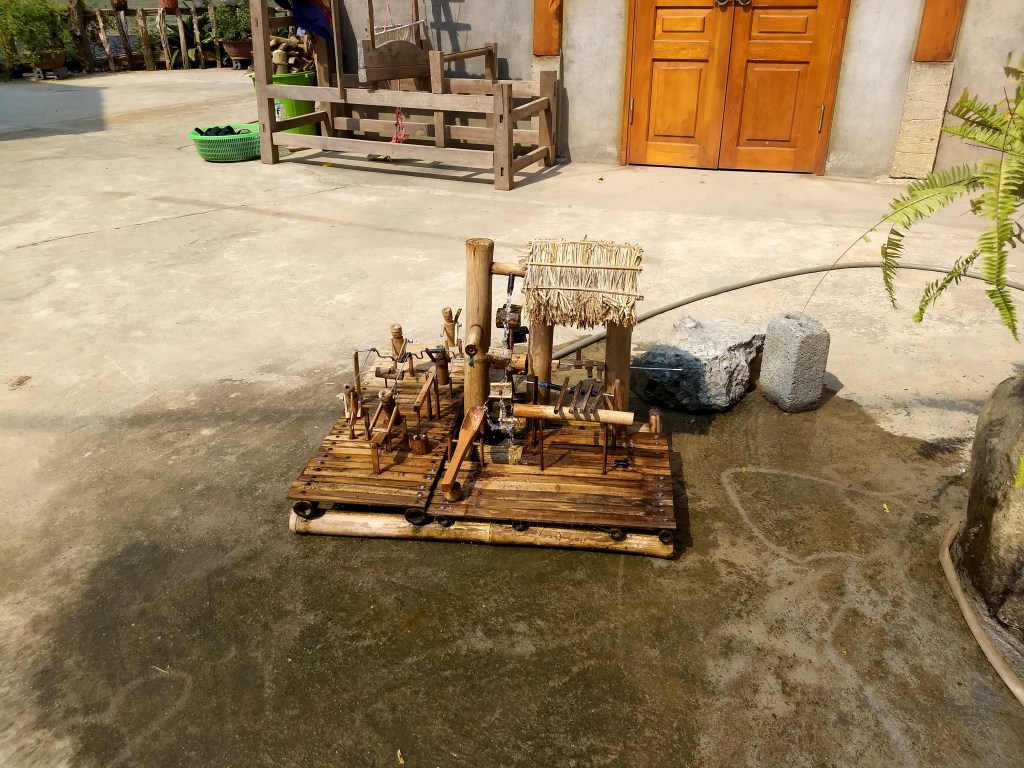
Right: a wooden handcrafted display of workers that uses water to move some of the parts.
It was a decent day of trekking and seeing what daily village life is like out here. I just wish I hadn’t irritated my knee. This would eventually cause me to cancel my 2-day trek up Mount Fansipan later in the week.
Next up will be my day two adventure on a day trip outside of the surrounding Sapa town area.


Leave a Reply