The Farewell
After a 6-month hiatus, I’m back up and running (or, in this case, posting). In my last post, I mentioned my thoughts and feelings about how it was likely that I would leave China sooner than expected. As it turned out, I was right. After enduring a 5-day lockdown that turned into a 2-month lockdown, complete with mandatory daily testing at times (other times, it was more unevenly conducted), I, like many other foreigners, decided that this was a clear sign that things were not going to get better. The political situation has already been digressing, and this was the final straw. The usual feeling of not knowing what might happen from day to day was thrust into overdrive during this period. To me, this was a turning point and one that compelled me to seriously look outside of China for a job. I finally got one in a place that I had previously thought about but didn’t have any luck with-that being Japan. I had intended to visit Japan (and South Korea), but I never found the right moment to visit both. Instead, I always found some other place in Asia that was cheaper to visit. Alas, I would not only be seeing Japan but living there.

This might seem like a “no-brainer,” but it wasn’t without difficulty. Having to say goodbye to not one but two close friends, both of whom had helped me so much during my time in Shanghai, was painful. There were tears both during the goodbyes as well as on the way to the airport (and on the plane, with me sniffling into my mask). My friendship with both of them was a turning point of sorts in the sense that I hadn’t openly expressed sadness and tears toward someone since I was eleven or twelve years old. Now that it had finally occurred, I would also be leaving the next day.
That same day, I had both of them over (at different times) for a final goodbye visit. I had my first friend, Jerry, over for a visit, where we chatted, cried as we both professed how glad we were to have been friends, and took some final selfies. Prior to my leaving, he had even written me a poem. Seeing his teary eyes outside my door as it closed made me burst into tears again soon after.
My other close friend, Lance, came over later for a final dinner and visit to a nearby gelato place. It sort of became our spot (briefly) during the summer until this point. He even came over early the next morning to see me off. This friendship was also one that marked a turning point for me, as our friendship had blurred the line between friends and dating, and it gave me a chance to see how I handle intimacy. My farewell to him happened in typical Chinese style. He waited with me for Didi (the biggest ride-sharing app in China) to arrive. When it arrived, the driver quickly tossed my suitcase into the trunk, and I gave my friend a quick but heartfelt hug good bye, telling him that I would miss him. Finally, I was in the car, heading to the airport. It all happened much too quickly. I looked back through the window to see him still facing me, getting smaller and smaller in the distance, and we waved to each other.
Saying goodbye to two close friends within twenty-four hours, especially under these circumstances (fleeing China’s disasterous “Zero-Covid” policy), and knowing that I will likely never step foot in China again as long as the CCP is still in power, was a lot for me to deal with. After eight and a half years, it ended in what felt like a flash. The next thing I knew, I was making my way to and through Pudong airport, and then I was airborne to Tokyo. At the time of writing this, I still keep in touch with them. I hope I will get the chance to see them again (outside of China), but I do worry about the CCP’s continual tightening grip on the borders.
There is more that I could say, but I feel as though I have said much of this already in my previous post. So, onward to Tokyo.

The Decision
After having my interview and being given the job, I was given a week to think it over. During that time, I wrestled with the idea of making decent money, but certainly less than I was making in Shanghai, as well as a much smaller job package (meaning no housing allowance, nor any end-of-contract bonuses or resigning bonuses). I hadn’t even visited Japan, yet here I was, willing to take a job and live there. After finally deciding yes, I tried to learn a bit of Japanese using Rosetta Stone, only to find that it wasn’t working for me. At the time of writing this, I am still looking into other alternatives that will hopefully be a better fit.
Settling In
When I arrived in early August, the weather here was hot and humid. Shanghai was also hot and humid, but the locals here seem to really dislike the humidity. Having spent time living in a big concrete jungle, I understand why.
Upon entering Japan, I soon discovered the lack of English used compared with China (at least in Shanghai). At that time, to enter, one had to make their way through a long, labyrinth-like path, going to different stations to receive and show papers to different officials related to COVID. There was little to no English used (other than the bilingual forms), but the employees tried to help as best they could. The part toward the end that made me the most nervous at first was having to use some Japanese health apps to document my status before officially entering. One of the workers tried to help me, and eventually I was able to figure out why I couldn’t advance past a certain point (a very sensitive platform where an extra space caused you to remain stuck).
Before arriving, I had gotten an apartment in a building built four years earlier on the sixth floor (the top), so air conditioning was my closest friend while moving in. The apartment-finding process in Japan is not easy, especially for foreigners. The school has a designated person to help first-year teachers with settling in (not a local Japanese person, but a Turkish man who has been living here for twenty-two years), so he was quite busy carting us around to get things signed and sorted. He originally found an apartment for me and sent me a video of it. While it seemed OK, I wanted to know if there were other options. So, he set me up with a real estate agent for a Zoom call to assist me in finding a place. After this call, I sent him many, many places I was interested in, the vast majority of which I was rejected from due to being a foreigner (yes, it’s still a thing here). This was not much of an issue in China, and securing an apartment there was so much faster and more direct. There were only two apartments left that I was deemed OK to rent, one of which was taking a long time to hear back about. The other one was the one that I finally got (issued under the school’s name, however).
I also had to undergo a routine health check, which consisted of me going to different stations to have different things checked out. This was also the case in China, but unlike in China, I didn’t dread doing it here.
Starting Out in Tokyo
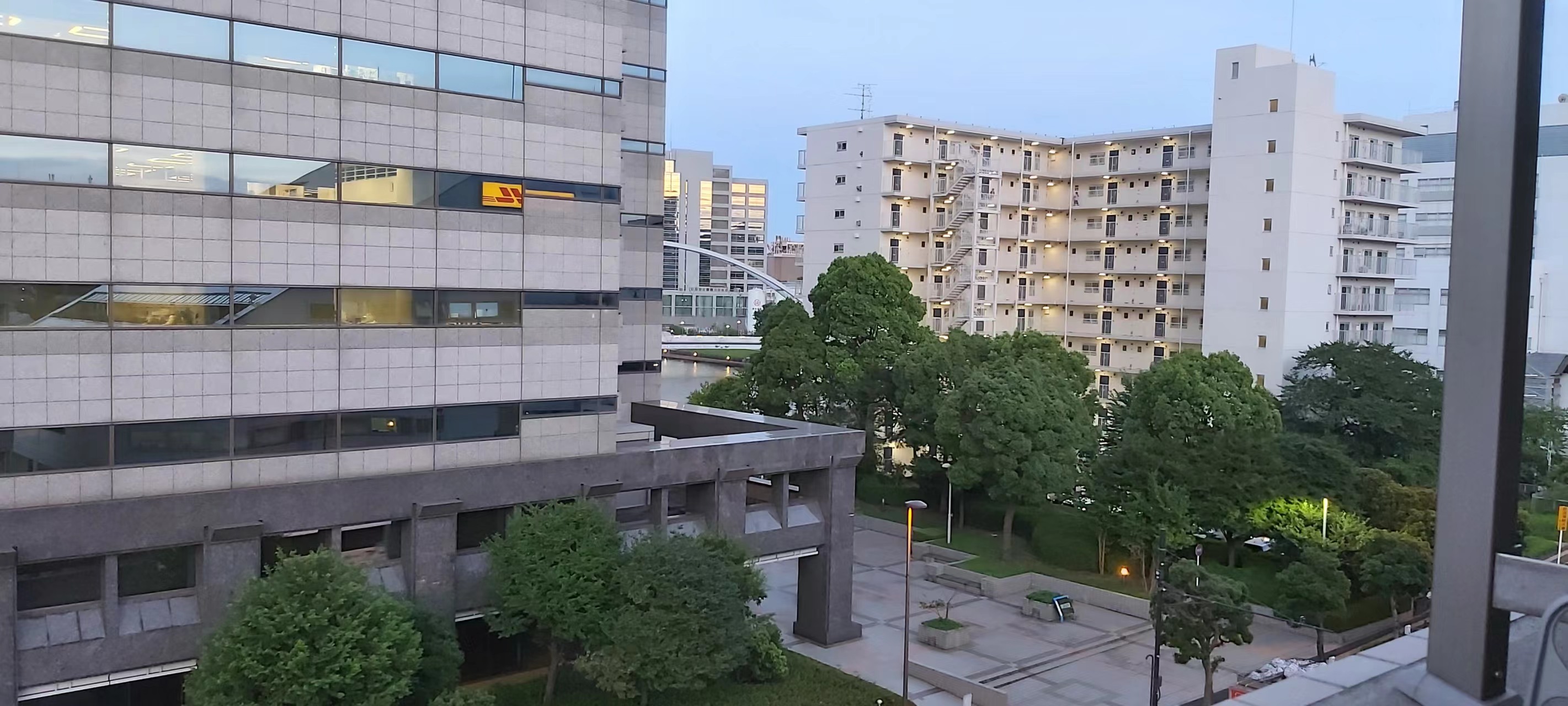
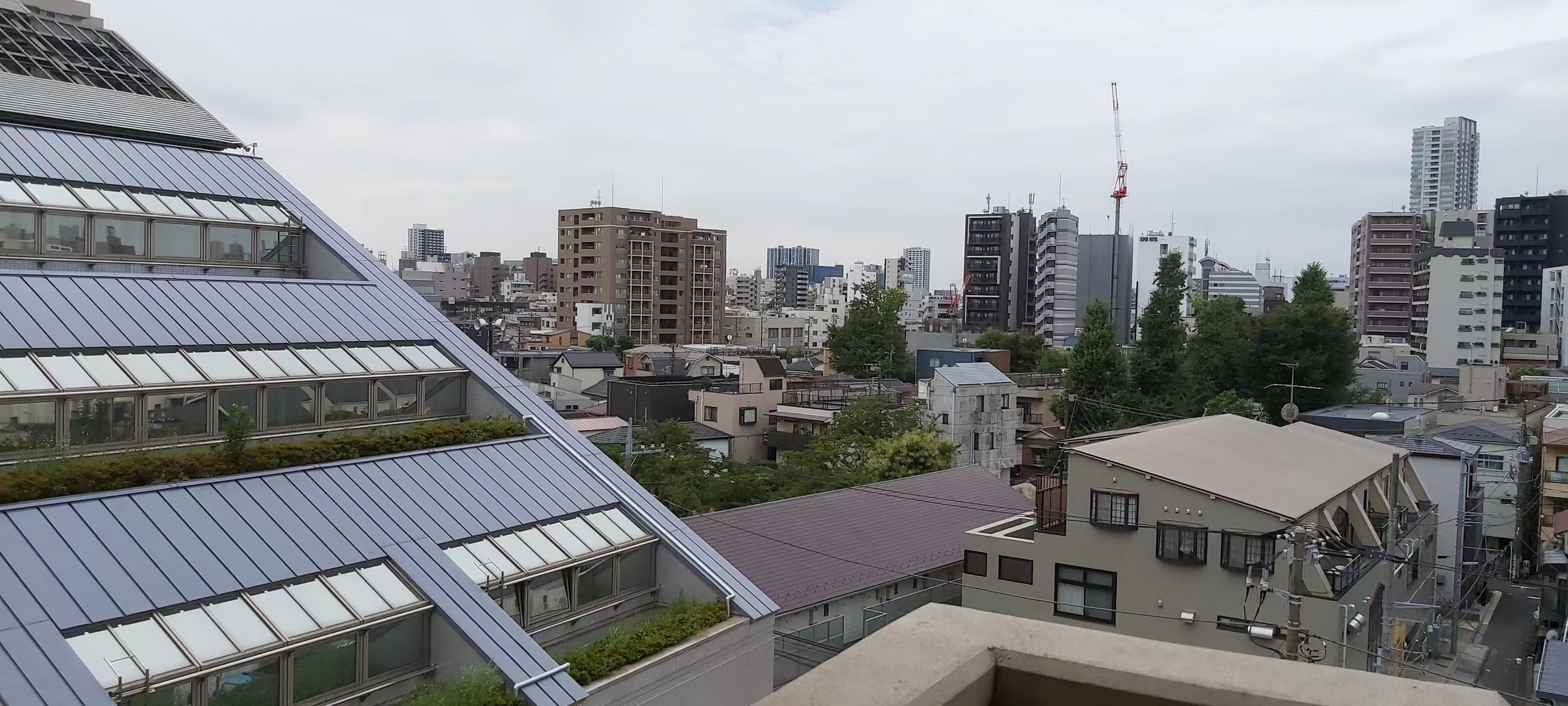
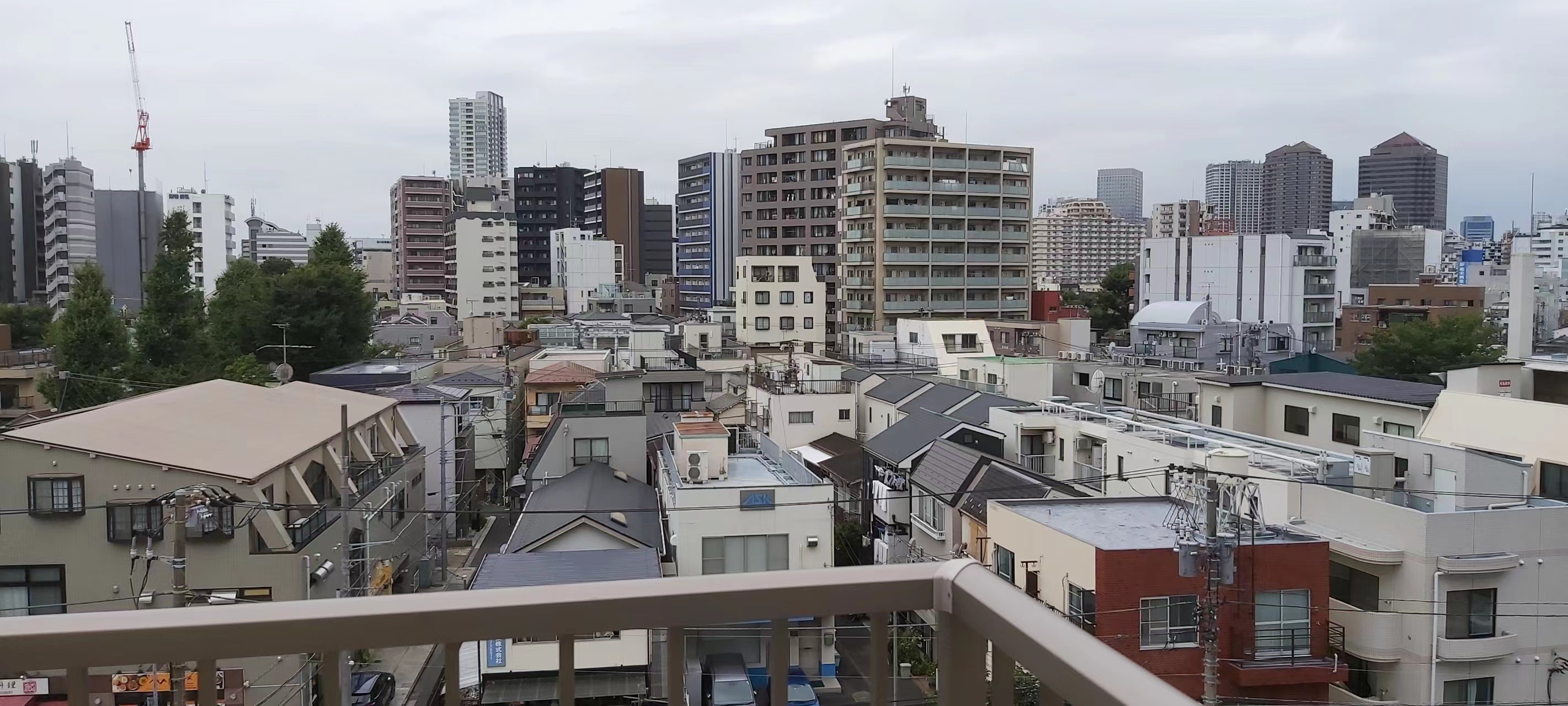
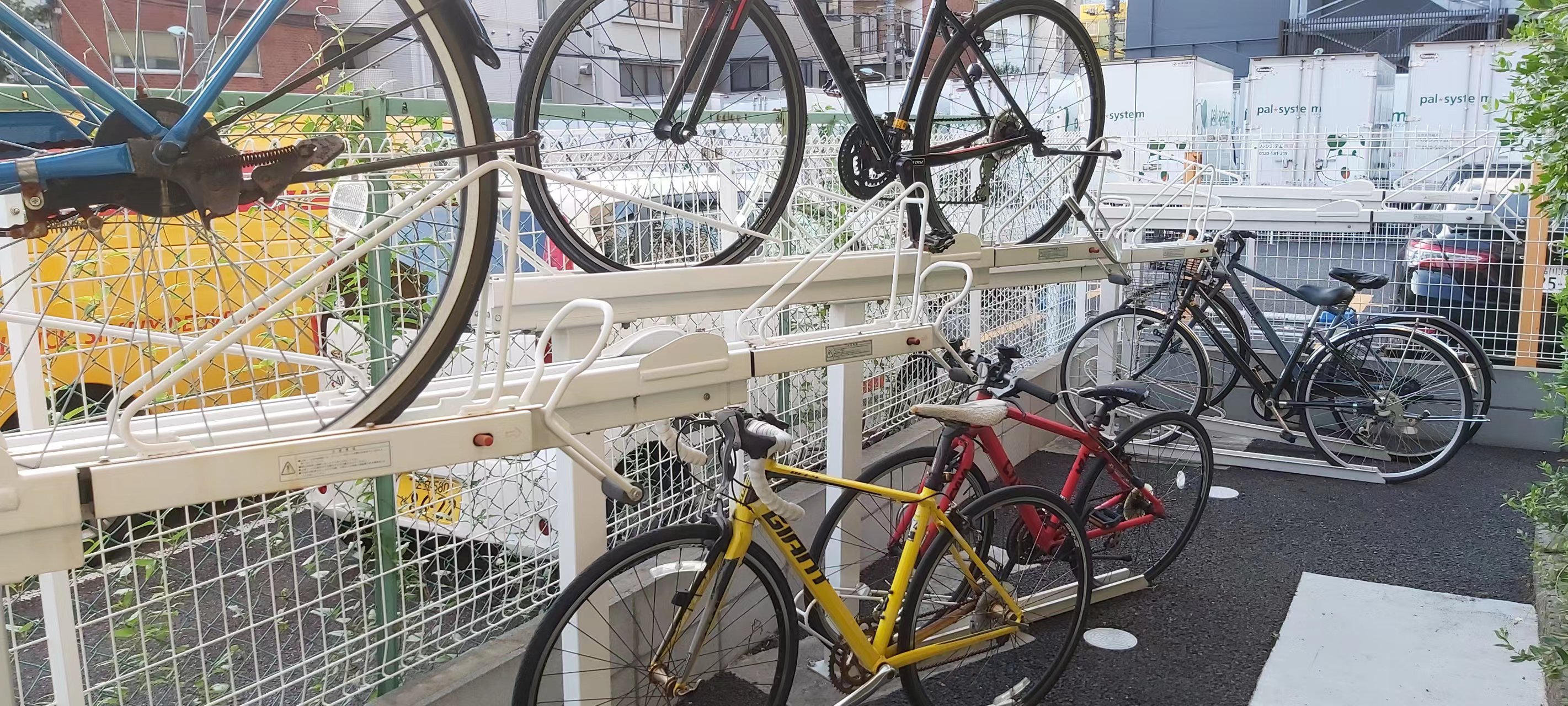
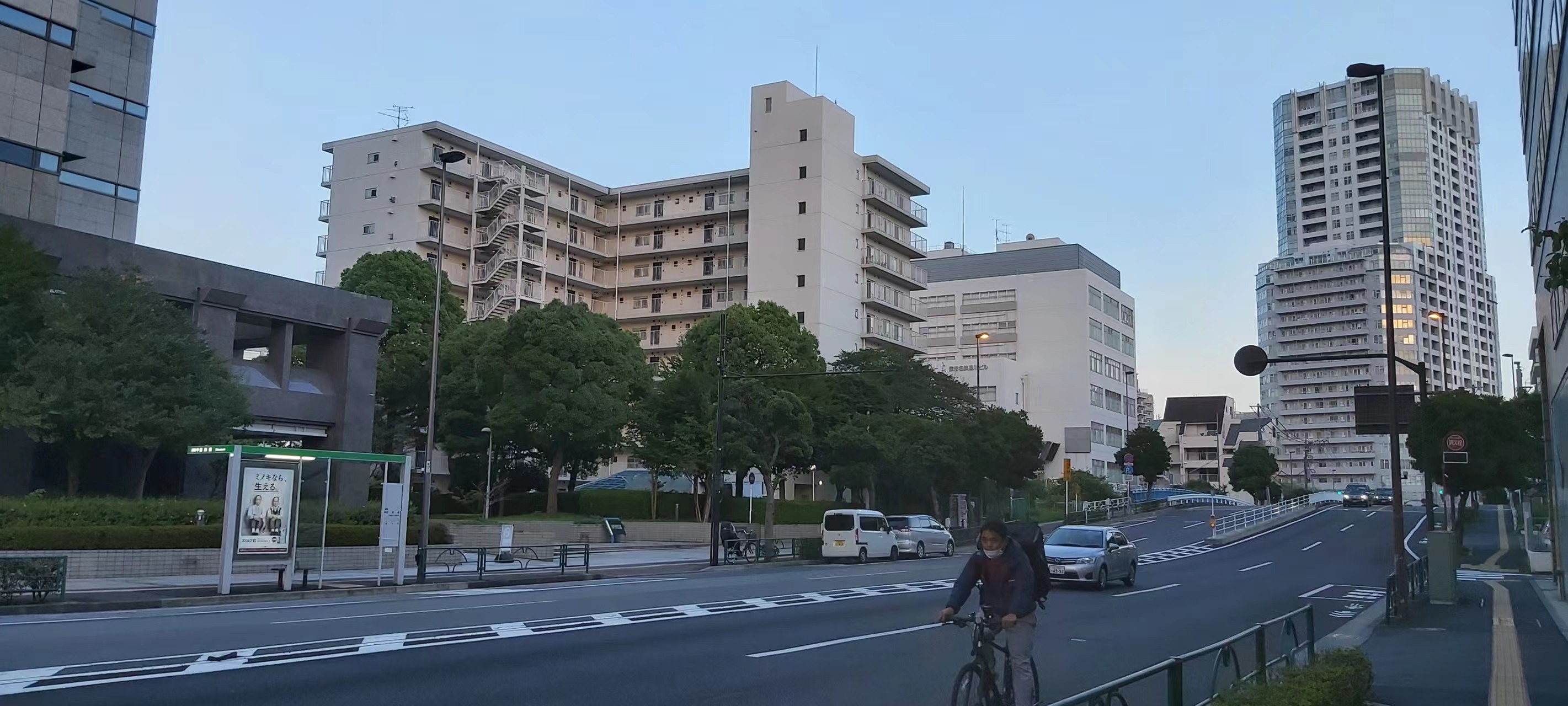
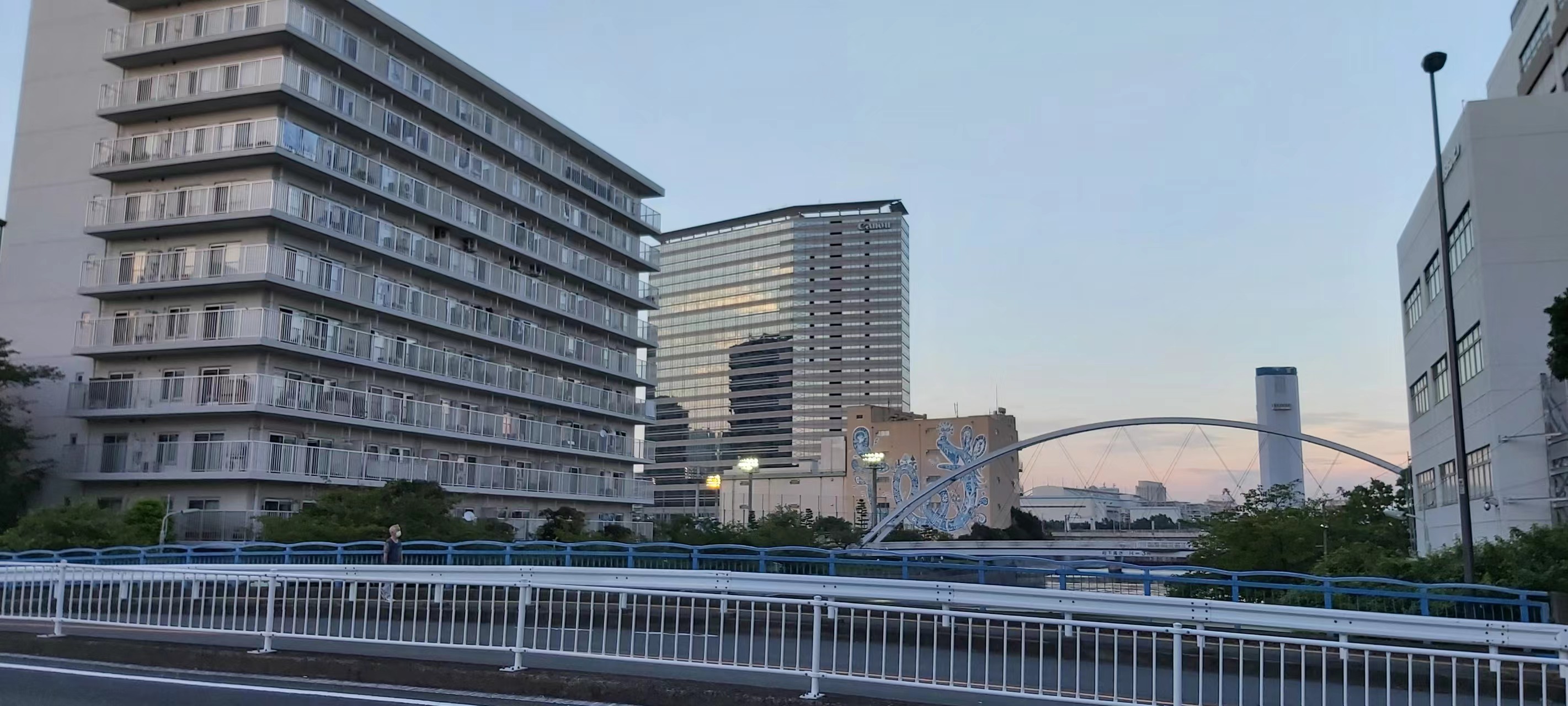
For about the first month, I didn’t go outside of my district as I was too busy and focused (and stressed) about getting myself set up in my apartment. But I did manage to walk around my area a bit to see what was around. The front of my apartment faces the street, but luckily, noise from traffic isn’t a big deal. I also live next to a DHL facility, with their parking lot directly behind my building. While I can hear the workers and trucks at times when entering or leaving, there hasn’t been a problem with noise. There is a small park nearby that connects to an artsy area with views of the surrounding bay area. At night, while walking around, I could sometimes smell the briny air, which I enjoyed. Behind my place are an Indian restaurant, a Chinese restaurant, and a Korean laundromat (none of which I have tried yet).
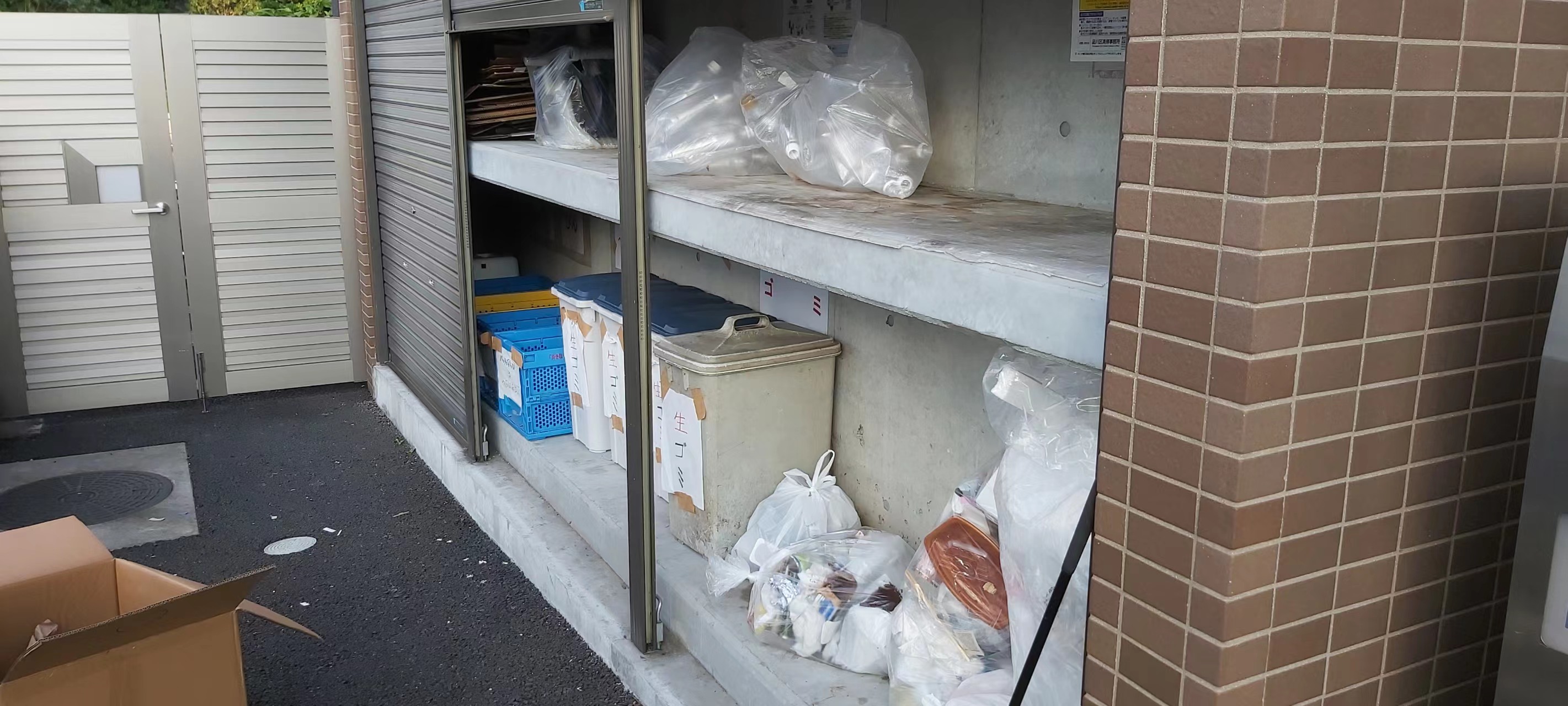
I was told that the district here (Shinawaga) used to be the site for garbage disposal and that it later became a business district. I suppose I feel a bit better about this knowing that the tap water is drinkable. Speaking of cleanliness, one thing I notice is how clean the streets and air tend to be, as well as the noticeable lack of public garbage cans. Here, it is common for people to bring their own bag to place their garbage in and take it back home with them to dispose of it properly! By properly, I mean that Japan has a well-known, stringent system of sorting garbage and recyclables. This is something that I am still trying to get used to.





The school doesn’t have an HR department, though. Instead, the school’s administrative assistant takes care of opening bank accounts and handing out forms that need to be filled out. Even with this, I still felt like I was more on my own in terms of getting settled in than when I was in China. In China, the HR person did most of the paperwork and jet-setting to different offices to get things processed. The first year in China, my school set up my bank account. Ever since then, I set up my bank account, but this was relatively easier to do on my own, as was getting a phone number. Here, I had to go in person to get my residence card and national health insurance card set up.
What makes getting set up here difficult is 1) the lack of English spoken and 2) the bureaucracy involved. China is also quite bureaucratic and heavy in paperwork (and stamping things), but Japan is also like this, and this surprised me. In China, the bureaucracy is seen in terms of loads of paperwork, stamping things, making copies, etc. There are also many job positions created that unnecessarily prolong the process of things. Whereas in Japan, the bureaucracy is more so in terms of being strict and fussy with forms and doing many things on paper instead of online. I was told by a local that Japan also holds on tightly to doing things using old methods. He told me that he knows of a place or company (I forget where) where they still use the fax machine and a floppy disk! For anyone too young to know what that is, enjoy looking that up. I have also seen places still use CD players, and I even found that the nearest big supermarket, “Aeon,” still sells them. I have also discovered that pizza here can be just as odd as anywhere else in Asia.


Regarding the strictness and fussiness, I was told that getting a phone number is a nightmare, mostly due to them literally going over the entire contract with you, paper by paper, which takes at least several hours (no, seriously, it’s true). This is why I went about finding a more foreigner-friendly phone service that did not subject me to this. I was recommended one by a coworker that I also used to set up my internet. Luckily, since my building is relatively new, the self-set-up process went more smoothly (minus issues I had with not seeing the lights on the router light up due to me not properly pushing in the wall cable far enough to hear it “click”).
I also tried to set up my own foreigner-friendly bank account, but even taking this route did not stop me from being subjected to Japan’s irritating banking policies, specifically regarding foreigners opening an account. By law, if you have worked less than six months, you must show further proof that you are employed by showing your social insurance card (on top of your national health insurance card). Since I am not signed up for this, I don’t have this card; thus, there is no escaping this six-month rule.
However, I found out (rather than being told directly, something that I noticed happens often here) that the school can open our bank account that includes a debit card. If I had known this from the start, then I would have just let them do this in the beginning. However, even after finally agreeing to do this, I (and others) were told that we needed to fill in (or, more accurately, trace over) what our school administrative woman had written on the form because the forms must be filled out by the person applying. She said that if she had sent in our applications one by one rather than all together, she likely would have been able to avoid this situation. Oh well, a lesson for future teachers, I suppose. At least we had a chance to laugh about it and make jokes about how she was a criminal mastermind until then.
More than two months later, I feel almost fully set up, except for one of my suitcases still being on the floor with things in it that I’m not sure where to put. Space in Japan is something that is worth a lot and is in short supply, so living here is forcing me to figure out how to be more space-efficient.
I have said a lot already, and I have more to say, but I will leave this post here. I do have many more photos to show, but those will be in future posts.
Stay tuned for the next chapter as I show some different places I visited around Tokyo.



You might try Italki to find a language teacher. Not sure whether you can read Chinese characters, but of course that would be a big help in Japan (for understanding, but not for the pronunciation).
WOW, what a huge lifestyle change for you!!! I’m proud that you took the challenge of moving to another country but sadly leaving behind some dear friends. I’m praying you’ll be able to meet up with them someday, that would be super cool!!! You have certainly had a rough go of things and I definitely hope things will get better for you soon!!! I love you and miss you and will be thinking of you. I can’t wait for your next blog. I’m sending you thoughts of hope and love!! Audrey
A literal “tour de force”, Greg.