Tokyo (and Japan as a whole) are quite representative of both old tradition and new modernity. The more one explores Japan, the more apparent this becomes. It also becomes apparent that you don’t have to go all that far to encounter this. So, per my dedication to exploring this new (to me) land, I decided to seek out sites that encompass this. Of course, in trying to keep a balance between physical and spiritual health, I made sure to explore both bars and temples.
Bars
I was taken to an area known to be the “gay” area of Tokyo by a man named Karl, a fellow expat but who has been living in Japan for many years, that being Shinjuku. Here lies a series of crisscrossing alleyways full of all kinds of alternative bars. It was fun seeing all of the oddly unrelated bar themes all splashed together. Oddly enough, there is a lot of western influence, as you can see in the images. I’m not a big drinker, but for people who do drink socially, I’m sure they will enjoy going here.
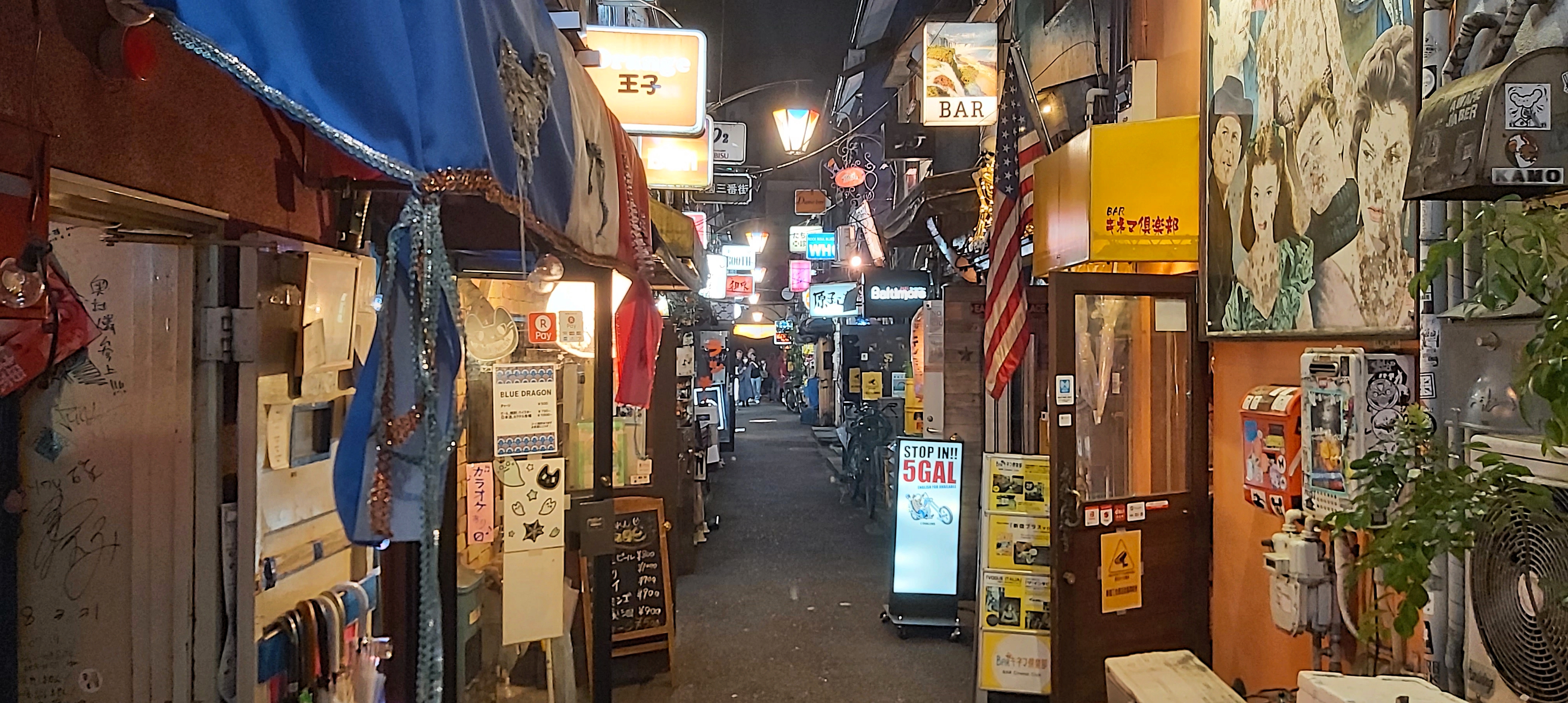

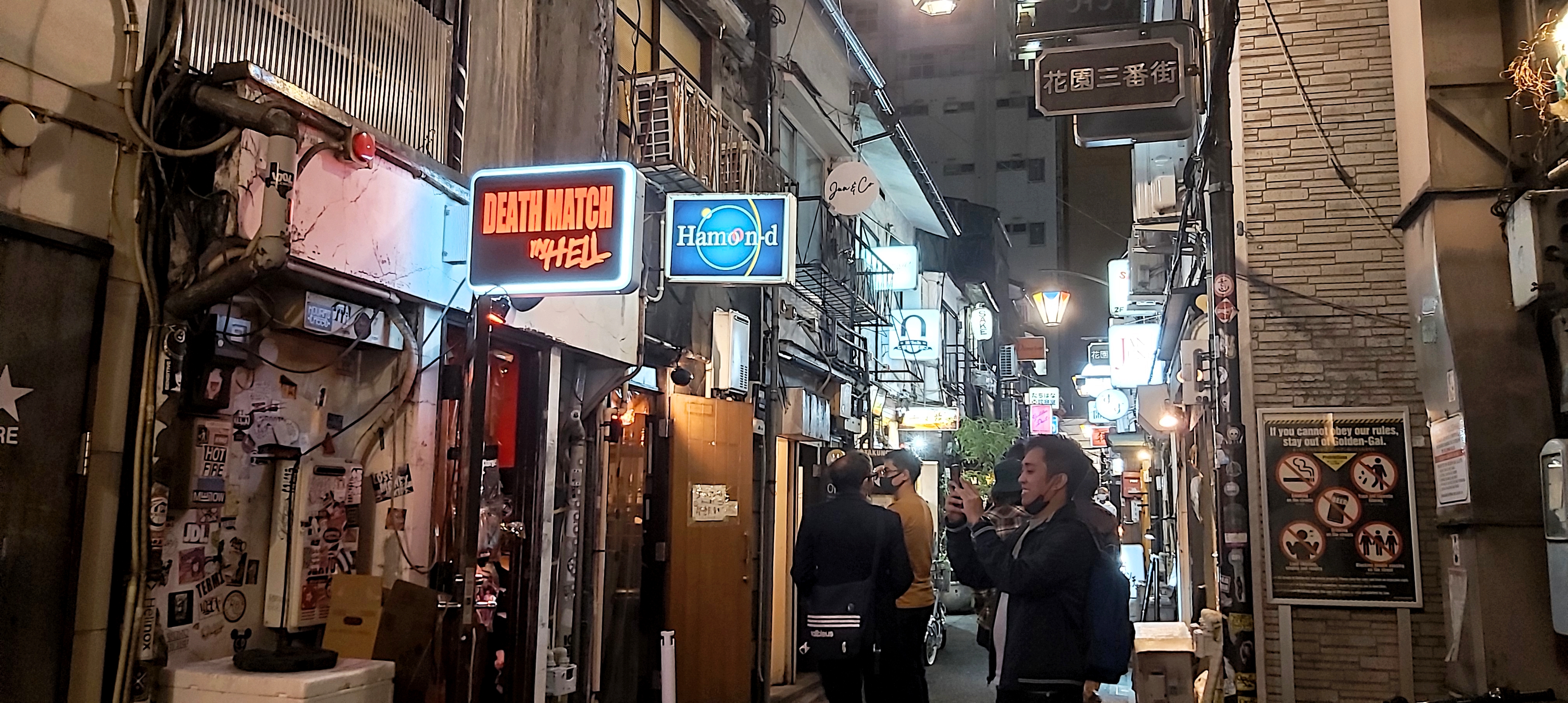
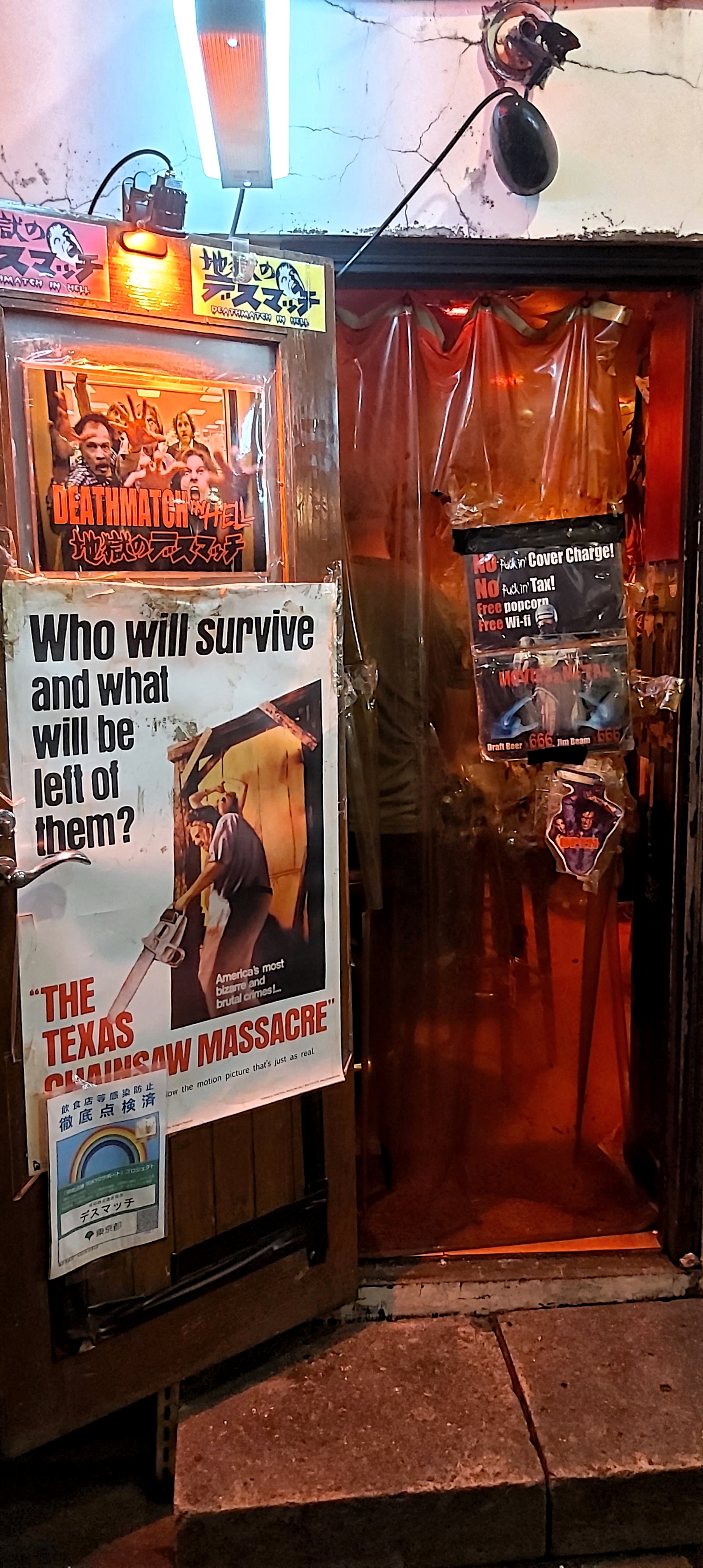
Karl then took me to a small bar (OK, many bars here would be considered small) where people often come to play instruments whenever they feel like it. It too had a very “alternative” décor and vibe, which I enjoyed.

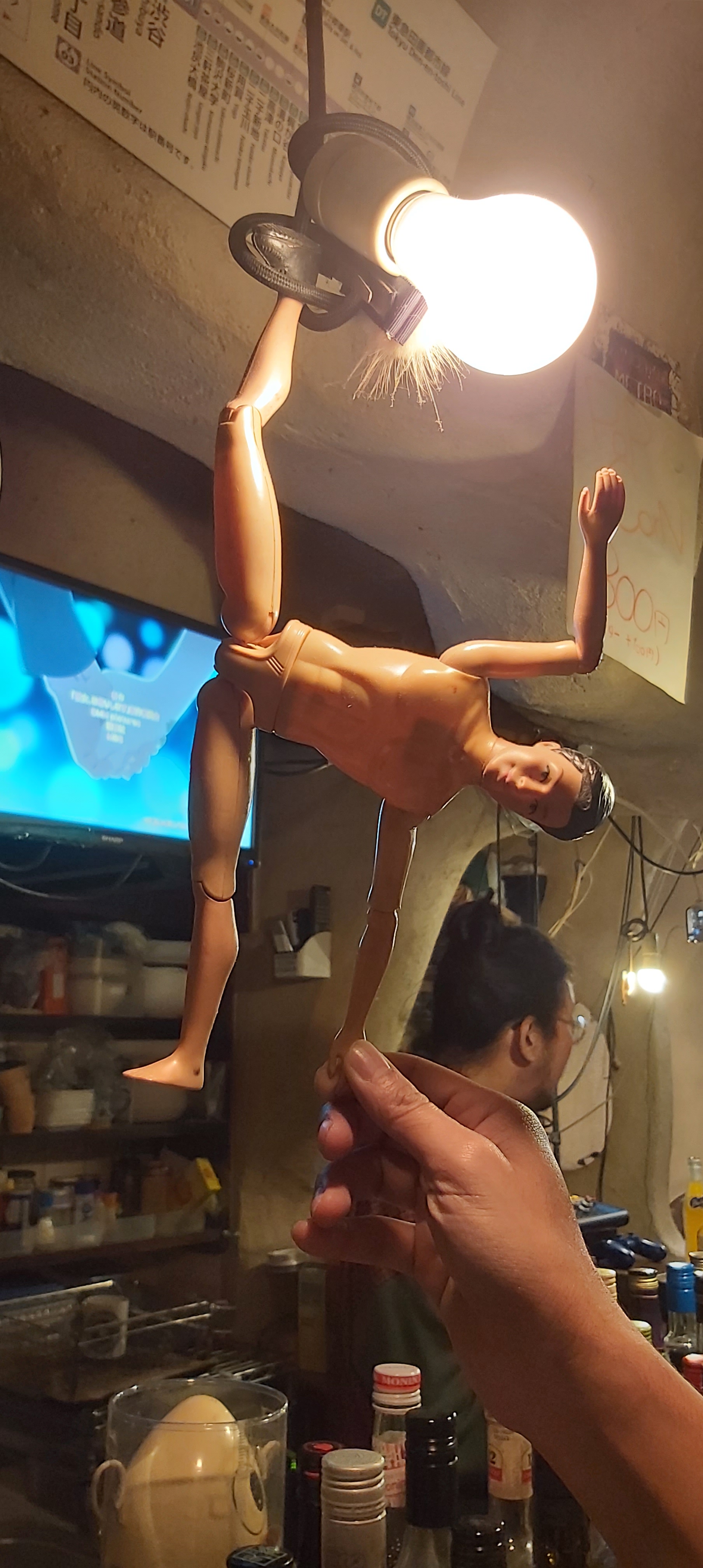

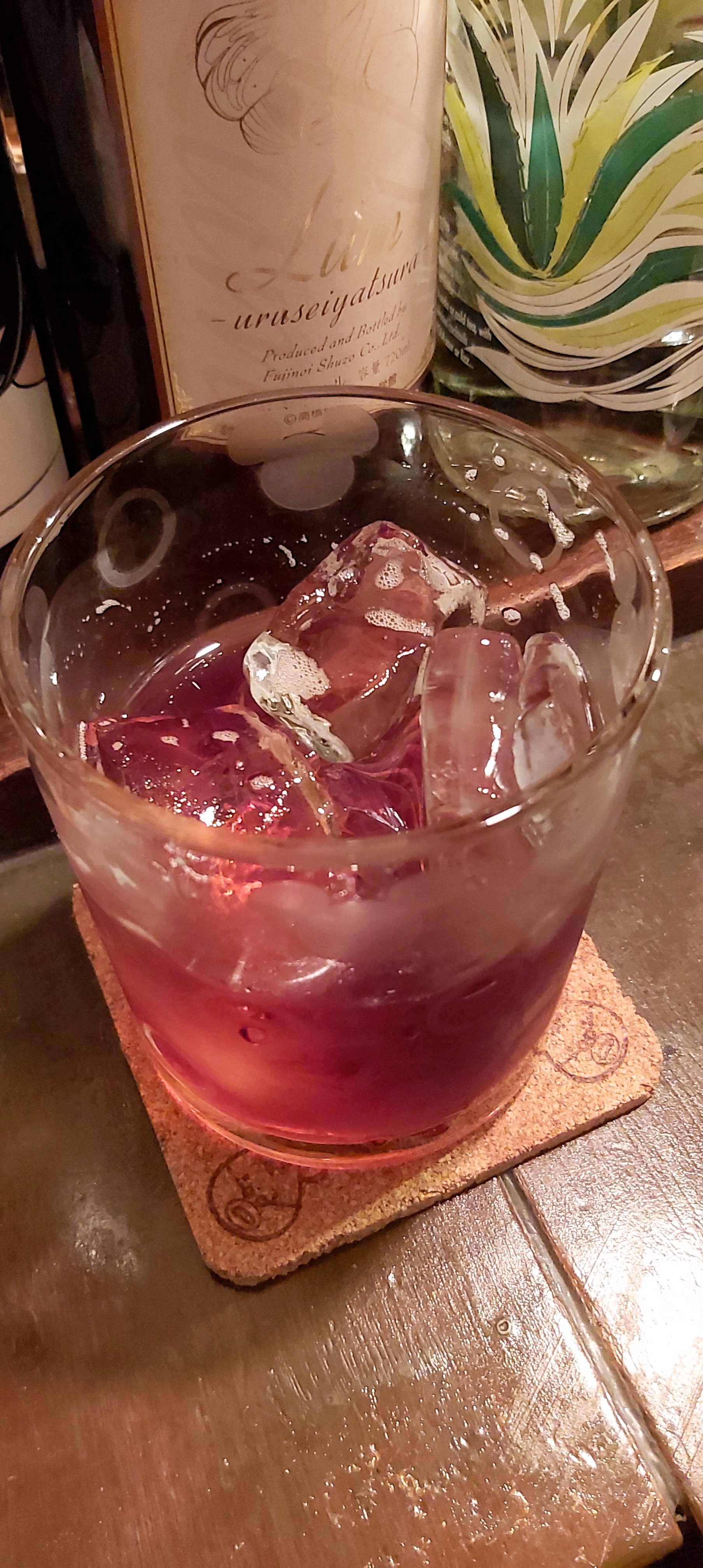
It is here that I discovered a German liqueur that I enjoy called “Dracula’s Blood.” It is a cherry liqueur with black currants and ginger.

But by far, my favorite moment of the evening was hearing some of the clients playing instrumental versions of songs they knew.
Sensoji Temple

Tokyo (and all of Japan) is full of temples and shrines. The oldest shrine in Tokyo is known as Sensoji (浅草寺, Sensōji), which was built in 645 BCE. It is also known as Asakusa Kannon Temple due to, according to legend, its construction being dedicated to the goddess Kannon, the goddess of mercy. This temple is seen as a symbol of the Asauksa area of Tokyo. The path leading you towards the temple is a 200-meter-long market street called Nakamise. This shopping street has a history dating back several centuries, but after walking along it, I could see plenty of shops that had nothing to do with traditional Japanese culture. Oh, well.
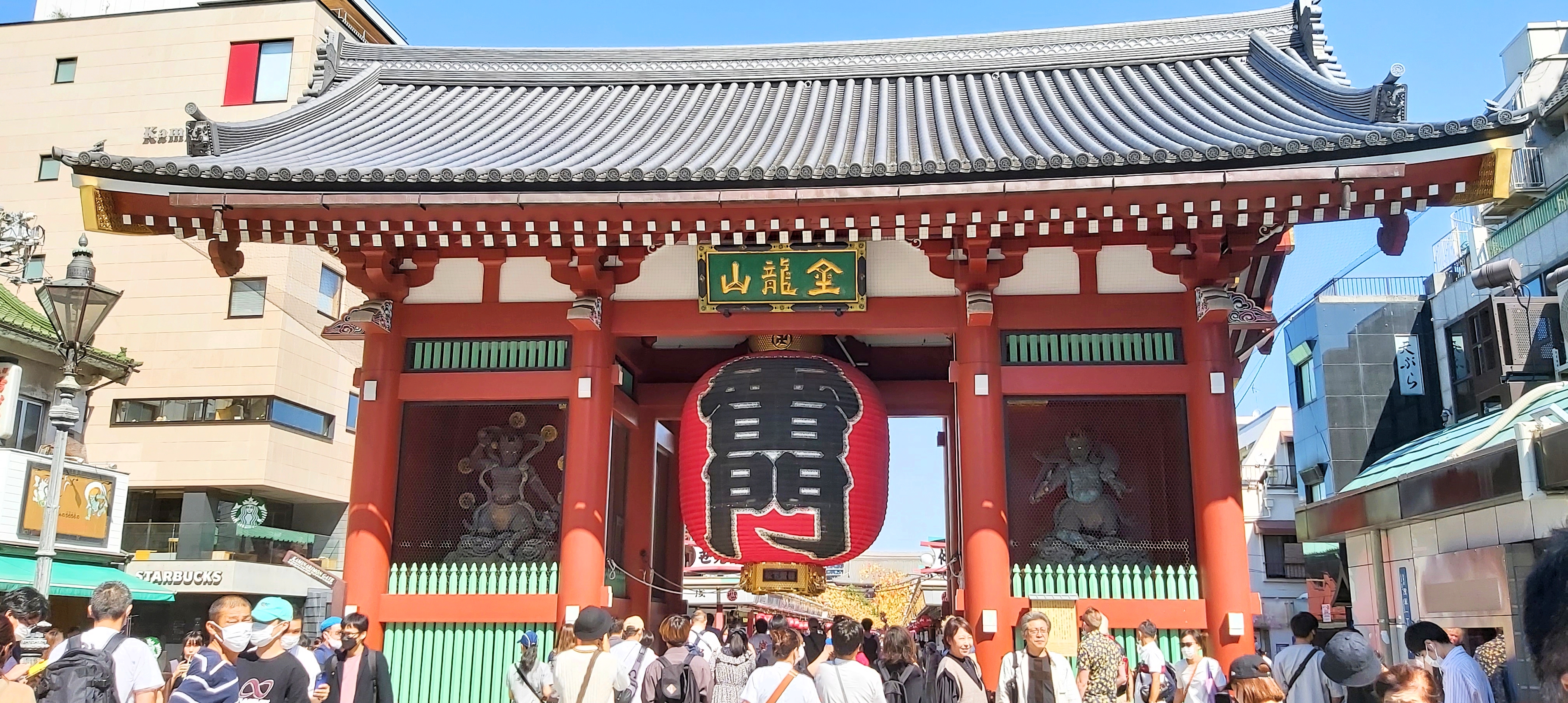
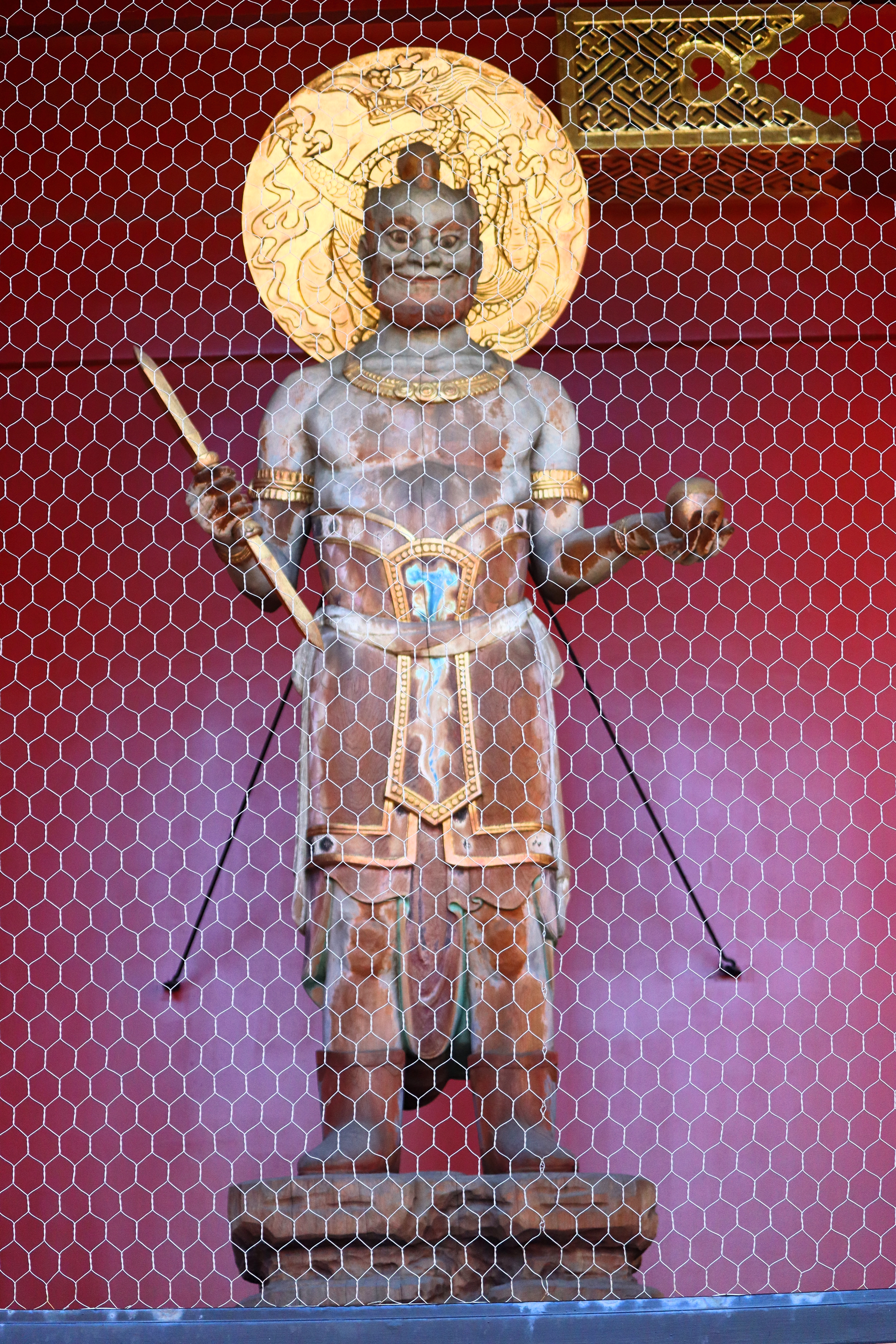
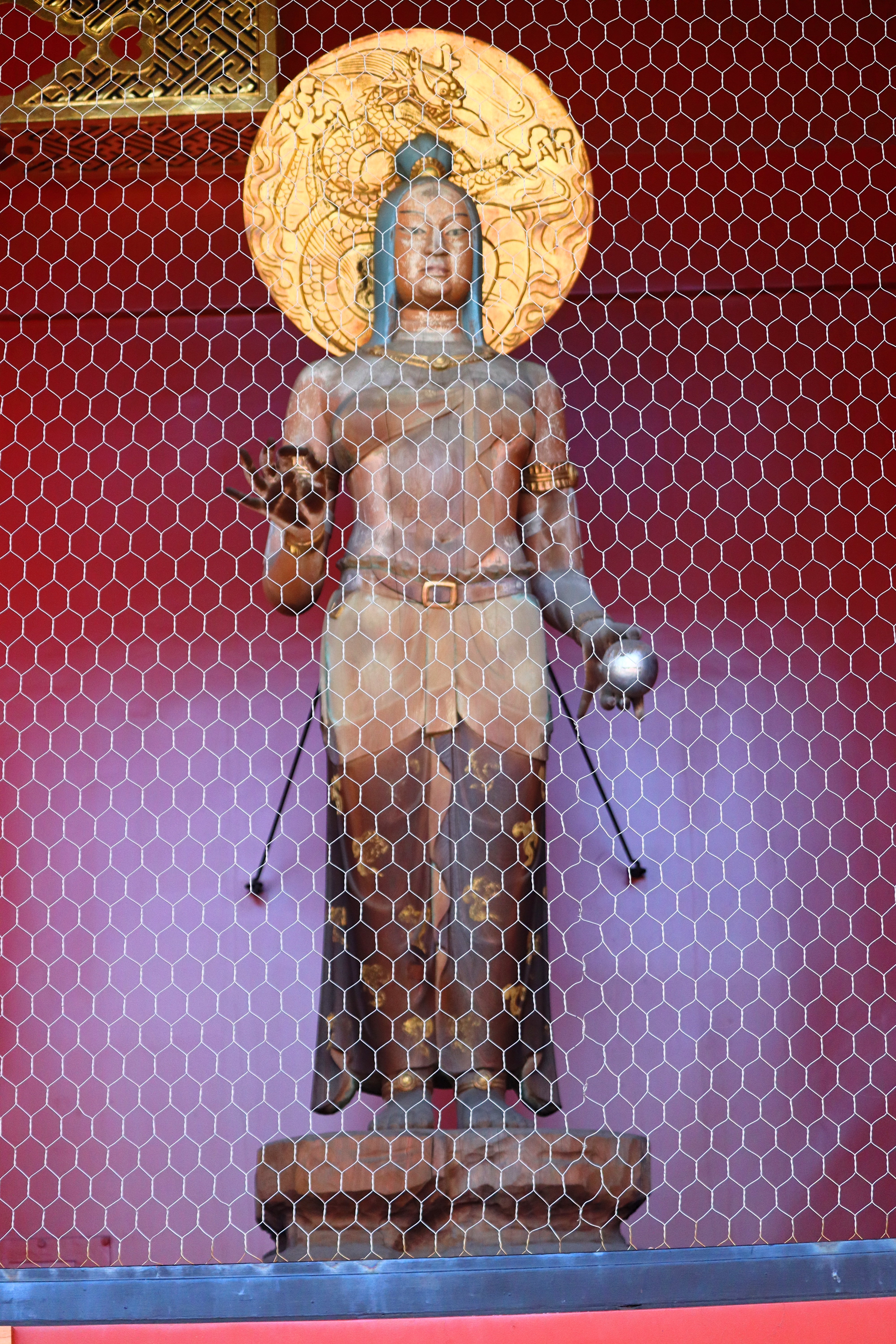
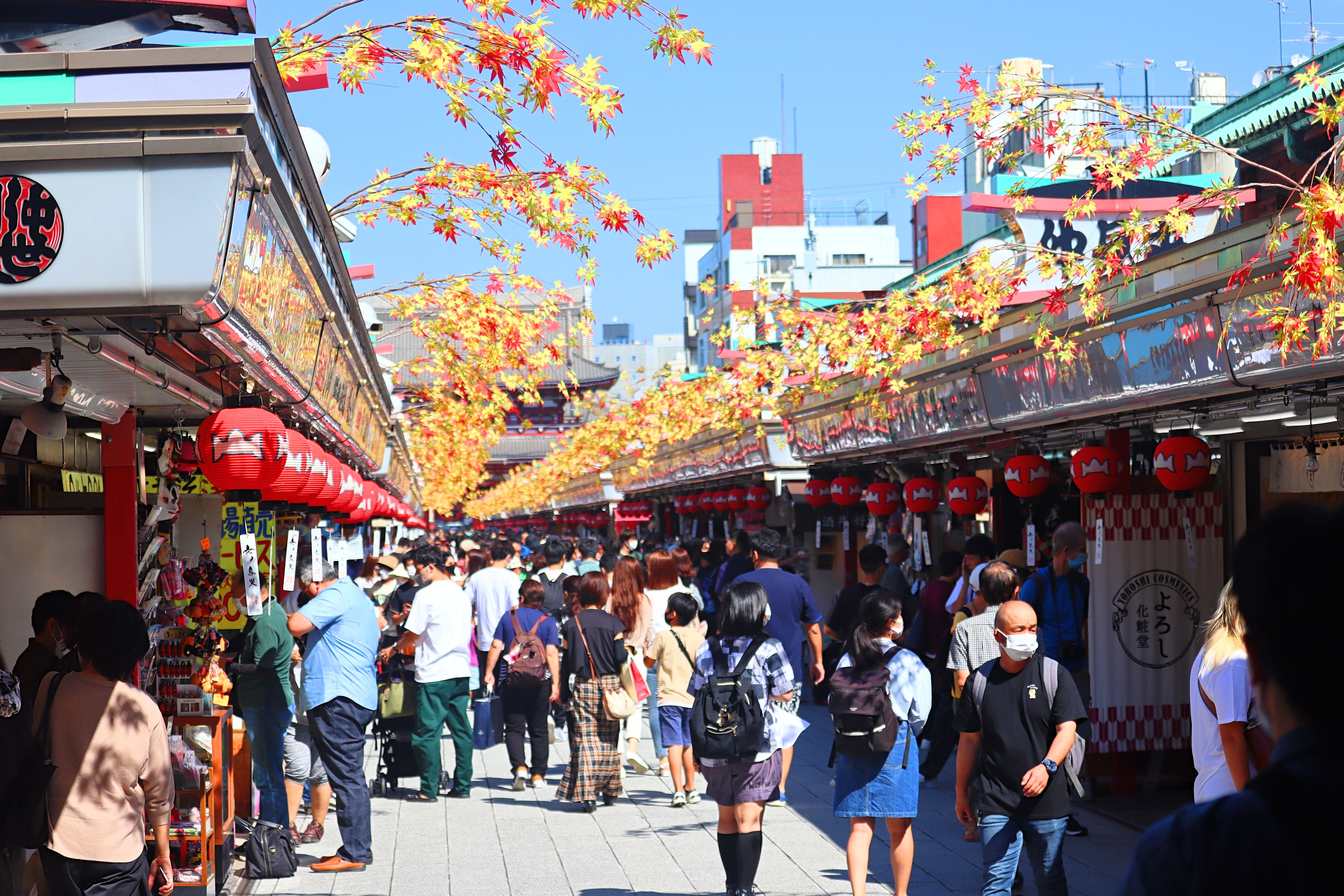

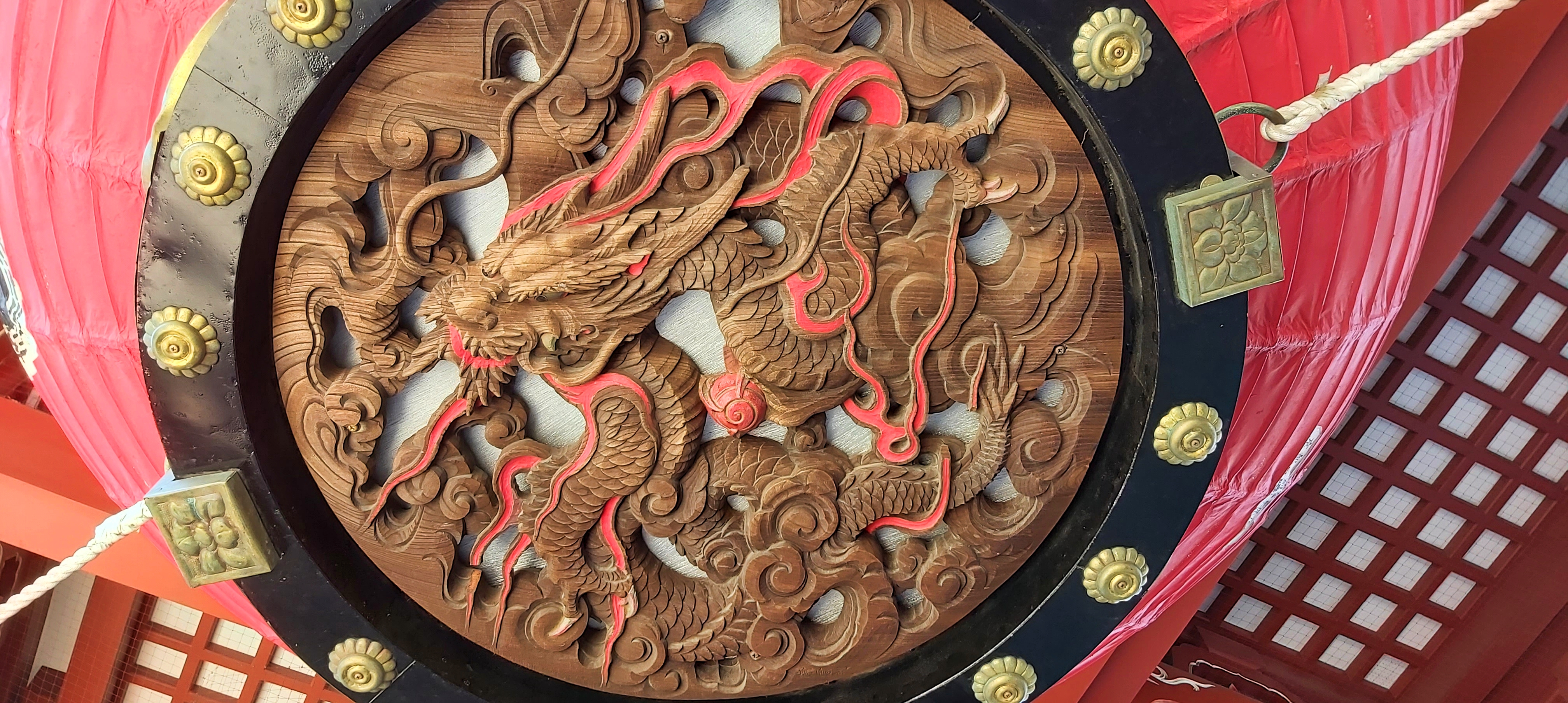


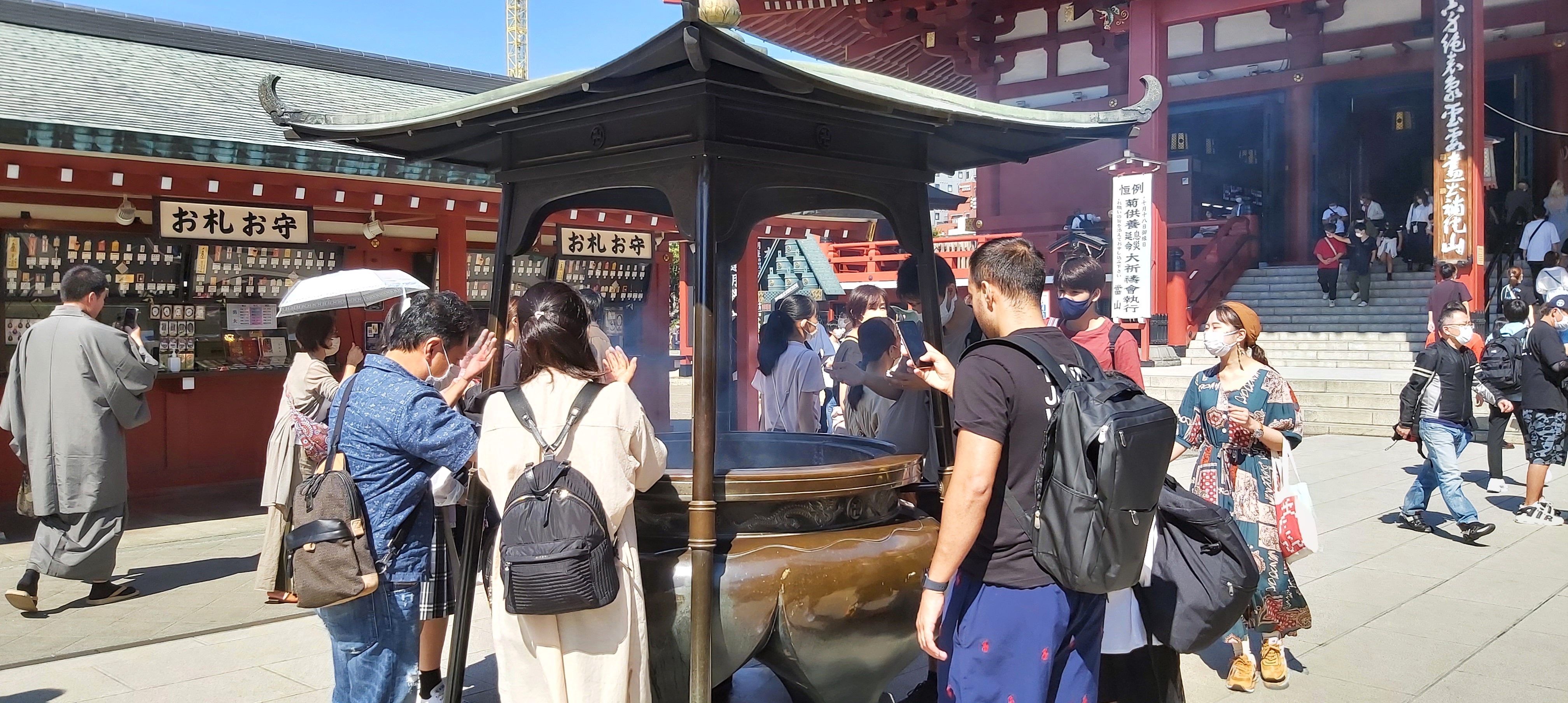
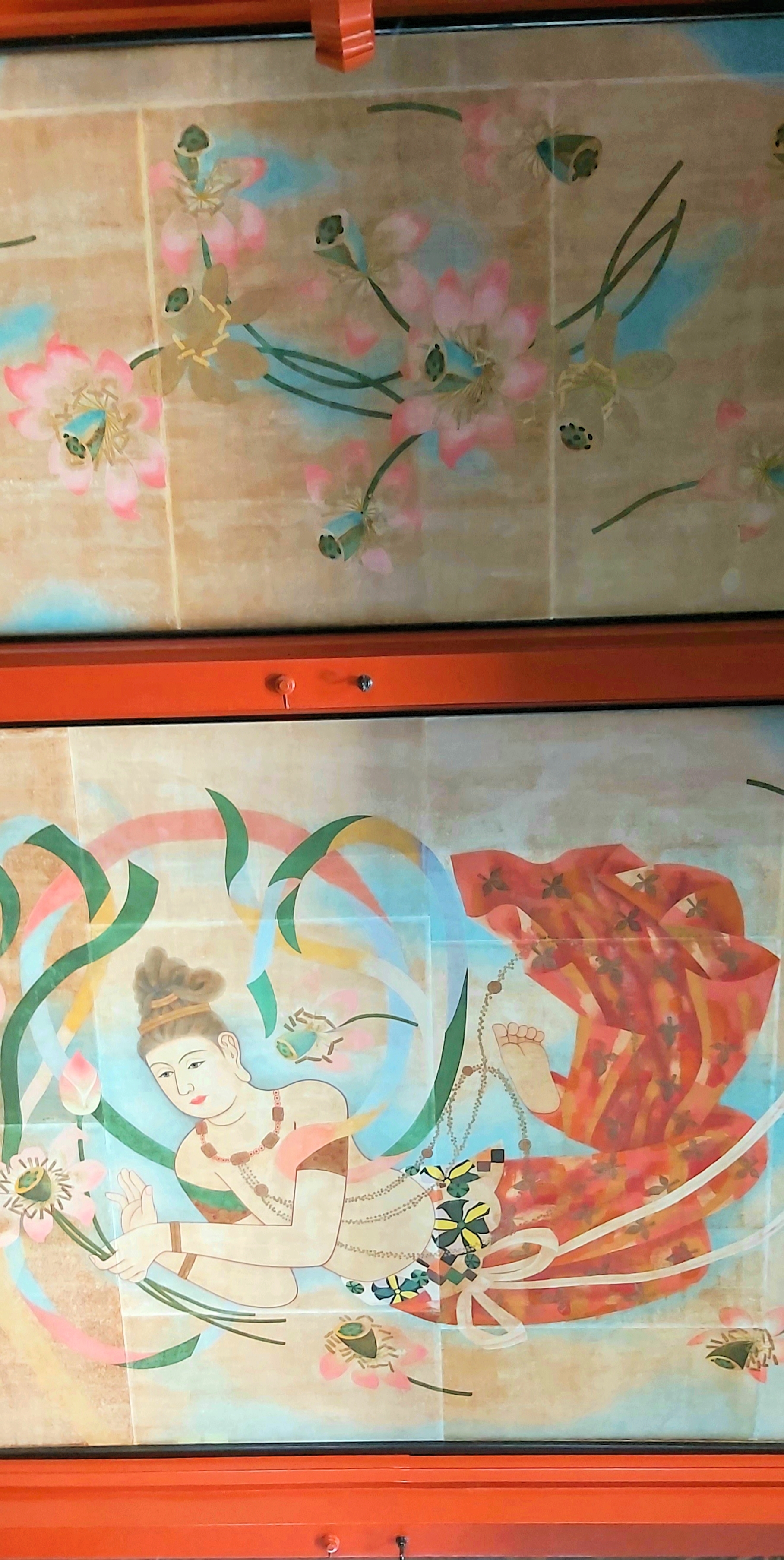
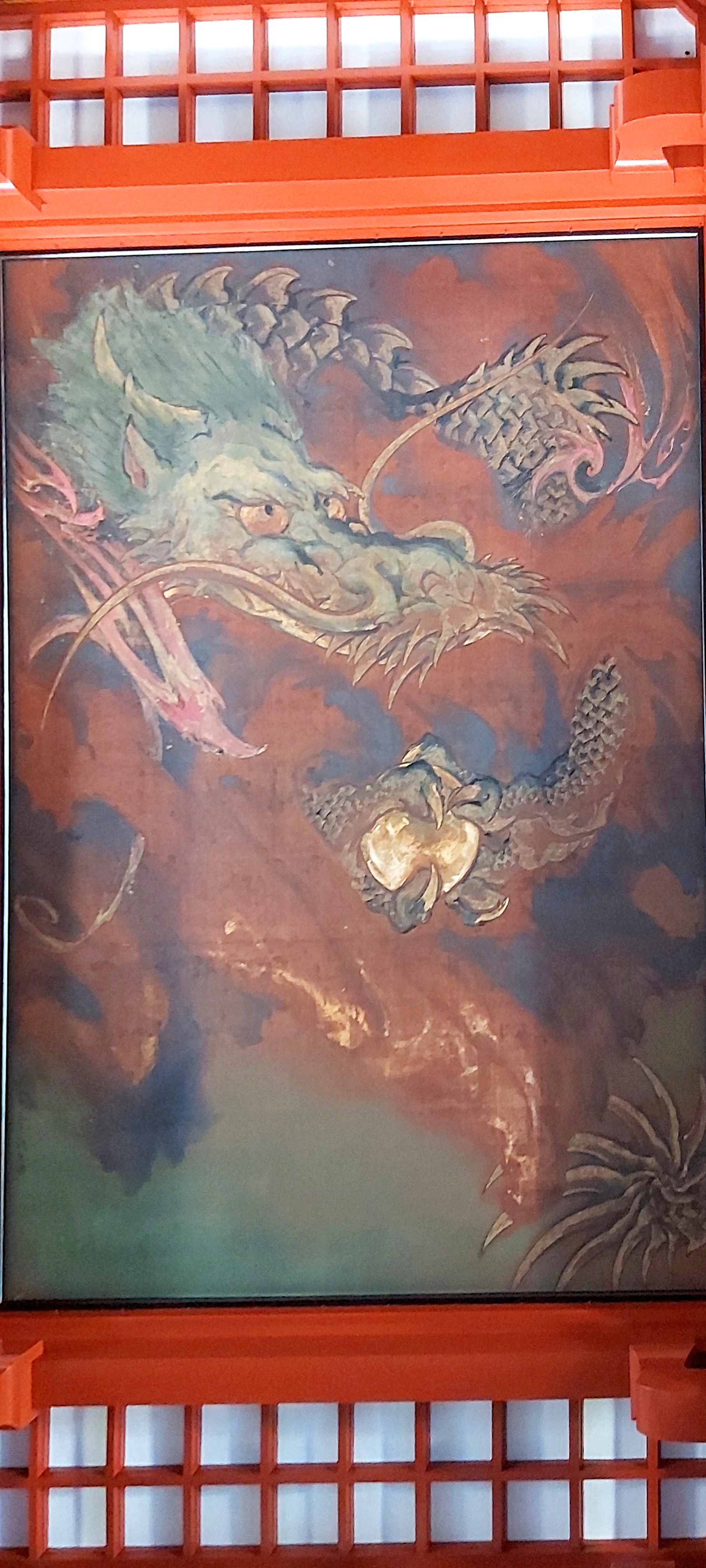
This temple also includes a pagoda.


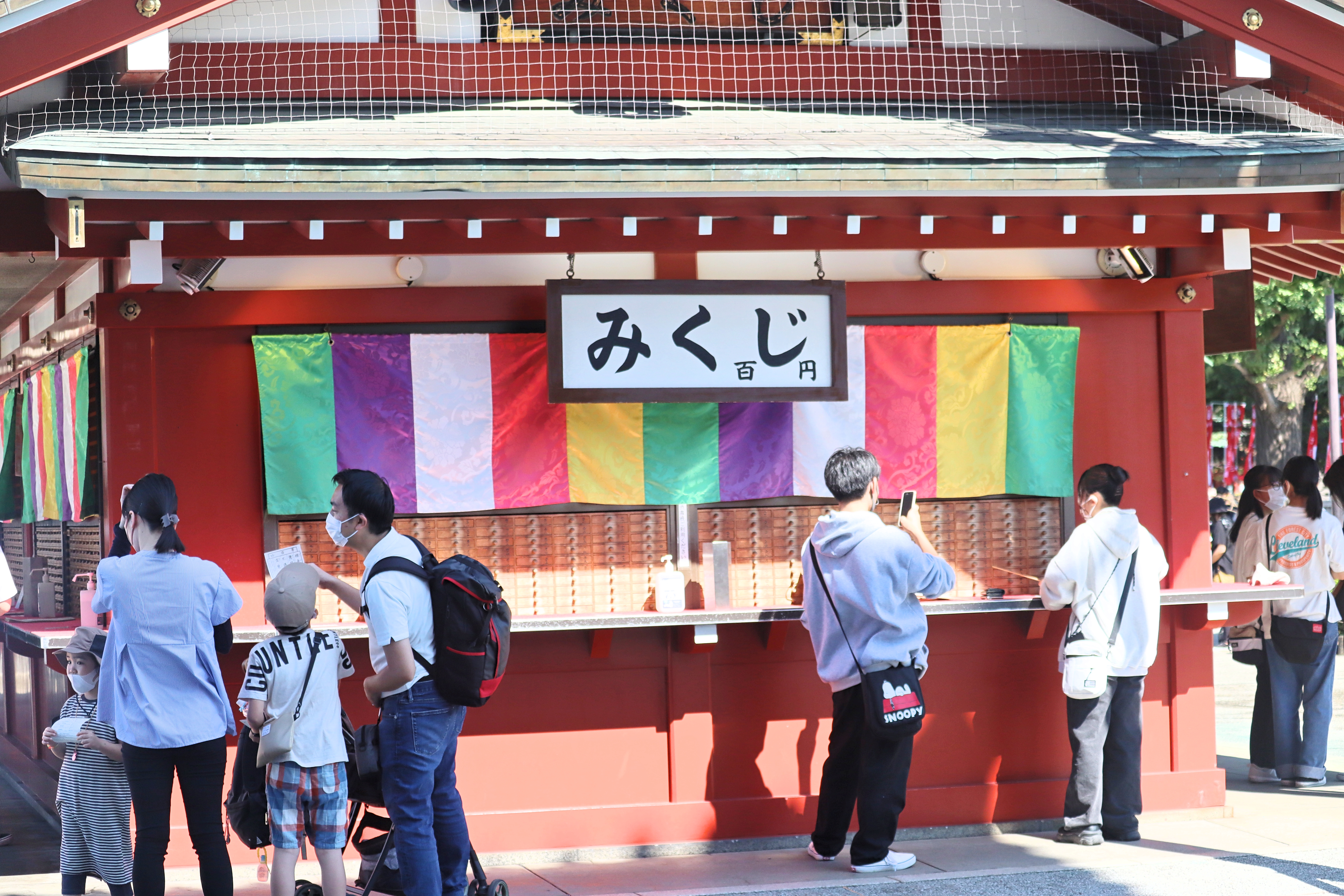
Fukagawa Fudodo

In another example of old and modern, this temple representing an esoteric branch of Shingon Buddhism was built in the eighteenth century. However, its exterior presents a much more modern feel. The temple is known for its Goma fire ritual, which involves monks chanting while also lighting wood on fire and hitting drums and conch shells. During the ceremony, the room starts to fill with incense and the vibration of the drums, which can feel jarring at times. But, like many other temples, there is no photography or video recording allowed inside.


The Flea Market
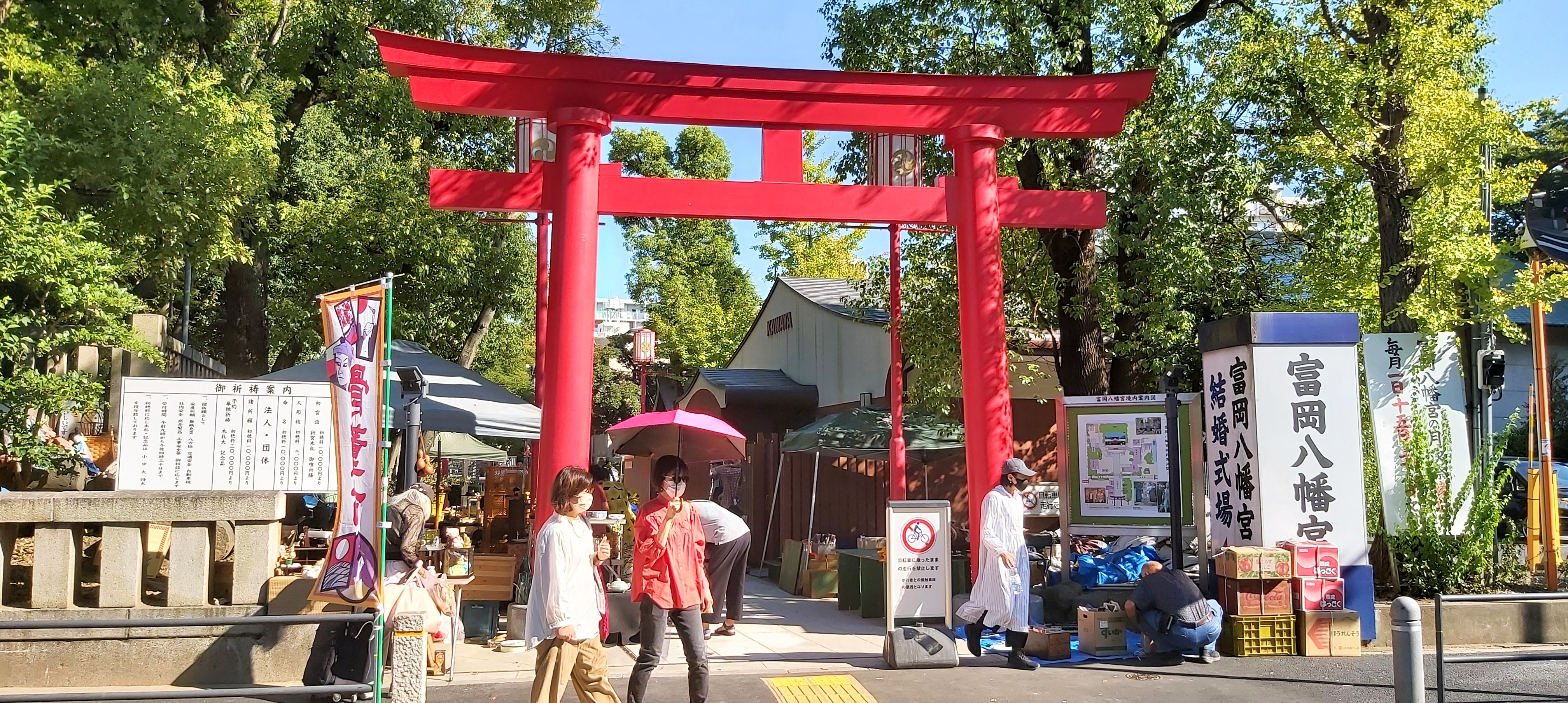
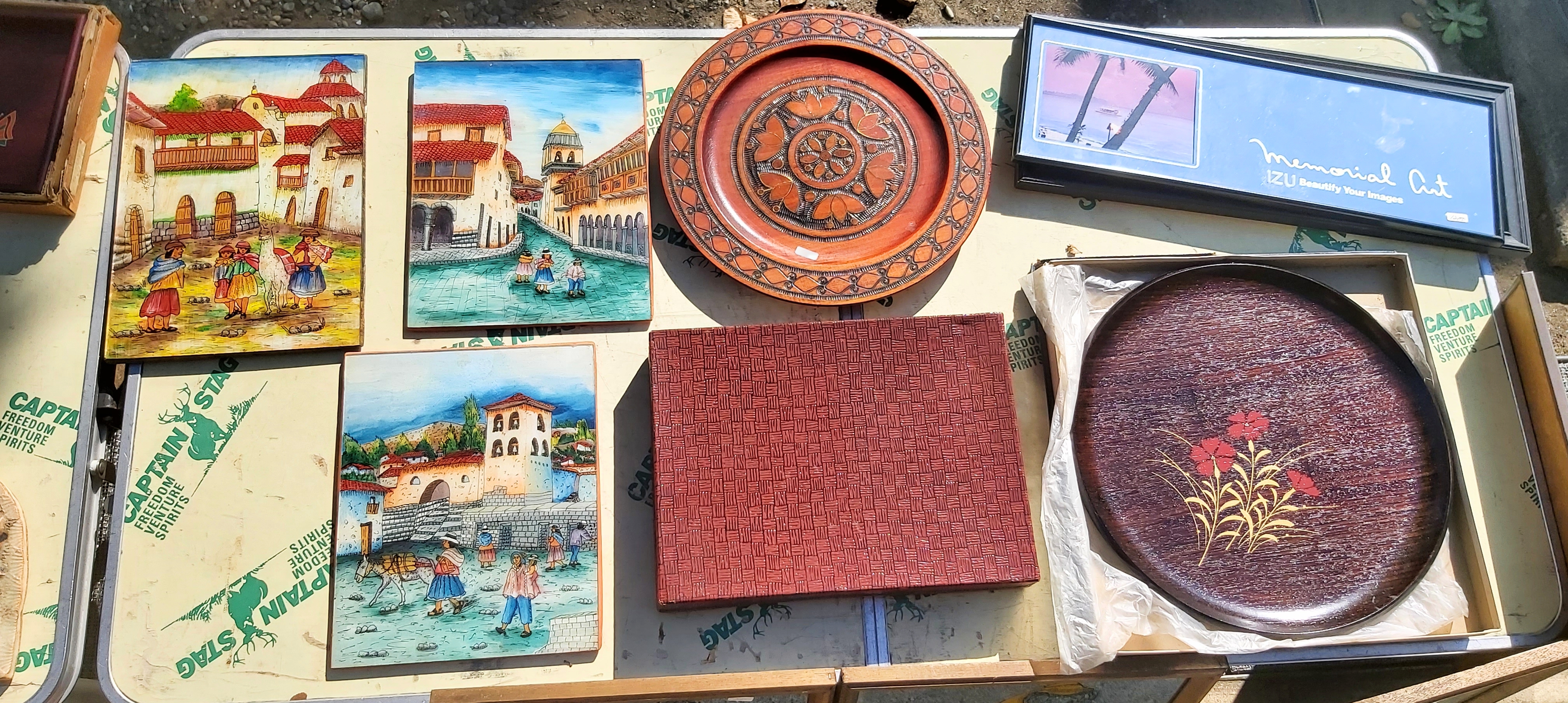
I must say that the best part of this day (visiting the temples) was randomly coming across a flea market after leaving Fukagawa Fudodo. As I started down the road, I heard drums playing in the distance. I was confused because I had just seen the fire show, and there is an hour break in between shows, so it couldn’t have come from inside the temple. I followed the sound as it got louder until I saw the entrance to the small flea market.


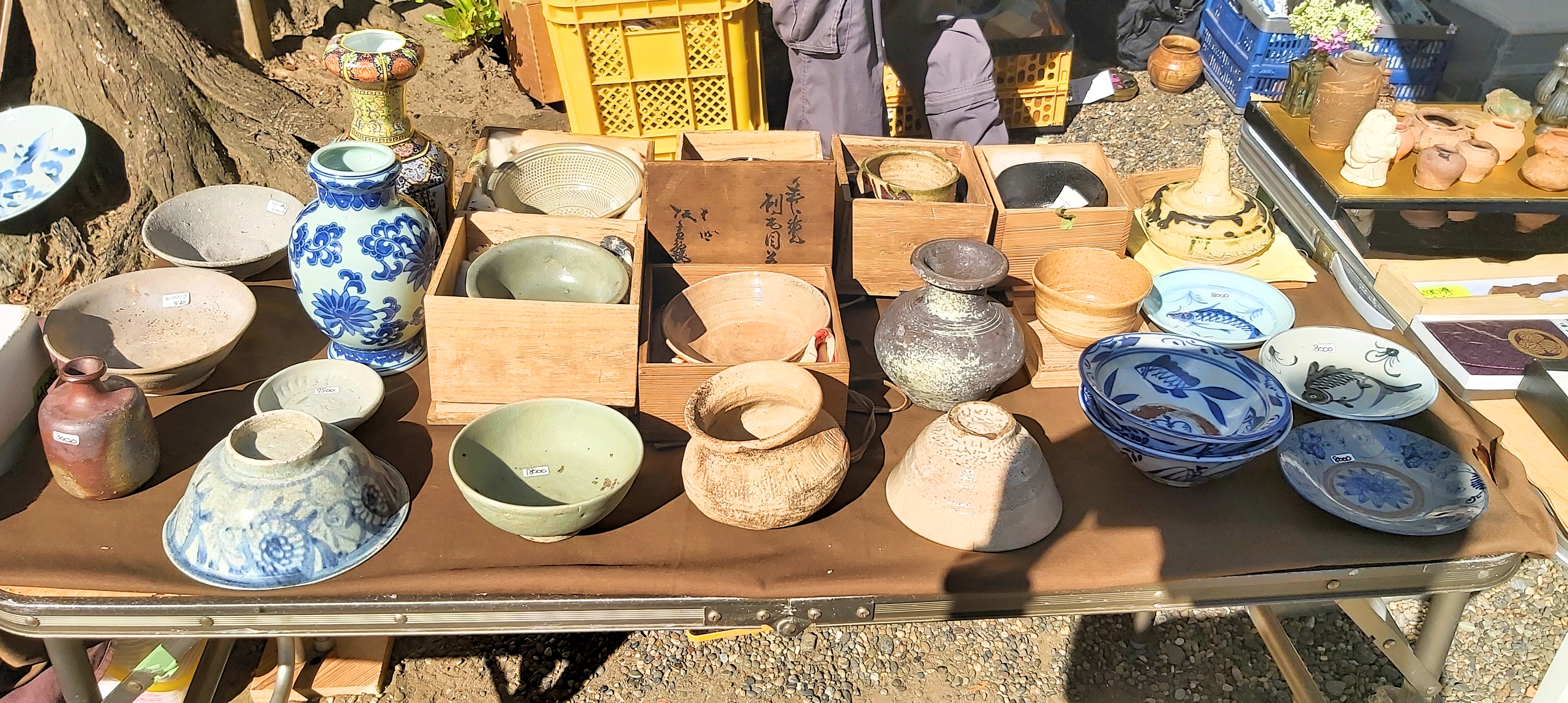
It wasn’t long before I heard where the drumming was coming from. I soon found that it was a public drumming performance by a group of school-aged girls. I tried to find a spot to record, which was difficult since others were already in position to record. While recording, I became noticeably perturbed as people kept moving in and out, interrupting my shot. Luckily, I was still able to enjoy the performance. I saw one of the girls holding a box for donations, so I donated, and she seemed surprised and happy that I did.
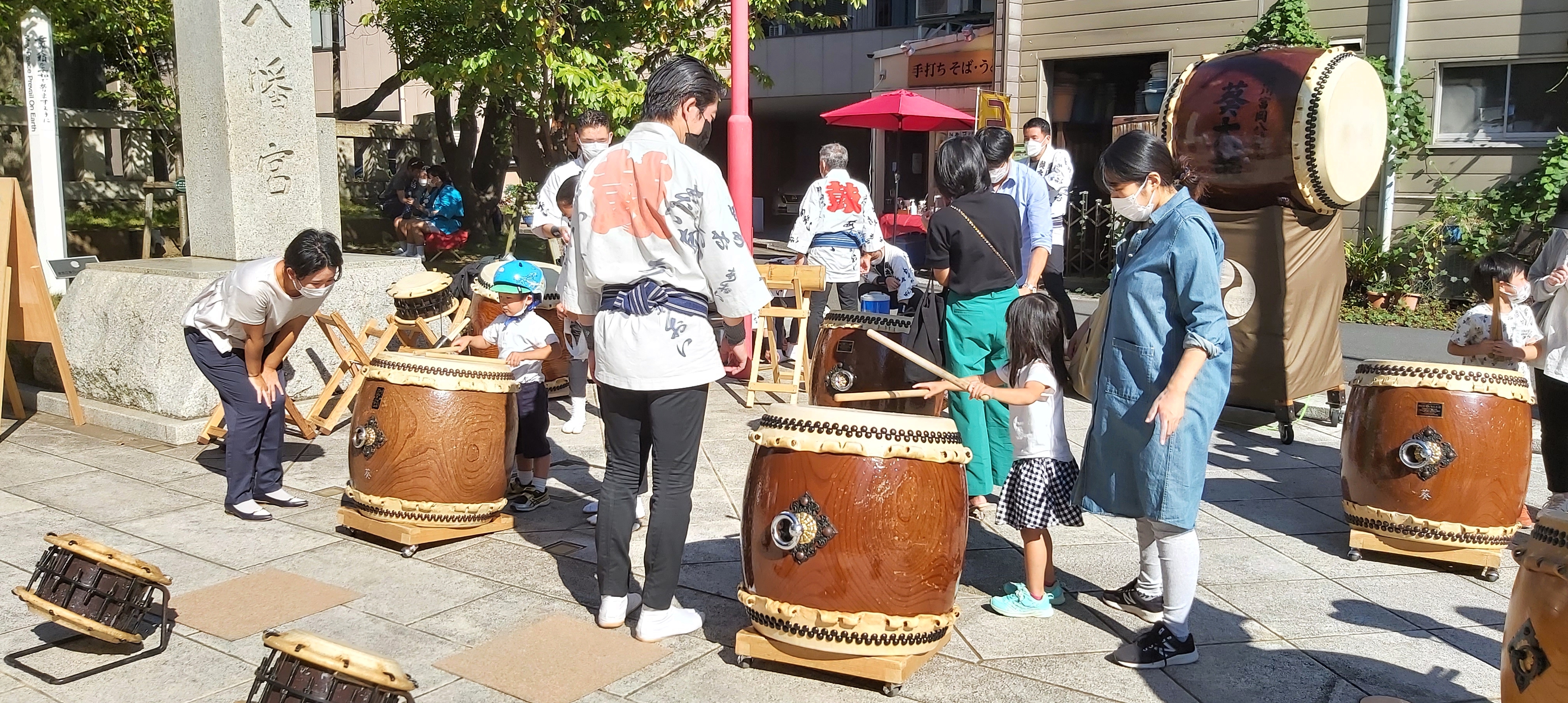
It was a nice way to end the day with this authentic cultural moment.
Stay tuned for more adventures of Greg in the big city.


Leave a Reply