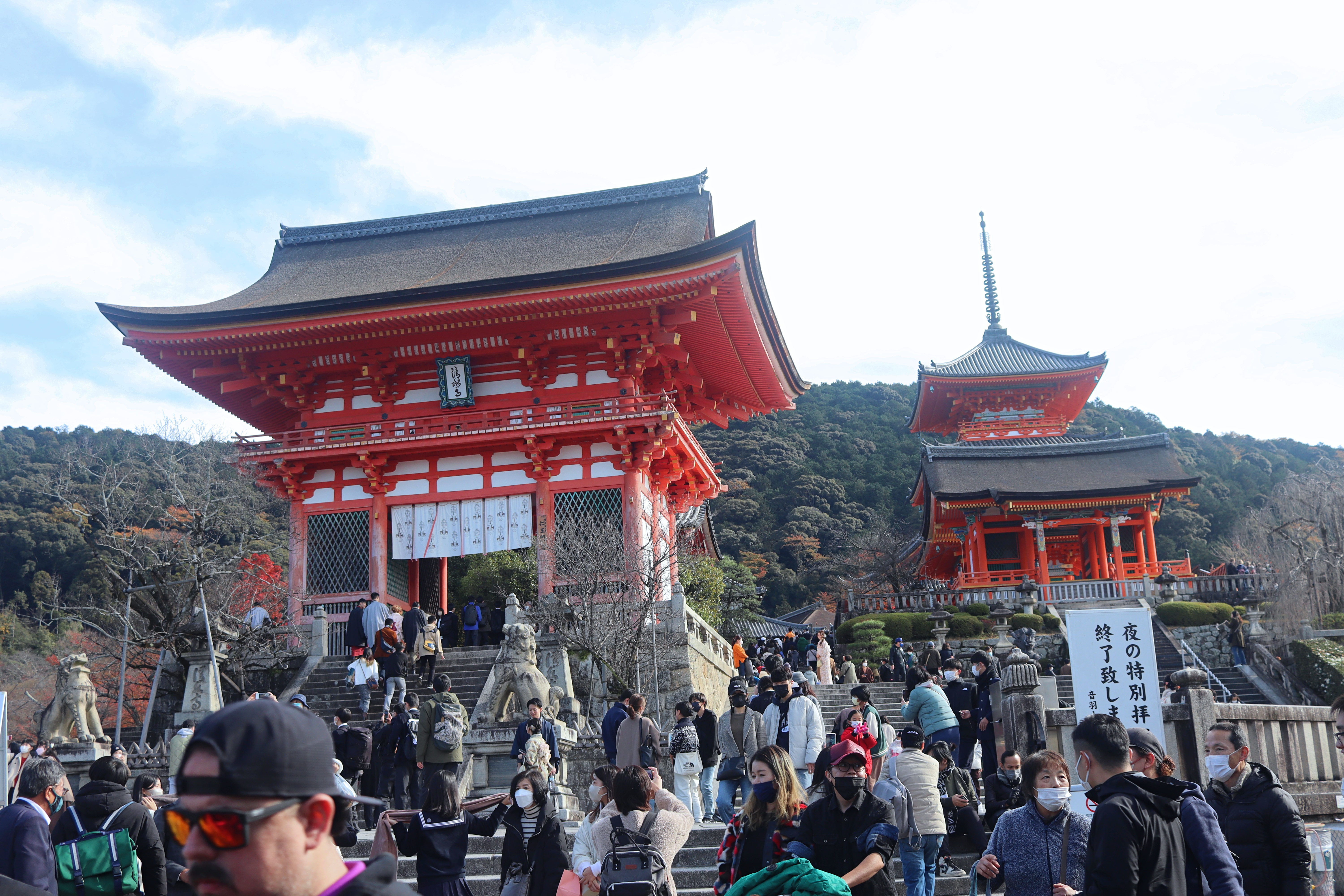
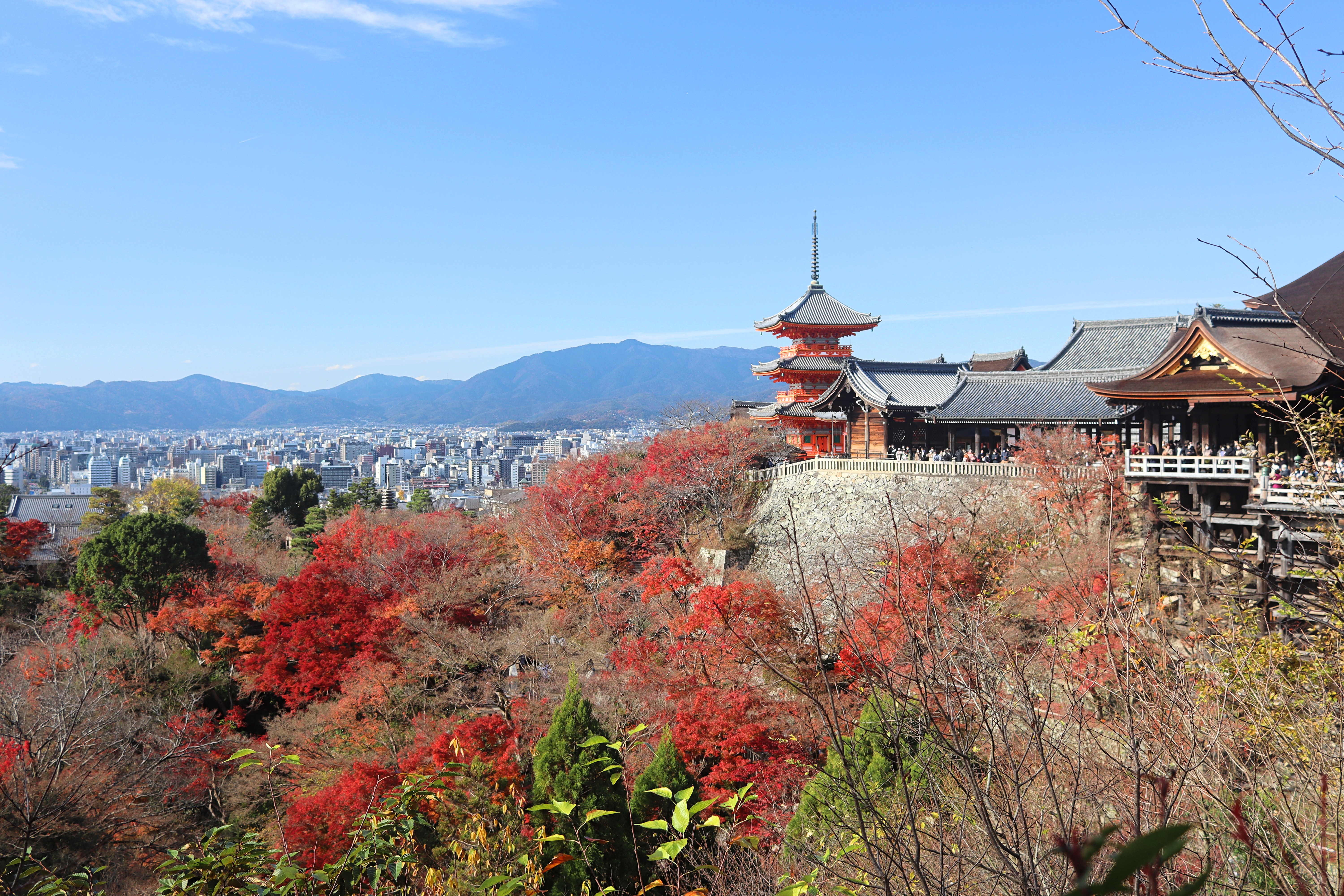
After exploring the 1,000 torri gates of Fushimi Inari Taisha, it was time to head over to perhaps Kyoto’s most famous temple, Kiyomizudera. Meaning “Pure Water Temple,” it was created in 780, and it got its name from the nearby Otowa Waterfall, east of Kyoto. According to Japan-Guide.com, The temple was originally associated with the Hosso sect, one of the oldest schools within Japanese Buddhism, but formed its own Kita Hosso sect in 1965. In 1994, the temple was added to the list of UNESCO world heritage sites.
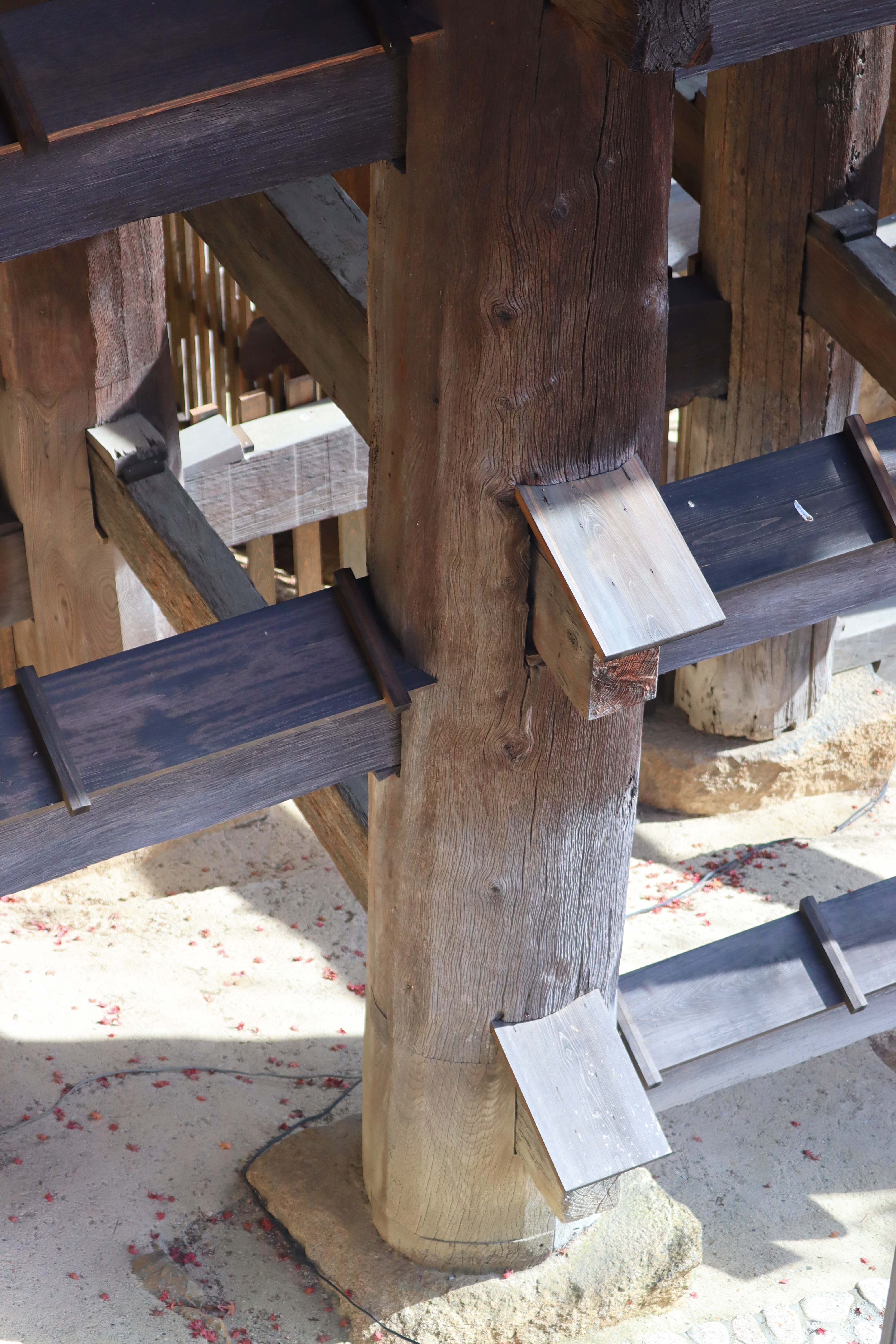
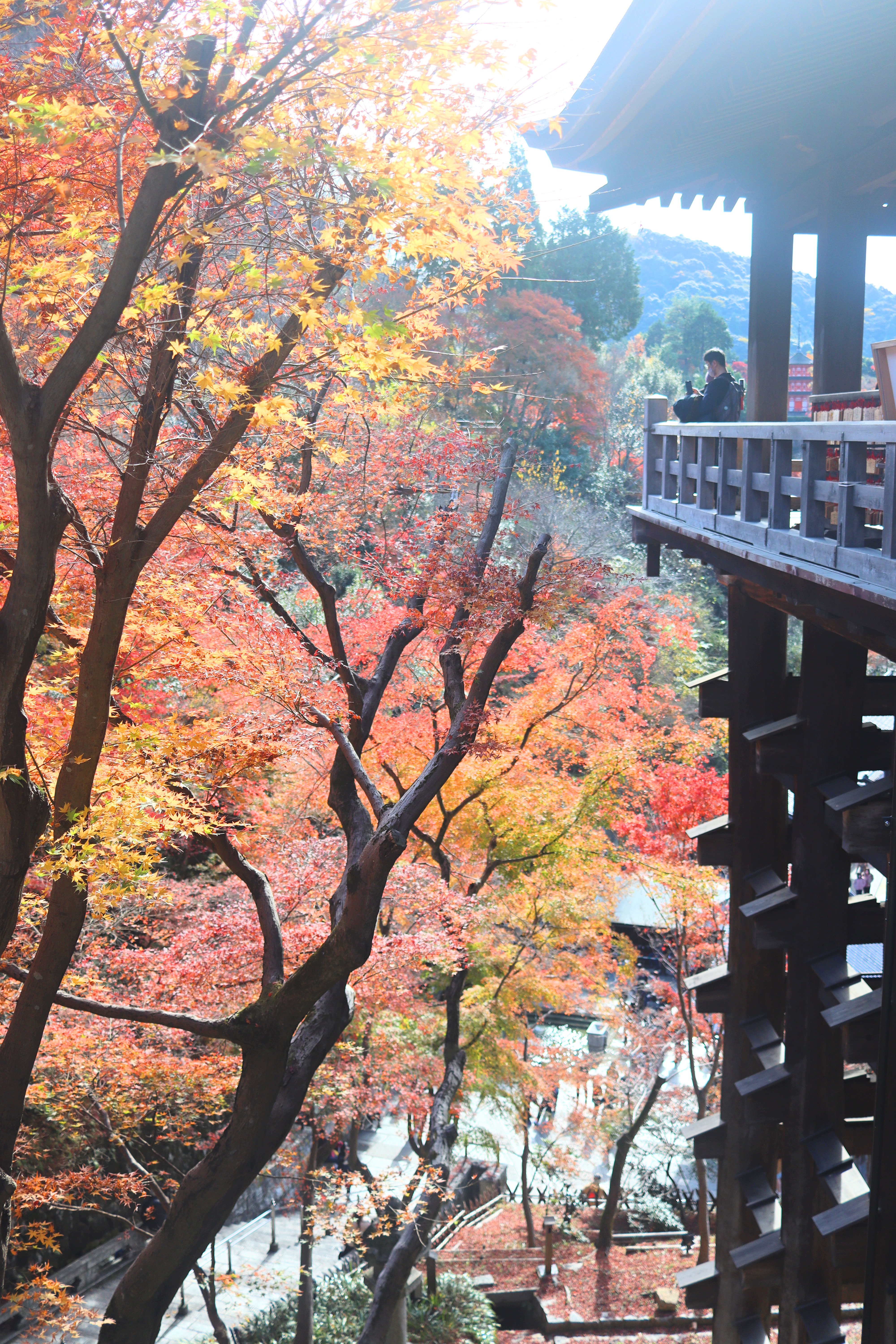
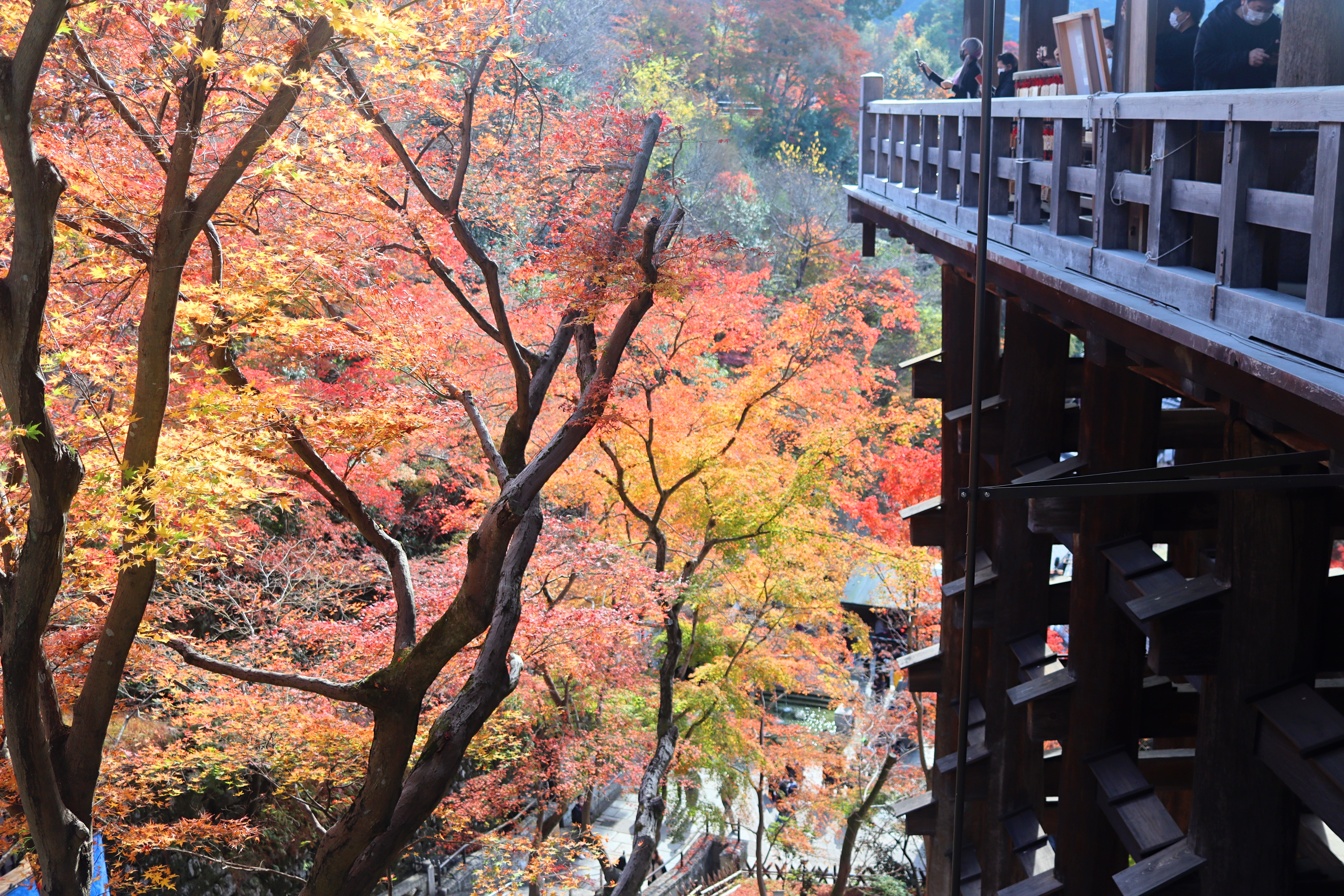
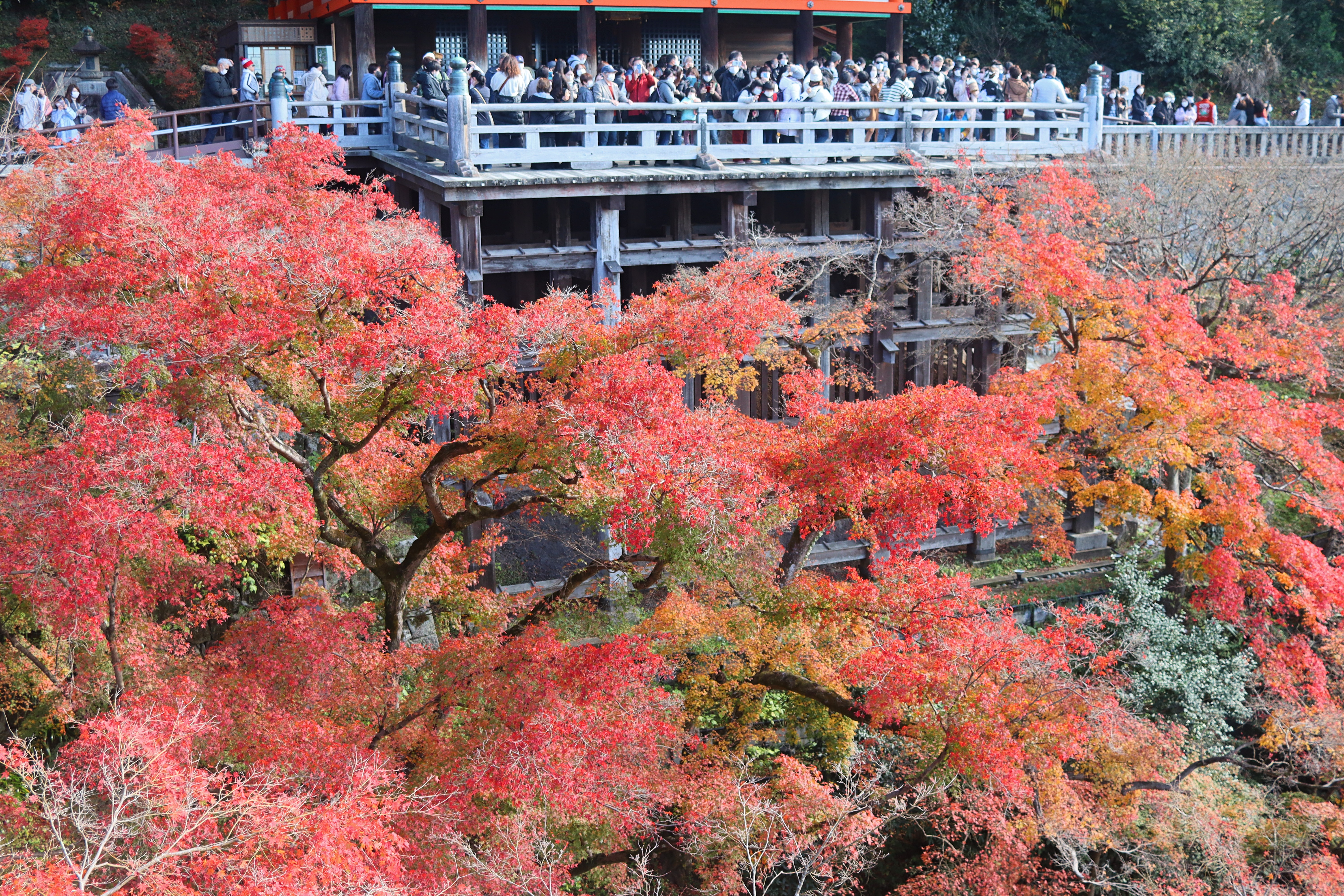
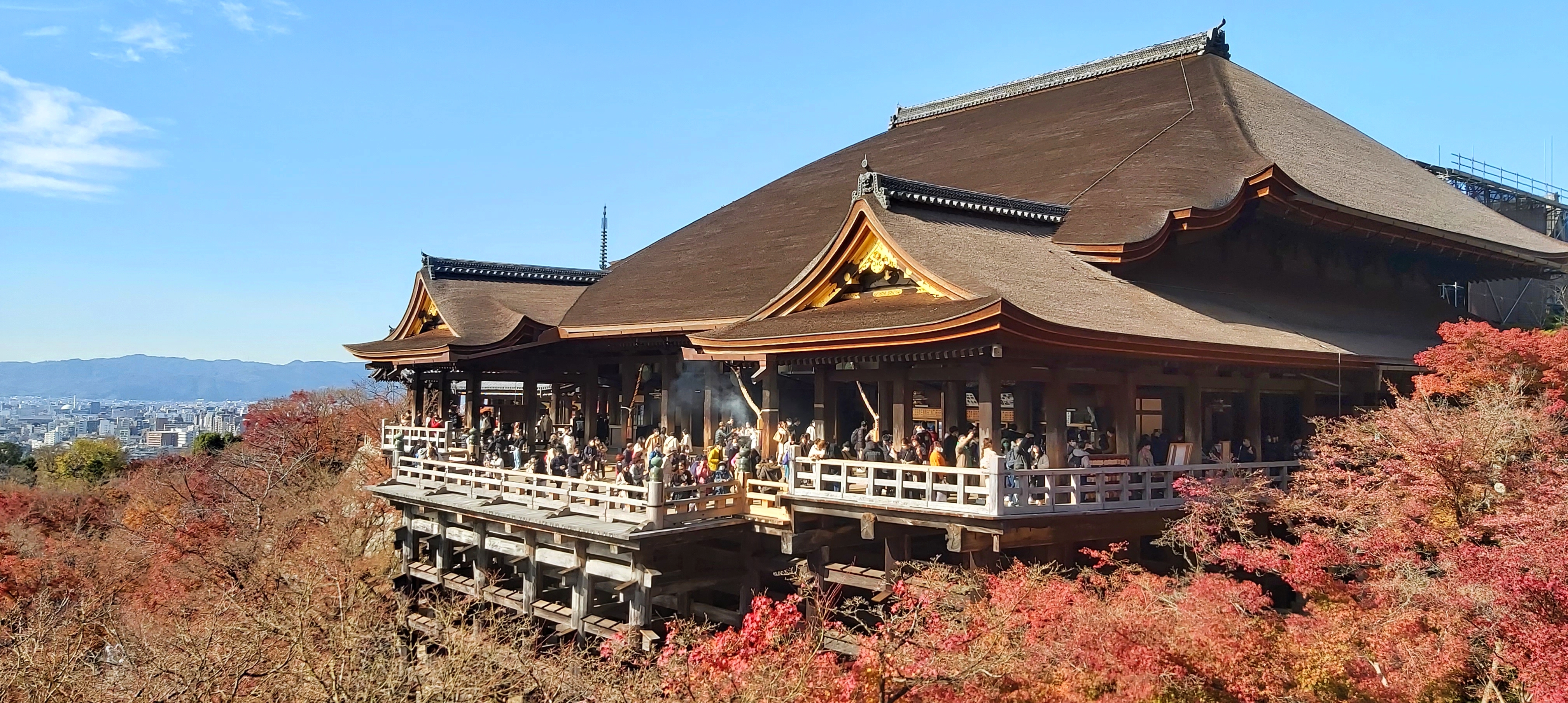
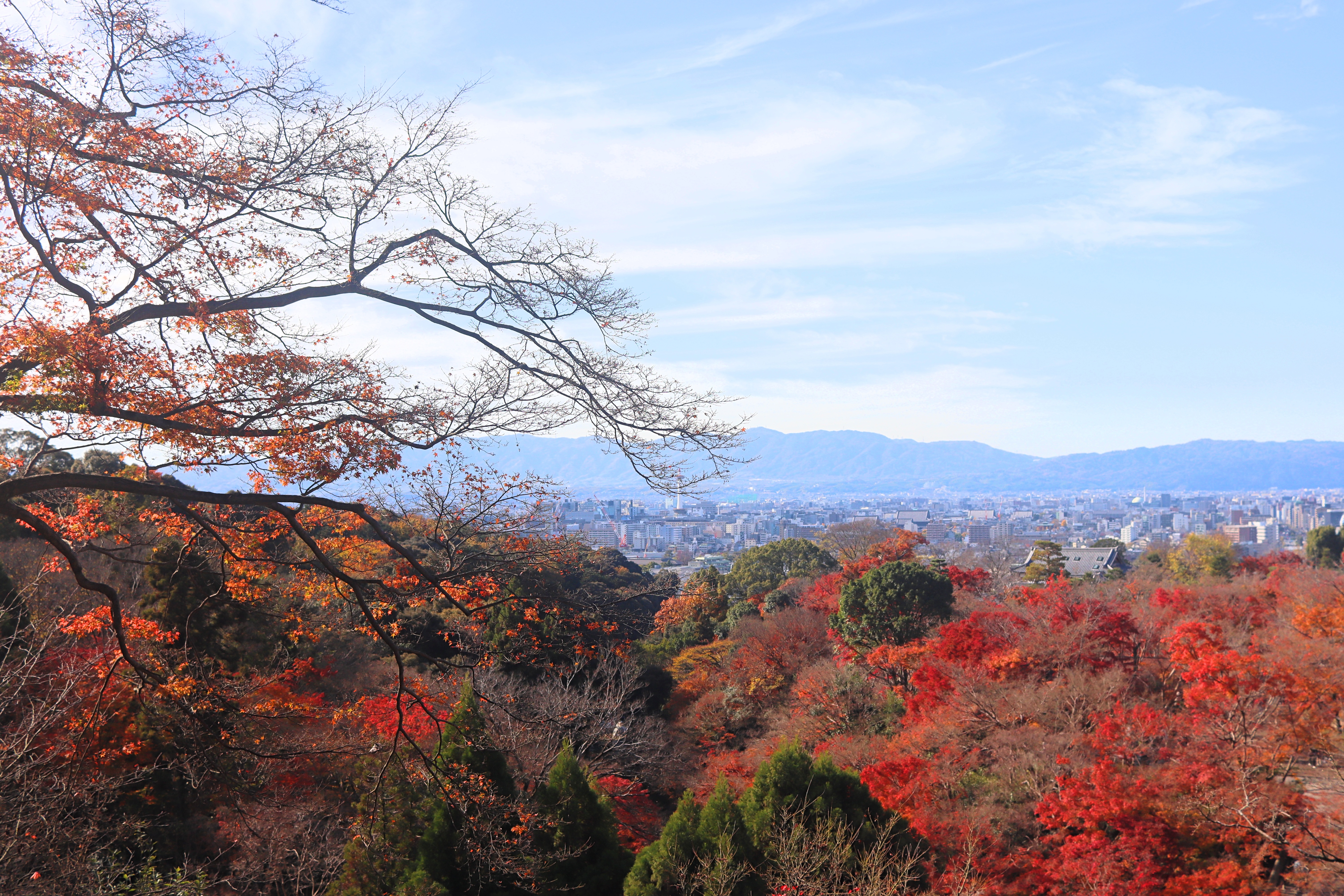
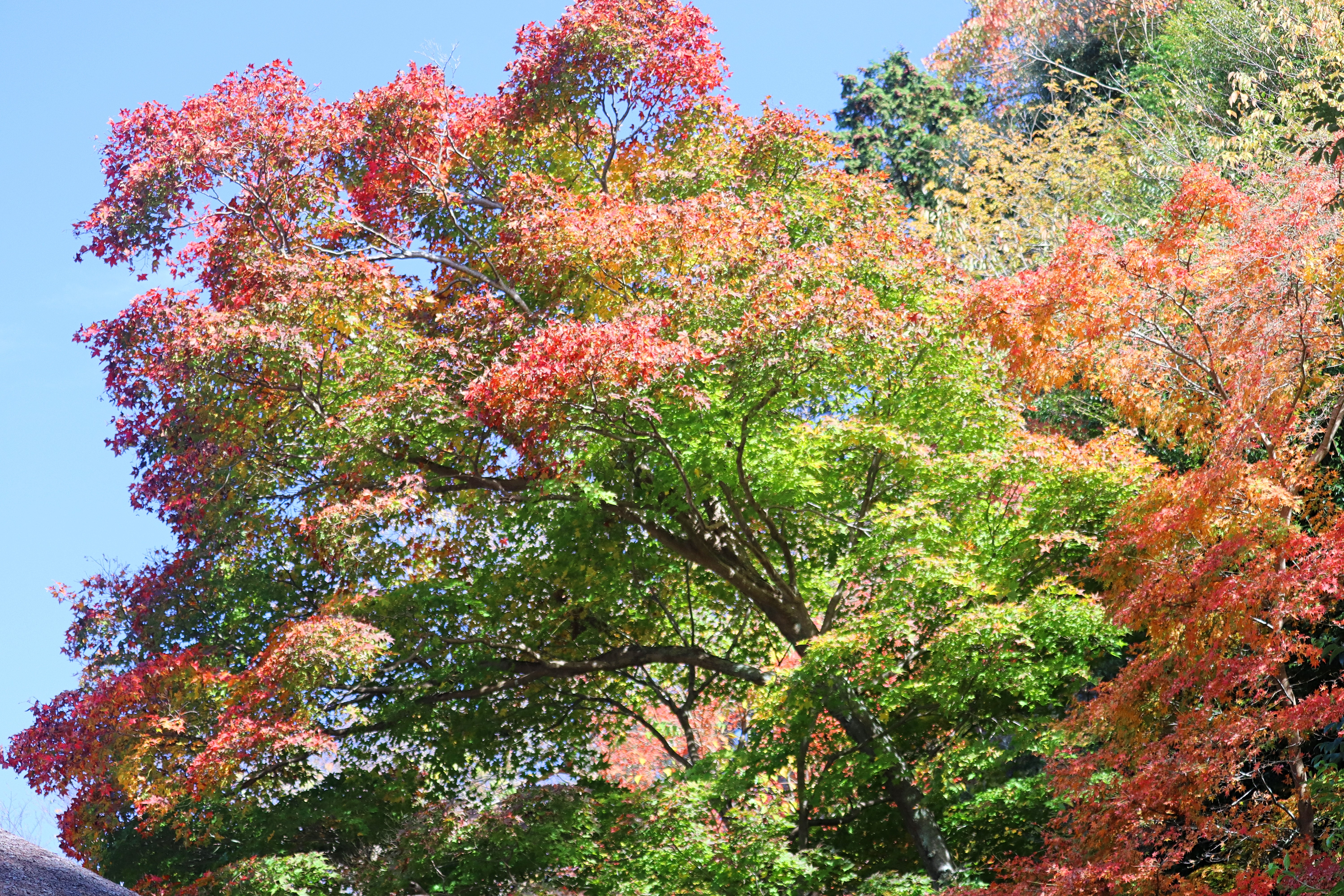
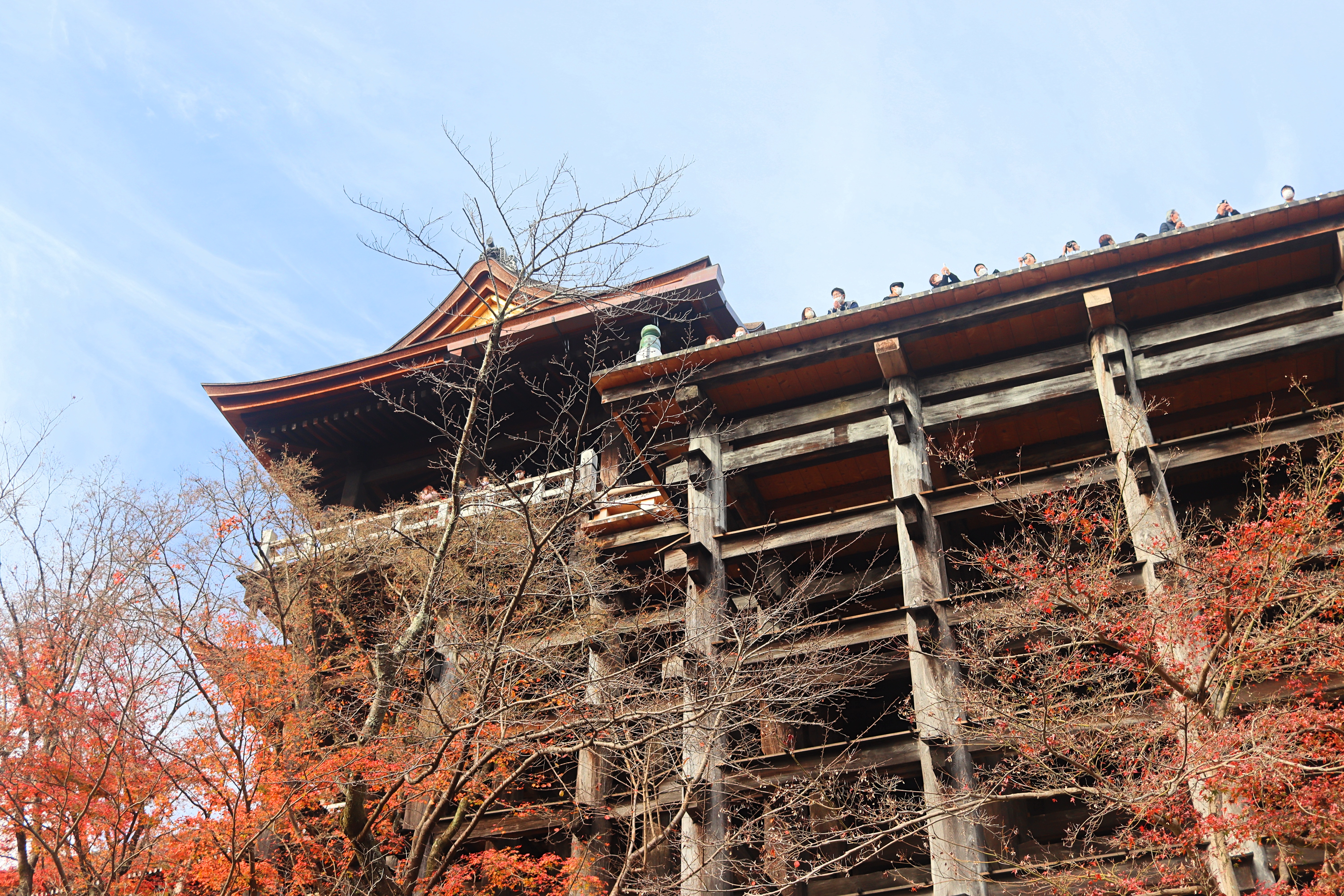
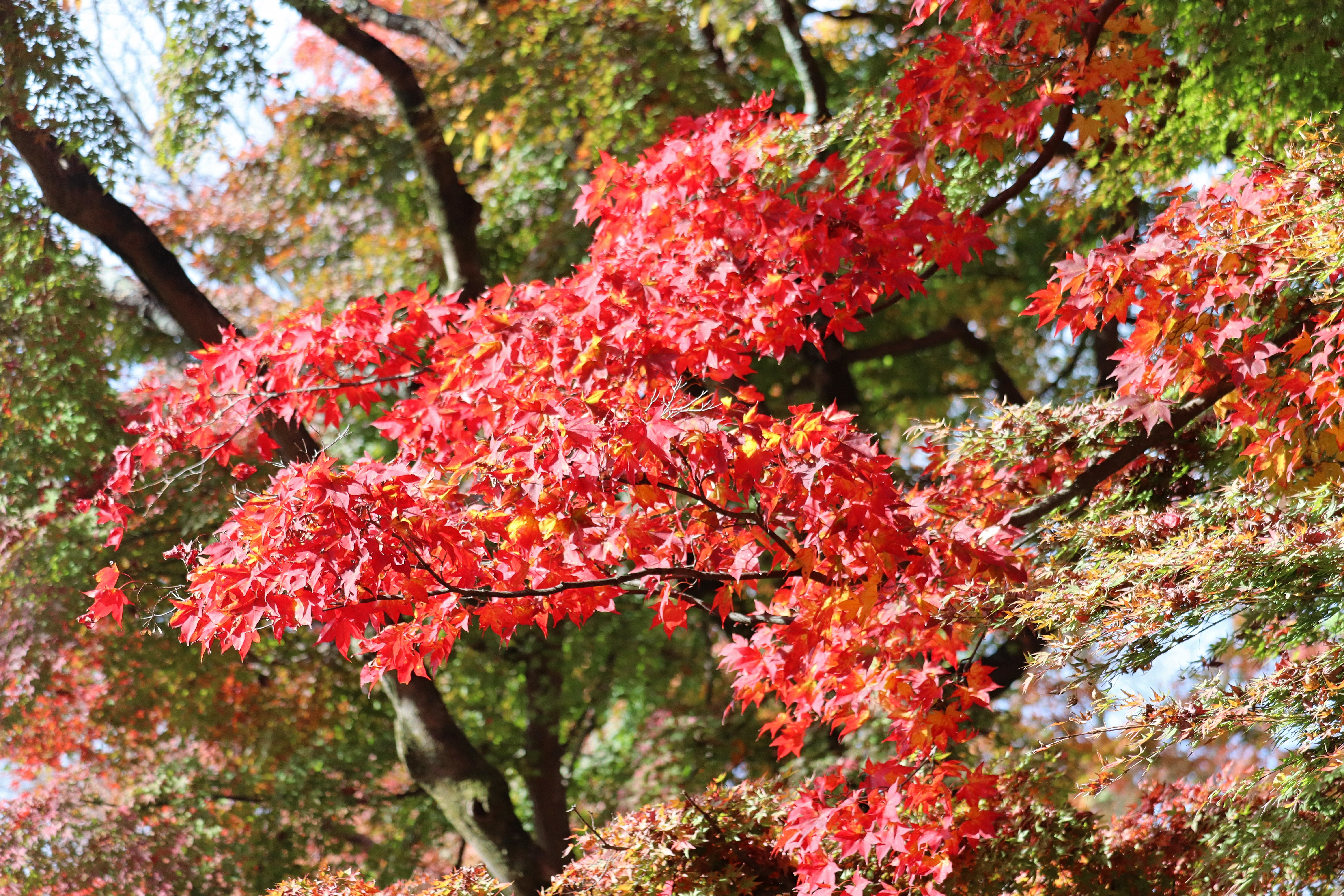
Part of this site’s allure is the wooden stage area that rises up thirteen meters (42.5 ft.). It overlooks views of the nearby maple and cherry trees. It is also known for its construction, as there were no nails used. Within the wooden stage area is a small statue of the thousand-armed, eleven-faced Kannon.
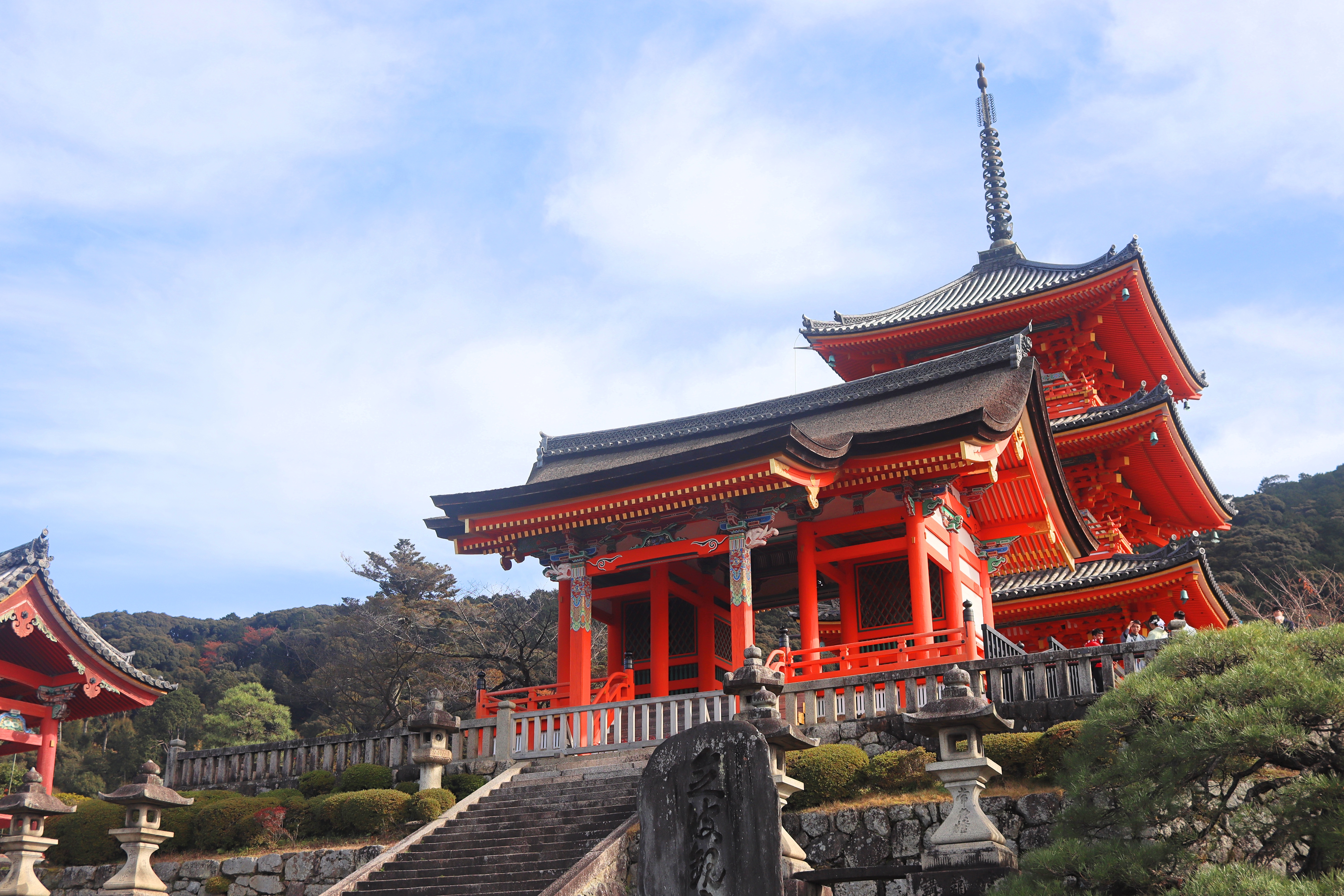

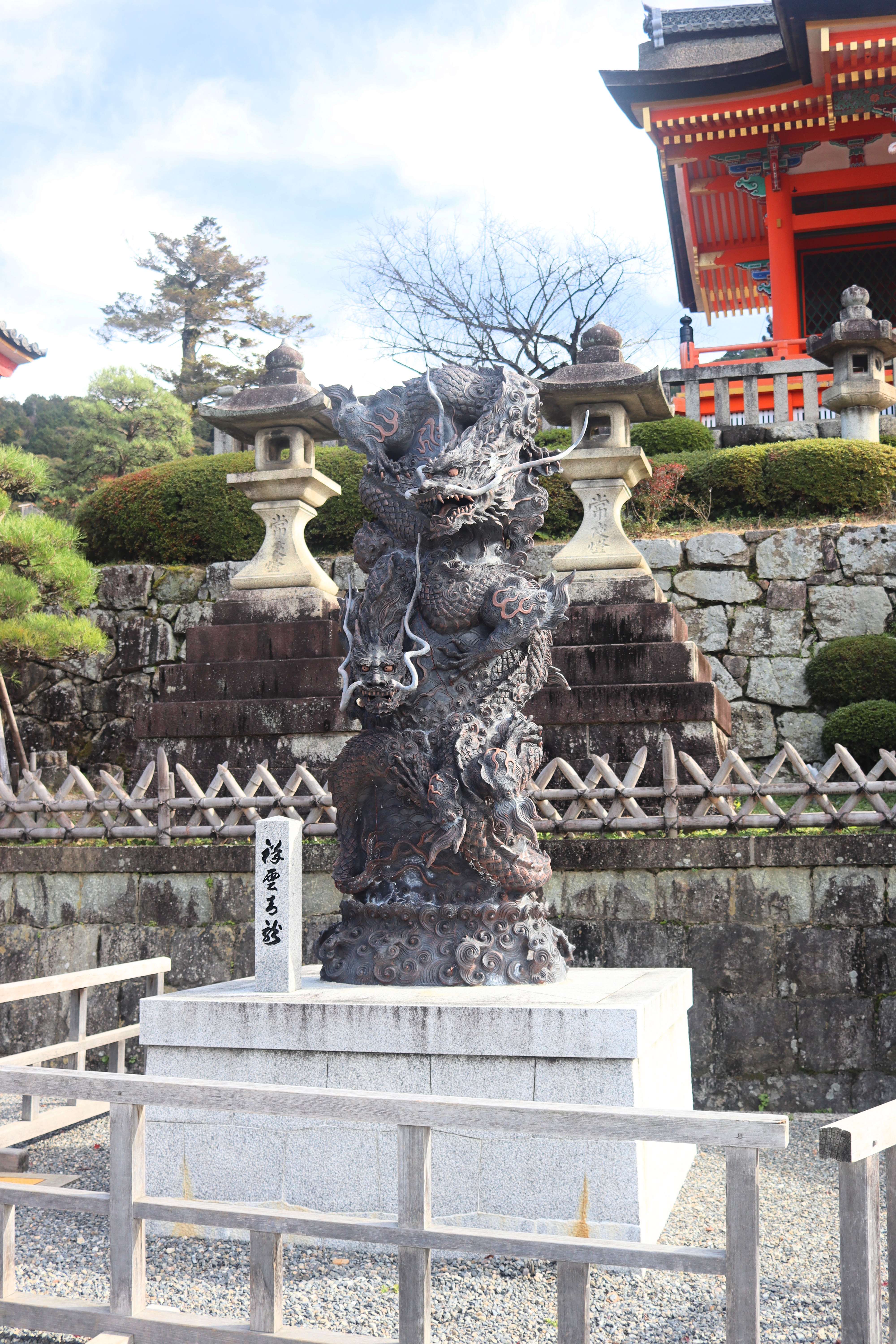
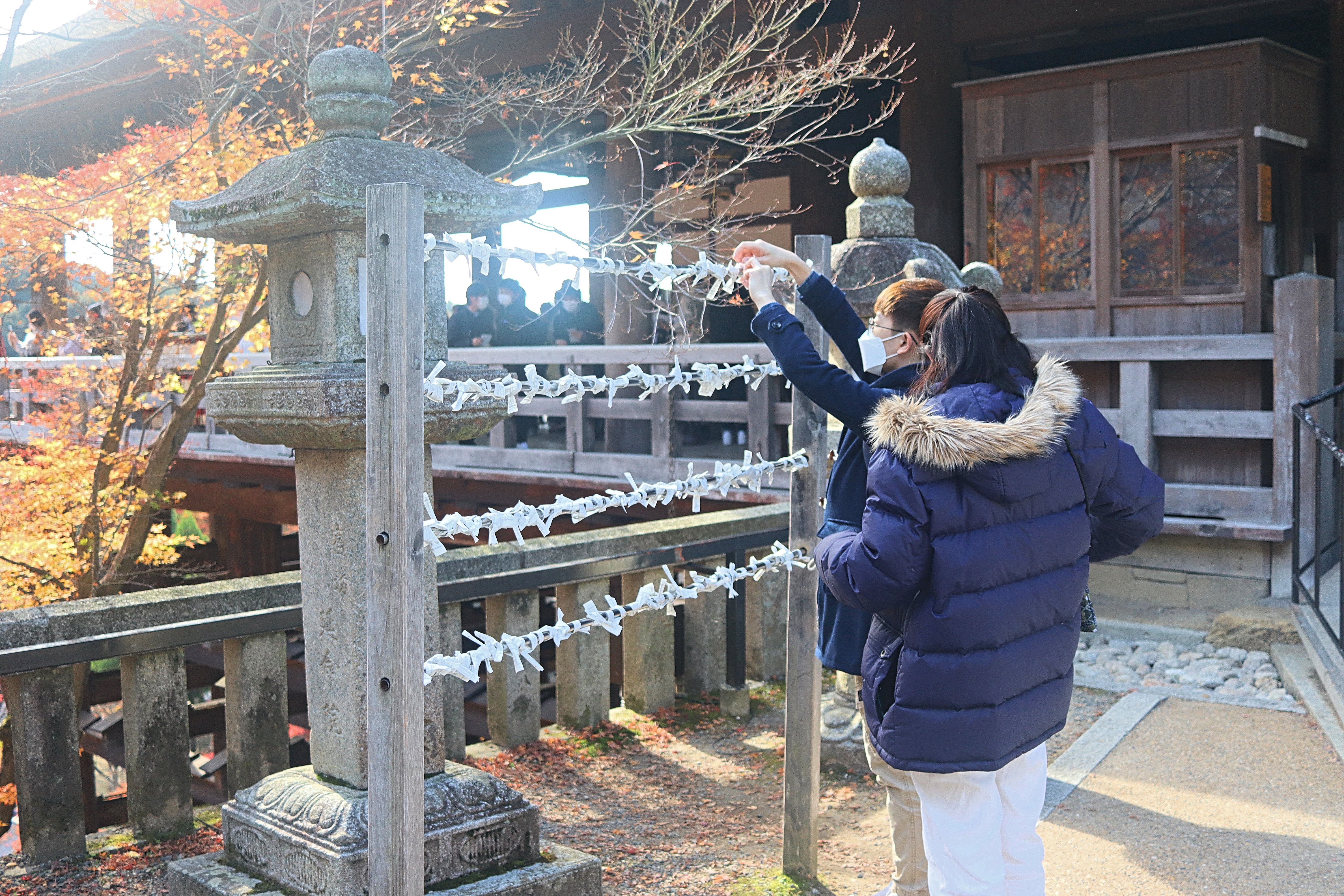
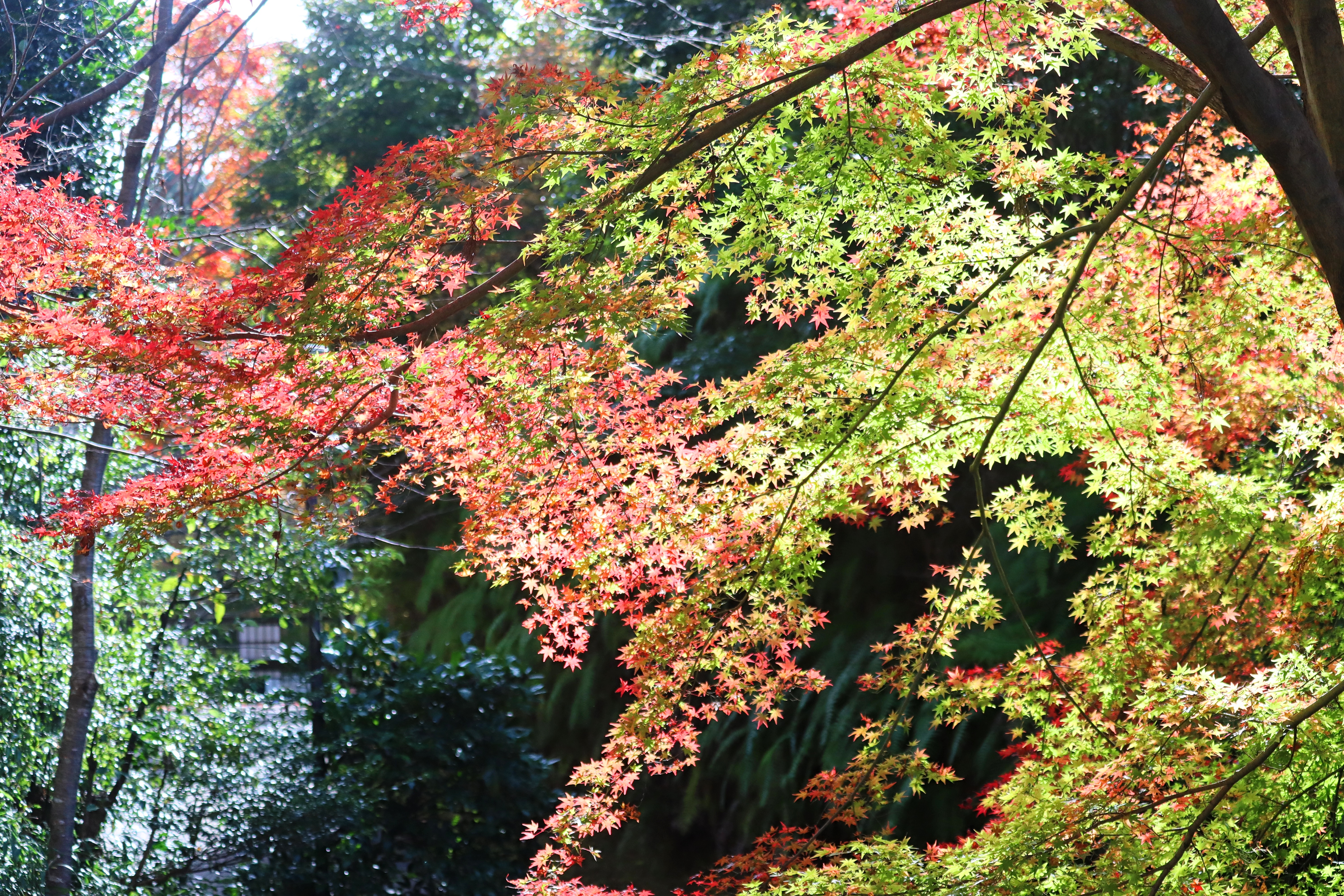
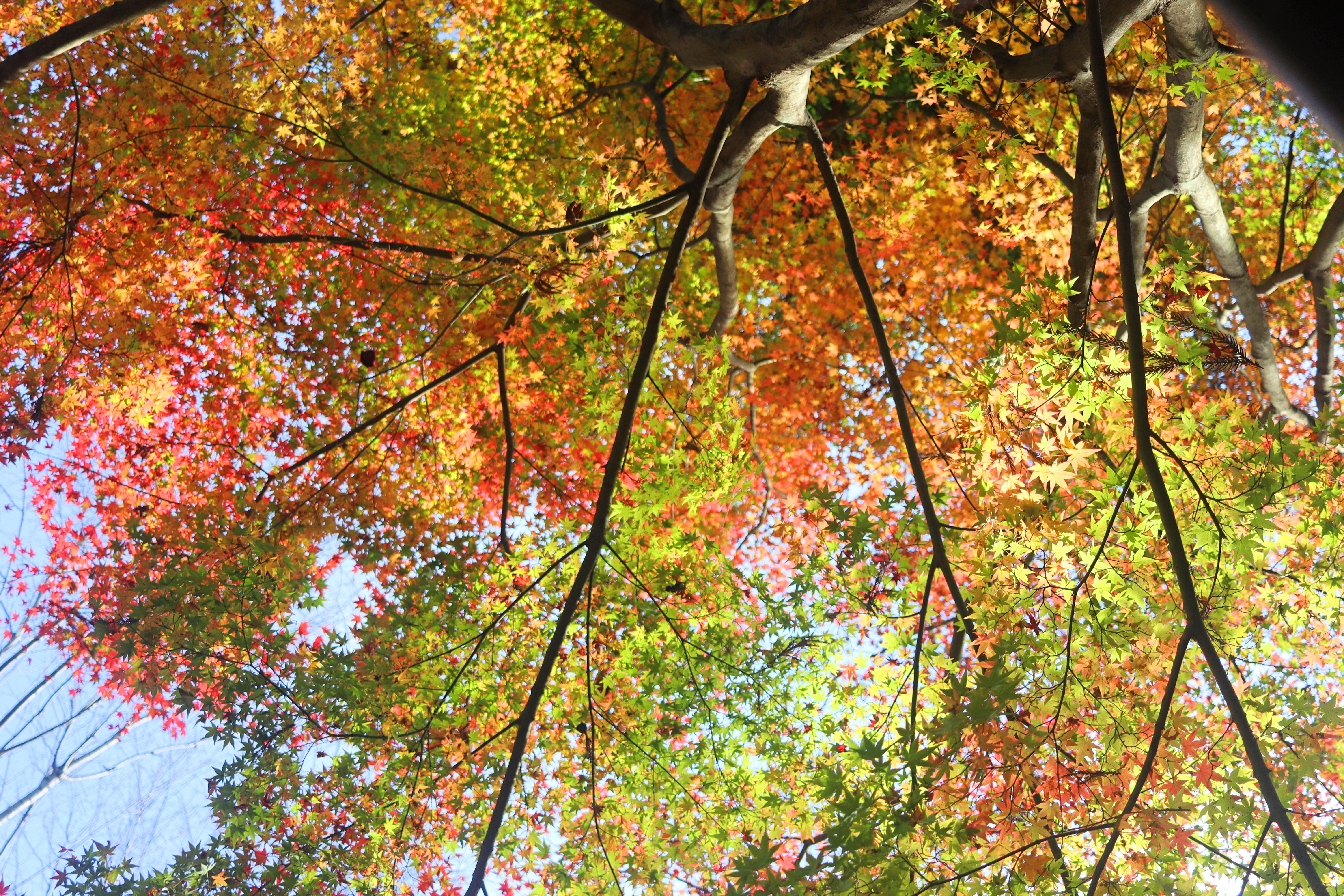
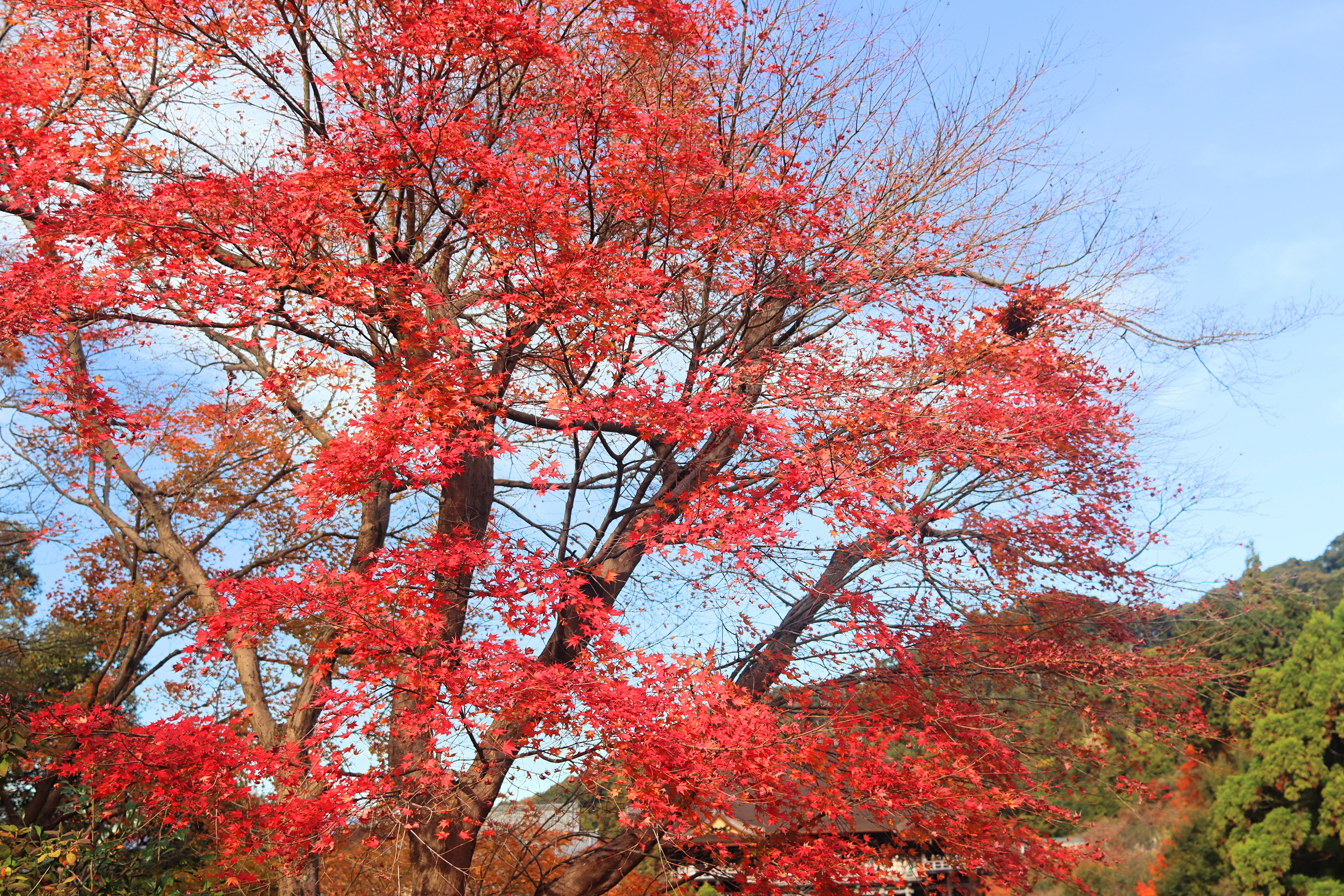
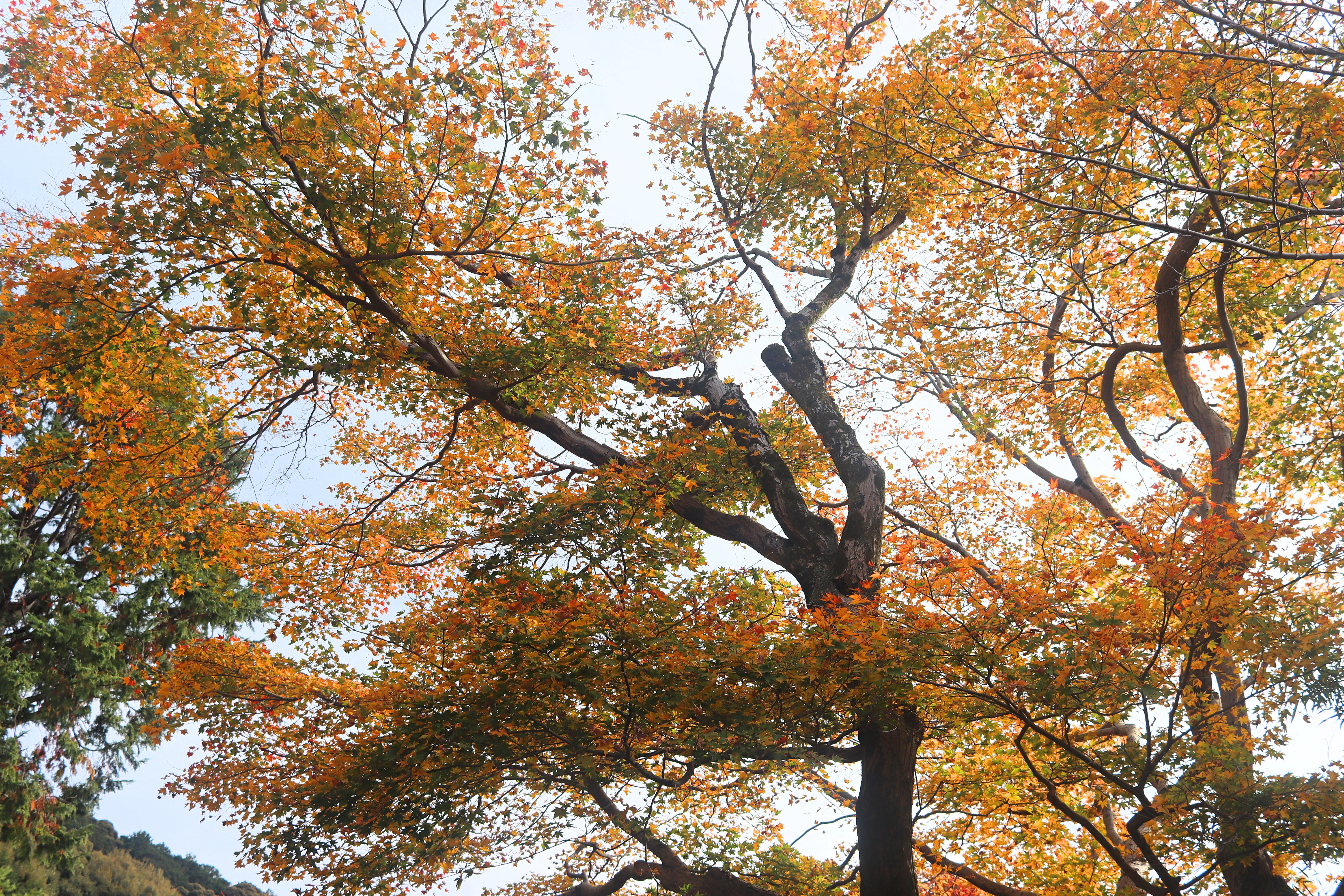
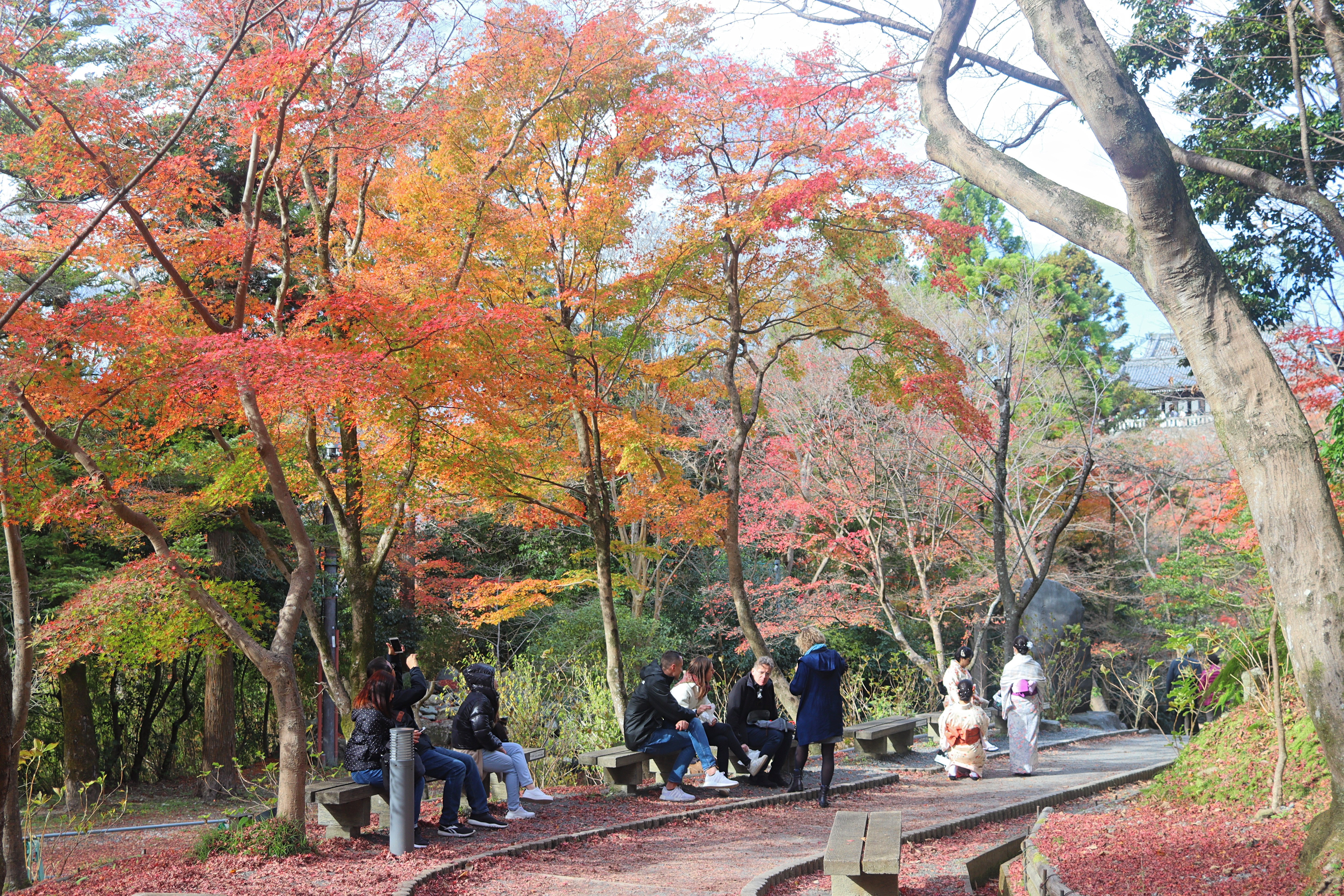
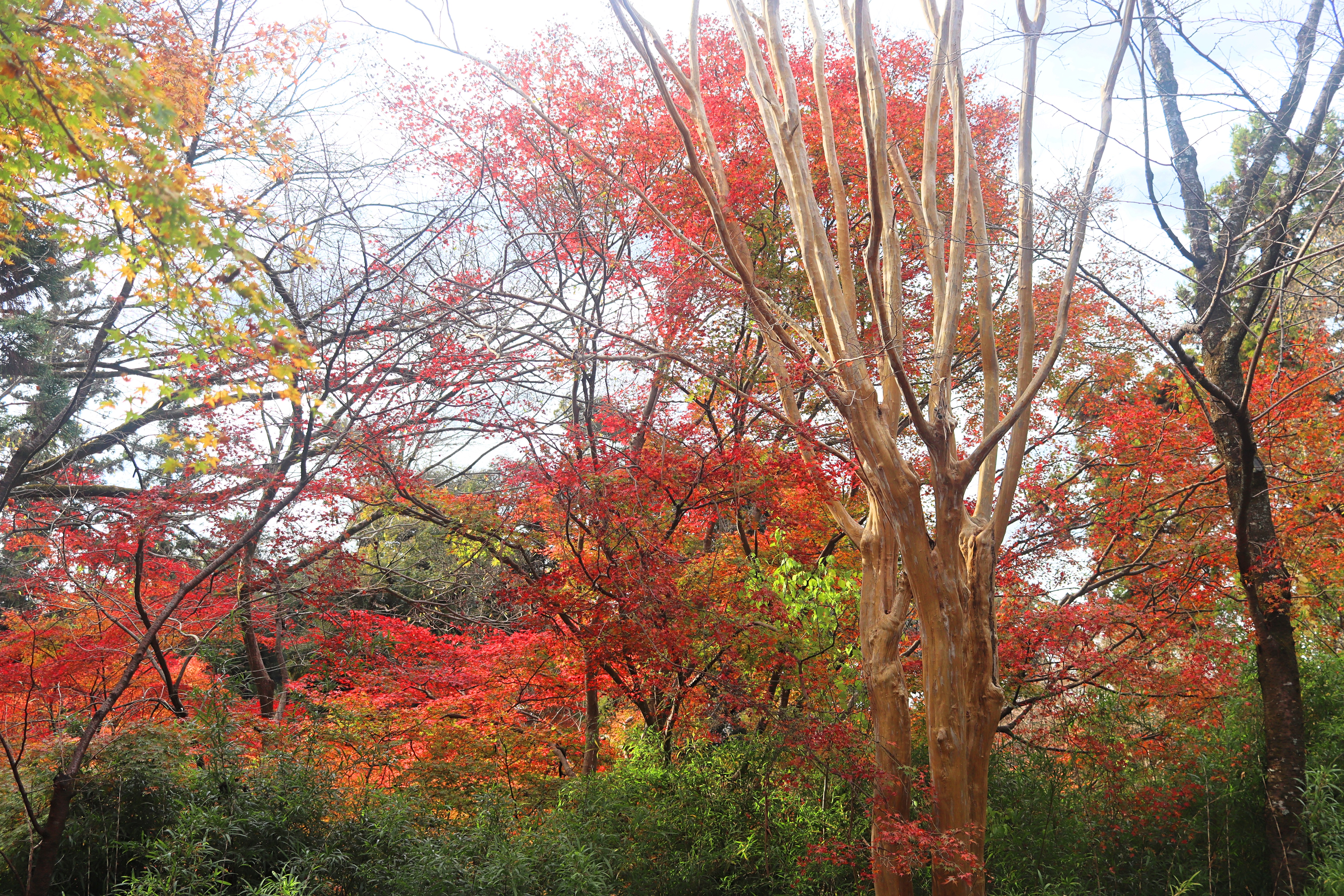
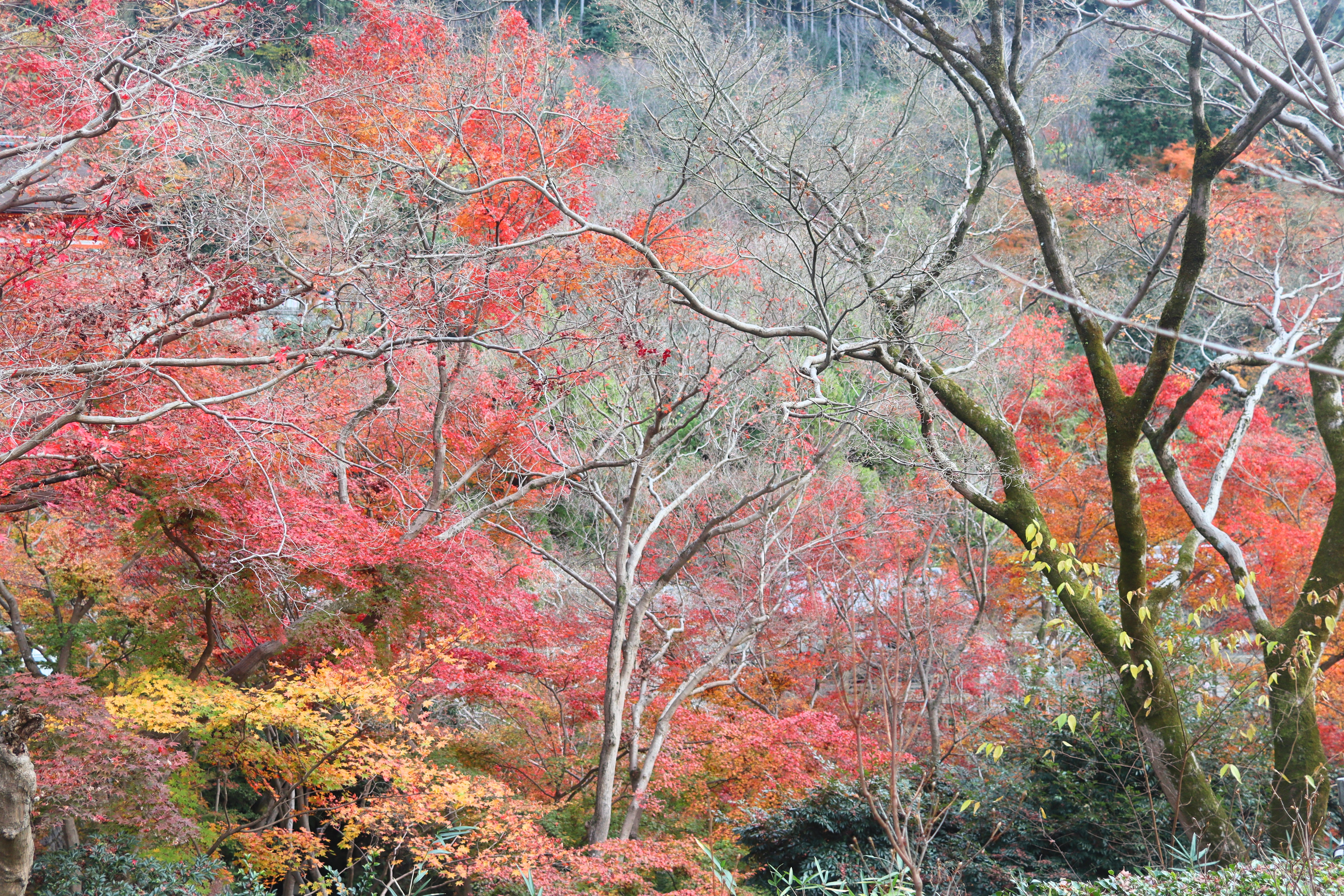
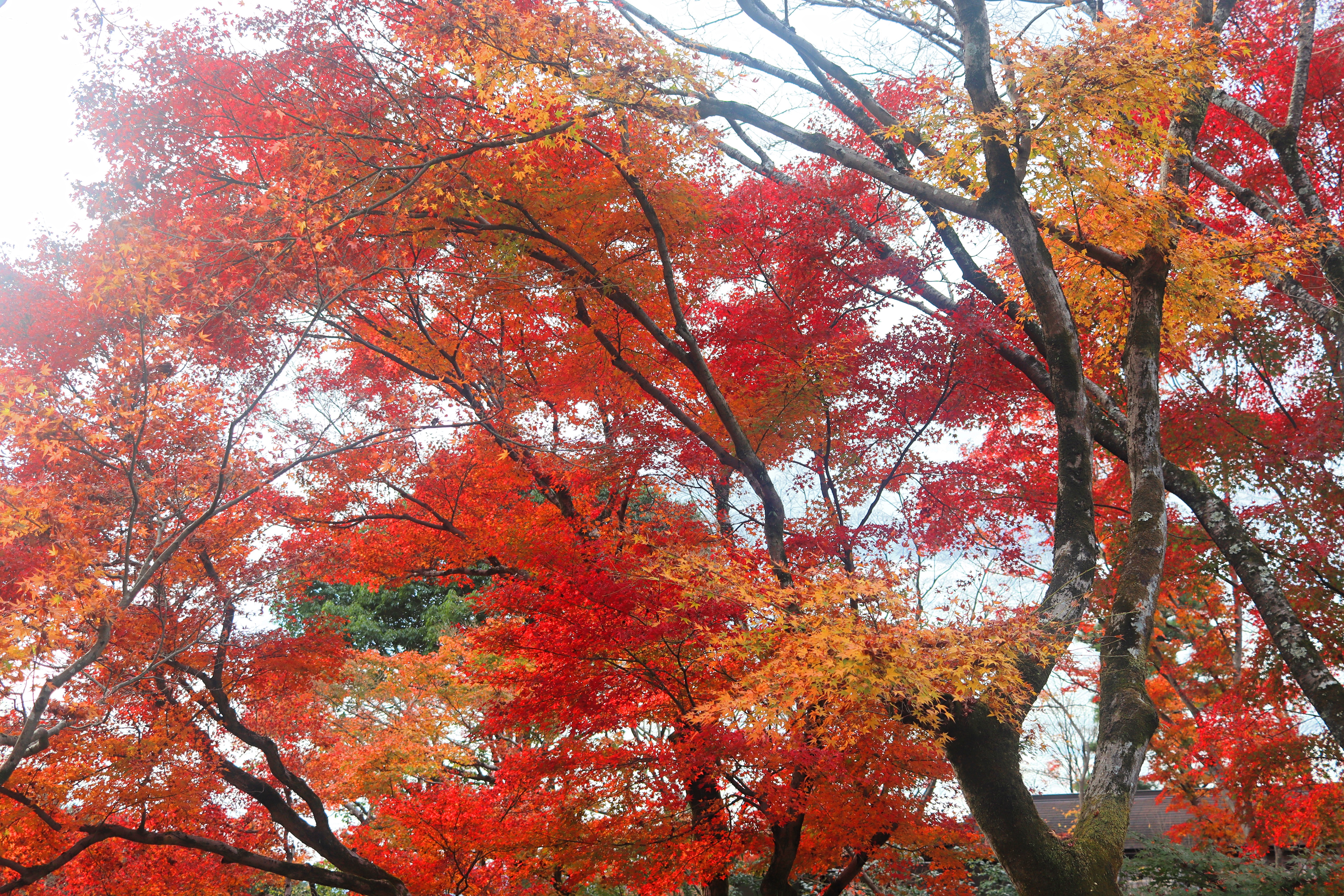
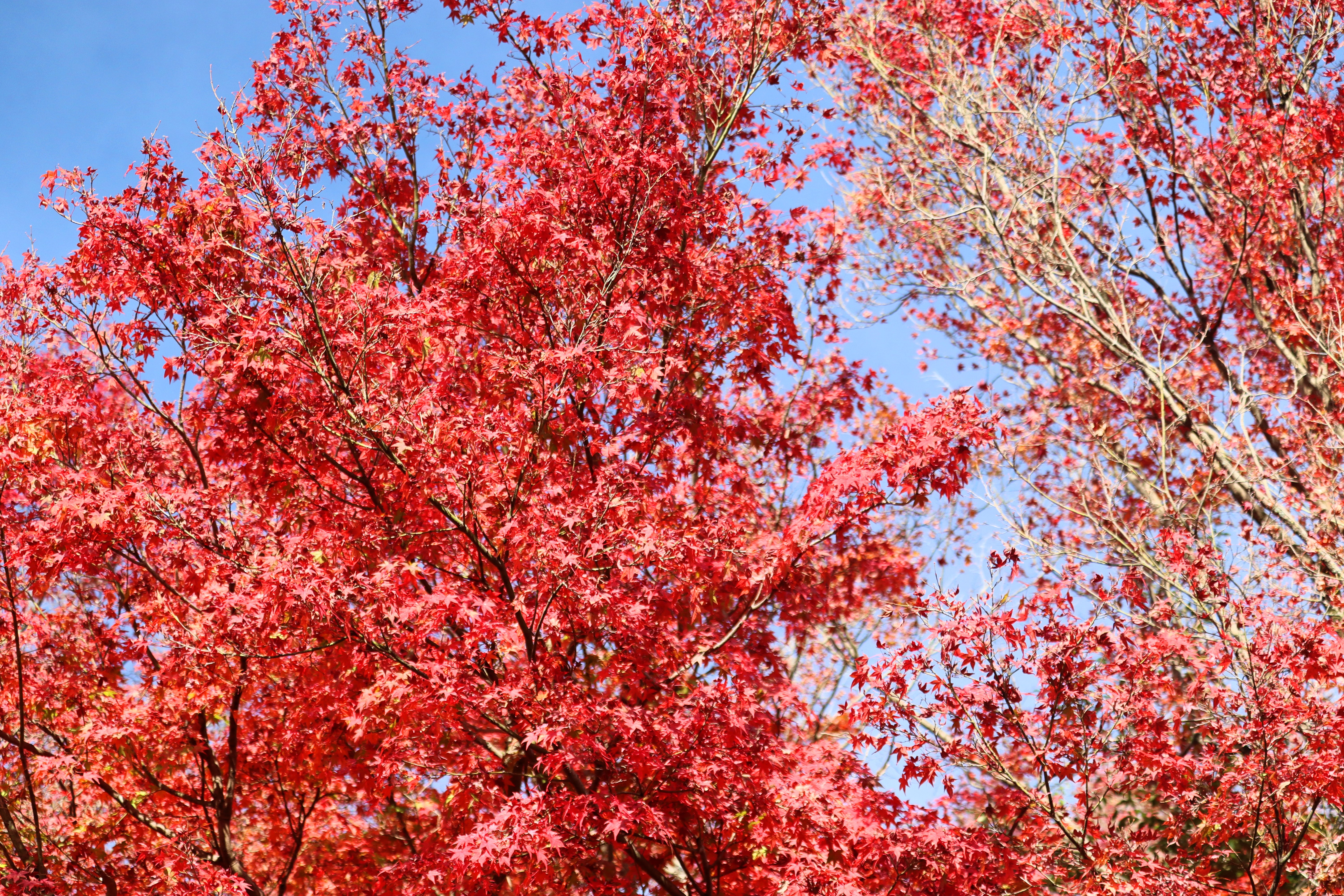
I knew this site was going to be busy, and I figured I would not be able to photograph some of the smaller aspects of this site. Truth be told, I was more interested in the scenery here than the temple itself, although I was impressed by the wooden stage construction when seeing it up close.

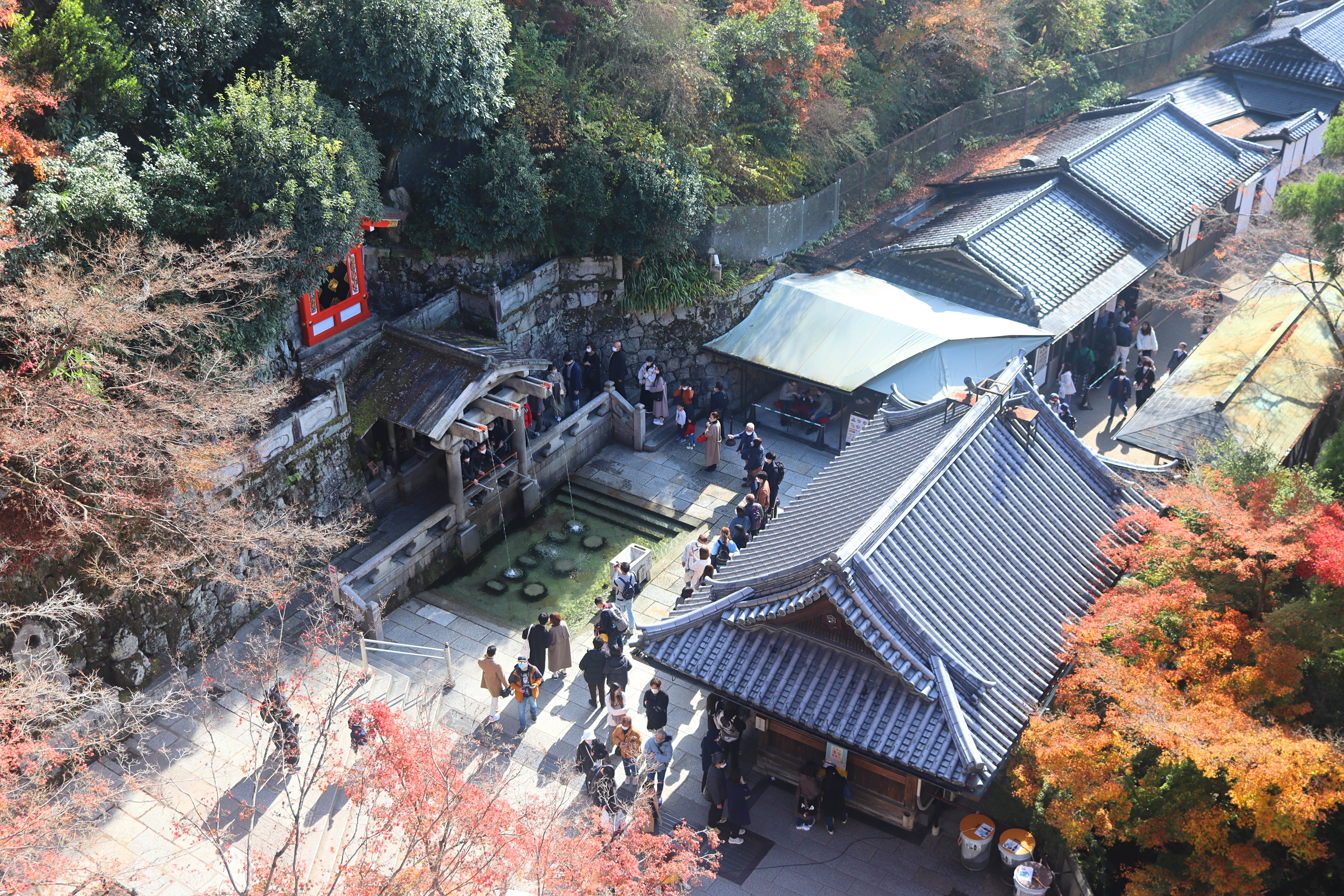
At the base of Kiyomizudera’s main hall is where the Otowa Waterfall appears in three separate streams, and visitors use cups to drink from them. The water from each of the streams is said to have a different benefit, those being educational success, longevity, and love (but don’t drink from all three, as that is seen as being greedy). So, choose wisely.








Stay tuned for the third installment of my Kyoto trip.


Hello Greg, beautiful pictures, almost like being there!!!! Take care & keeping blogging, I love them!!! Audrey