The second half of my time in Busan was spent going around the different UNSECO sites in Gyeongju. The UNESCO website itself describes this area as “the museum without walls” due to the number of cultural-archeological sites.
Initially, I was not too pleased upon finding out the number of people that were included on this day trip, as I much prefer smaller groups. Our group was big enough this time to fill an entire bus. The bus didn’t fill up all at once, though. Instead, we made several stops to pick up the rest of the group while on the way toward the first site. There were two tour guides, both of whom were locals (I think). The woman was the translator for English-speaking tourists, and the man was the translator for Chinese-speaking tourists. While I respected the woman guide’s work ethic and effort (especially while seemingly having a cold), I found her constant attempts at trying to smile and be super cheerful to be inauthentic, not to mention exhausting. None the less, while on the bus, she did help some of us place our lunch orders via her phone.
Yangdong Cultural Village
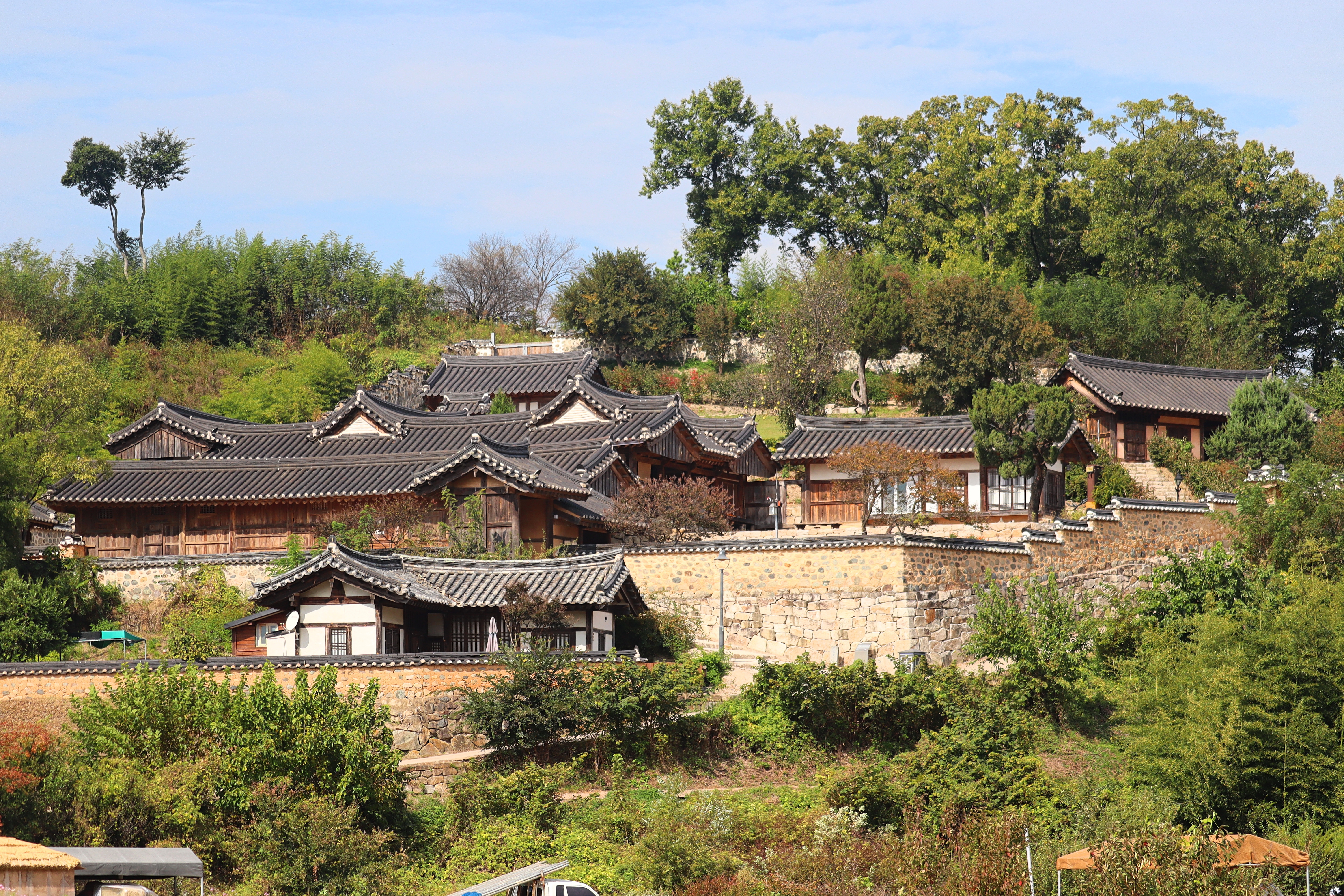
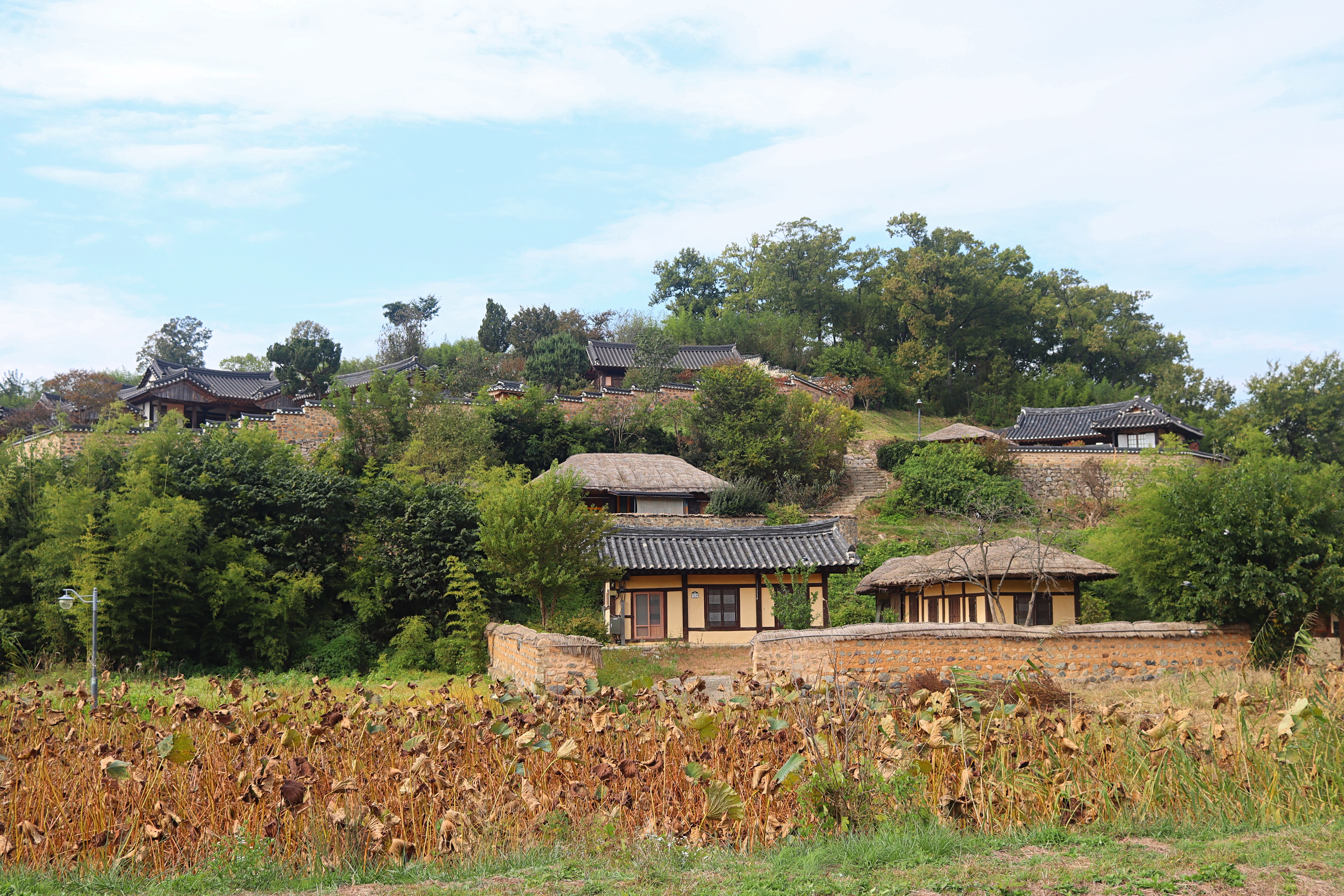
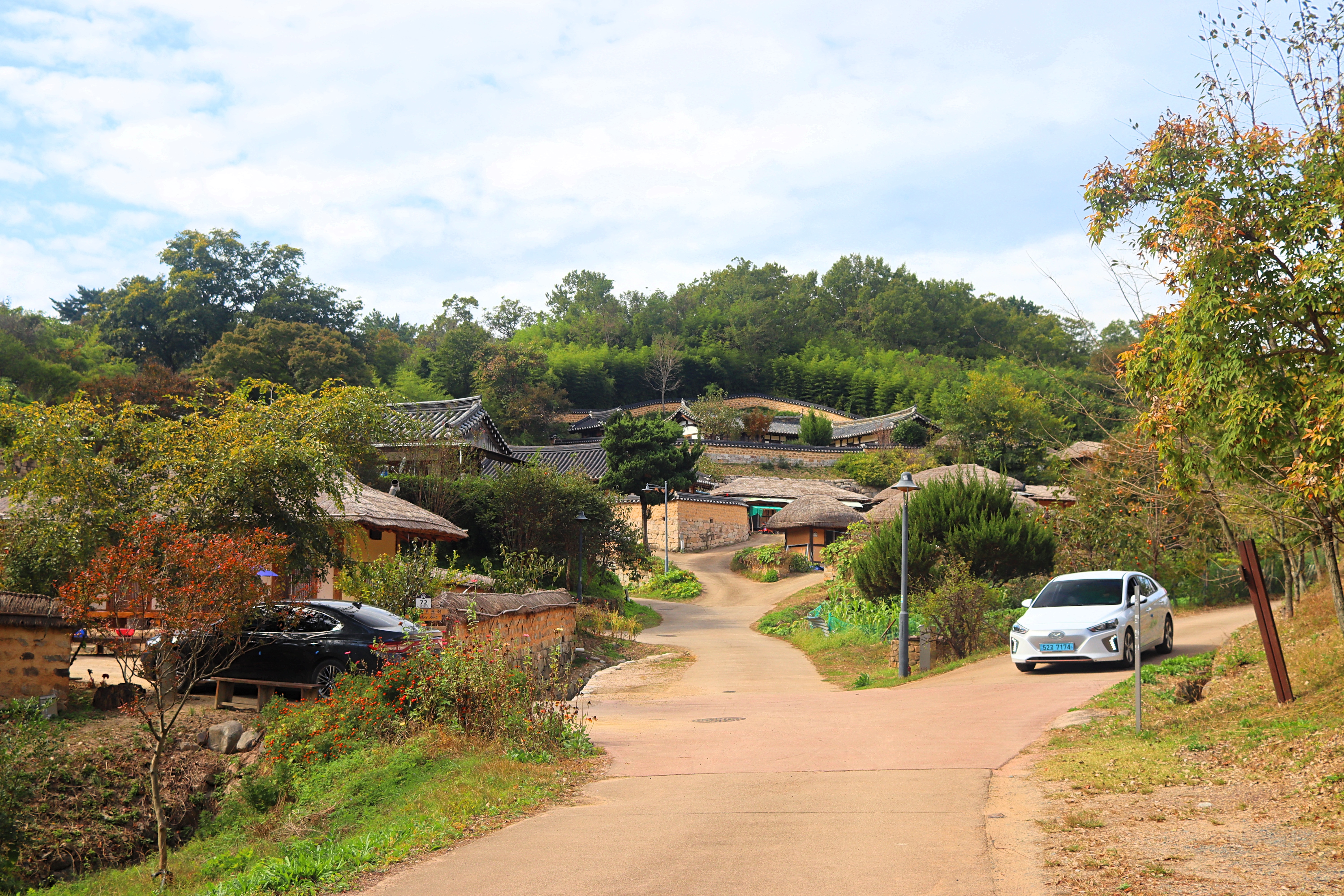
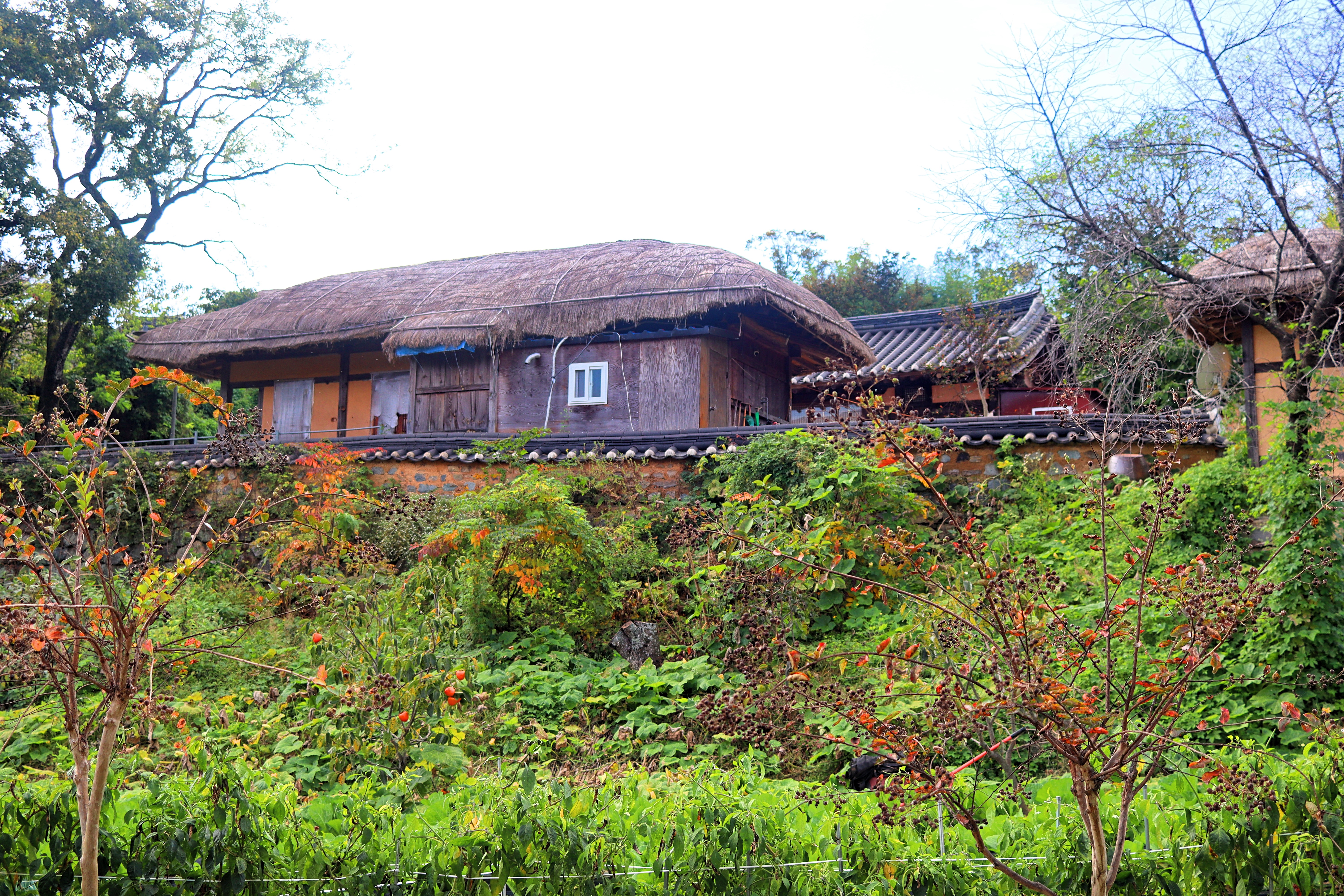
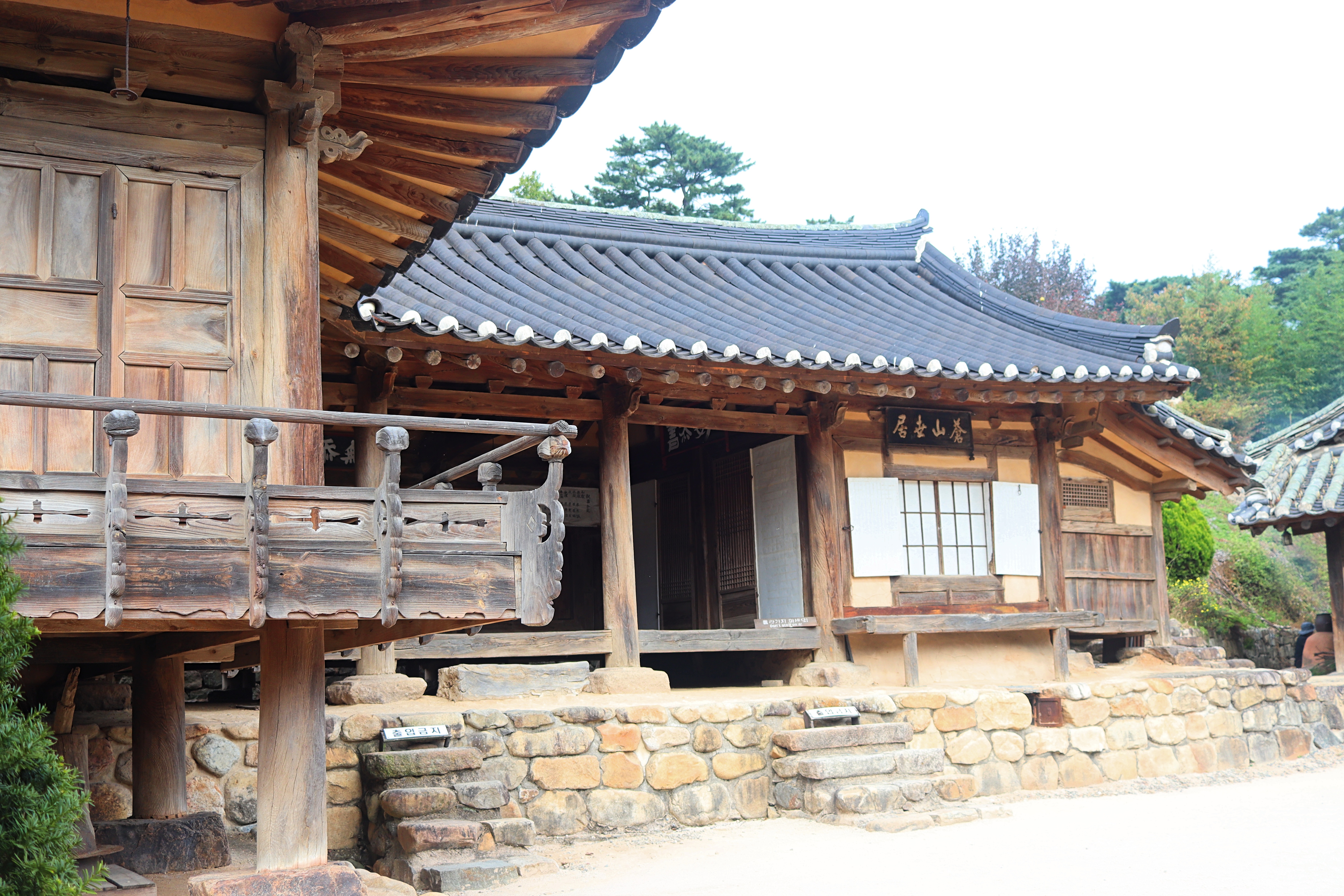
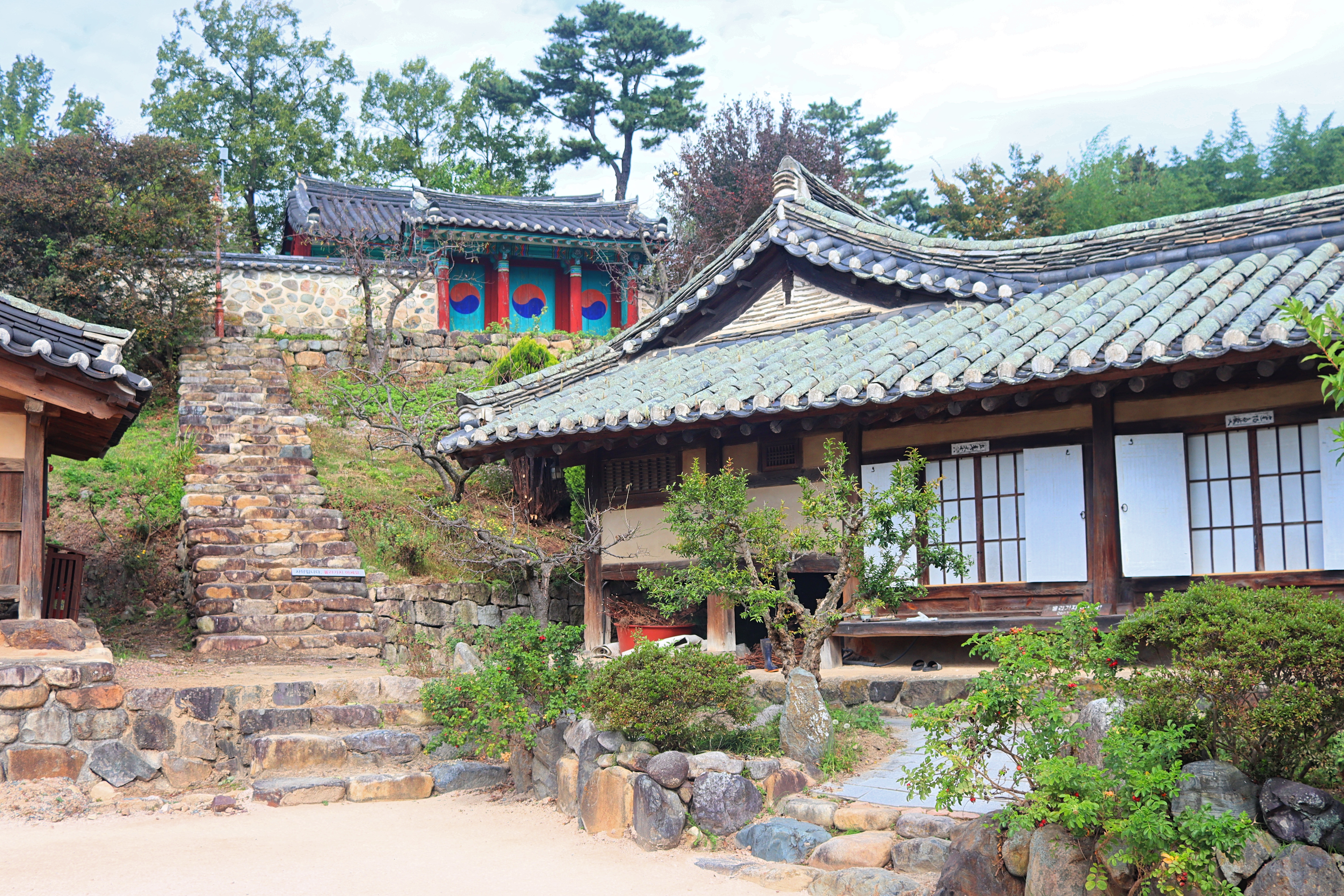
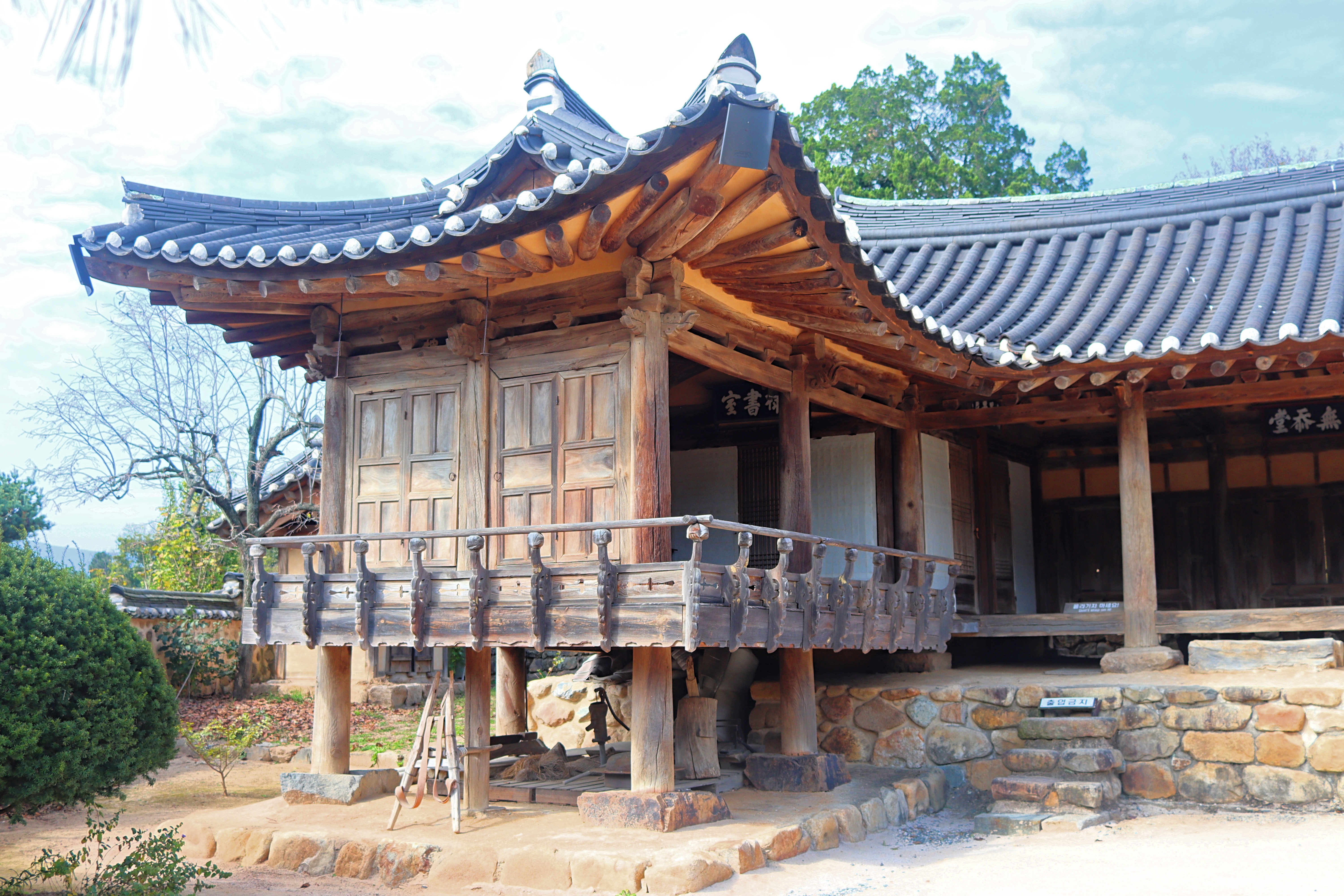
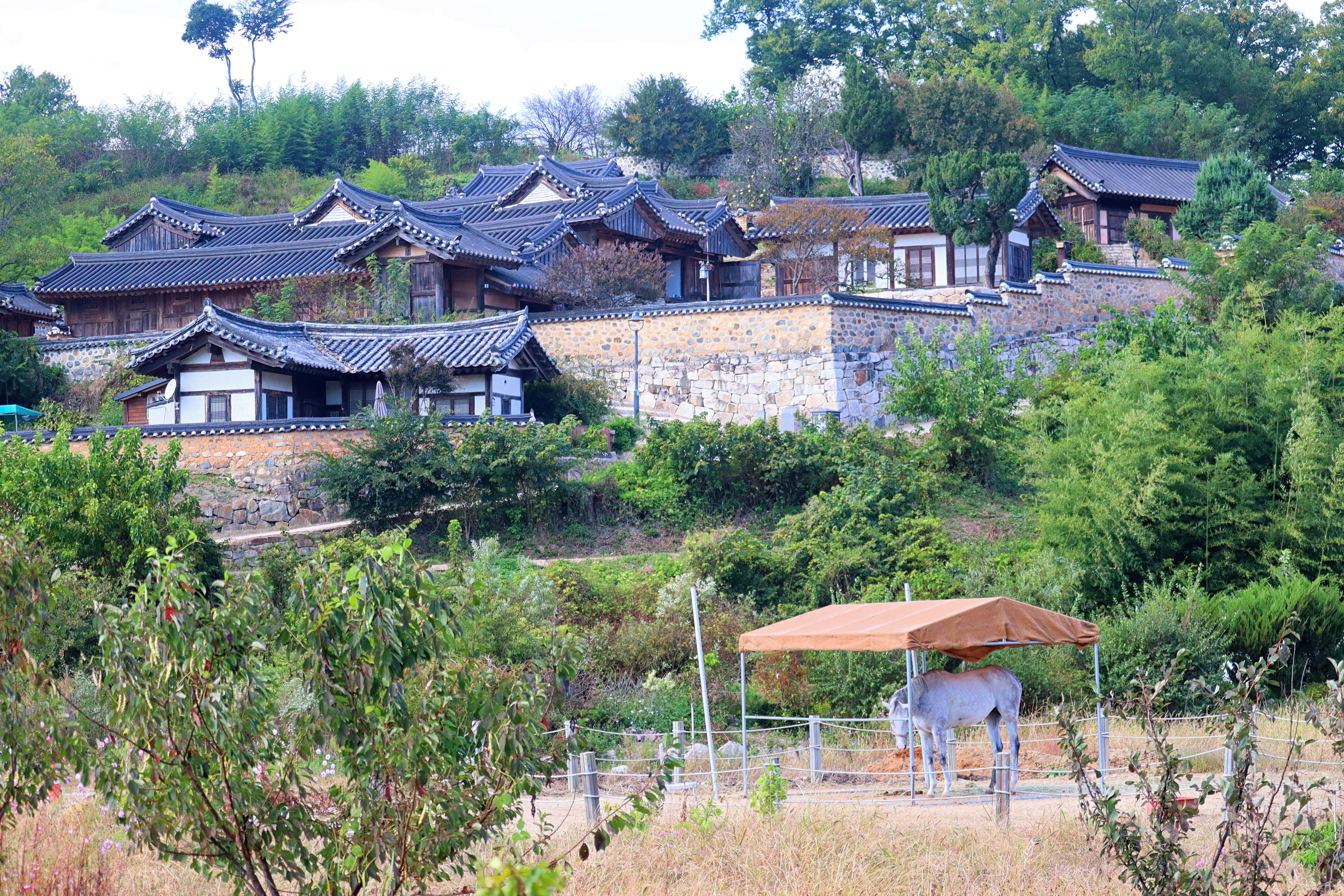
The first stop was Yangdong Cultural Village. Per UNSECO’s site, it was first founded sometime during the 14th and 15th centuries. This area is seen as the most representative of clan villages from that time. There are still some families that live in these homes. Since this is a UNSECO Heritage Site, they must live by strict standards and rules regarding making any changes to their homes.



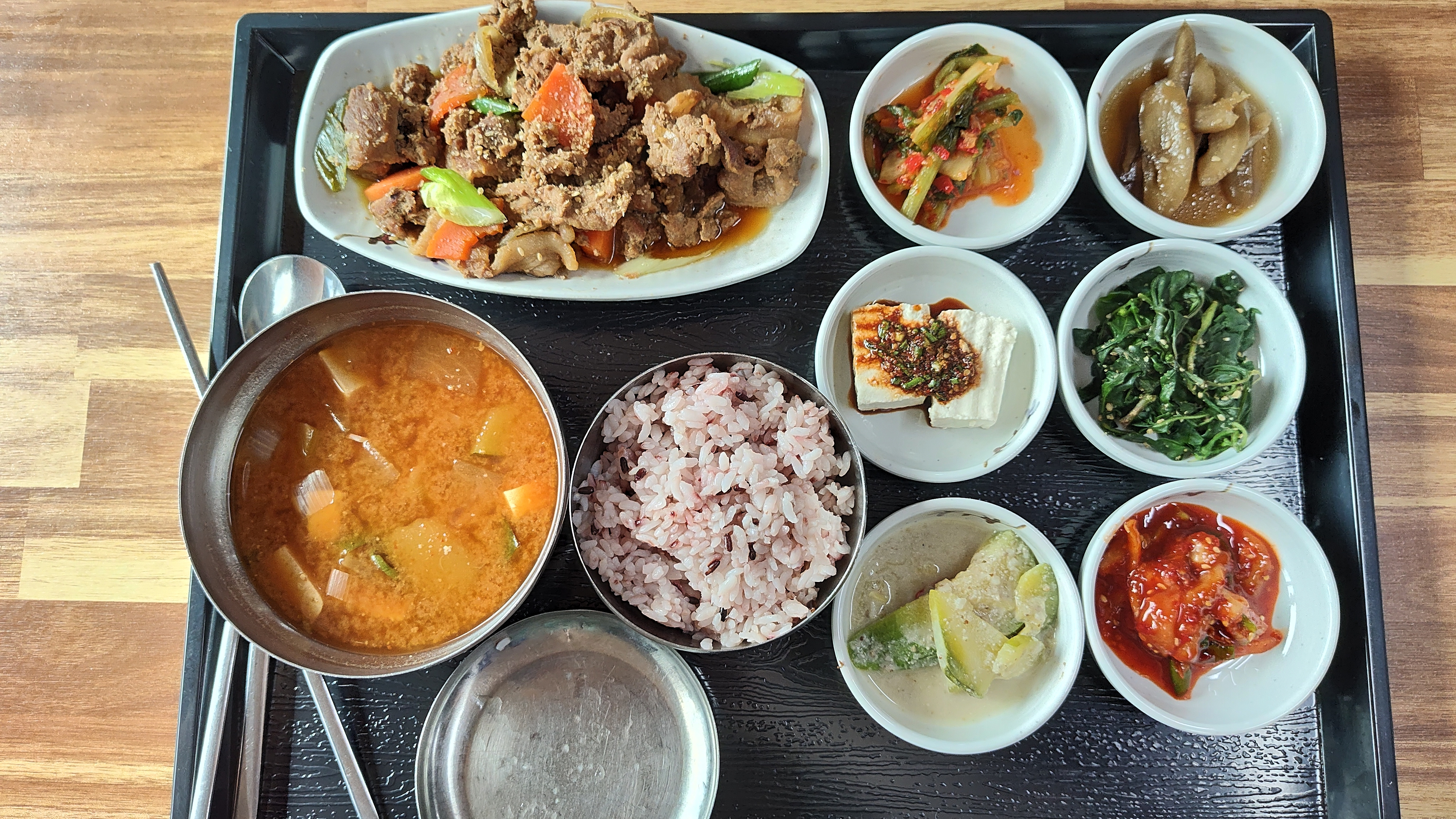
For lunch, we were told to go inside and sit where we saw our names. Actually, the instructions didn’t mention looking for our names; it was just something we realized once we started looking around at the tables. After searching for several minutes, I still did not see my name anywhere. I was confused and a bit annoyed, as I had to stand around while others found their names. Eventually, I was told to please sit at an empty table, and my tour guide spoke to the servers. Not too long after that, my order arrived. It was a nice full platter of typical Korean side dishes along with the main dish.
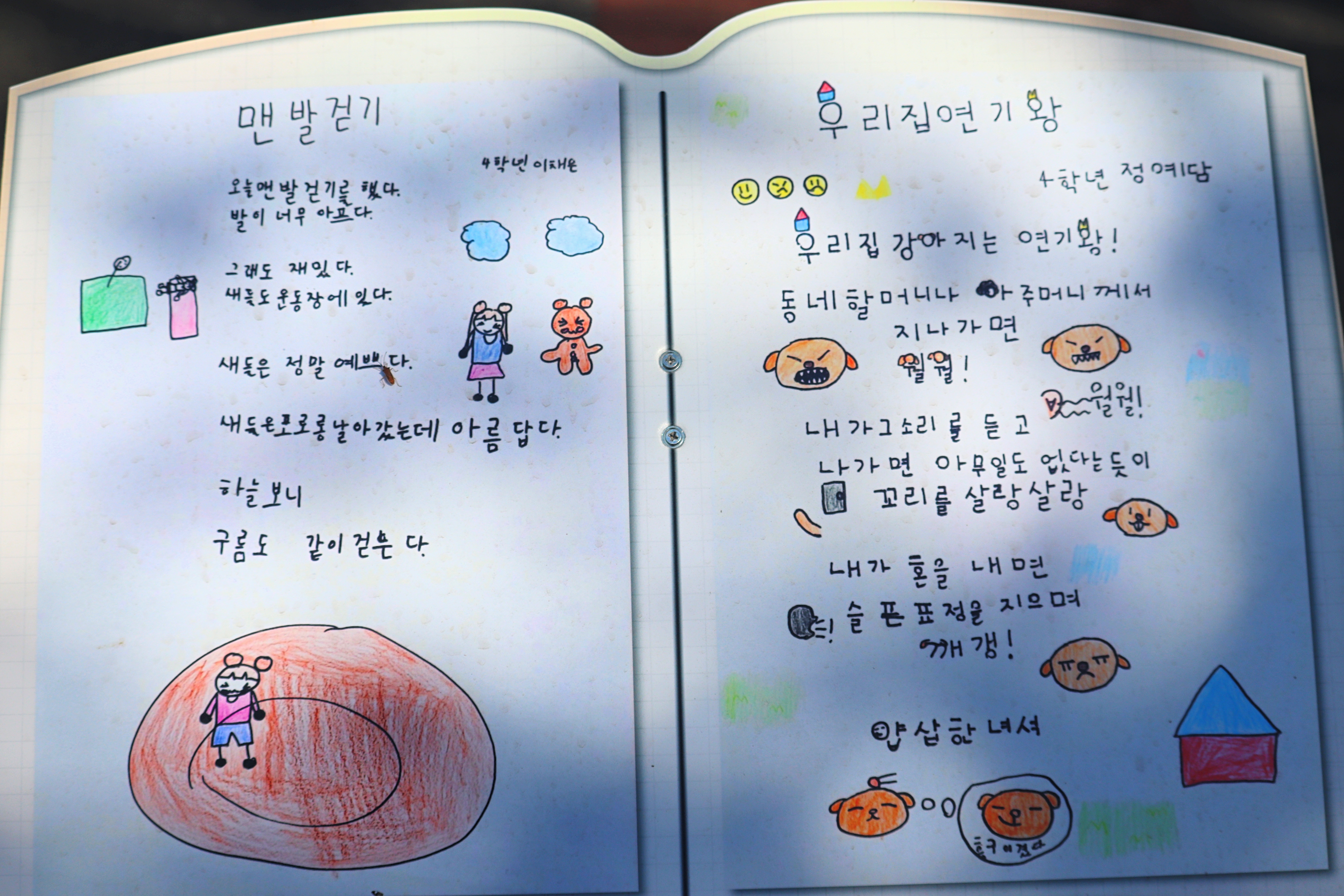
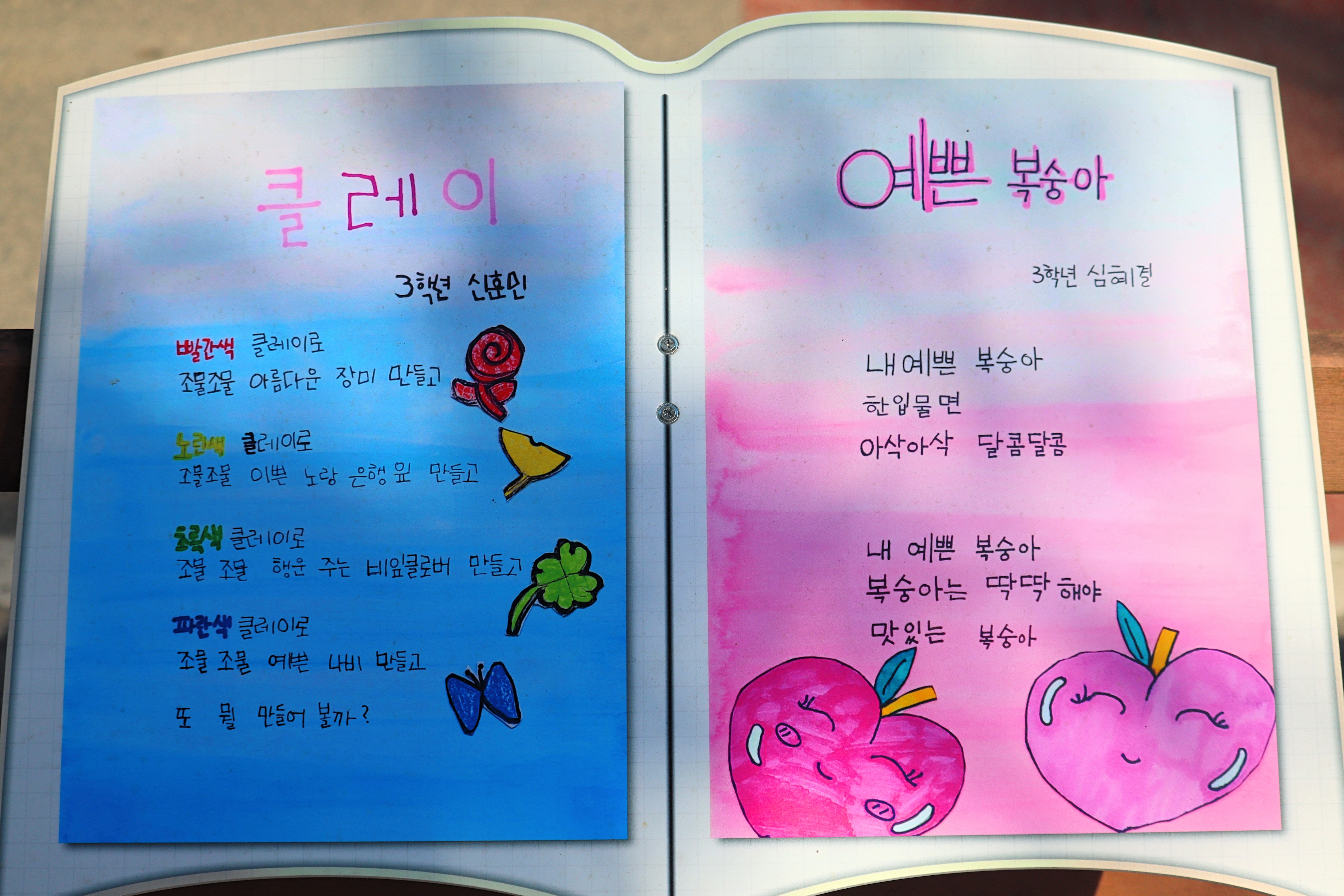
Along the path towards the village, there is also a school. Some of the students’ work was displayed along the path.



Bulguksa Buddhist Temple
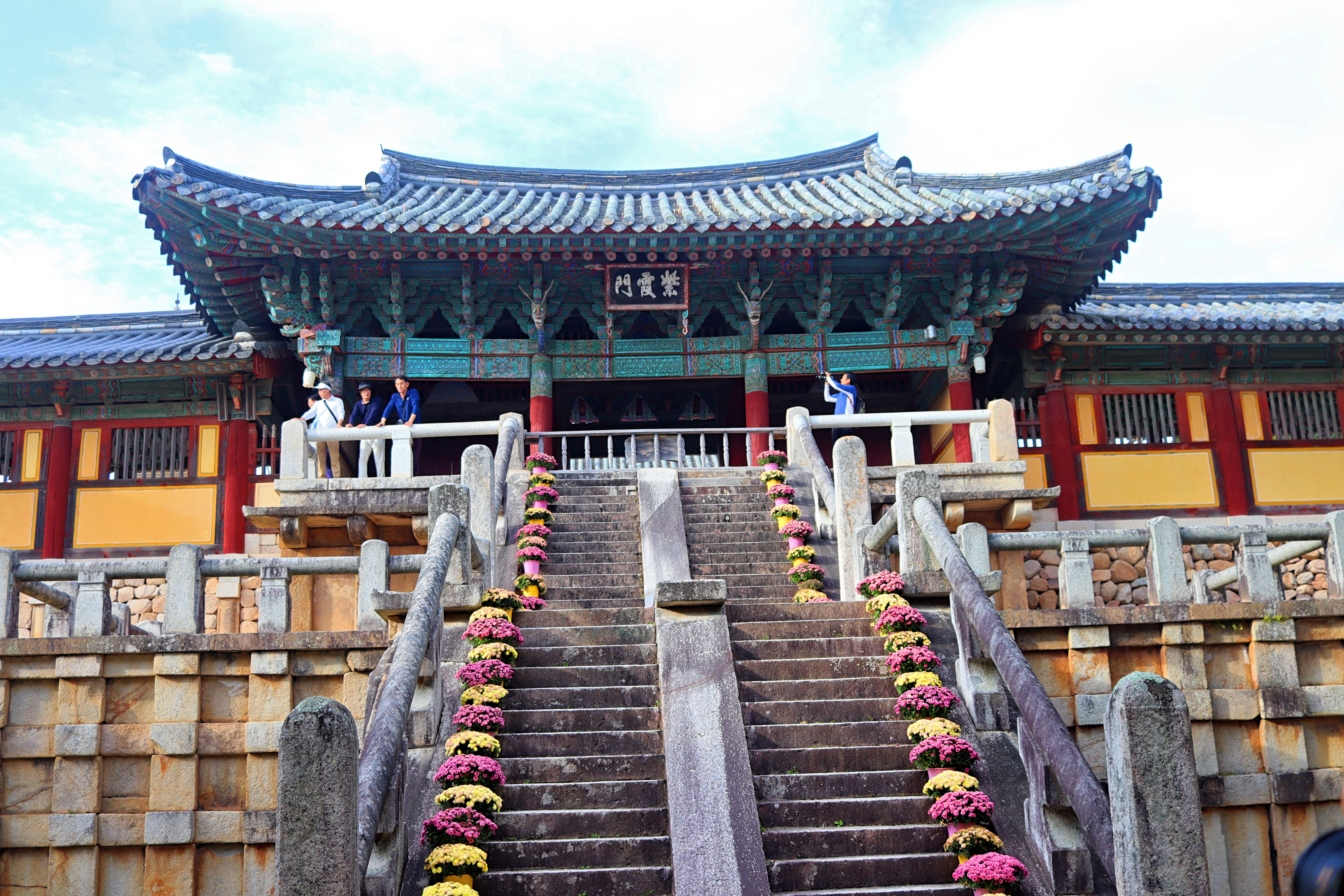
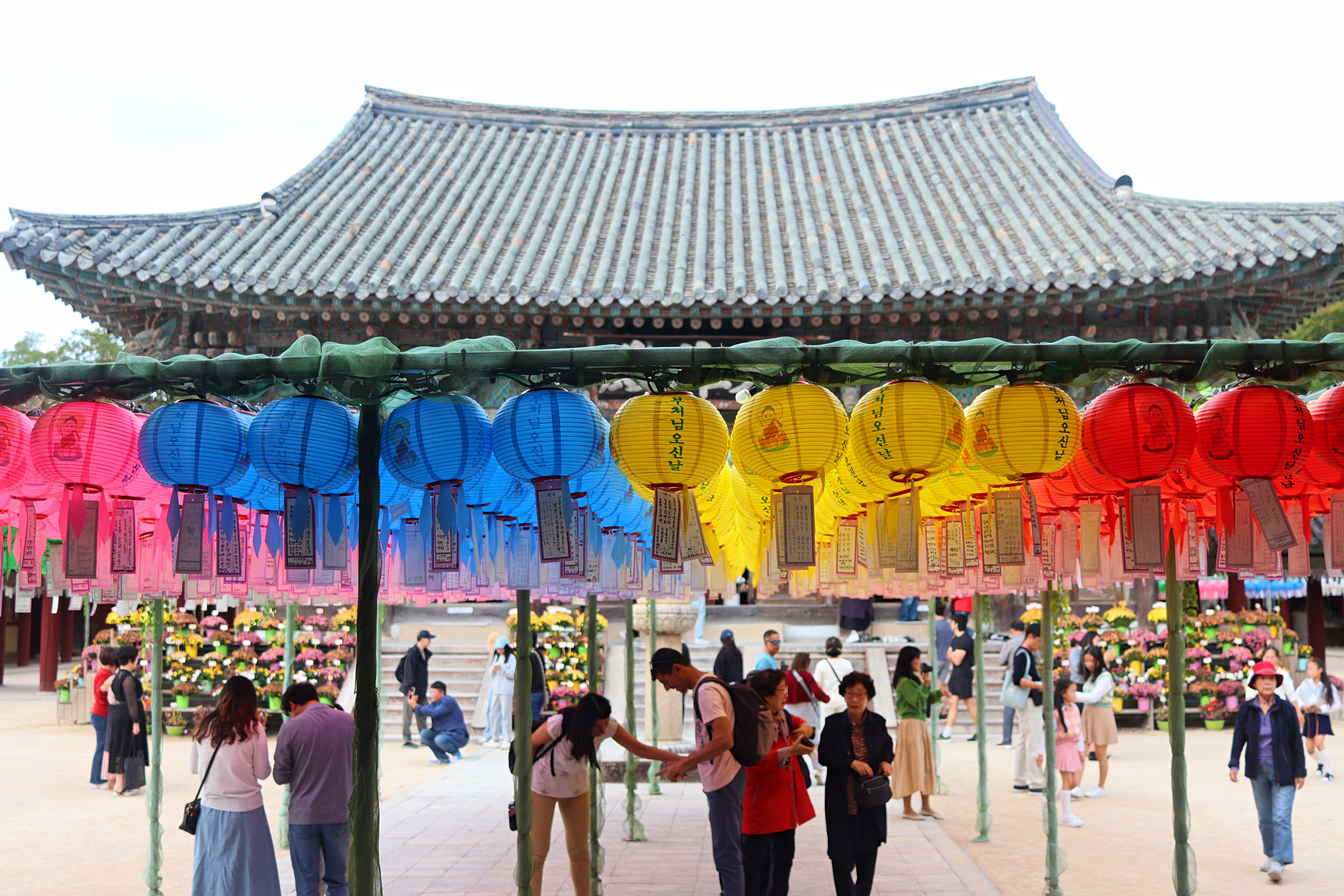
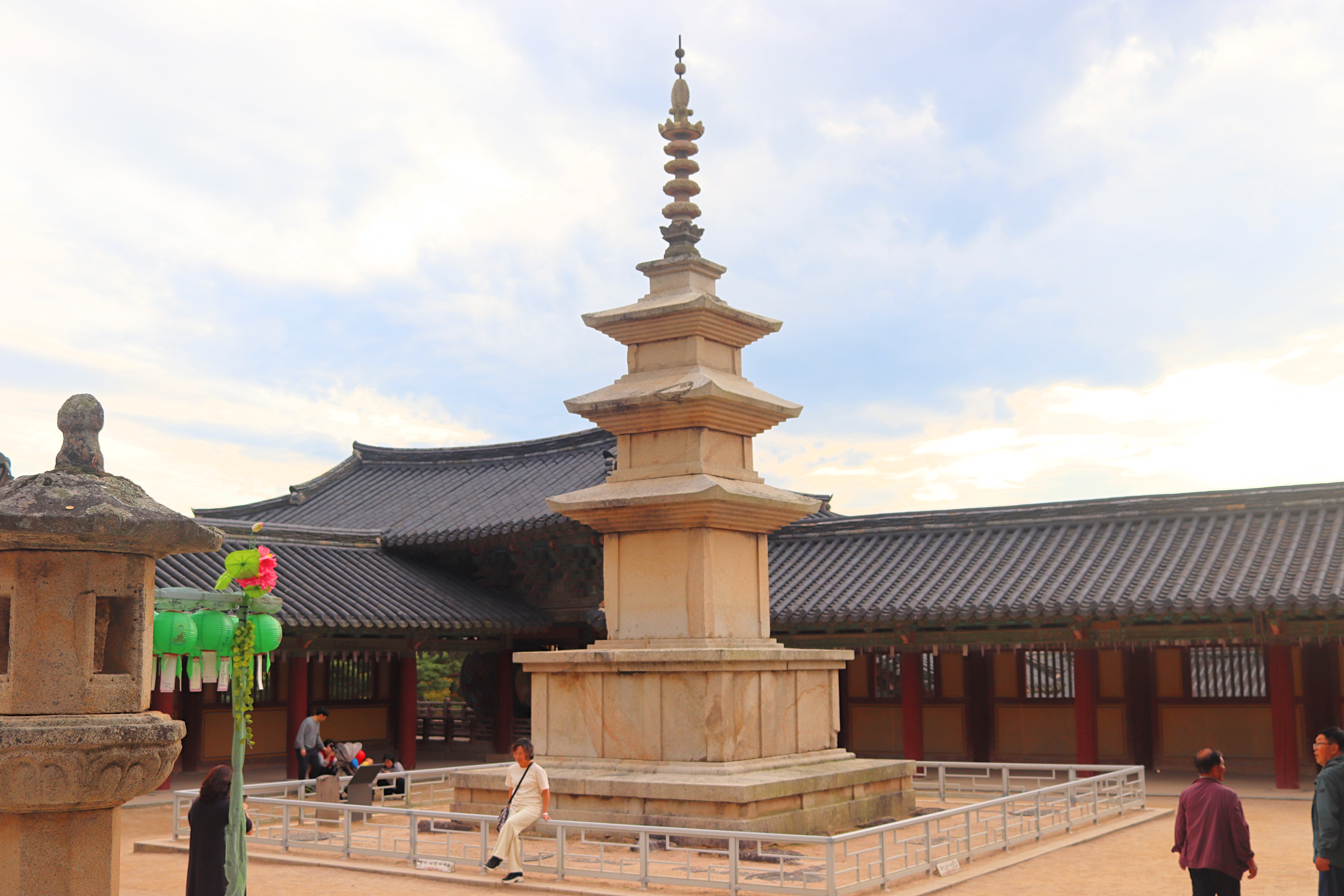
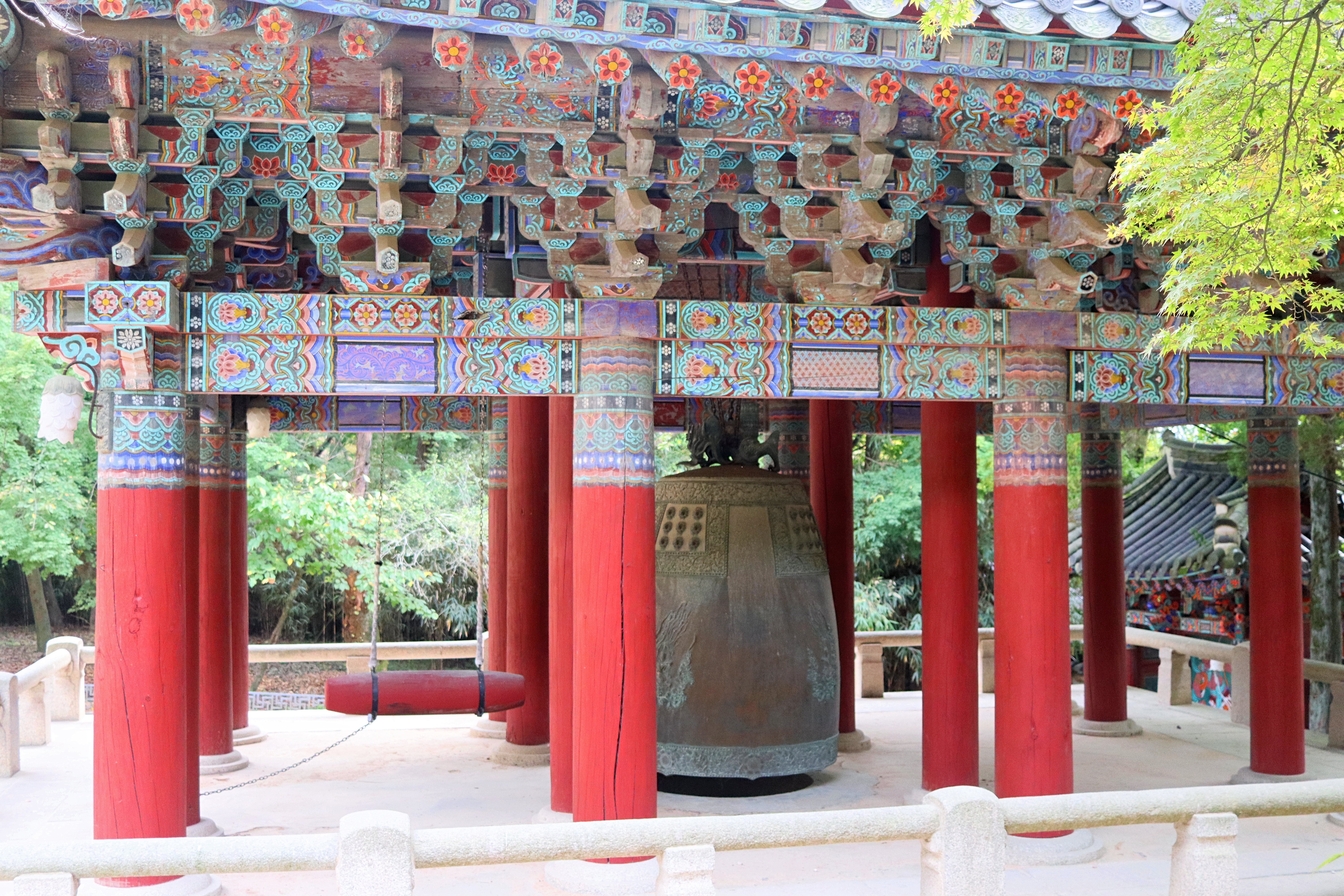
After lunch we headed for Bulguksa Buddhist Temple.
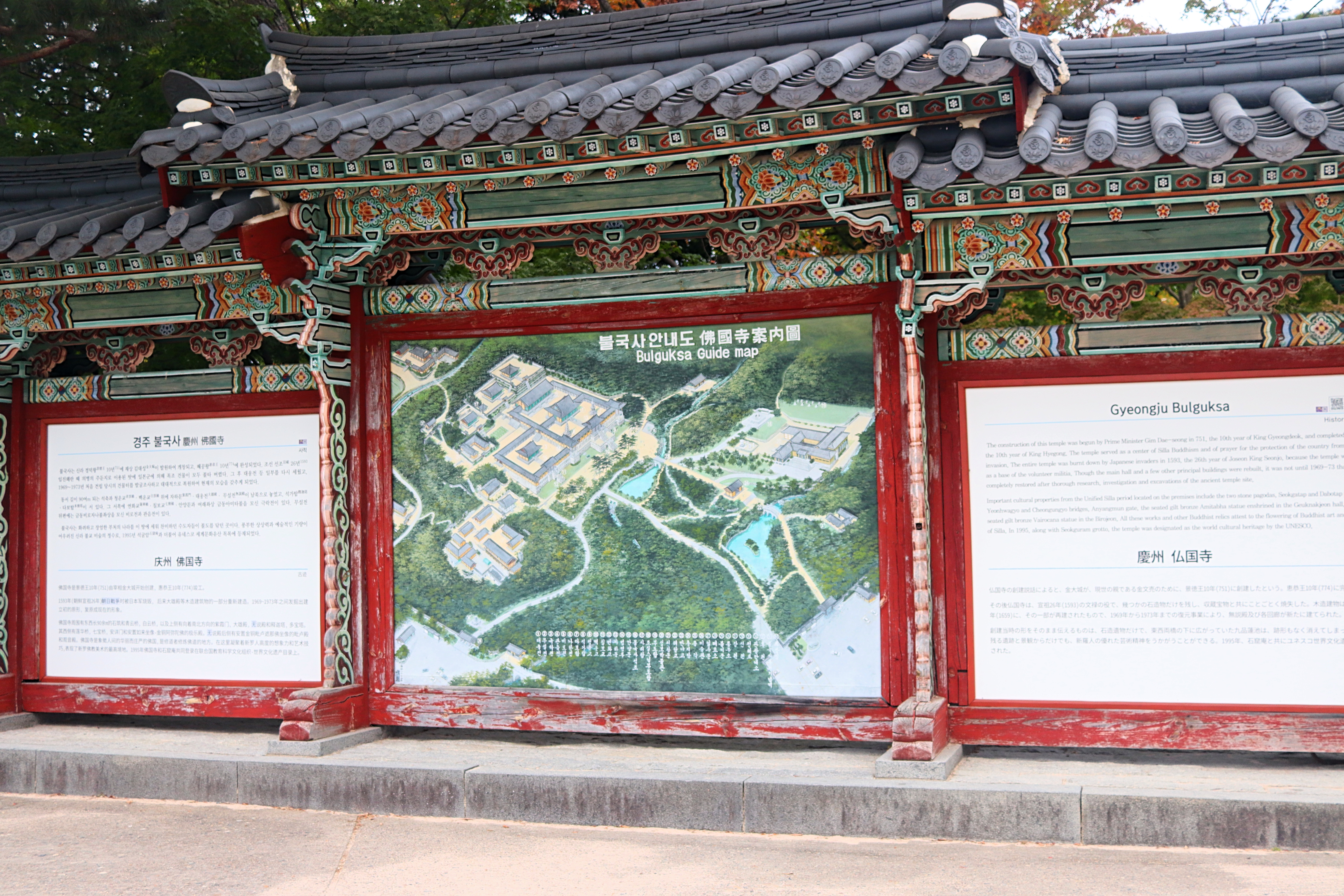
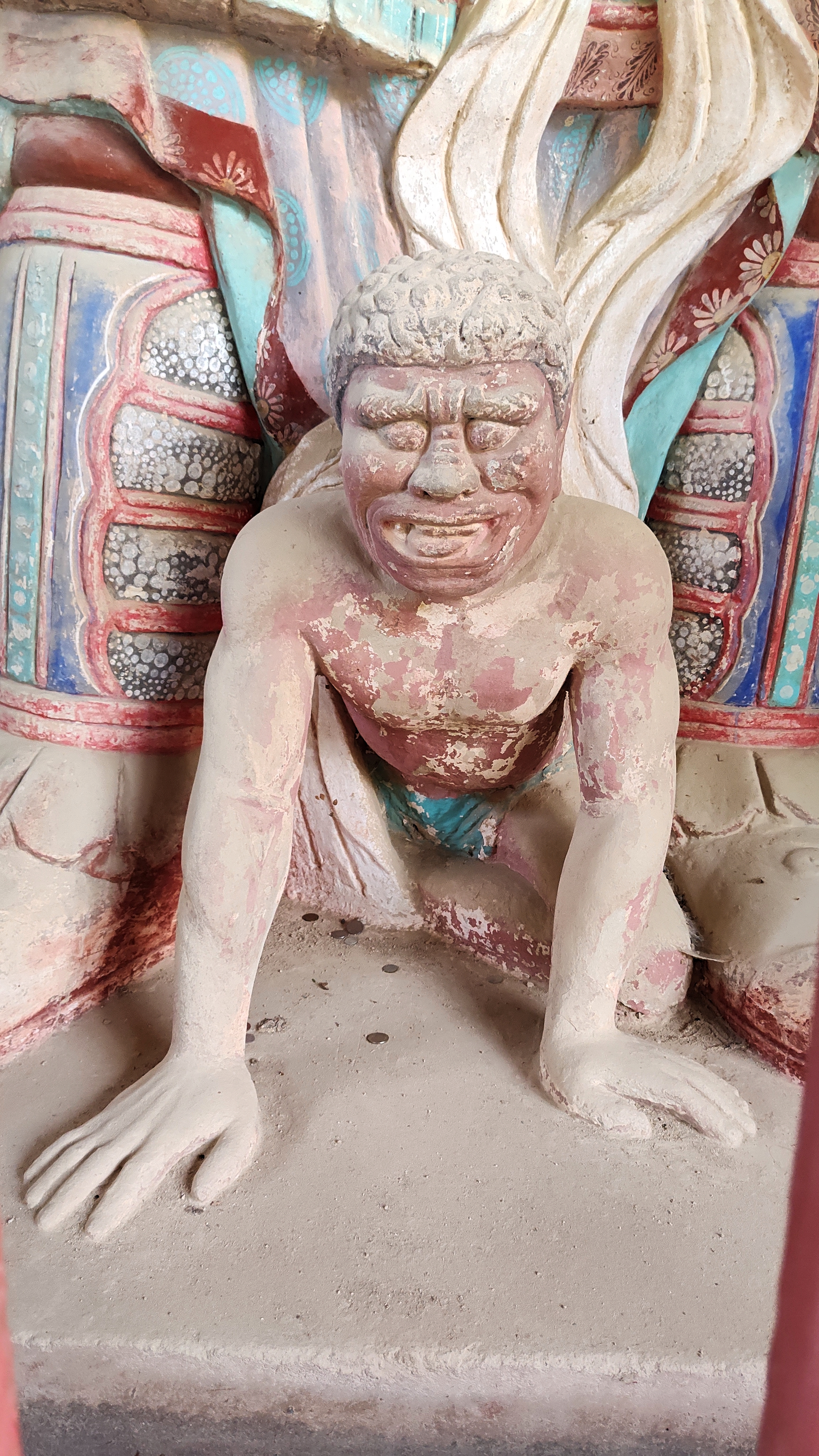
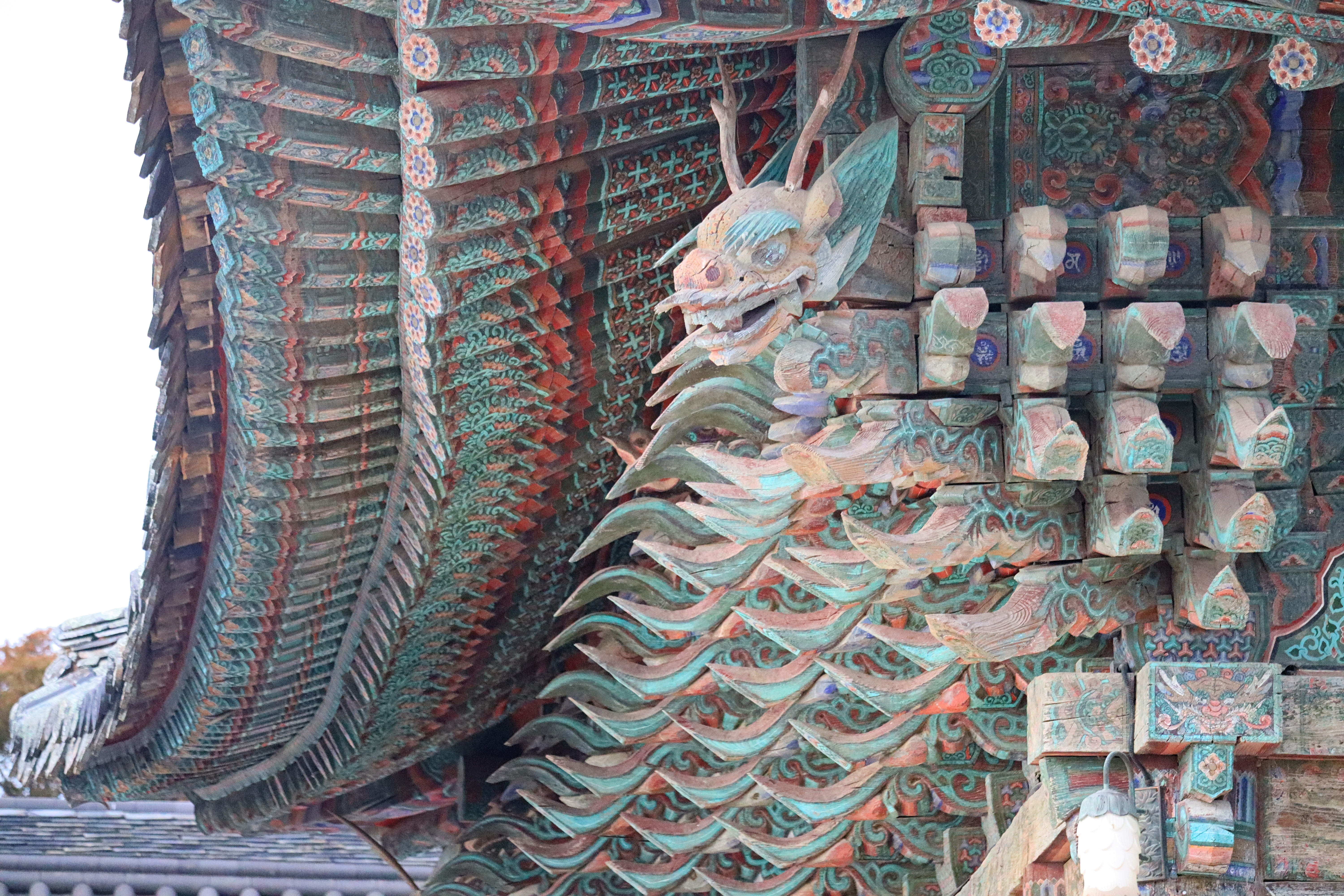
“Established in the 8th century under the Silla Dynasty, on the slopes of Mount Tohamsan, Seokguram Grotto and Bulguksa Temple form a religious architectural complex of exceptional significance. Prime Minister Kim Dae-seong initiated and supervised the construction of the temple and the grotto, the former built in memory of his parents in his present life and the latter in memory of his parents from a previous life.”
https://whc.unesco.org/en/list/736







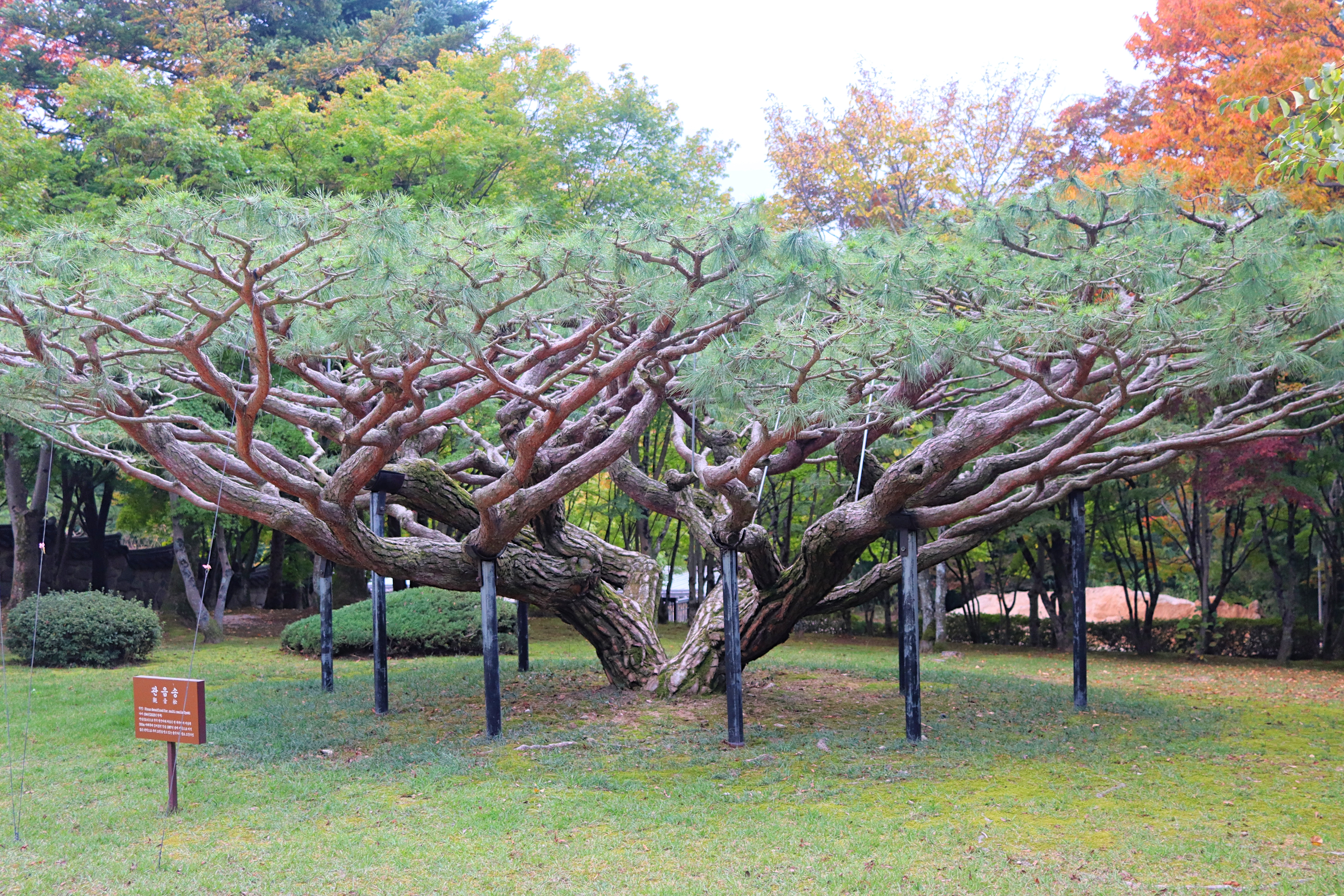
Daereungwon
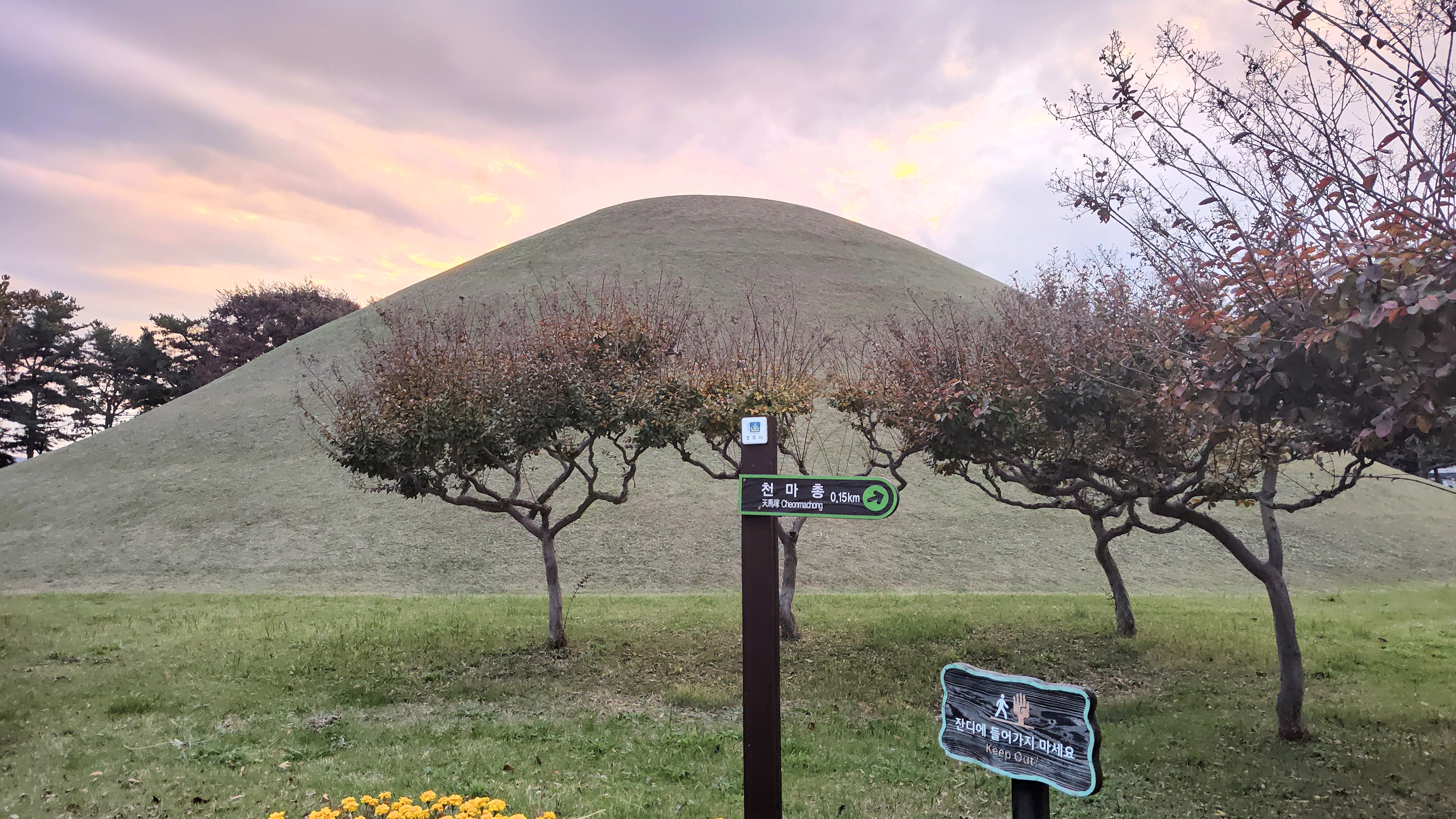
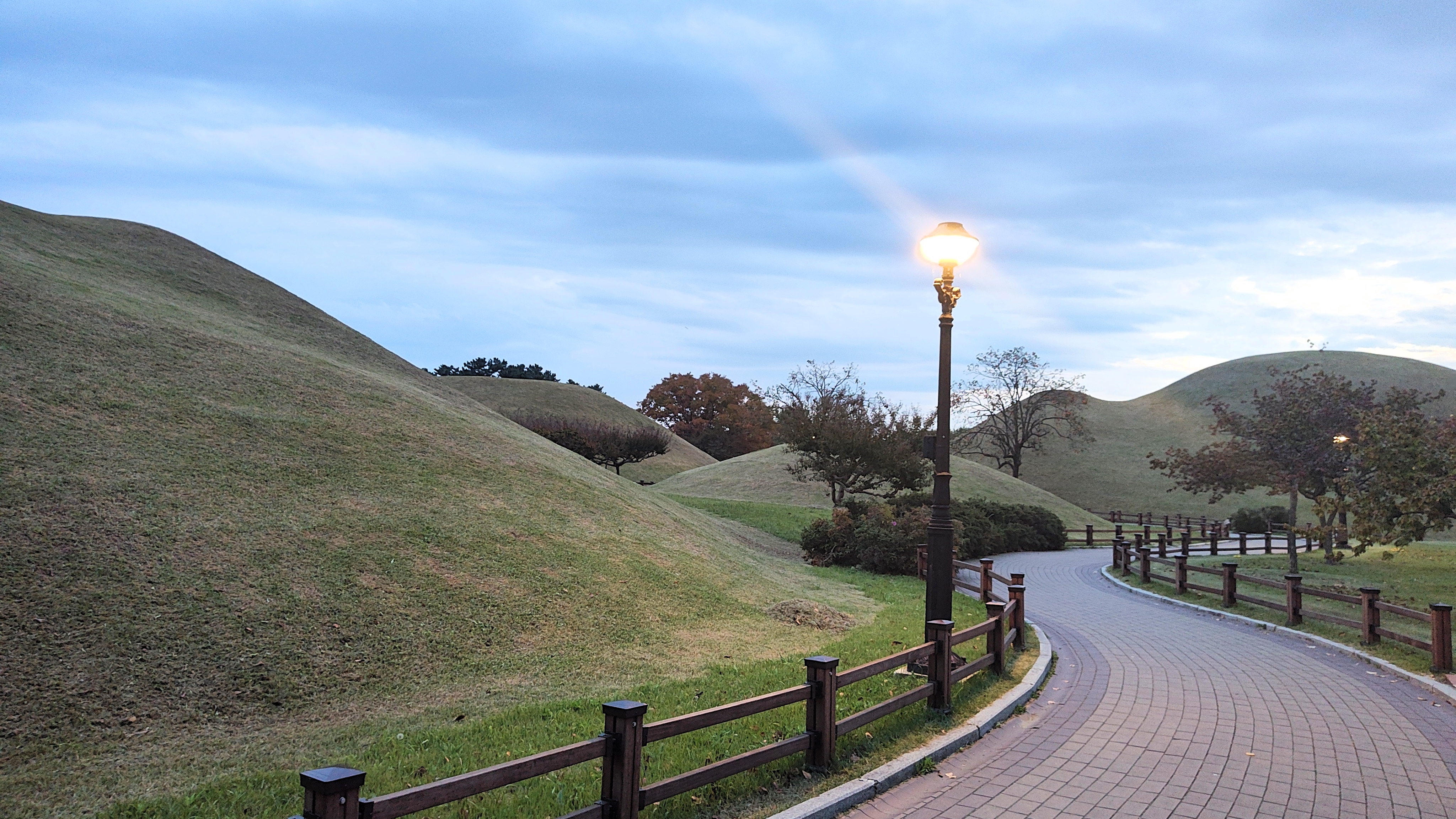
Silla Dynasty Royal Tombs
“The Royal Tombs of the Joseon Dynasty form a collection of 40 tombs scattered over 18 locations. Built over five centuries, from 1408 to 1966, the tombs honoured the memory of ancestors, showed respect for their achievements, asserted royal authority, protected ancestral spirits from evil and provided protection from vandalism.”
“In addition to the burial mounds, associated buildings that are an integral part of the tombs include a T-shaped wooden shrine, a shed for stele, a royal kitchen and a guards’ house, a red-spiked gate and the tomb keeper’s house. The grounds are adorned on the outside with a range of stone objects including figures of people and animals.”
https://whc.unesco.org/en/list/1319/



Hwangridan Street
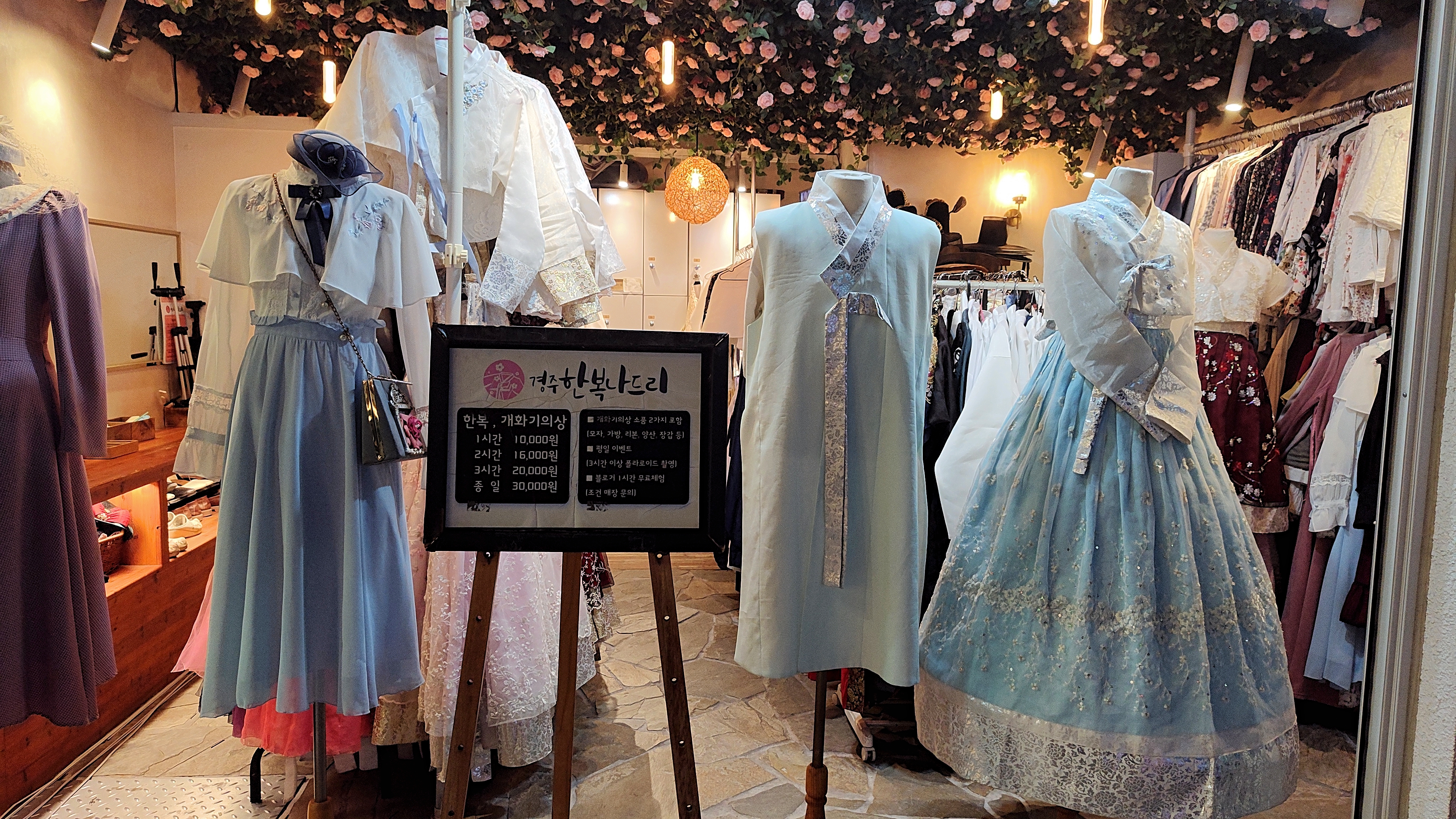
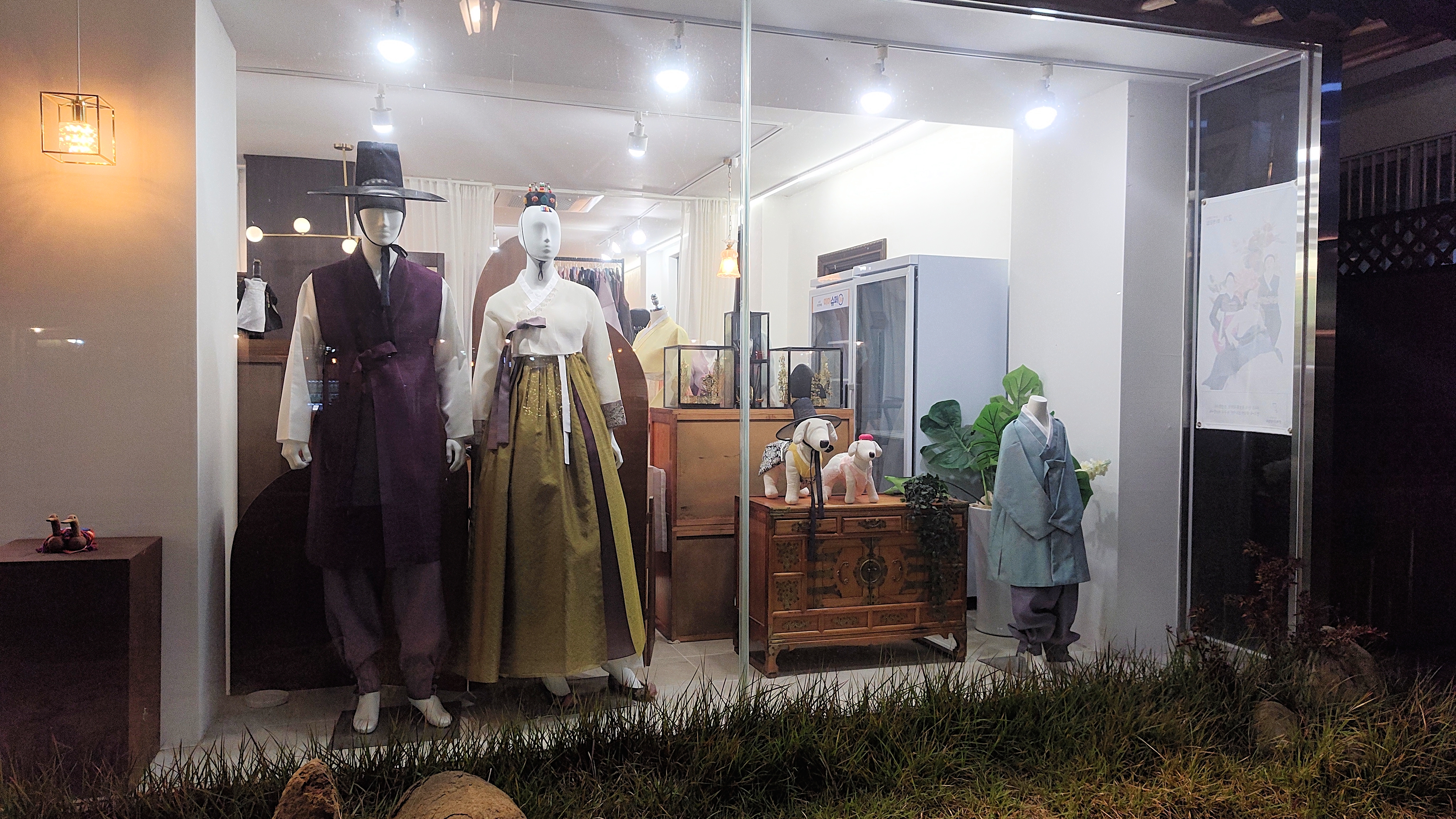
Behind the royal tombs are a few tourist streets filled with the typical snack shops, restaurants, and souvenir shops. While strolling along the road, I again noticed how touristy it felt and quickly began to tire of it. On the way, I did manage to see some interesting traditional costume shops.
Donggung Palace and
Wolji Pond
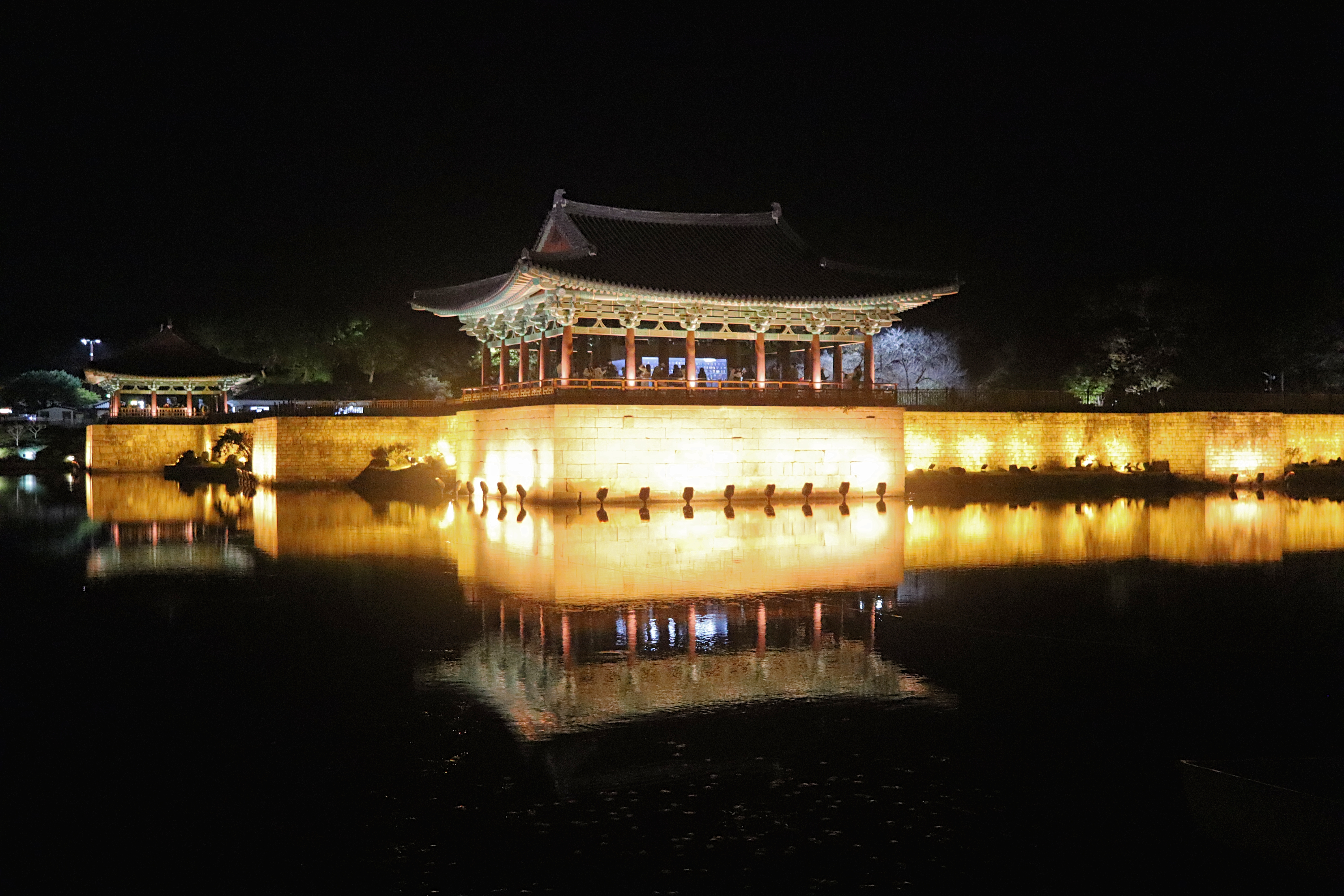
“Gyeongju Donggung Palace and Wolji Pond was a secondary palace used by the crown prince of the Silla Kingdom. It also served as a banquet site for important national events and important visitors. The pond was created in 674, during the reign of King Munmu.”
“In the 1980s, a pottery fragment with the letters “Wolji” (a pond that reflects the moon) carved onto it was found, revealing the true name of the pond. After the discovery, the site was renamed to the current Donggung Palace and Wolji Pond.”
https://english.visitkorea.or.kr/svc/whereToGo/locIntrdn/locIntrdnList.do?vcontsId=94404&menuSn=351

It was becoming late and so dark that I had forgotten there was still the final stop of the day, which was Donggung Palace. The key draw to this site is seeing the palace and pond area lit up at night.


After quite a long day, we finally began making our way back to the bus. Just before reaching the bus, the female guide asked what I thought of this place (in her overexaggerated, cheerful tone). I think I said something like “it was interesting,” to which she replied, “Oh, you don’t think it’s beautiful?” (again, in an overly cheerful tone, along with detecting a slight hint of passive aggressiveness). I didn’t bother replying, as at that point I was just too tired and only wanted to get on the bus.
After we all piled onto the bus, the tour guides said their thankyous, and everyone was returned from whence they came.
Join me for the final chapter of my South Korea trip, where I returned to Seoul for one last day of the Korean experience.
Thank you again for sharing your trip to South Korea. Your pictures are amazing and I love your comments!! I’m still hoping you’ll make your blogs into a book or two, they’d be great!!! Stay safe,and healthy!!! I’m Looking forward to your next part!! Miss you❤❤. Audrey
Thanks Audrey. Always glad that you enjoy reading it 🙂
I thoroughly enjoy you blogs and look forward to seeing your next one!!! I (and whomever reads your blogs) get to see the world through your camera lens and your words!!! Thank you for sharing❤❤
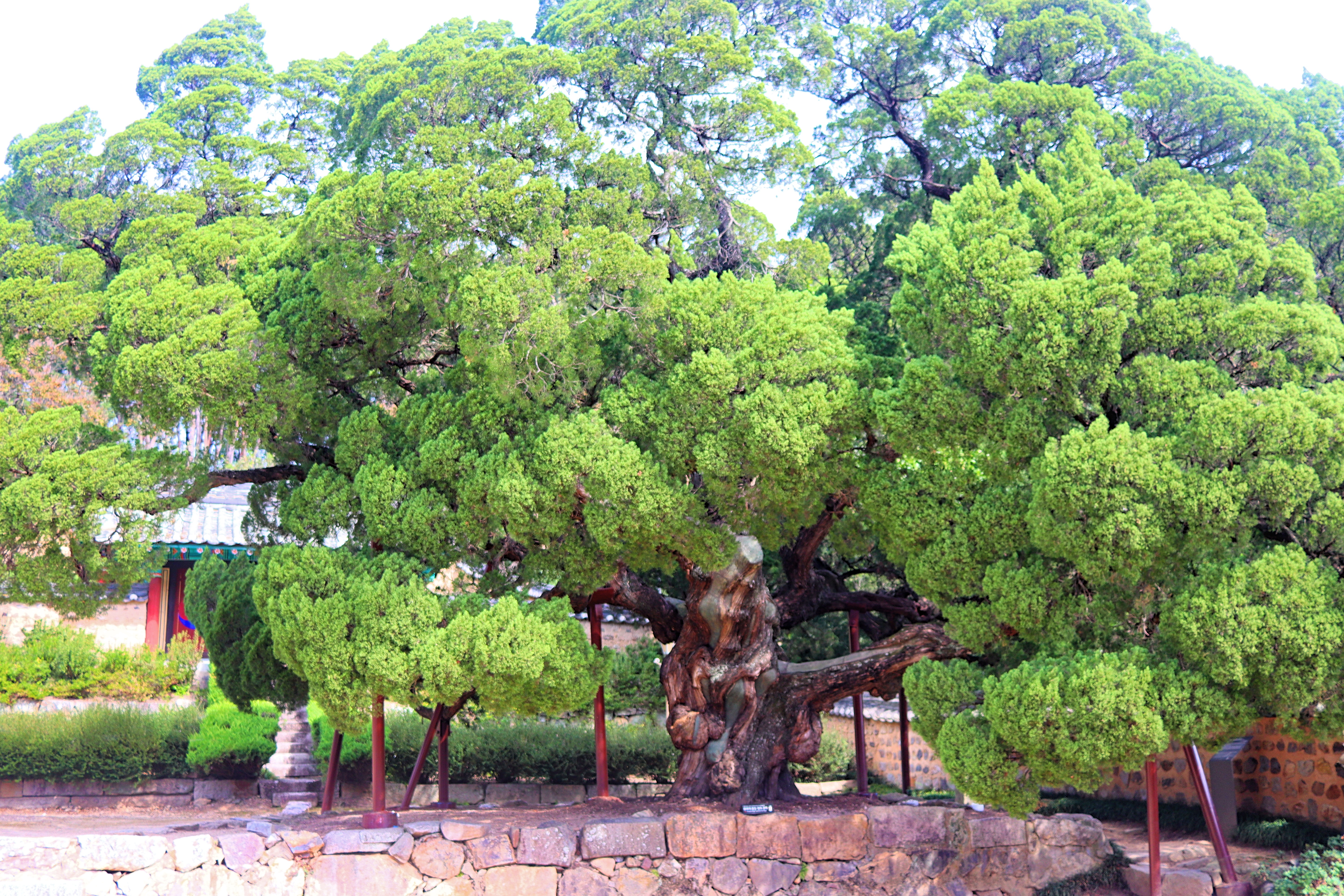
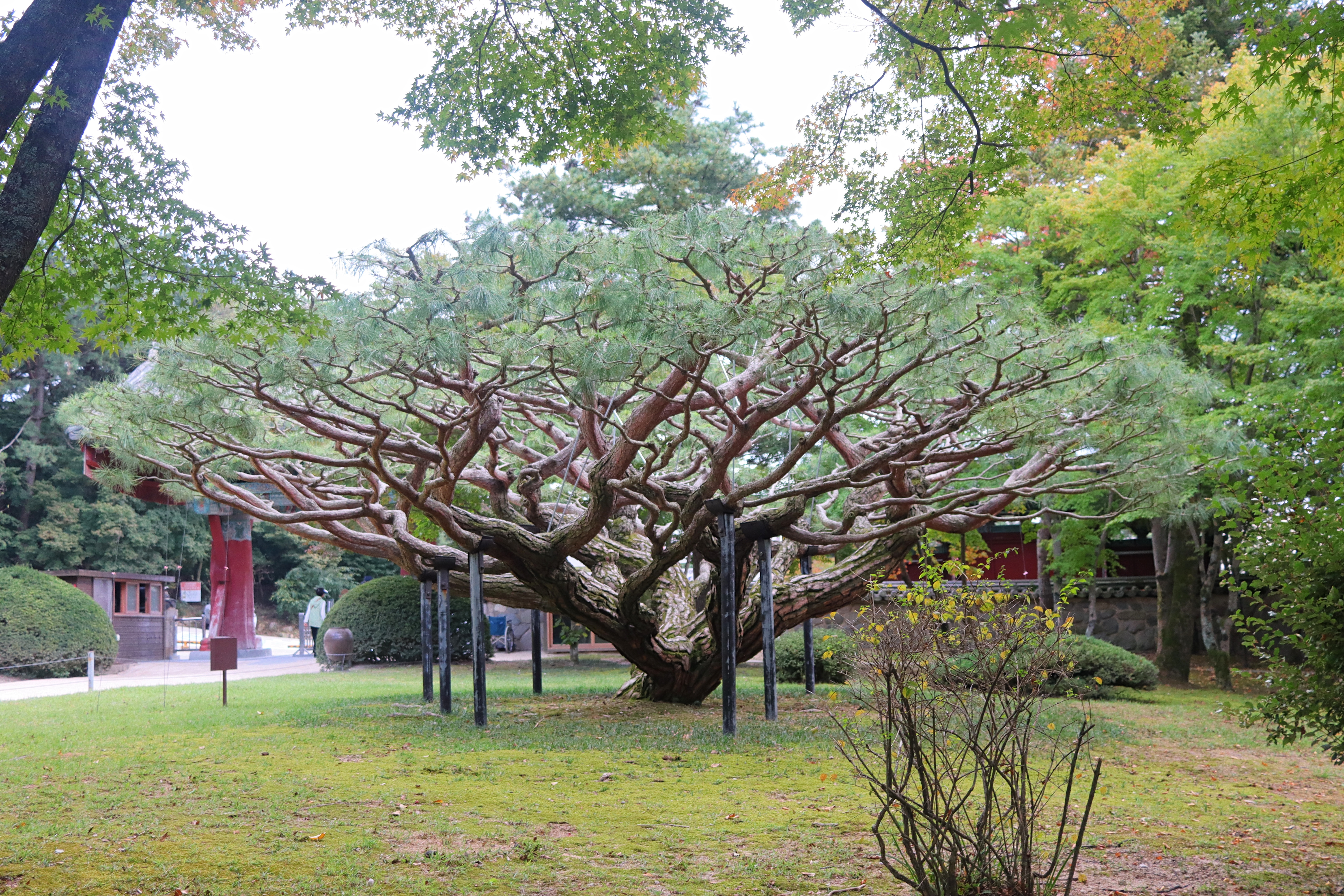
What a magnificent pine! Historic, beautifully sculpted, and obviously deeply loved.
And very nice reflection shots!
Thank you so much!