After a five-year hiatus (aka not being able to travel due to previous COVID restrictions), I finally made my return to Vietnam. This time, it was to explore areas that I hadn’t seen before, those areas being Da Nang and Hoi An, followed by a final first-time visit to Ninh Binh up north.
I originally planned this trip for Christmas time, but after researching what the weather is usually like at that time, I decided to move it to mid-March during my school’s spring break. I decided I wanted to return to Vietnam for multiple reasons, those being that it was a destination that I could afford, getting to see places for the first time, and hopefully getting more photo and writing material for my blog. Luckily, this trip checked all of those boxes (despite me ultimately spending more money than I had hoped to).
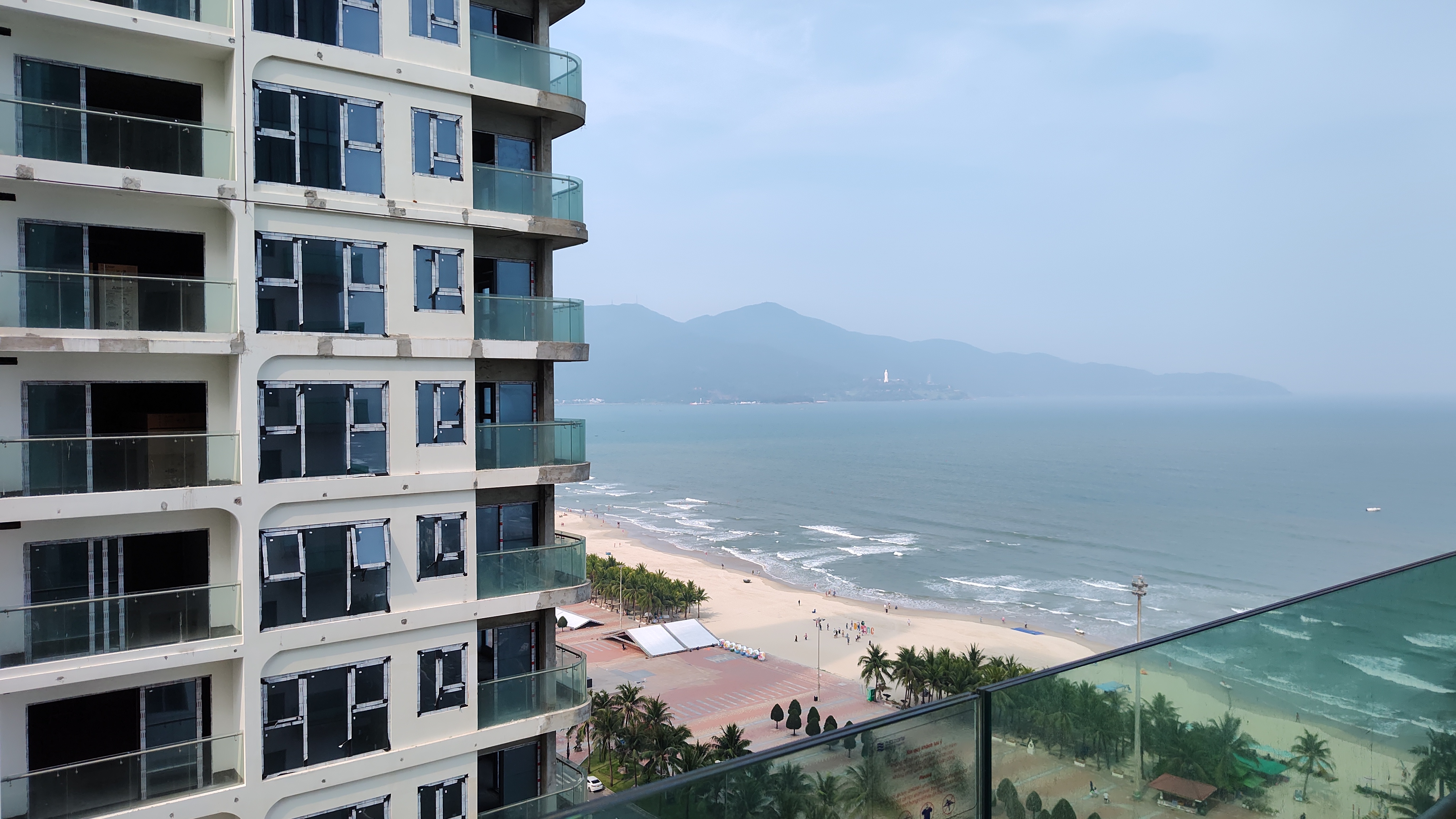
Since Da Nang (and Hoi An) are close to the ocean, there is plenty of seafood available. While walking down the main road from my hotel, I saw plenty of seafood restaurants. I came across a few different restaurants that had their own “aquarium” of live seafood options you could choose from.
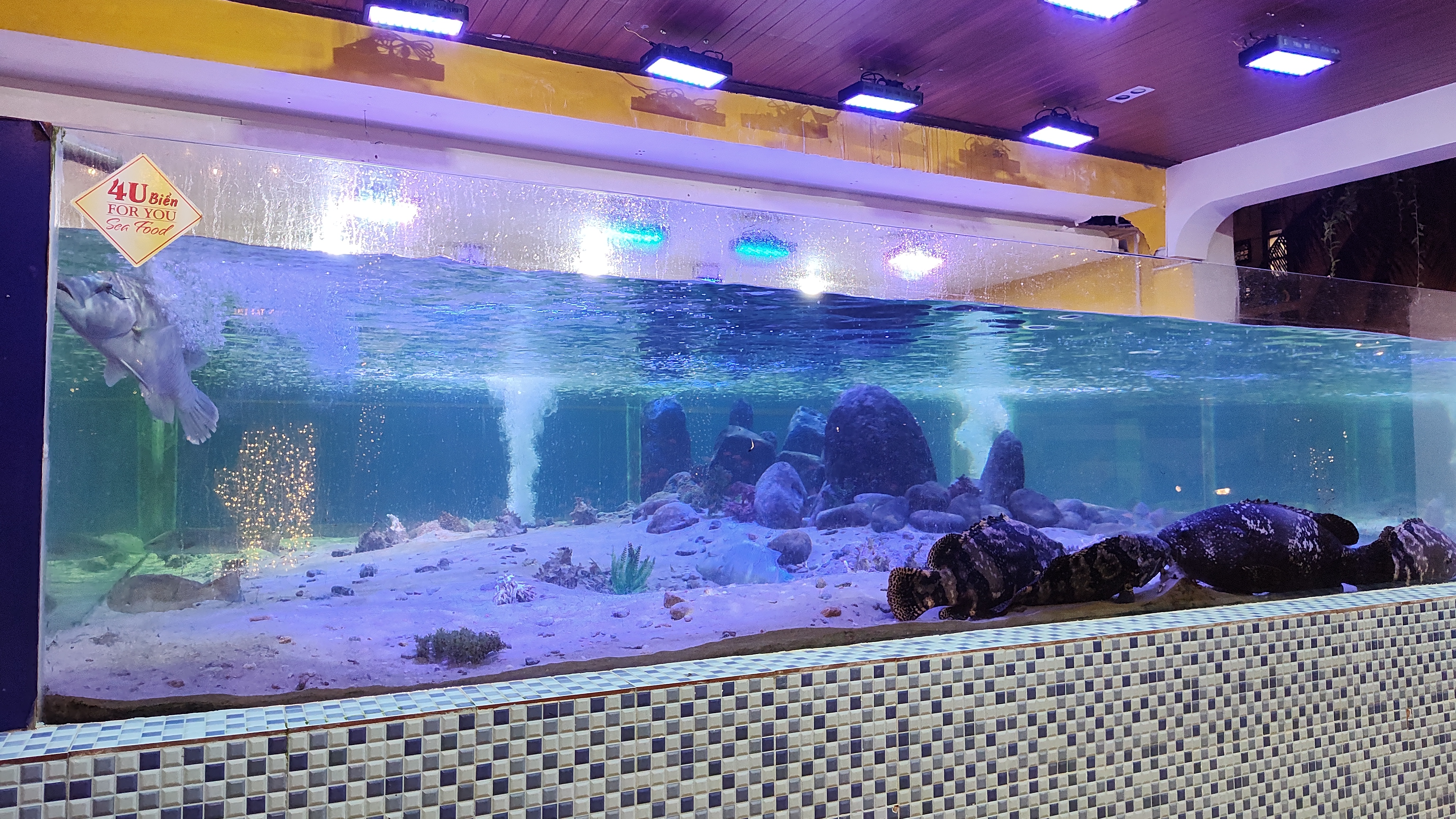
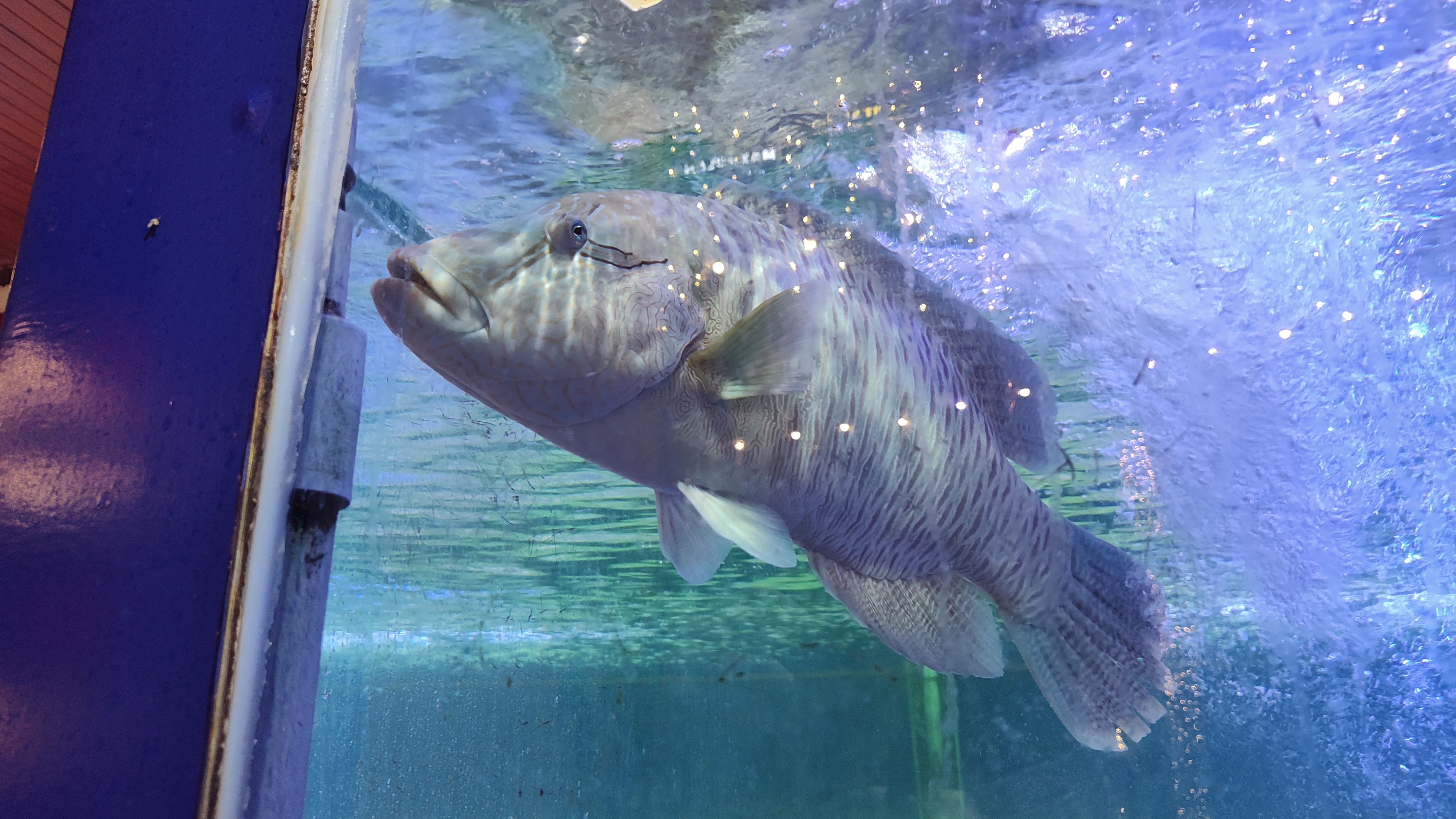


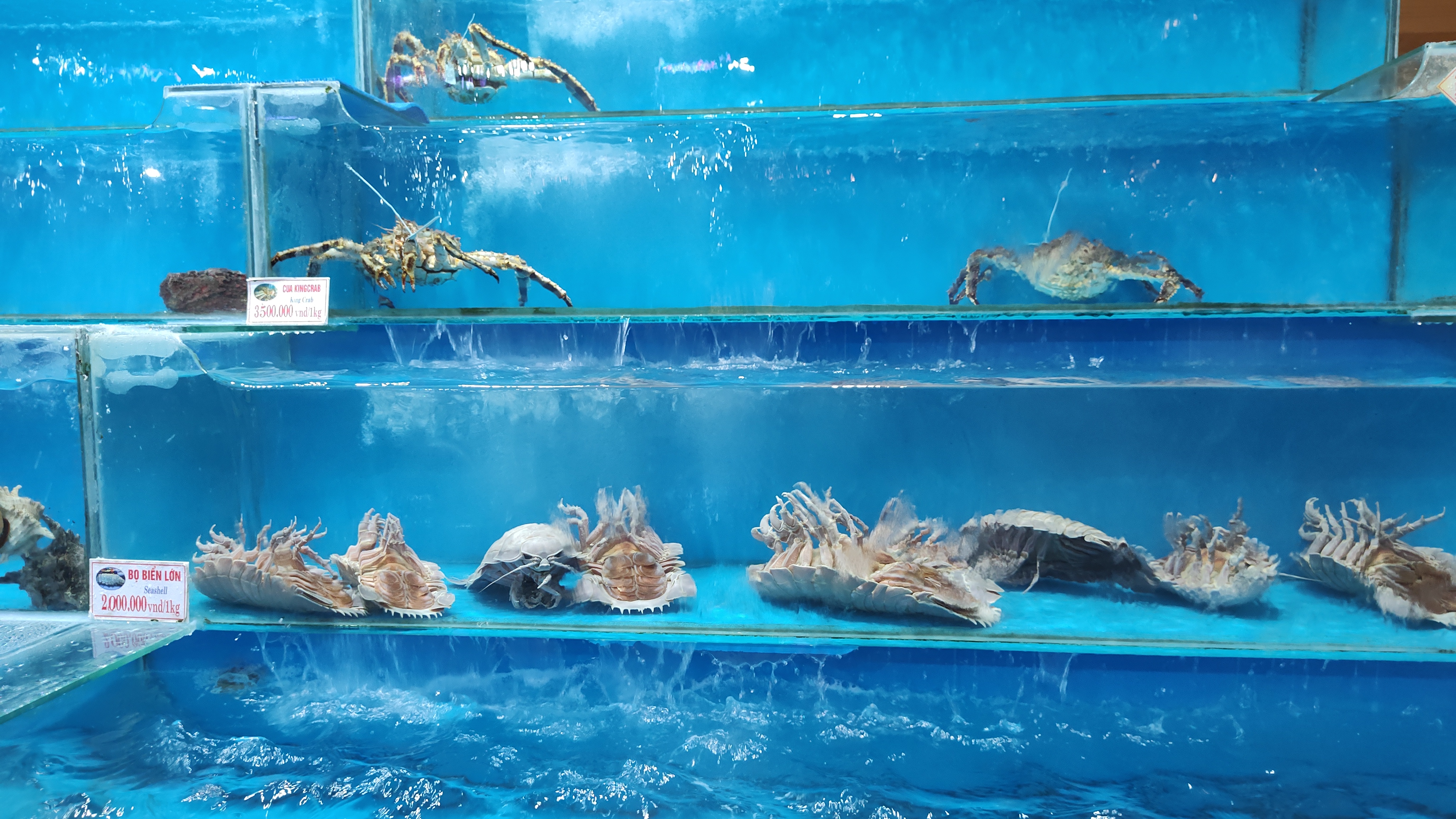
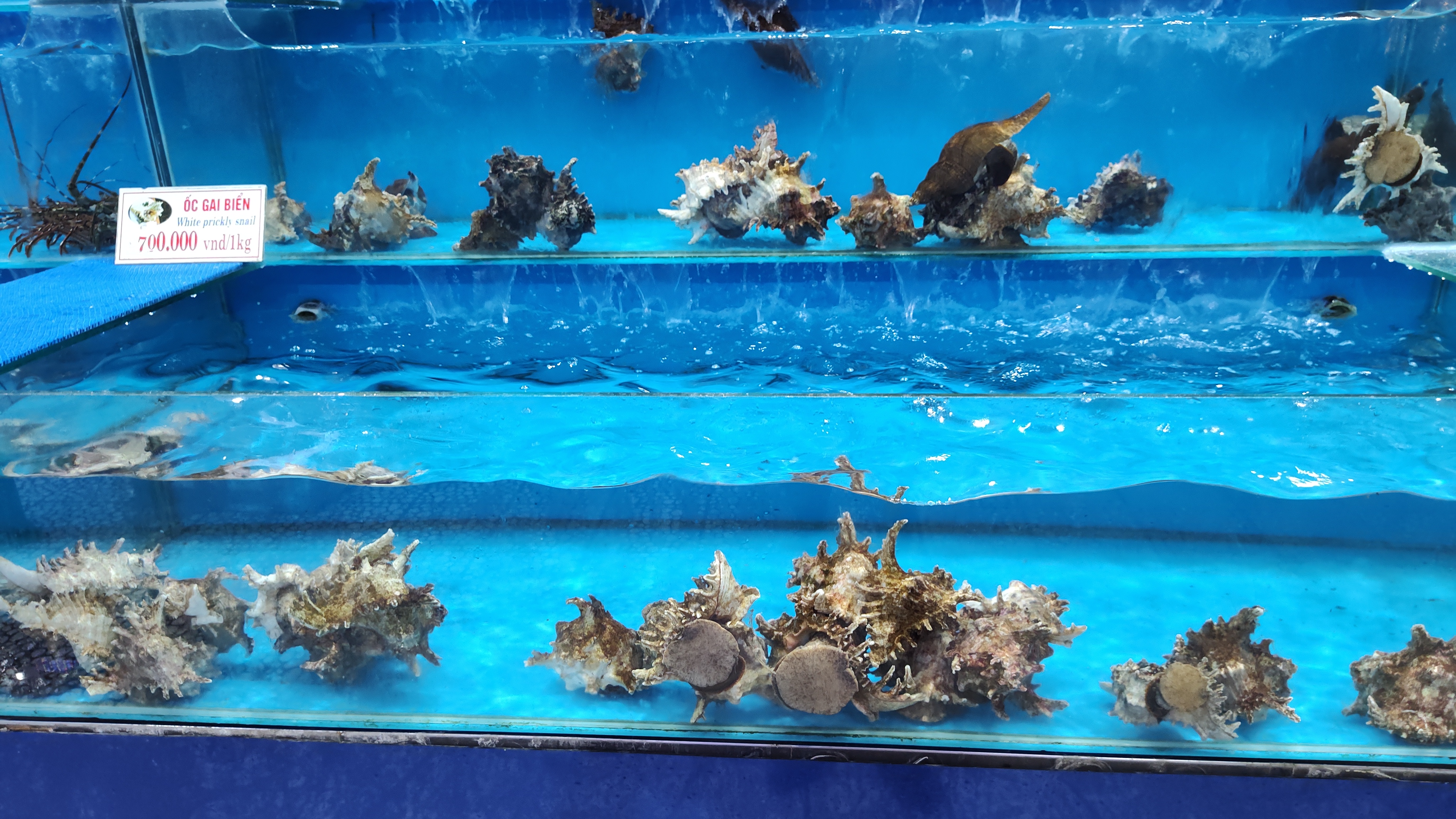

As I was trying not to spend too much money, I opted for a regular restaurant where I indulged in fried spring rolls. Much like Phở, it’s one of the foods you simply must indulge in when in Vietnam. There is just something about the crisp, crumbly texture of spring rolls here. I also had some seafood fried rice.

Upon arriving in Vietnam, it wasn’t long before I felt that things here had really not changed much since I was here last. In some ways, this is a good thing, such as getting a feeling of authentic daily life that hasn’t been distorted by tourism (this would later be felt more while in Hoi An). However, one of the negative aspects of this is the ATM situation. Five years later, there still isn’t nearly as much access to reliable ATMs as there should be, especially in areas that are more touristy.
While checking Google Maps for ATMs (and asking the reception desk attendant), I found one down the road from my hotel, but it rejected my VISA card, despite having the VISA logo listed. I then went further down the street (much further) only to find another ATM where the screen said that there was a “frozen screen error.” I then had to walk much further down the road (we’re talking between two and three kilometers further) before finding another ATM. Luckily, this one worked, so I took out a higher amount than I originally intended, just in case. I suppose I could have flagged down a “Grab” motorbike driver (“Grab” is used heavily in SE Asian areas rather than Uber), but then I would have had to spend money on trying to find an ATM, and this didn’t seem reasonable to me.
Marble Mountains
The next morning, I was picked up by my tour guide, whose English name is Nick. As it turned out, I was the only one who signed up for that day. This was a pleasant surprise. It meant that Nick could be flexible with me about where and when to see things.
The first place we went was a place called Marble Mountains. This is a group of five karst/limestone mountains seven kilometers from Da Nang City. These five mountains are named after the five elements in traditional Asian culture (fire, earth, water, wood, and metal). It’s a system of caves, towers, pagodas, and tunnels that were seen as spiritually significant to the Cham people.

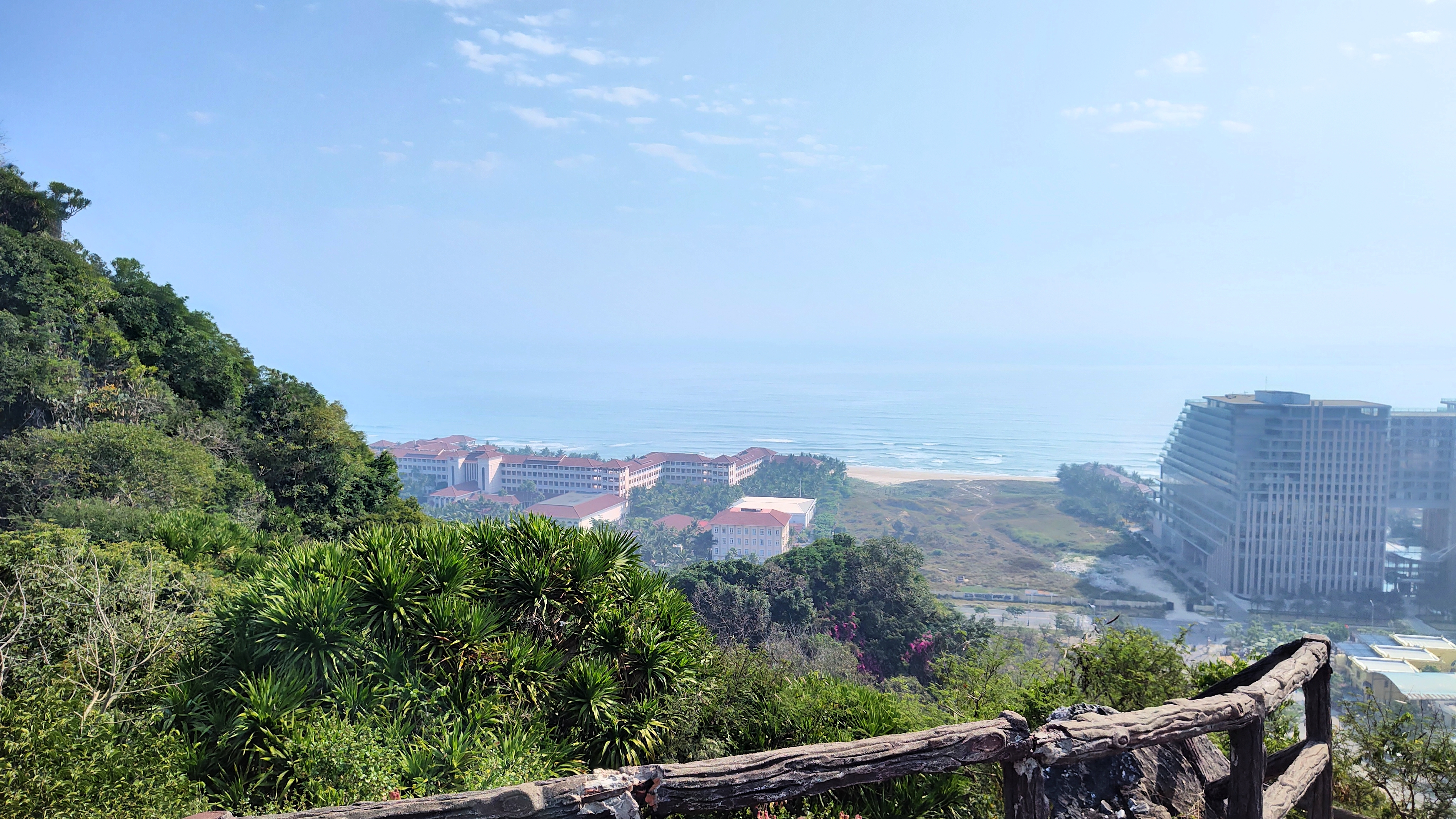
Nick took me to the main mountain, where you can climb the stone-cut steps or ride the glass elevator to the top (I decided to indulge my inner Willy Wonka and took the glass elevator). From the top, I walked and hiked around to see different cave openings, climb more stone steps, traverse through groups of school kids and other tourists, and sweat from the humidity.


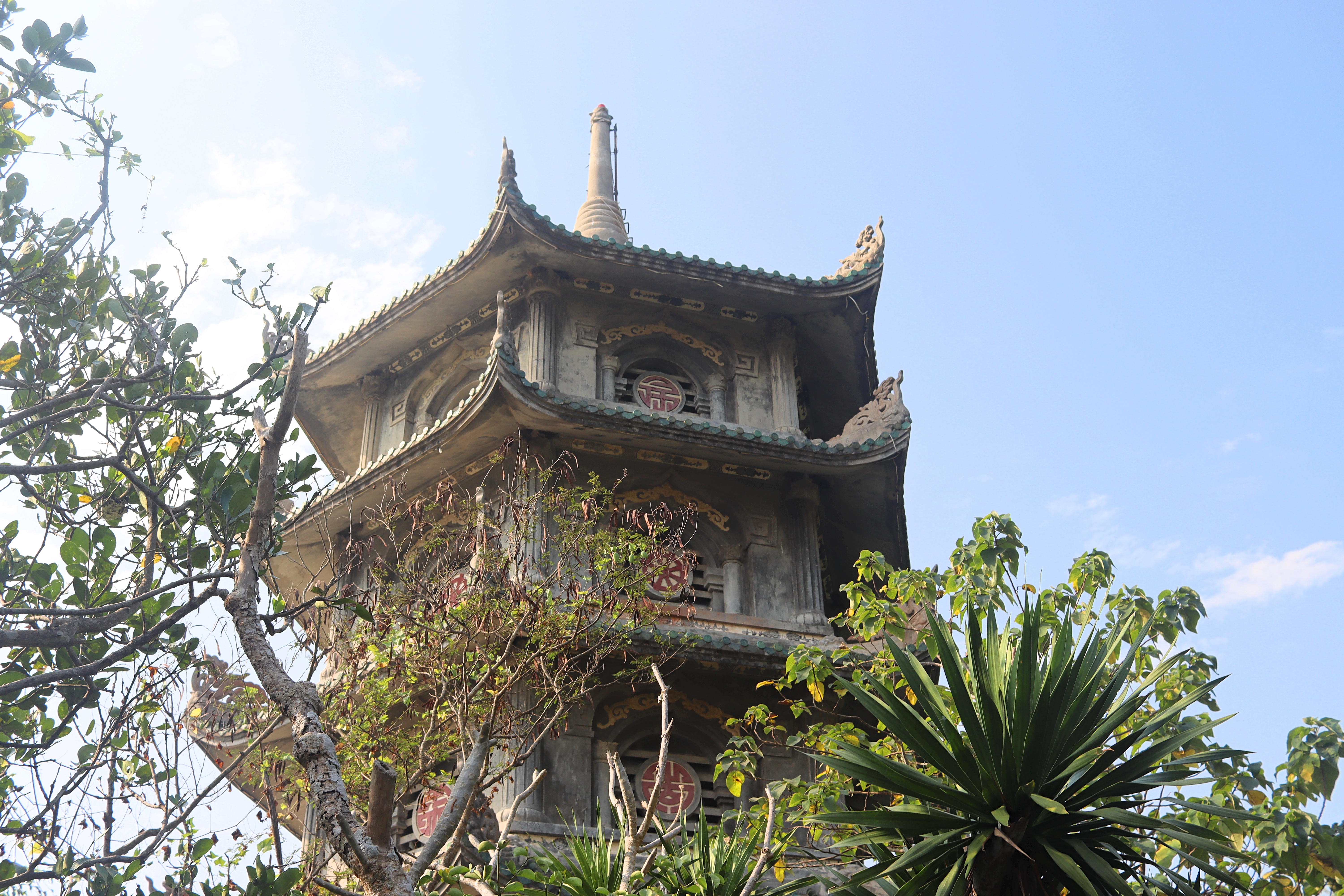
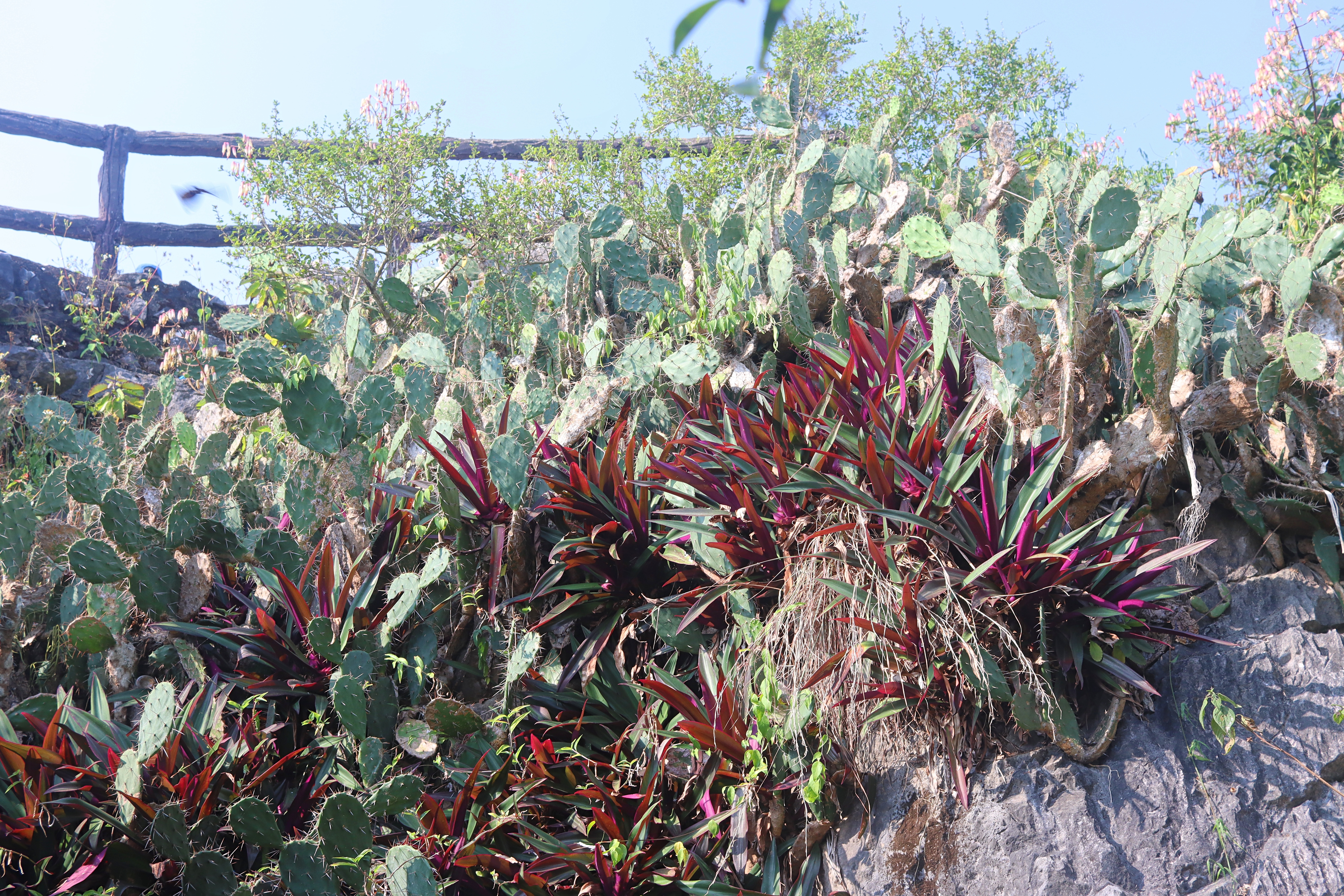
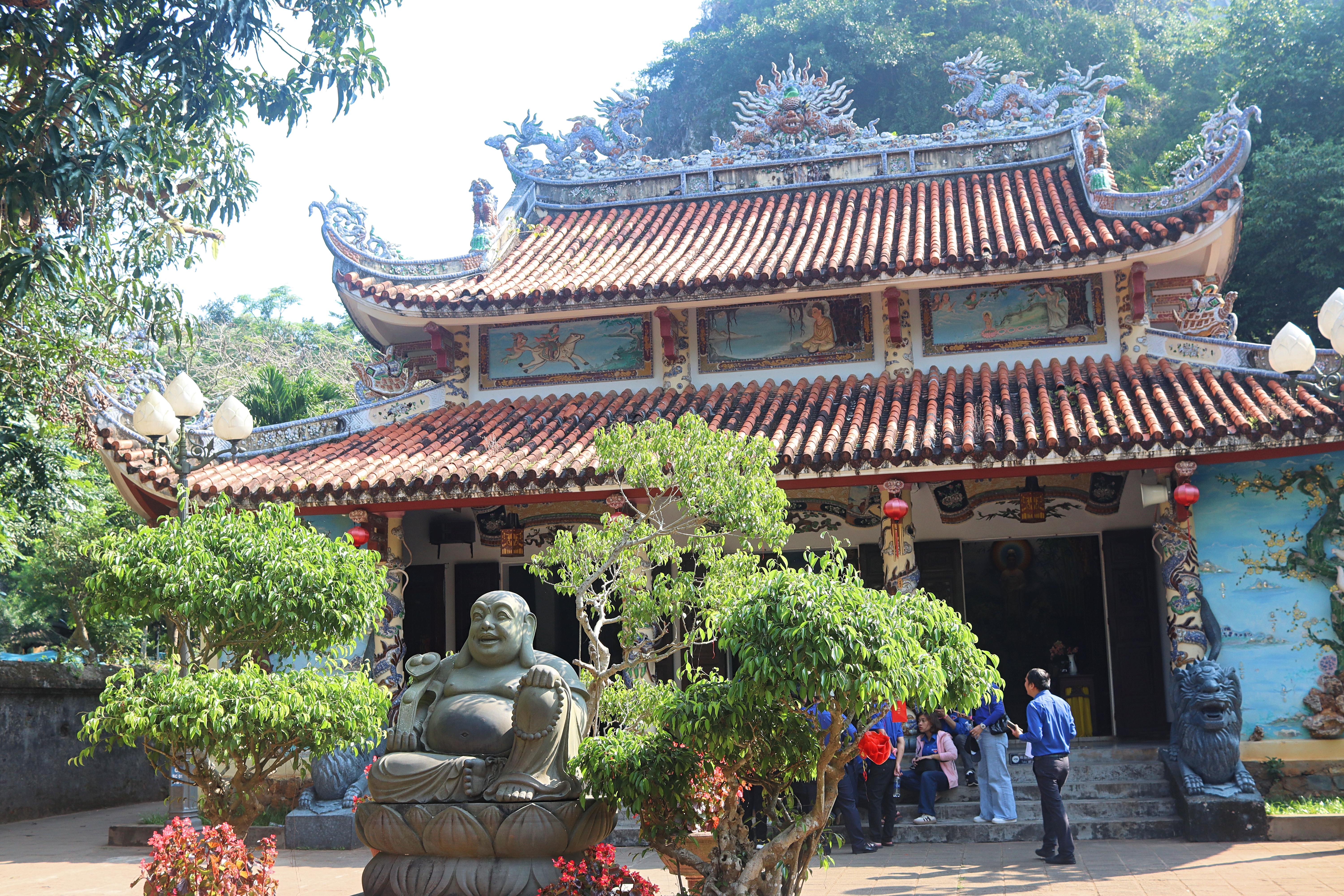


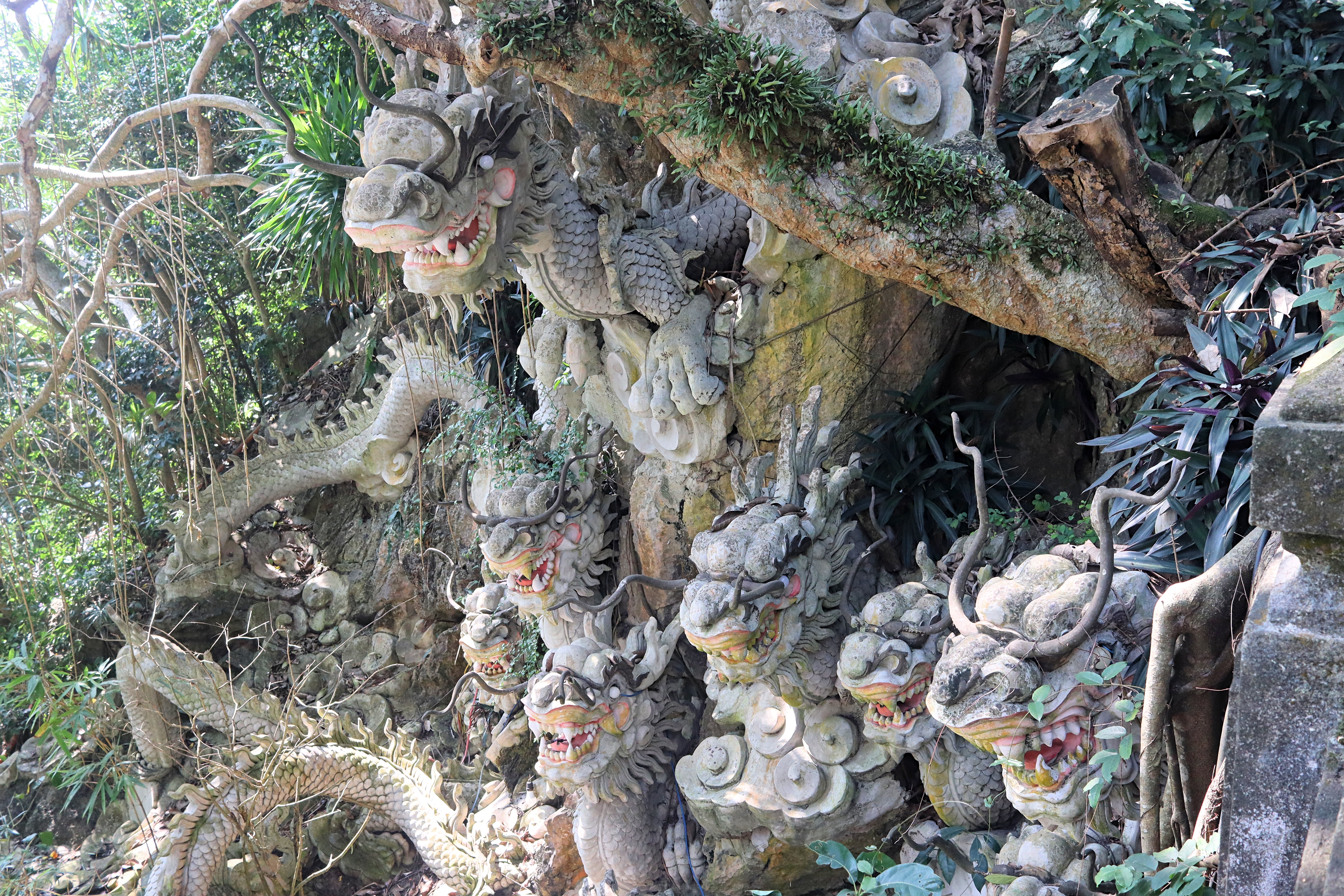
After sweating out as much as I could stand, I returned back down the glass elevator (for an additional fee) to meet Nick and have a rest before moving on to the Dragon Bridge.
Dragon Bridge

This Dragon Bridge is a famous tourist site not just because of the dragon shape but also because on Saturday nights at 9 p.m. you can see a brief fire show. The fire comes out of the dragon’s mouth. I had thought about seeing this, but after looking at the map, it felt like it would be too long of a walk for this. It is here that Nick explained how Da Nang is currently the “most livable city in Vietnam” due to its low cost of living. I had also seen a chart briefly on Instagram that also showed Da Nang being at the top for cost-effective living in Vietnam.
Fishing
After the Dragon Bridge, Nick took me to another local spot on a bridge where some local fishermen were fishing. He told me about the bait they were using. They discovered that fish seem to like ground-up rice mixed with water. So, they cut up plastic soda bottles and place some of this mixture at the bottom, then lower the bottle into the water until it attracts fish. I was told that the fish don’t seem to understand about moving backwards or side to side, so when they swim into the bottle, the fisherman can just quickly pull up the bottle with the fish still inside. Nick then asked one of the men to look inside his cooler. There, he had two freshly caught fish squirming around inside.


Nick also told me about the origins of the circular bamboo-woven fishing boats (“basket boats”) often seen around Vietnam. He said that back during the time when the French were occupying Vietnam, they often tried to make the local fishermen pay more in taxes. In order to fool the French, local fishermen created fishing boats that looked more like big bowls in order to fool the French into thinking these were not fishing boats. Nick also said that the original dark coloring of these boats was due to the use of cow dung to waterproof the basket boats. Nowadays, many boats are instead made from fiberglass, canvas, and composite, but you can still see some of these woven bamboo boats in use. I’ll show photos of this later when discussing my basket boat ride in Hoi An.
Hai Van Pass
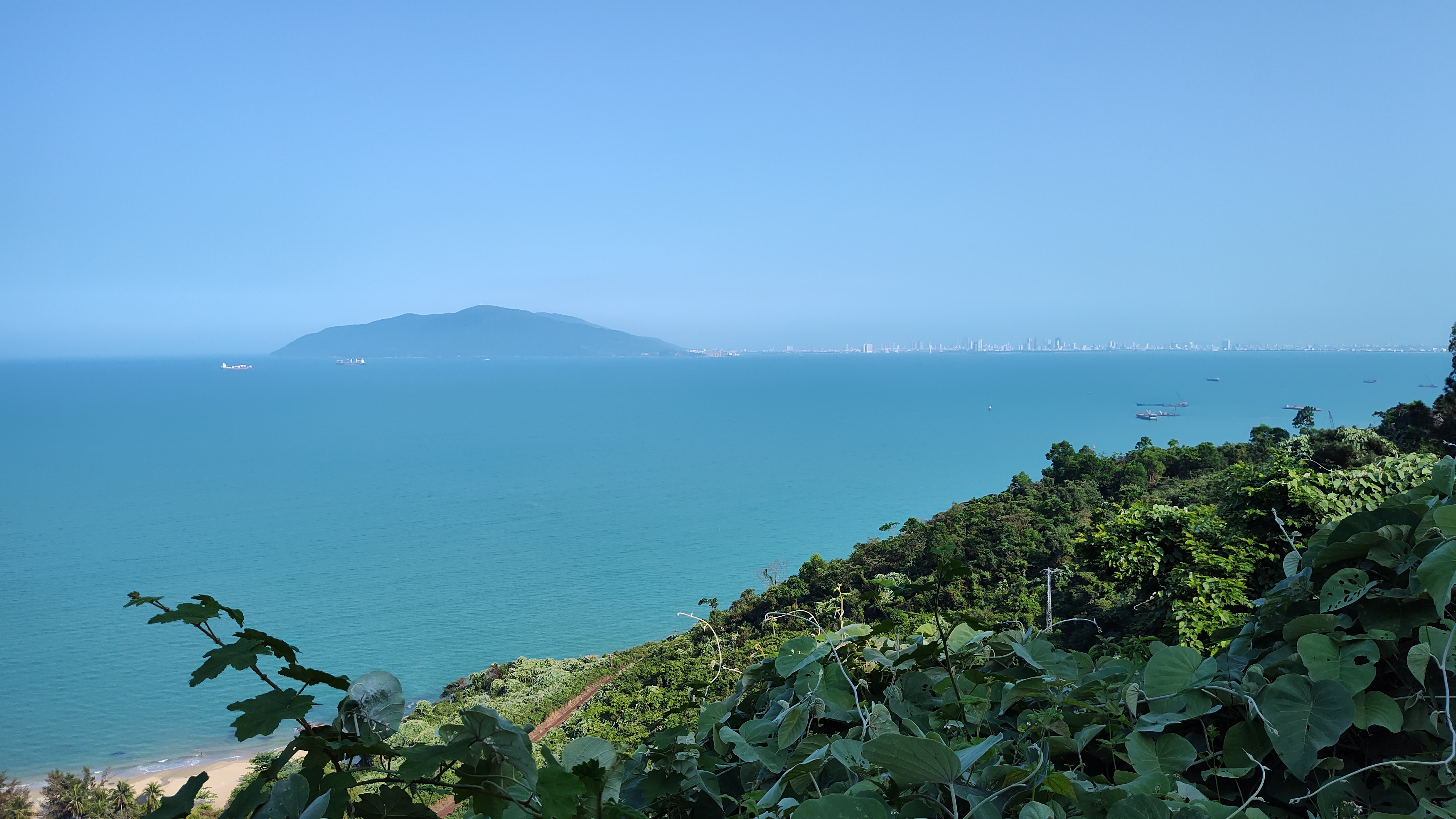
The Hai Van Pass is a famous coastal road with dangerous tight zig-zagging curves between Hue and Da Nang, and this was the main part of the day trip. After riding on the back of Nick’s motorbike for a bit, we stopped for a coastal view while having a drink. I took another opportunity to order Vietnamese coffee (with condensed milk), another thing you should indulge in while here. This is where Nick talked about his background in coding and how he decided that he didn’t want to pursue it anymore and instead hoped to make his tour guide gigs his full-time job.


After getting back on the road, he took me past an oyster farming area where they plant wood poles in the water with rubber tires attached to them. This is supposed to attract oysters to attach themselves. After enough time, the oysters will be collected and shucked.


Mo Stream
Before lunch, Nick decided to take me to a swimming hole (or rock pool) of sorts that has a small waterfall. It is located further back into the woods and seems to be known more by locals than tourists. When we arrived, there were already others there. This wasn’t the problem, but rather, they were doing karaoke. This seemed quite odd to do in the middle of a forested area at a rock pool, but it was happening.
Nick then decided to take me to a smaller, lesser-known rock pool. Luckily, there were only a few people there who ended up leaving just as we arrived. Although the water was quite cold (as expected), I got used to it and swam around happily. I forgot to take my own photos, so I asked Nick to send me some of his.


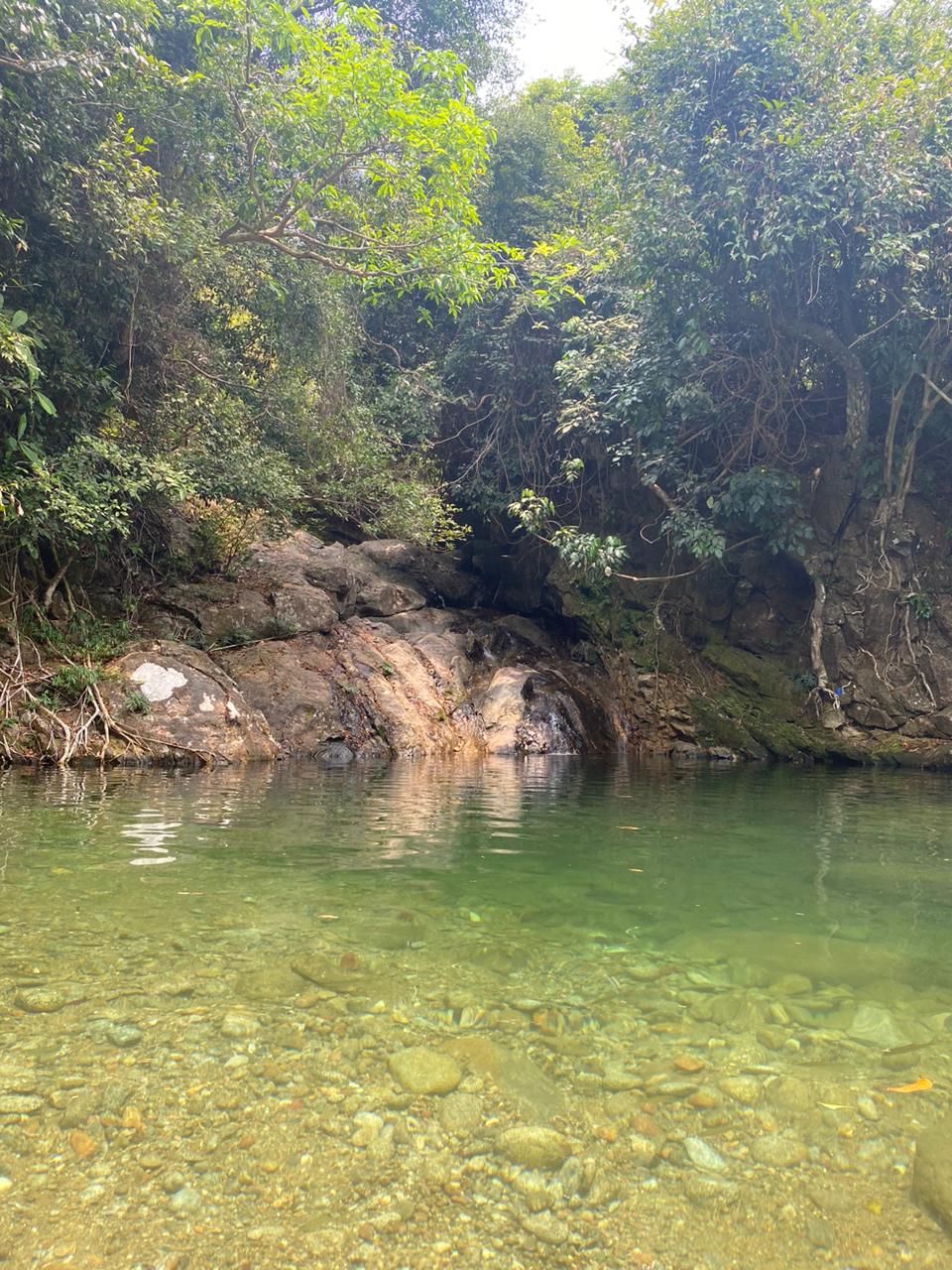
It wasn’t until I swam up close to the small water fall that I started looking more closely at the rocks. I noticed something clinging to some of them, but I couldn’t tell what they were. Upon closer inspection, I saw the outline of their bodies and realized these looked like “water” spiders! I was more alarmed by their size. They weren’t moving, which was fine with me. But I decided to back away anyway.
I tried looking up photos of this and this was the closest image I could find. This might be it but I don’t know the name of the spiders I saw.

Lunchtime
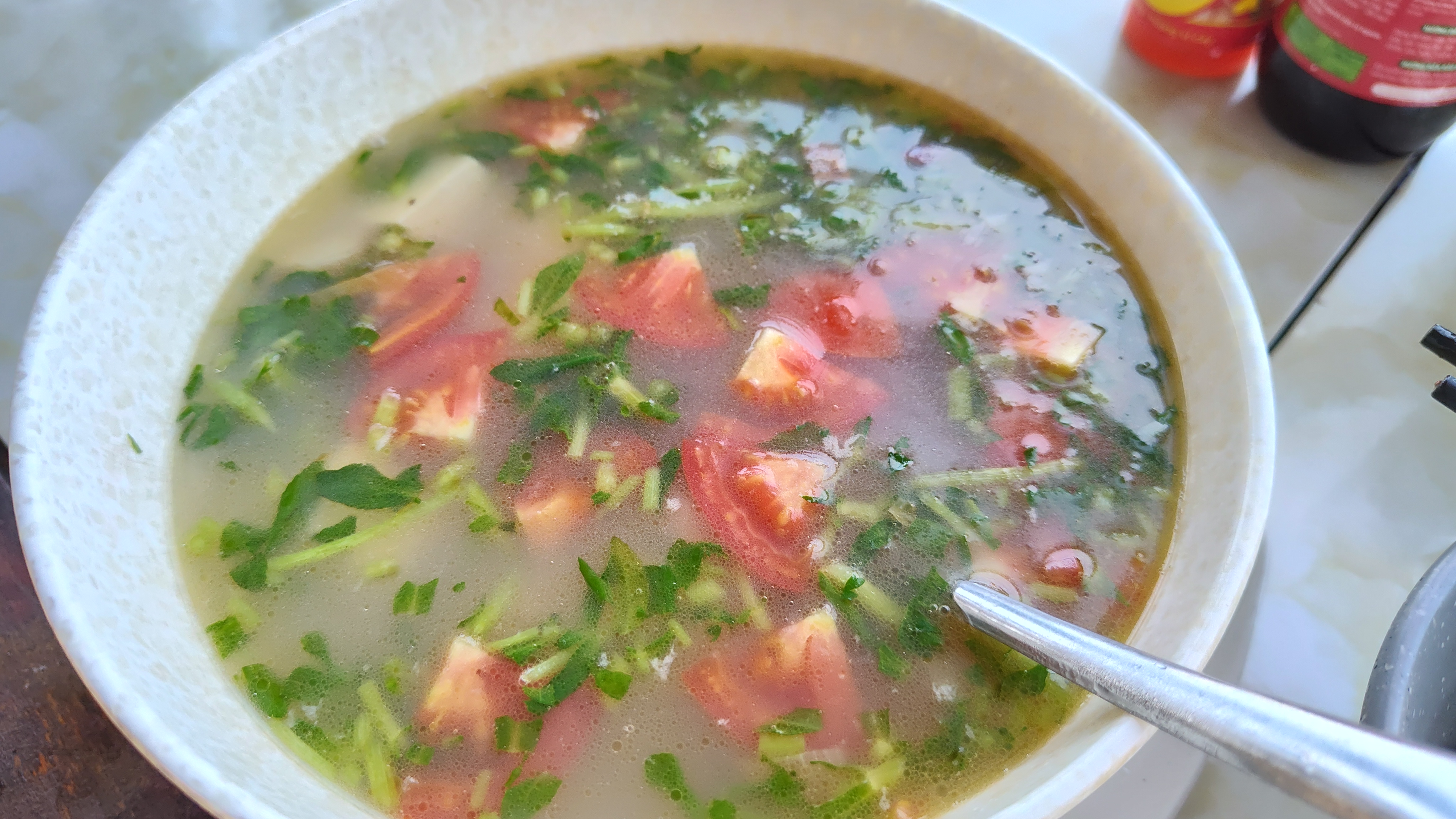
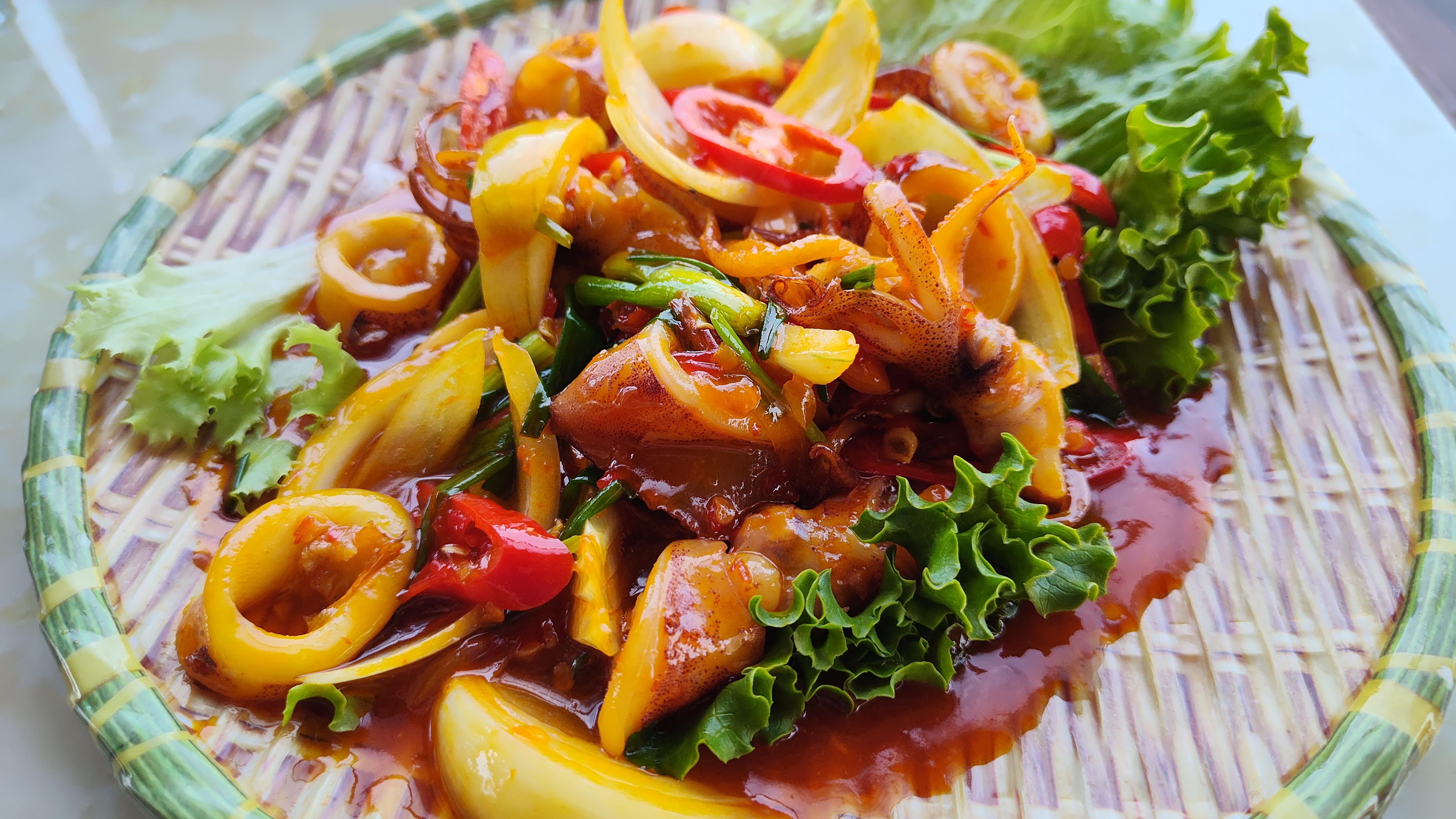
After some more time on the road, it was time for lunch. Nick took me to a seaside restaurant on the beach. I ordered a sour seafood soup and some “crispy fried squid,” but when I got my order, the once “crispy” squid had been doused in some kind of lightly spicy sauce.

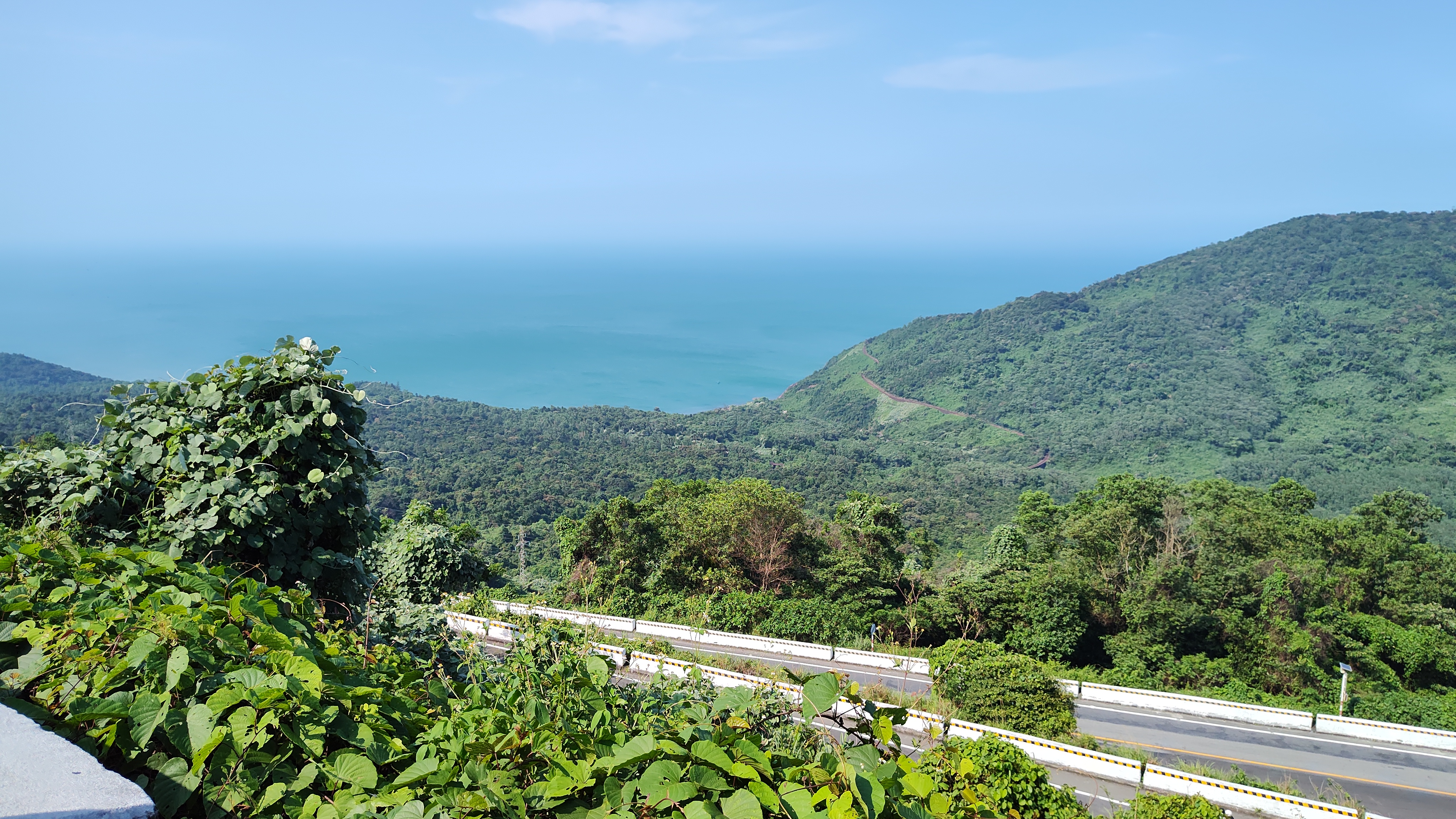
After lunch, we got back on the road. Nick showed me some viewpoints where you can see more of the dangerously twisting zig-zags of the road.

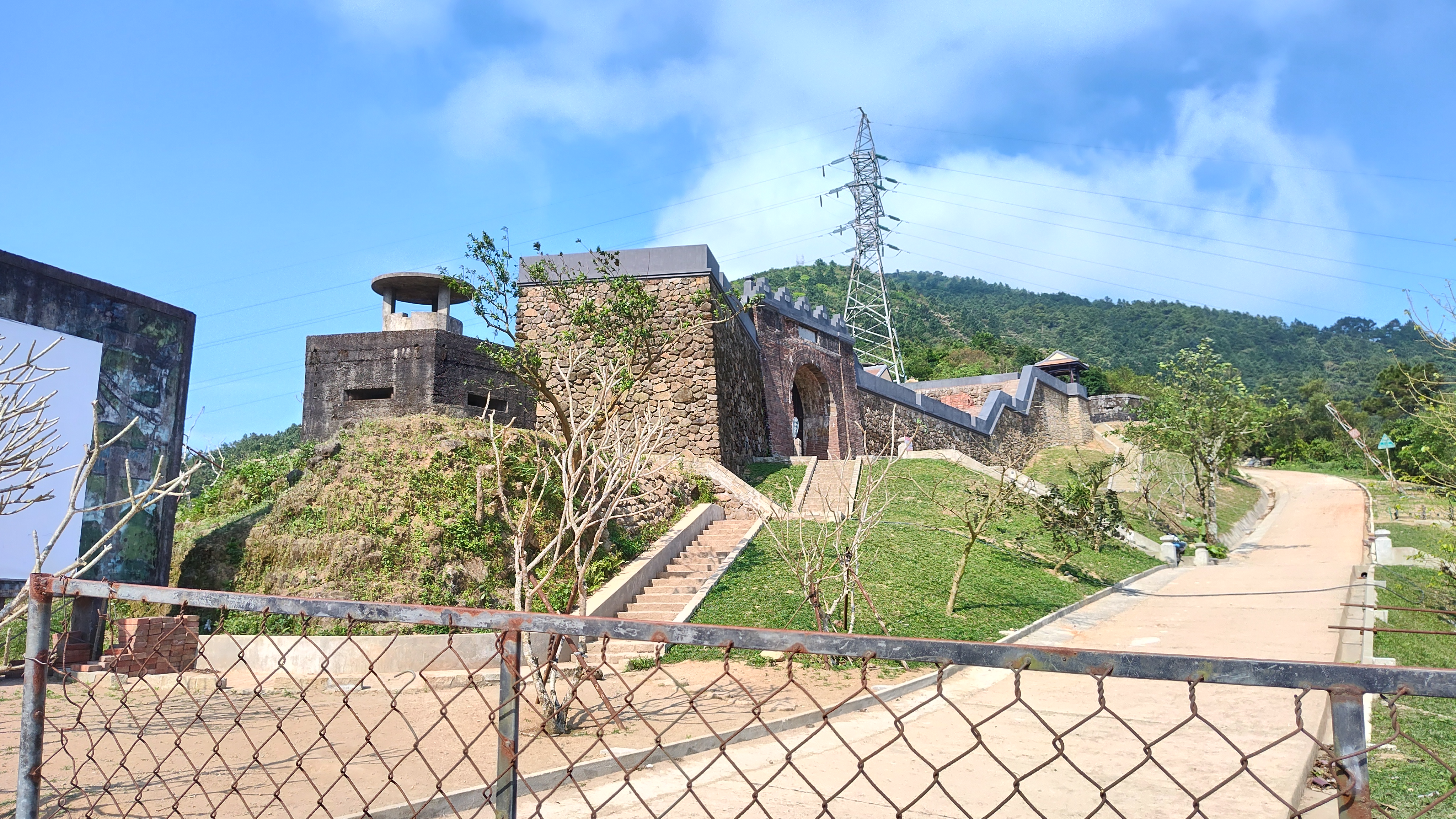
On the way toward the last stop, we stopped to see the remains of an ancient gate that was used to allow travelers passage between Da Nang and Hue. This was one of the original areas that the French used to dock when they first arrived in Vietnam. At this time, it was blocked off while renovations were happening.


Monkey Mountain
When I mentioned what other trips I had planned, Nick told me that he could actually take me to several of these places today rather than me having to wait for the next day trip. It ended up saving me time and some money to see these sites on this day, another perk of being the only person on a tour.
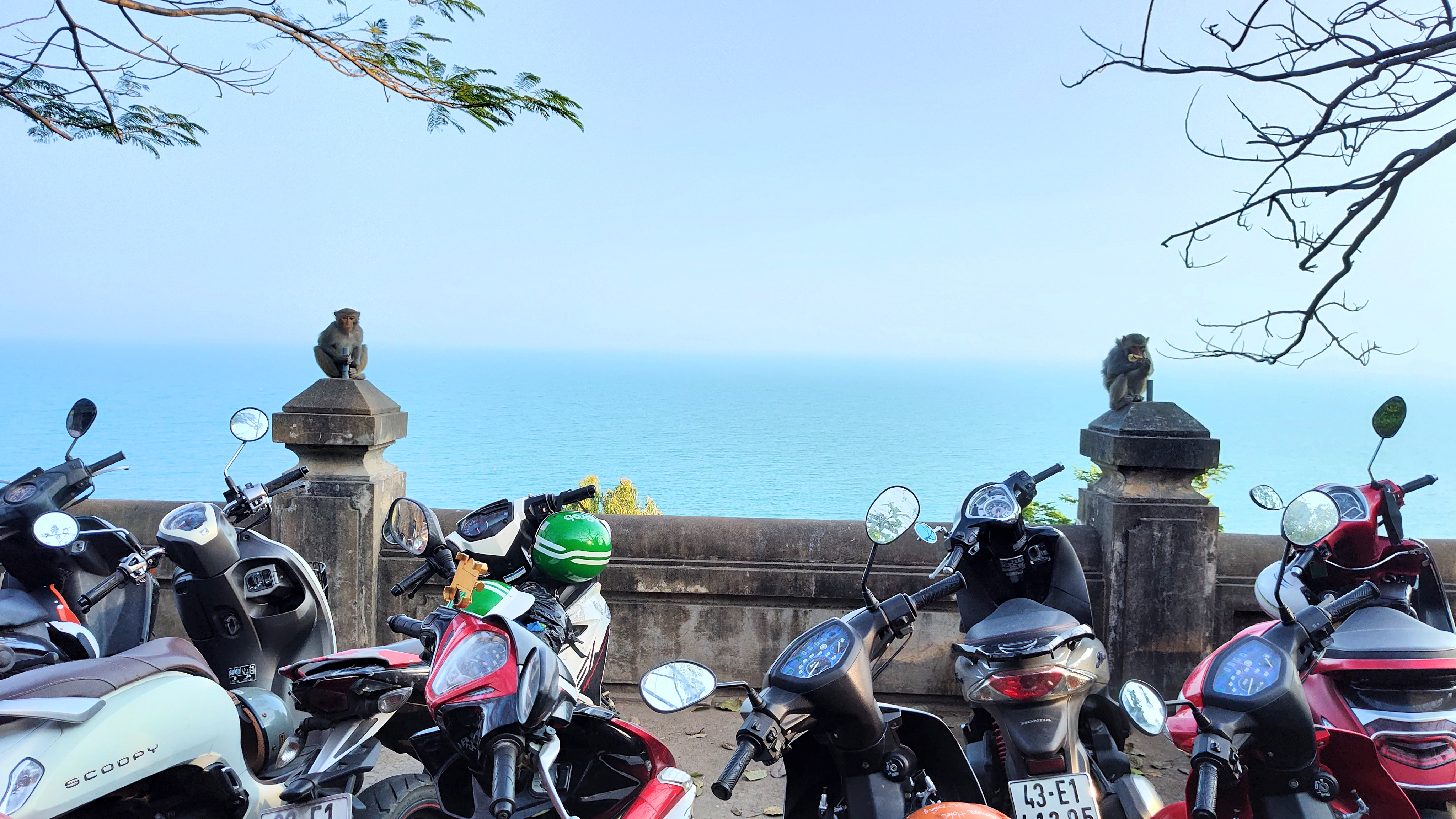
Monkey Mountain gets its name because there are, in fact, monkeys that live in the area (golden monkeys). While stopped on the side of the road for more viewing, Nick said that he spotted a monkey in a nearby tree. I decided I had to try to get some shots.
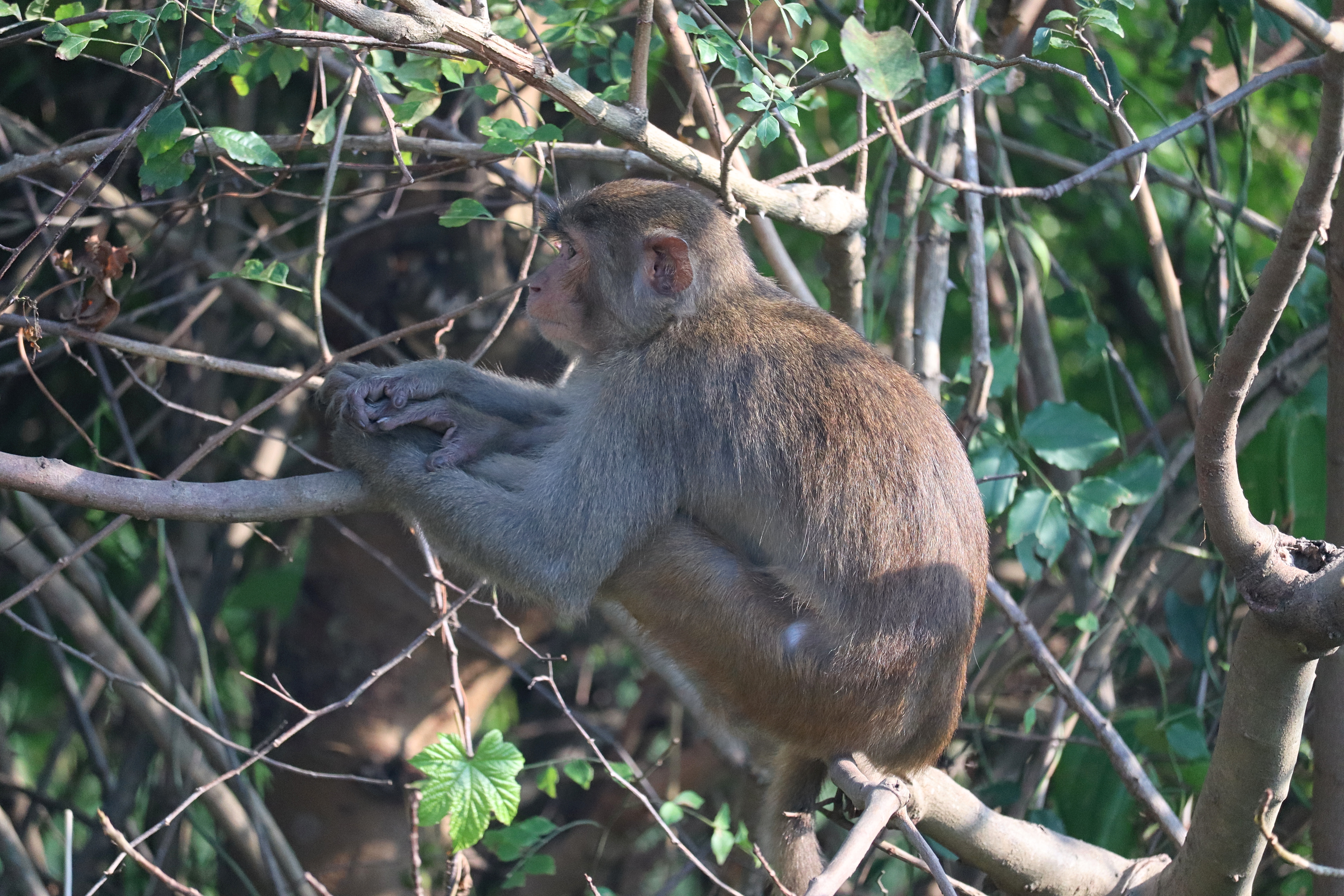
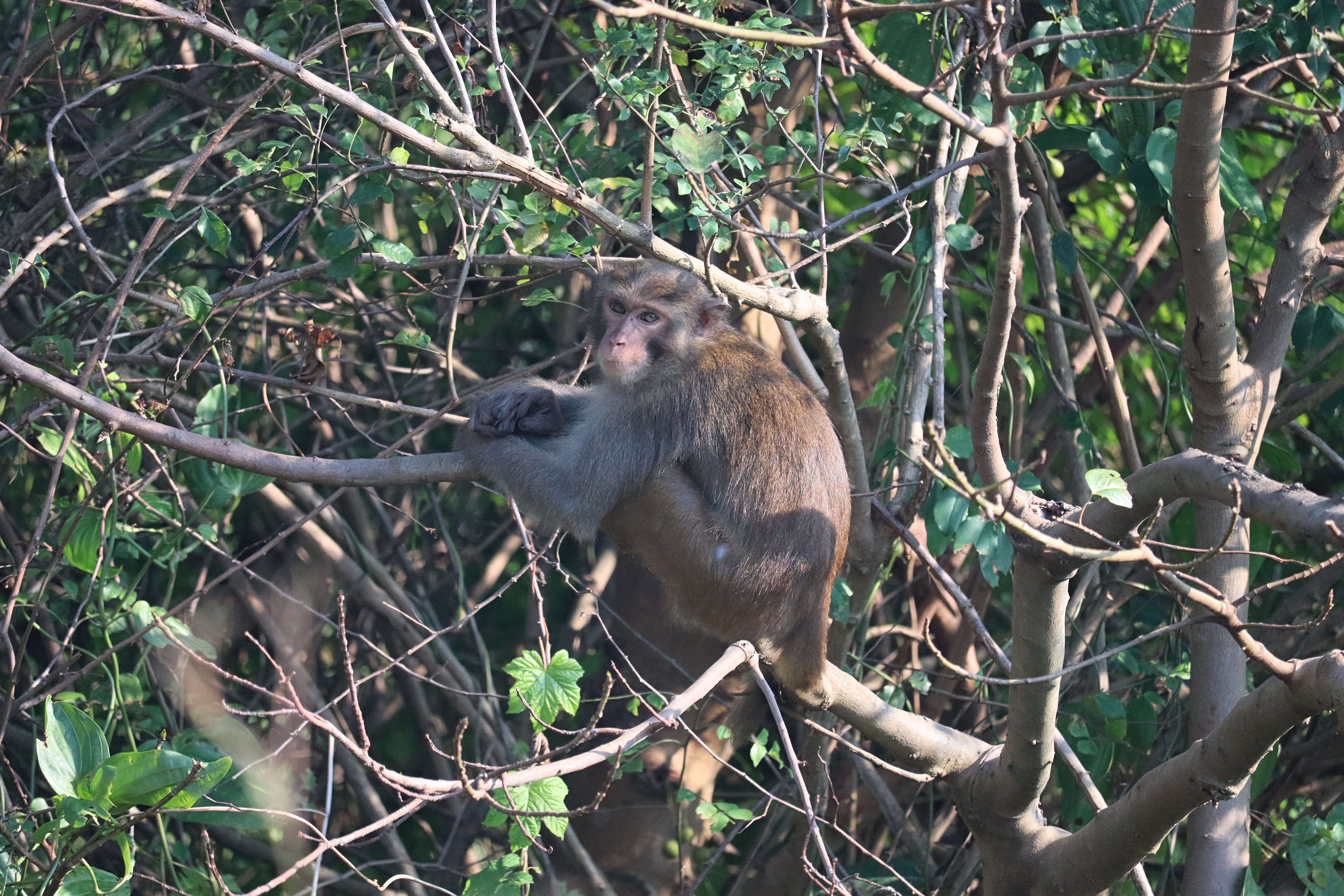

Just before getting back on the motorbike I noticed that the monkey was holding onto a branch and began violently shaking it. I think this was in response to the noise from the oncoming motorbikes that kept honking their horns and revving their motors as they sped past.
Along with hiking, this site is also famous for the Linh Ung Pagoda, which was created in the 18th century and is the tallest statue in Vietnam. At 67 meters high, it’s also the tallest Buddha statue in Southeast Asia.


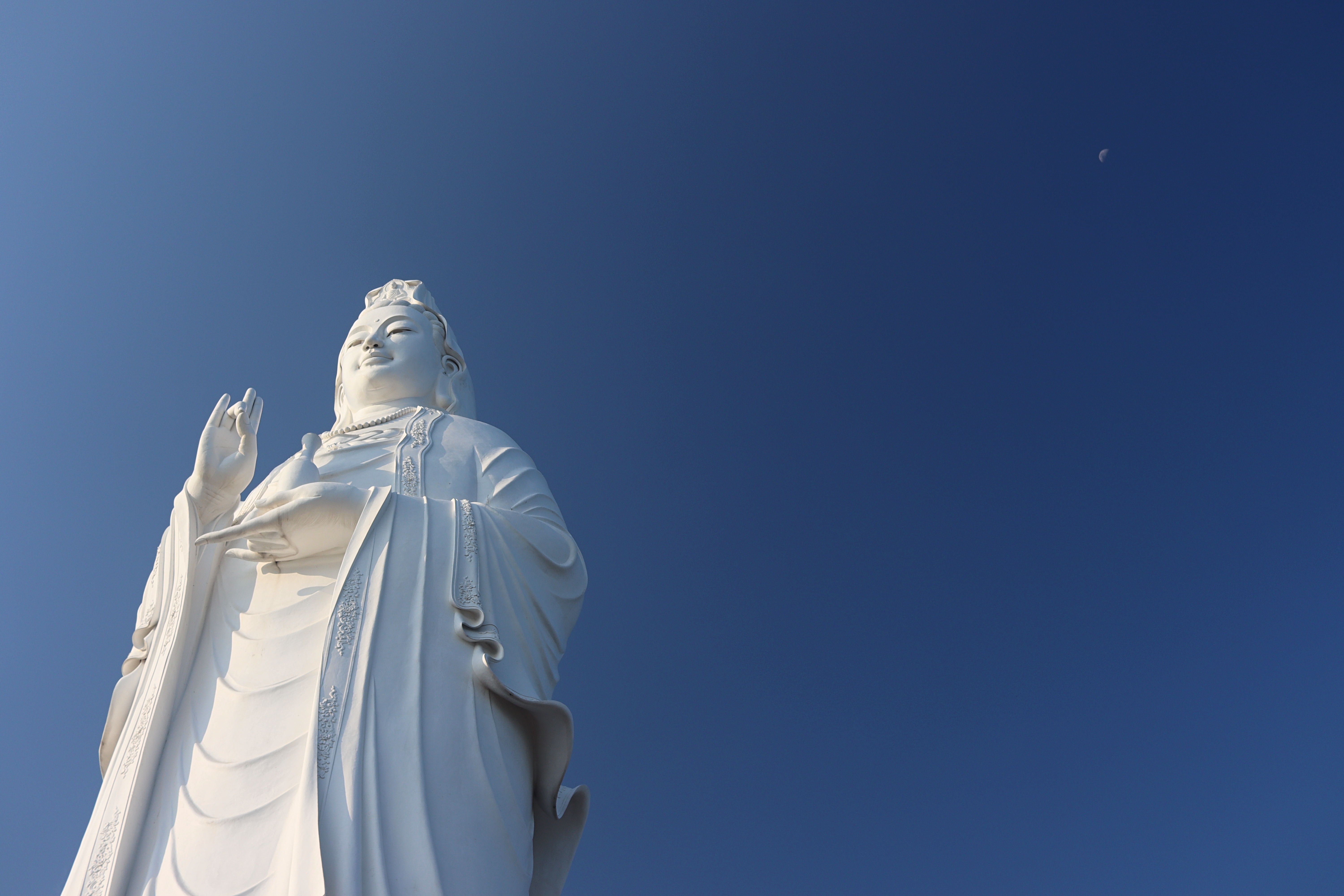
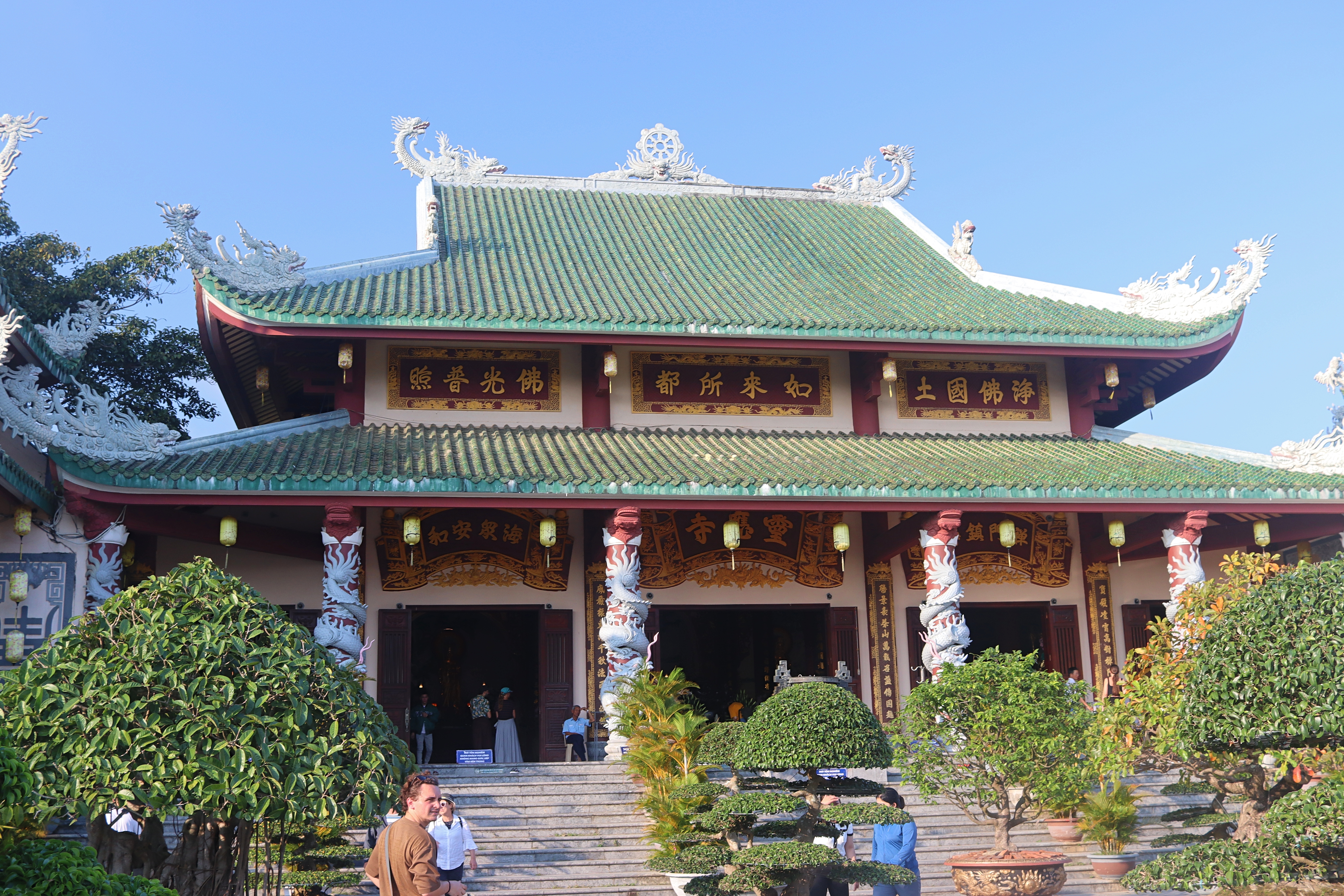
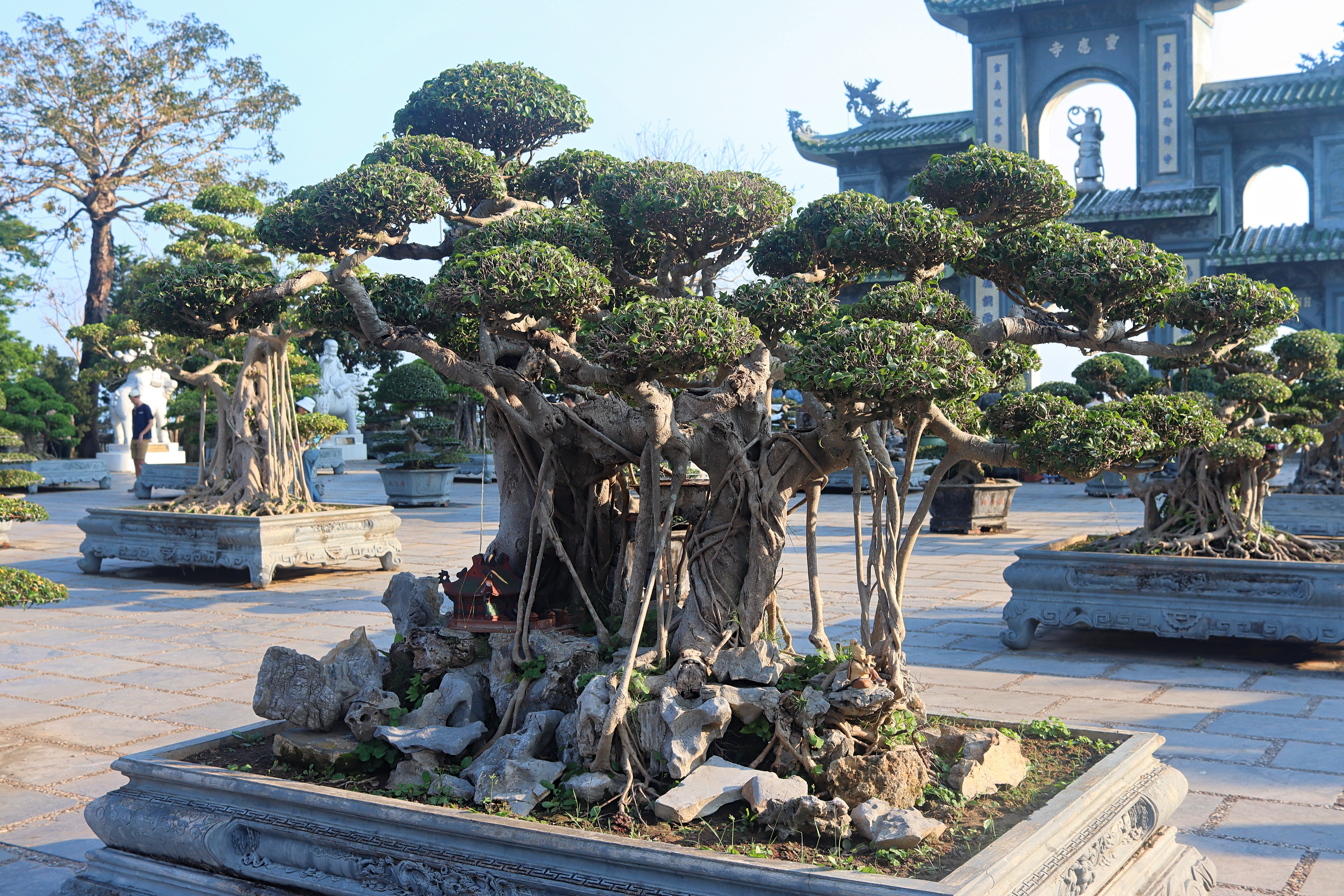
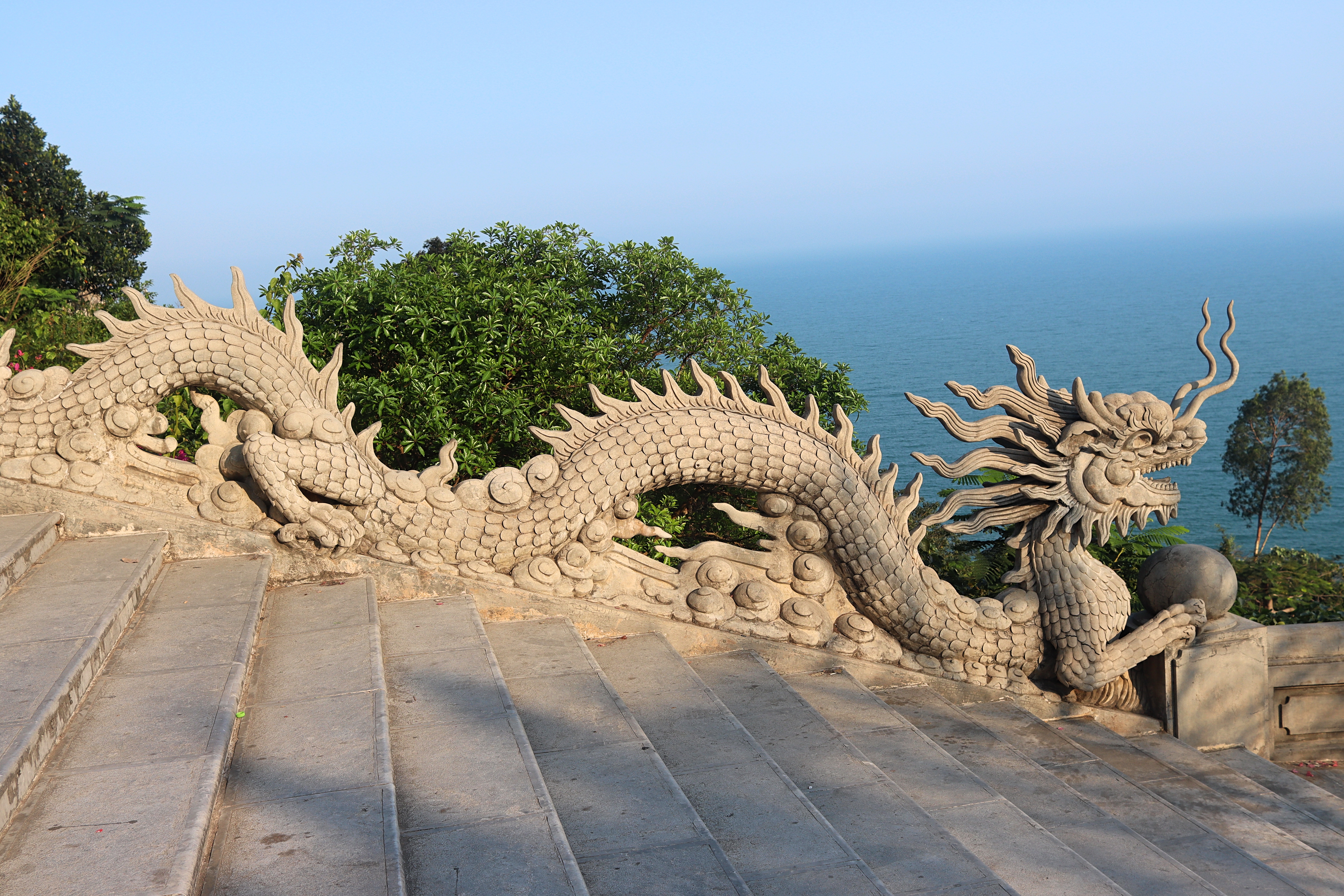
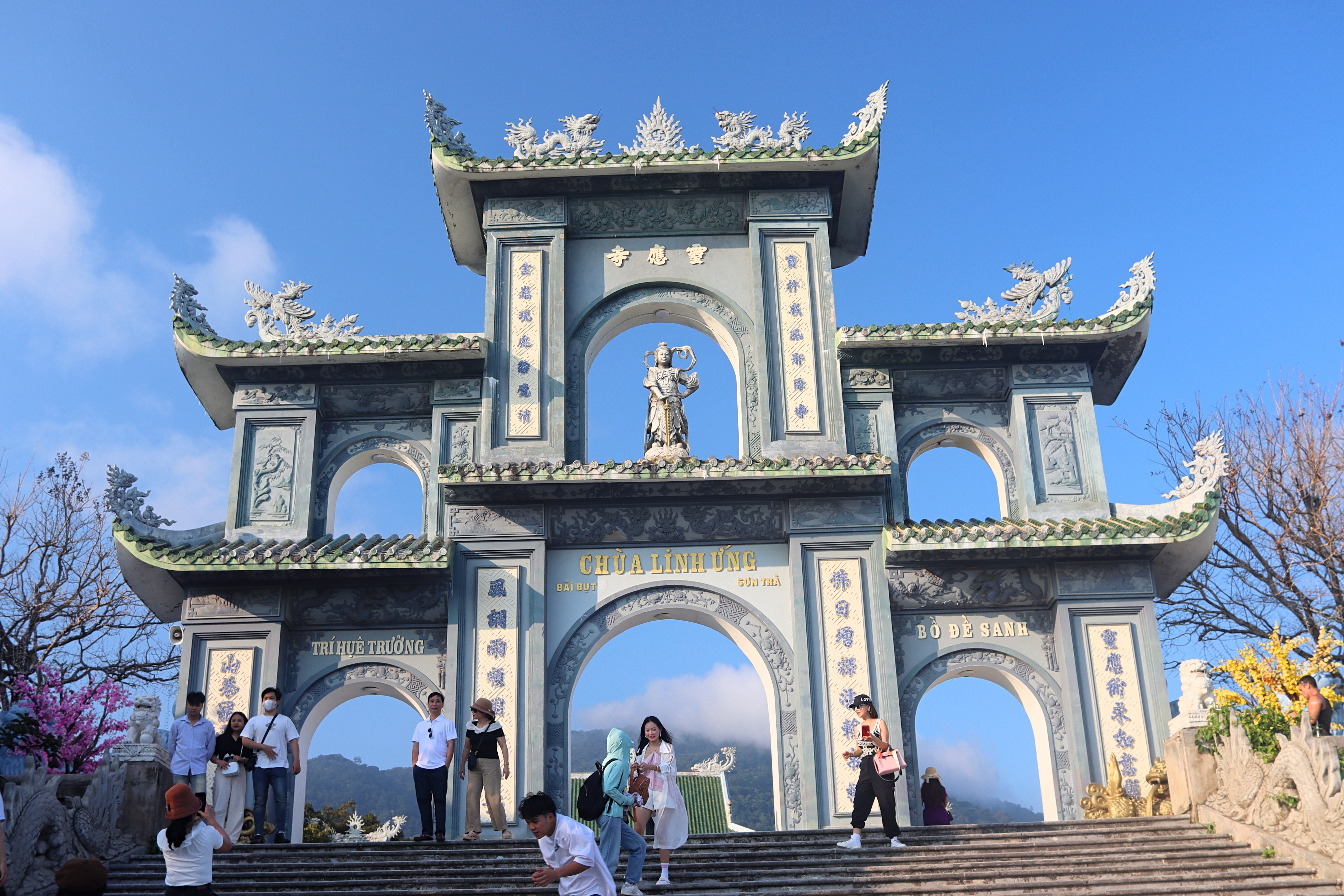

As we headed back to the parking lot, I noticed a few monkeys in the distance that were hopping onto other parked motorbikes. Clearly, the monkeys here are used to being around people and can be seen looking for food. I managed to capture a few moments of them in action.

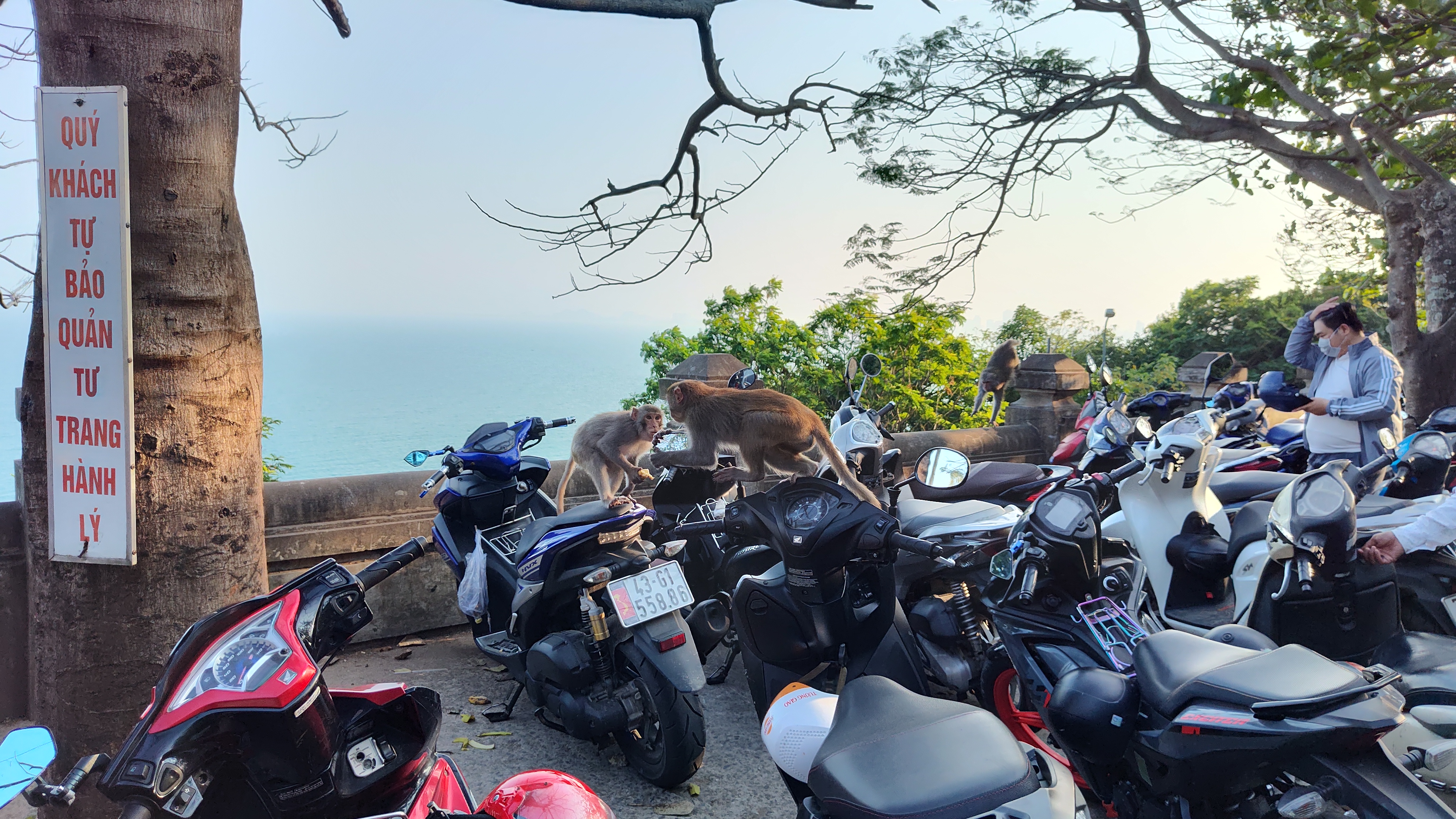
Overall, this was a pleasant day. It would have been more pleasant had I not gotten sunburned on specific parts of my body (those being my knees and calves, but not my shins, as well as the back of my neck and my arms). I definitely got what we would call in the US a “farmer’s tan.” I didn’t realize the extent of my burn until the next day. Not only did I feel the burn on my skin, but I also felt the burn in my leg muscles from spending so much of the day positioned on the back of a motorbike, as well as the repeated mounting and dismounting from the motorbike. Clearly, I need to stretch and exercise more. Sun and exercise are definitely things that I got plenty of on this trip, and coming off of the winter season, I was really in need of both.
I thought I would have the next day as a free day, but that evening I was sent a reminder message about the full-day trip that was scheduled for the next day. I had completely forgotten that I had signed up for a trip to Hue! This is what happens when you use too many tour apps to plan your trip. So, instead of spending the next day relaxing on the beach, it would be spent traveling to and around Hue, but more on that in the next blog entry.

Leave a Reply