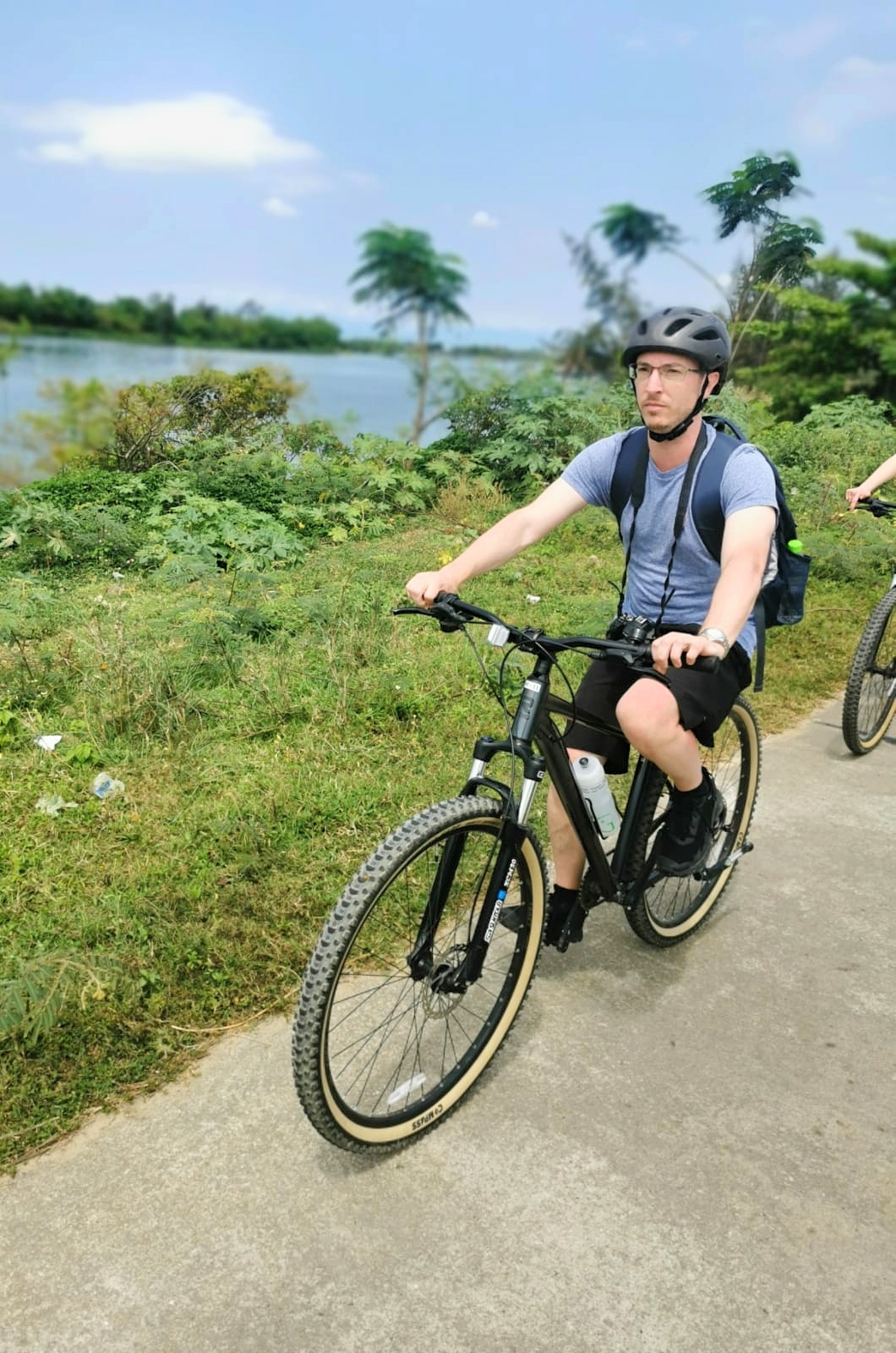
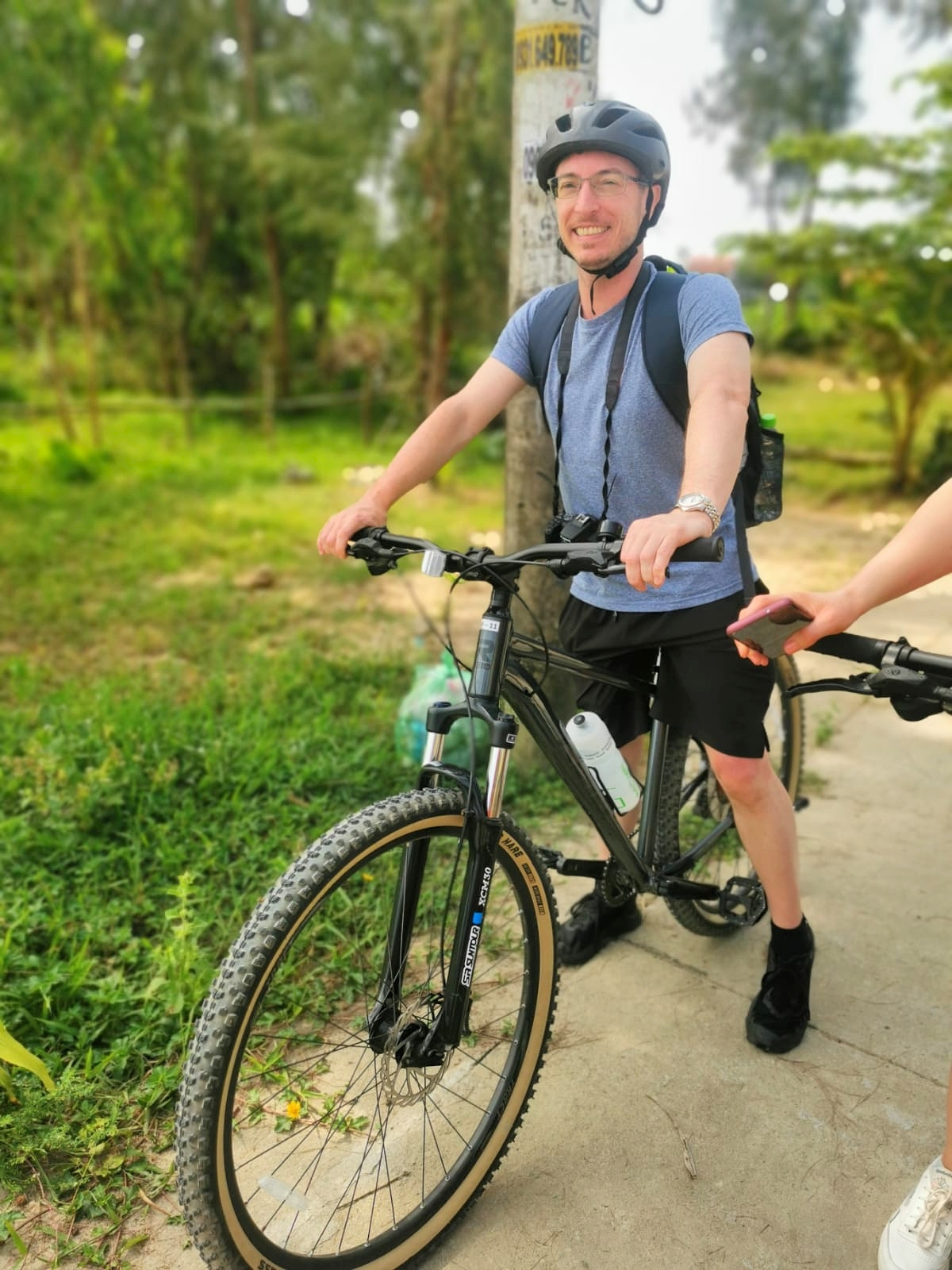
My second full day in Hoi An started with a morning bike ride through the rural areas. Although bike riding isn’t something I do regularly, I thought it would make for a nice leisurely activity that would also allow me to see more authentic daily life in Quang Nam Province. The weather was warm, for sure, but luckily not quite hot enough to make it uncomfortable. I’m glad I did this trip in March rather than waiting until late spring or early summer.
After a solid 20-minute walk towards the center I finally arrived to the bike shop. I was the last to arrive. The other tour members and I were briefly introduced before discussing the itinerary. He was quite a lively man, full of energy who was enthusiastic about discussing the details of Vietnamese life. His English was quite good, and he later revealed that he has been doing this for almost 20 years now (I think).
After getting us fitted for our bikes, we headed off through the central old town area. We dodged locals and tourists before heading across the metal bridge. It might be relatively new, but it certainly felt rickety. We headed to a local family known for making a traditional breakfast here.
Banh Beo Breakfast
Banh Beo is a savory rice cake served with pieces of crispy broken rice cake pieces with meat and shrimp and served with fish sauce that is a bit sweet and tangy. This couple makes them from scratch right in their home.

The process starts by taking rice grains and water and manually grinding them into a powder. The rice water that is produced is then added back with more rice grains until it can be made into a batter.

We each got a chance to grind some rice grains as the rice water continued to collect in a big scoop.
The rice mixture is then poured onto a hot clay stove where it is covered for about two minutes to cook as a pancake before being carefully removed with a stick.
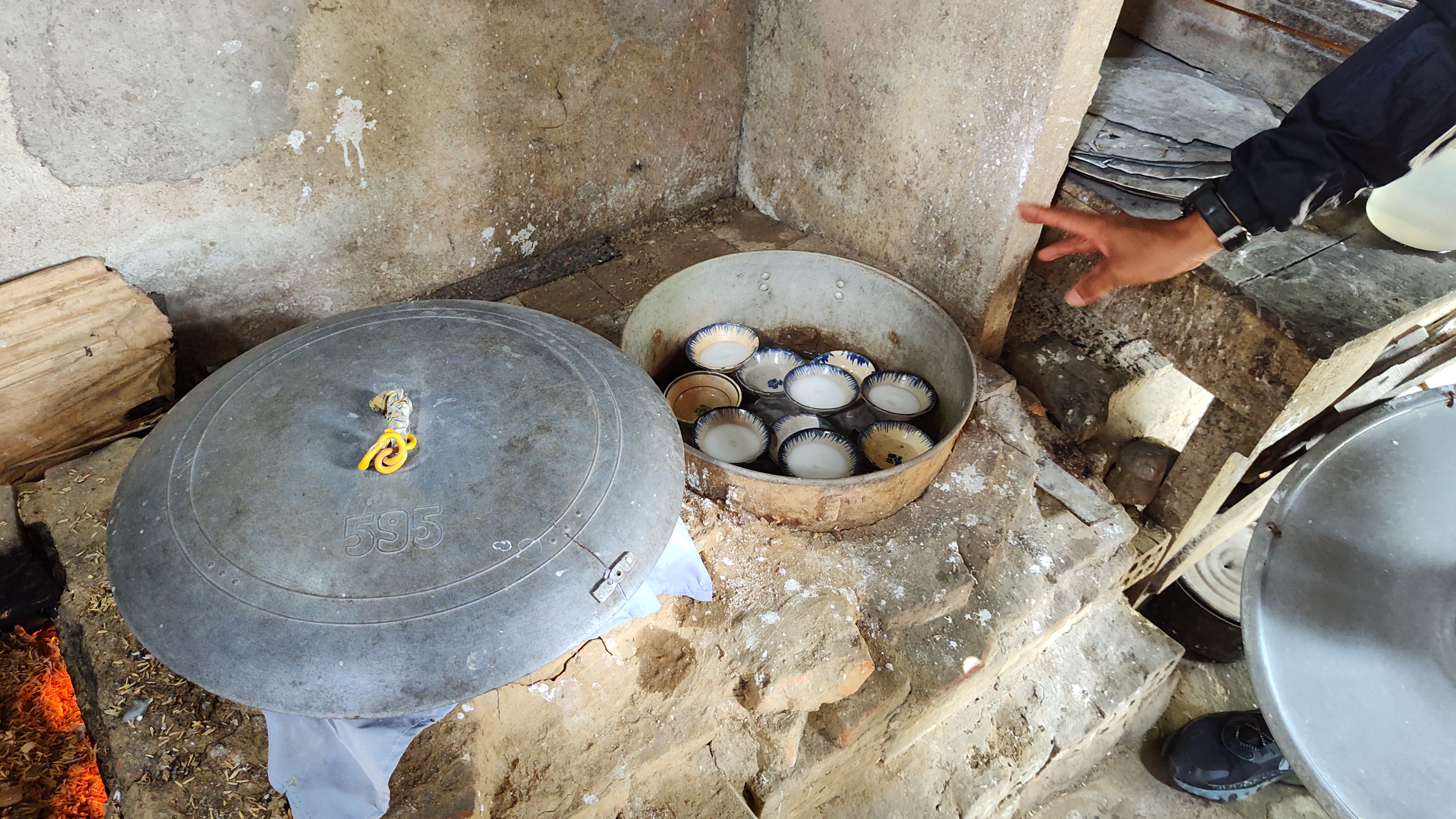

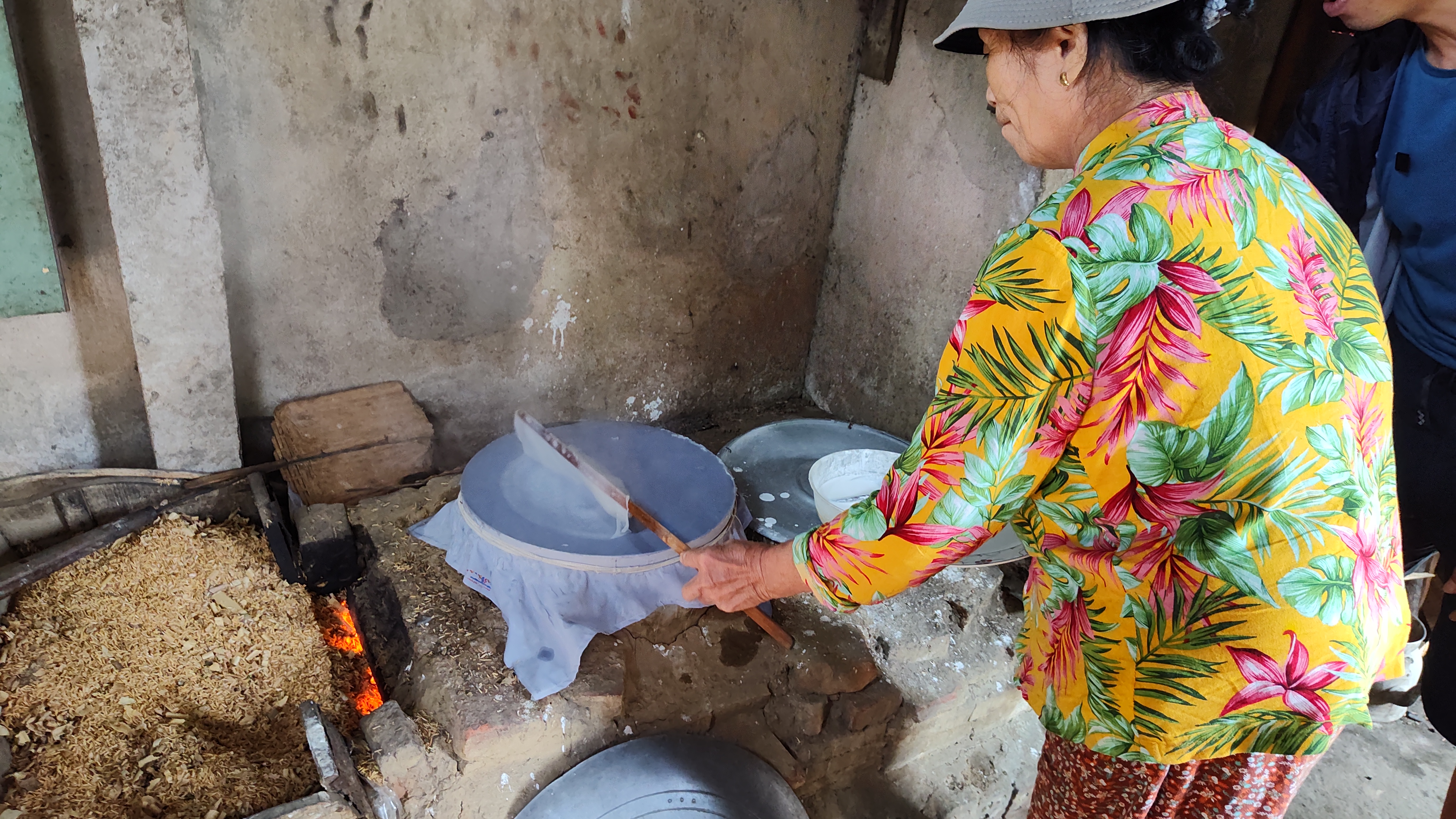


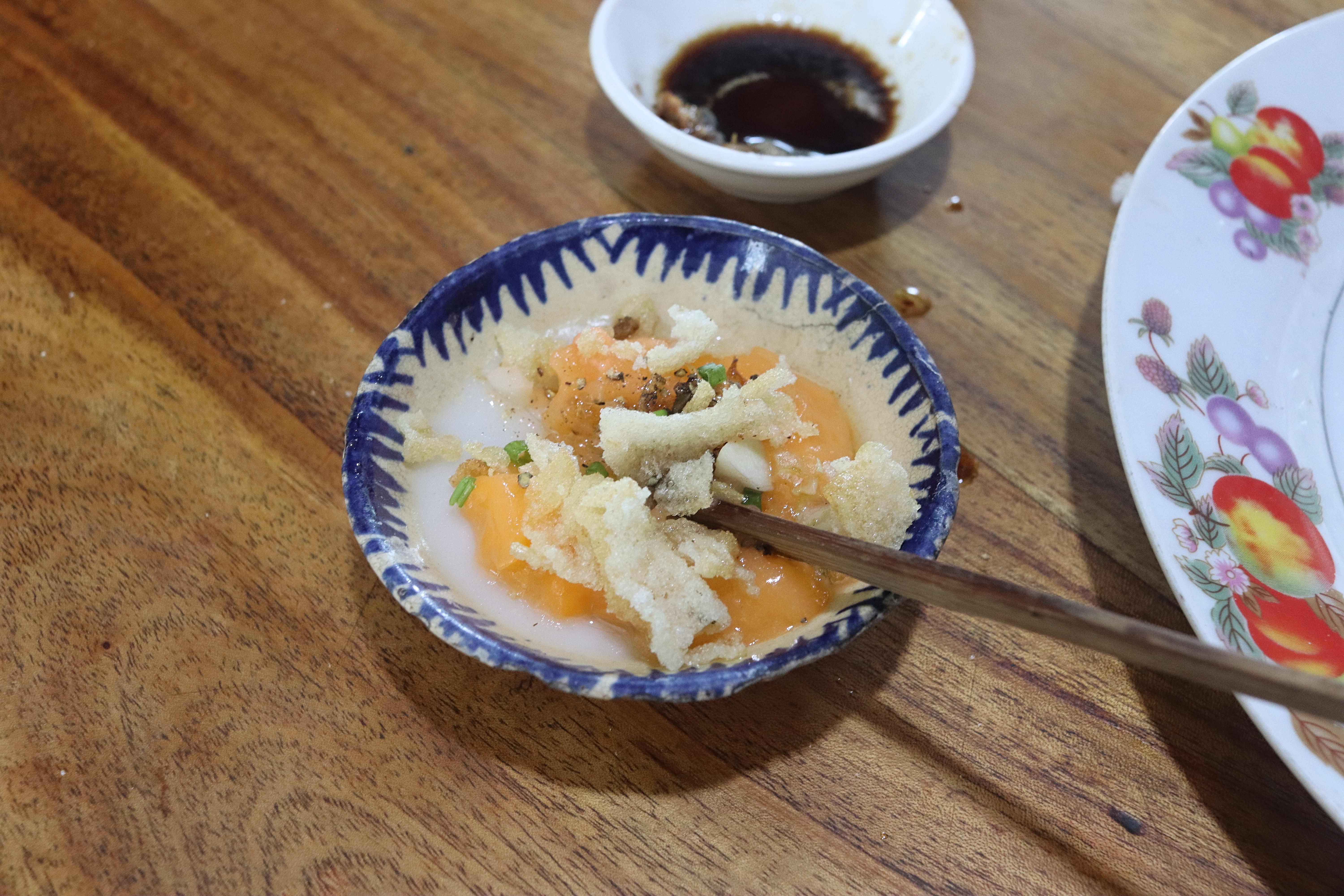
They were indeed savory. It had an interesting flavor, but I don’t think I would be able to eat this for breakfast on a regular basis. But I enjoyed getting a taste (literally) of some local cuisine.
A Family Chapel
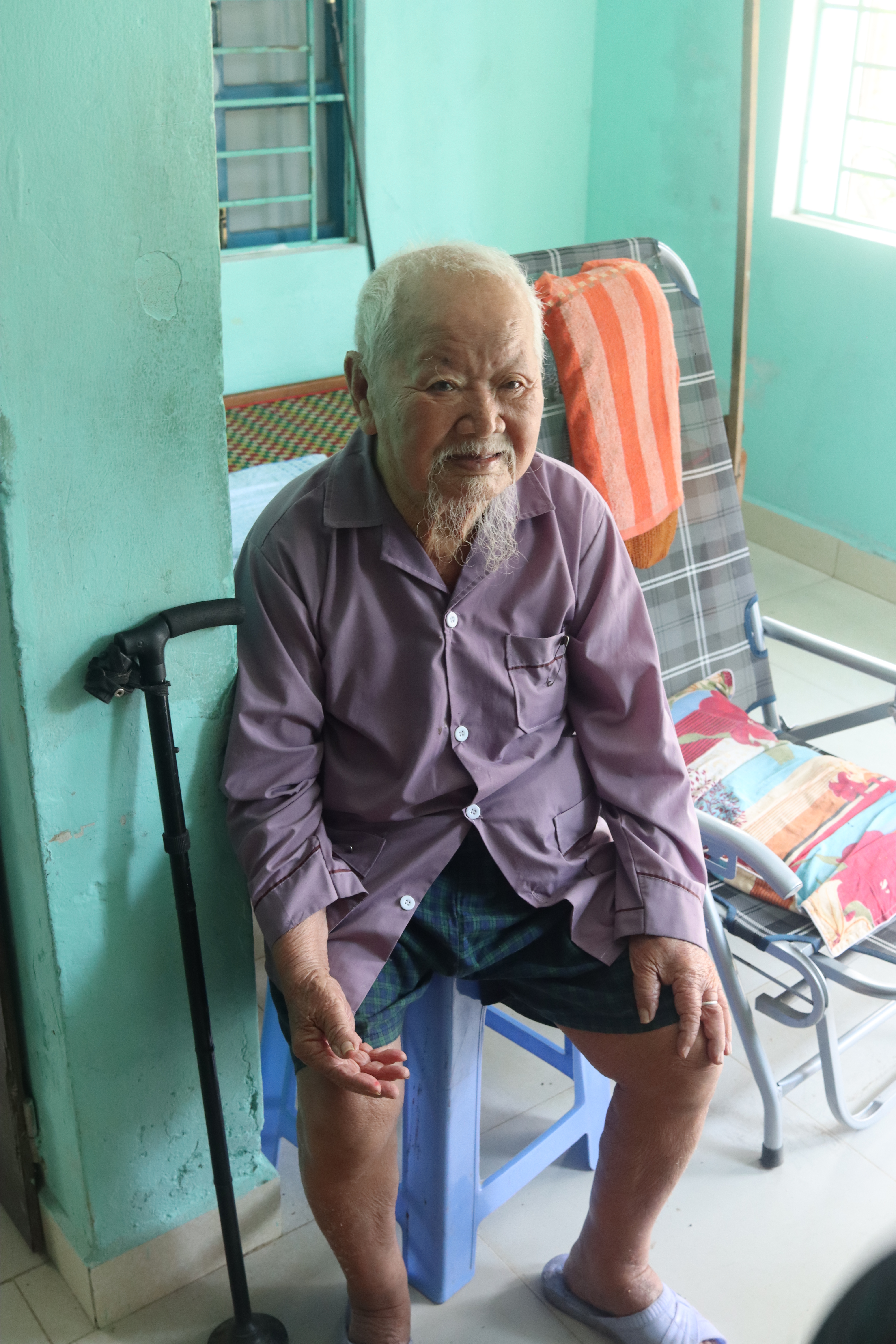
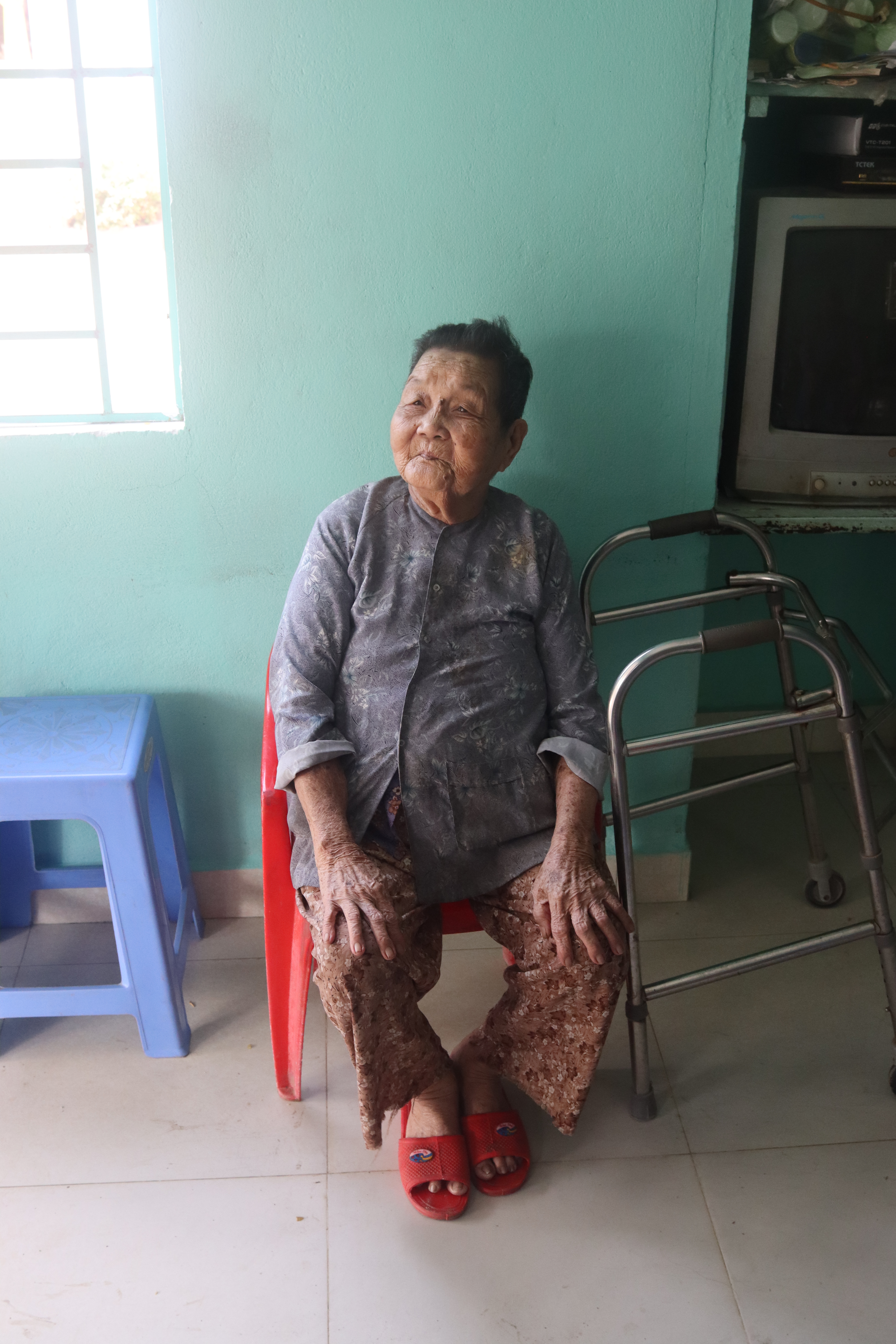
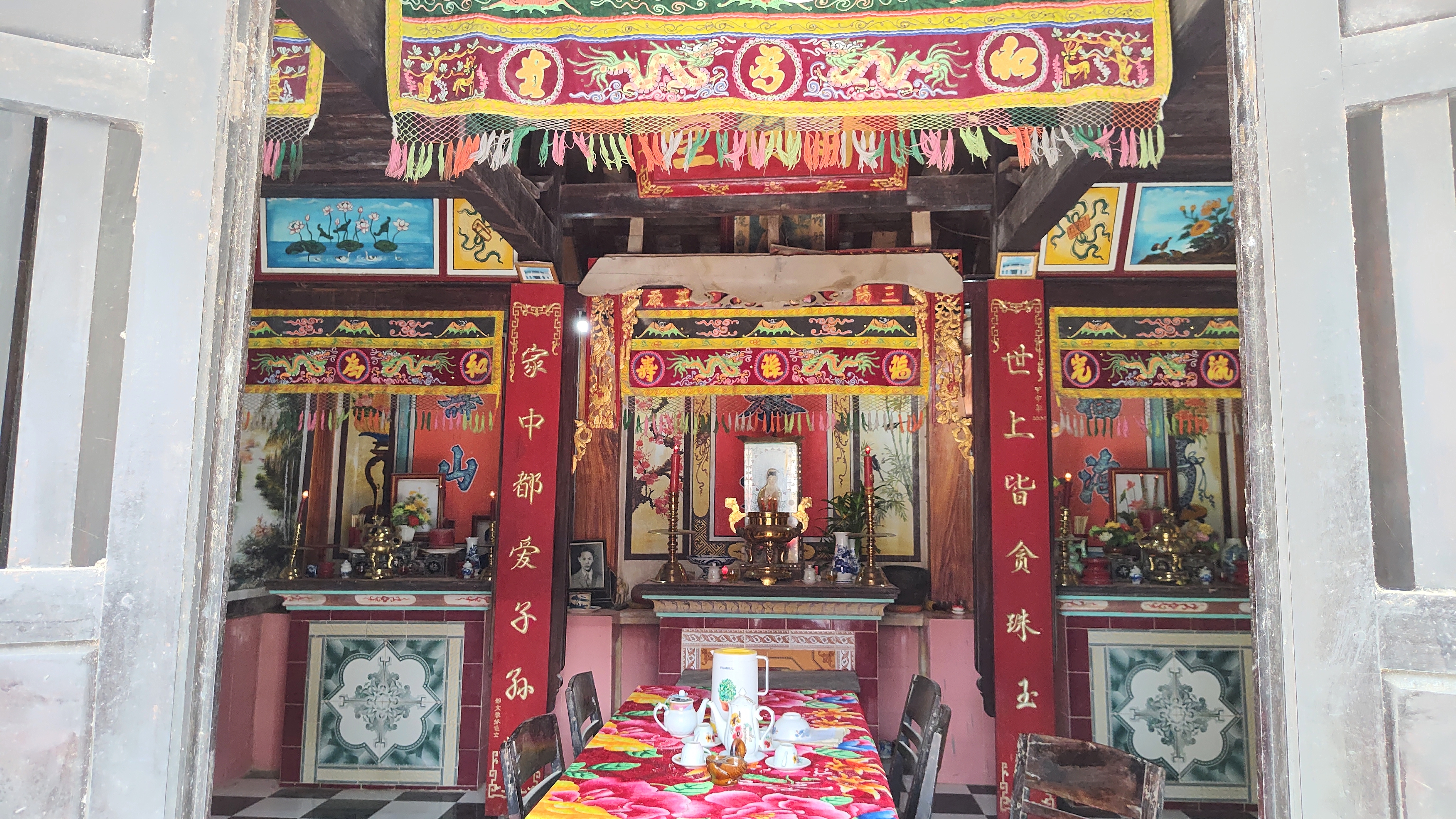
After riding along some more and seeing some of the local rice fields and banana trees, we stopped at a chapel that is well known in this area. The couple that lives here are both in their 90’s (the wife is in her mid-90’s and the husband is almost 100 years old). The husband was a former member of the Vietcong. The chapel houses their family members.
It looked as though they had separate bedrooms. This was confirmed later when our guide commented about how the husband is no longer allowed to visit his wife at night when it’s time to go to bed. So, perhaps the key to a happy marriage is separate bedrooms after all?

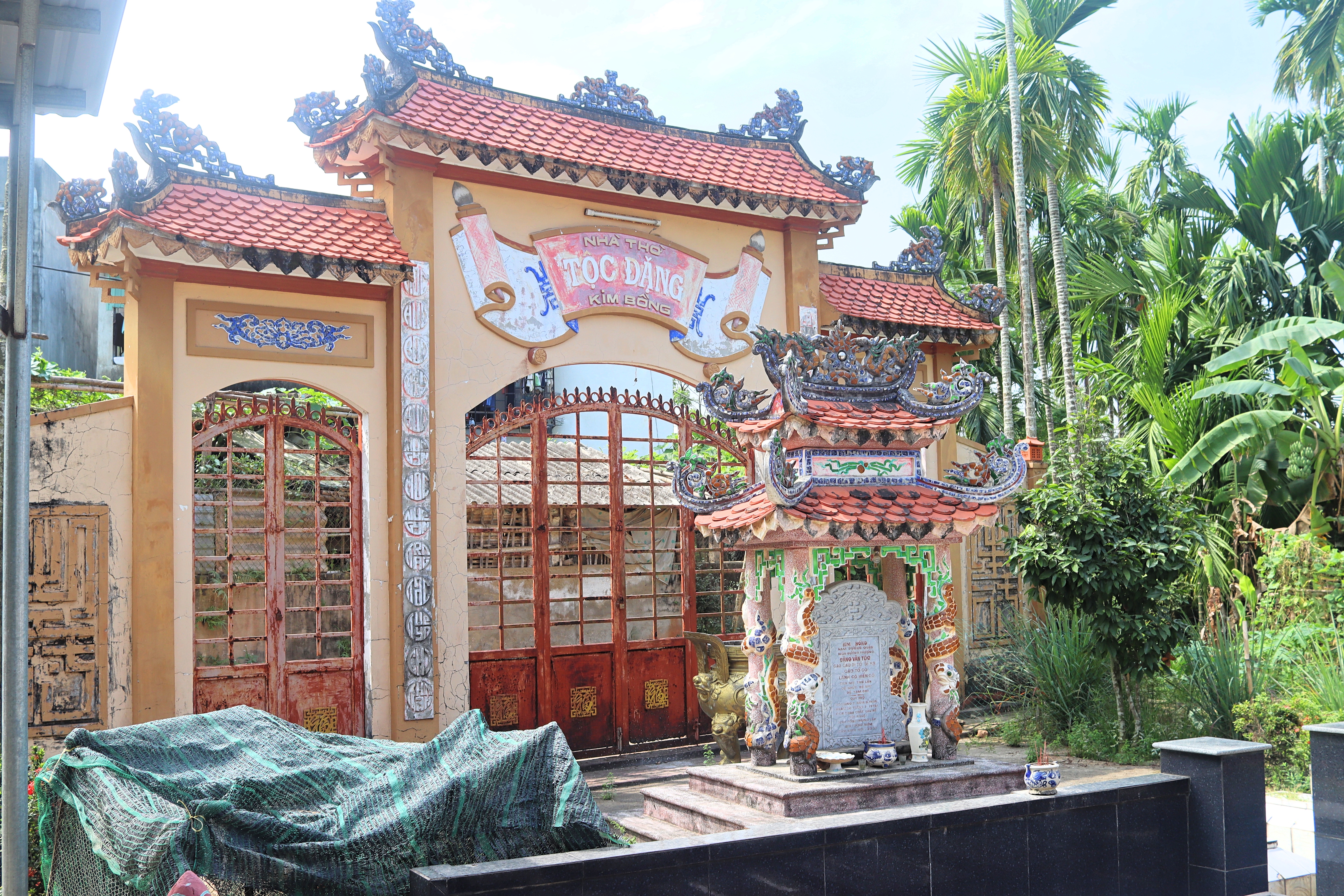
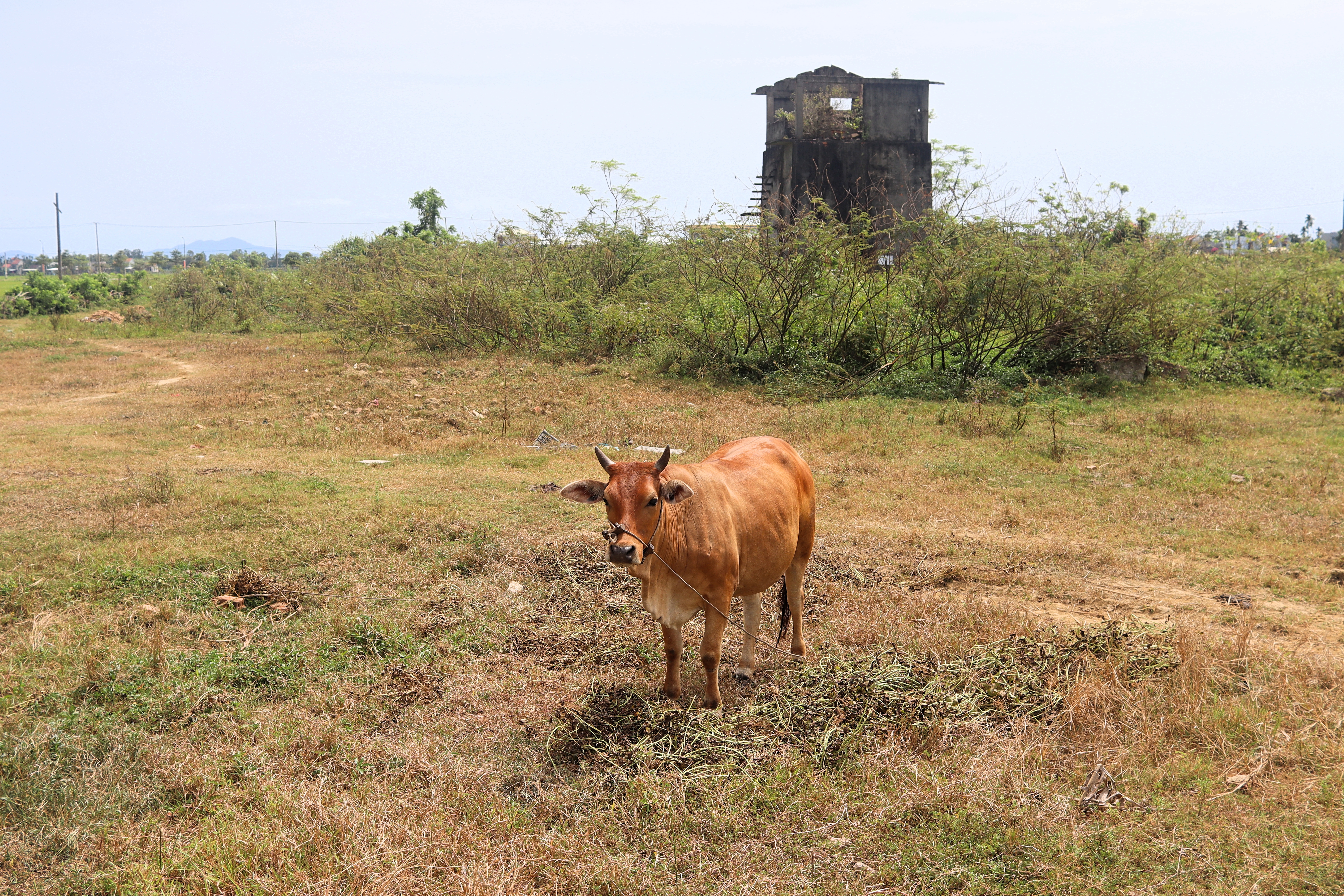
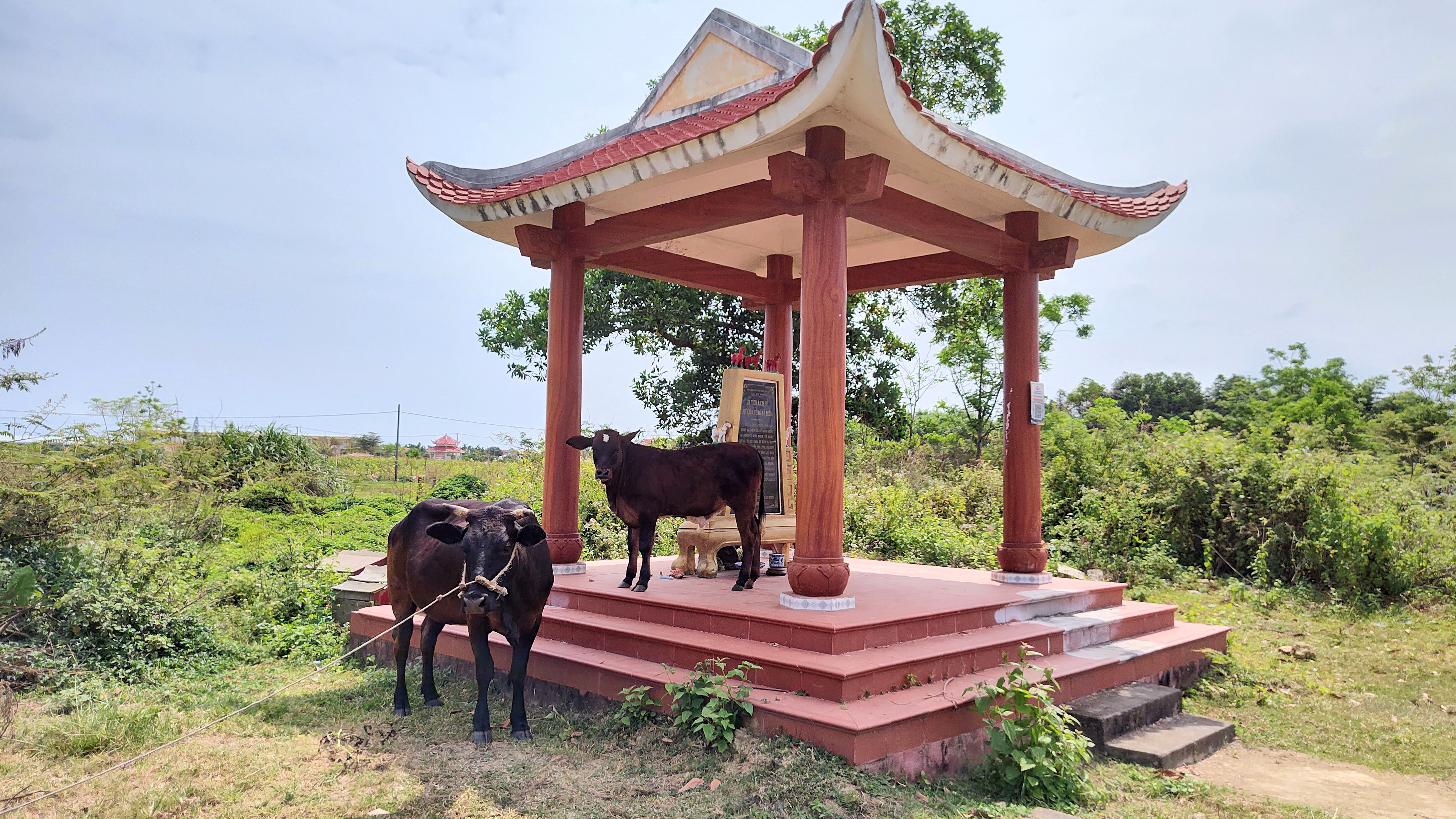
We continued our bike ride across more fields and eventually came upon a cemetery where family members visit and do maintenance on their relatives’ graves.



Traditional Mat Weaving
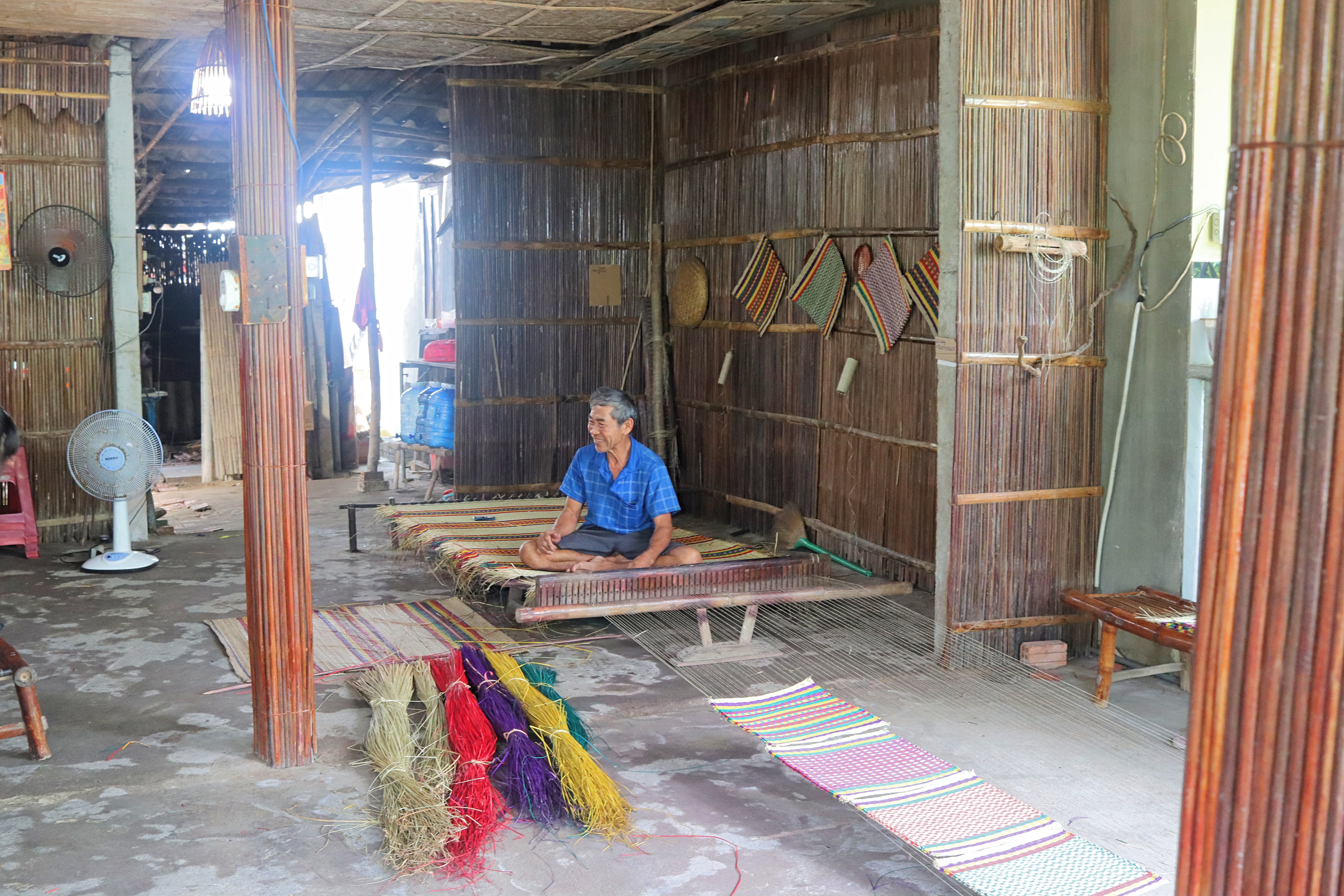
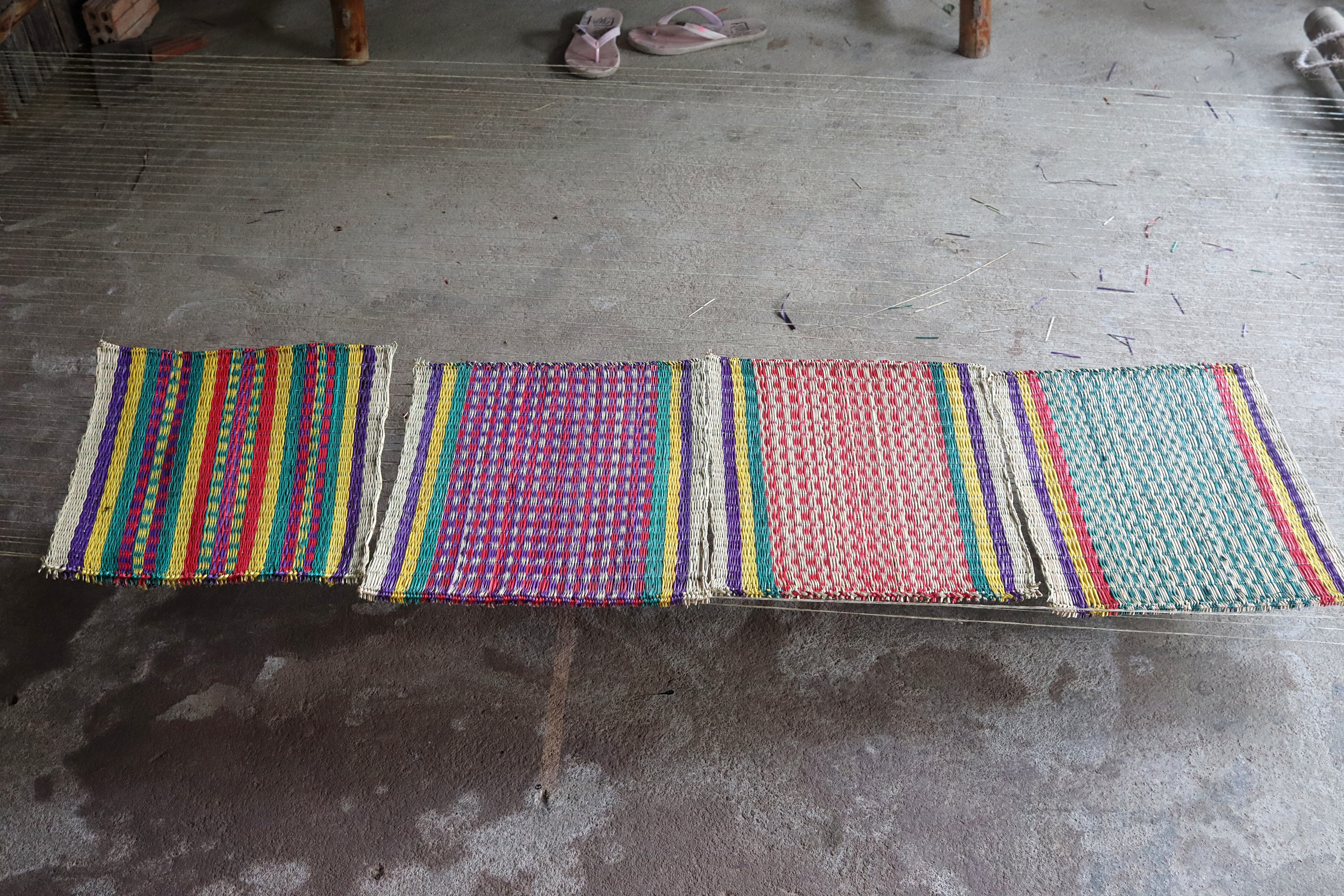
We then stopped at another local home, where the husband and wife make woven mats using a loom and their children weave little accessories by hand. We each got a chance to try our hand at helping, as well as receive a handmade woven bracelet in real-time.


Family Distillery
The last stop on our trip was to a local family distillery. They are known for making different rice wines and have been using traditional methods for generations. Included in their rice wines are all kinds of interesting and odd ingredients. This seems to be a popular thing in Southeast Asian countries. I remember seeing something similar when I visited Laos. When I said “interesting” ingredients, I wasn’t exaggerating. See for yourself.
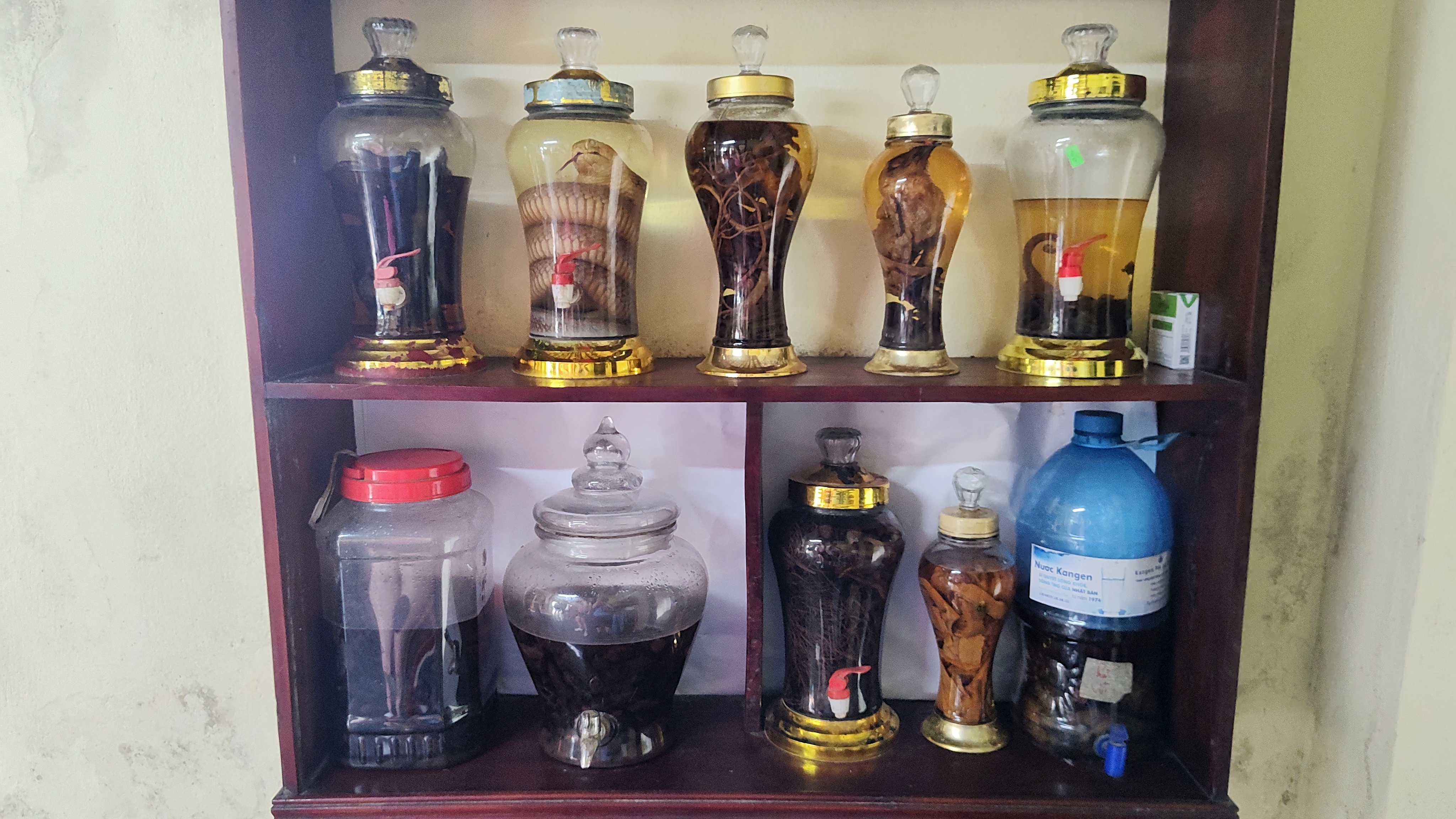
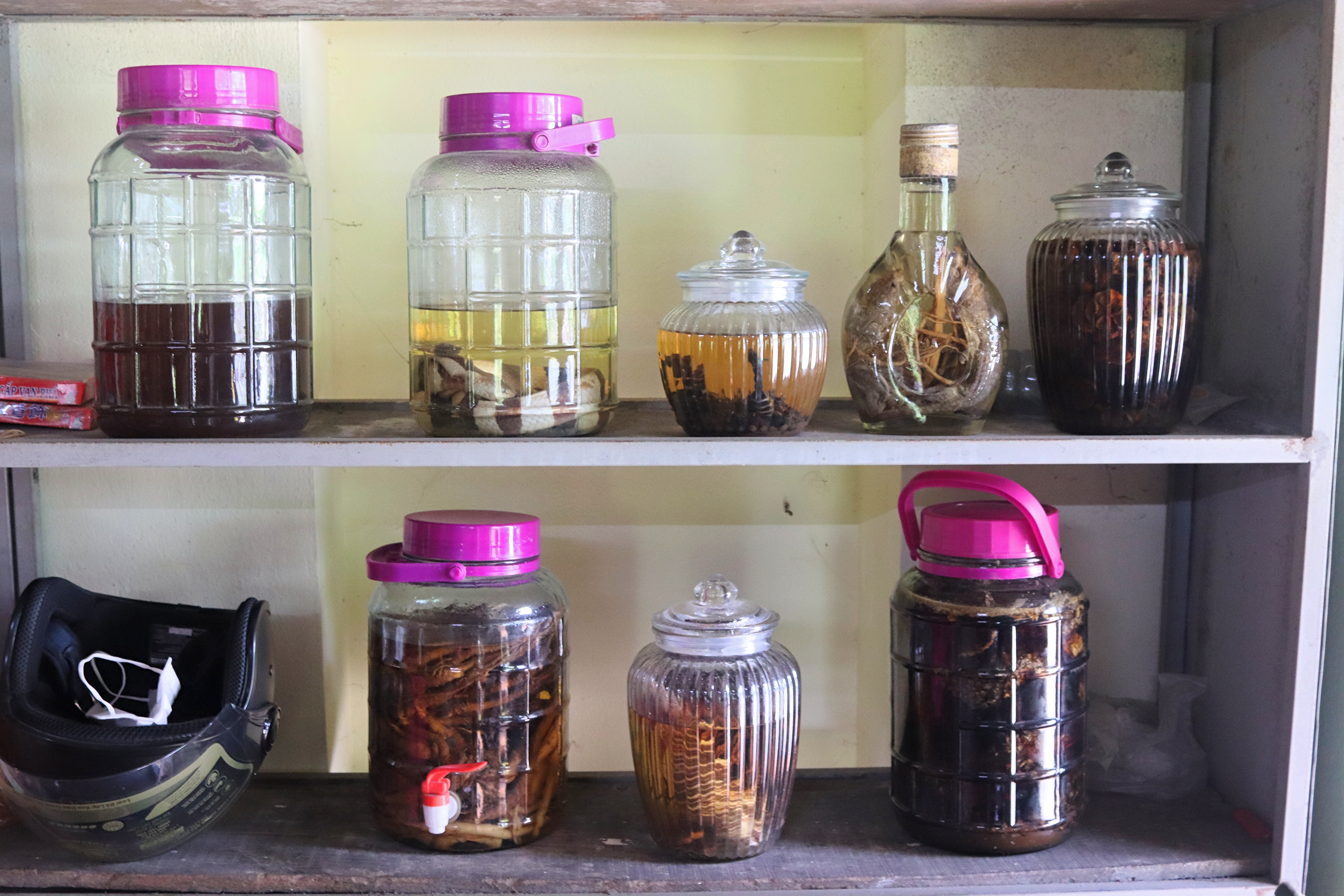
In case you are wondering, yes, we did get to sample some of the rice wines. While I didn’t find anything we sampled to be particularly “good,” one of them seemed surprisingly decent considering the source of the favoring.

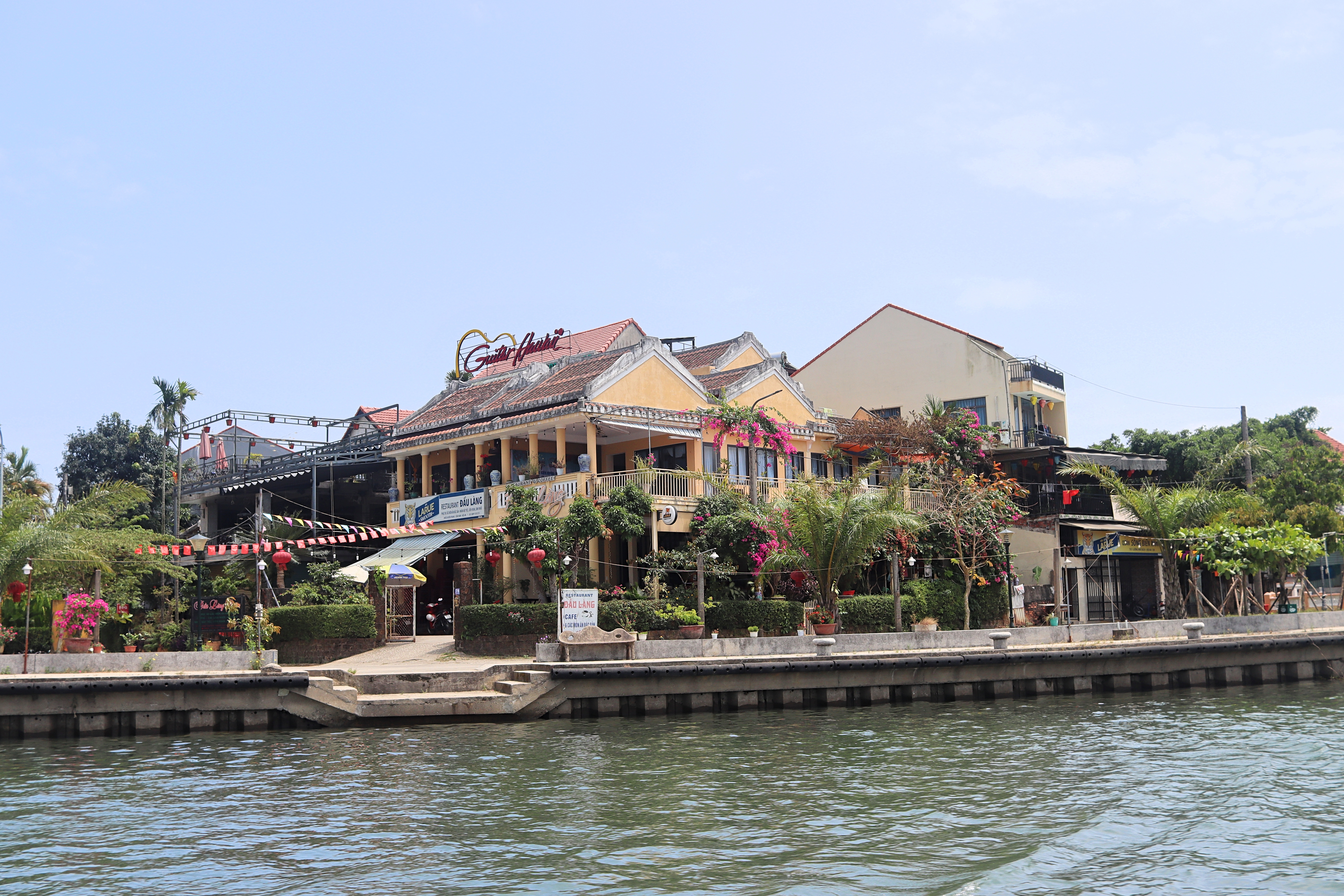
We rode to the final meeting point, which was a boat for us to load our bikes onto, and headed across the river before riding back to the bike shop. On the way, I took some final photos of the riverbank buildings and homes.

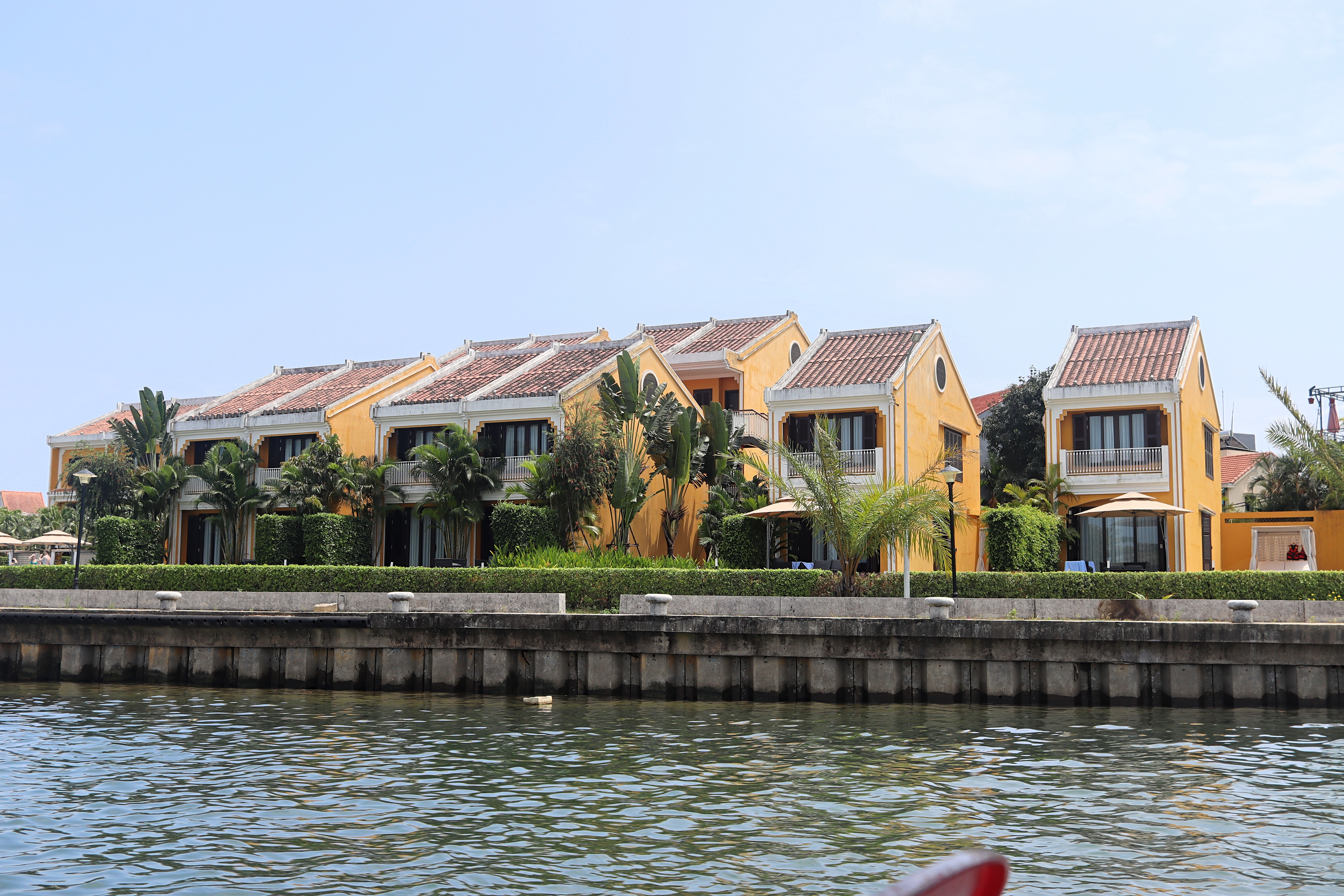
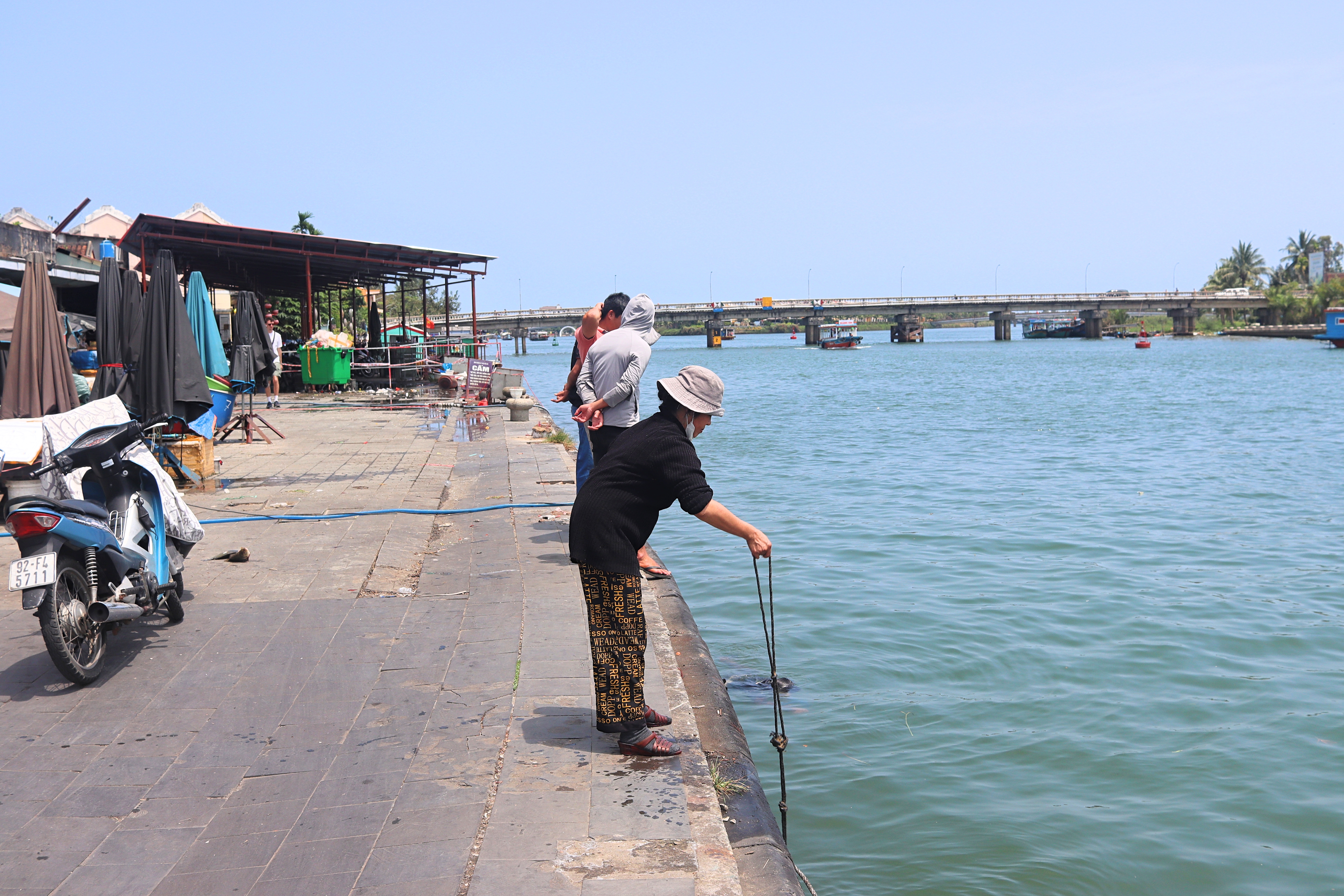
After we put our bikes away, we went inside for some A/C and a drink. This is where our guide, whose name sounds like “Juan,” talked about his family and his time doing tours over the past 20 years.
Once we said our final goodbyes, I headed back towards a café for a more traditional western-style breakfast. Along the way, I captured some more of the local vibe.

Evening Vespa Food Tour
That same evening I had scheduled my final tour, which once again ended up being with Nick, and again I ended up being the only person signed up that evening. Hooray for me!

Nick took me around to different places to try different things. After getting a banh mi (the Vietnamese sandwich using French bread) from a street vendor, he took me to a restaurant located on the river that specialized in seafood dishes.


We then headed for another restaurant that serves grilled rice paper that you use to wrap all kinds of meat, seafood, and vegetables in.
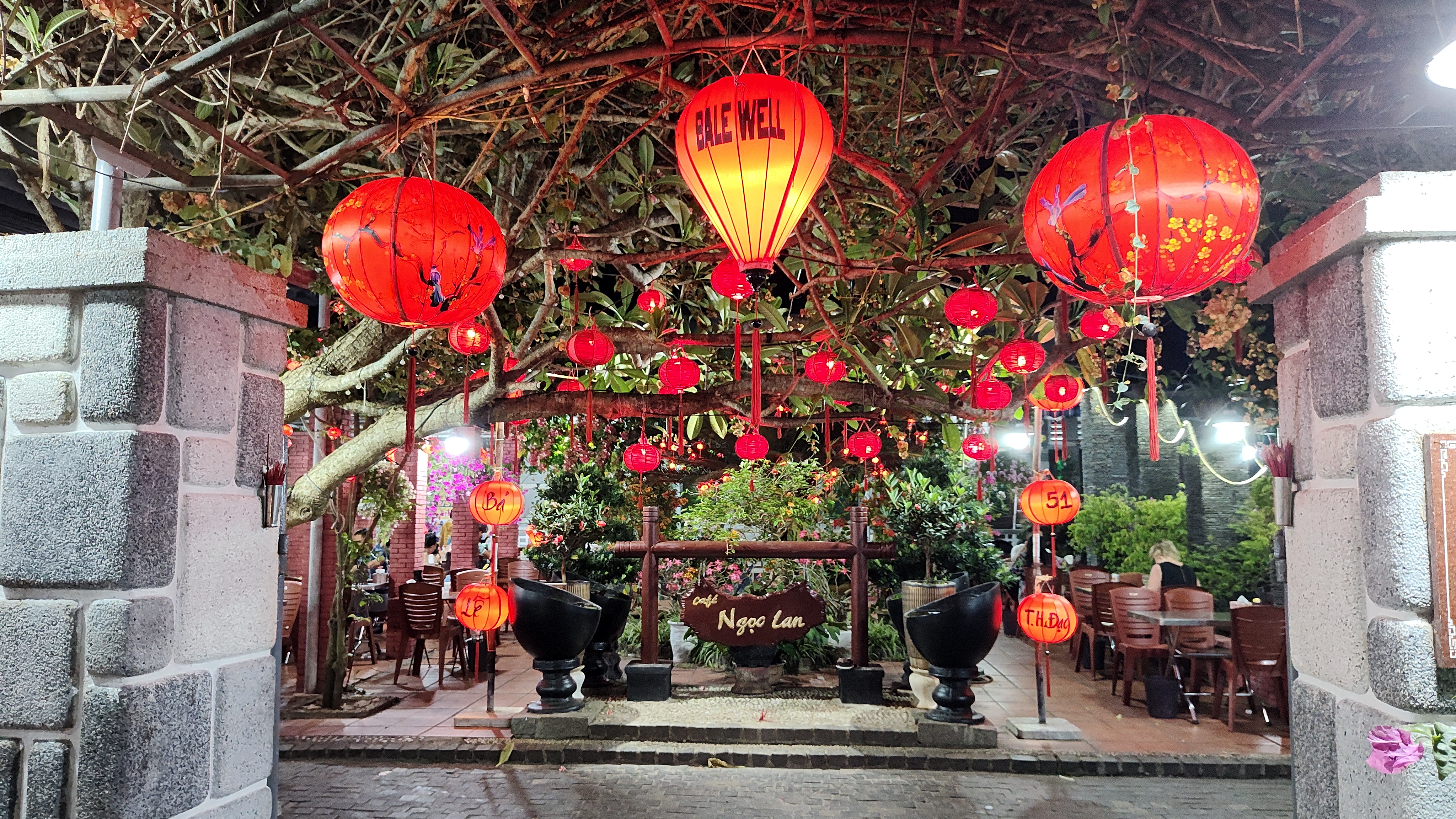
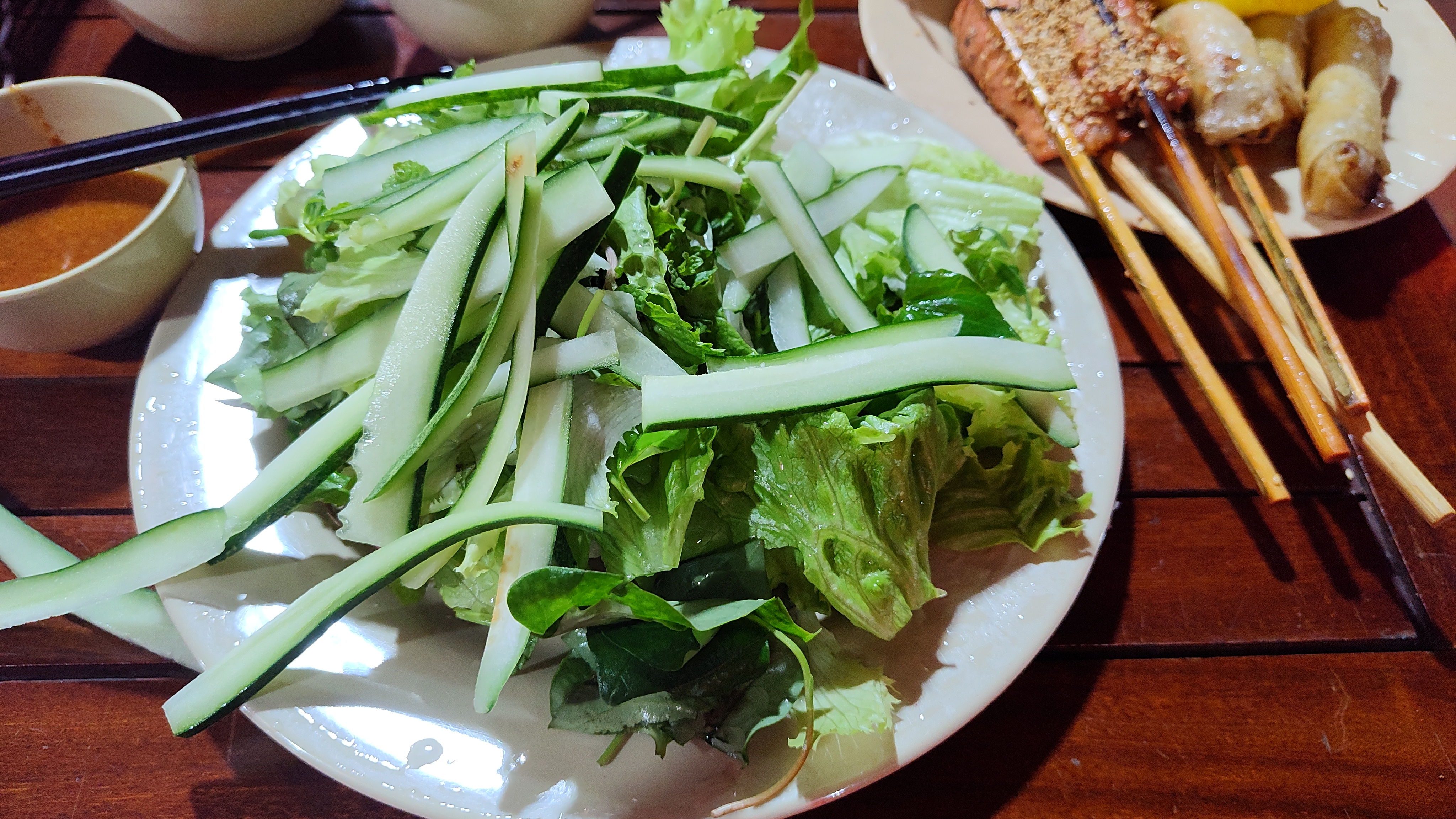
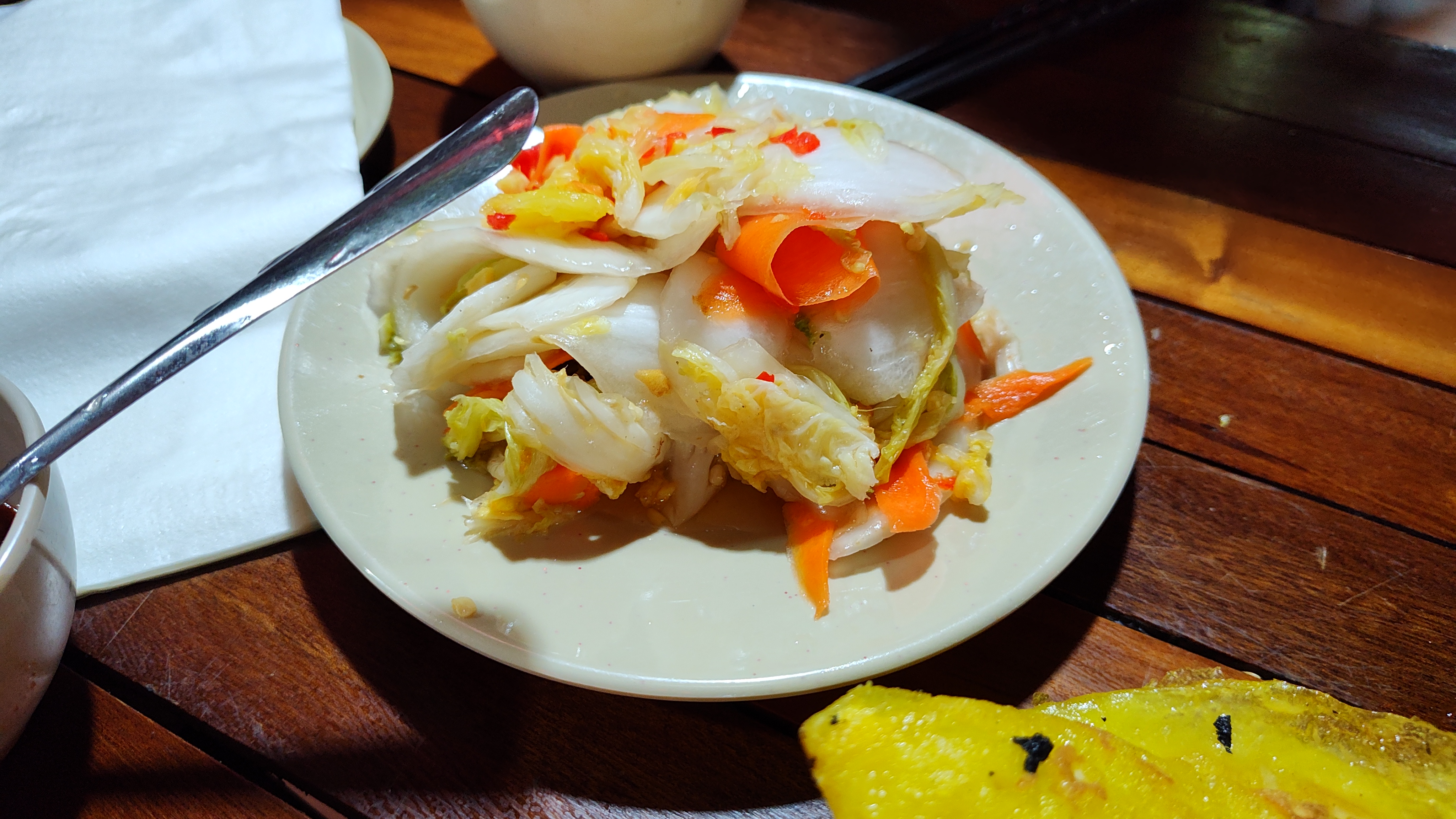
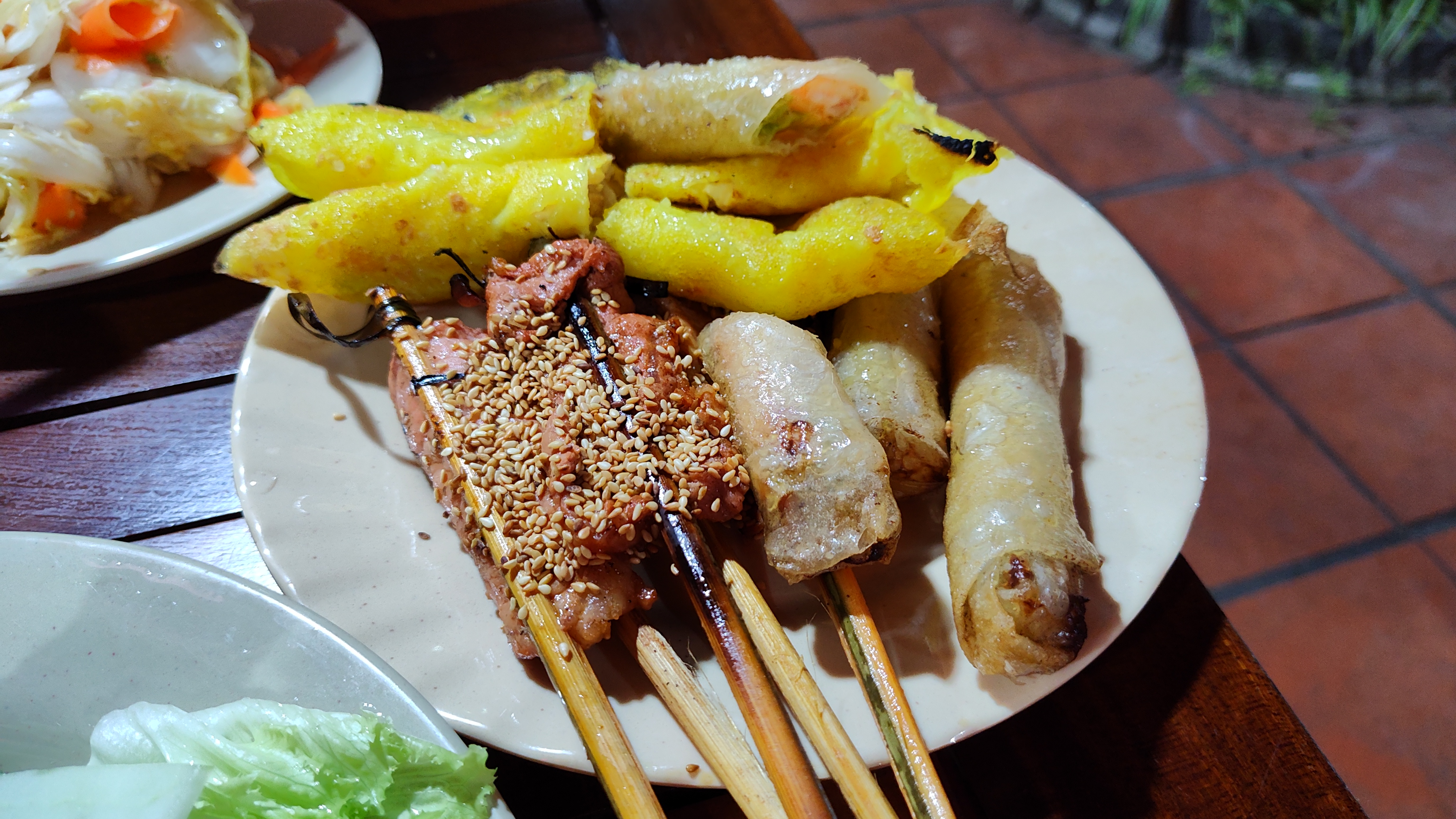
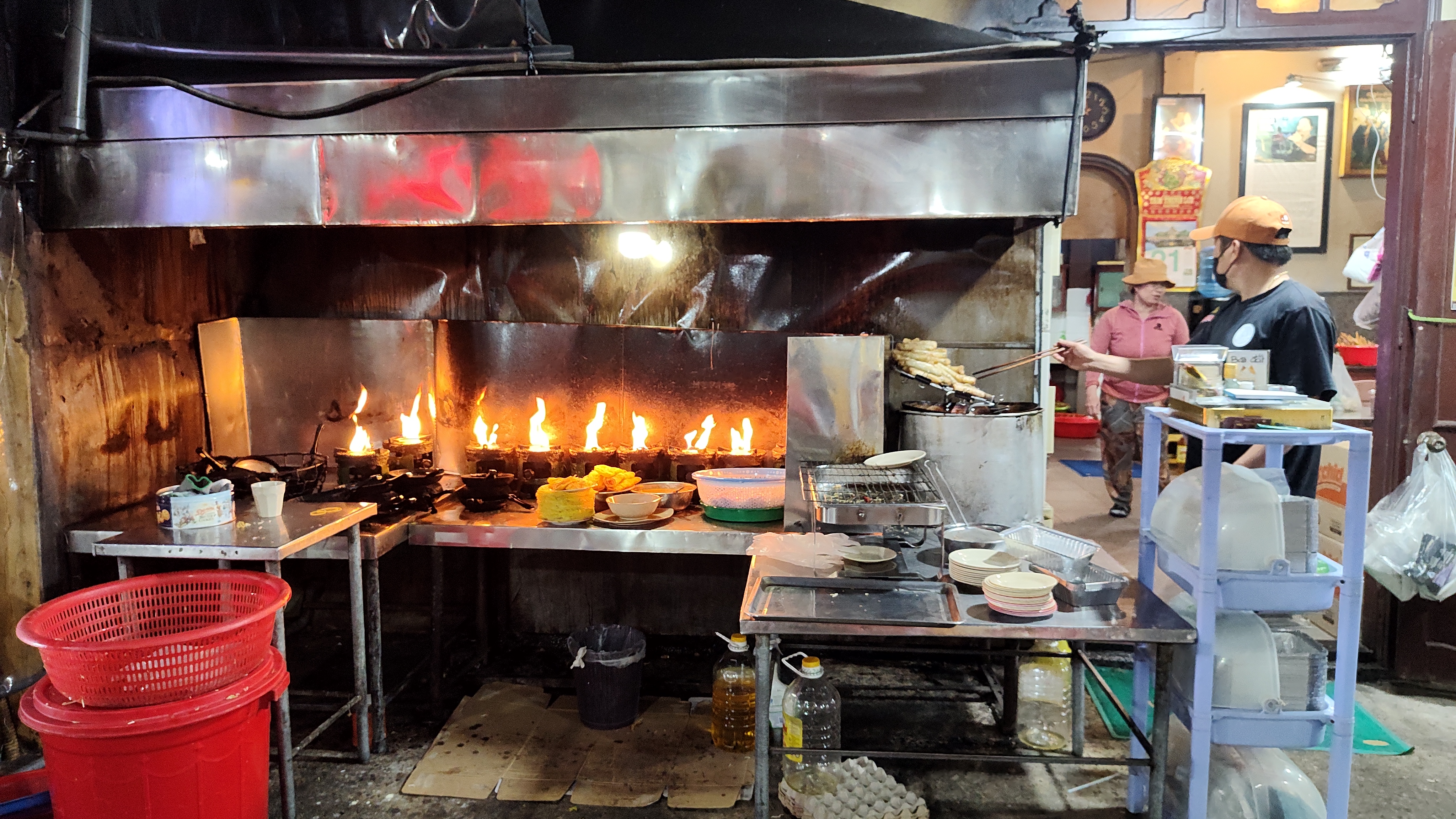
Nick then returned me to the old town area, and we chatted and walked about for a bit. After dropping me off at my homestay, where we said our final goodbyes. By now, we had spent a considerable amount of time together in these few days, so we swapped social app information and continued to keep in contact.
He mentioned that ever since giving tours to foreigners, it has inspired him to want to explore more of his own country, which I think is great. In fact, I feel the same way about exploring more of my home, the U.S. Unfortunately, at this time, I can’t afford to do that the way I want.
He has already visited up north (his first time up north) to see Sapa. It was cloudy and windy atop Mount Fansipan, so I gave him my blog address for him to look at the photos and video I took when I was visiting. He also showed me photos of his trip along the Ha Giang Pass, a well-known route far up north, close to the Chinese border area. It looks amazing, and I’m hoping that I can have him be my guide when I finally go there.
Stay tuned for my final day trip up north in Ninh Binh.

Leave a Reply