After jetting out (literally) from Phnom Penh, I flew to Siem Reap, probably the most visited place in Cambodia due to its housing of Angkor Wat and its other ancient temples. The environment here was quite different from that in Phnom Penh. One obvious difference is that Phnom Penh is the financial capital of Cambodia and the largest populated area. It’s also in an urban setting. Siem Reap, however, is out in the rural countryside, where things are much more spread out along dirt roads. Some of the main roads are paved, but even some of them have areas where there is still dirt alongside them. There are also many bumps and pot holes that will lift you up out of your tuk tuk seat. I’m not sure if a dirt road can have “pot holes.” Maybe just holes?
Because it is out in the countryside (and because it is also the hot-dry season), there was a lot of dirt and smoke in the air, and this again affected my sinuses, particularly the dirt. When a country is said to have its hot-dry season, they don’t just mean that there isn’t much rain; they also mean that you will possibly be facing hot dessert-like conditions. Like in any dessert area, one certainly needs to up their water consumption here. Speaking of desserts, the soil here is a pretty red-brown color, similar to that of the soil in Mui Ne, Vietnam (but it’s a lot nicer to look at it than it is having motorbikes, tuk tuks, and trucks stir it up so that it gets all over your clothes and skin when you are hot and sweaty).
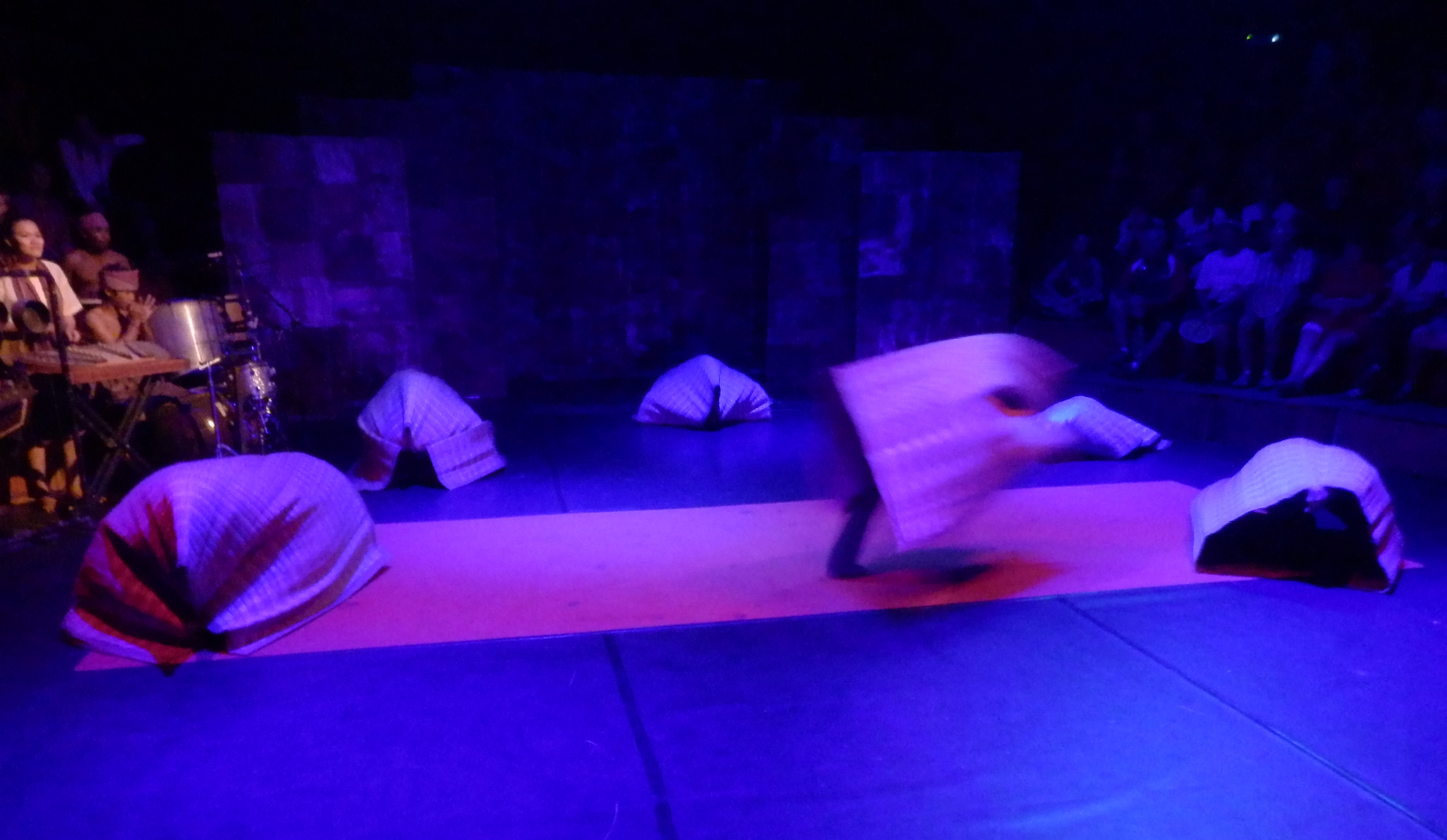
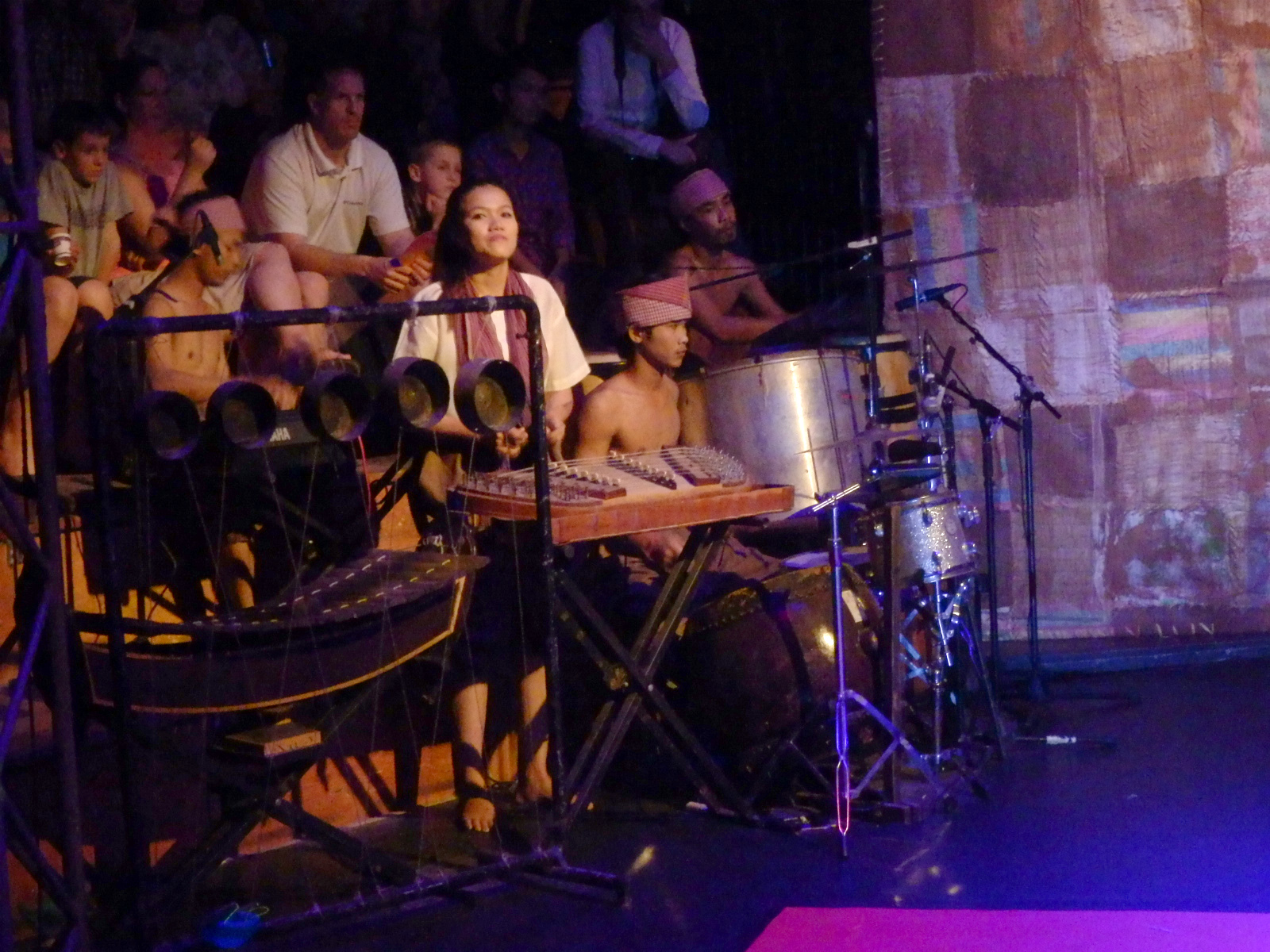
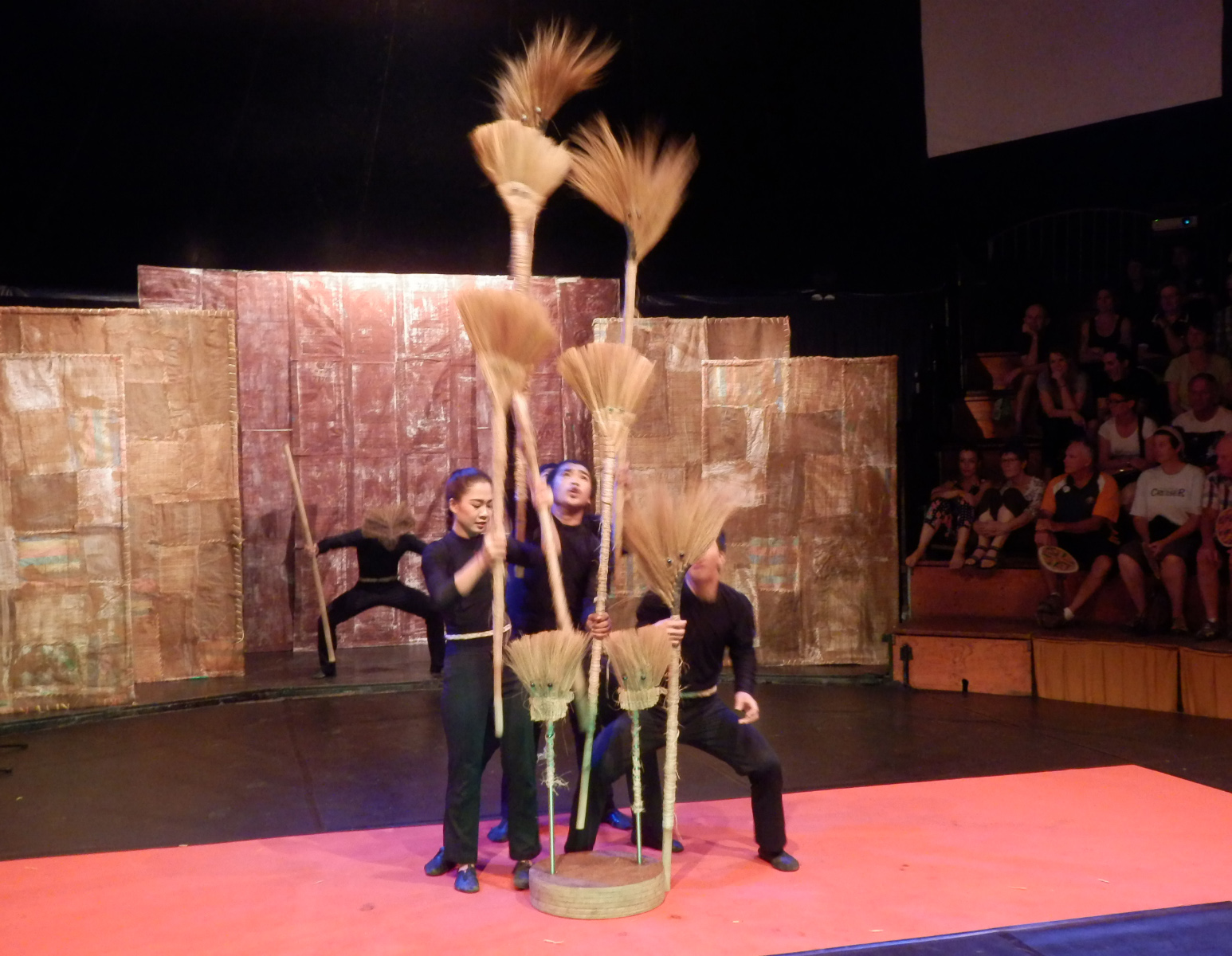
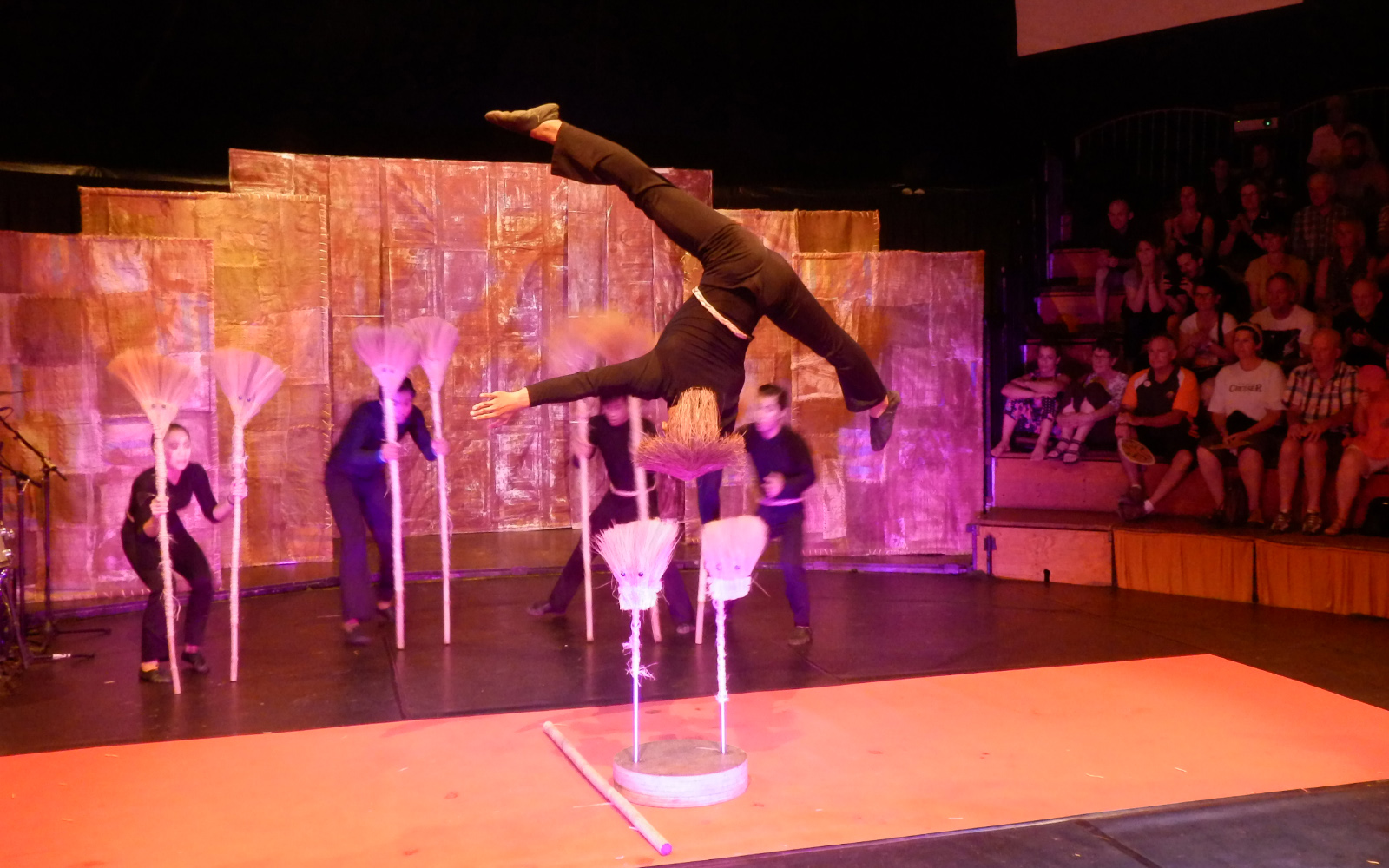
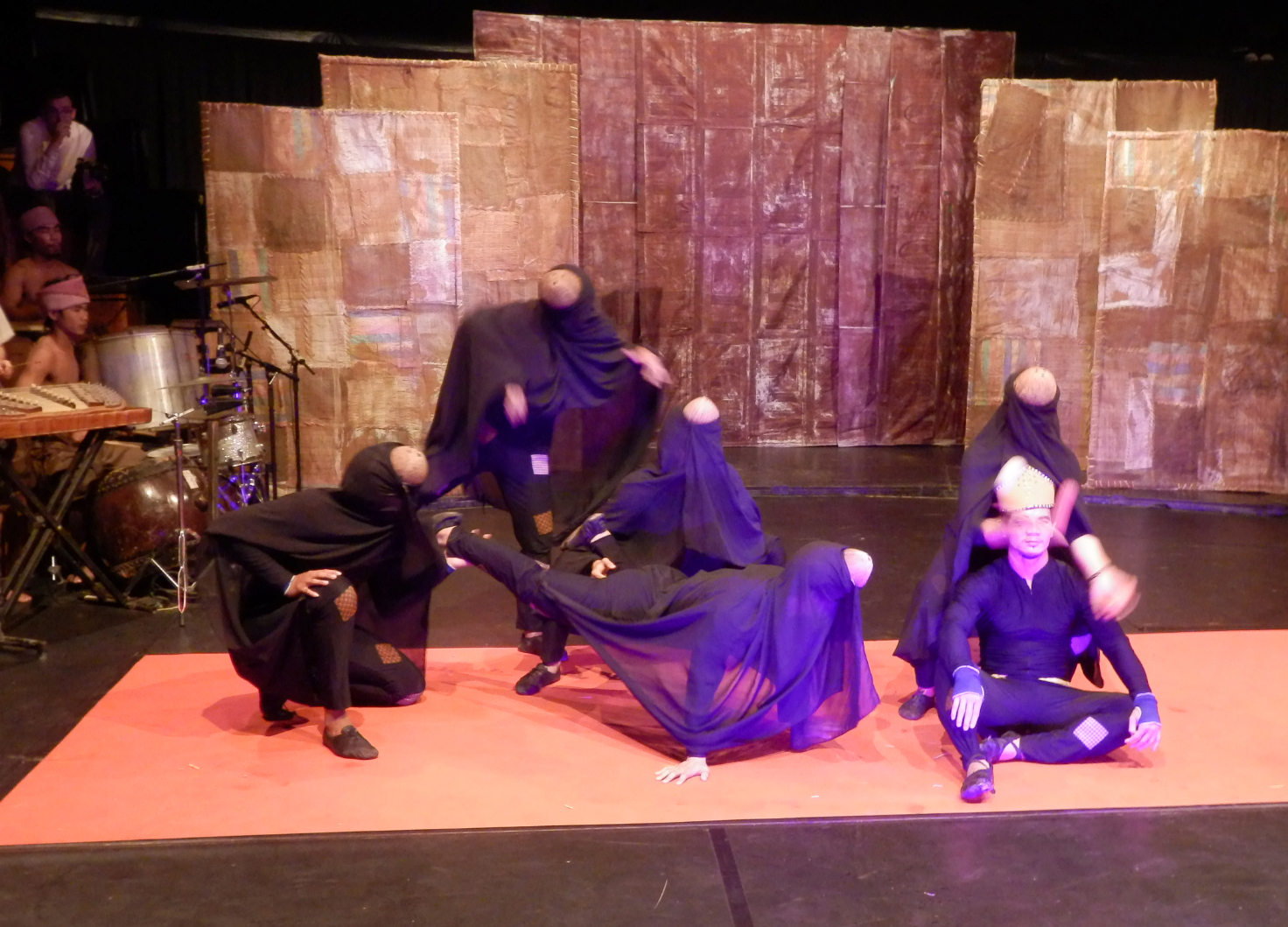
My first night in town was seeing the local circus called “Phare.” This is a circus of a small troop of performers who were once disadvantaged youth from the streets (and no, there were no animals involved here). This is something that I admire about Cambodia. They seem to have numerous opportunities for kids and young adults to get into programs that educate and train them in many different areas of life so that they can go on to have better futures. Phare is one such organization. It was difficult to photograph their movements since they moved around a lot, and it was hard to tell what they were going to do next, but I tried to get what I could.

Day 1: Workshops via “Backstreet Academy.com”
On the website “Tripadvisor,” I was browsing the top temples to see, and I came across a listing from a company called “Backstreet Academy.” It turns out that their website lists many interesting activities that the average tourist is not likely to know about. It listed all kinds of arts and crafts workshops, as well as some tours and cultural classes. From this site, I signed up for 2 workshops; one was for “medieval knife making” and the other was for “iron pencil sketching.”
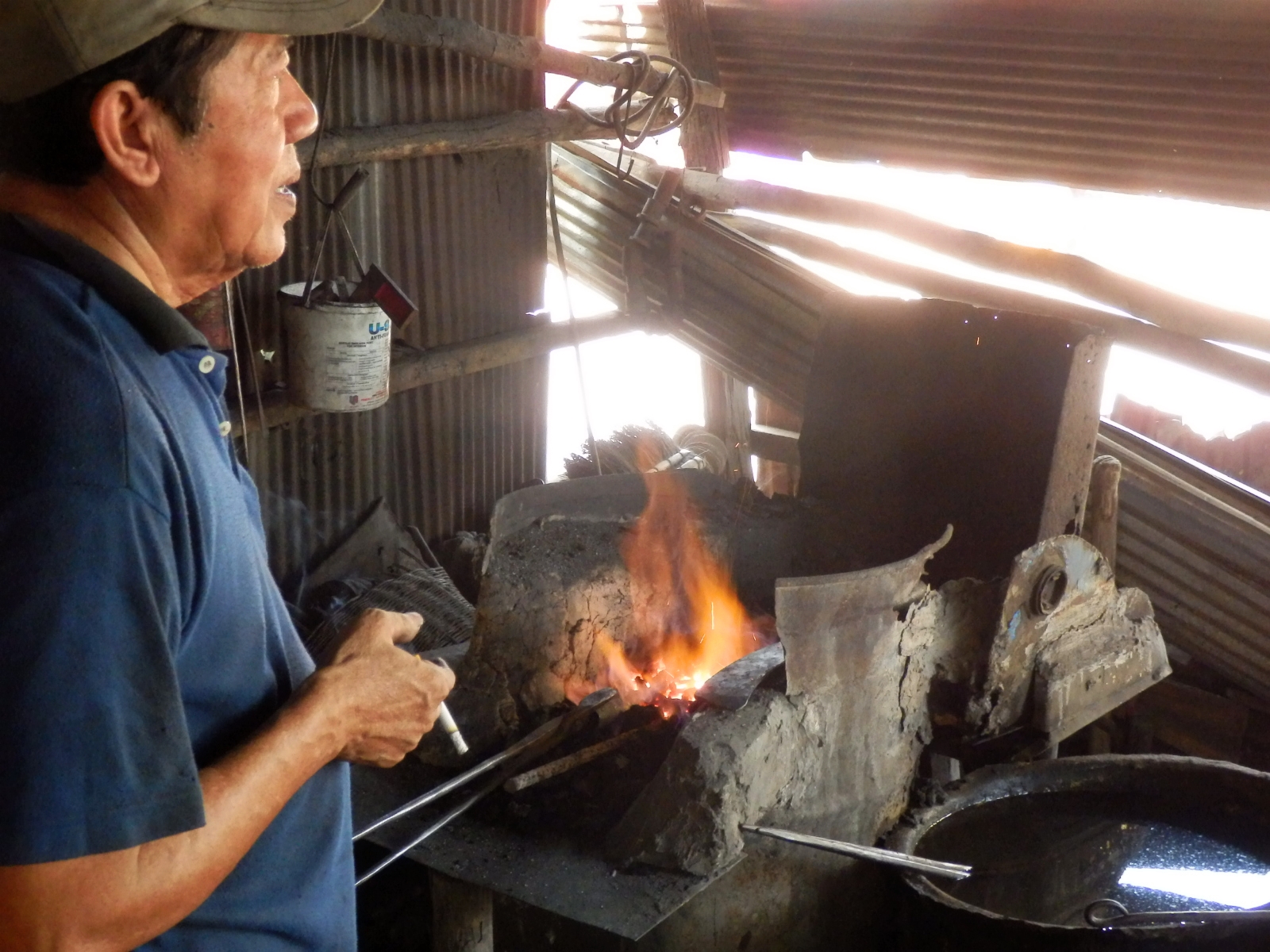
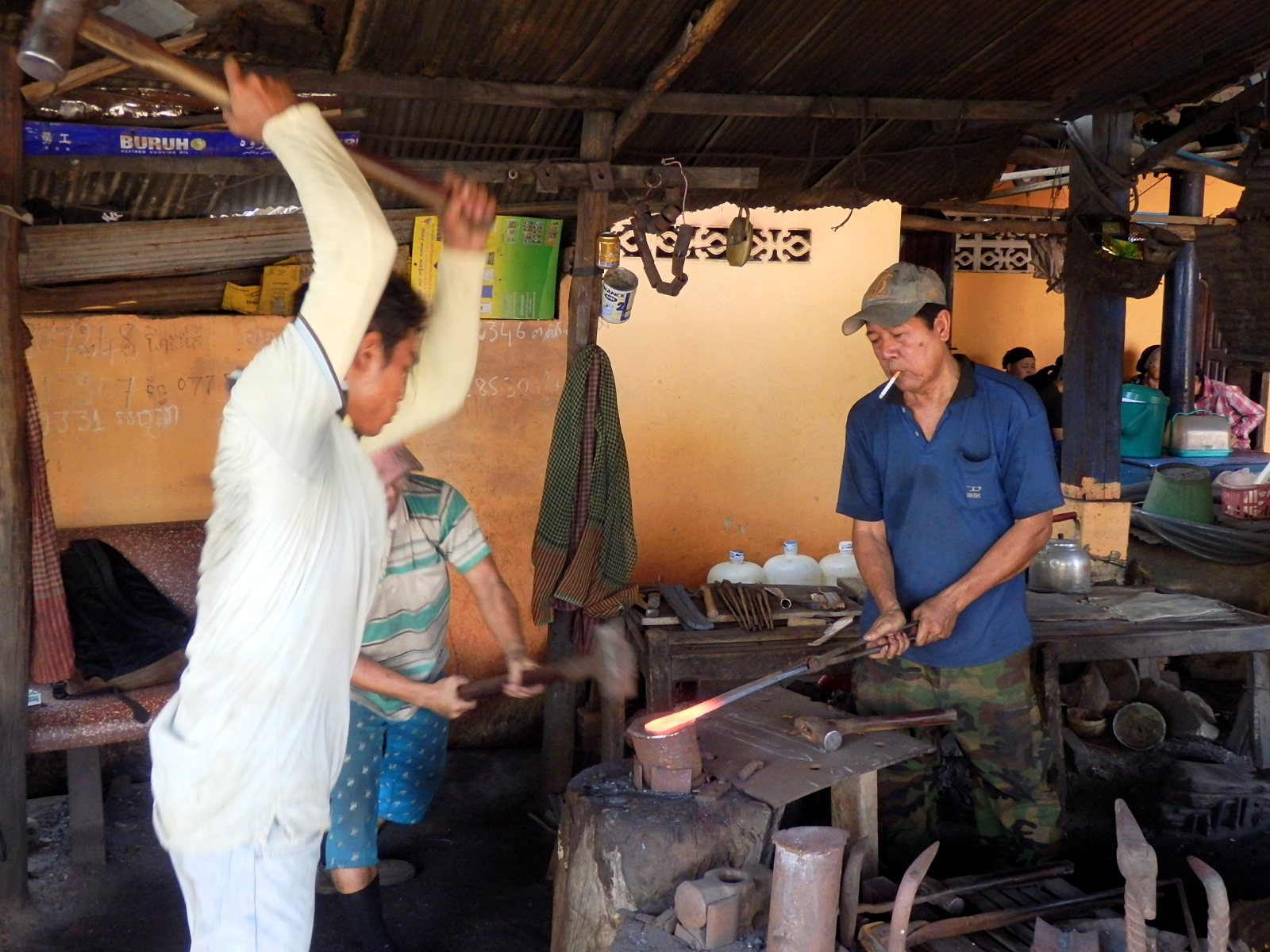
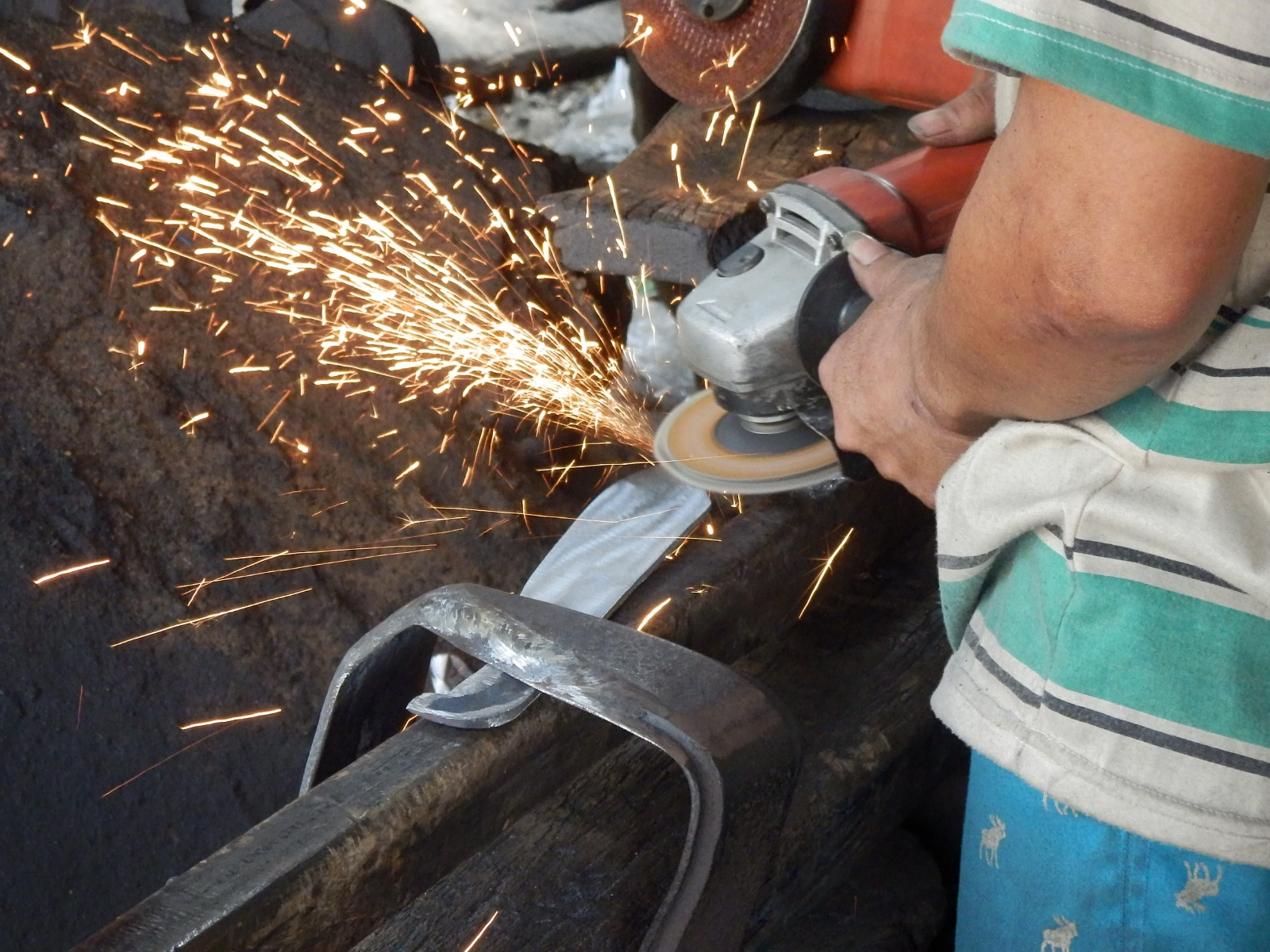
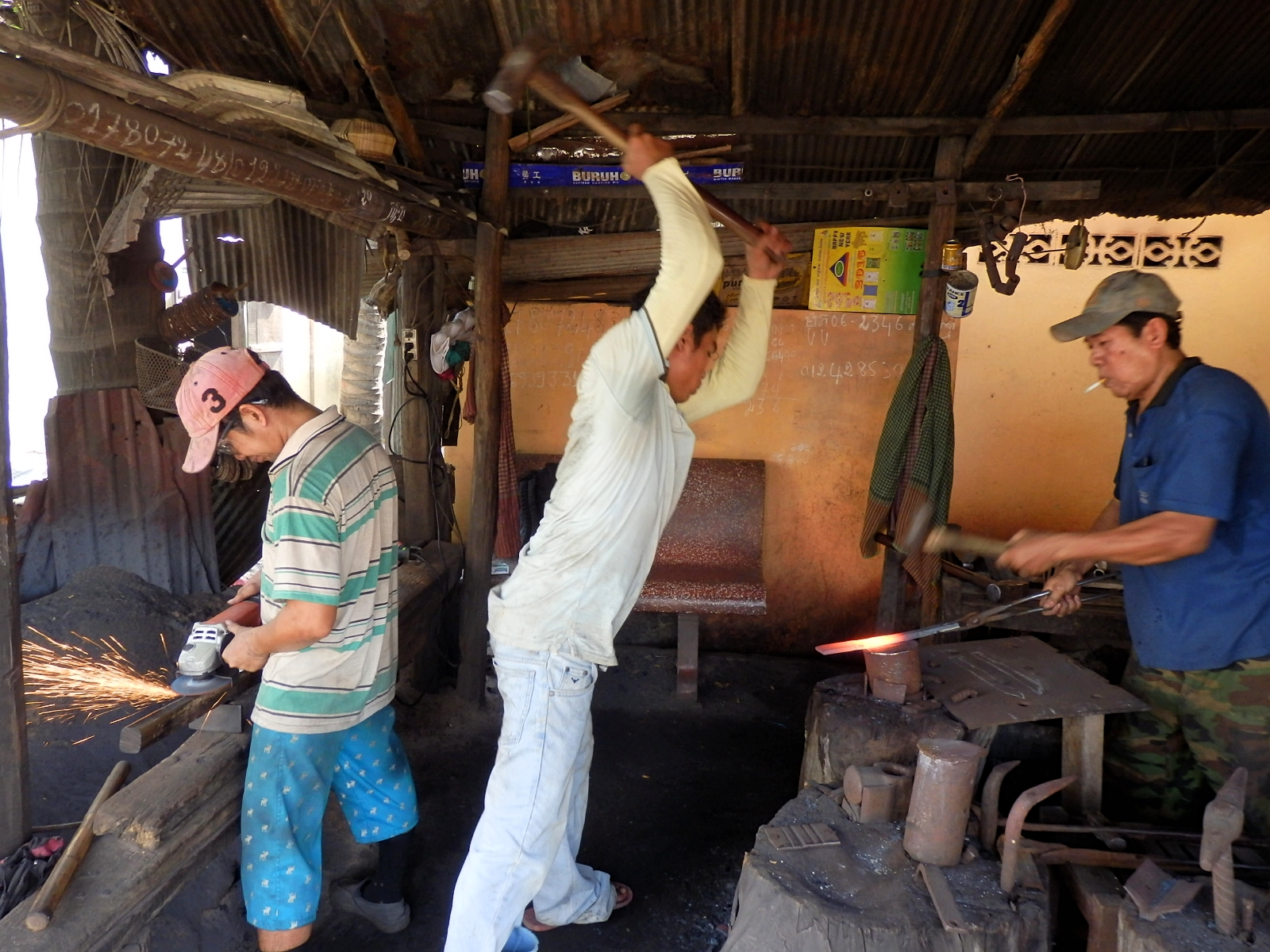
The knife-making workshop is where you assist (at times) the blacksmith who makes you a knife. I ended up being the only person signed up for this class at this time, so it was just me, my tuk tuk driver, the class guide interpreter, and the blacksmith with his crew. The class normally lasts for 2 hours, but since it was just me, it lasted 1 hour and 15 minutes. I did get to help with hammering and sanding the blade. However, I would say 80% of it was still done by the blacksmith and crew. At one point, when I was asked to do some sanding, I asked for something to wrap around my lower legs since I was wearing shorts. I saw the sparks flying around earlier, and I didn’t want to potentially melt any leg hairs. Later on, as I was taking more photos, I felt one of the sparks fly near my eye. It didn’t feel hot, and it didn’t hurt, but it still made me glad I was wearing my glasses.






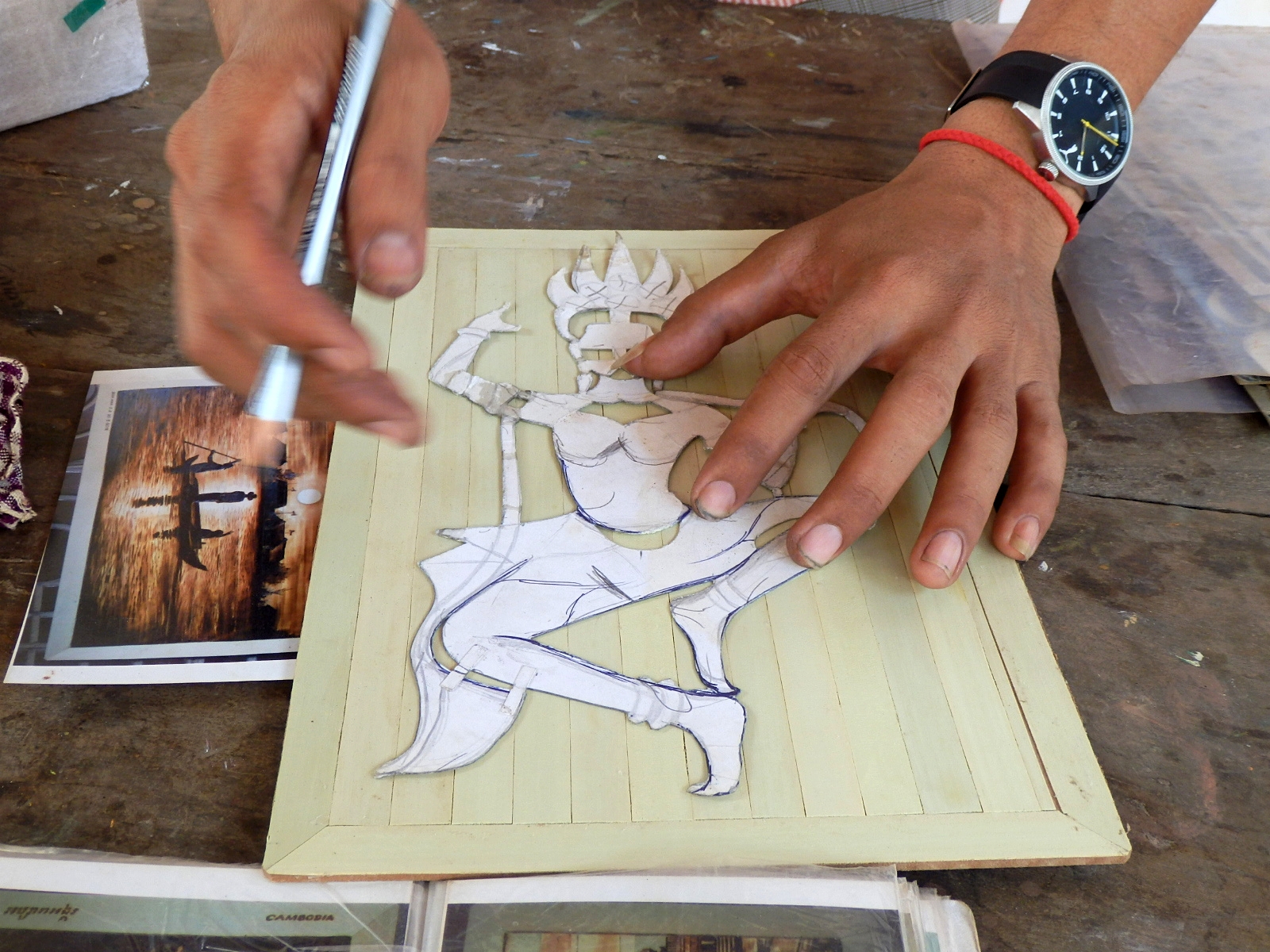
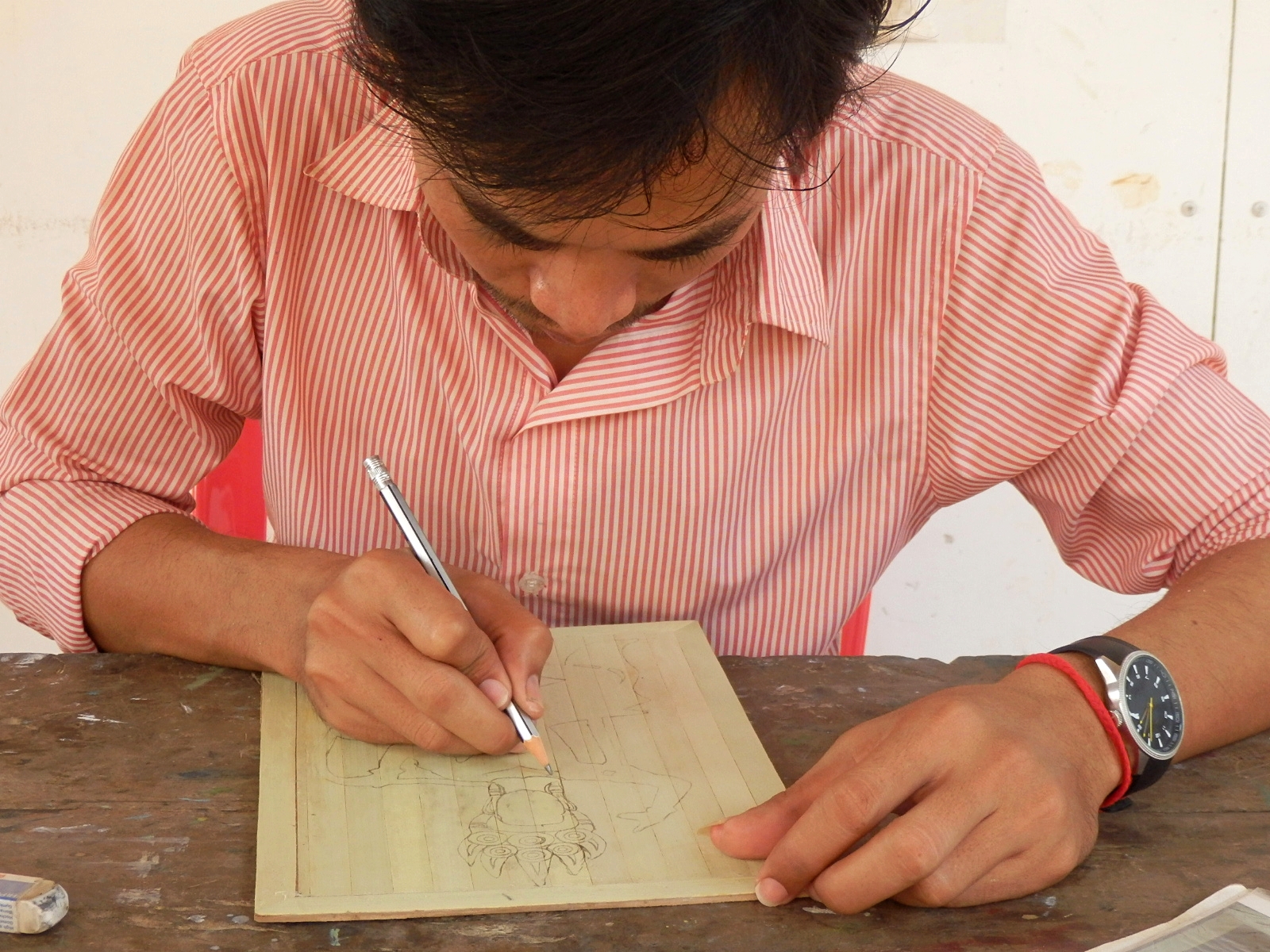
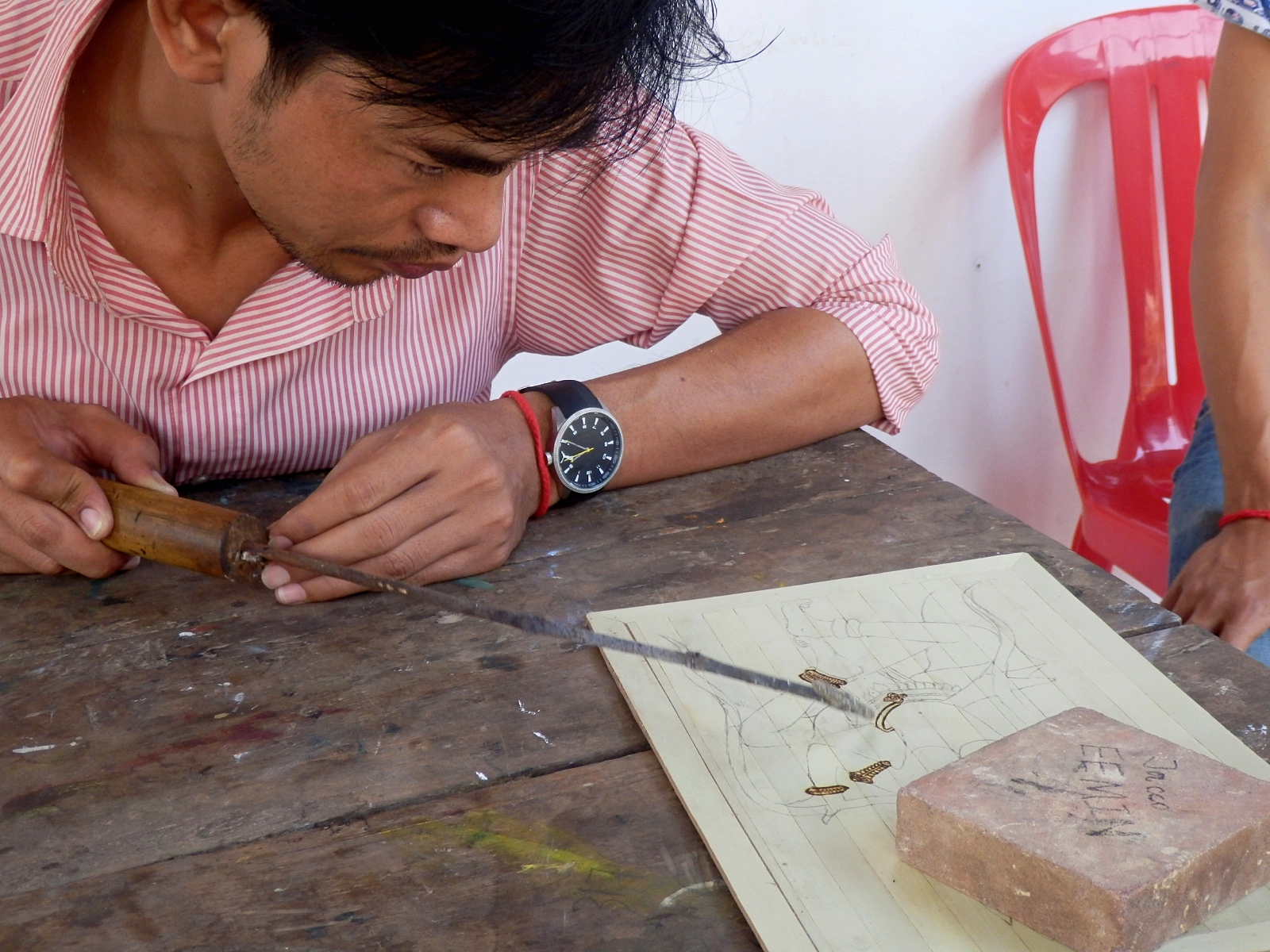
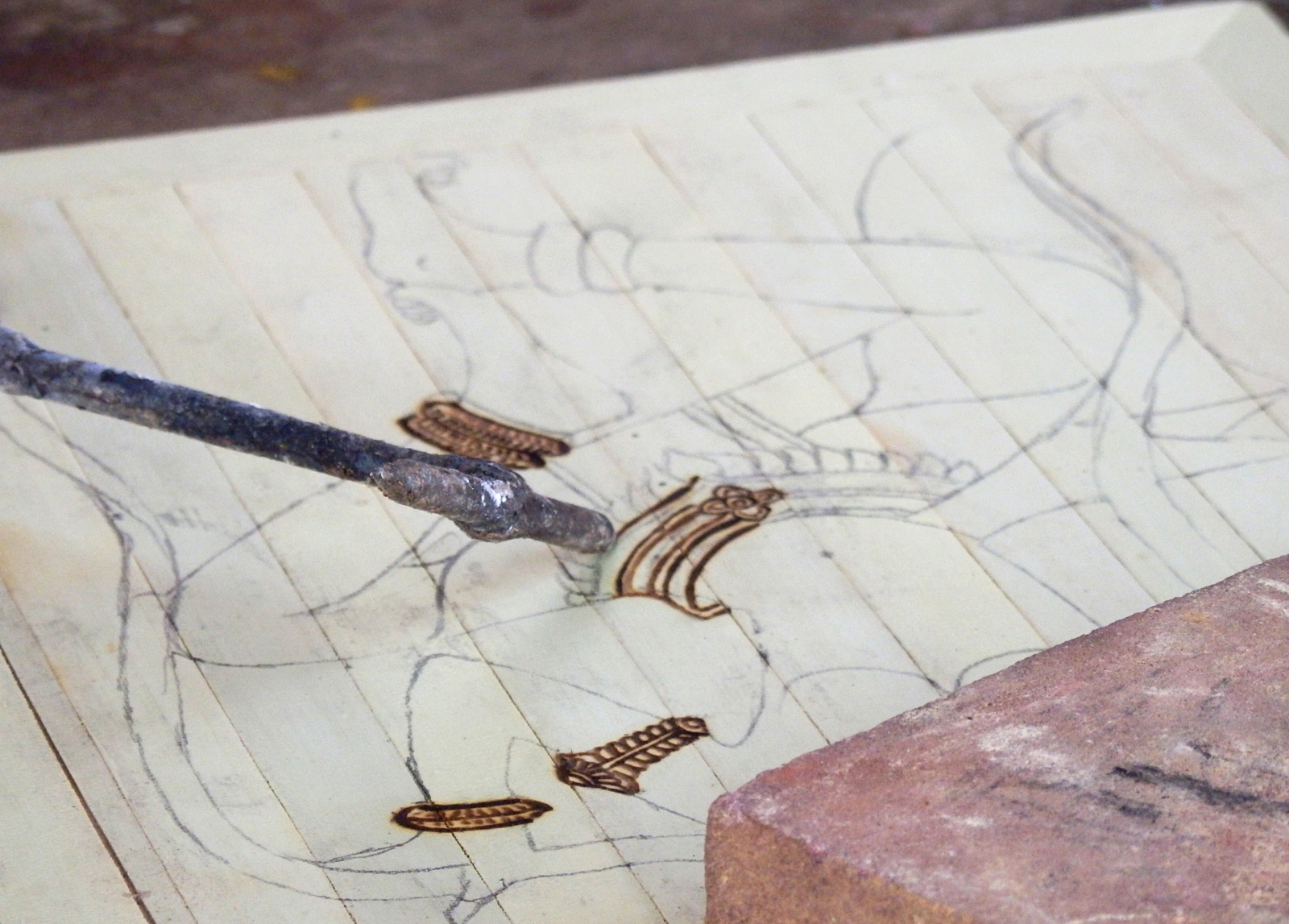
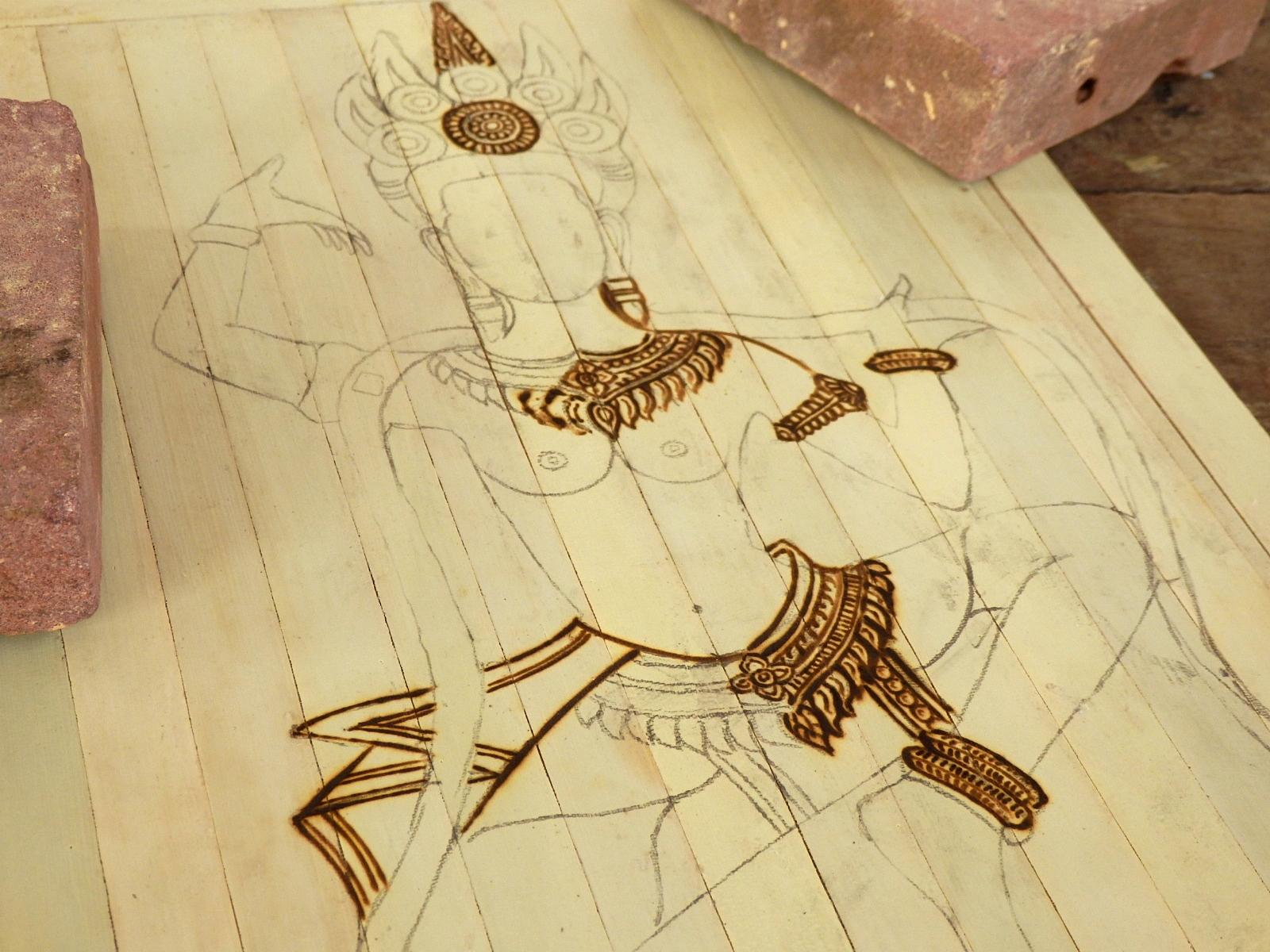
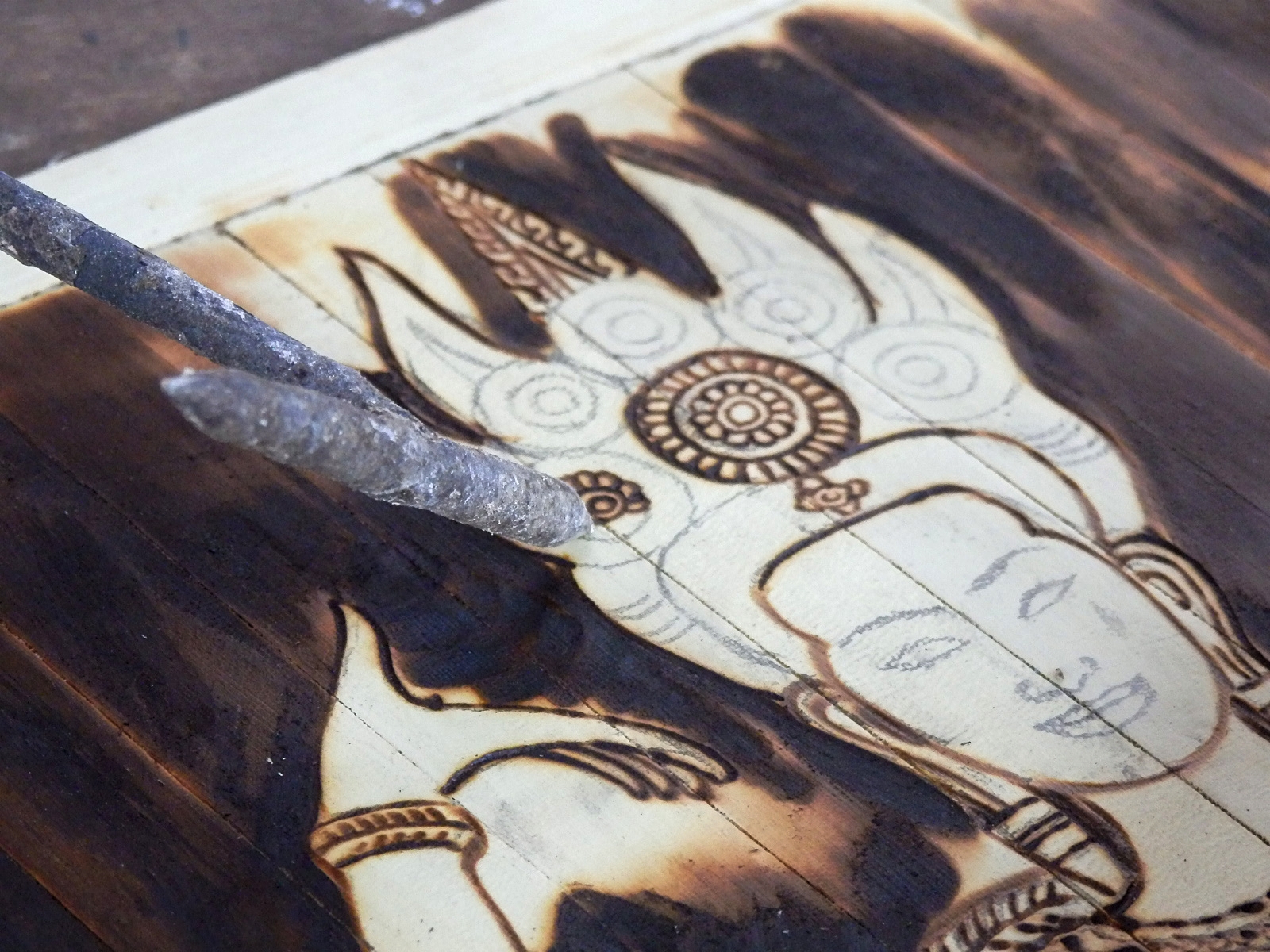
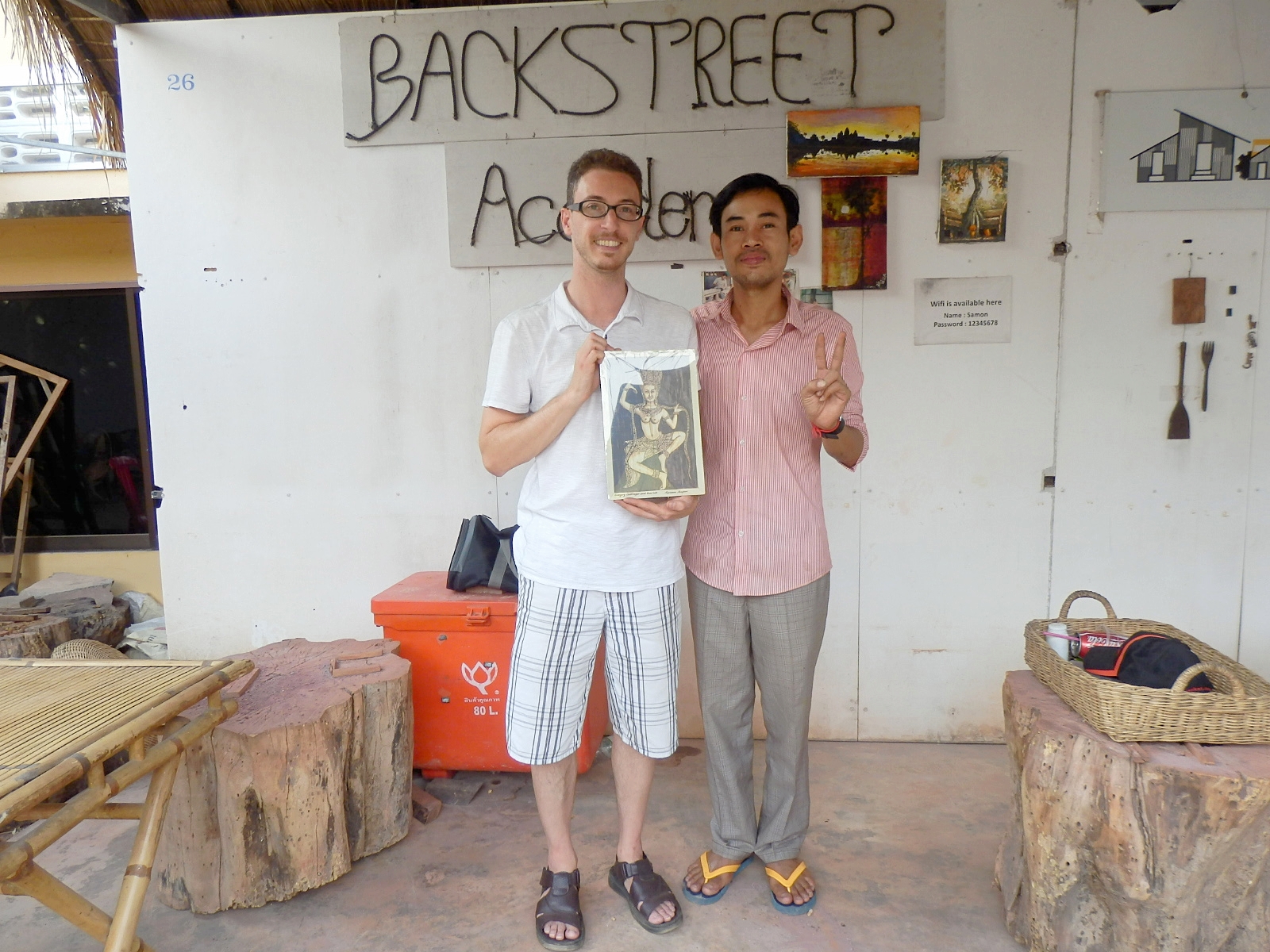
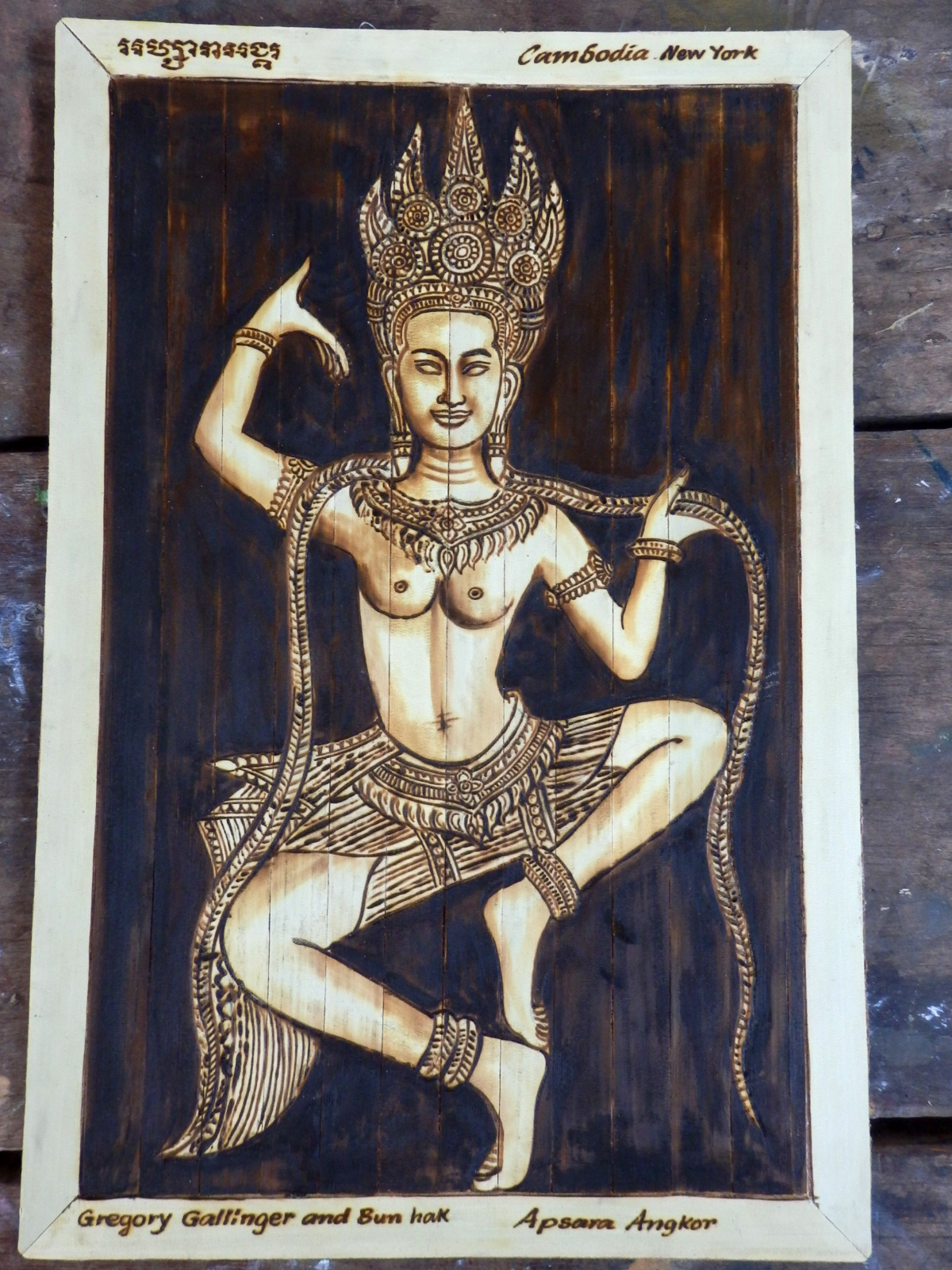
The other workshop I did in the afternoon was with a local artist who basically invented a new form of “sketching.” While burning some banana leaves (or palm leaves? ), he thought that the patterns it made in the leaves were interesting. He then experimented and eventually came up with the idea of using a little iron that he shaped into a “pencil” and used it to burn (“draw”) images onto palm wood. The idea that this was a class about a one-of-a kind art form with a local artist was what intrigued me the most. When I arrived, again, I was the only person signed up for my session (although we showed up just before the end of the previous session, where two guys were finishing up their pieces). This class lasts for 3 hours, and my session lasted almost that long. I saw one of the image choices to make the sketch from, but when I found out that the two guys just before me had both already done that same one, my instinct to do something different kicked in, and I decided to choose a more challenging one. That decision would turn out to be bitter-sweet.
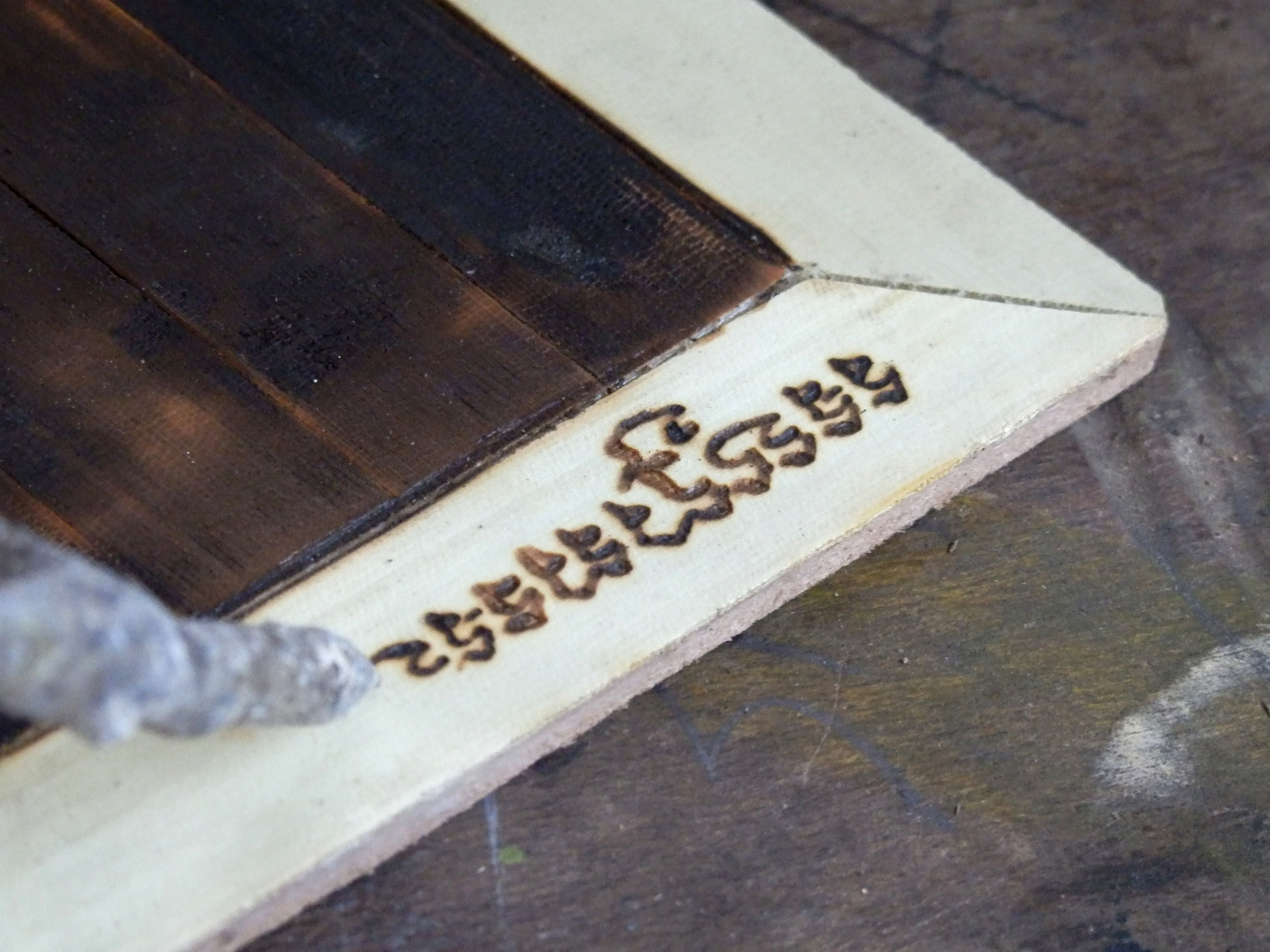
His name is Roenum Banuk, and he of course did about 90% of the piece (which was fine by me because I could never really figure out how to get the iron poker to glide properly across the wood like he could and my hands weren’t as steady). I got noticeably frustrated throughout my portions, as I really wanted to challenge myself and do the piece justice. There was another man there who was supposed to help by translating, but Roenum seemed to know enough English to chat with me and give me directions. This other guy seemed like his English wasn’t as good, nor were his iron-pencil sketching skills. At times, he kept insisting on helping me by doing some parts himself, even though he was just as bad as I was (this also fueled my frustration).
Finally, after some 2 hours and 30-45 minutes of carefully watching him burn, smudge, and blend, the piece was finished, and I was ecstatic! He sketched his name, my name, our home locations, and some Khmer writing. It was a beautiful personalized piece, and I told him it was now my favorite souvenir of all. He even made sure to wrap it tightly in plastic wrap, then cauterized it using his iron pencil and sealed it in an envelope. I took pictures before he did this, so now I don’t have to open it up to remember what it looks like.

That evening, I decided to go to another one of those social enterprise restaurants that I talked about in Phnom Penh. I wanted to have Khmer food, but once I saw the cheese burger (with Gruyere) and a patty made of pork and beef, I gave in to my urges. Everyone knows what burgers look like, so I decided that I wasn’t going to take photos.
Day 2: Temples tour via Vespa motorbike
Before I found out about Backstreet Academy, I had stumbled upon this temple tour aboard a Vespa motorbike. The listing said that it took its riders on an all-day tour that was more off-beaten-track, which is right up my alley. Once again, I wound up being the only person signed up that day. The organizer of the tour messaged me to ask if I wanted to join the tour the next day since there were other people signed up. I told him that I was already busy with the cooking class but that I honestly preferred to be the only one on my tour.
I was first driven to the home of the man in charge of the tour, an expat from the Netherlands who married a Cambodian woman with whom he has two kids. We chatted for a bit before I was introduced to his 11-year-old son. After that, his wife, Akim, came out, and we had a nice one-on-one chat. She said that she usually tells her story to the group over lunch, but since it was just me, she decided to talk to me right then and there. Part of the tour description mentioned meeting Akim and hearing about her story of finding out that her grandfather was the grand abbot of Angkor Wat and of her time growing up on the grounds there. Her story was fascinating, to say the least. Without going over all of the details, her life contained the following:
1) A father who is Chinese and whose family didn’t like Akim’s mother or Akim and her siblings and followed his family’s wishes by abandoning them.
2) Her mother losing several children and it driving her “crazy,” as Akim described it.
3) Akim almost dying from fever or illness.
4) Her mother got into a terrible fight with her sister-in-law and their side of the family violently attacked her mother before the police were called in. They all went to jail, and Akim was without her mother for over a year.
5) She and her siblings found out that their grandfather was the Grand Abbott of Angkor Wat and traveled on foot for over 6 hours to meet him there. She and her siblings would go on to spend maybe 5 years or so there living as “boys” (meaning having their hair cut short and wearing boy clothing) and getting their education from the monks (since only males can be monks that live at the temples).
6) After refusing to settle for a life of being a farmer without any further education, much to her grandfather’s chagrin, she was told she needed to leave the temple. She found work at a restaurant where the couple that owned it asked to adopt her (to which she said yes).
7) The couple trained her to eventually take over the restaurant. During her time there, she told them she did not want to be paid until her time there was finished. She took her wages from those several years and gave some (perhaps all, I don’t remember) money to her mother to get a house. At this point, she says her mother’s mental health has greatly improved.
Later, she would go on to buy up an abandoned restaurant and run it successfully. Not long after dating a handful of foreign men who wanted to marry her but none of whom worked out, she went on to meet her current husband, who is Dutch.
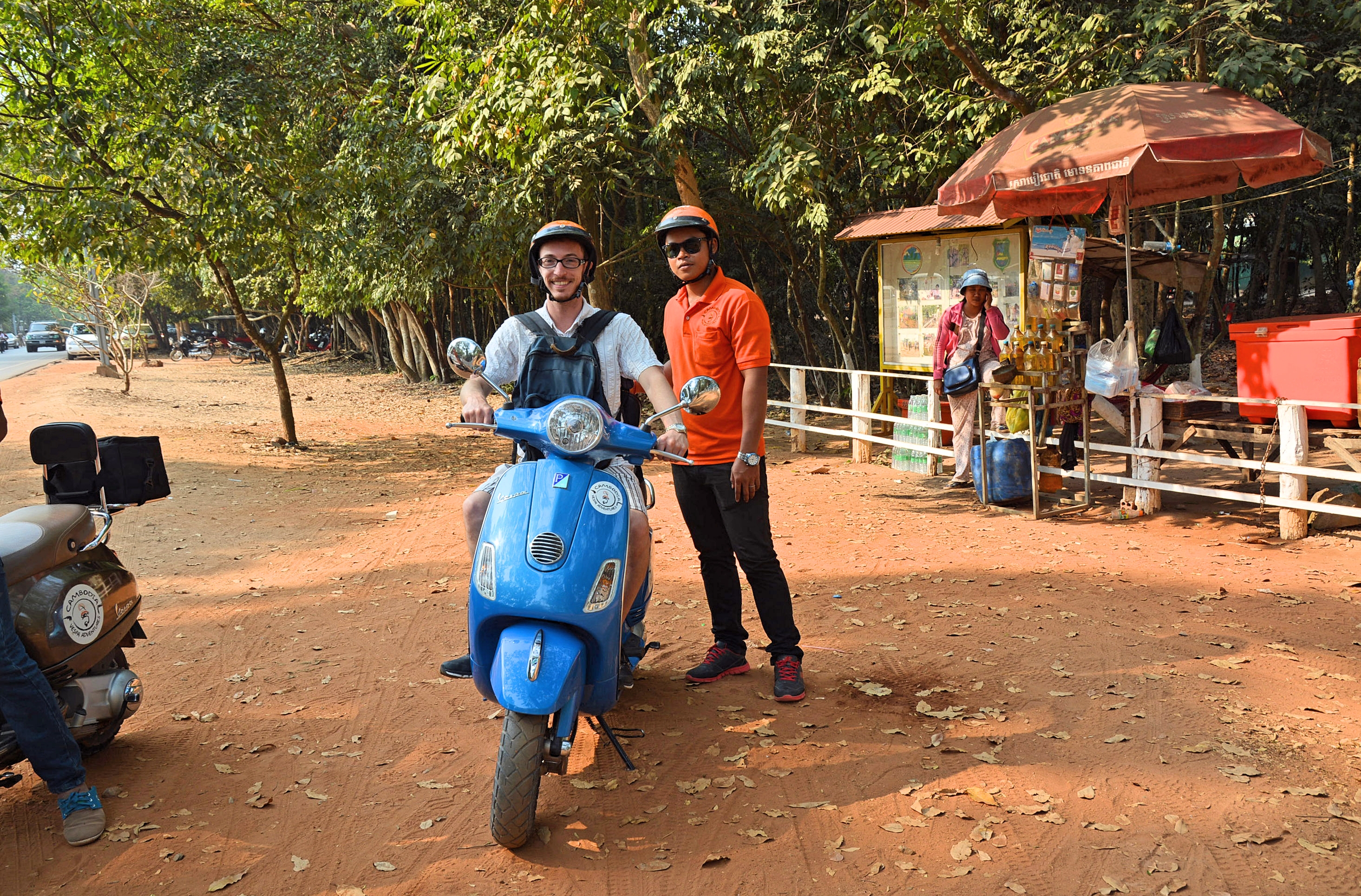
OK, so I guess that was still quite a bit of information. The conversation was fascinating, and I really enjoyed the personal one-on-one time. Between the iron pencil sketching workshop and this morning’s conversation, it just cemented my need and appreciation for more personal and intimate moments with people on trips. For the rest of the day, I would also be given the VIP treatment of having a tour guide all to myself and getting to travel from temple to temple on a Vespa (but only as a passenger). Now, onto the temples.
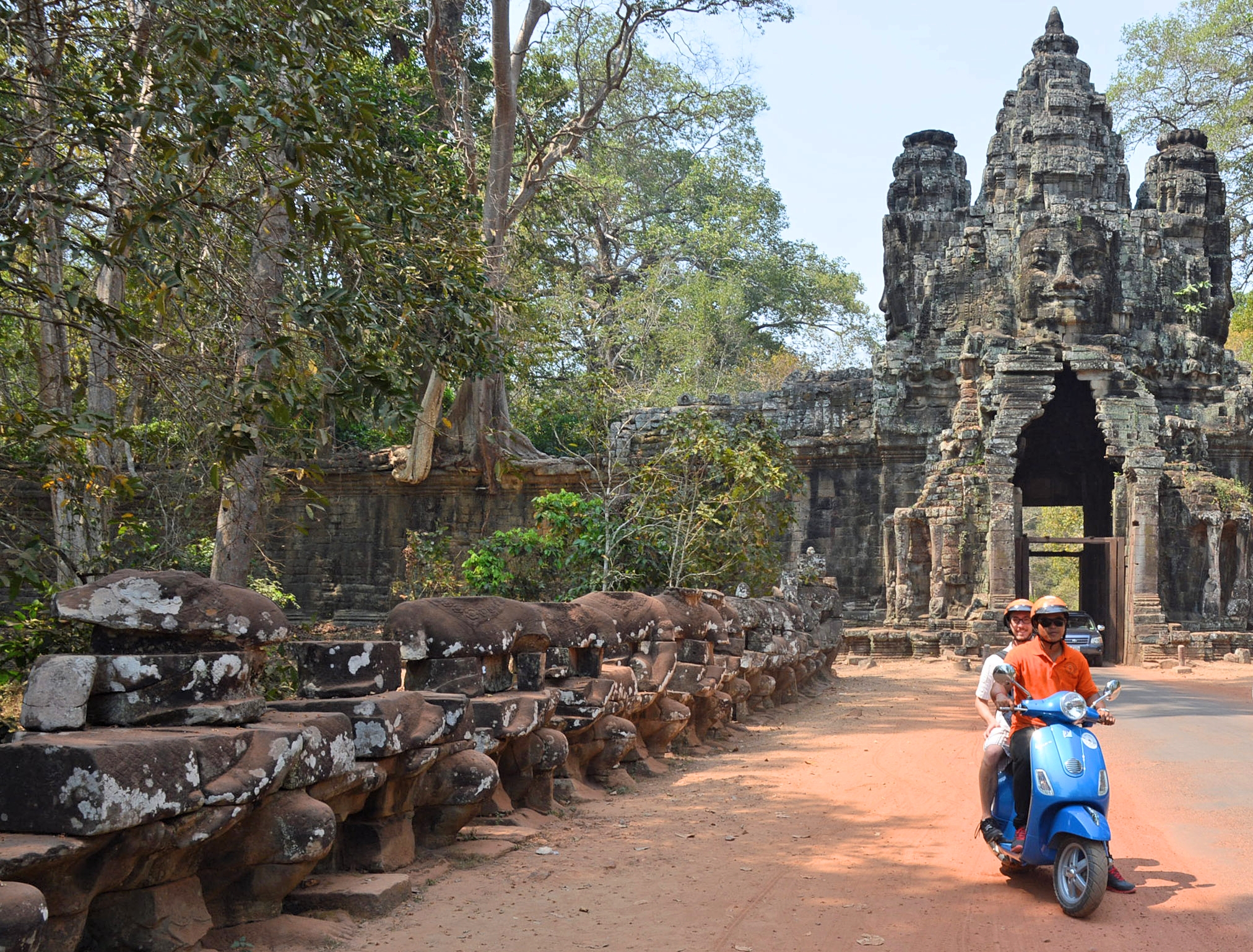
The first place we went to was called “Bayon,” a temple that is part of the Angkor Thom site. It was built in the late 12th or early 13th century by King Jayavarman VII in honor of Buddhism. There are over 2000 faces carved into 54 towers, and they are supposed to represent the face of the king, eventually becoming the Buddha.
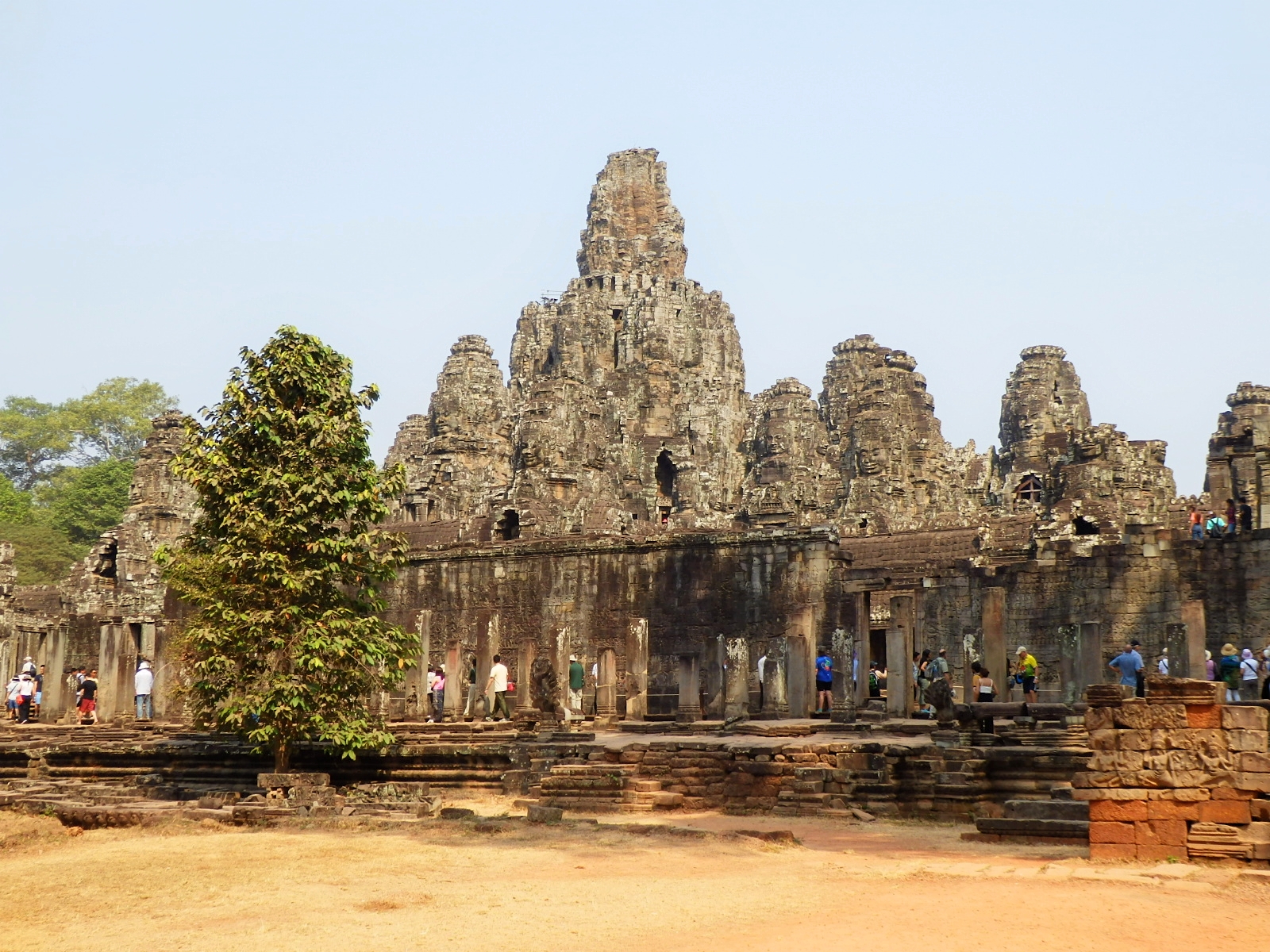
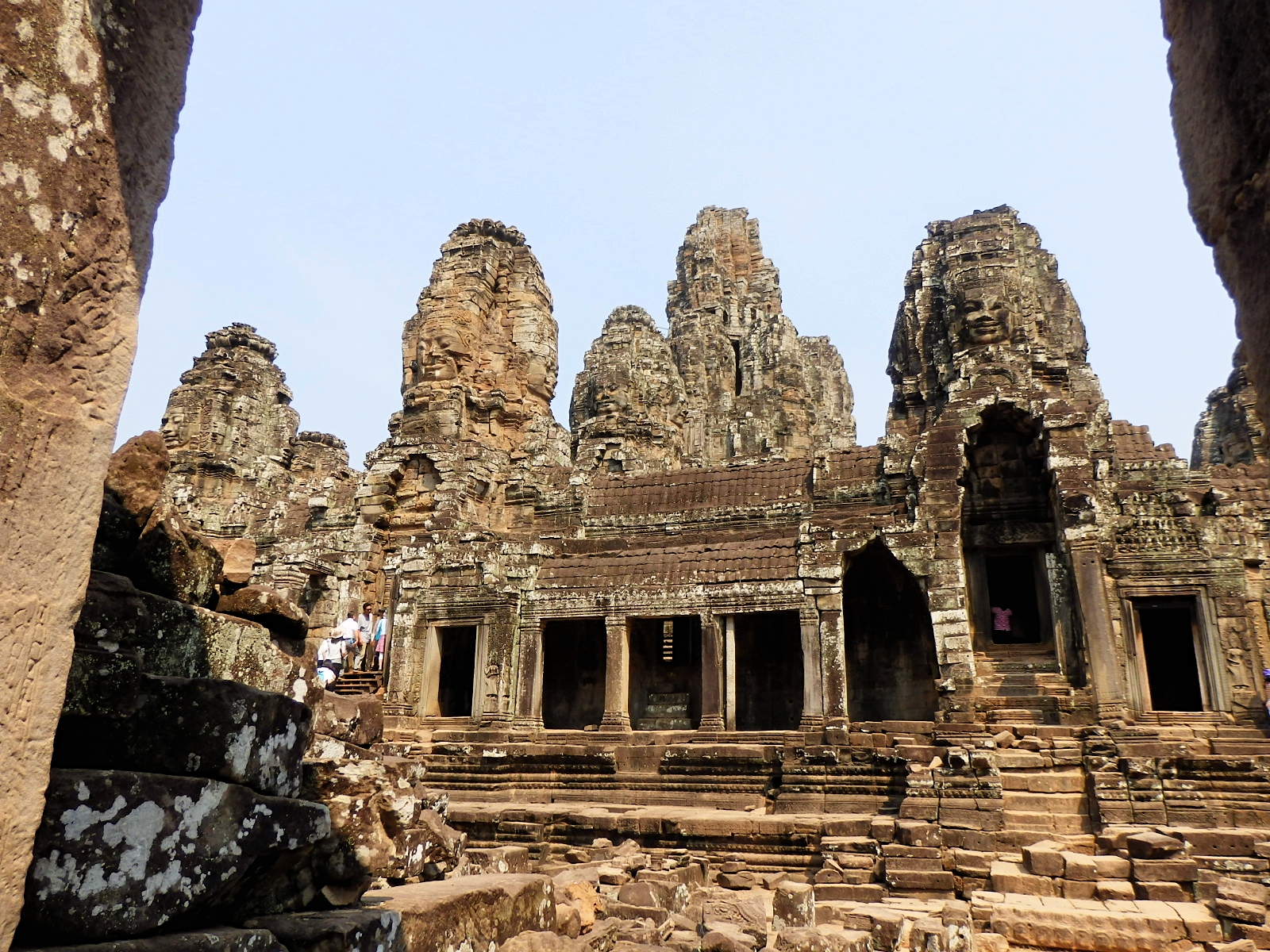
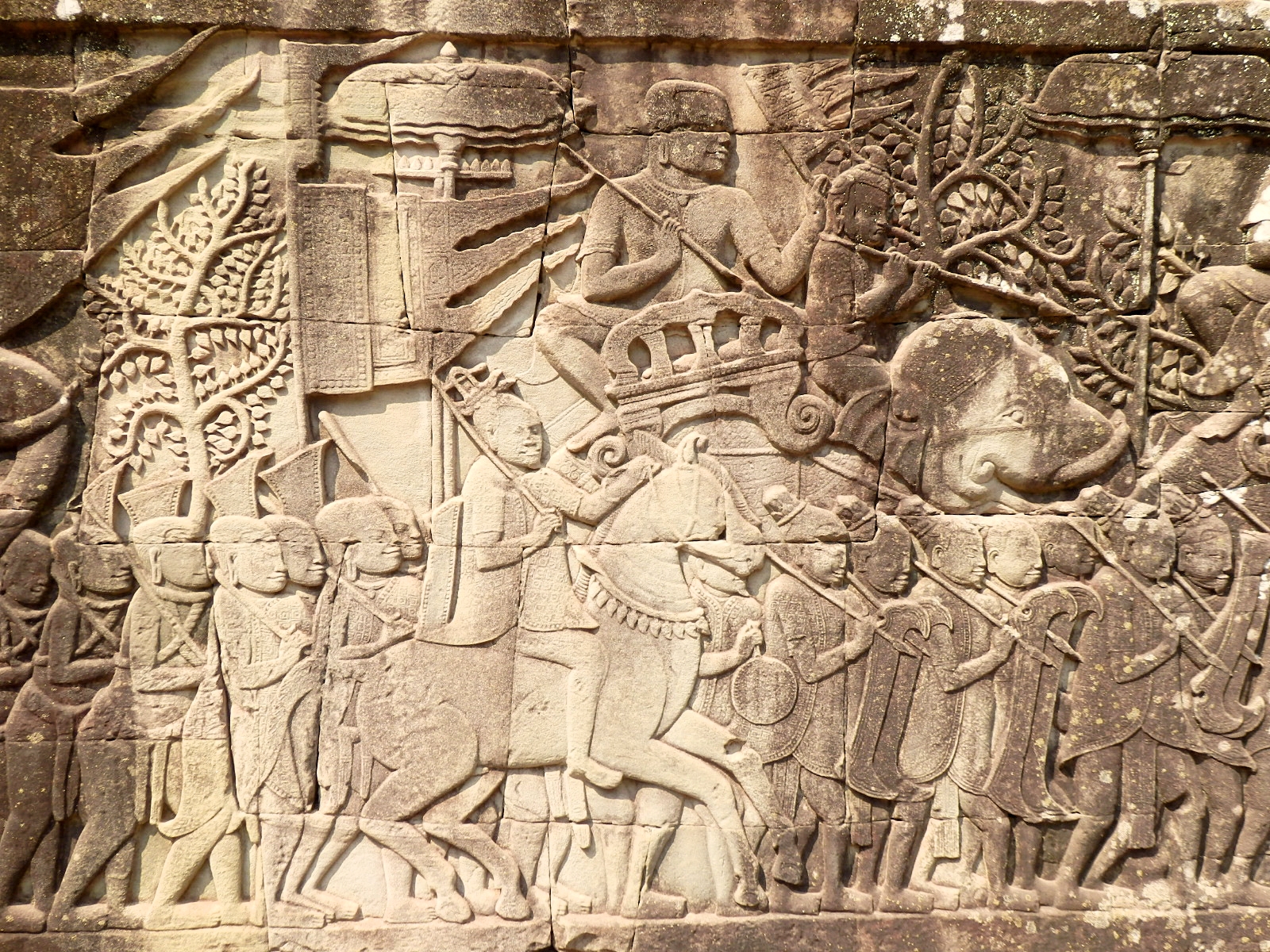
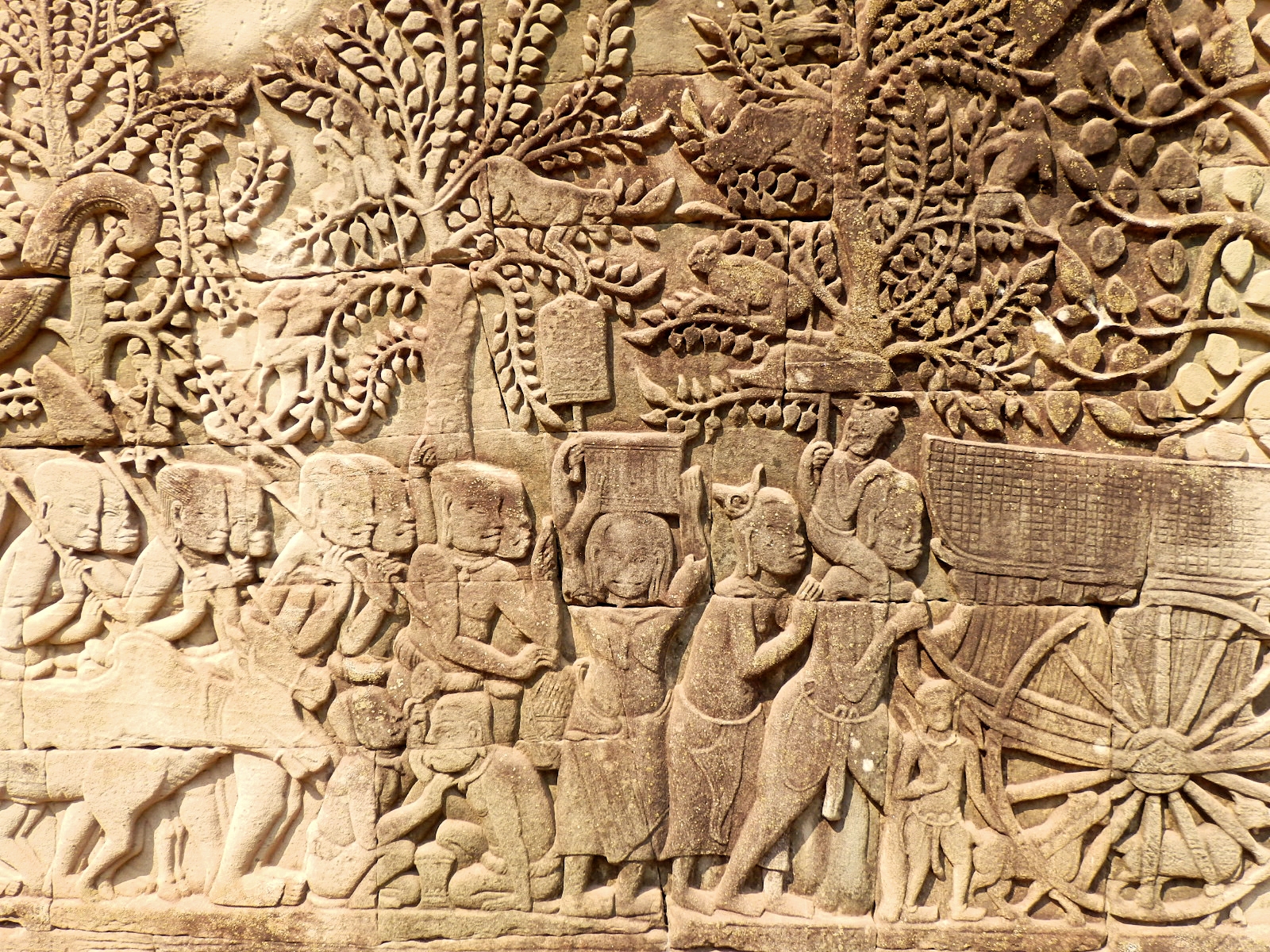
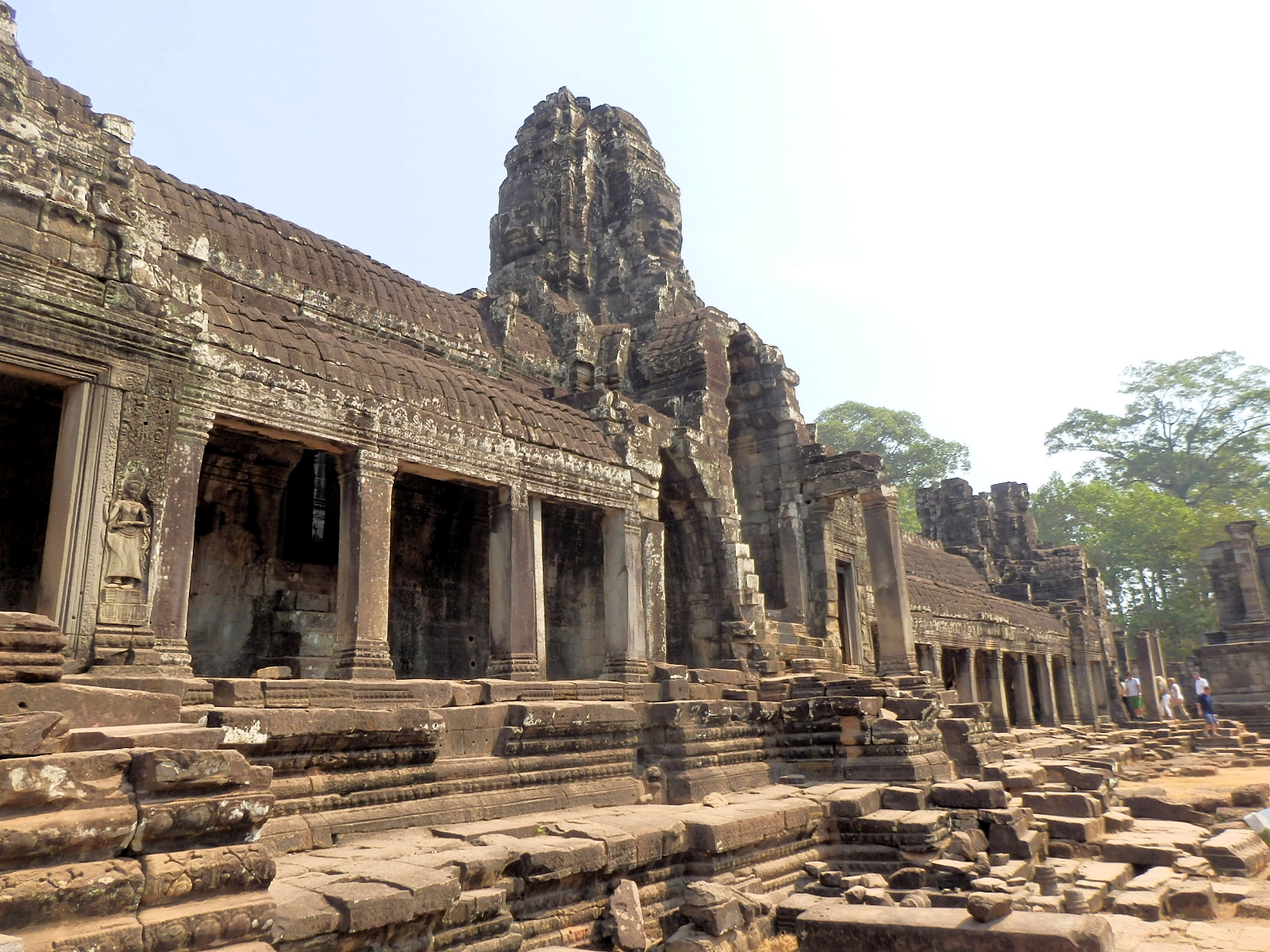
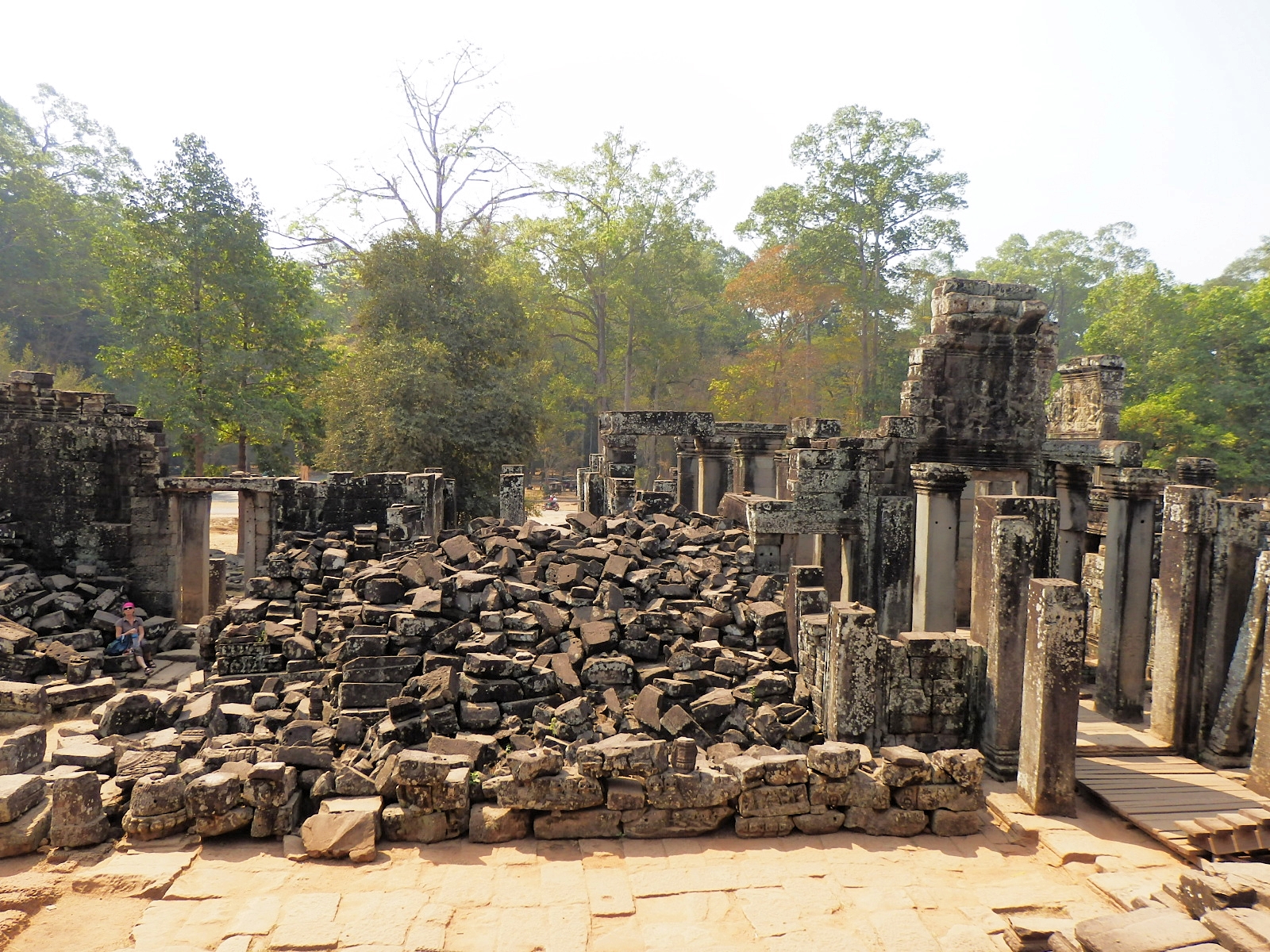
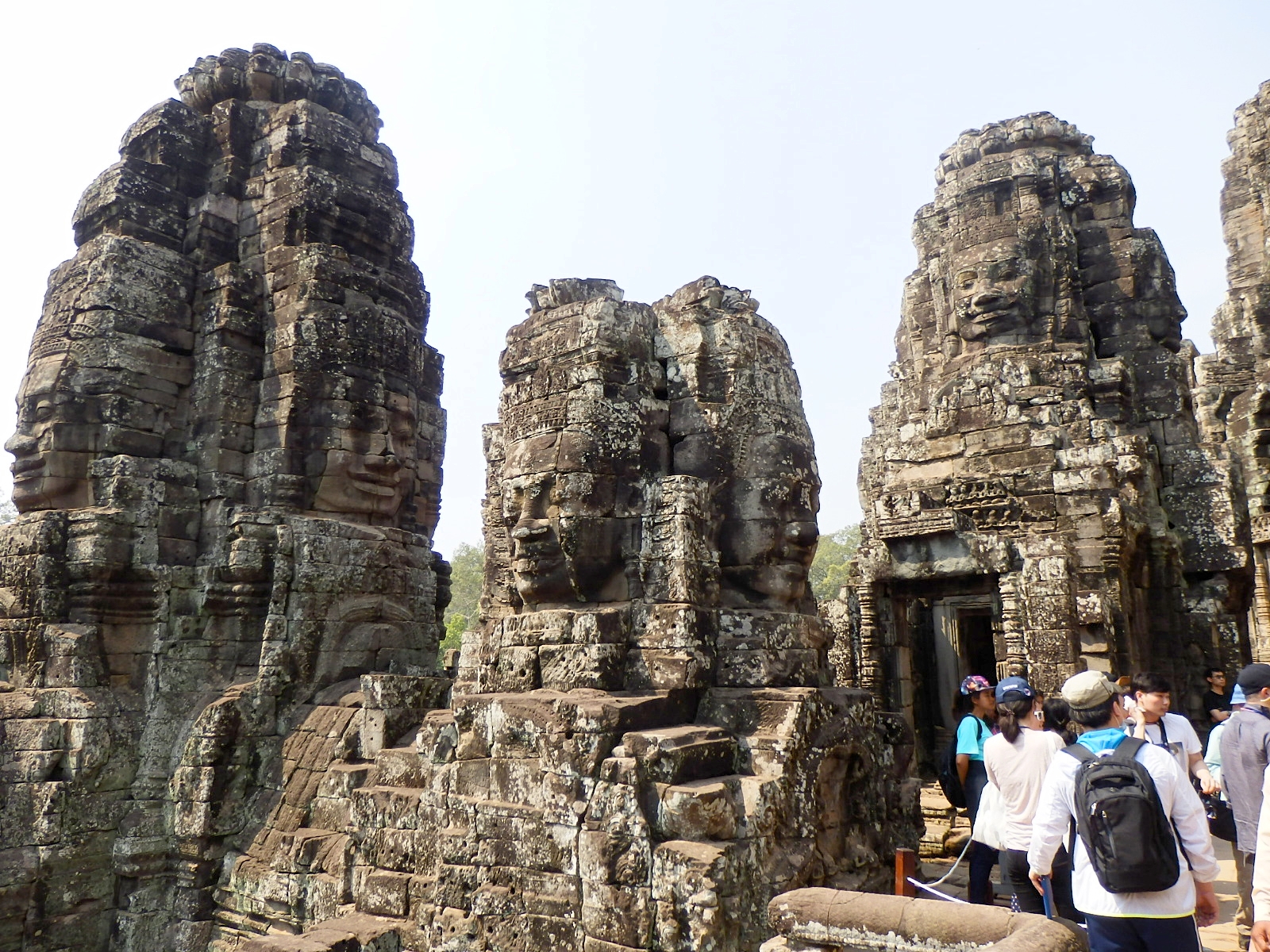
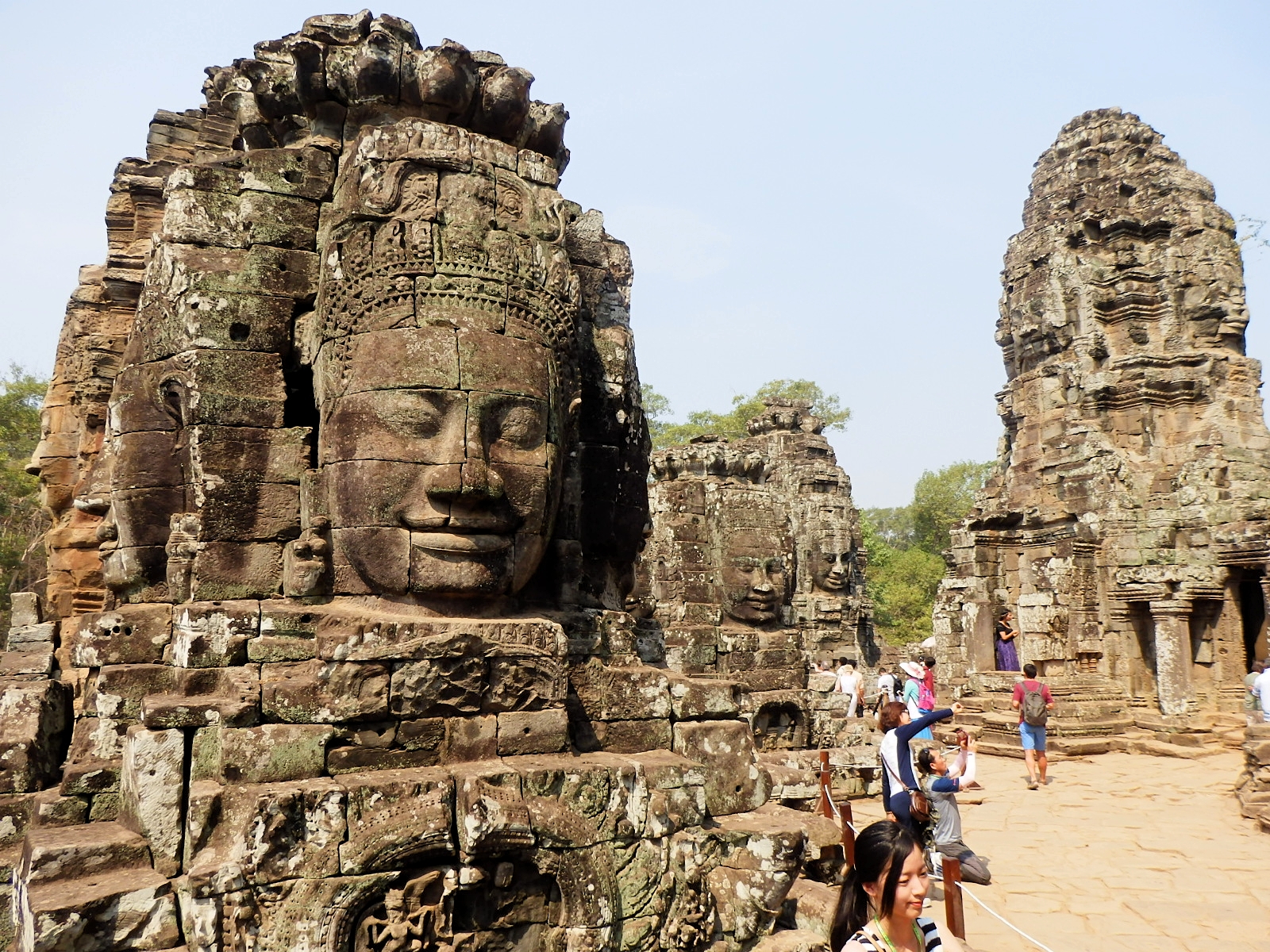


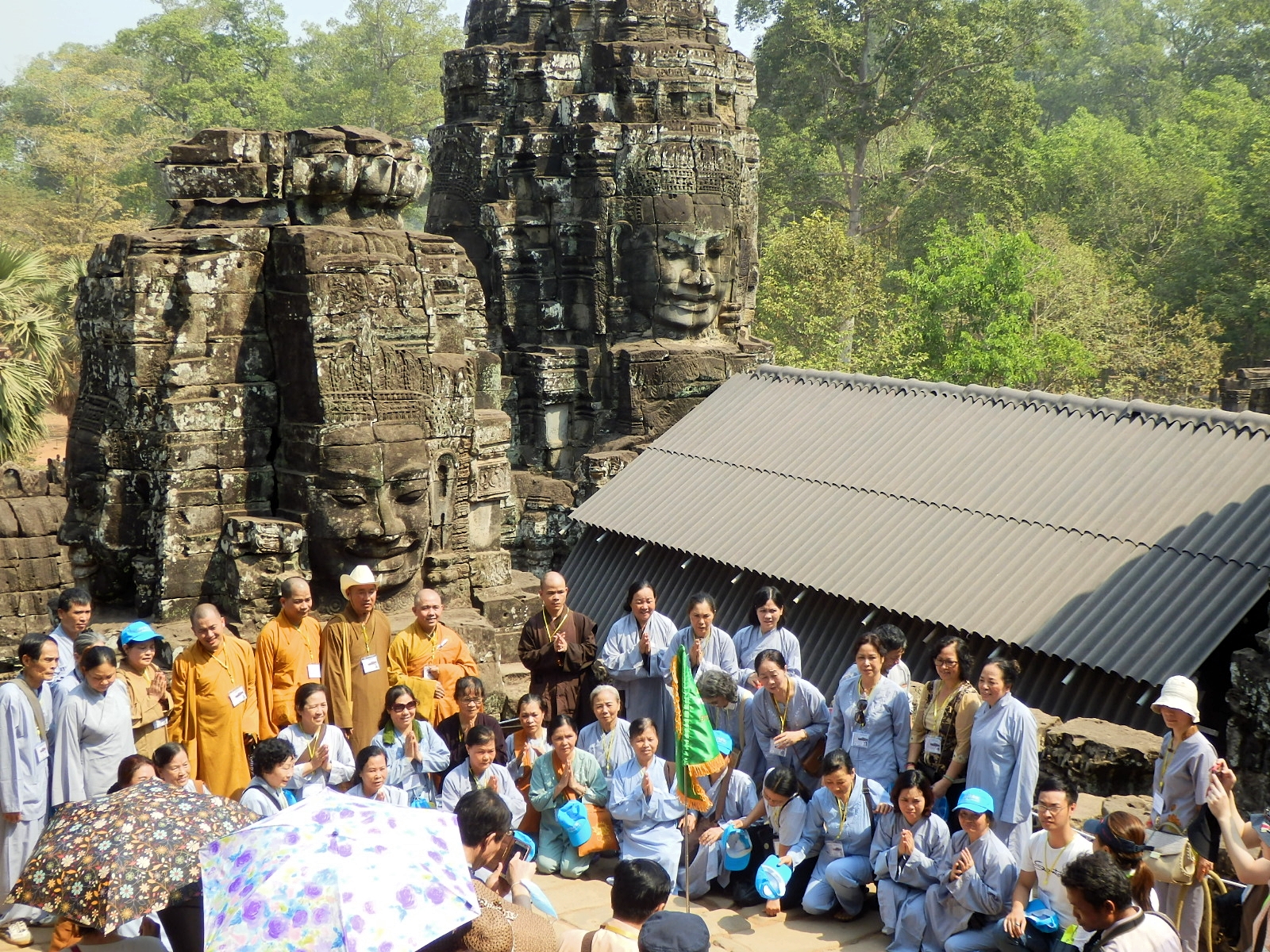
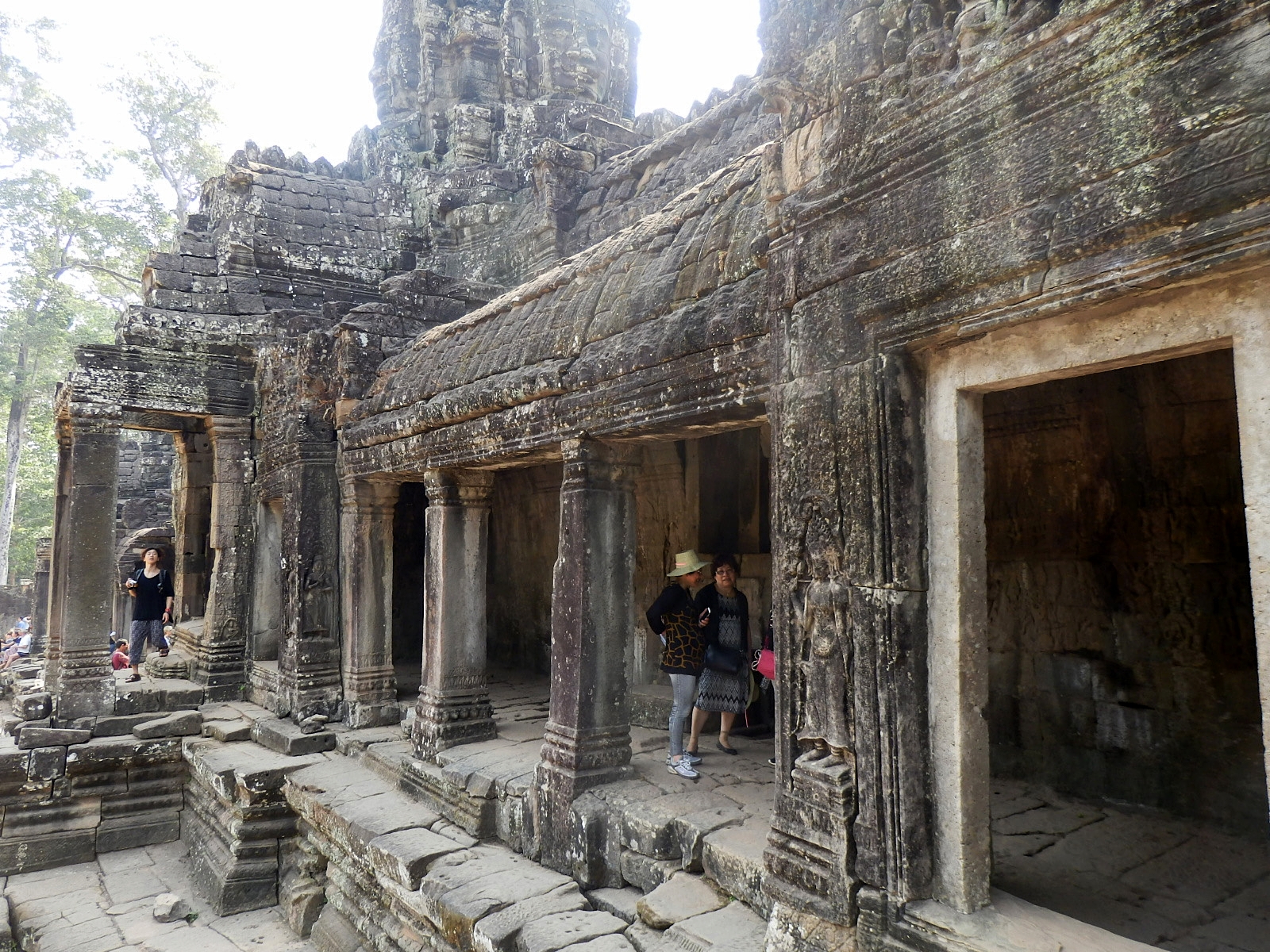
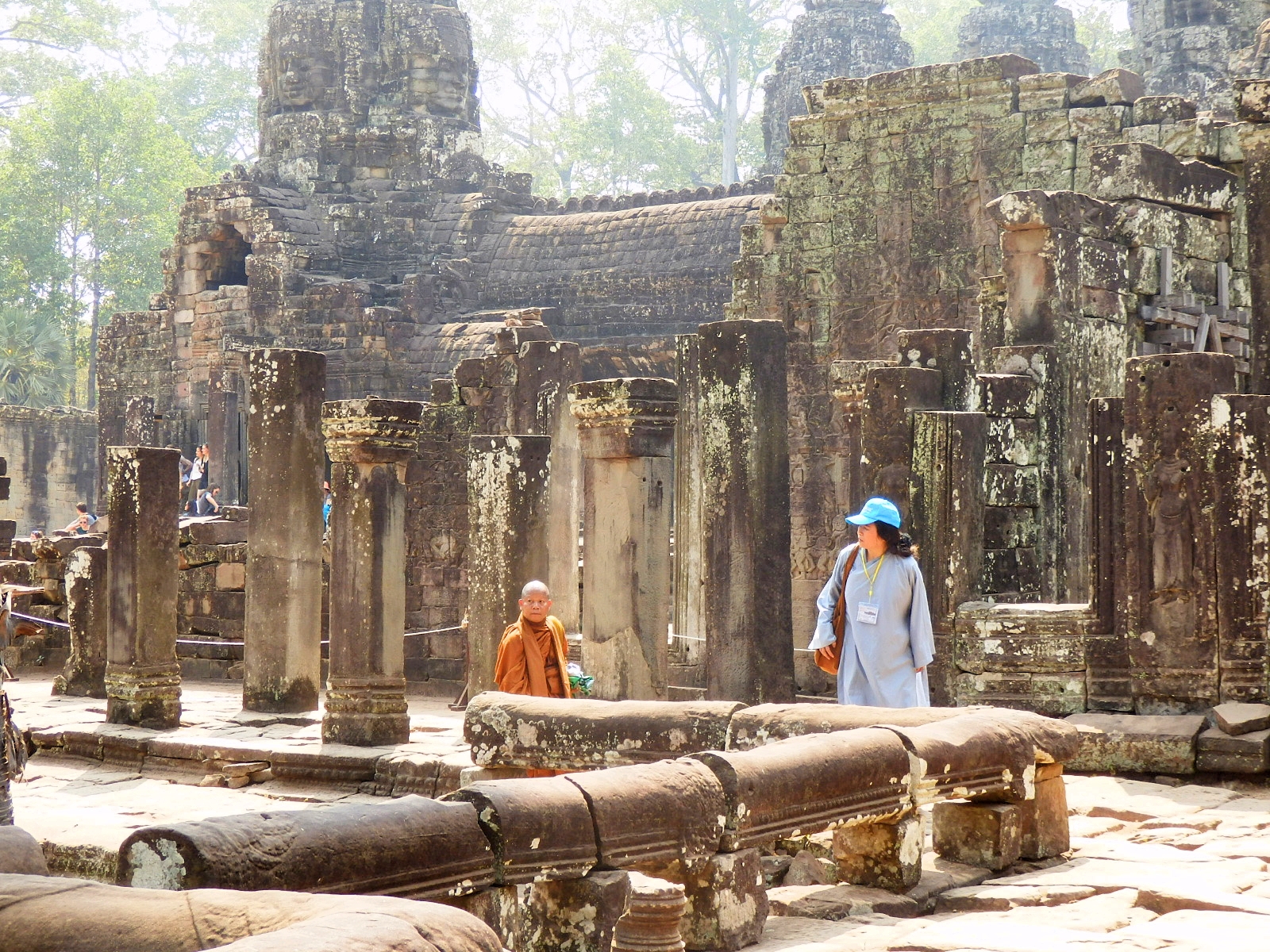

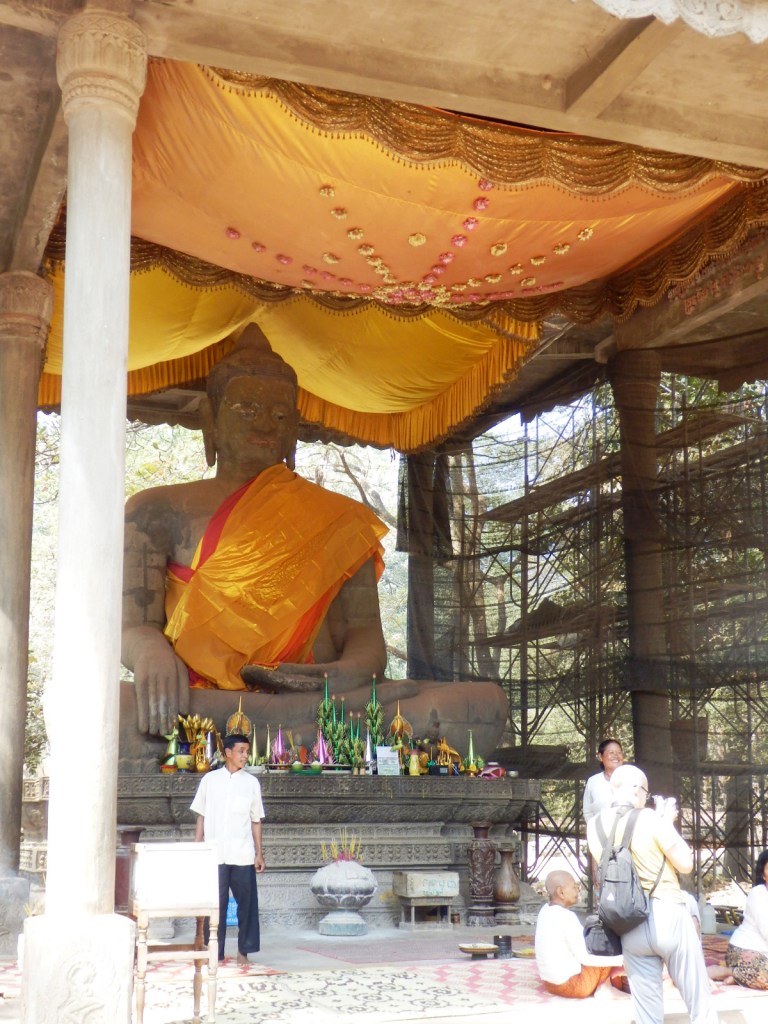
On the same grounds there is a another Buddhist temple.
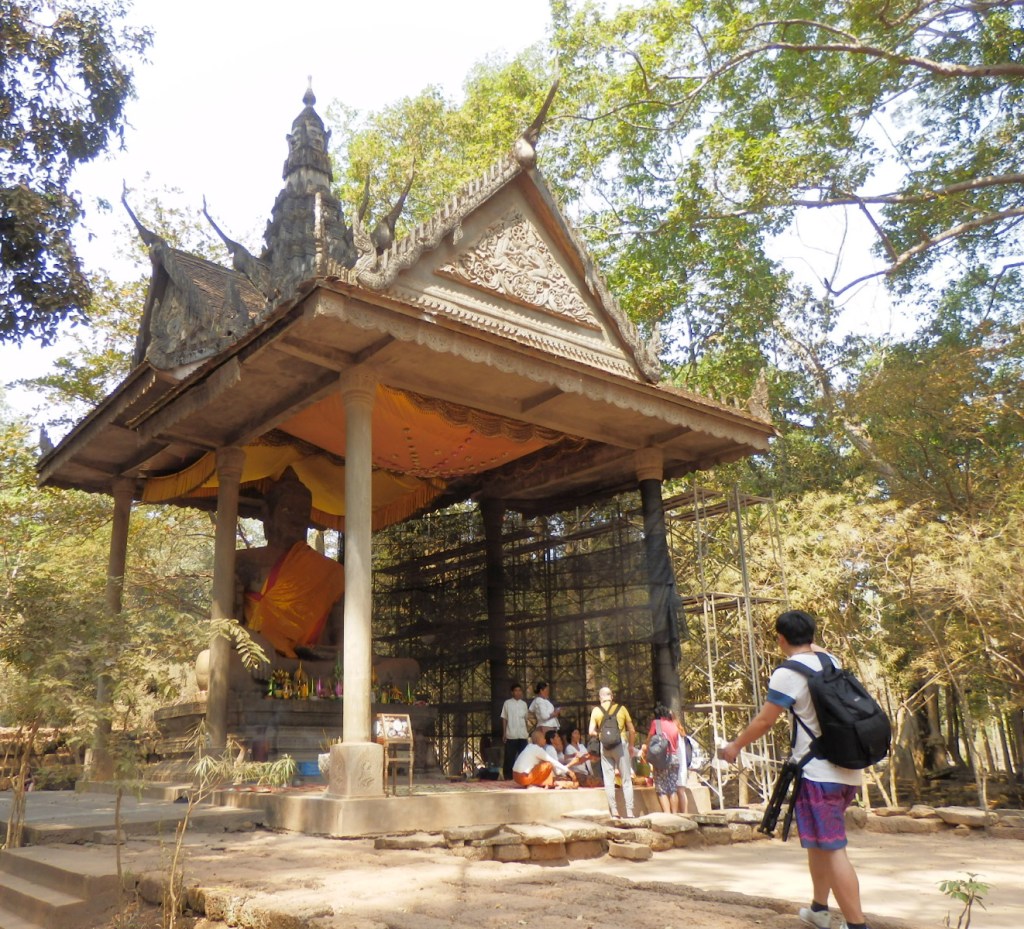
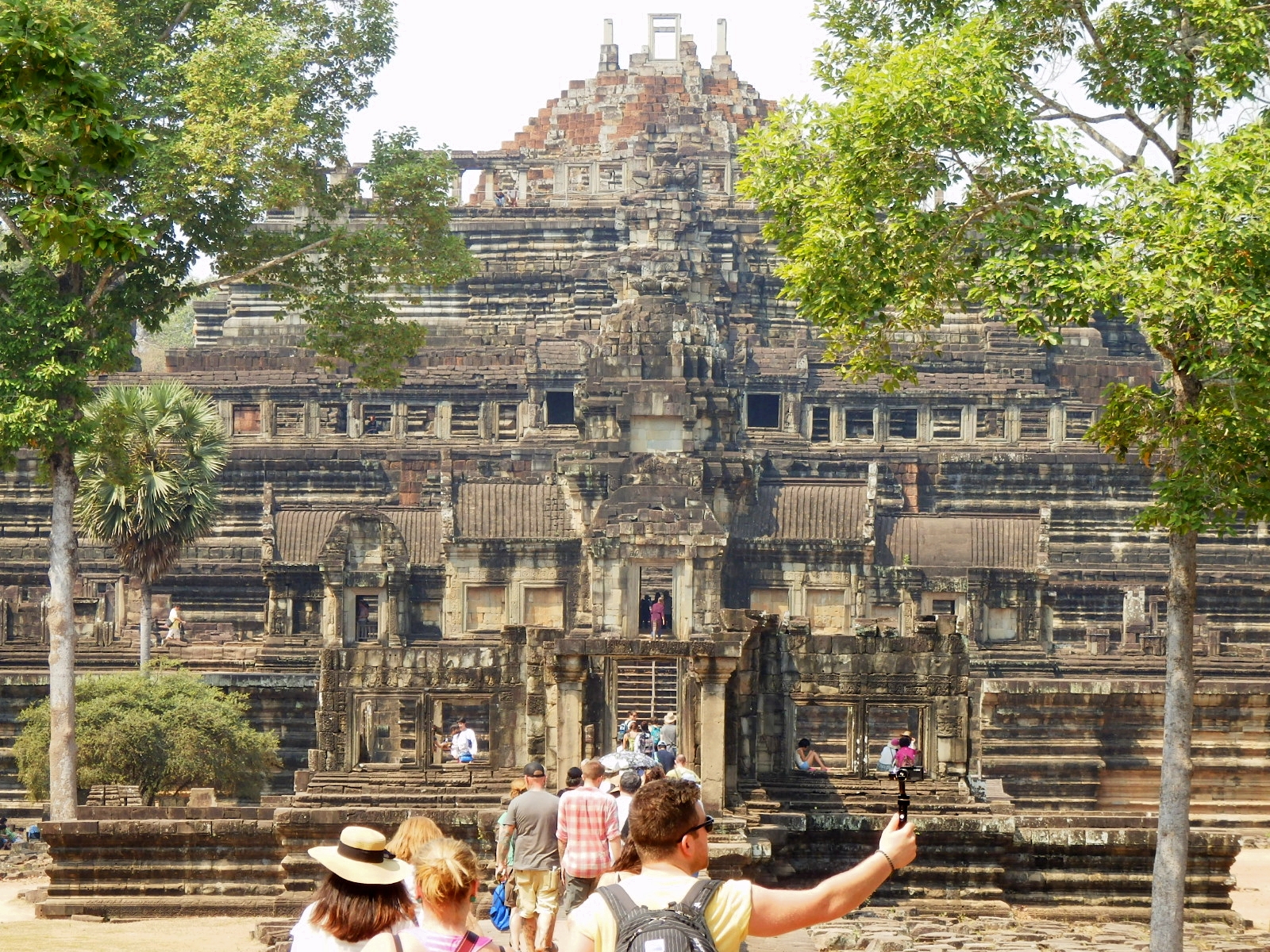
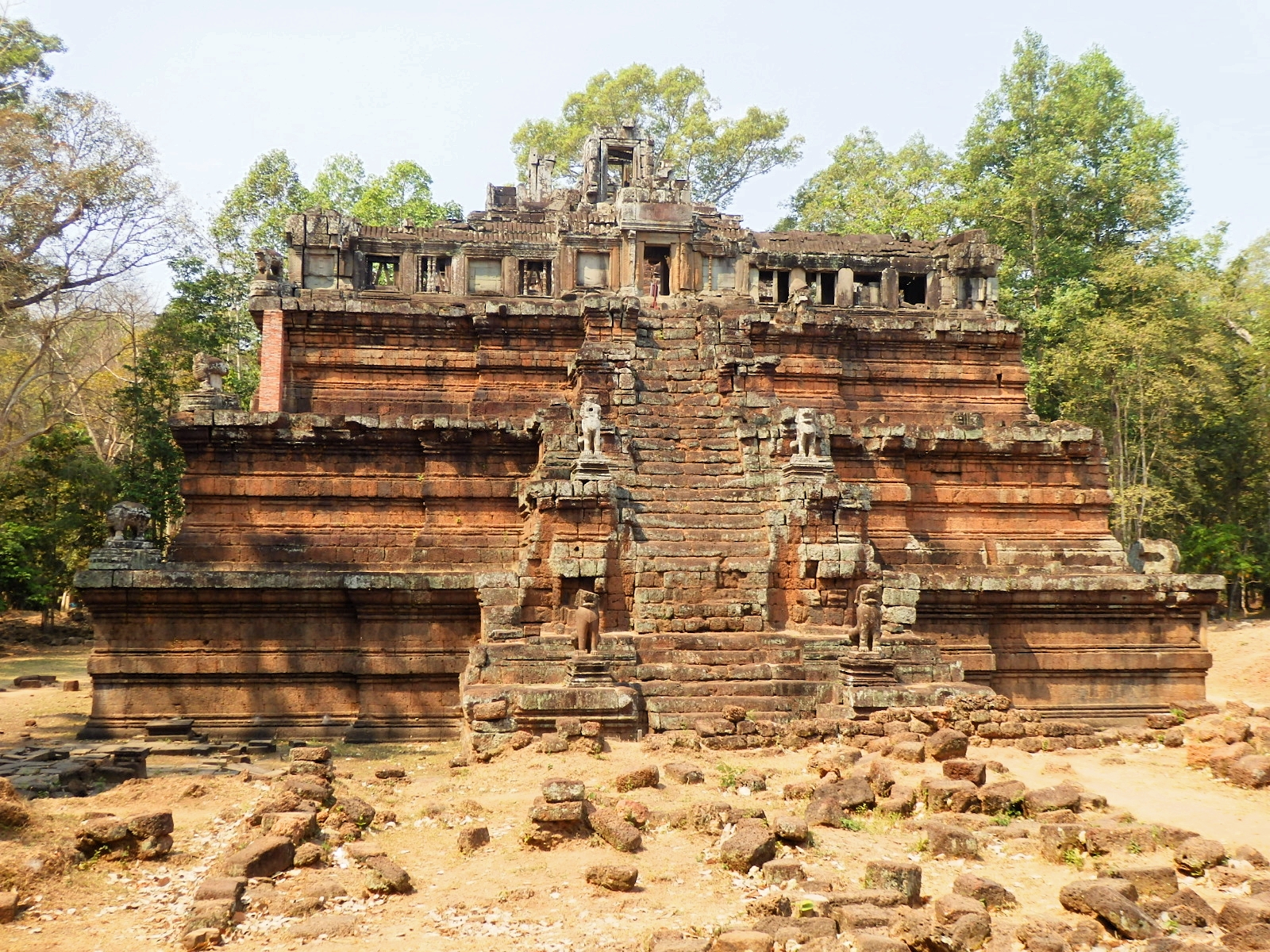
On our way to the next area, there was another temple in the distance, but we didn’t stop by to walk through it.
The next stop was going along to see the royal pools in an area called Sra Srong. These were made for the king’s wives. We also saw the ruins of the “Terrace of Elephants,” an area that, among other things, was used as military training grounds.


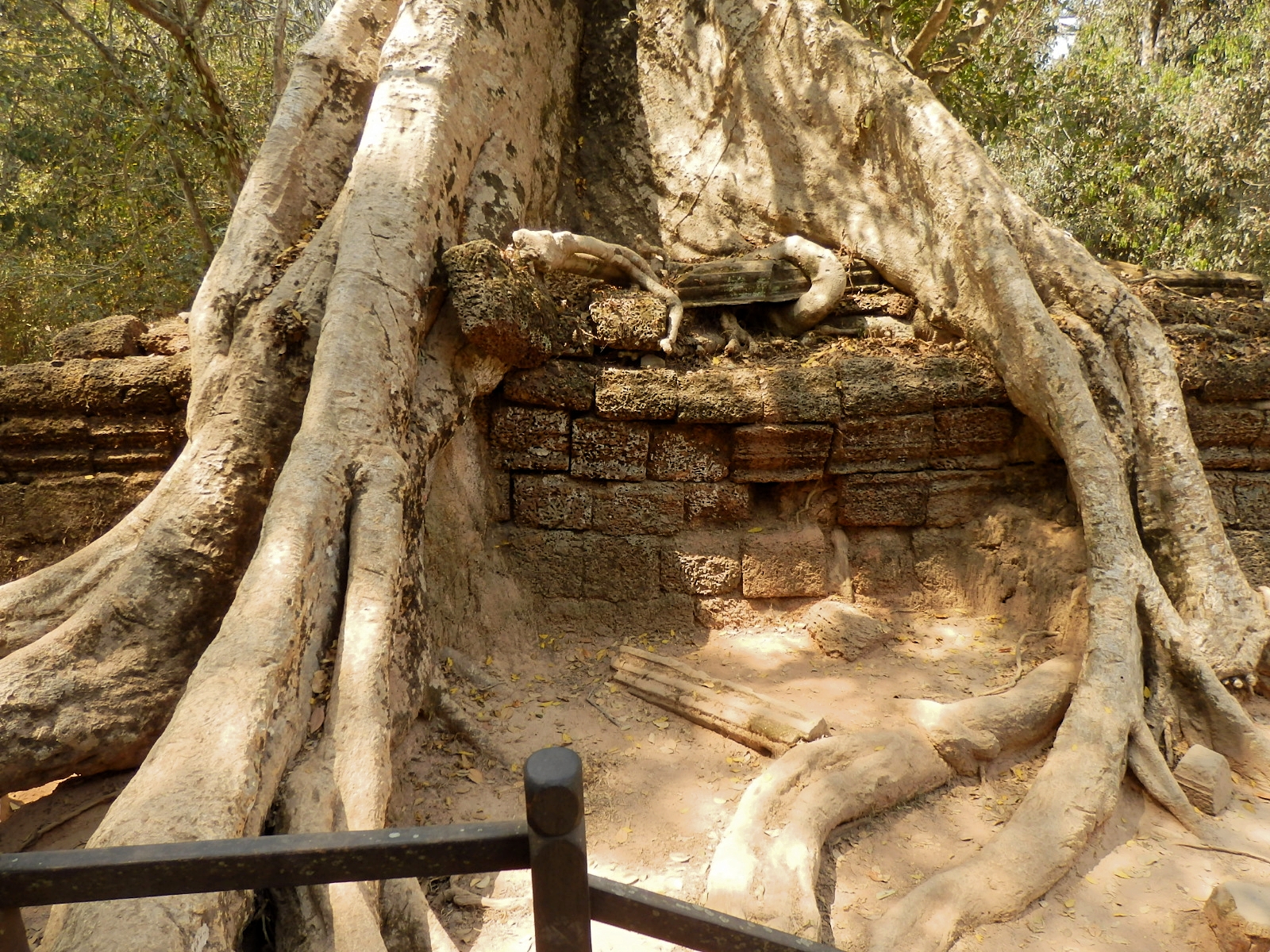
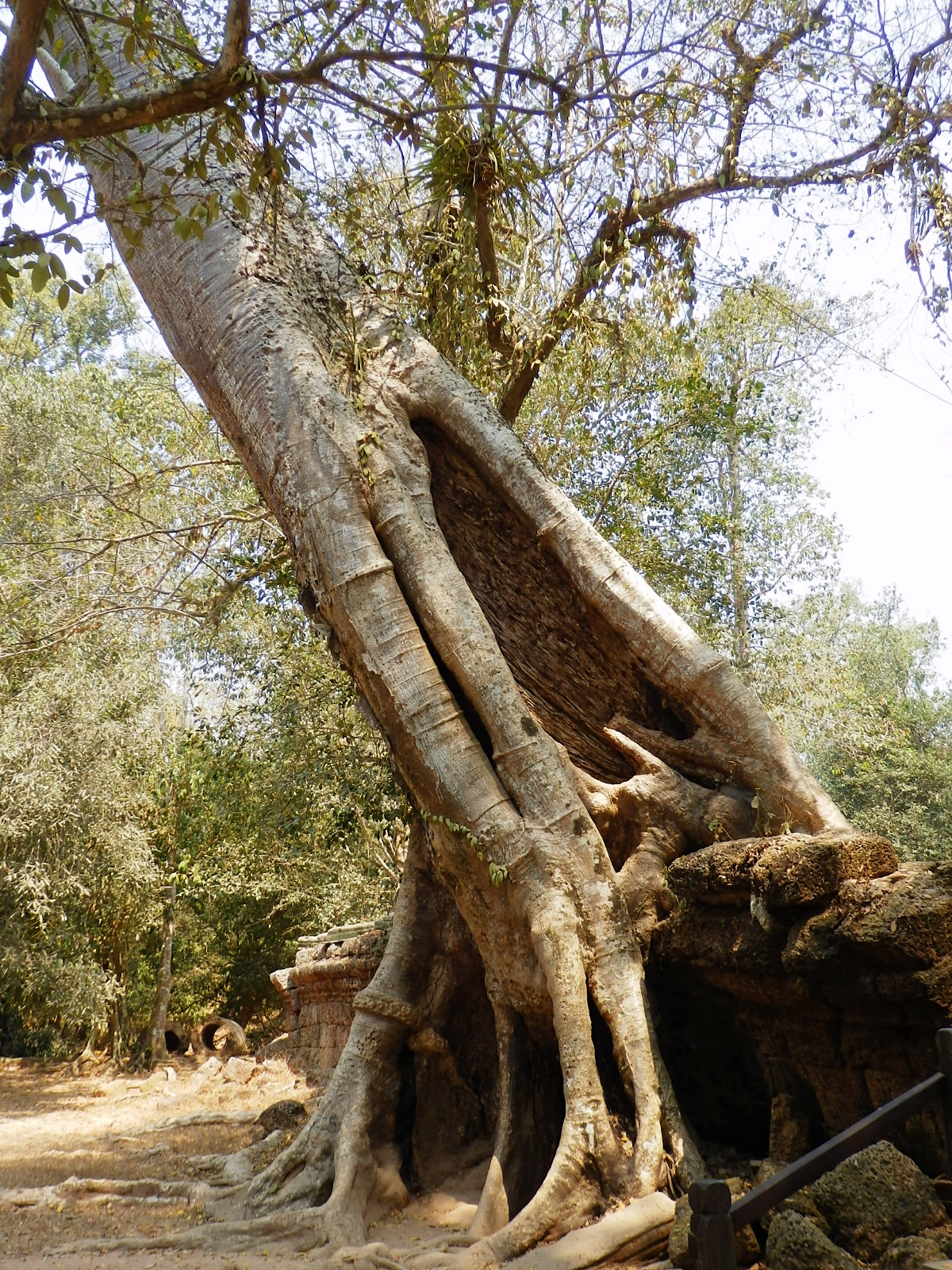
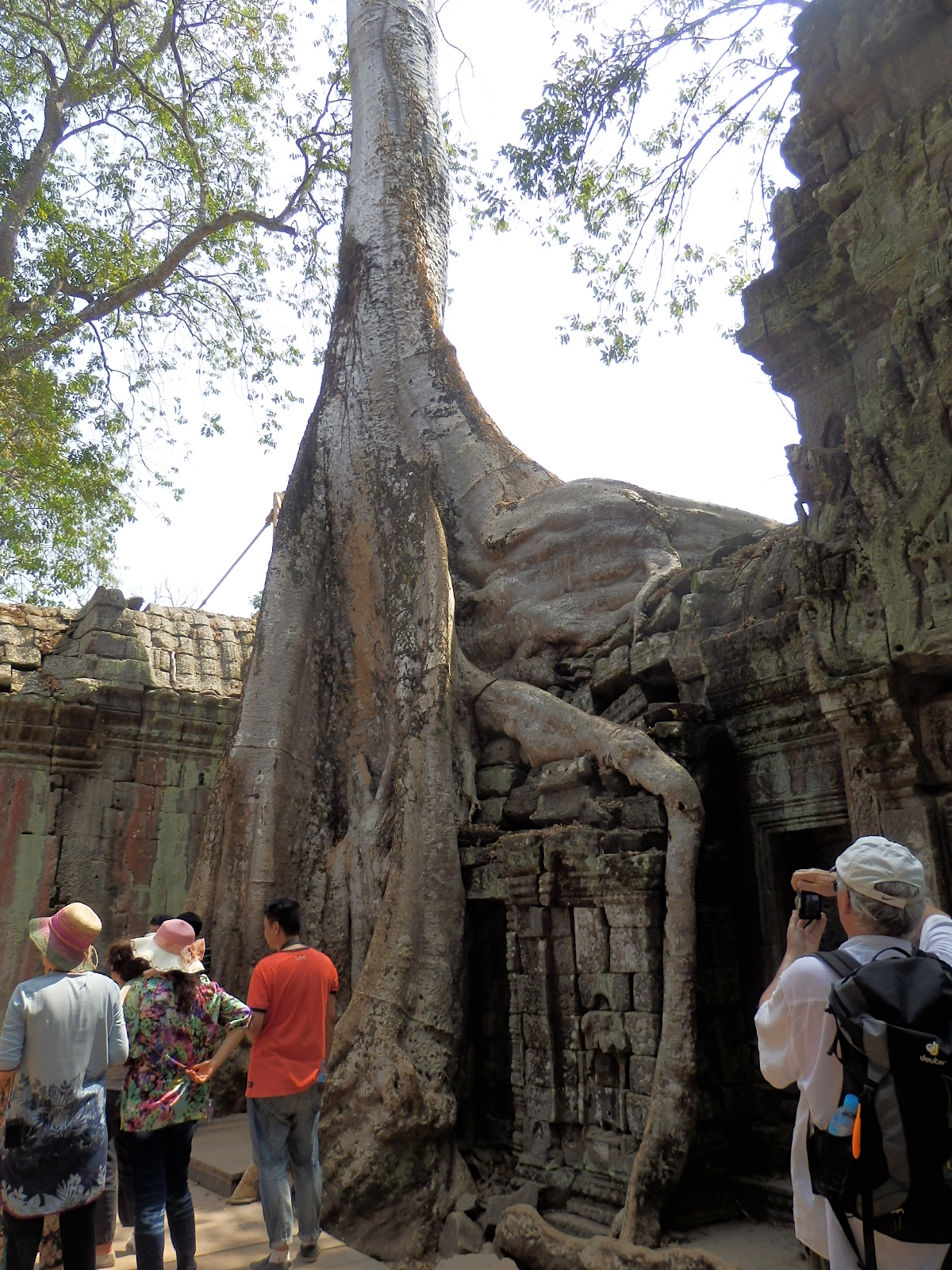
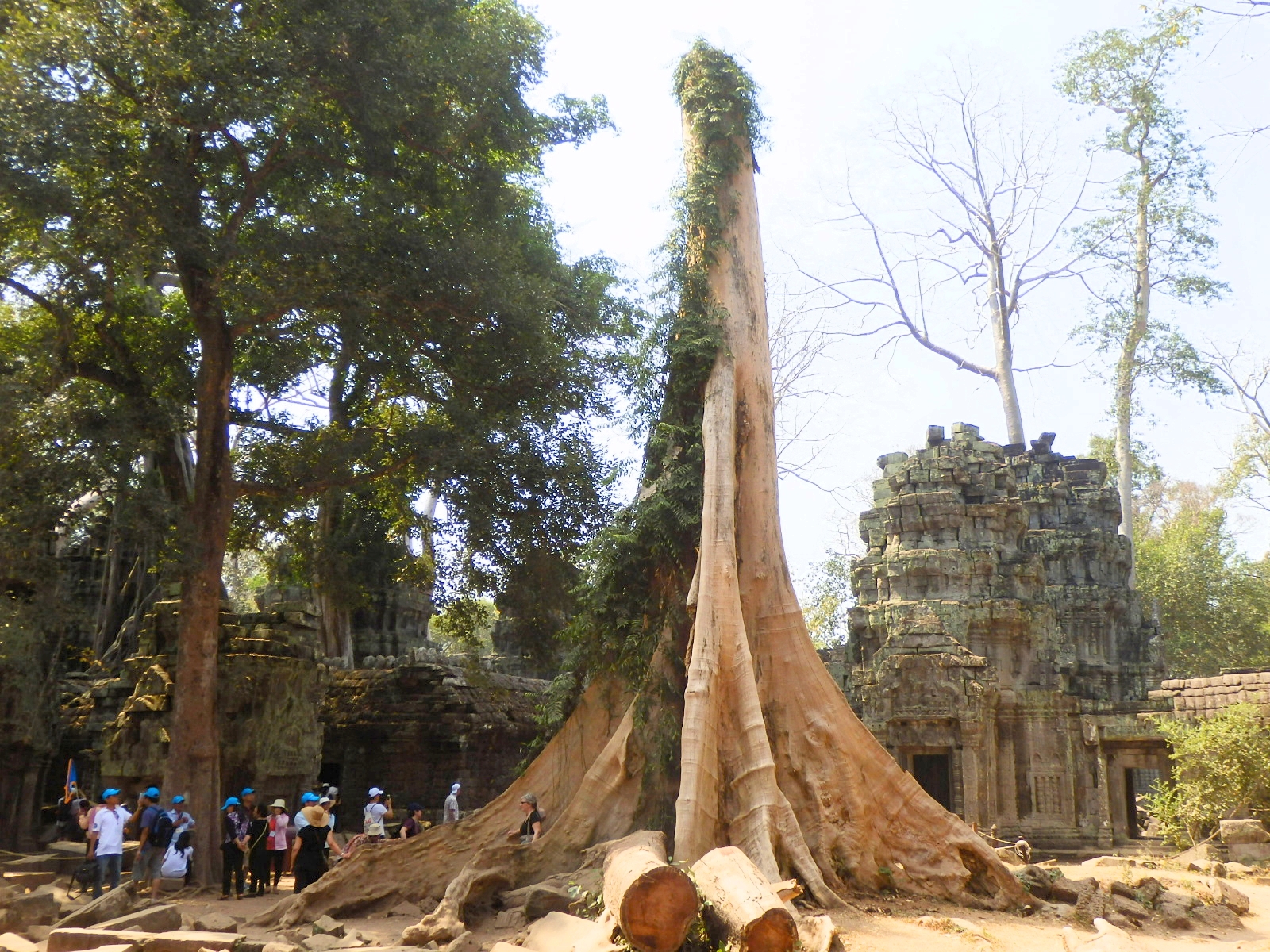
The next stop was a place called Ta Prohm. This temple site is famous because of the many tall trees that seem to have grown out of the temple itself. It was also made famous by appearing as one of the locations in the film “Tomb Raider” with Angelina Jolie.

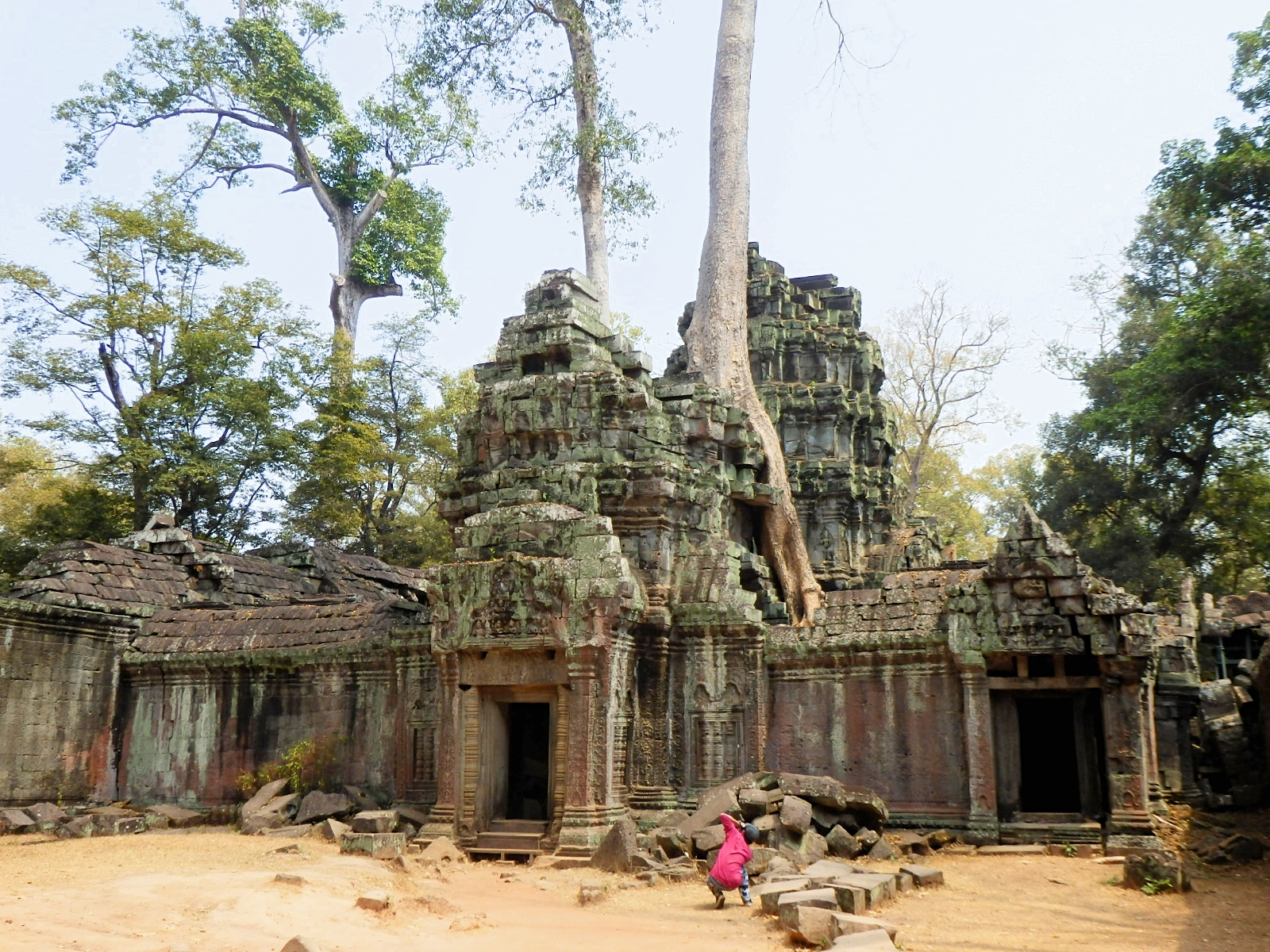
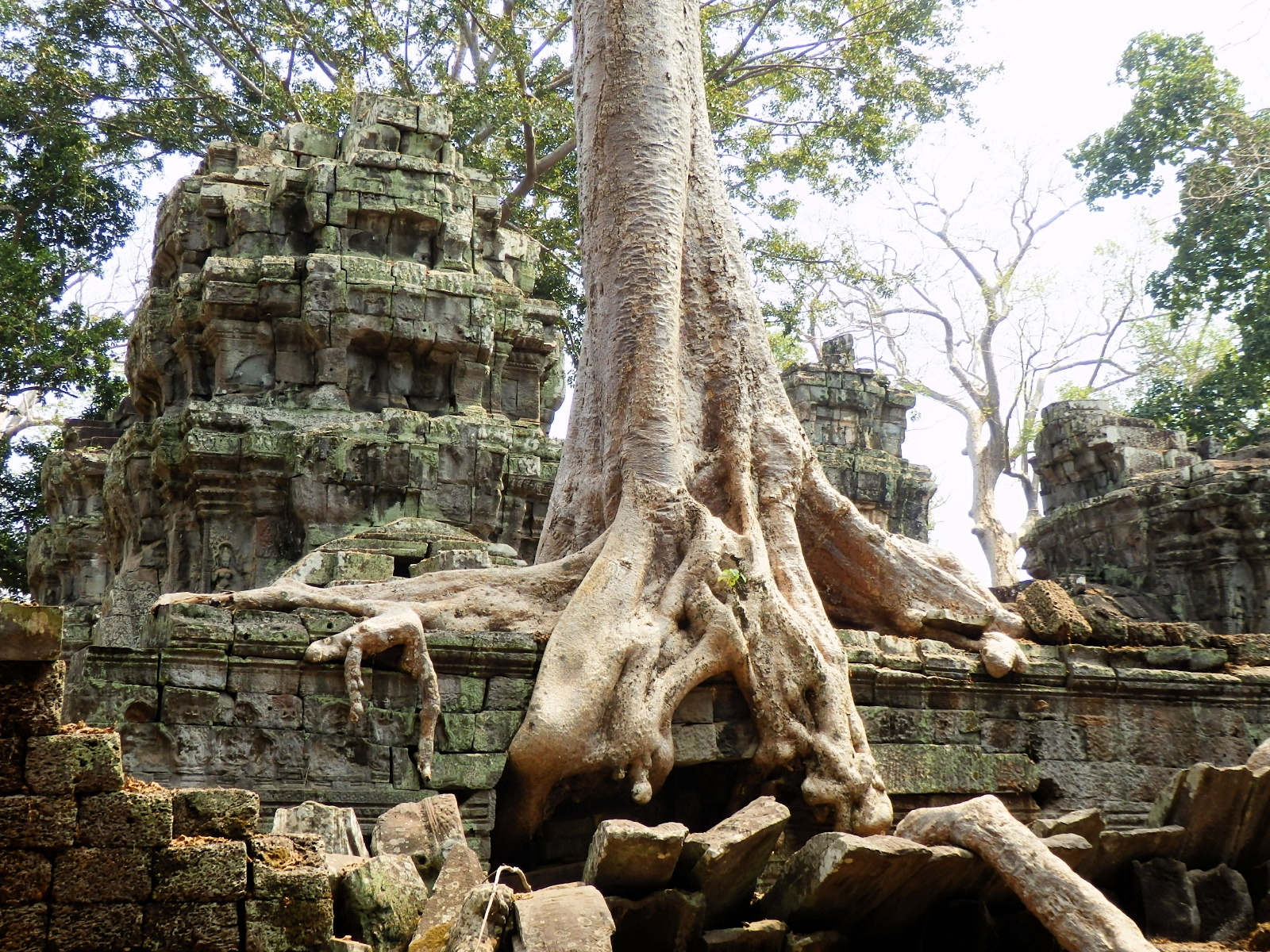
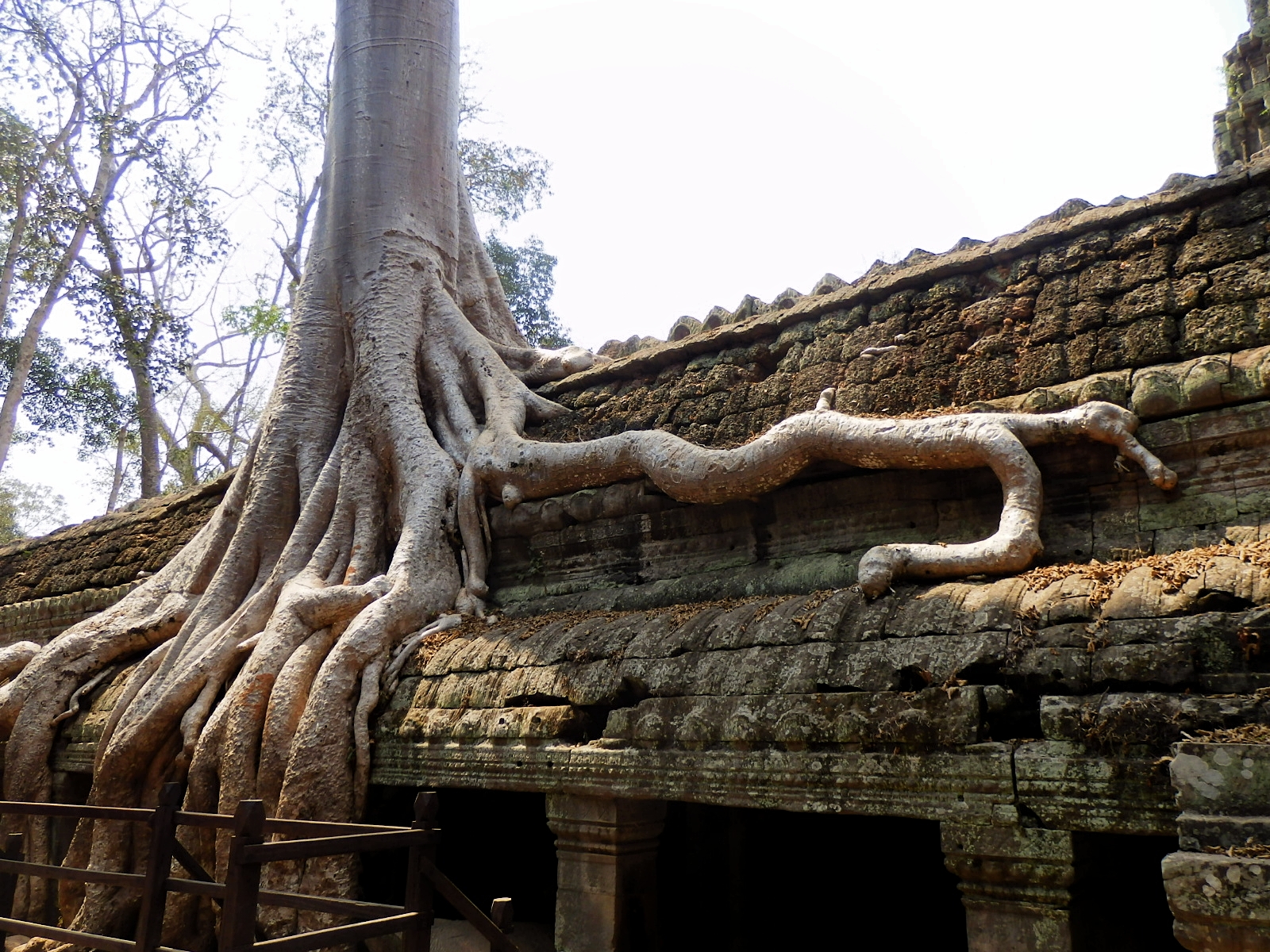
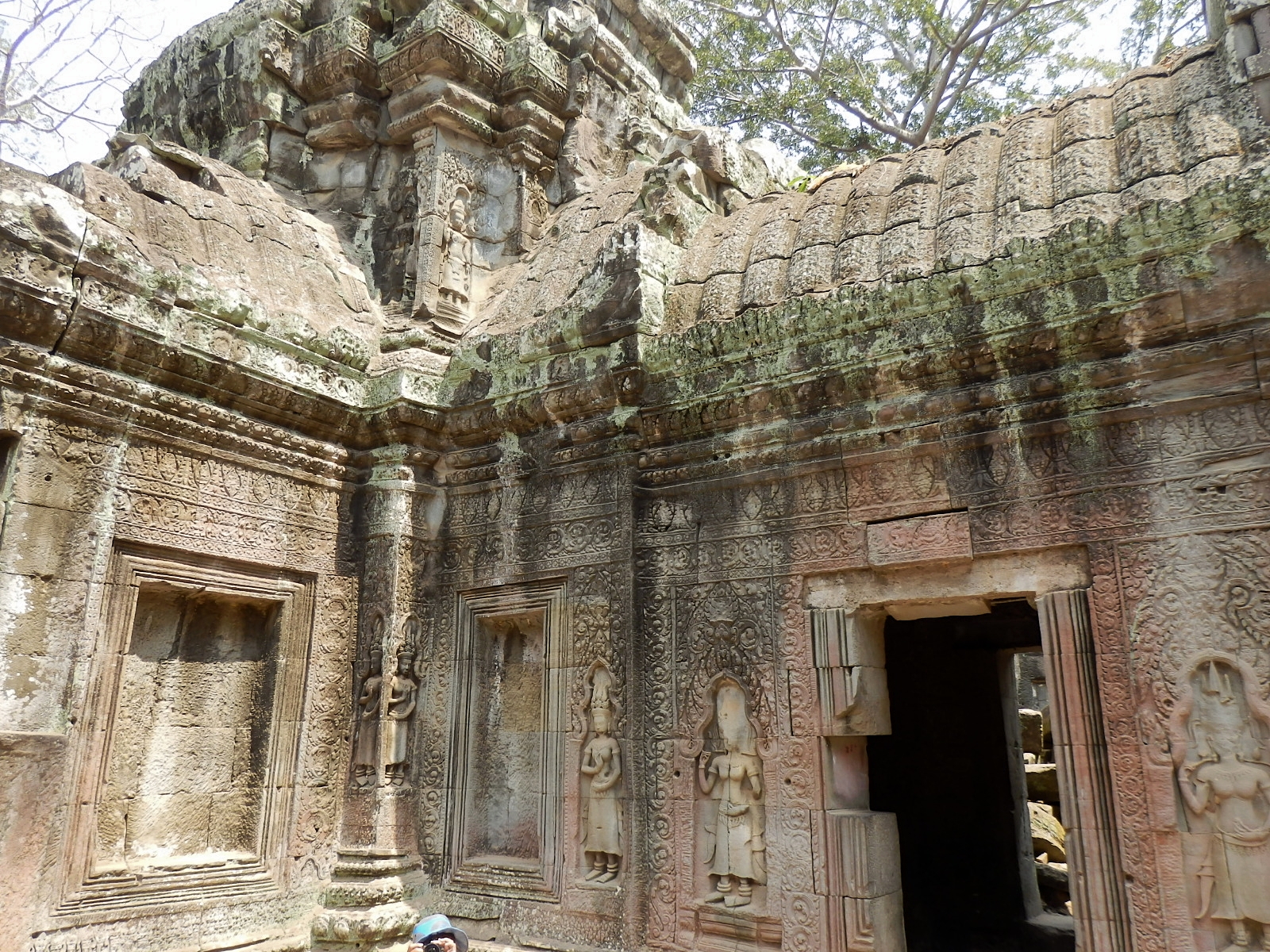
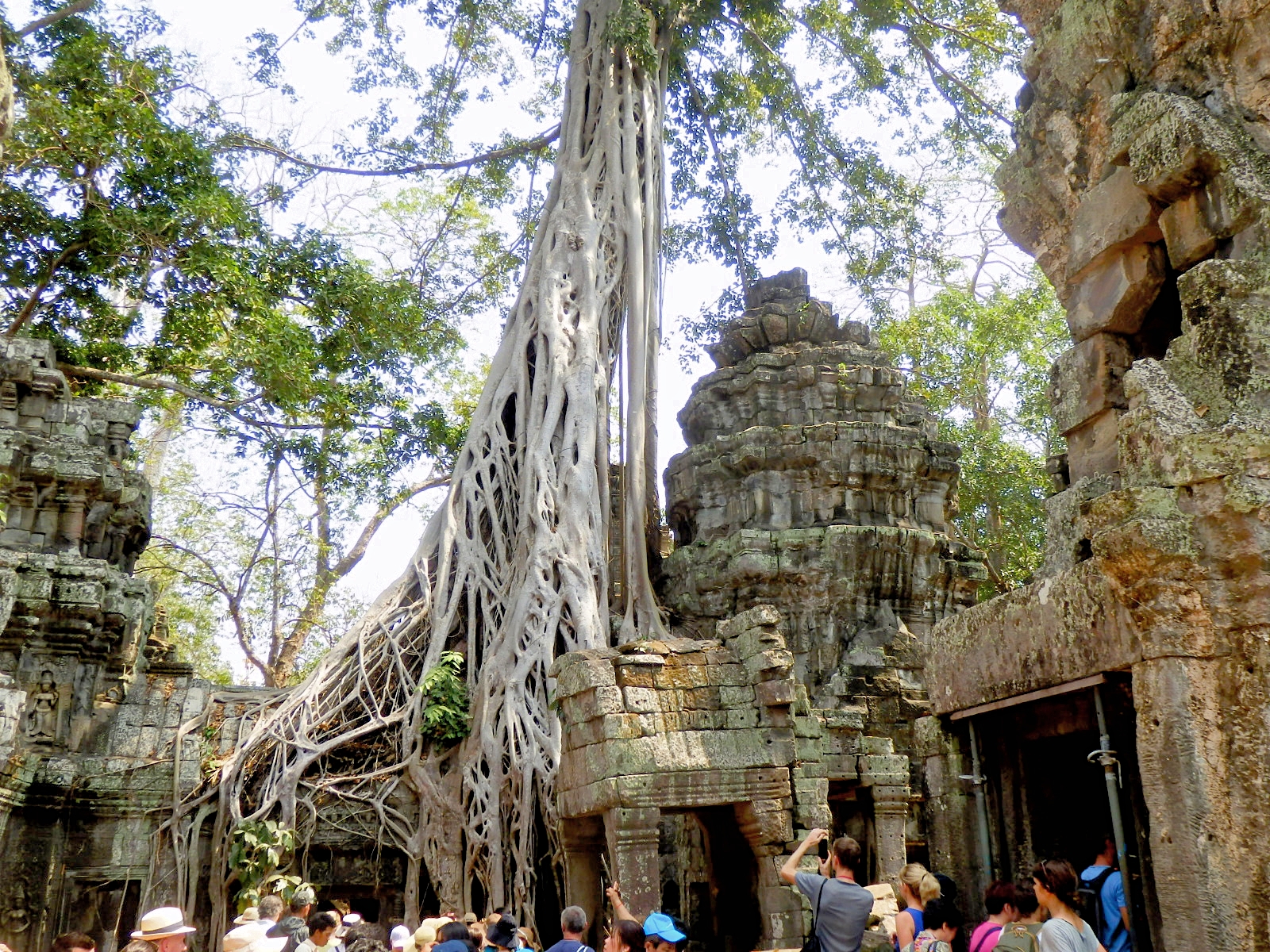
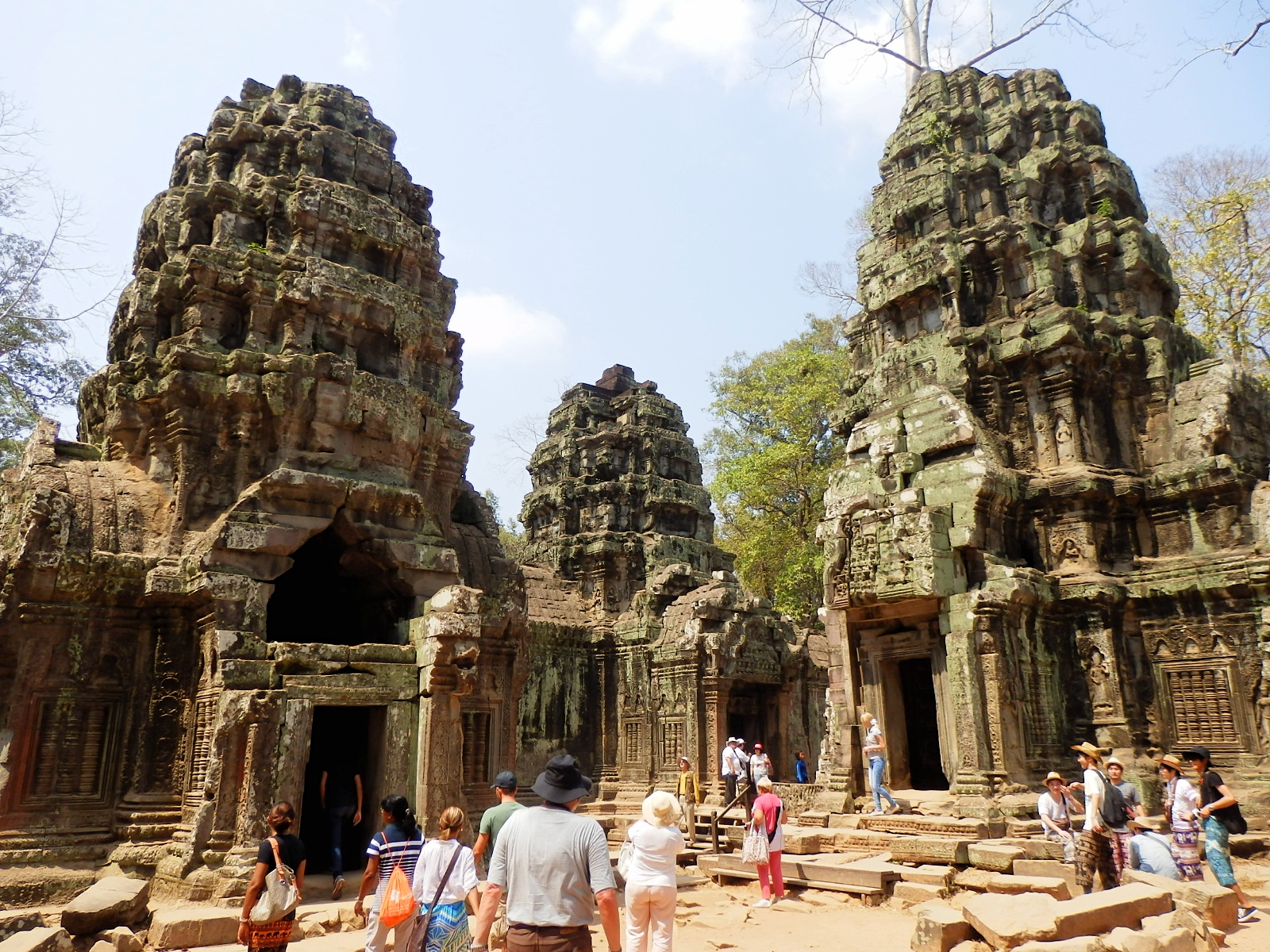
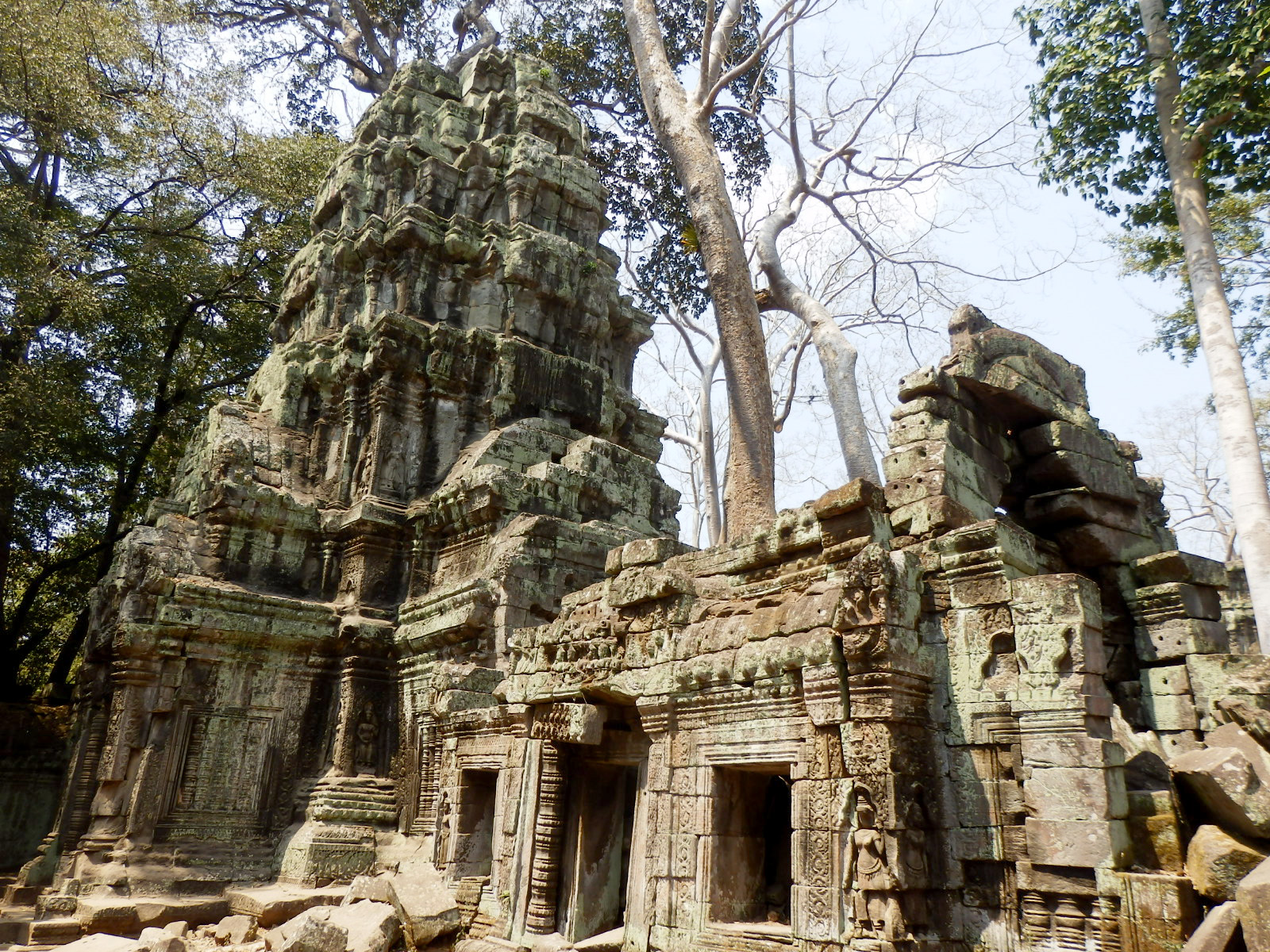
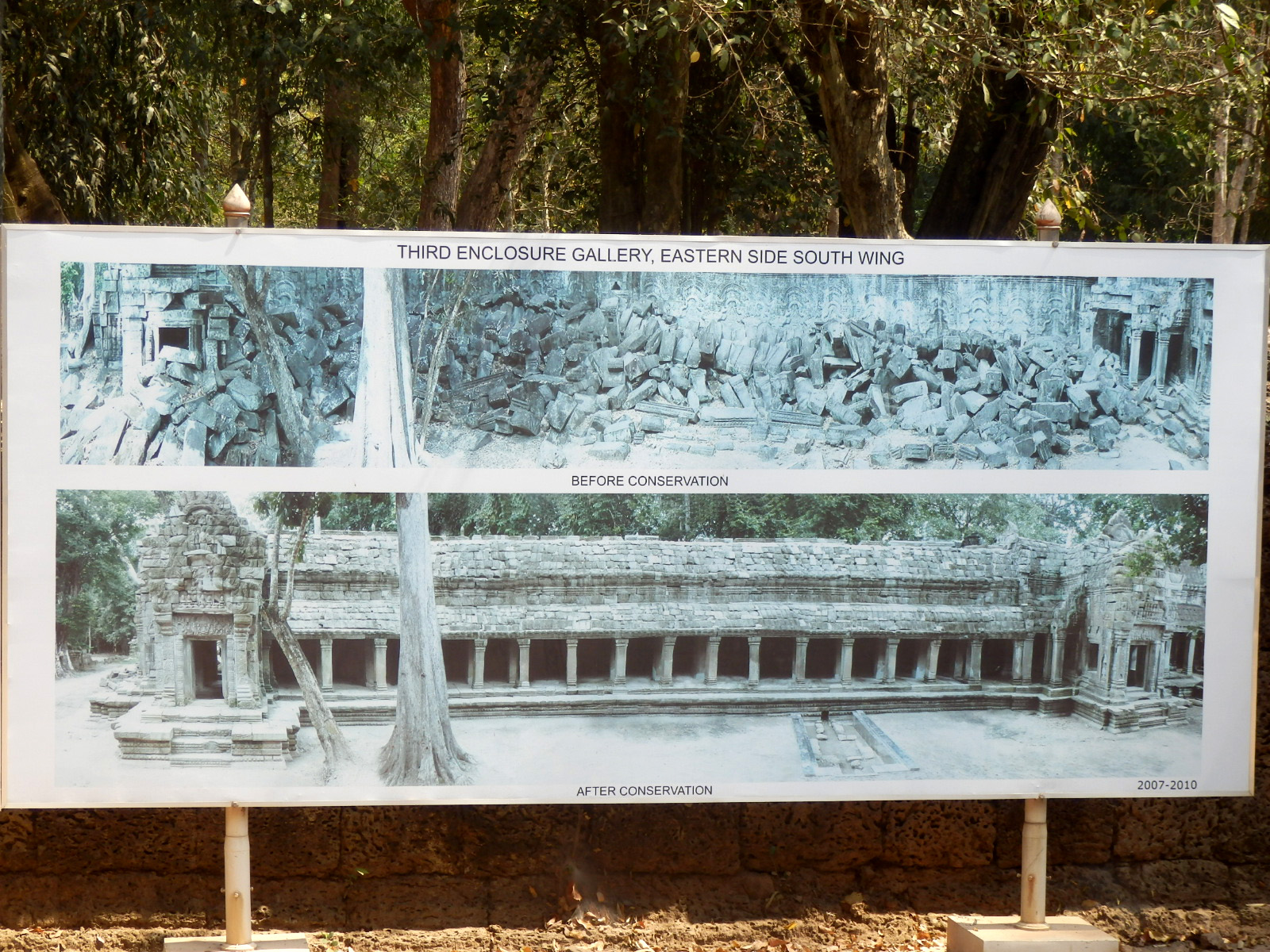
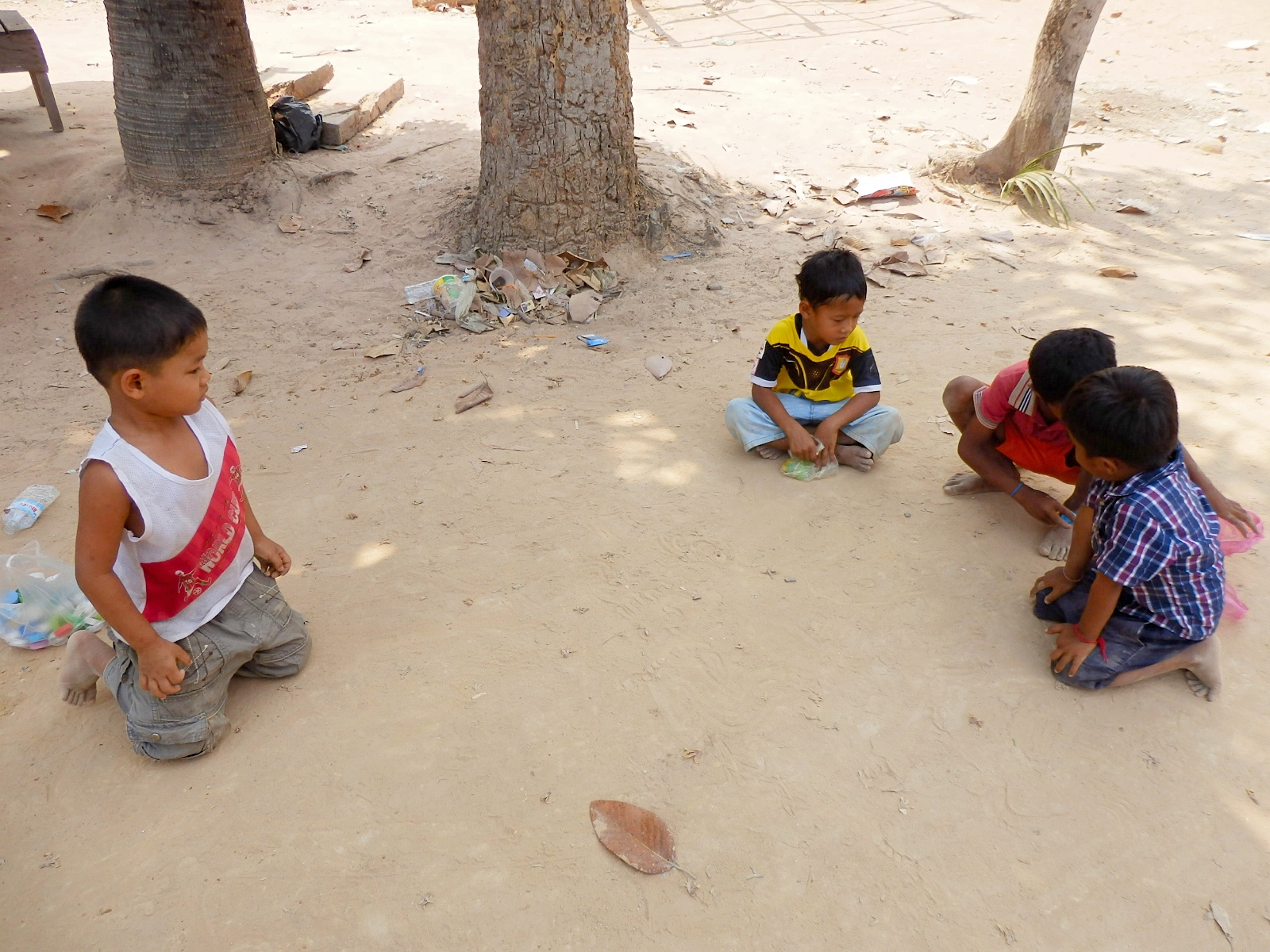
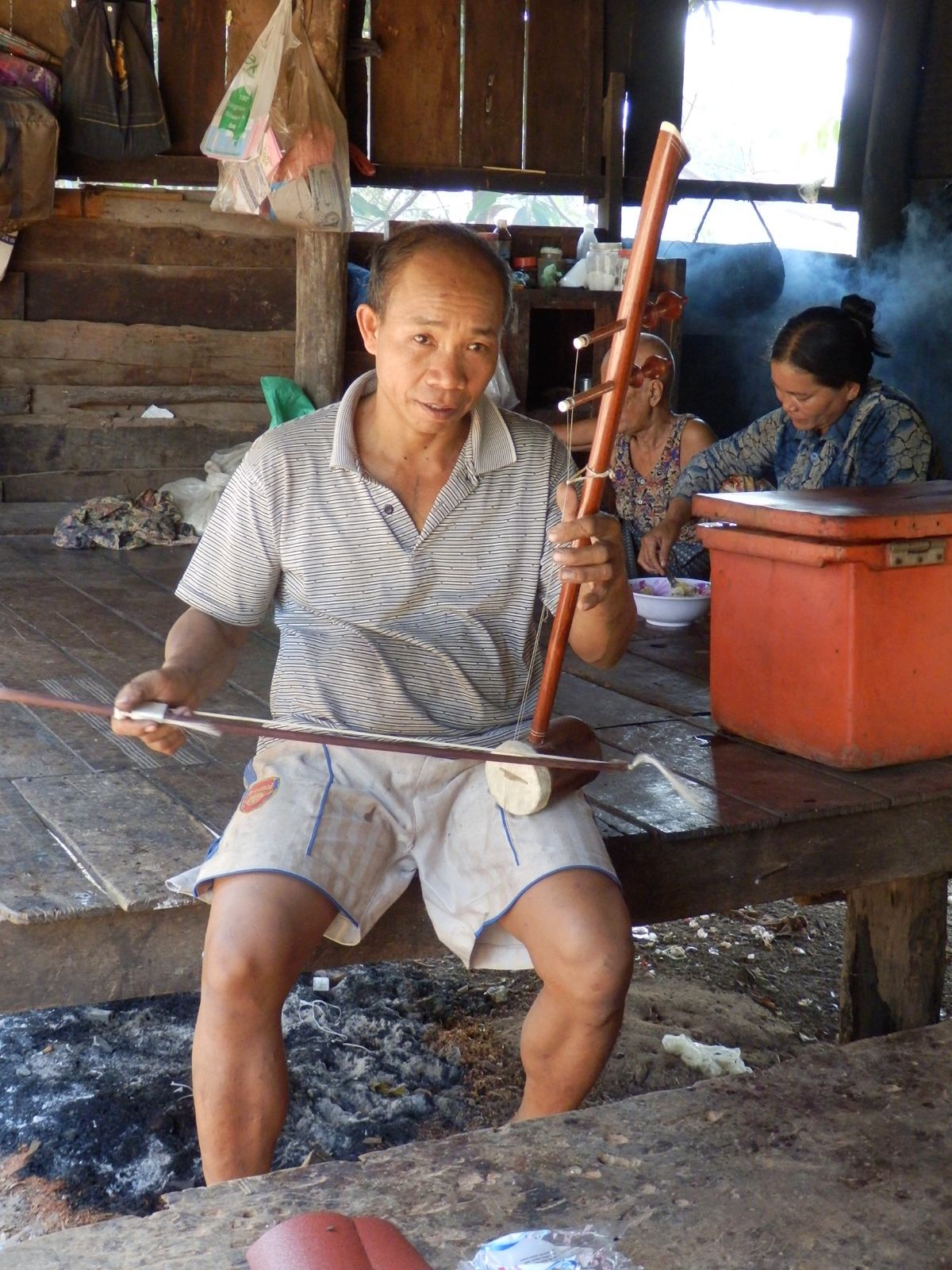
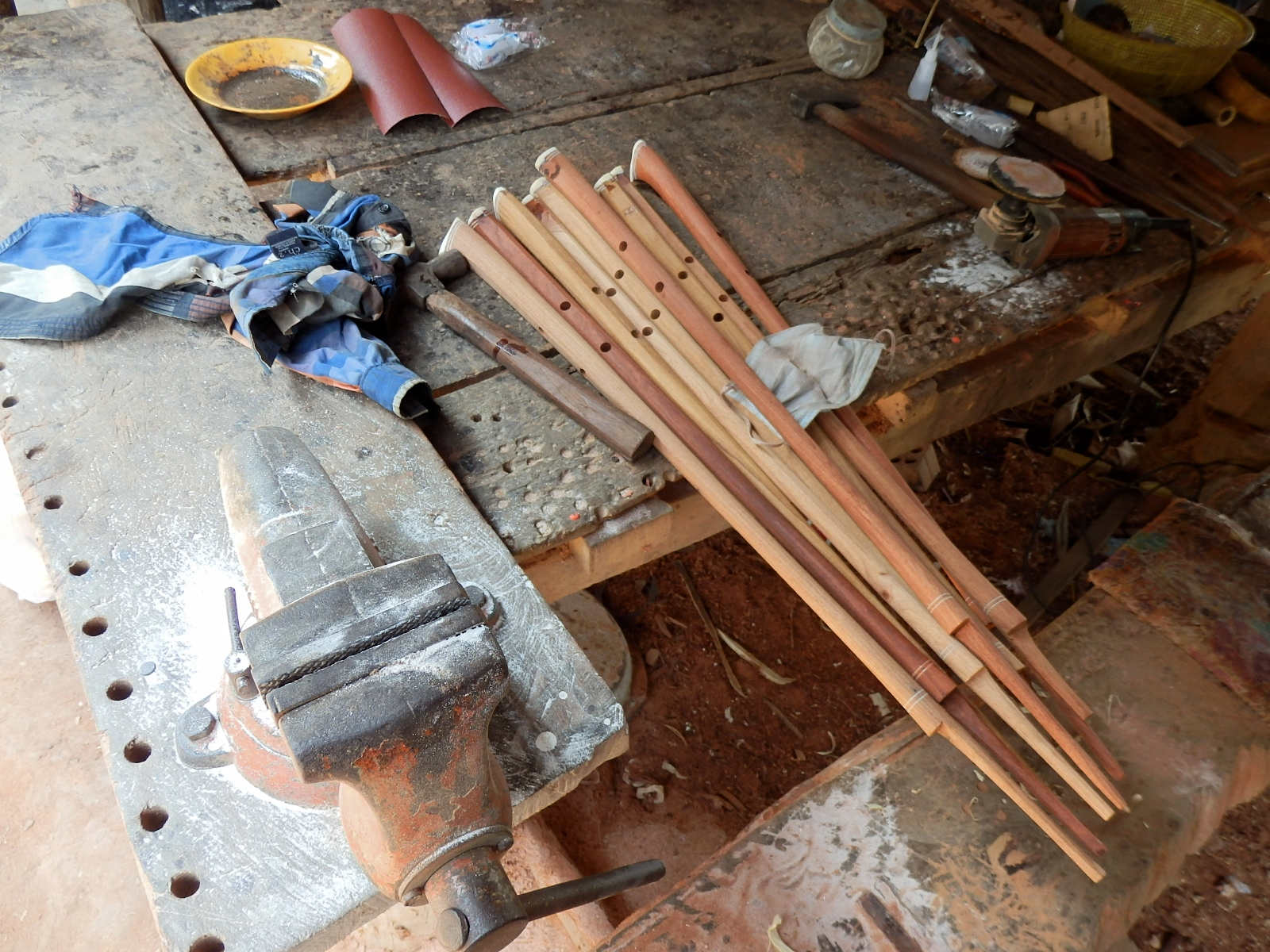
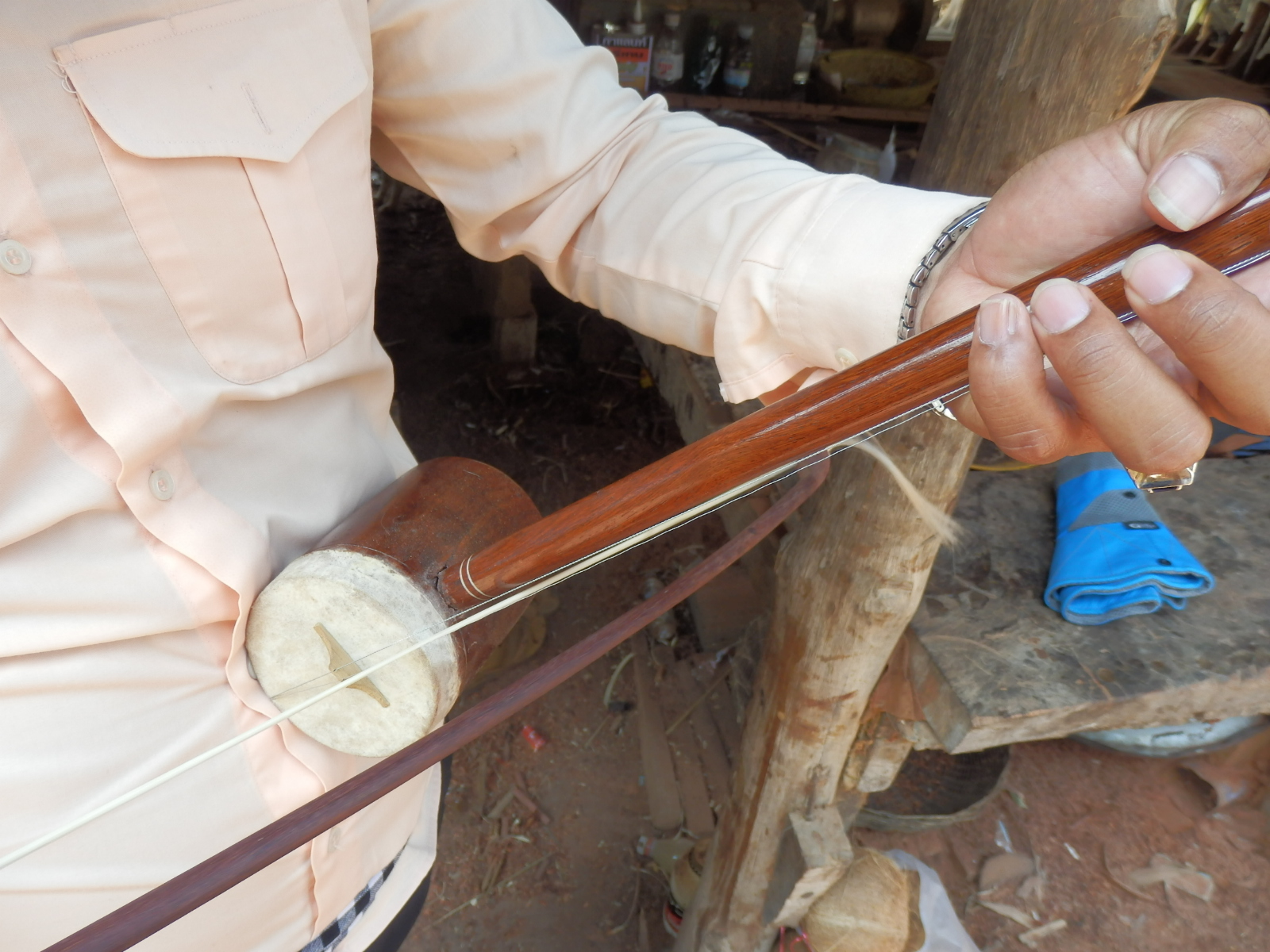
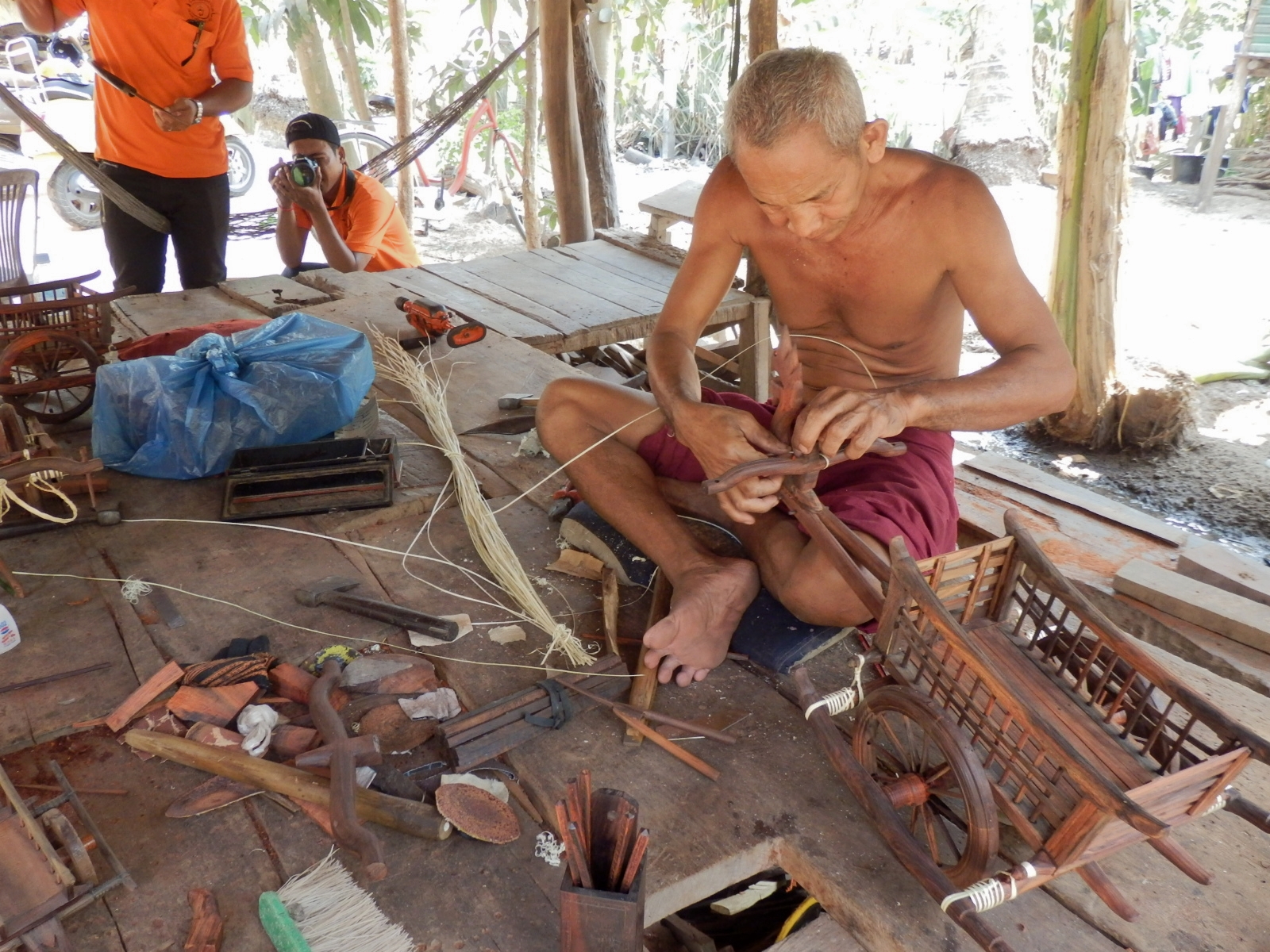
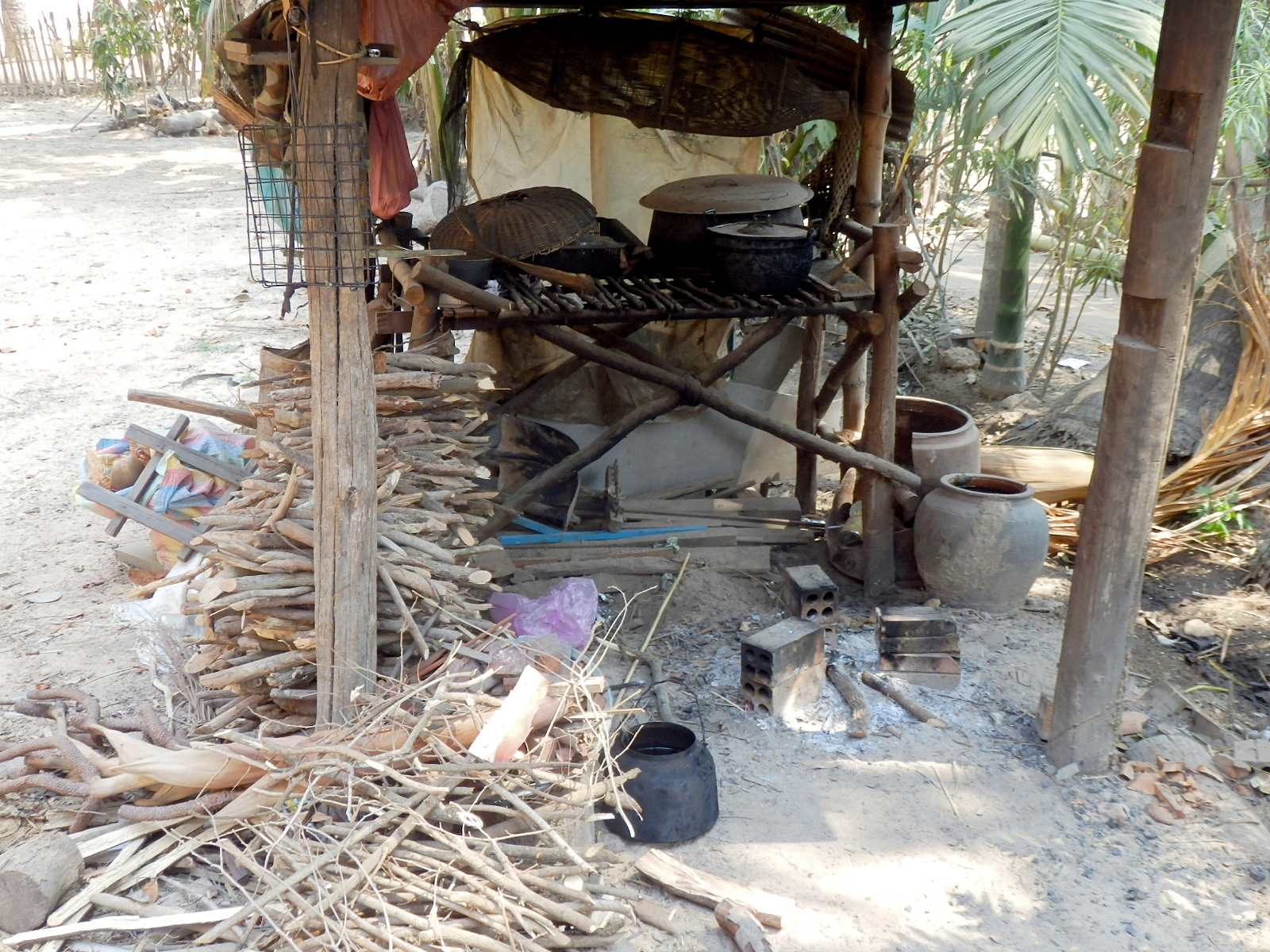
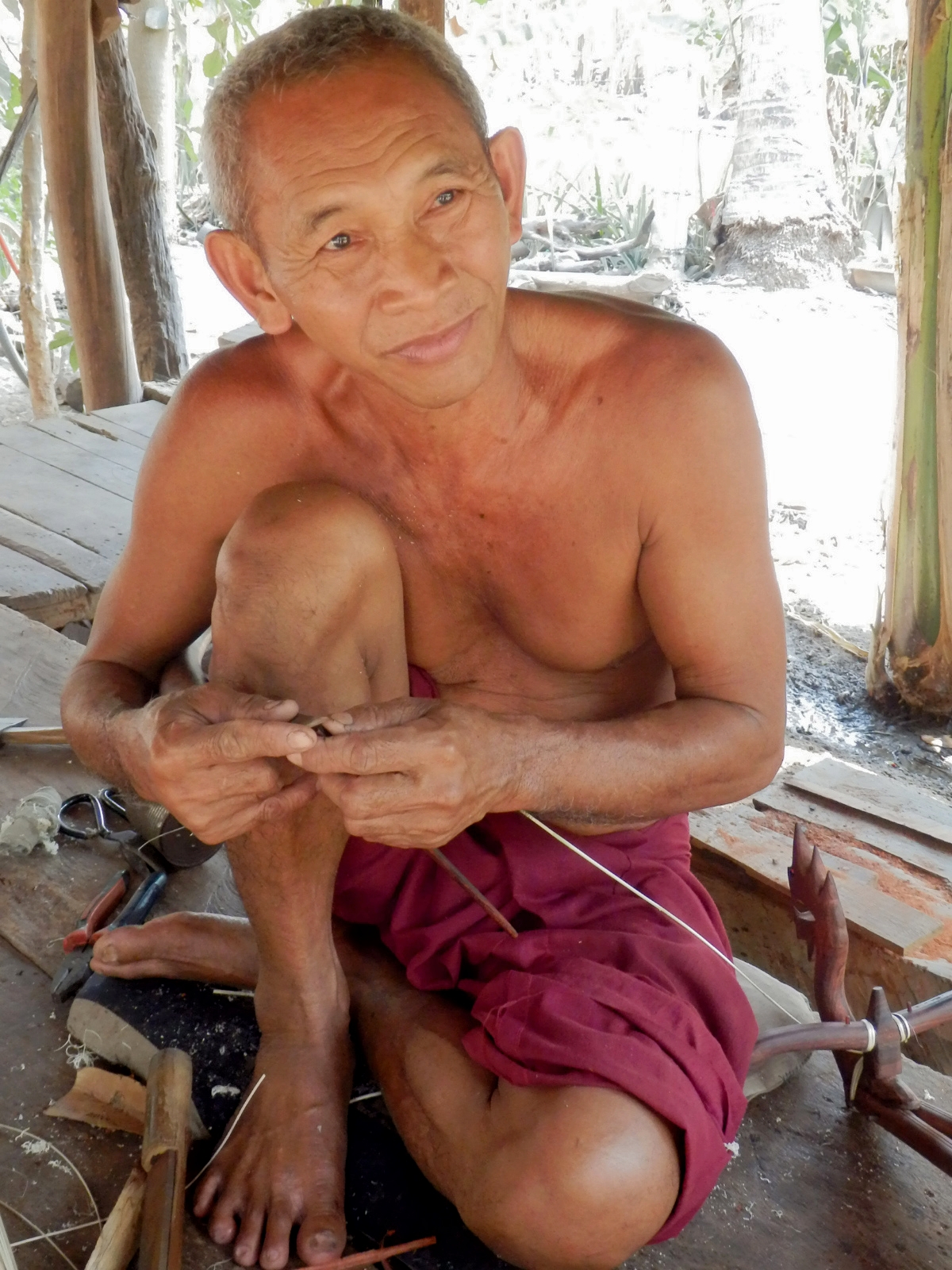
Before heading for lunch, we stopped by a small village in a forest area that supports itself by making wooden handicrafts and instruments. It is here that I bought a pair of chopsticks from a cheery old man.


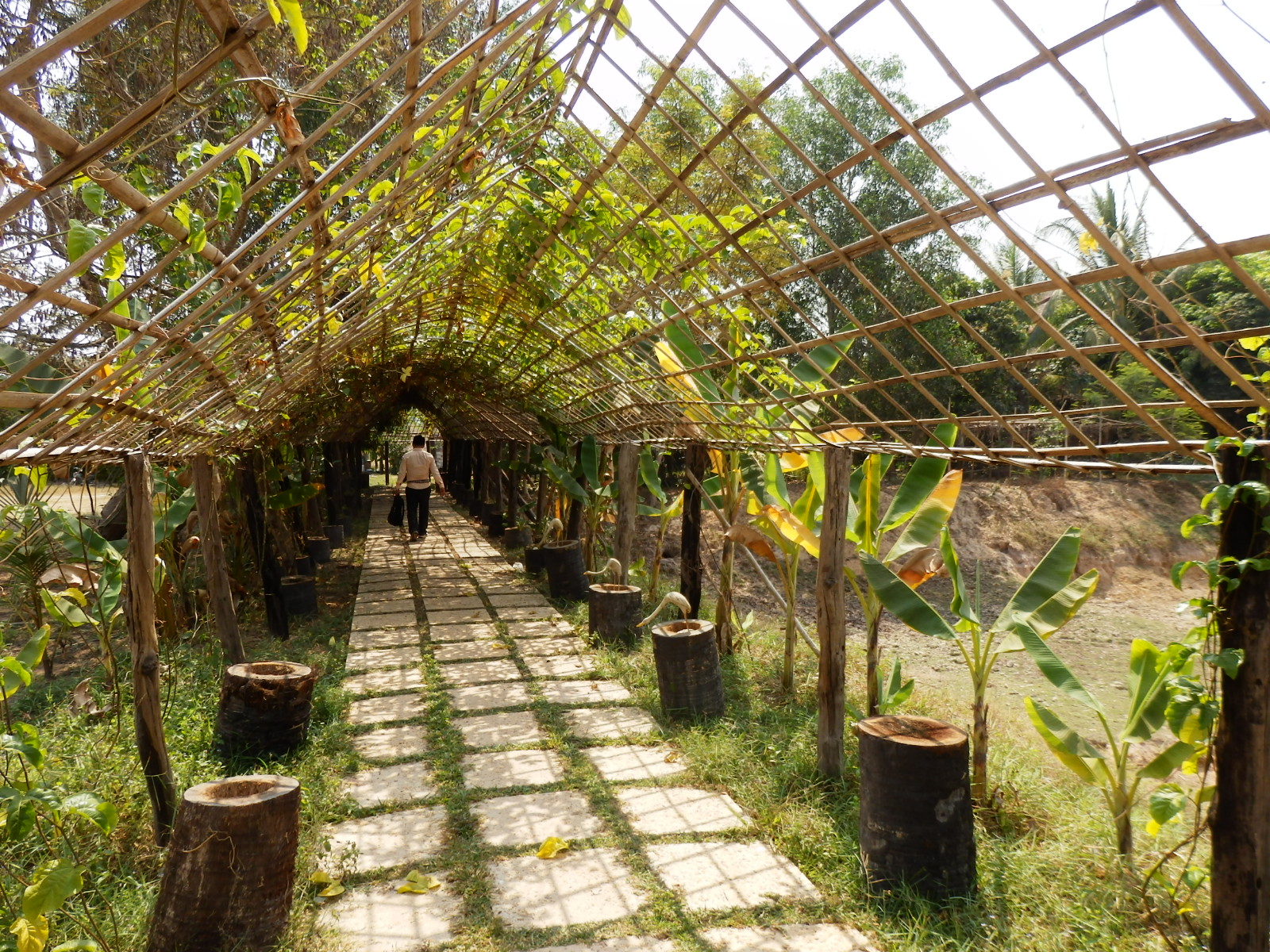
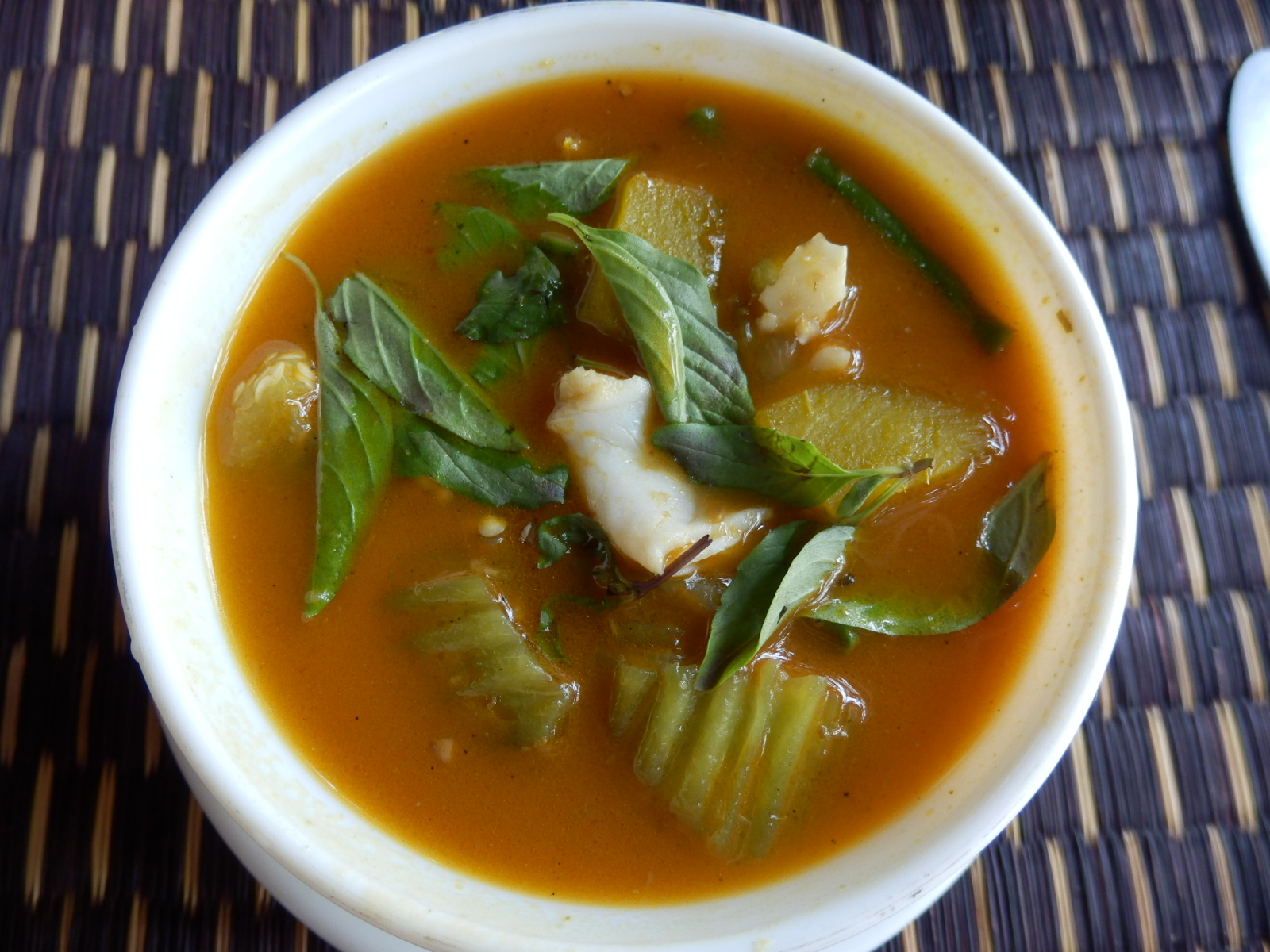
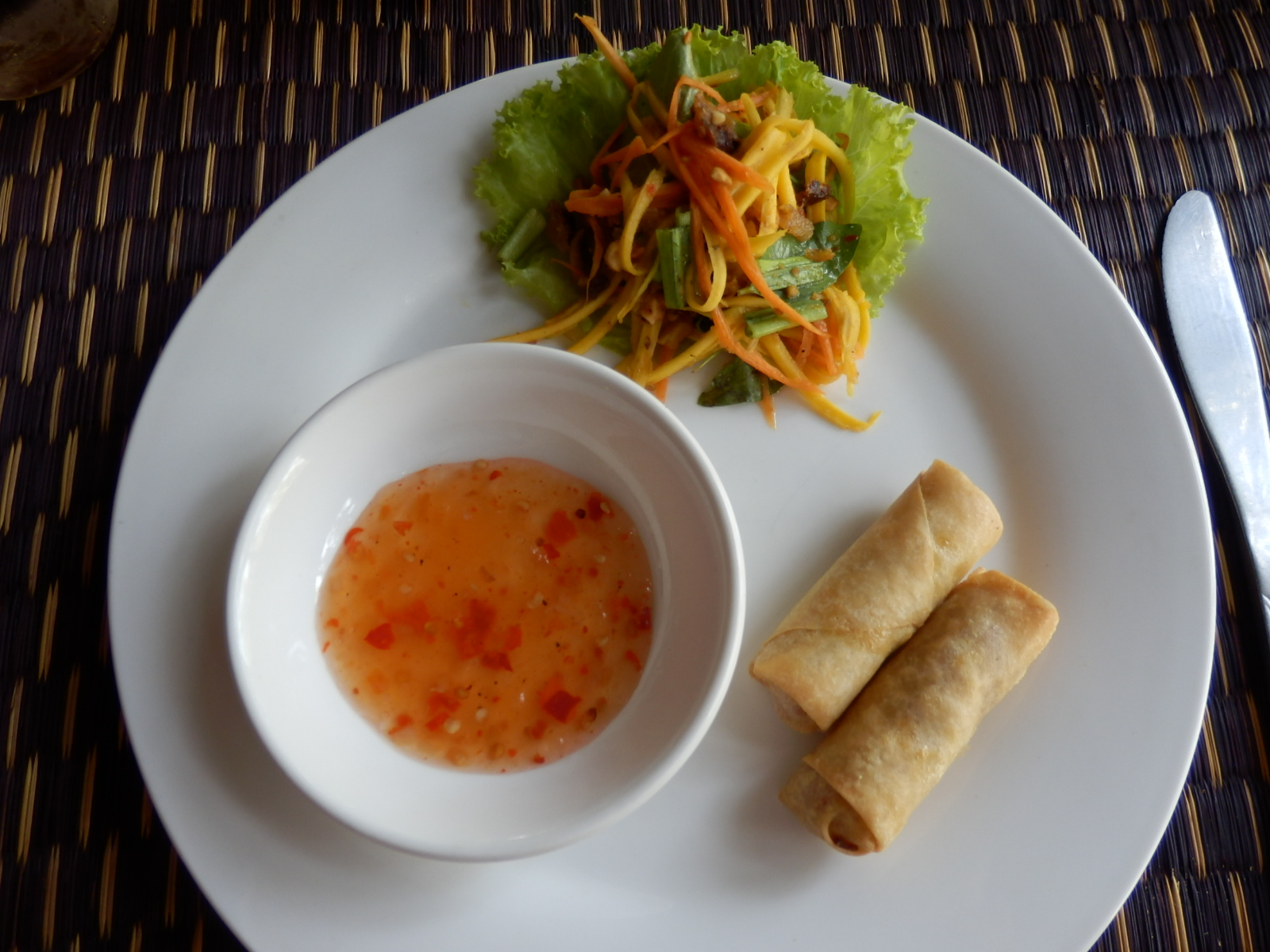
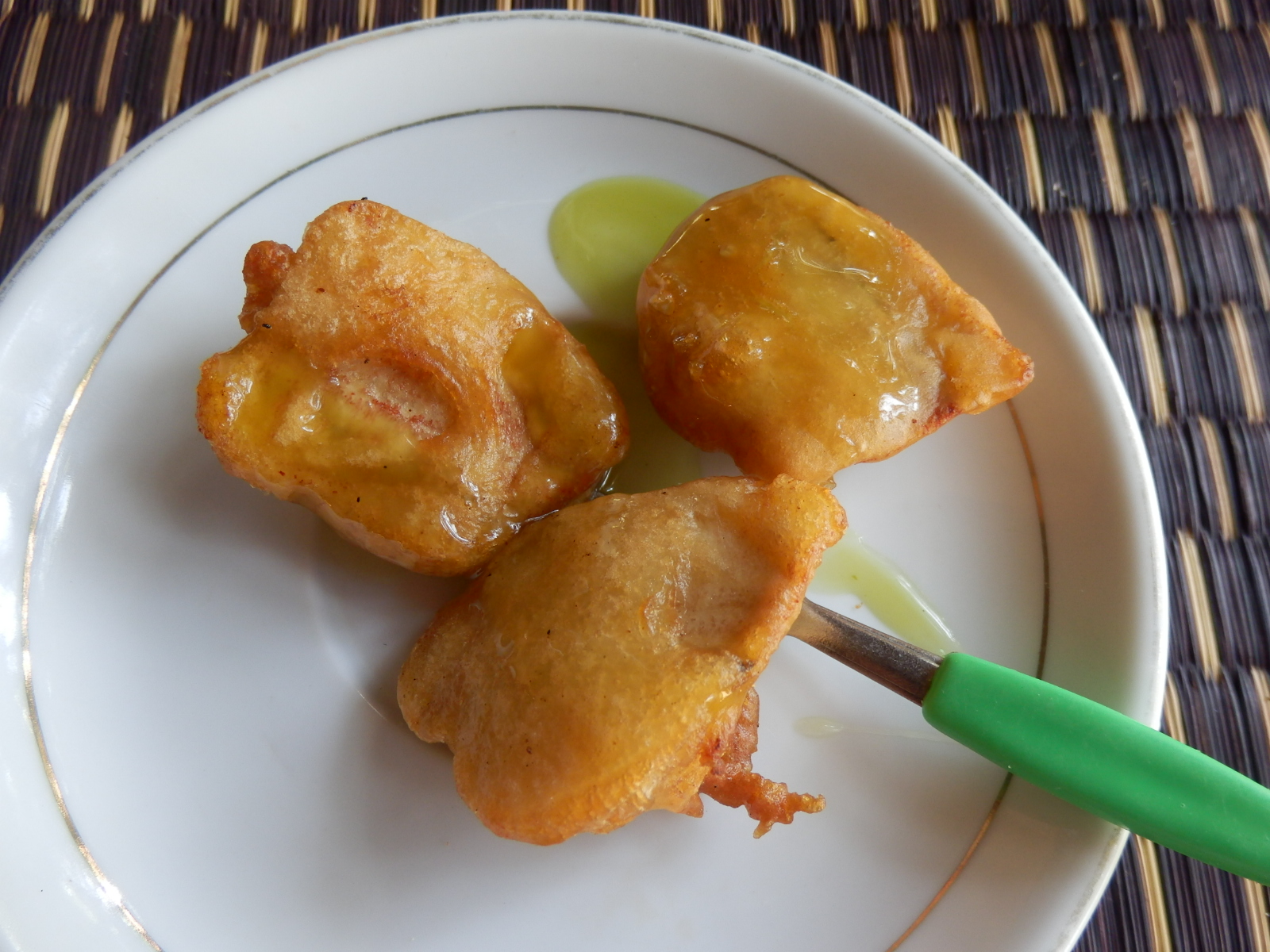
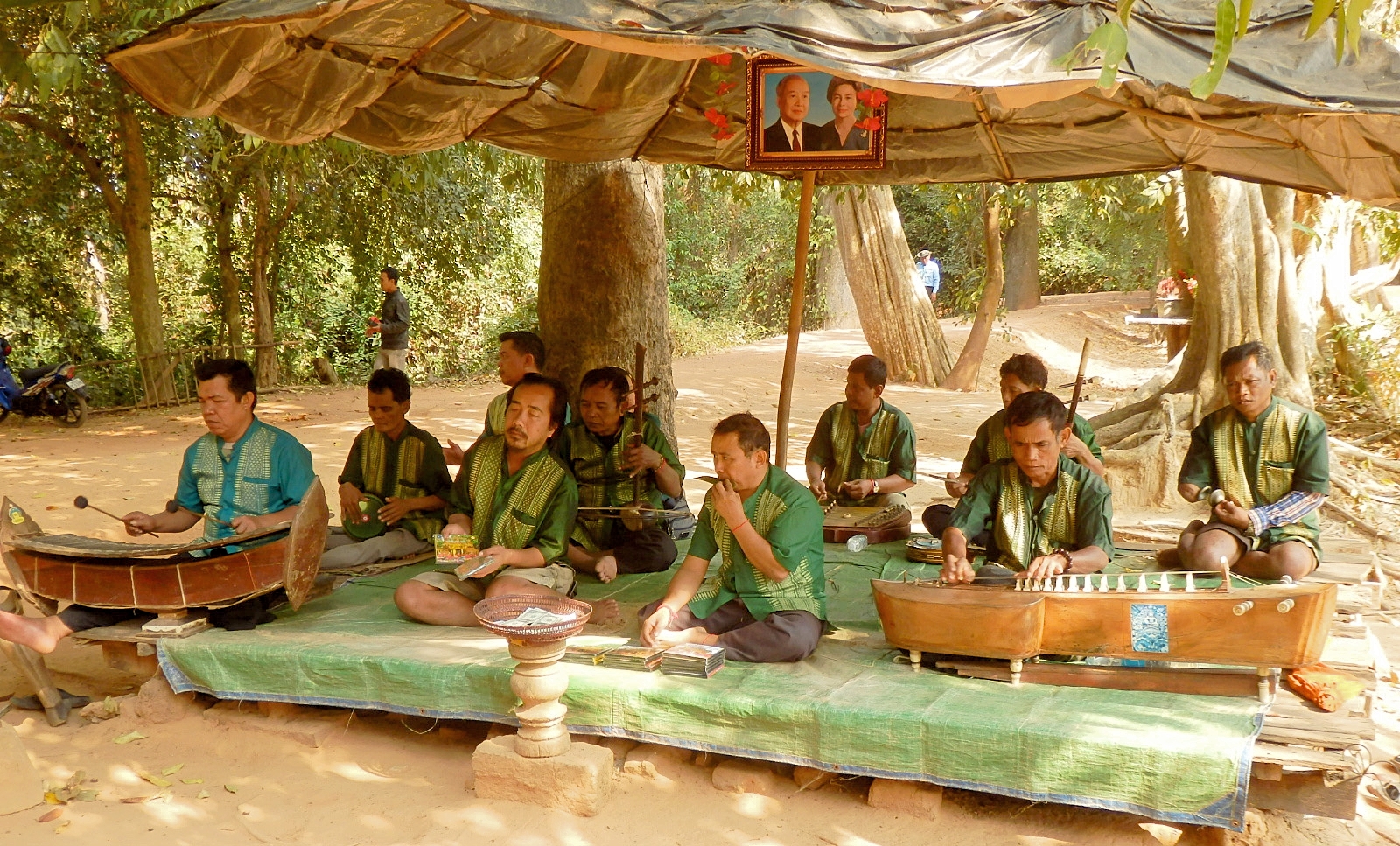
It was then time to head to a little Khmer restaurant near a lily pond. As part of the tour, I had a set 4-course menu, and I was able to get 2 drinks! The food was good, and the surroundings were quite nice. The only thing that really detracted from the ambiance was the music playing. I’m not sure who decided that playing crappy soft rock cover songs while at a countryside Khmer restaurant is a good idea, but I’m here to tell you that no, it isn’t. I would have much rather been listening to traditional Khmer music, like I heard being played by the group of disabled men outside of the temples. I’m sure they must think that playing stuff like that will somehow appeal to westerners, but really, it just disrupts the atmosphere of the place. Recently, I mentioned this to some of my coworkers about the awful western music, and they actually said they enjoyed that kind of thing! Unbelievable.

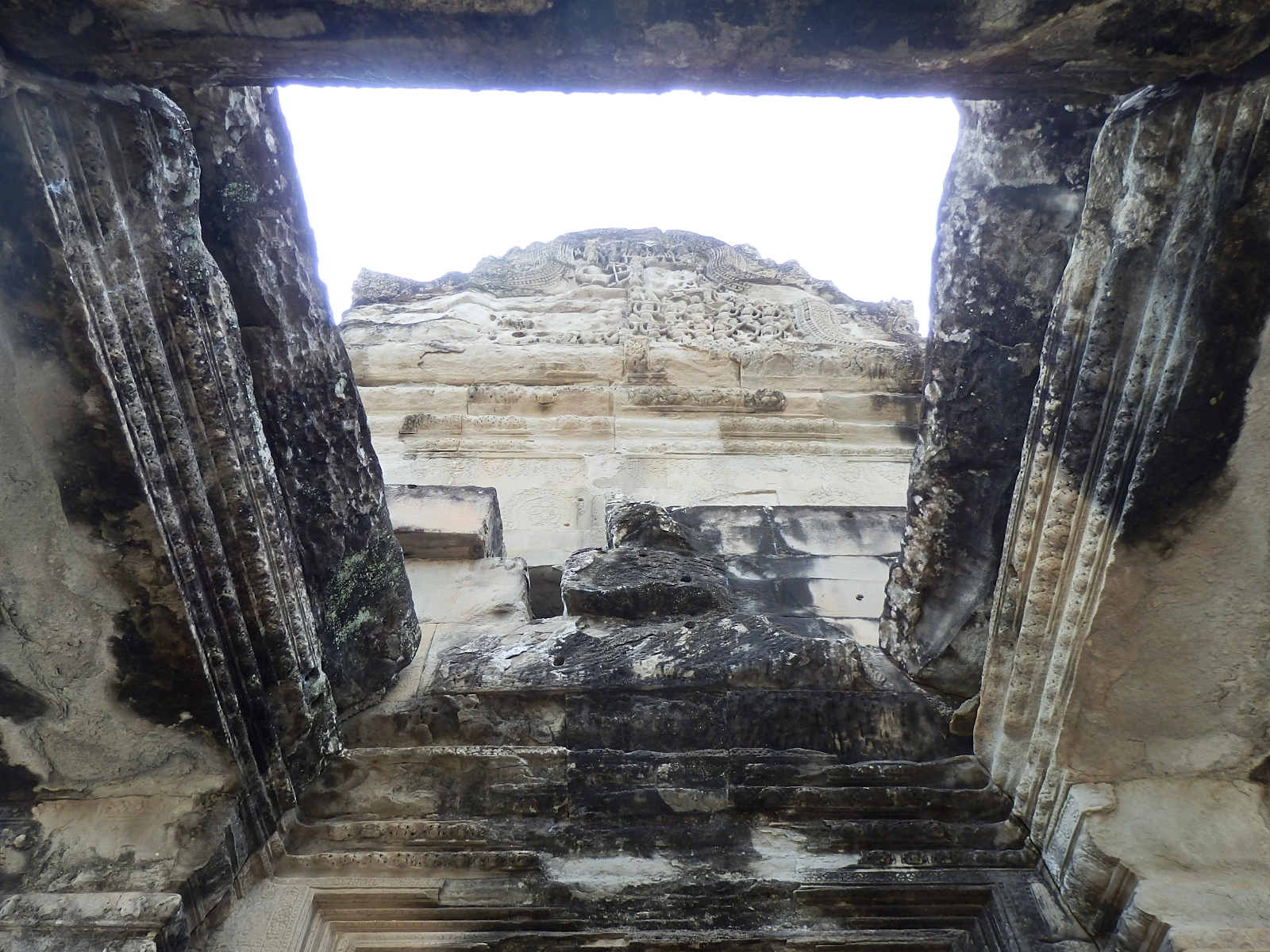
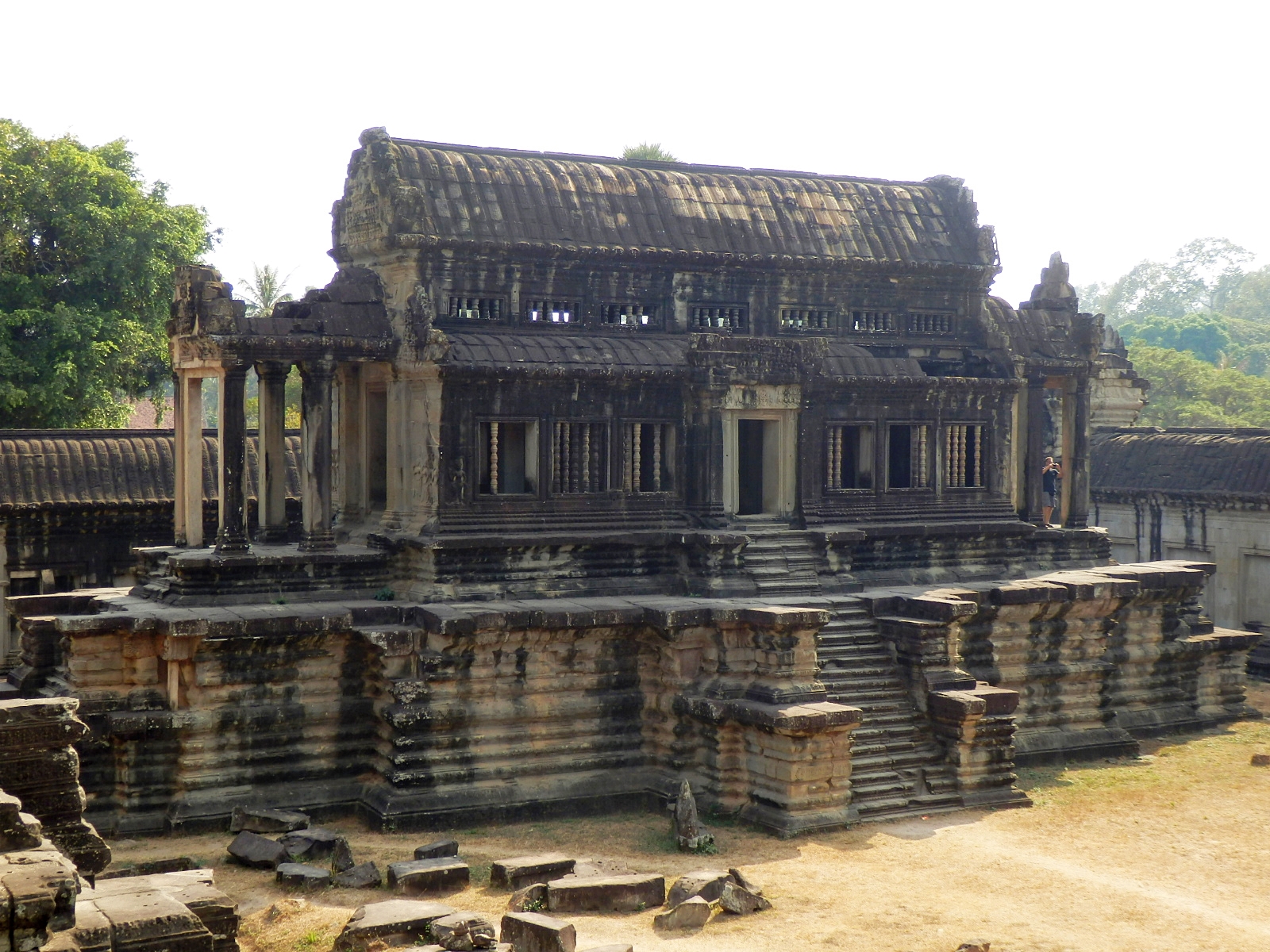
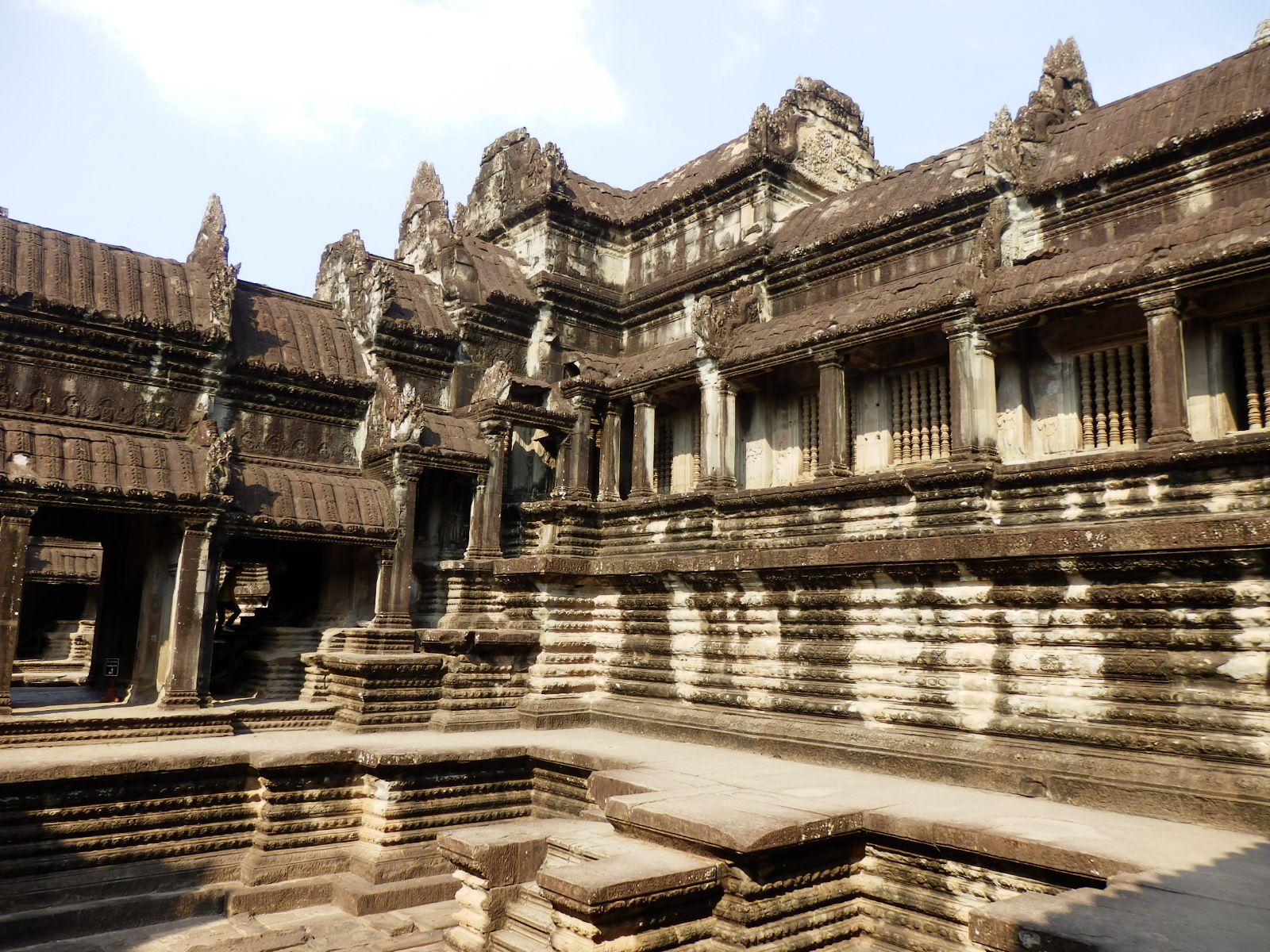
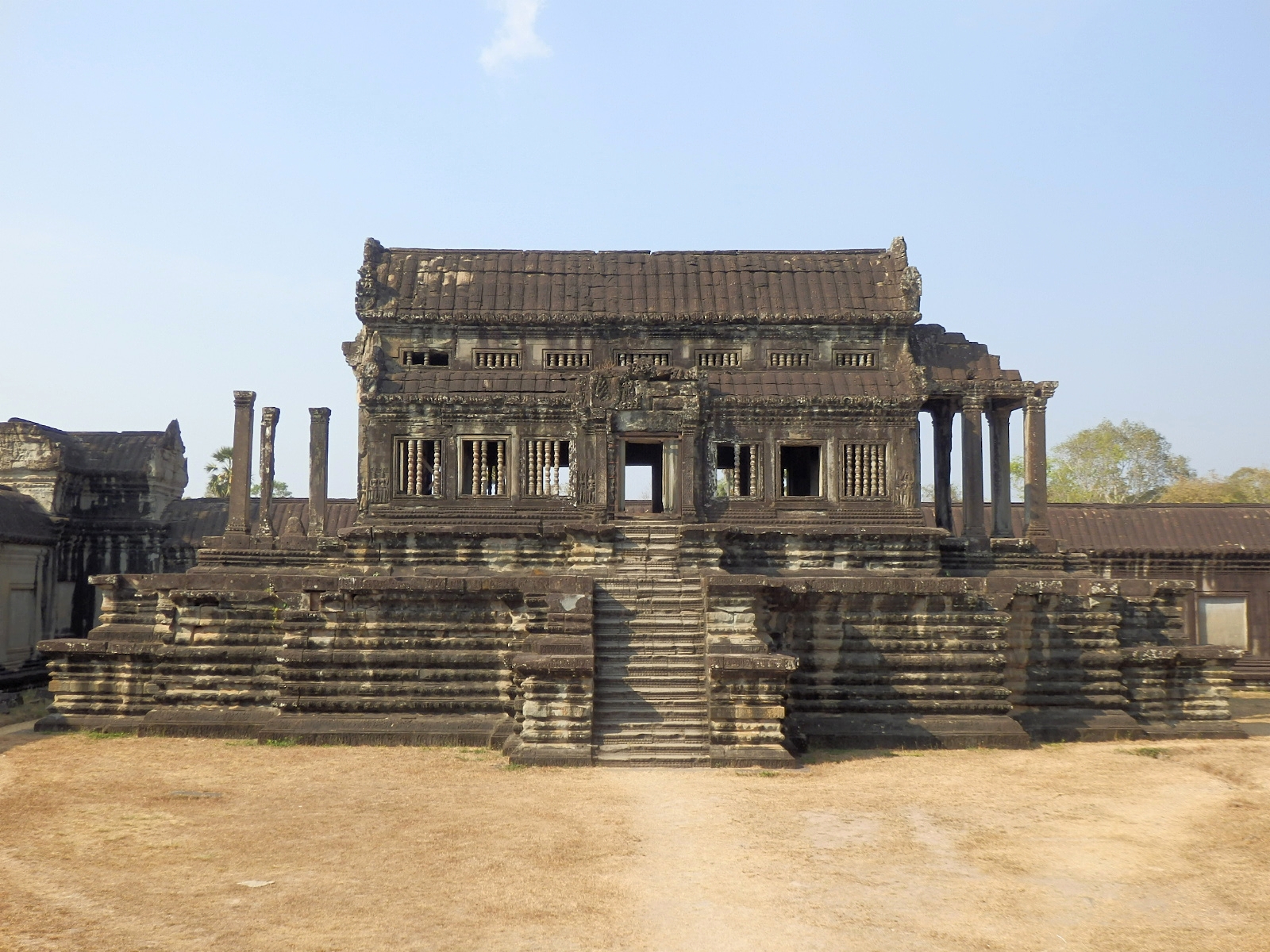
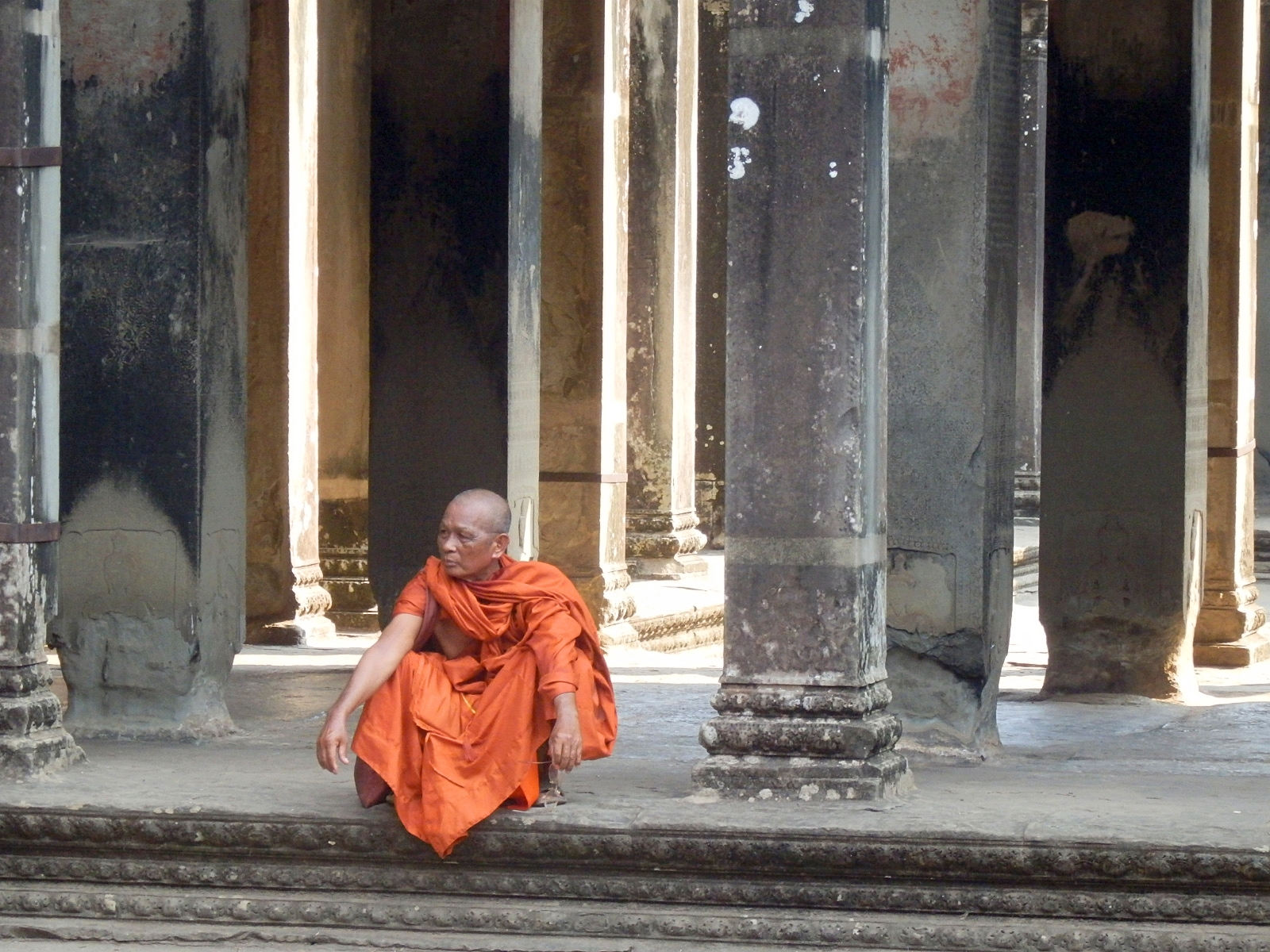
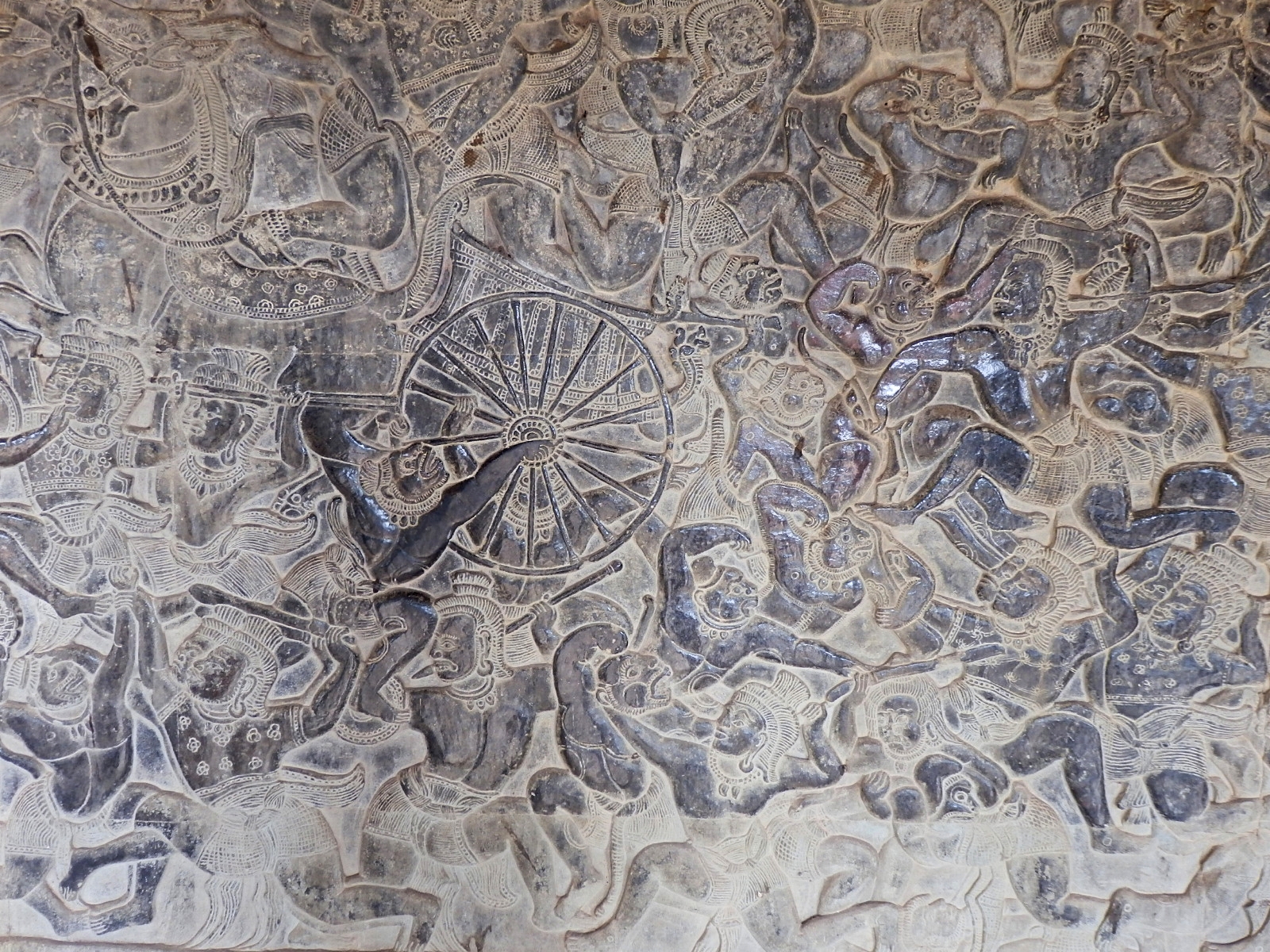
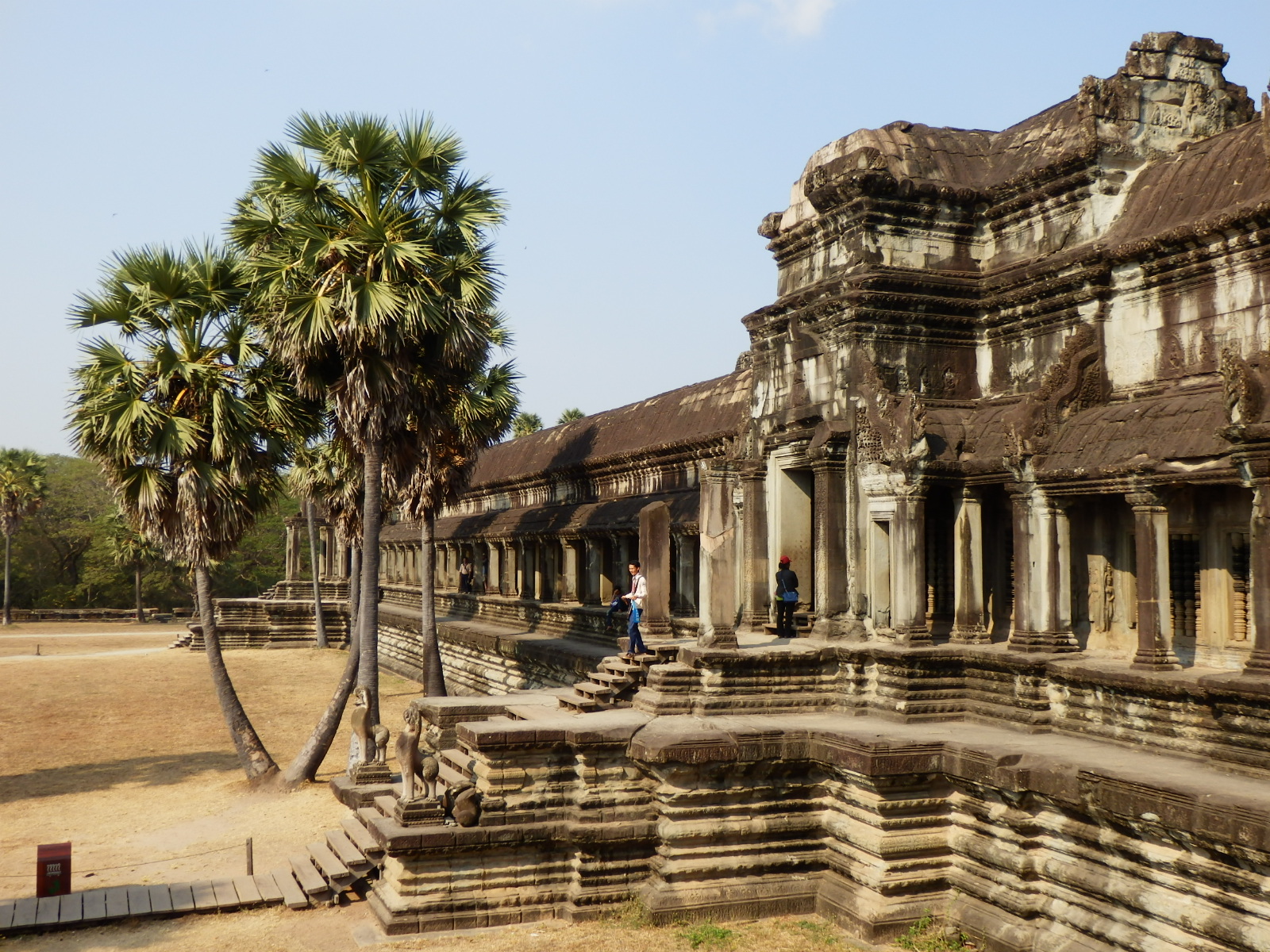
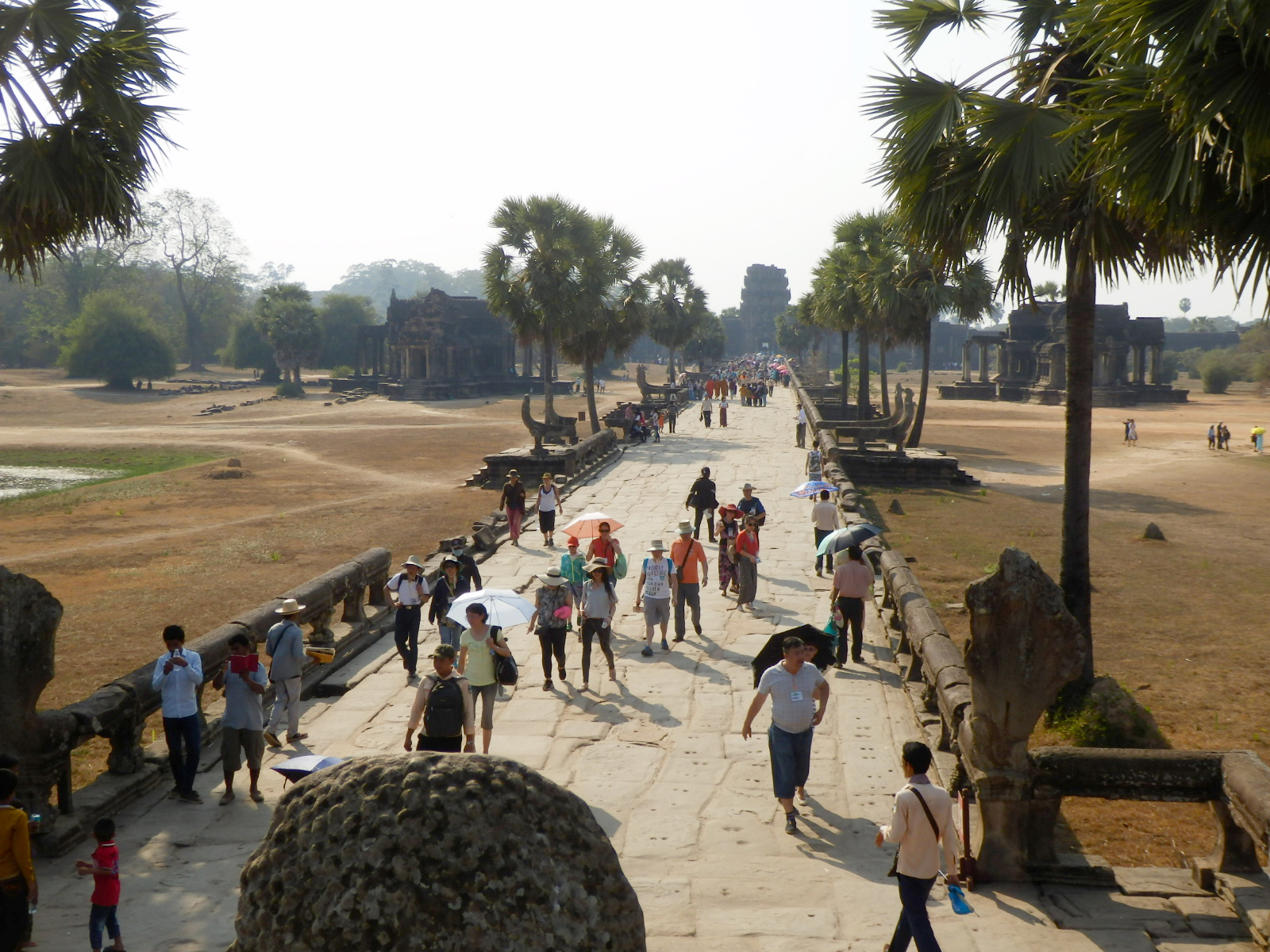
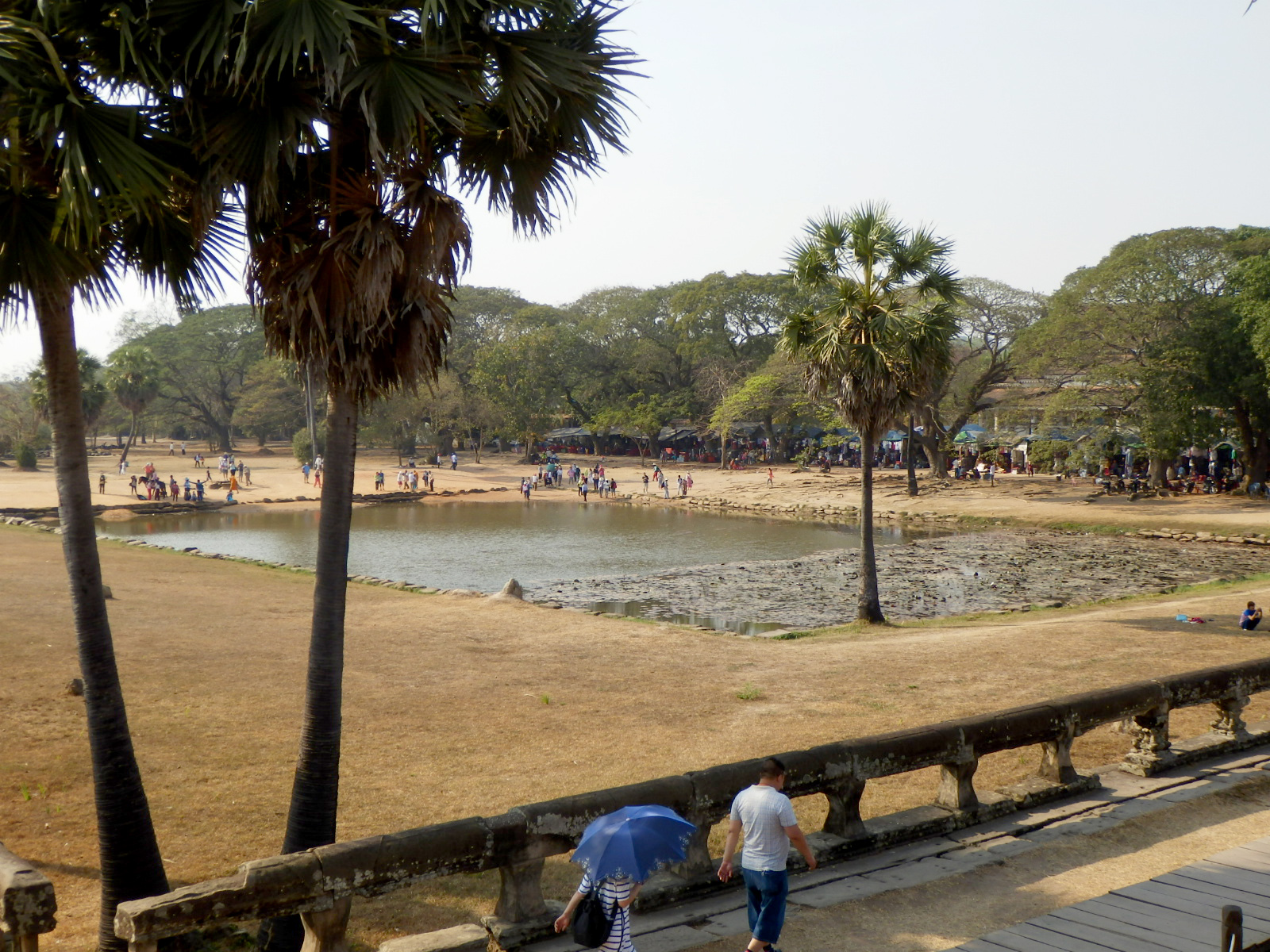
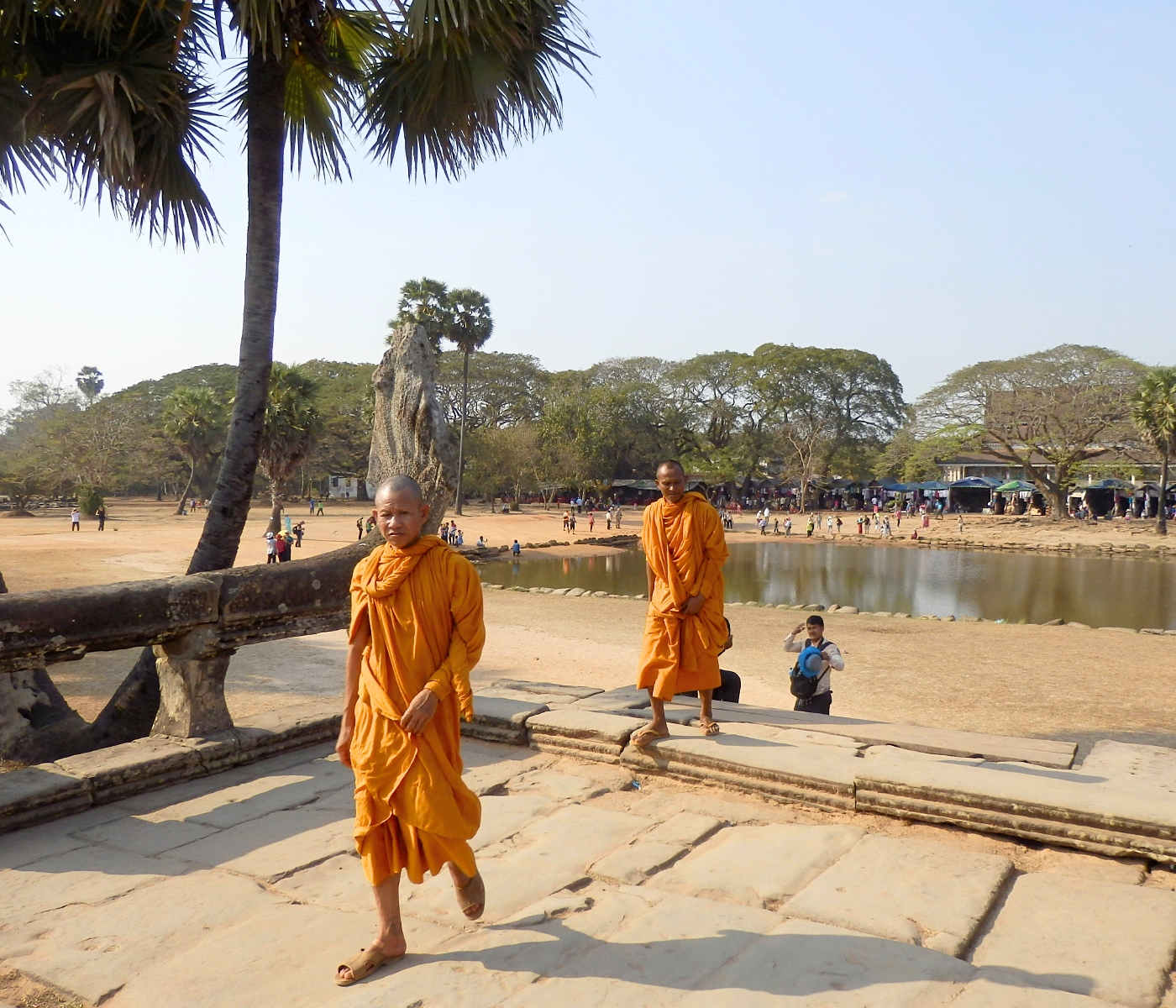
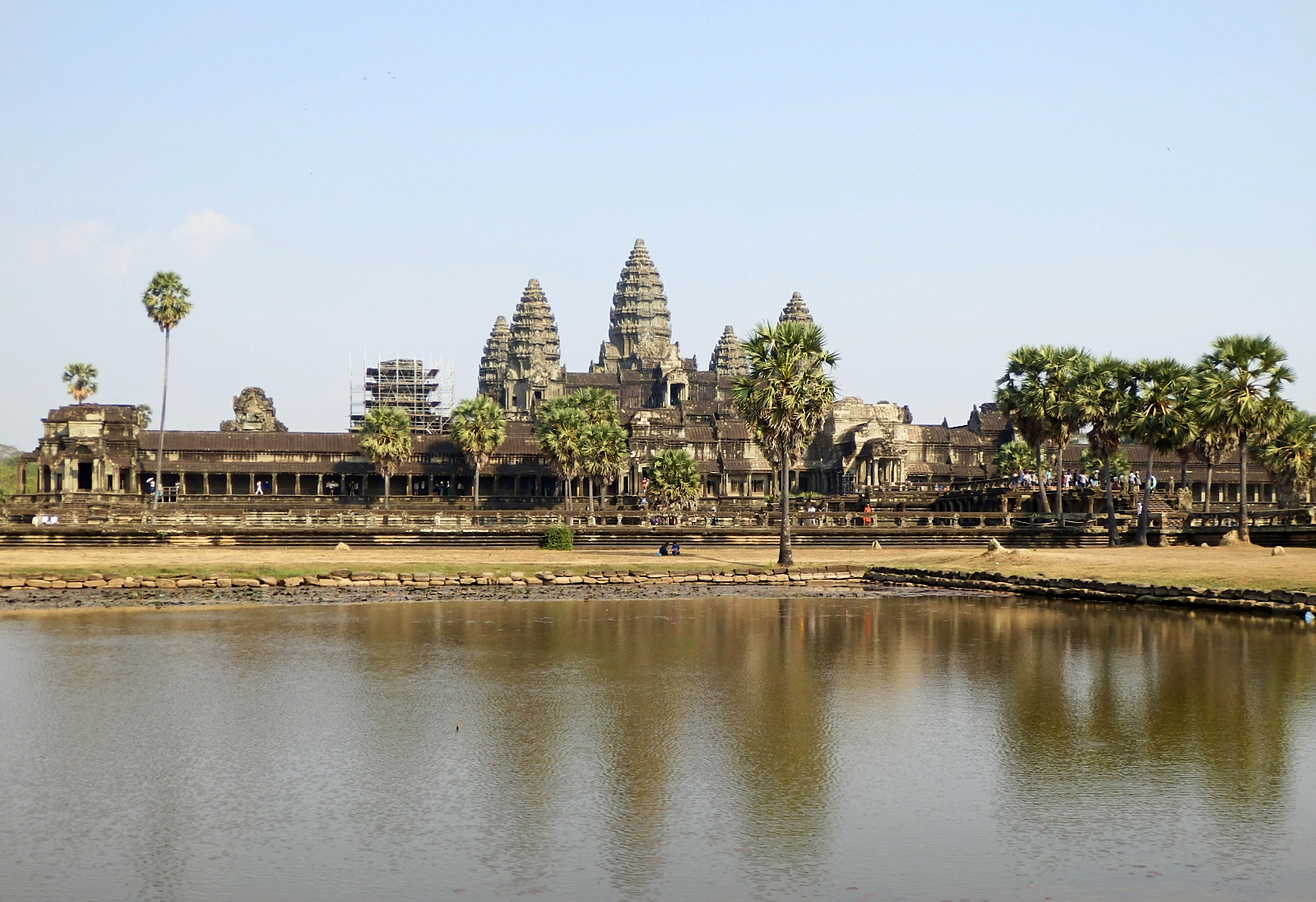
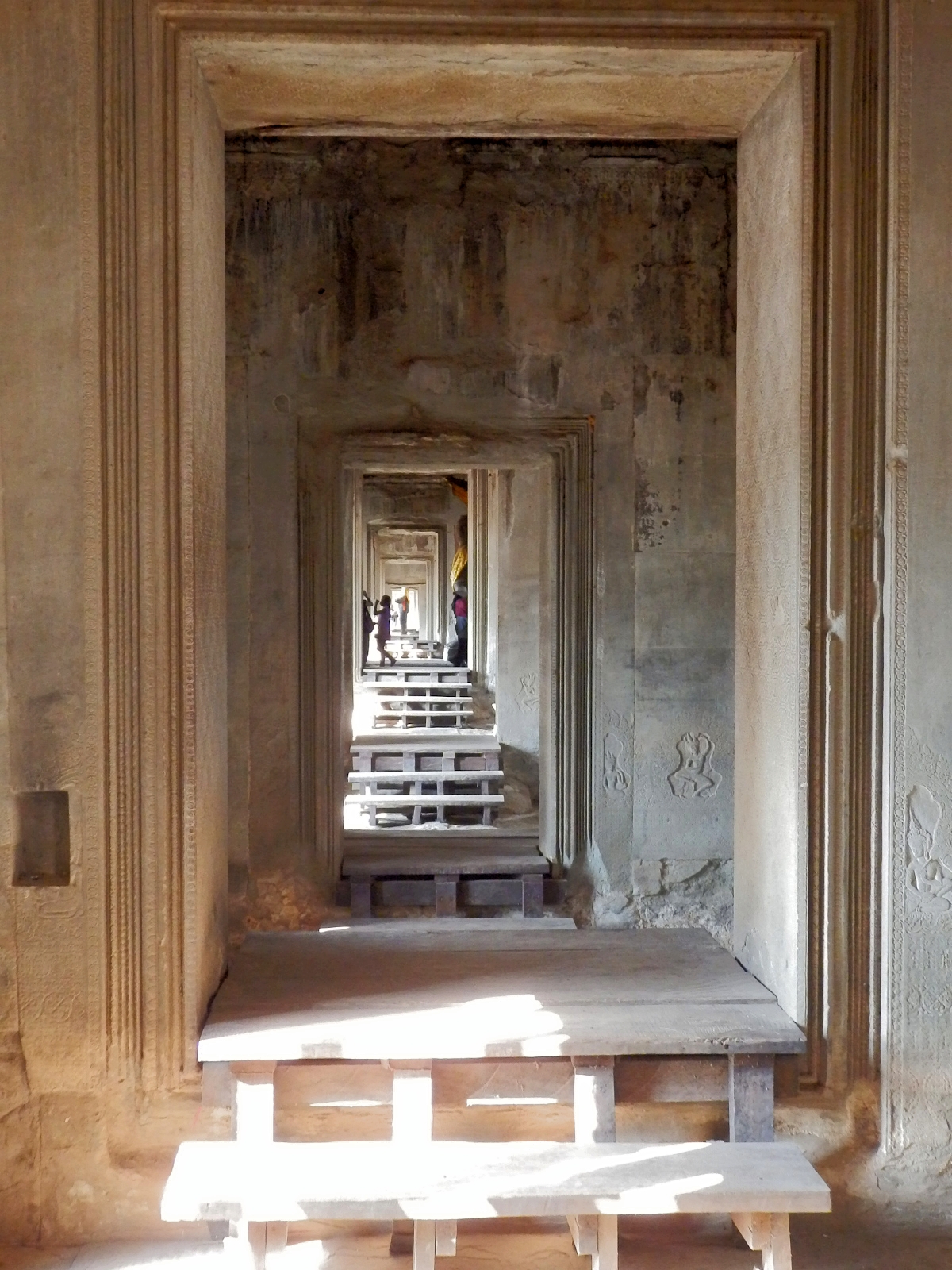
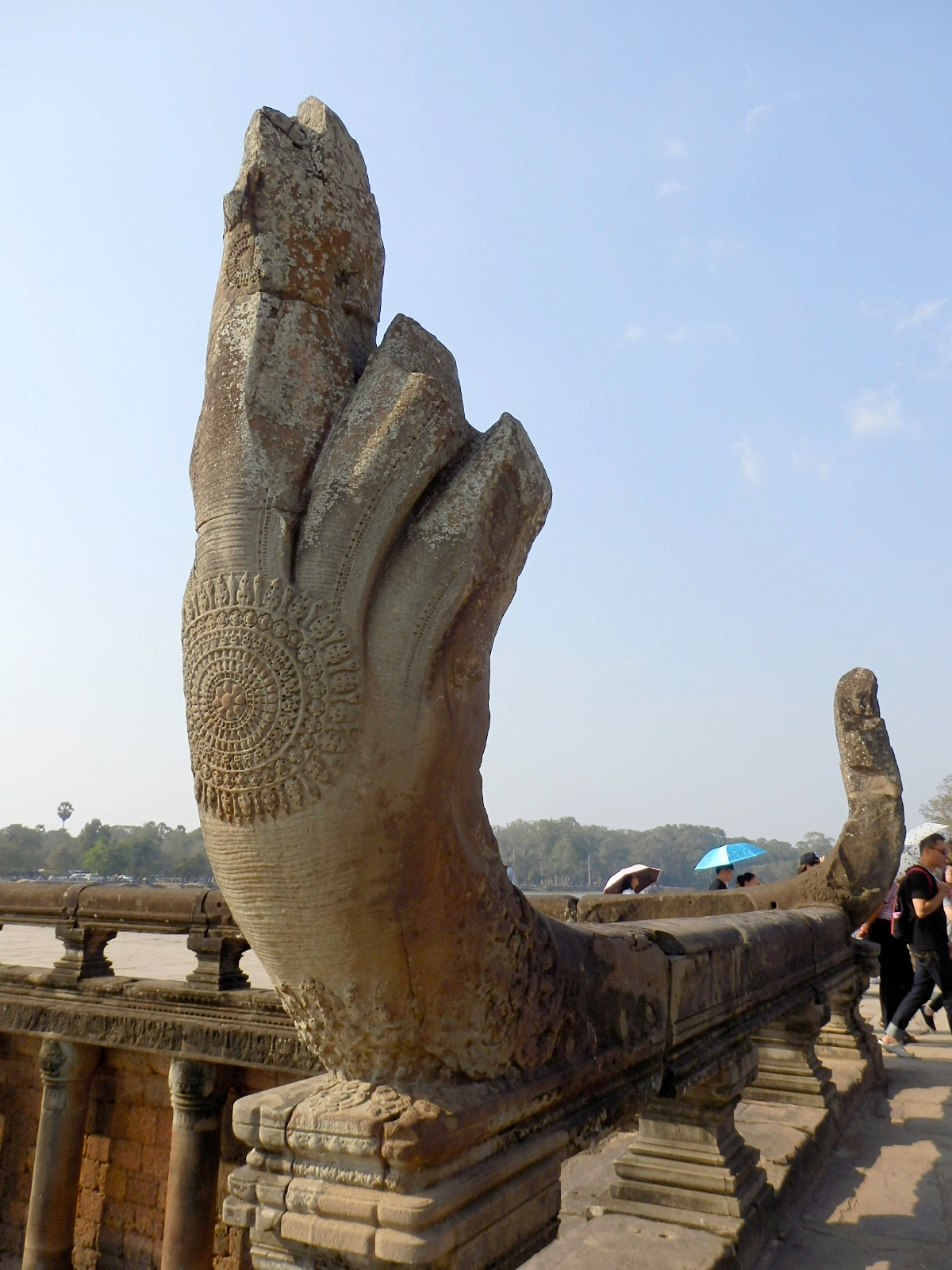
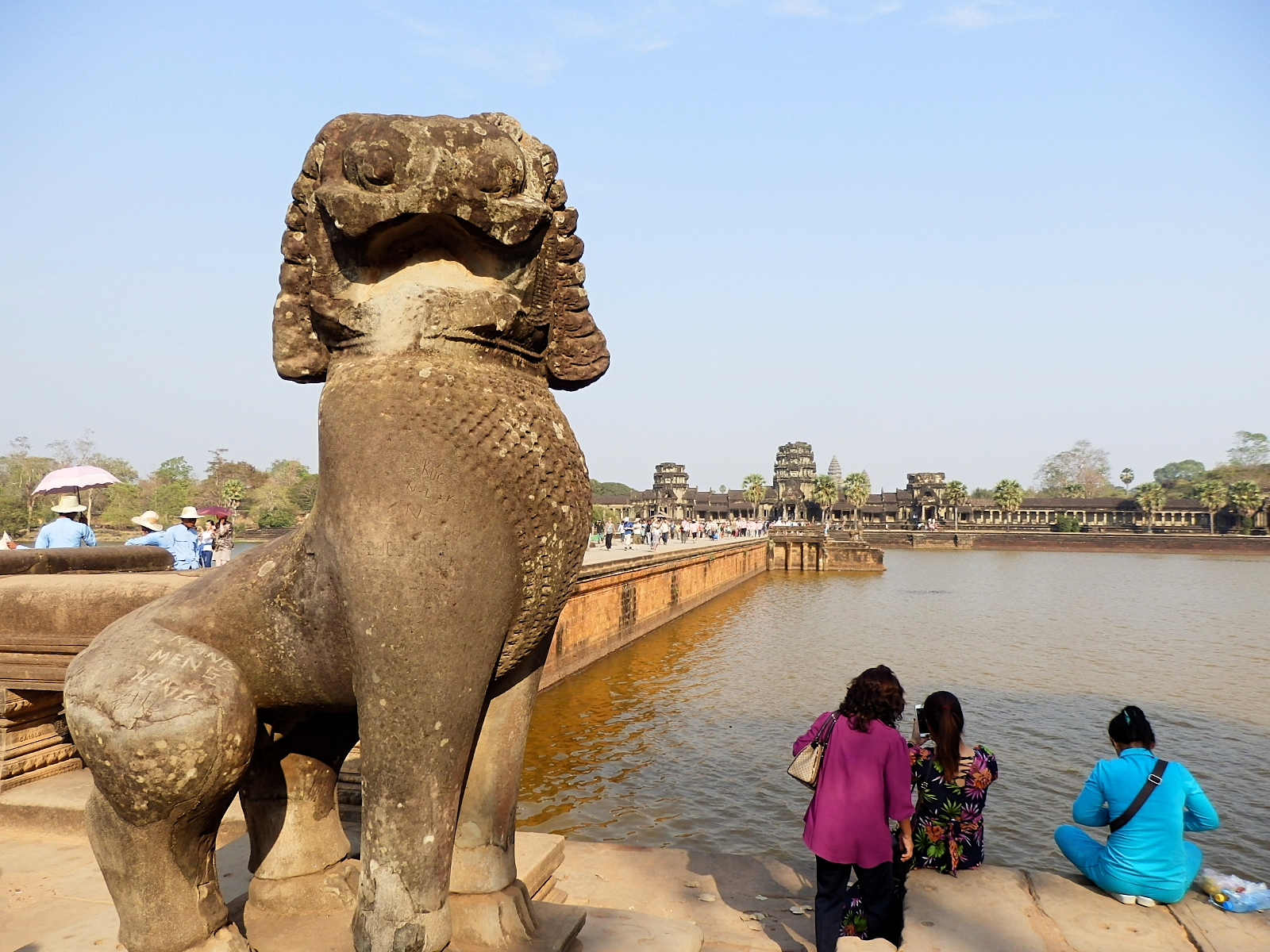
After lunch, it was finally time to head over to Angkor Wat, the biggest attraction in Siem Reap (and all of Cambodia). I had seen it numerous times in photos, and now I was going to have the chance to step foot on the grounds. Seeing the temple at sunrise wasn’t part of this tour, but I didn’t feel bad about it. I’ve seen sunrises in other places, plus I’m not a morning person, and one of my coworkers who did see the sunrise here before said it was a bit overrated. The temple itself, however, is not. We entered the site from the rear, and the first thing we saw was a piece of temple along with a number of monkeys roaming around. I noticed a tourist walking after a monkey, and I wondered why he was trying to follow it. Then I noticed the sunglasses in the monkey’s hands (oh, those cute little kleptos). Eventually, the monkey dropped them.

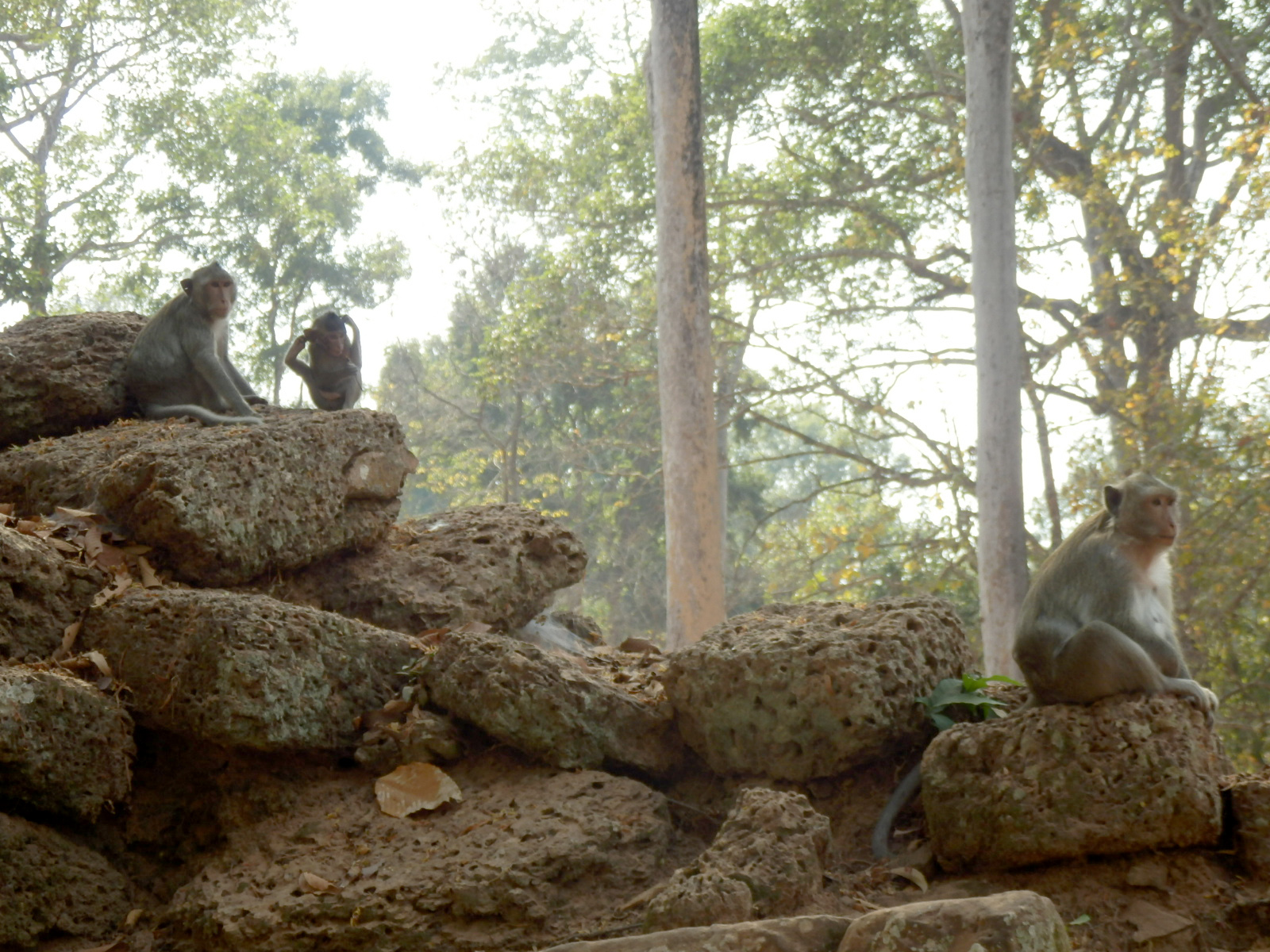
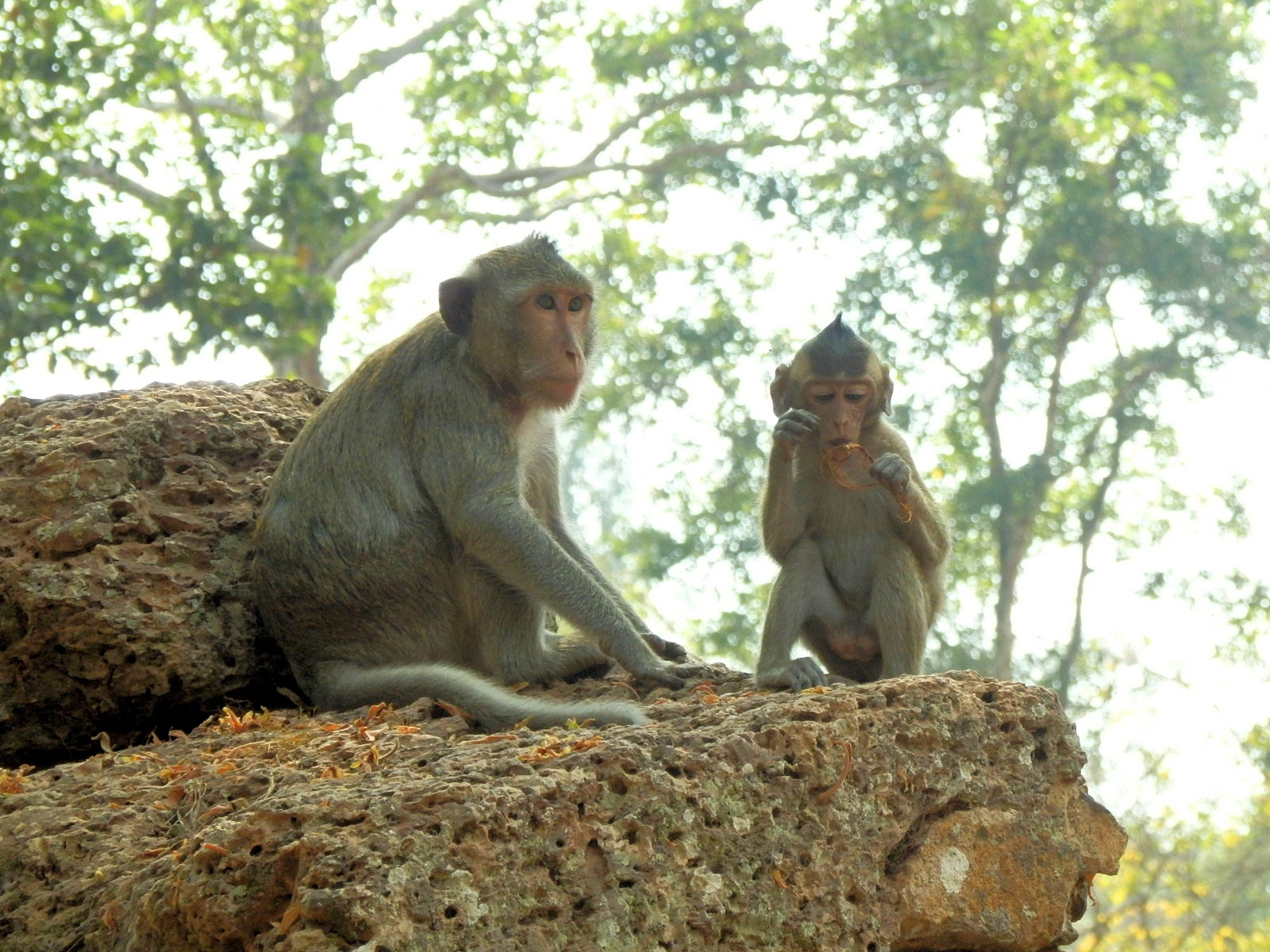
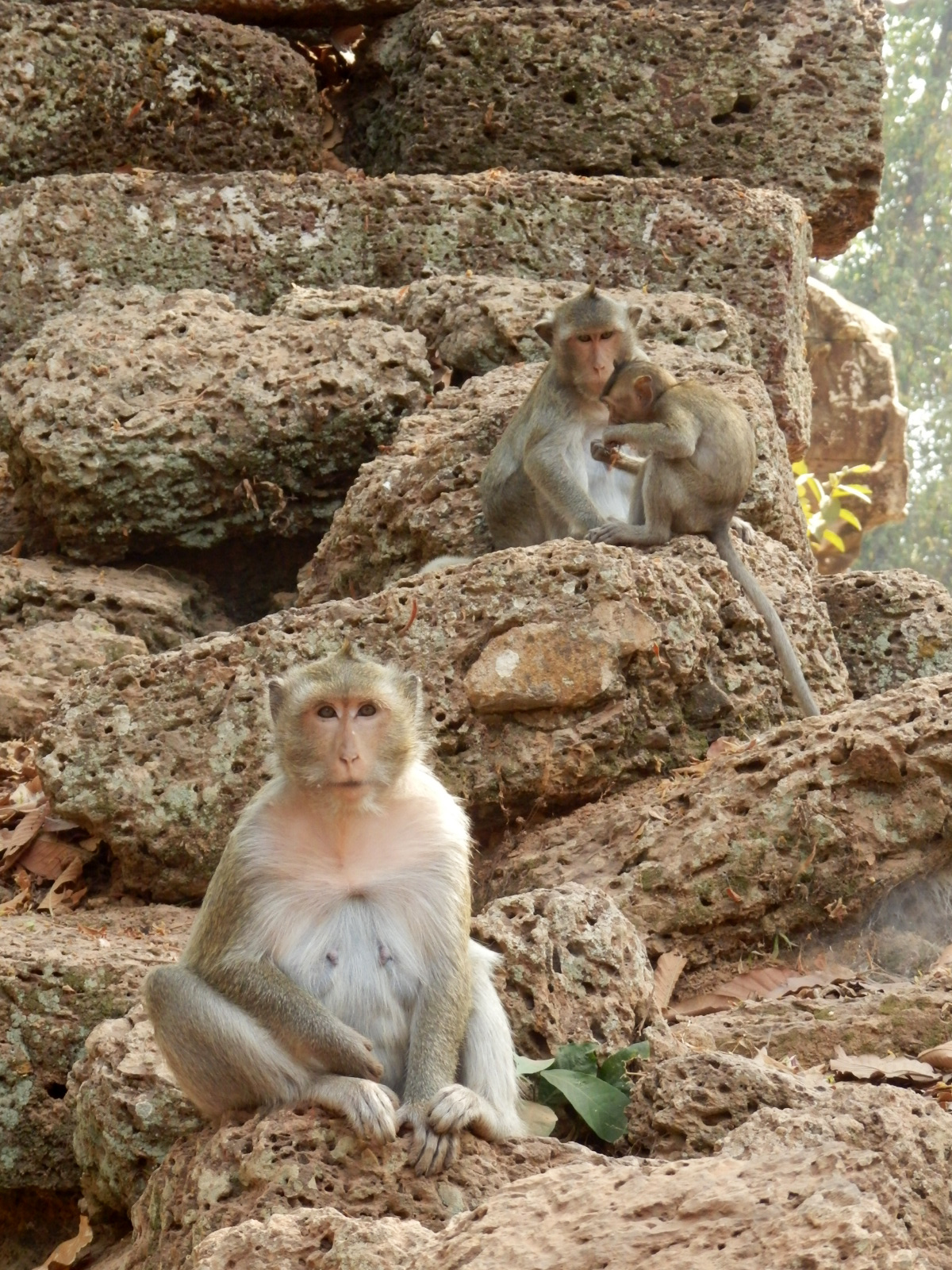
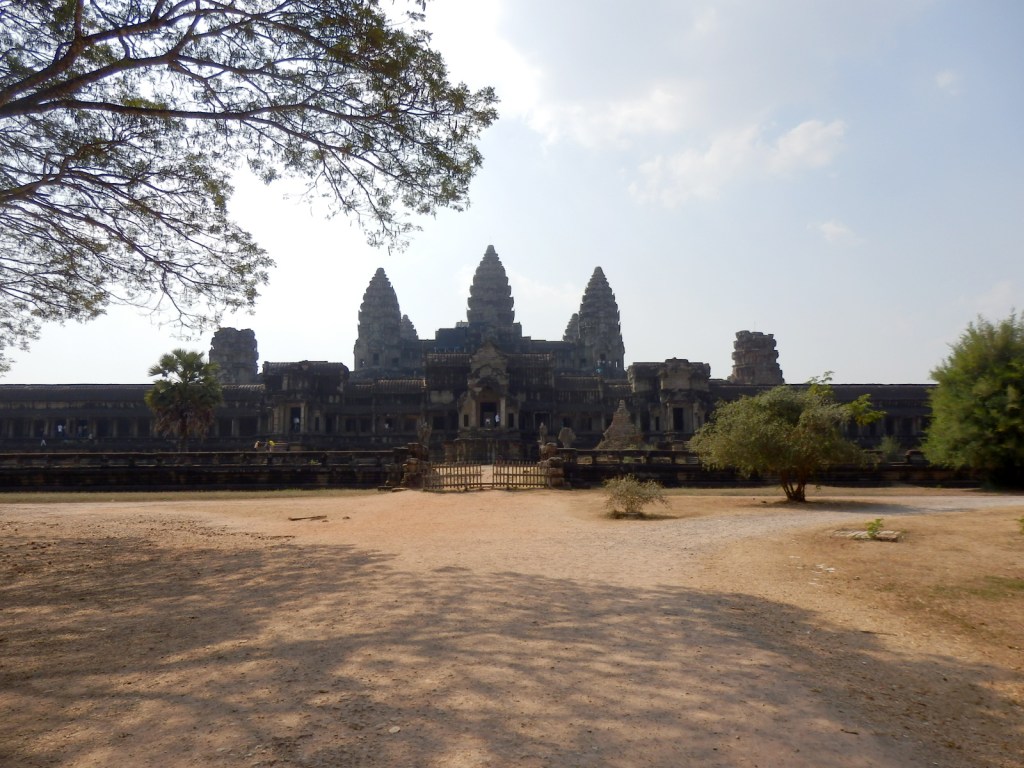
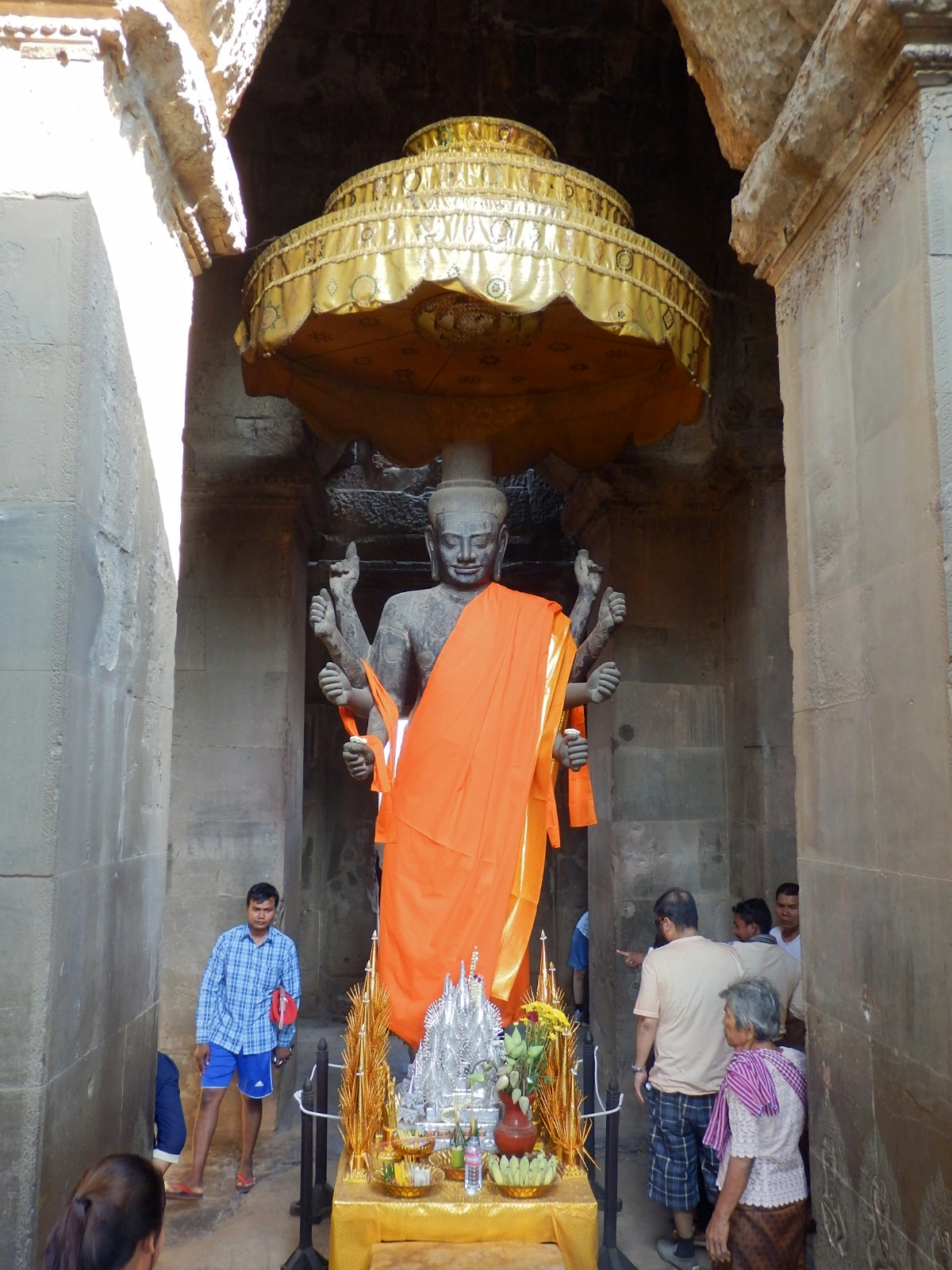
After looking around to see plenty of other monkeys roaming the area and wondering if the Wicked Witch of the West was going to show up, we headed onward until we came across the rear entrance to Angkor Wat. We were seeing the temple in reverse order, so my photos of the famous “skyline” will come towards the end here. Something else that my guide told me was that many of these temples were created with Buddhist imagery but that later on, when Hinduism dominated again, many of these Buddhist images and statues were defaced (beheaded, in fact).


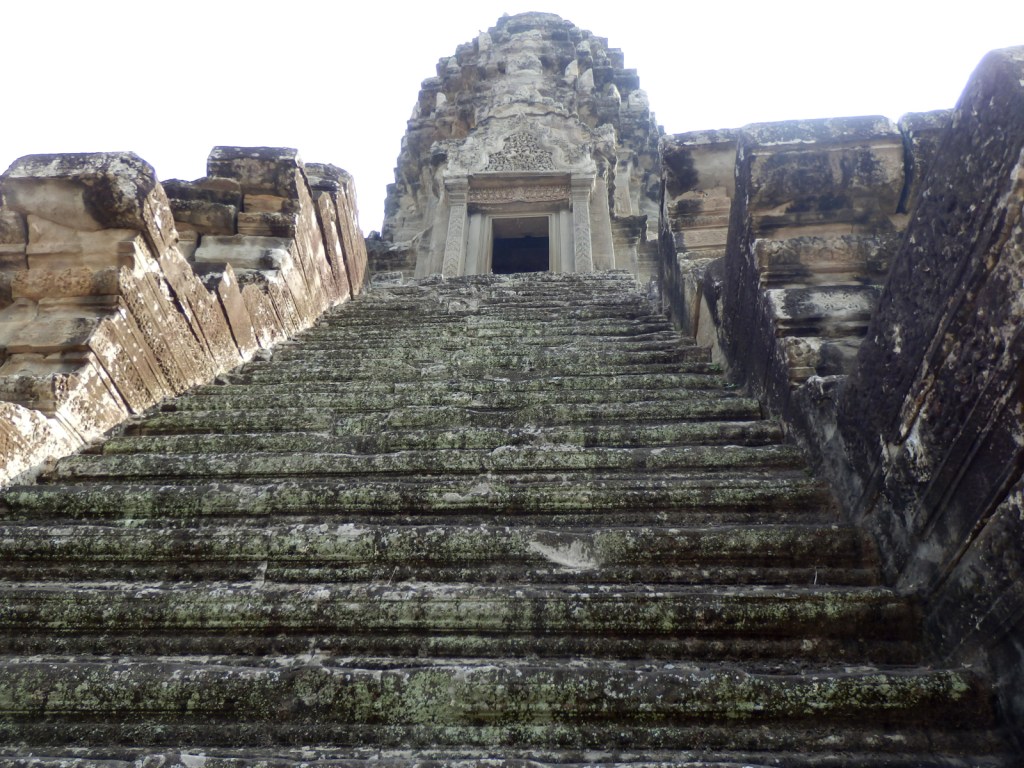
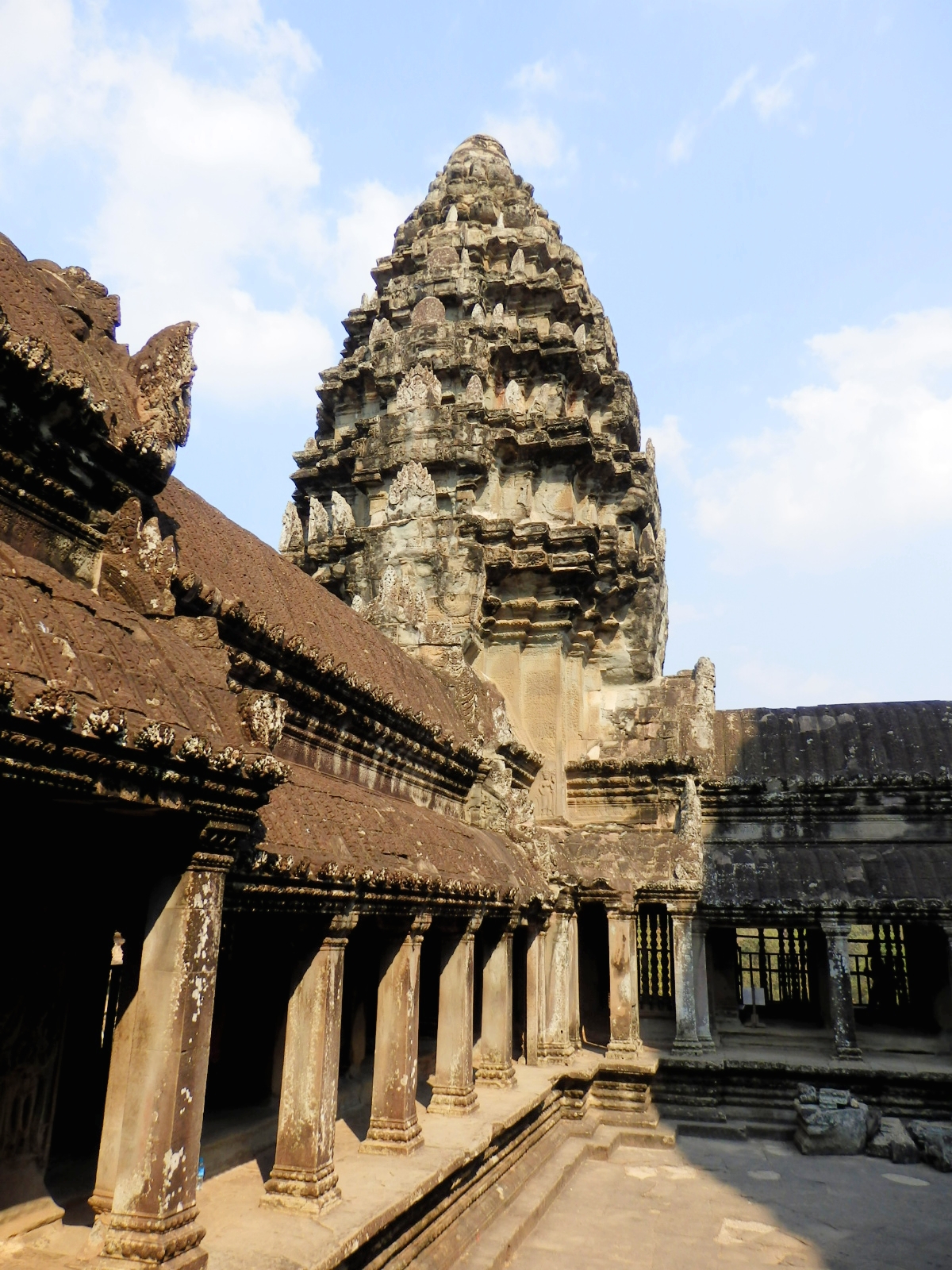

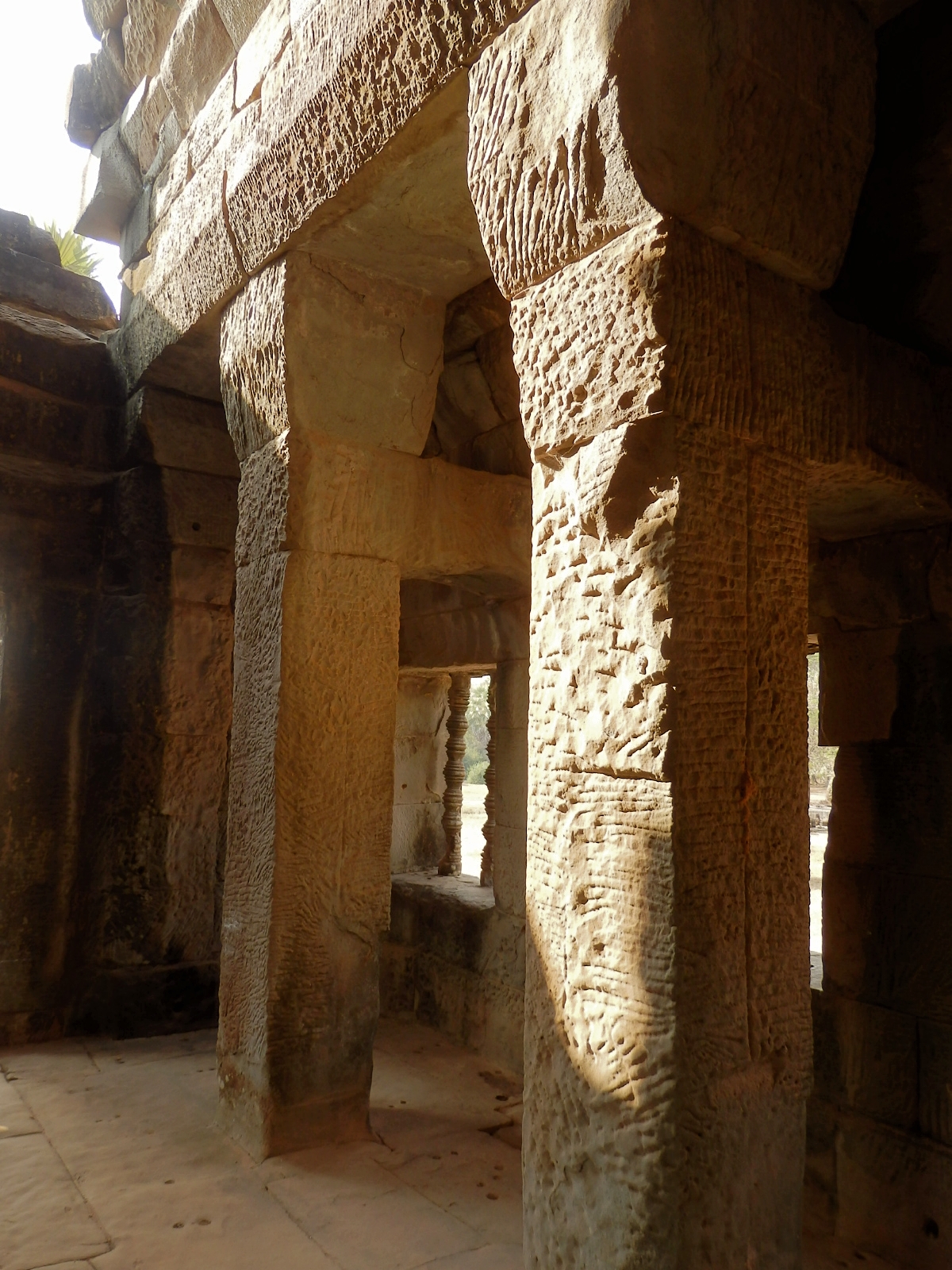
After waiting in line to climb up some very steep stairs, I was able to roam around up top and take in the sights.
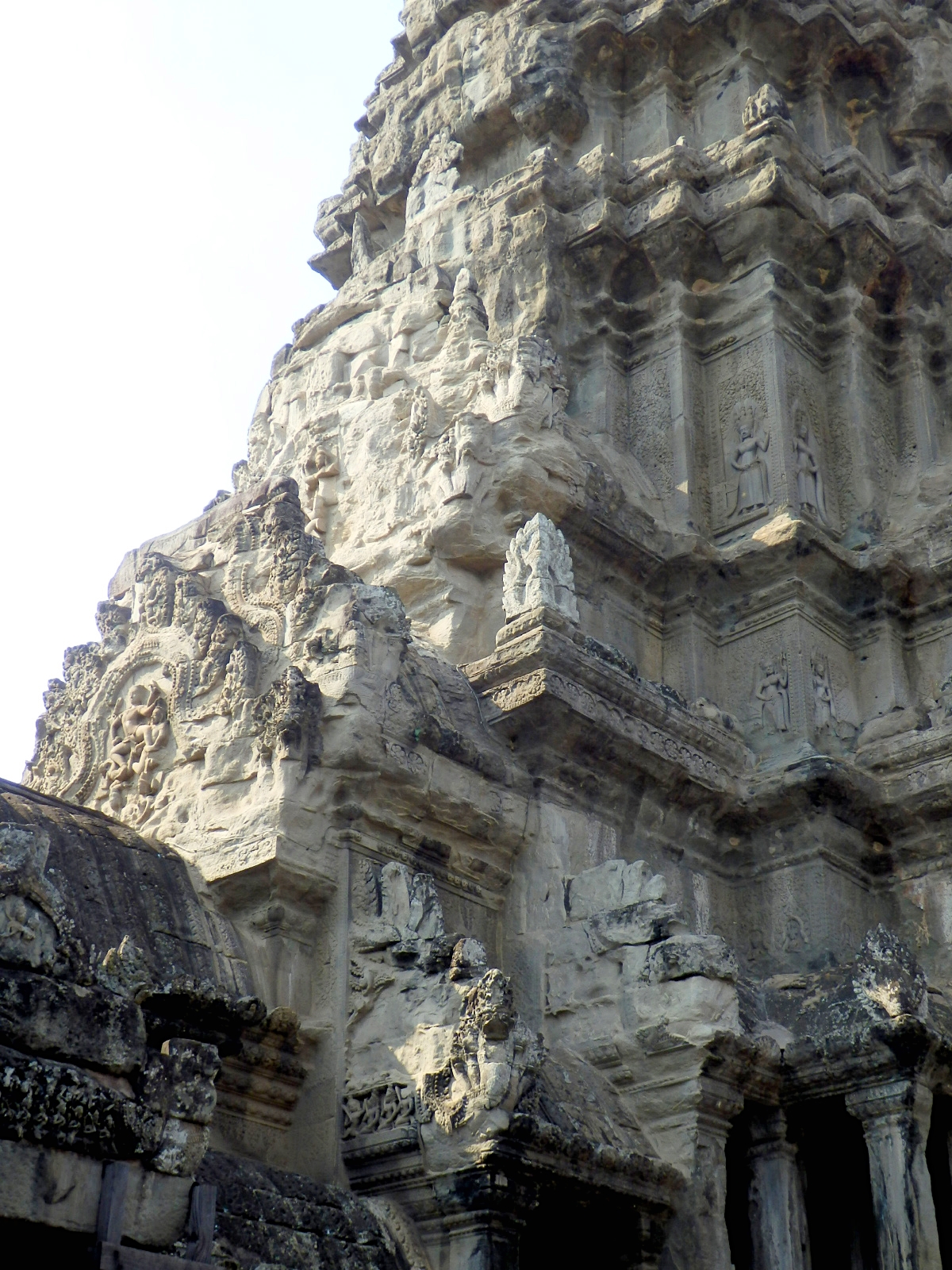

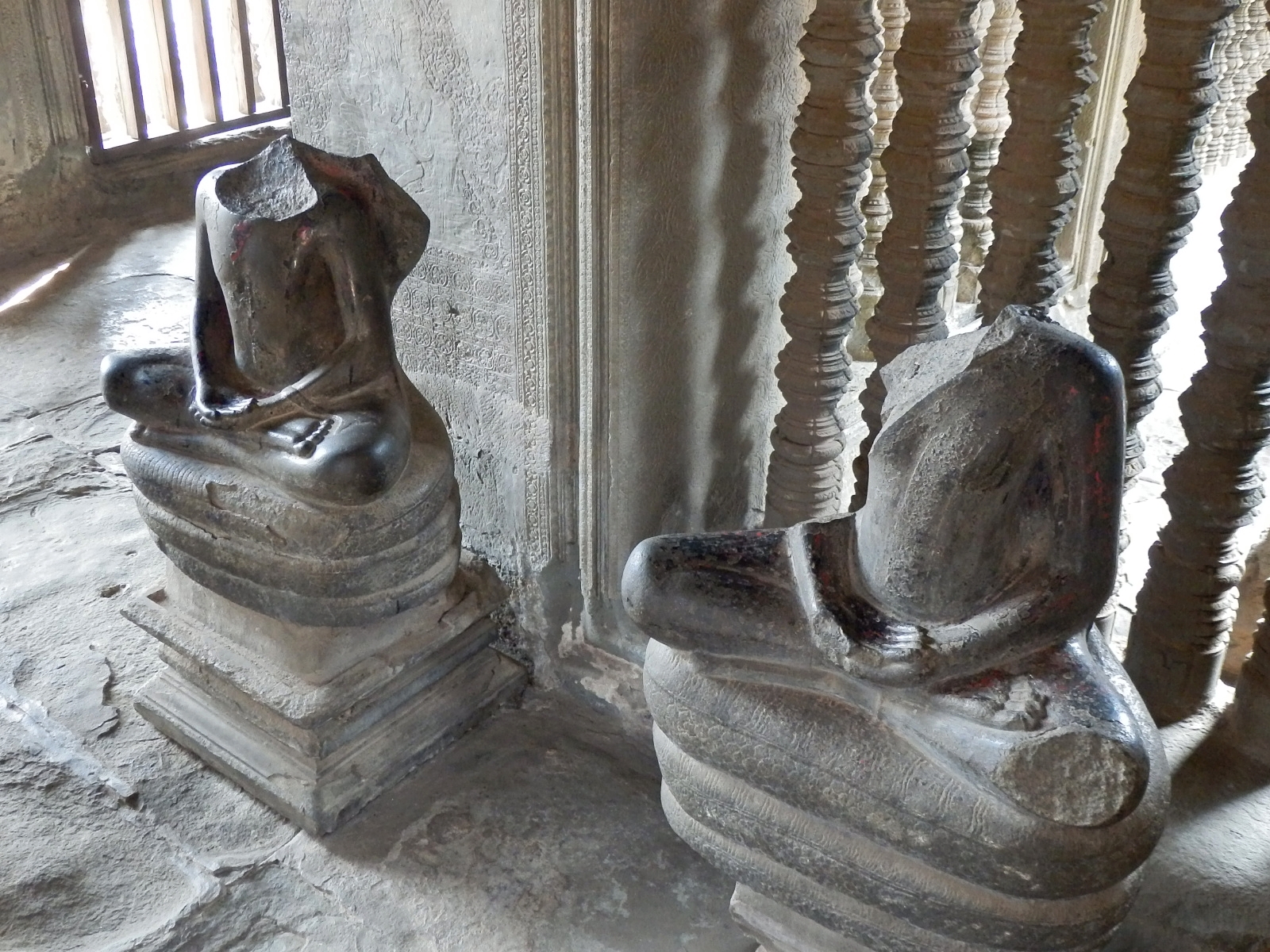
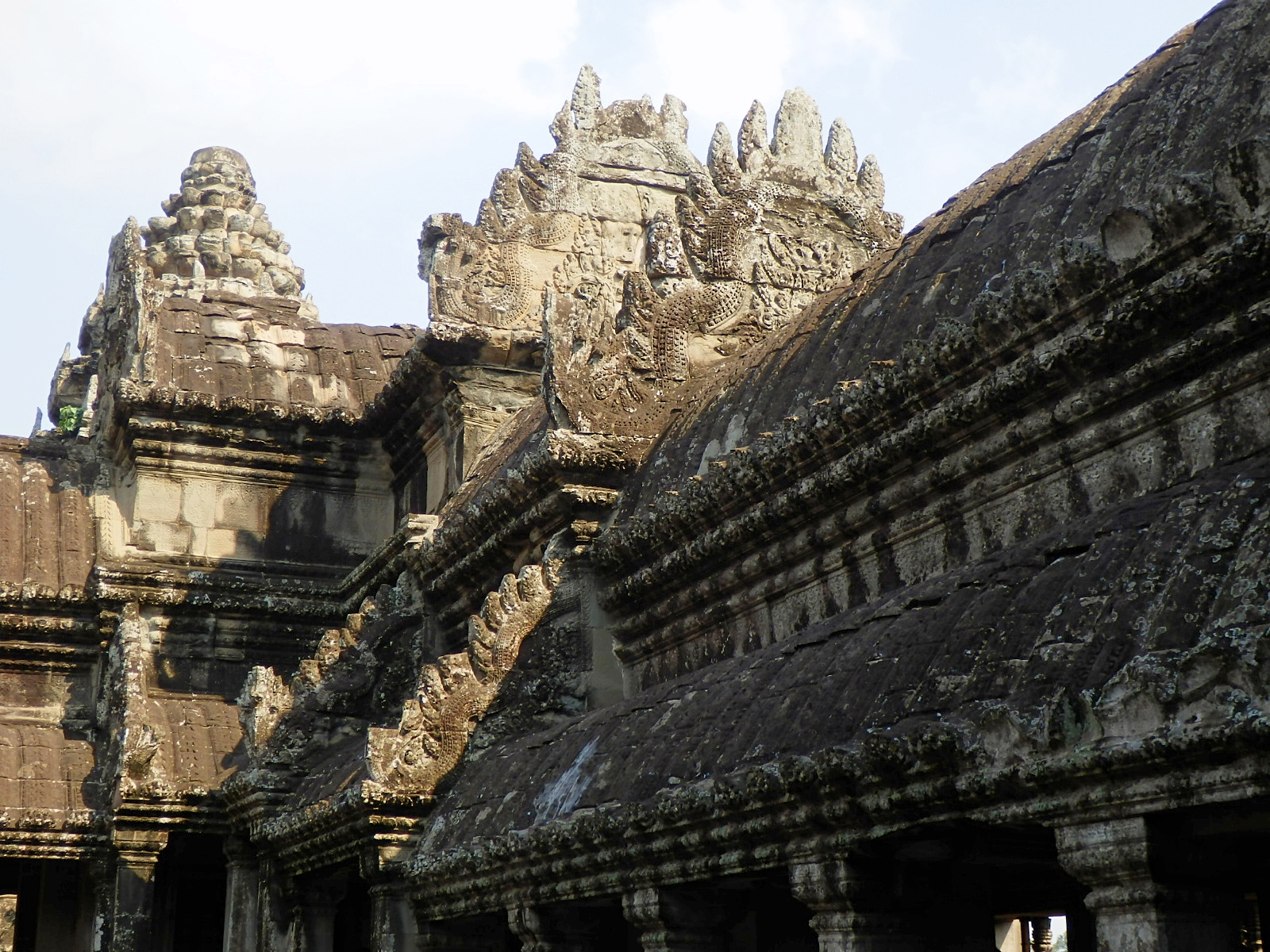
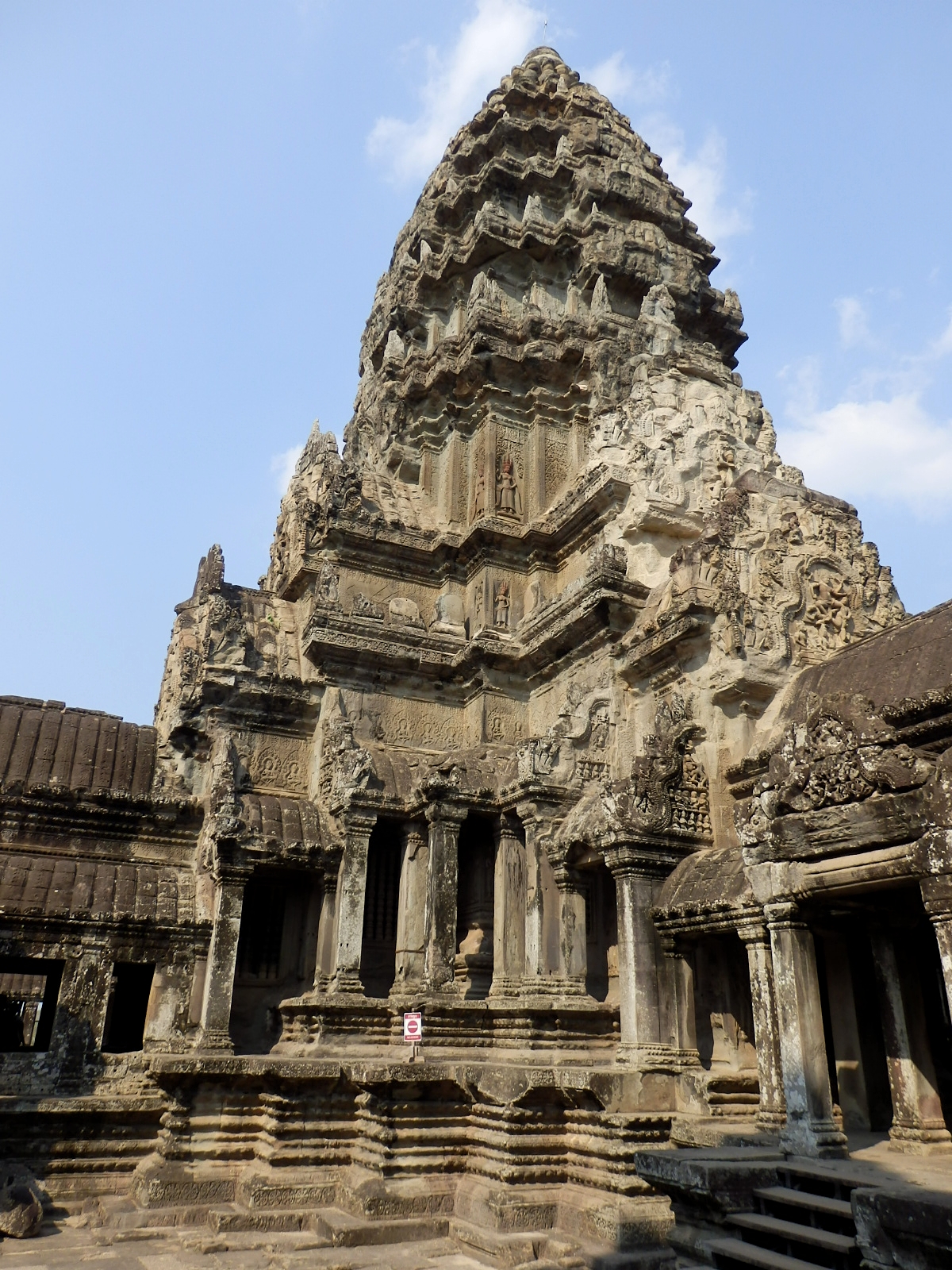
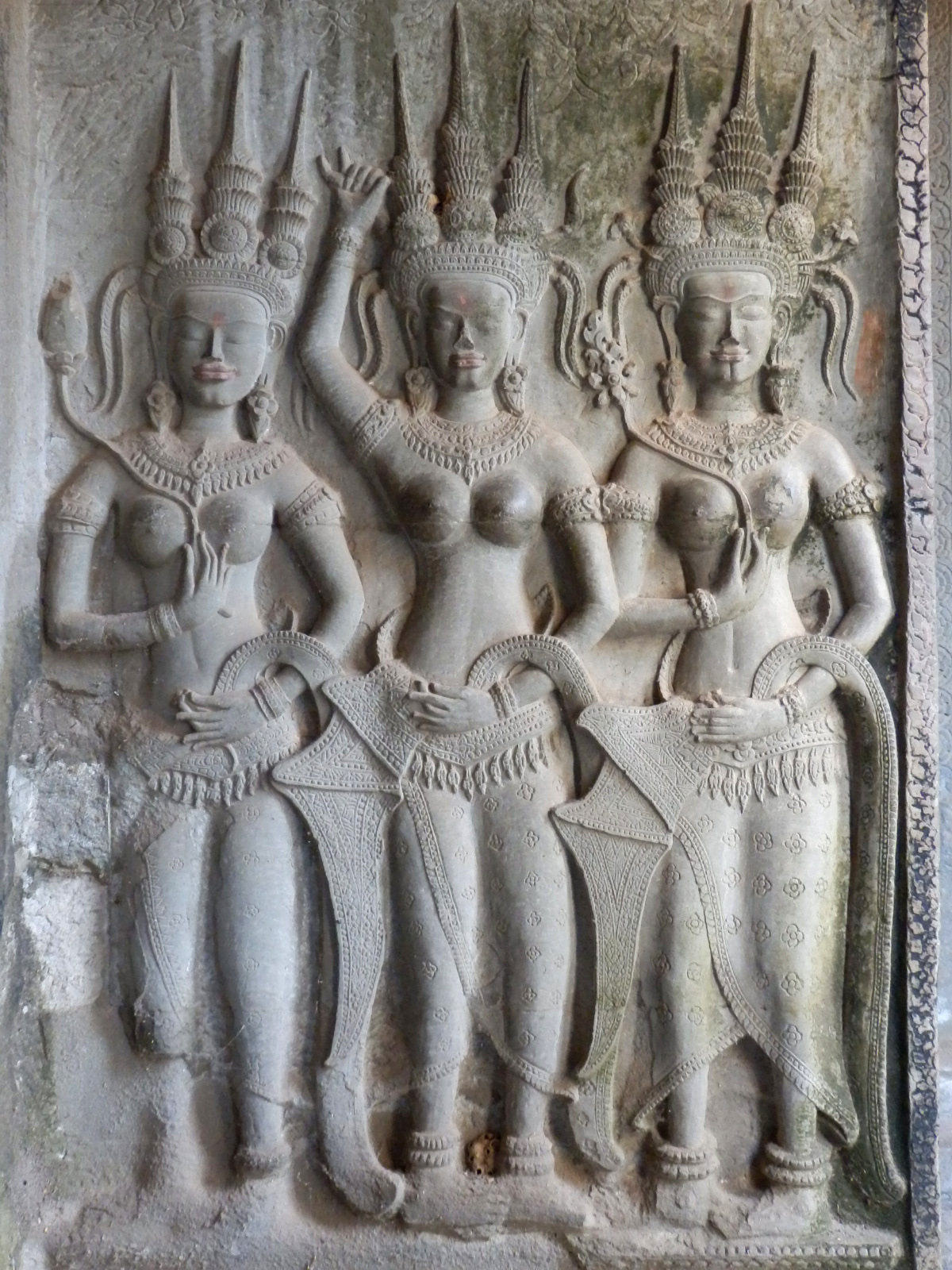

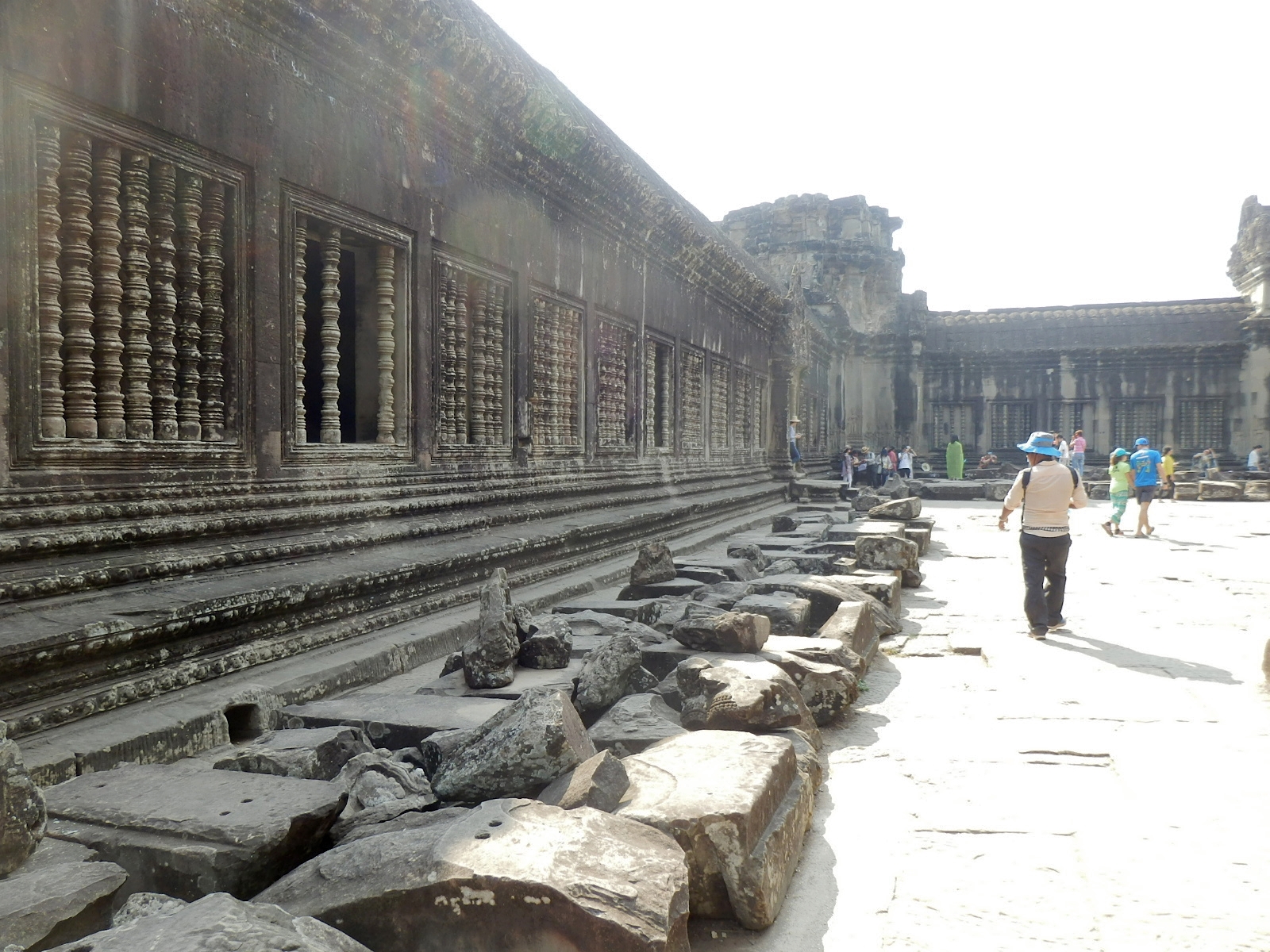
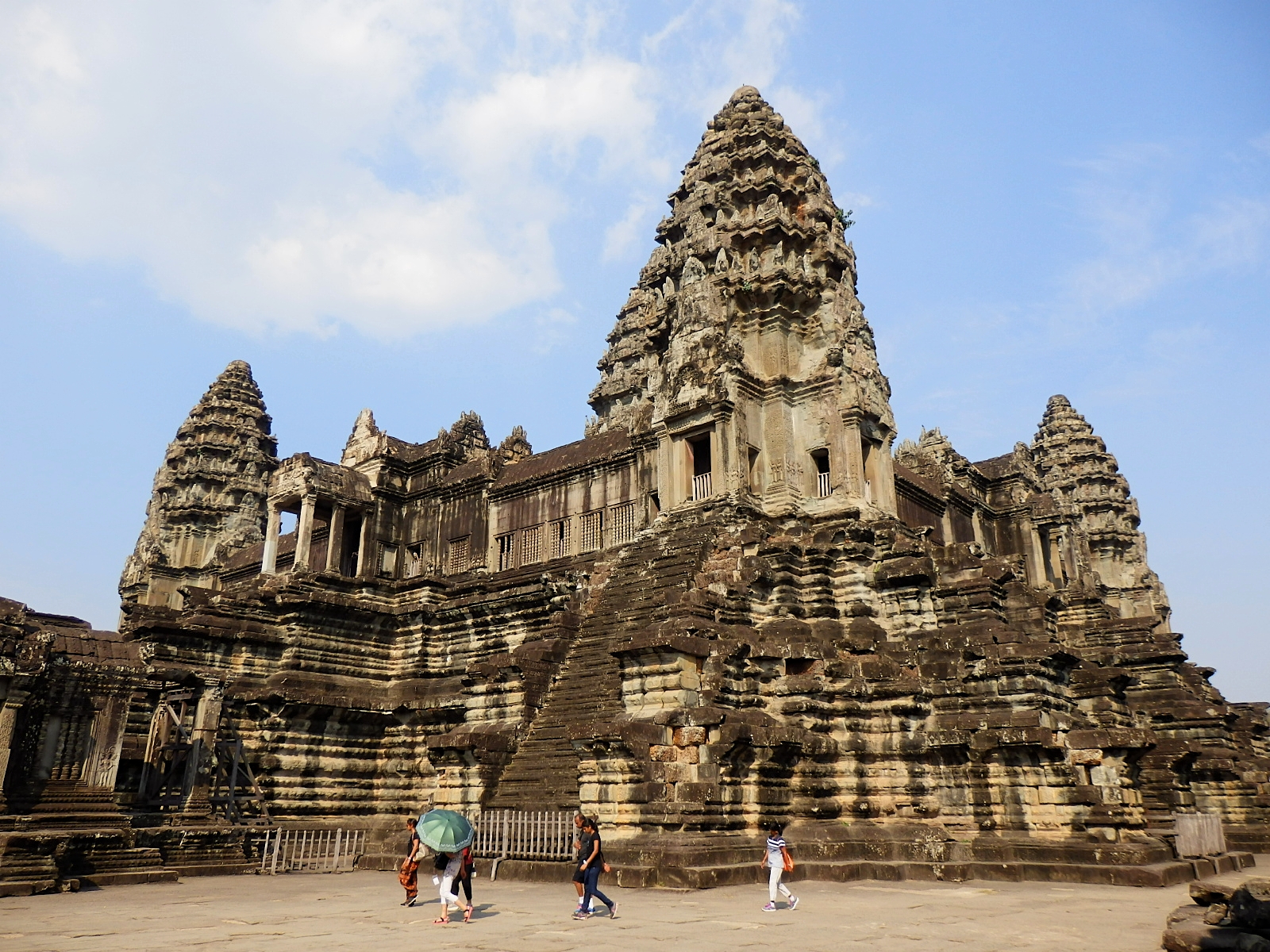




Finally, after a long, hot, and sweaty day, we finally scooted our way back to my guest house. As soon as I saw the drink list (the outdoor eating area is the first thing you see when you get to the guest house), I decided that I needed a tall glass of lime or mint juice.

I also felt that I needed a shower after walking through all of that red dirt and sweating. However, in an attempt to limit the amount of water being used, the water had been turned off at the guest house by the local government. I found this out after the first time this happened during my stay (it would happen once more, too, before I headed back to Guangzhou). I had read about brief power blips that occur here (which also happened during my stay but only lasted for maybe 5 seconds), but I was not aware of having the water shut off periodically. This doesn’t affect the entire Siem Reap area (or else no one would bother to stay here, not even at a fancy hotel), just places like the guest house I was staying at. Anyway, I ended up using the bucket of water that they brought to me to douse myself with and attempt to wash. I didn’t have time to wait until the next morning because the next morning I would have to set off for my all-day cooking class.
Day 3: Cooking class
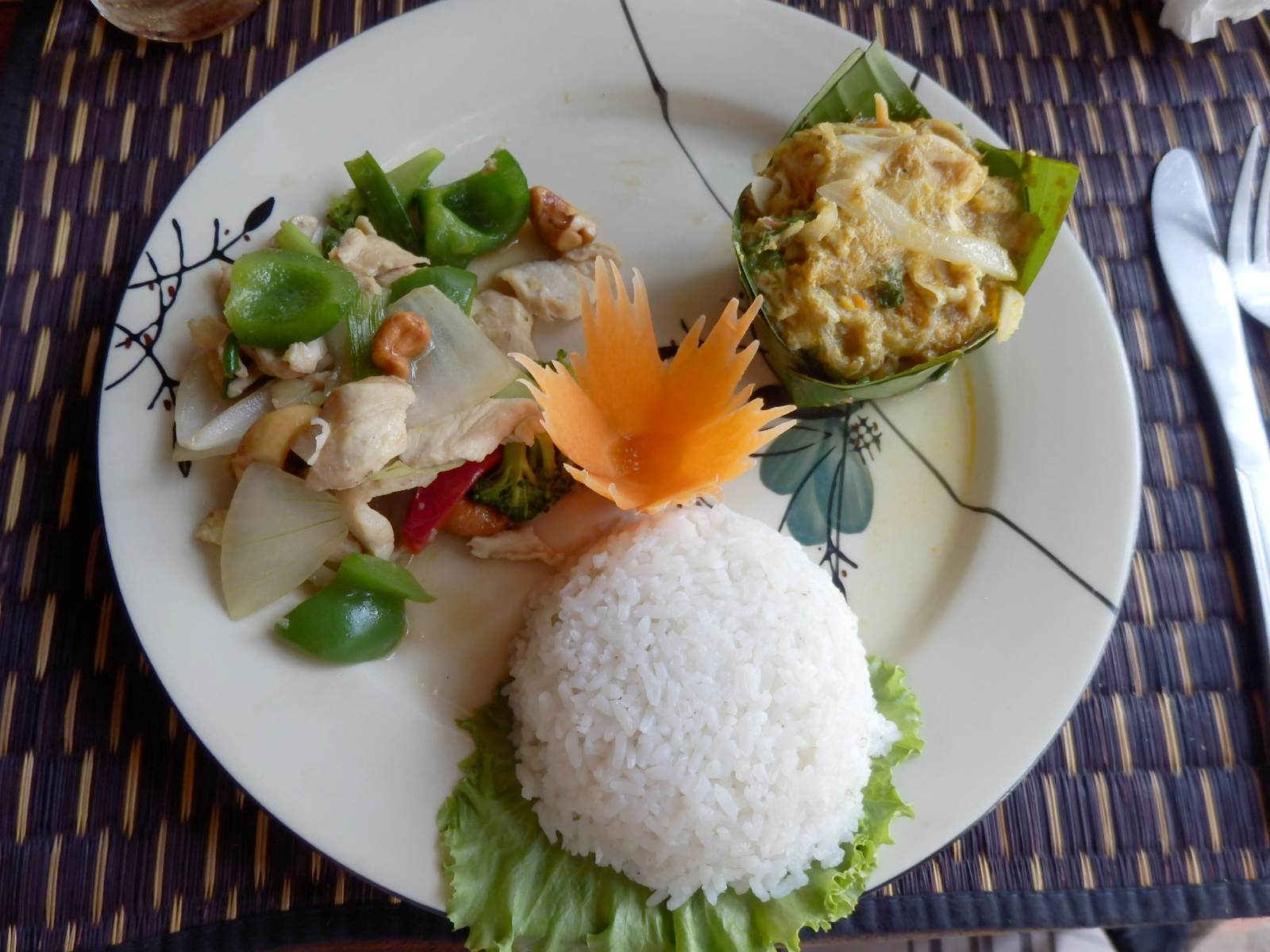
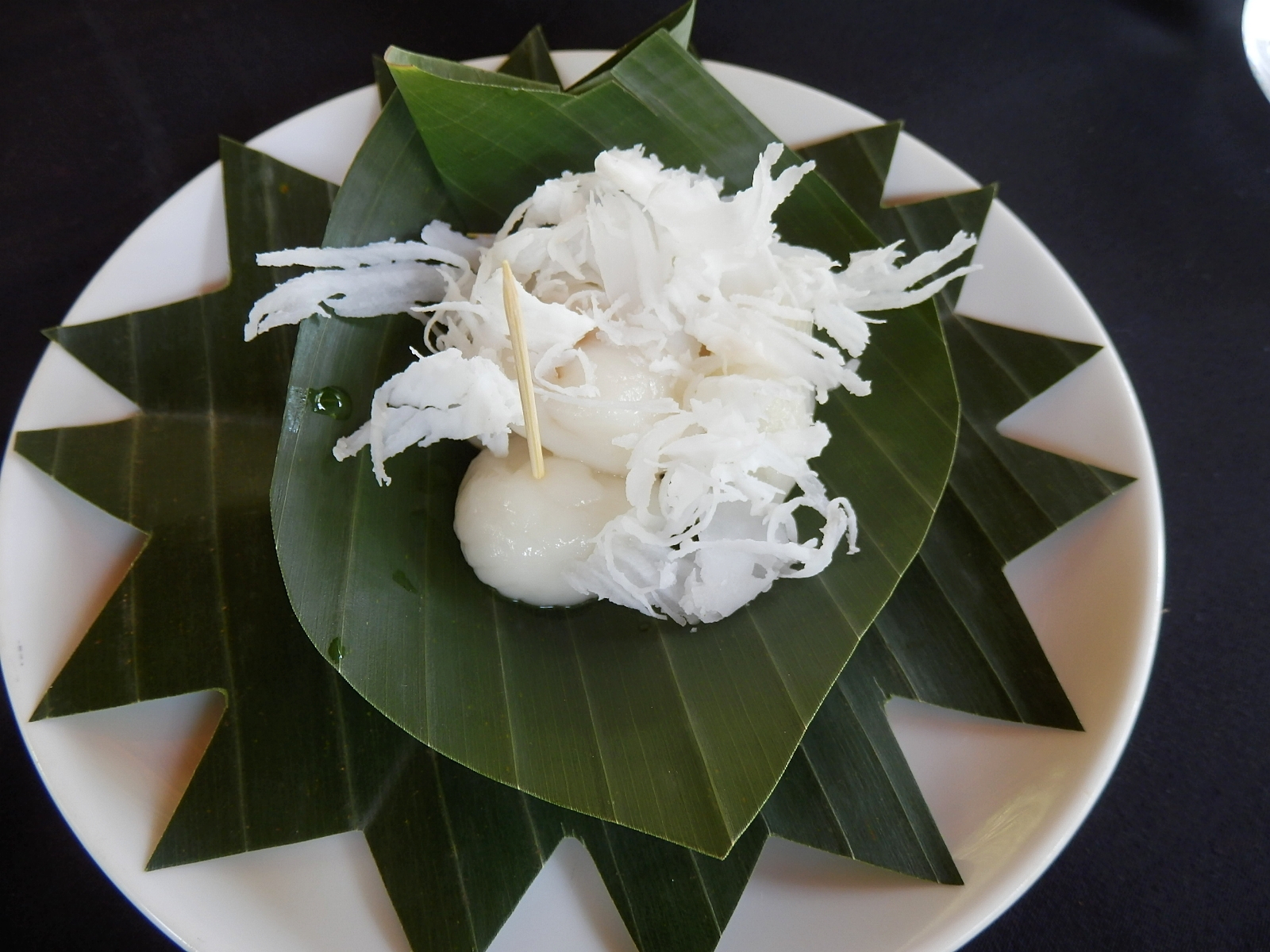
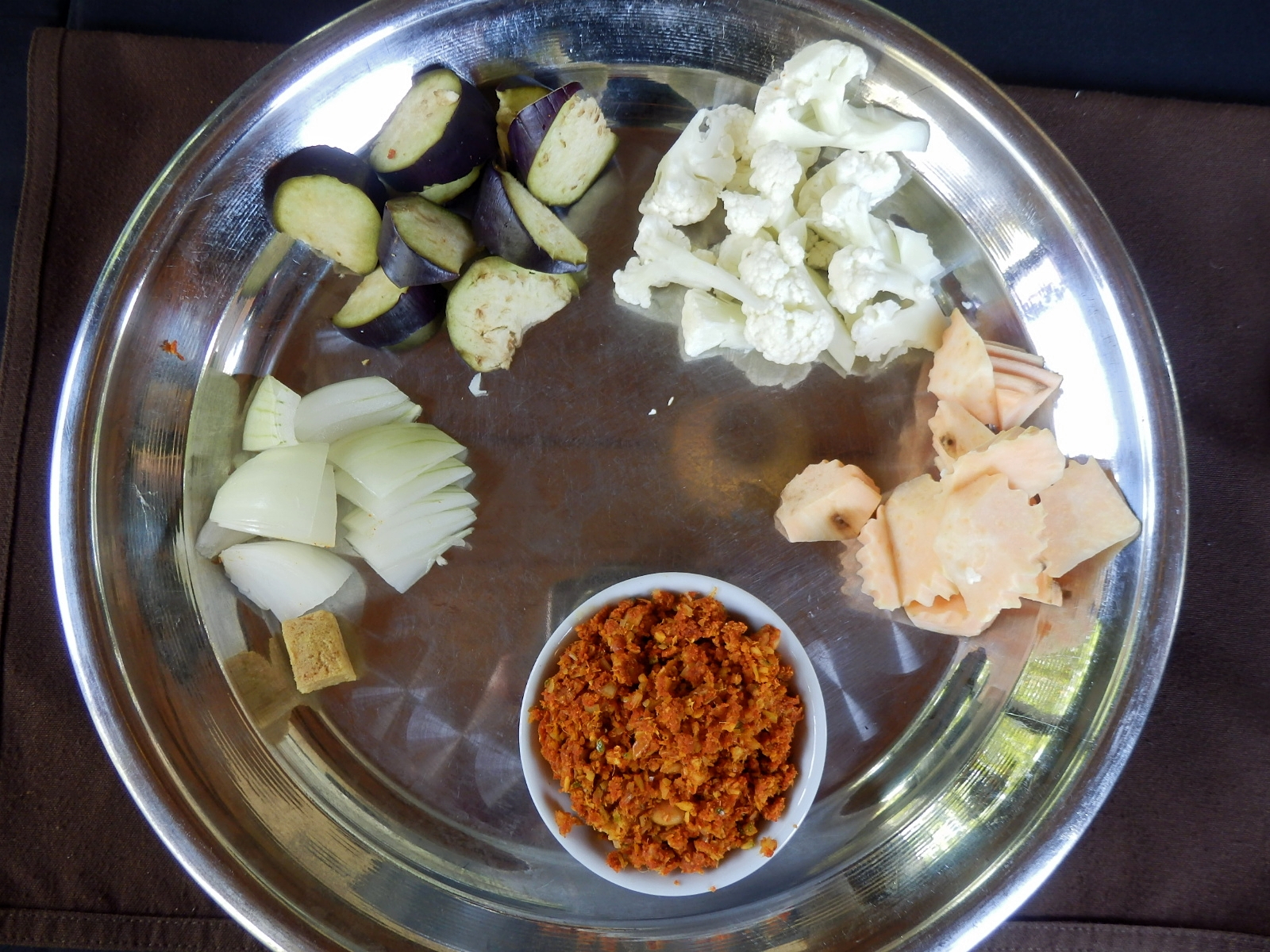
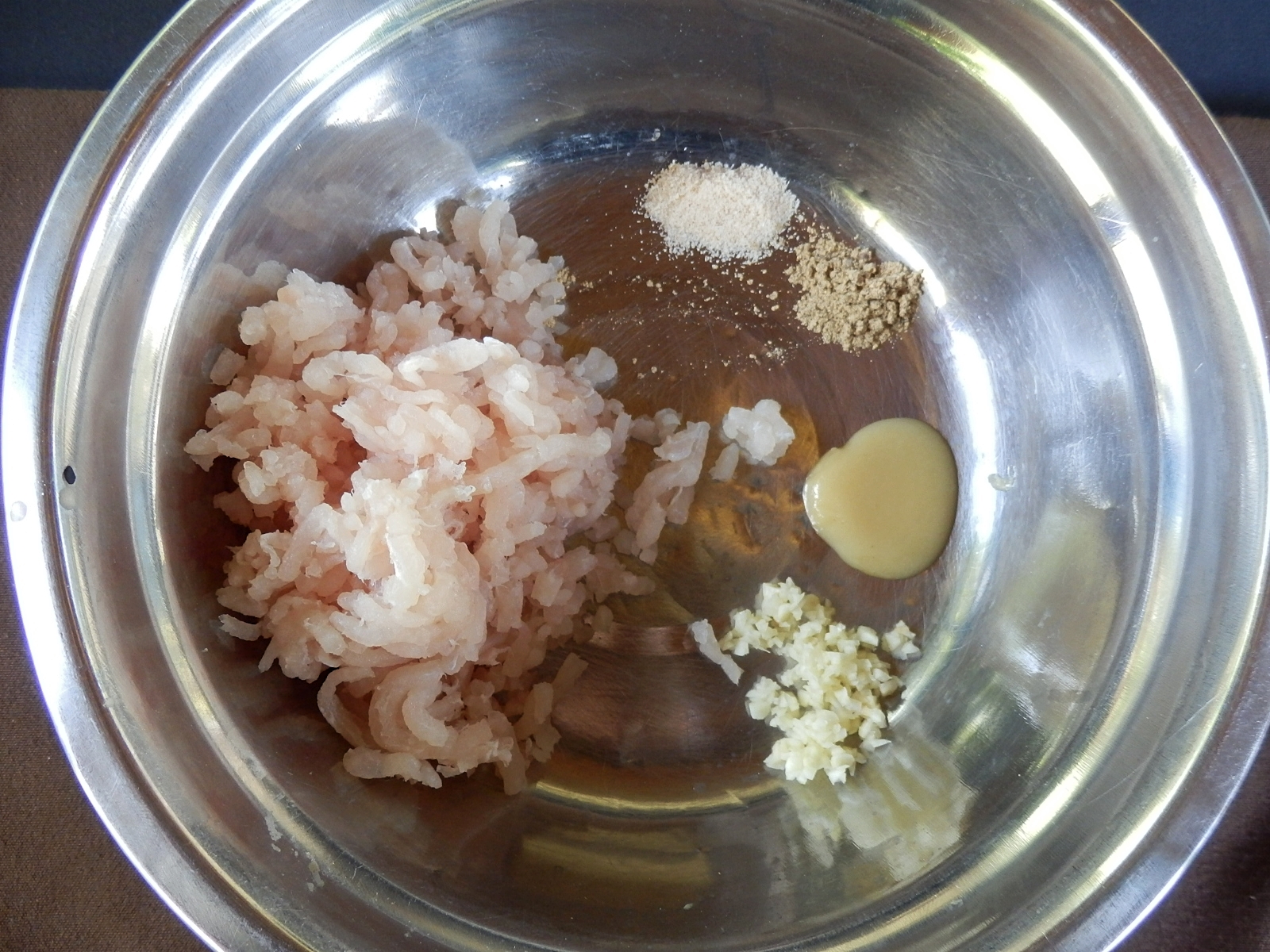
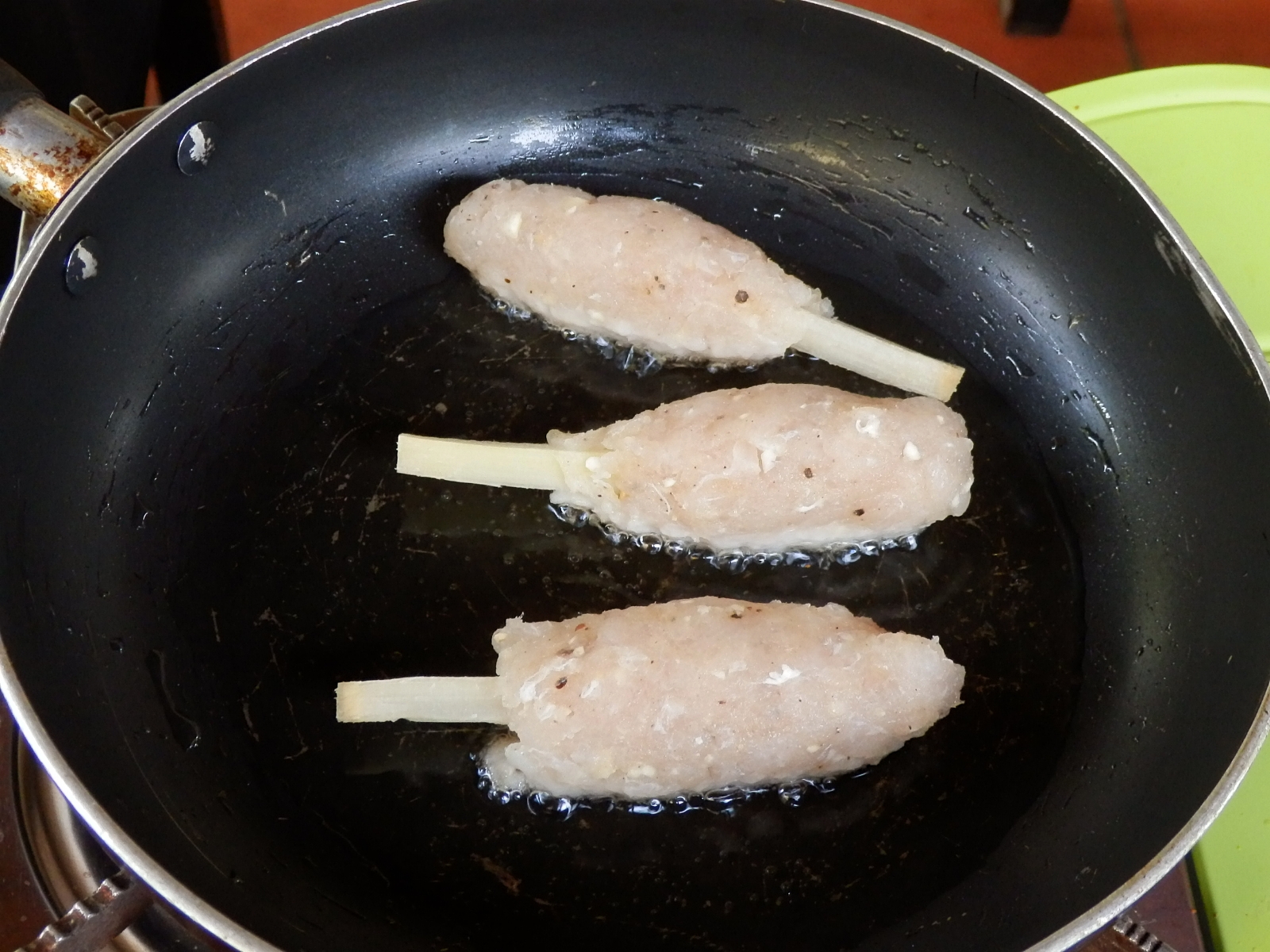
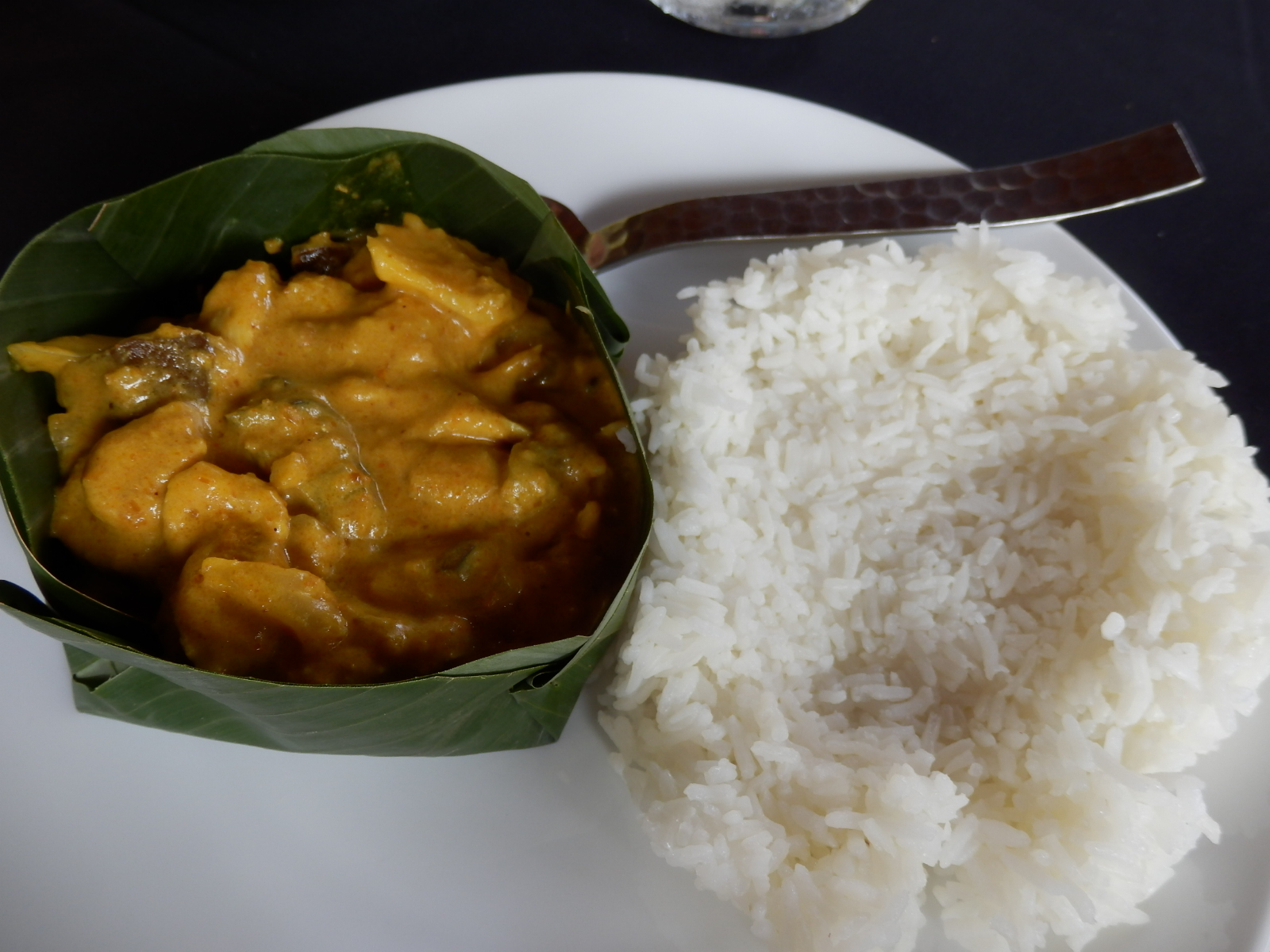
Ever since I took a cooking class in Chiang Mai, Thailand, I have decided that I want to take a cooking class in as many Asian countries as possible. So after having a Thai and Vietnamese class, I was now going to add Cambodian (Khmer) to my list. I opted to take an all-day class, which ended up consisting of just two regular sessions in one day. I was the only person from the morning class to take the afternoon class as well. My morning class had three people from Australia, one from the Netherlands, and one from China (I think). She never actually said where she was from, but she referenced making sweet dumplings for New Year in “my country,” hence my assumption that she was from China. In the afternoon class, the entire group was from the Philippines. Anyway, this was the fruit of our labor.
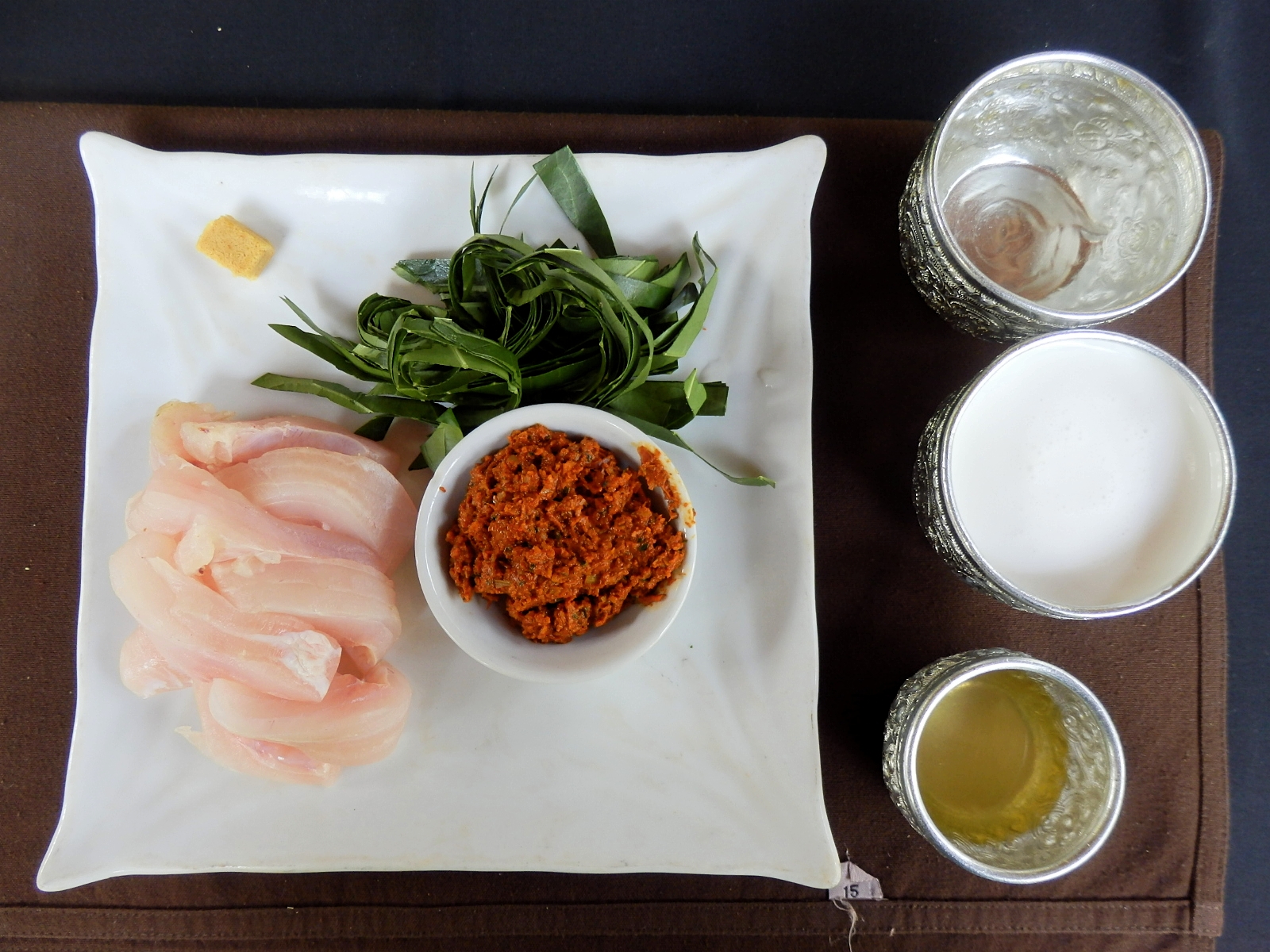
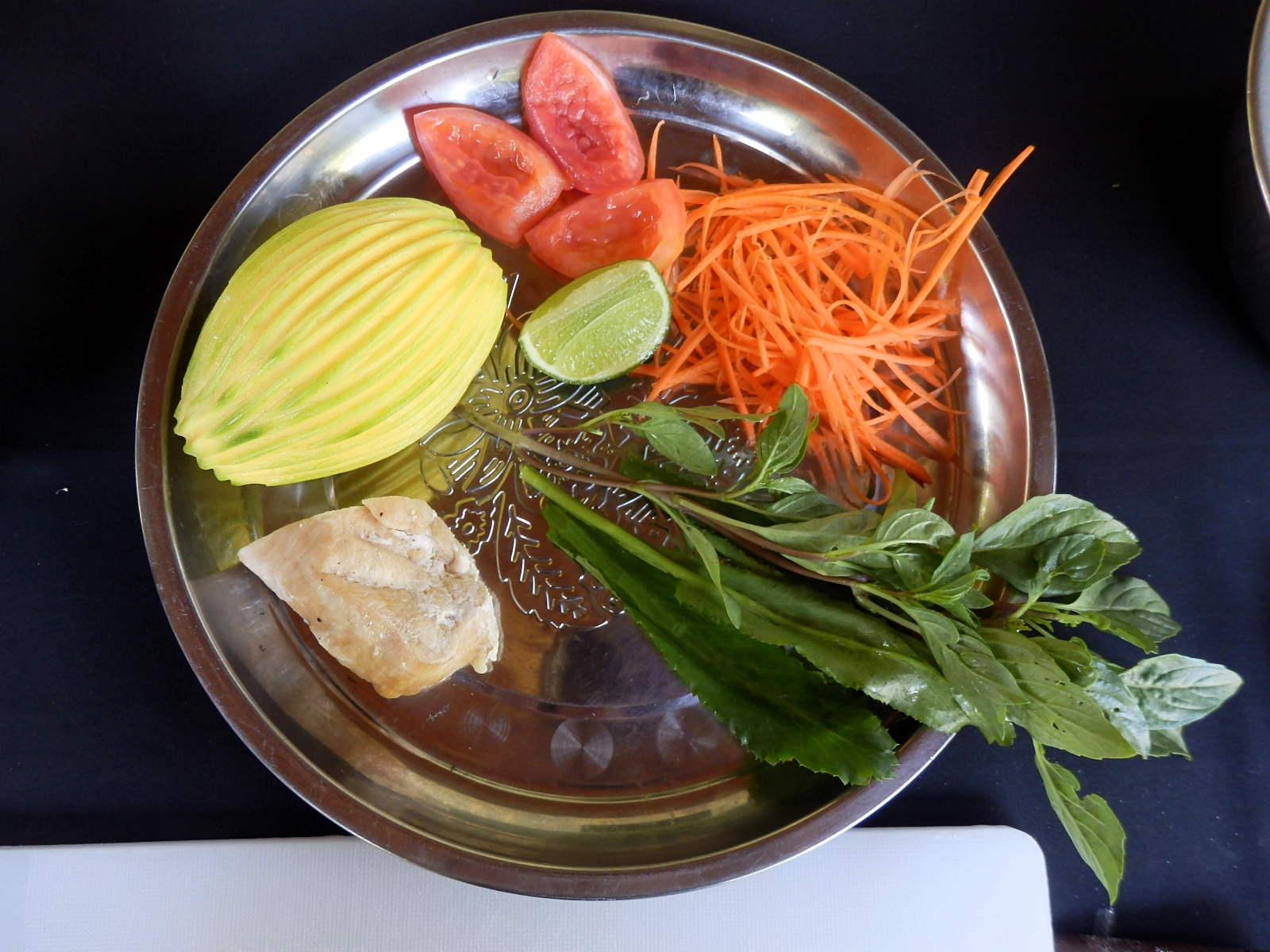
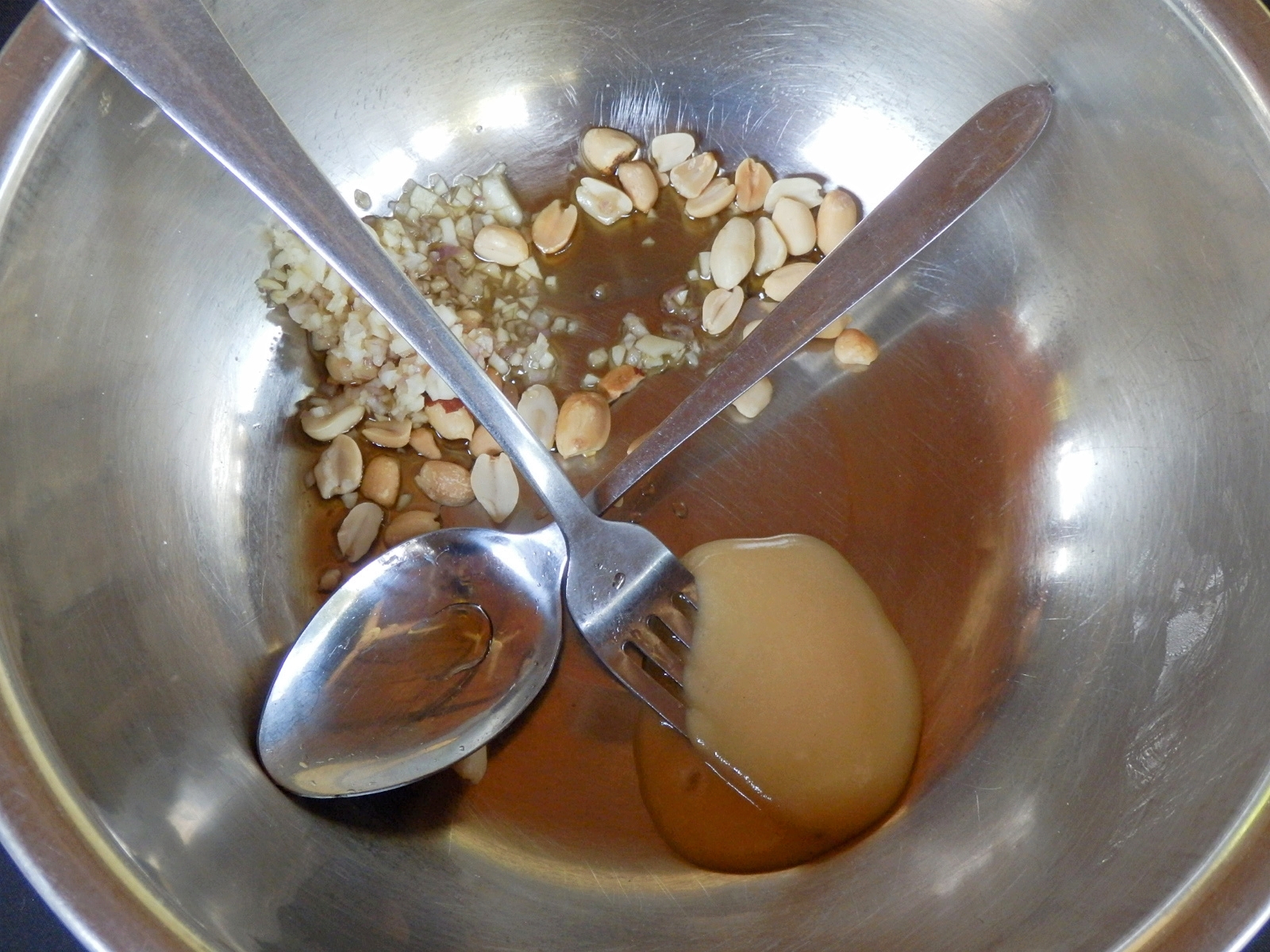
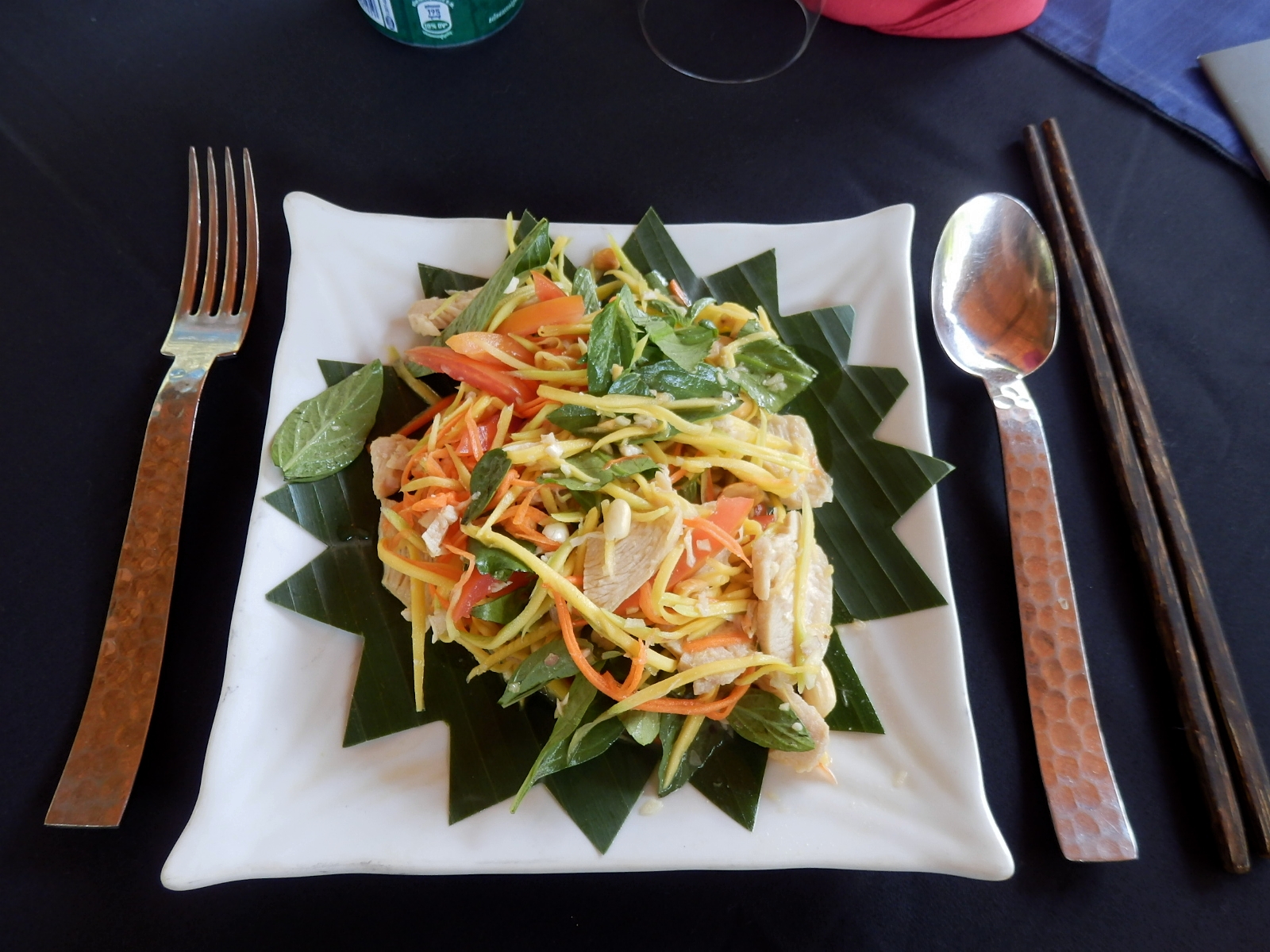




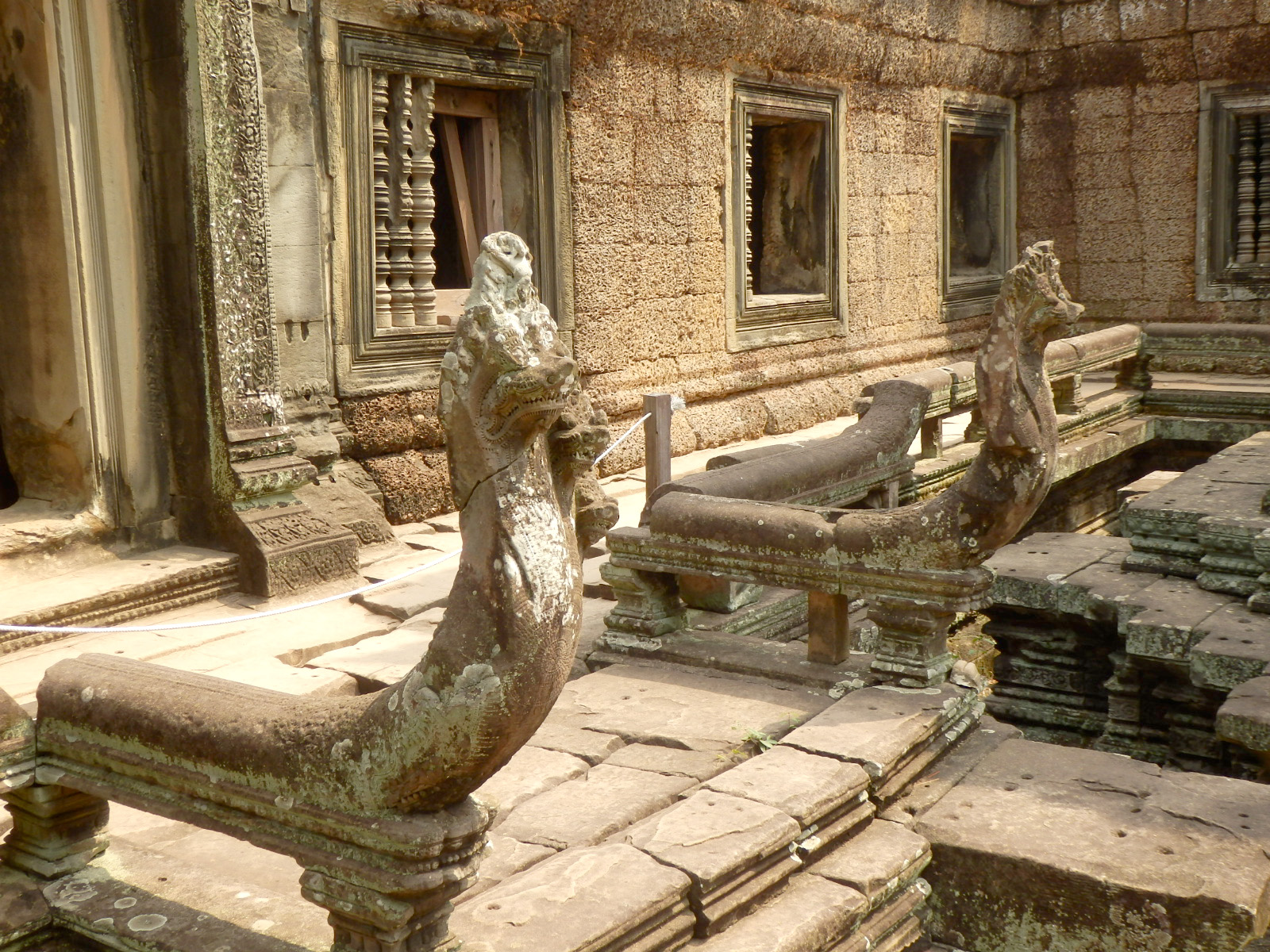
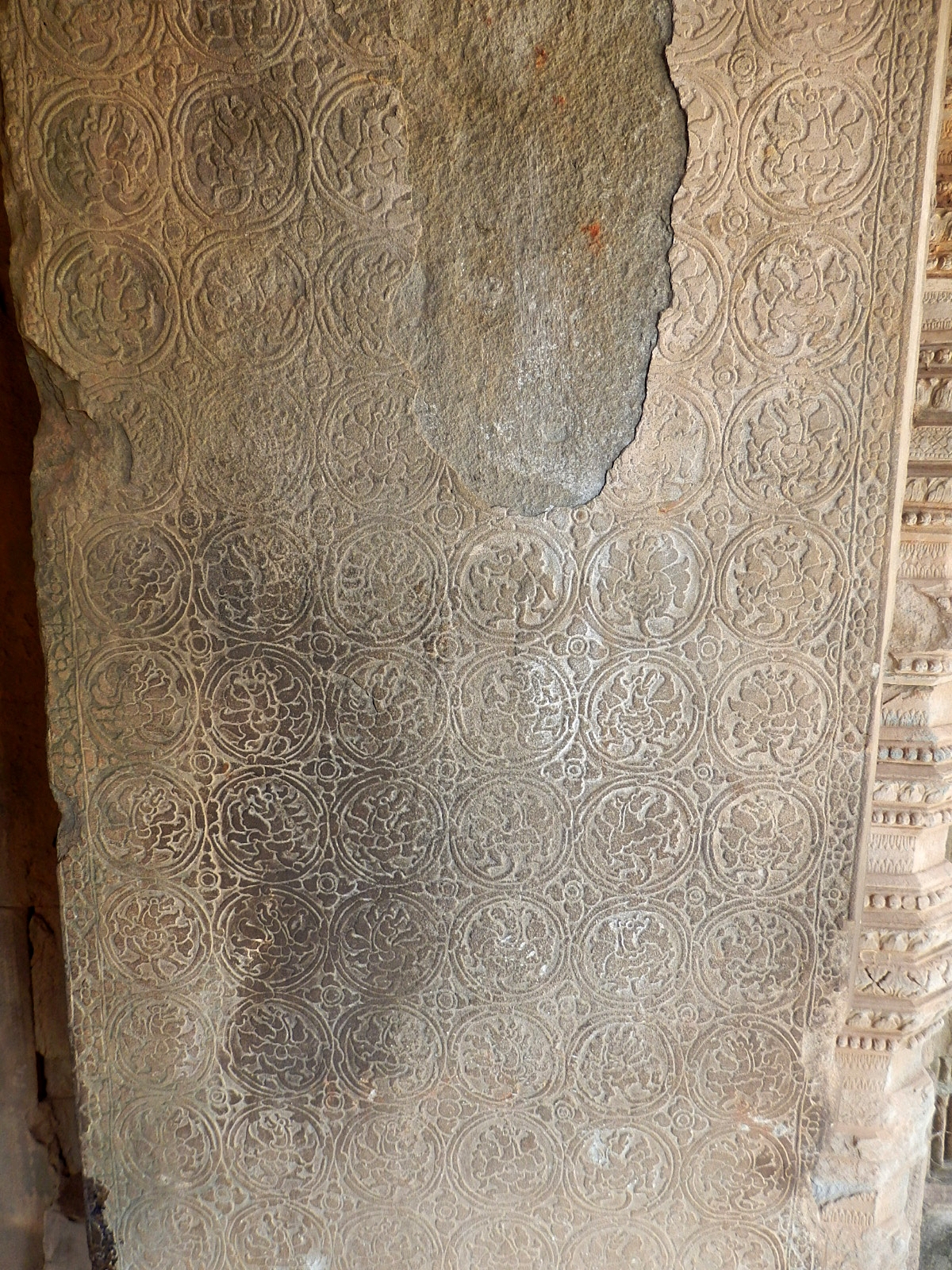
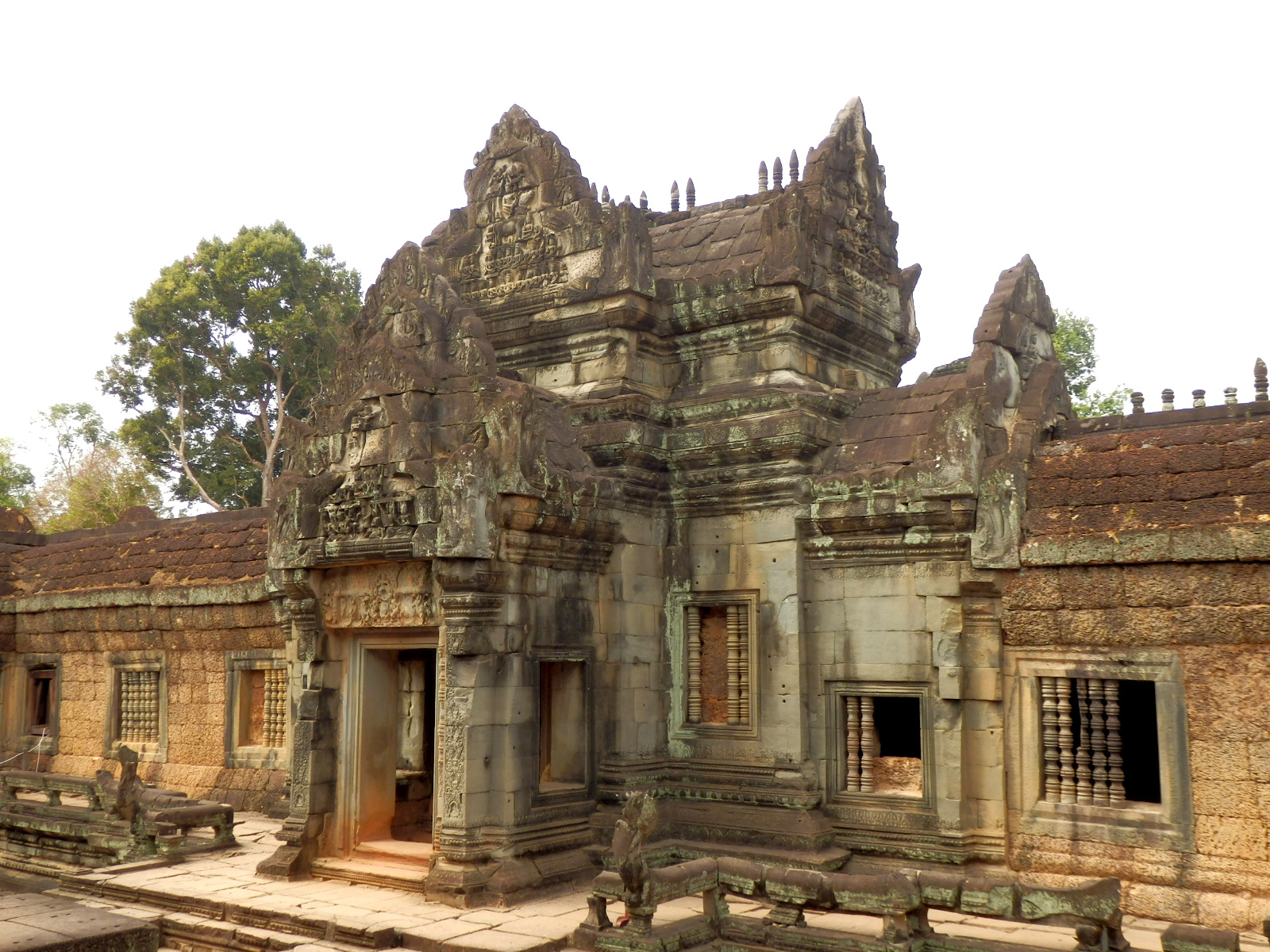
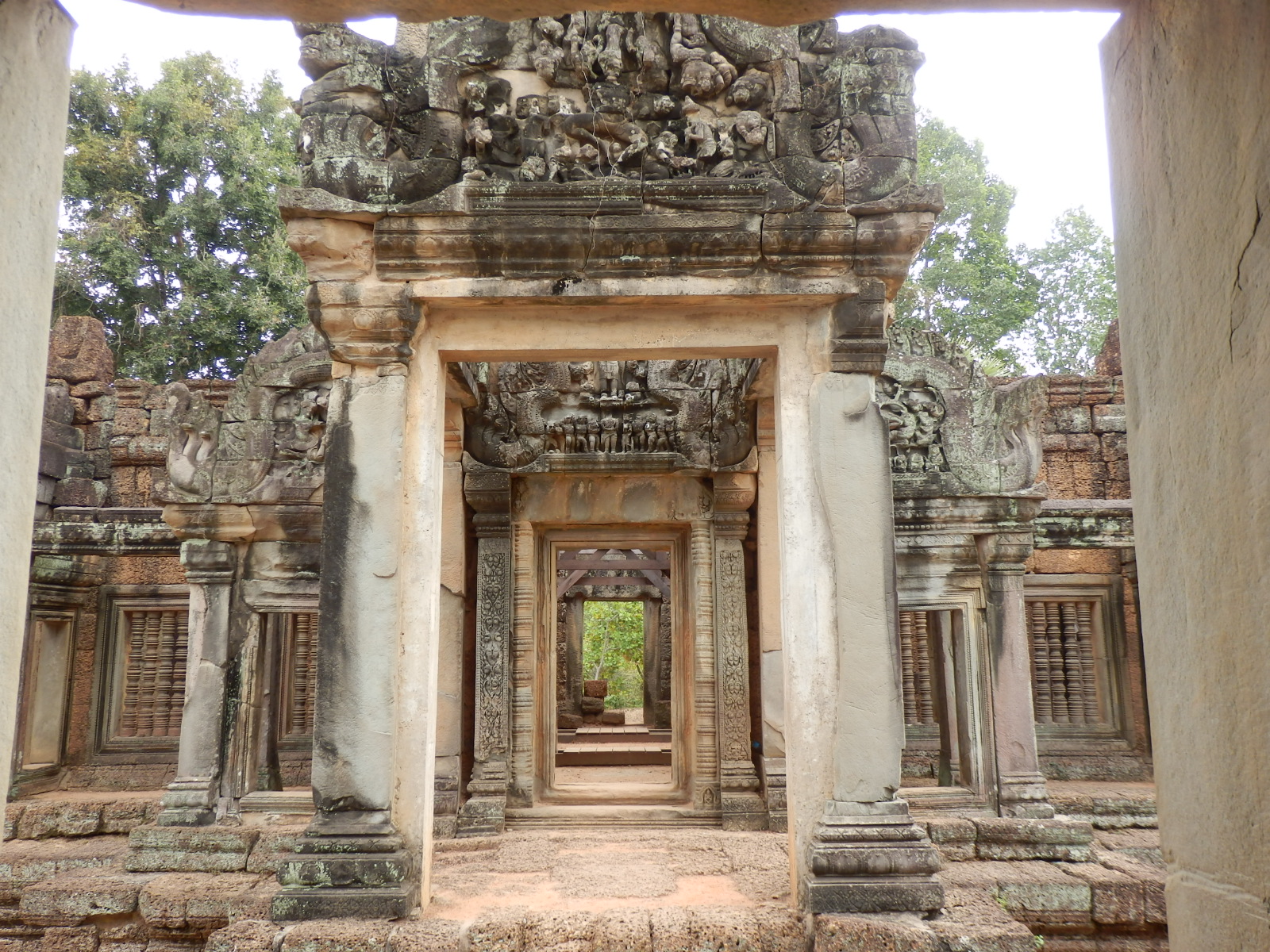
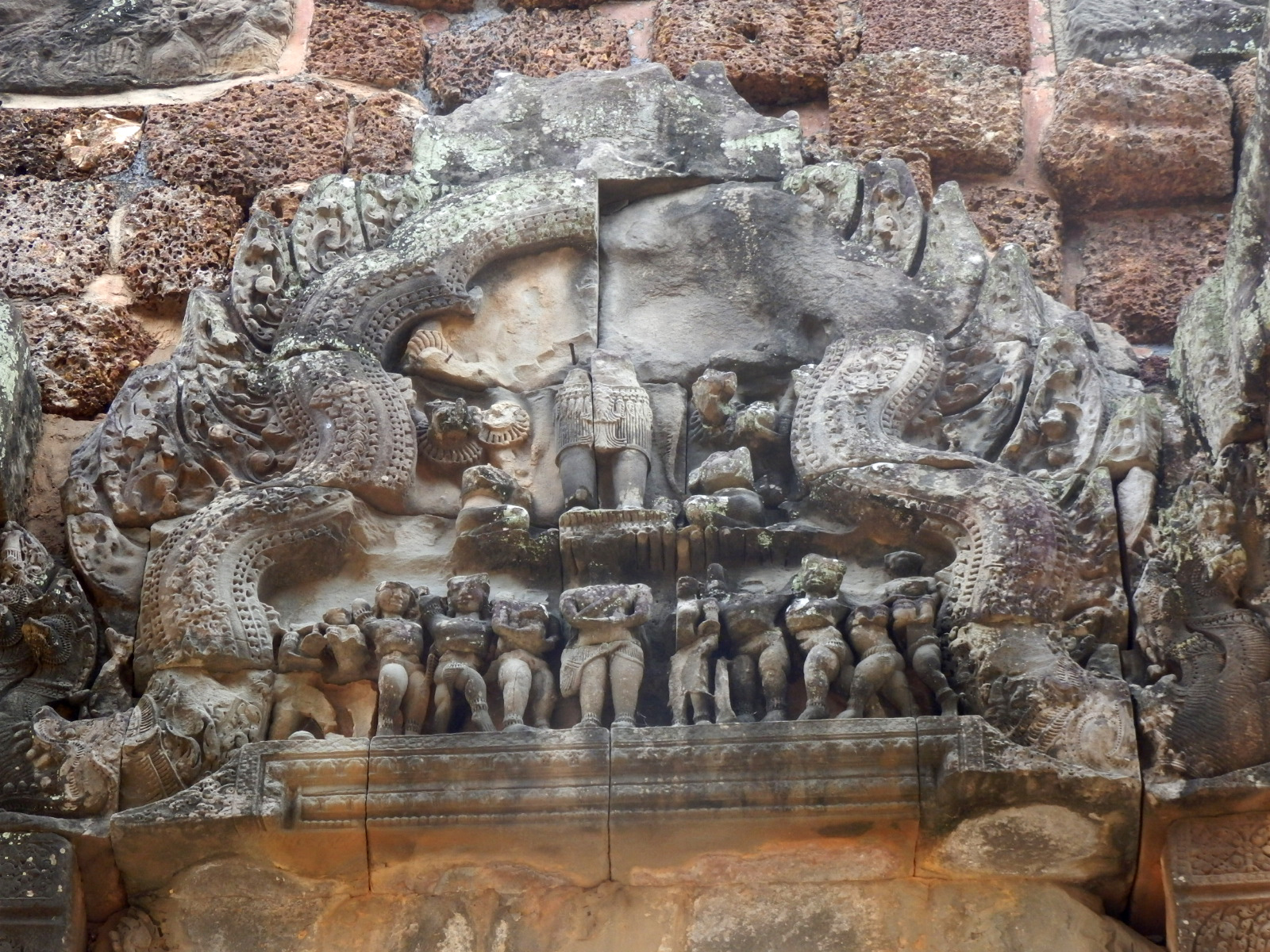
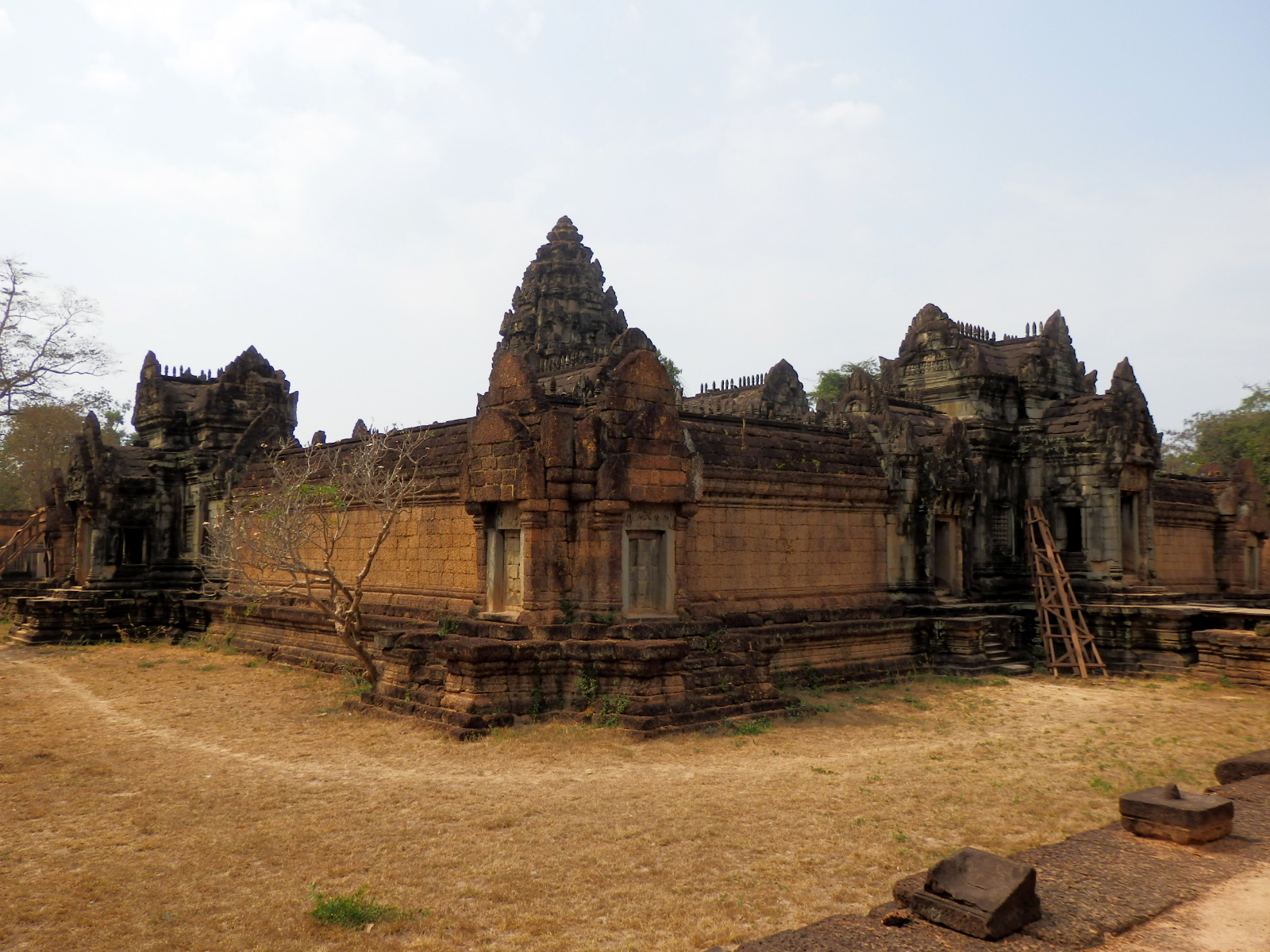
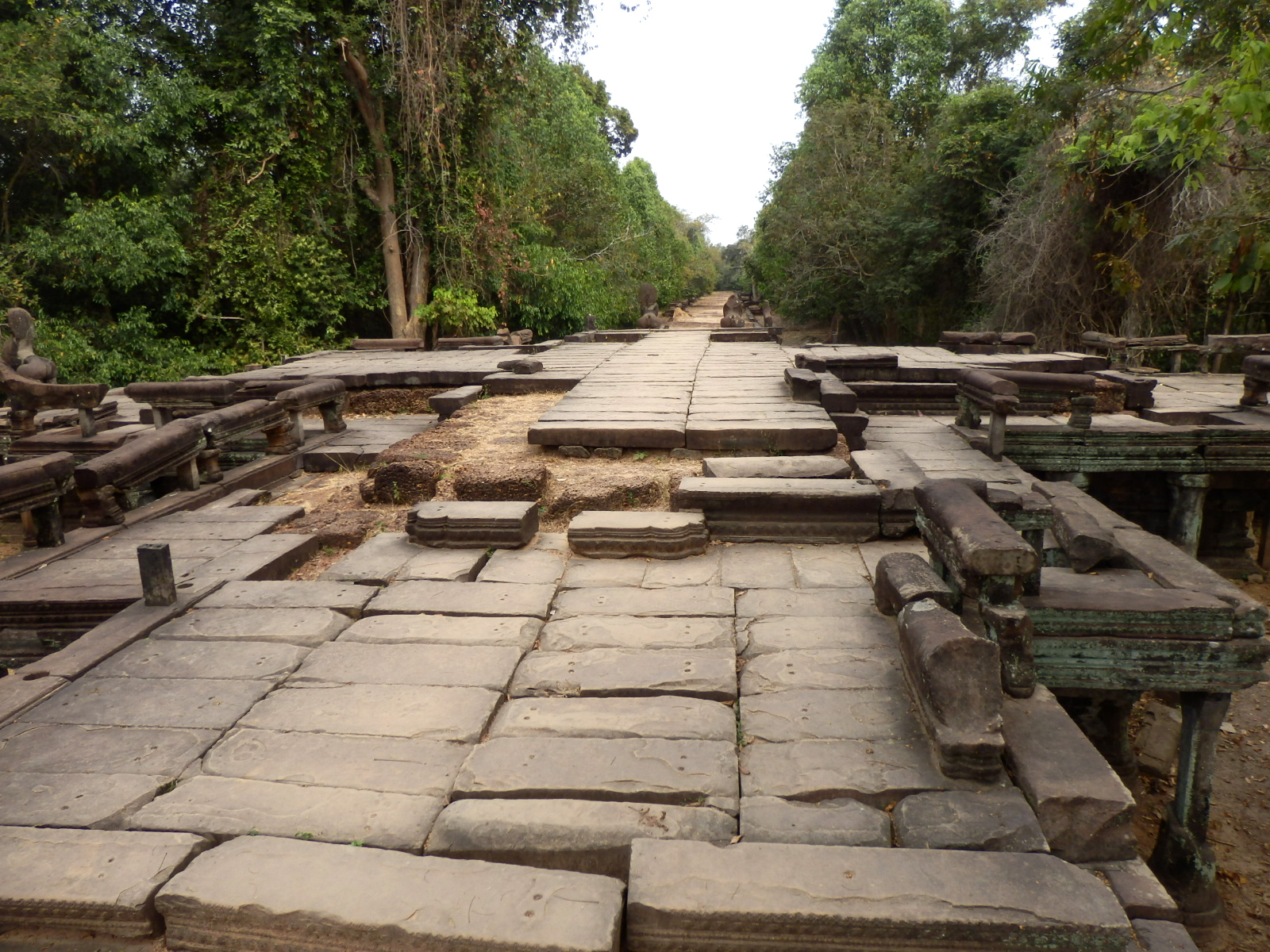
Day 4: Seeing Banteay Srei/Banteay Samre
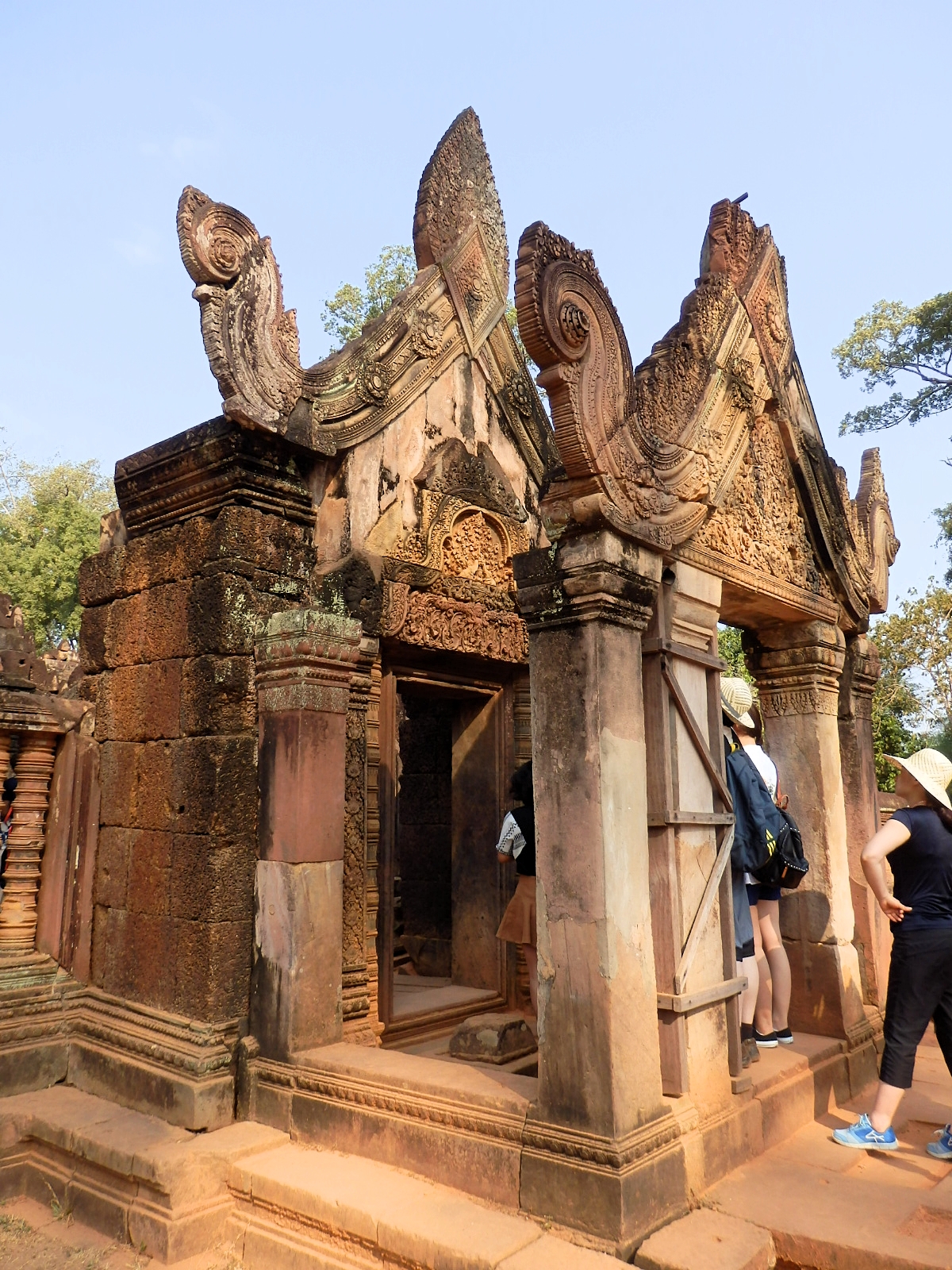
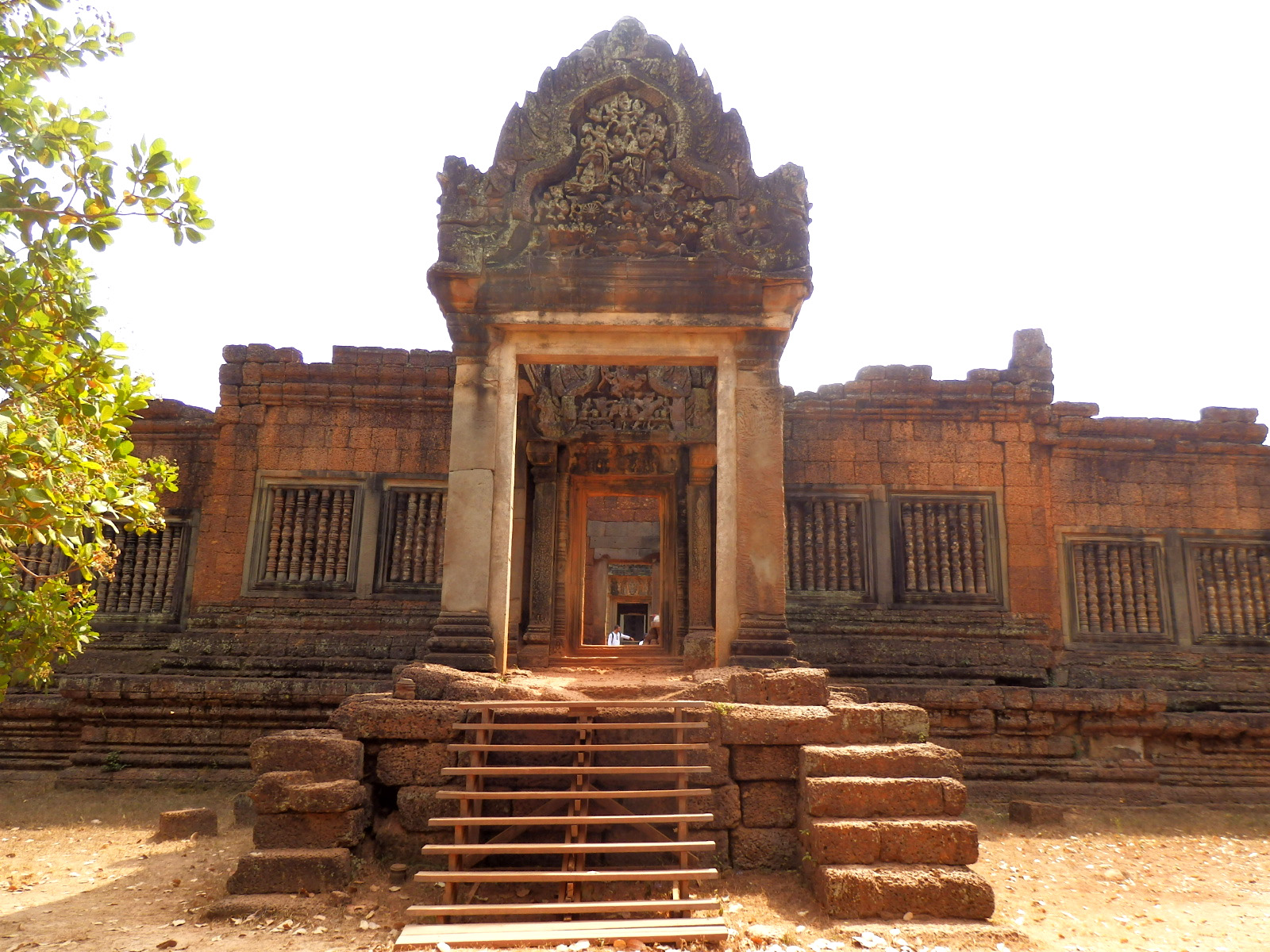
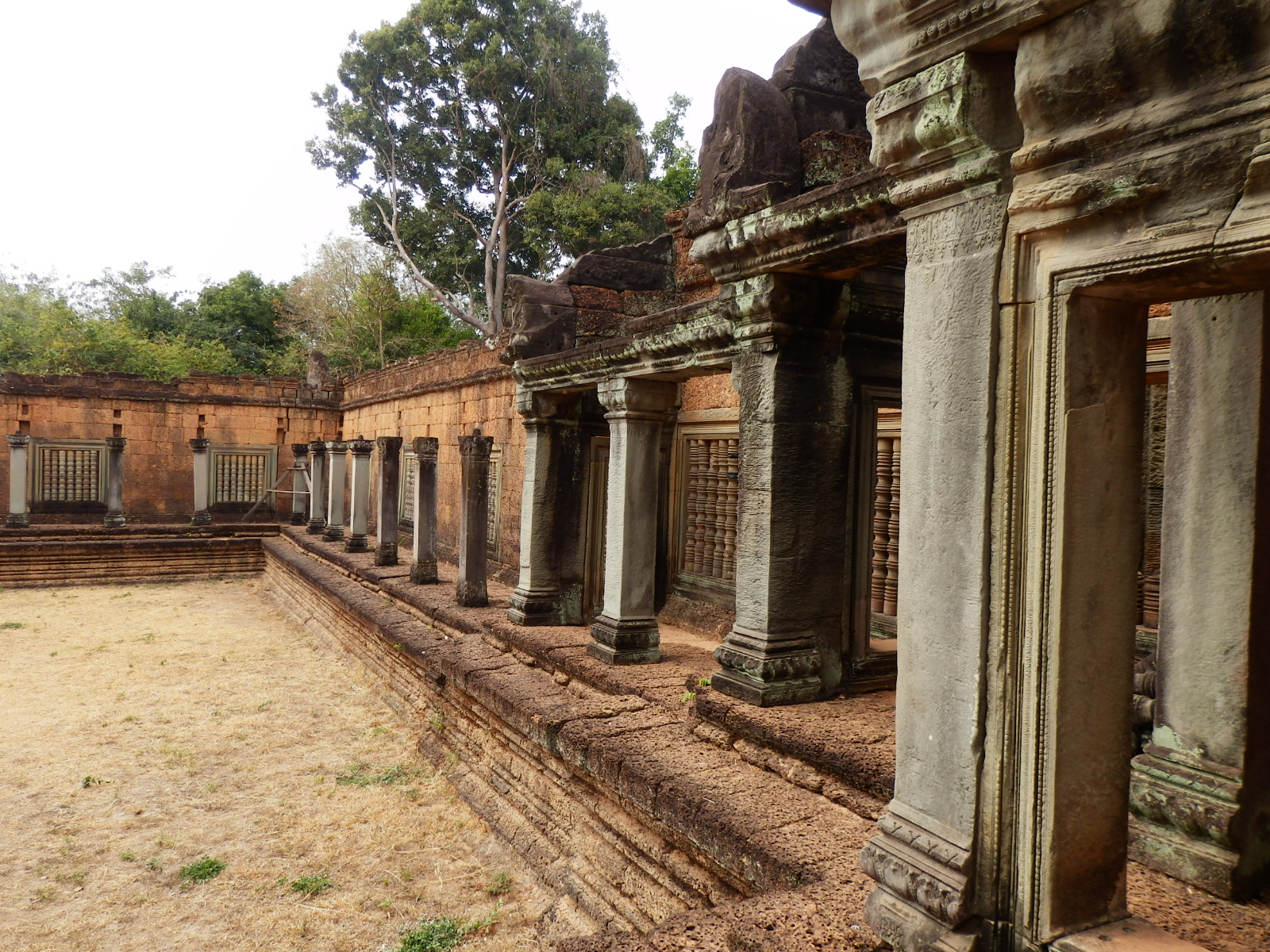
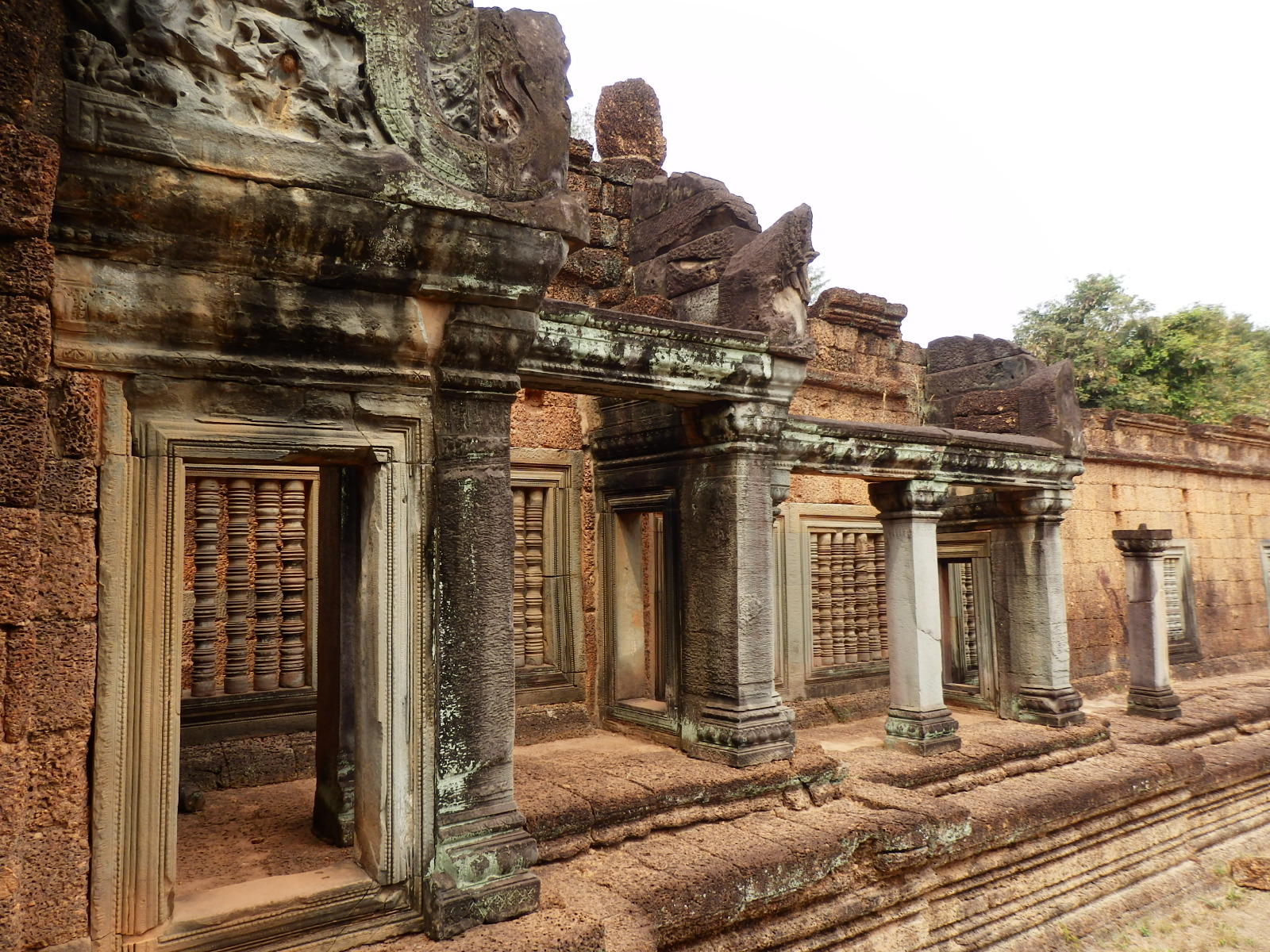
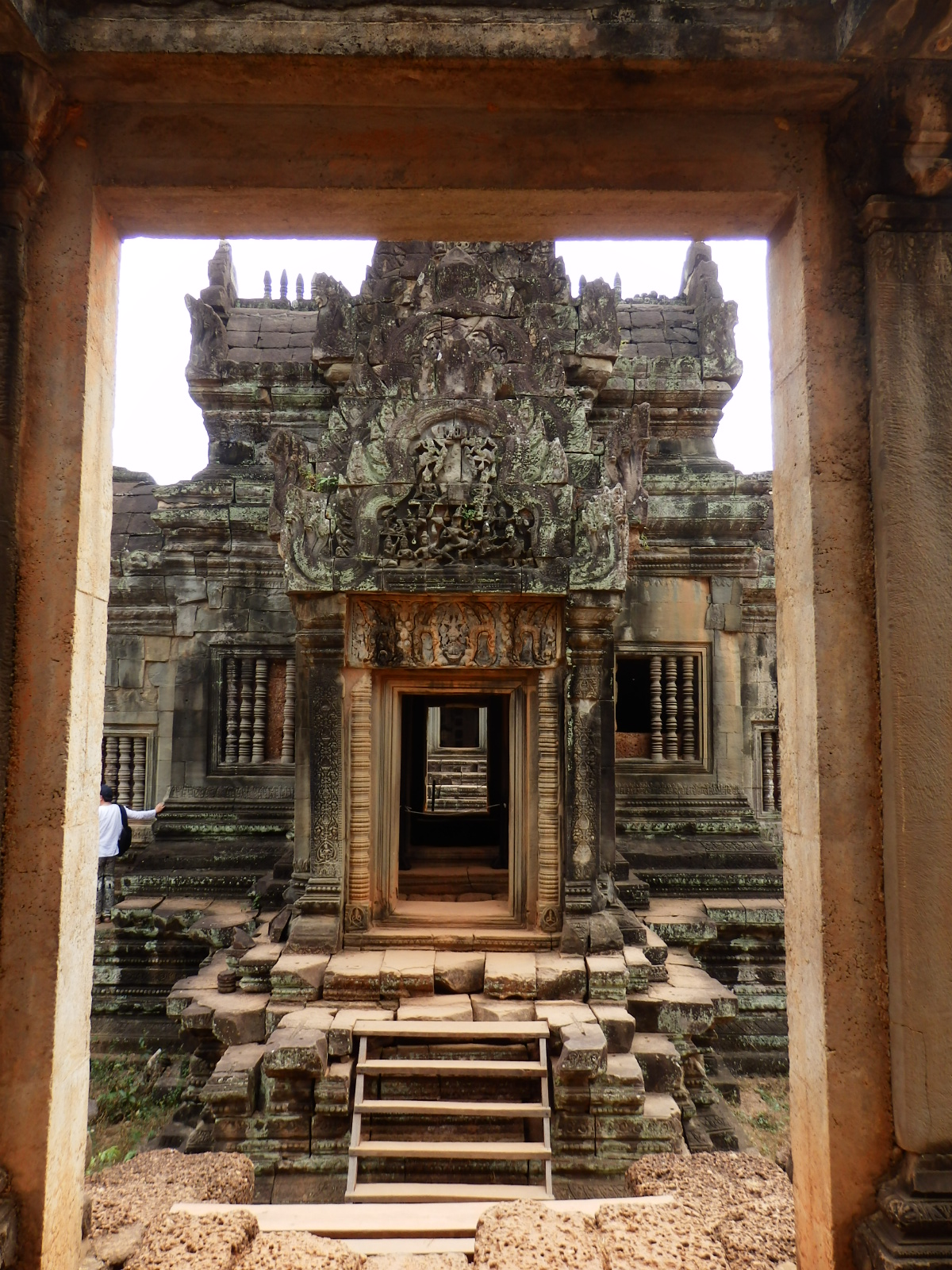
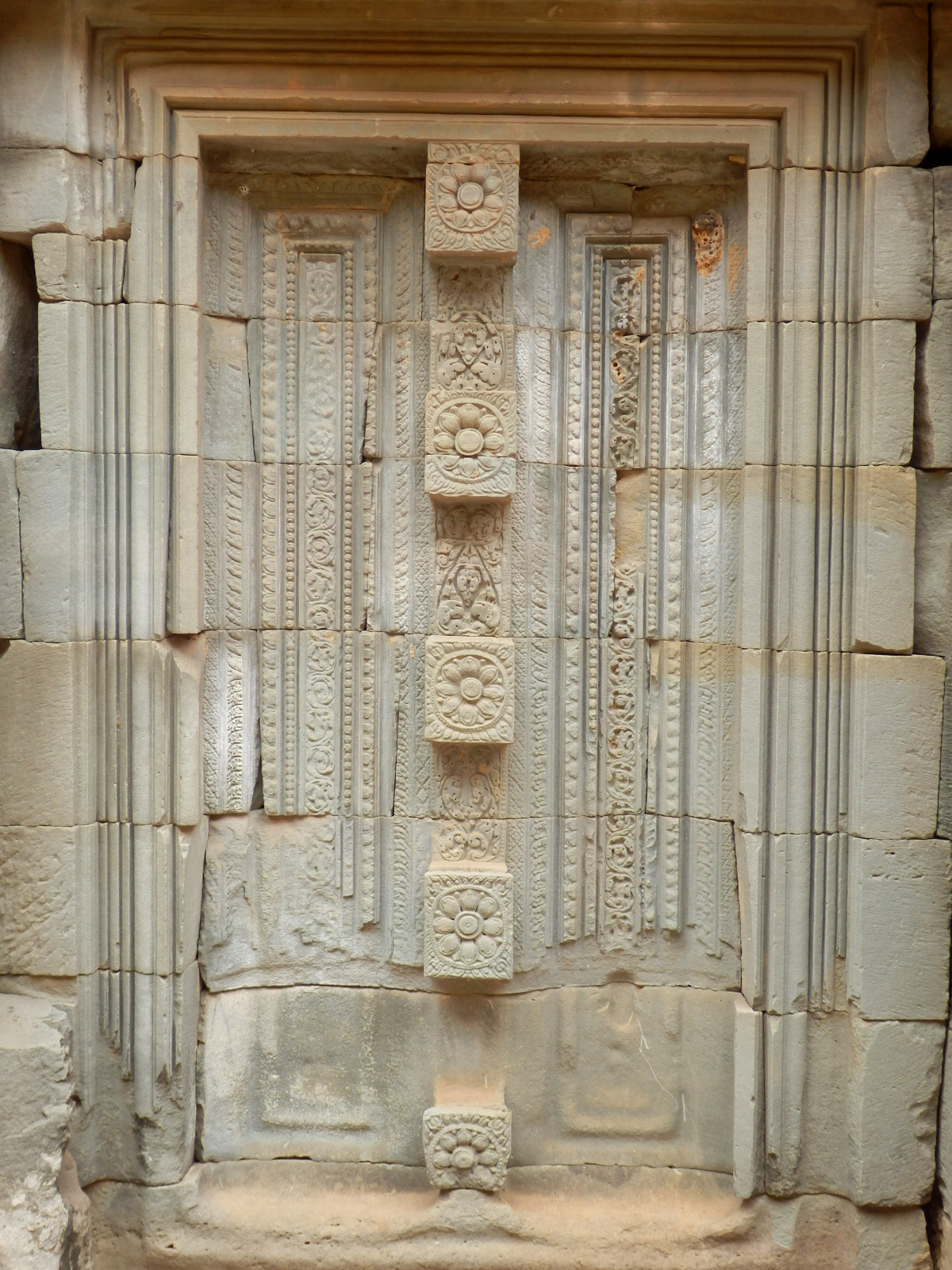
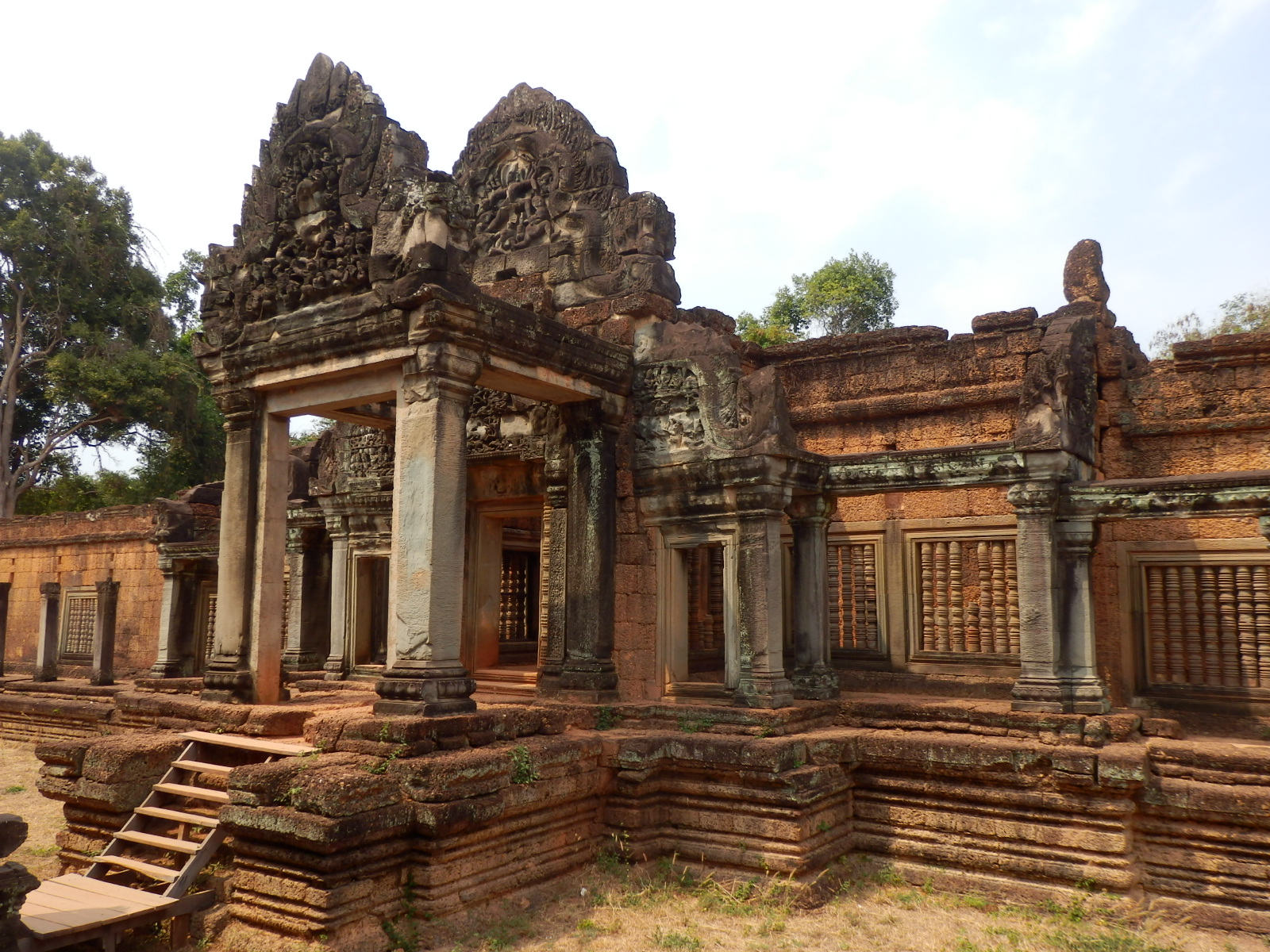
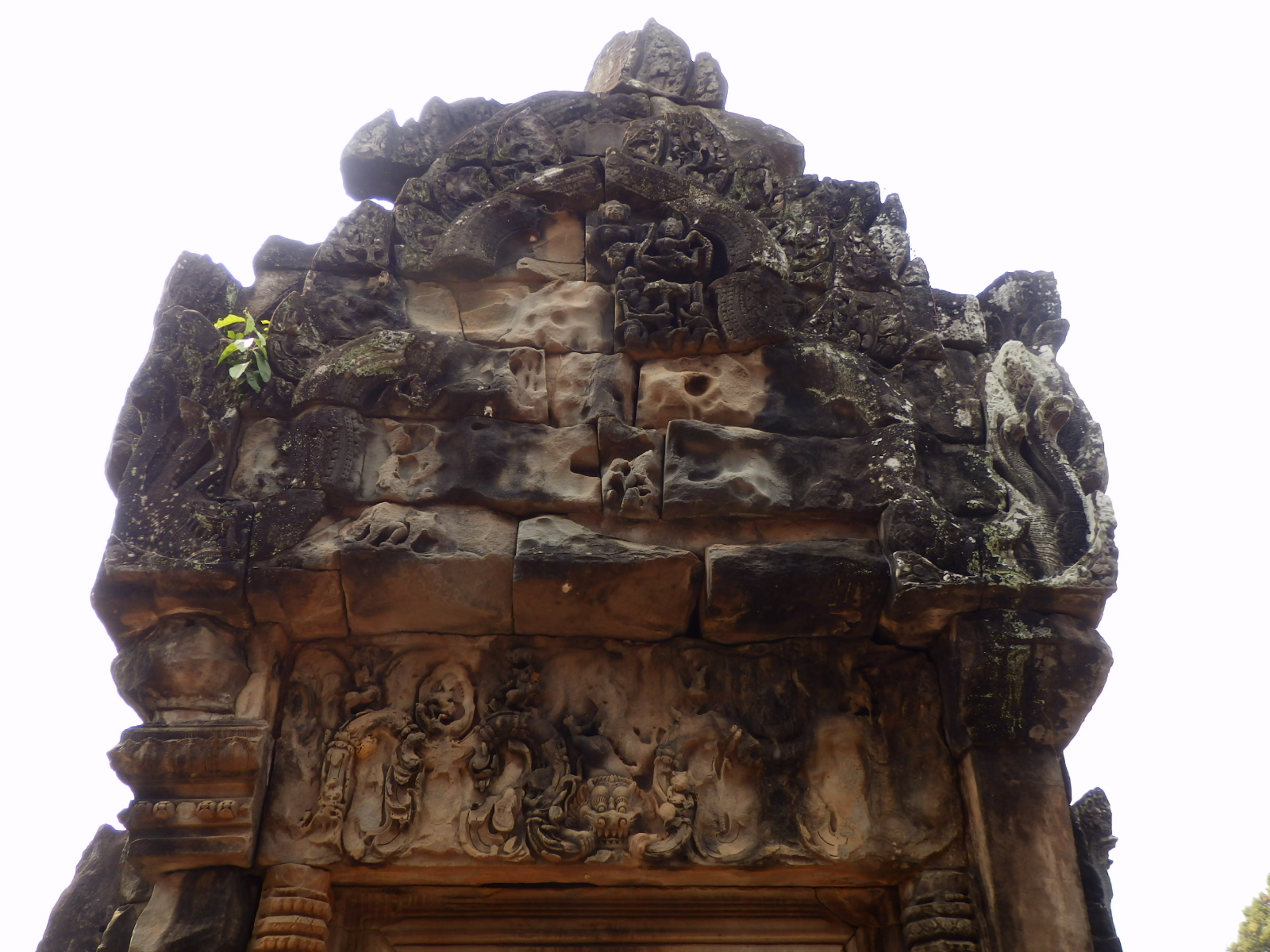
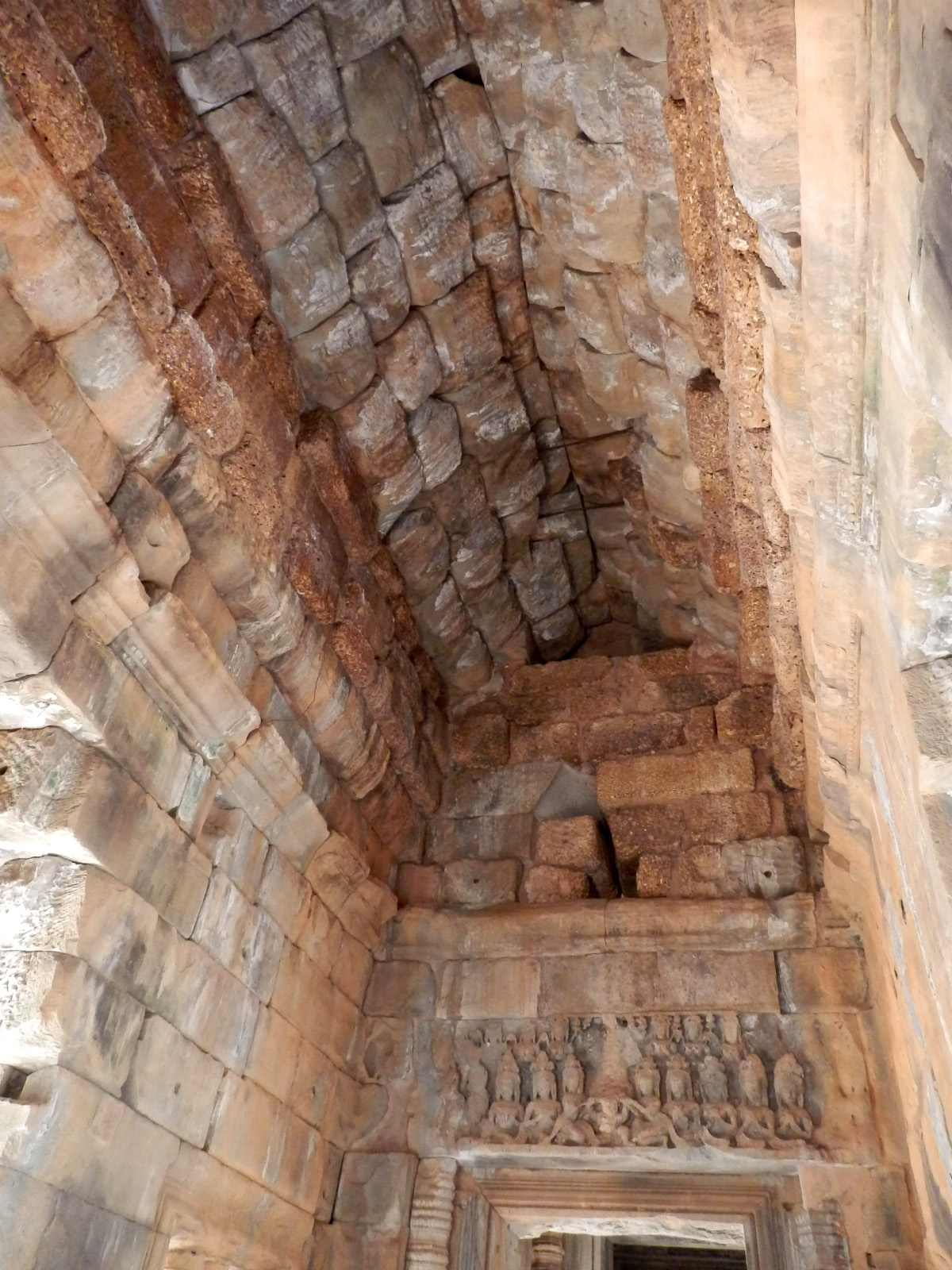
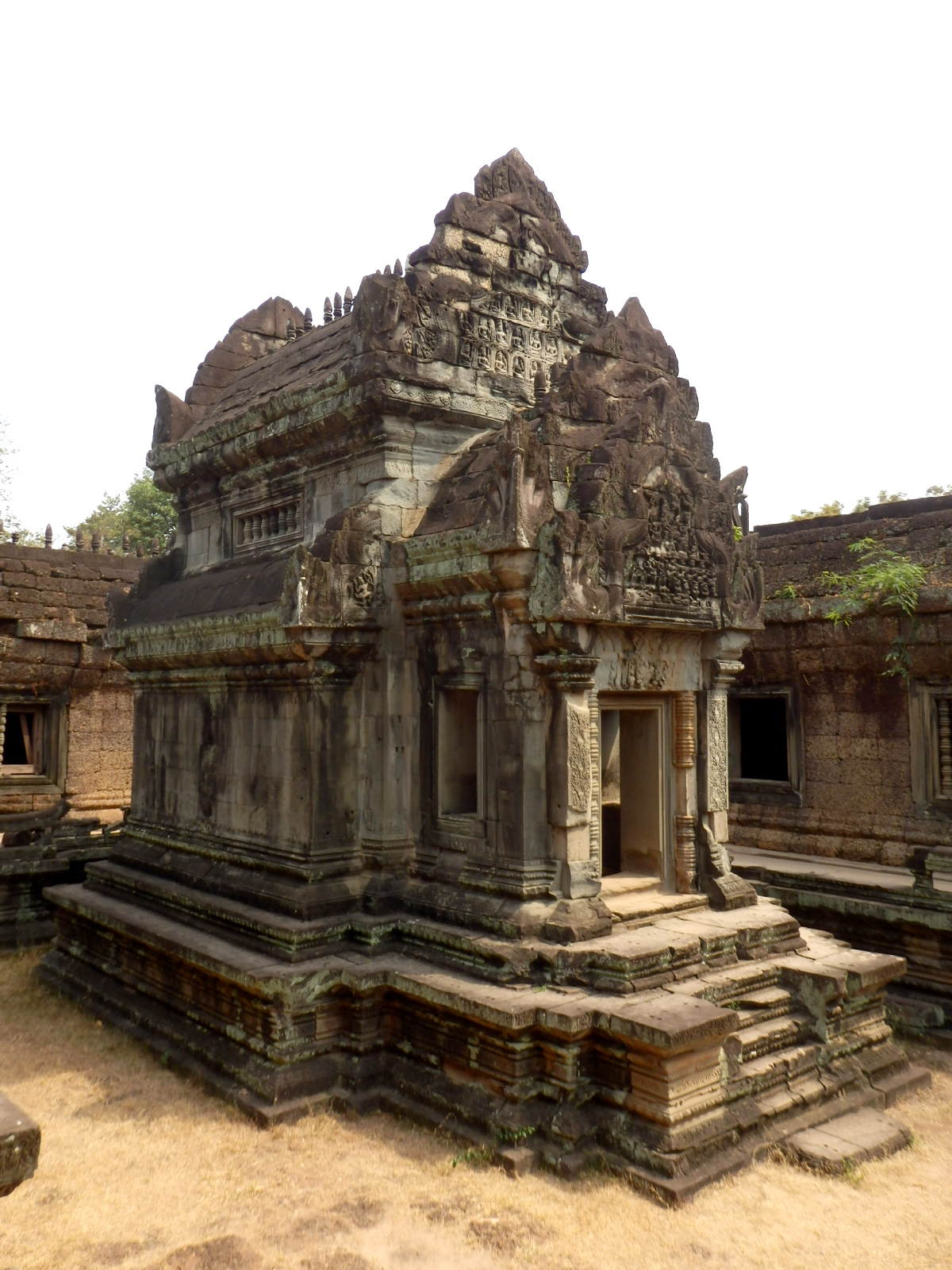
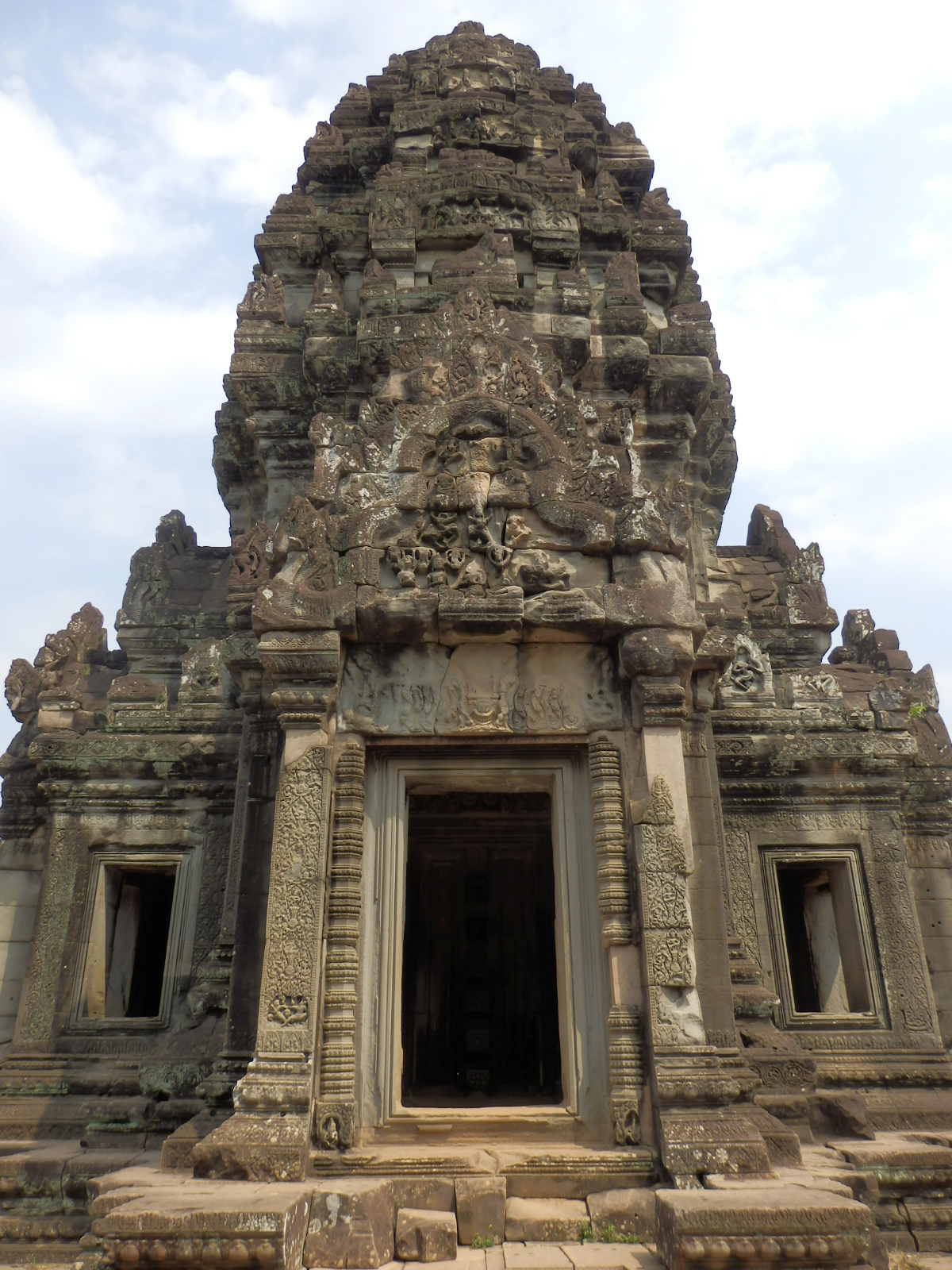
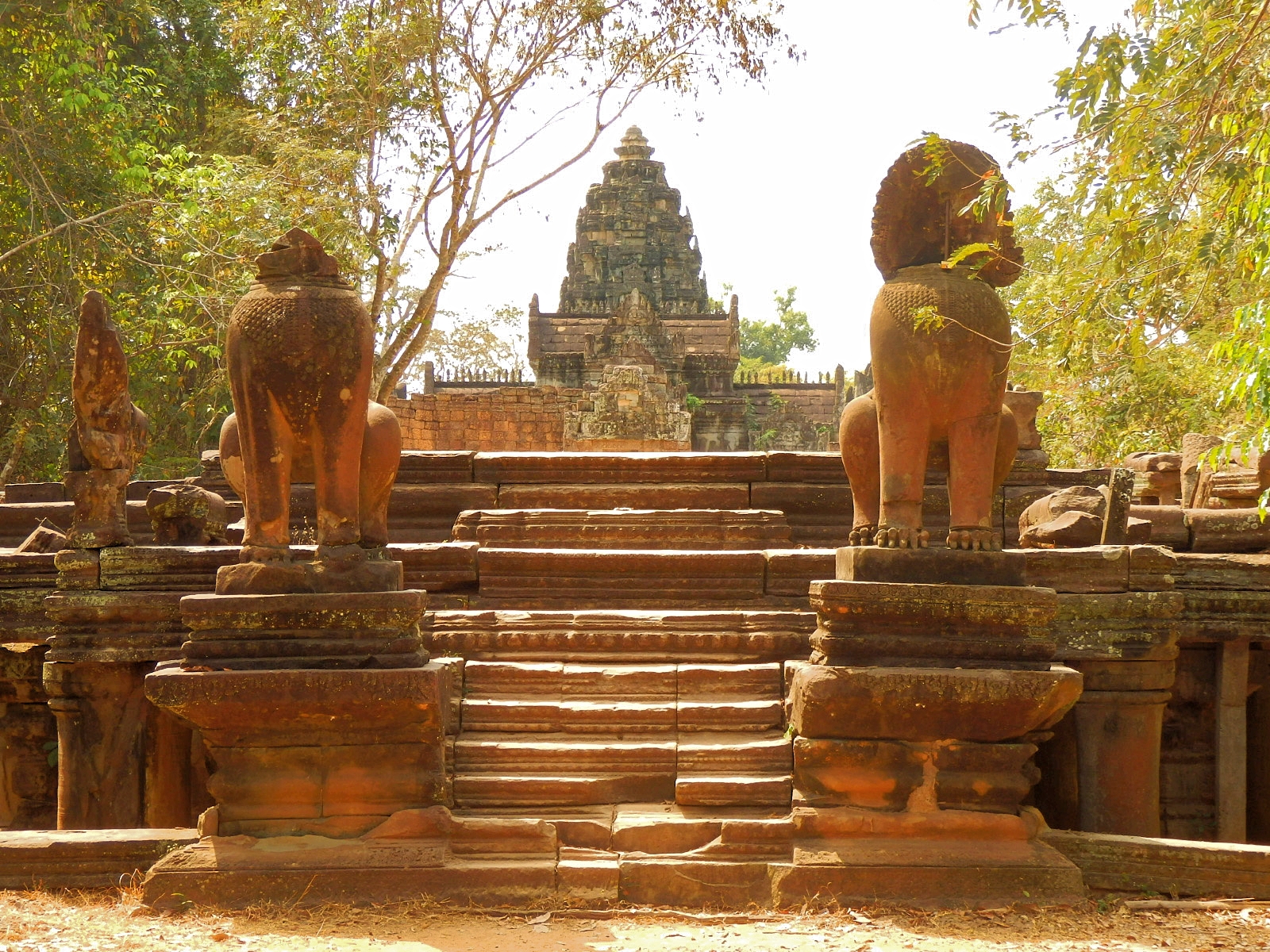
For my last full day, I decided I wanted to try to catch a couple of other temples so that I wouldn’t feel like I missed out on anything. I had read that the first place, Banteay Srei, was built out of colorful sandstone with hues of reddish browns and pinks. It was also the only temple that was not built in honor of the king. The other temple is one that was sacked repeatedly throughout history, so there are no real statues or artifacts left.
Banteay Srei
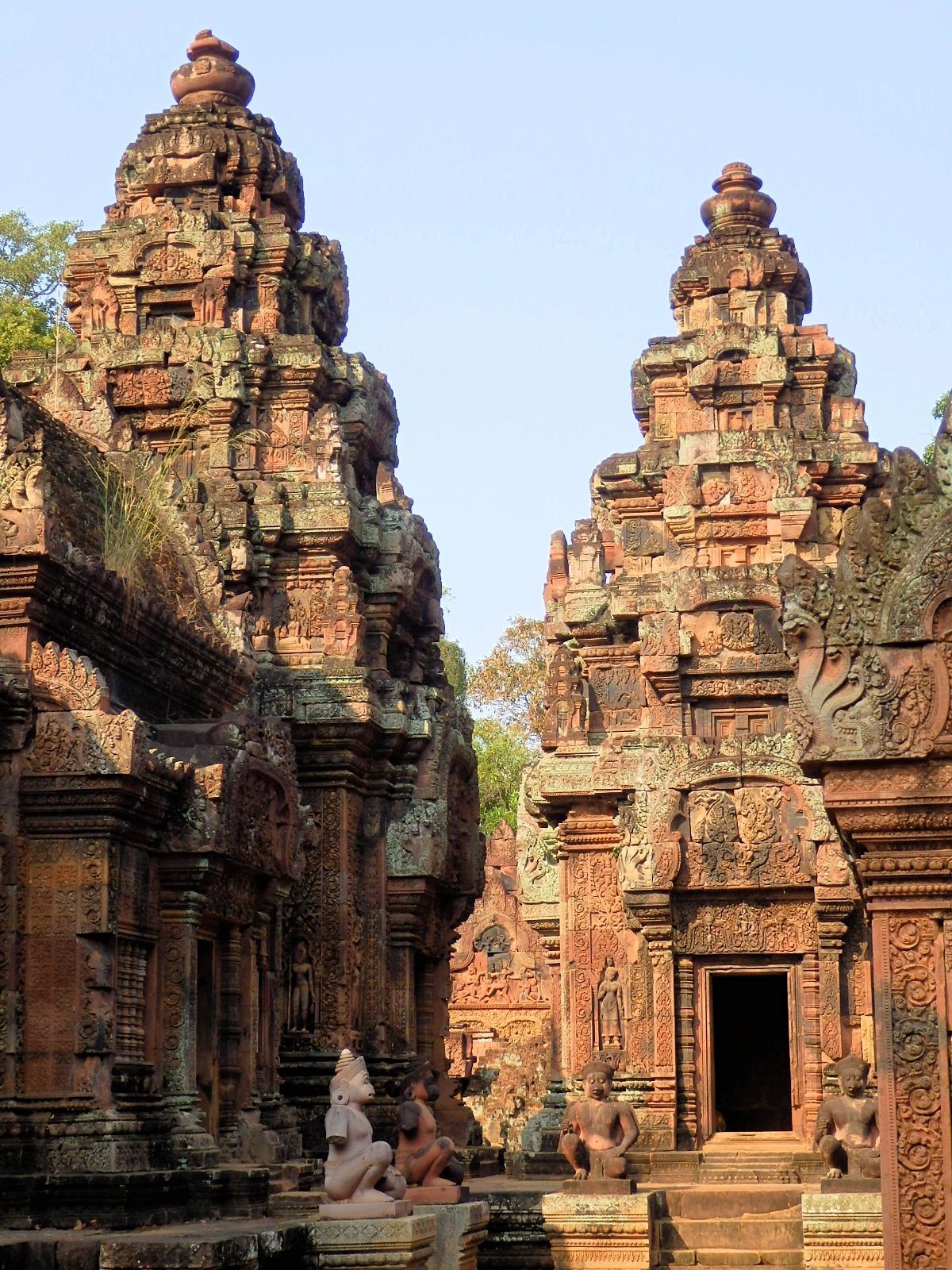
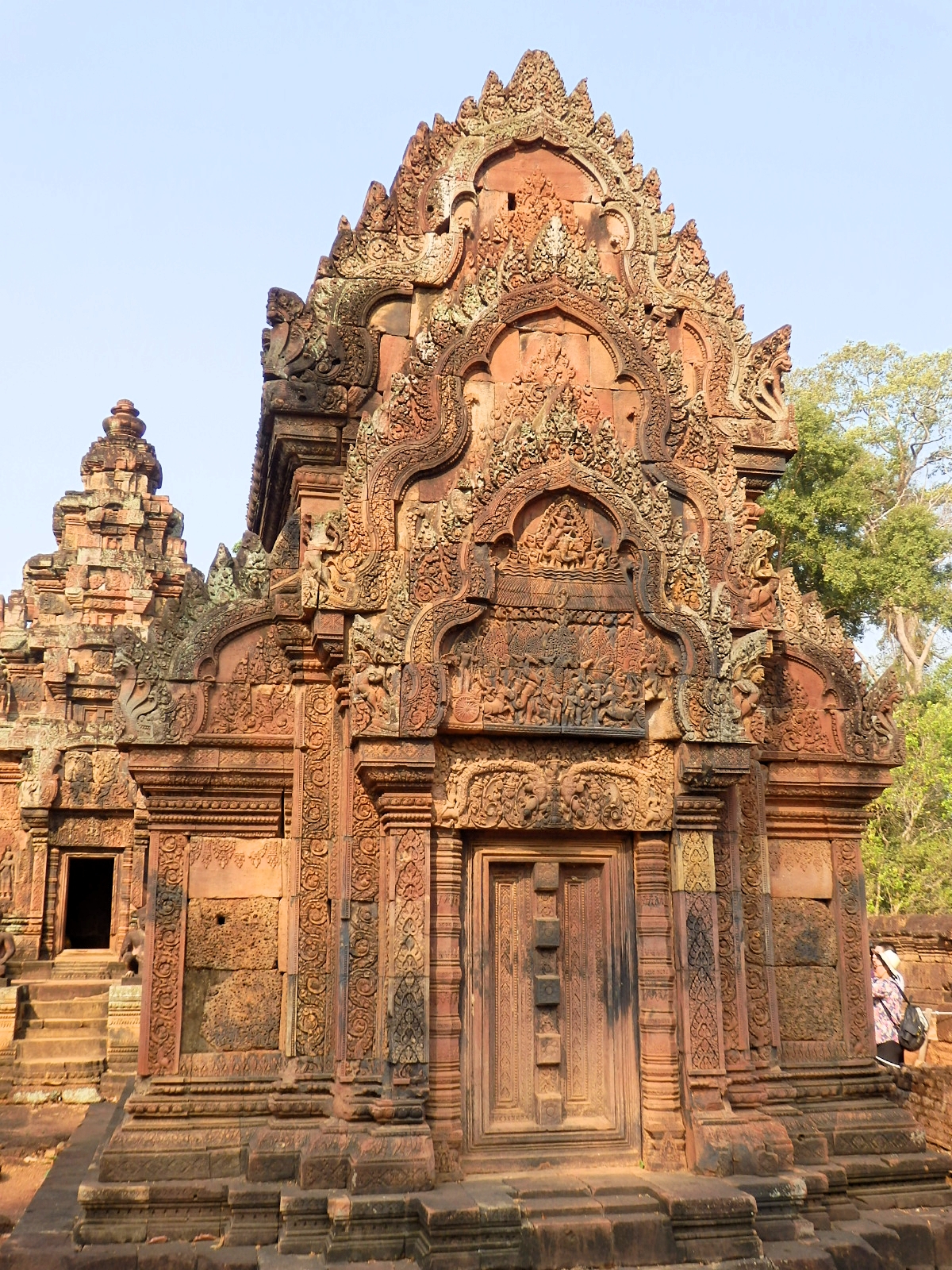
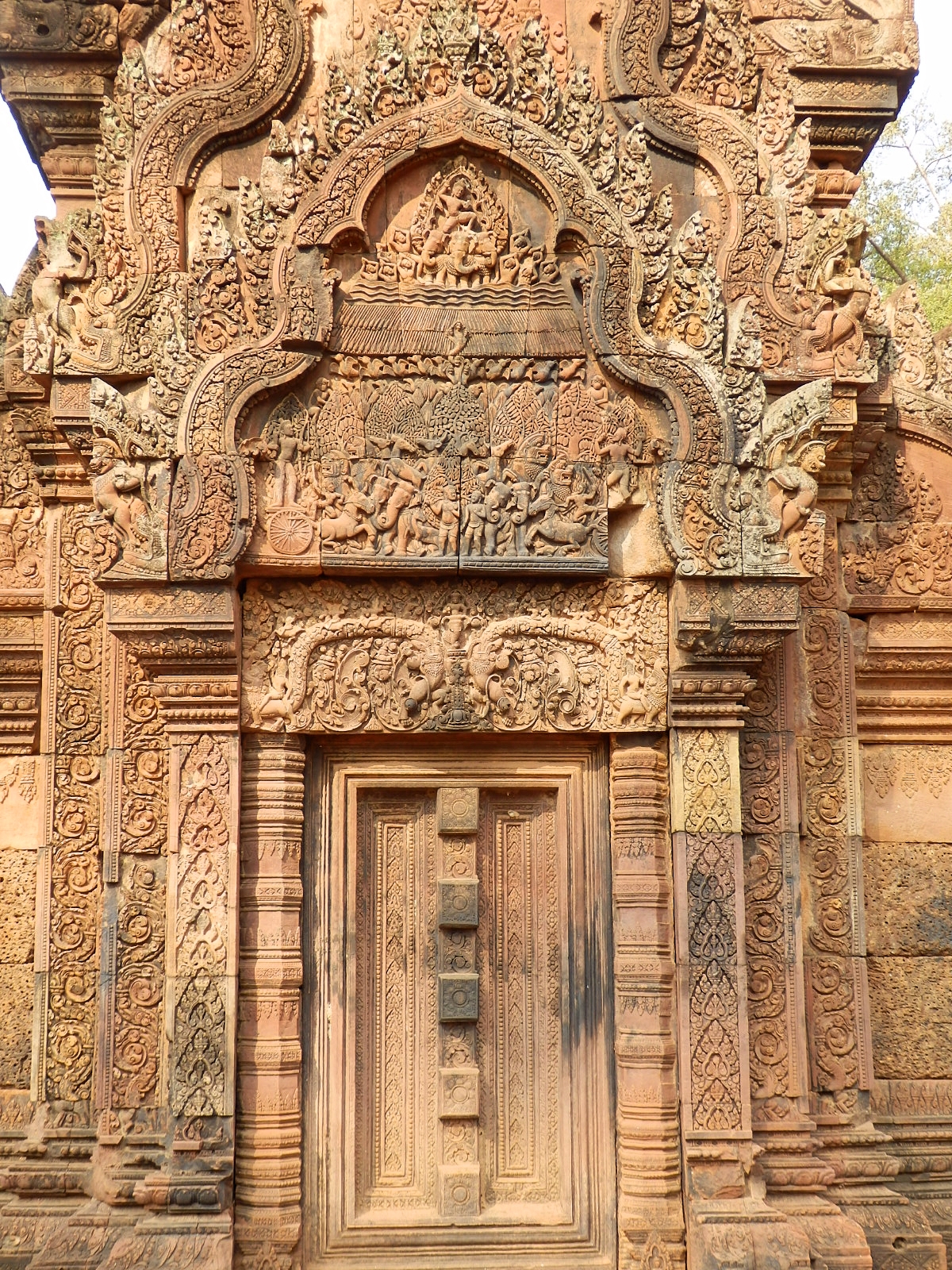
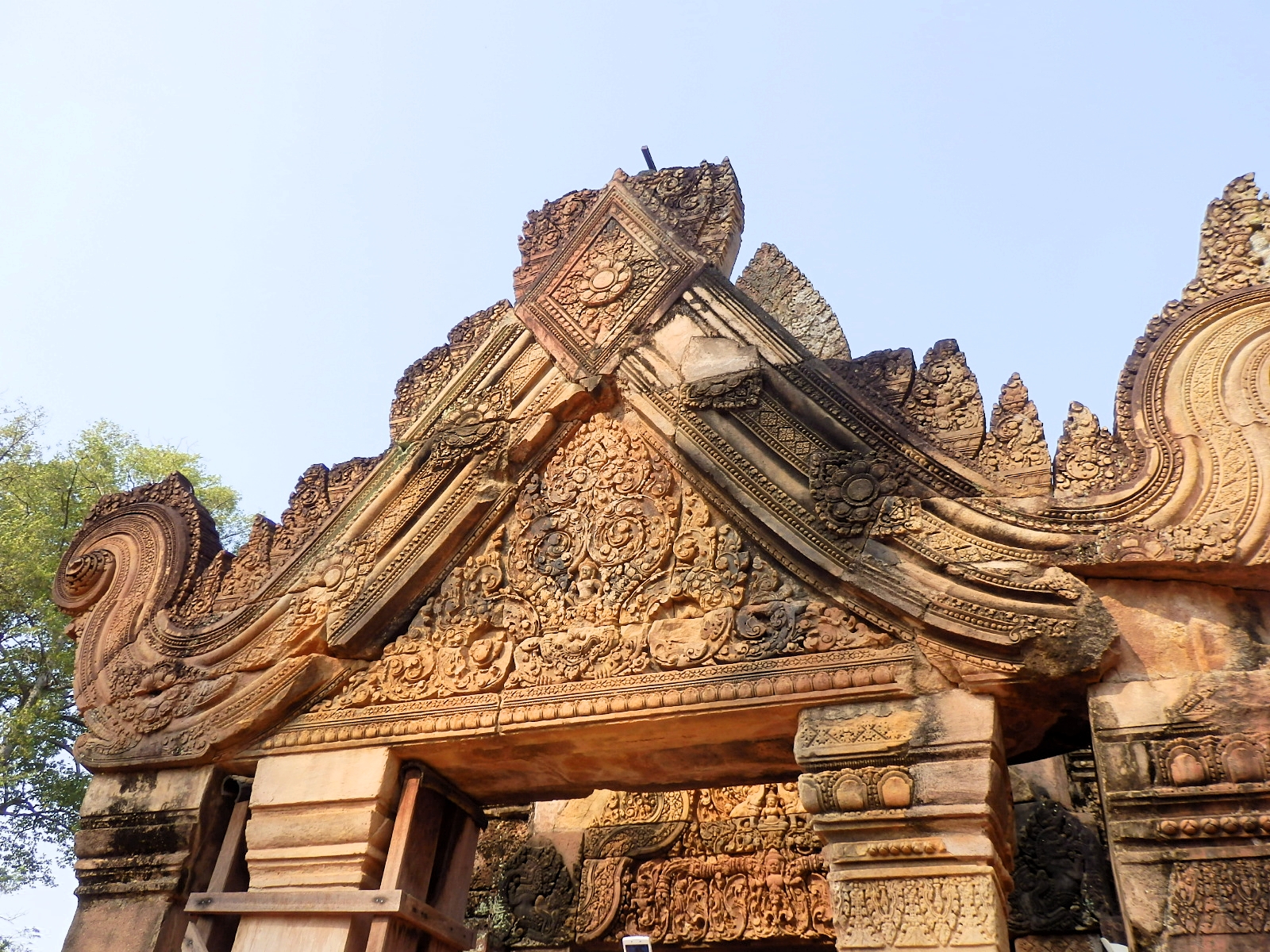
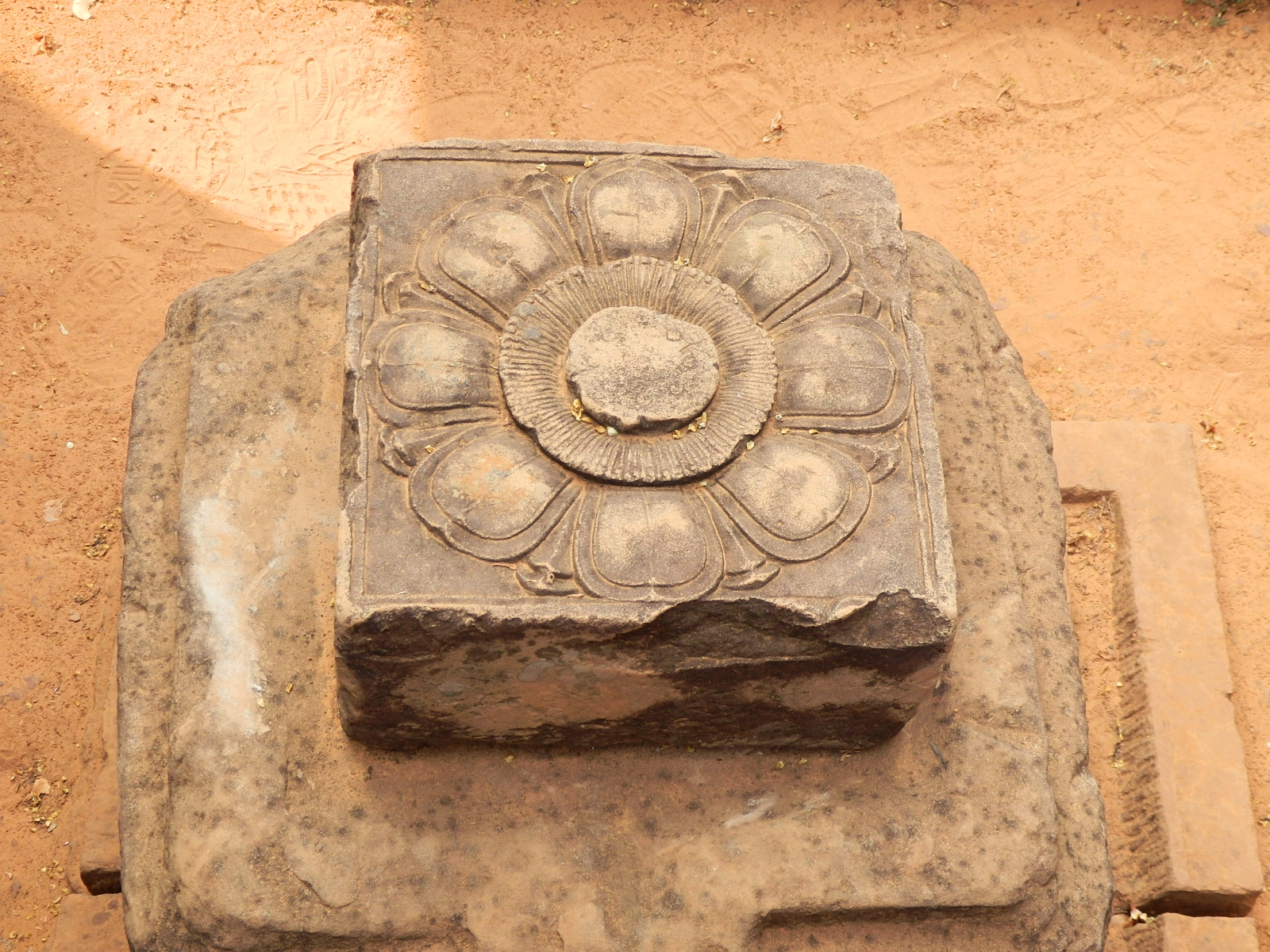


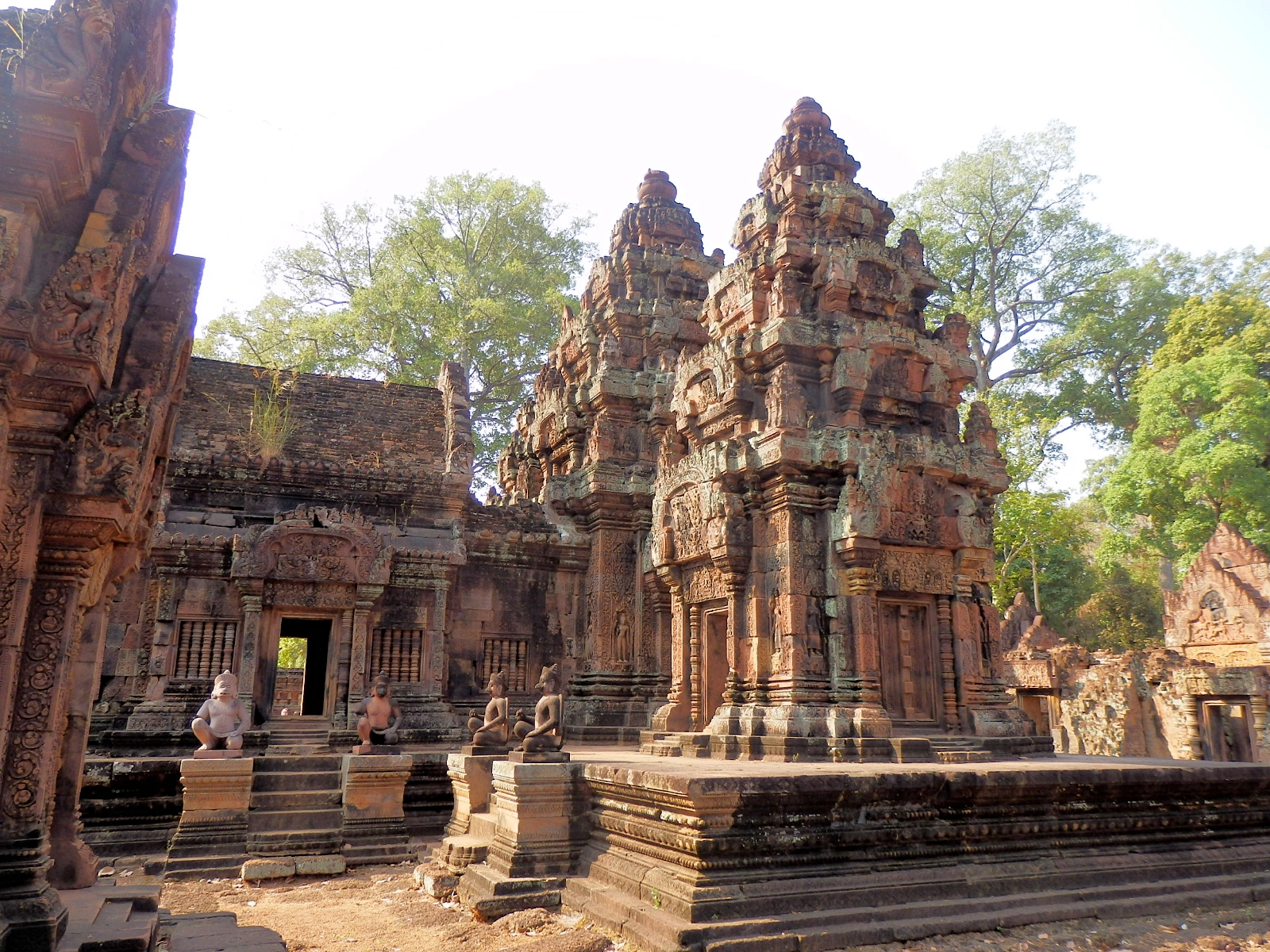

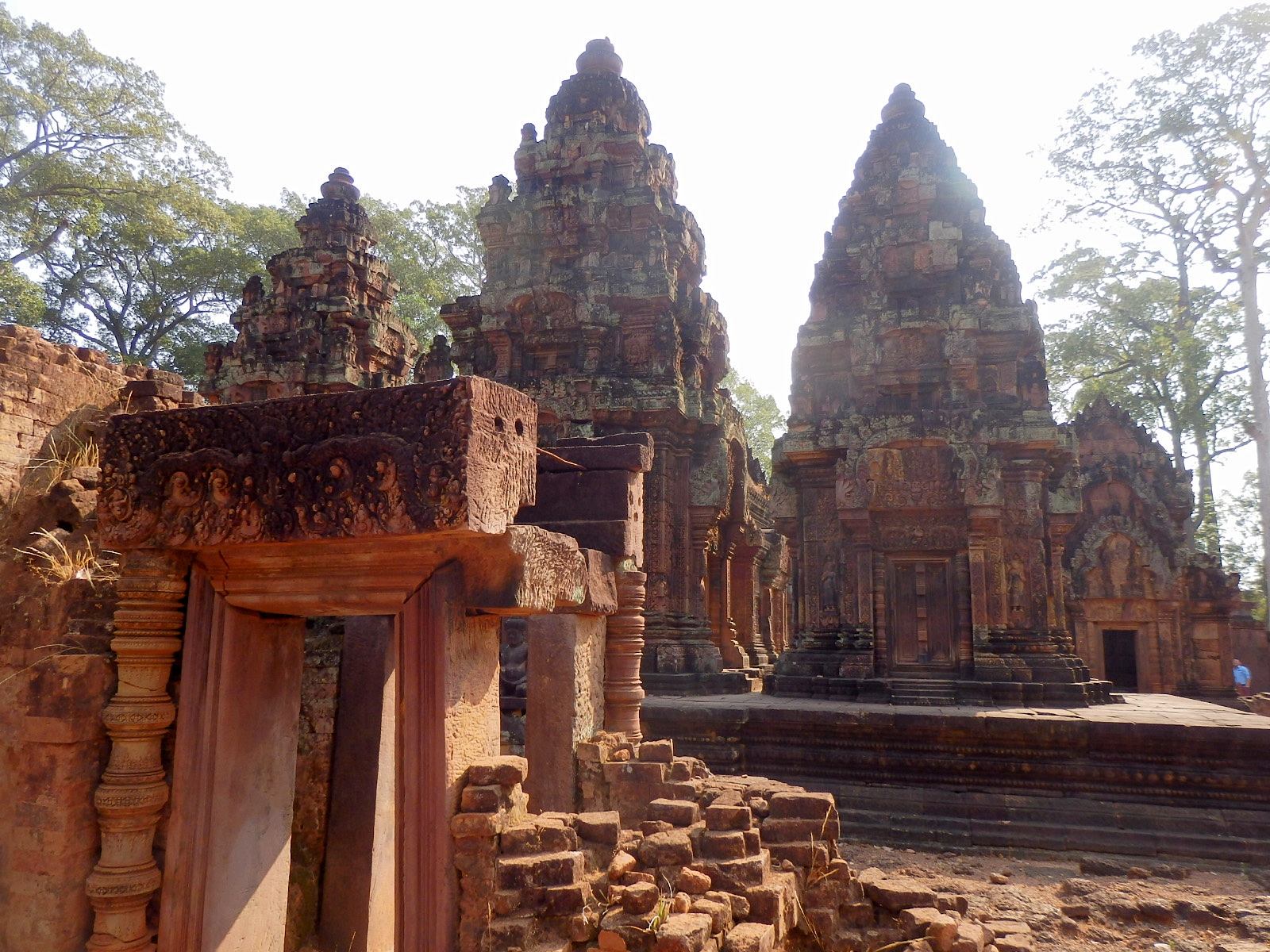
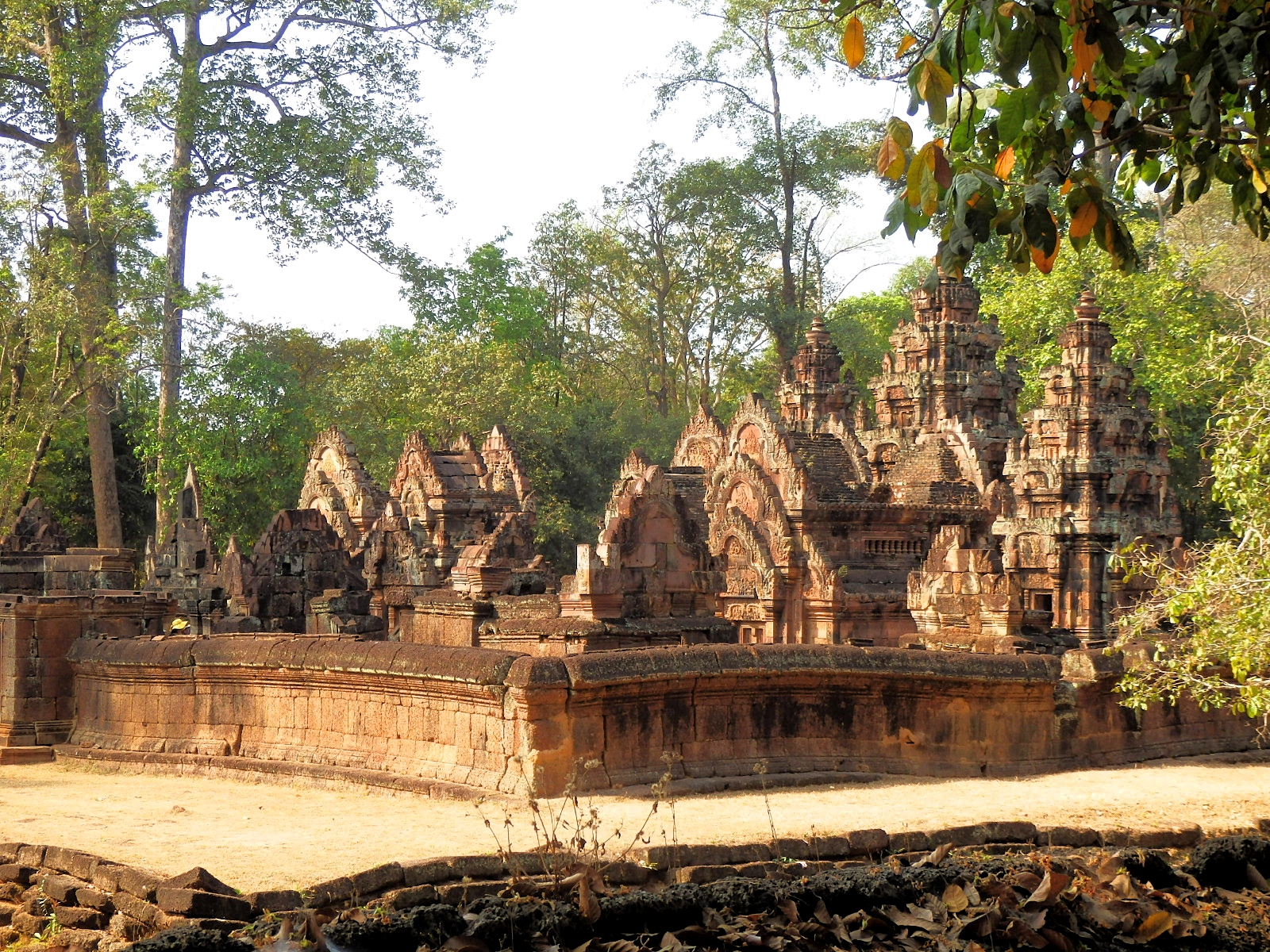


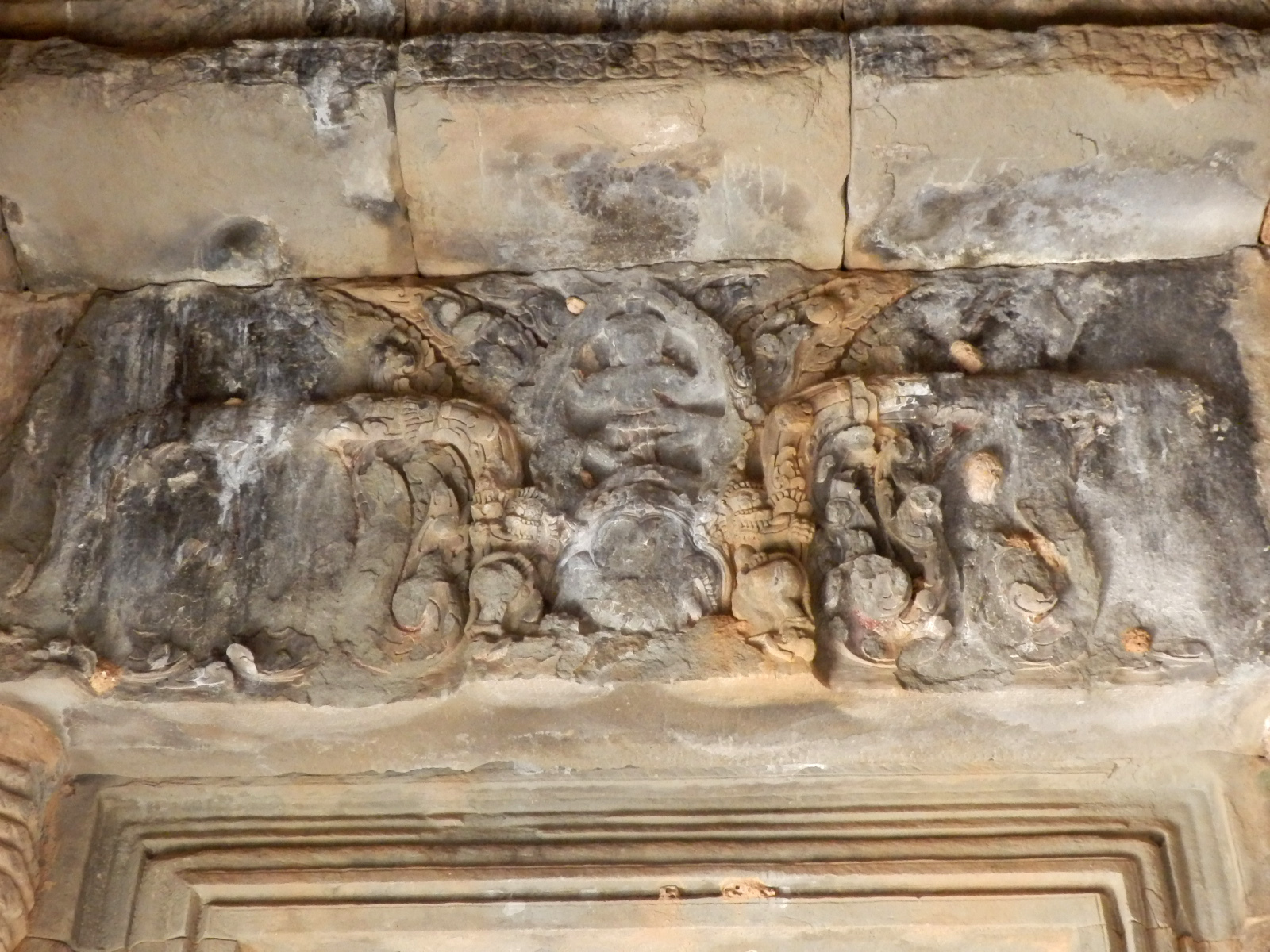
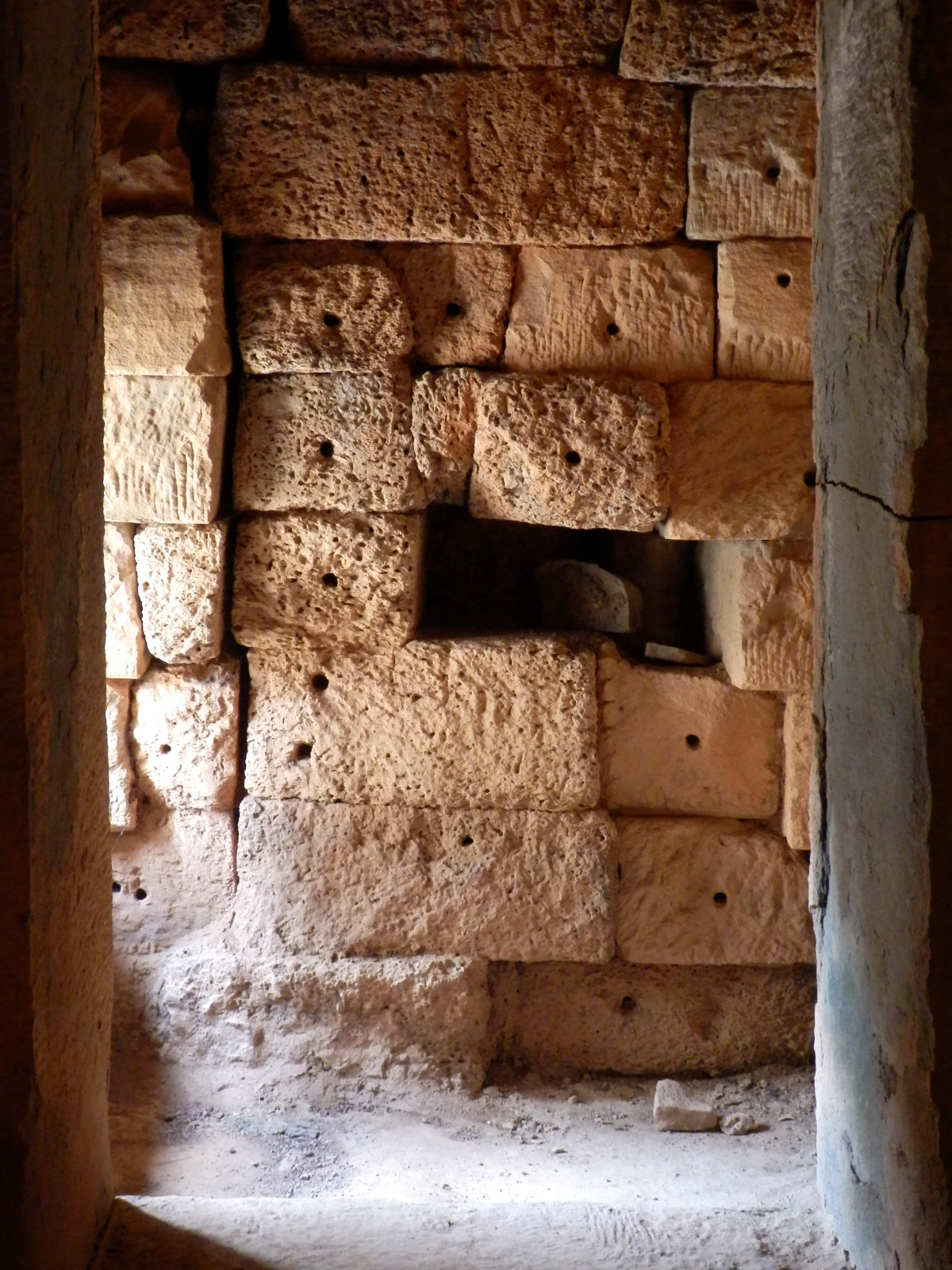
Banteay Samre




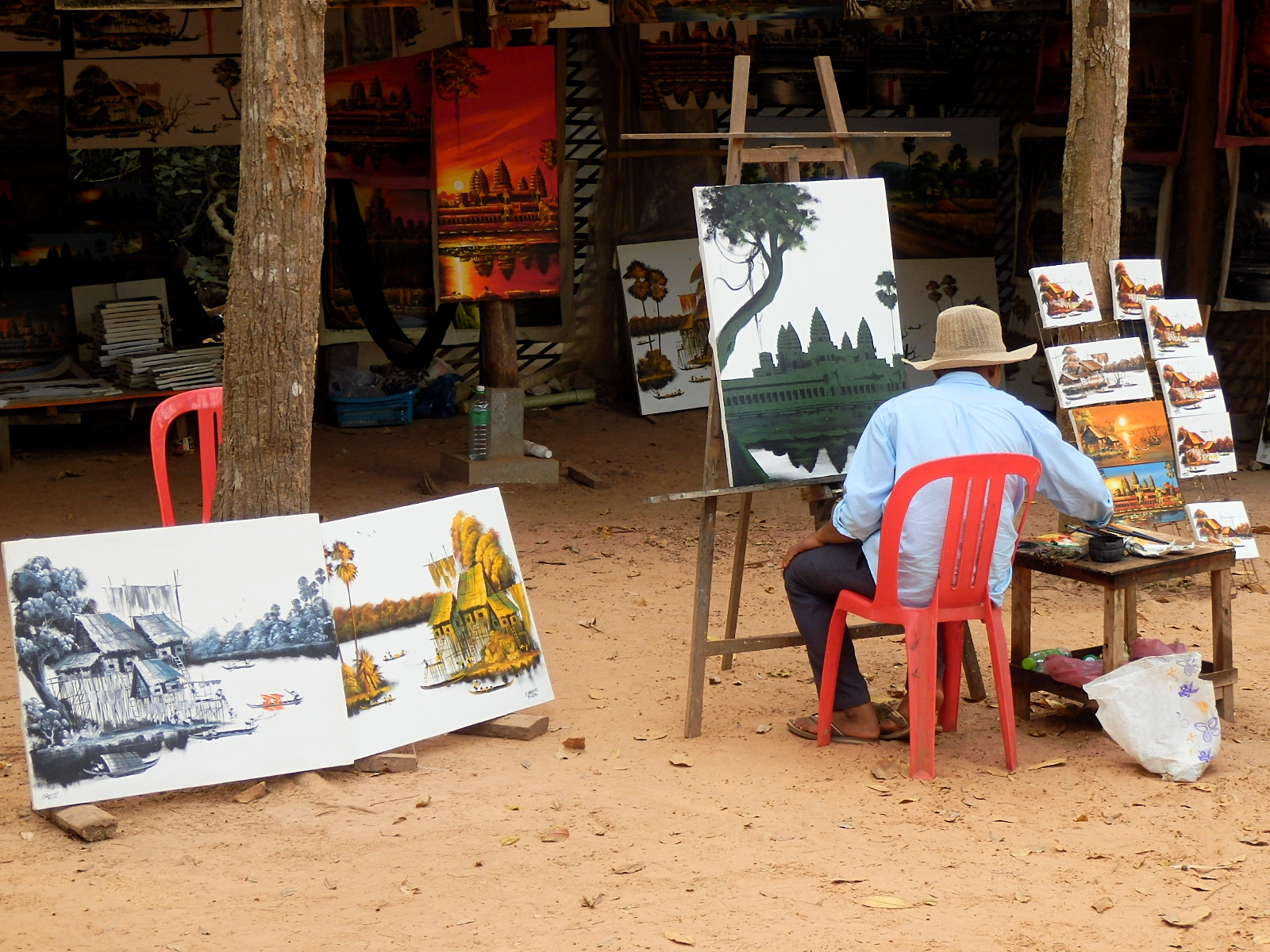
The Landmine Museum
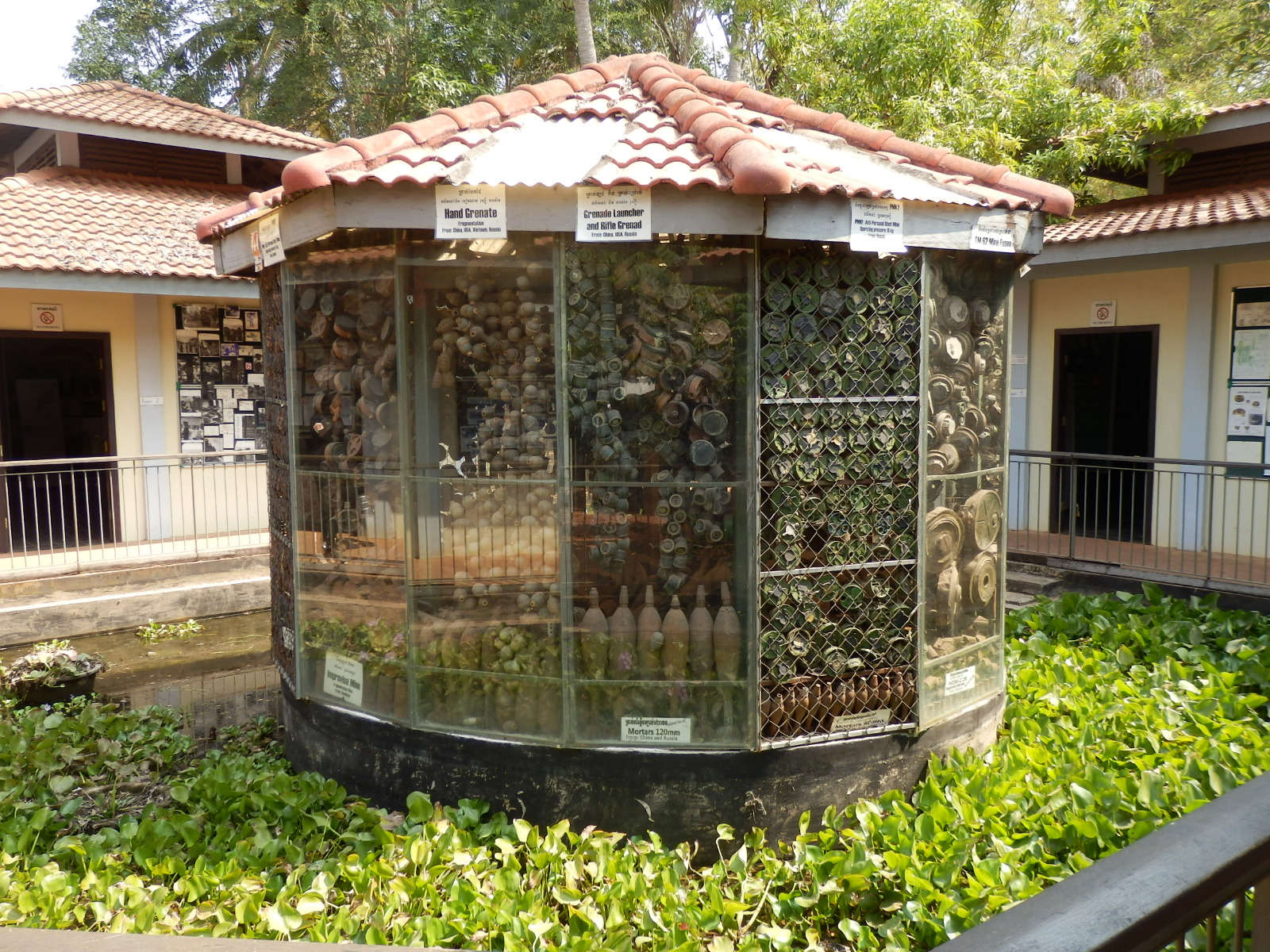
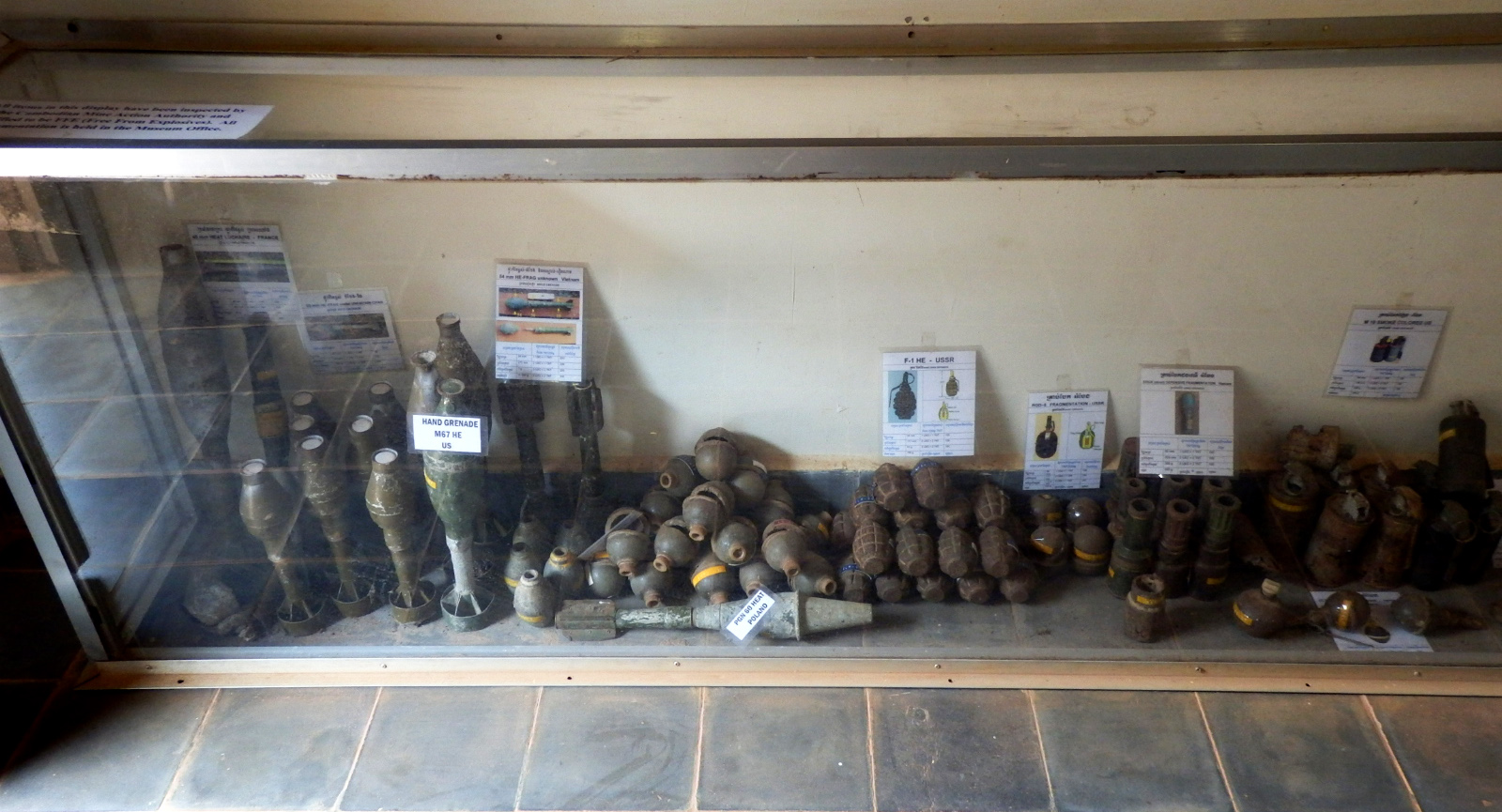
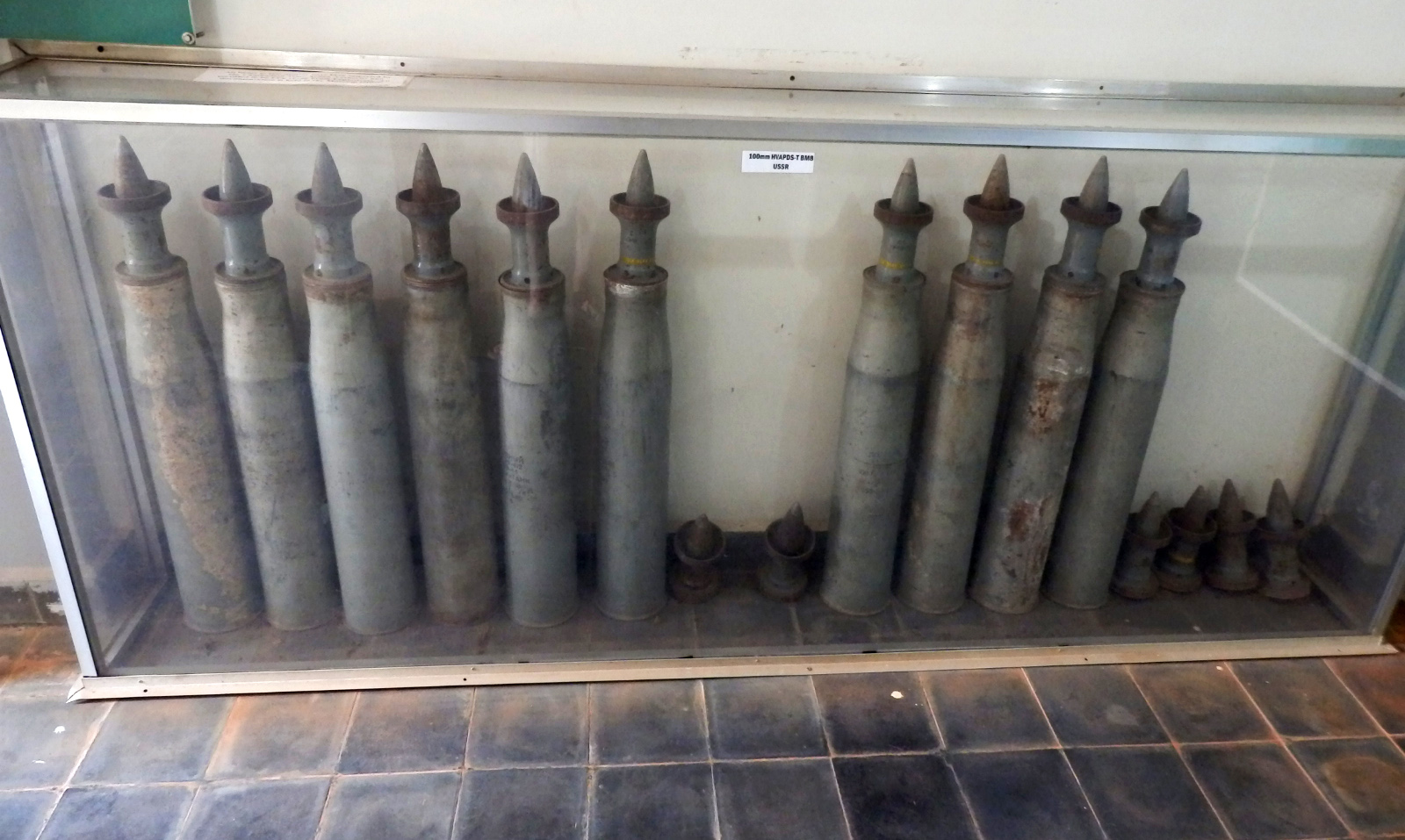
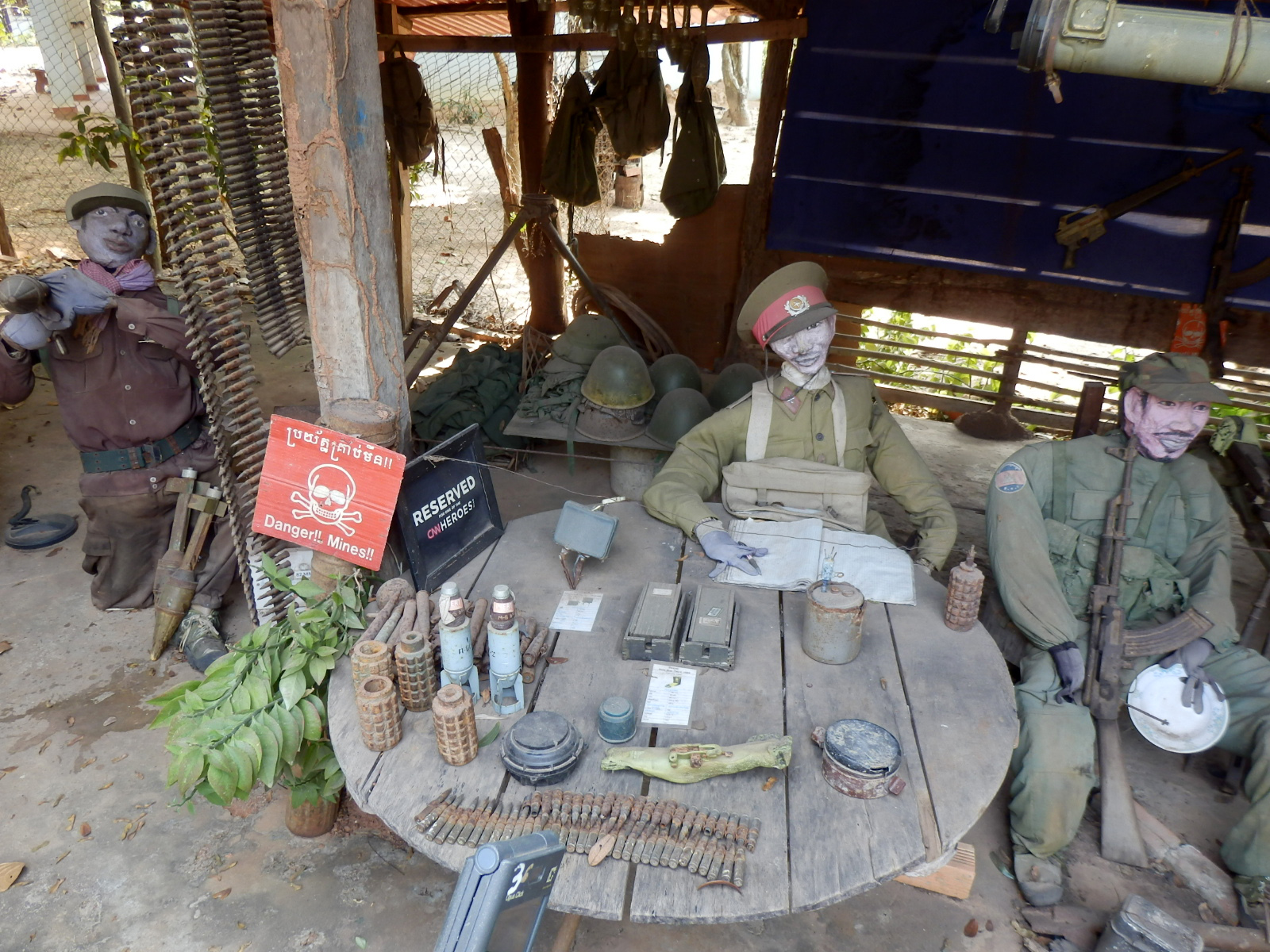
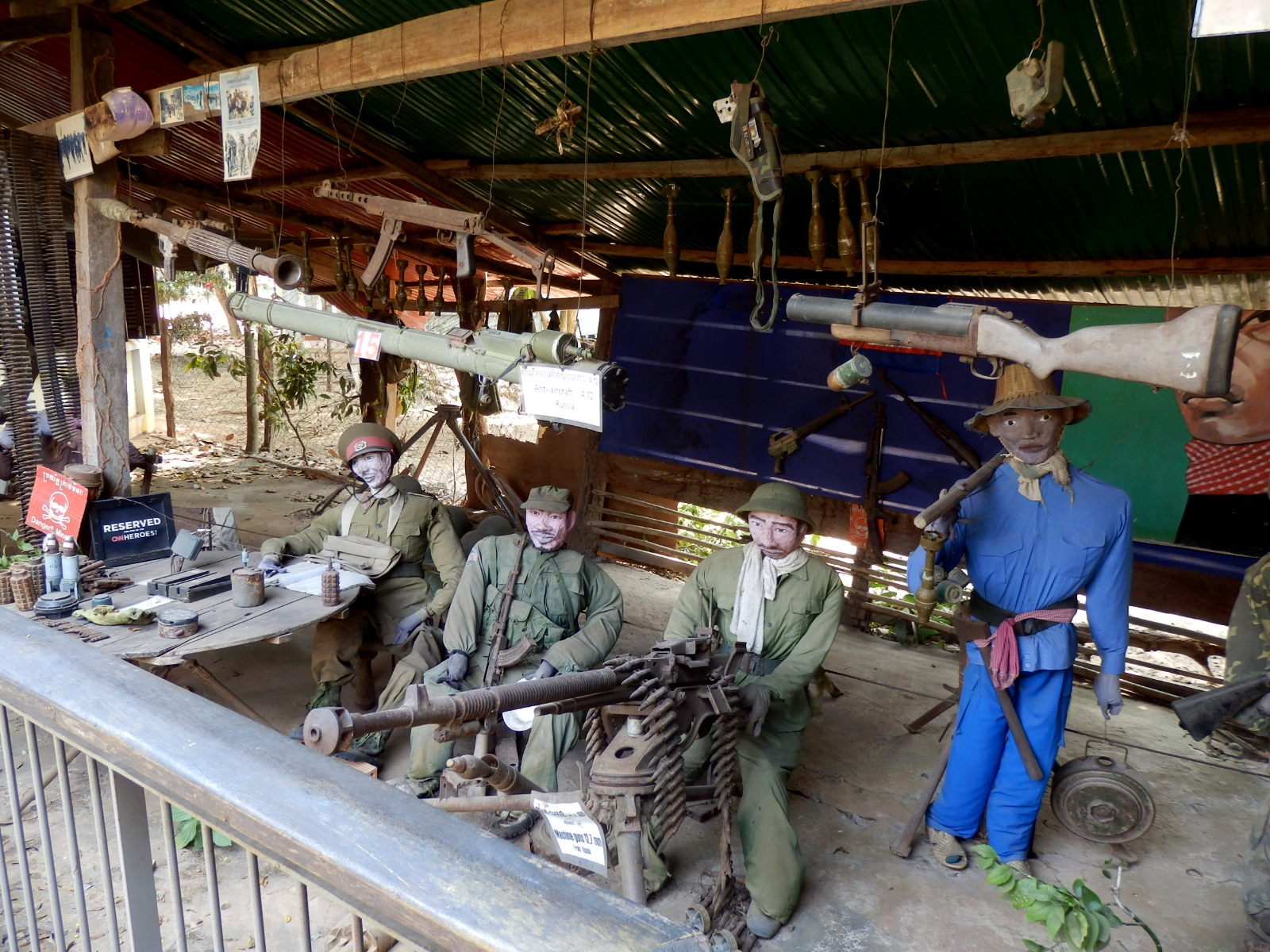
During the ousting of the Khmer Rouge by the Vietnamese army, it was actually both of these groups that laid down landmines across the north-western Cambodia/Thailand border to prevent Pol Pot’s group from re-entering Cambodia and to disable any attempts by Cambodians to escape. Of course, the only ones who truly ended up suffering from this were the innocent farmers and people in the rural areas near there. Men, women, and children were maimed and killed for decades by people accidentally stumbling upon them while looking for farmland to use. This is still happening, although the number of people maimed and killed has gone down dramatically. Through out the rooms, you learn about all the different kinds of landmines that are created and which ones will maim you or kill you.
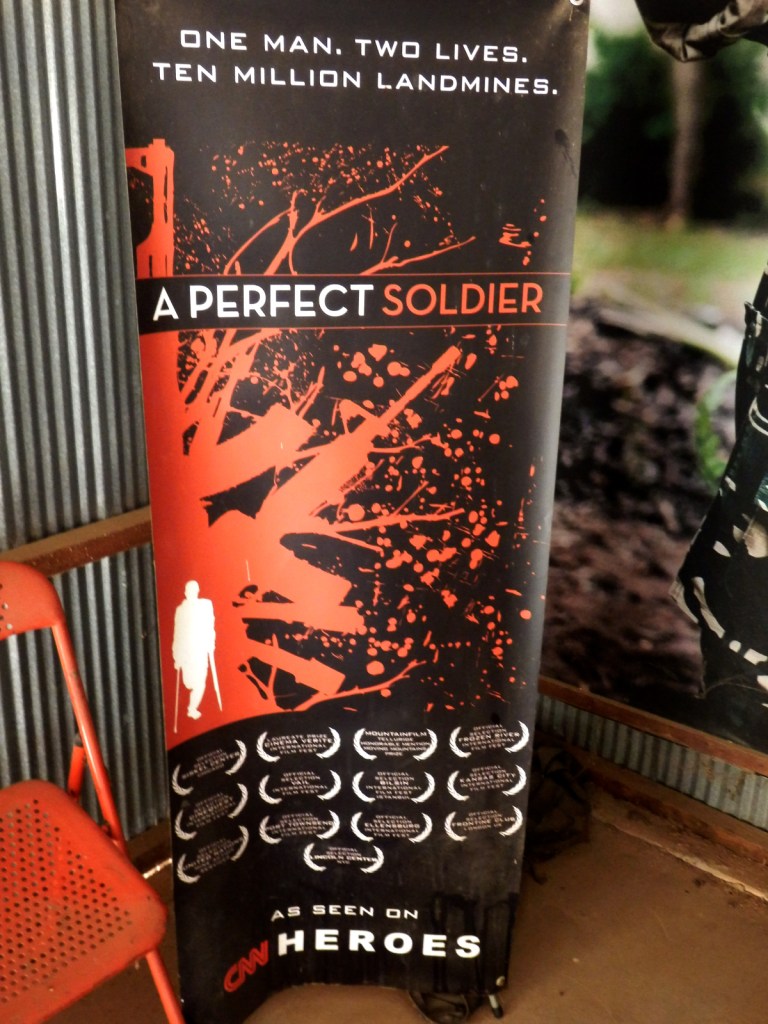
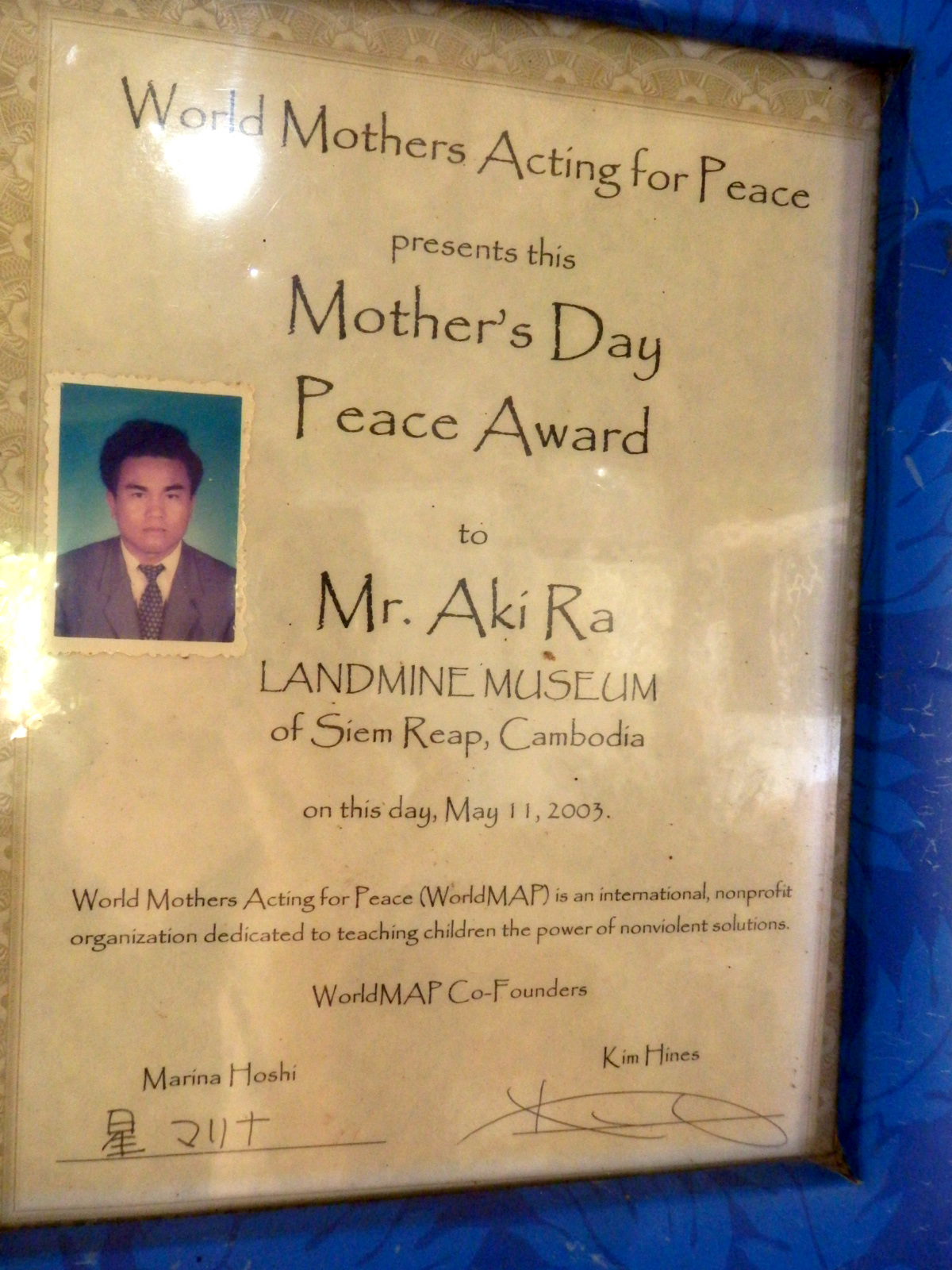
Over the years, there have been efforts to rid the country entirely of landmines. This effort was started by a man named Aki Ra. Aki Ra was kidnapped and brought into the Khmer Rouge training groups at the age of 5, and by age 10, he began training to use artillery as well as planting landmines. After he finally defected to the Vietnamese army to help rid Cambodia of the Khmer Rouge, he began a solo effort to try to detect and dismantle landmines. Eventually word got out of his efforts, and more people decided to donate money to train others to do the same. You can see his story in the documentary “A Perfect Soldier” (if you can find it).
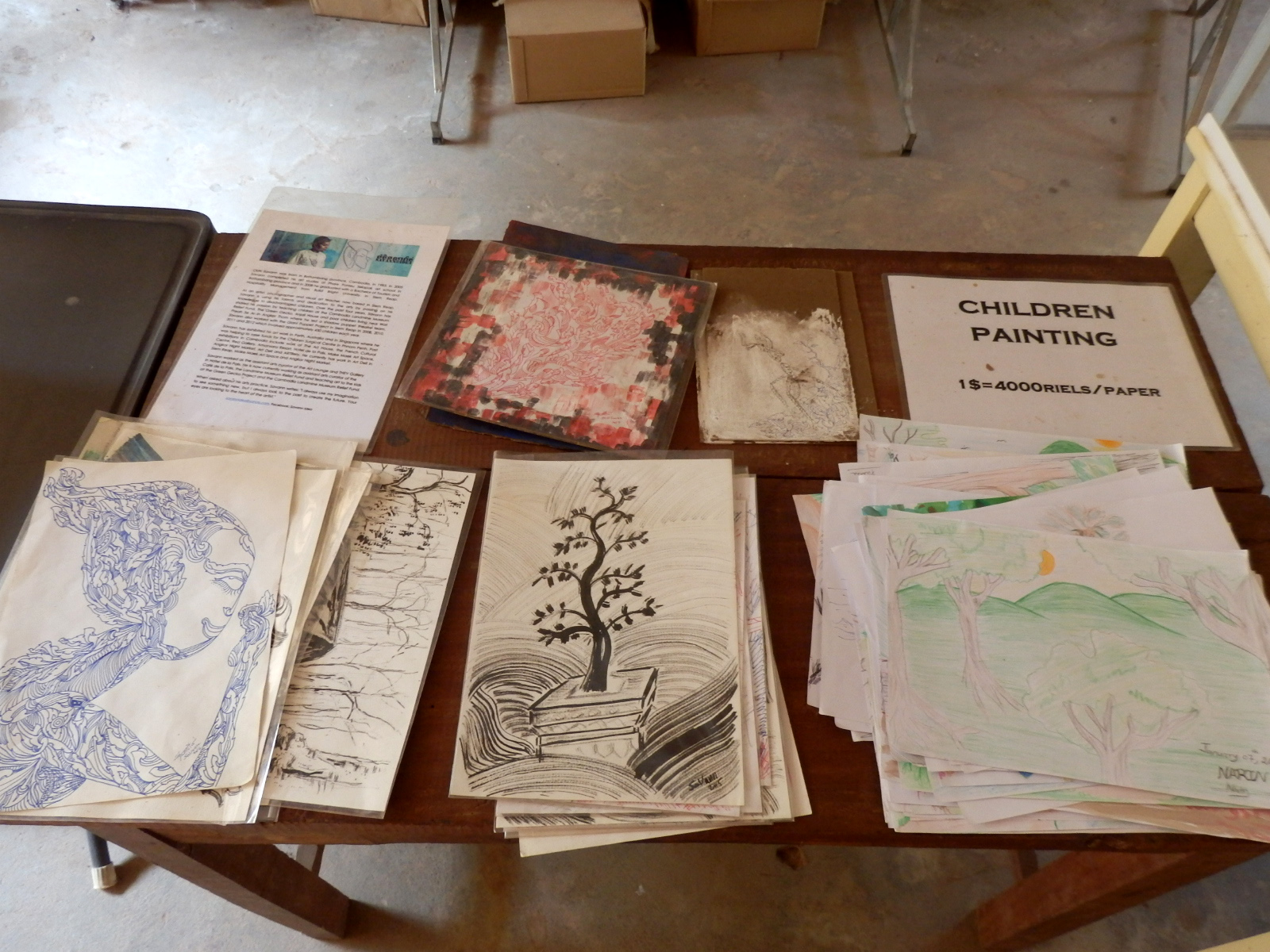
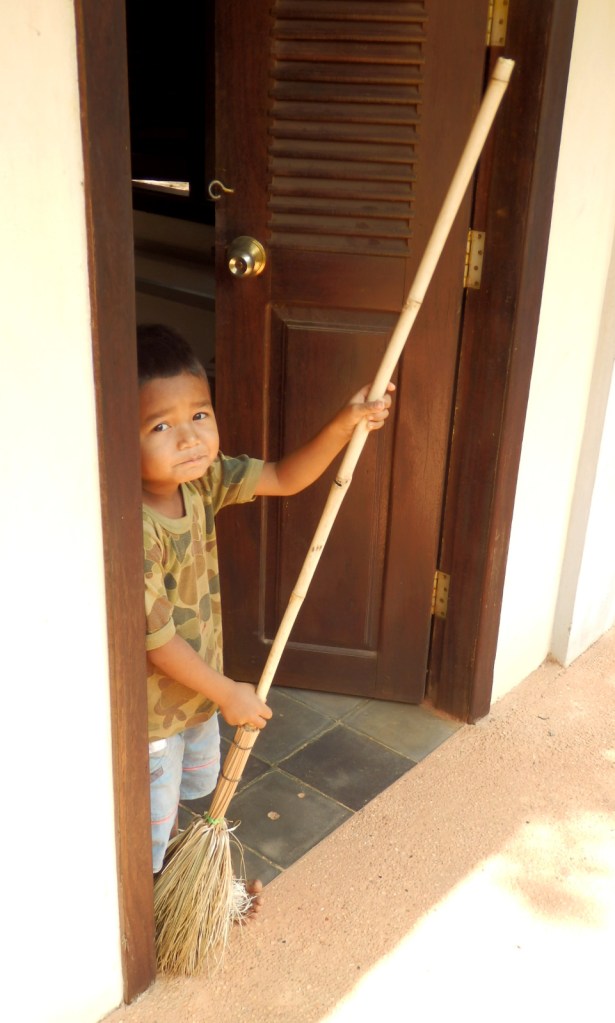
At the Landmine Museum, they also have a relief center that used to house many orphans and victims of landmines. Now there are no more amputee victims, but there are still some kids who are orphaned or ill and whose families cannot take care of them. The relief center uses some of the money raised from the admission fees to pay for their education. There is also a gift shop that sells jewelry and drawings made by these kids. It’s really nice to see that some good can be made from all of the years of misery and conflict.







I’m certainly glad that I decided to explore what I could of Cambodia in the time that I had. If I viewed my holiday time off as vacation time instead of travel time (yes, there is a big difference), then I certainly wouldn’t have experienced anywhere near the number of things that I did. I encourage everyone to try to venture out and explore if they can. Step out of your comfort zone, get a new perspective, get curious, and be prepared to be amazed, confronted, and inspired. And you will likely also learn a few new things that were not taught in your high school textbooks.


Leave a Reply