I didn’t know much about Cambodia before coming to China two years ago, but in those last two years, whenever I heard it mentioned, it was usually someone going on about how much they liked visiting there. After hearing about how great the temples of Angkor Wat are in Siem Reap and remembering the advice of the girl that I met from New Zealand (while in Chiang Mai) about how one should go to Phnom Penh, even if just for one day, to see the genocide museum and the killing fields, I figured it would be a great way to end my holiday trip after visiting Vietnam.
I originally only planned to be in Phnom Penh for 1.5 days, but after we found out from our school that we in fact didn’t have to be back to school for almost another week than the original date, I decided it would be better to extend my stay here to 5 days, 6 nights. In hindsight, I probably didn’t need to be here that long, as one can get through Phnom Penh’s attractions in 2 days, perhaps 3 if you are more thorough. If you are going to visit this land of the ancient Khmer kingdom, then you should stop in Phnom Penh. If you do, though, I would advise that you bring one of those facial masks that you sometimes see Asian people wearing when they are sick (or wear to not breathe in the smog around them). There are some areas where lots of smoke can be smelled, and it can be tough if you are on a long tuk-tuk ride (it can also be difficult for people wearing contact lenses). The smoky air also managed to get into the A/C unit in my room, and it irritated my sinuses and throat some.
Speaking of my room, I was staying in someone’s house through (drum roll, please)… Airbnb, of course. I managed to take a few snapshots of the front area. The host also has a golden retriever named Sally. She’s a sweetie.
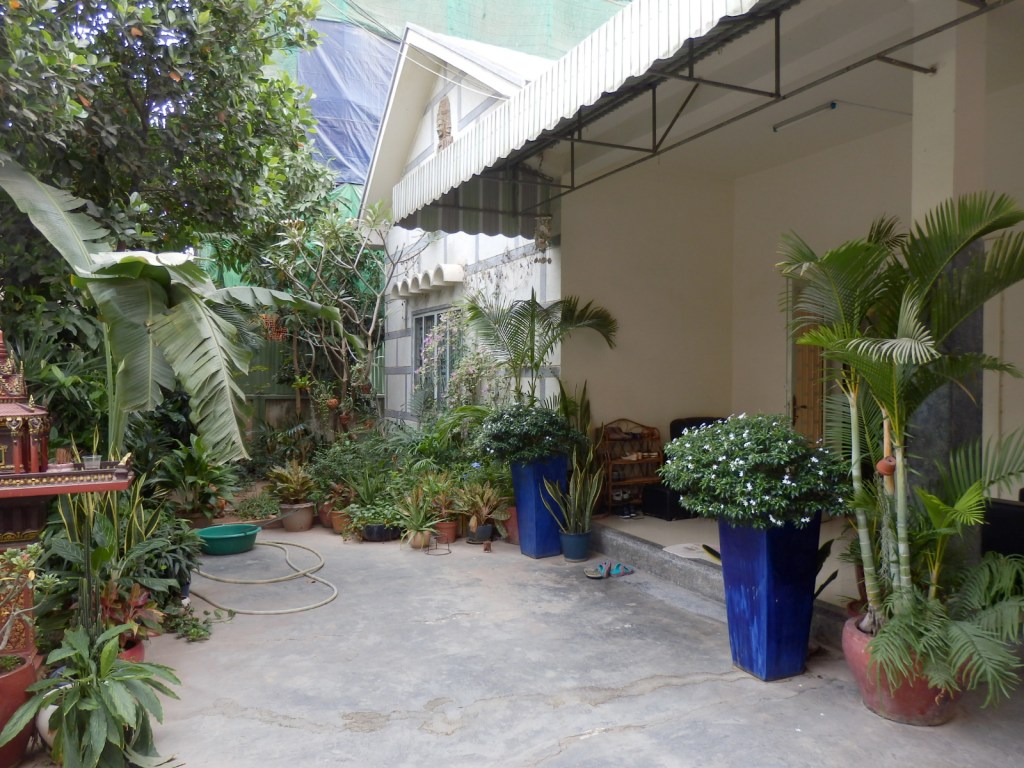
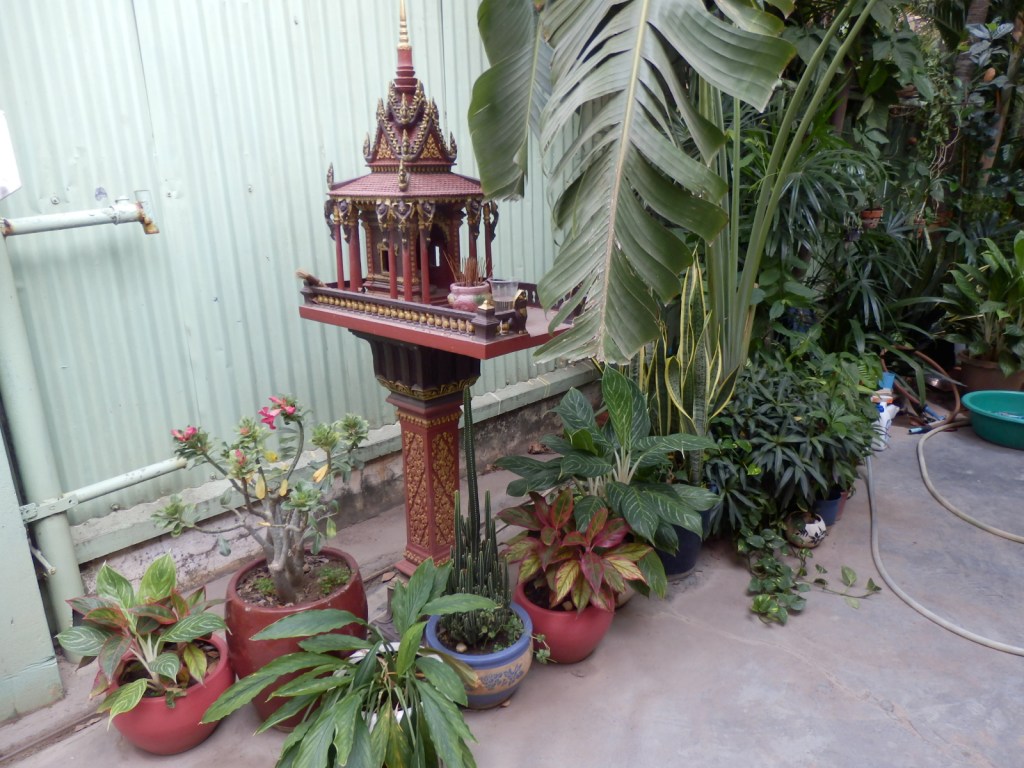
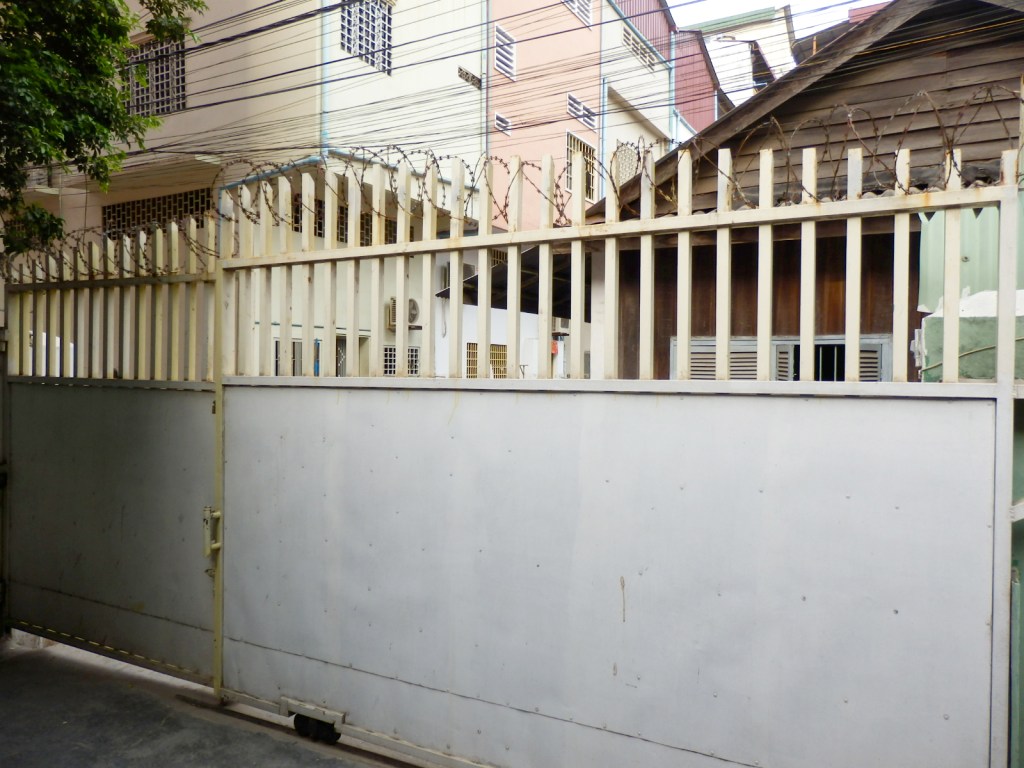
All I ended up doing on Sunday (the first full day here) was go online and try to plan out my activities, followed by going to the Phnom Penh Tower to watch the sunset. I was told by my Airbnb host that it’s a great place to see it. It was a decent sunset, but perhaps I was hoping for more after having been in Ho Chi Minh City and Mui Ne.
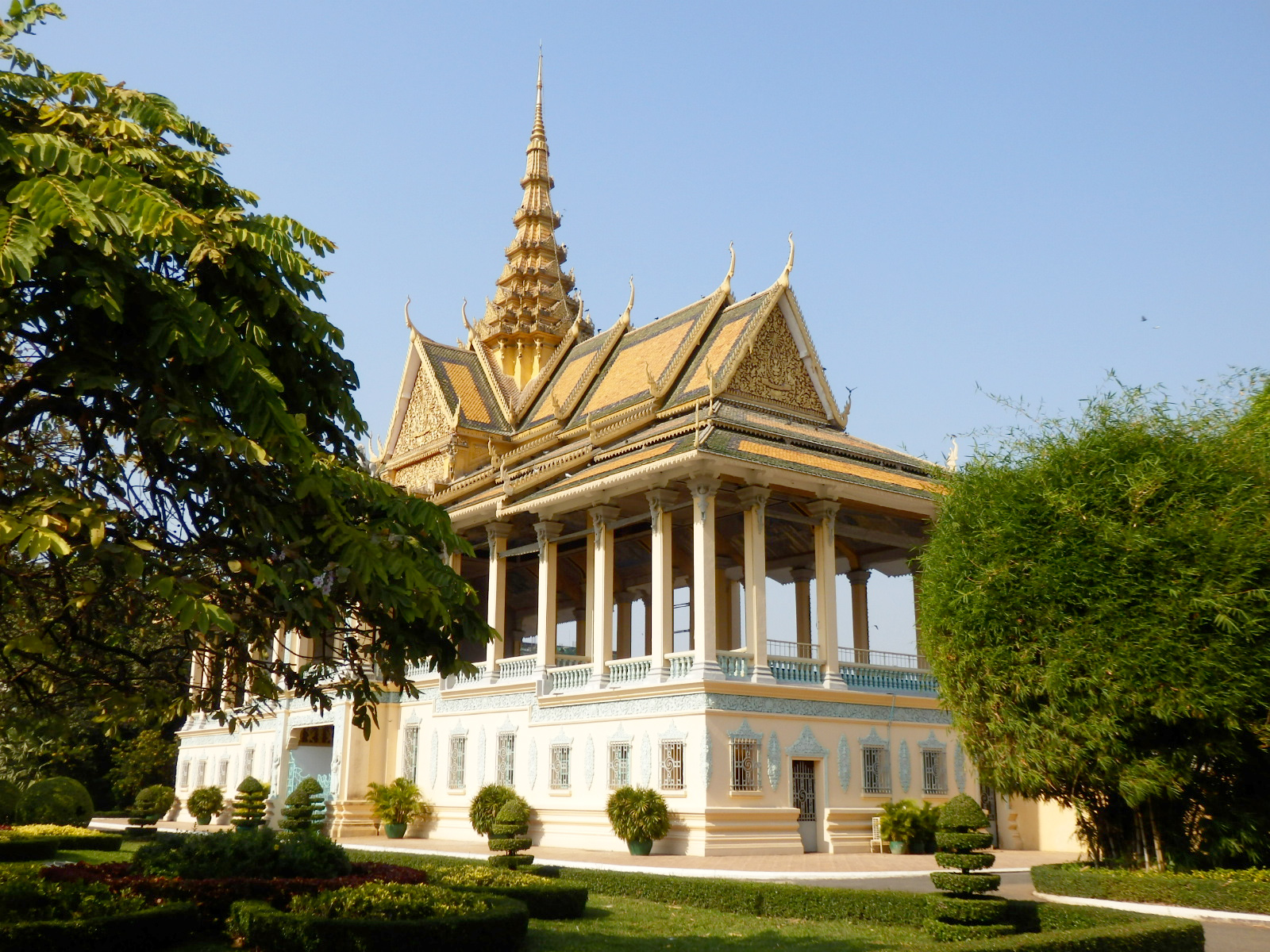
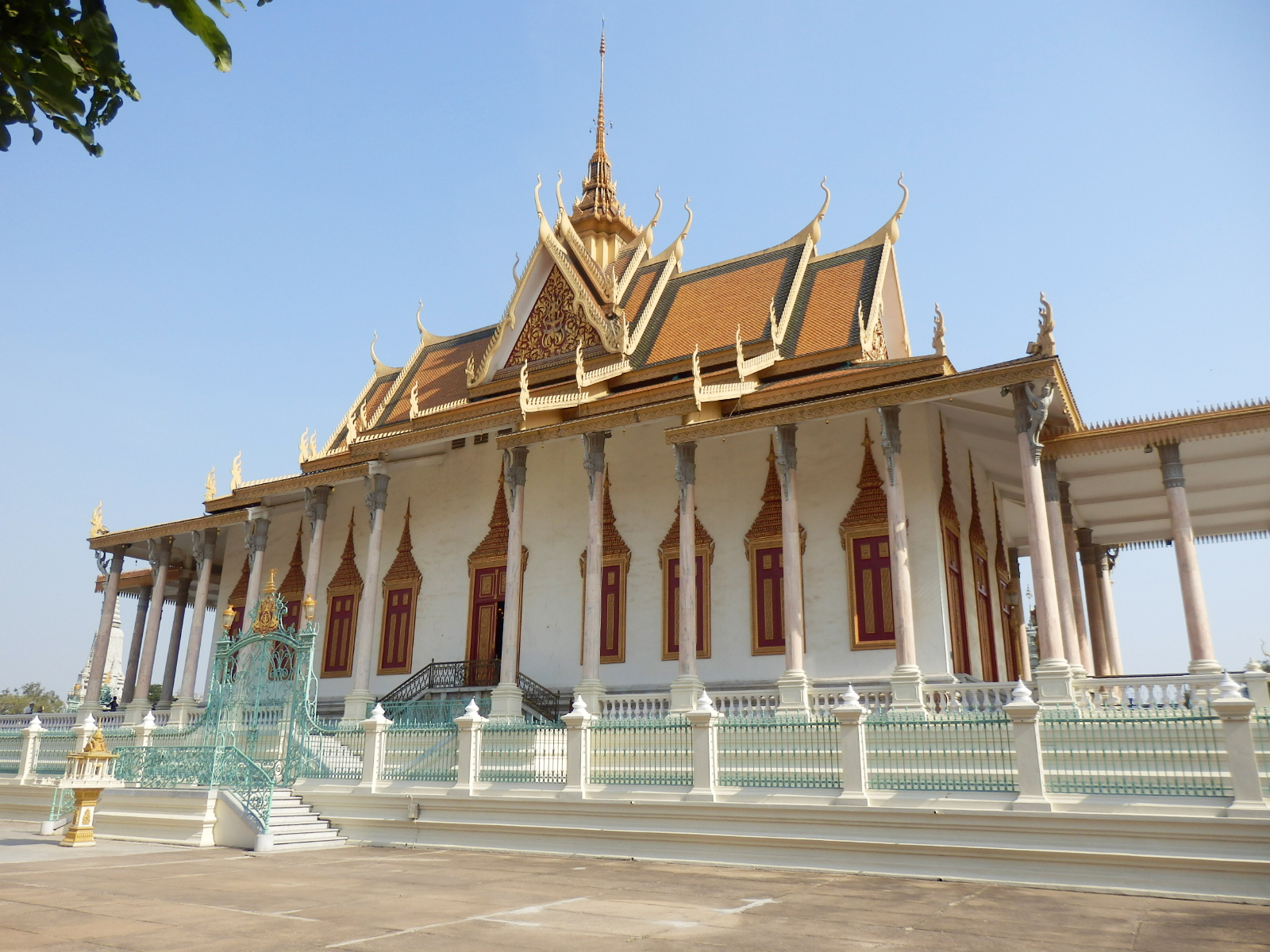
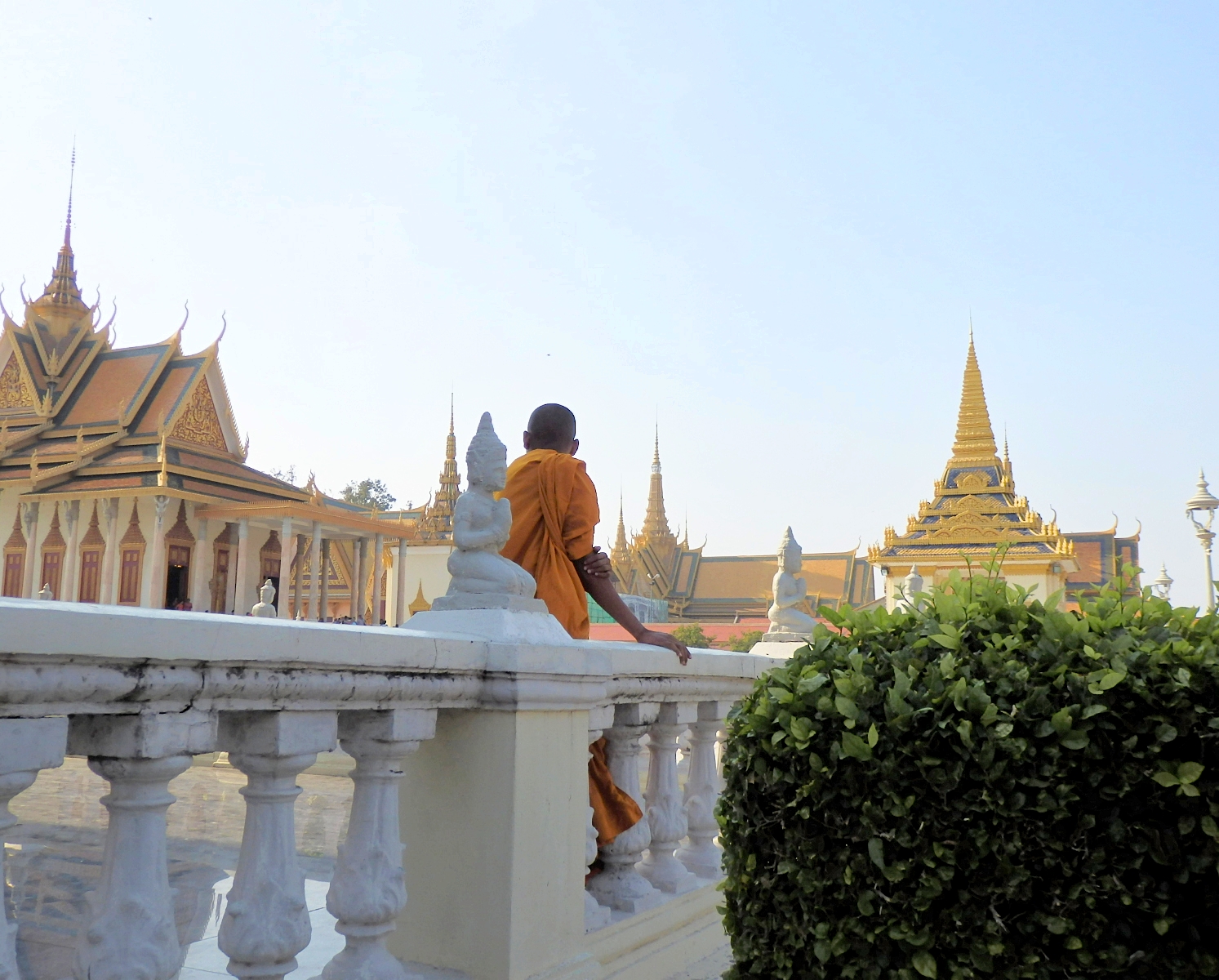
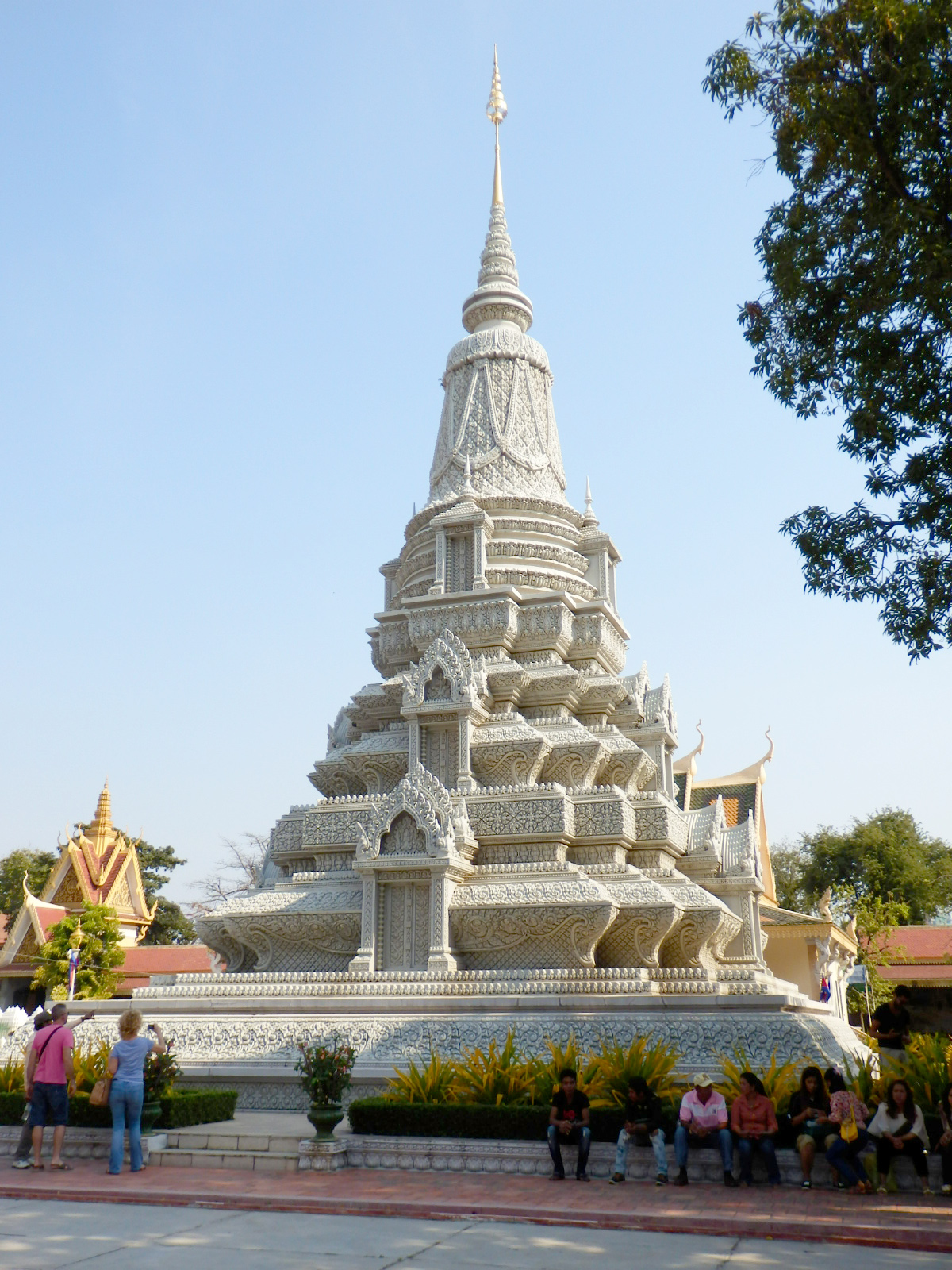
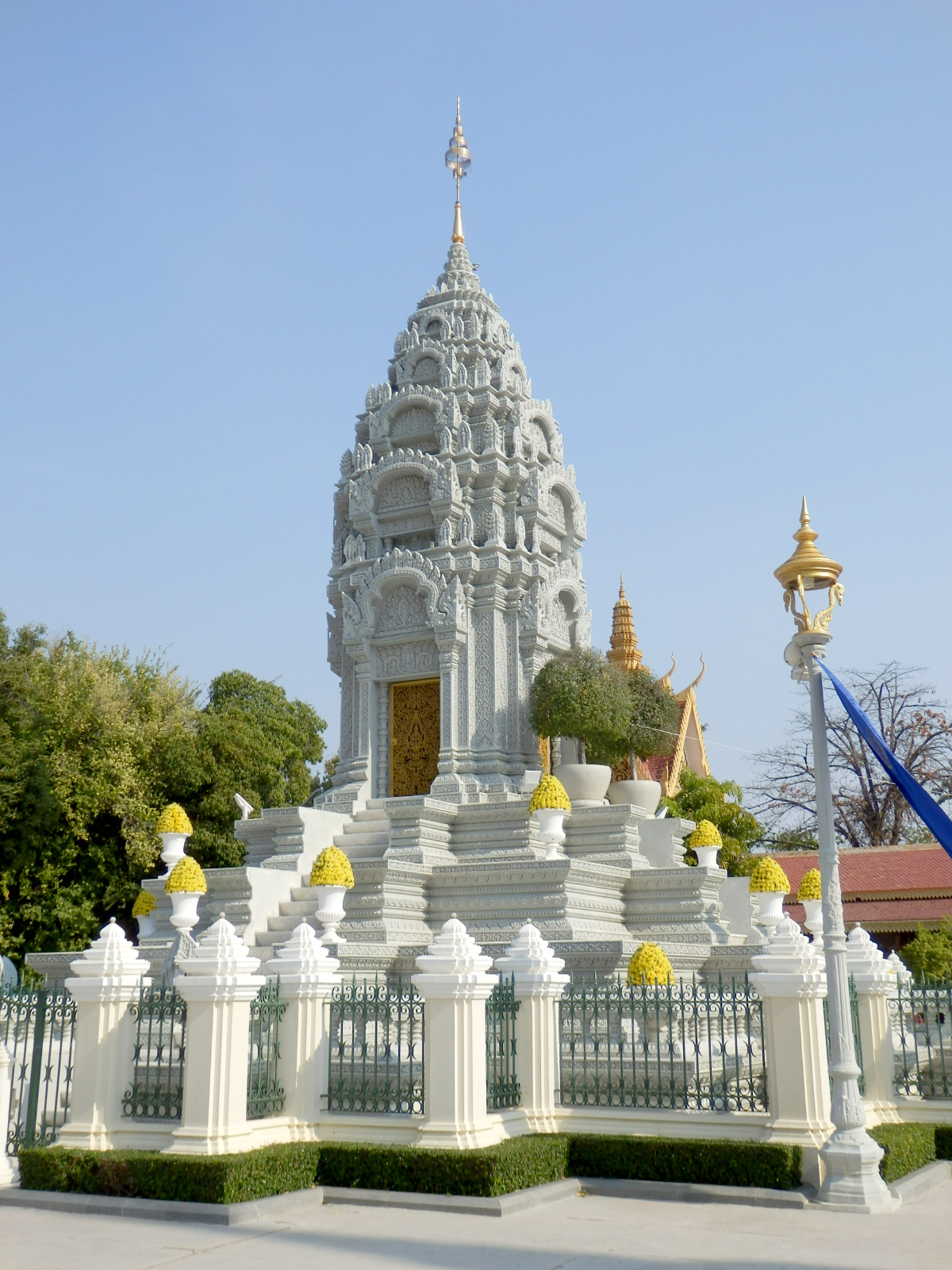
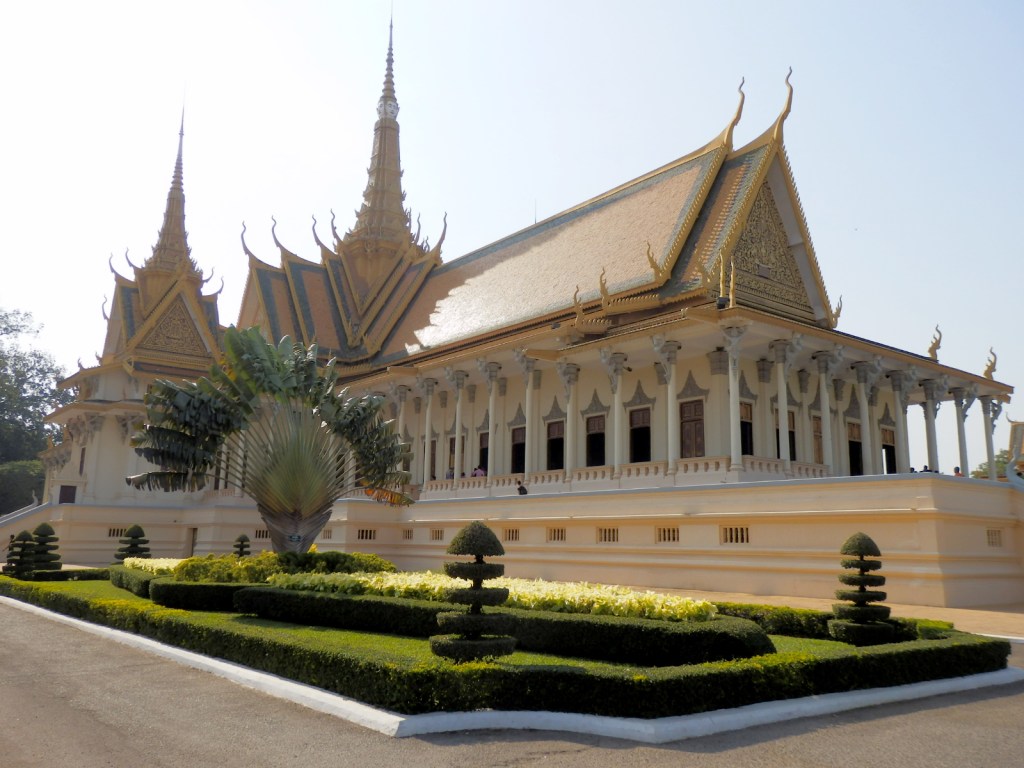
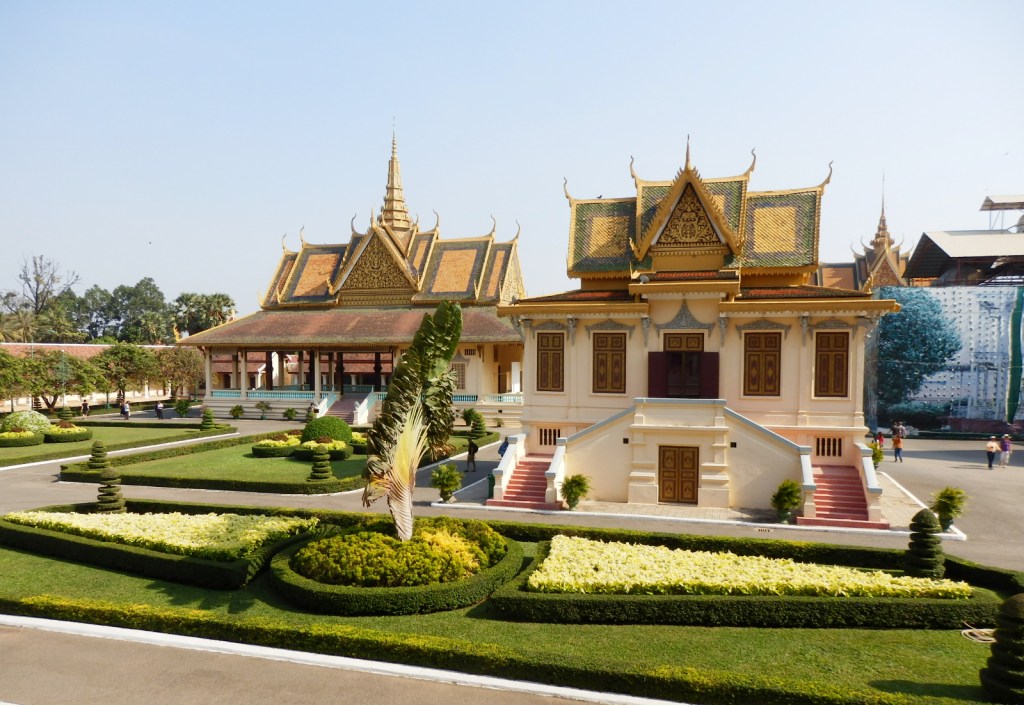
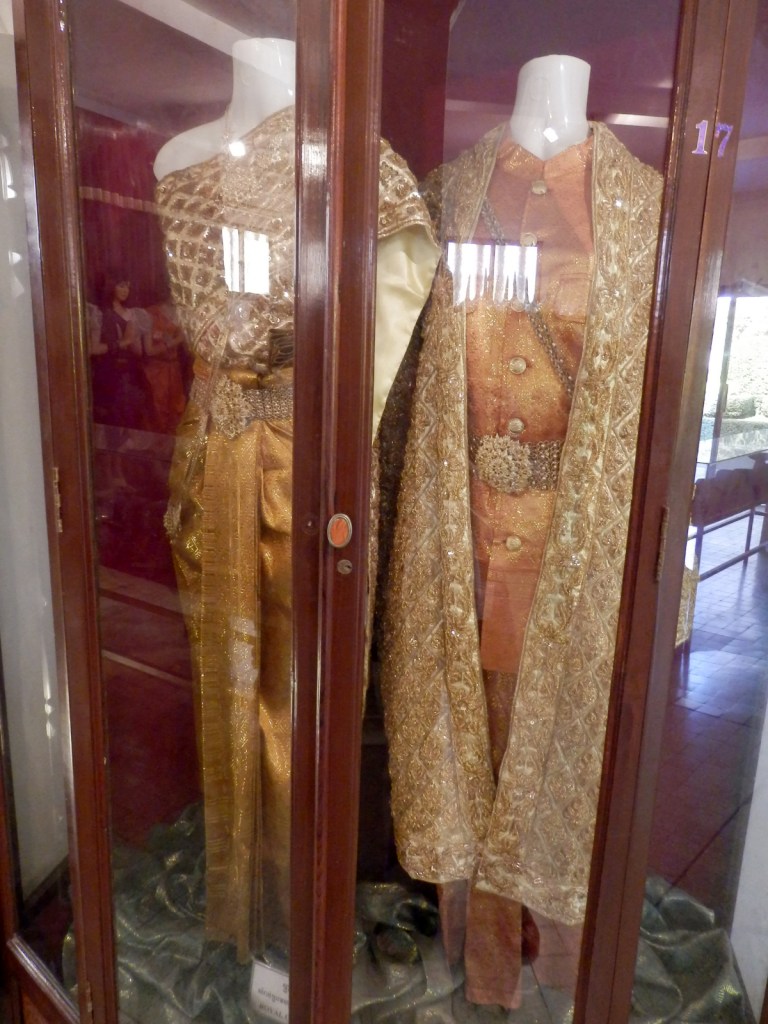
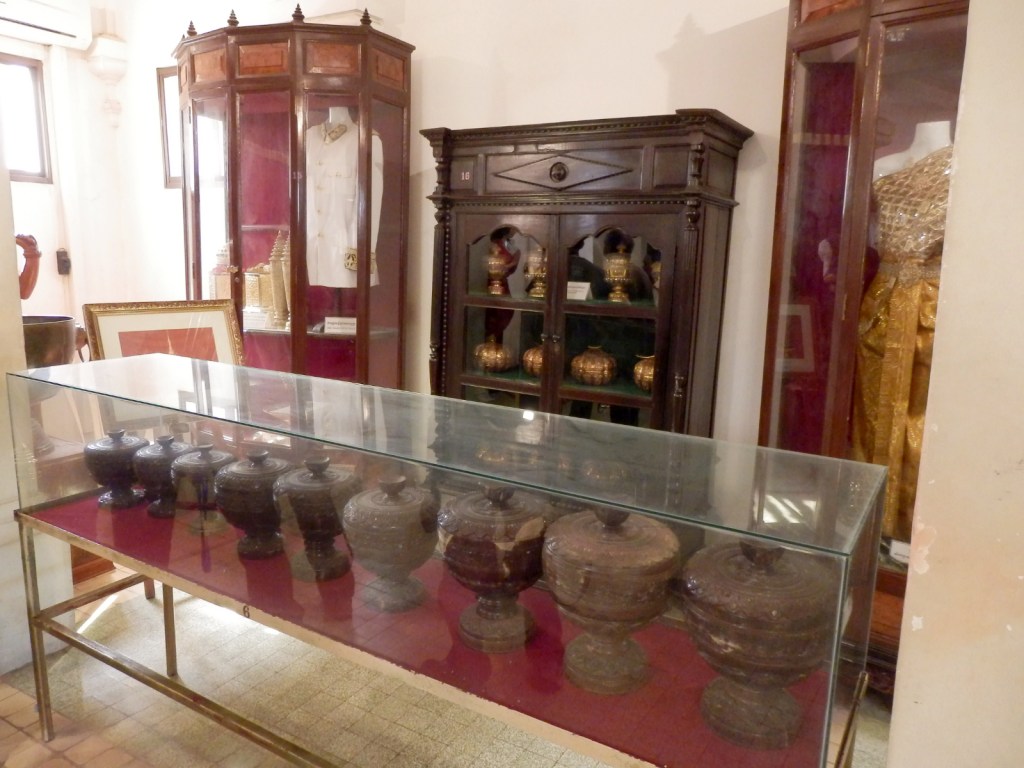
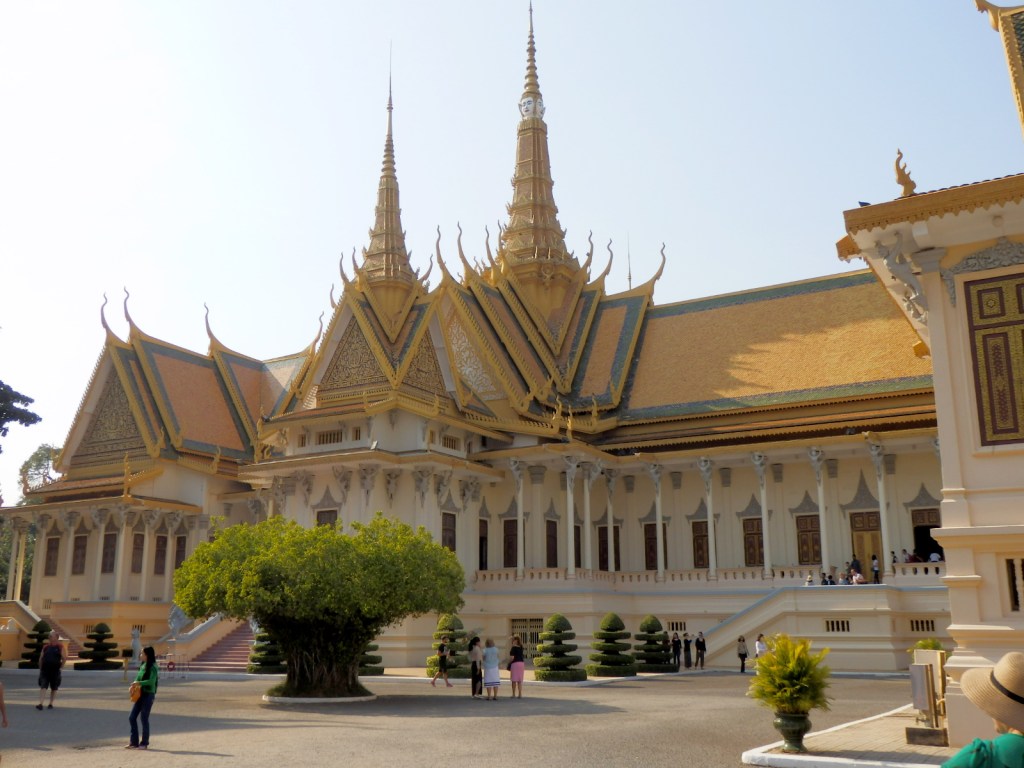
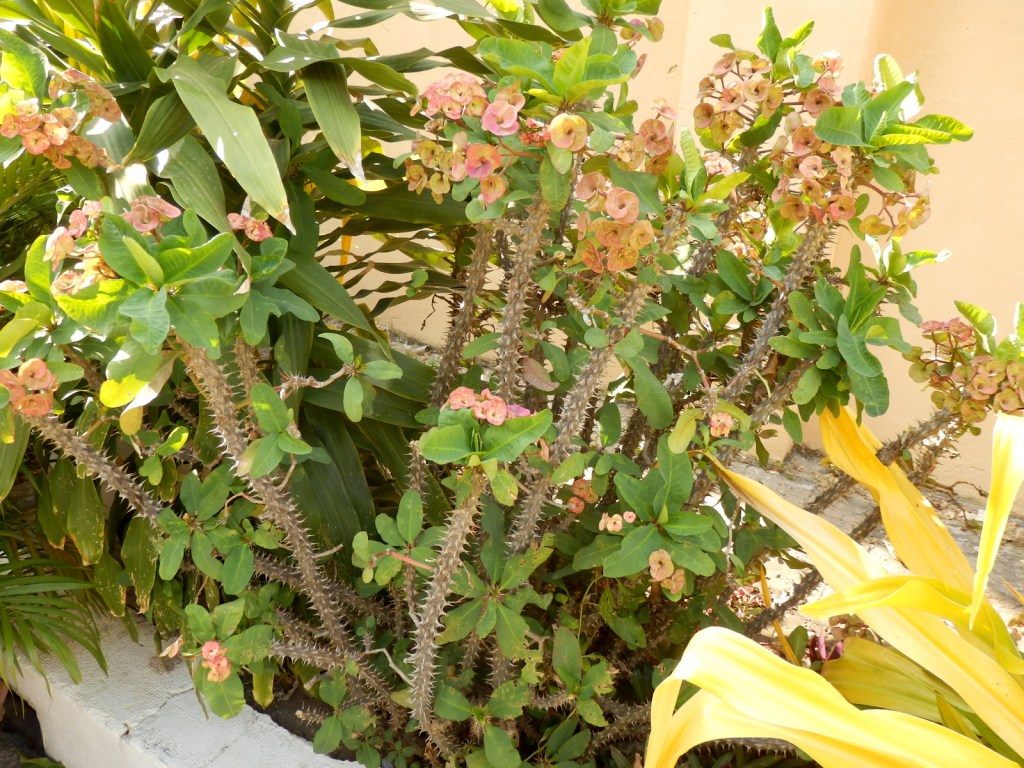
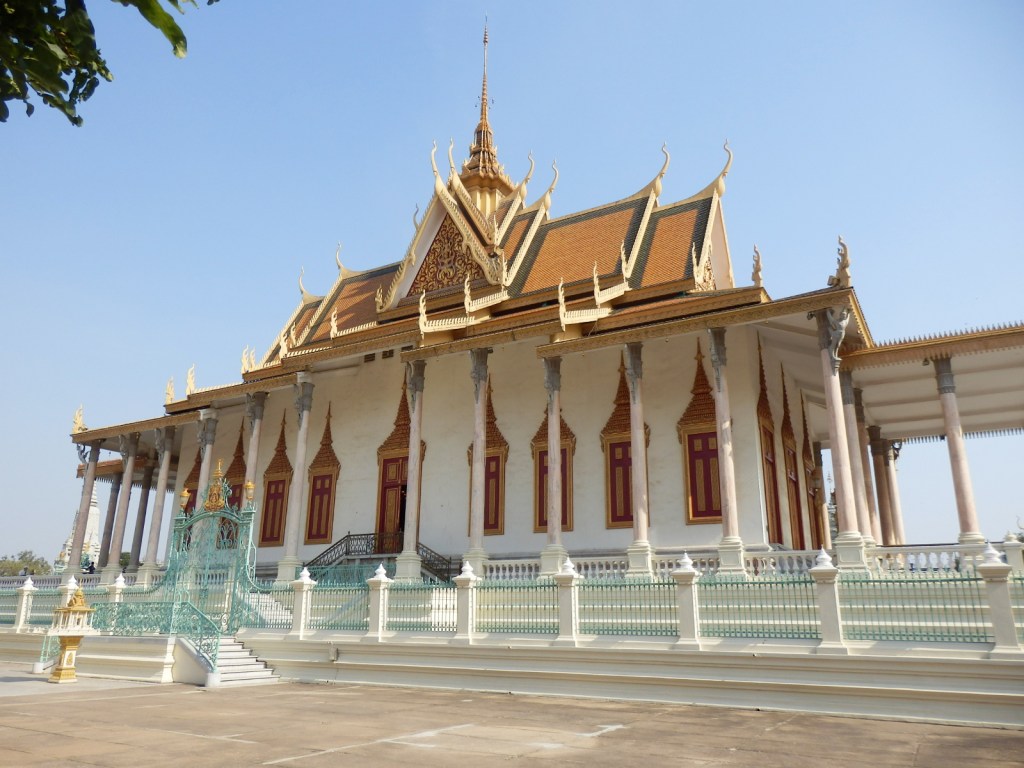
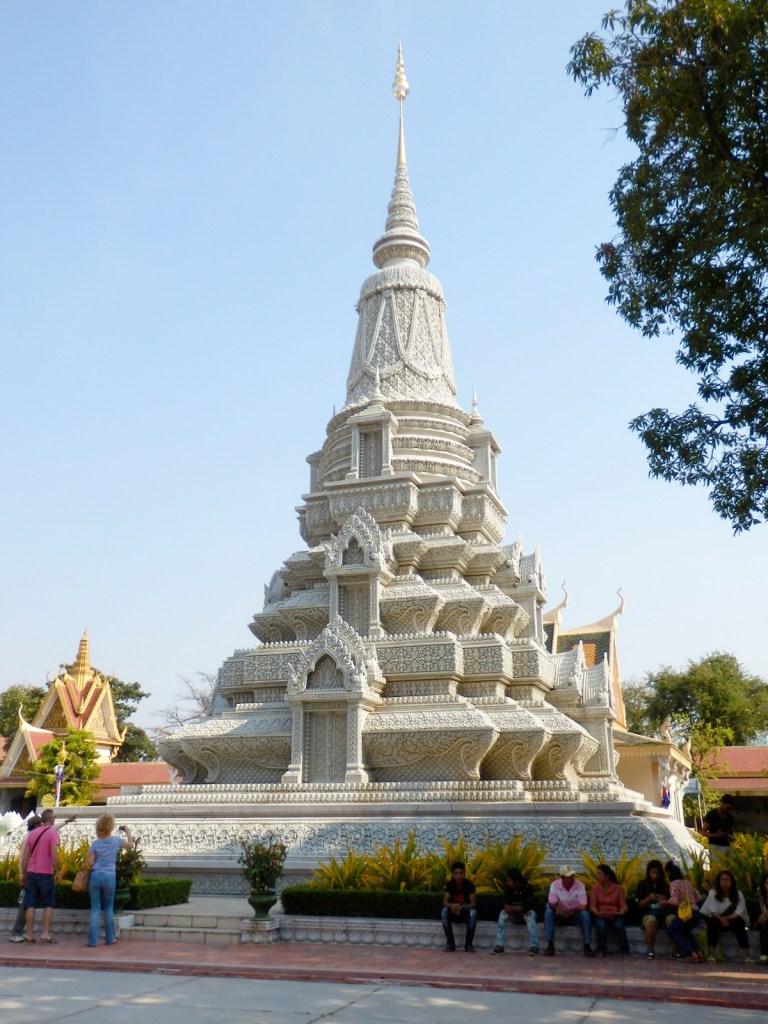
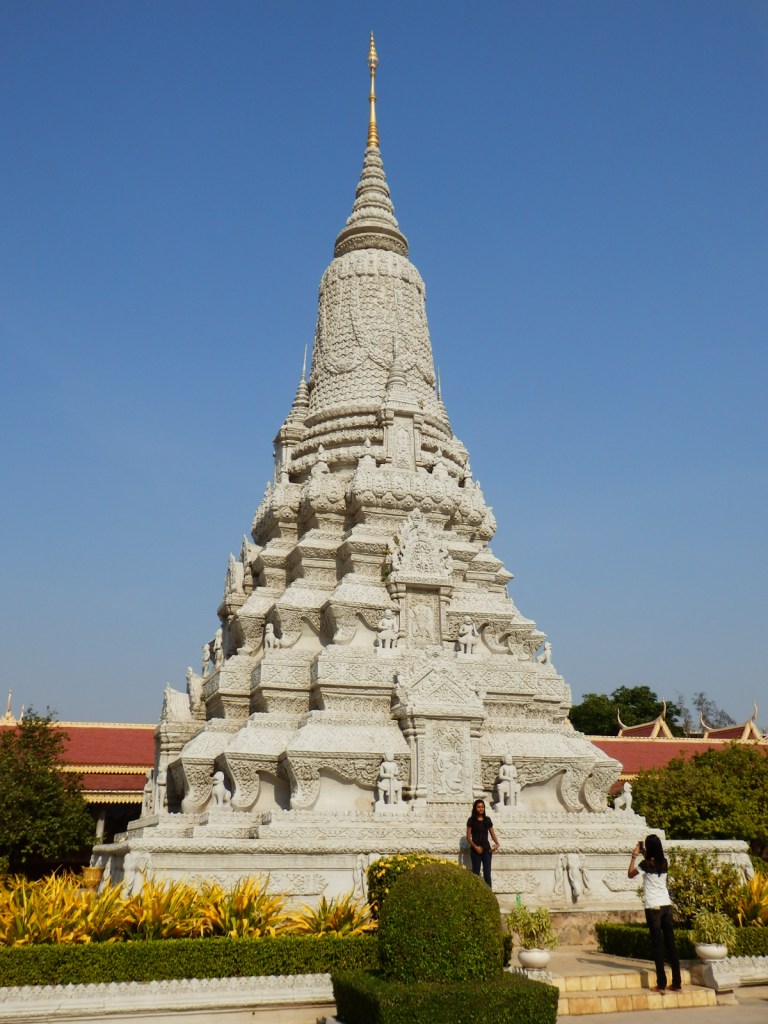
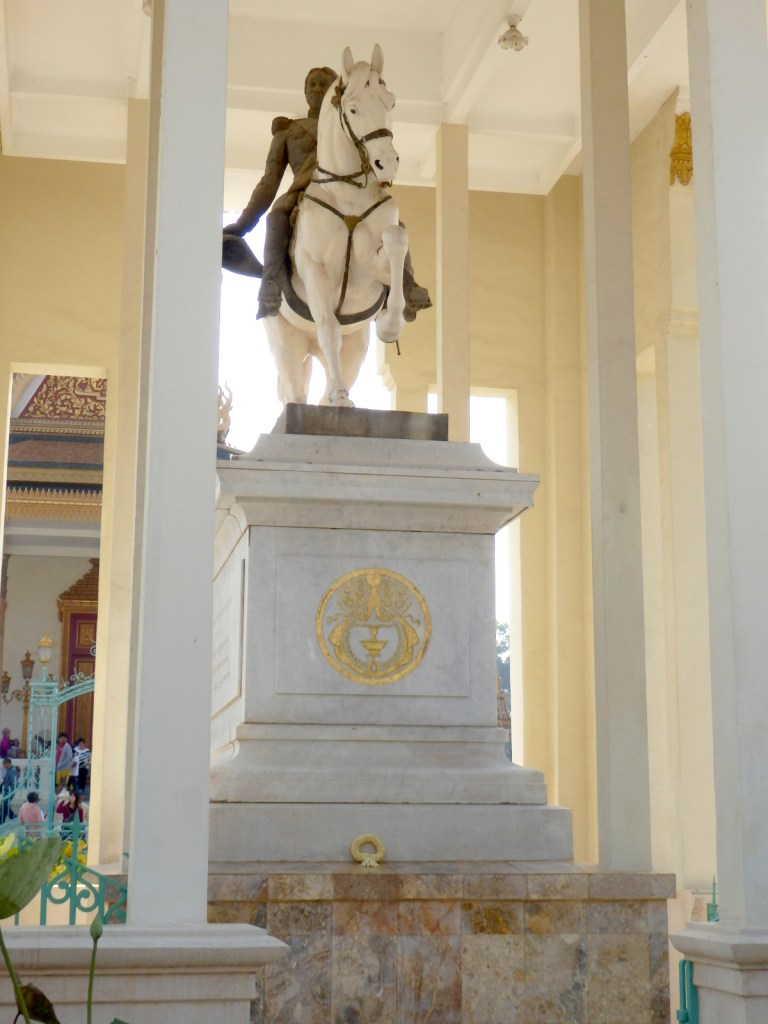
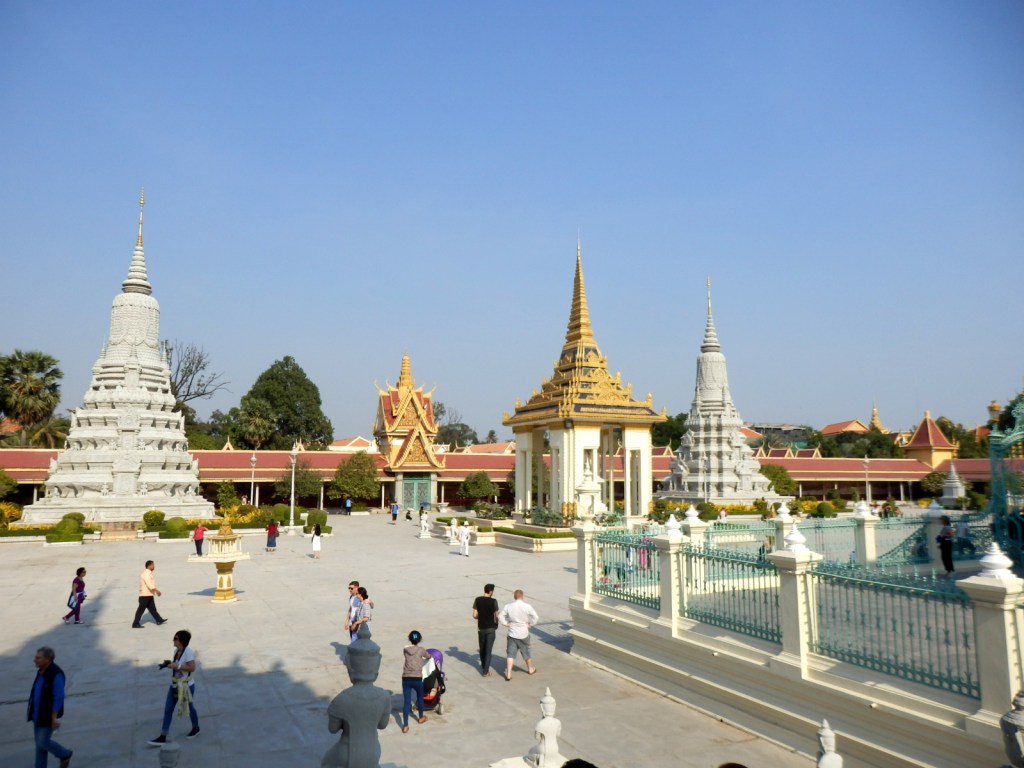
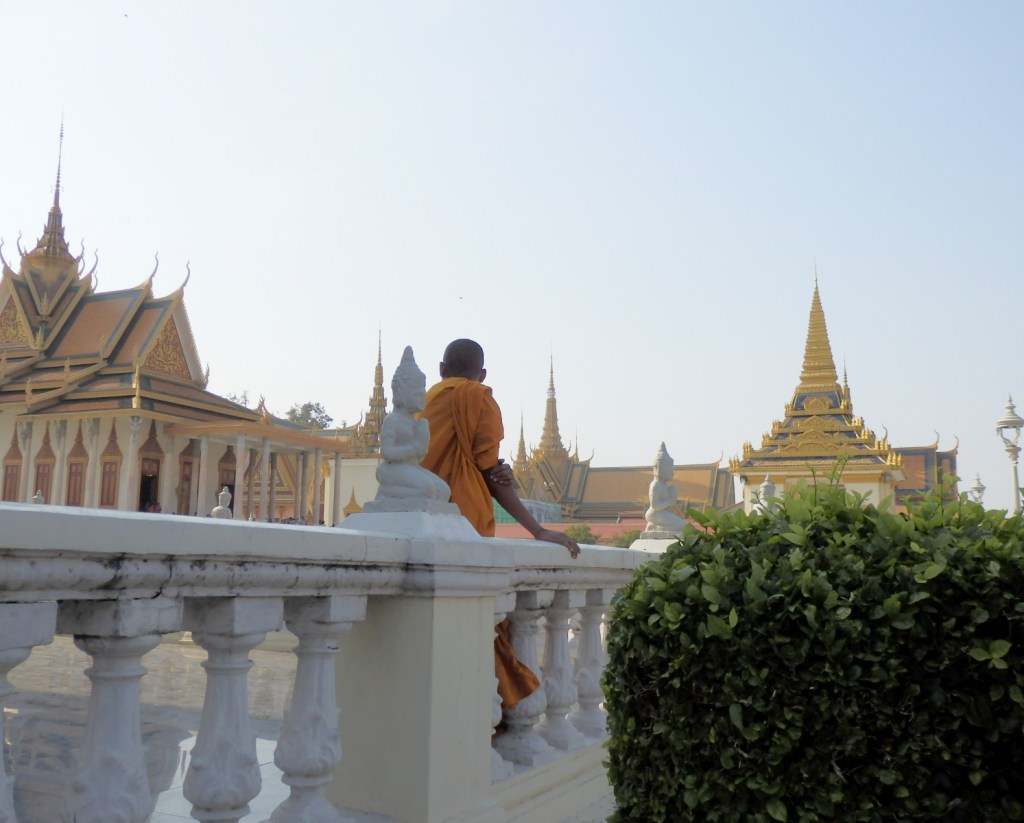
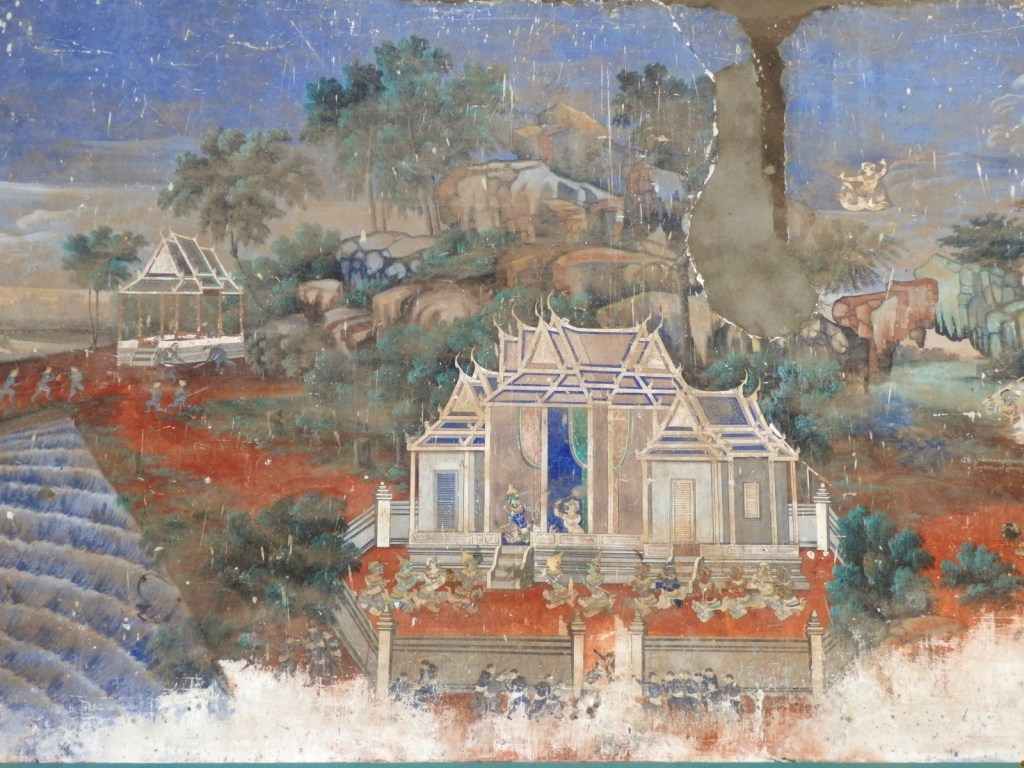
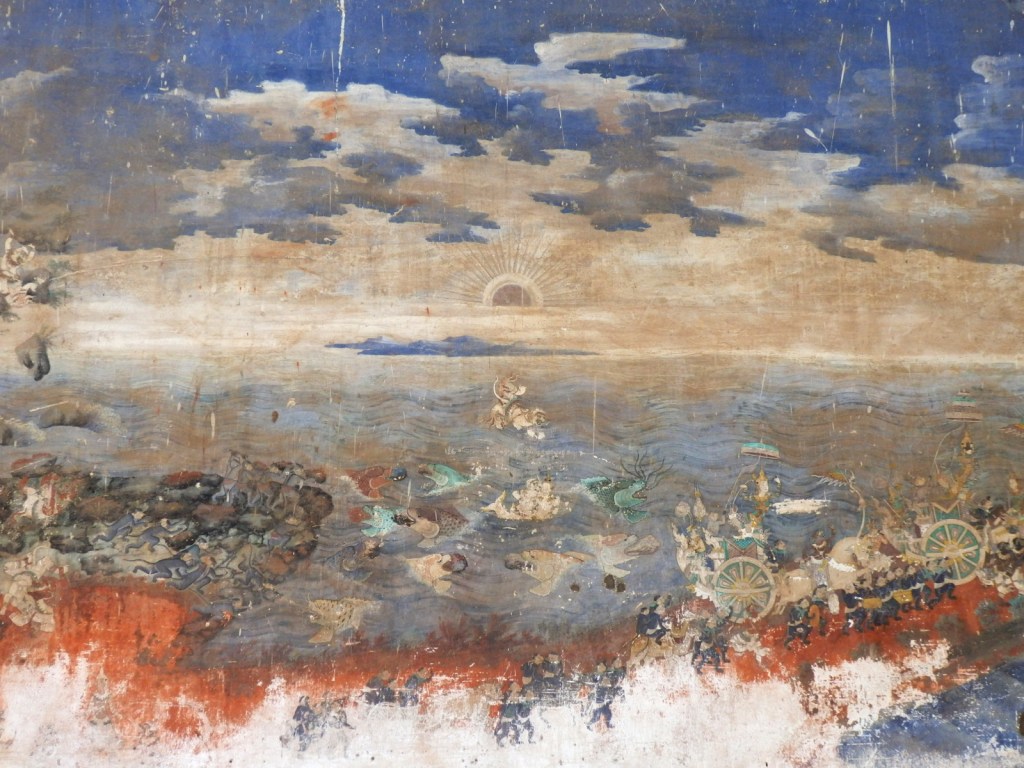
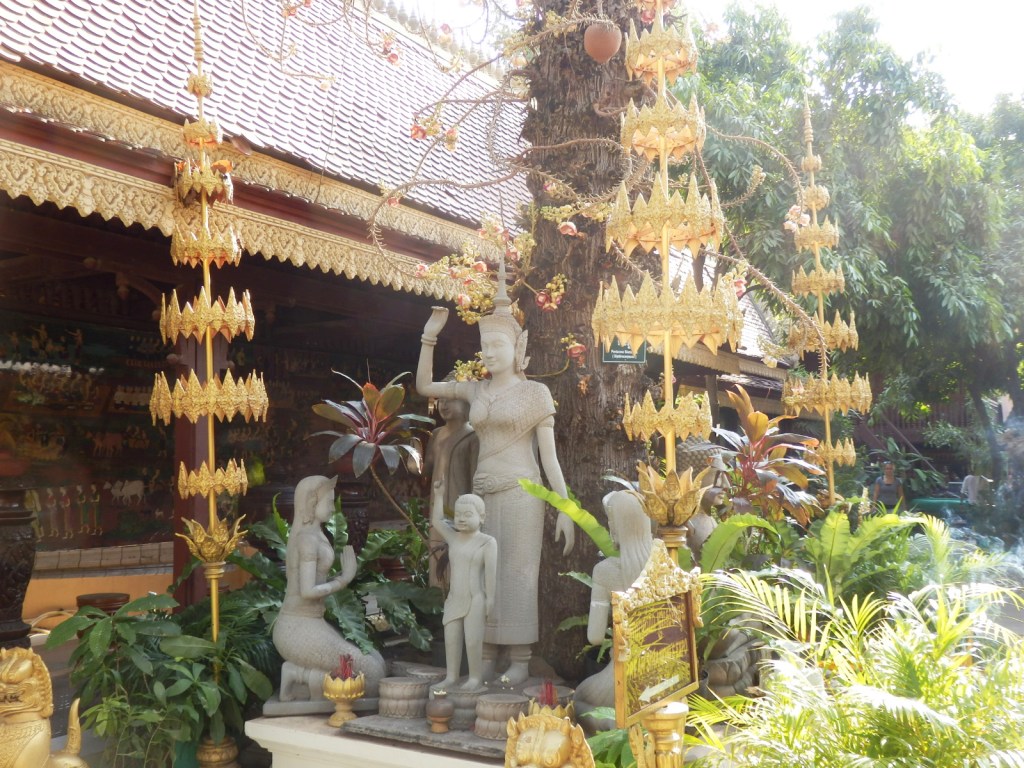
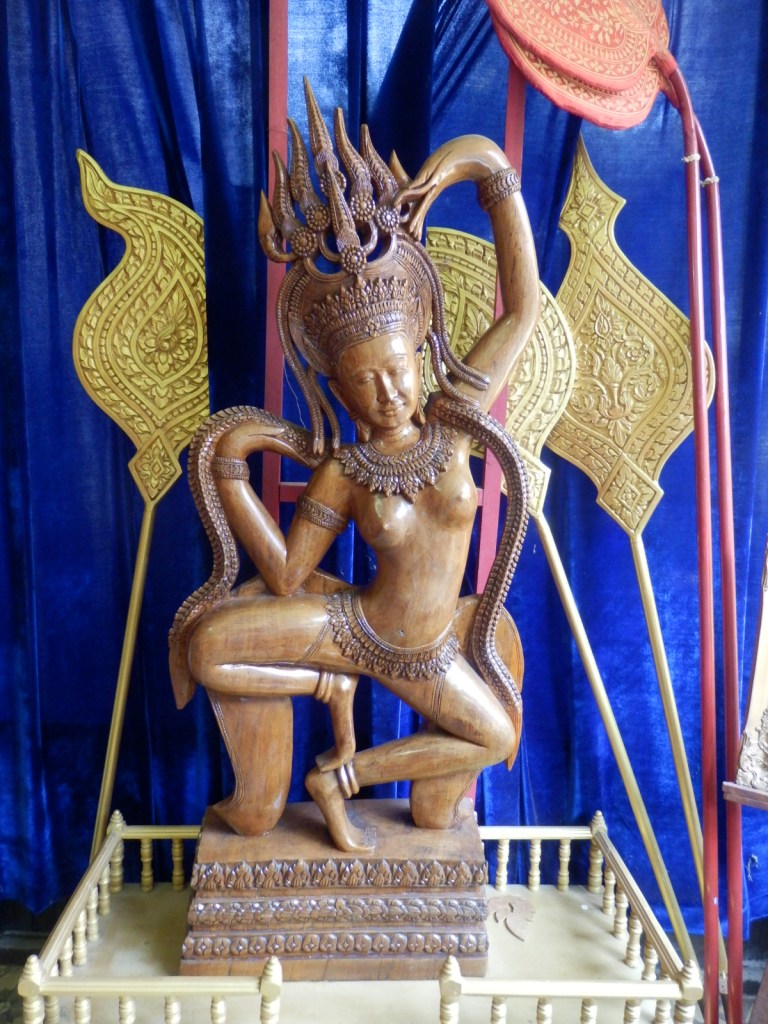
Day 1: The Royal Palace & Silver Pagoda
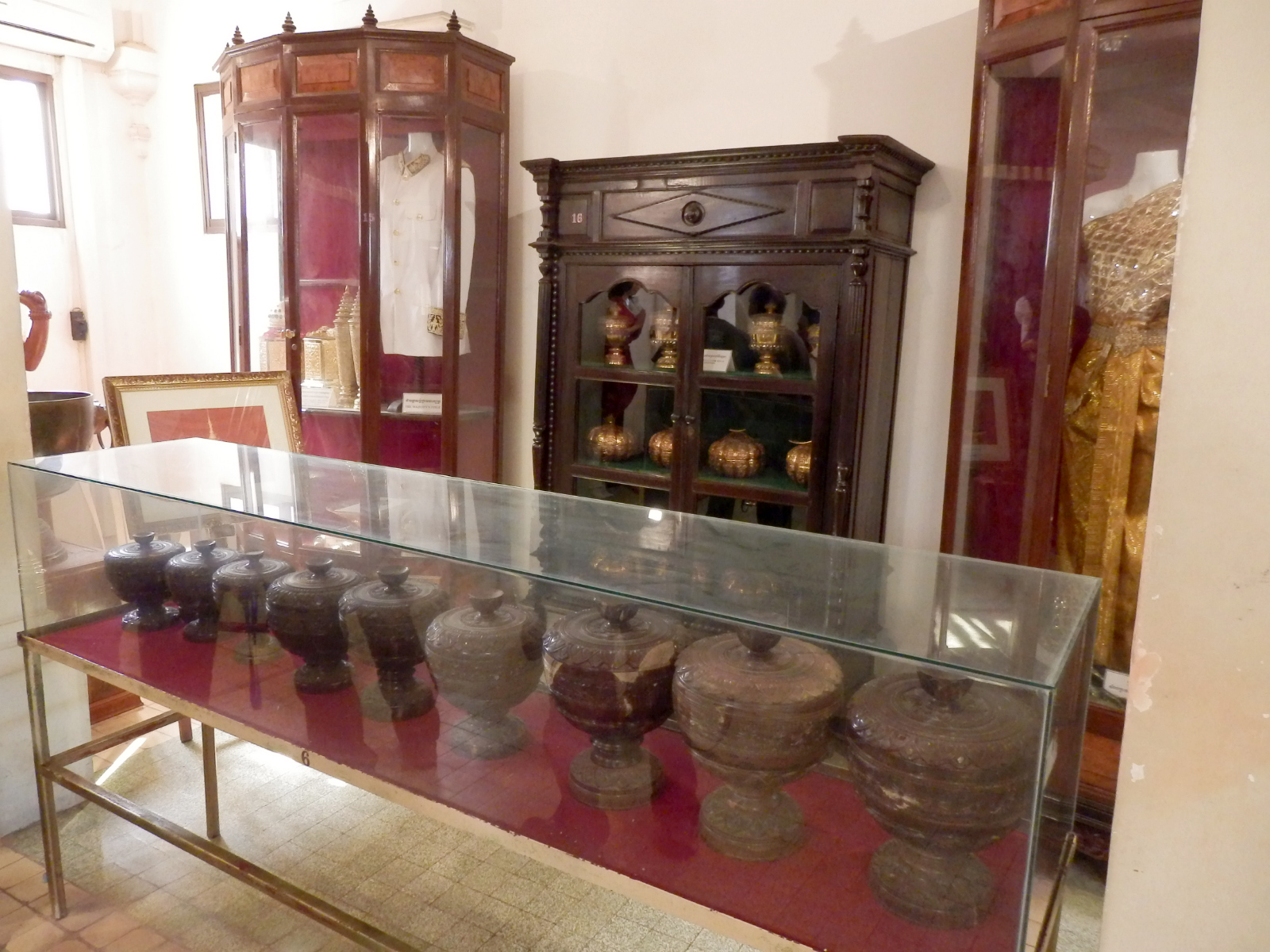
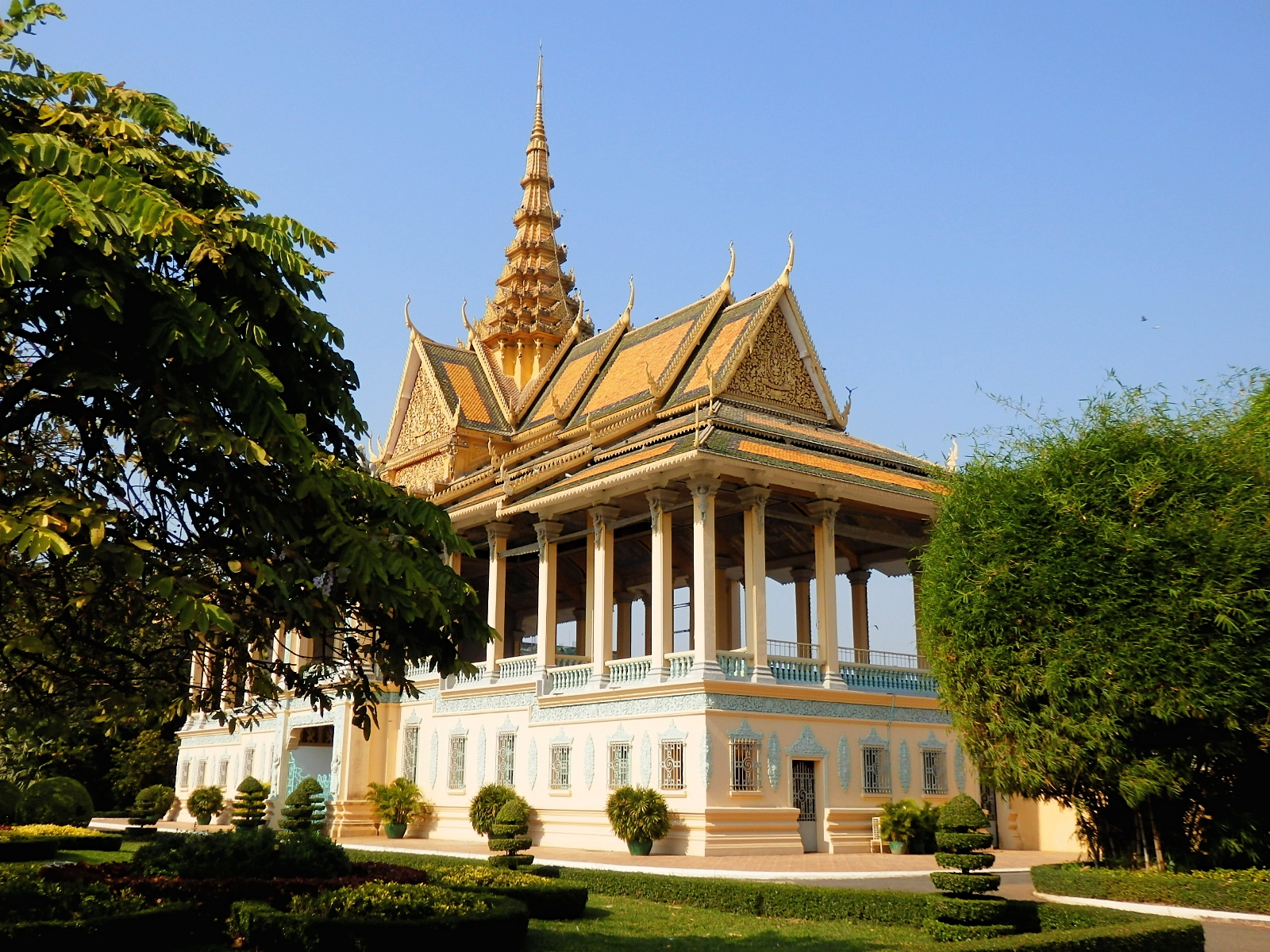
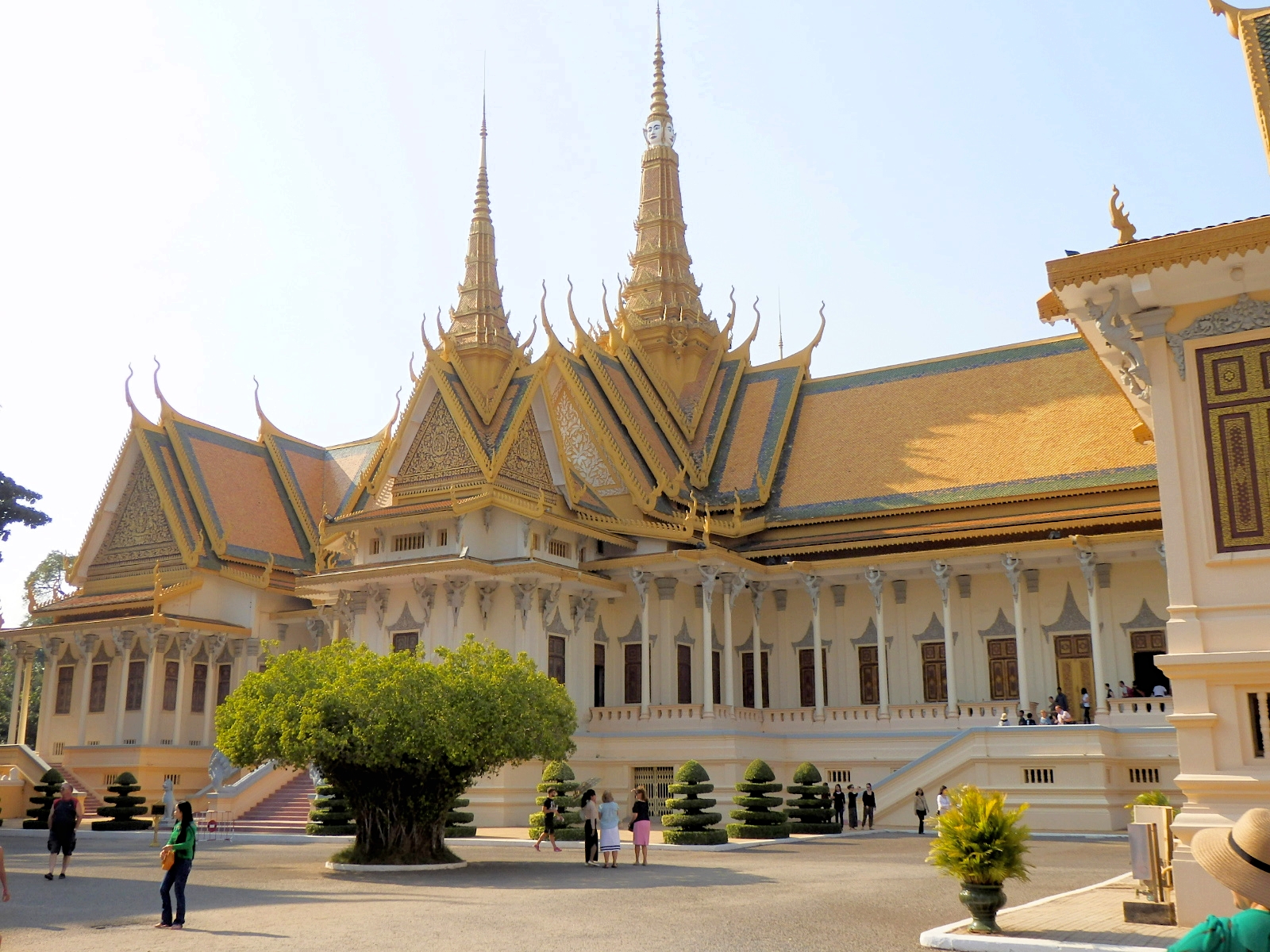
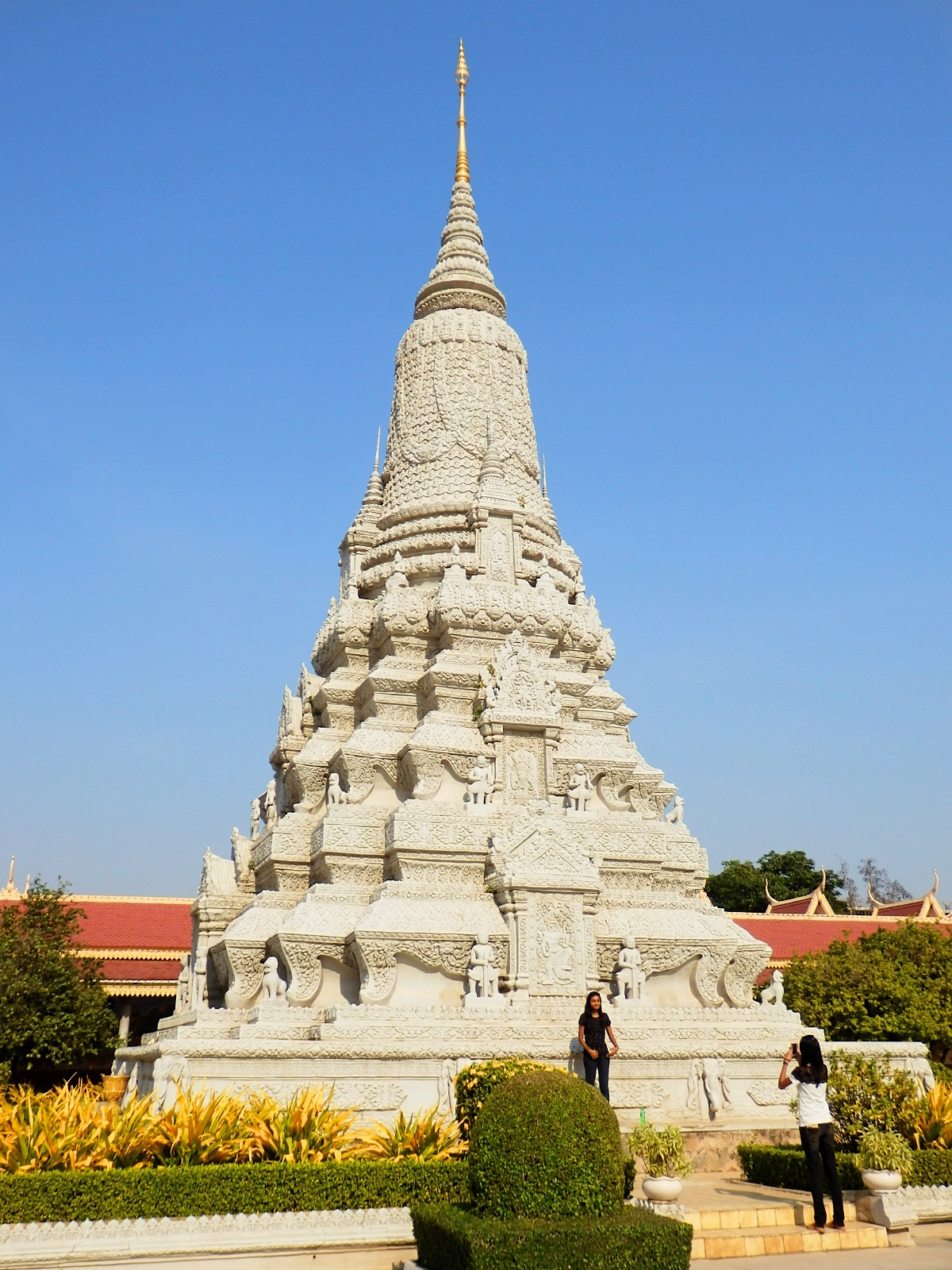
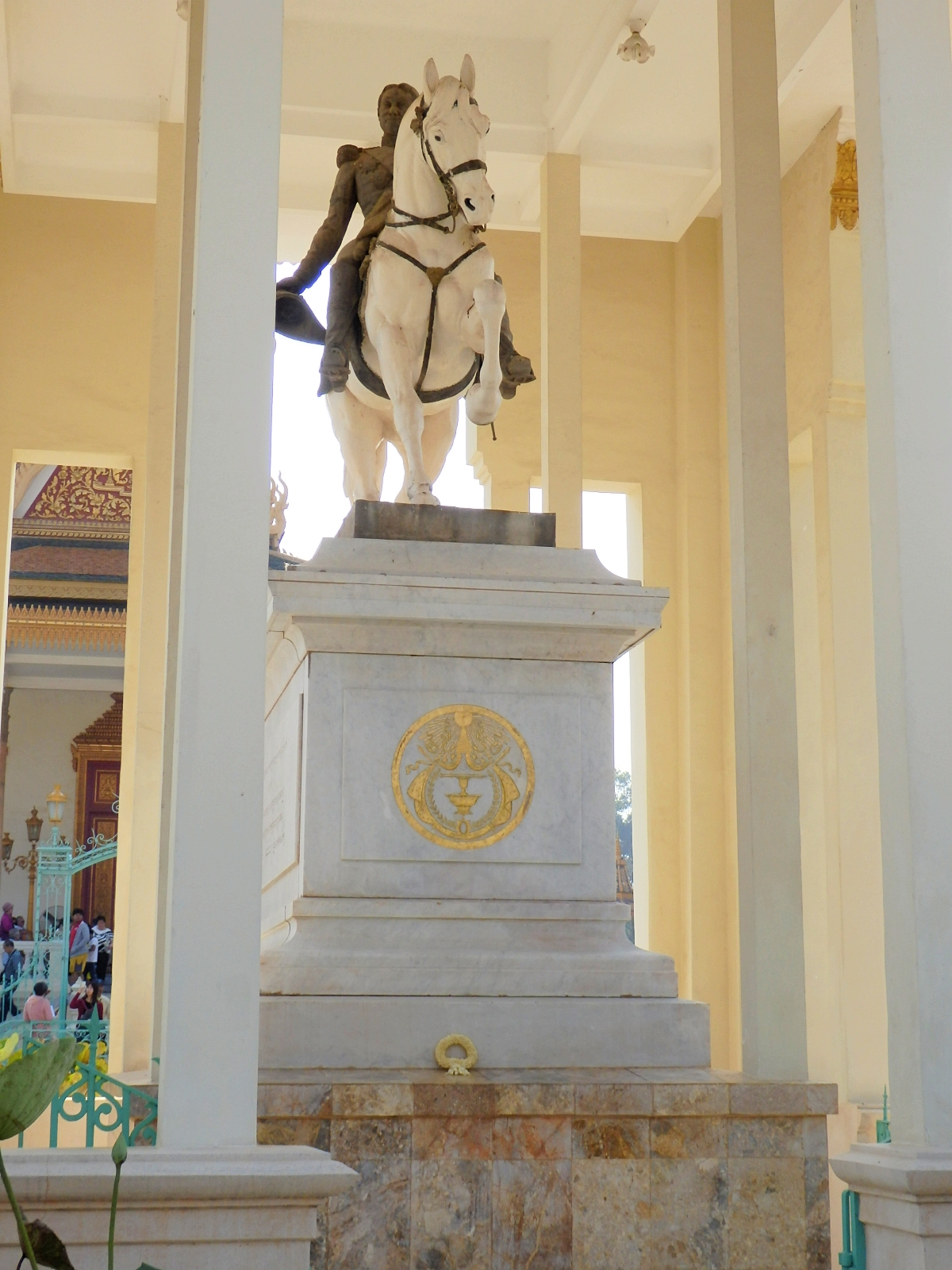
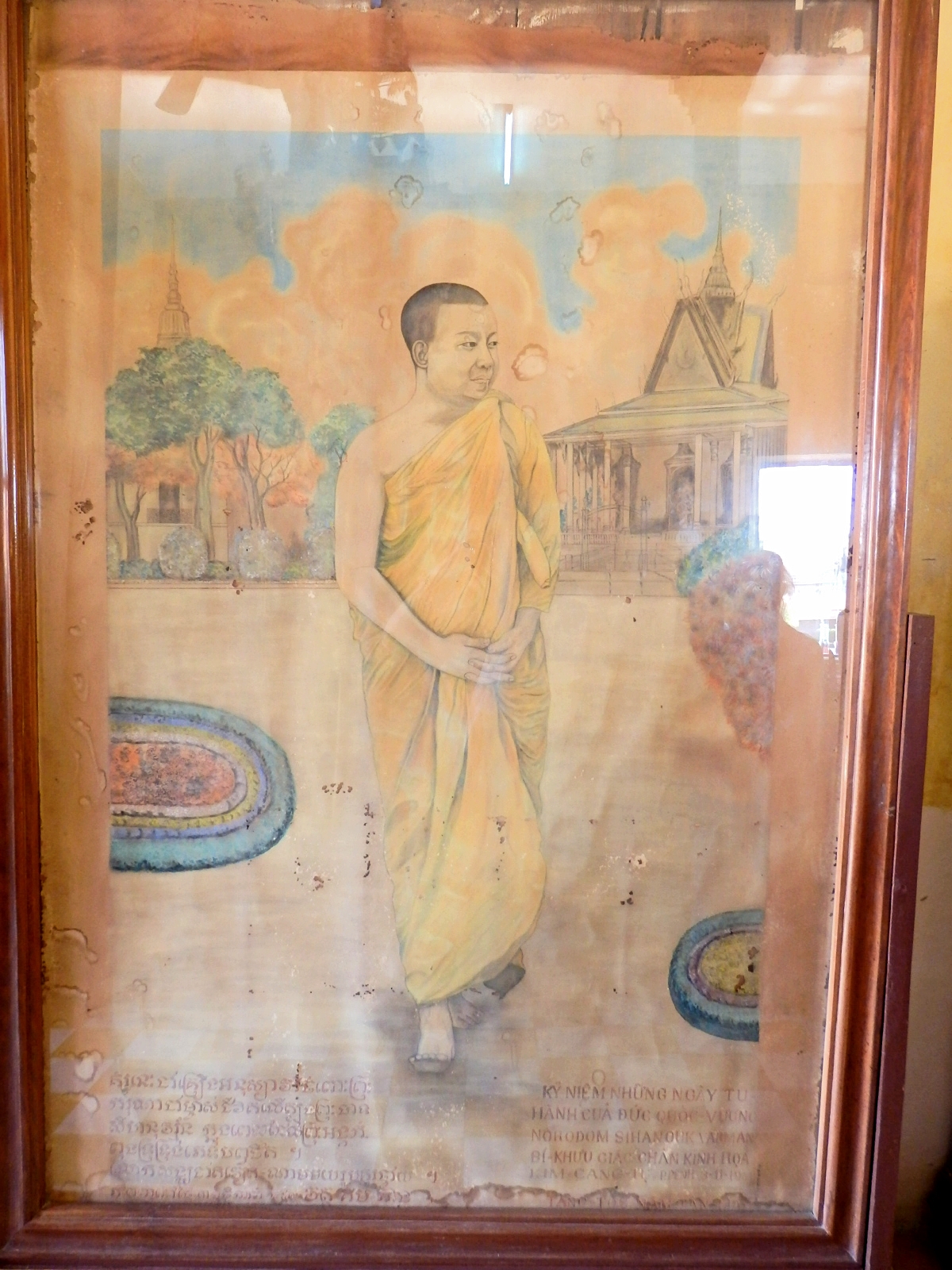
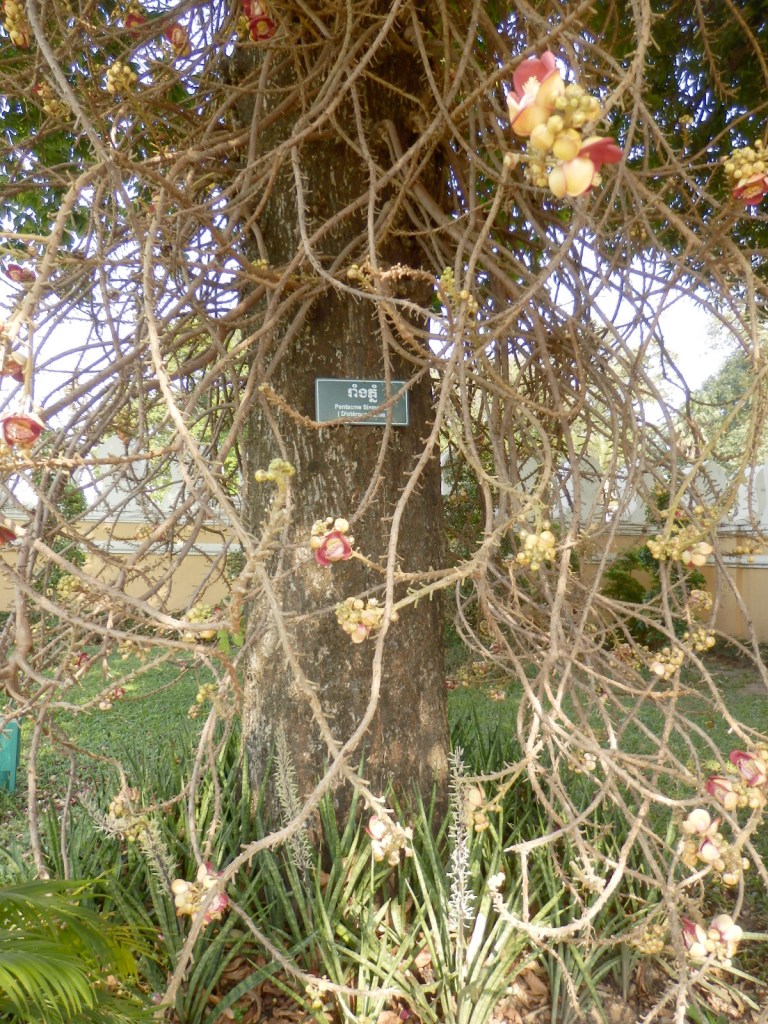
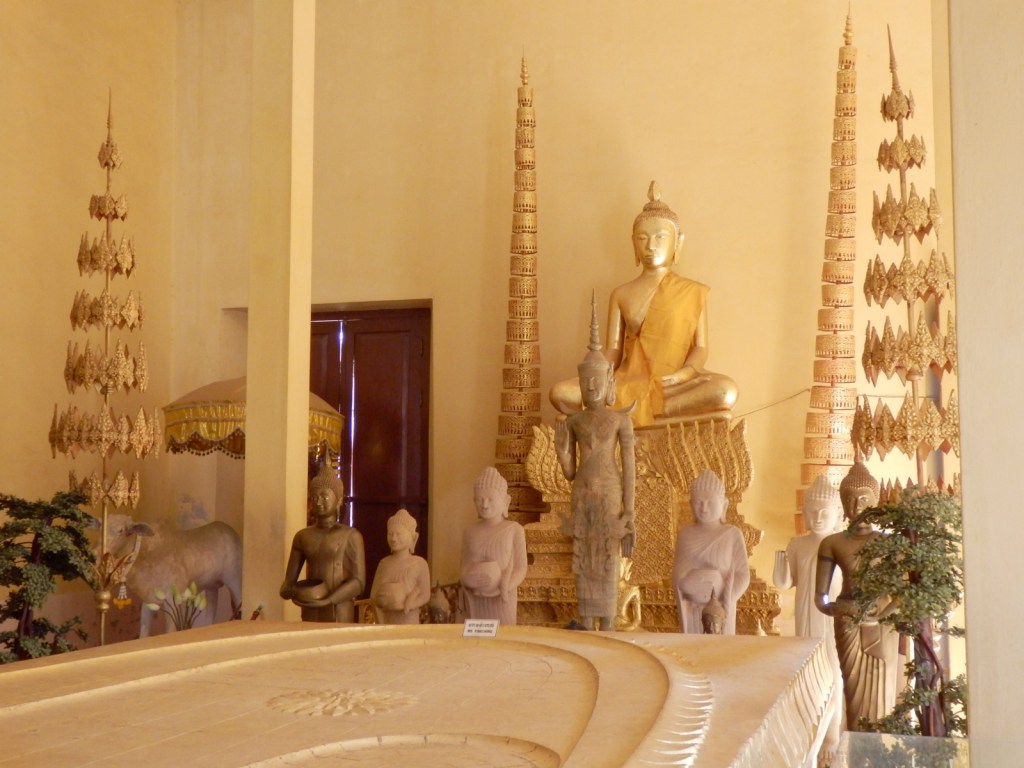
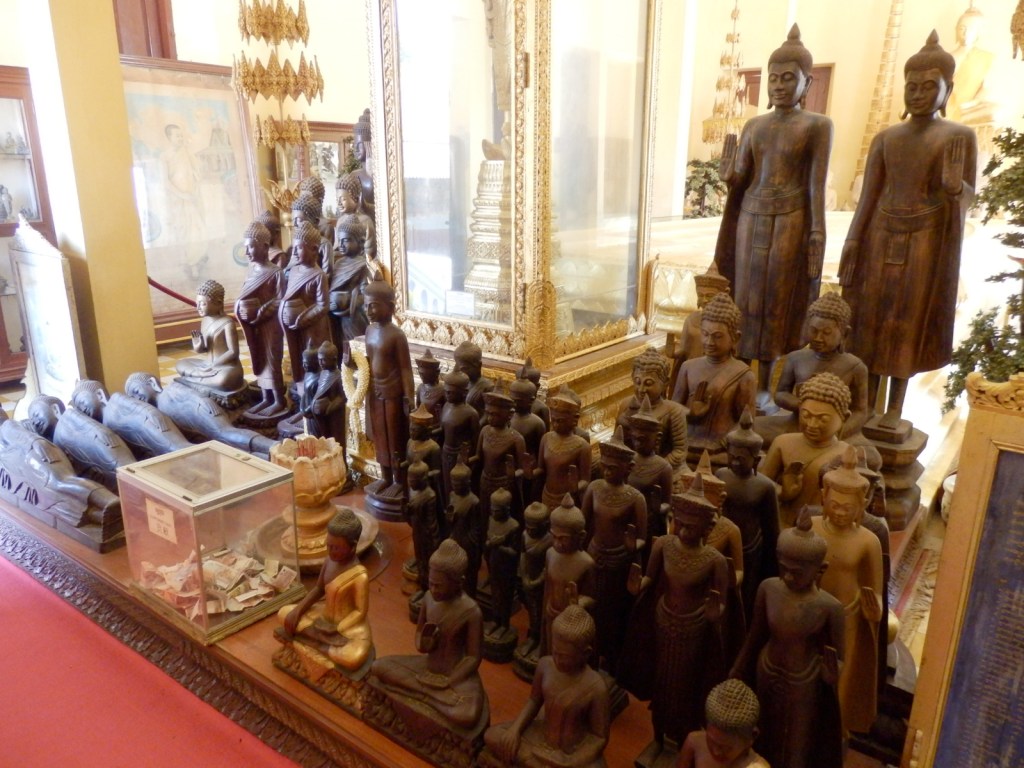
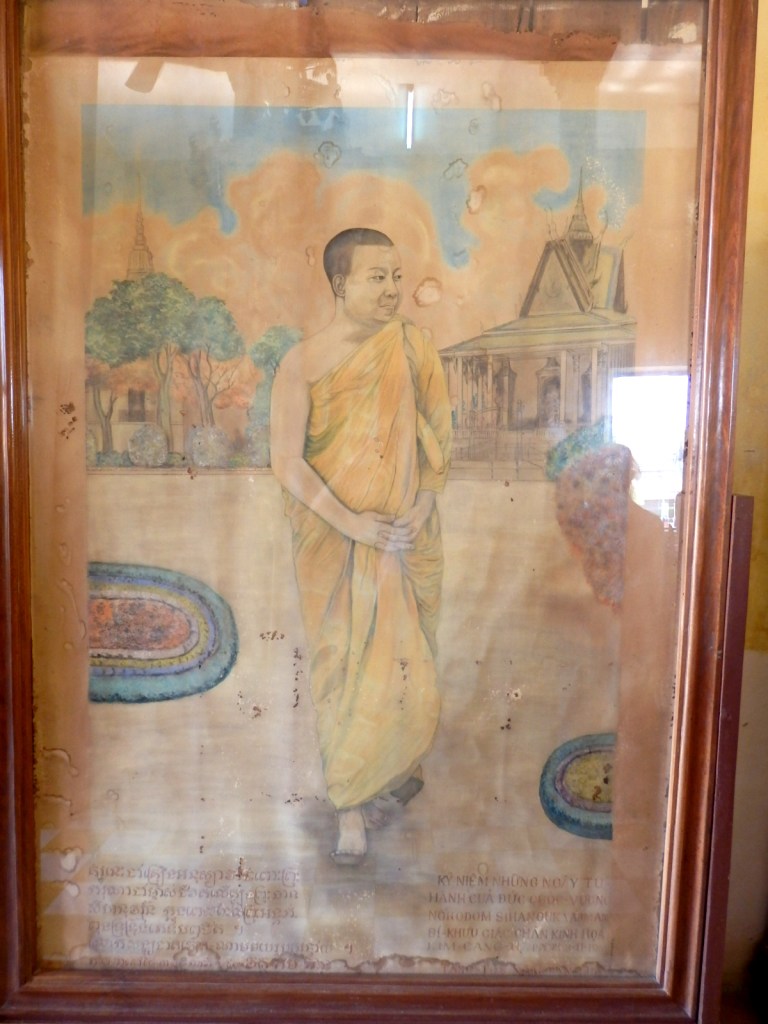
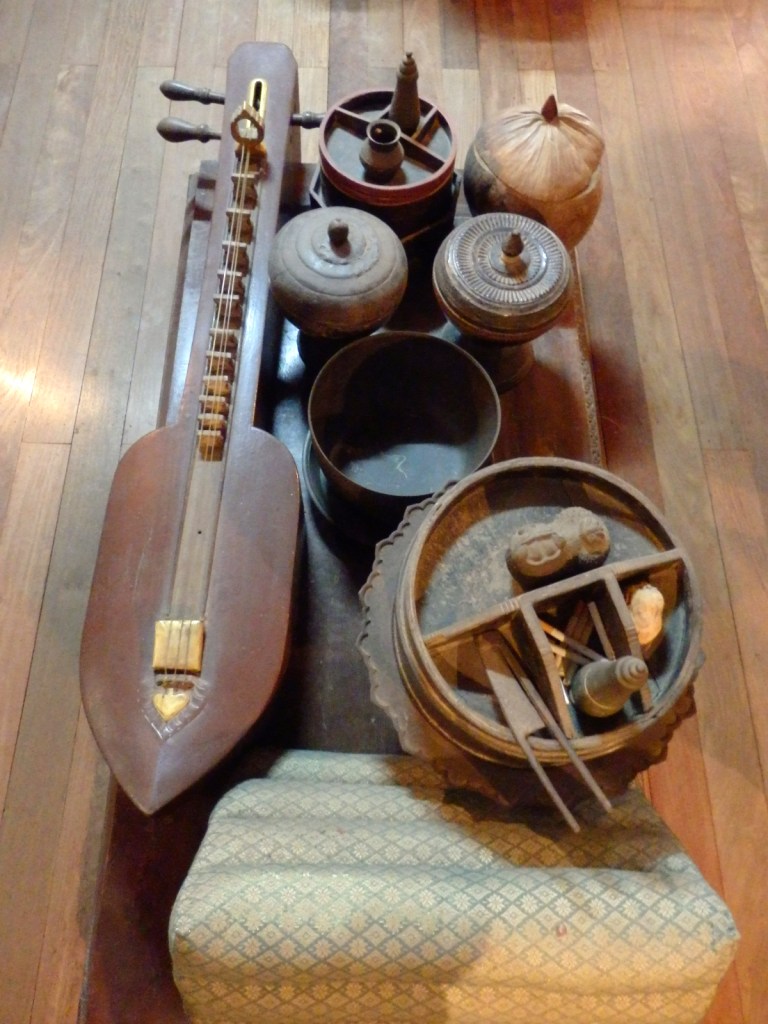
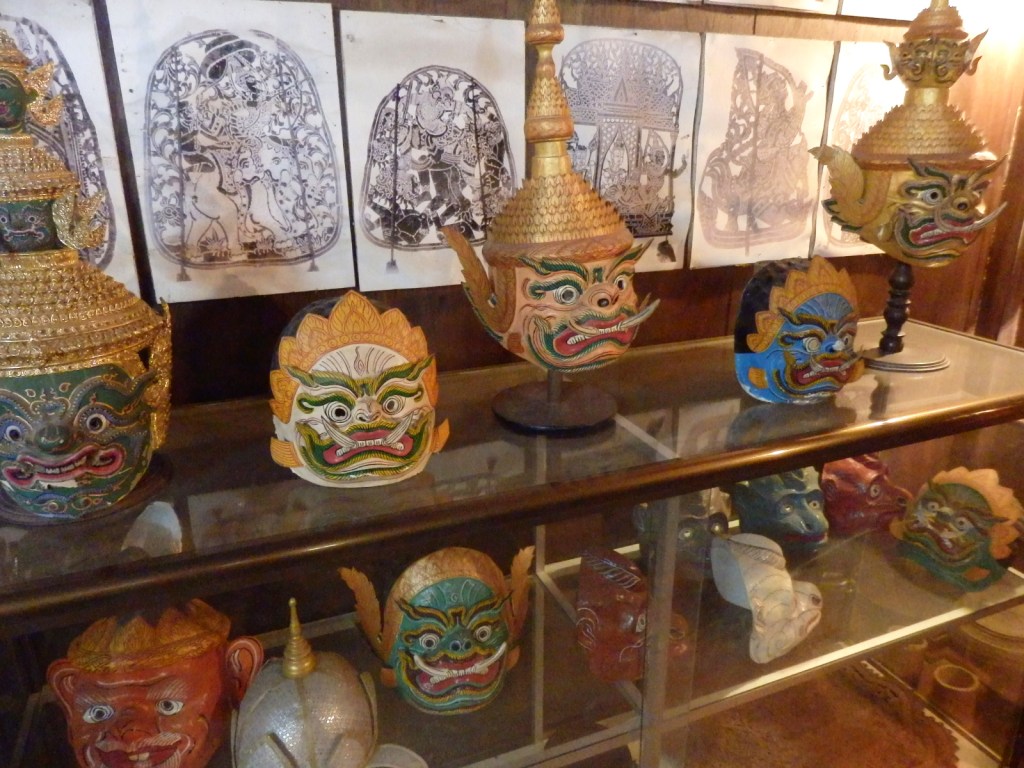
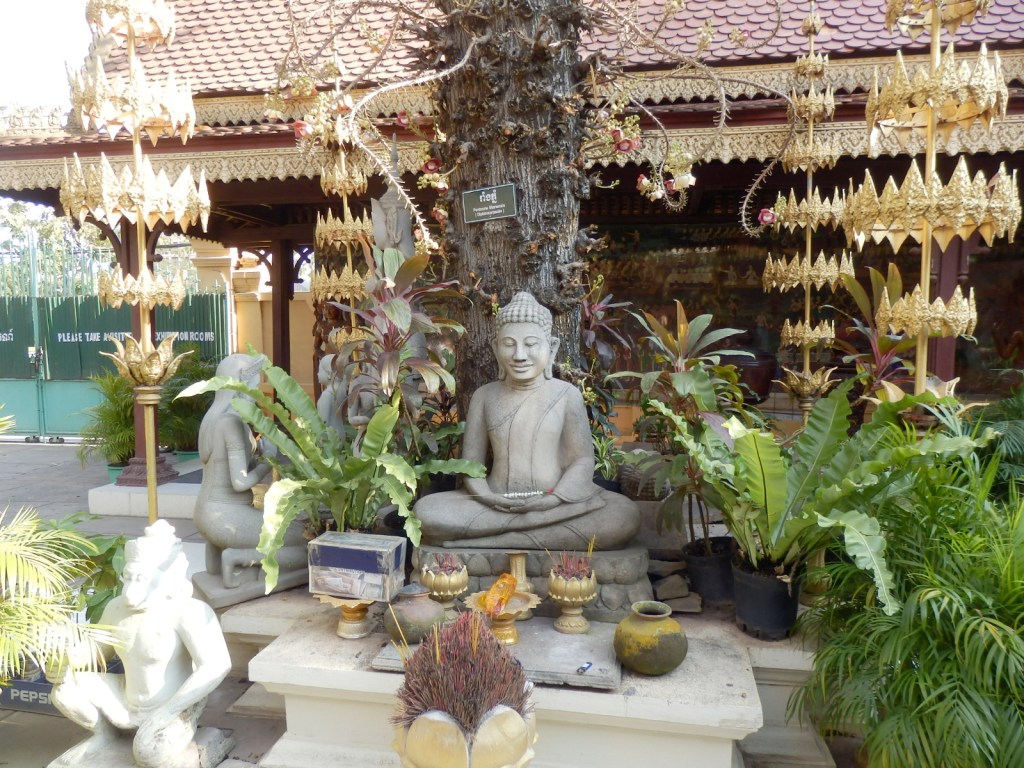
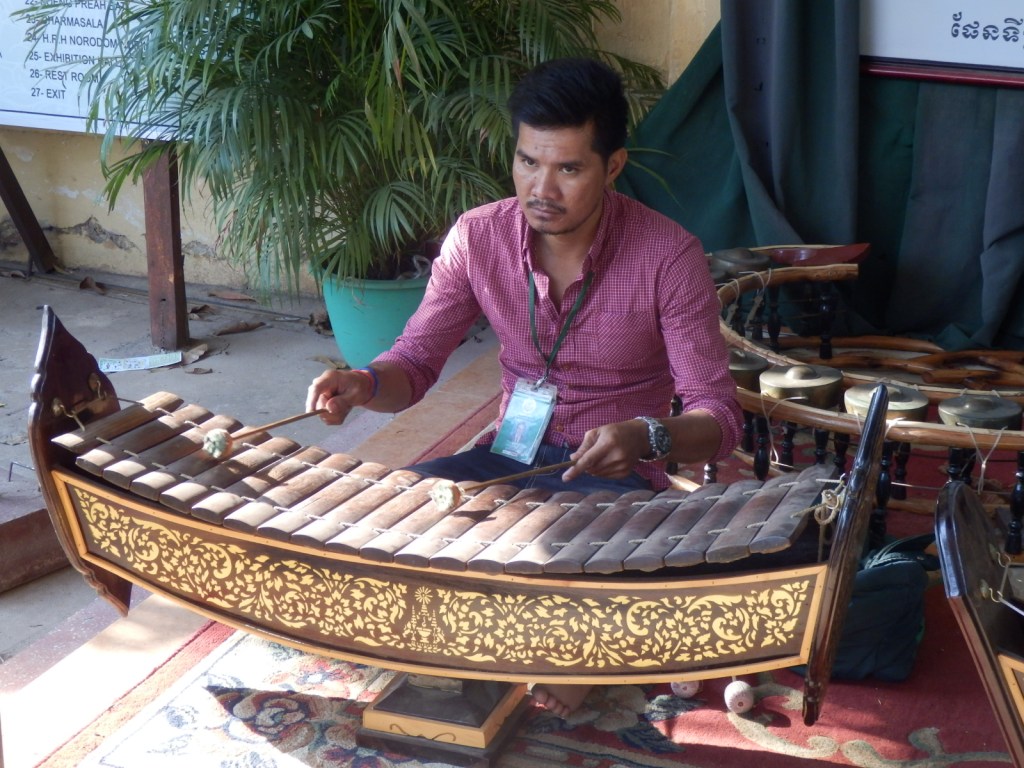
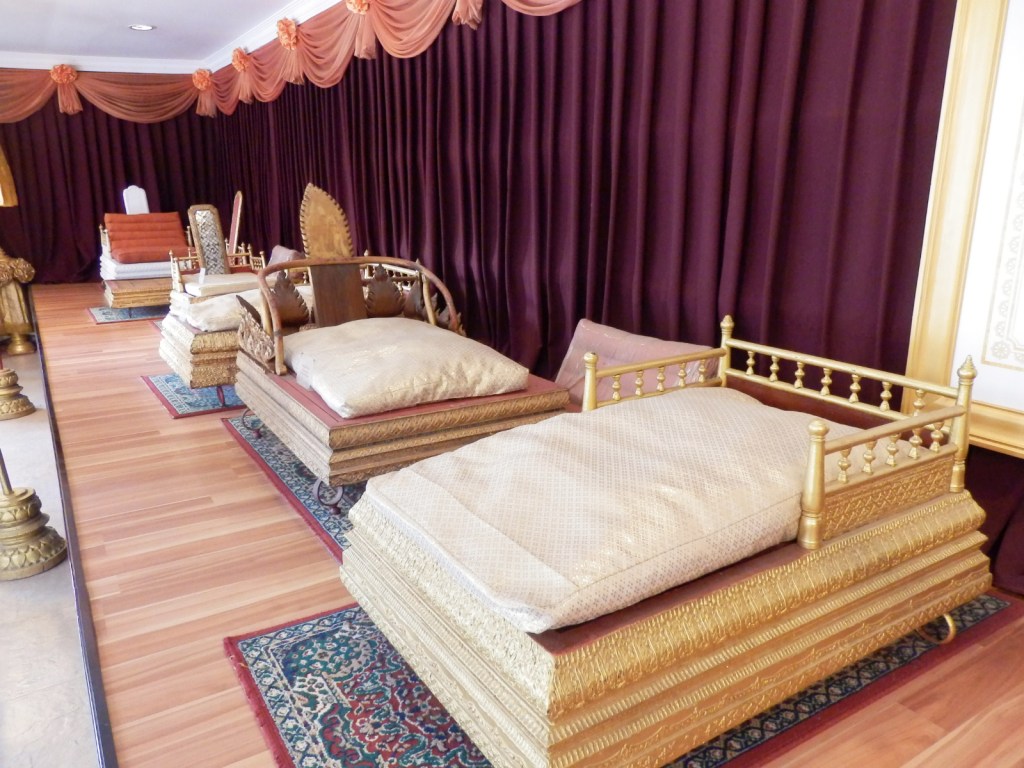
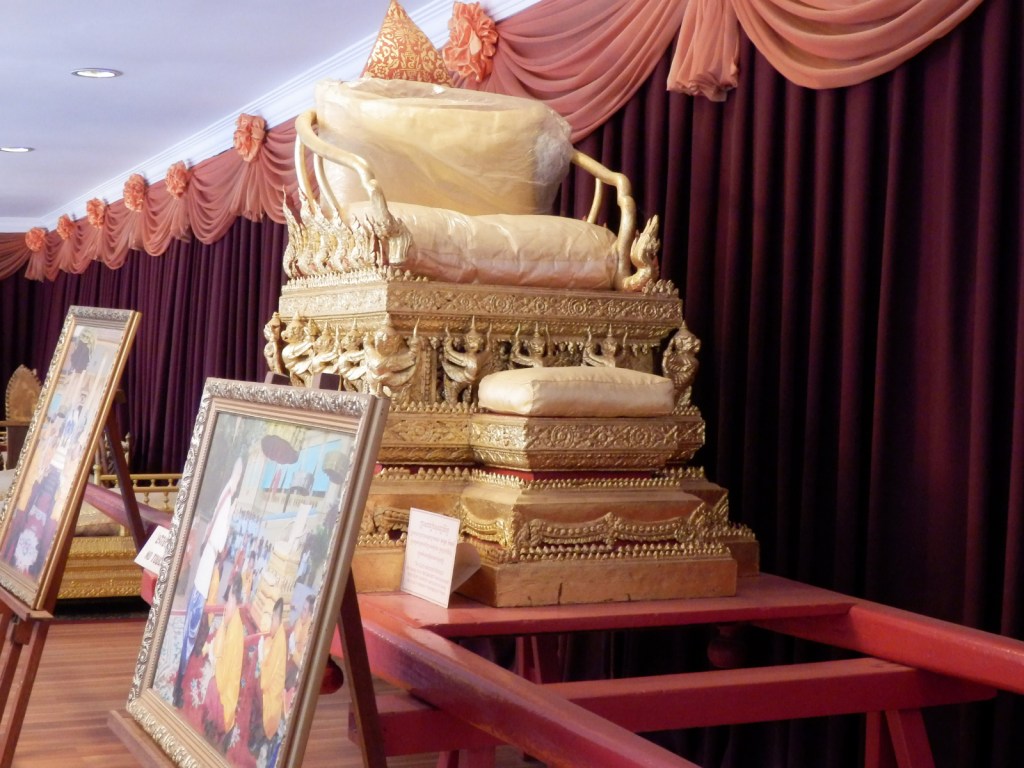
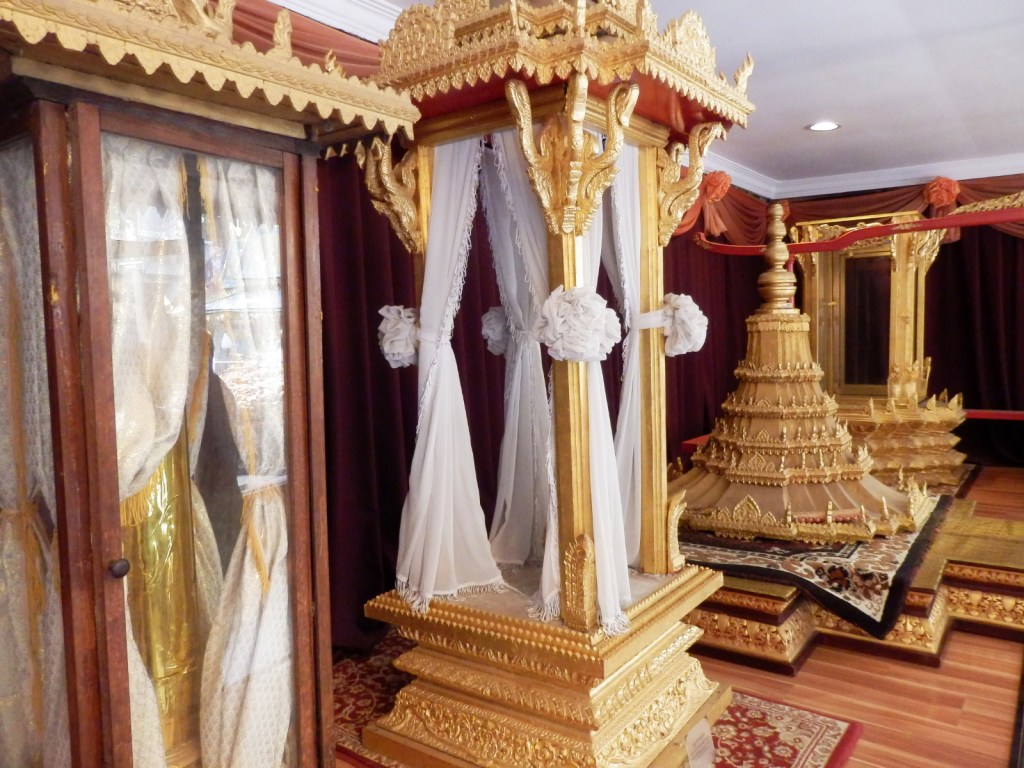
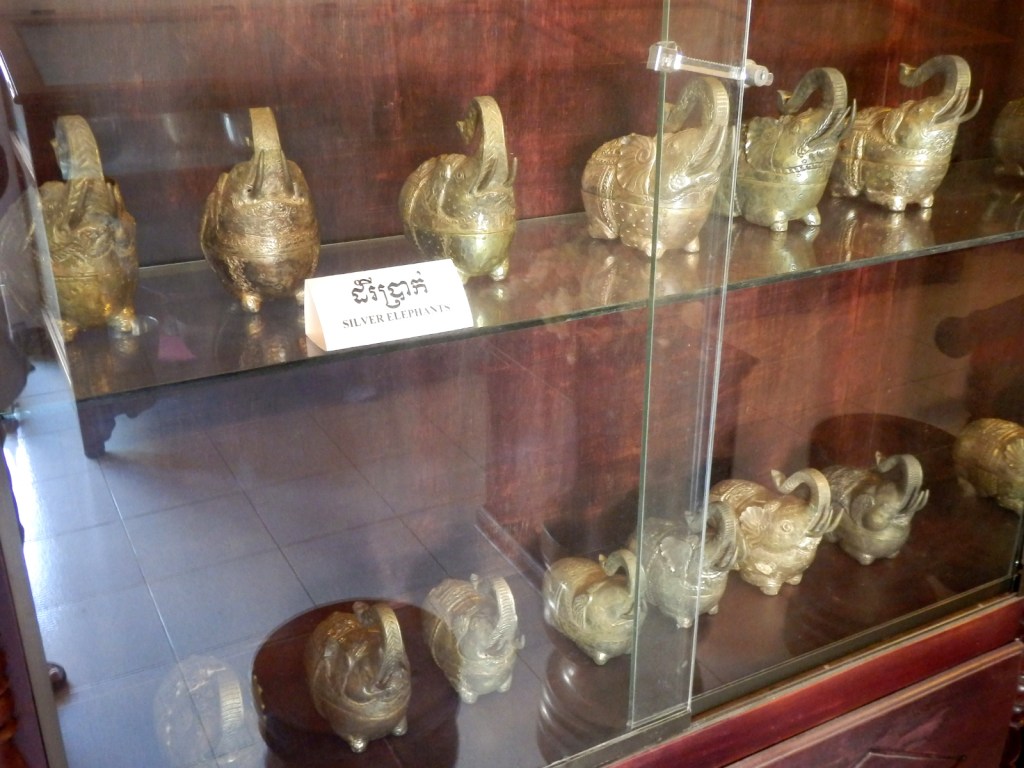
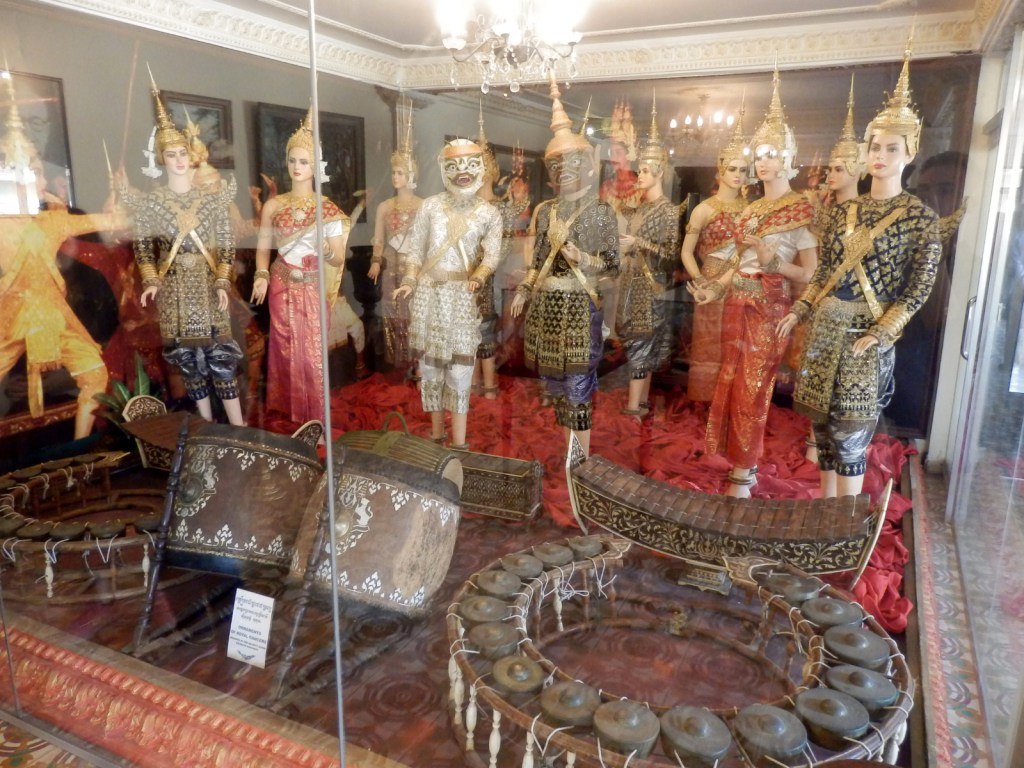
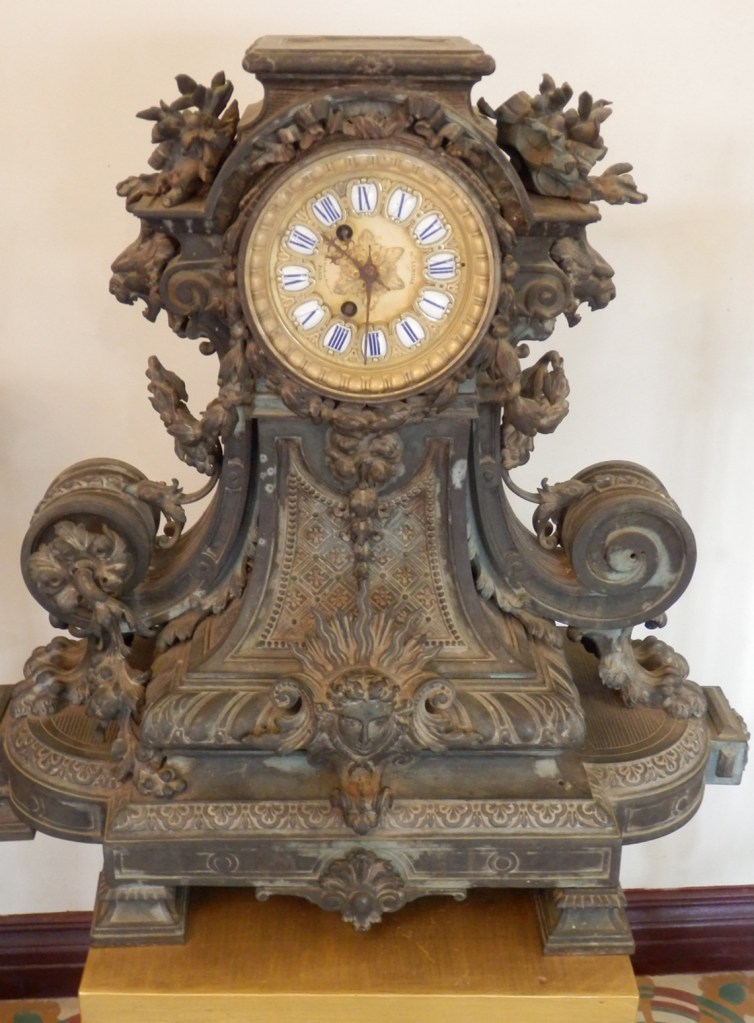
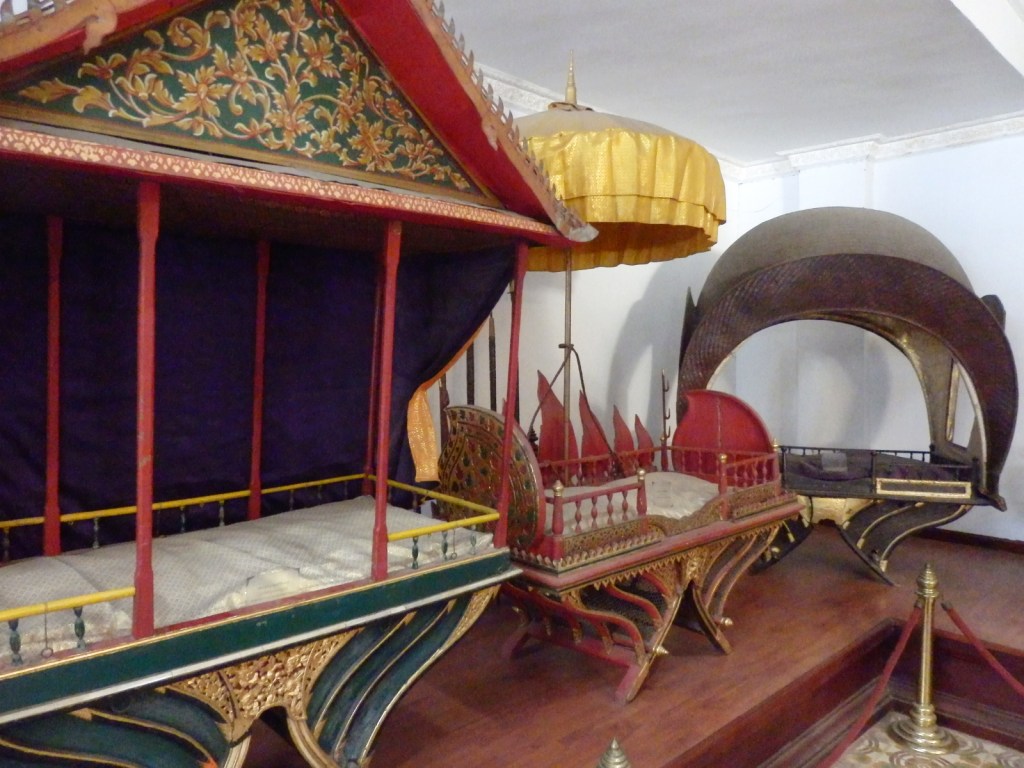
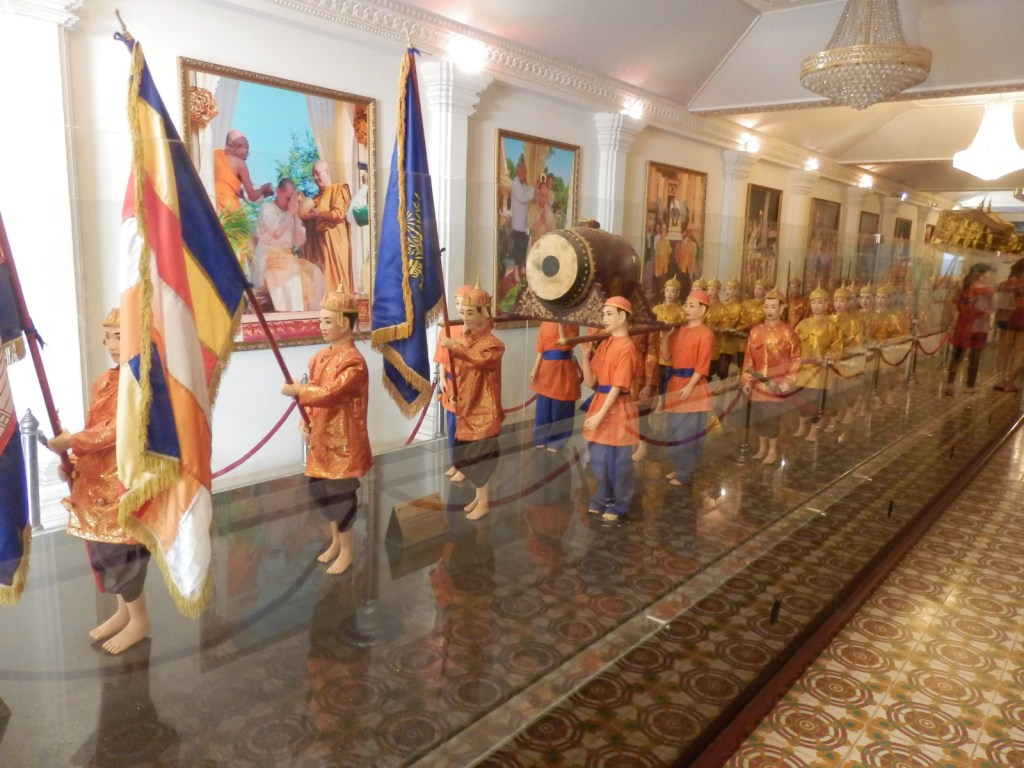
The Royal Palace was built more than 100 years ago and is currently the home of King Norodom Sihamoni and former King Norodom Sihanouk. It was also constructed to be a place to receive foreign dignitaries, as well as a site for ceremonies and a symbol of the kingdom.







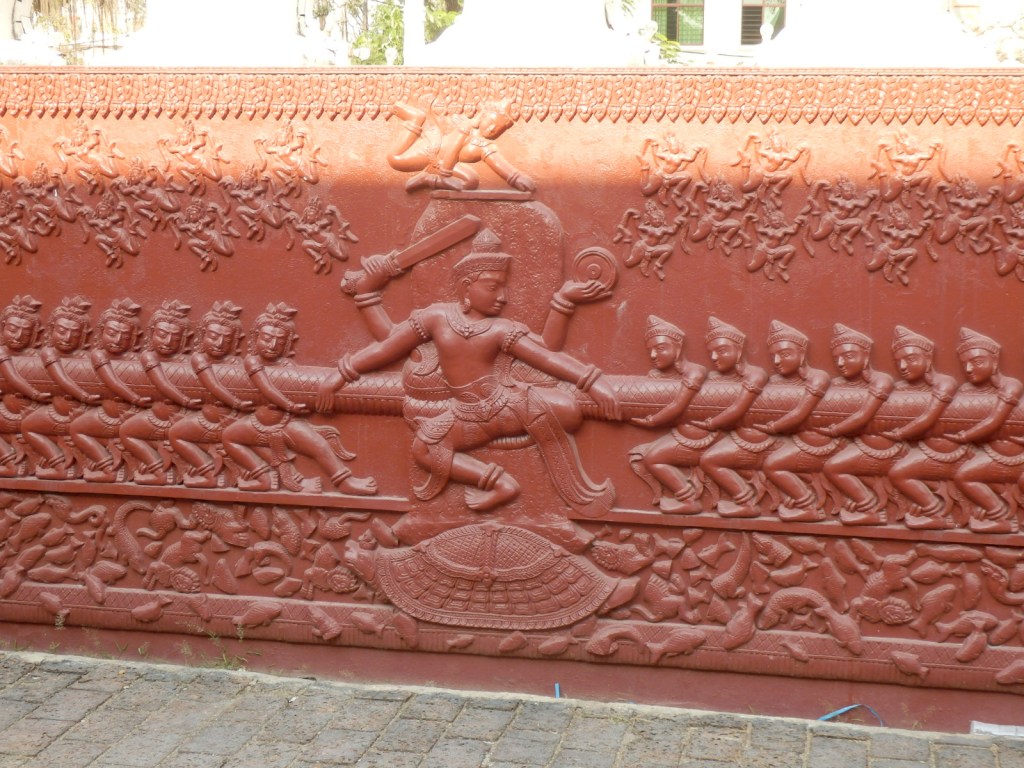
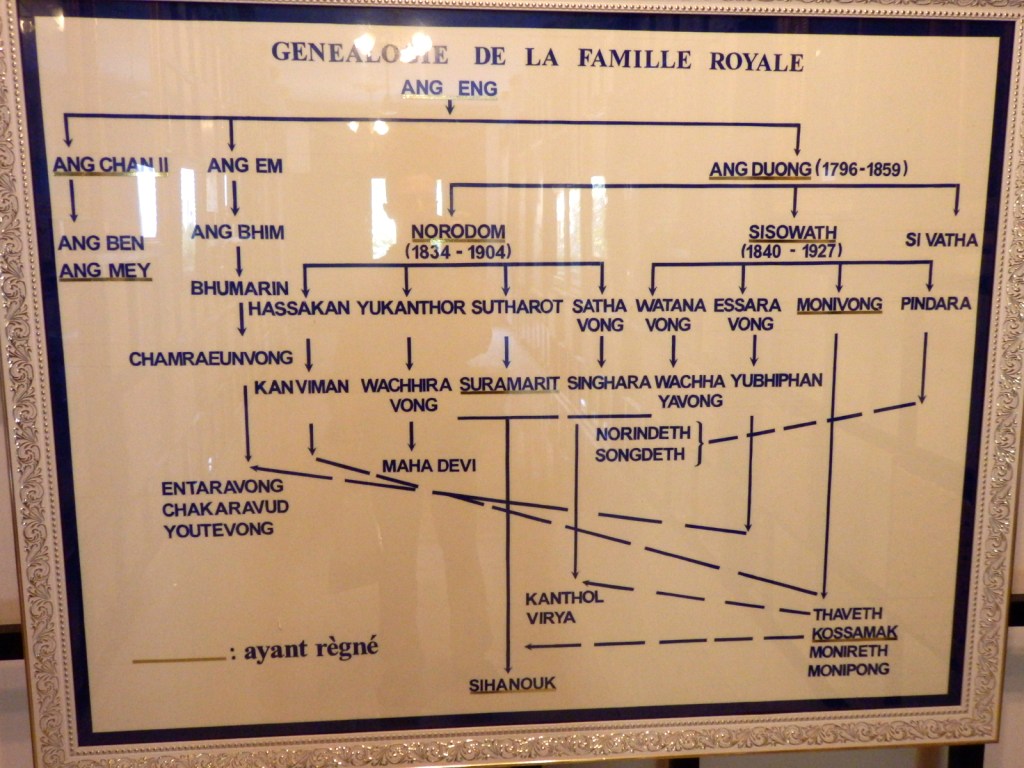

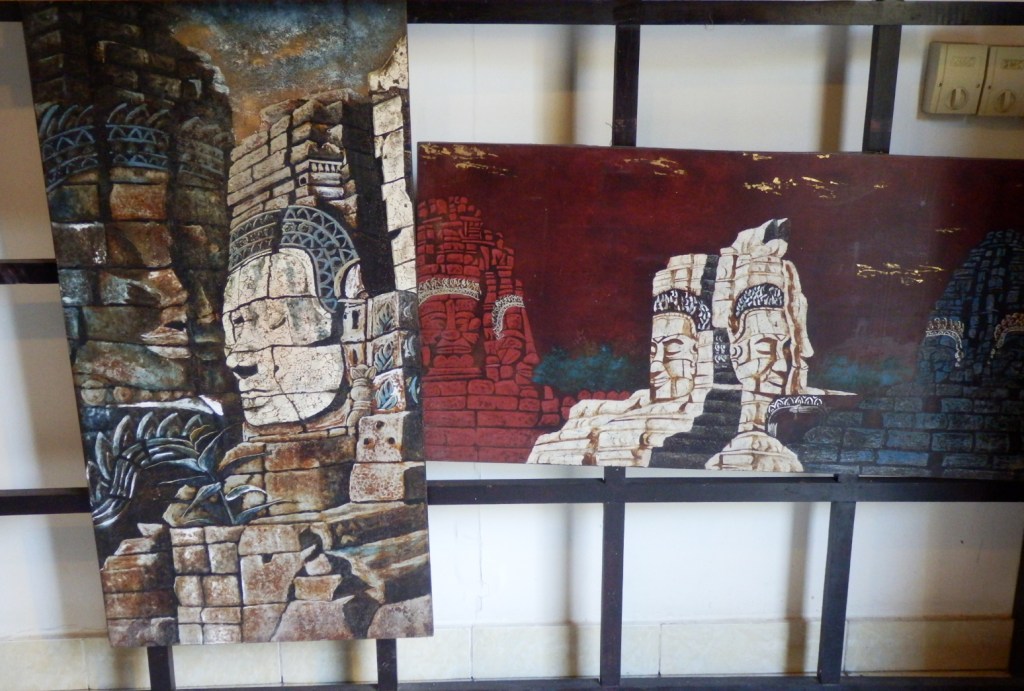

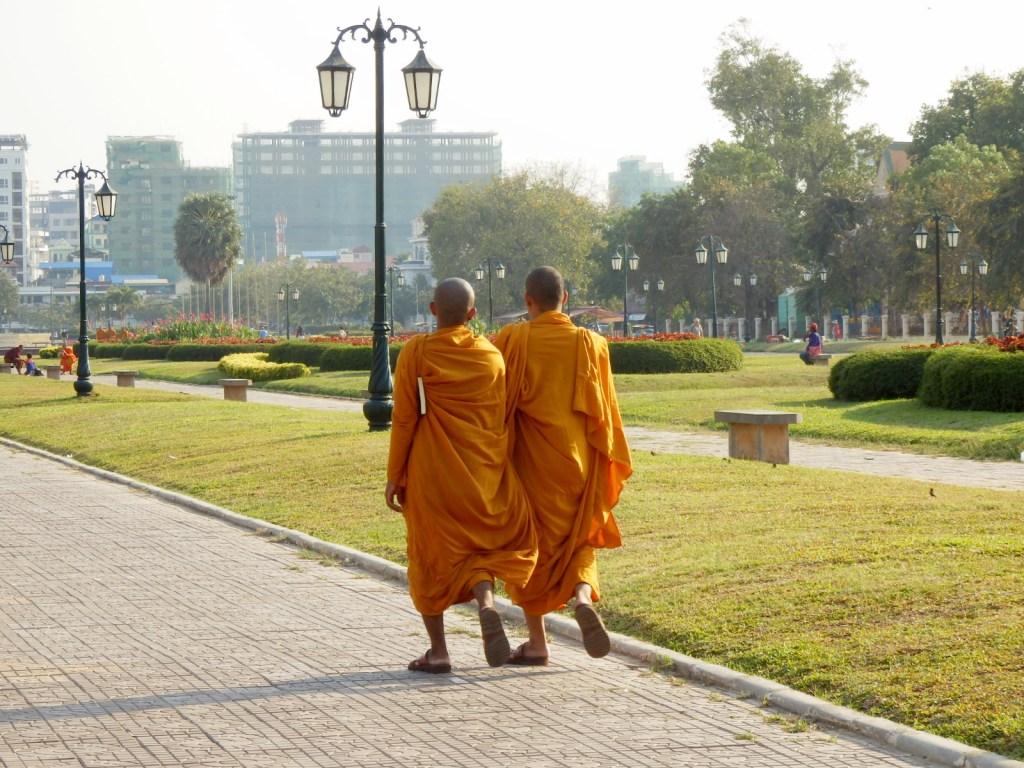
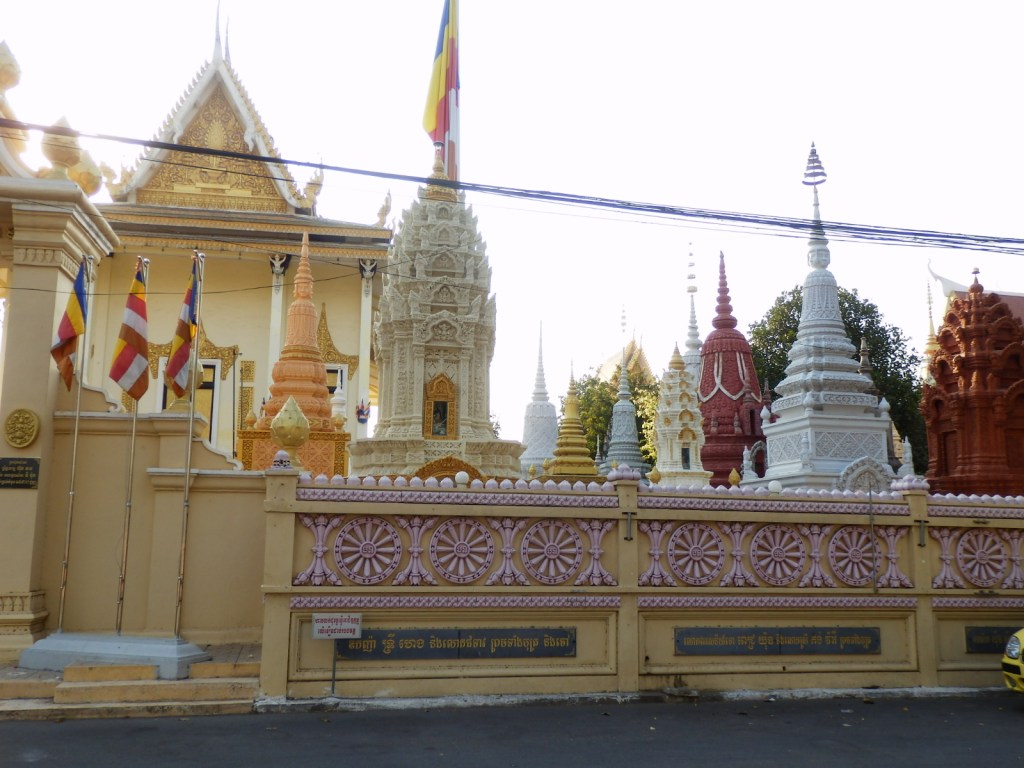
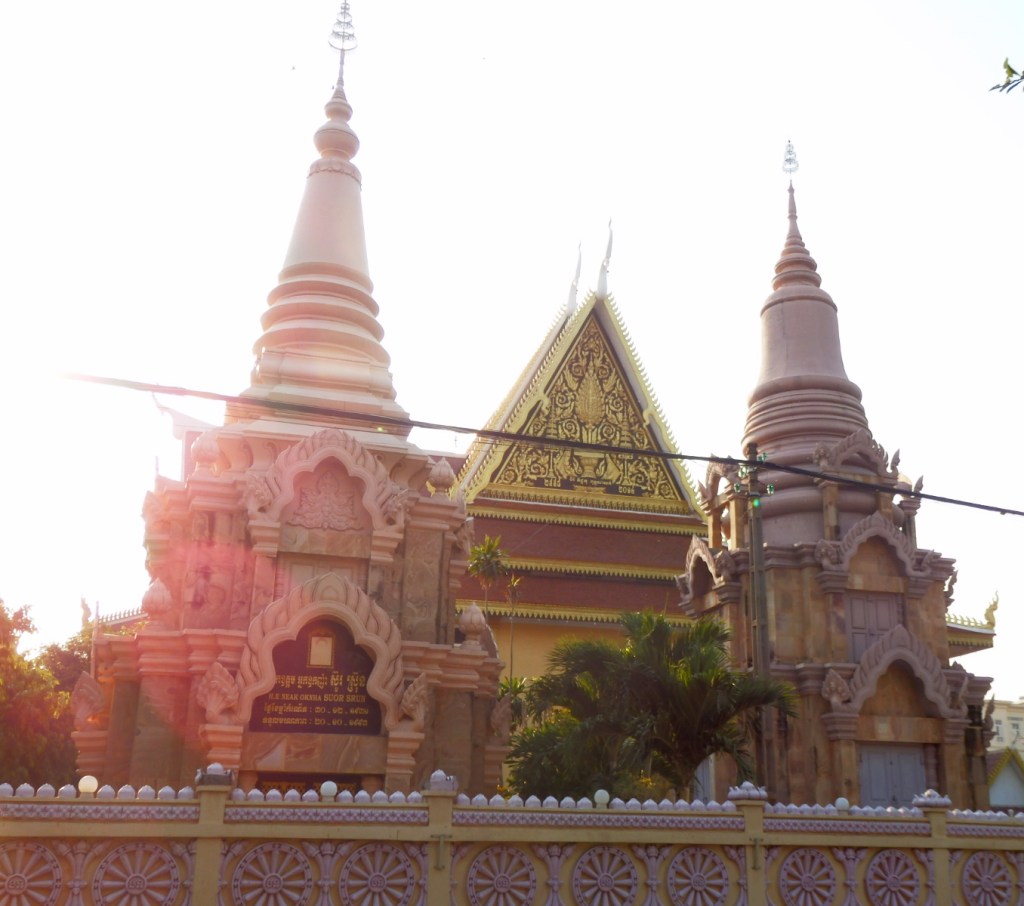
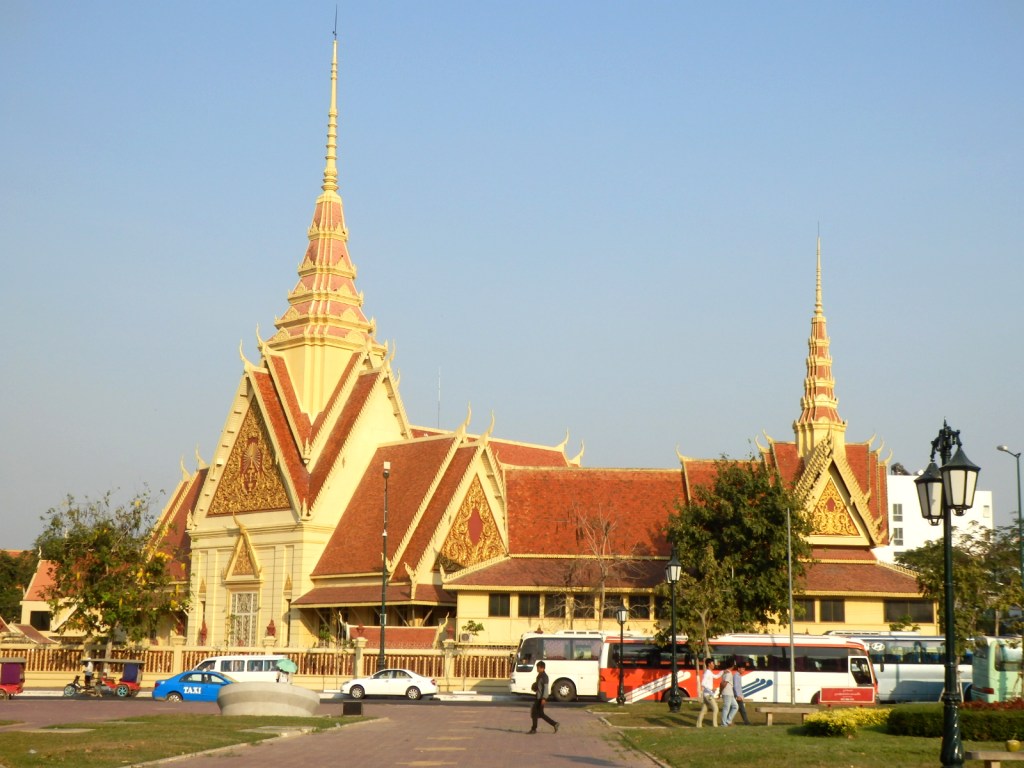
Day 2: The S21 Genocide Museum & The Killing Fields
These are perhaps the two most well-known sites to visit in Phnom Penh. The infamous S21 (Security Office 21 in Tuol Sleng) genocide museum, which was once a high school but was then converted into an interrogation and torture center, and the Killing Fields (for which there were eventually over 300 discovered all across Cambodia), where prisoners were brought to be killed and dumped into mass graves. I knew that Monday was going to be an interesting day, for sure. Given the subject matter, I wondered how hard it was going to be. The War Remnants Museum in HCMC was certainly unnerving at times, but I thought that this was going to be even more intense.
I took a bus tour for these two sites, and I’m glad I did, simply because while on the bus they played a documentary, which helped give some more insight into how Pol Pot’s regime (the Khmer Rouge) came to power and began a reign of terror from 1975 to 1979. It also described how, as soon as Pol Pot’s regime came into power, people in Phnom Penh (and every other city) were given 3 days to evacuate and forced to move into the countryside to live and work in labor camps for around 12 hours a day, only eating perhaps some rice porridge twice a day. During his reign, more than 1 million people fled the country, and another 2 million died from starvation and illness (as well as the tens of thousands of people being taken prisoner, tortured, and killed). This included men, women, even children and infants.
Throughout this portion of the blog post, please take a moment to click on any images that have descriptions to read them. They will provide you with further, detailed information.
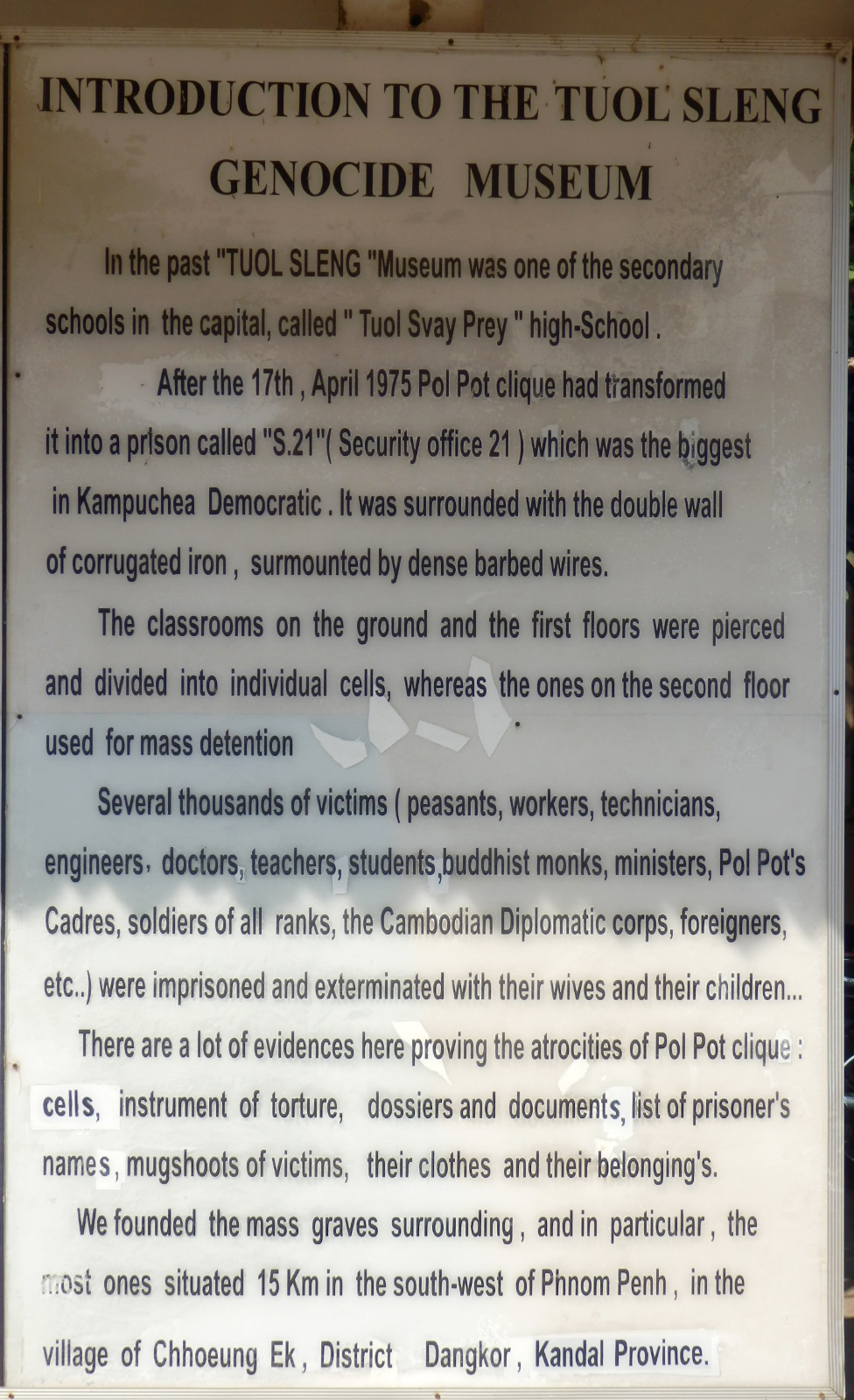
At the museum, I decided not to take the audio tour and instead hoped that there was a tour guide available. Luckily, there was, and I, along with several other people on the bus, went with her. The woman was a child survivor from this time period, and along with pointing out information across the property, she also gave some personal information (such as losing all of her close family members, to which she still wonders to this day why she was the only one to survive).
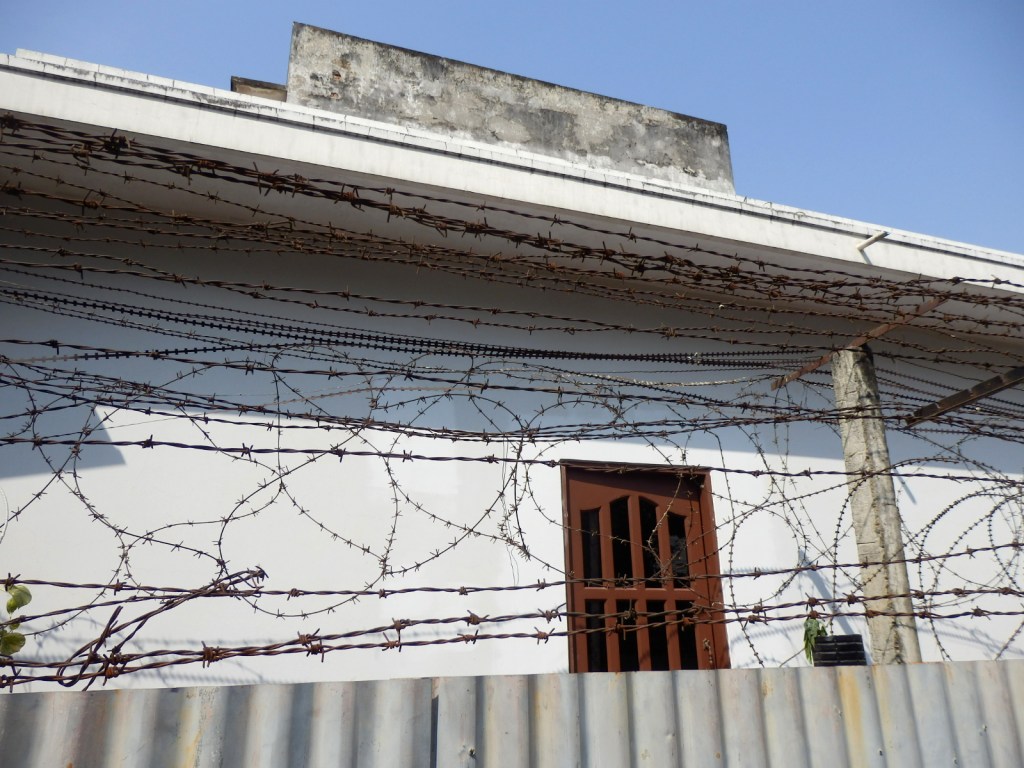
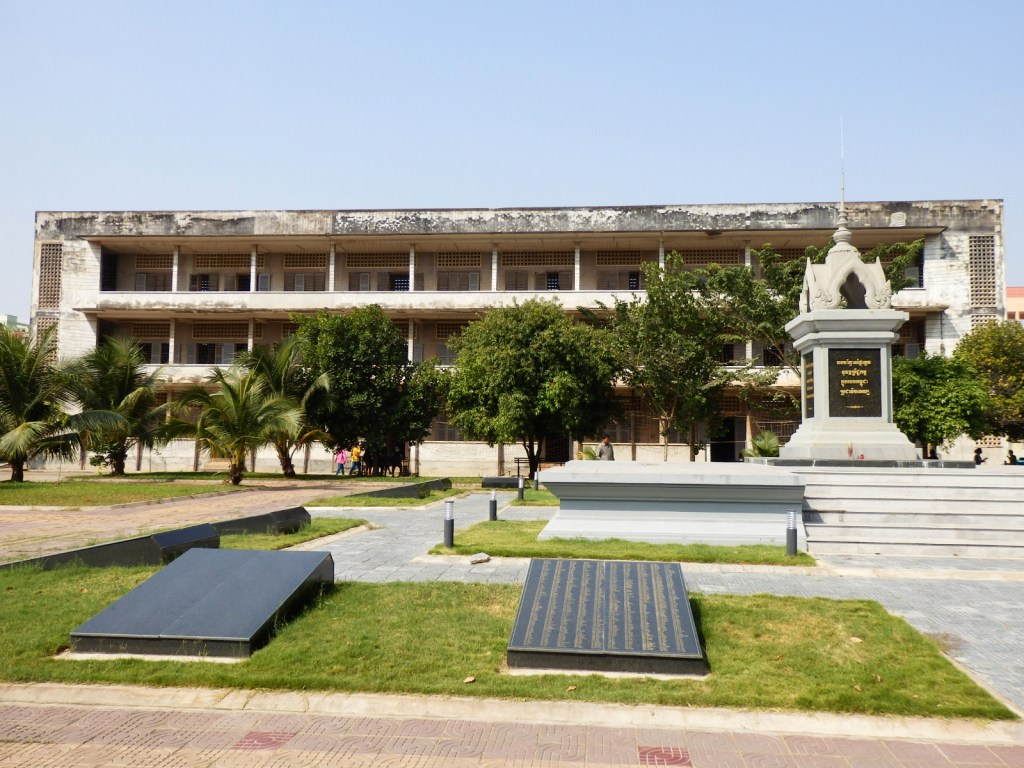
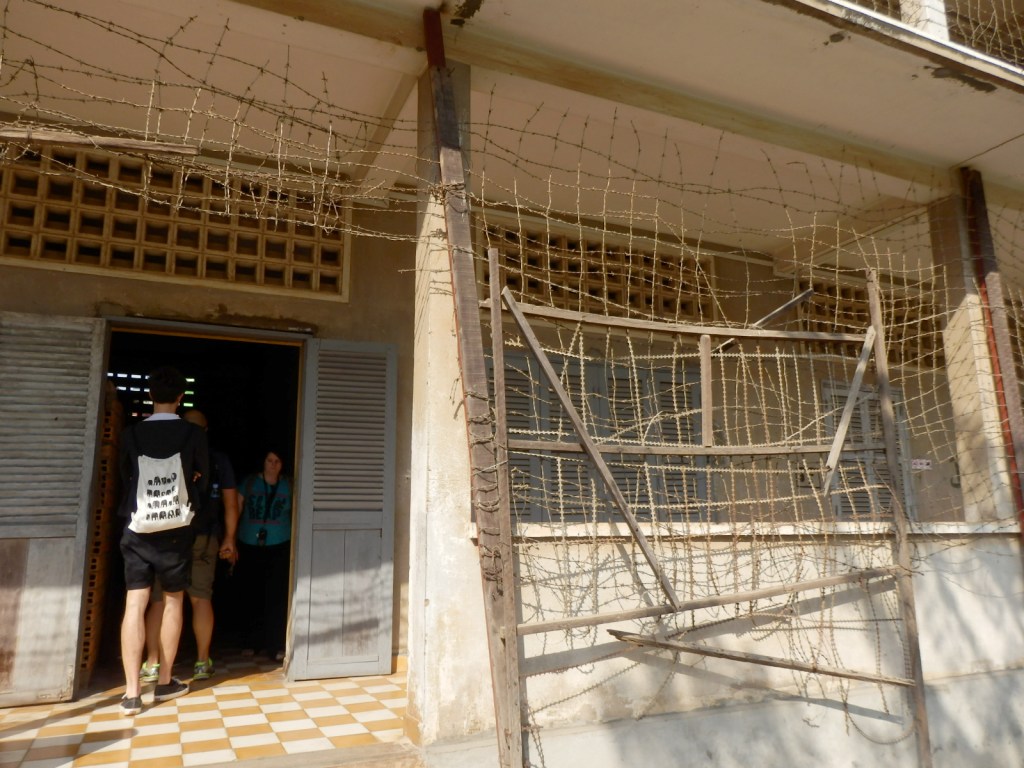
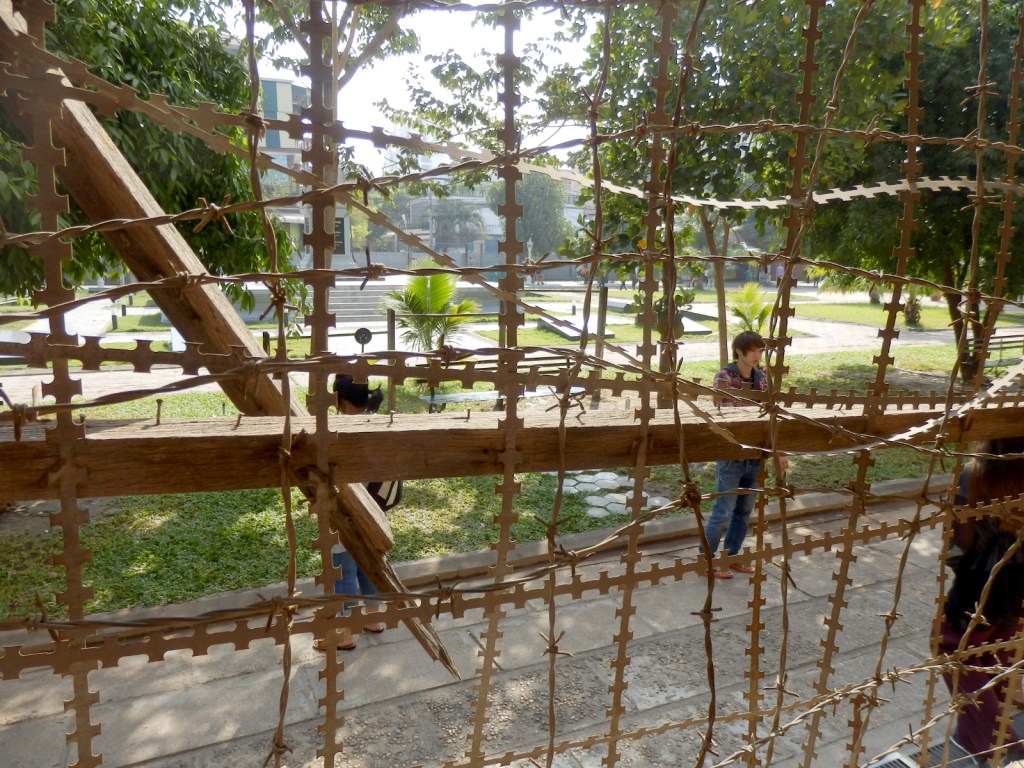

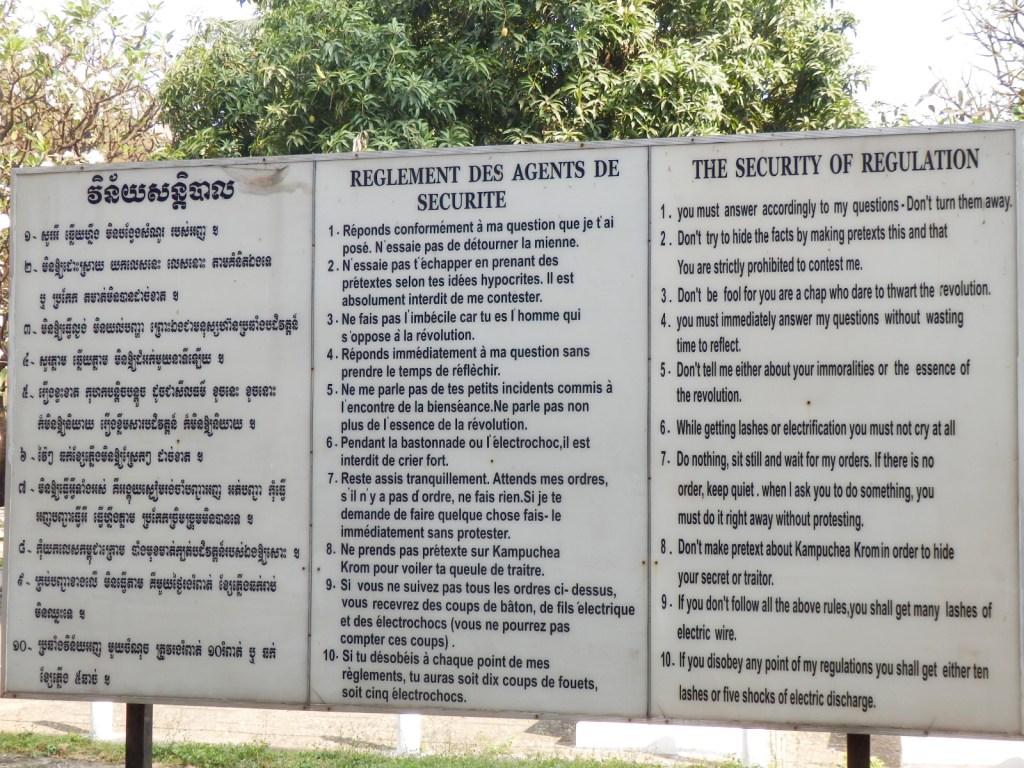
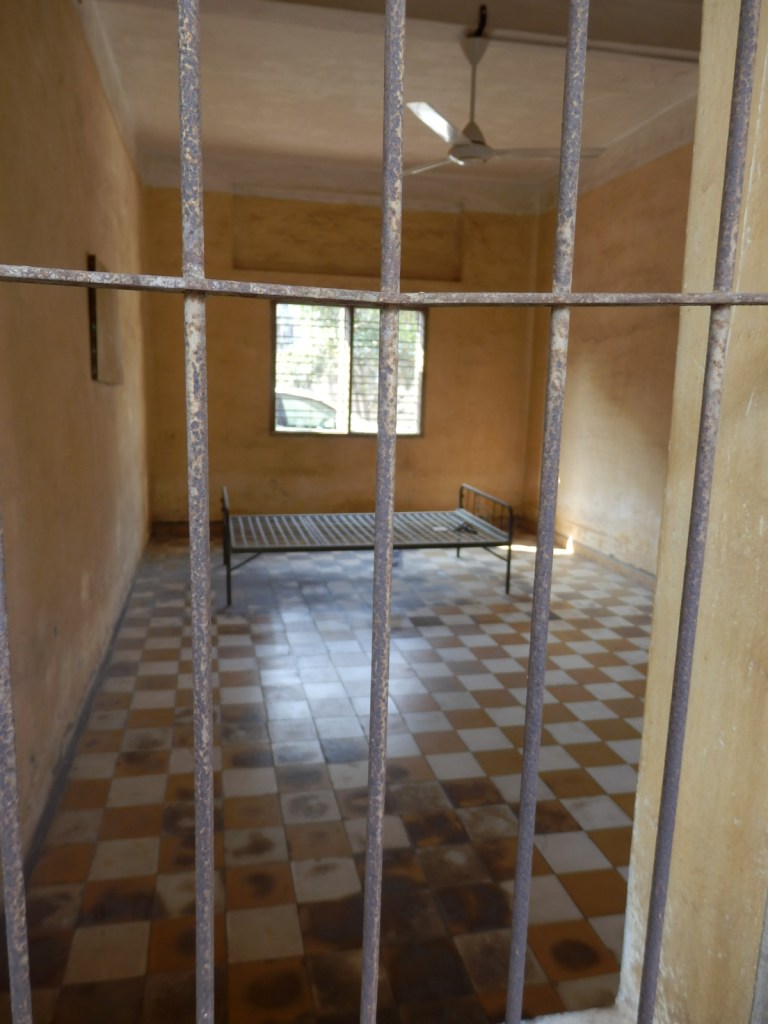
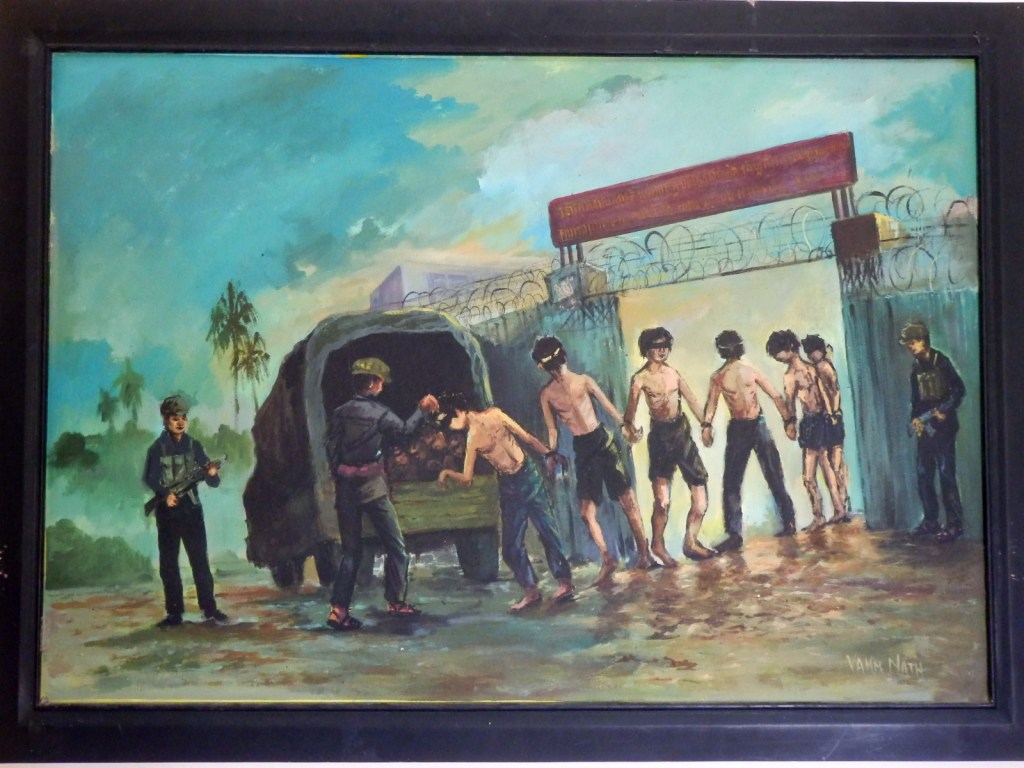
We learned that in this high school-turned-interrogation and torture center, the people brought here were brought here because they were thought to be in disagreement with the Khmer Rouge, and this amounted to committing crimes against the state. Artists, political dissidents, anyone who was educated, and eventually even some of Pol Pot’s own officers and cabinet members were rounded up, blindfolded and hands-bound, loaded onto trucks, and brought here (as well as all of the other prison sites across Cambodia). Upon arrival, they would be photographed and given prisoner numbers.
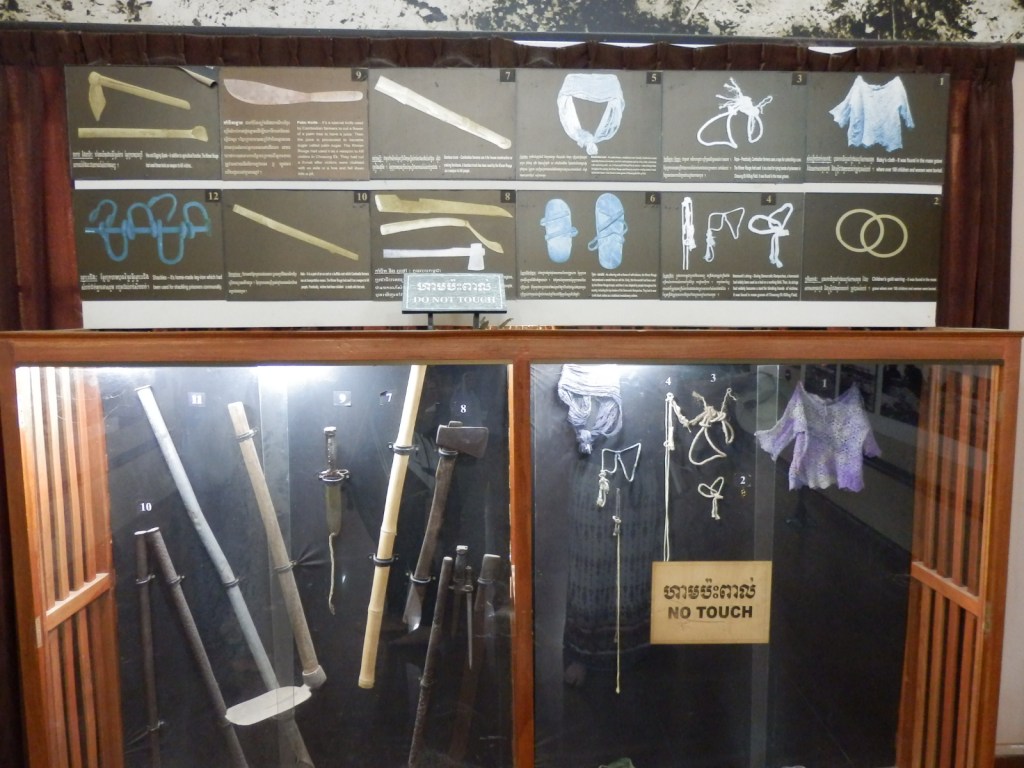
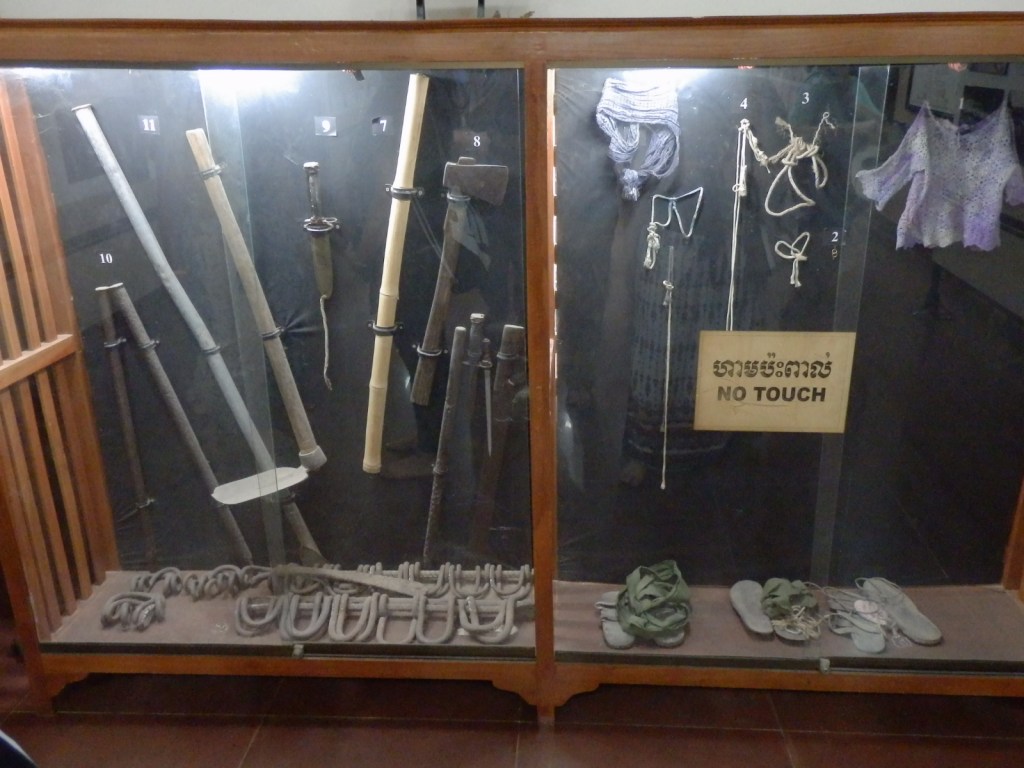
The torture that they endured could include any of the following: having your hands tied behind your back and hoisted up the gallows to hang upside down until loosing consciousness (followed by dunking your head into a bowl of filthy water that was used as fertilizer to be your back), pulling out teeth and toenails, having their hands and feet bound to shackles while having their heads dunked under water, being whipped and beaten with any number of tools until they bled, cutting their throats, placing live scorpions onto their bodies, and electroshock! We were told some people endured this for up to several months, while many others didn’t survive more than one day. The prison grounds were also surrounded by barbed wire that was electrified to prevent escapes.
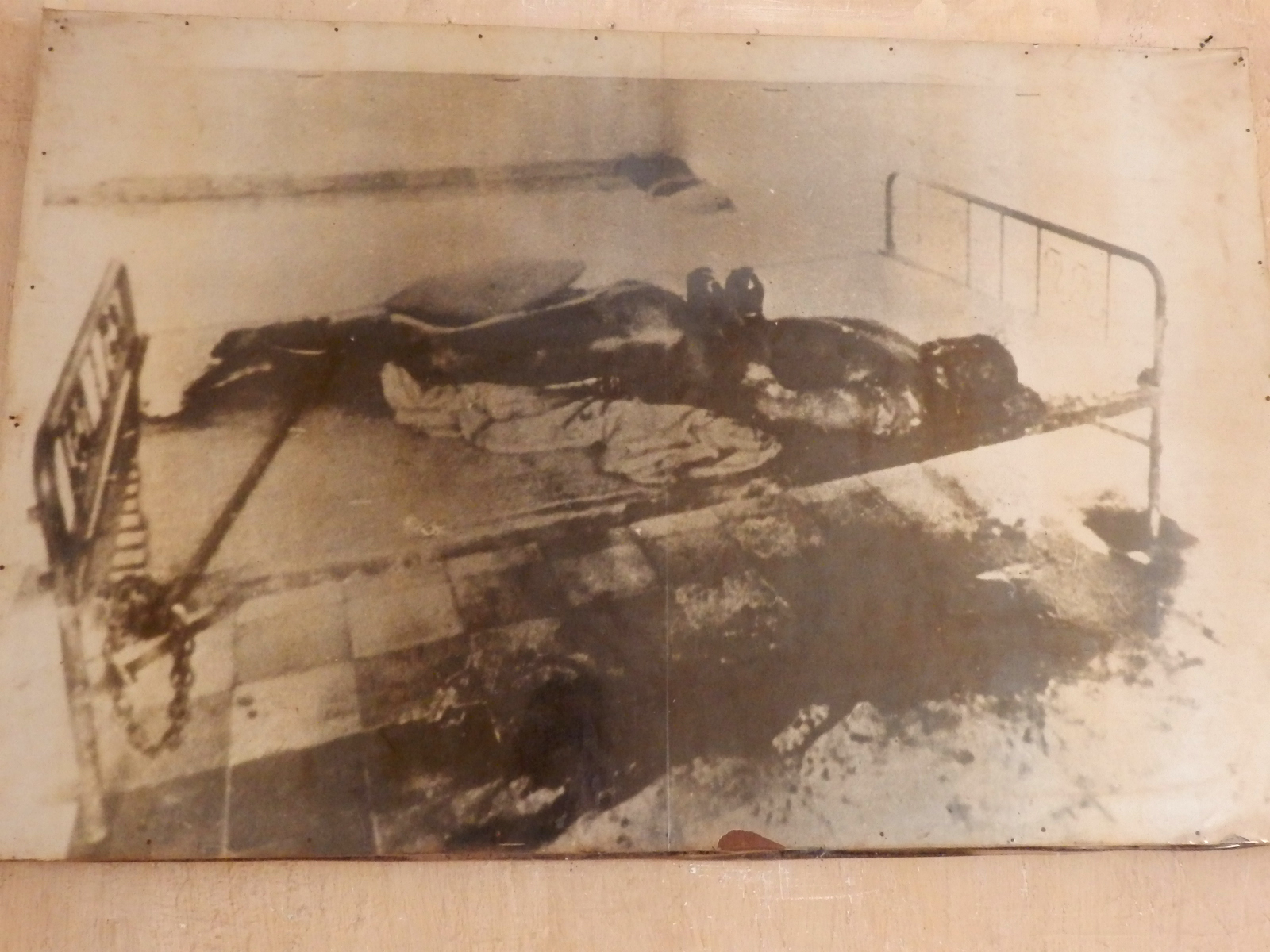
*Caution: The following image below is a photo taken of a prisoner that had his throat slit, and their body was left to decompose before it was discovered by several Vietnamese journalists.*
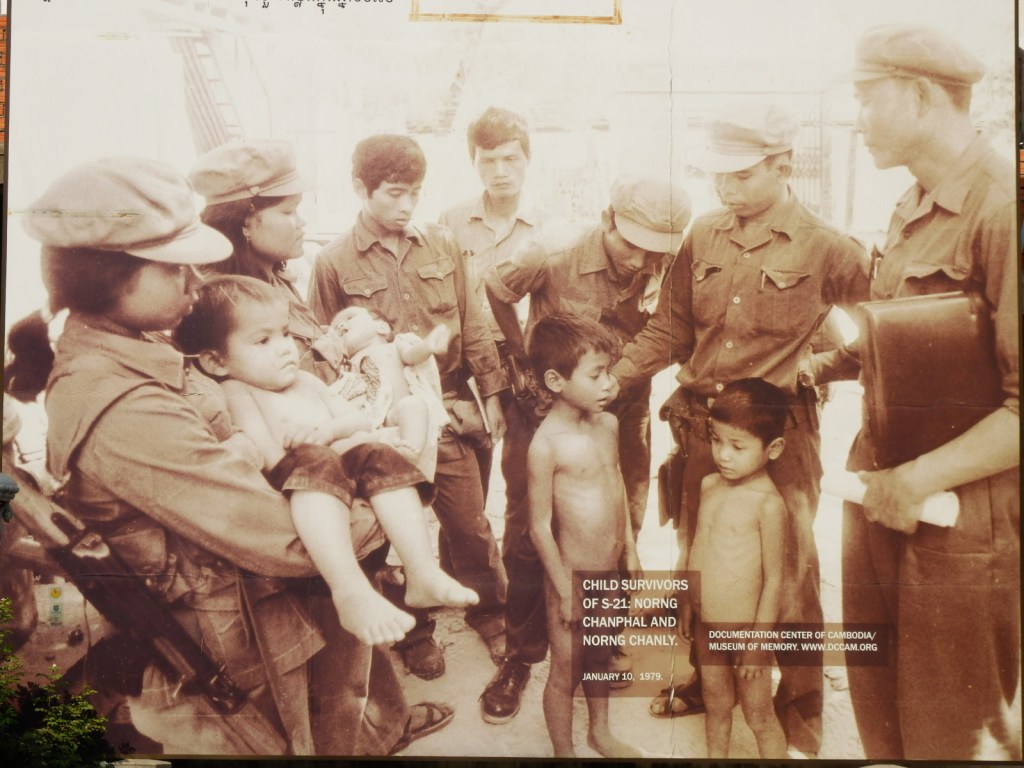
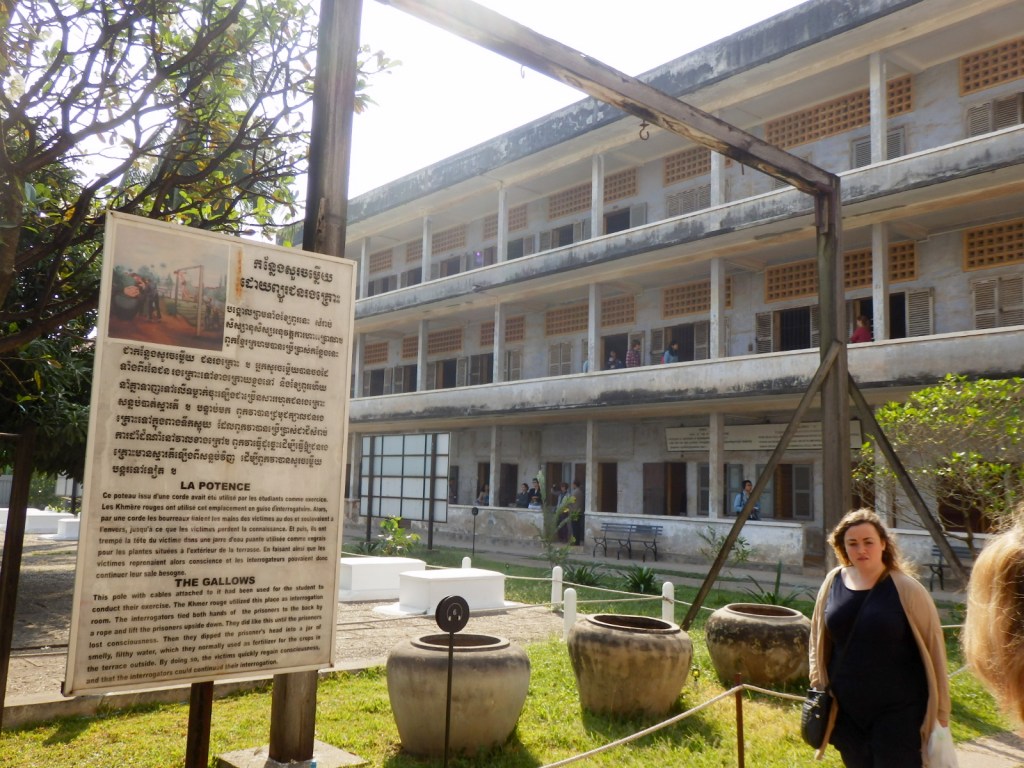
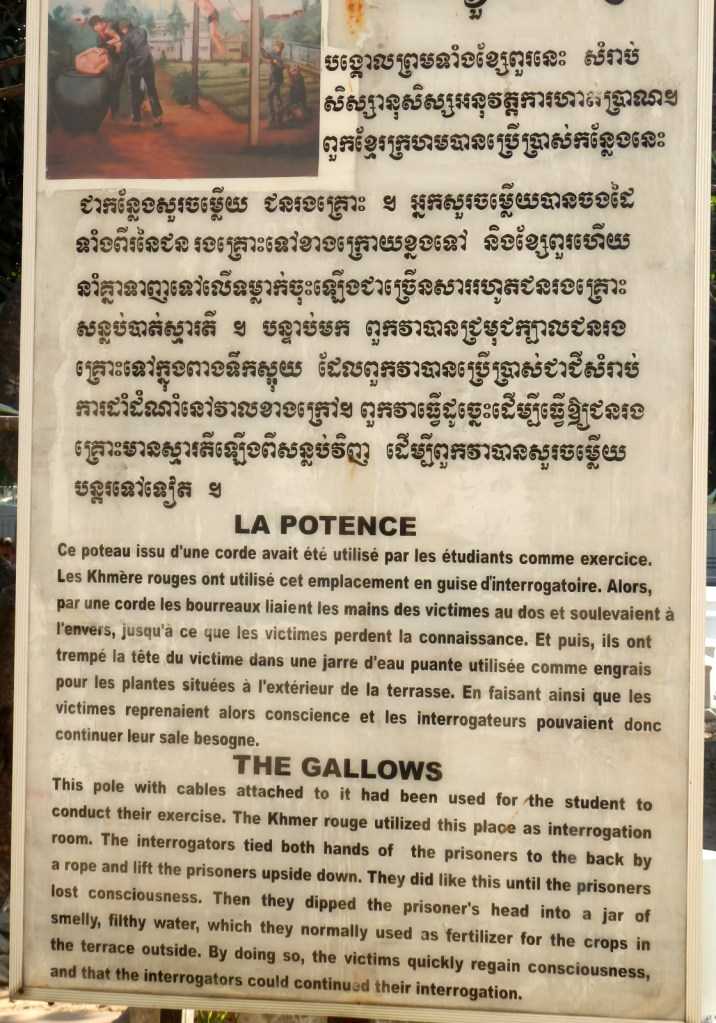
I wanted to take more photos inside, but there were signs posted saying that photography was prohibited (or maybe it was just flash photography?). I don’t know, but given the environment, I decided to respect the rules. Among the other things inside the rooms were some of the old makeshift prison cells made of bricks, each with a door opening that was opposite to the wall of the cell across from them so that prisoners could not see each other. Here they were shackled and had to eat, sleep, and use the toilet all in the same area. The windows were closed off so that they couldn’t really tell what time of day it was. We were shown a trace of blood that still remains on the floor of one of the cells.
There were also many photos of the prisoners’ mug shots, along with many of the tools and devices used to torture the prisoners. We were told that all the women had to have their hair cut short, and you can see this in all of their mug shots. There were even some paintings done by one of the survivors based on his own experience. This prison was chosen to be the official prison museum for the country due to the fact that it’s the only prison that still had photographs and other evidence.
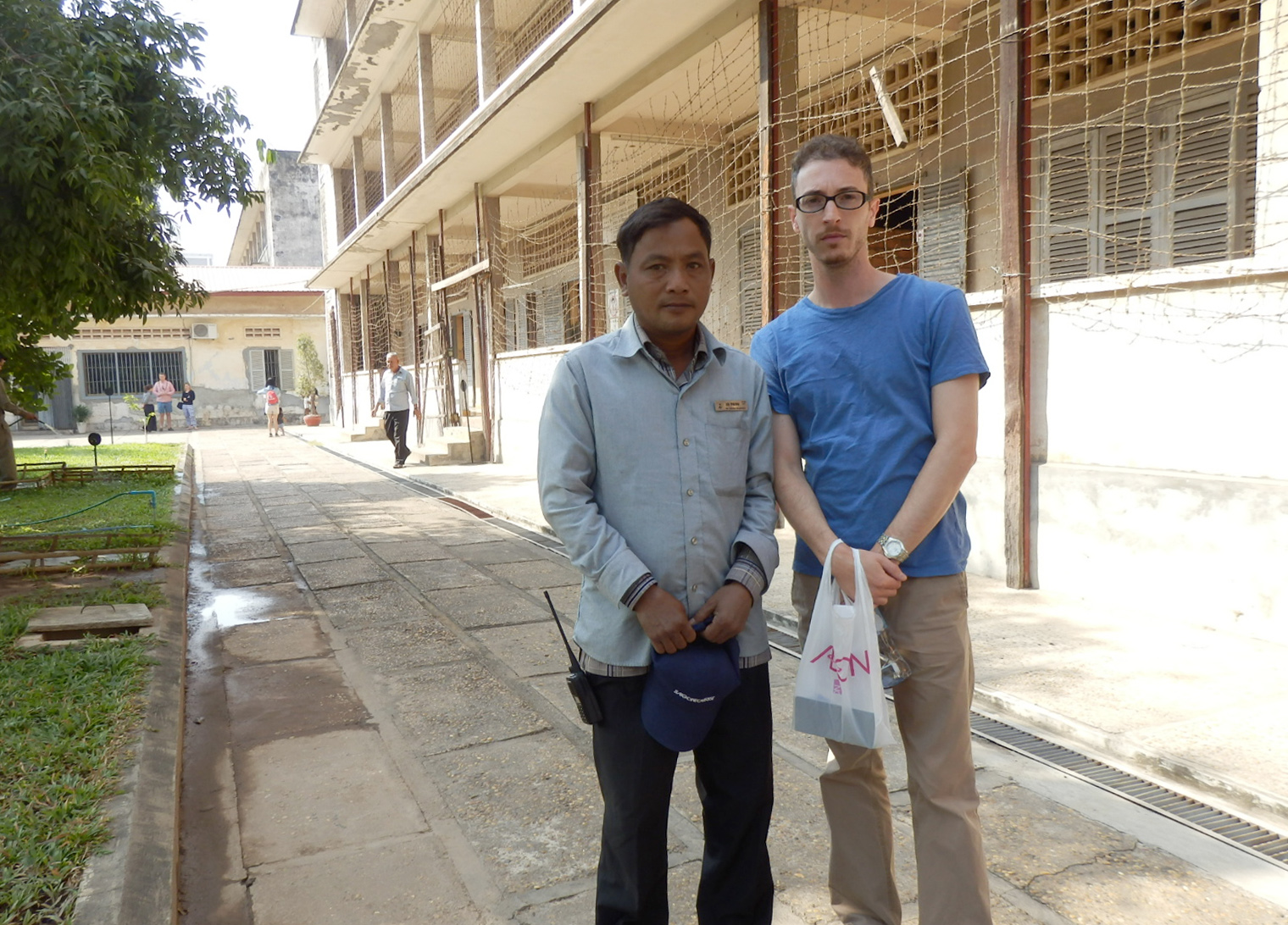
Along the way, our guide introduced us to a man who is also a child survivor of this prison. We were told earlier that sometimes survivors will show up, and today I was lucky enough to meet one. He was one of only a handful who were able to avoid being brought to the killing fields by hiding in a pile of prisoner clothing, just before the Vietnamese army came in and ousted the Khmer Rouge. He was a gentle-looking man who spoke somewhat quietly. What I noticed was the look in his eyes as he spoke.
They say that the eyes are the window of the soul (which I definitely agree with), and you could just see the mark that his experience has left on him. He, too, lost many family members. While our guide was talking to him, I saw her start to tear up as they shared a moment of understanding. We were told that we could have a picture with him, and I was happy to do so. Unfortunately for me, in an attempt to try to look serious and respectful, I ended up looking grim and stern. I always underestimate how stern and morose I can look (without even trying, really), but I figured it would be wildly awkward and inappropriate for me to pose with a great big smile. I still haven’t figured out a happy medium.
As our guide described how this all came about, there was something else that really struck me as odd. I asked about how the people chosen to be brought to these prison sites were selected. She said that no one really understood the selection process. In fact, according to her, the country didn’t even know that Pol Pot was the new leader since they didn’t have TVs and newspapers to notify the masses. Even some members of Pol Pot’s family didn’t even know he was the new leader. She also mentioned that many of the prison guards that were chosen were teenagers.
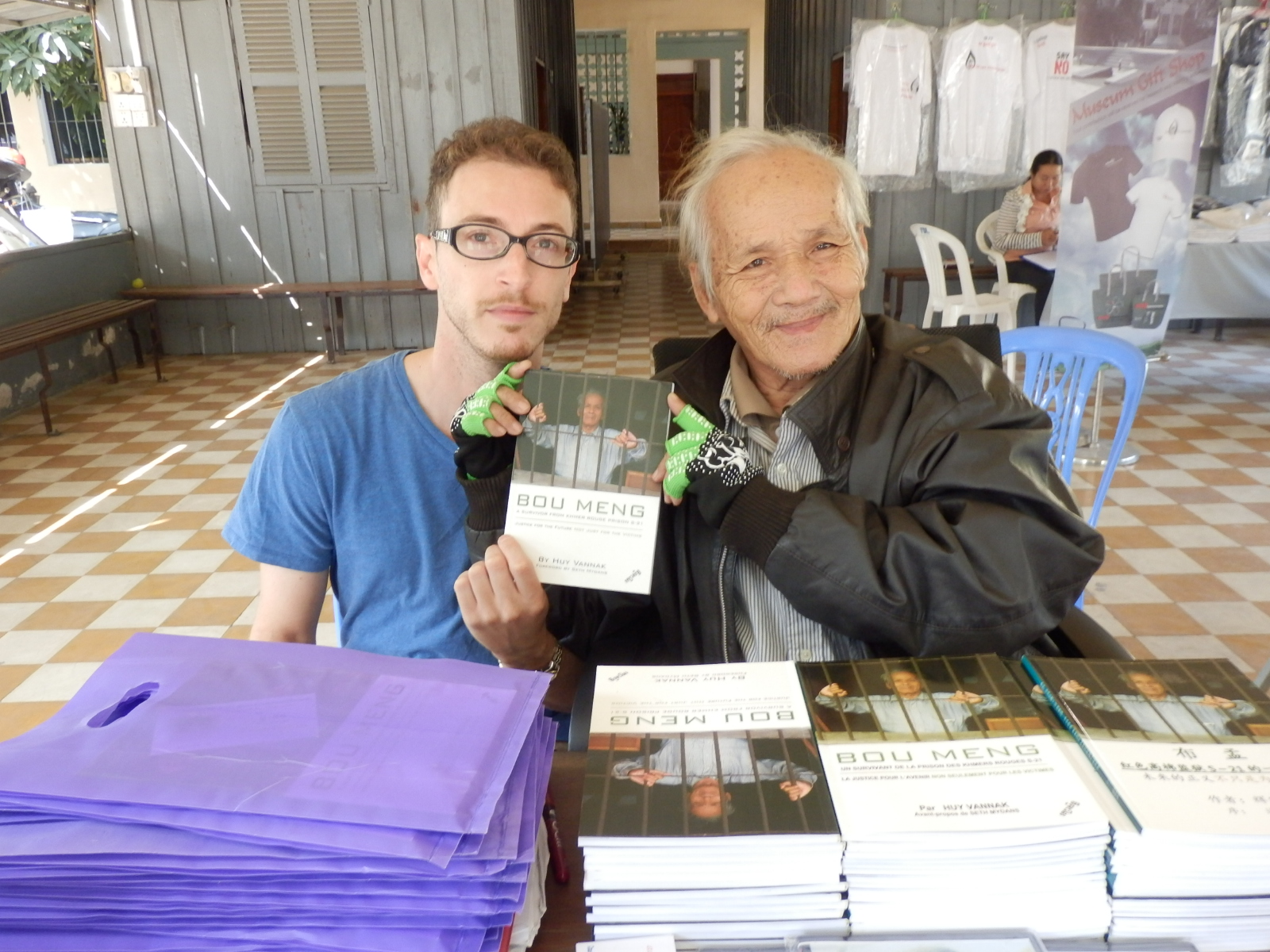
Another person that we were lucky enough to meet was a man named Bou Meng. He was (and still is) one of only two of the seven known surviving adults in the prison who are still alive today. He has written a book about his experience, and I just had to buy it. It cost $10, and I realized that all I had left in my pocket was $10. I knew this was going to cause a problem with admission to the killing fields, but I just thought that getting to meet one of only two remaining survivors in person was too unique of an experience and one that I will never have again. So, I bought the book and had my picture taken with him, this time looking less grim (maybe I have found a happy medium after all). Mr. Meng was still able to smile for his photos, so I think that speaks volumes about his character and ability to carry on after all this time.
Before coming to the end of the tour, there was a wall of photos of Pol Pot’s highest-ranking members who were eventually indicted for crimes against humanity. One of them, the leader of S21, was sentenced to jail recently. Currently, most of the others have not stood trial yet.
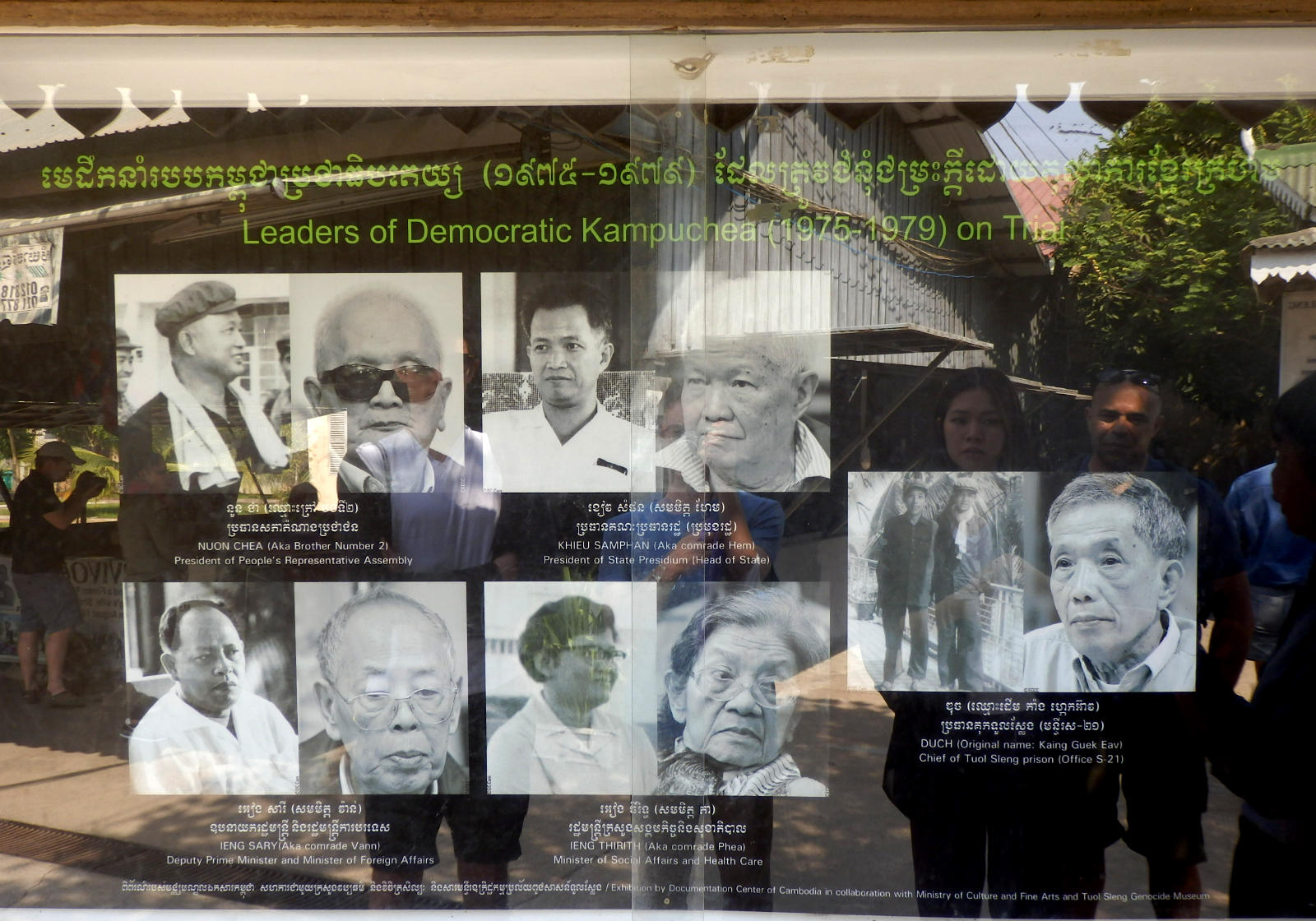
Pol Pot himself was never officially indicted and ended up fleeing into the jungle area between the Cambodian and Thai borders. Along the way, his remaining followers helped lay landmines across the area, which have had devastating consequences for the people around them. The most that he ever went through was being placed under house arrest for the last 2 years of his life before dying at age 82. He apparently claimed that he didn’t know about the prisons and killing fields and remained unrepentant. I don’t believe that he didn’t know, though. I mean, it just doesn’t make sense that hundreds of prisons and killing fields (which had to be funded and staffed) were operating without any knowledge from the country’s leader. It’s infuriating and depressing to know that people like him and Hitler never had to pay for their crimes.
Now, onto the killing fields. Yes, there is still more gloom and doom ahead, but all hope is not lost. I asked the bus guide if I could stop at an ATM. Luckily, he said yes (although I had to try two different ATMs because the first one was no longer working, of course).
The killing field site is located in an area known as Choeung Ek. There were hundreds of killing fields like this around the country, but just like the S21 site, this place was chosen as the other representative historic site concerning the horrors of the Khmer Rouge. This is where the surviving prisoners were brought under the false pretense that they were being transferred to another site. Some believed this, while others must have known deep down that this was their final stop.
As I mentioned earlier, here I did the audio tour, and it turned out to be a very good one in my opinion, and I highly recommend it to anyone who plans on going there. It’s one thing to read a post, but it’s a much different experience to hear the voice of a survivor describe the events. There was information about each of the 19 labeled sites; there were also 4 extra sections of information to give the listener more background information, as well as 2 classical songs that were written by survivors. It’s powerful stuff when you are actually onsite.
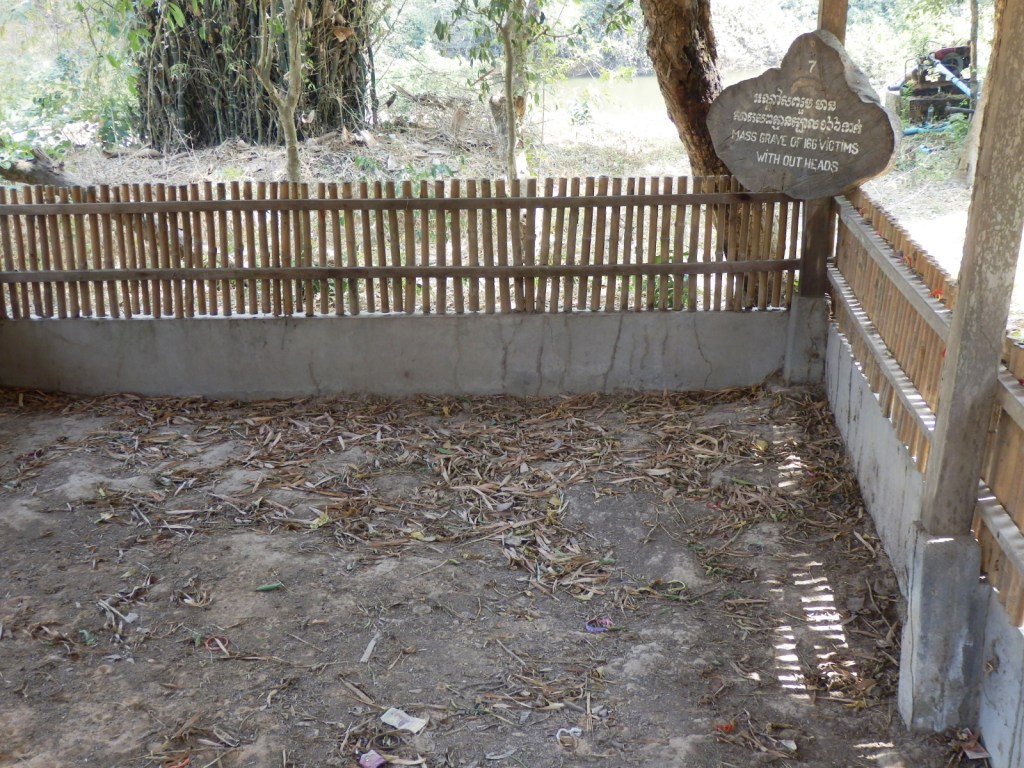
Below are two images with descriptions of structures that used to be there and what they were used for. They are no longer around because, after the Vietnamese army ousted Pol Pot’s regime, civilians desperate for resources rushed in to get the wood and any other items that they could use.
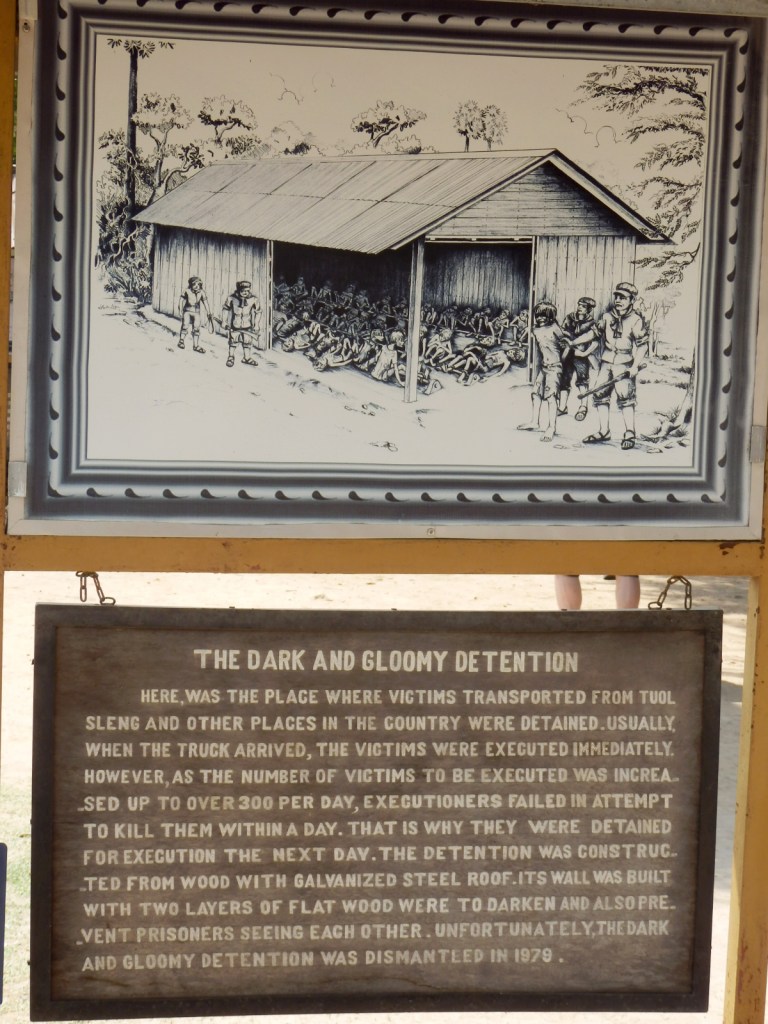
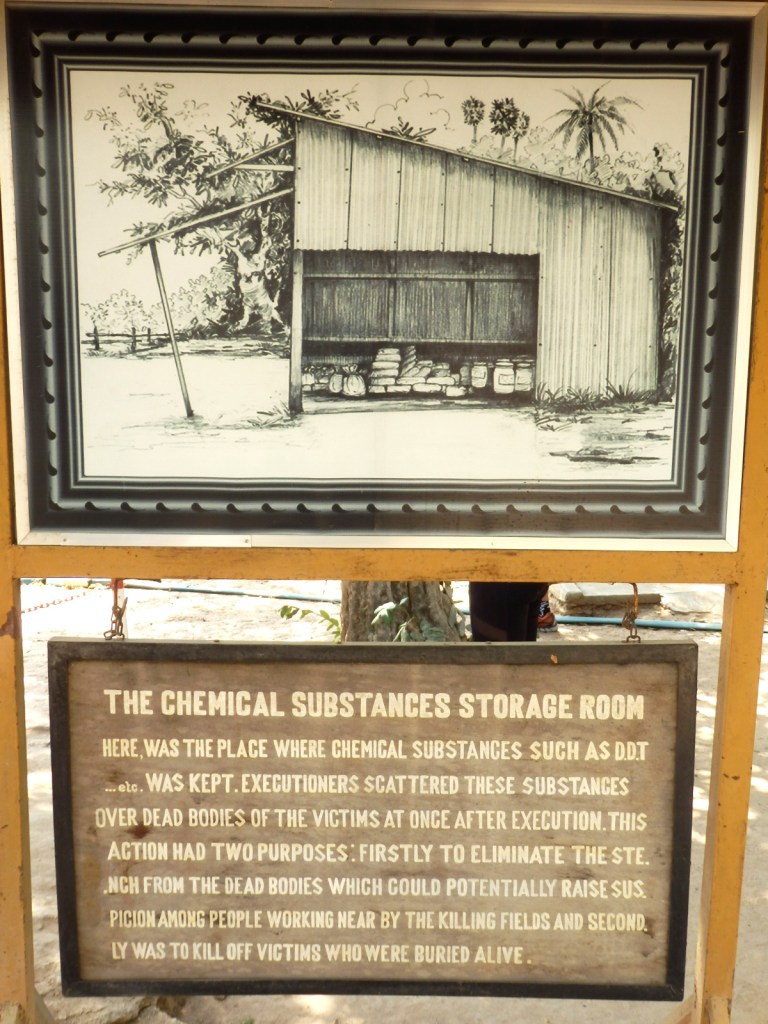


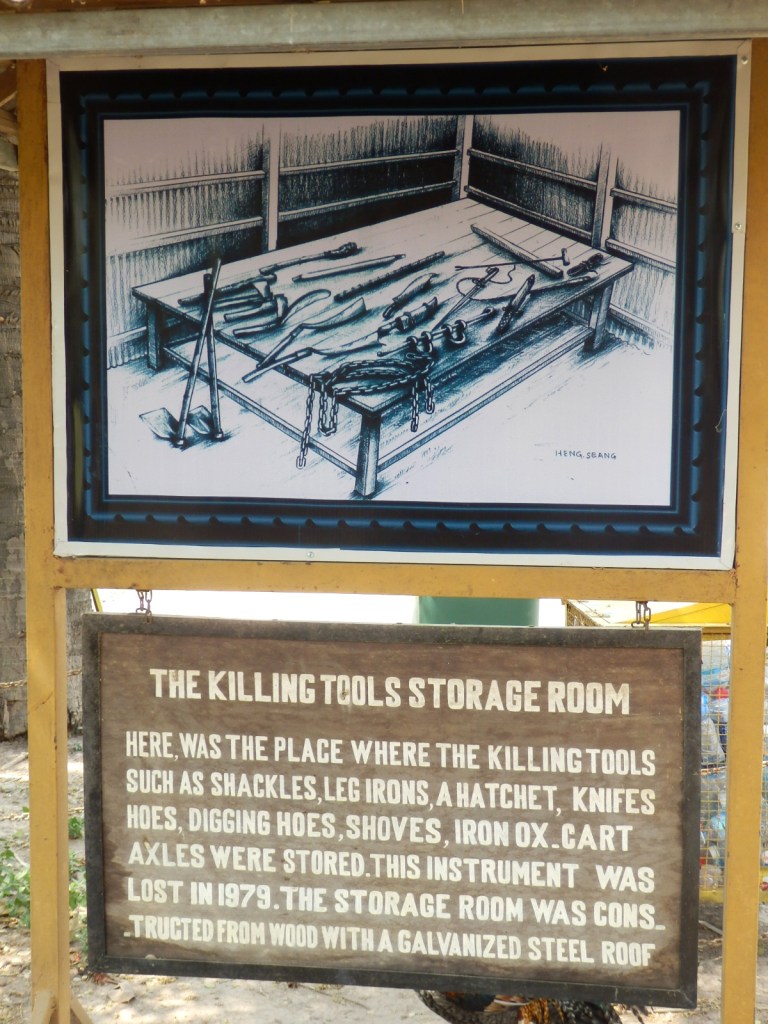
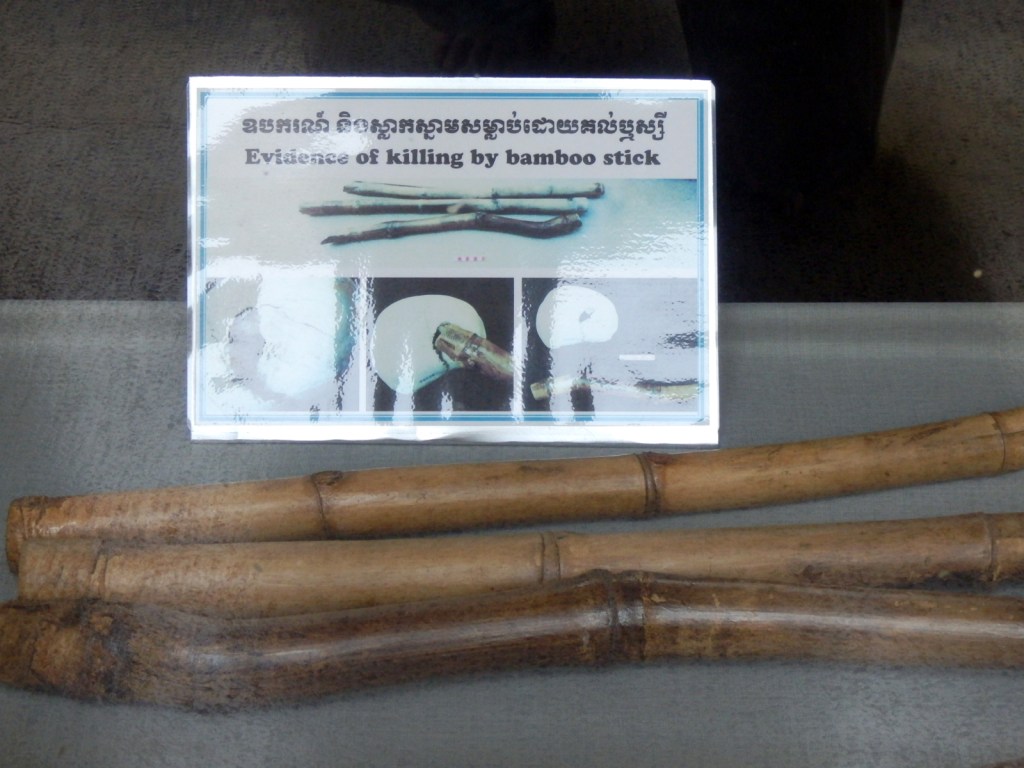
Rather than using bullets, which were considered to be expensive, the people that were brought here were killed by means that were deemed to be more “cost-effective.” See the above description of the tools.
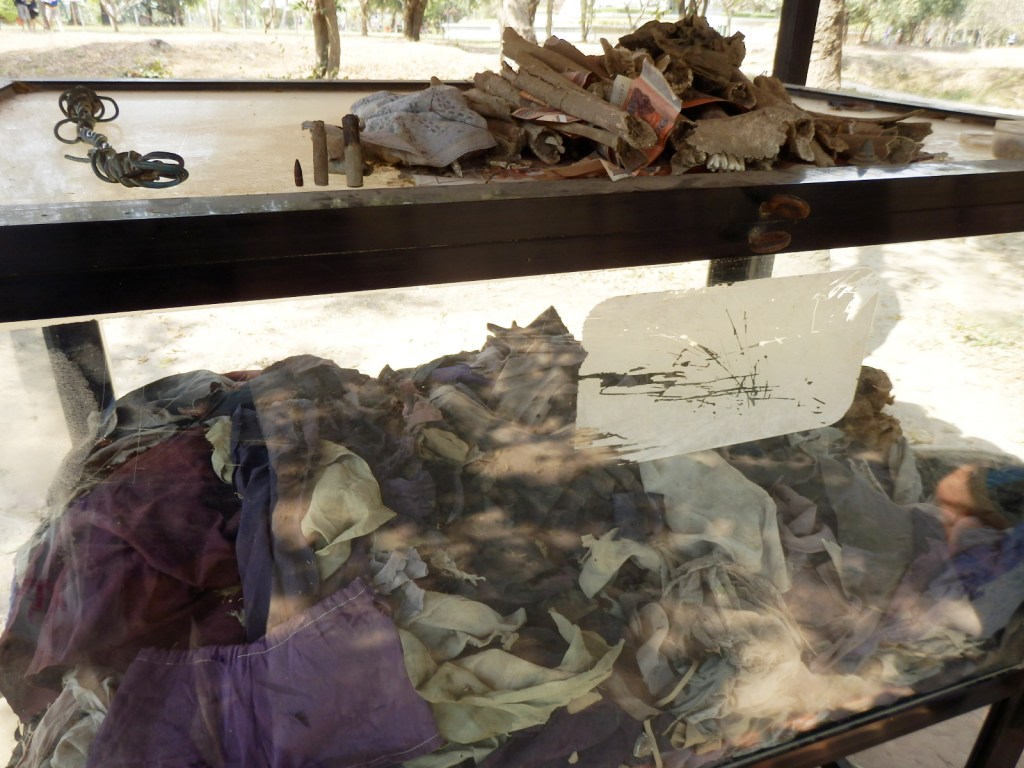
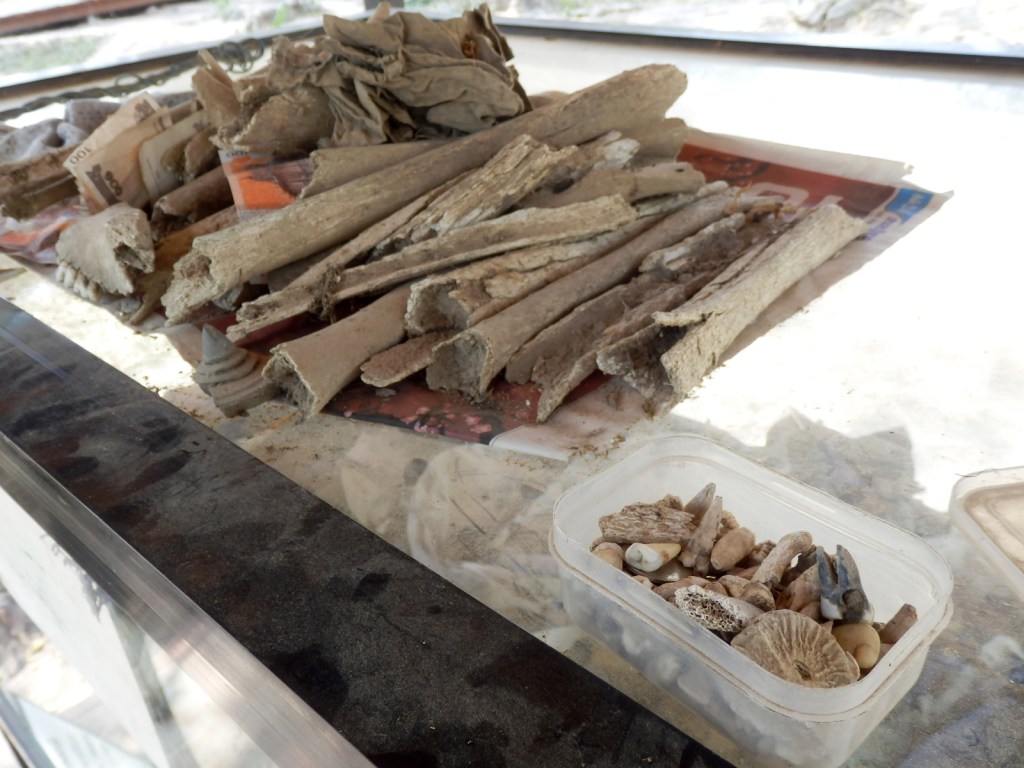
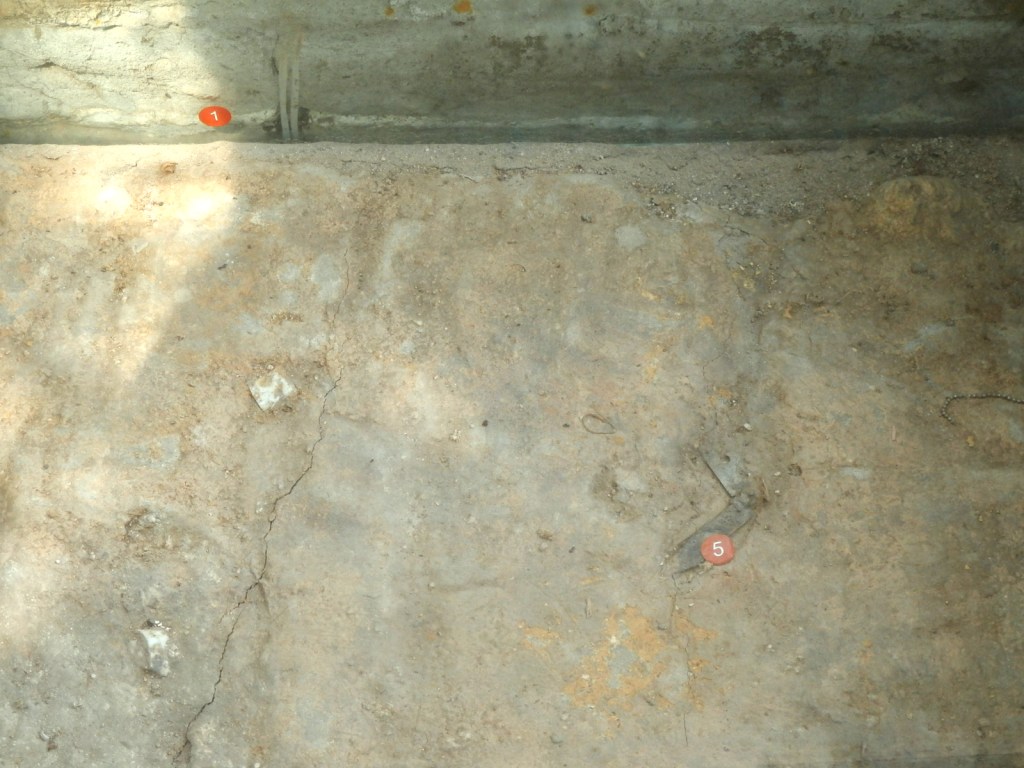
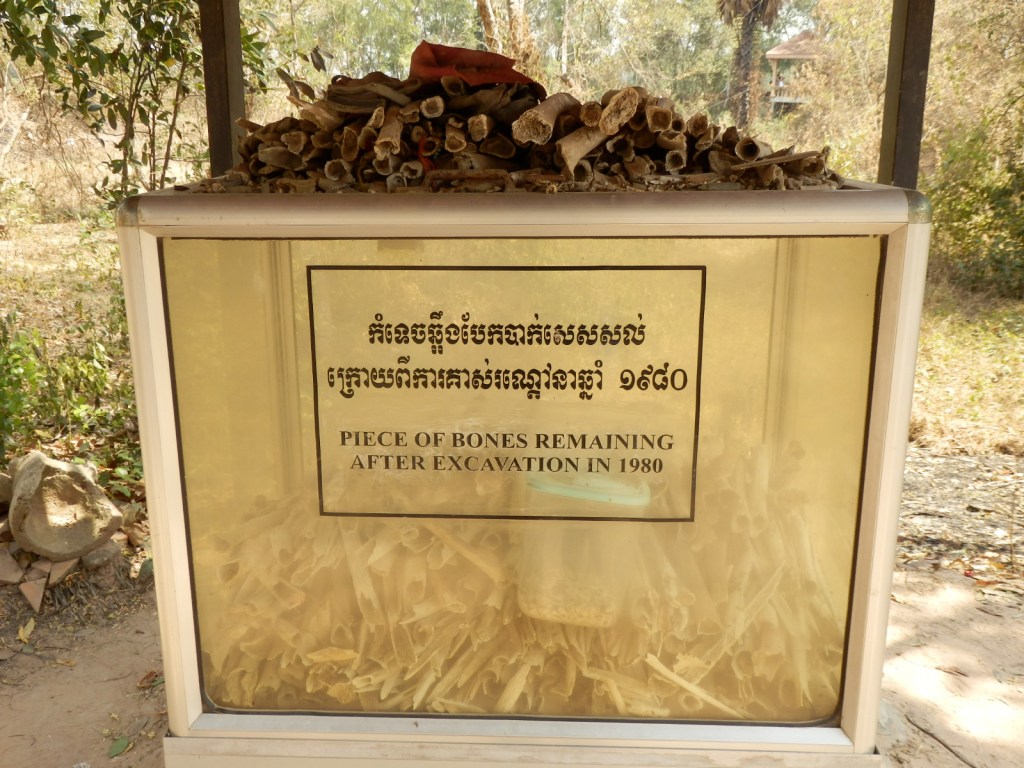
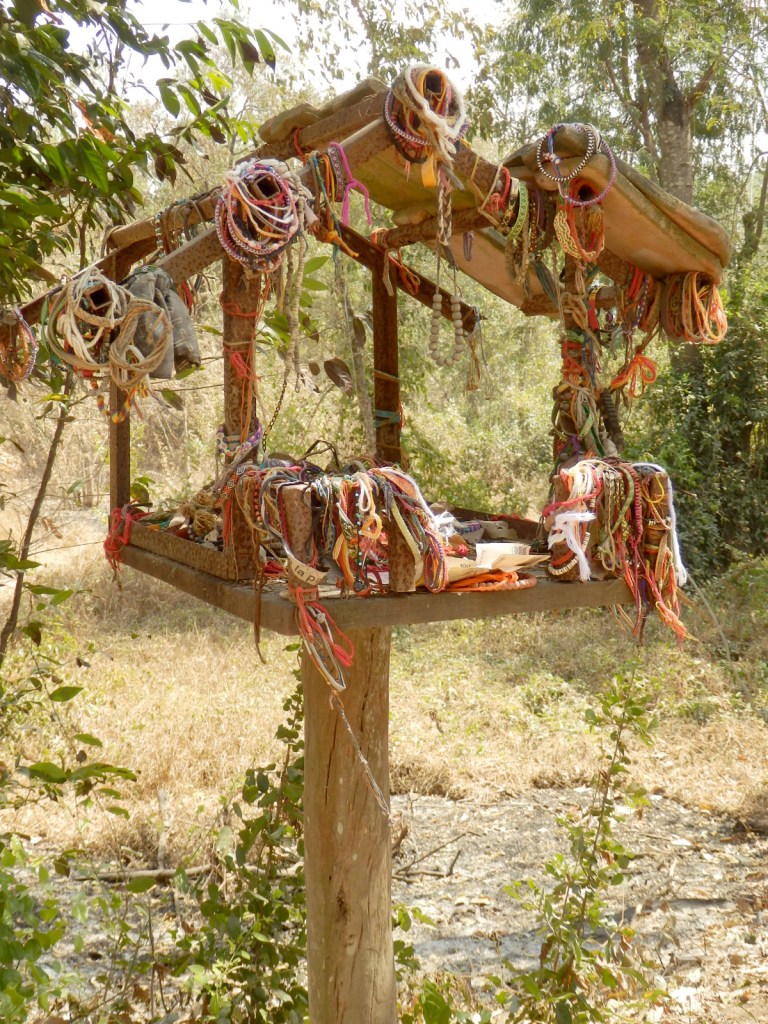
Throughout the area, it was noted that, due to the rain and shifting dirt, there are continually more bones and pieces of clothing being found.
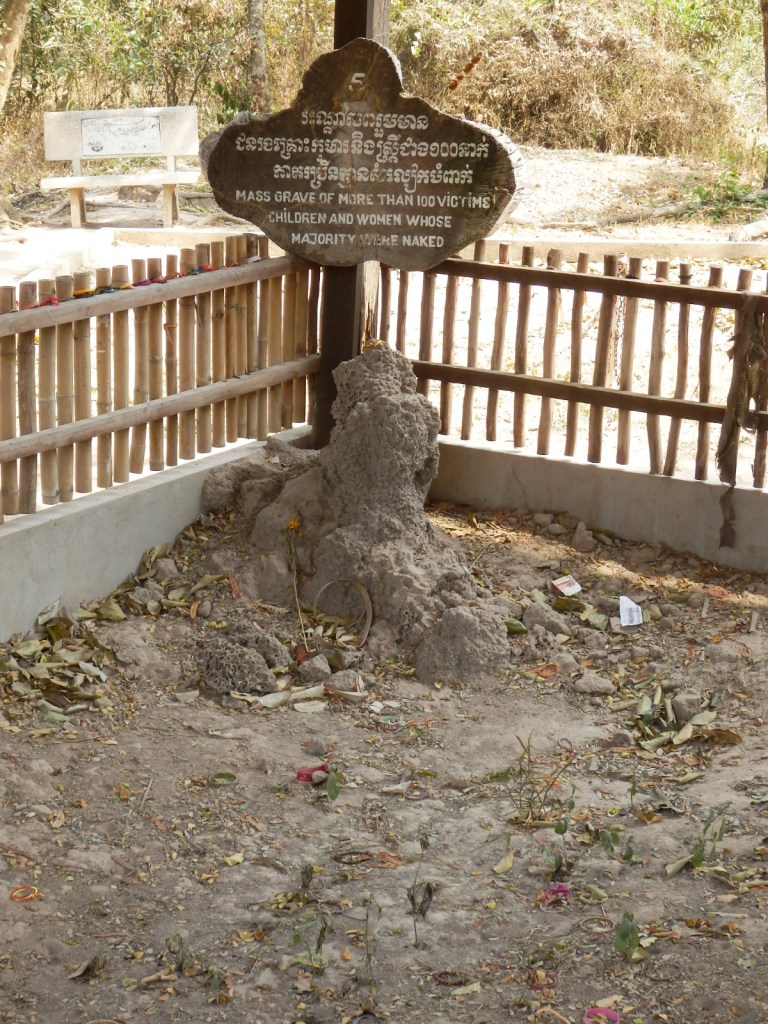
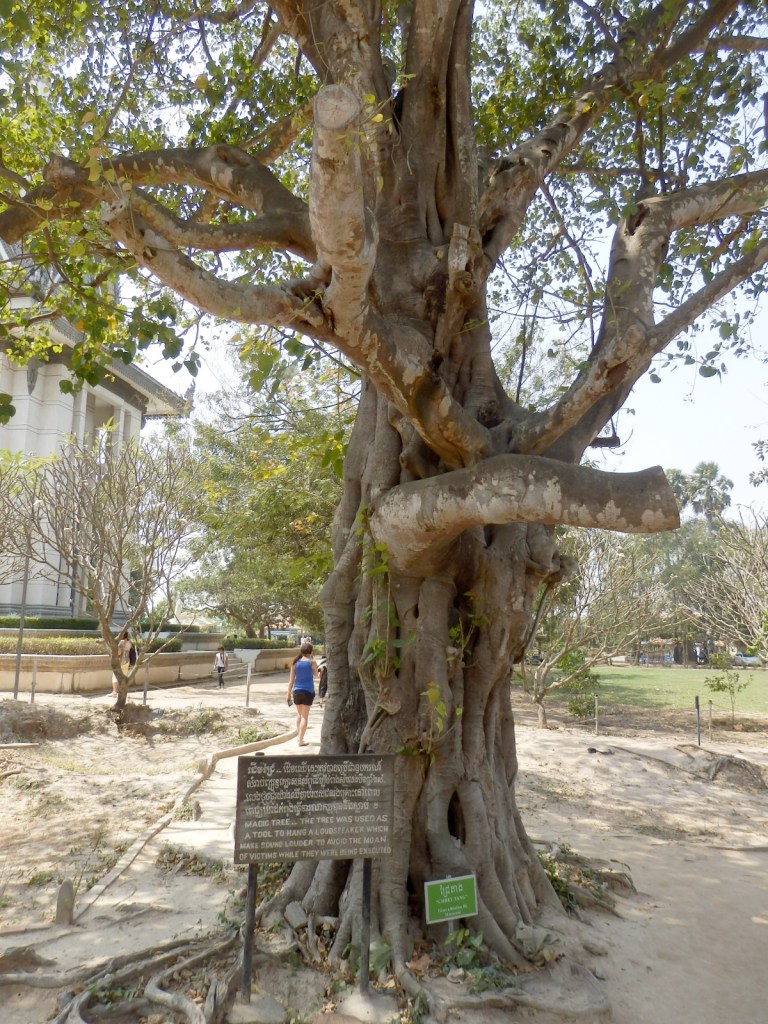
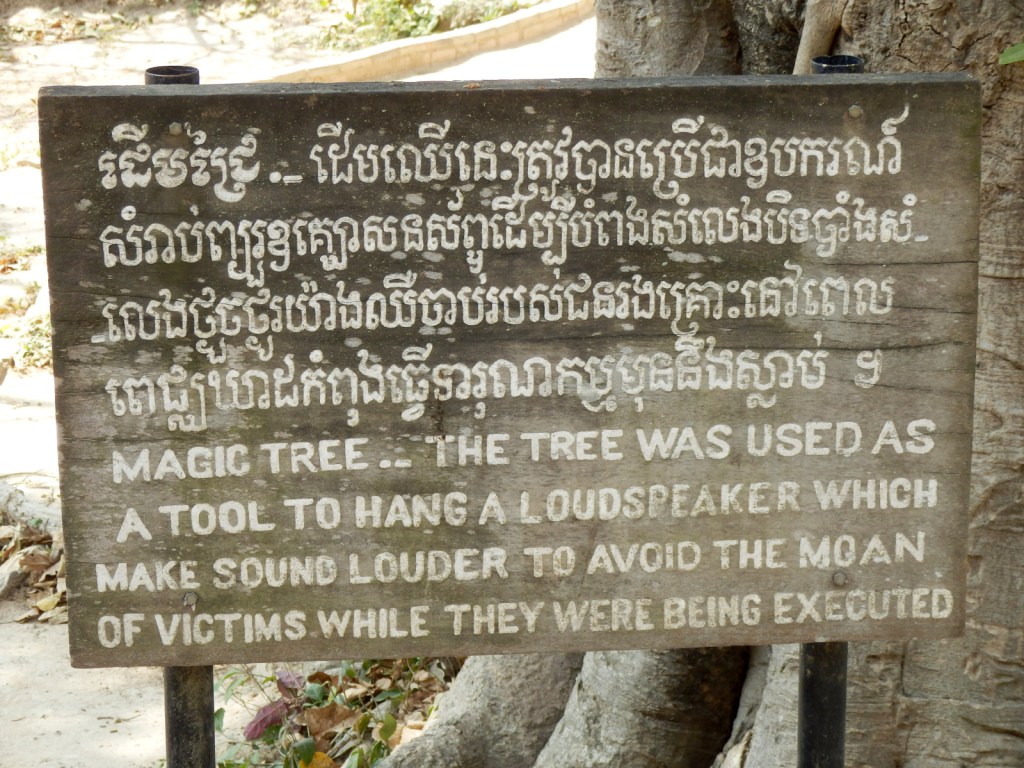
This next image below is of perhaps the most notorious section of all: the tree that was used to swing children and infants against in order to kill them.

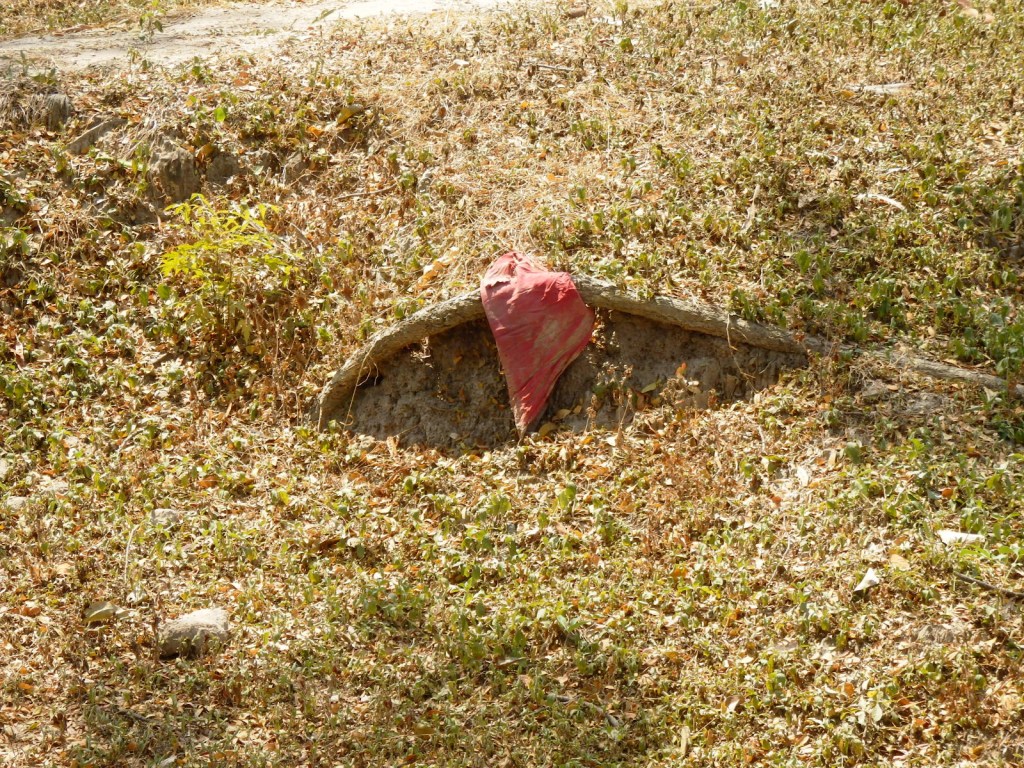
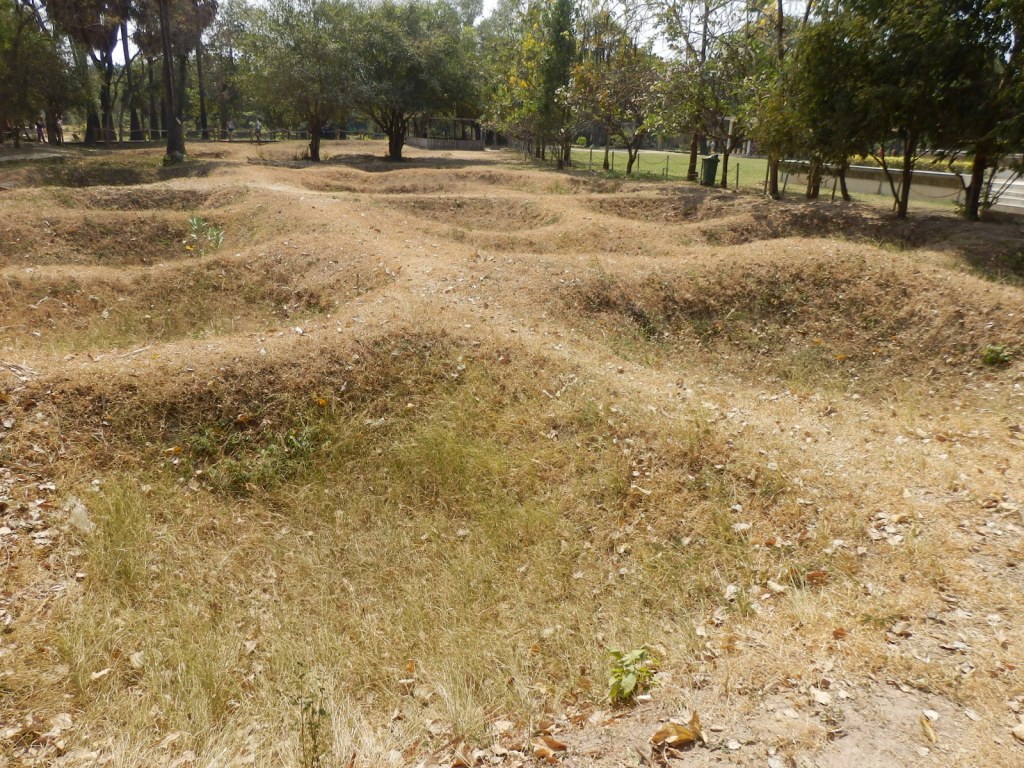
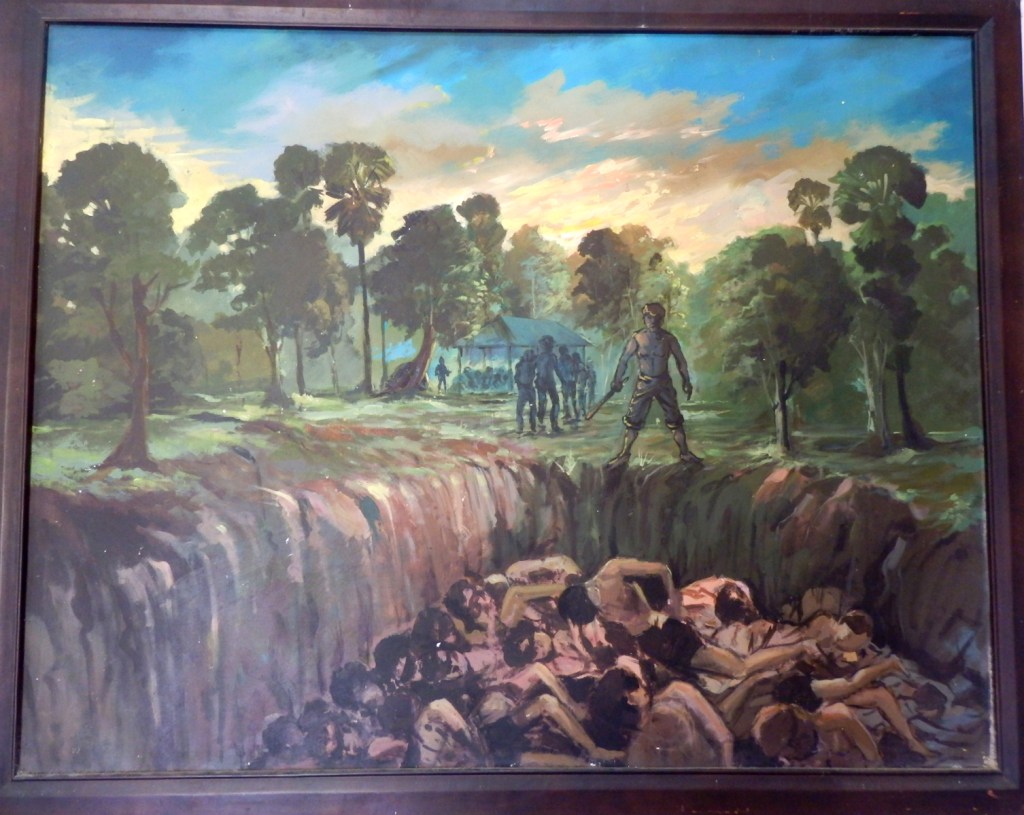
Below are the mounds from the mass graves. Prisoners brought here had to kneel down with their hands tied behind them before being killed and pushed into the graves. It was said that mothers would often see their kids killed right in front of them. Much attention was paid to making sure that no one was left alive, and detailed name lists and records were kept to ensure this.
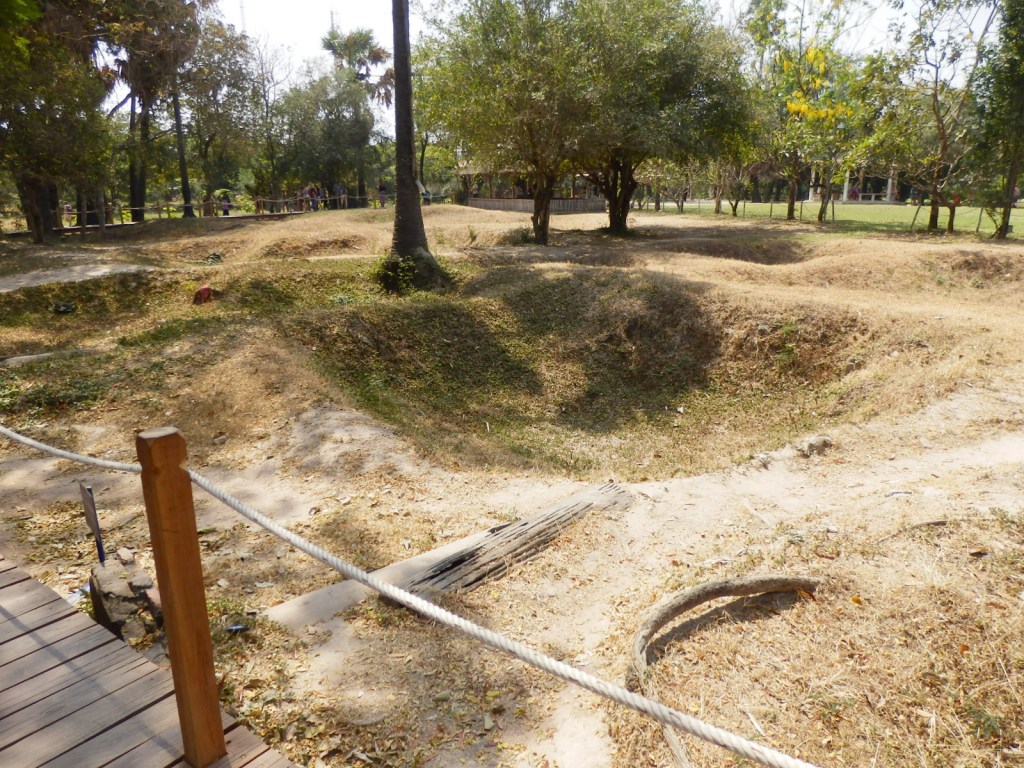


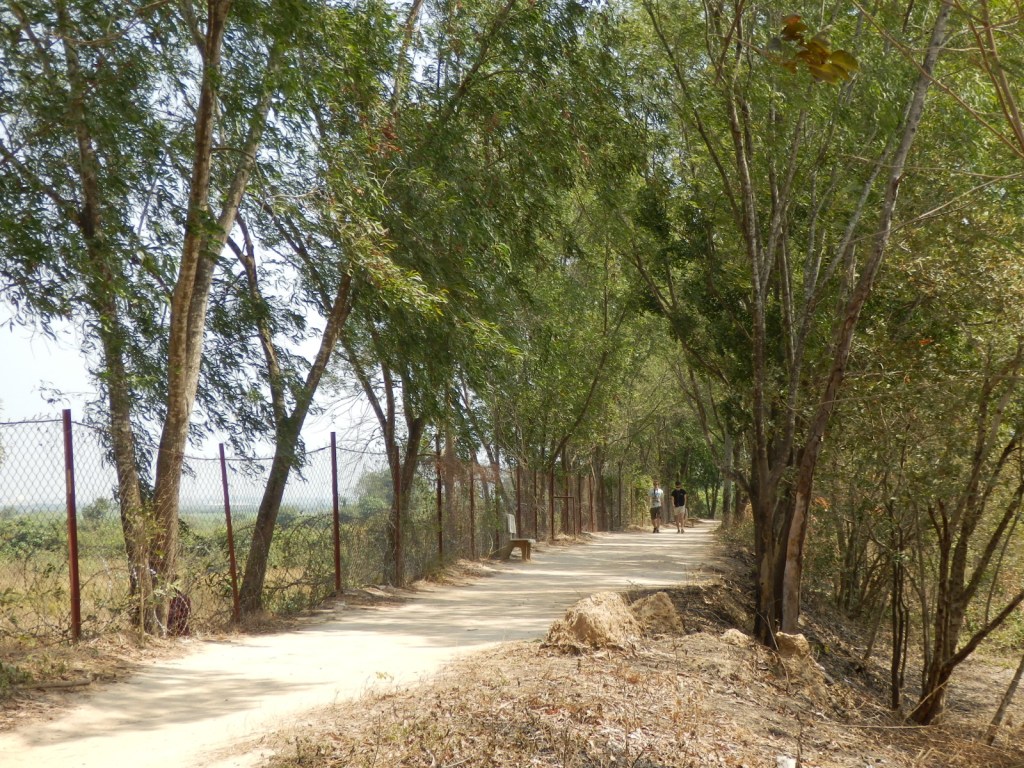


It was also quiet (obviously because people were trying to listen to their headsets), but in spite of the somber history of this place, the weather that day was oddly pleasant, with the sun shining and the wind gently blowing. It made for an even more odd experience listening to those two classical music pieces.
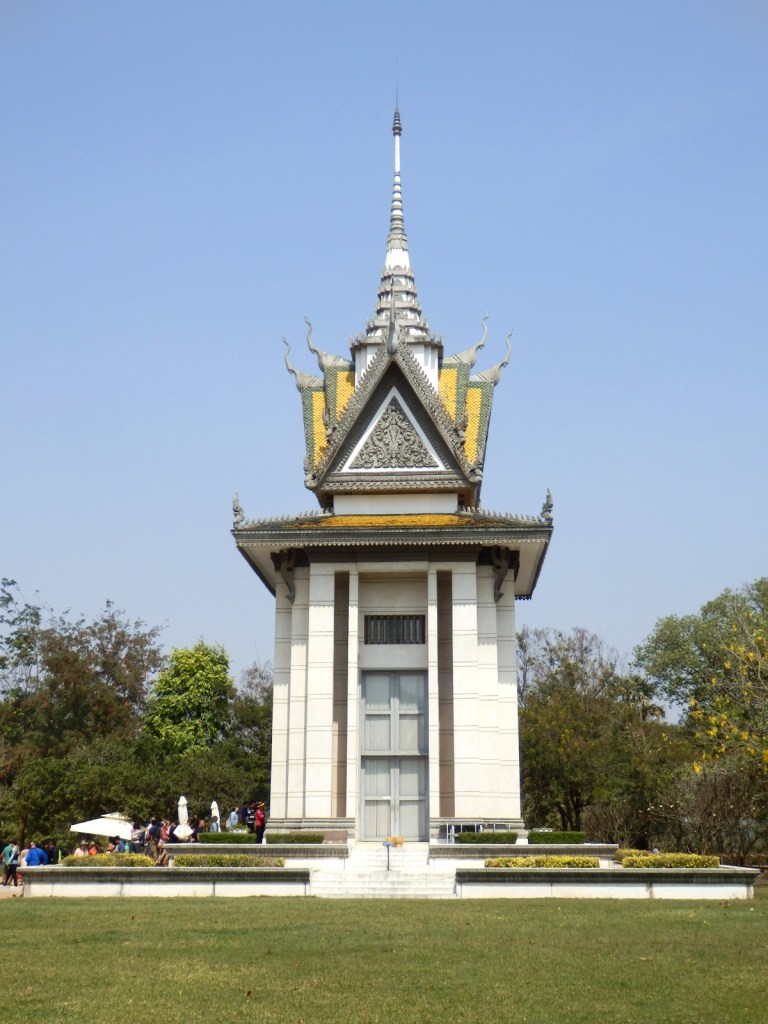
At the beginning and end of the tour path, you see a stupa in honor of the victims. But it’s what’s inside that makes for a powerful ending.

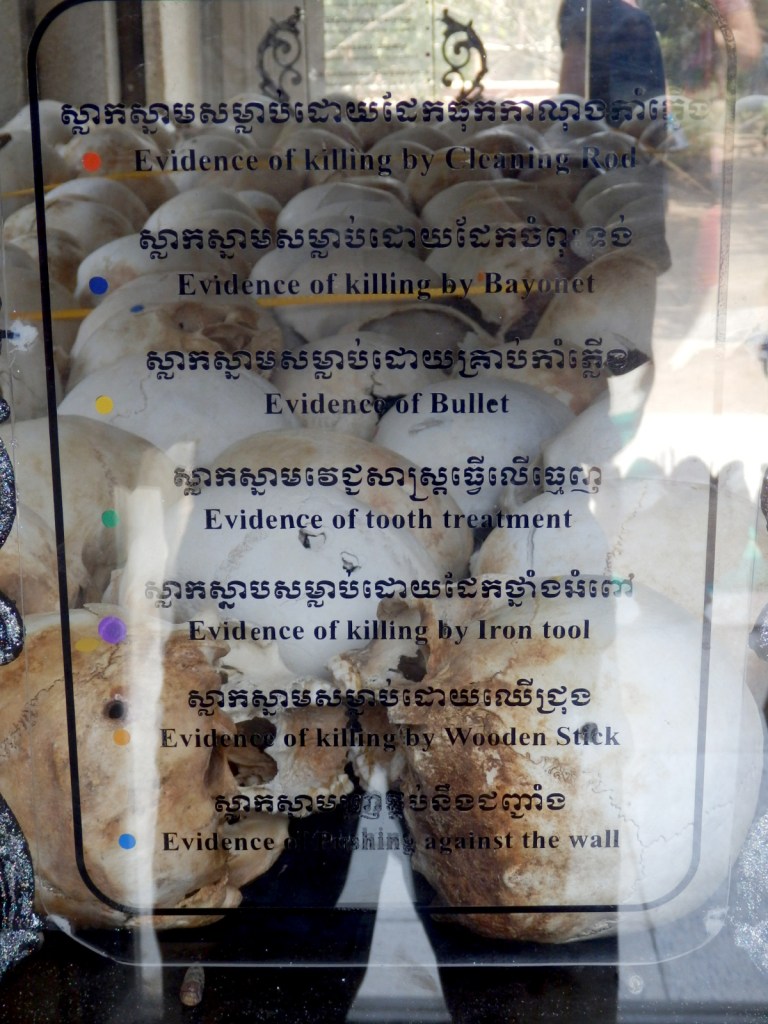
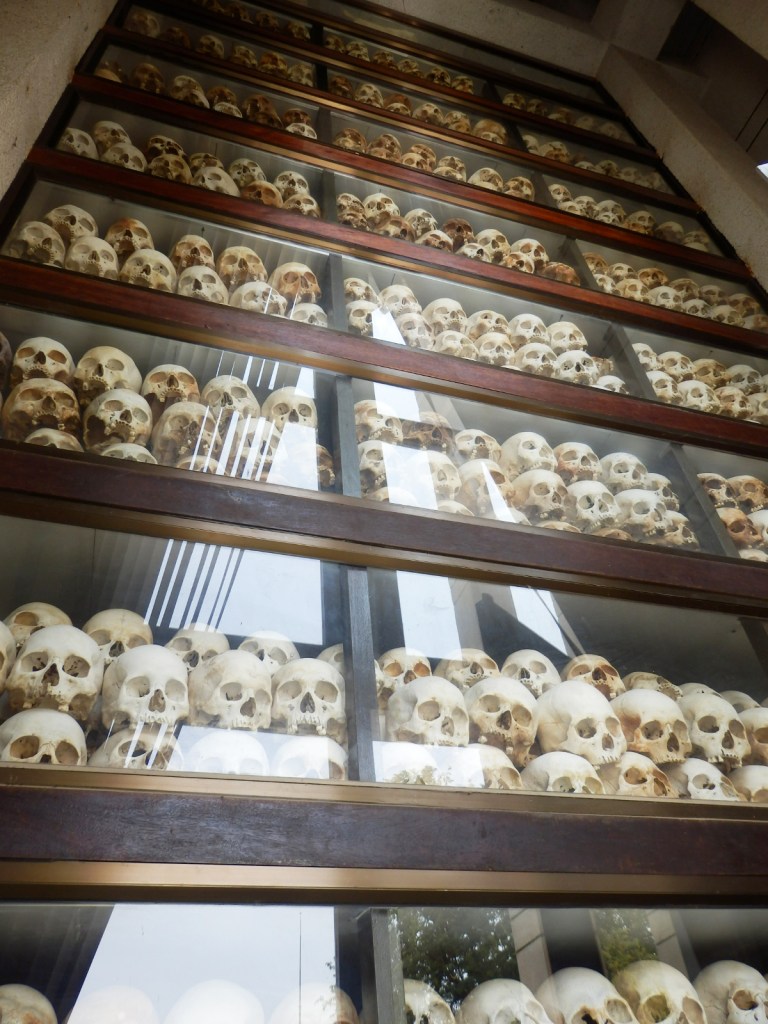
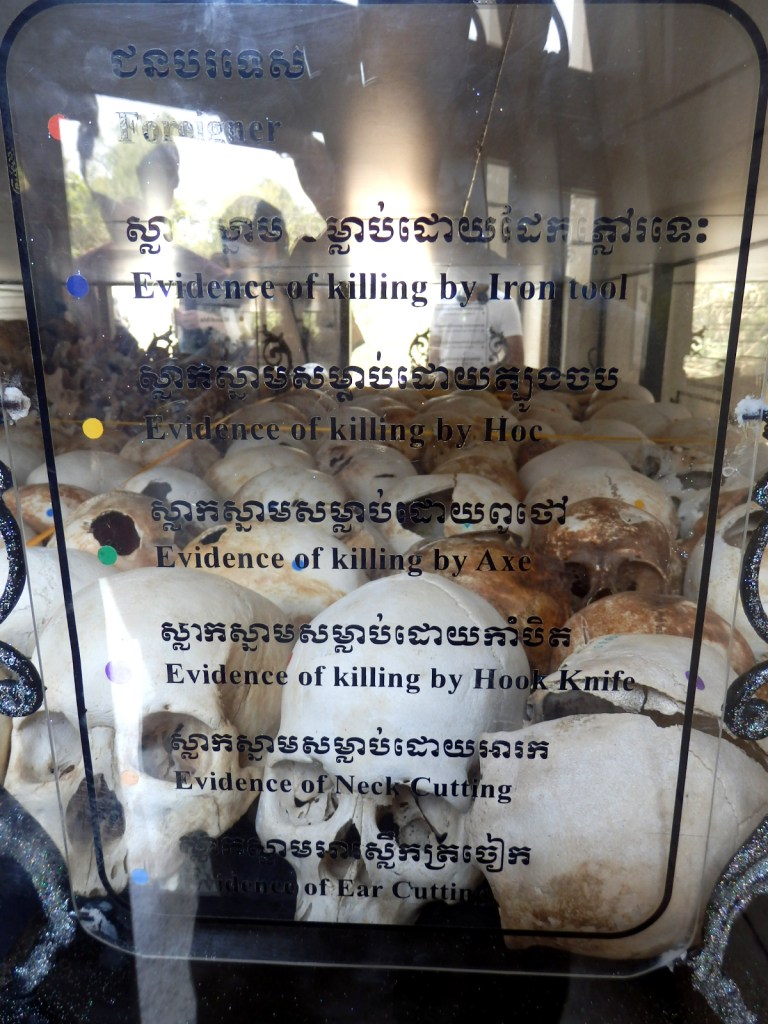
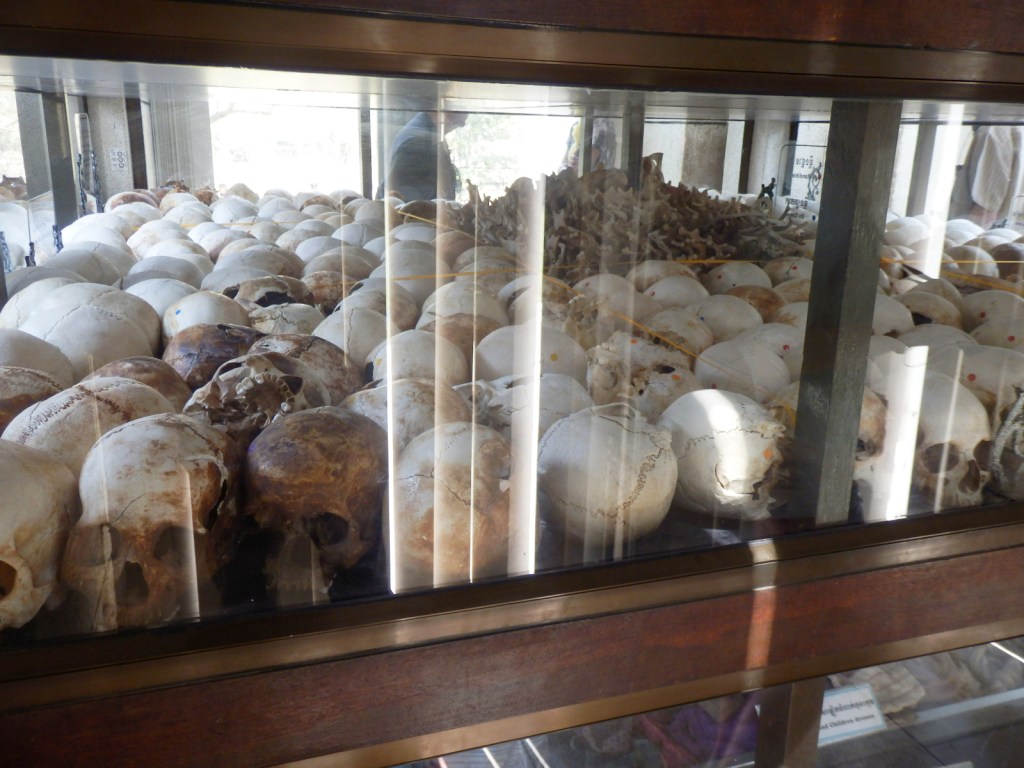
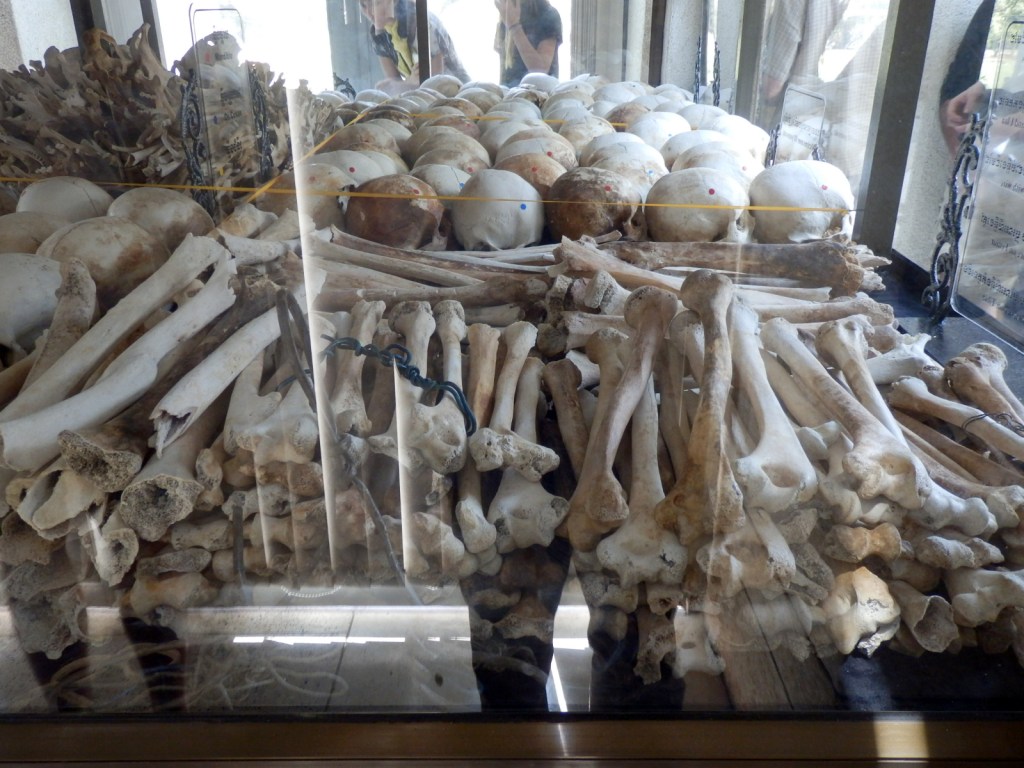
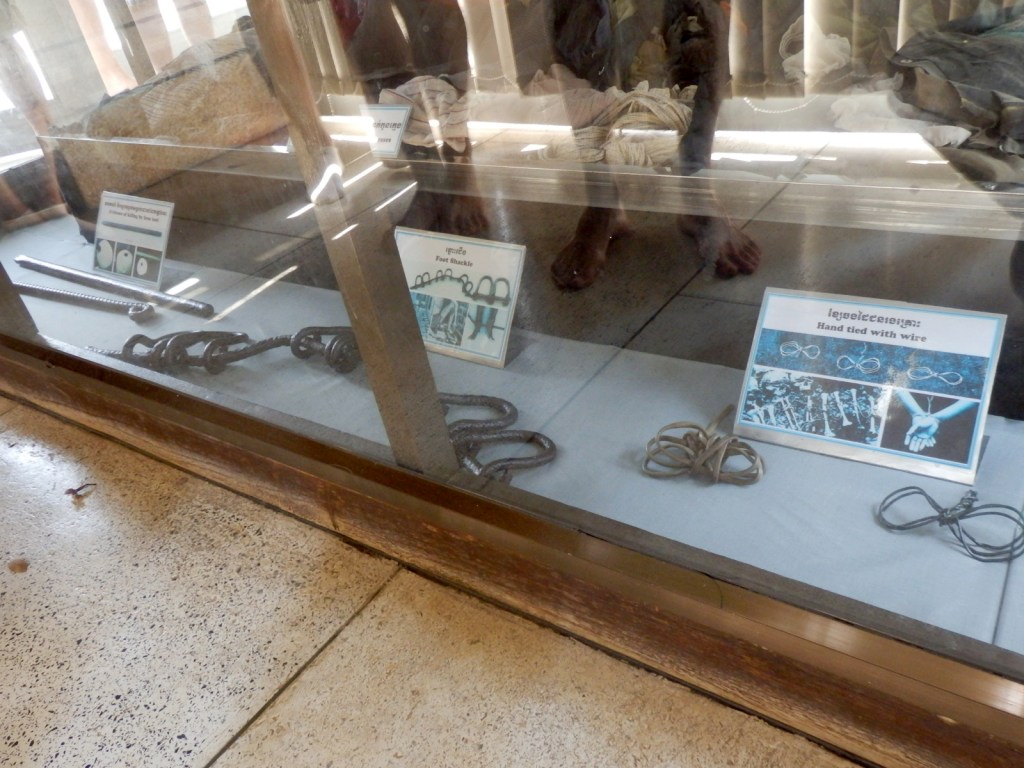
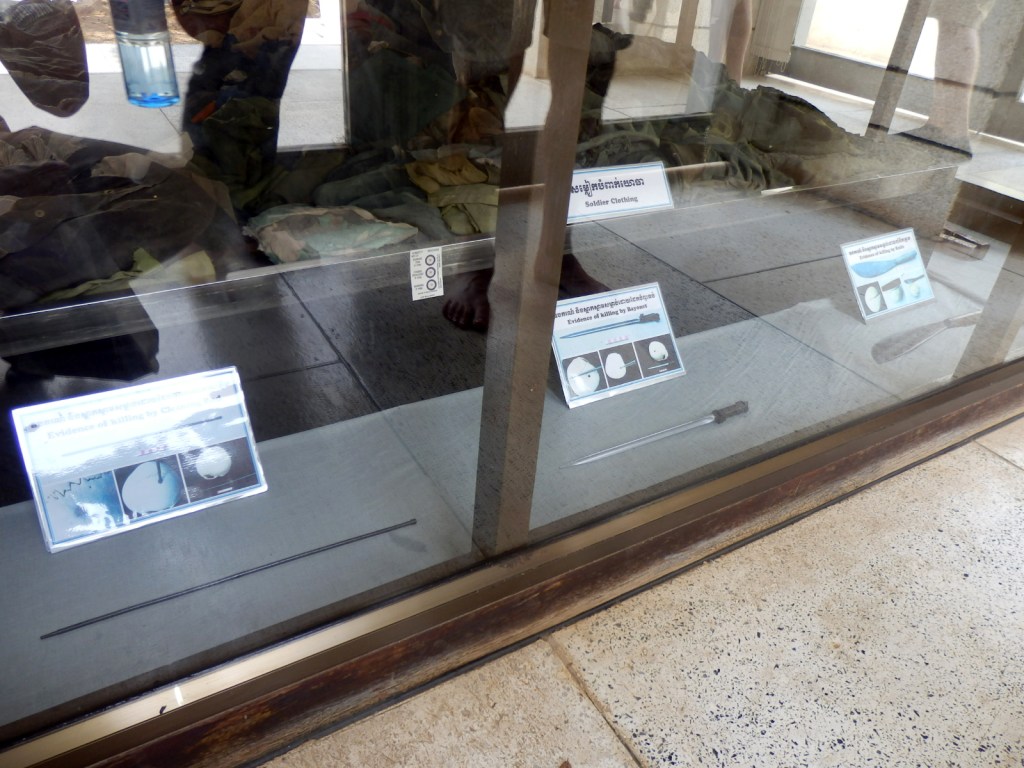
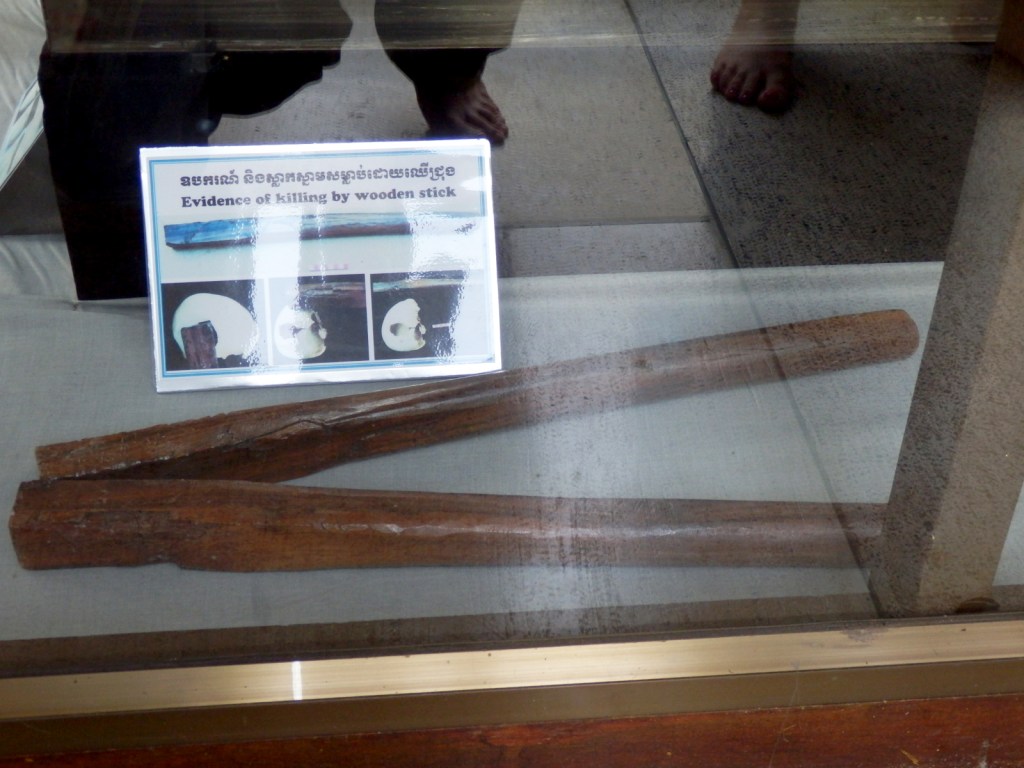
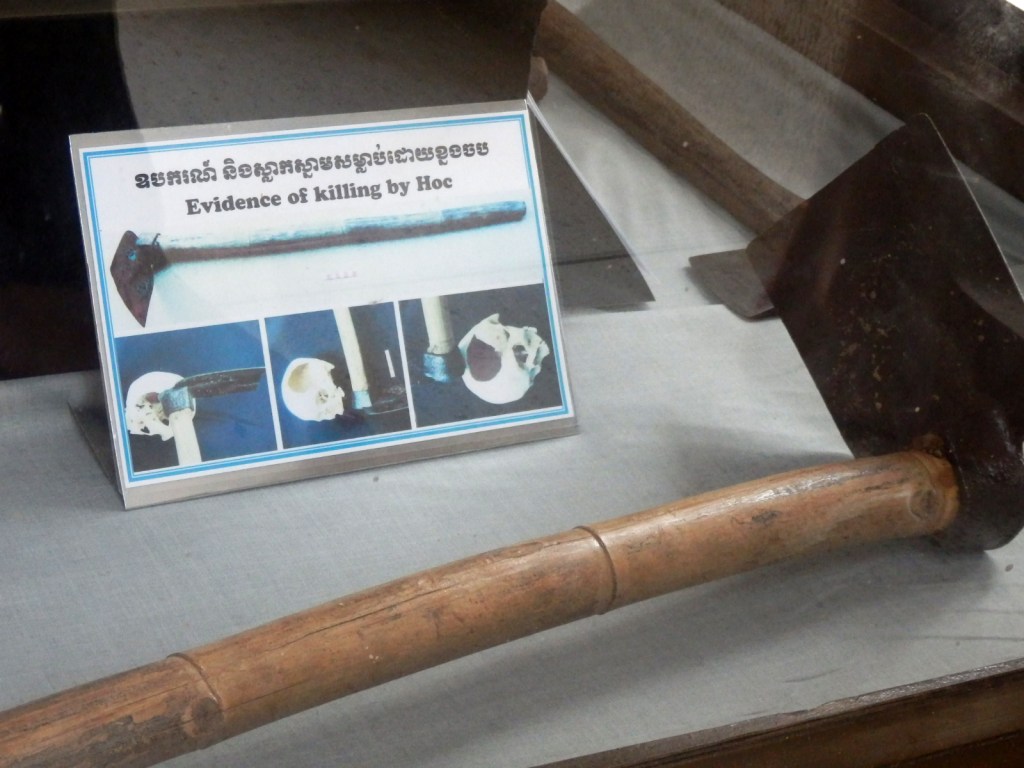
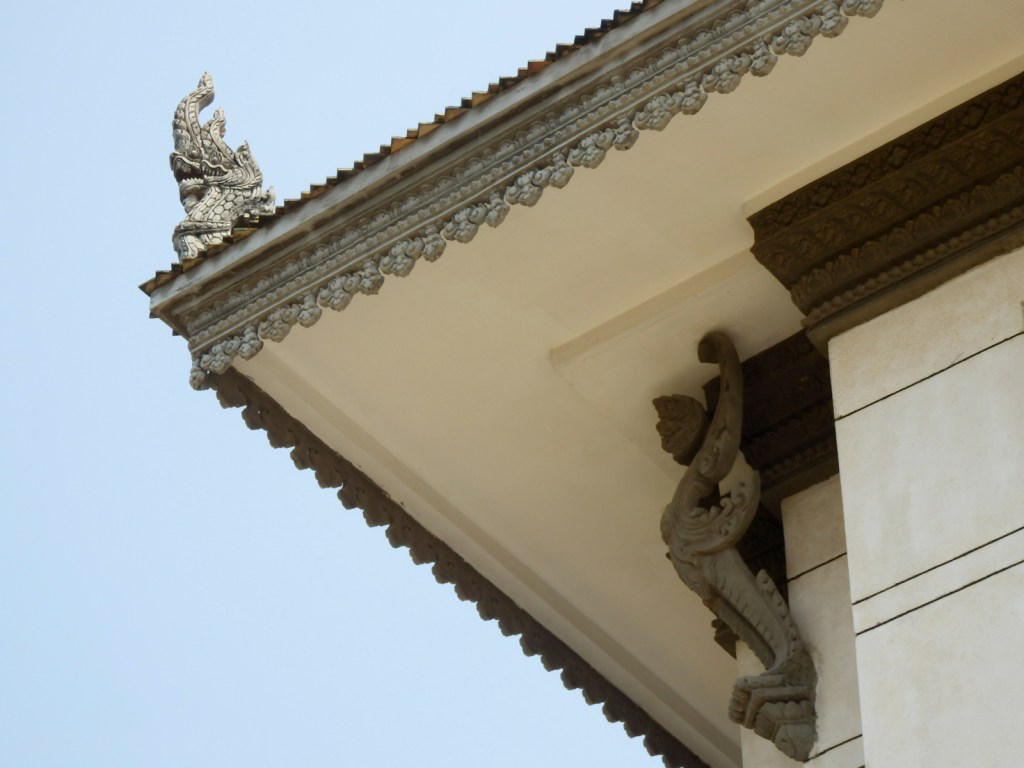
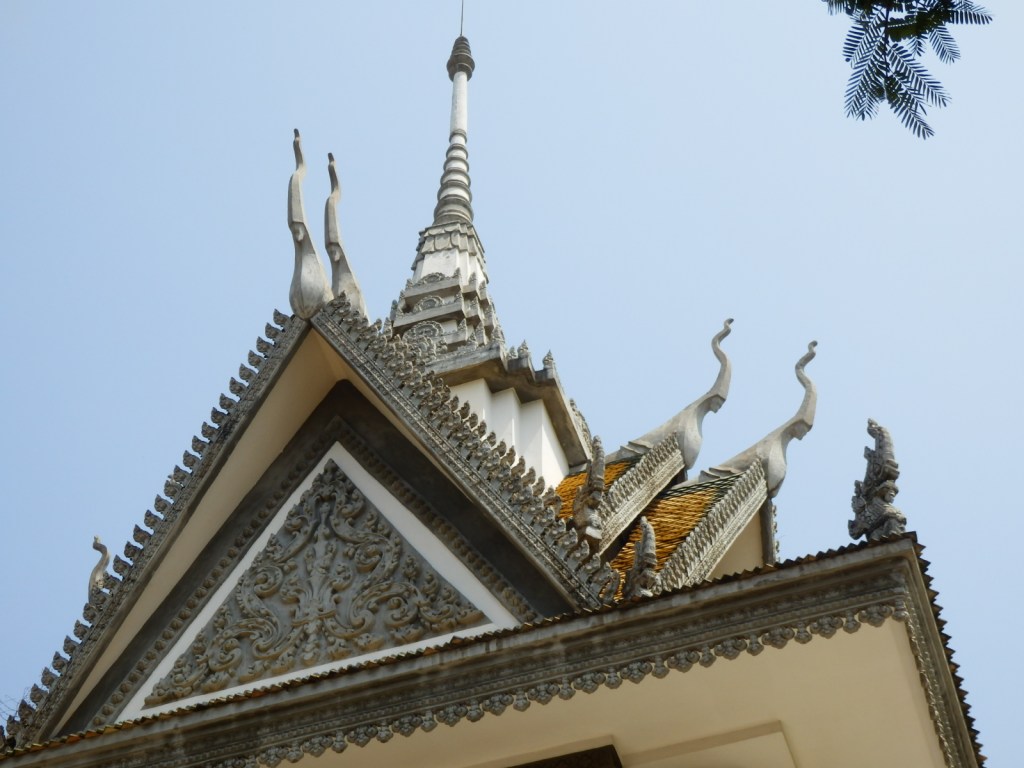
Inside the stupa are the remains of some 8,000 skulls that were unearthed. There are also descriptions of how you can identify how each person was killed based on the kind of injury done to the skull.
The narrator’s voice during the audio tour is interesting because he details all of the awful events but does so with a gentle and sobering feeling, one that leaves the listener feeling better able to deal with all of the darkness without making them feel like all hope is lost. It’s a tricky thing to do, but here it is done well.
At the end of the guide, it tells you to take a look at another small museum adjacent to the main pathway. Inside are some more photos, as well as the official Khmer Rouge uniforms, tools that were used to kill people, and some paintings from one of the survivors.
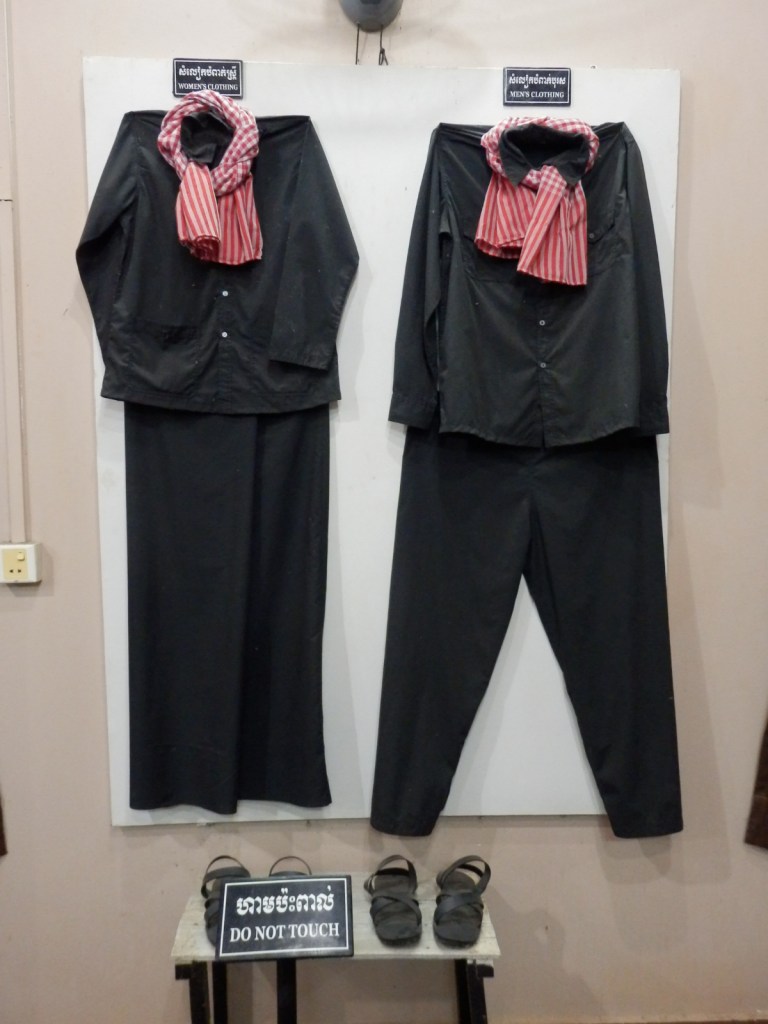


Though the subject matter is grim and painful, I think it is essential for anyone who is visiting Cambodia to take at least one day to visit the S21 Genocide Museum and the Killing Fields. It’s historical, it’s fascinating, it gives context as to how and why Cambodia is in the state that it’s in, and it shows what can happen whenever a psychotic, ego-maniacal, power-hungry person with delusions of grandeur takes power. It also shows how much the people of Cambodia have survived and endured. As I told a couple of Belgian women while on the way to the Silk Island Lunch Cruise, please don’t be afraid to visit here. If anything, this experience will enrich your time in Cambodia. And if you do visit, then you must see both of these sites; they go hand in hand.
Day 3: Lunch cruise to Silk Island
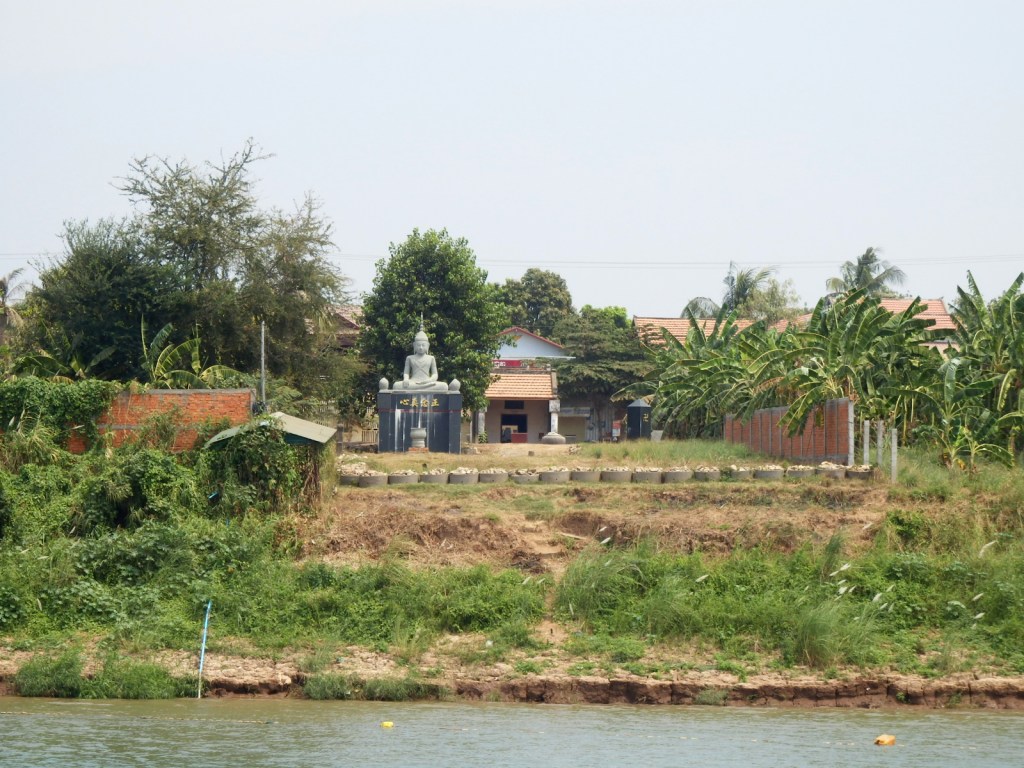
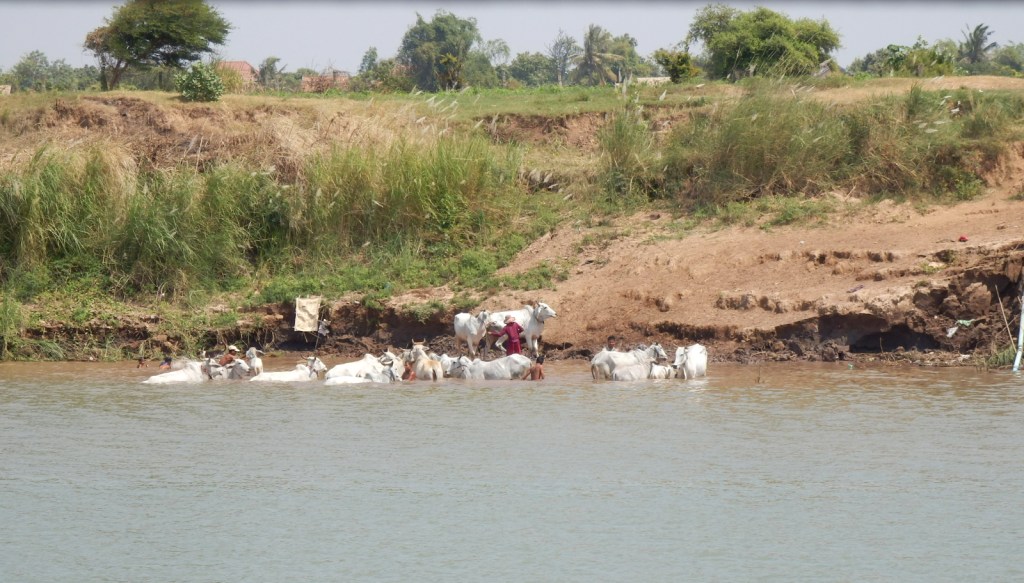
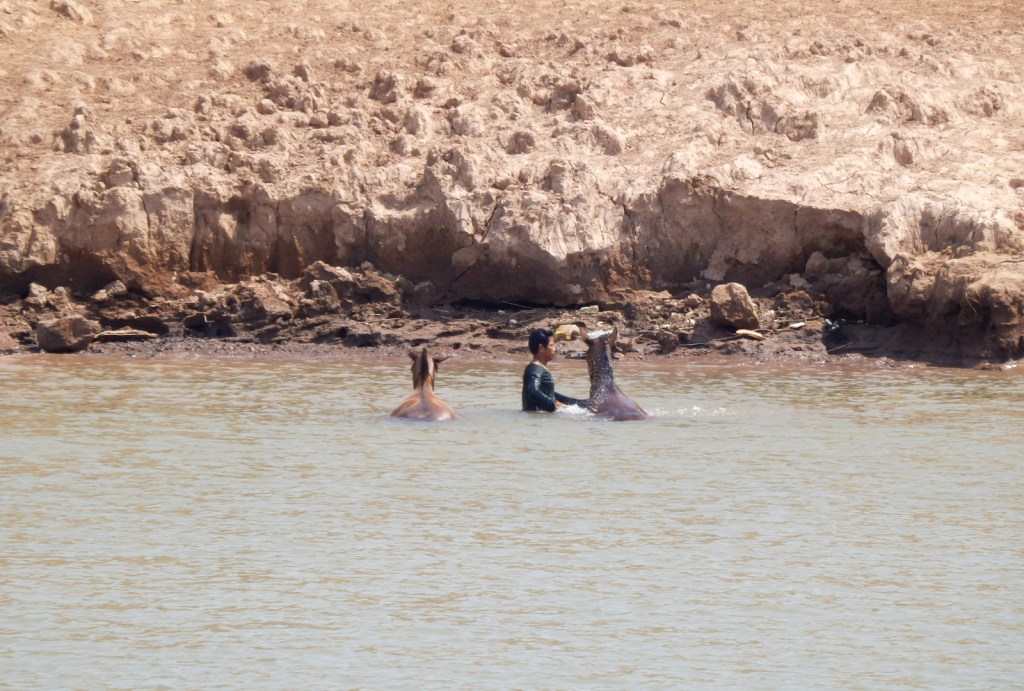
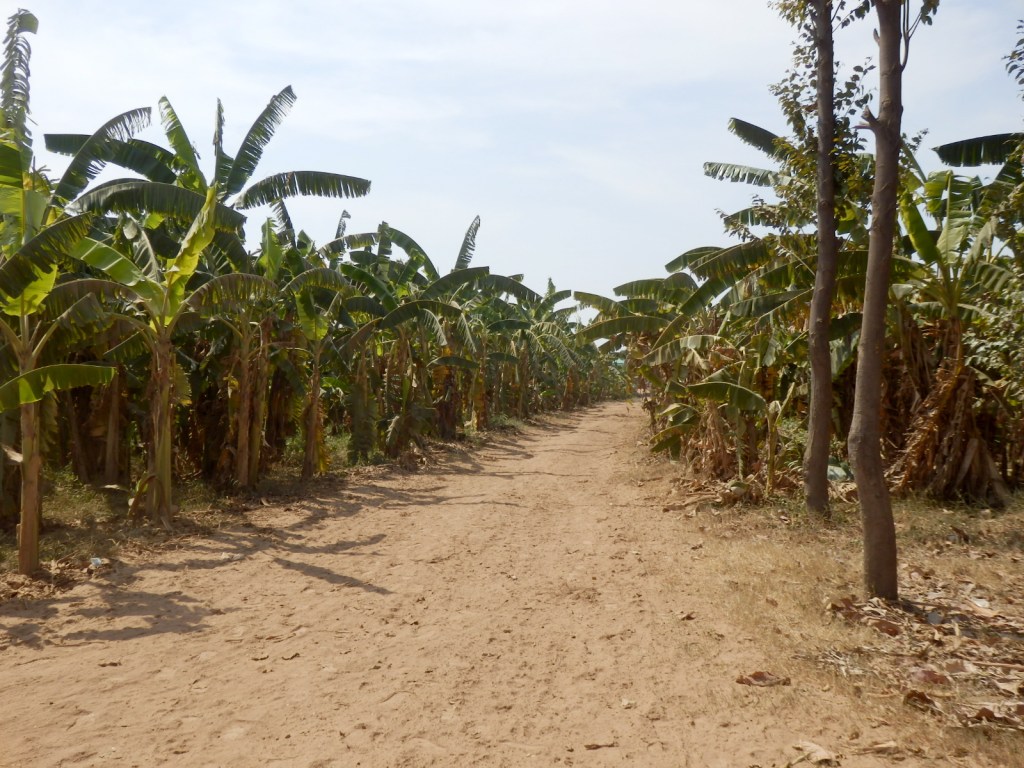
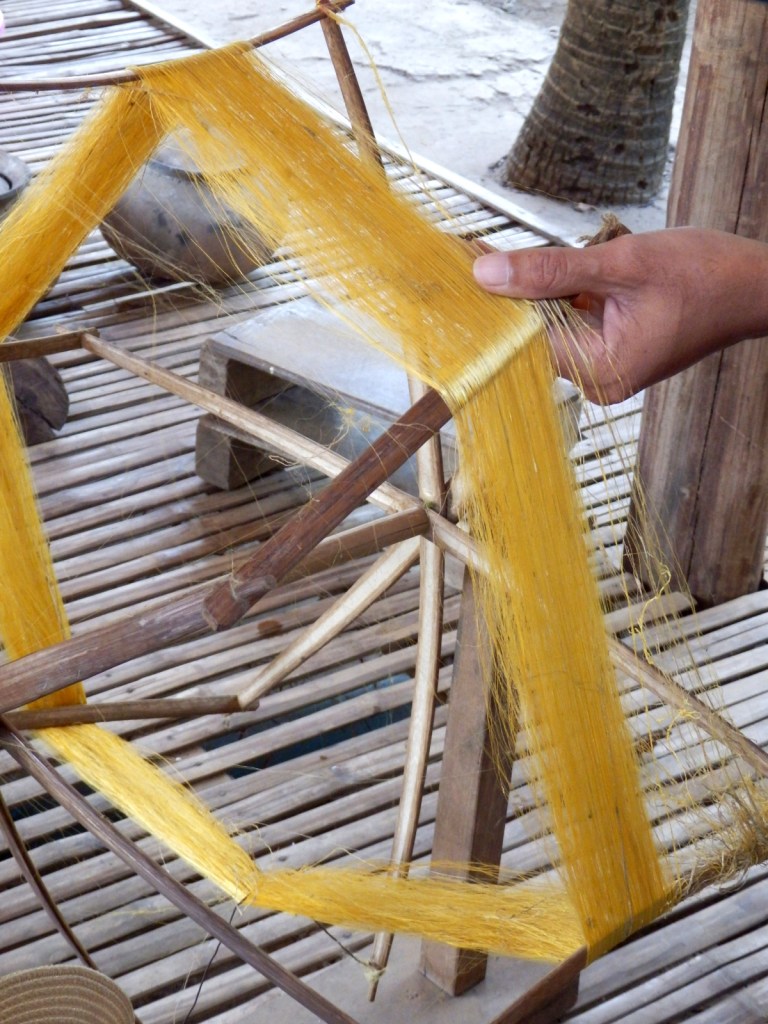
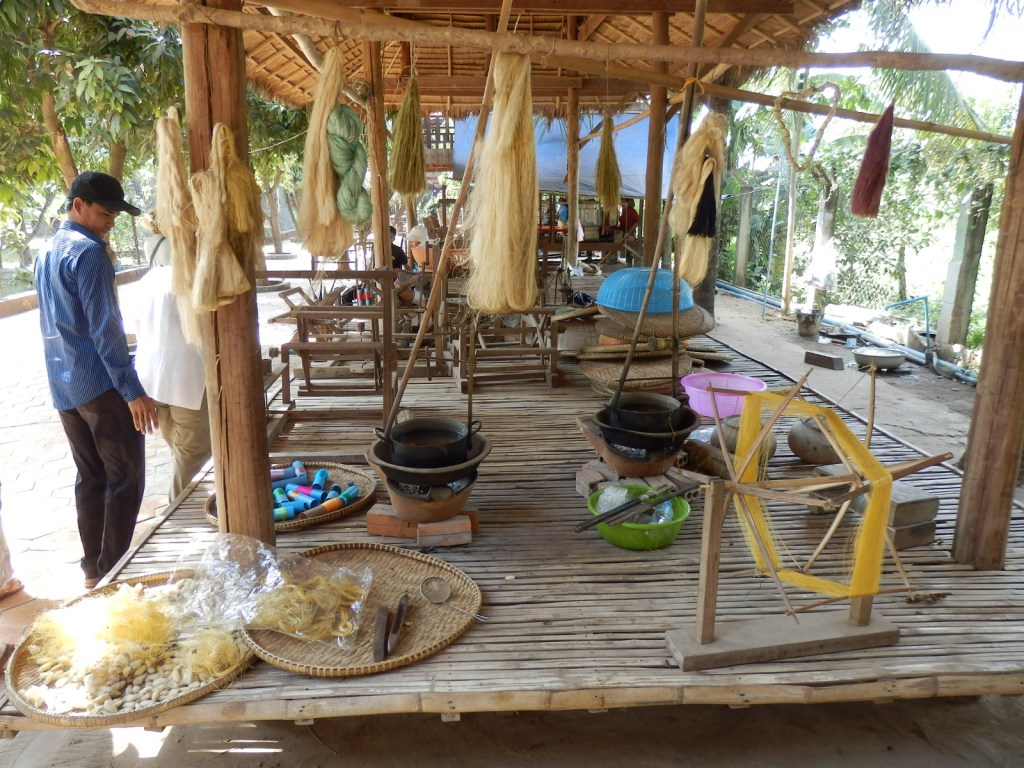
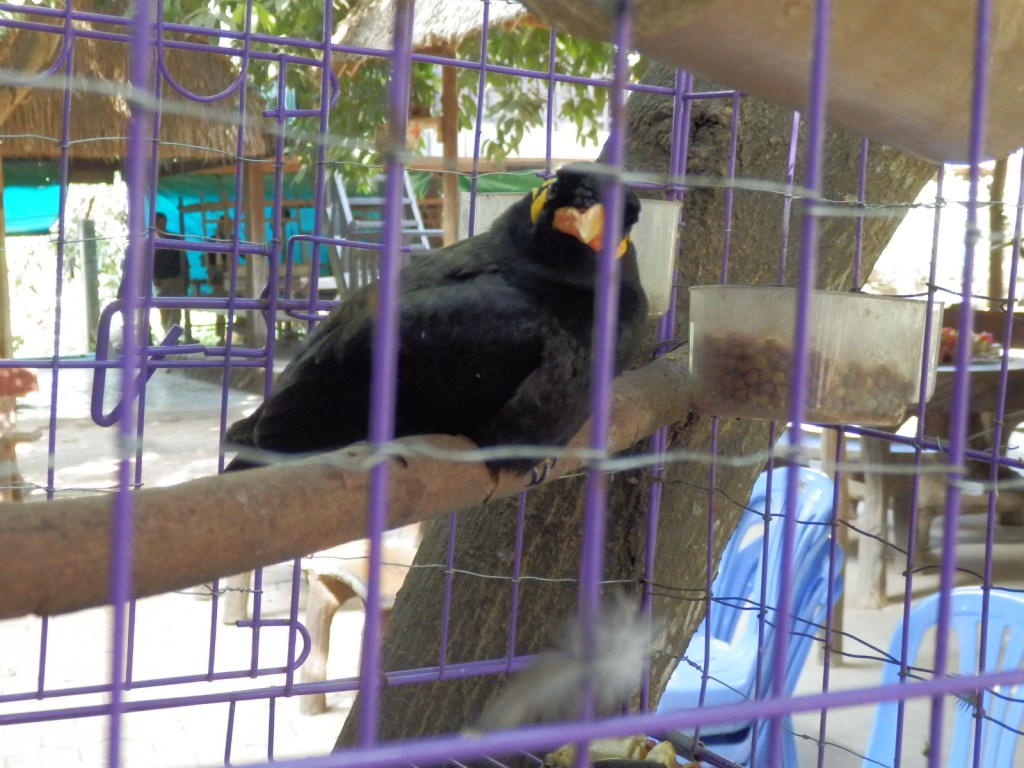
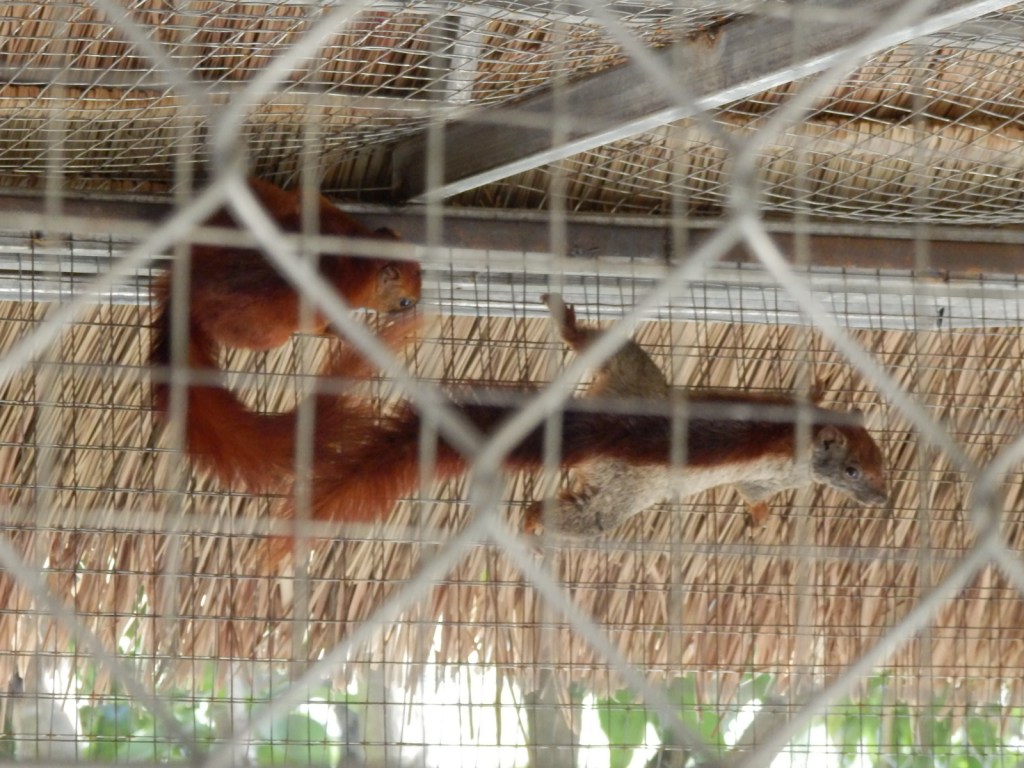
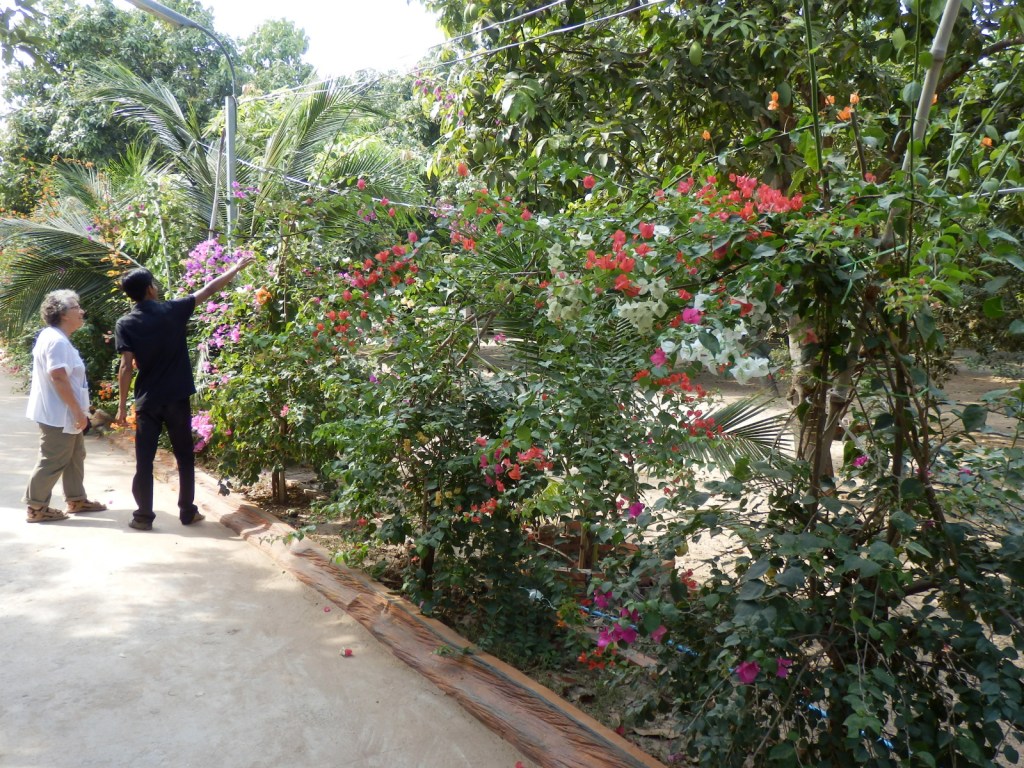
I chose to do this lunchtime cruise instead of the dinner cruise primarily because the main focus of the dinner cruise was just the cruise itself. The focus of the lunch cruise was going to Silk Island to see where the silkworm moths are raised and kept and how their cocoons are used to spin silk. There ended up being only 7 people total on our boat, so it was a more intimate outing.
Views along the river
Silkworm Island
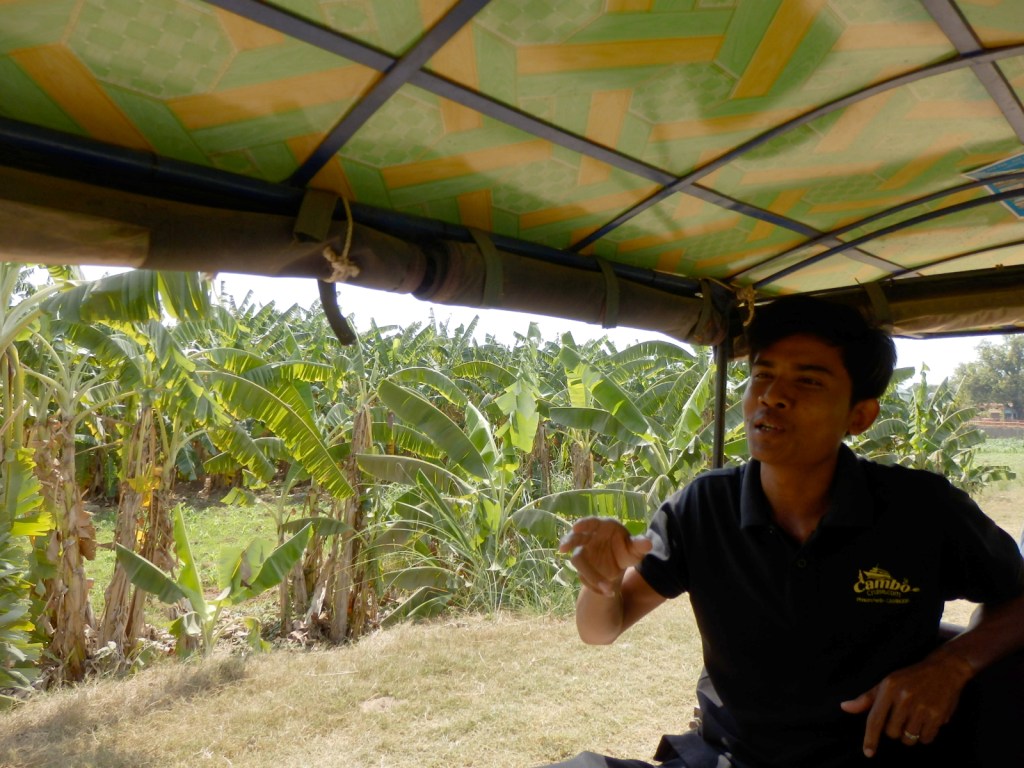
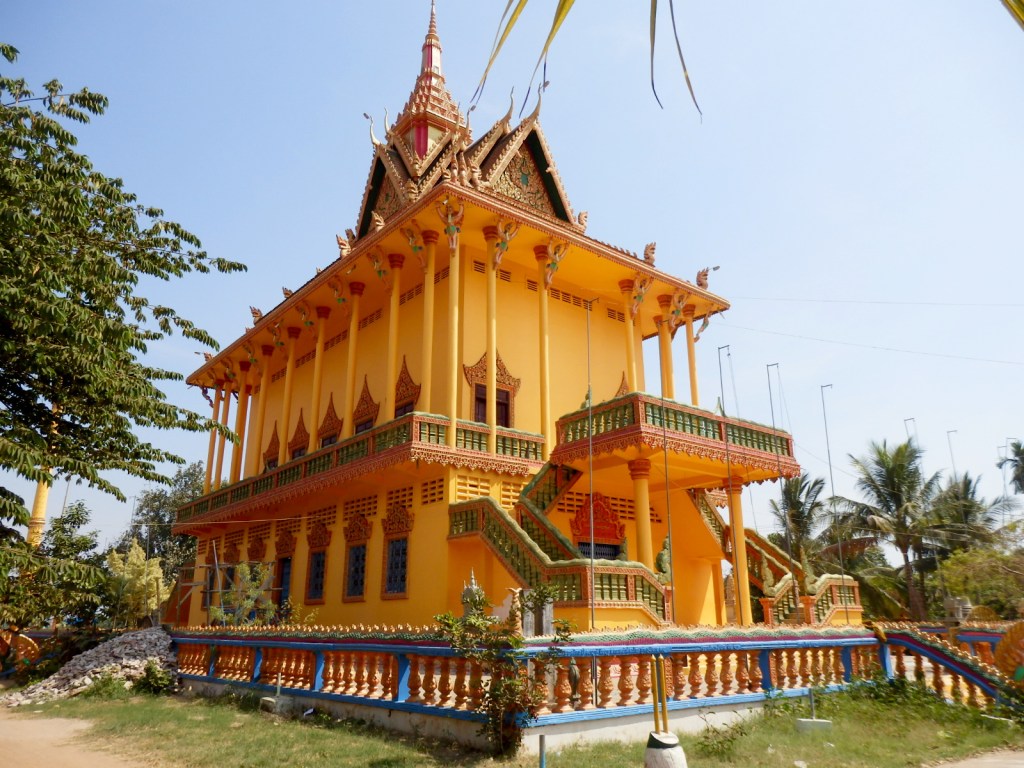
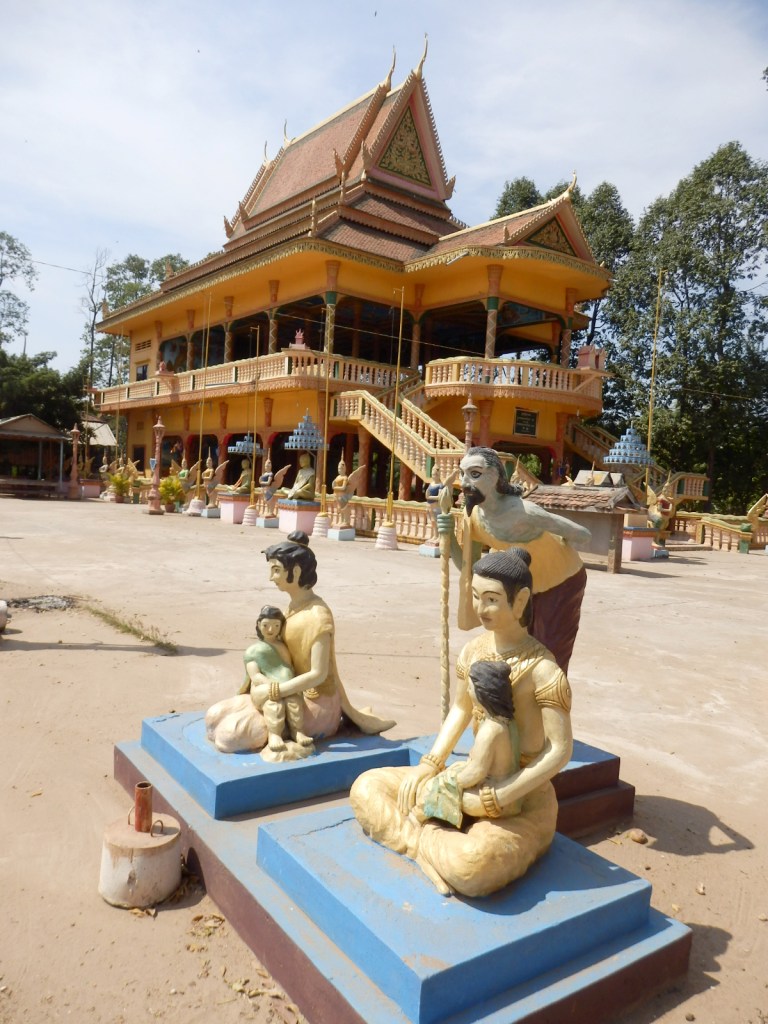
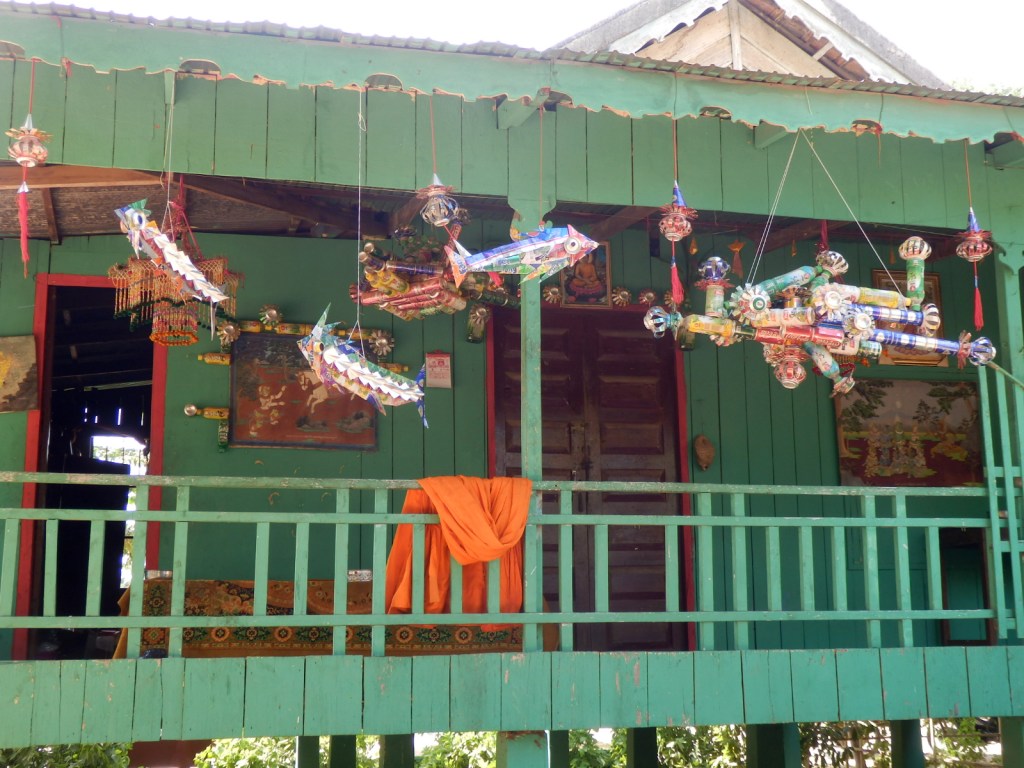
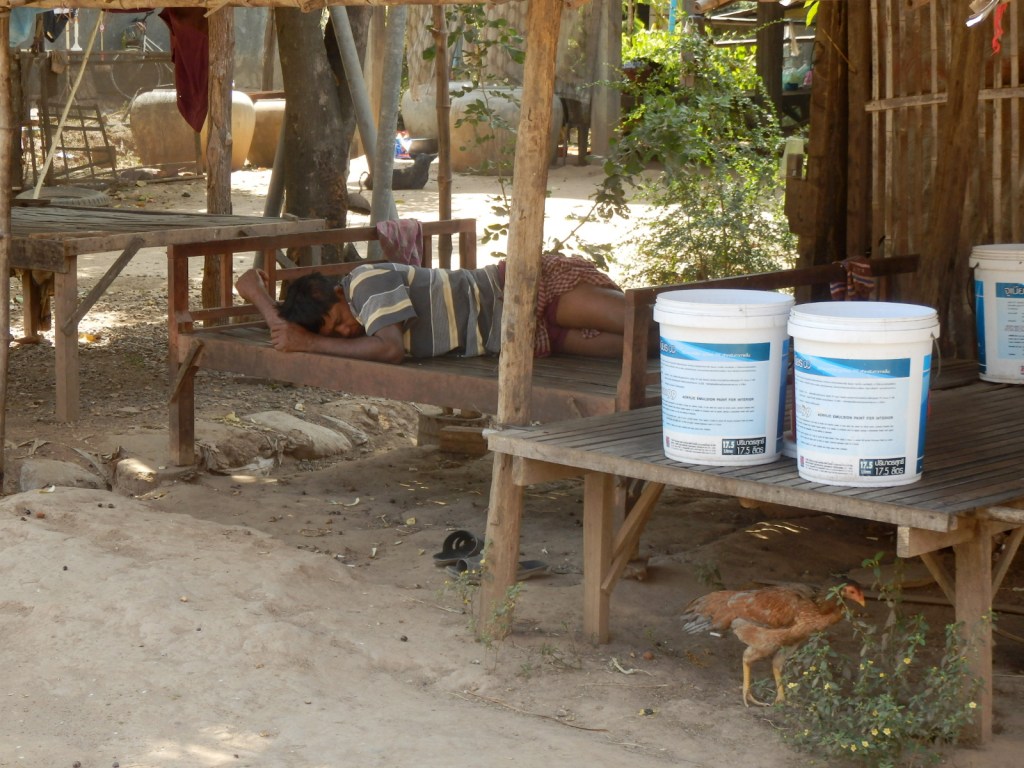
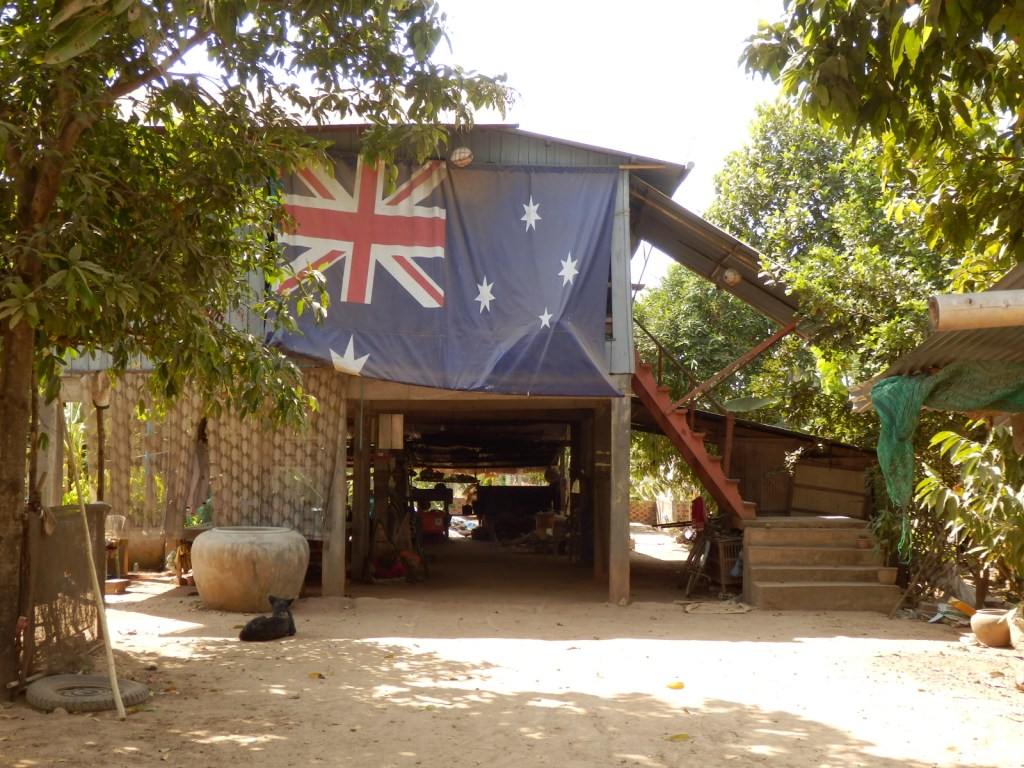
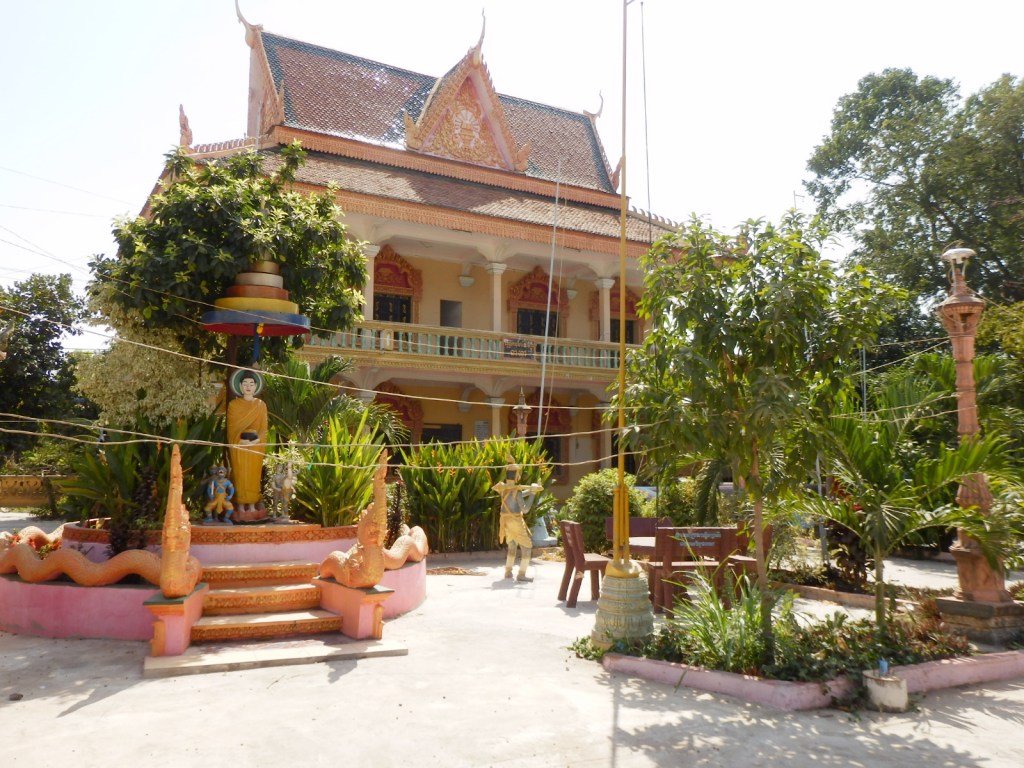
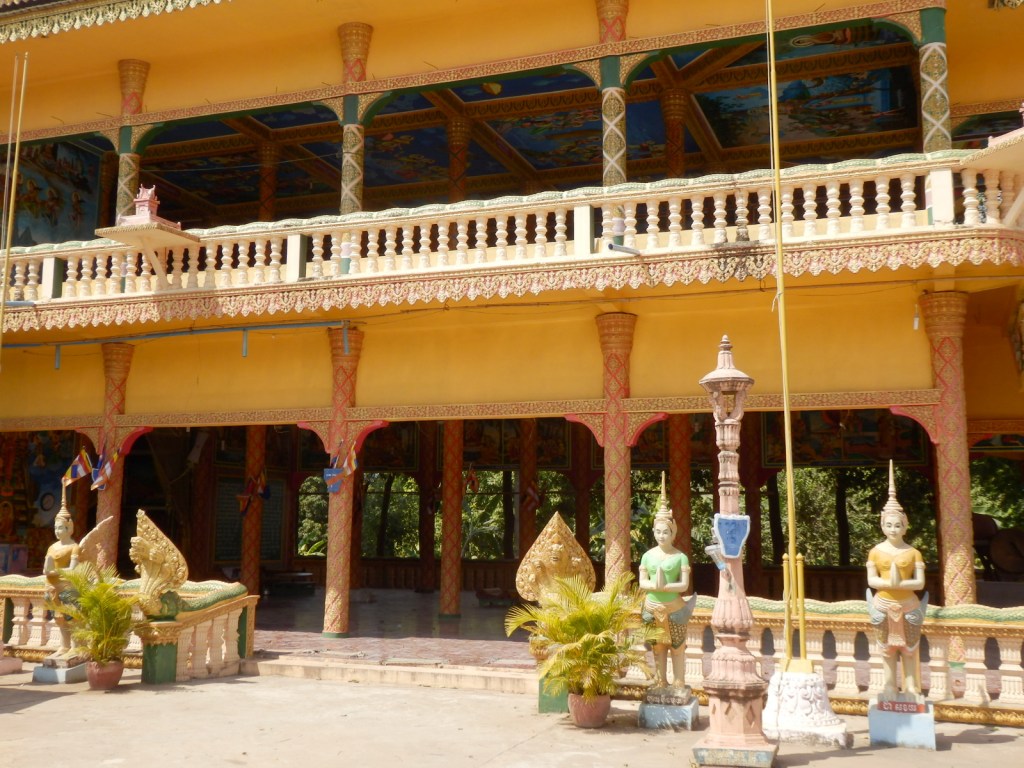
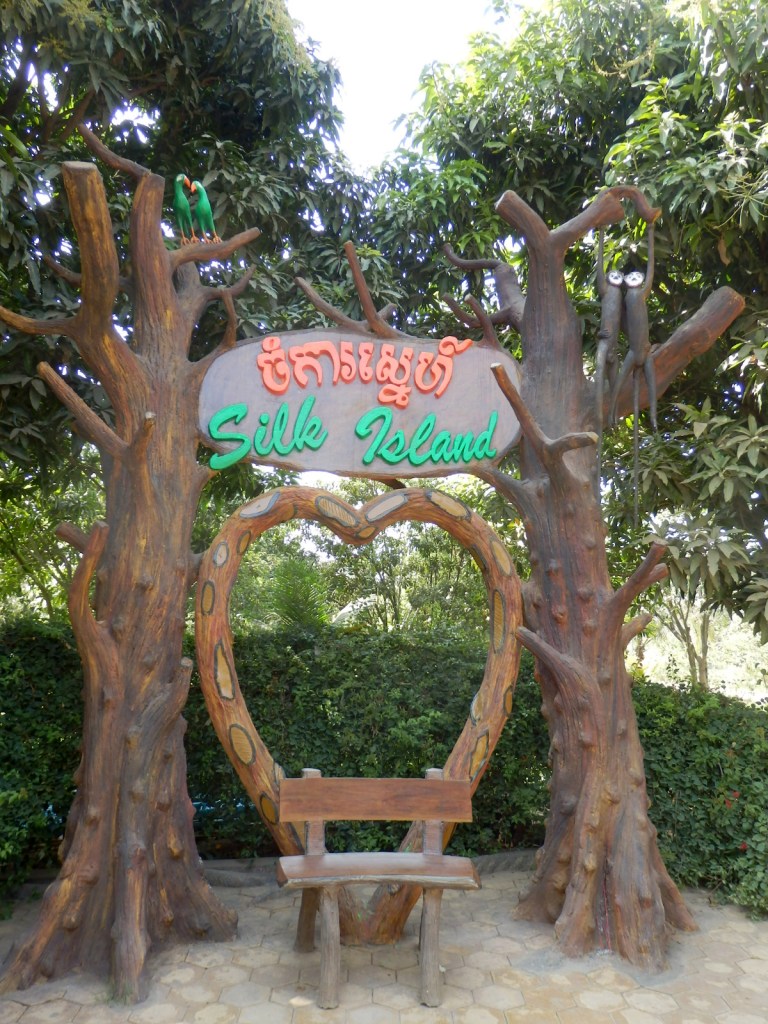
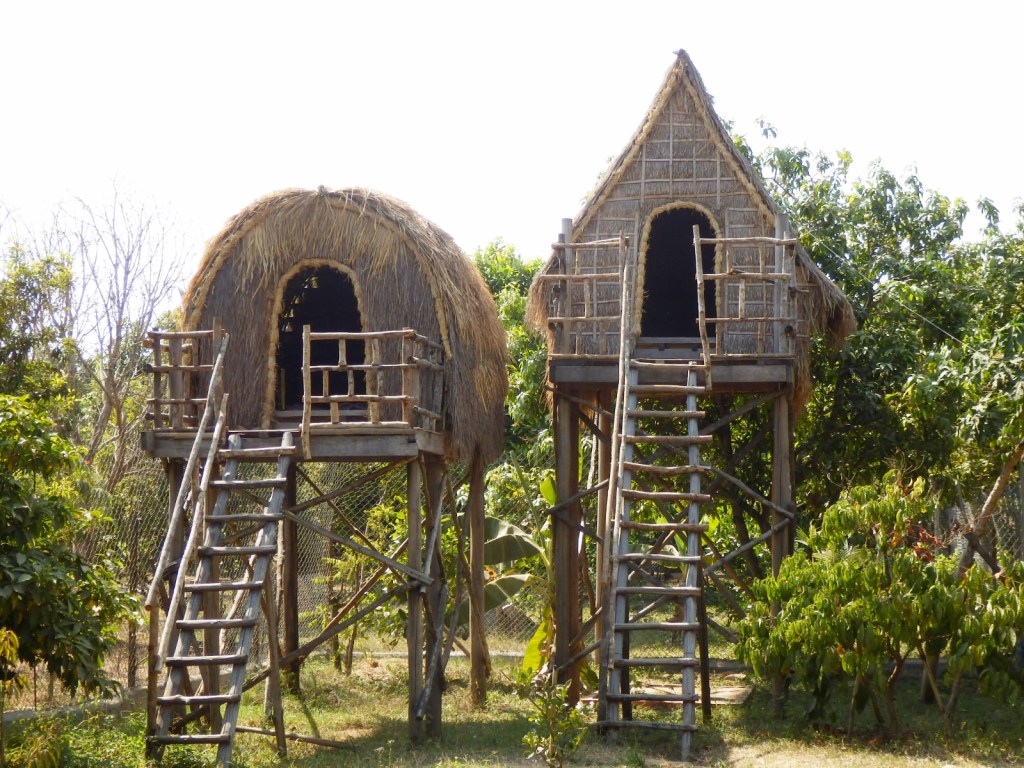
The silk making process


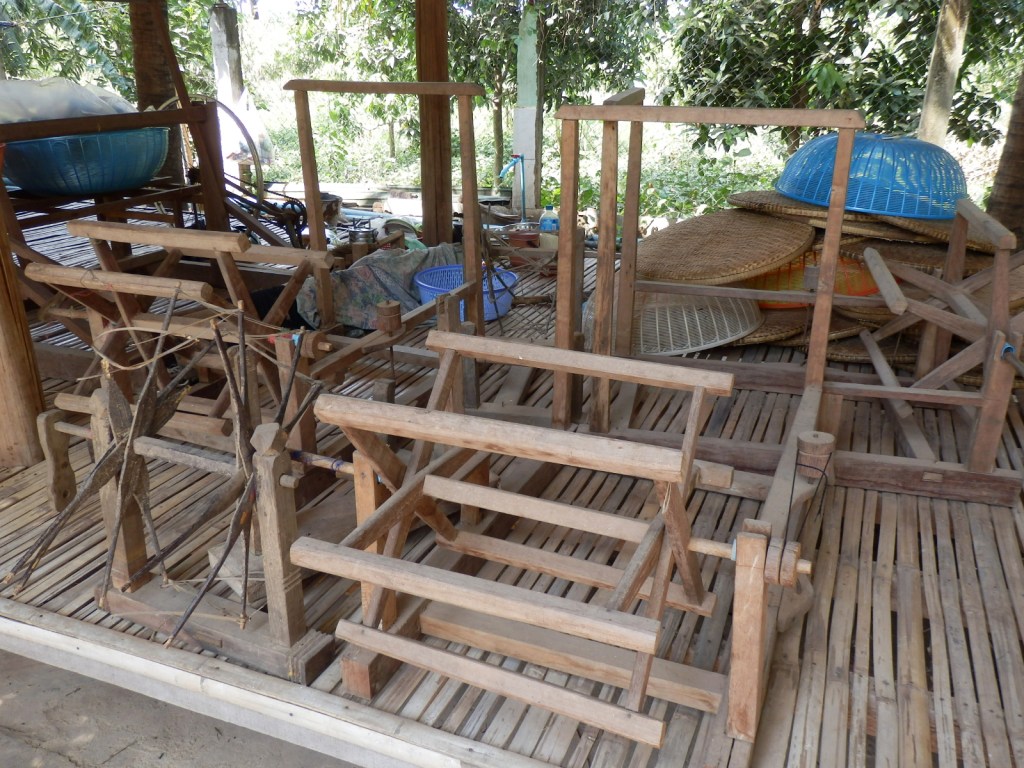
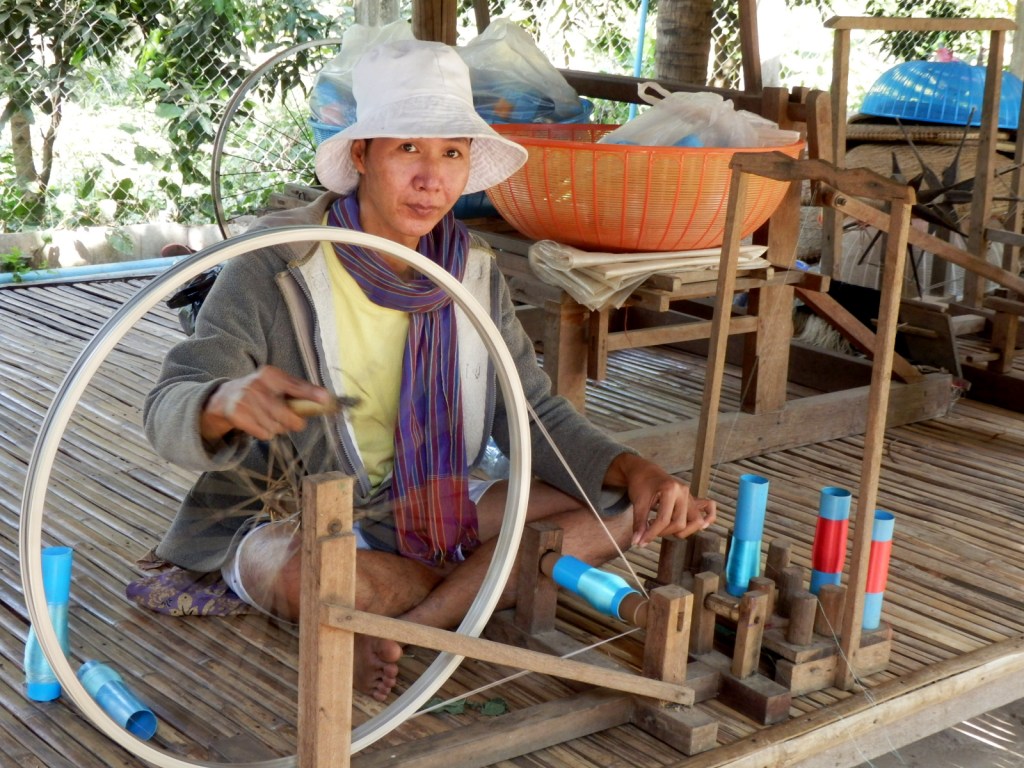


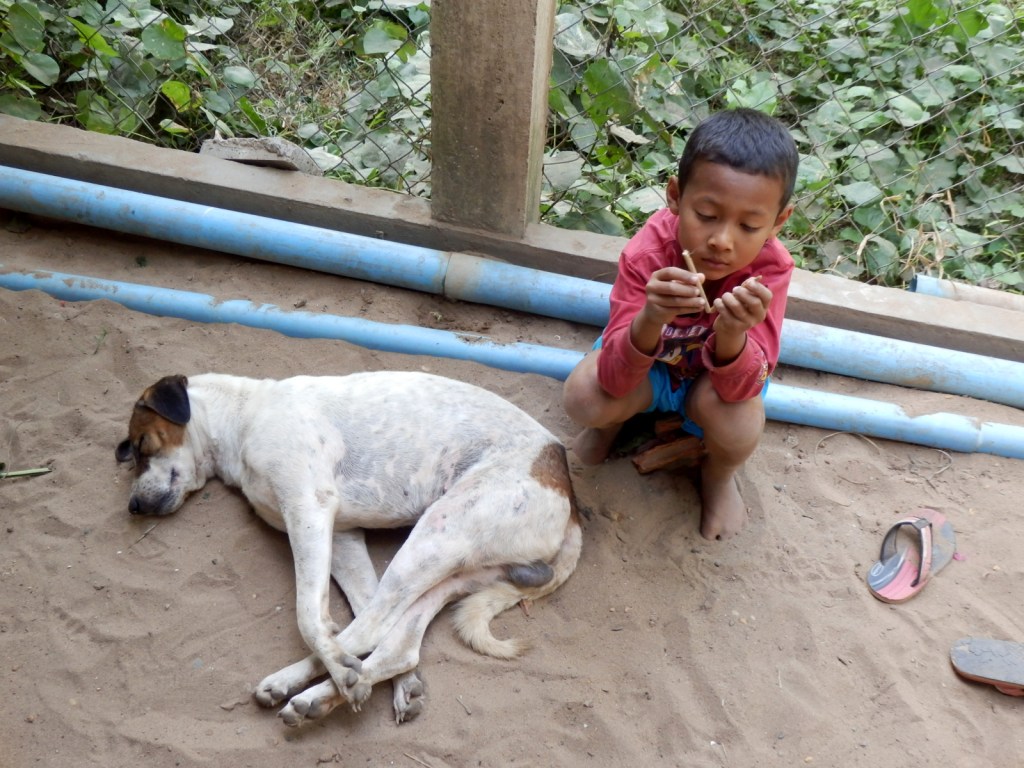
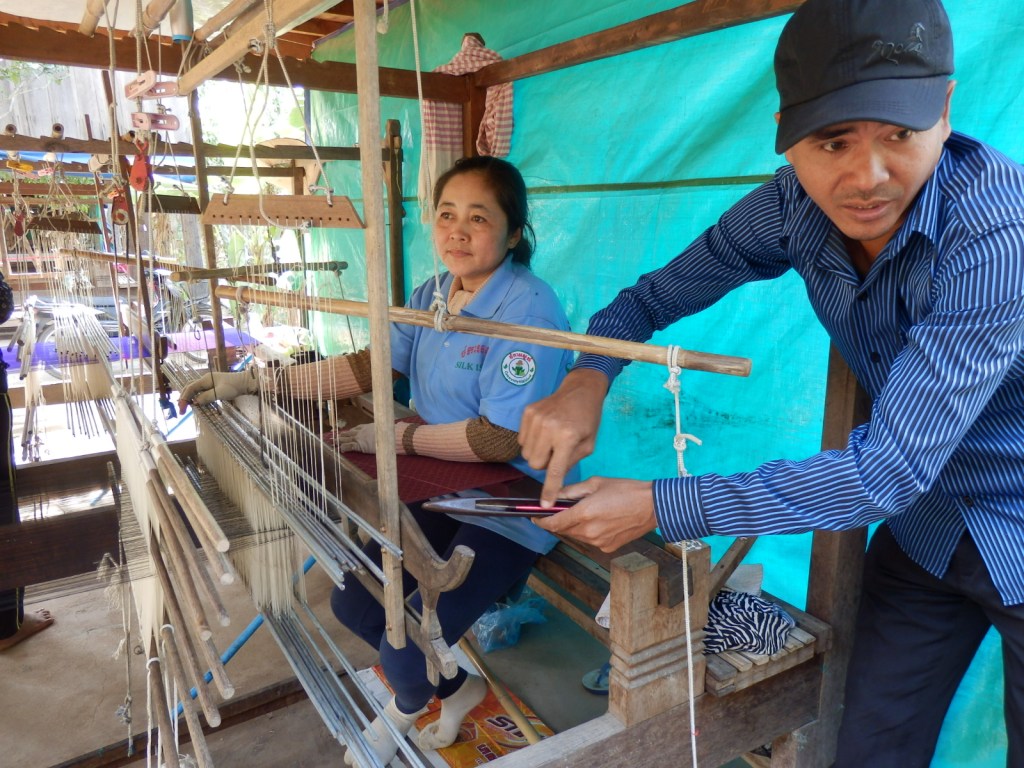
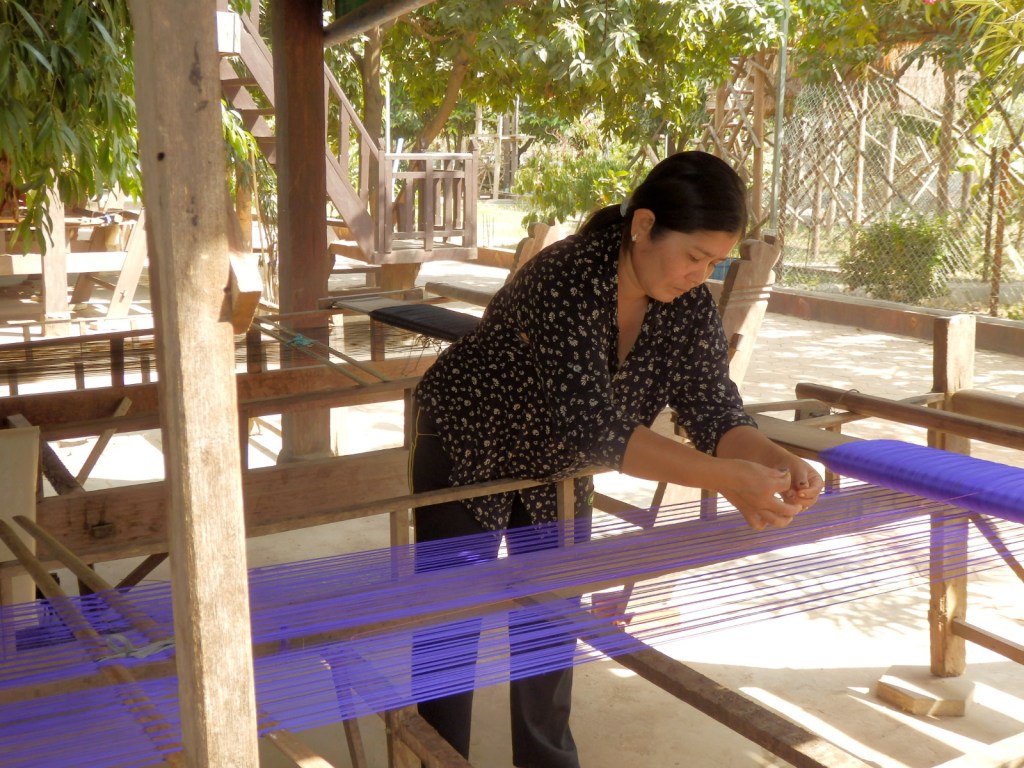
Some other sites on the island

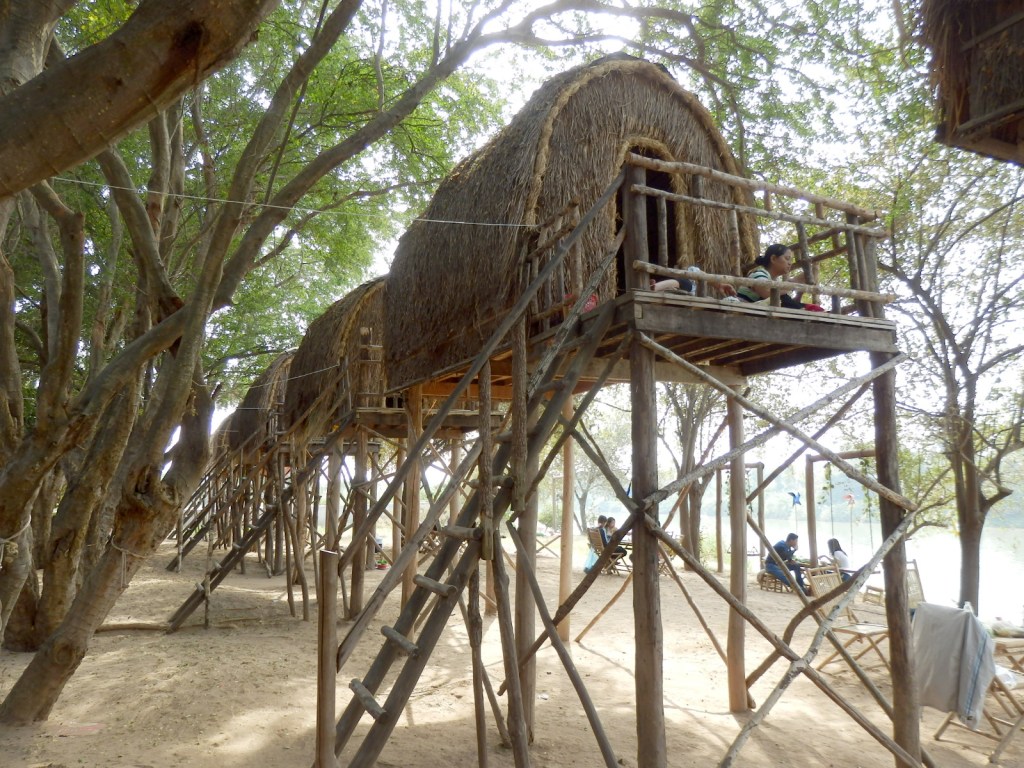
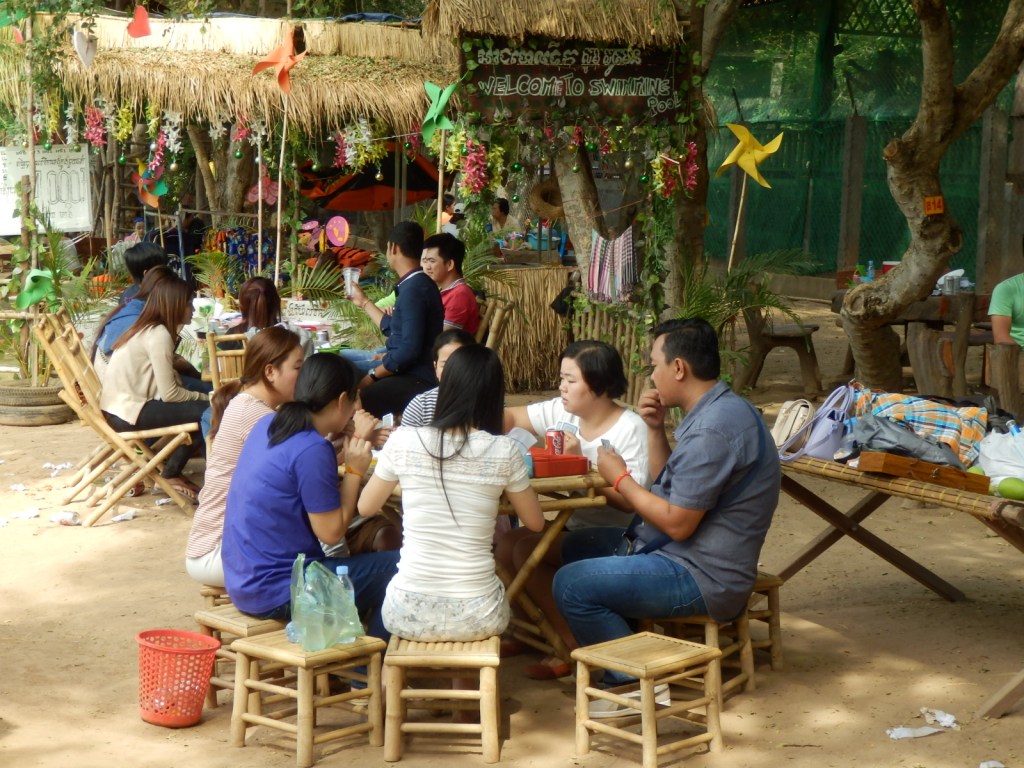
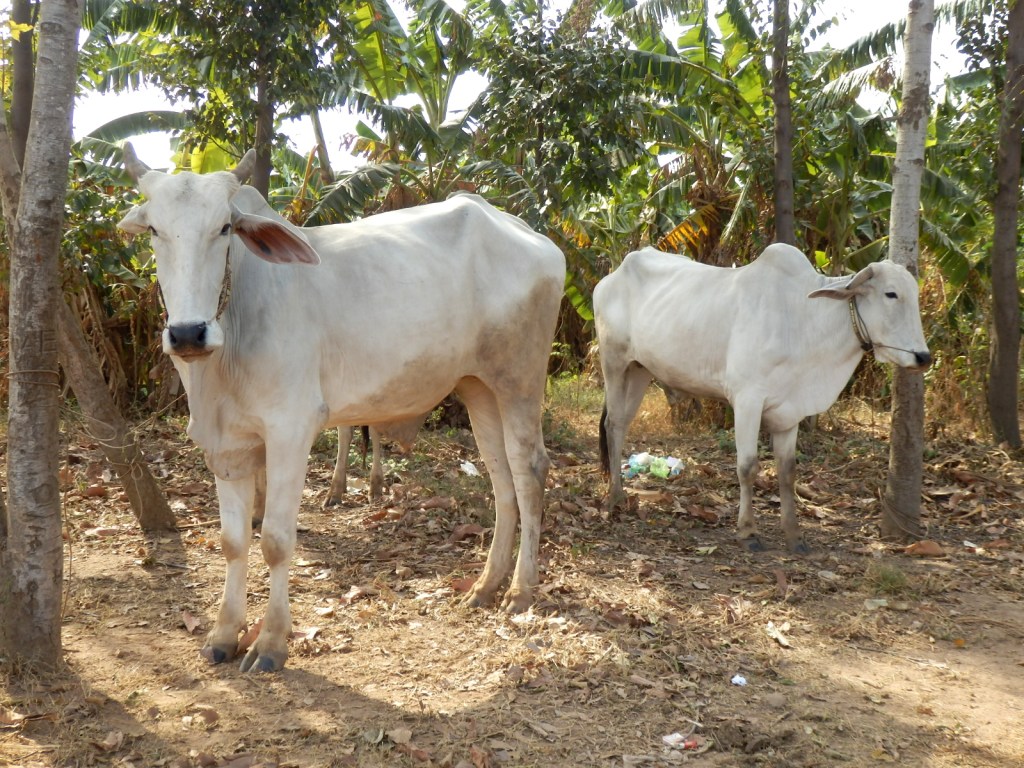
Day 4: The National Museum and Traditional Dance Performance
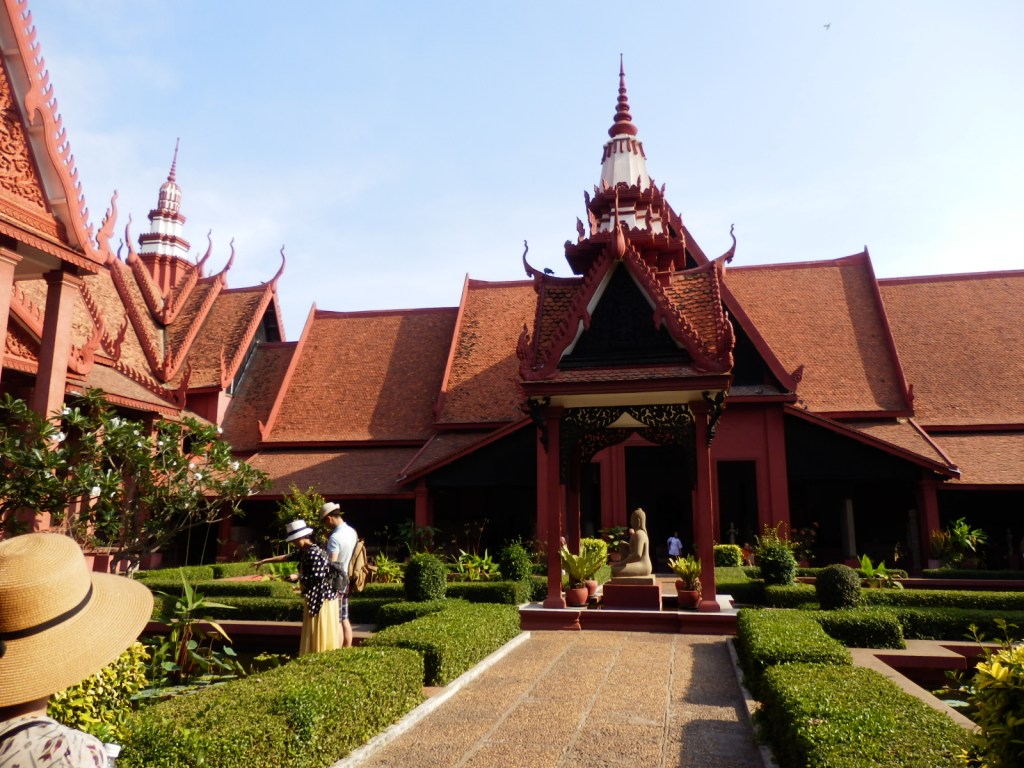
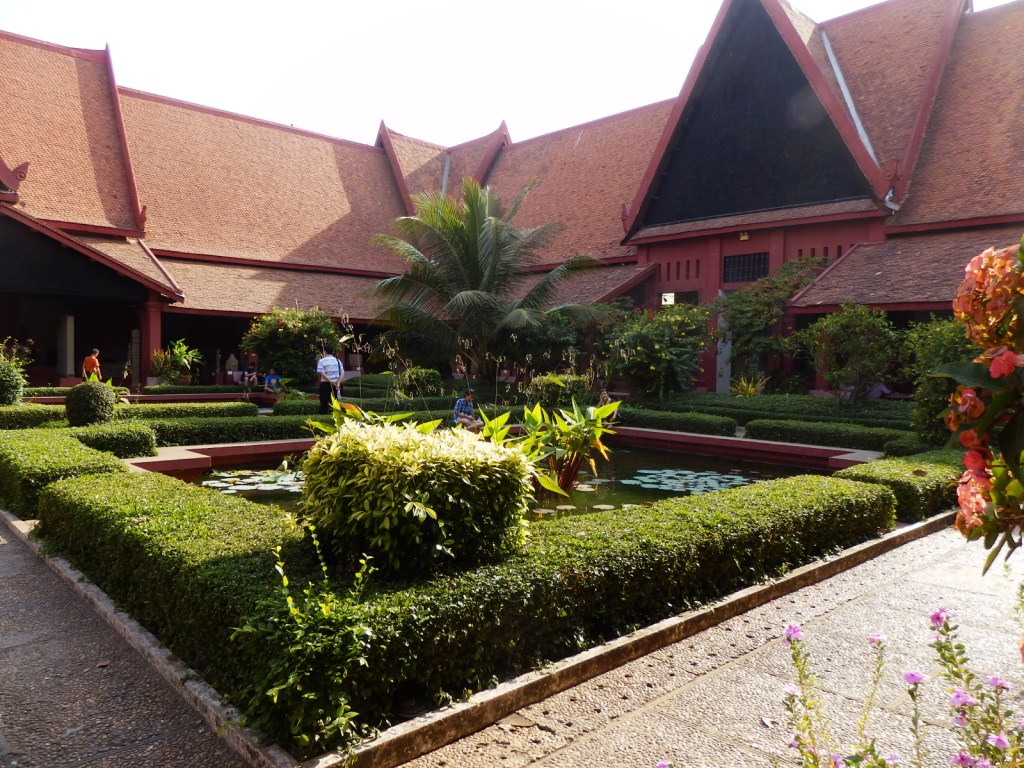
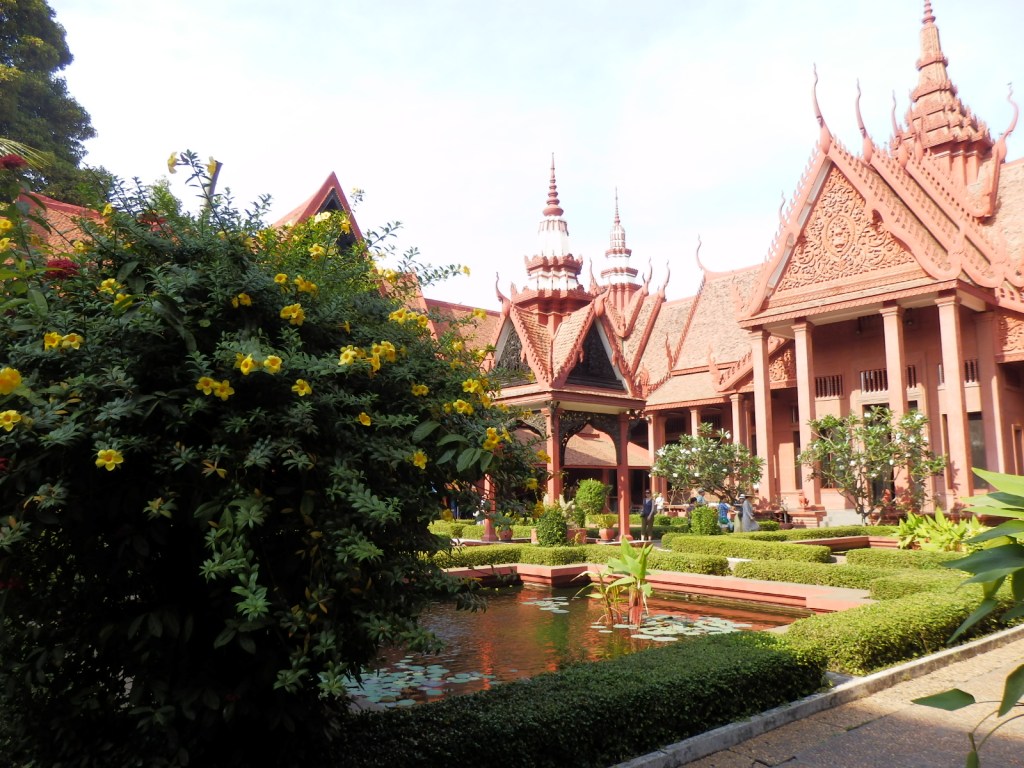
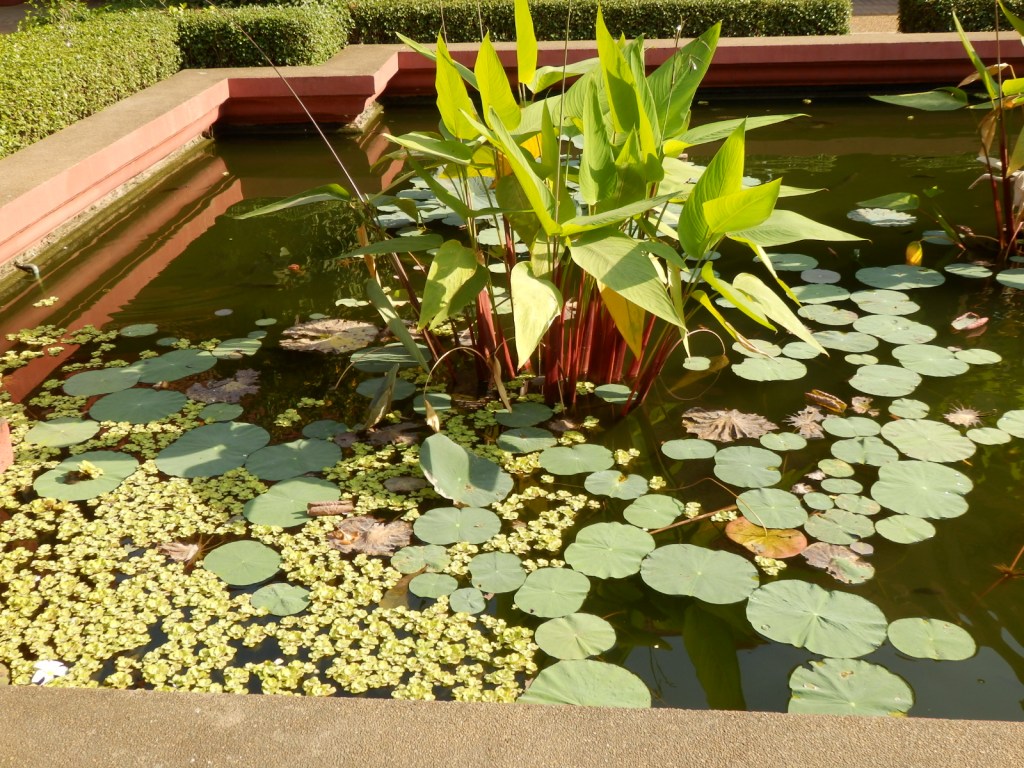
On Wednesday, I decided to head over to the National Museum and see what it had to offer. It is a relatively small museum (especially for one that is in the nation’s capital with the word “national” in its title), and the inside wasn’t fancy. The artwork, however, was interesting, and there were many ancient statues, pieces of jewelry, and other artifacts. Since it’s much smaller than other standard national museums, it doesn’t take all that long to go through it (perhaps 45 minutes to 1 hour if you don’t have a guide). Inside, they requested that people not take photos, so I don’t have anything to show from there. However, I took some photos of the central courtyard area.
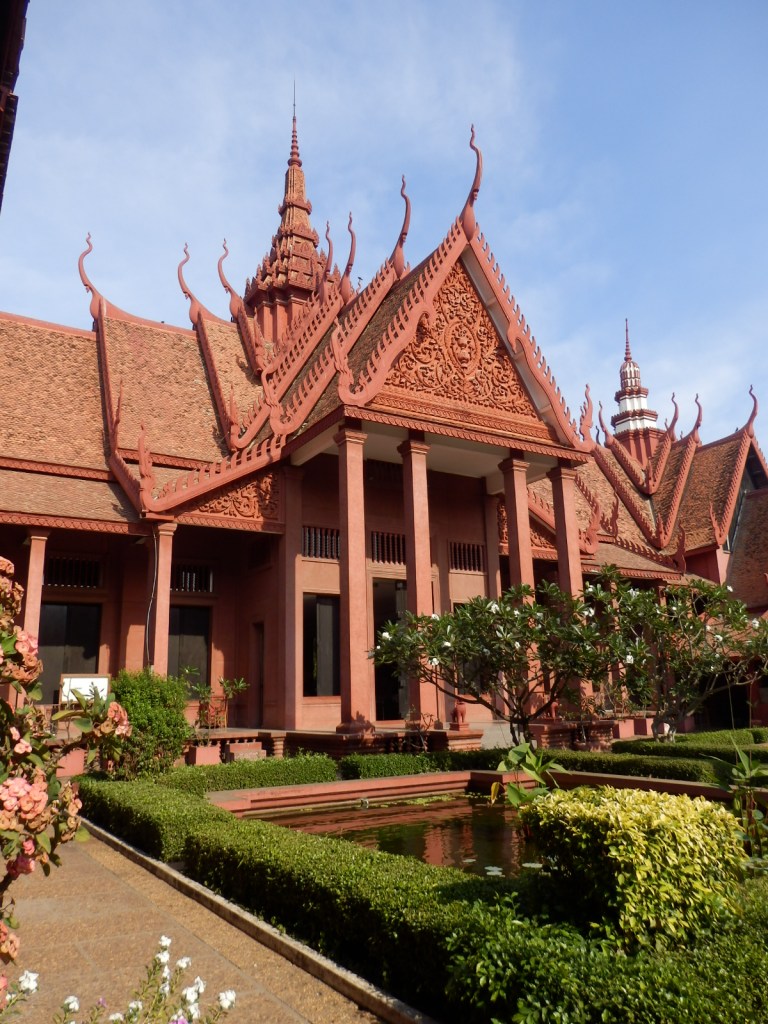

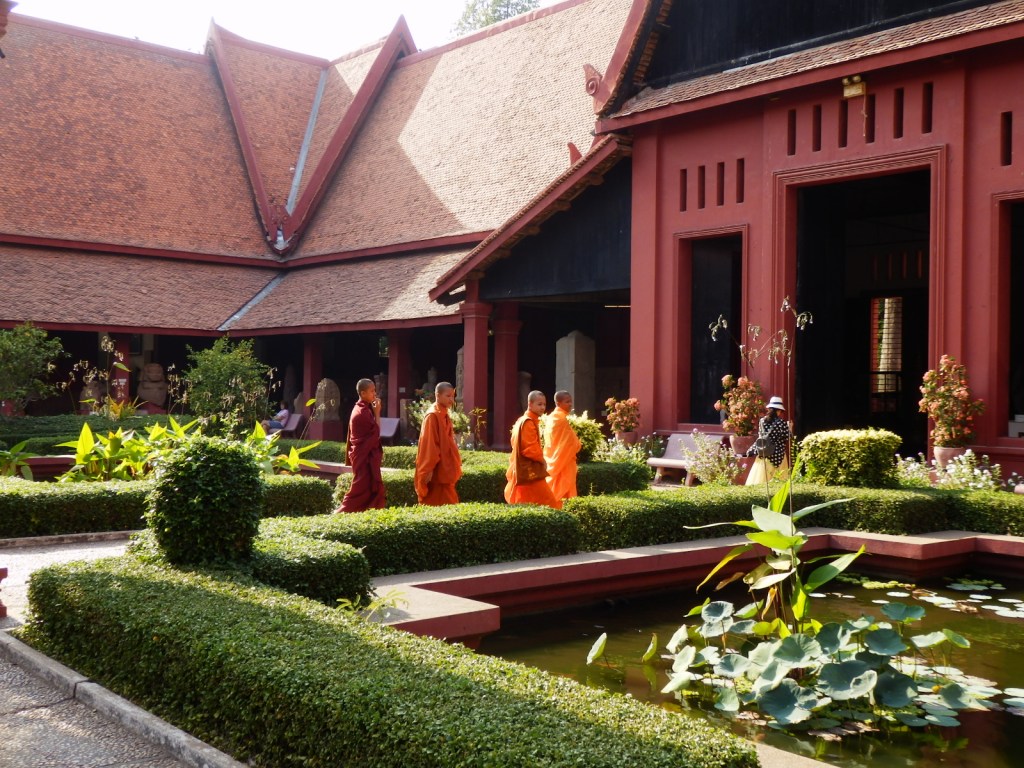
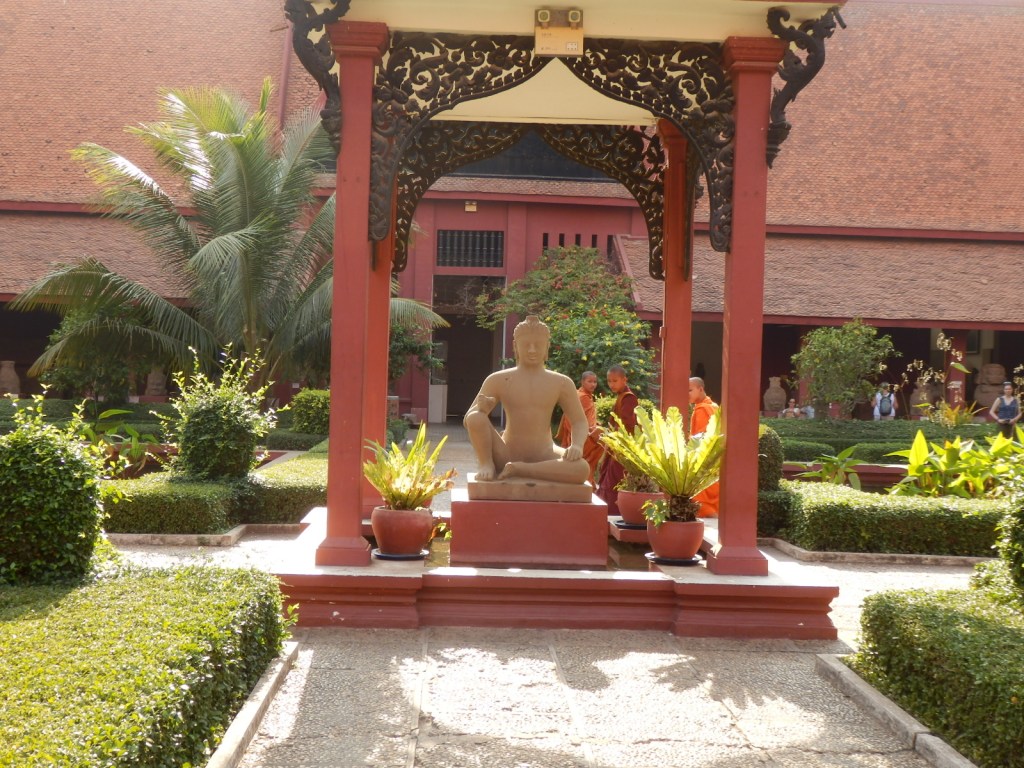
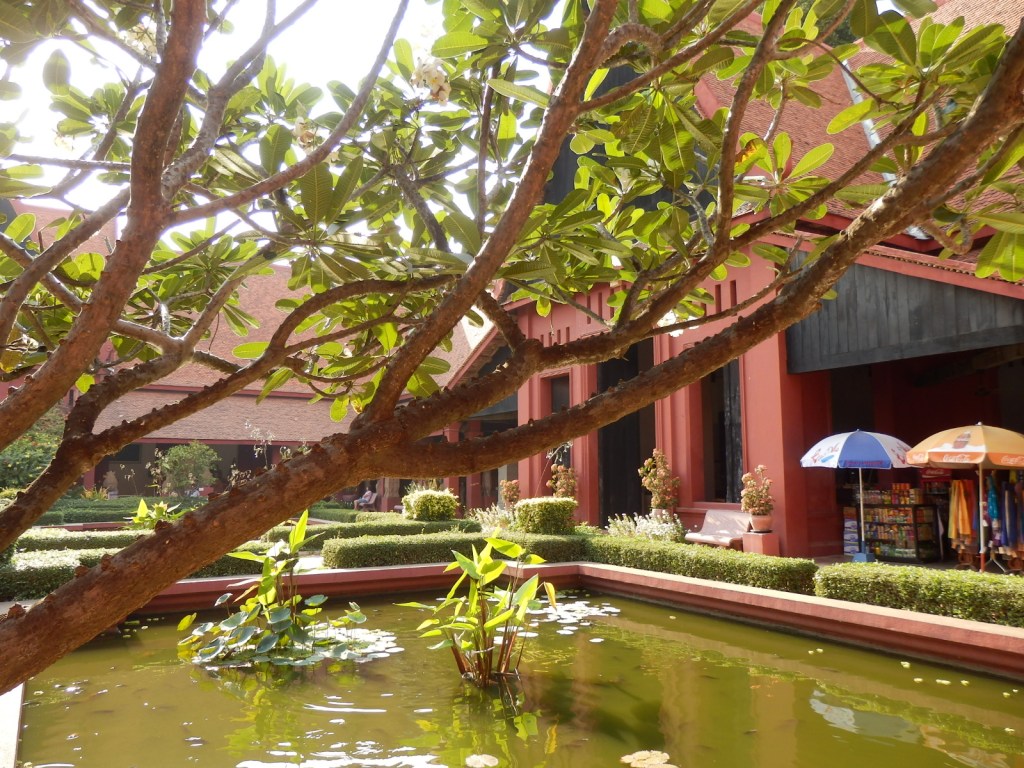
Later that evening: Traditional Dance Performance
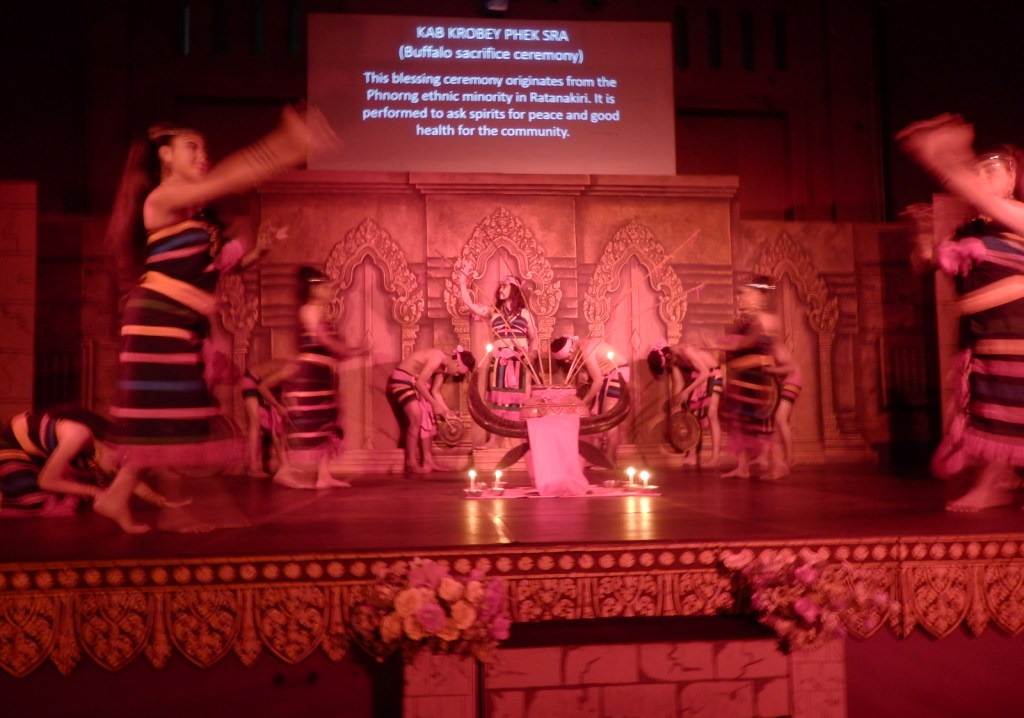
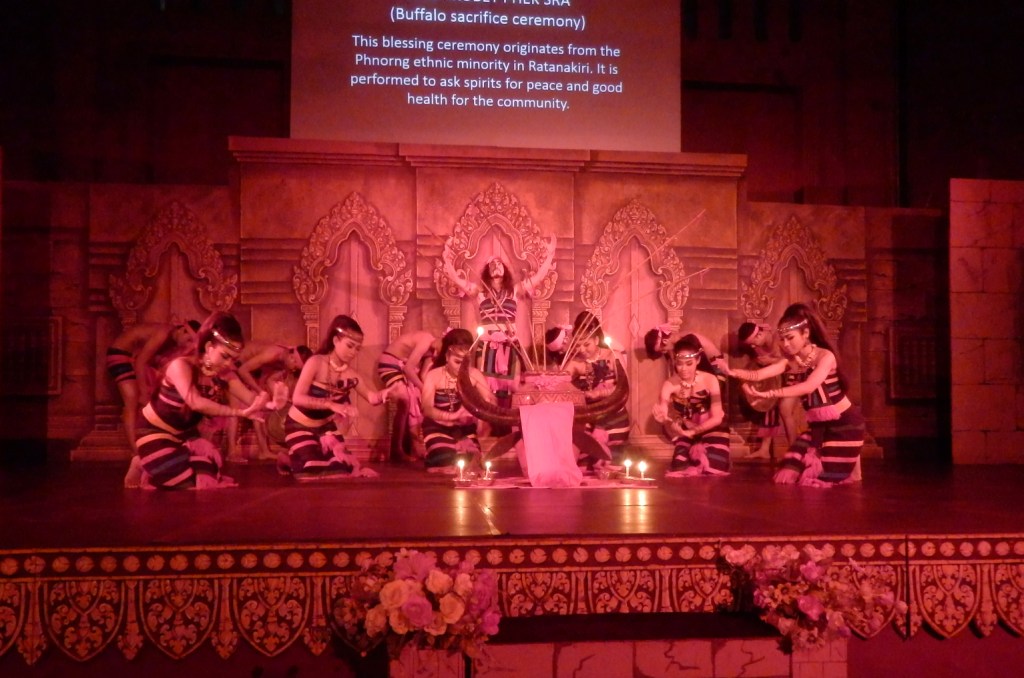
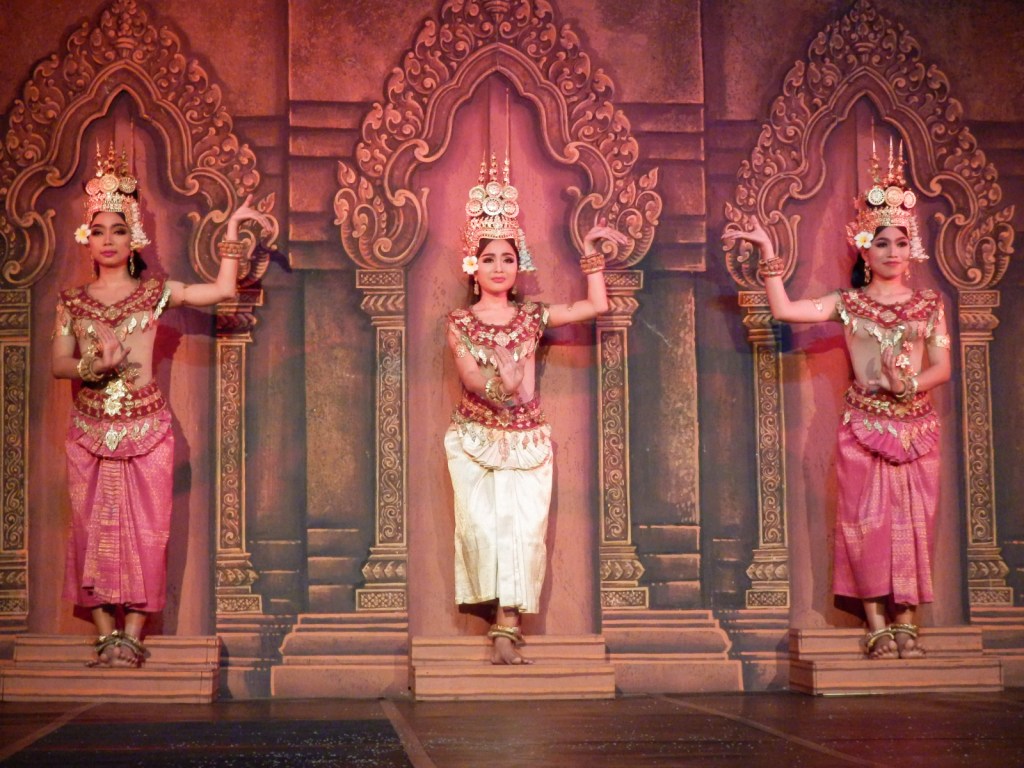
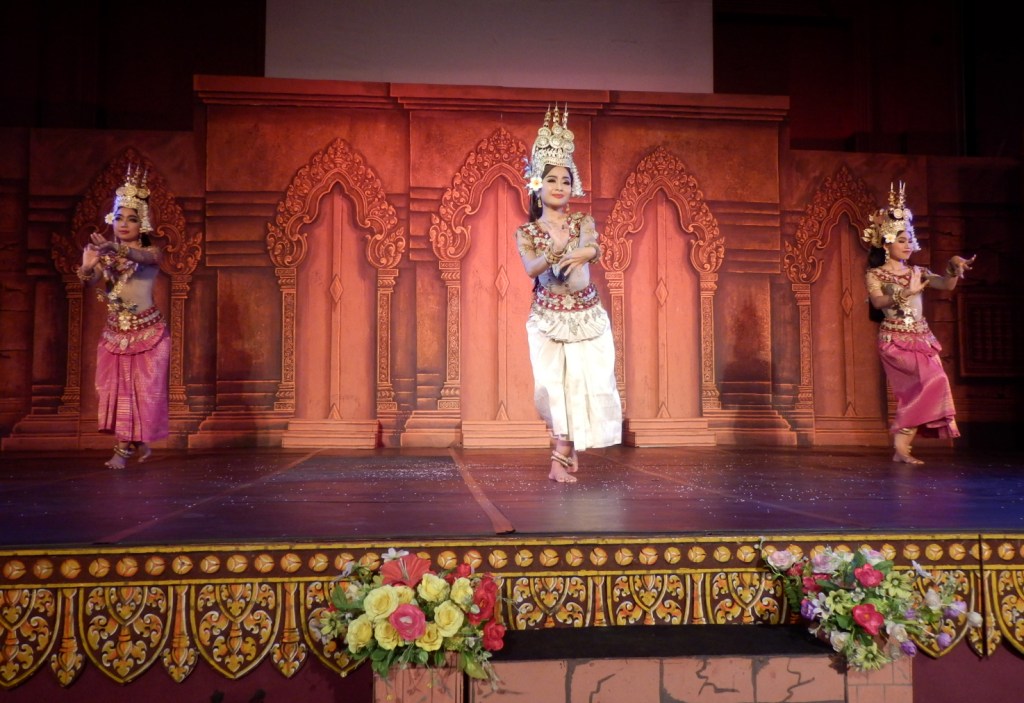
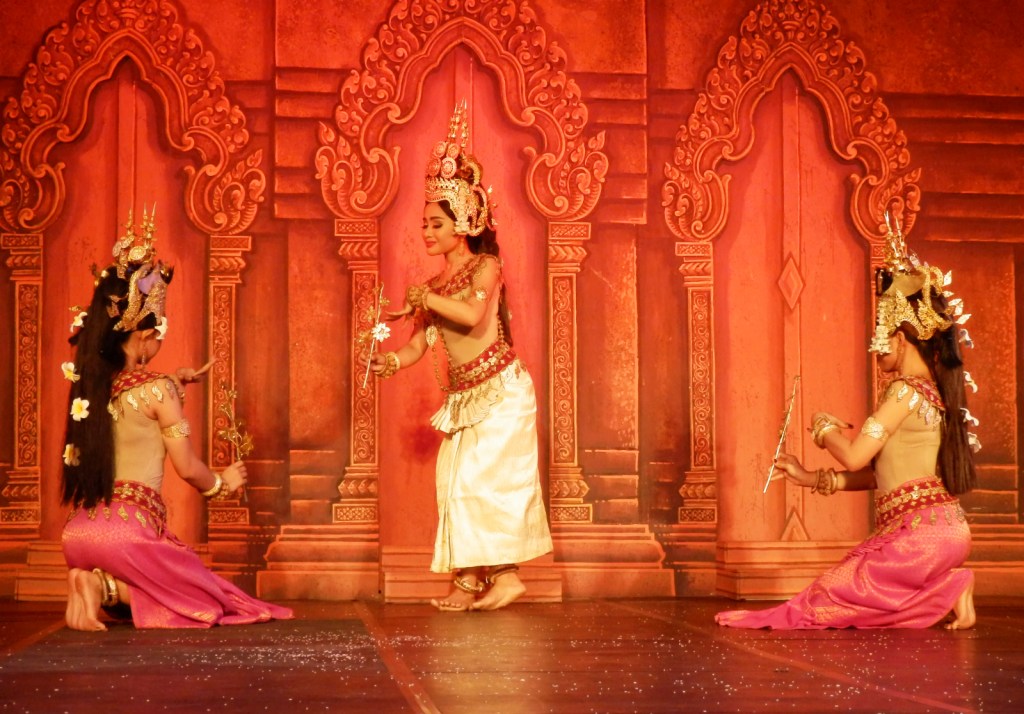
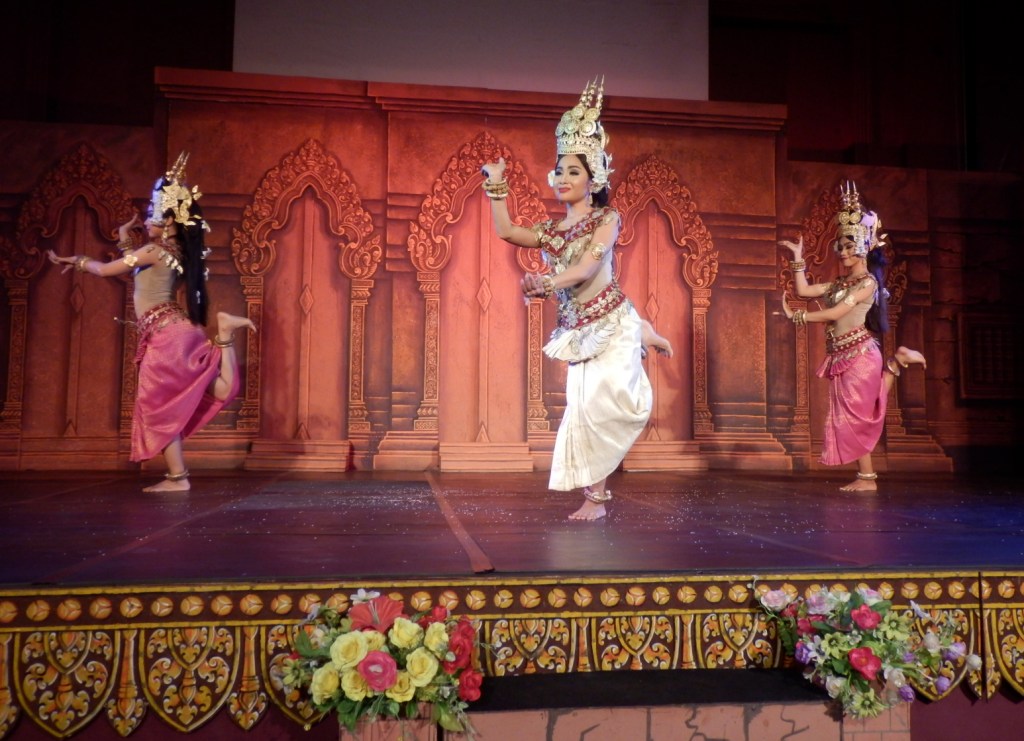
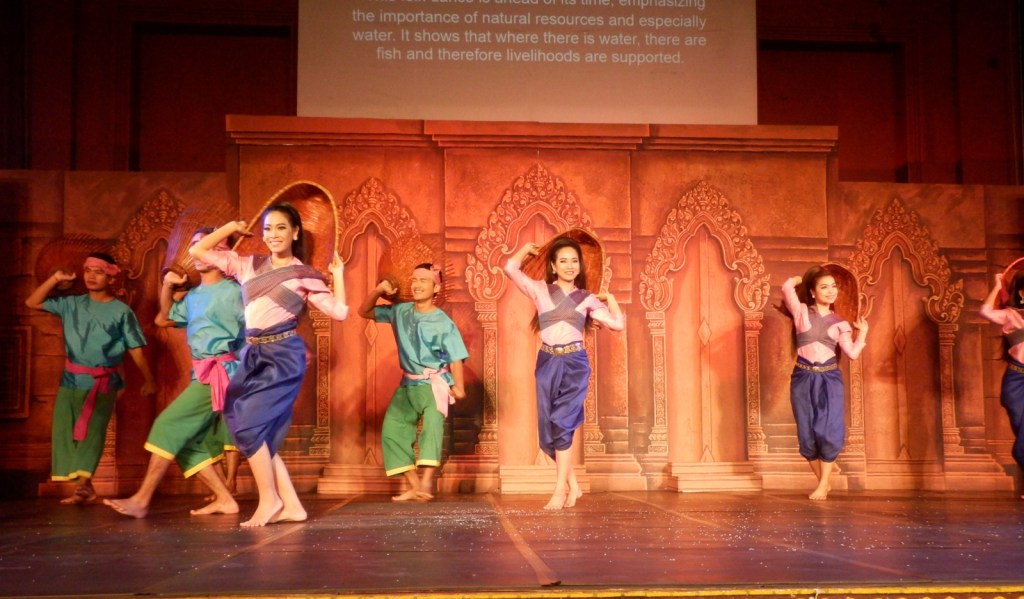
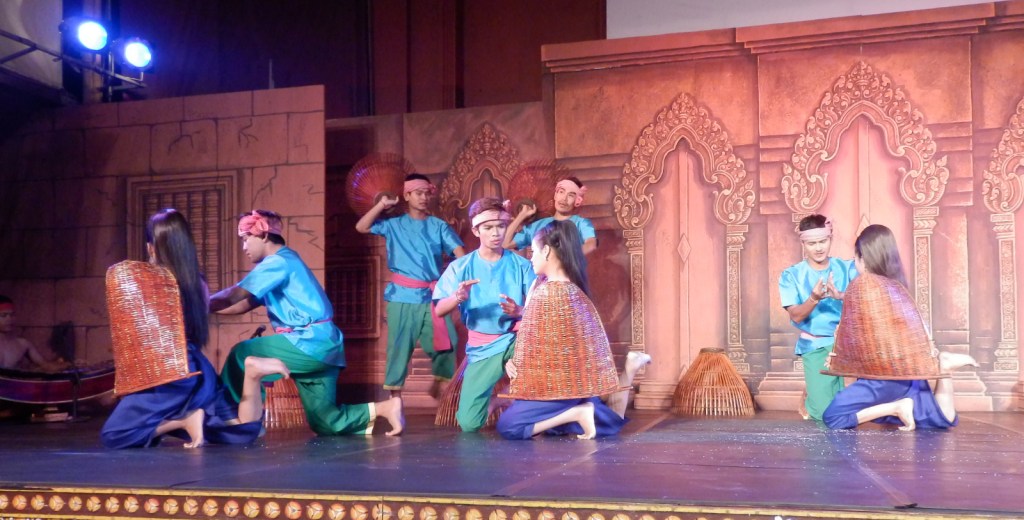
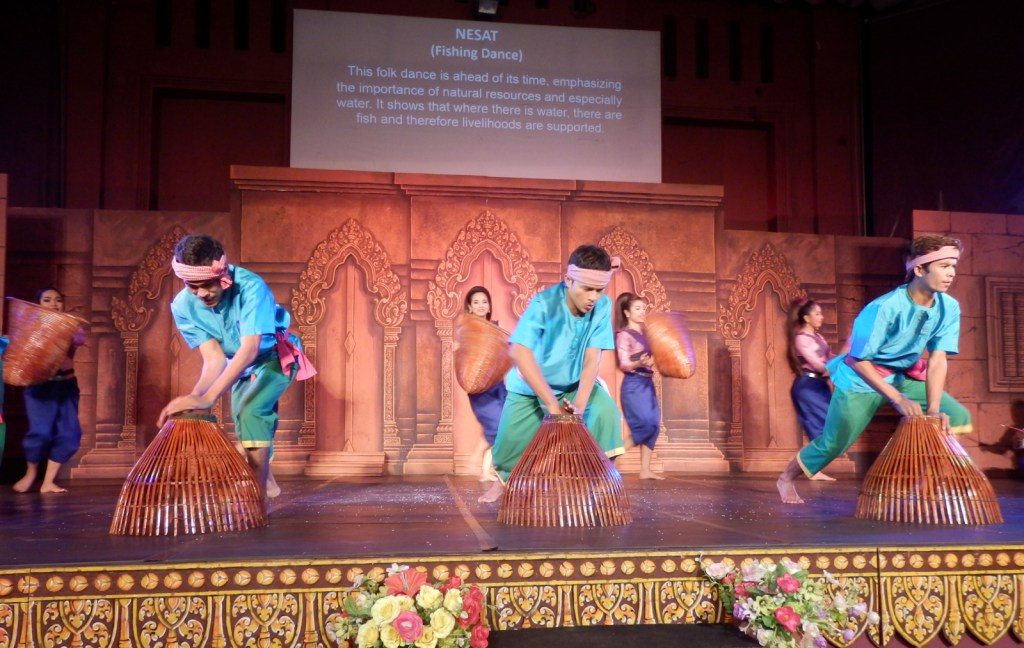
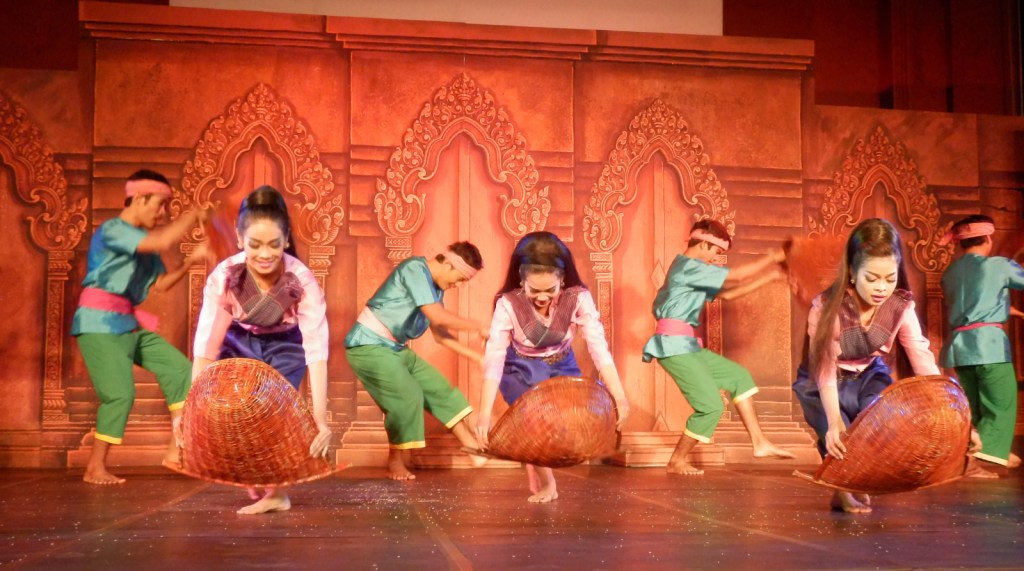
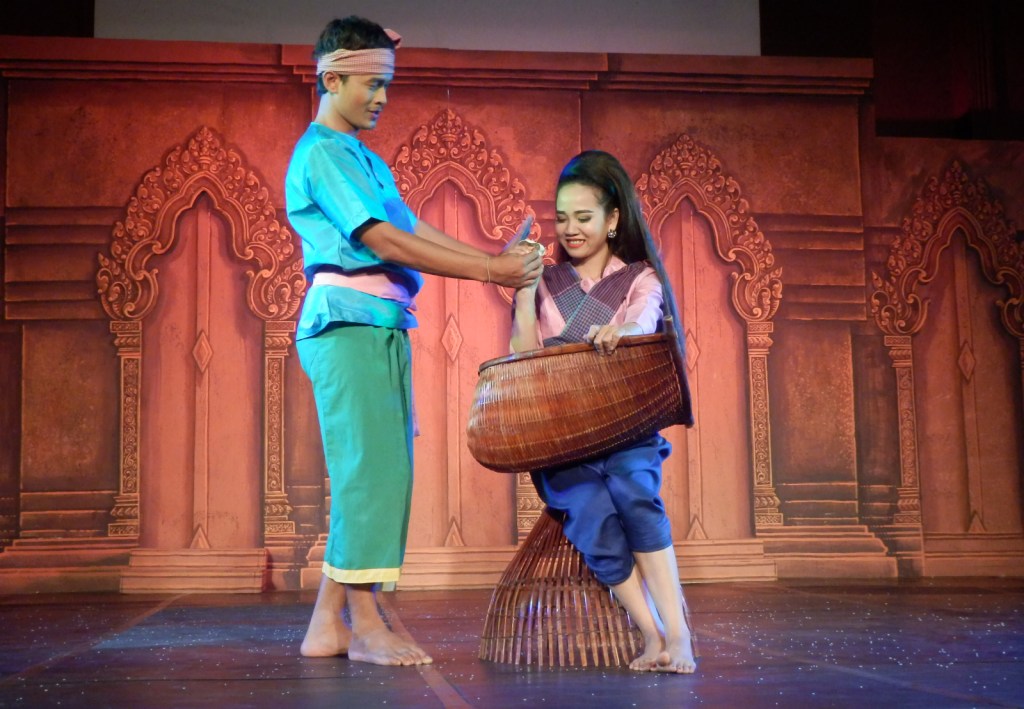
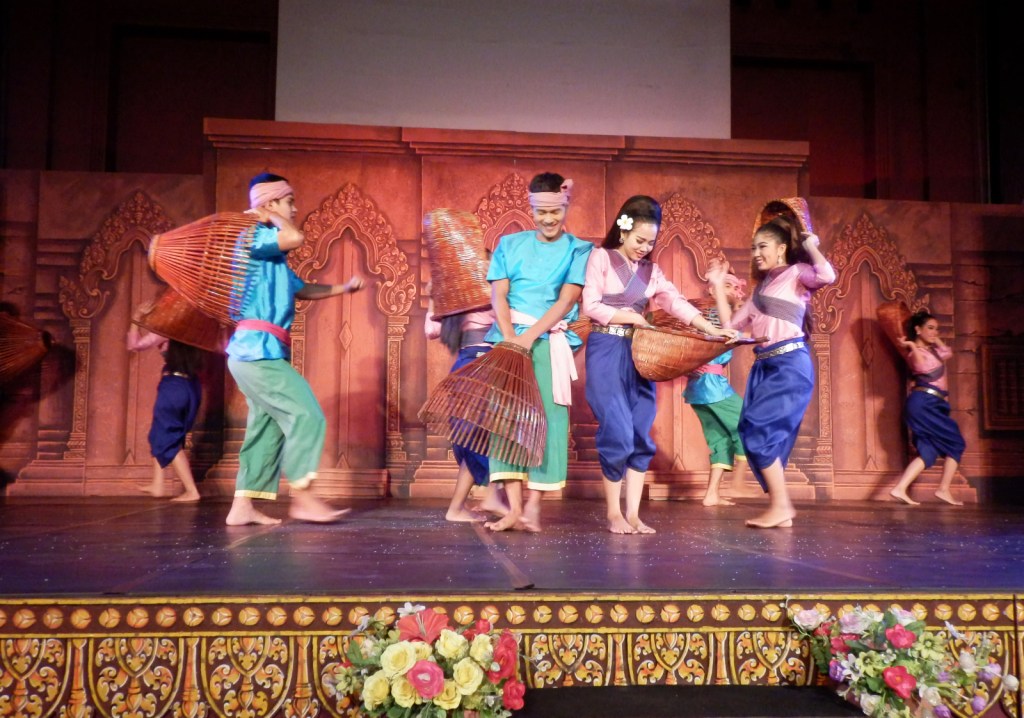
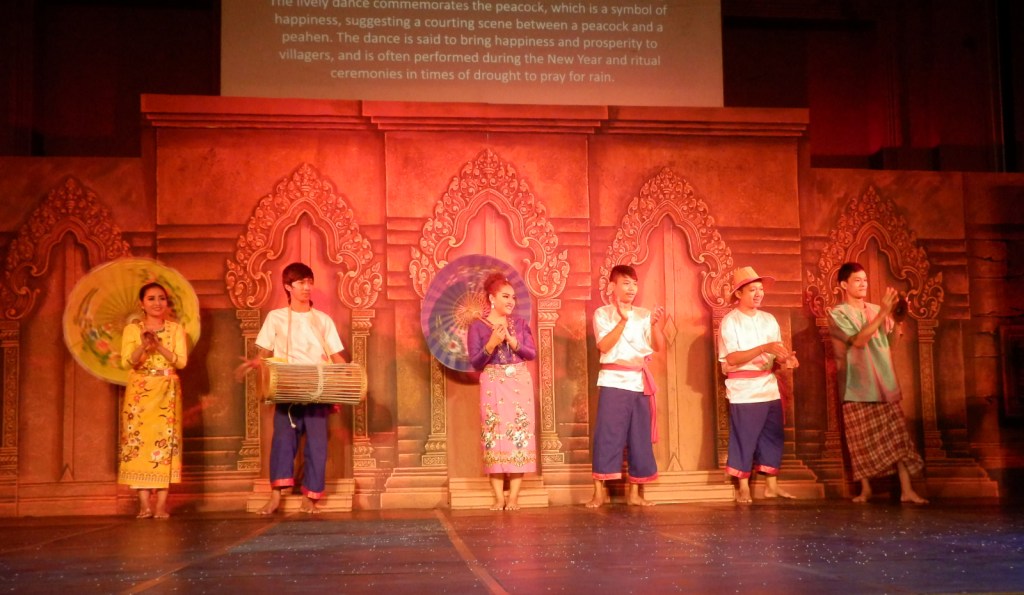
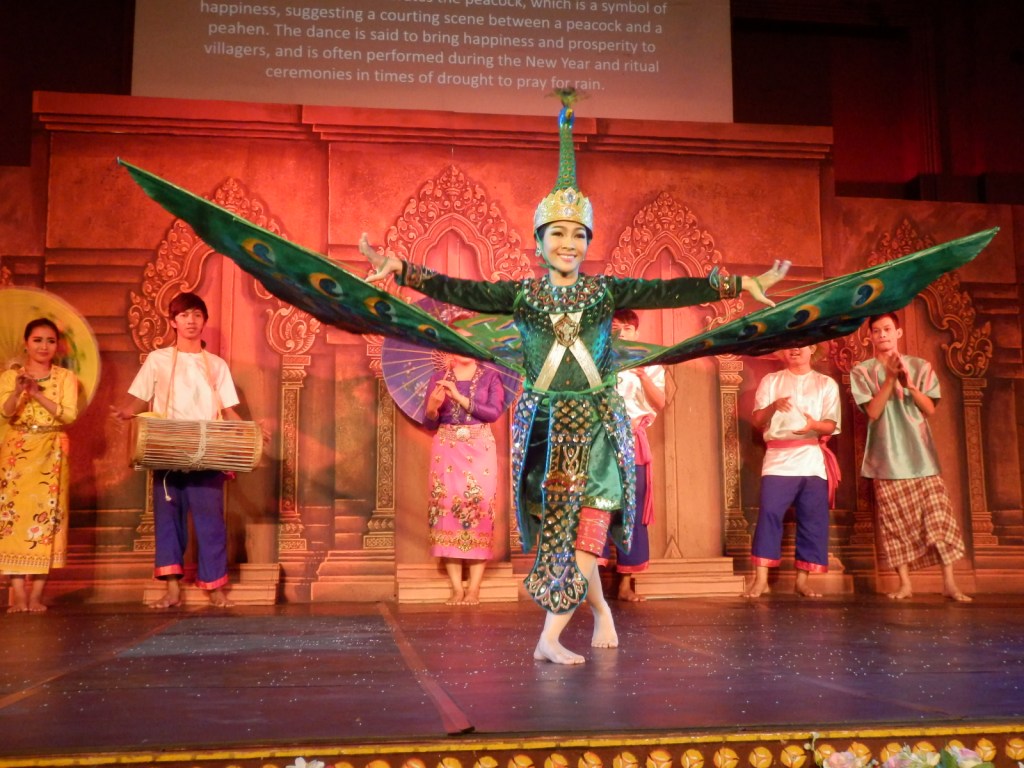
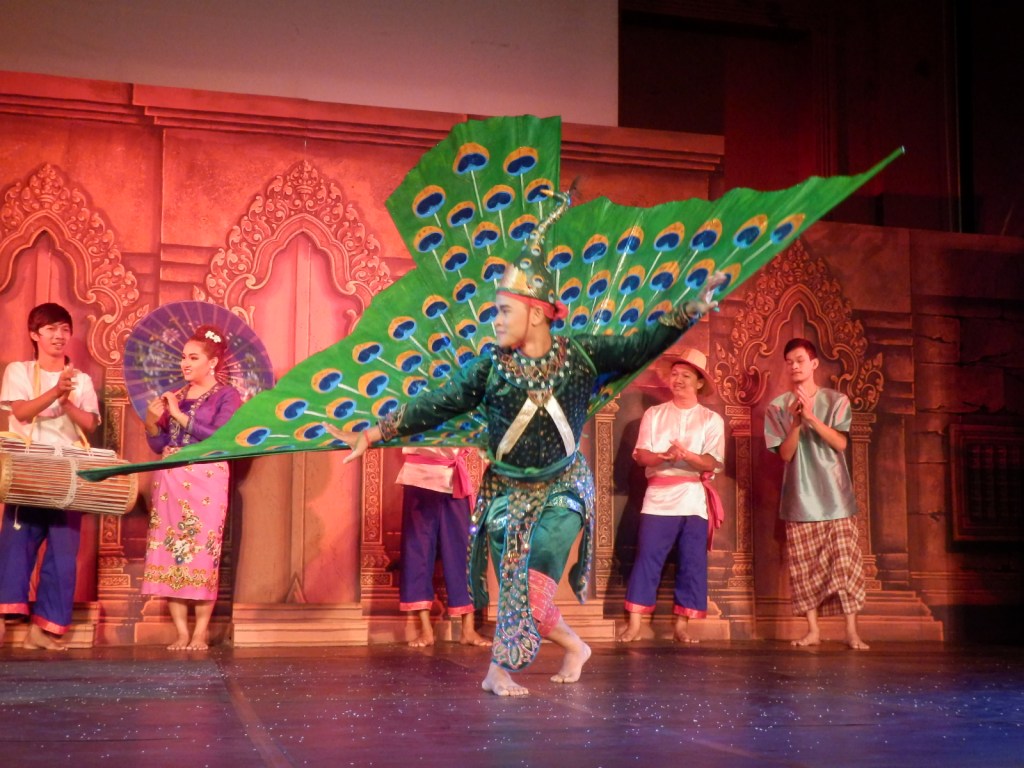
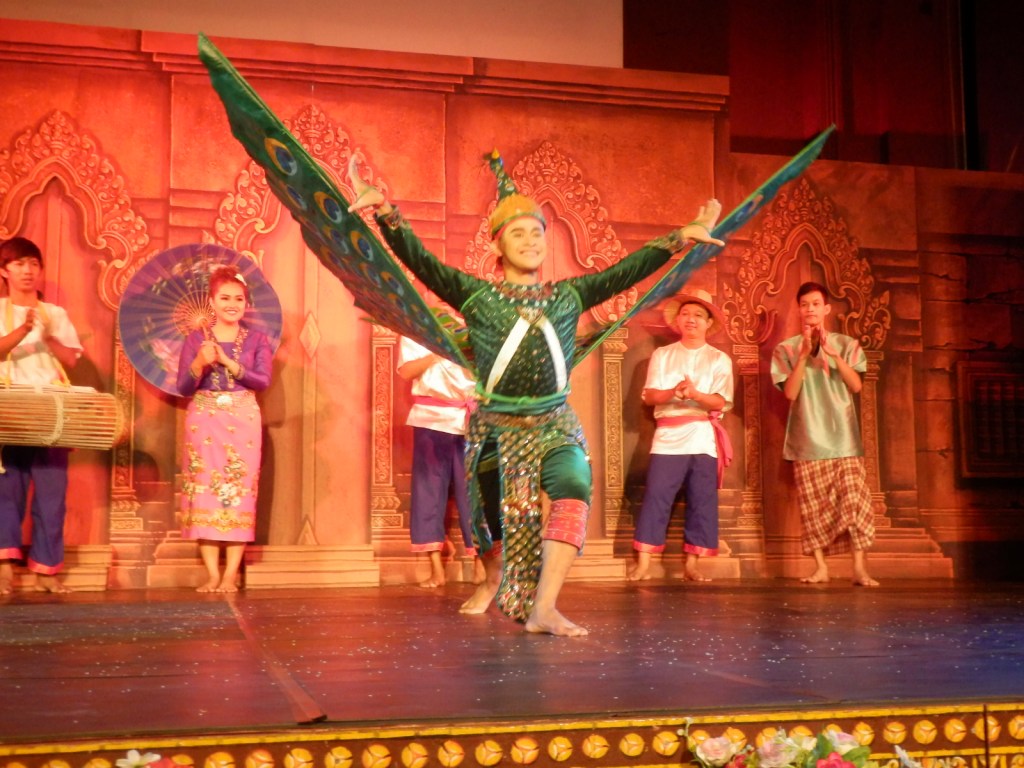
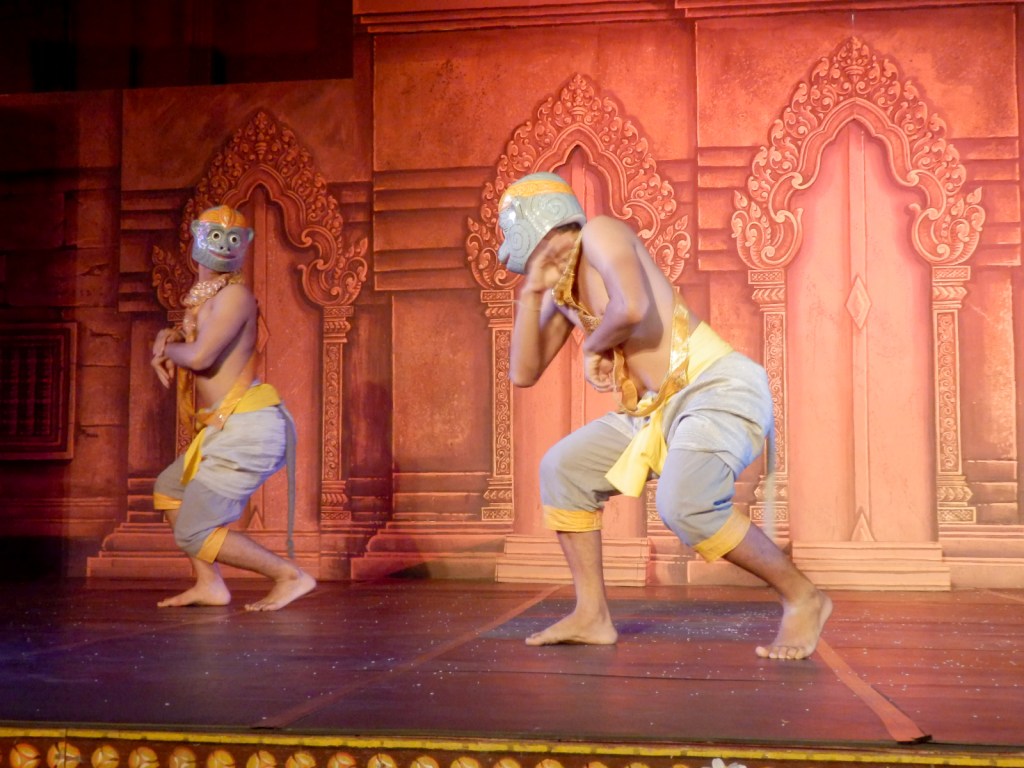
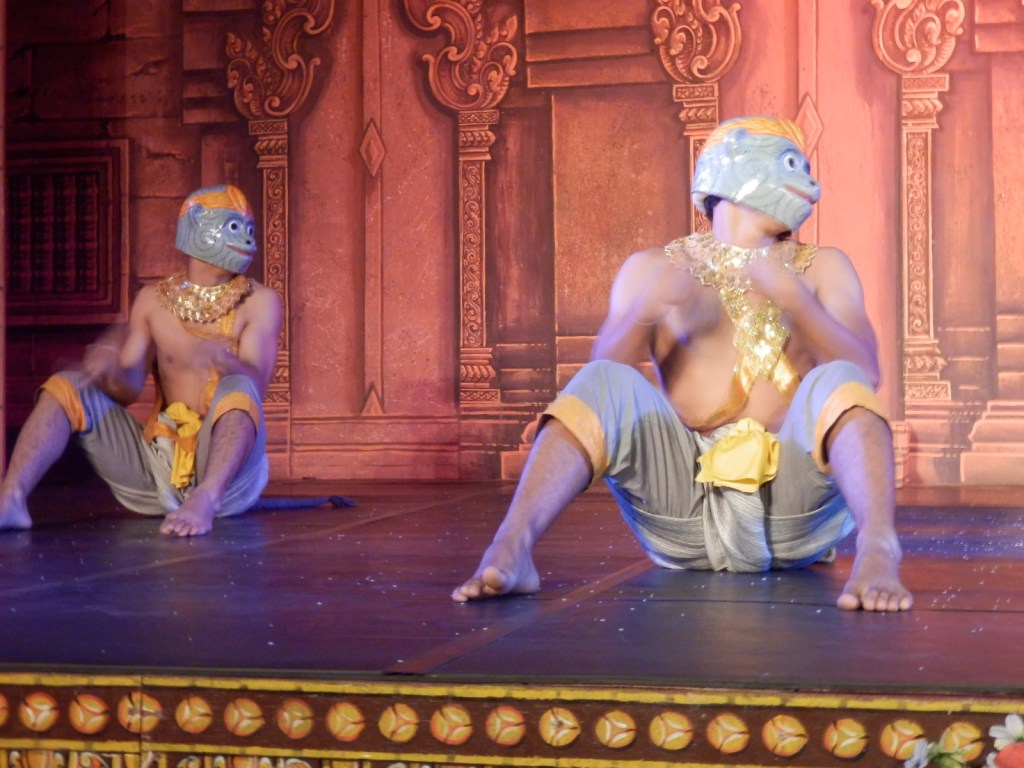
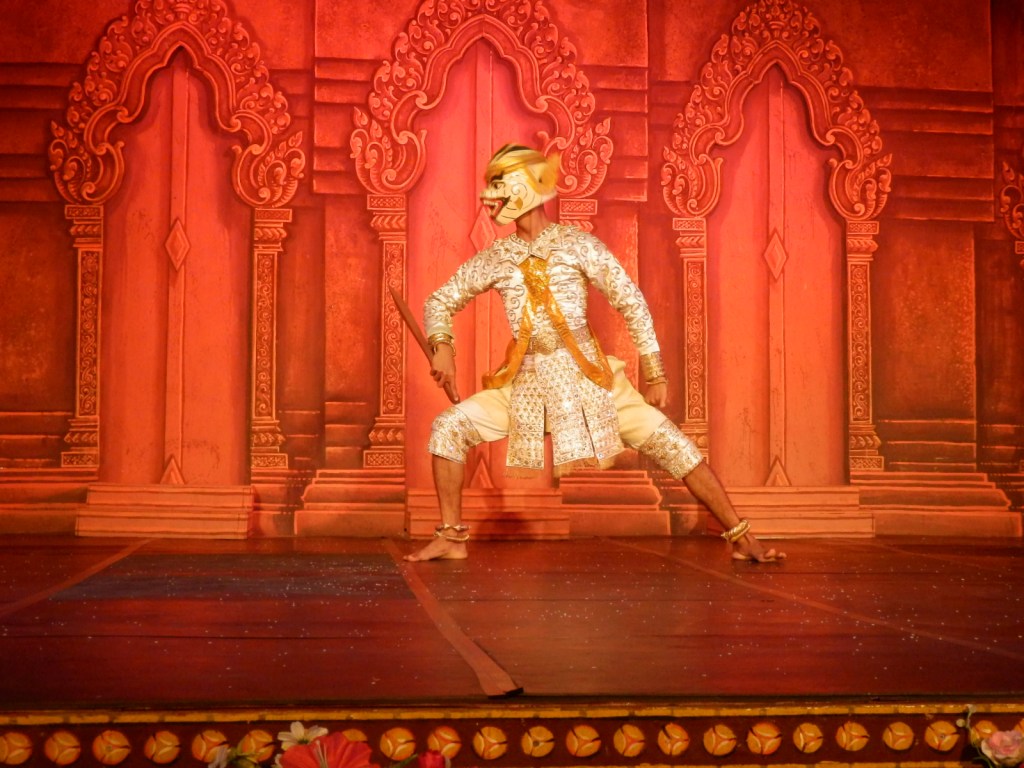
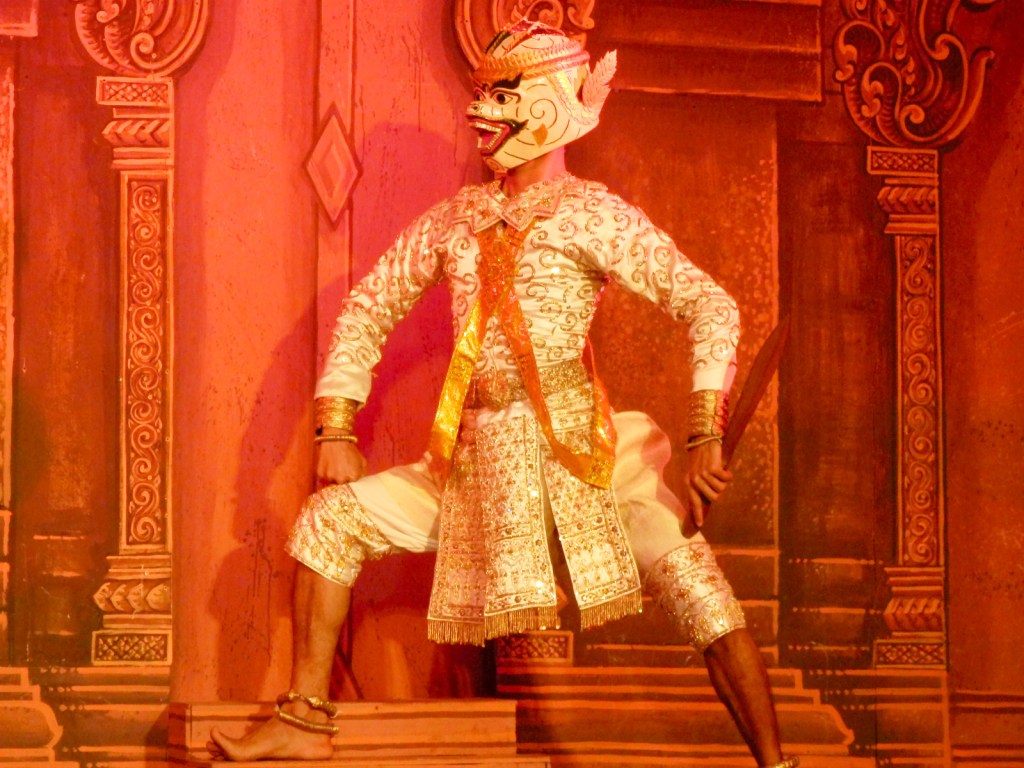
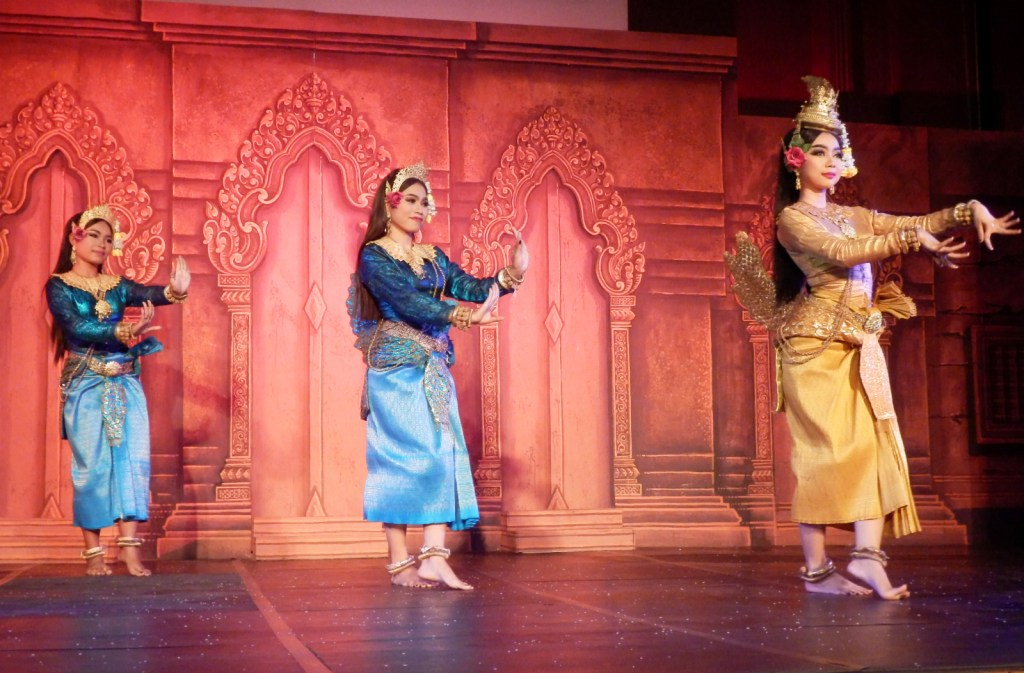
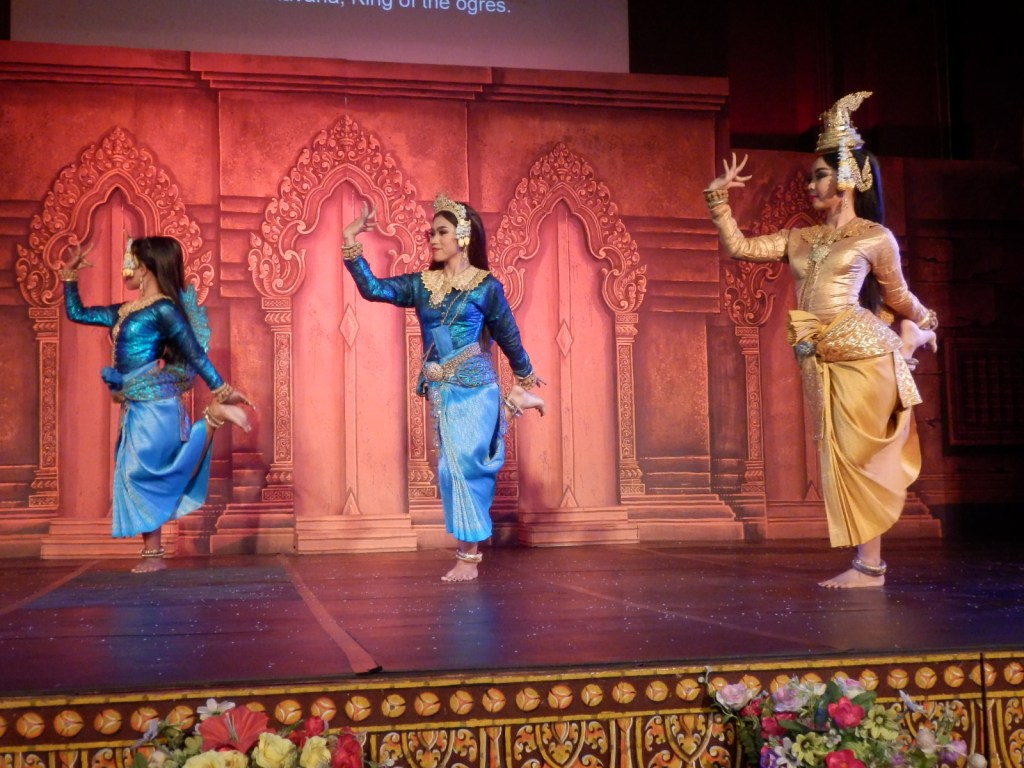
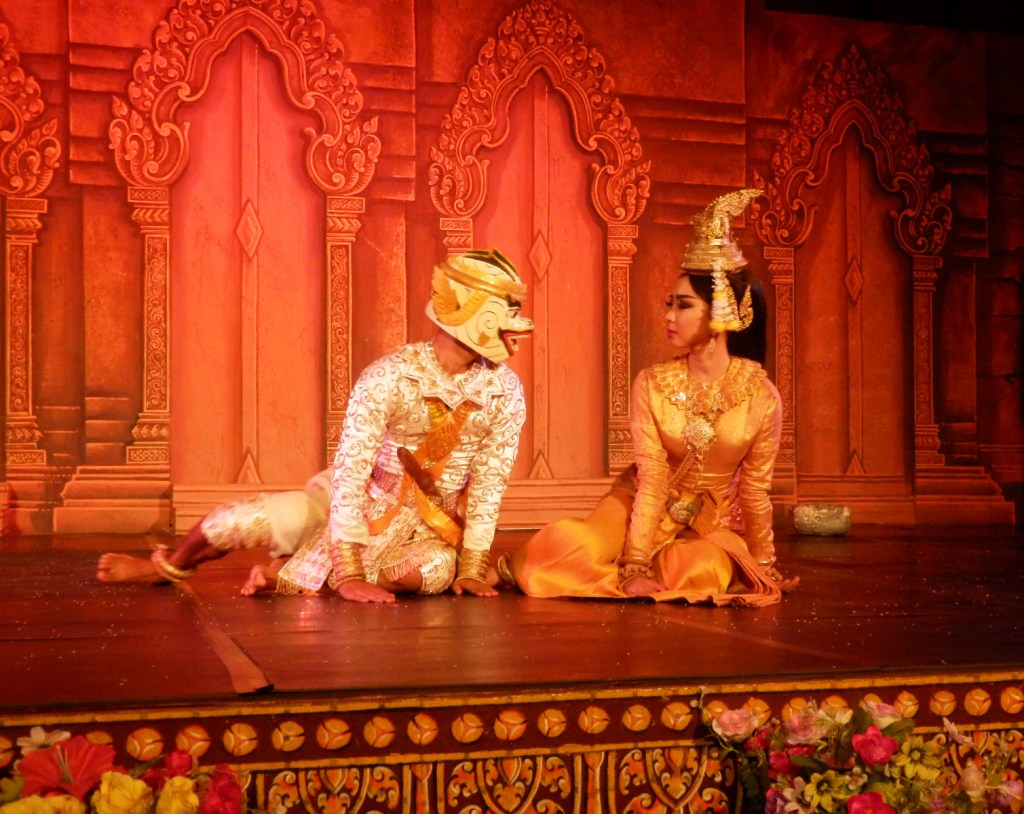
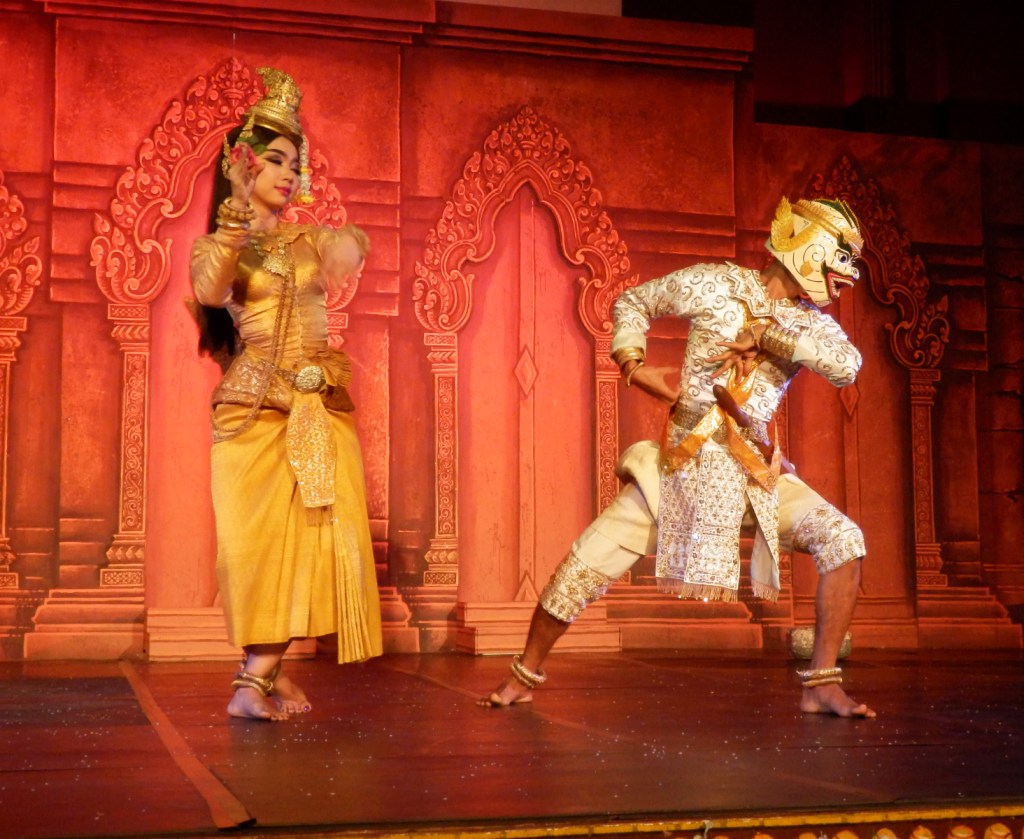
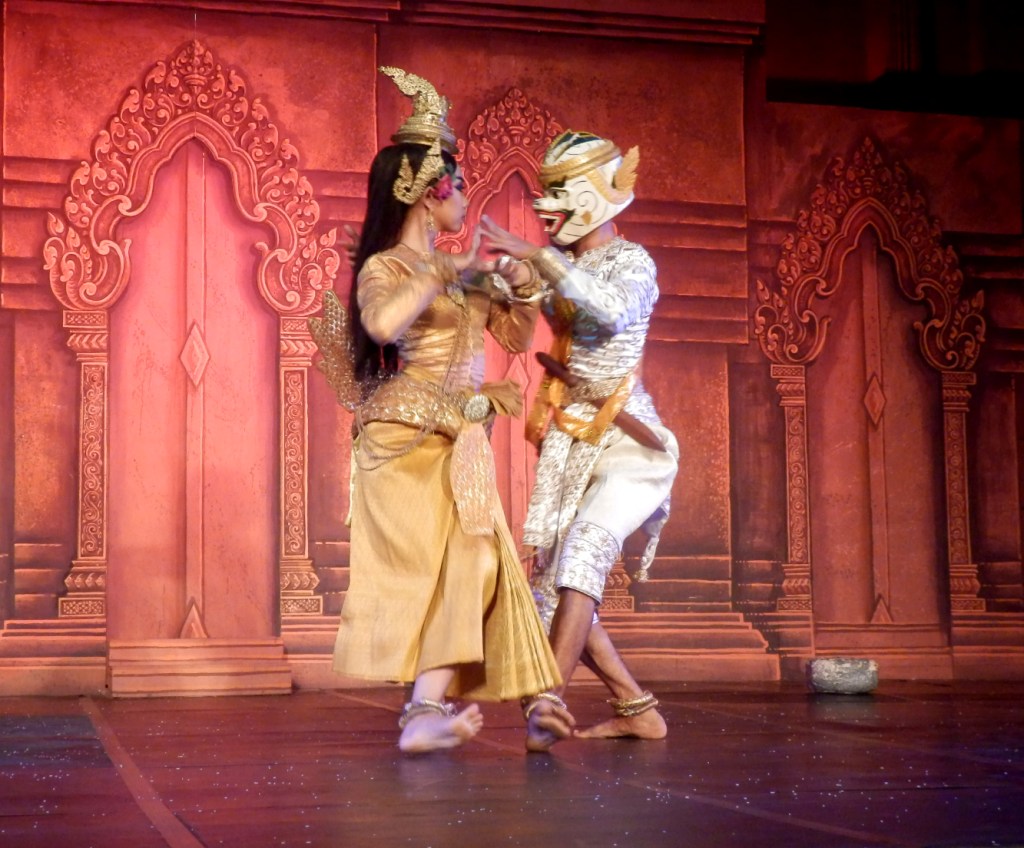
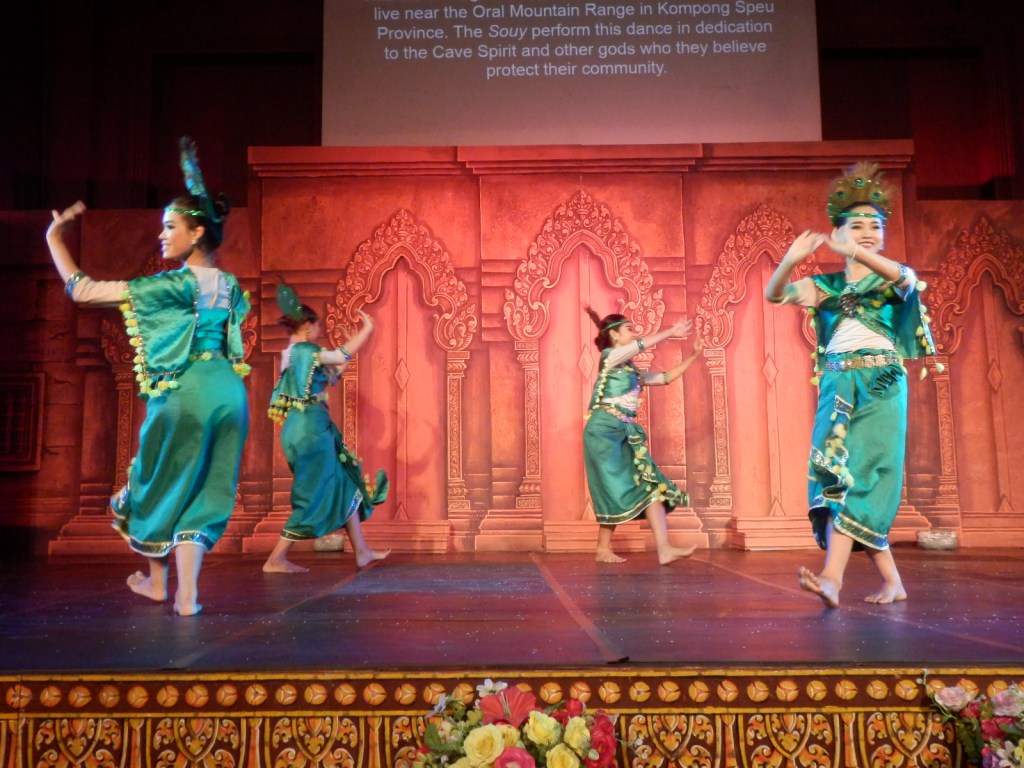
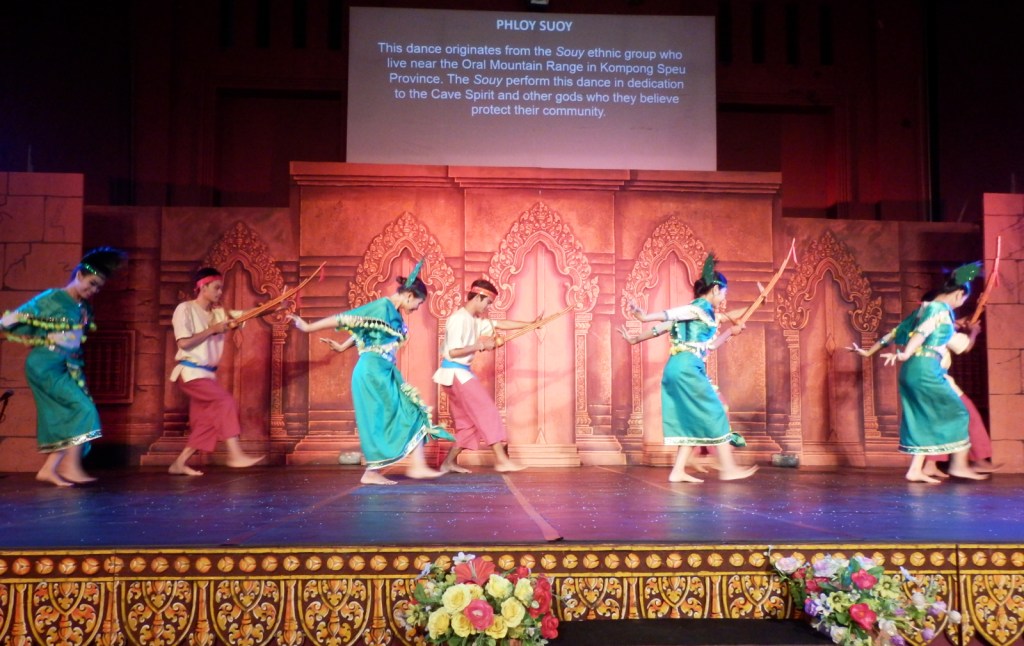
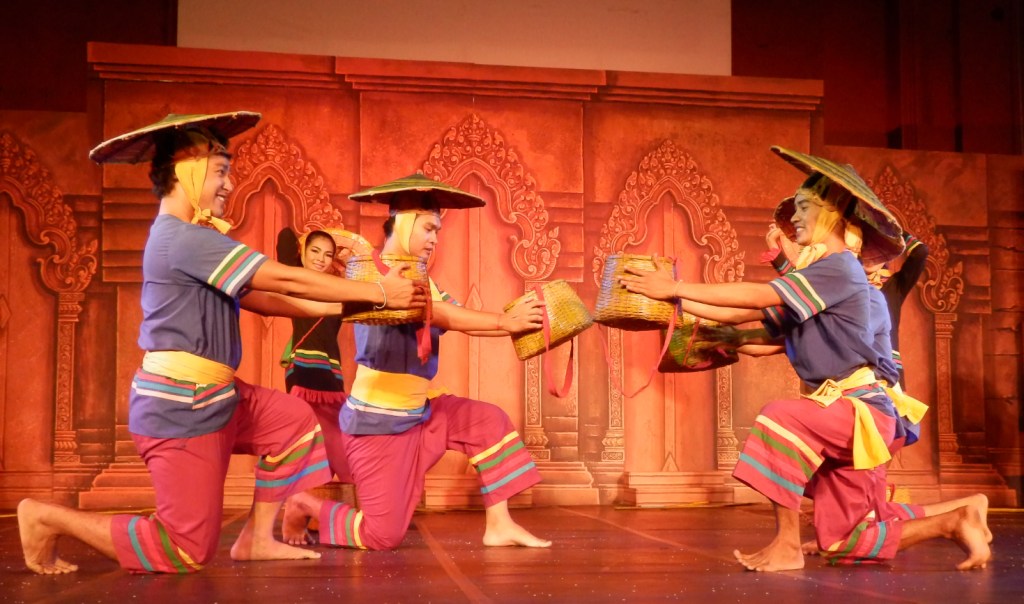
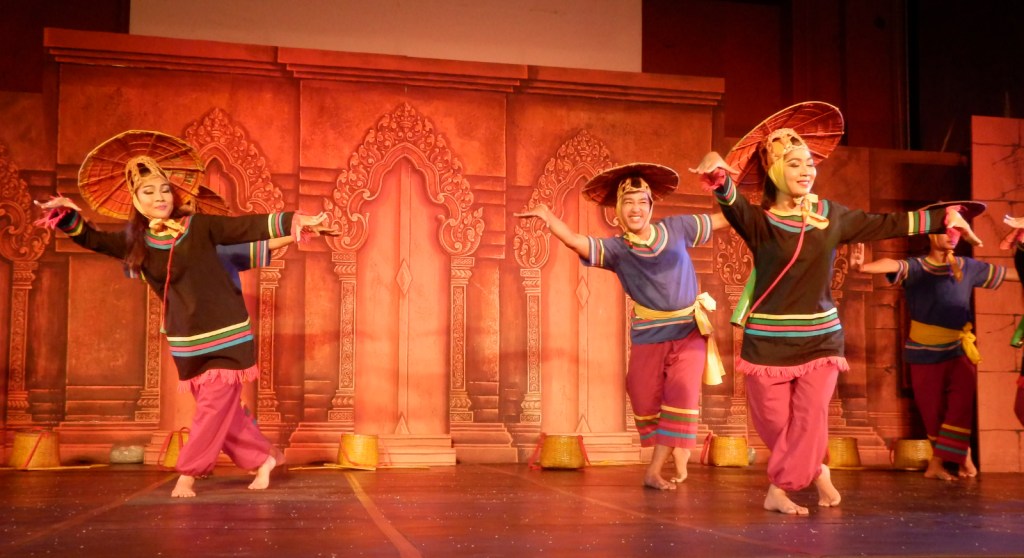
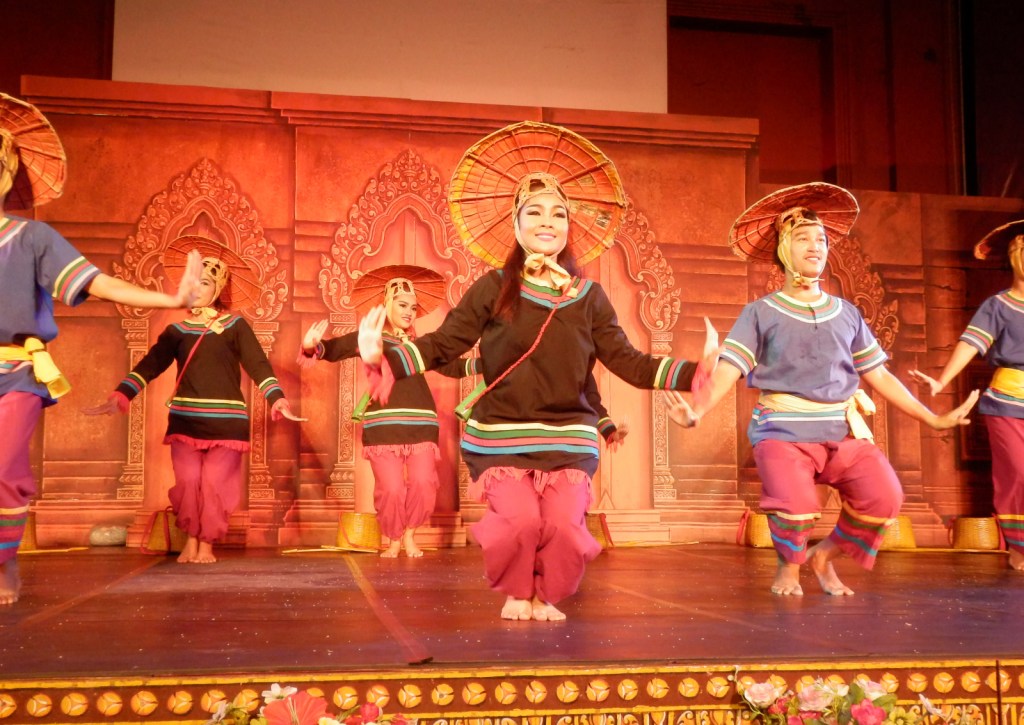
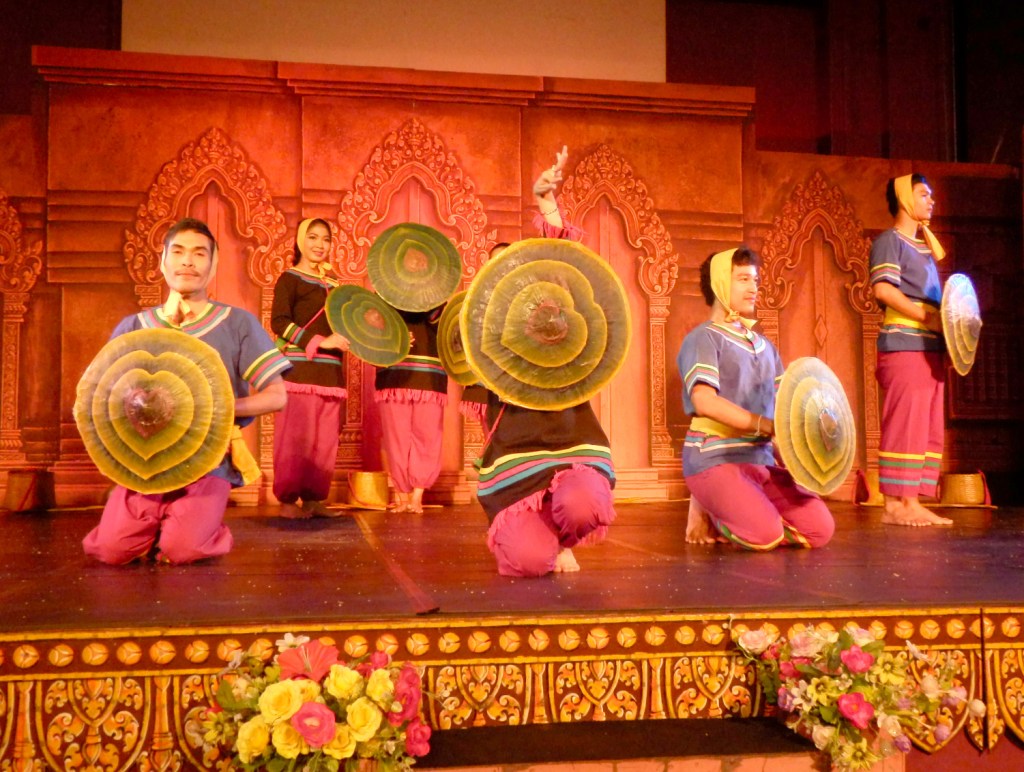
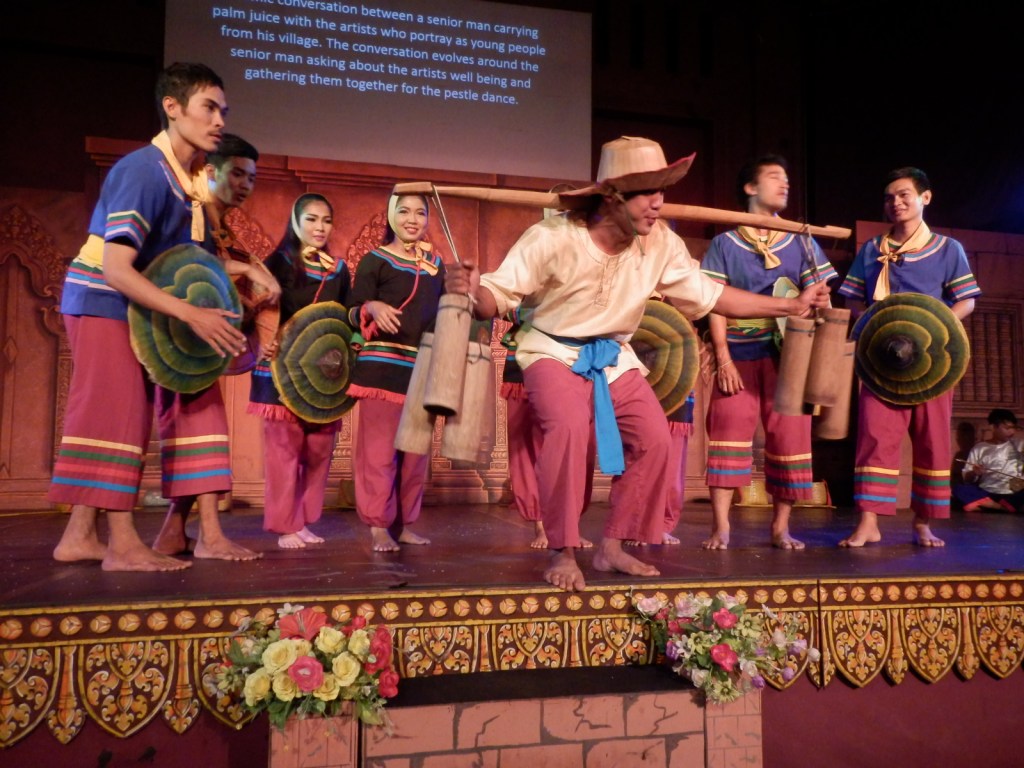
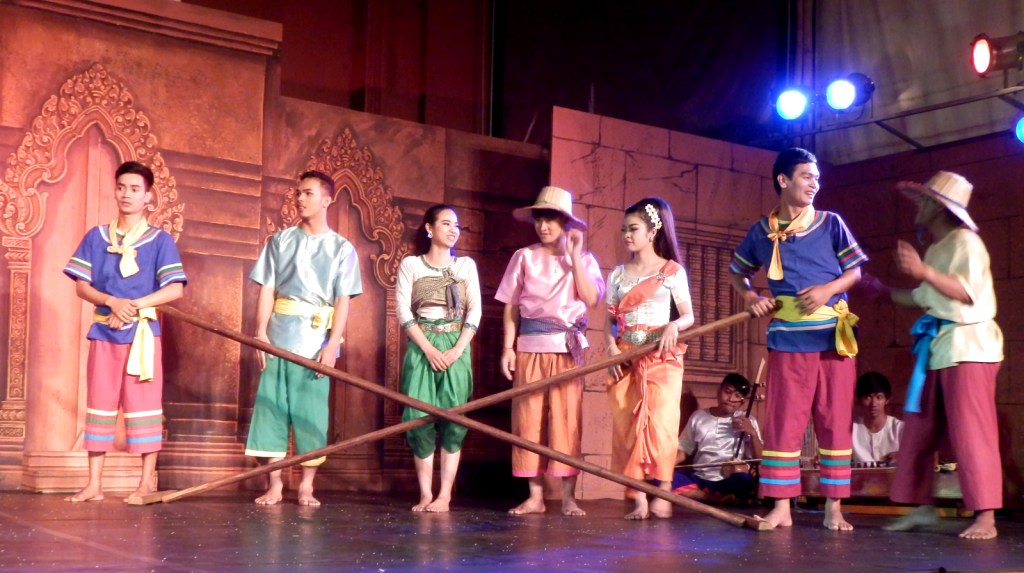
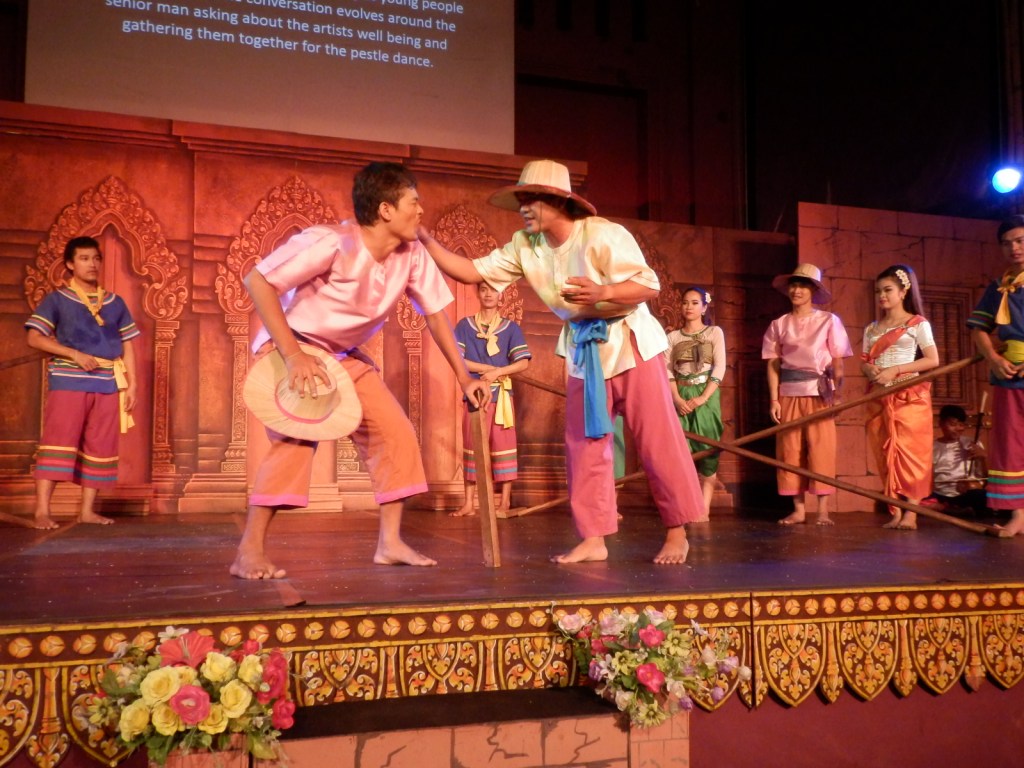
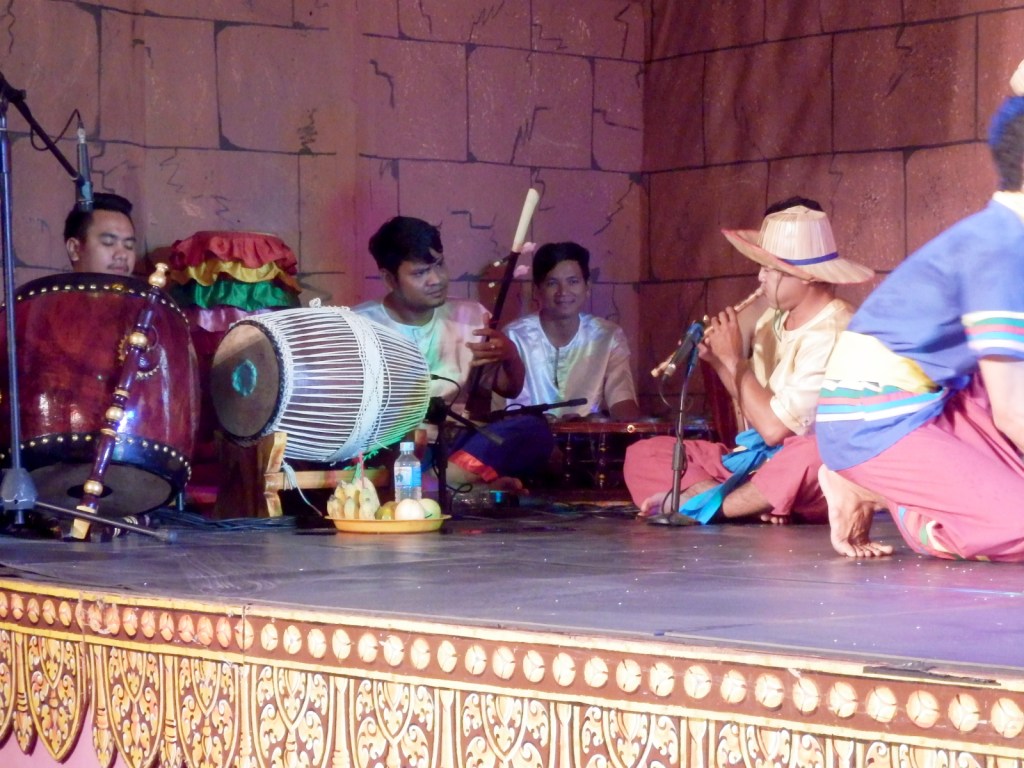
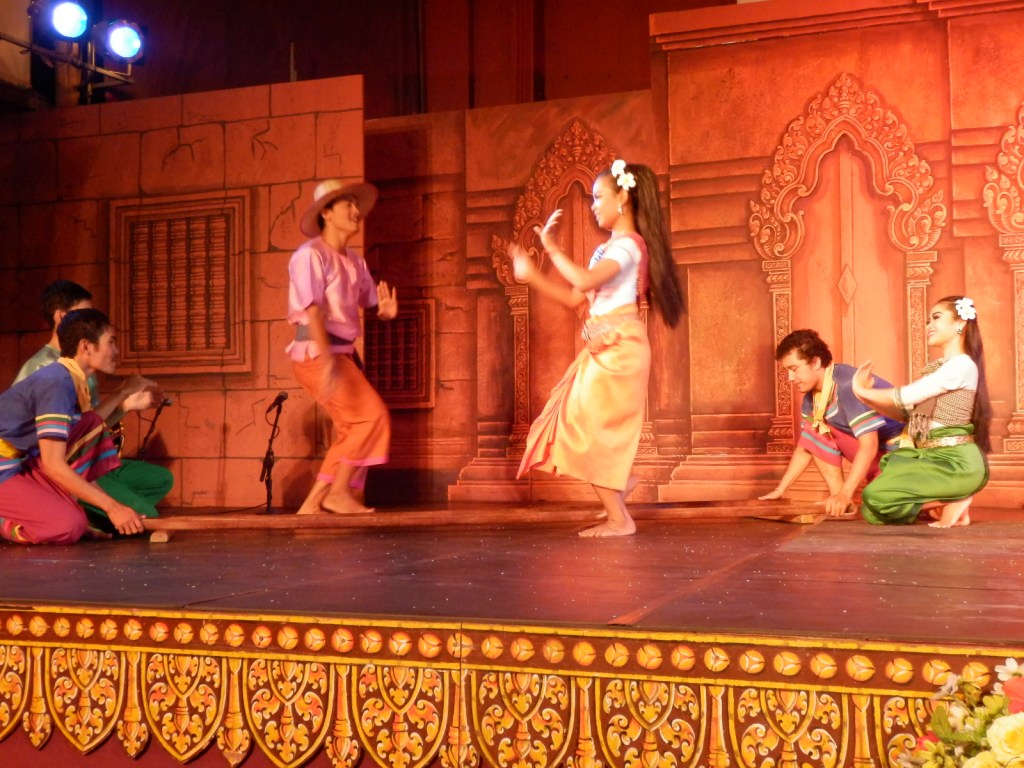
Among my Airbnb host’s recommended activities was to see this dance performance that is held in the garden area of the National Museum. I figured this would be a nice thing to see, so I bought my VIP seat for it. I’m glad I saw the show because aside from showing some cute dance moves, it also felt like an authentic performance of Cambodian (Khmer) art, and it made me appreciate the culture more (especially after having been to S21 and the killing fields and being told that almost all of the artists in the country had been killed and that this art form almost died out with them). The dance company is also one of those non-profit groups that takes kids off the streets, helps train them in music, dance, and other performance arts, and gives them a living wage.
I think my favorite performance was the peacock dance. The costumes and the dance moves were so cute (although it was impossible for me to get a good still image of the male peacock dancer because he never seemed to stop moving long enough). The monkey dance was also entertaining. Whoever choreographed it made sure that the dancers really understood how monkeys move.








Day 5:
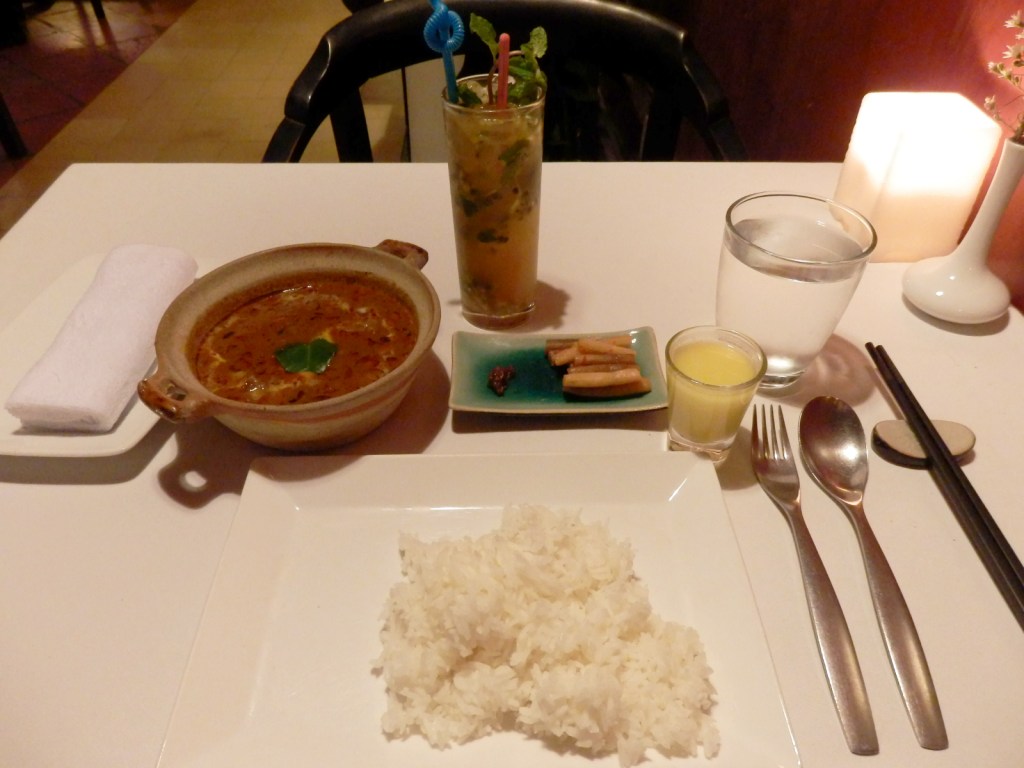
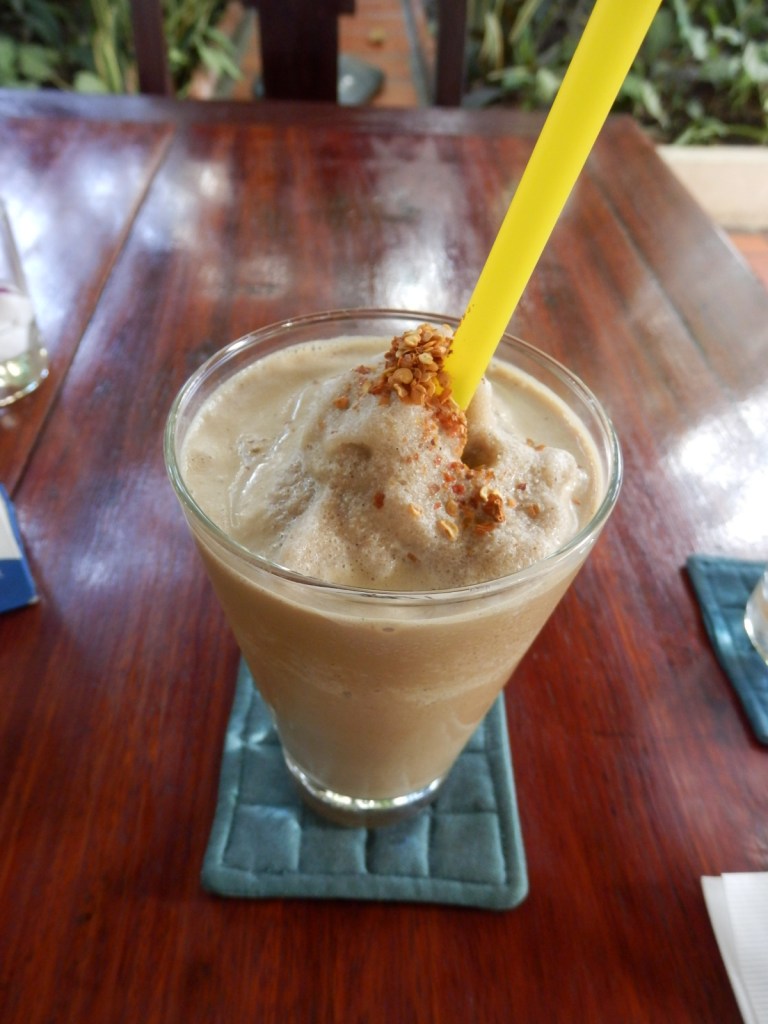
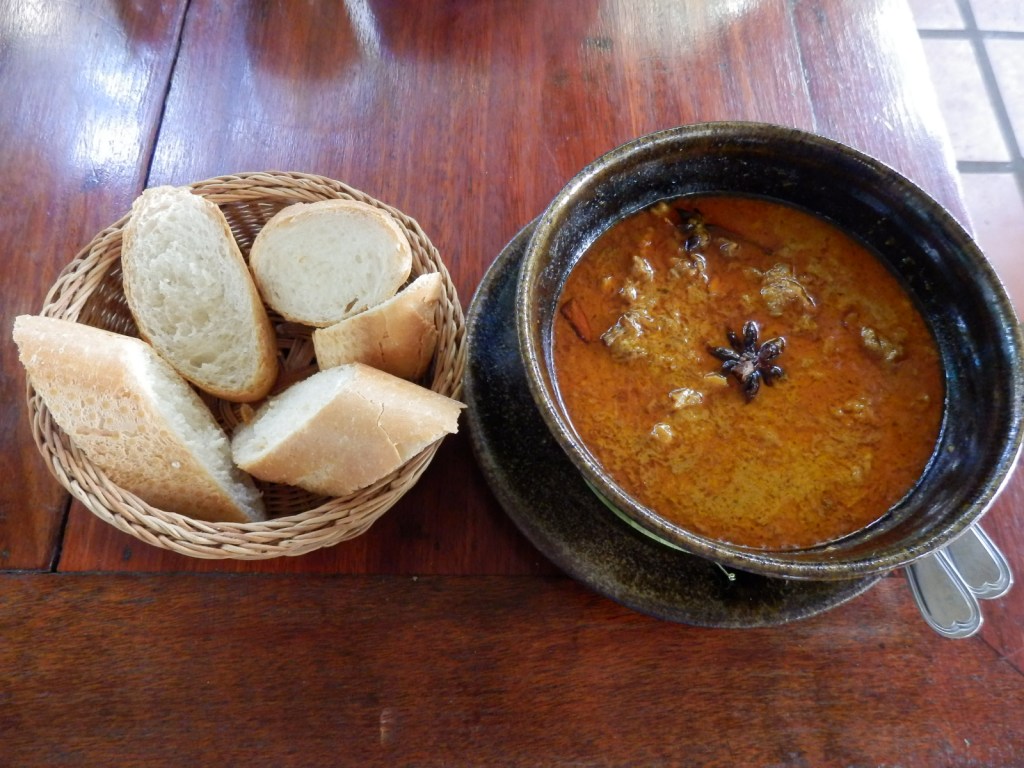
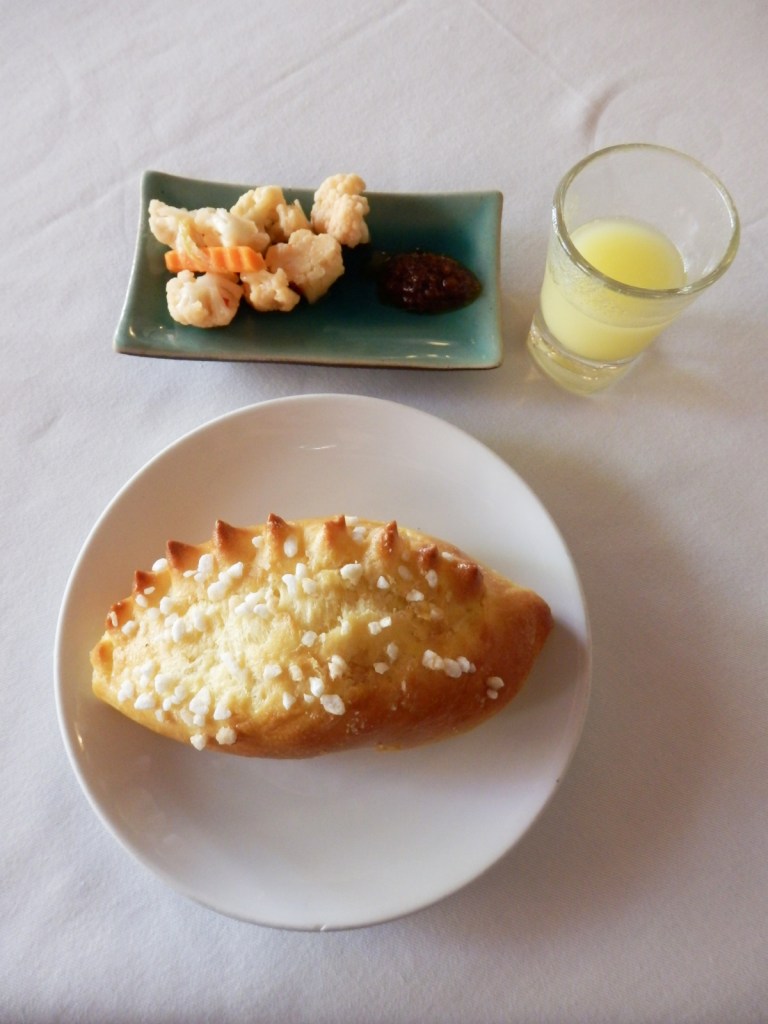
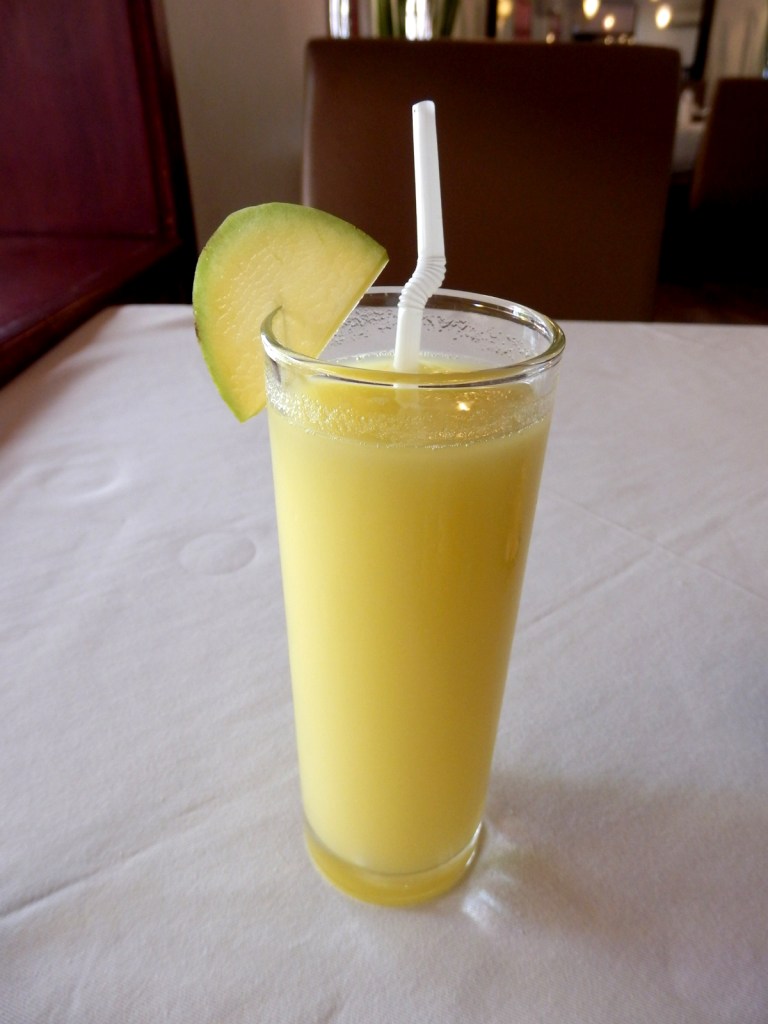
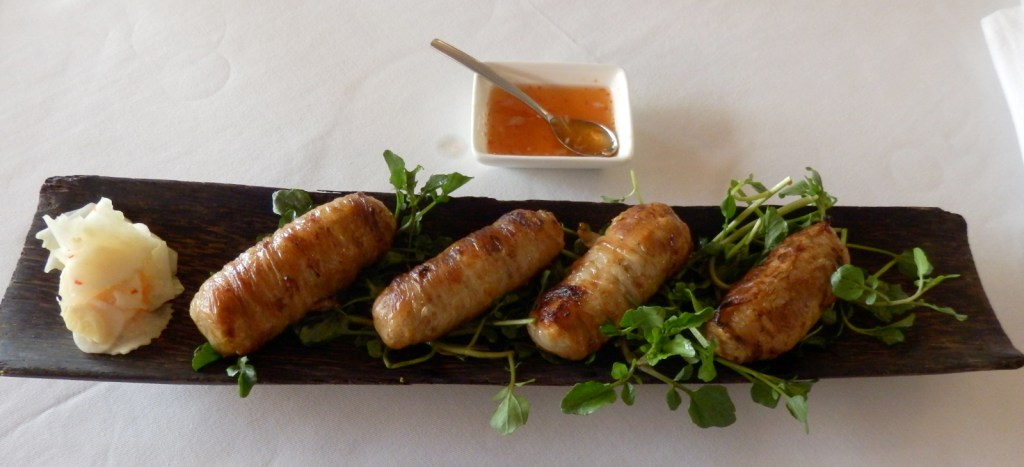
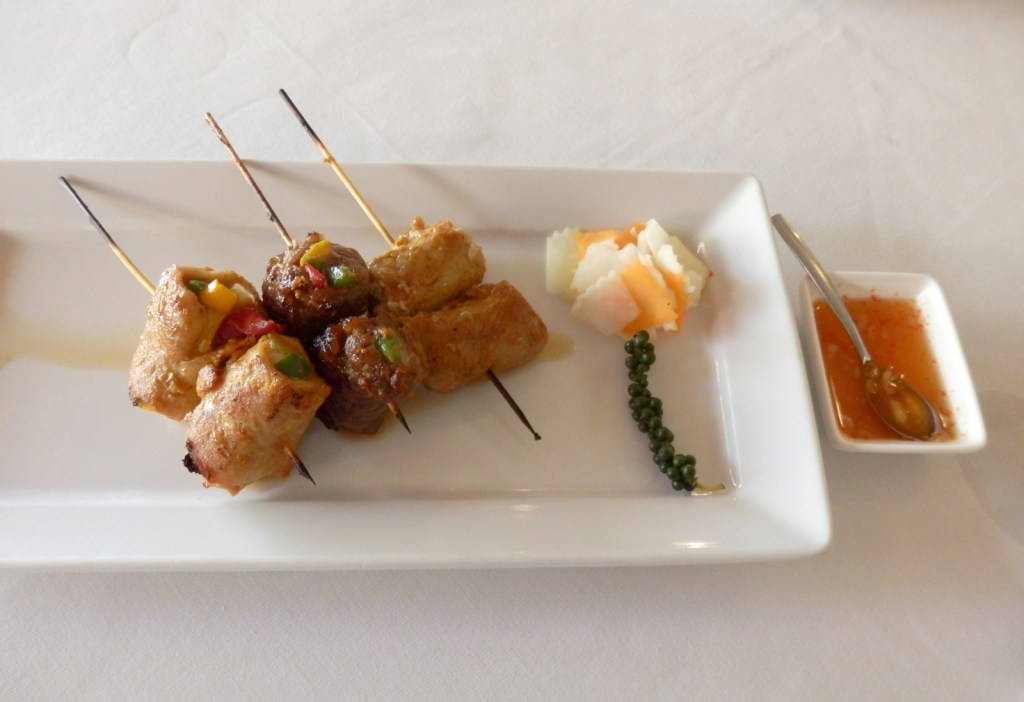
Day five was really just a day of relaxing and eating around some more. Previously, I had eaten at several social enterprise restaurants that help out kids by training them in food making and service, and I decided to try out one or two more before I left. Here are some of my food experiences in Phnom Penh.



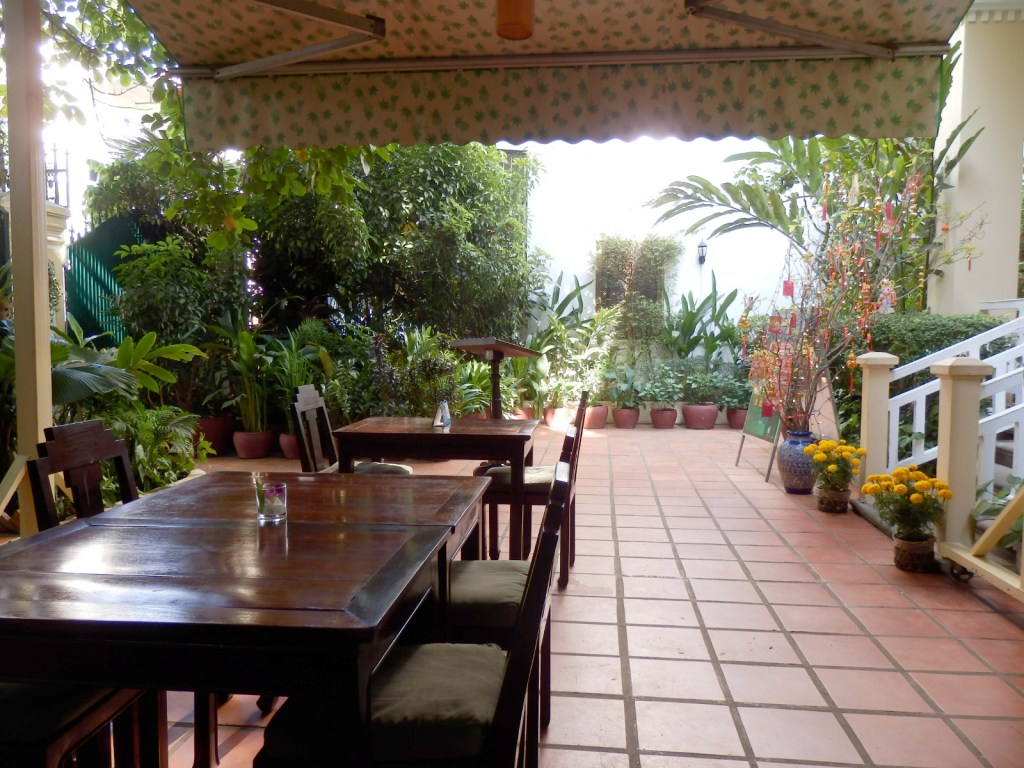
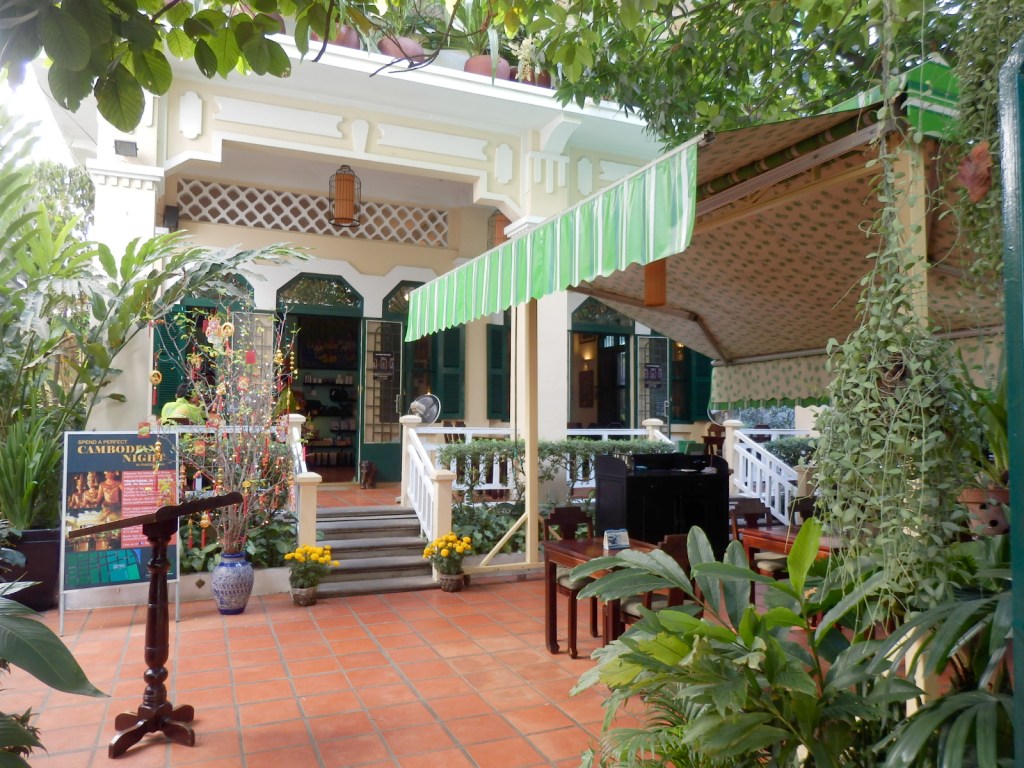
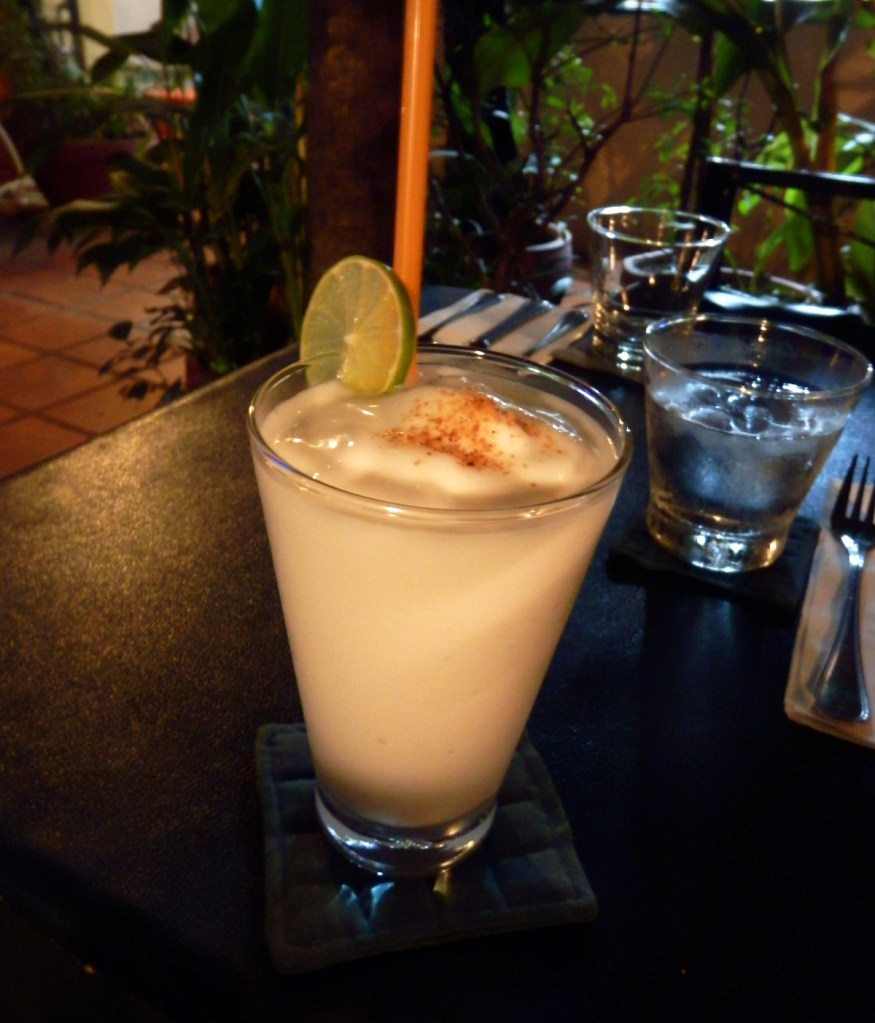
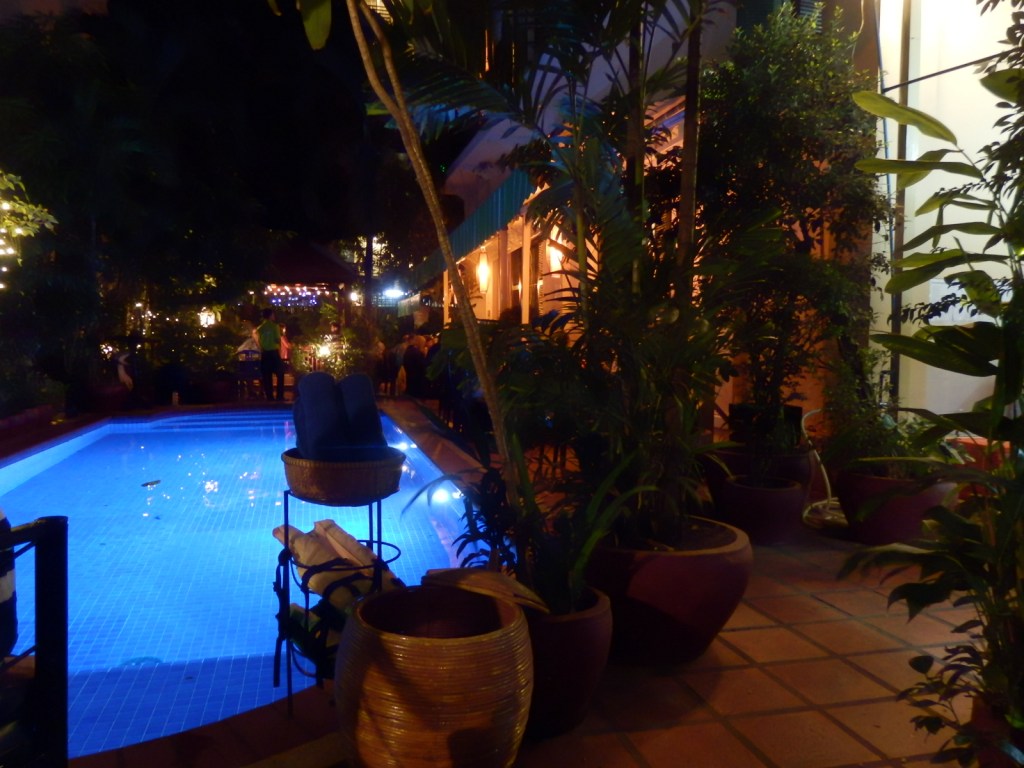
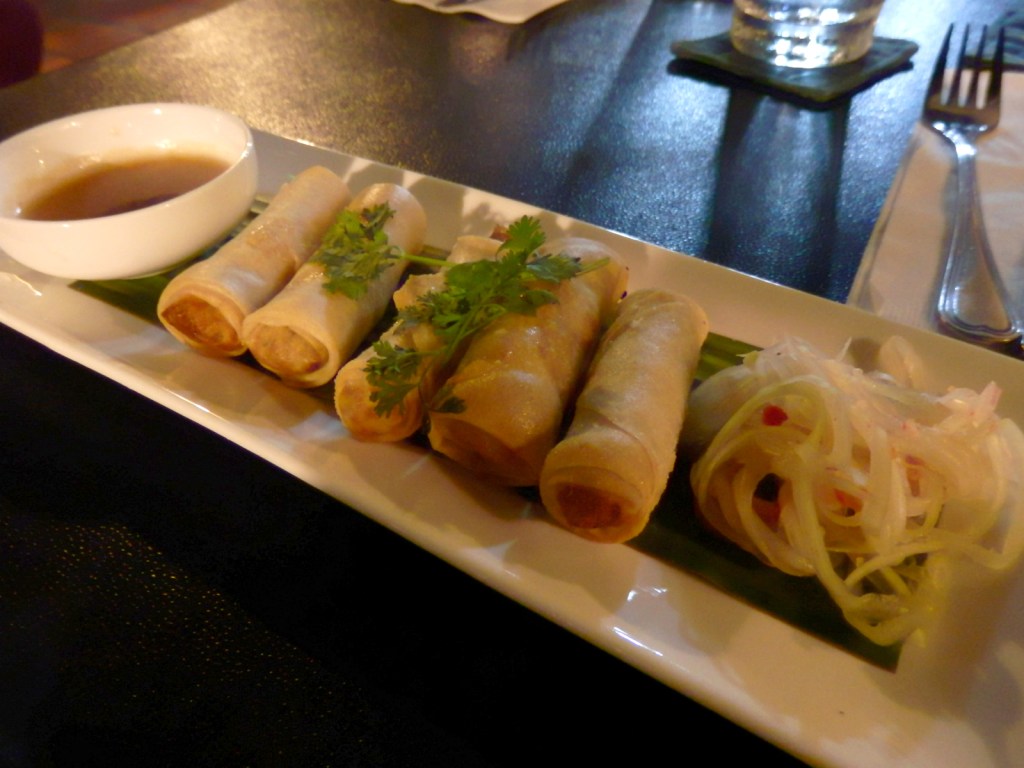
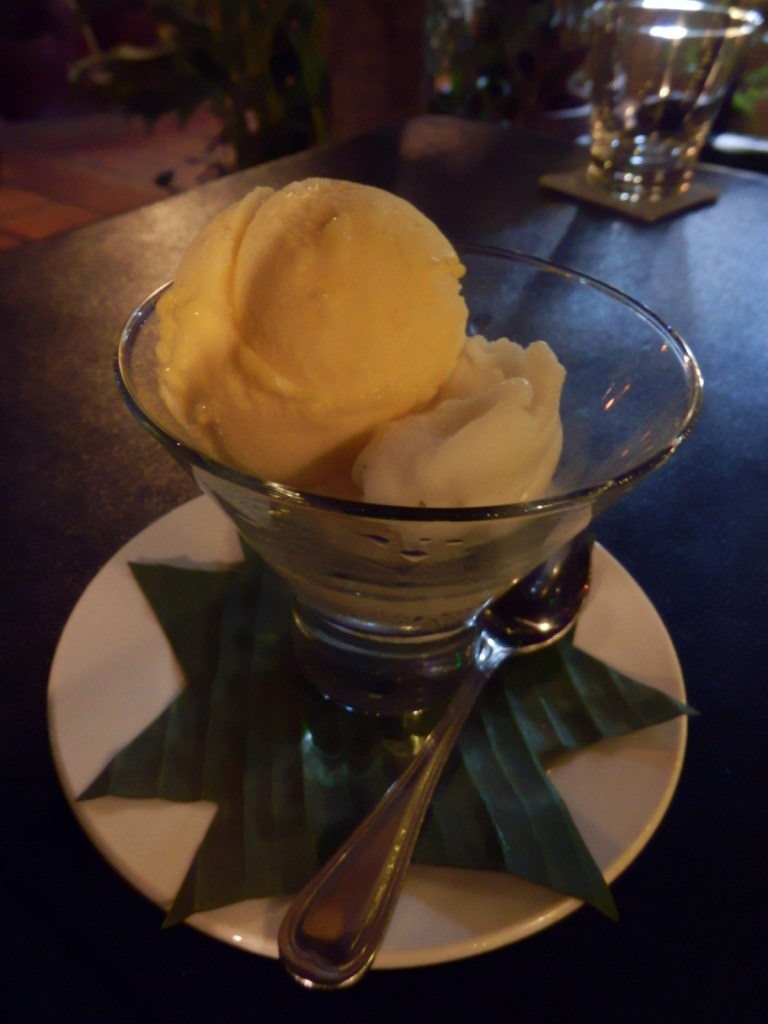
While Phnom Penh may not be worth the trip all by itself (especially from the other side of the world), it most certainly is worth a visit if you are transitioning between neighboring areas like Thailand, Laos, and Vietnam. Sure, the city itself isn’t quite as architecturally alluring as some other tourist cities (with the exception of its temples and stupas, which do add a nice touch to the otherwise unexceptional buildings), you are frequently told to watch your bag, there is plenty of garbage (I saw people searching through garbage piles twice while here), and the smell of smoke is usually in the air. However, the country’s capital does have some worthwhile things to see and experience. Dining out is made even better by visiting social enterprise restaurants that serve great food for a great cause.
This is a nation that was once a bustling empire in southeast Asia, but its influence weakened as its ancient borders were shrunken significantly. It was also knocked back into the Stone Ages because of the Khmer Rouge (and the foreign governments who supported it), and it’s still a poor country trying to crawl its way back. But the people of Cambodia eagerly want to better their lives, and I think we can all do a little bit to help them along by taking the time to try to get to know it better and appreciate it’s cultural contributions (practice of Hinduism and Buddhism, food, and ancient costumes and architecture, particularly in Thailand).



Leave a Reply