After many years of debating whether to check out Indonesia (specifically, Bali) or return to a country that I’ve already been to to explore areas, I finally decided to visit Bali. While researching what to see and do there, I also wondered if I could fit in other parts of Indonesia (Java, Komodo Island) into one trip. I opted to just focus on Bali, and in hindsight, this was the right decision.
Bali is usually talked about in terms of being one of the current go-to cheap tropical destinations, so the hilly and mountainous areas were a bit of a surprise to me, particularly in Nusa Penida. Perhaps this should not have been surprising considering that it’s part of the Pacific Ring of Fire, meaning that mountains (including active volcanoes) and hilly terrain are abundant.
This was also a trip where I looked for a cheaper flight that had a connecting flight rather than flying direct. I now understand why having only an hour layover is really not enough time. When my plane landed at Singapore’s Changi Airport, I barely had time to make it down the same terminal to the connecting gate, even while huffing it like a determined and increasingly dehydrated madman (which I very much was). An hour might seem like an OK amount of time, but factors such as flight delays (even slight delays), taxiing on the runway, and the distance of your connecting gate can easily eat away at your layover time.
The arrival process wasn’t too long or difficult, but it was a bit informal, at least compared to some other places I’ve been to in Southeast Asia. I had forgotten to check ahead of time whether I needed a visa. It turned out I did. Luckily, I was able to get a visa on arrival for about $24. When I asked where I needed to scan the QR code receipt, the Visa woman just shrugged her shoulders and said, “It’s fine, you don’t need to.” After scanning my passport (I guess that’s how your visa is connected to you, hence why you don’t need to scan the QR code) and having to reread my eSIM card instructions on how to activate it (my first time using an eSIM), I was finally able to exchange the majority of my cash. I realize now that I should have waited to do it outside of the airport at a money exchange place for a better rate or used the ATM. I was finally able to meet my driver that I scheduled through my hotel and head over to Canggu before heading out the next day to Ubud.
Ubud
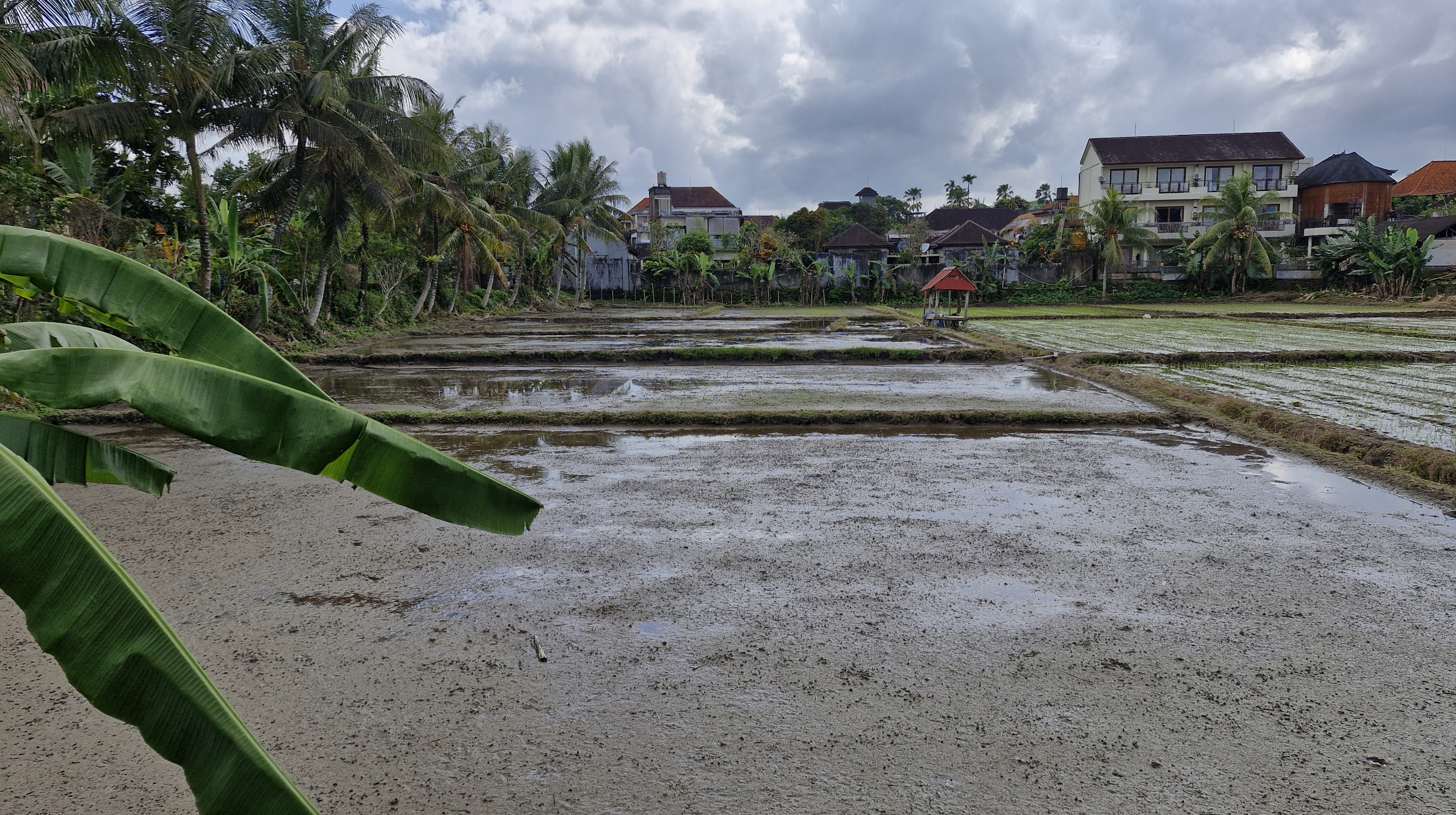
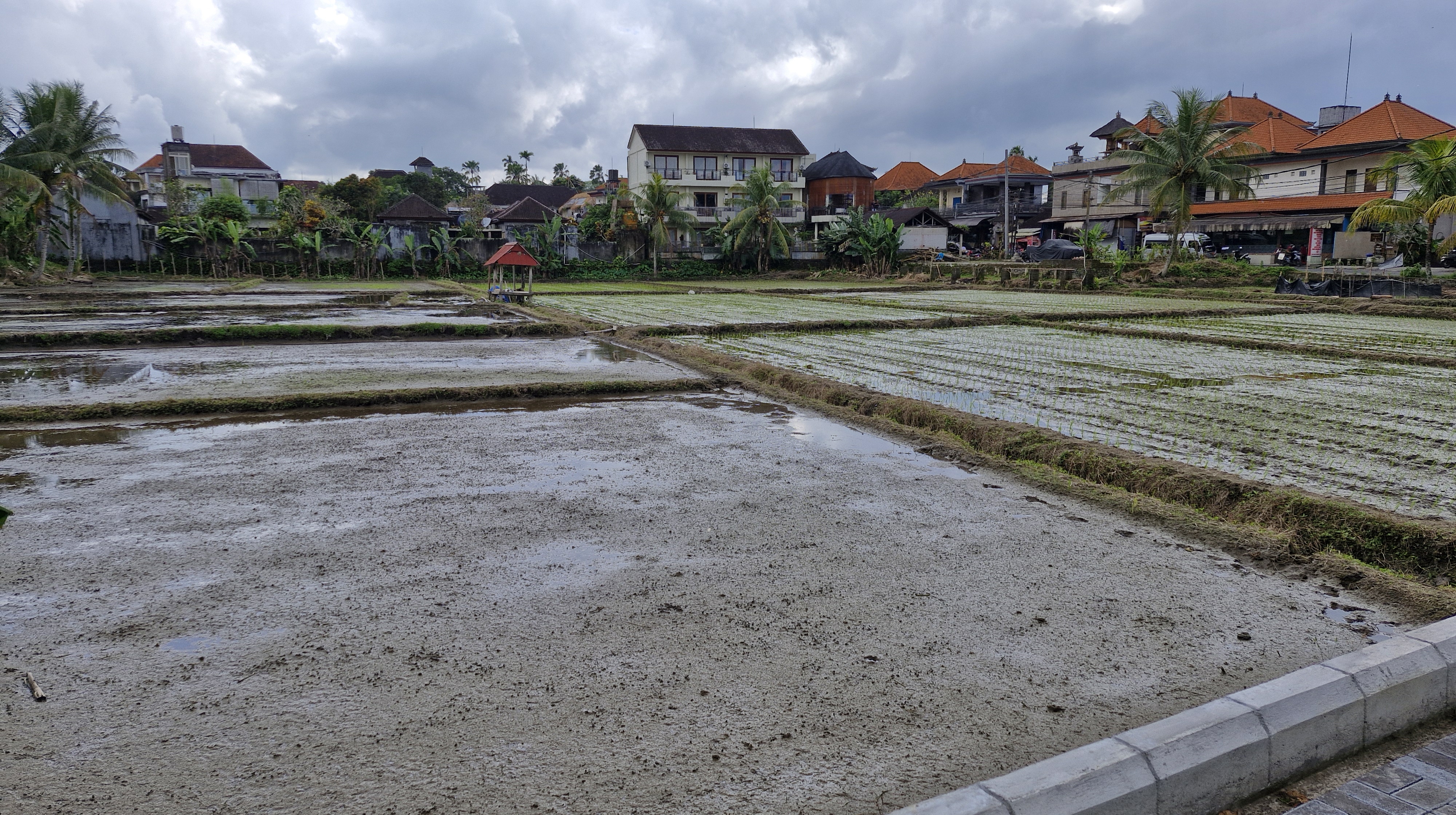

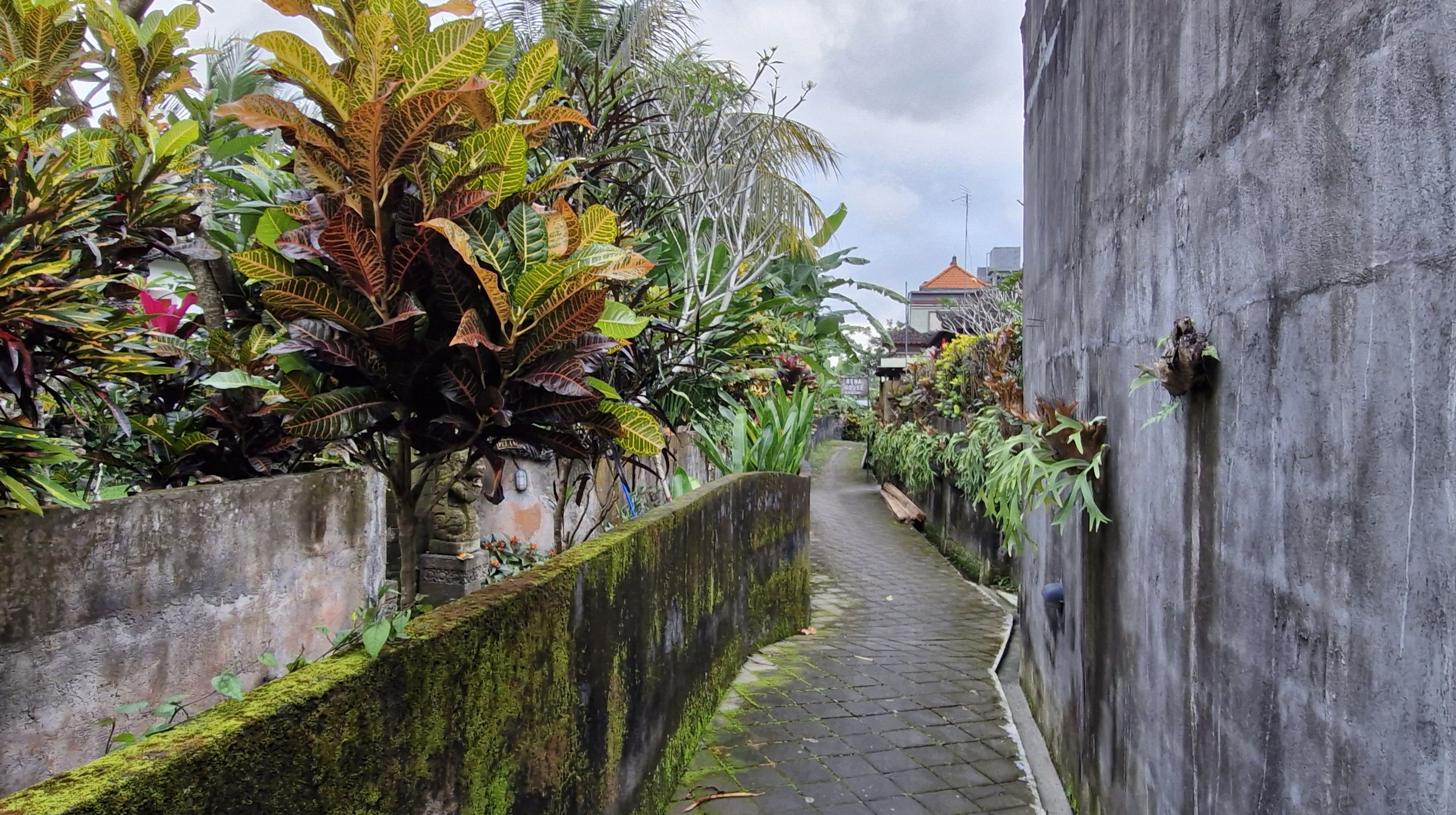

Ubud, considered the cultural capital of Bali, was the first leg of my journey. It was also the place I based myself out of the longest during my trip (four days).
Before getting to my homestay, the driver asked if I wanted to see anything. I had planned to check in first, but since I had hired a driver (as it would later turn out, drivers) for my trip, I was able to leave my things in the car. He took me to an area called Campuhan Ridge Walk. I had seen some photos online and decided it would be a good place to see, but the further I walked along it, the more I questioned why this was considered one of the sites I should see. All I saw were different restaurants, hotels, and tourist shops lining it with some occasional semi-nice greenery behind them. After twenty minutes or so in the heat, I decided it wasn’t worth photographing or continuing along anymore. I turned back and texted the driver that I was done.
This was also my first taste of traffic in Bali, specifically in Ubud, where the streets are so narrow and choked with cars and motorbikes. The roads were clearly not constructed with any real forethought about the increasing tourism and traffic here. This also makes it difficult to determine how far you have actually gone around Bali due to being stuck in traffic for so long.


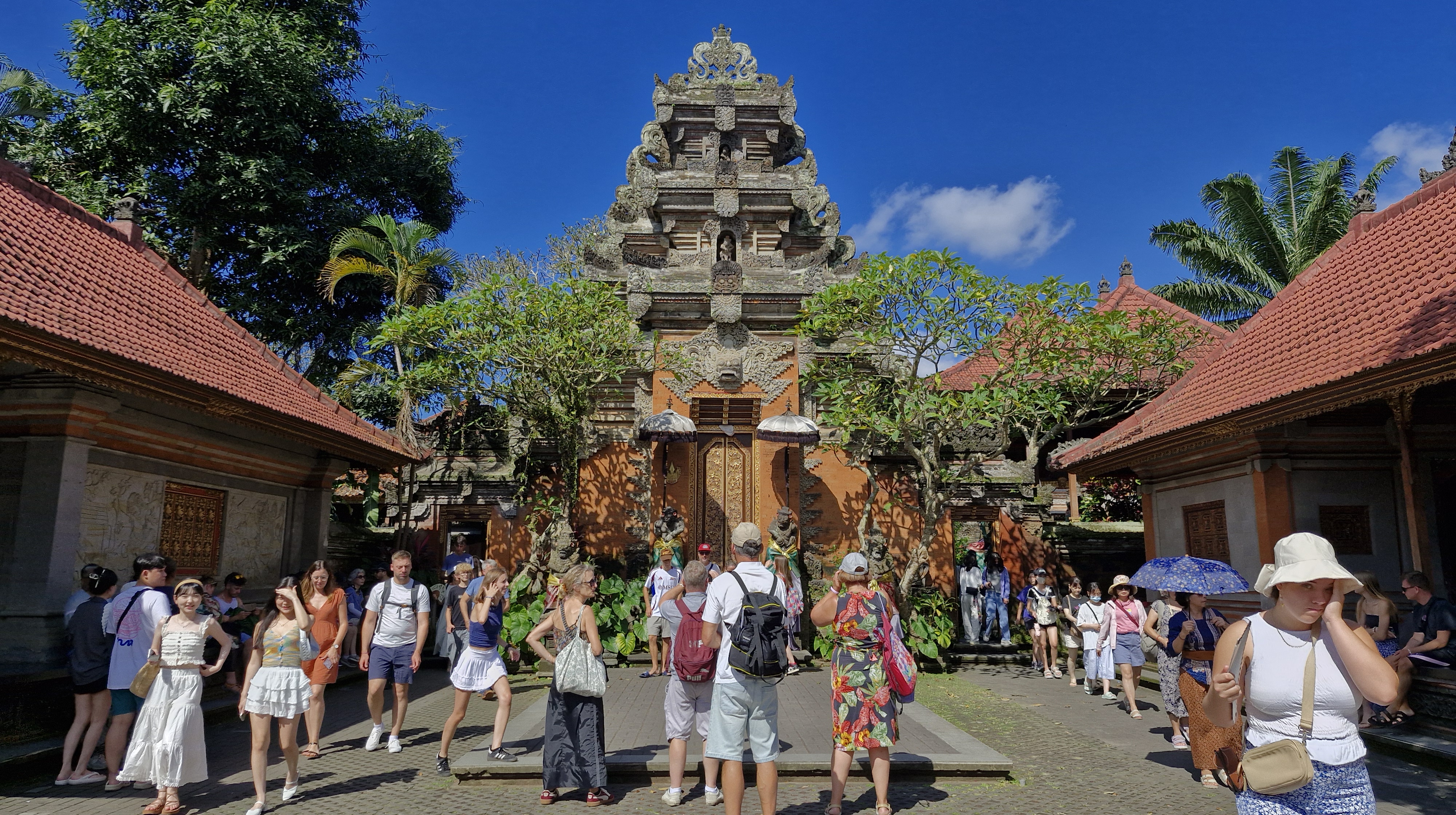
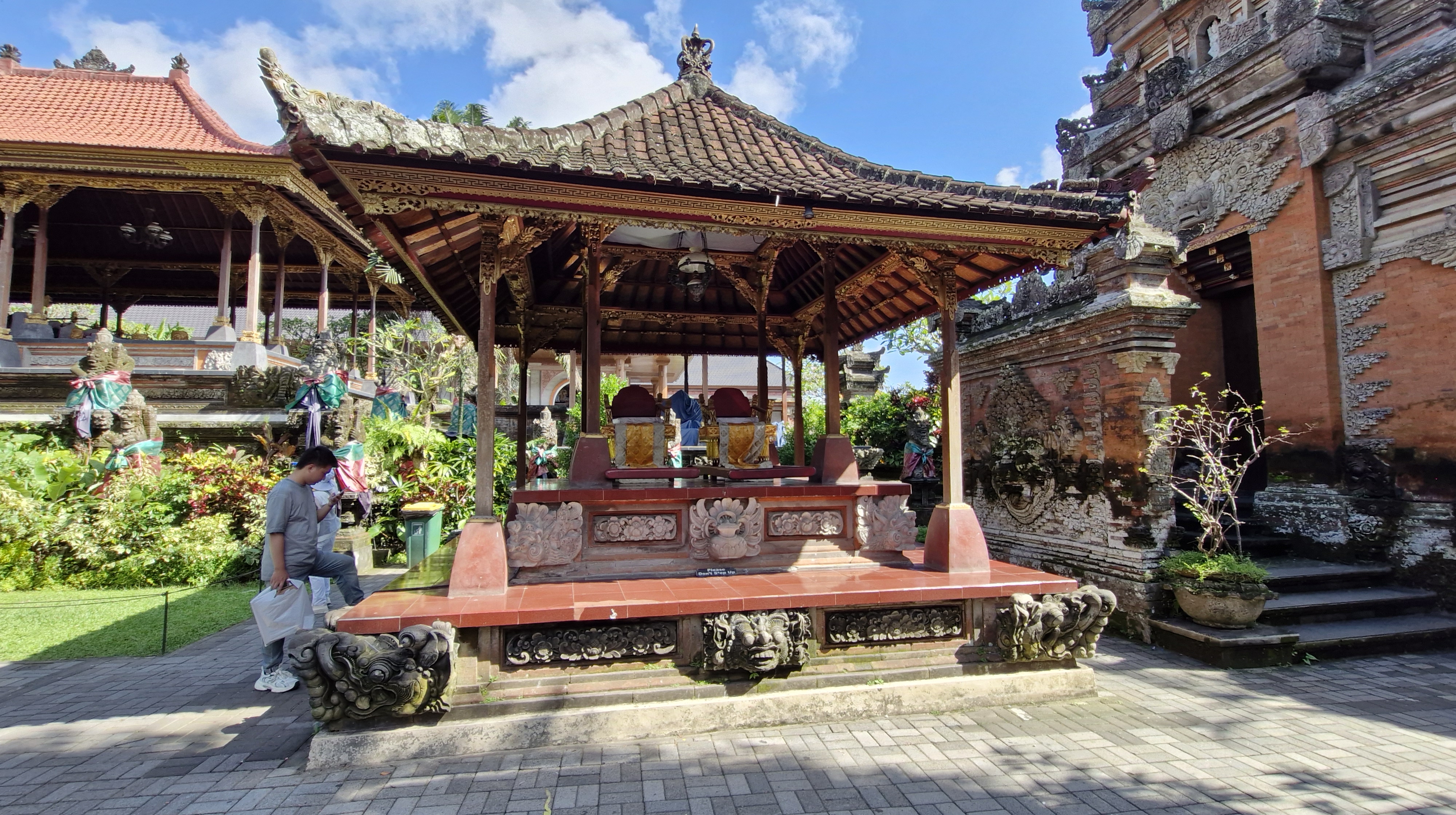
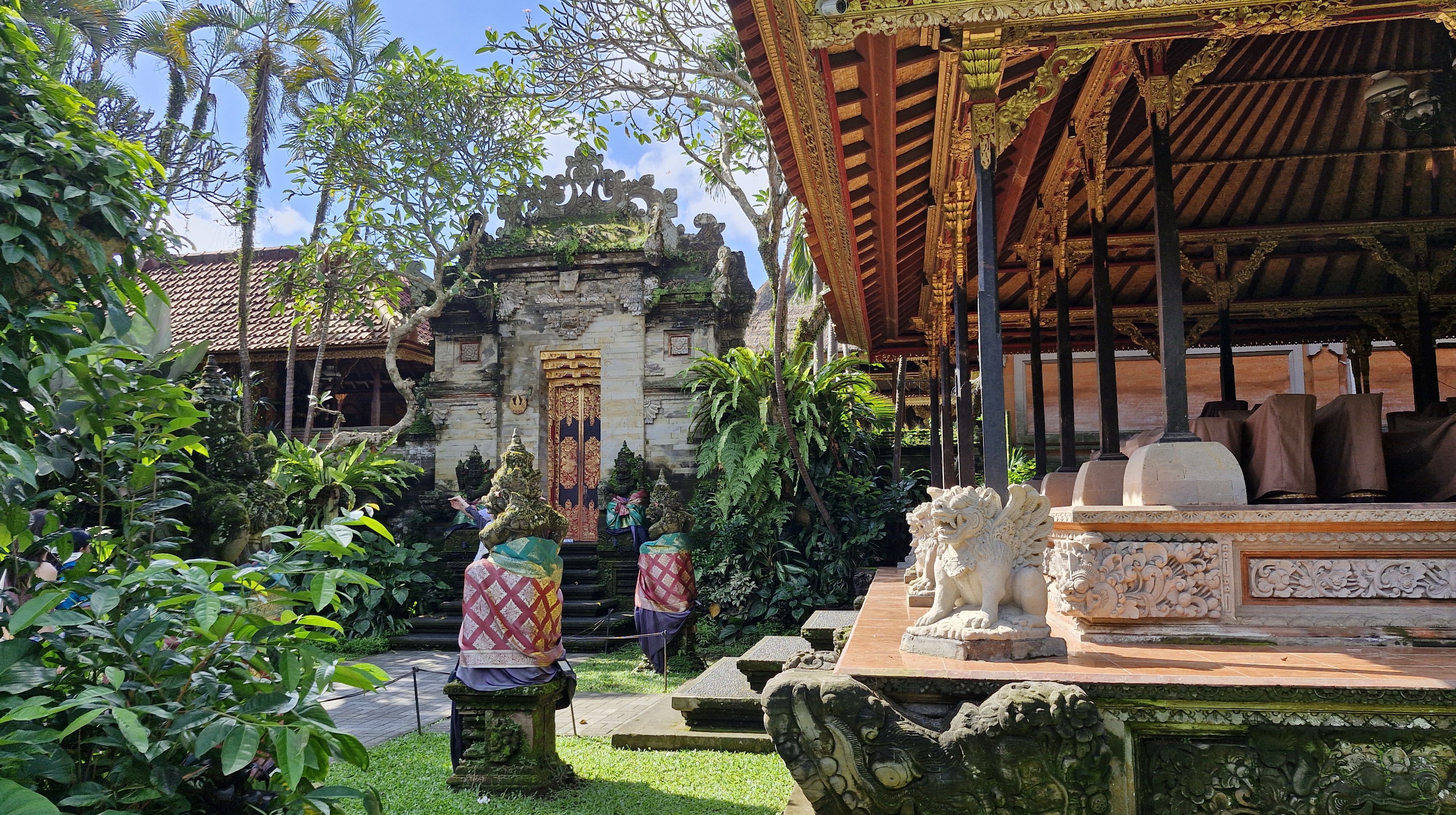
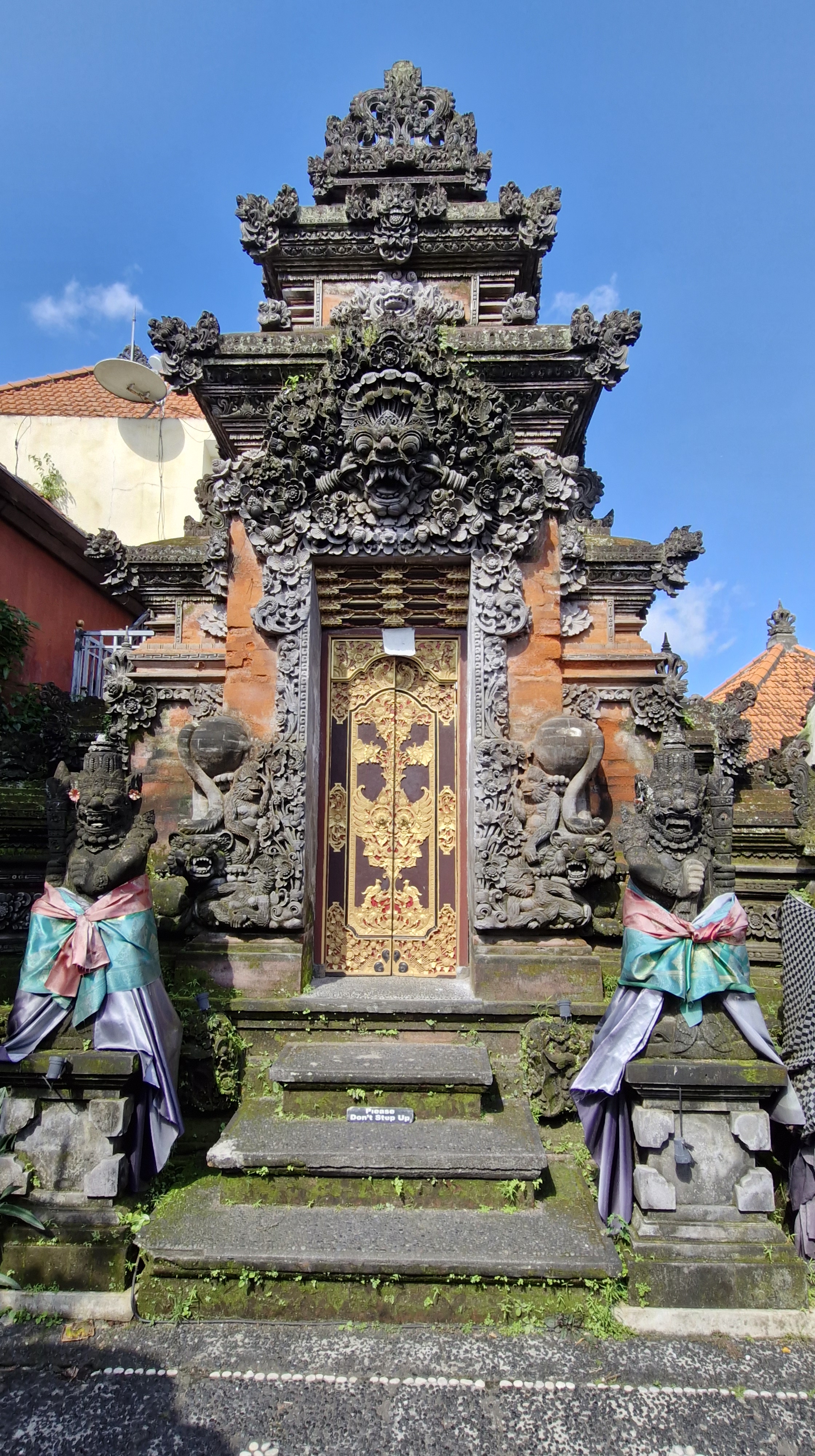
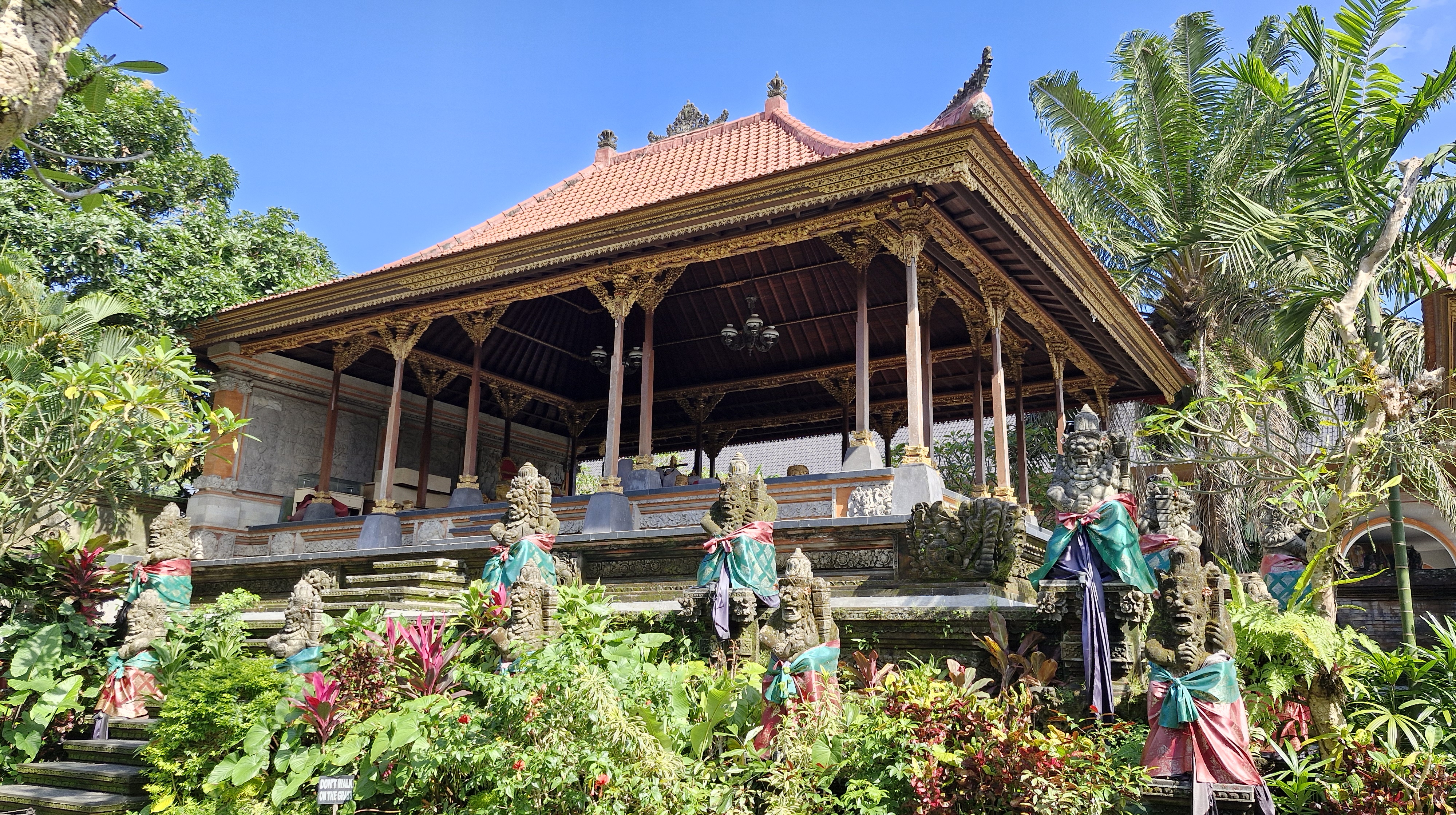
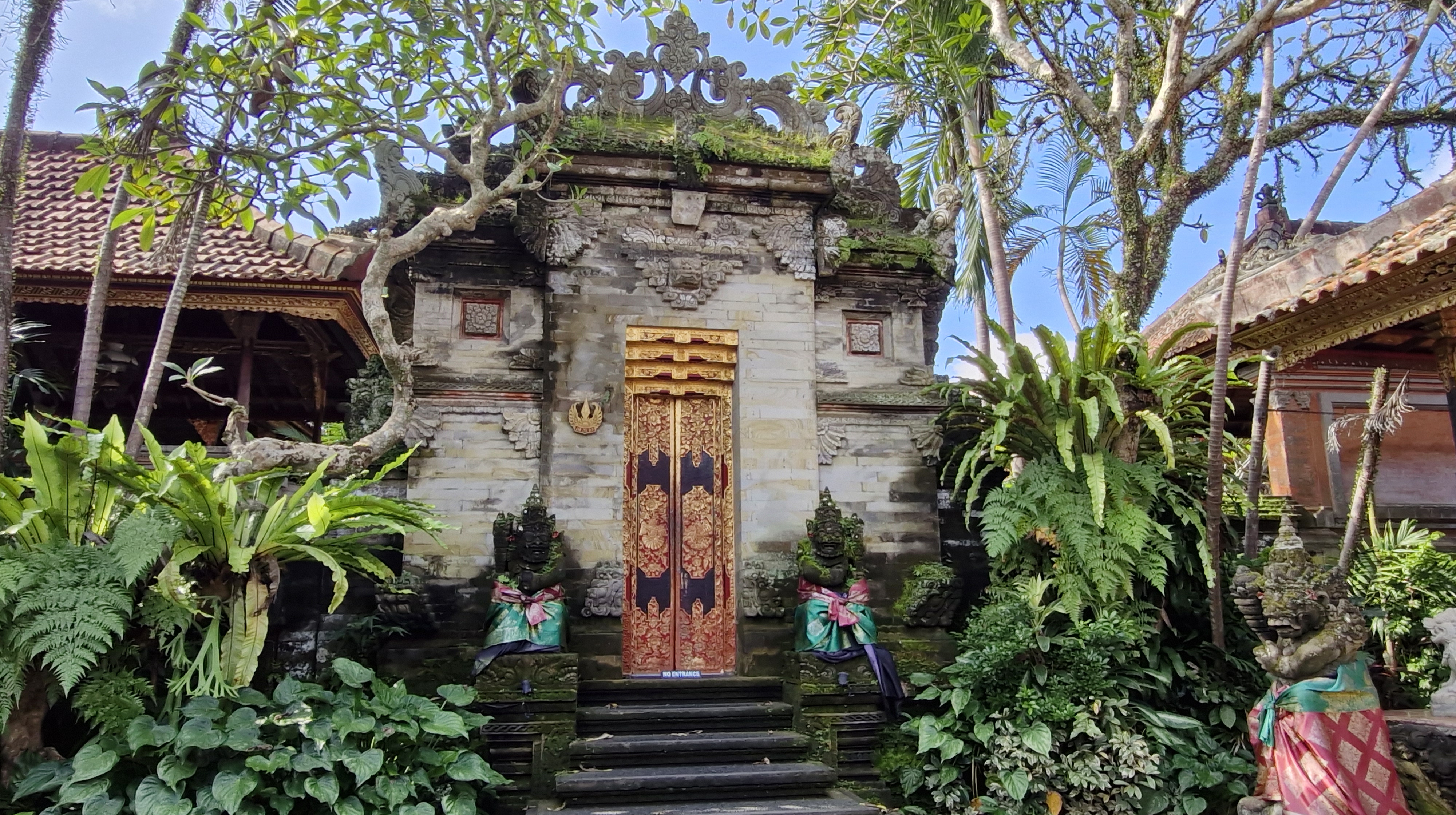
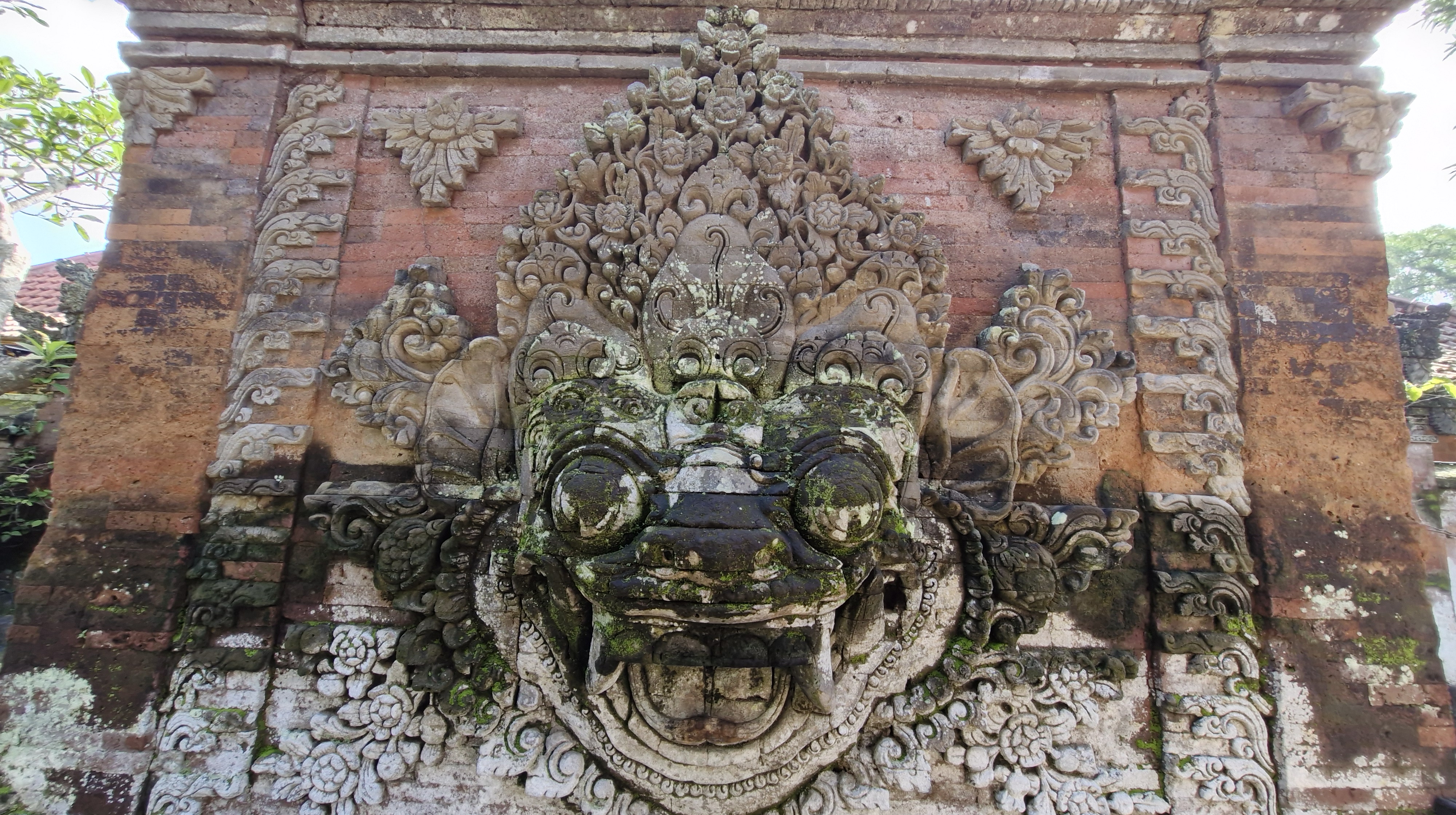
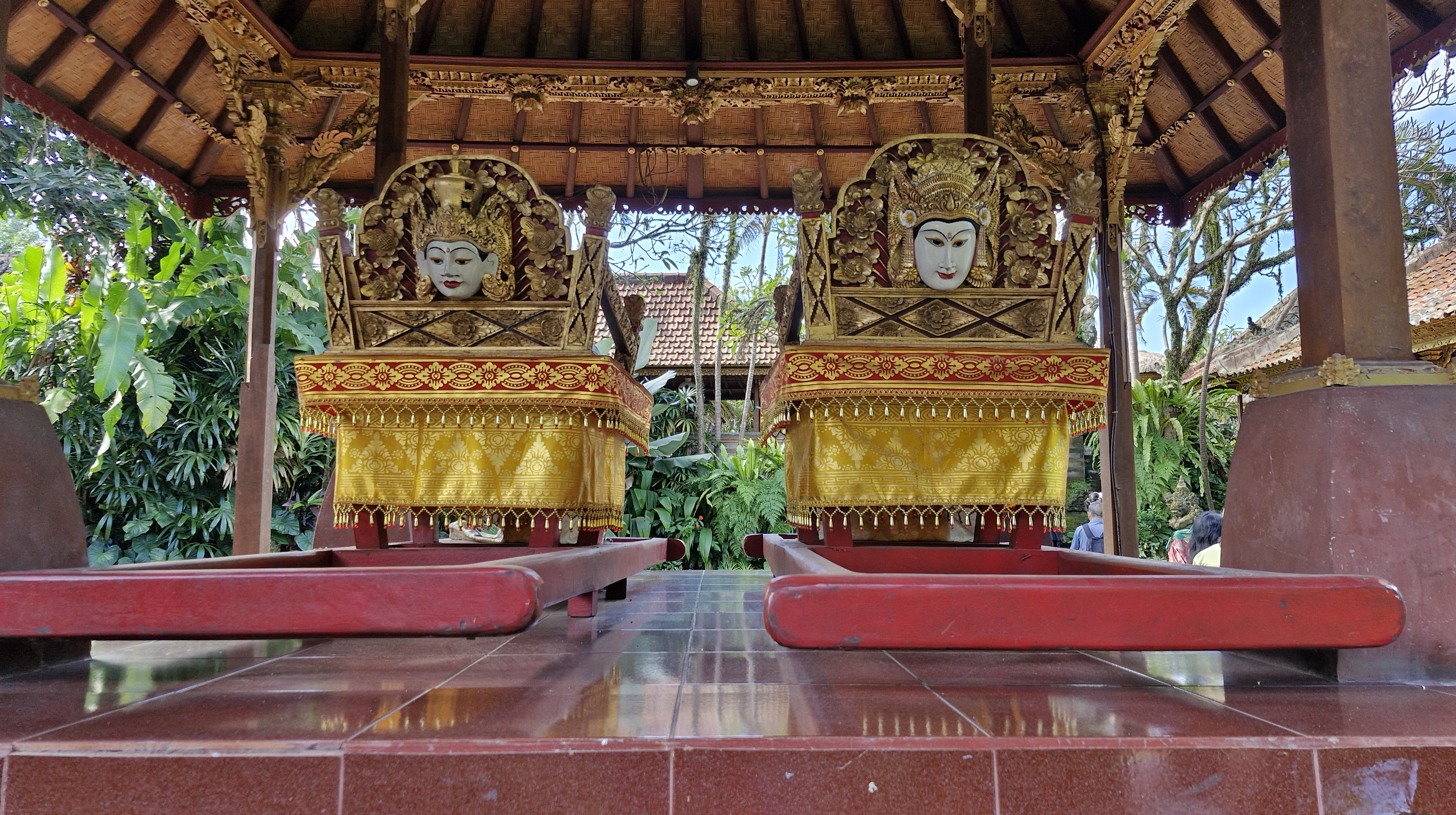
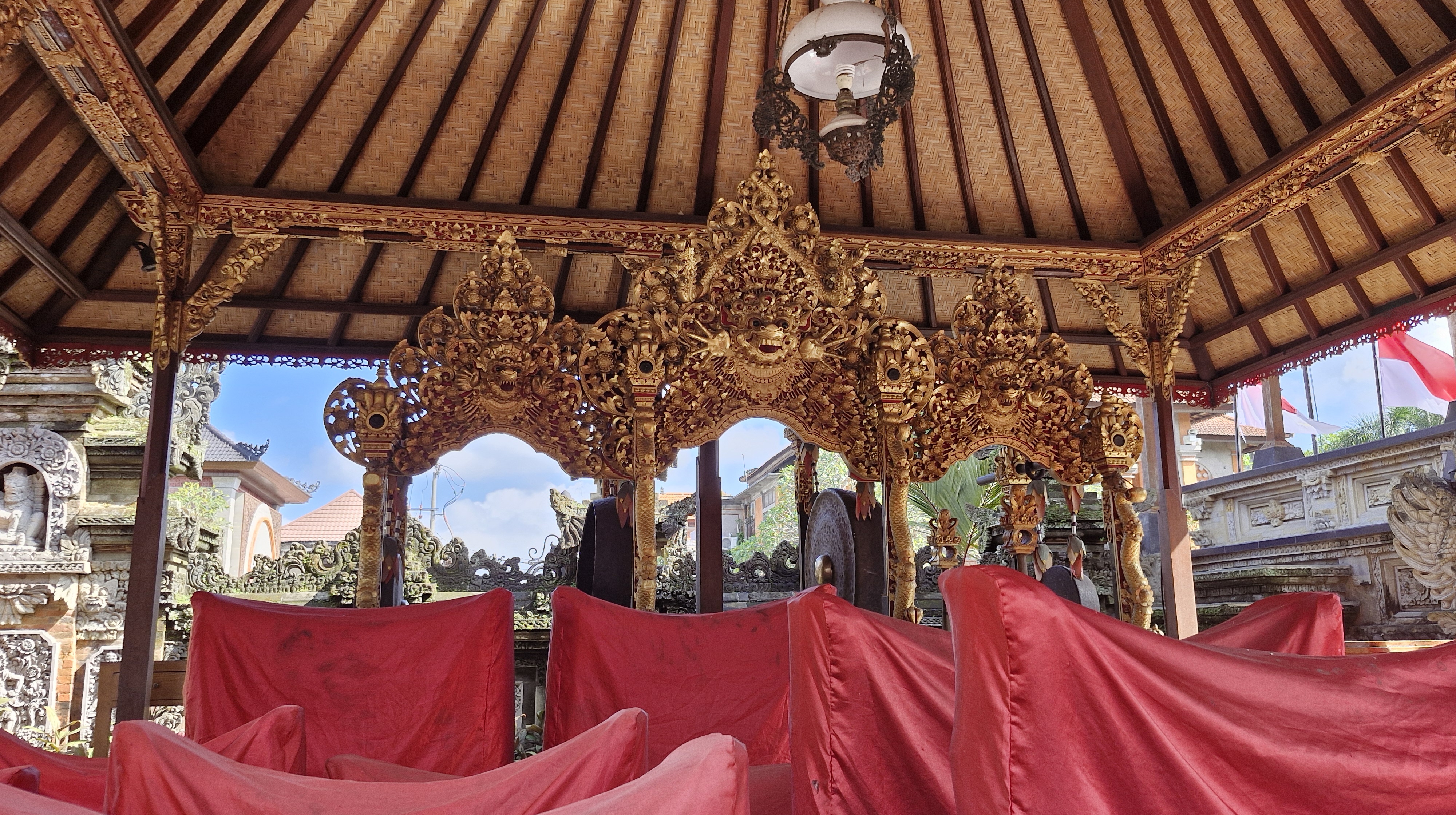
Ubud Palace (Puri Saren Agung)
I actually wasn’t intending to see Ubud Palace, despite its close proximity to where I was staying. At this point, I was dead set on seeing certain sites, and I didn’t want to spend extra time or energy on things that seemed too touristy or not worth the time. Ubud Palace is right in the heart of Ubud and located in one of the many artery-clogging spots of Ubud’s road system.
Puri Saren Agung is where the royal family stayed while in power, along with being situated near the Wos River, whose sacred waters were often used to bathe and cleanse oneself.


Ceking Rice Terrace
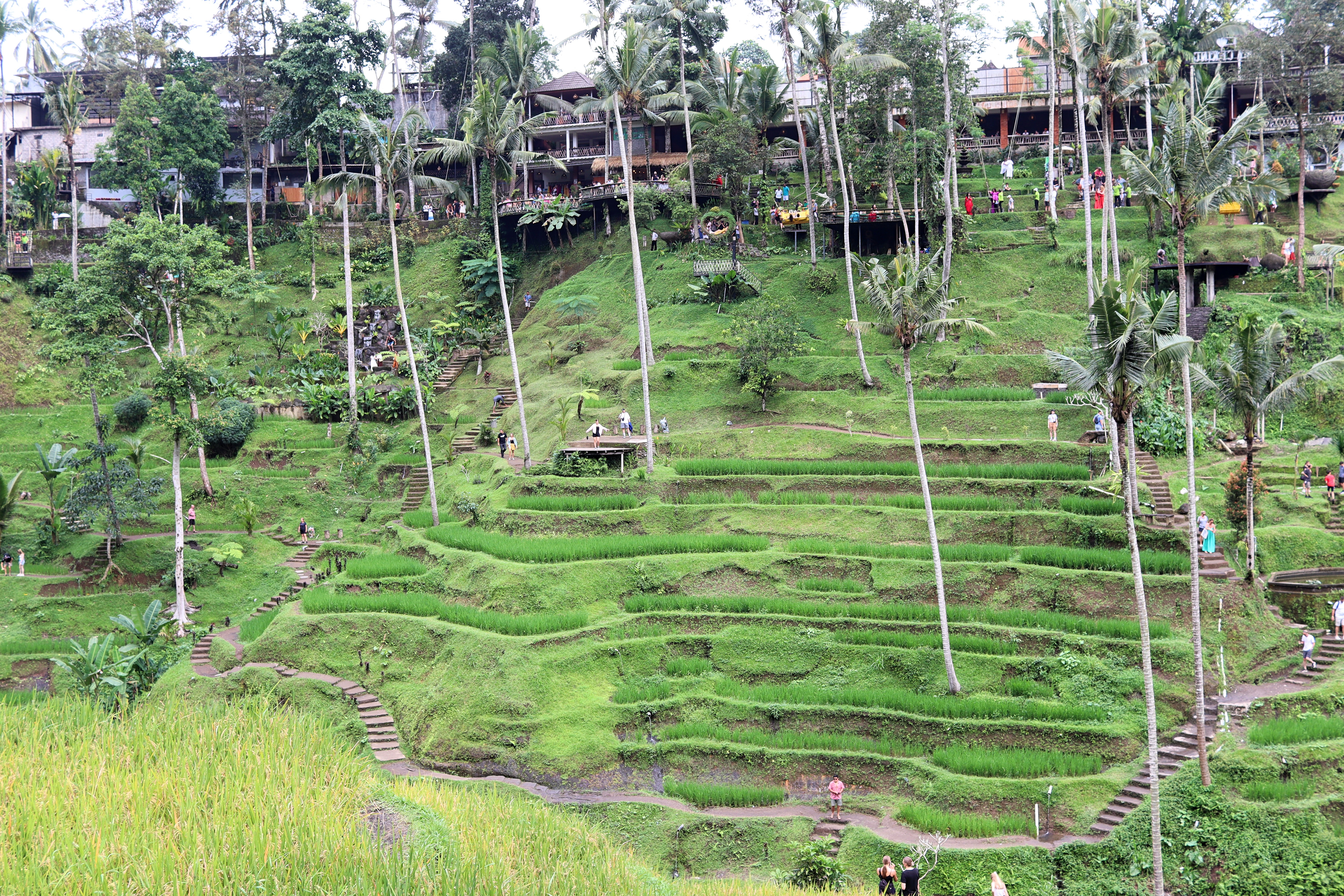
My first full day of exploring Ubud and surrounding areas was to see some rice terraces. I’ve seen a number of stunning rice terraces that filled entire hillsides of places in southern China and northern Vietnam, but I felt that I needed some more. Although the most visited rice terrace in Ubud tends to be Tegalalang, I decided I also wanted to see Ceking. After having visited both, I actually felt like Ceking was more touristy than Tegalalang, but maybe that was because of Ceking’s smaller area and, therefore, more cramped feeling from the touristy aspects (such as the now famous “Bali swing” that is seen at many sites with nice views).


Tegalalang Rice Terrace
As I mentioned, Tegalalang is considered the main tourist site for rice terraces. It’s a bit bigger and more open, and it actually felt less crowded here than in Ceking. I think there is a bit more variety of scenery for people to take in, too.

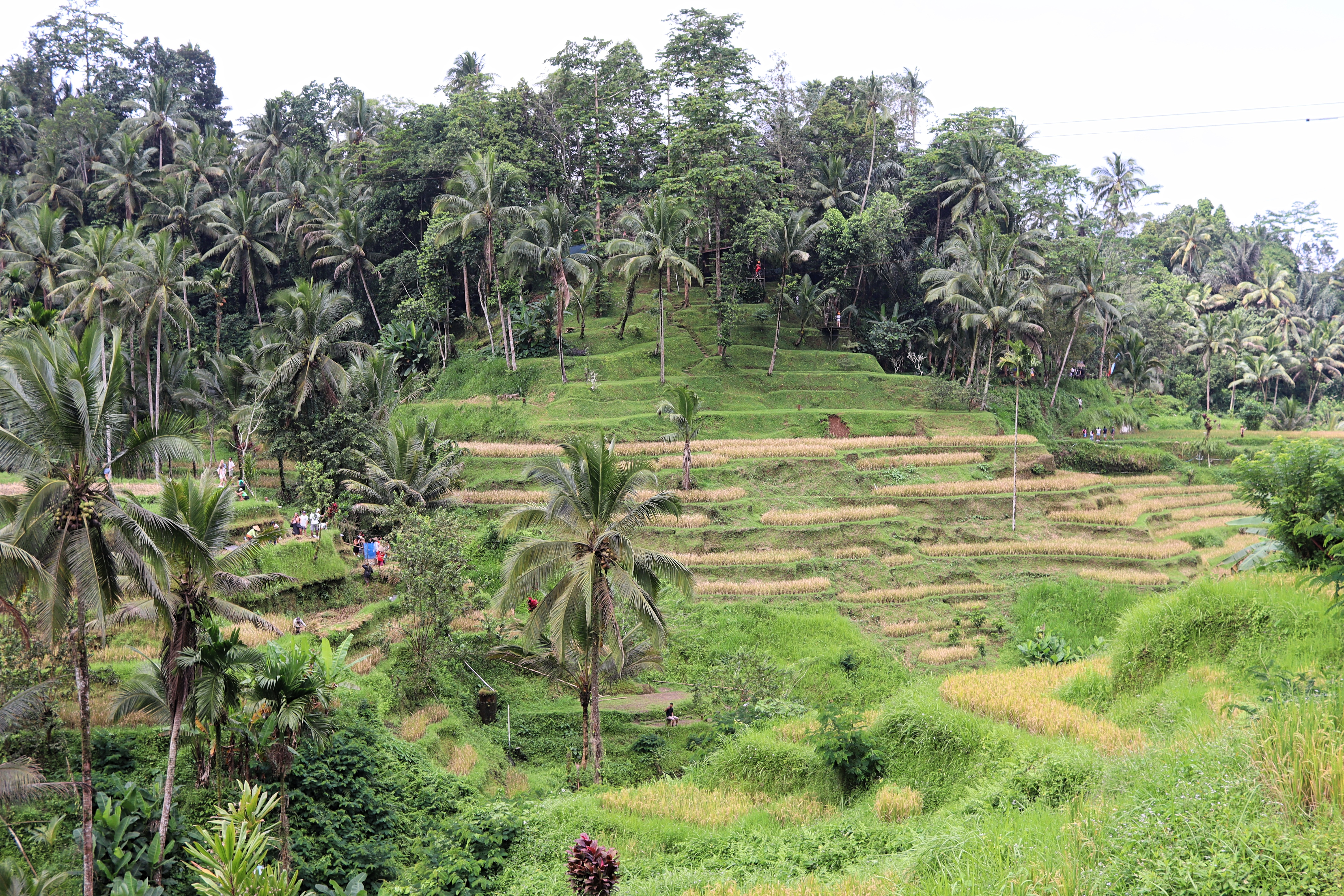
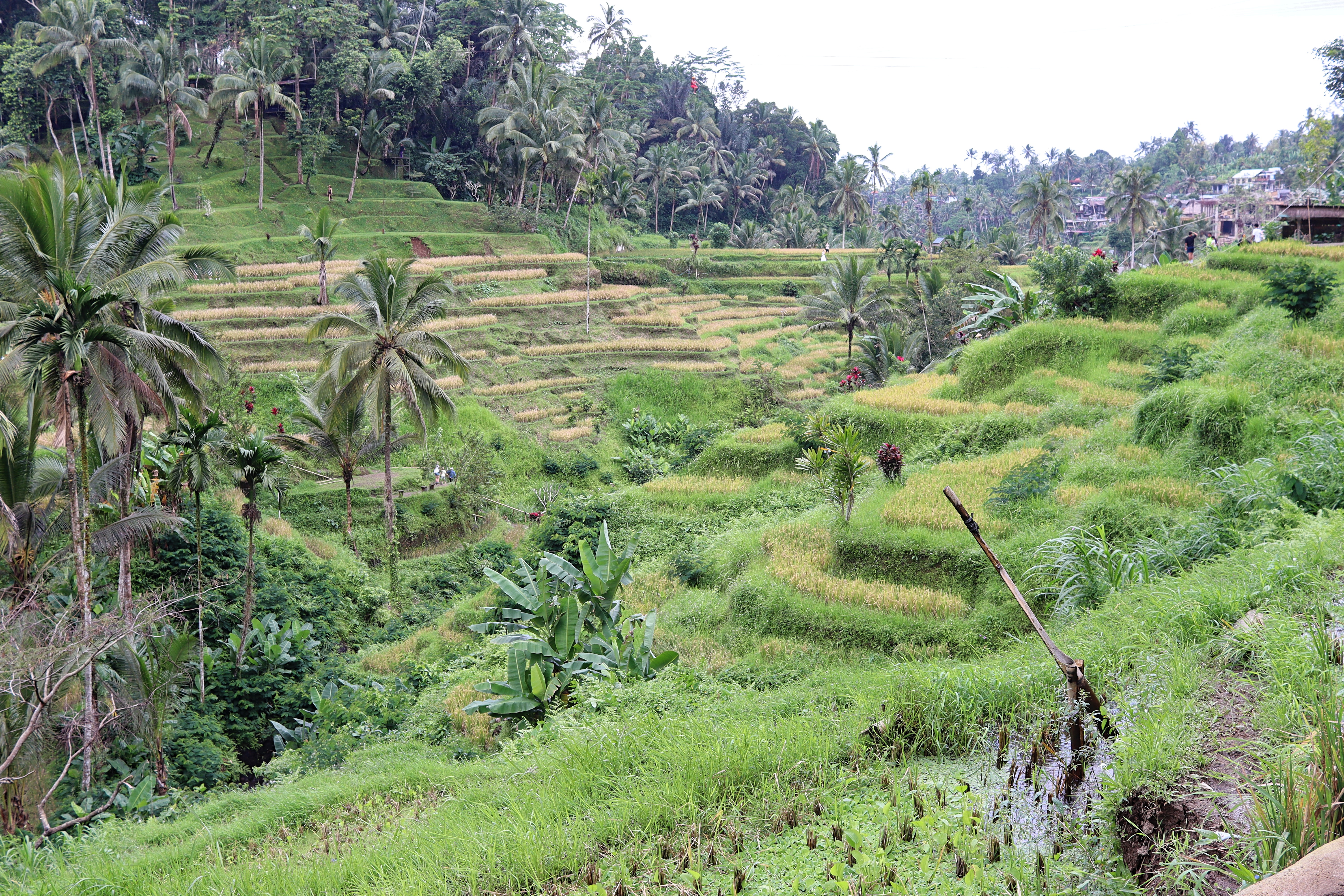


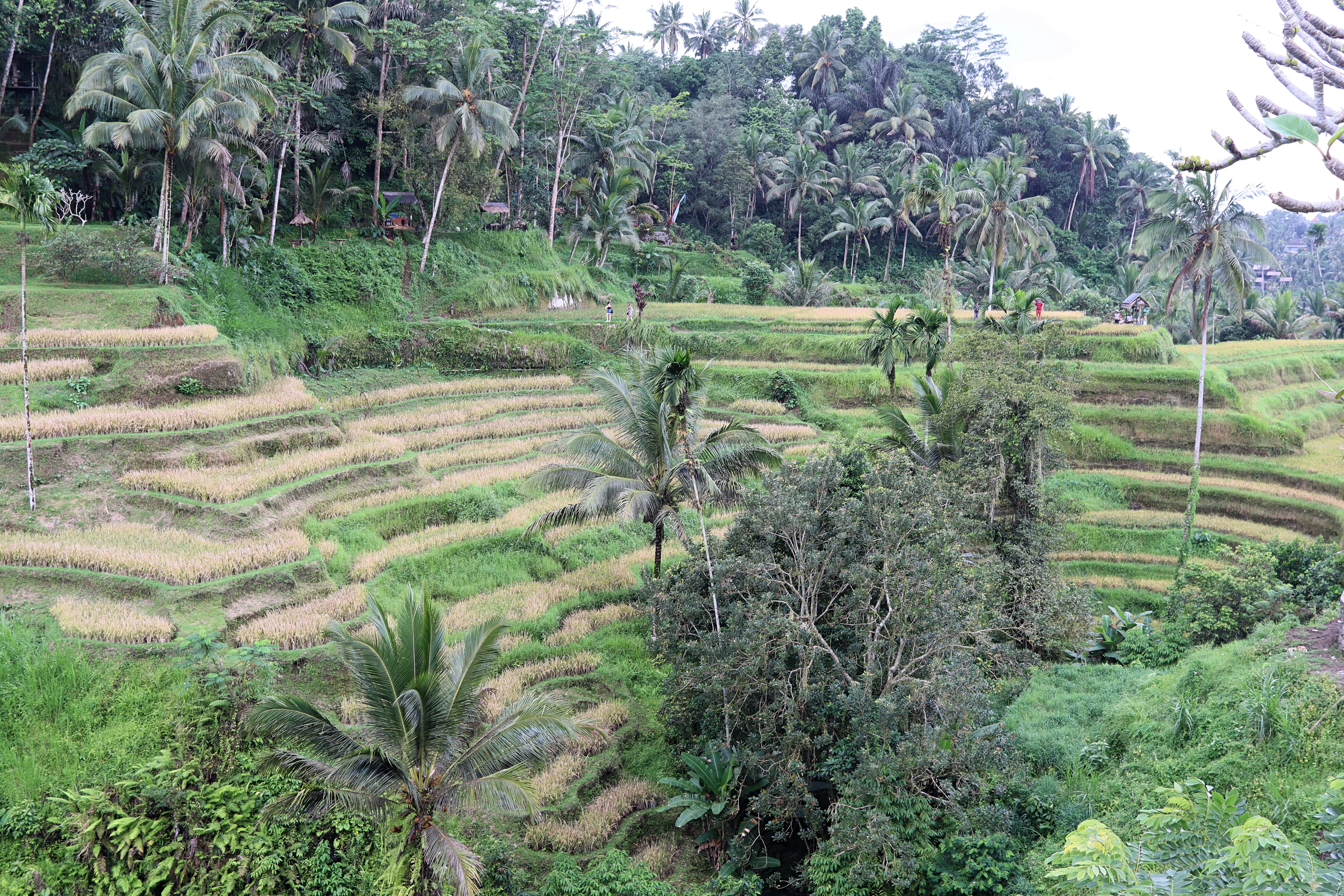
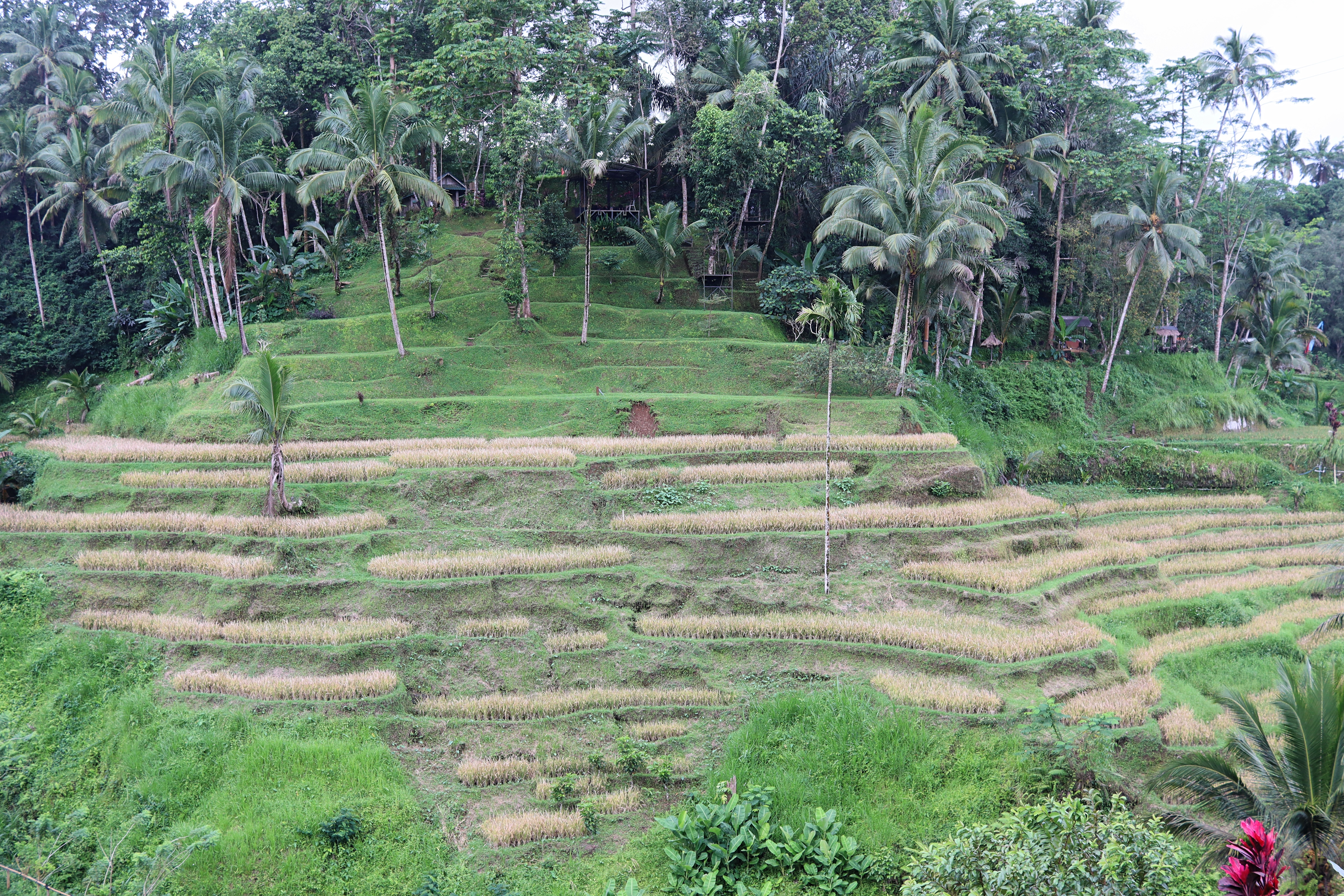
Butterfly Farm
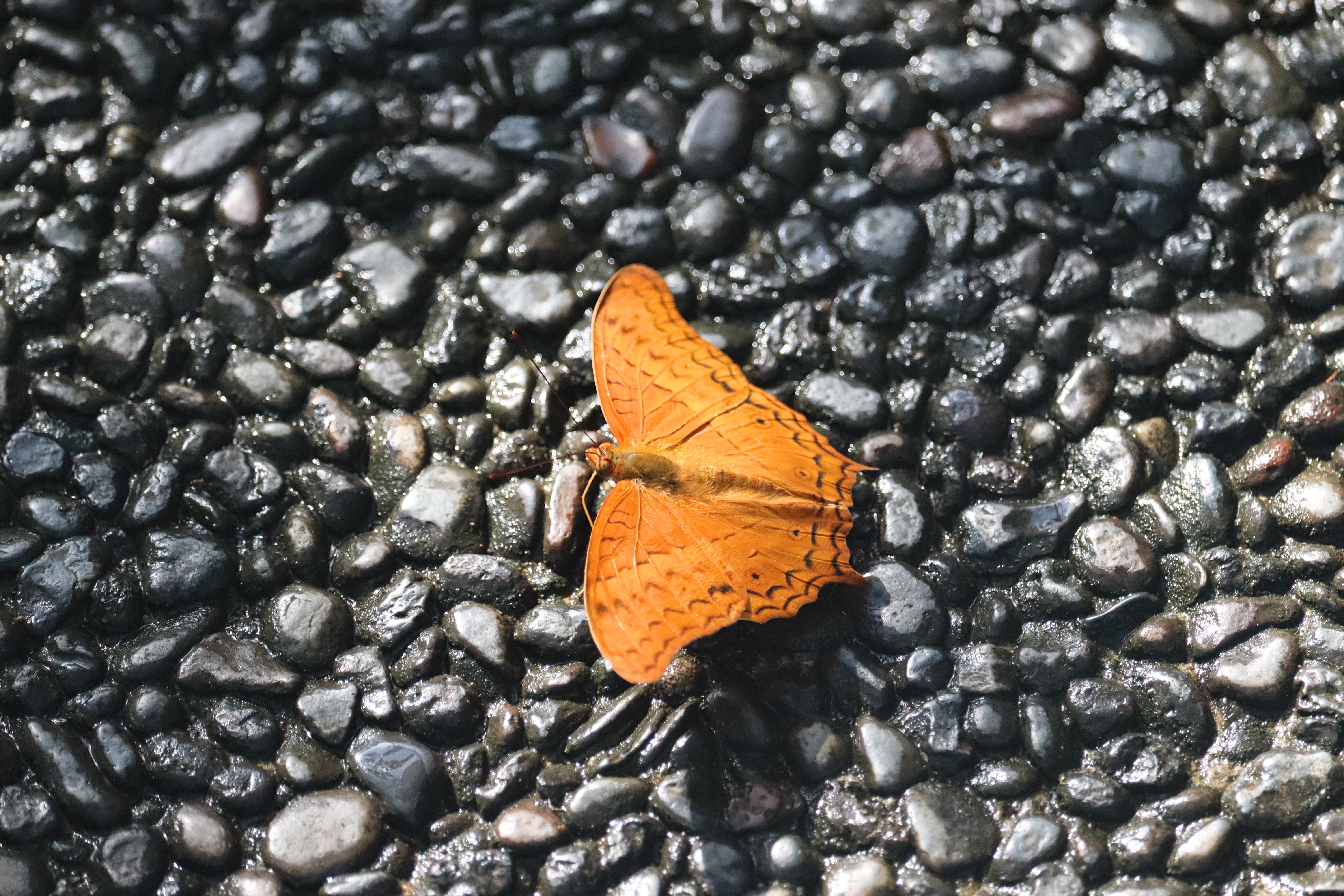
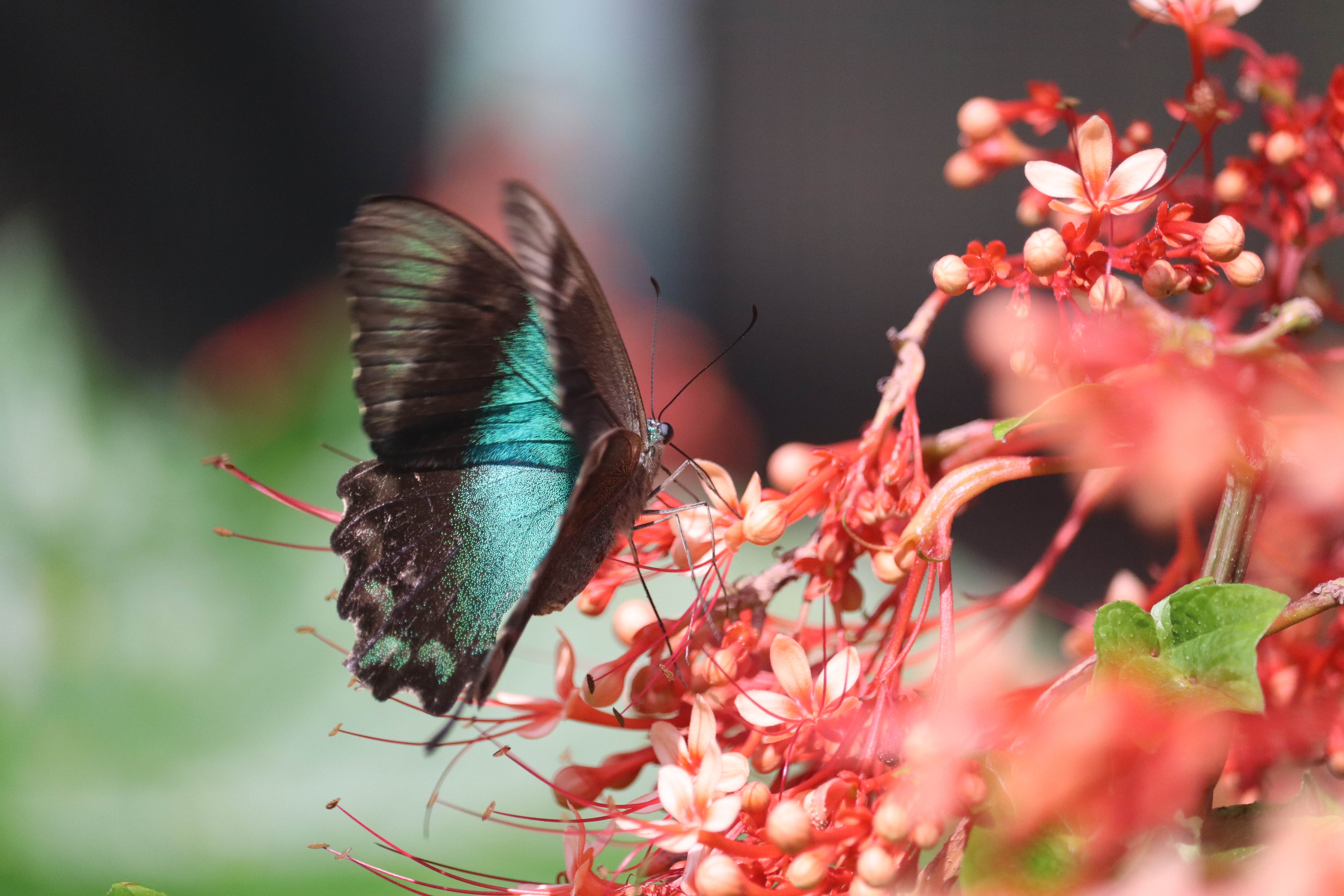
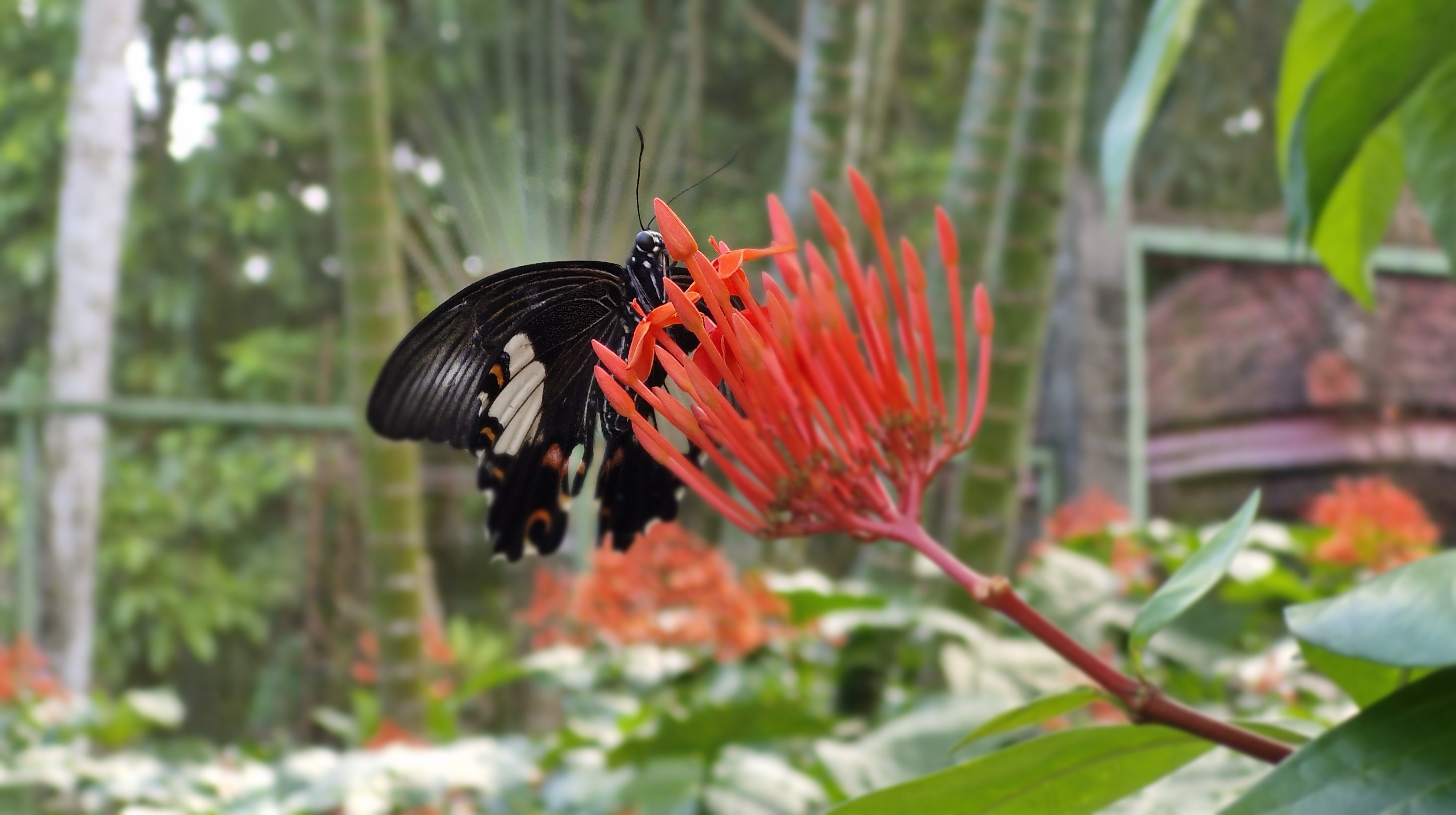
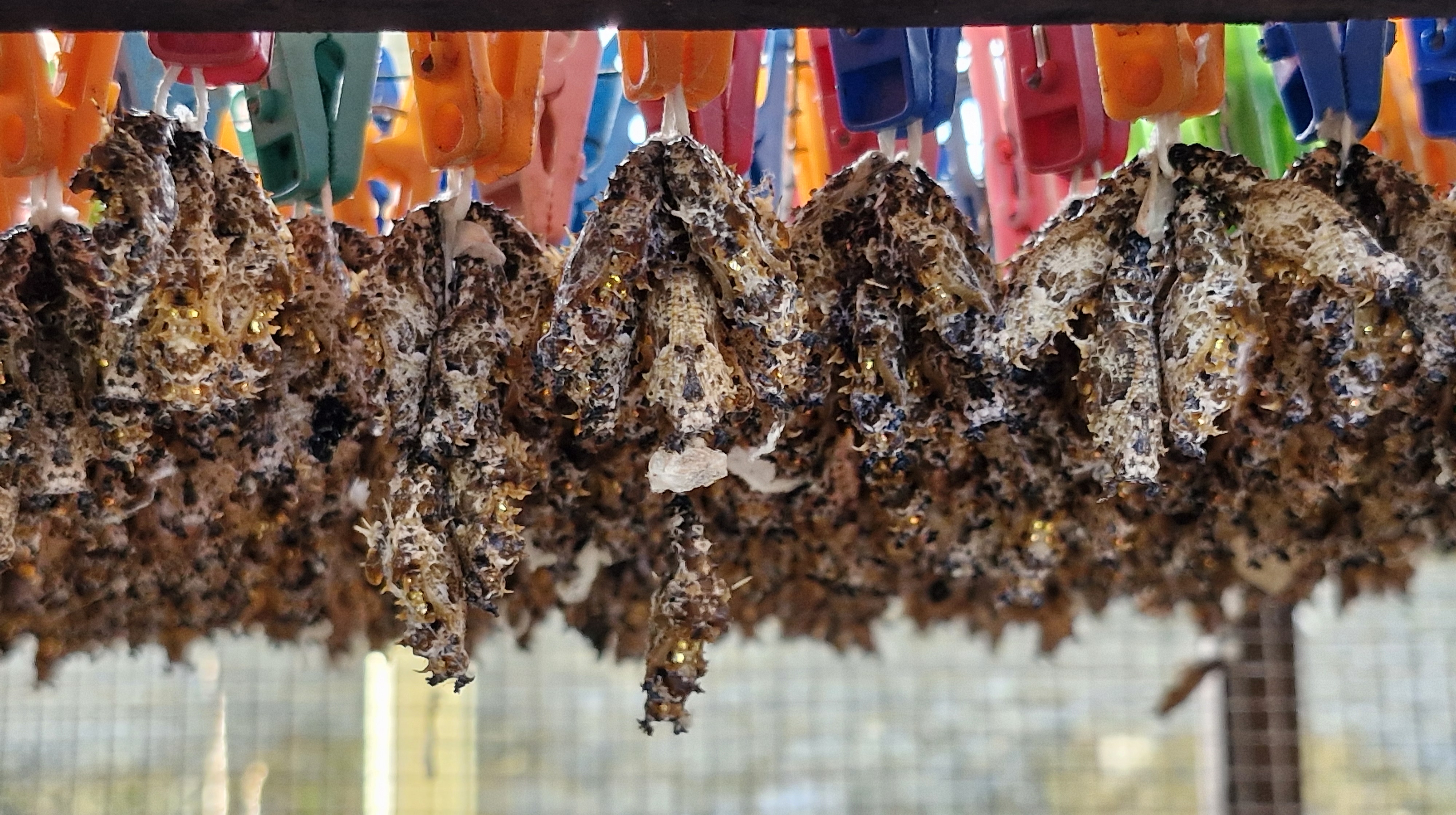
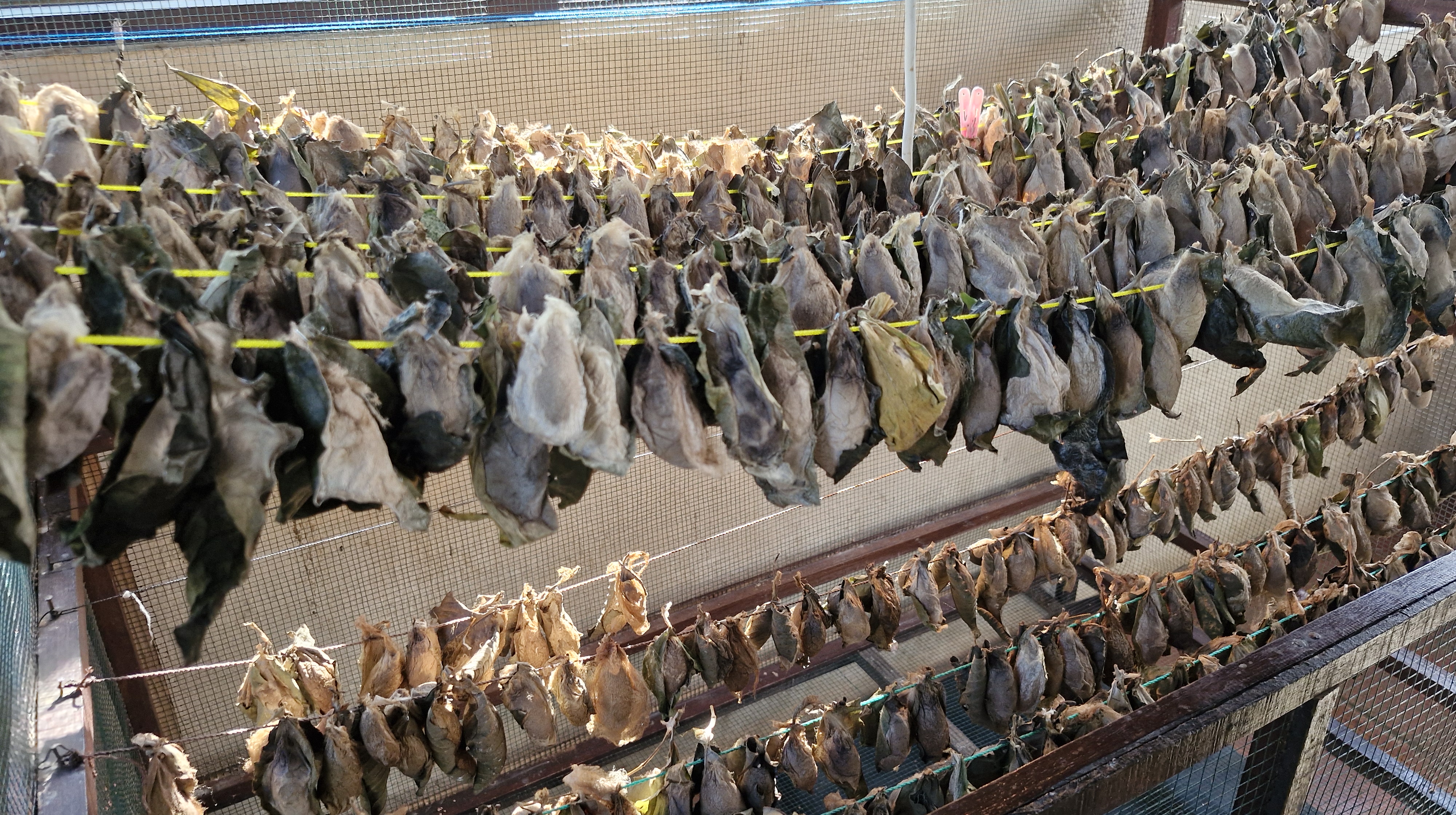
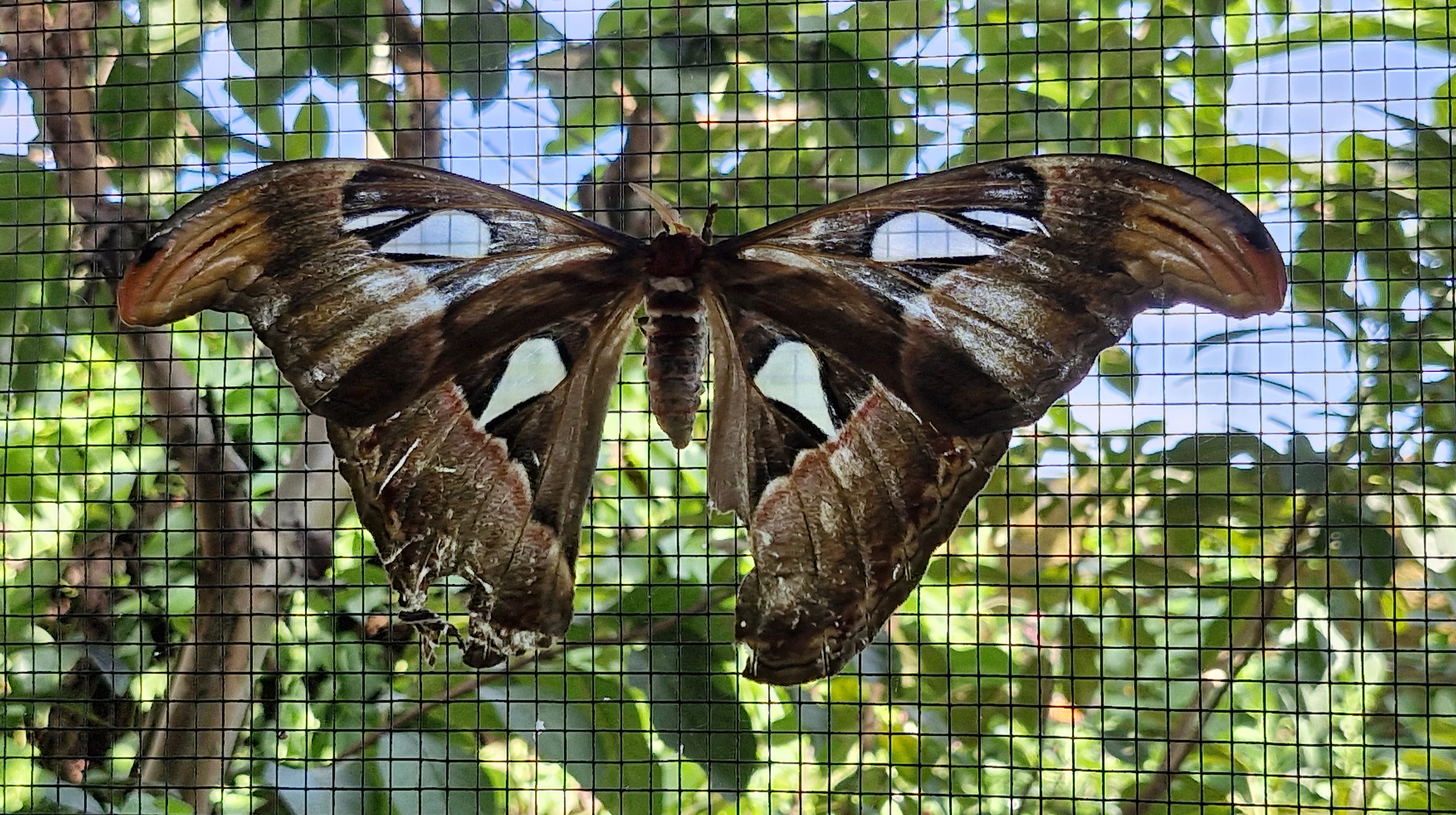
While on the way to a waterfall, the driver suggested that I stop to see a butterfly farm. I had seen one back when I visited Kuala Lumpur, so as much as I enjoyed it, I felt that I didn’t really need to see another one. Ultimately, I relented and agreed to see it. It was a similar experience, but it still made for a decent stop. I also admit that it did have a certain magical feel to it when you had butterflies fluttering all around you.




Tegenungan Waterfall
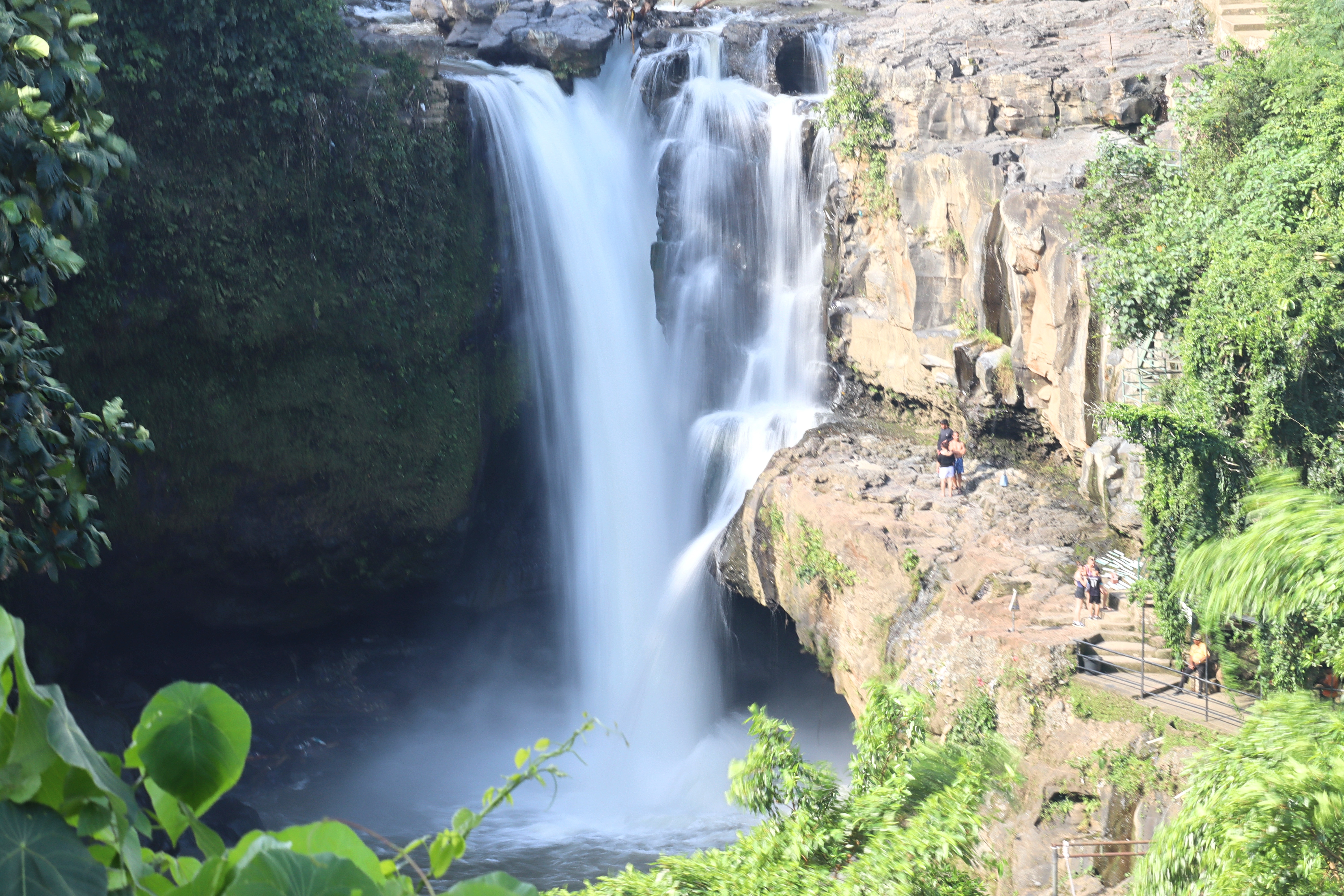
The site that I actually wanted to see was Tegenungan Waterfall. I love water and waterfalls. The movement of the ocean tide and the sound of water streaming over a cliff are so soothing to me (and I’m sure to others).
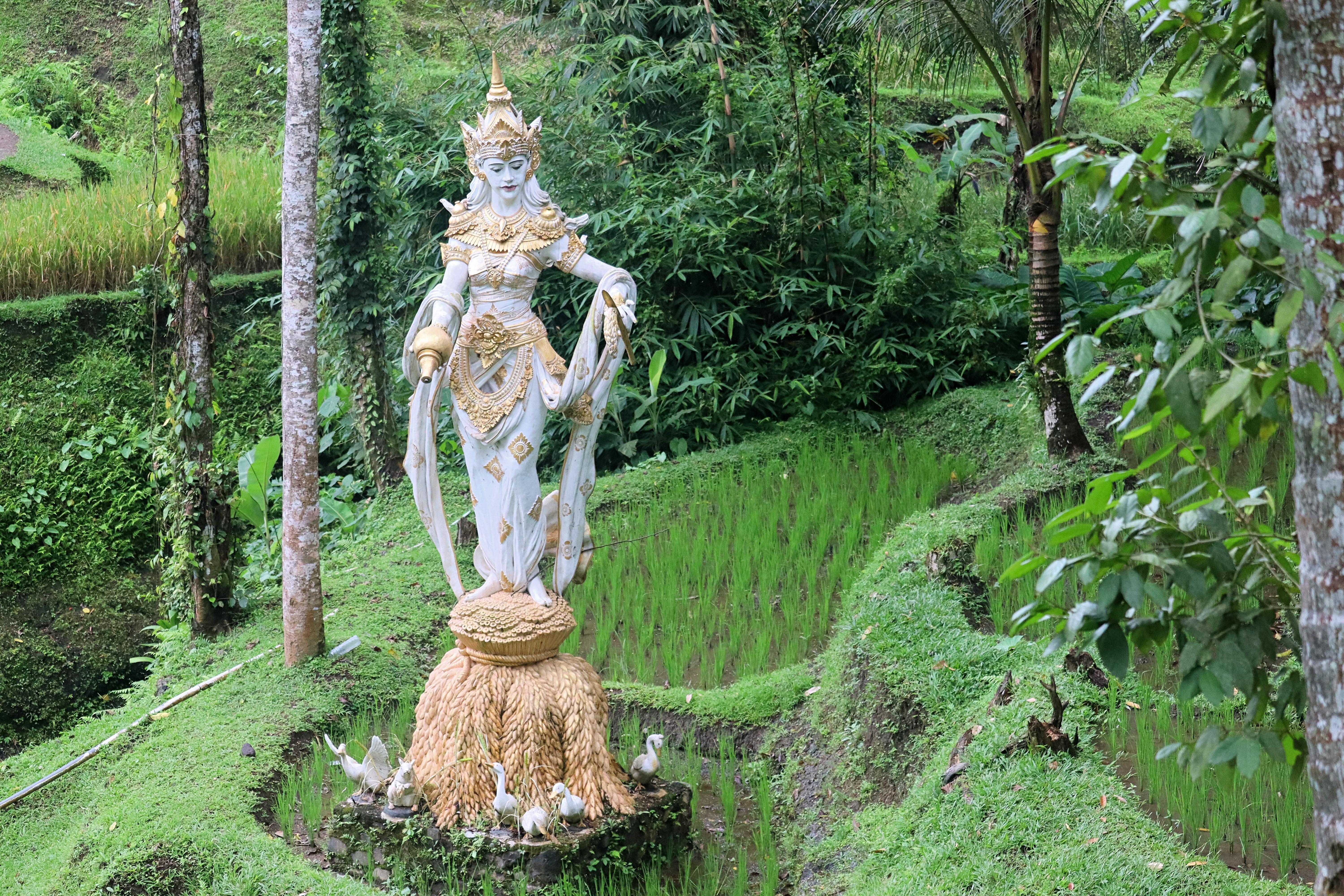
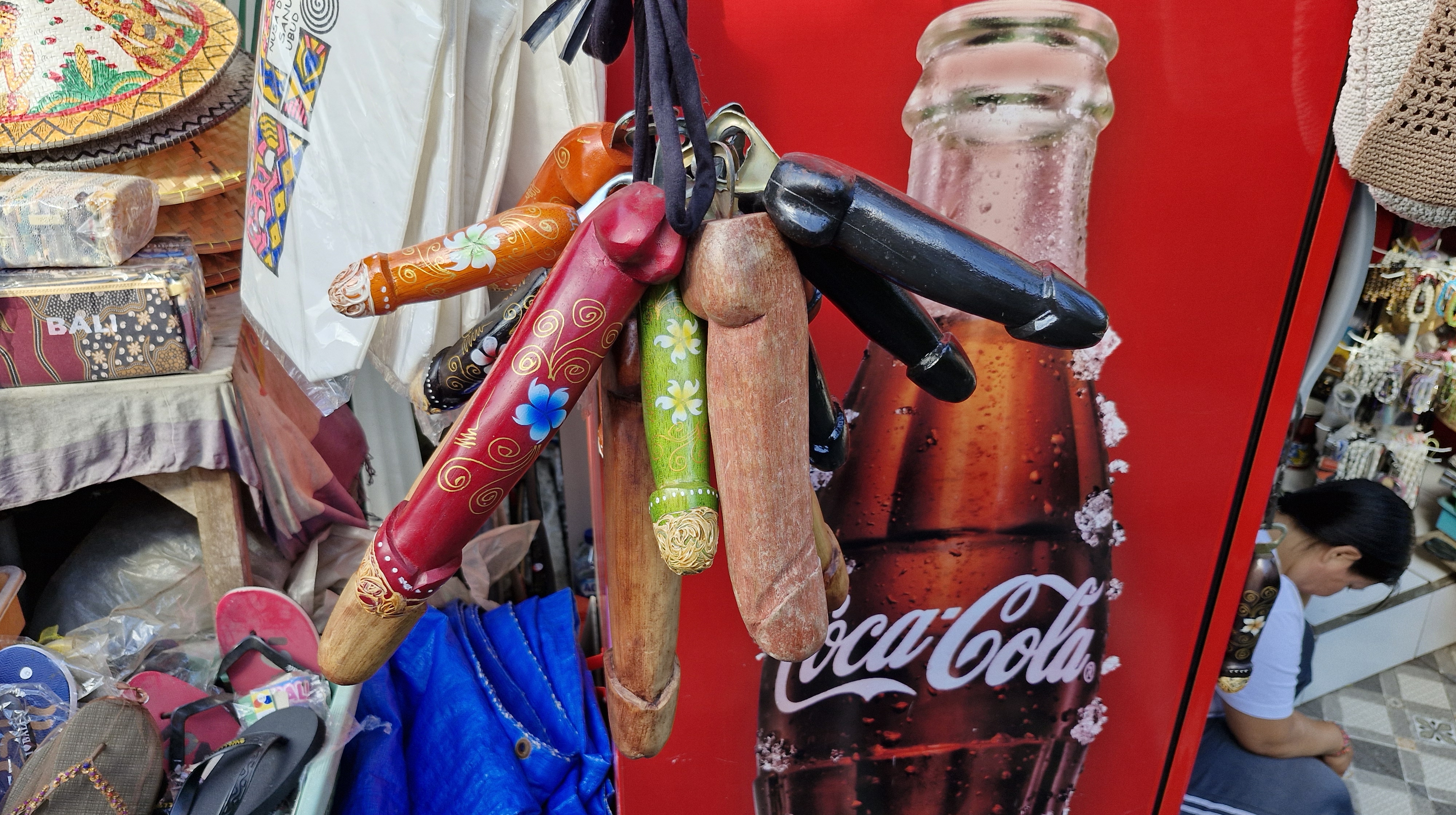
On the way to the ticket booth, I walked past a bunch of typical tourist stalls full of souvenirs. This was the first (as in, not the last) time I saw a bunch of wooden carved penises among them. This was intriguing and confusing as to why this is considered a gift. I had to look online for information, and according to what I found, these are sold because 1) wood carving/crafting is considered an important part of Balinese culture and tradition, 2) they could be considered a good-luck charm or ward off evil spirits, and 3) they could represent a connection to the Balinese Goddess of fertility, Dewi Sri.
From reading on another site, it specifically referred back to reason number two about it being considered a way to ward off evil spirits, particularly for young boys to wear around their waist to prevent dying before reaching manhood (a belief dating far back in early history). I’m not sure who came up with the idea to sell these as a souvenir, but there must be some customer base that they think exists for this.
Anyway on to the waterfall.


Once again, I noticed a tourist stand with all kinds of plaques with phrases on them. I wonder if they really understand what some of them are saying.

As much as I wanted to swim in the water, throughout the trip I just felt like there was never really enough time for that, although I bet there would have been if I hadn’t insisted on packing my schedule.
This concludes part one of my Ubud adventures. Stay tuned for part two.


Very interesting post! The butterfly farm is wonderful! I visited one in Costa Rica decades ago and it is a memory I will always cherish.
And the beach sign is a hoot – Don’t worry Be sexy but no naked! Good advice, I guess :)!
Very fun post.