Ulun Danu Beratan
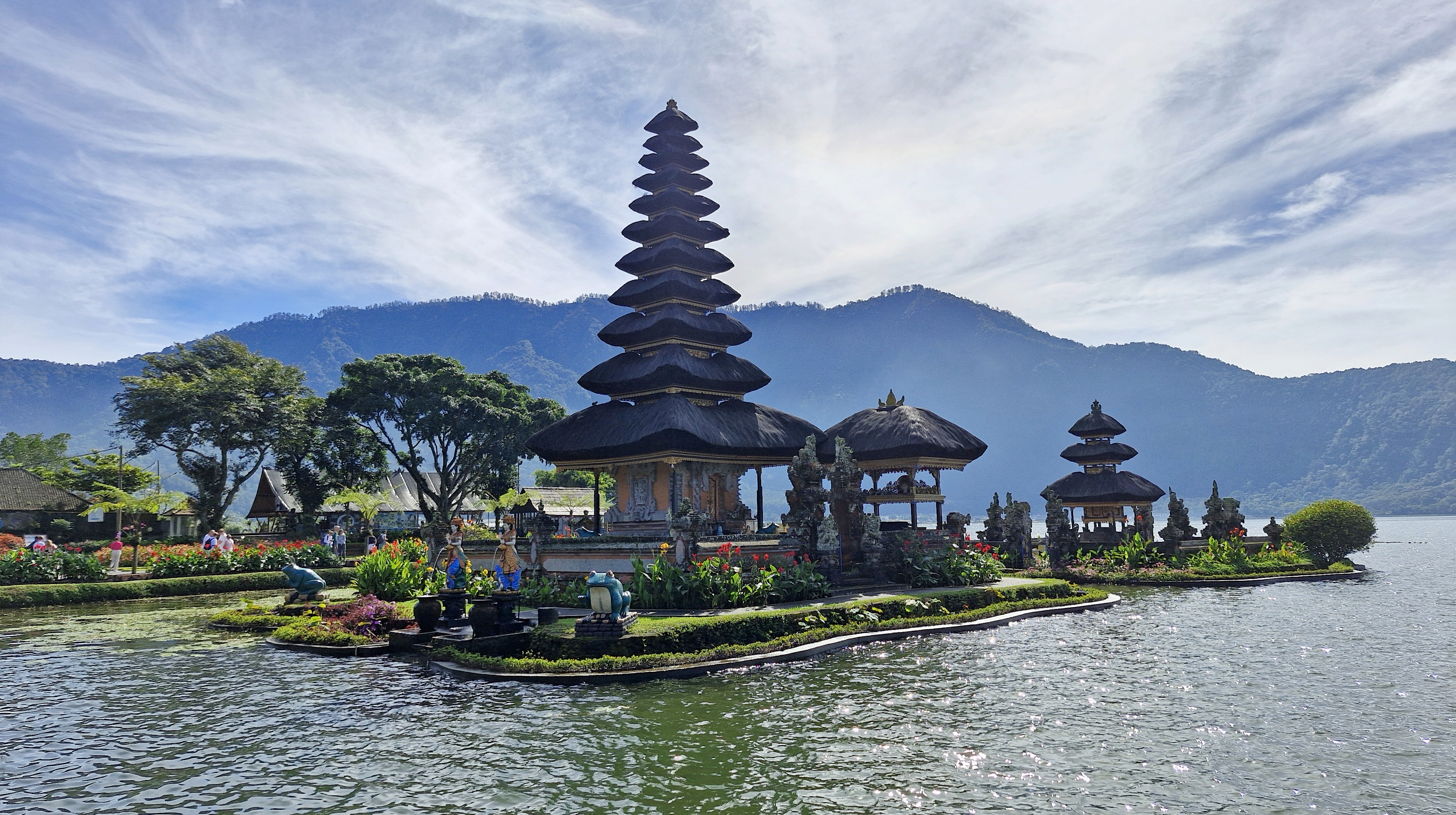
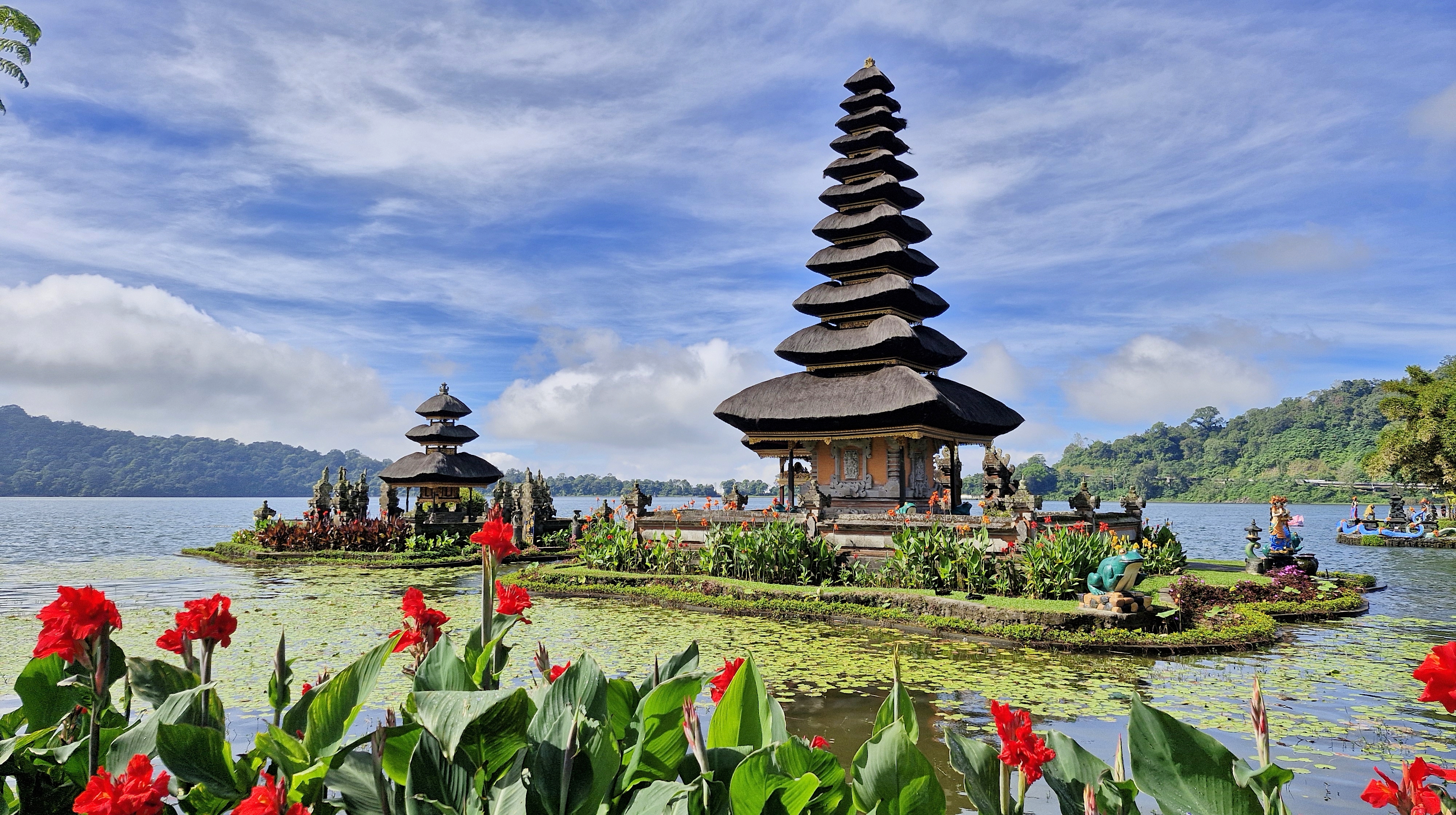
Ulun Danu Beratan is one of the famous temples in Bali. One reason in particular is that this site is on a lake (Lake Beratan), with the temple itself extending out into the water. The temple is dedicated to Dewi Danu, the goddess of lakes, rivers, and water, and was originally constructed around 1633. Its design is typical for Balinese and Hindu construction, which follows ancient Lontar texts (palm leaf manuscripts) that follow the symbolism and sacred geometry of temple construction.
There are numerous sites in Bali that are designated as UNESCO sites, this being one of them. The temple site consists of three courtyard areas: the outer (for secular activities and festivals), the middle (a transition zone between the human and divine realms), and the inner (the most sacred), where the main shrines are located. There is even a Buddhist stupa outside of the main complex. This symbolizes the coexistence of Hinduism and Buddhism at the time. The site is still active for worshippers, holding ceremonies and celebrating festivals.
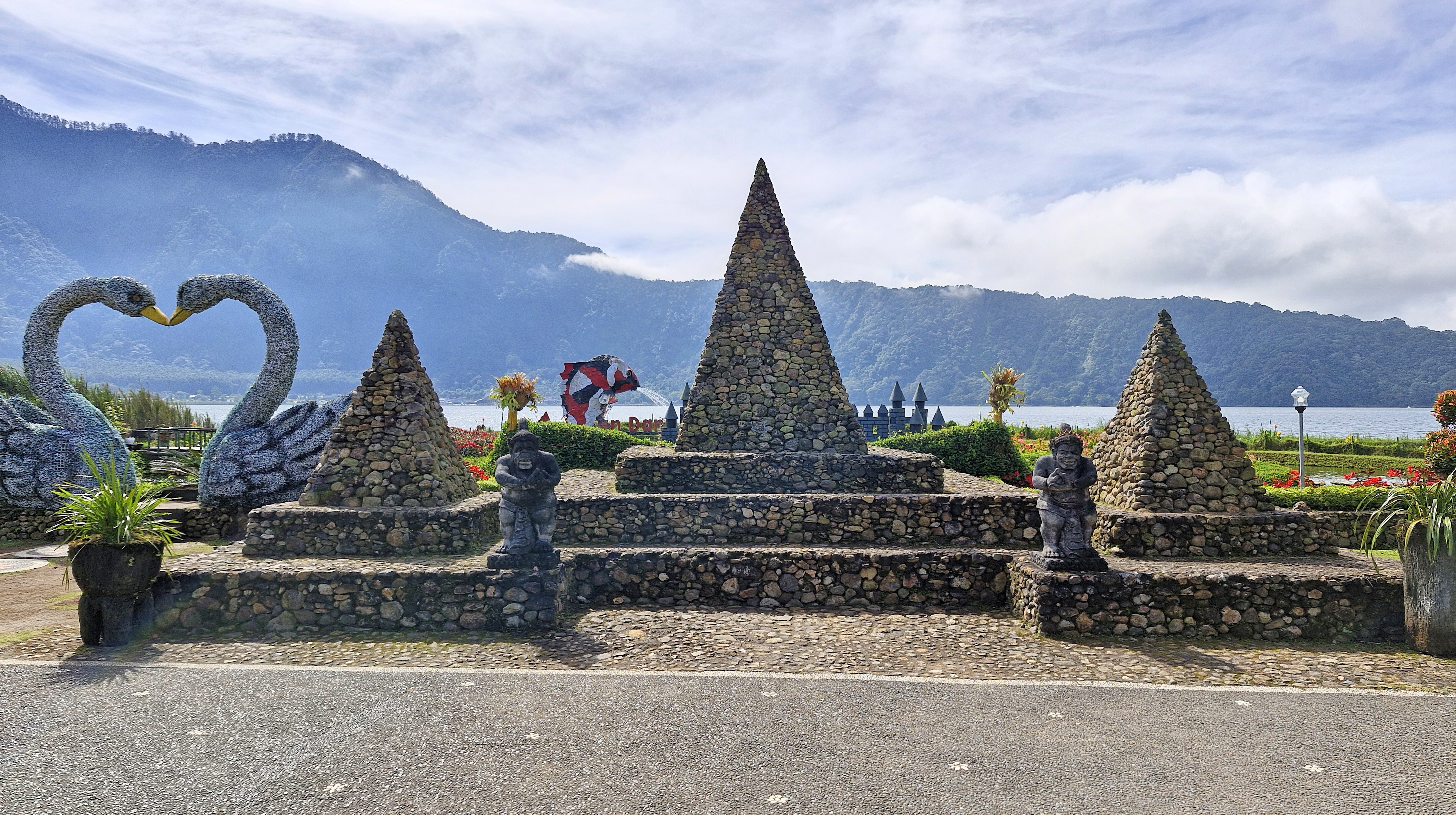
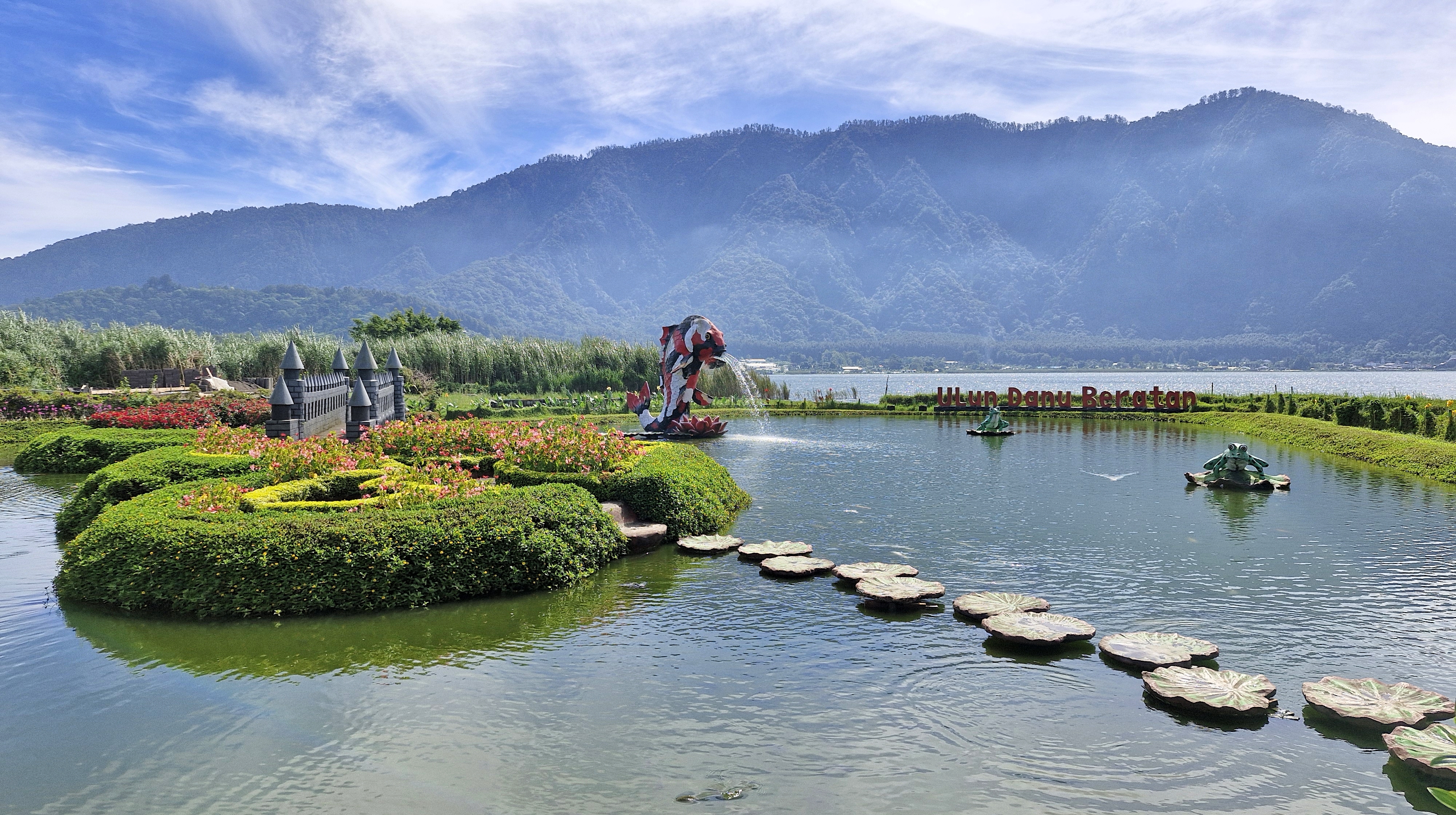
I admit, the time of day made it quite difficult to photograph due to the angle of the sun and the immense contrast between light and shadow. I used both my phone and my camera, but I had to use the photos from my phone for this site.
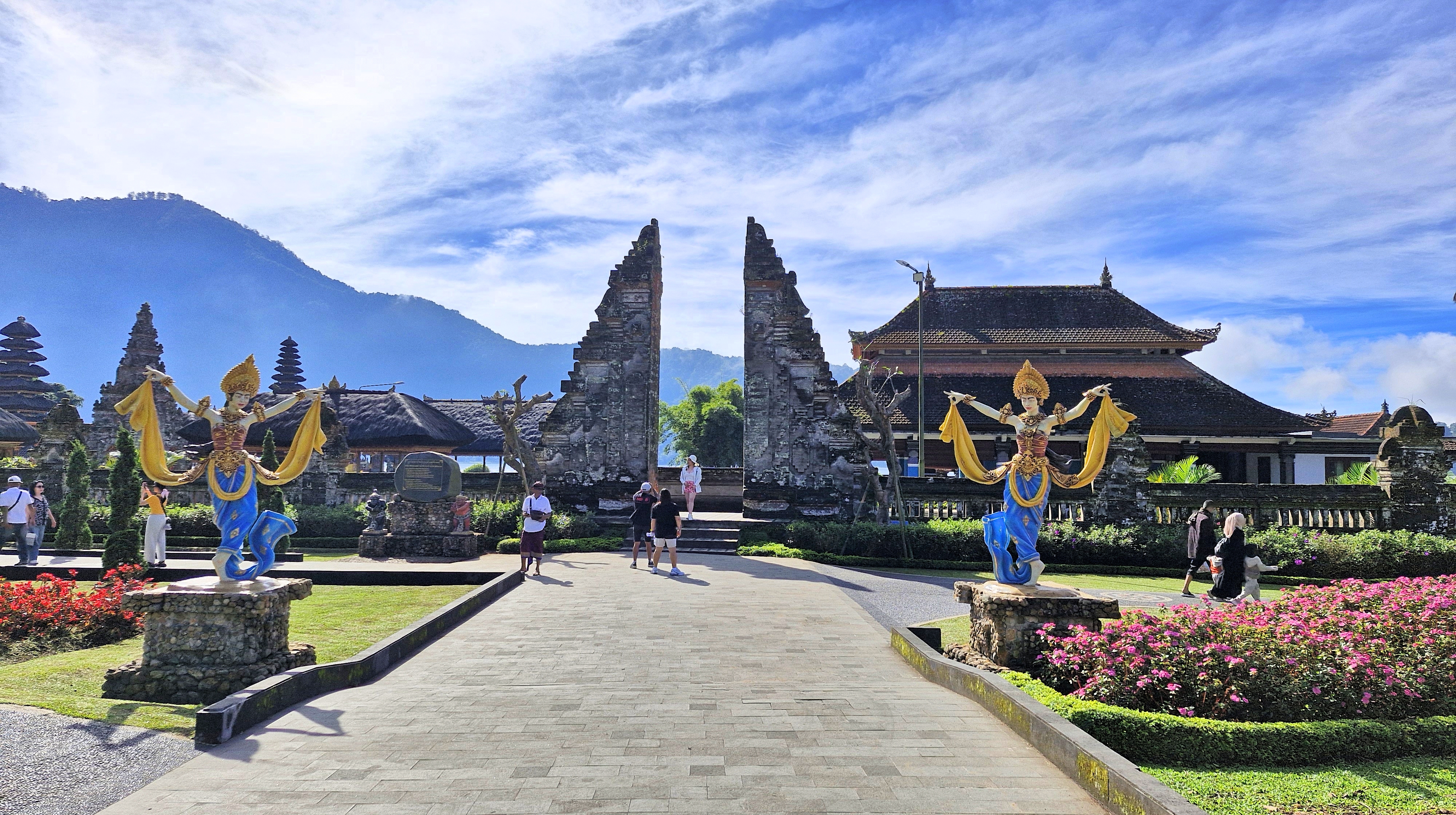

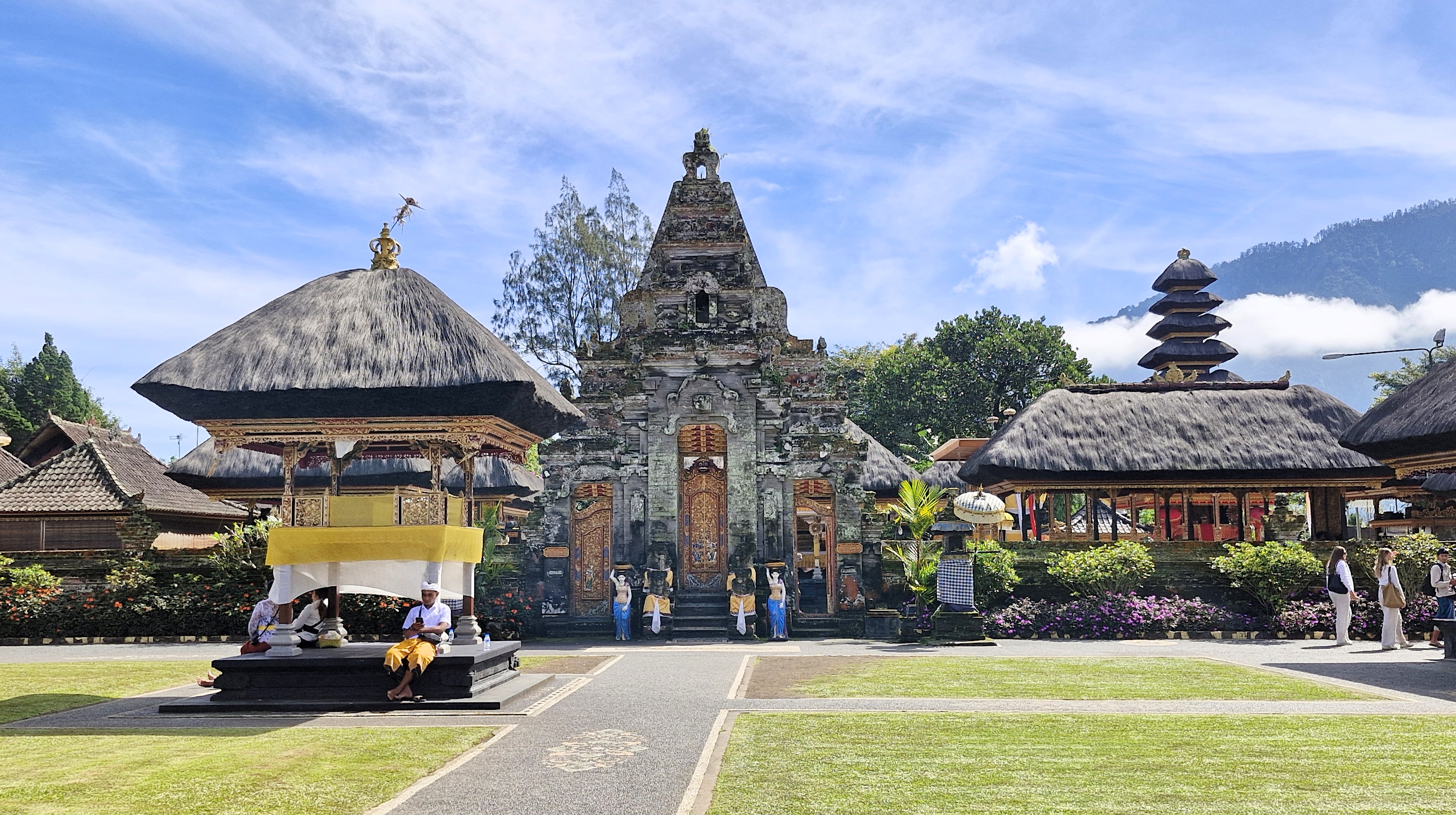

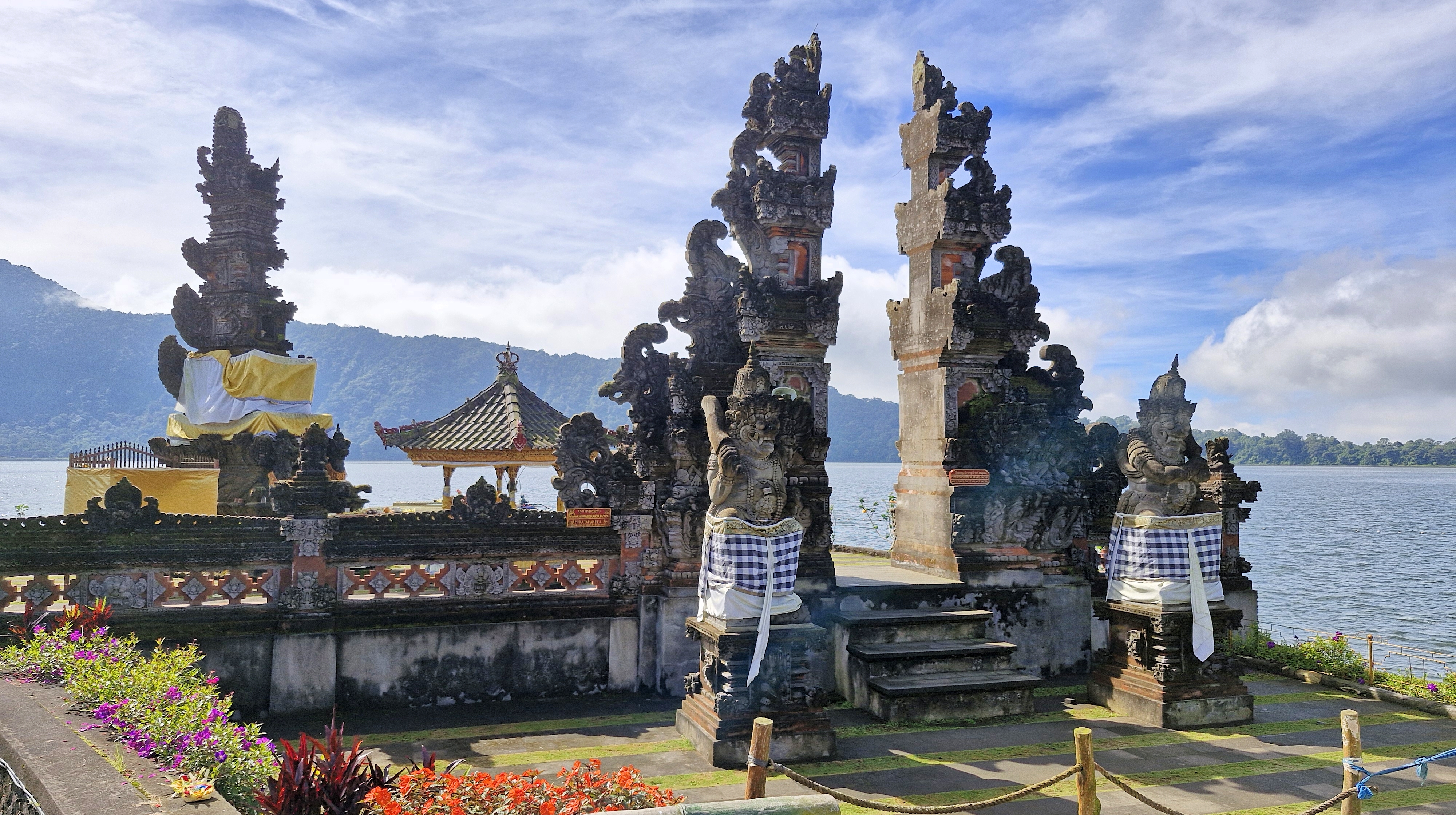
Despite its history and use for sacred practices, I’m guessing these other parts of the site were not around before the tourists started showing up.

Leke Leke Waterfall
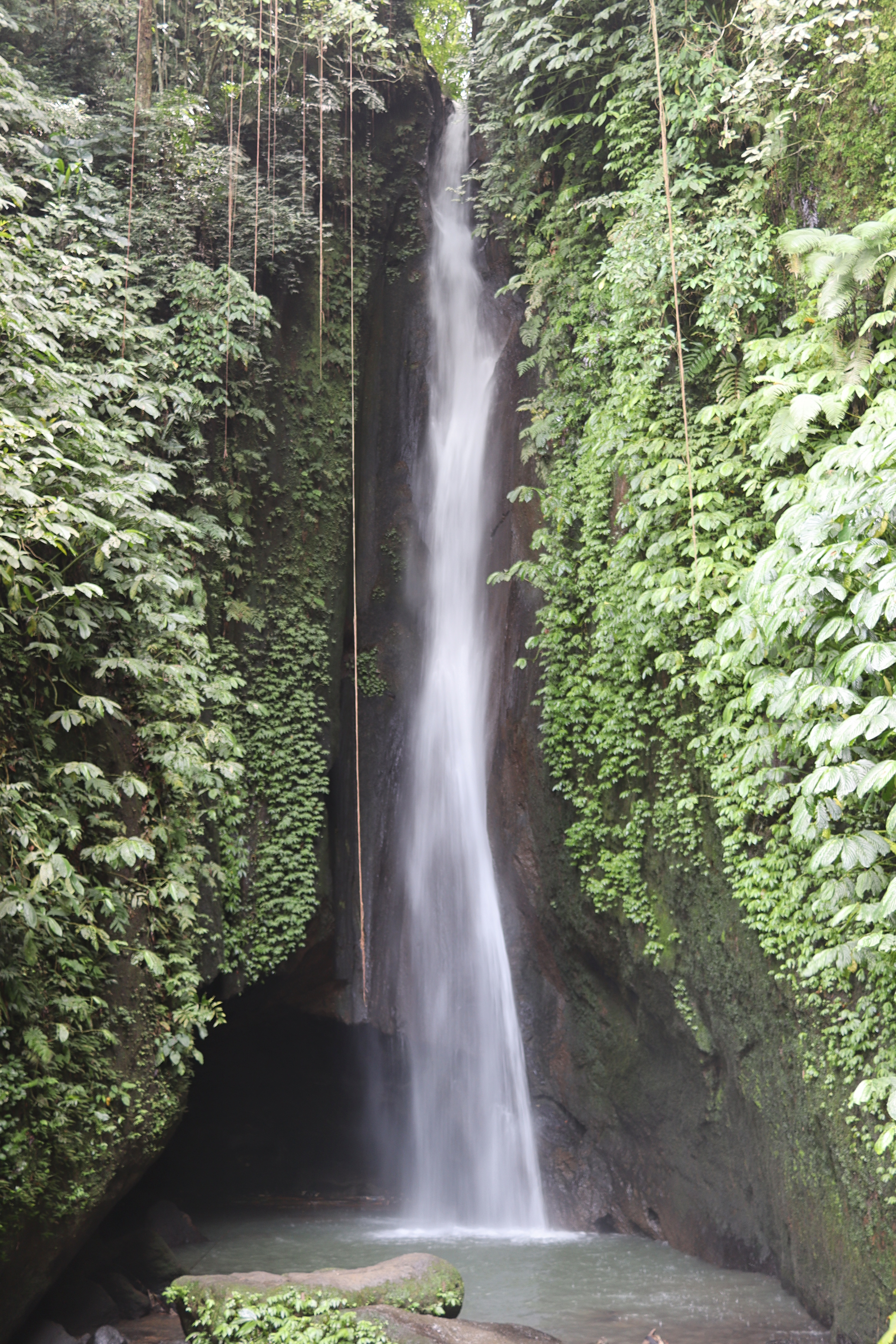
Another waterfall on the itinerary was Leke Leke. My carefully planned itinerary got changed multiple times, mostly due to the drivers’ input. First it was on the list, then it was off, then it was back on.

While hiking along the trail leading to the waterfall, I stumbled upon a most strange sight. I feel like I really need the backstory to the how and why of this.

Taman Ayun
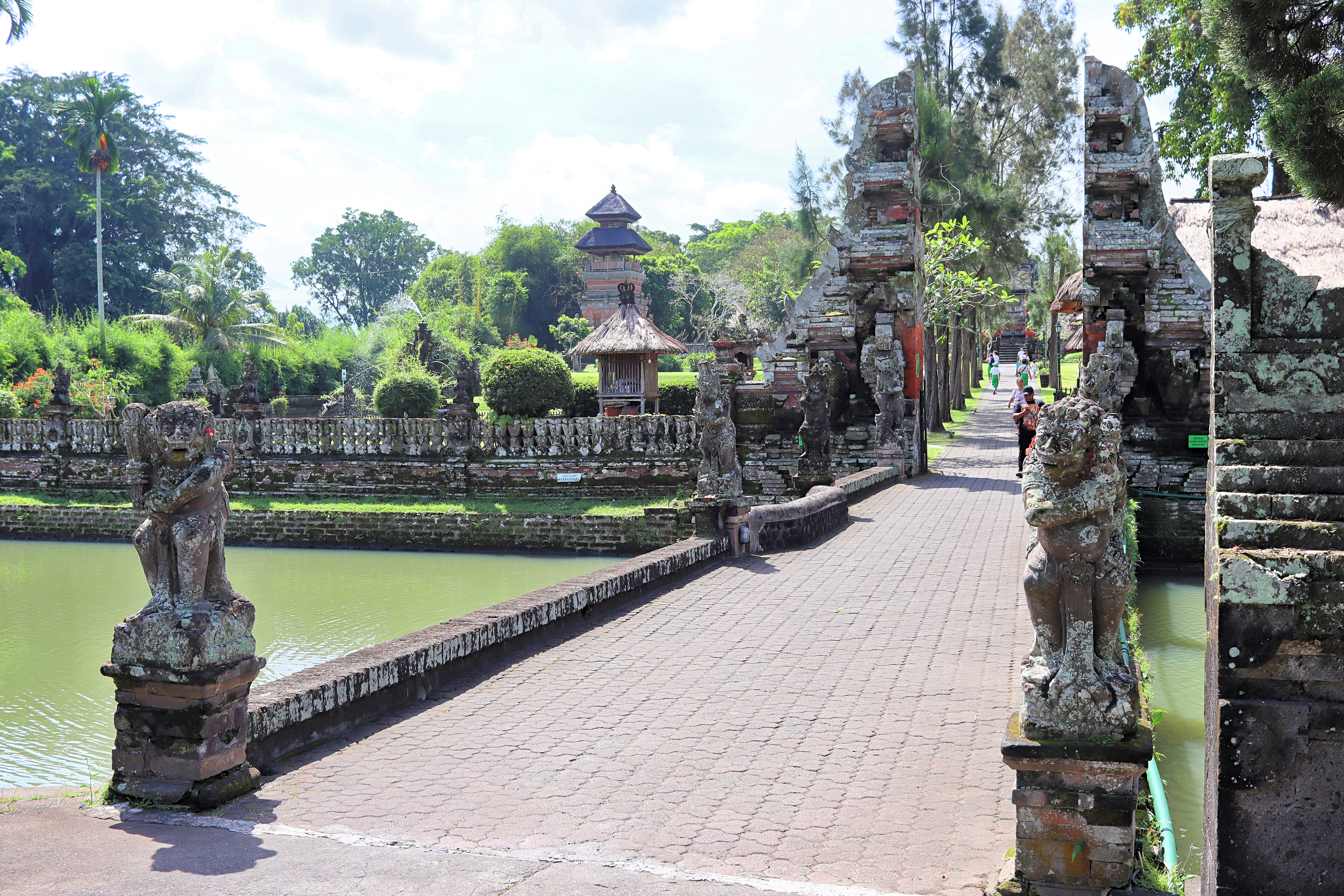
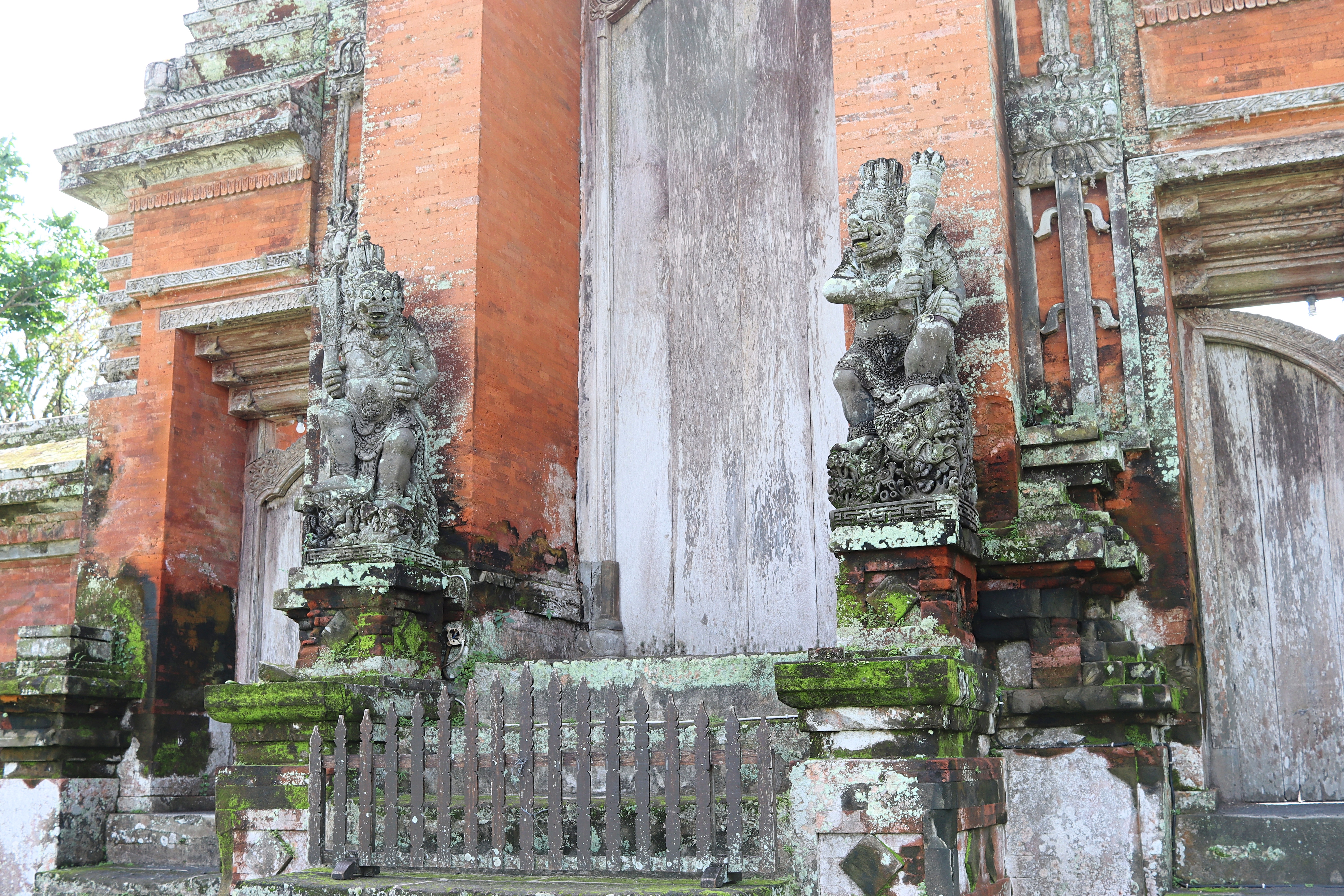
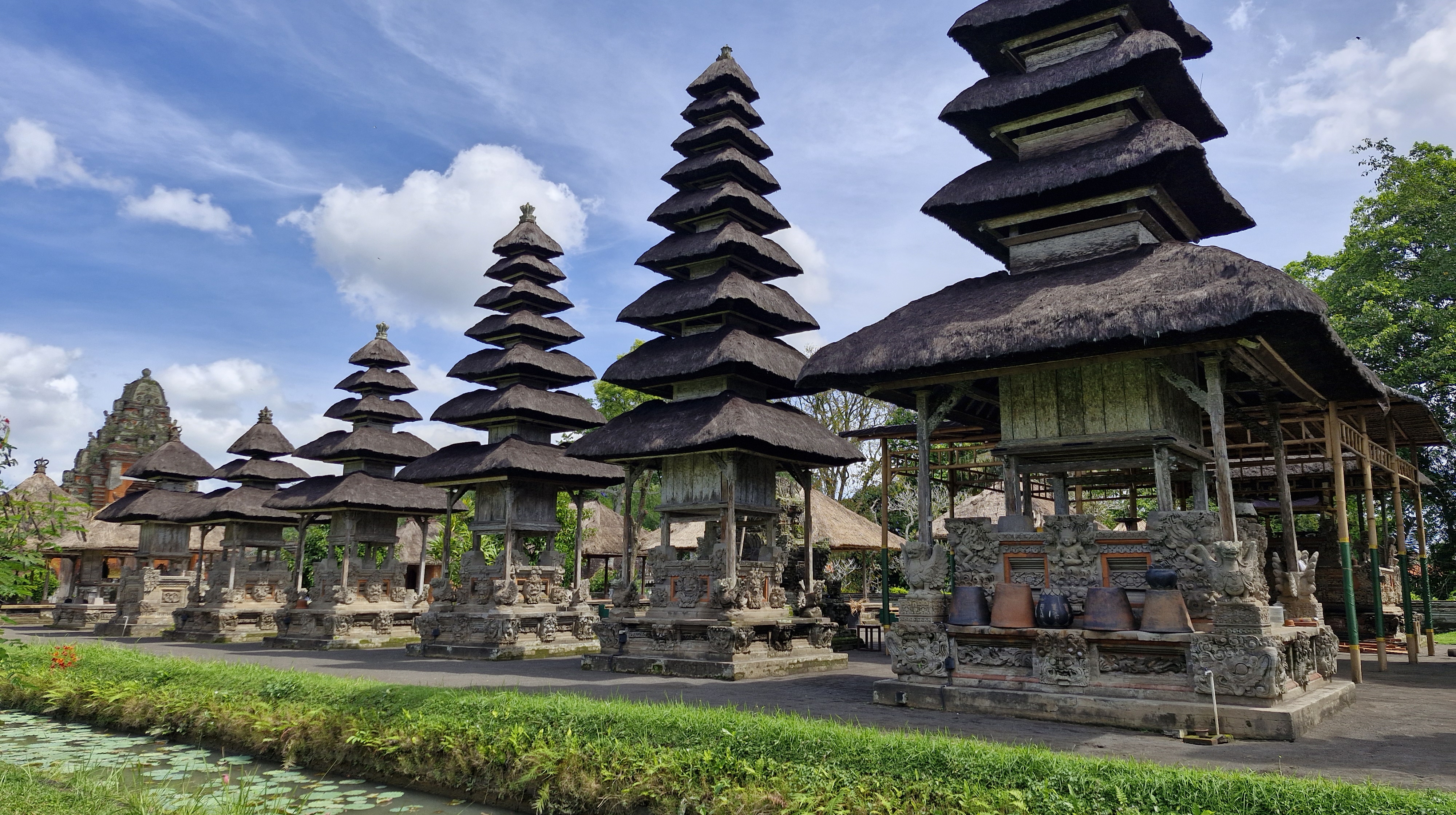
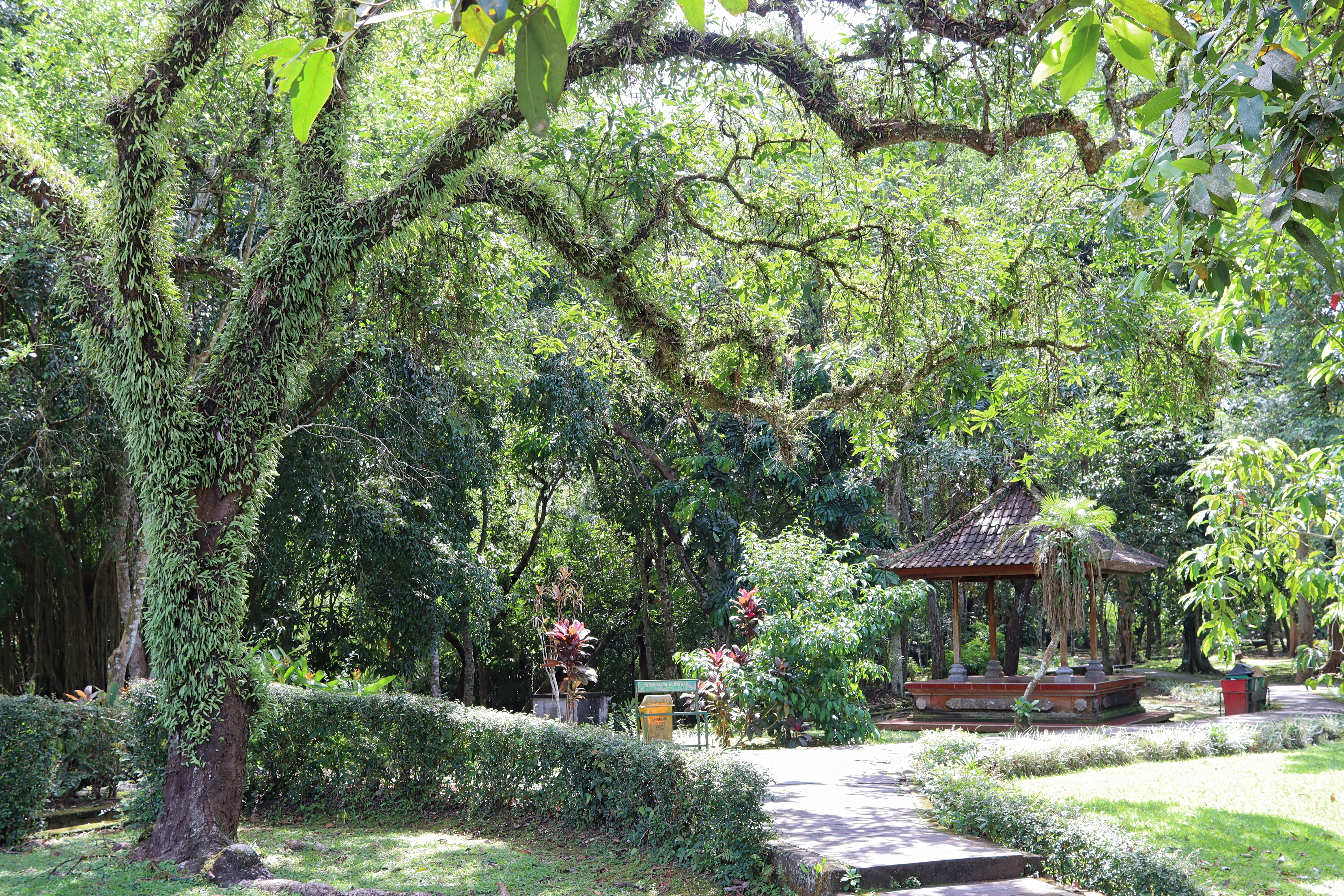
Another temple I visited was Taman Ayun. Built in 1634 by the King of Mengwi, I Gusti Agung Putu, it was a temple for the royal family as well as a place of worship for the local community. Like the previous temple, it too has three courtyards for different purposes. It was the final place I visited that day, but not my final activity (that would be my cooking class later).





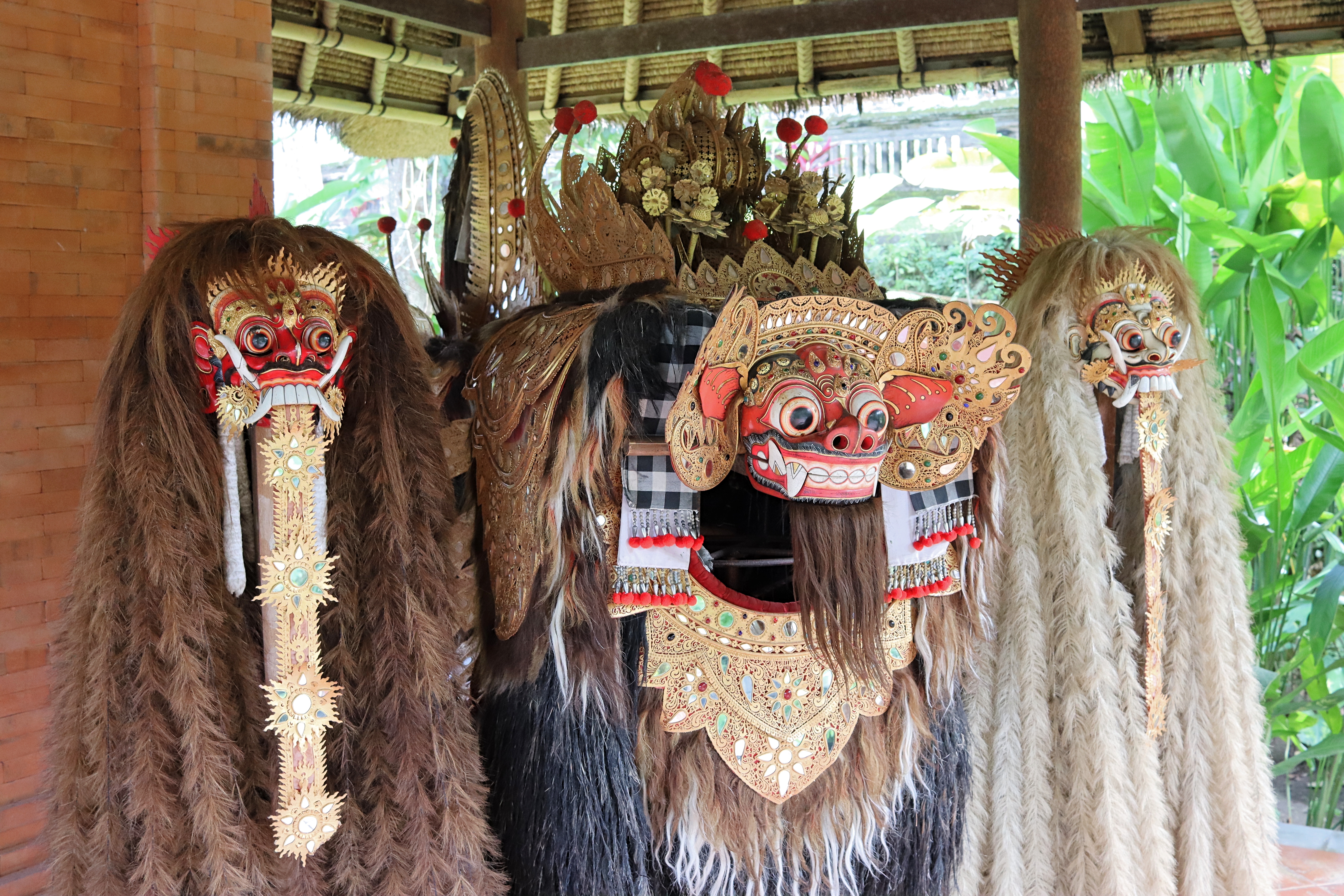
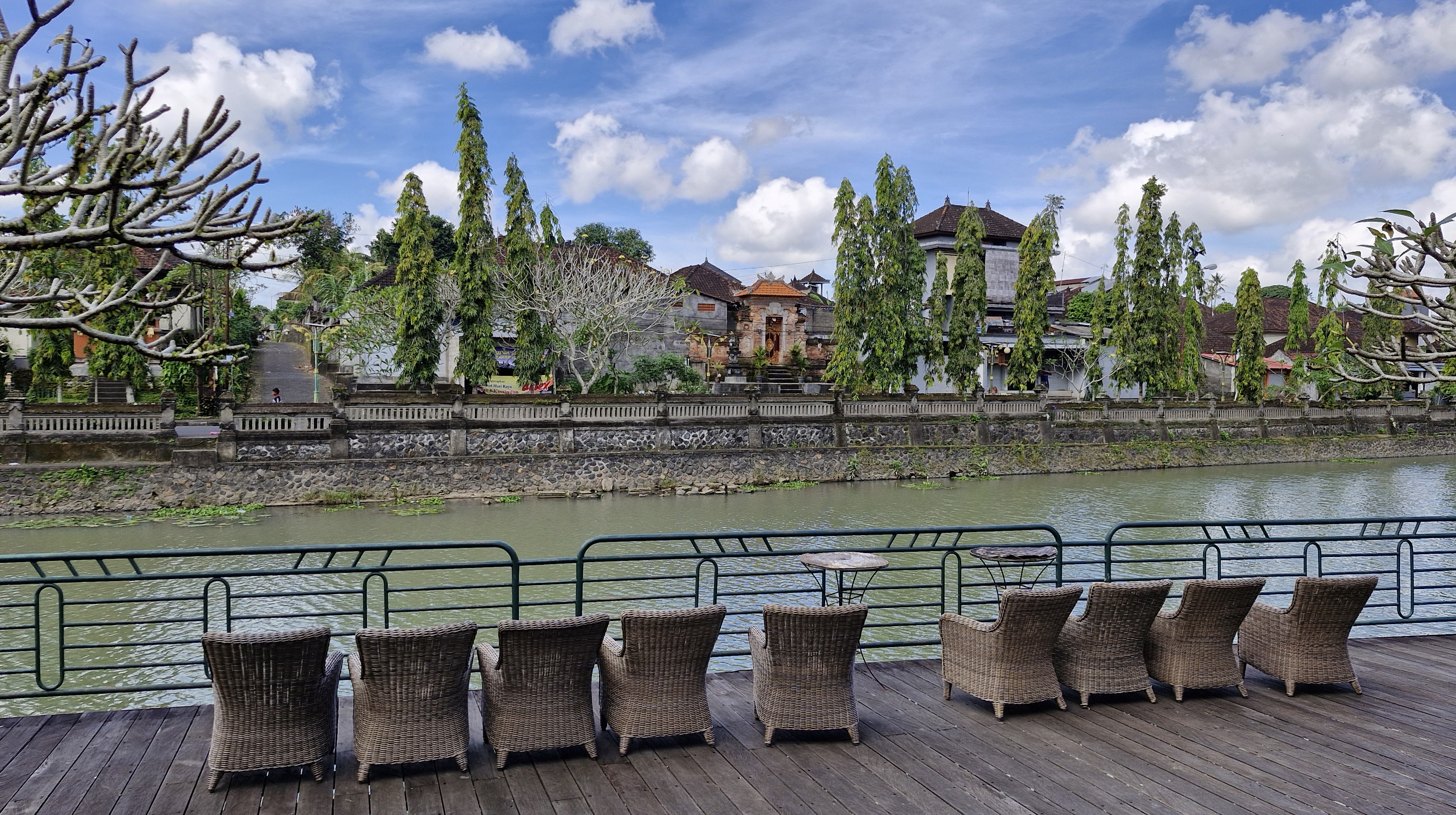
The tour route ends with a short documentary film inside of a small theater that also has paintings. Some were beautiful, some were interesting, and one in particular was…well, you’ll see.

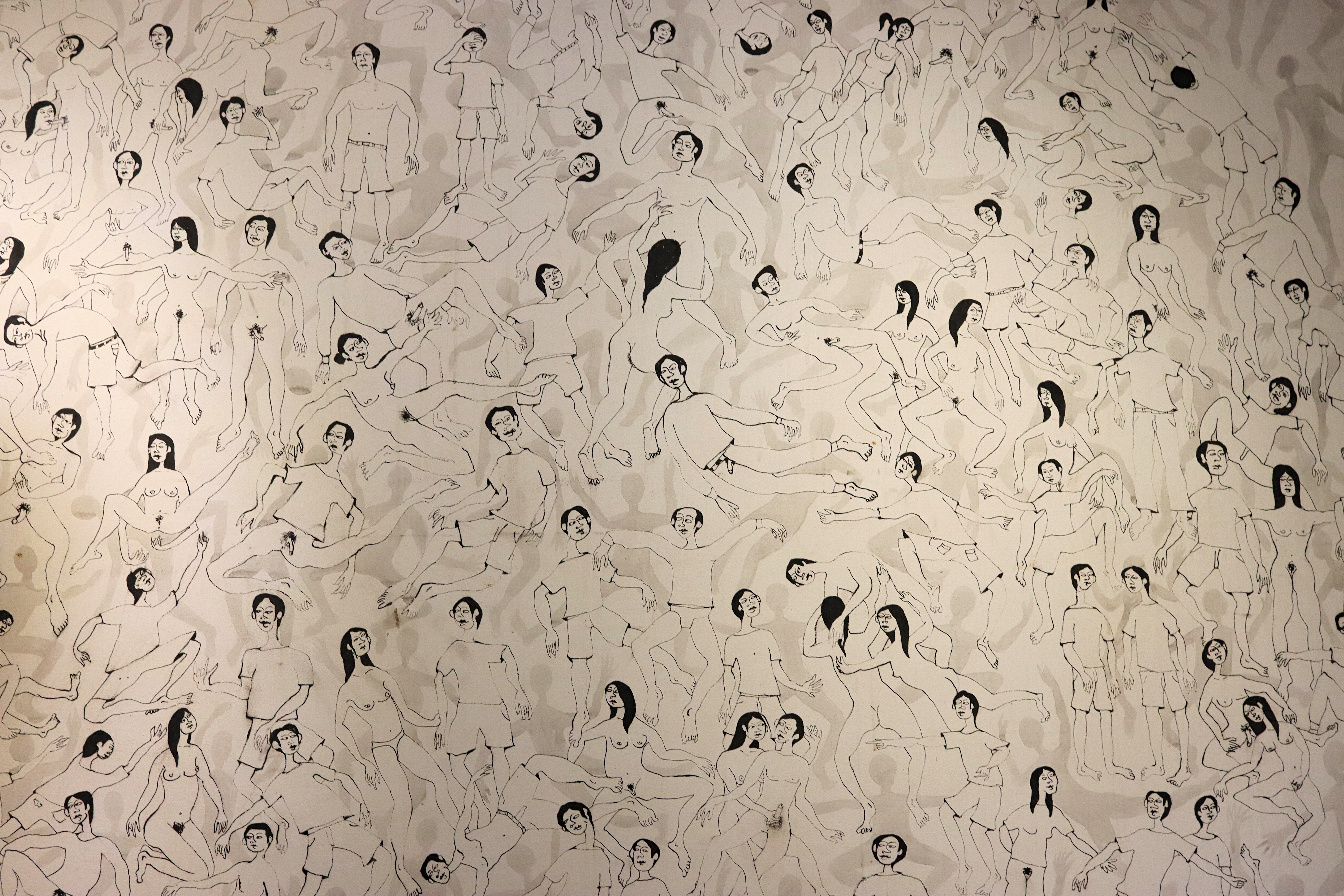

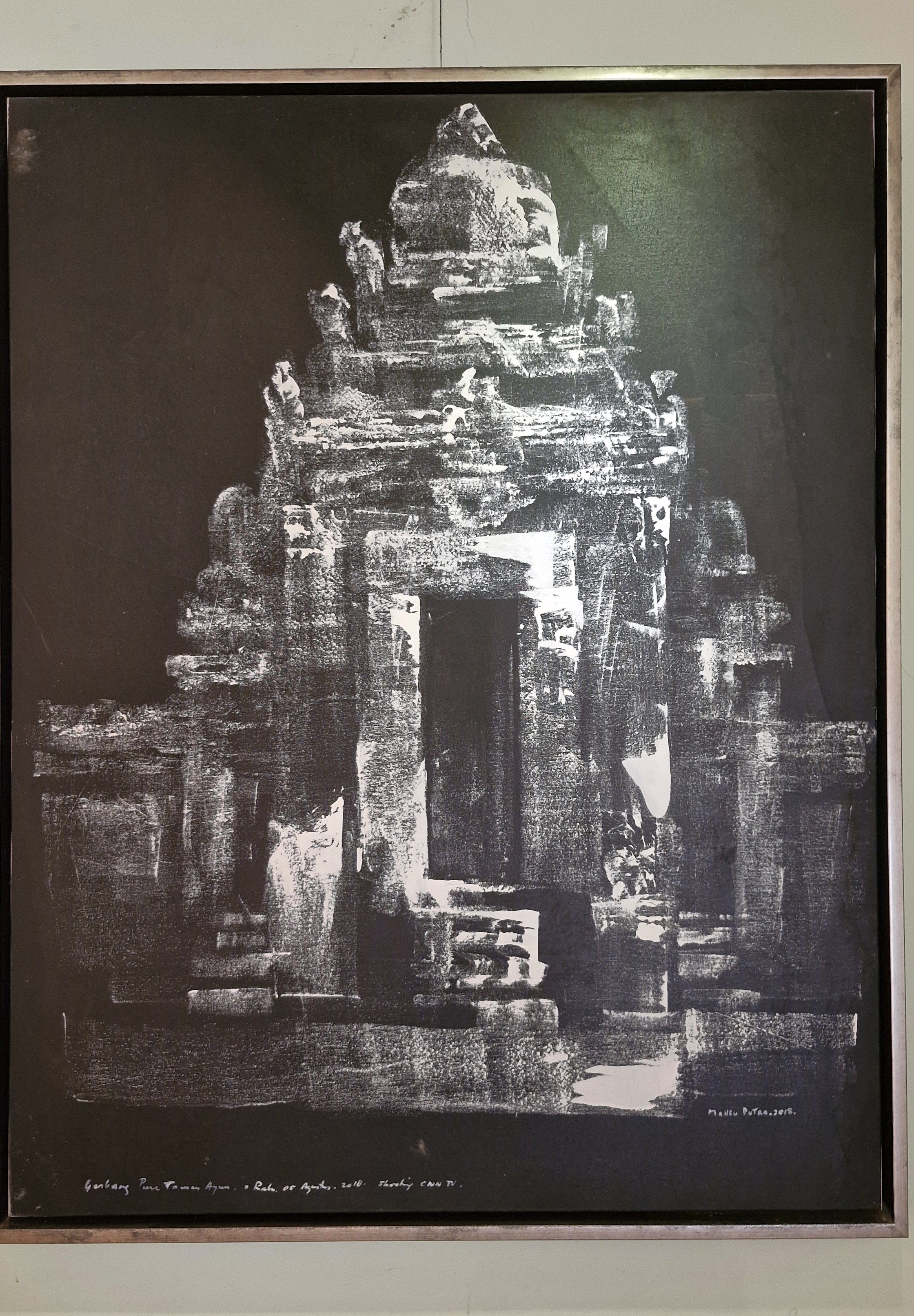

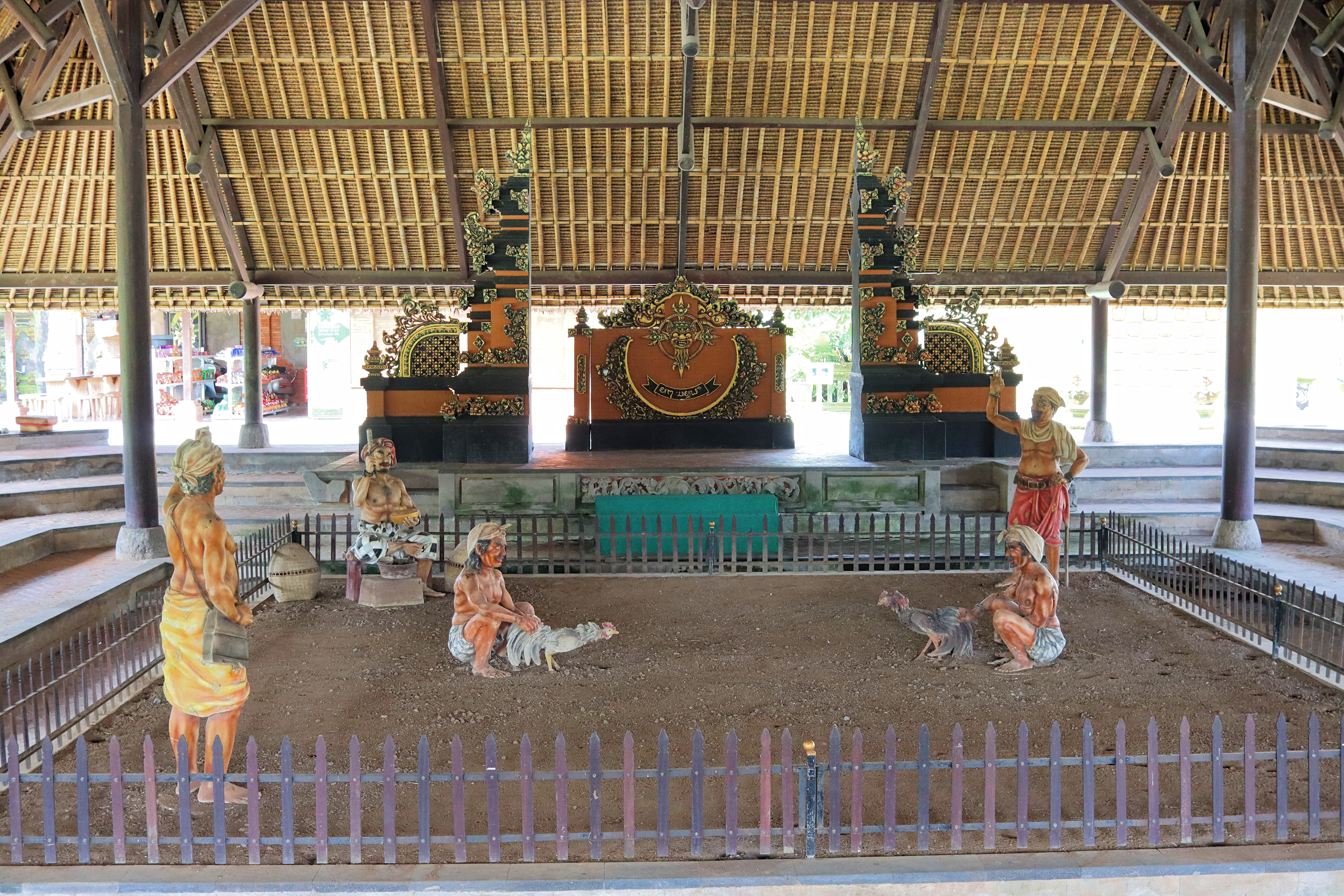
Yes, I still had something else to do. I realized that I packed my schedule a bit too tight, but that wisdom will just have to carry over to the next trip.
Cooking Class
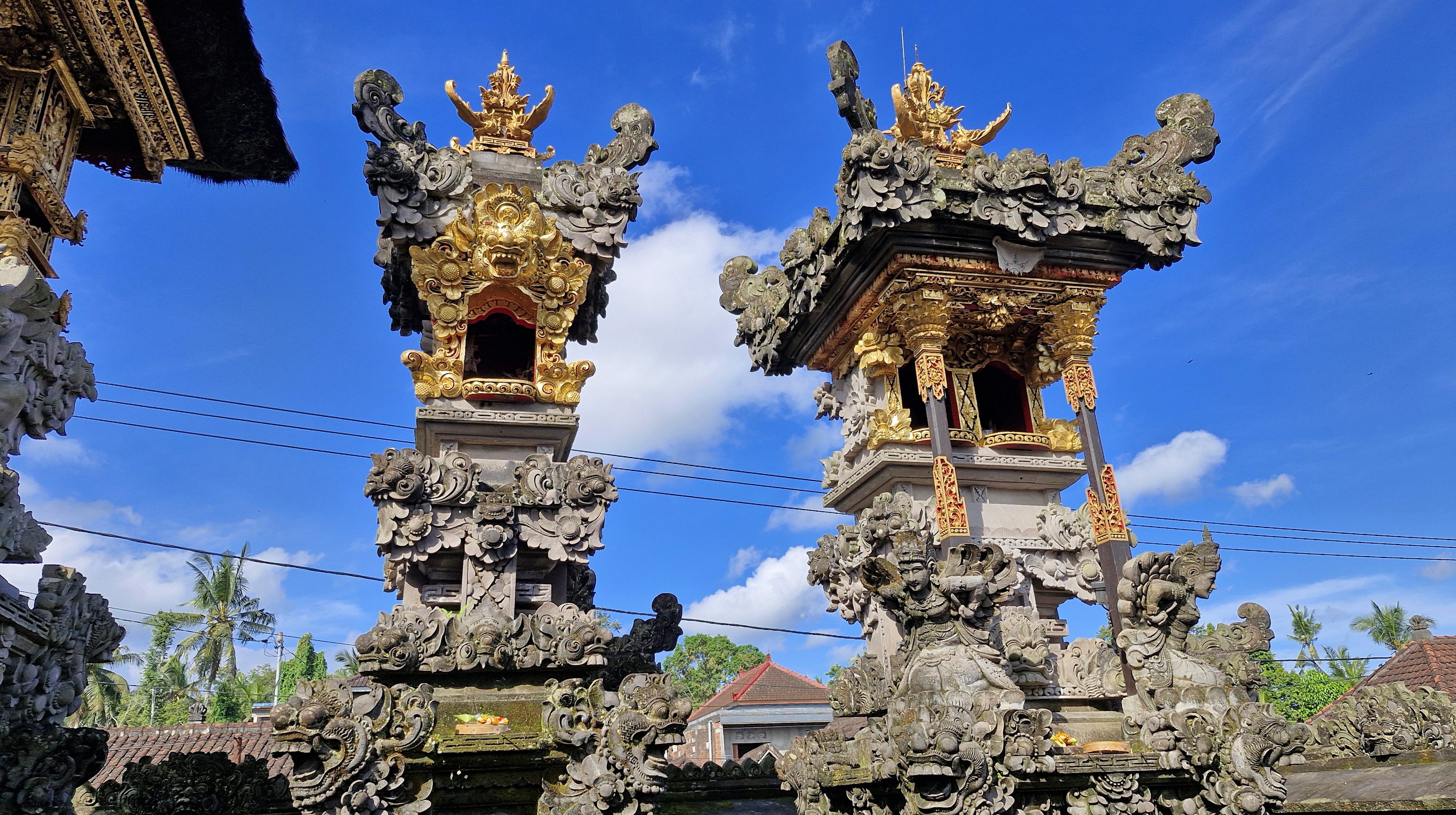
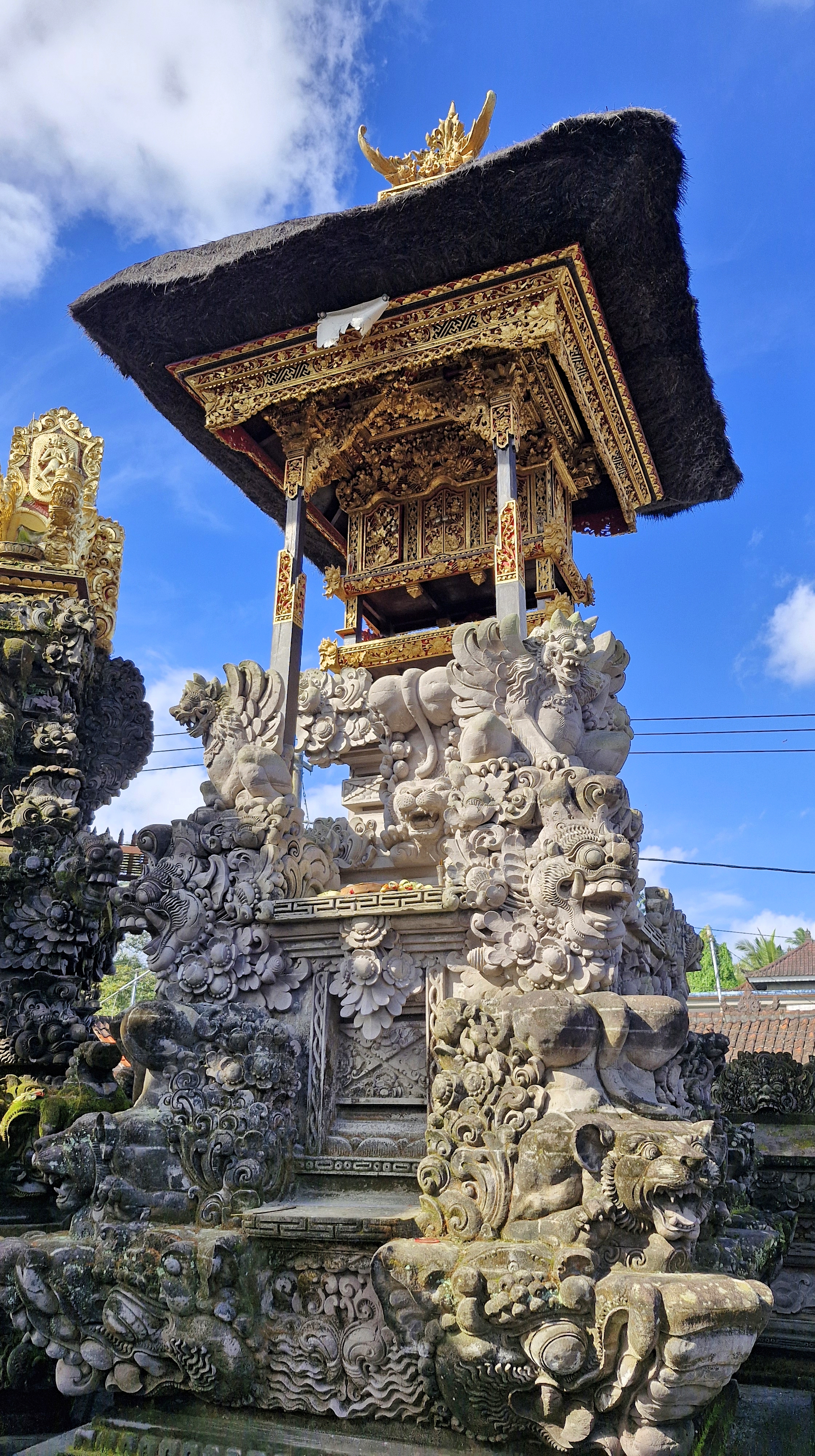
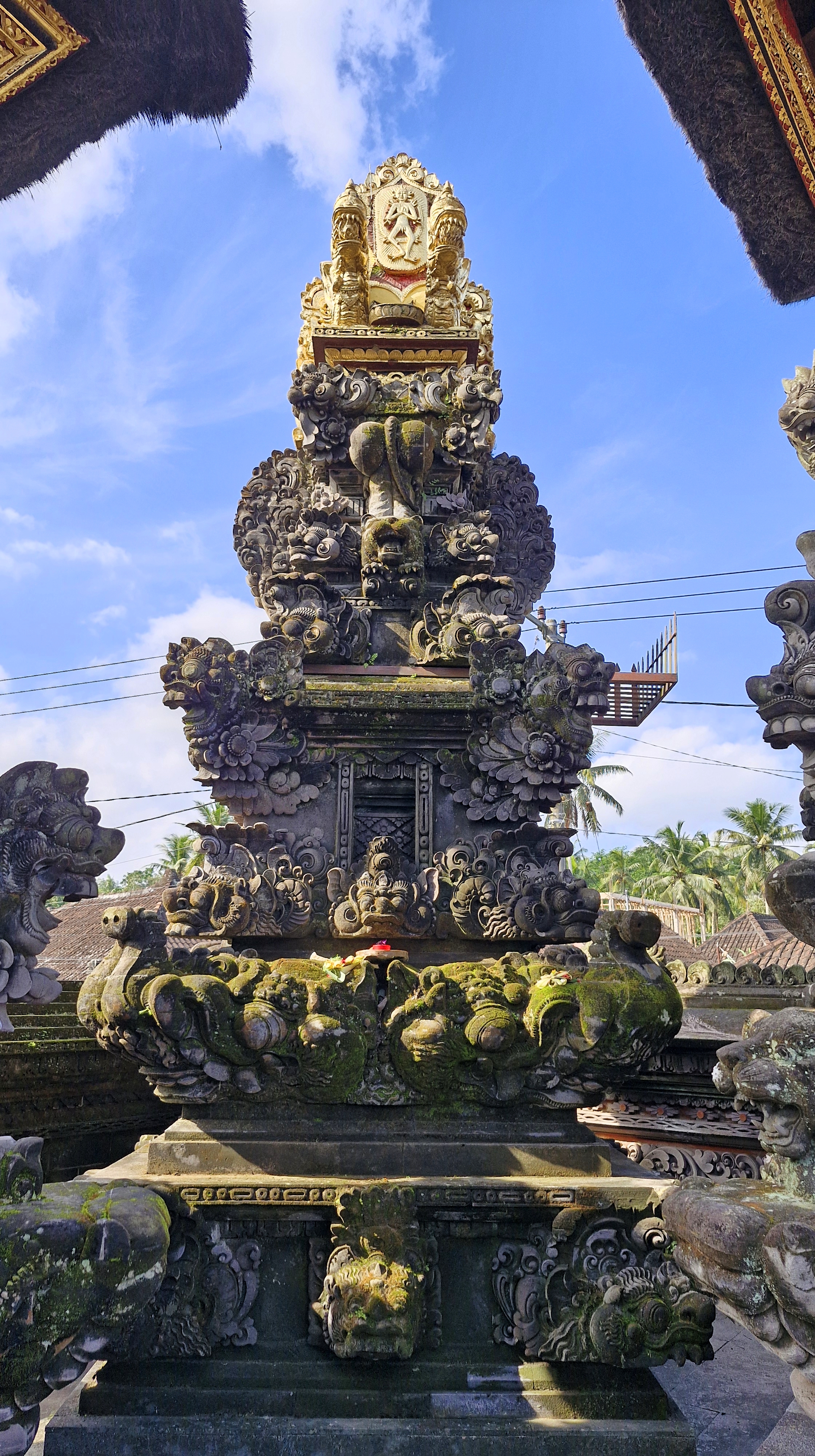
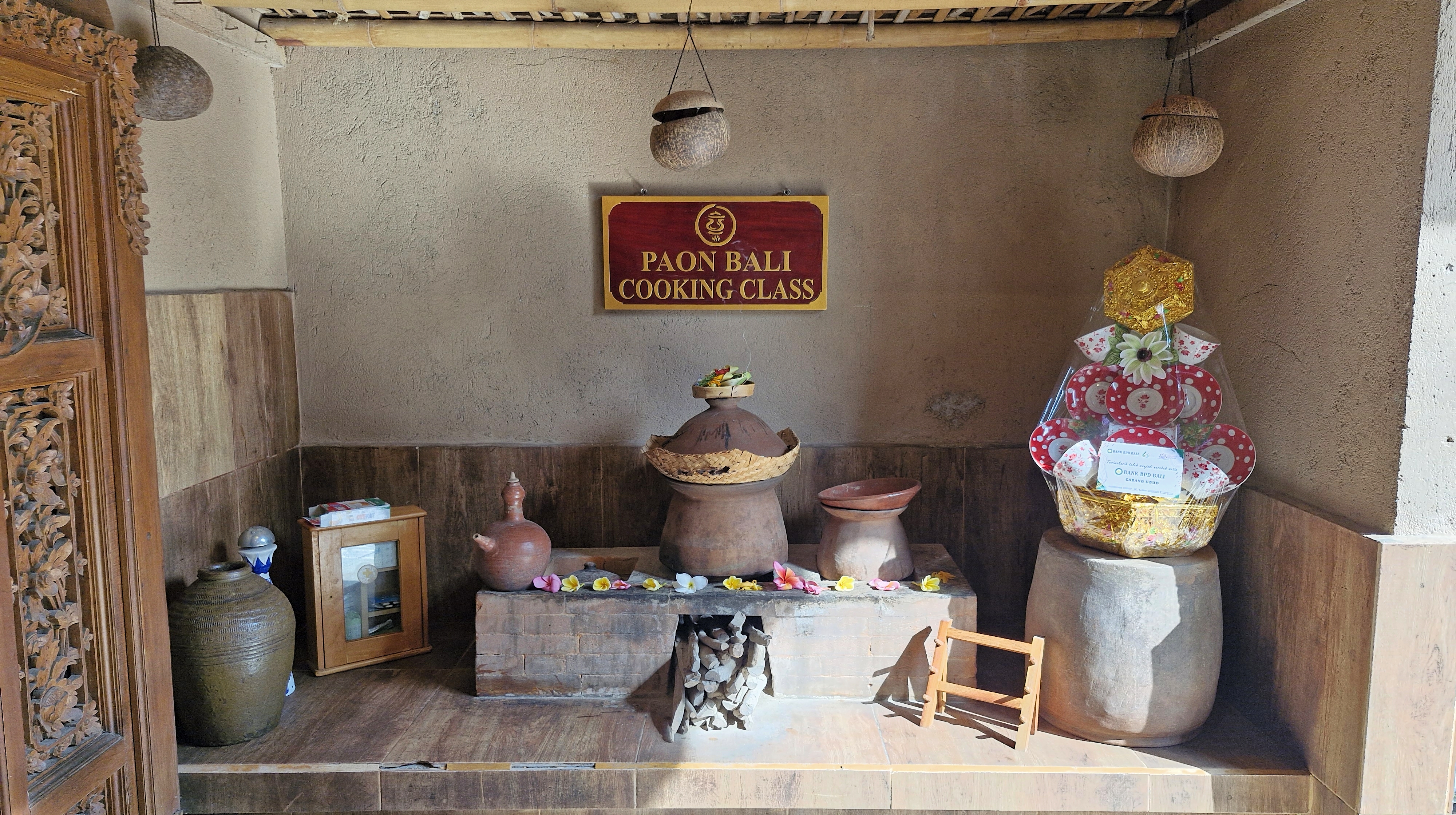
As I always tell people, whenever I’m visiting a country, especially for the first time, I like to take a cooking class. This one took place at a home that also had their family temple structure. By now, I’m assuming they have been able to expand their home to accommodate more cooking facilities. I really wanted to film more of the demonstrations and food as we went through the process, but I was afraid that touching my phone throughout the class might instigate looks of disapproval. None of the other five people were taking photos while we were prepping.
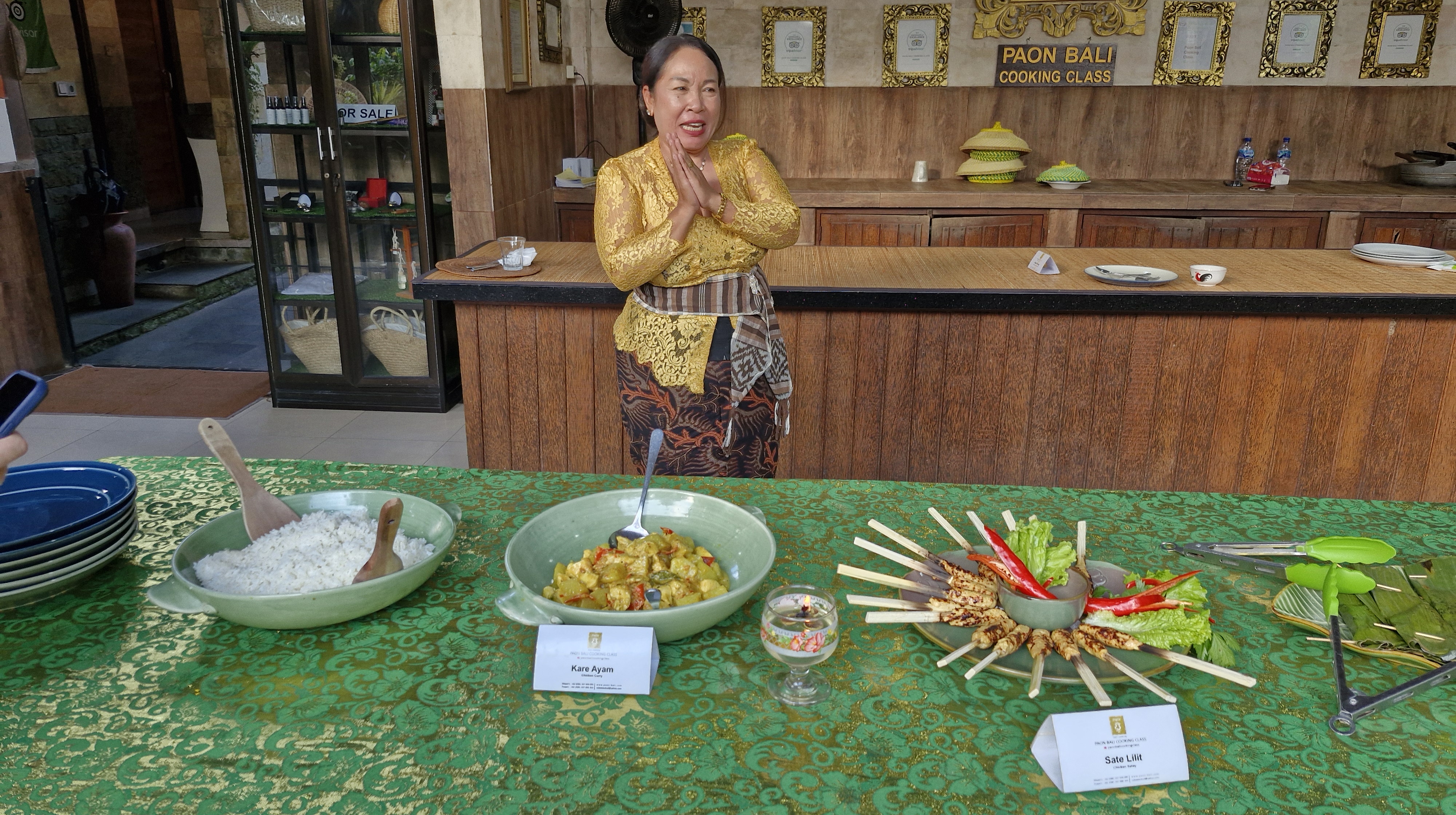
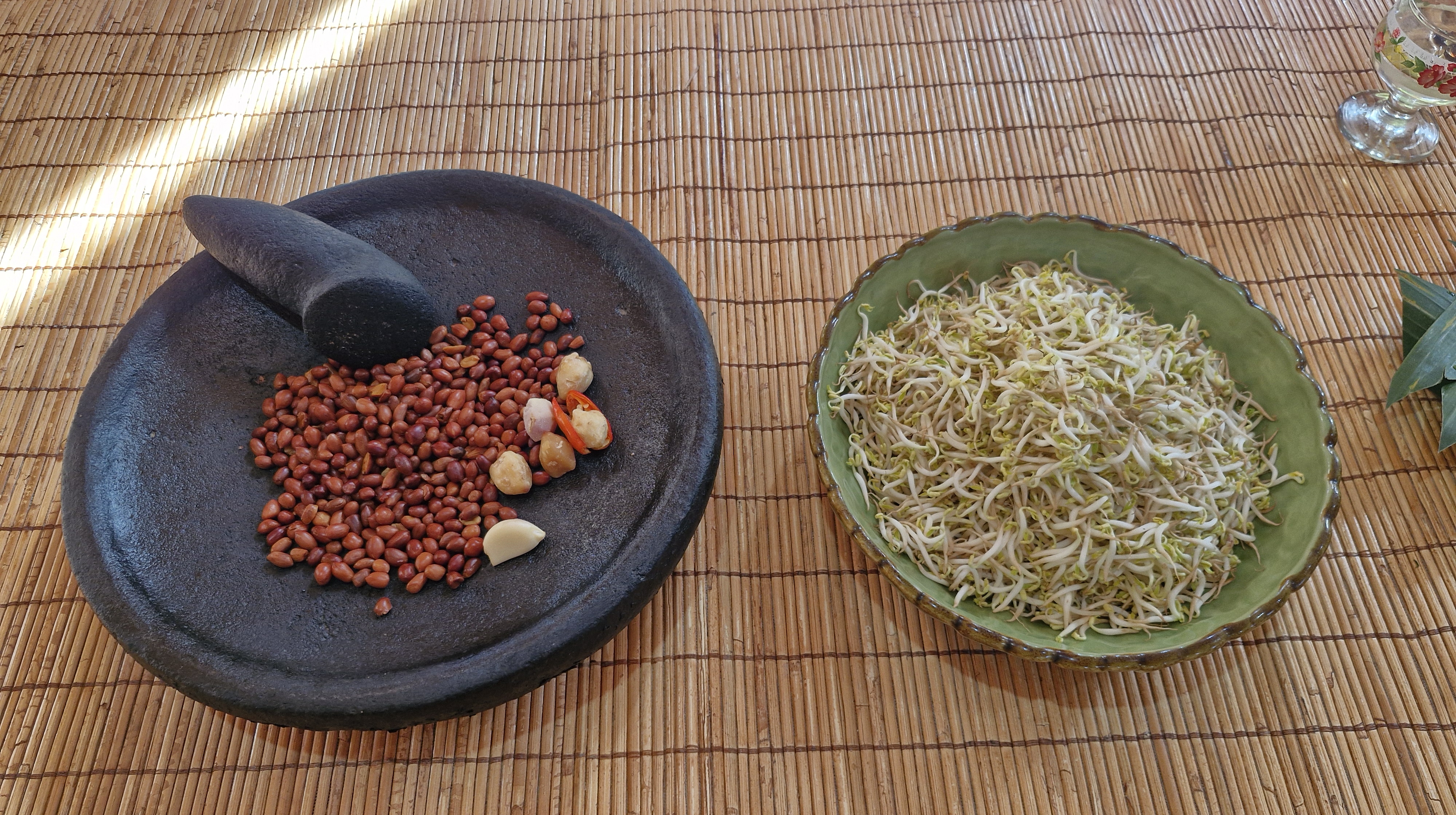
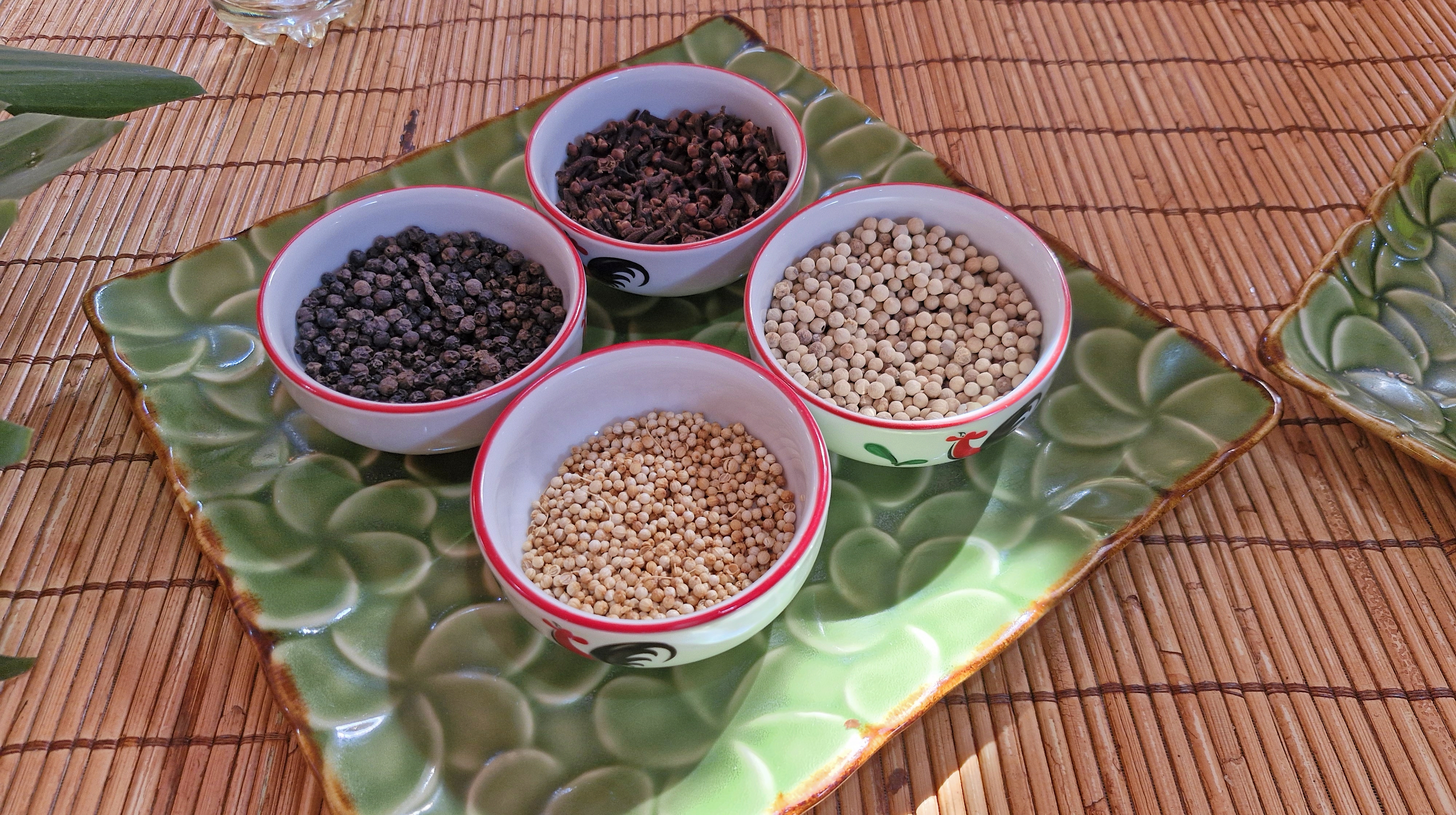
I enjoyed the presentation of the ingredients. I also thought it was an interesting idea to make sure that everyone had a chance to get involved by pairing and sharing the prepping duties. The owner of this business came out to speak to us towards the end of the class. I could tell she was an outgoing person and had mastered the stories she told us, including how her husband originally wanted to marry her, but she didn’t want to; then later on, when she became pregnant, she agreed to. She also jokingly (well, half-jokingly) said to only post a review of the class if it was five stars.





Ramayana Ballet
I was actually meant to go on a sunset Jeep tour of Mount Batur, but after not having any contact with whoever the driver was supposed to be, I had to contact GetYourGuide, a company that sells different tours conducted by local tour companies. After two employees made attempts at contacting the local tour group hosting this activity (one of whom stated they got hung up on when they finally got through), they said that I would get a refund. So, no Mount Batur. What was I to do that evening?
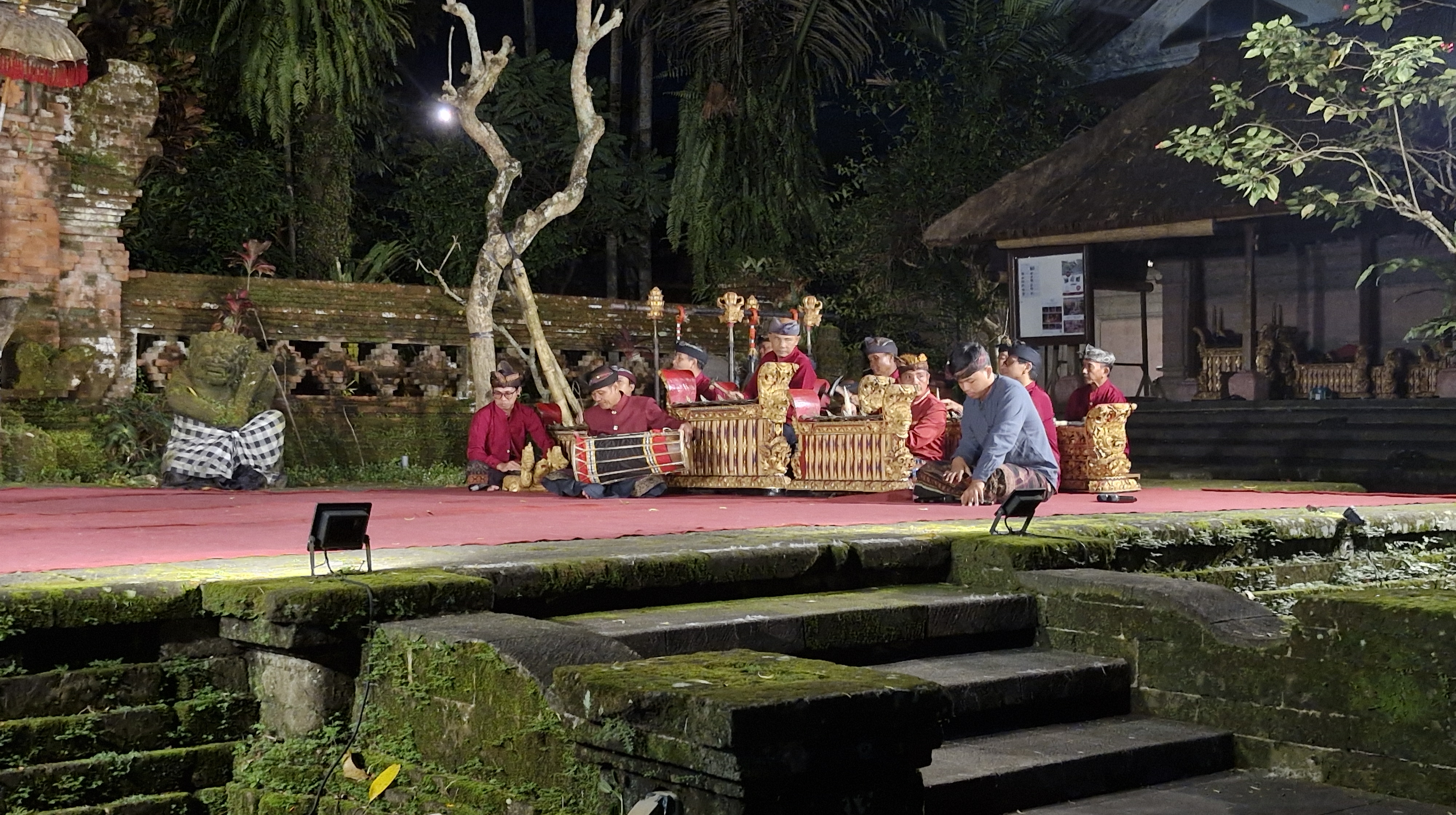
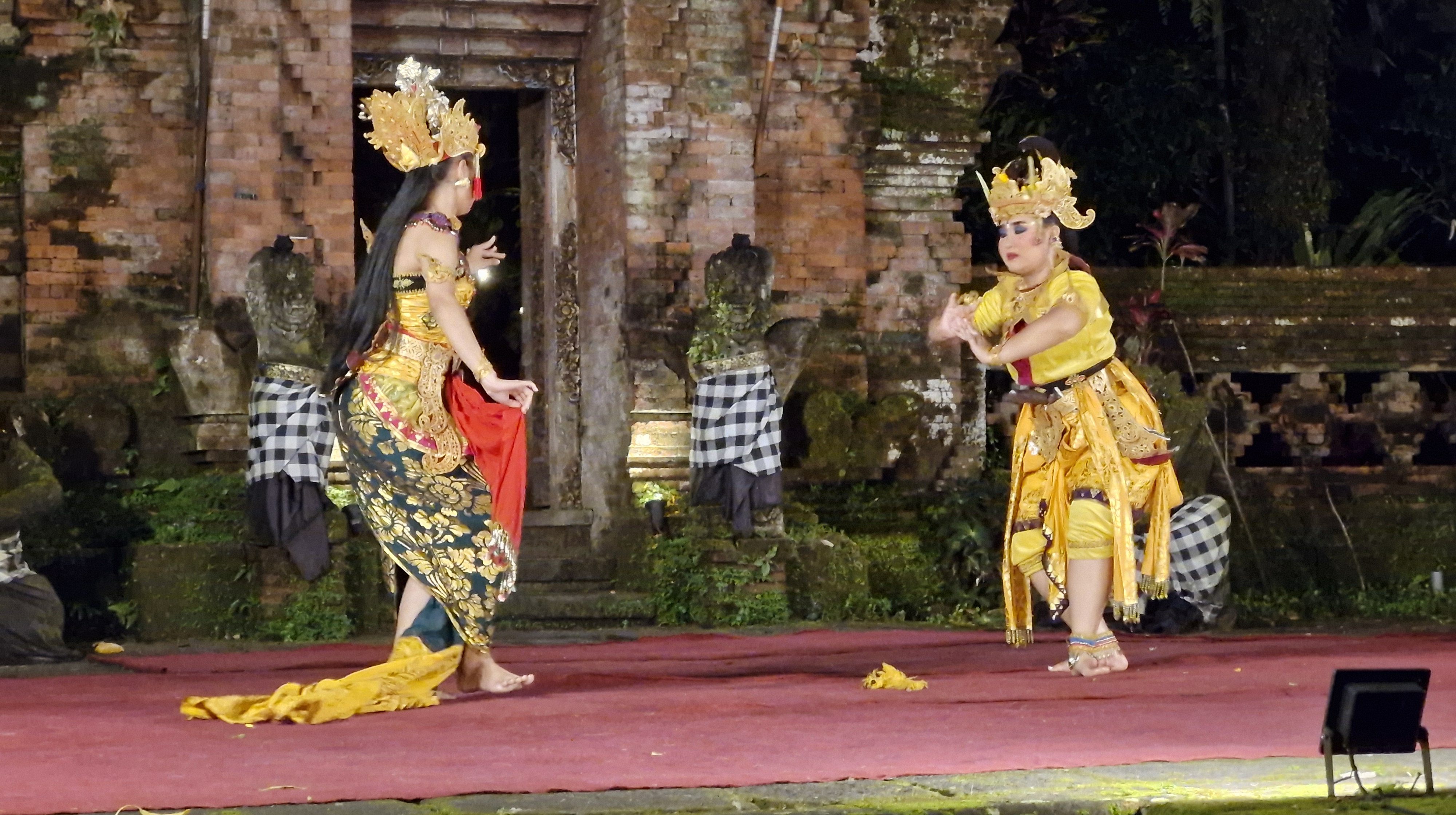
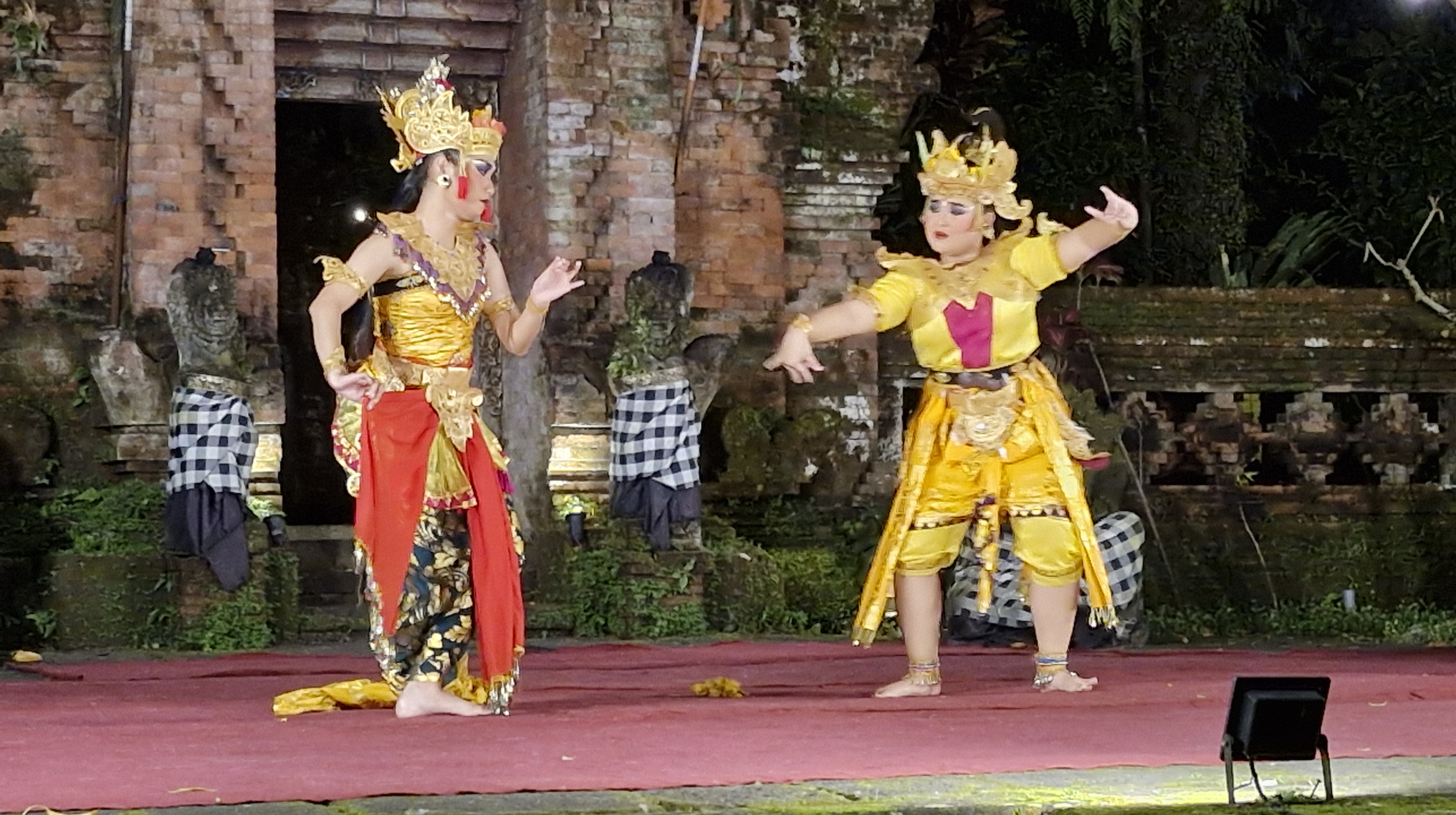
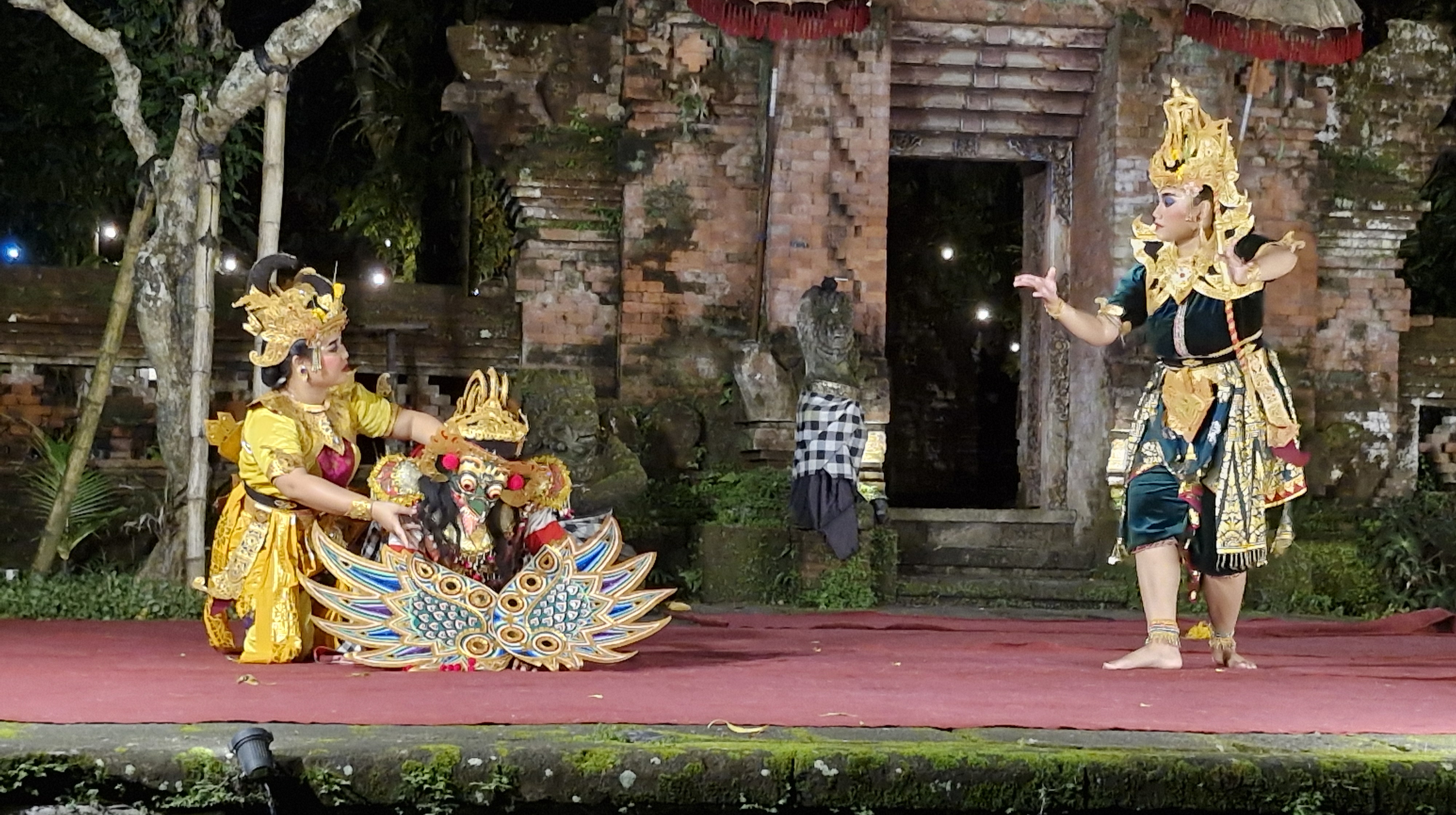
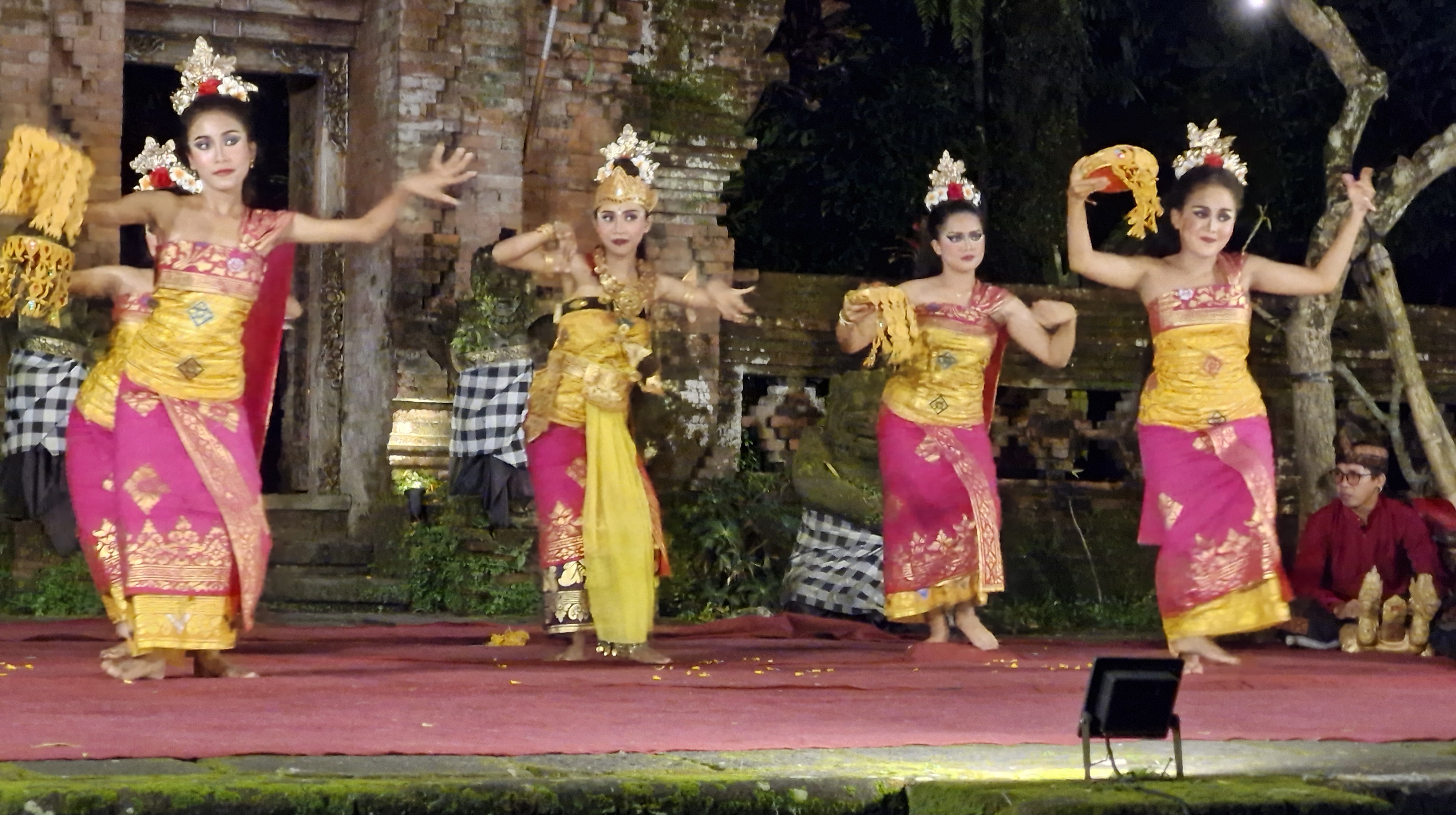
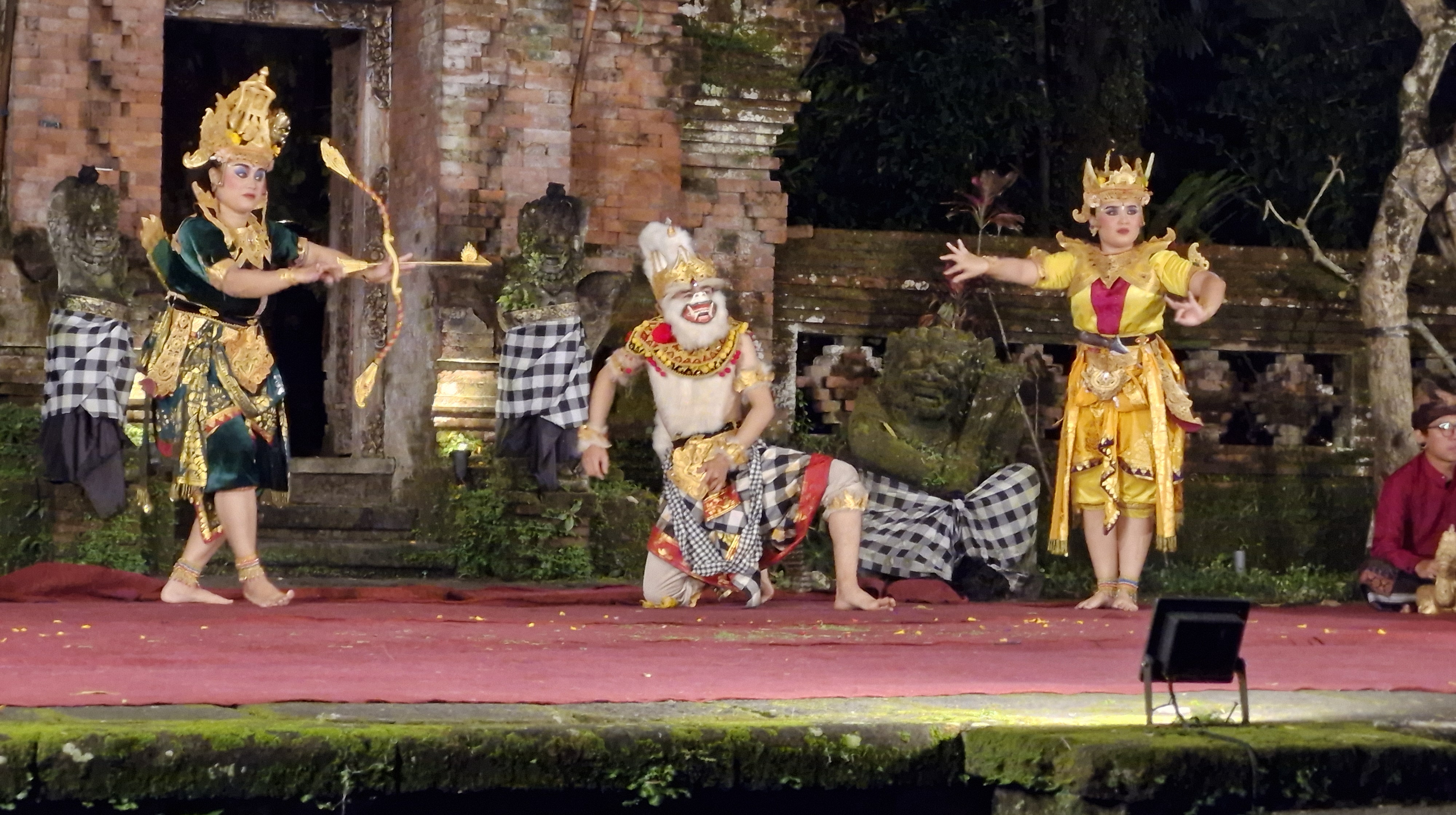
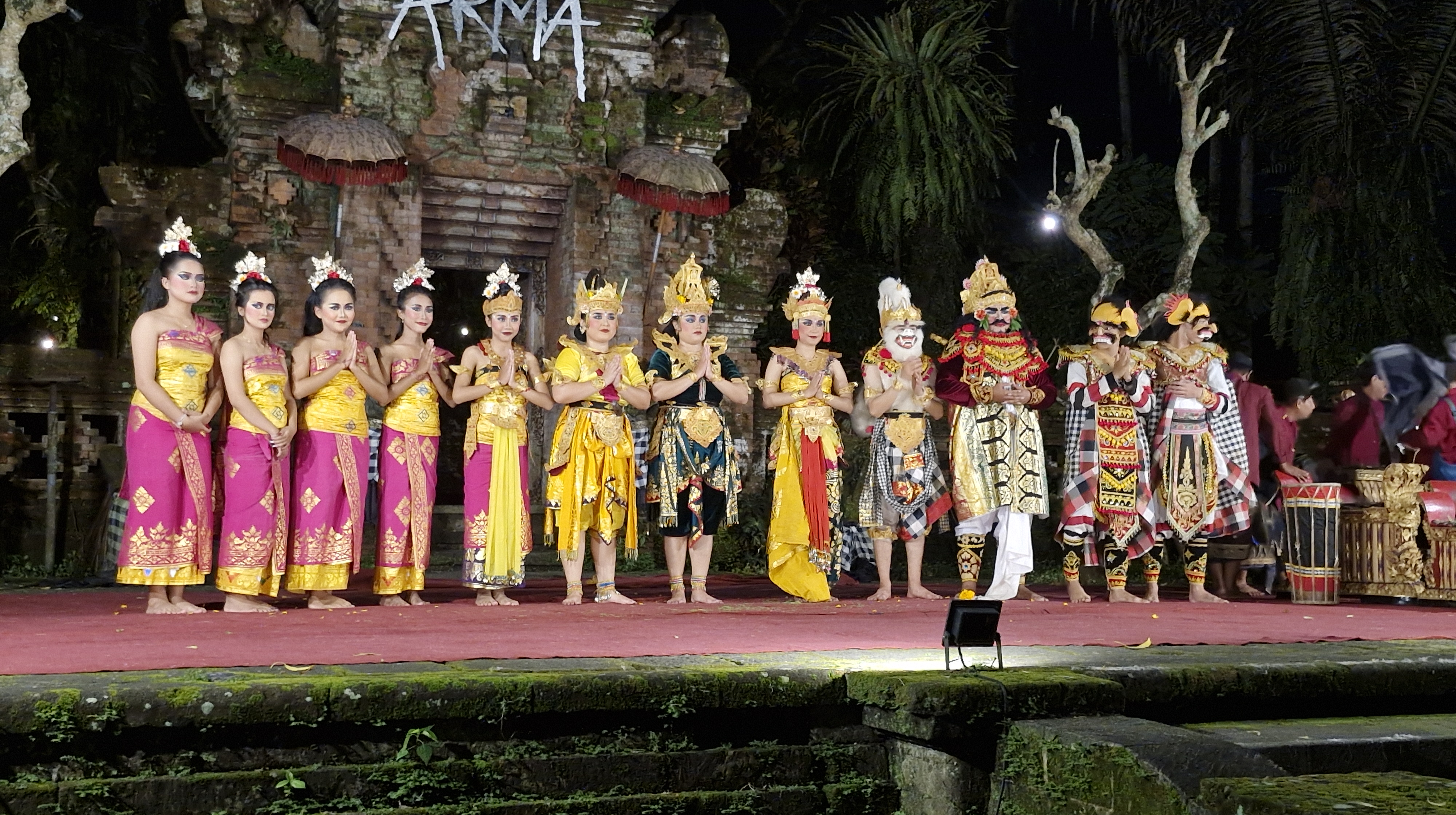
It then occurred to me that I should try to see if there were any cultural dance shows available. Lucky for me, there were. There are a few different kinds of Balinese dance shows available, so I chose the Ramayana Ballet performed at the ARMA Museum. The Ramayana Ballet is “a show that blends the dance and drama without dialogue.” The story of this show was divided into eight scenes. The story being that of “the journey of Lord Rama, a prince from Ayodhya, and his quest to rescue his wife Sita from the demon king Rawana.” They also state that the Ramayana is a sacred text in Hinduism. The performers often moved slowly with curved hands and feet. It reminded me of a dance I saw while in Pattaya, Thailand.
Recording video and flash photography are not allowed (although I bet a few people still recorded some video). So, my only option was trying to get some photos with my phone in rather dim light. At the start of the show, I was concerned about the amount of noise coming from one of the bars across the road with someone singing, as well as construction going on right next to us with hammers and saws operating. Luckily, the music and voice performer (who provided sound effects and perhaps story guidance) were loud enough so that these were not too distracting.







Notes From a Driver
Early on, one of the drivers informed me of some things about Indonesia, specifically about Bali, that I found interesting.
- Bali is mostly Hindu, unlike the rest of Indonesia, which is Muslim. On the way back from the cooking class, traffic was backed up even more than usual due to there being a suckling pig festival going on. Since the rest of Indonesia is Muslim, this is something only found in Bali.
- In Bali, Hindus pray three times a day. In India, they pray two times a day.
- In Bali, they do not pray to gods but to the house. In India, they pray to gods.
- Bali homes each have their own temple rather than using a public temple. Public temples exist but are only used for big holidays and festivals.
- Balinese New Year is celebrated in March, called “Silent Day.” On this day, there is no work, internet, electricity in the evening, or leaving home allowed. Even the airport shuts down.
- Cremation is considered the official process in death rather than burial. Burial is allowed and is cheaper than cremation. However, it is considered temporary. By that, the body can only be buried for up to five years. After that, it must be dug up and the body cremated. Apparently, this is also the case in India.
- My favorite quote from a driver was “In Bali, we don’t have casinos. We have chickens.” He was referring to cockfighting as a popular form of gambling and wanted to know if I was interested in seeing one. I declined the offer.
Food
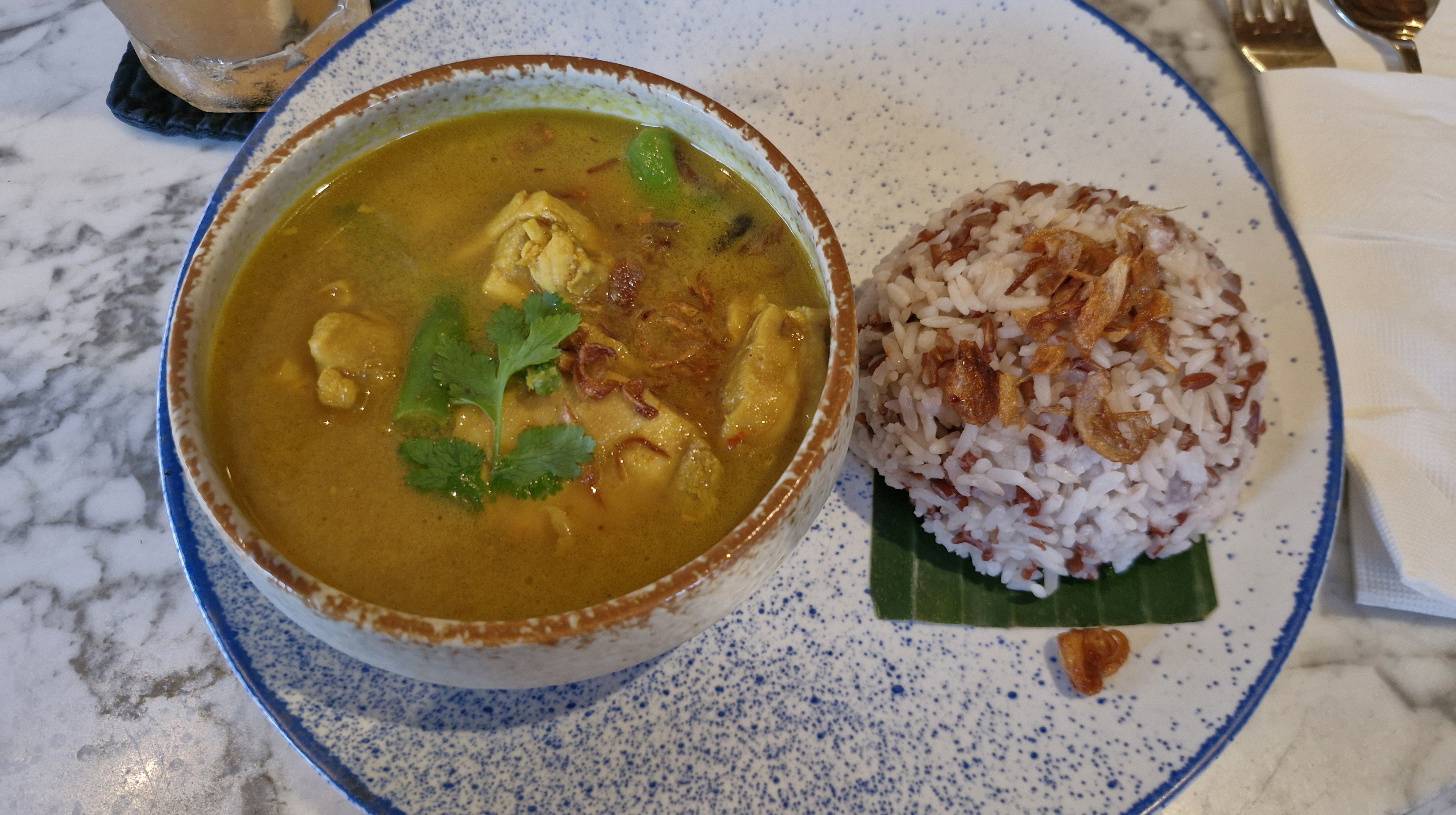
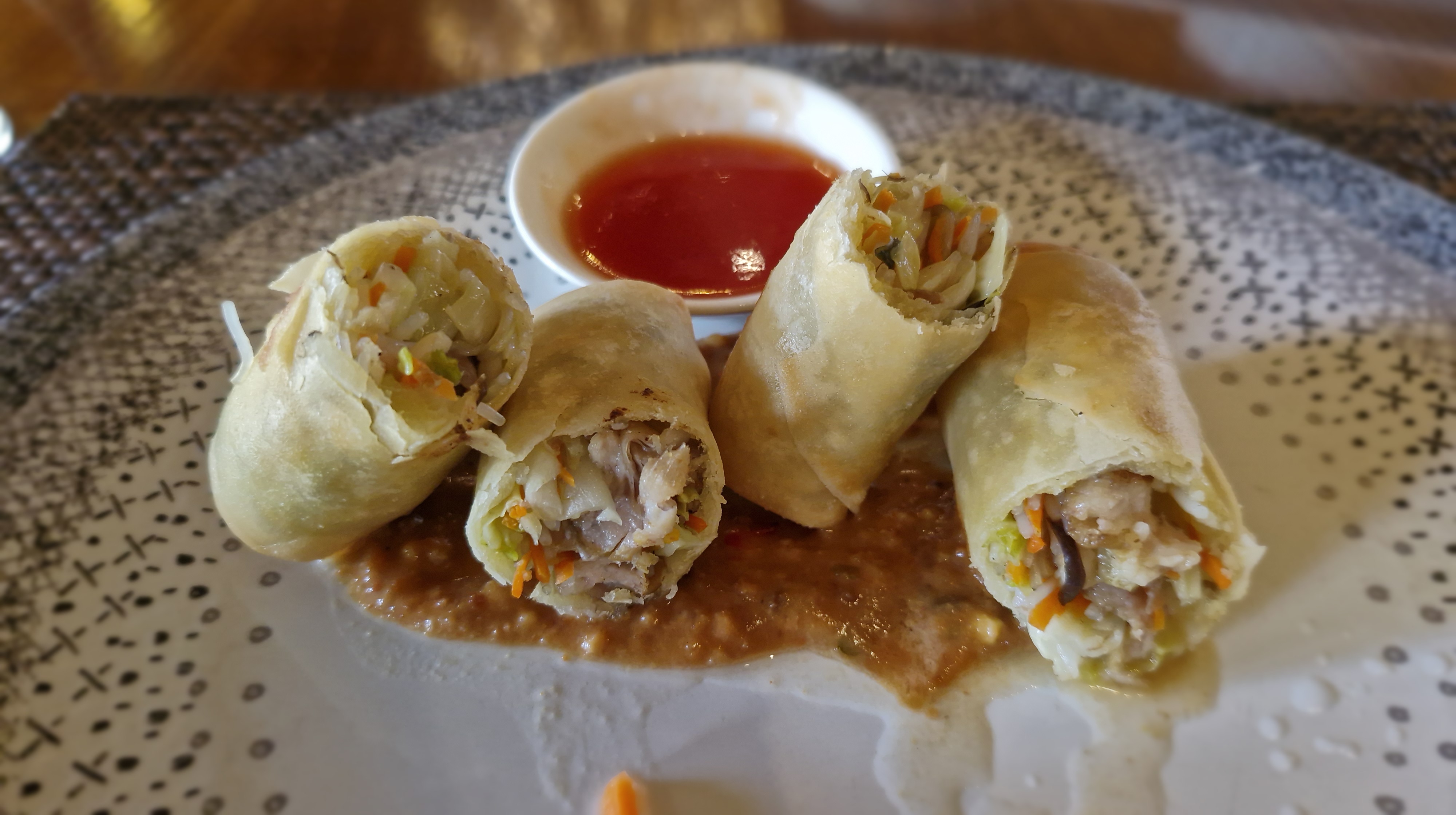
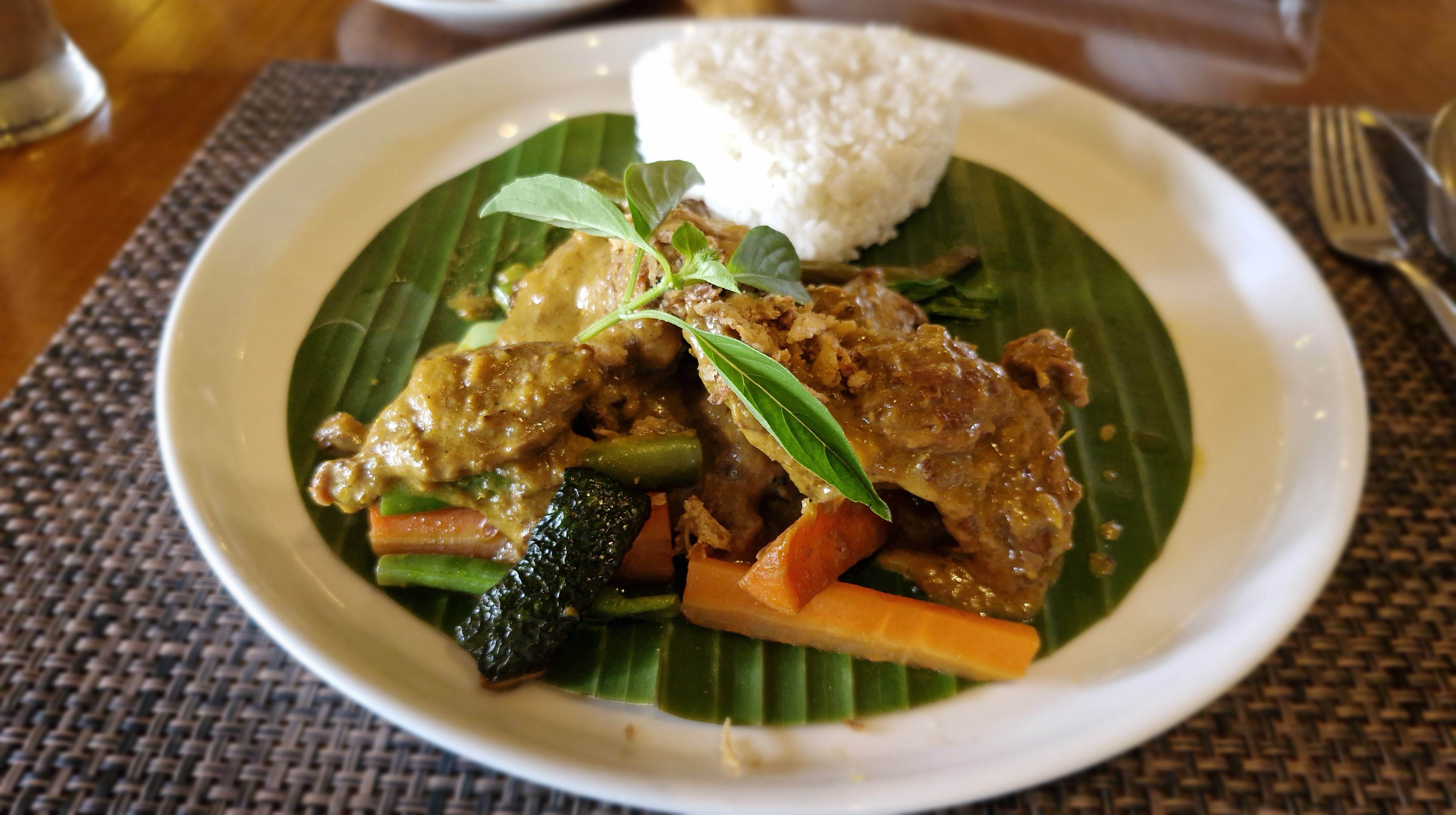


My time in Ubud felt quite full with day trips and activities. The heat and humidity also felt draining. As I mentioned earlier, the feeling of being tired was from the long times stuck in traffic. Though I felt satisfied, the journey was not over yet. The next leg of the journey was the trip up to Lovina. More on that in the next post.


Leave a Reply