After my day outing with my guide, Nick, I assumed that I would have the next day as a free day. I had thought about just spending a leisurely day at the beach near my hotel. However, that evening I received a message reminding me of the day trip for the next day to Hue. I had completely forgotten that I had even registered for this. I realized later that it was actually the first trip that I had booked for Vietnam using a third app, Klook. This is what happens when you use too many tour programs on a single trip. Oh well, lesson learned.
Lap An Lagoon
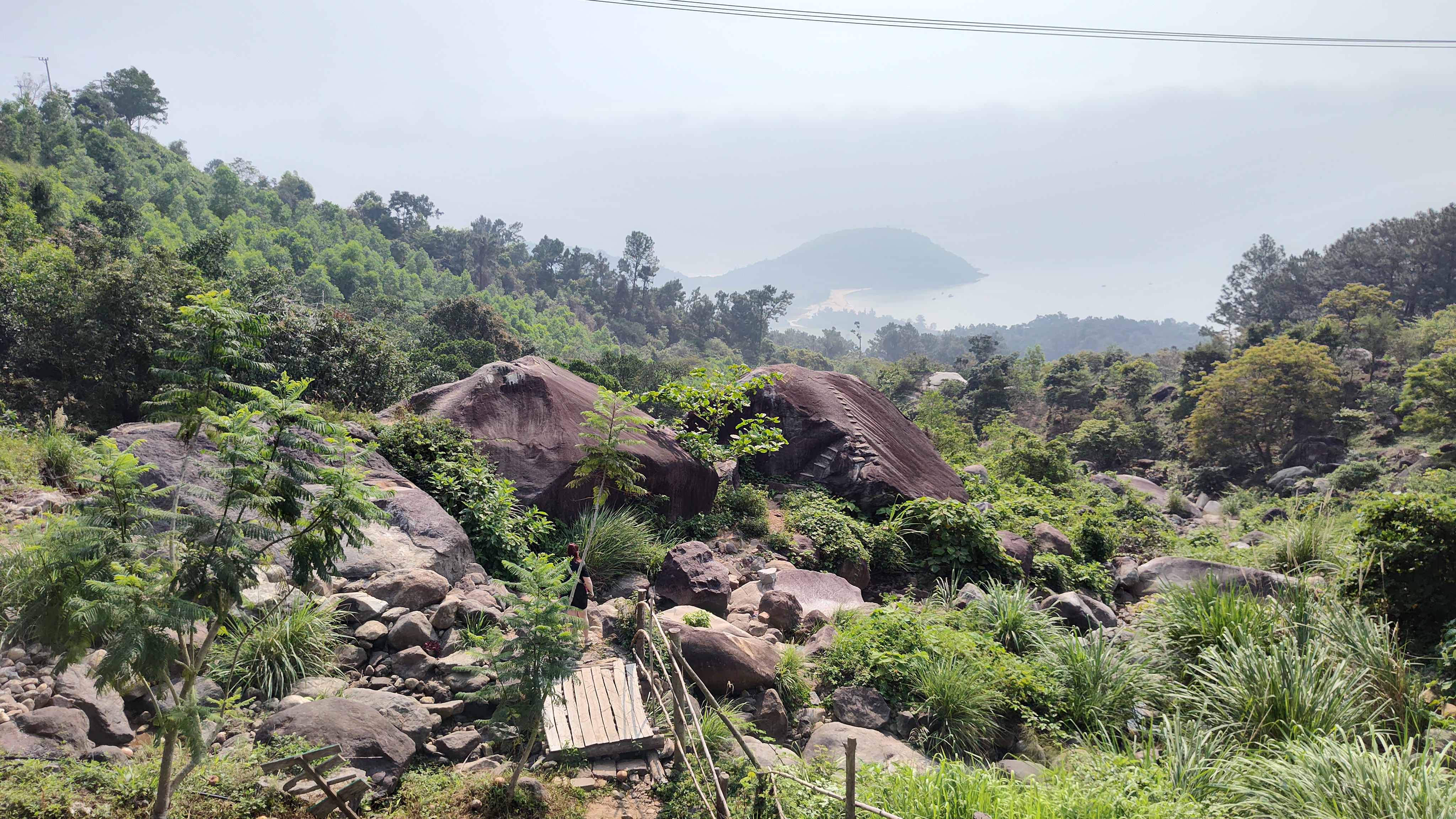
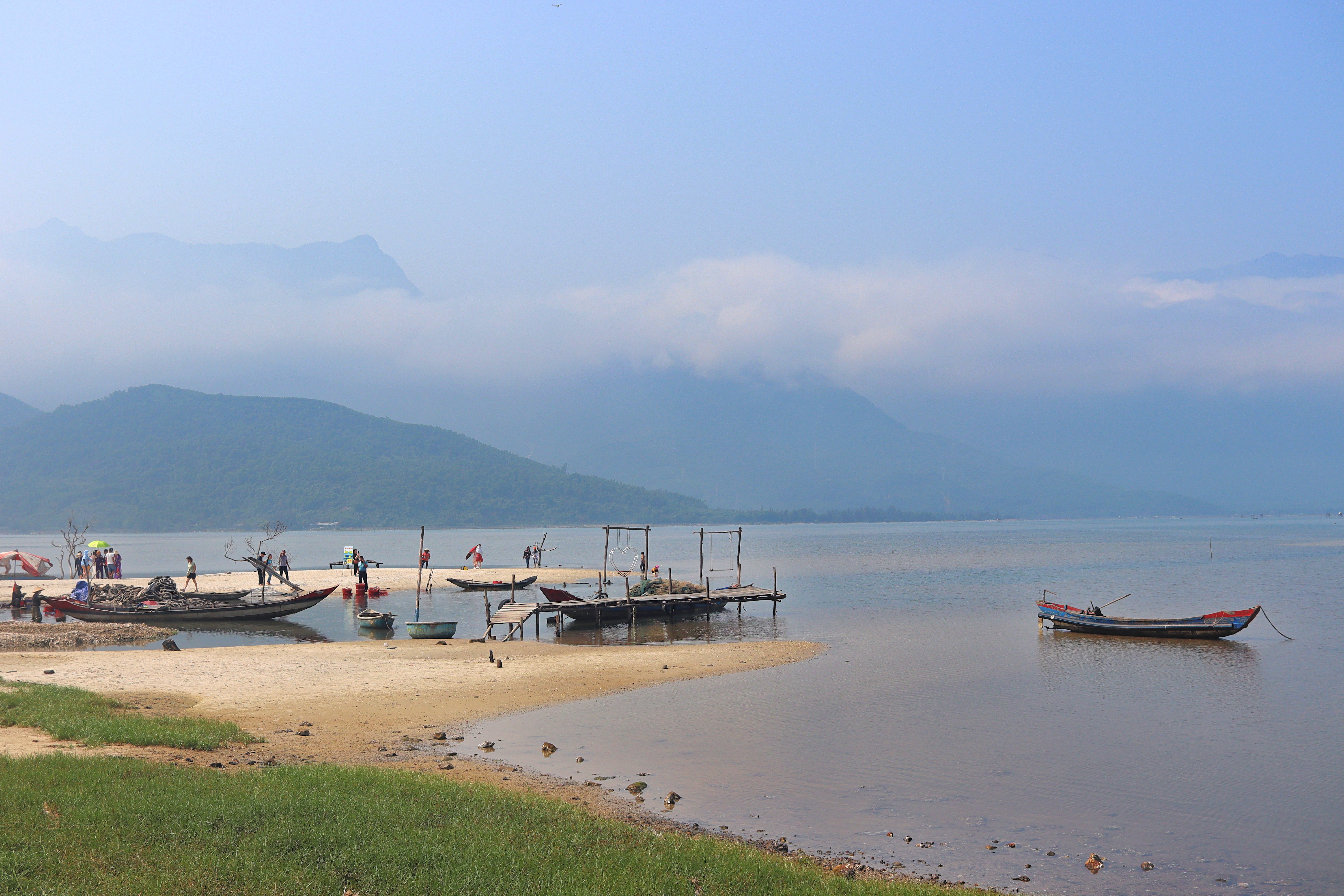
The day started with a brief stop at a viewpoint overlooking Lap An Lagoon. This was a spot located along the Hai Van Pass. Since I had already seen this route the day before, I didn’t find it particularly exciting, but I decided to capture the view anyway.
We then stopped for half an hour for a coffee break and a stretch before heading to the main site of the day.

Imperial City of Hue
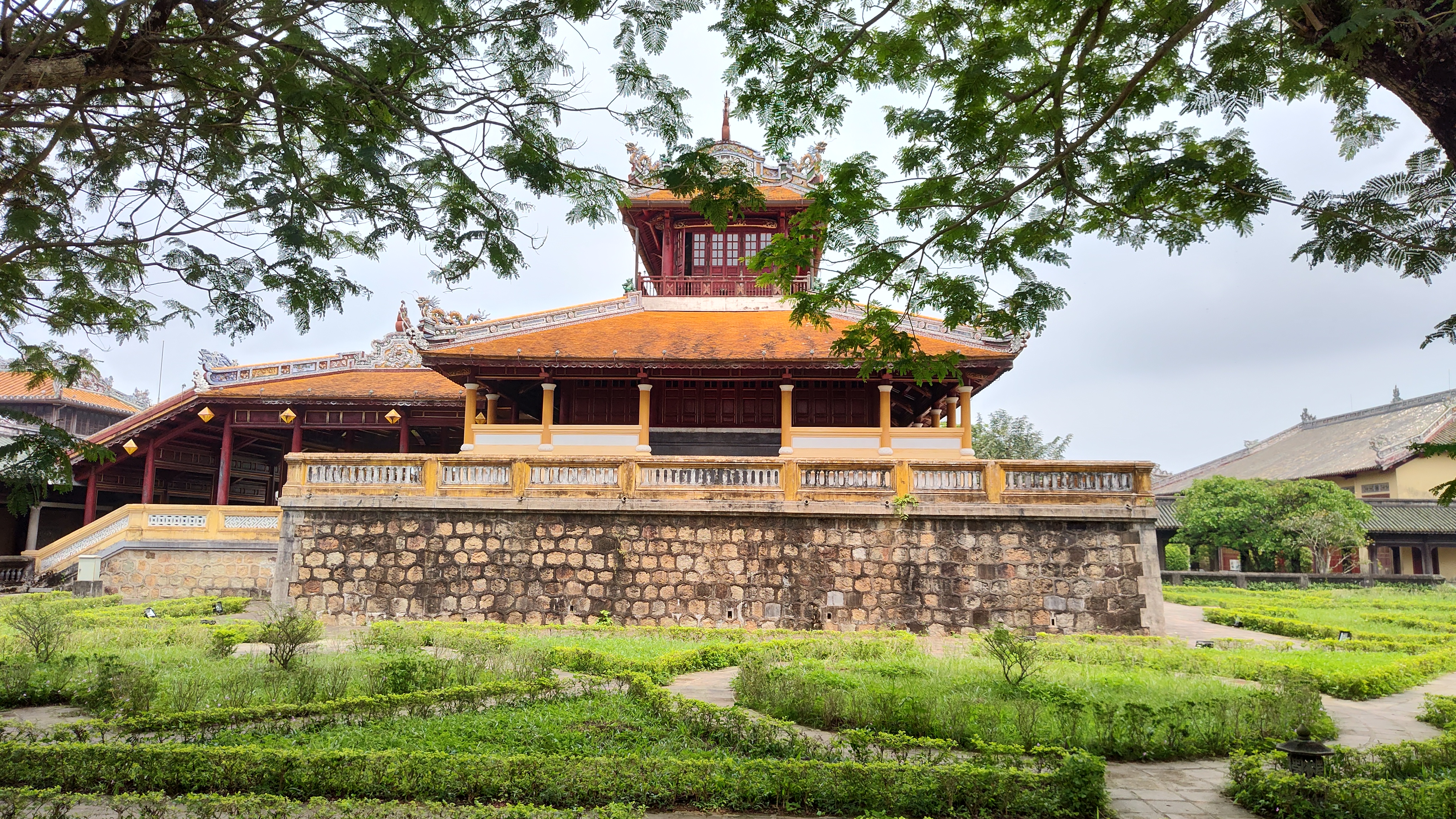
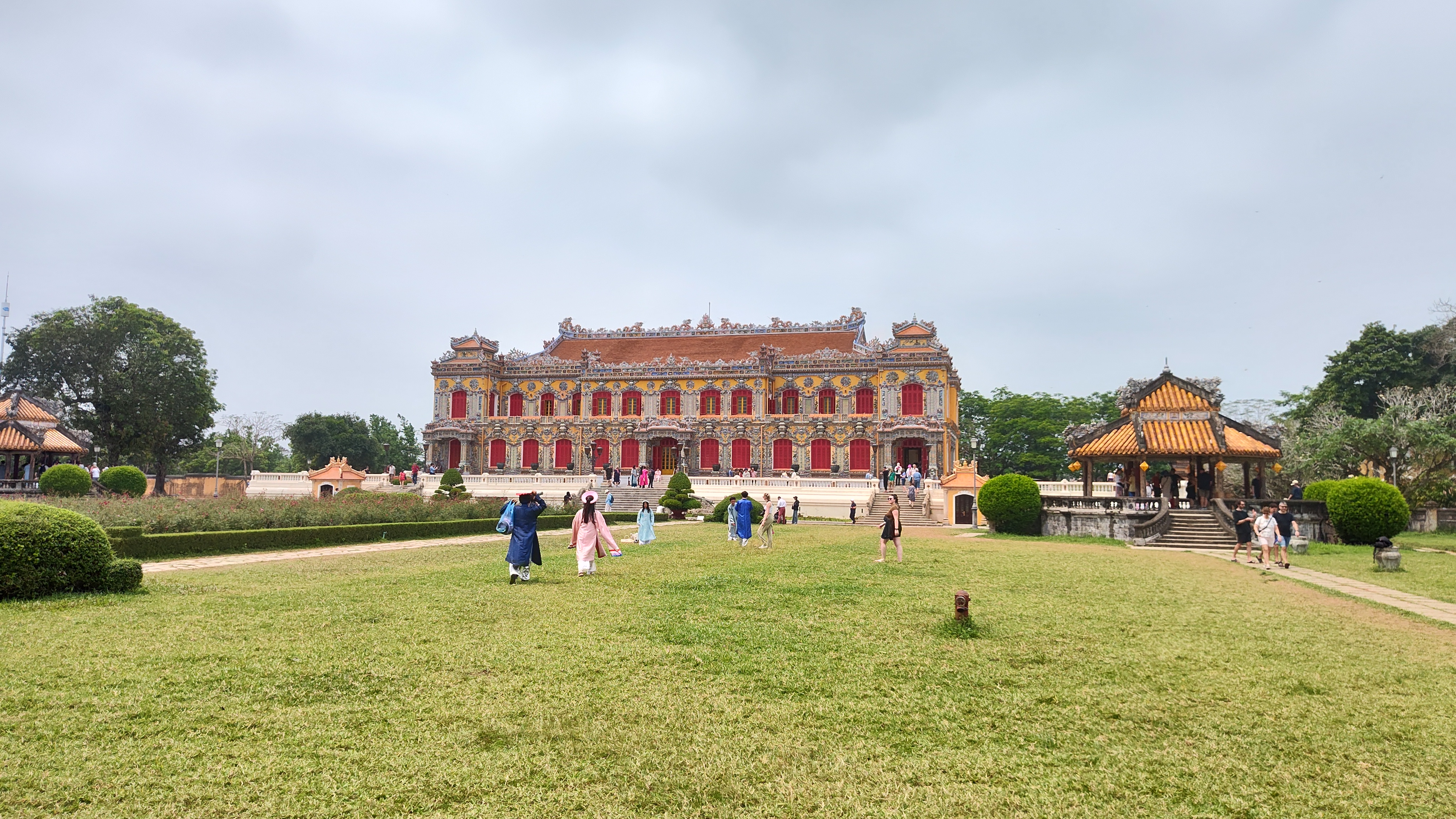
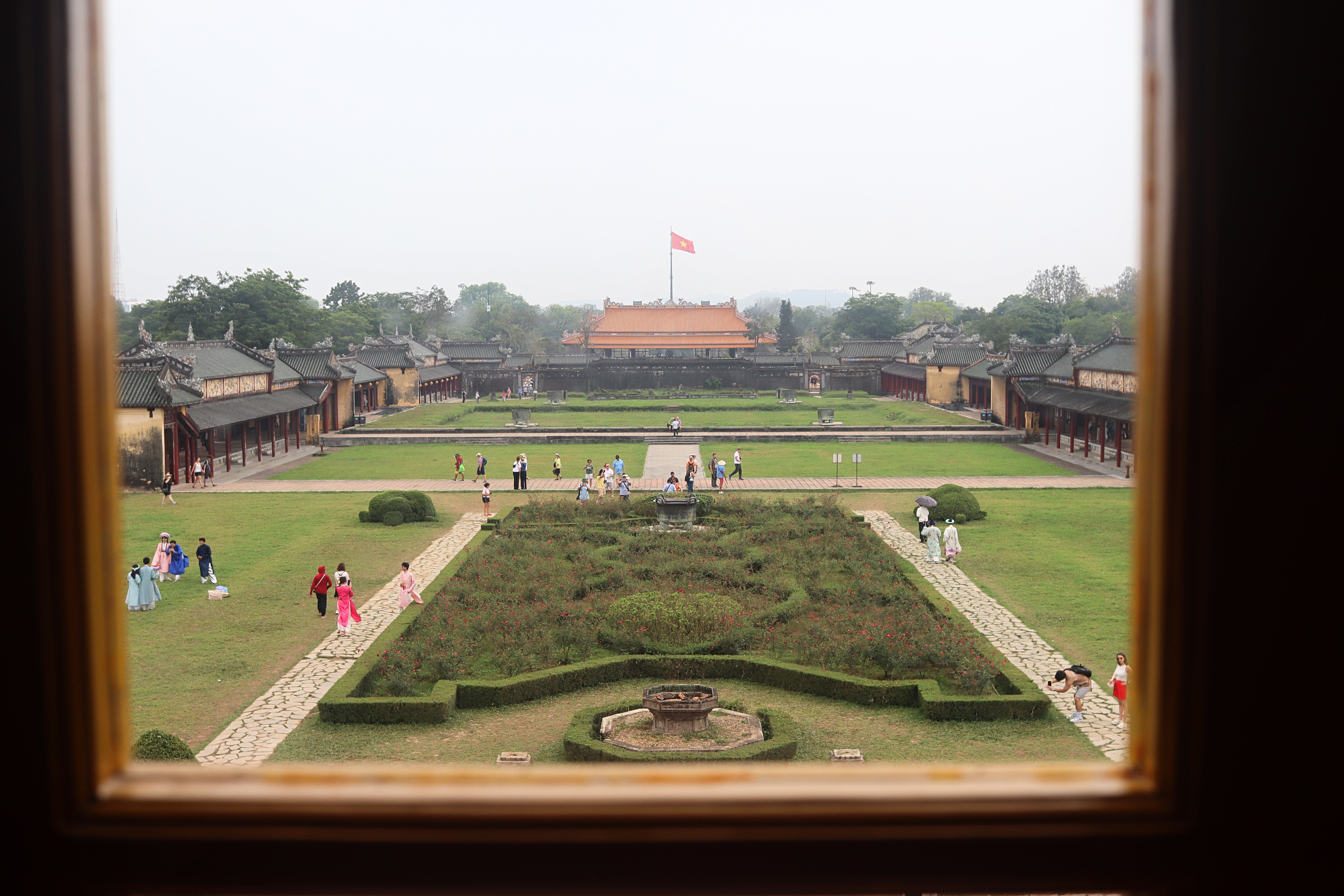
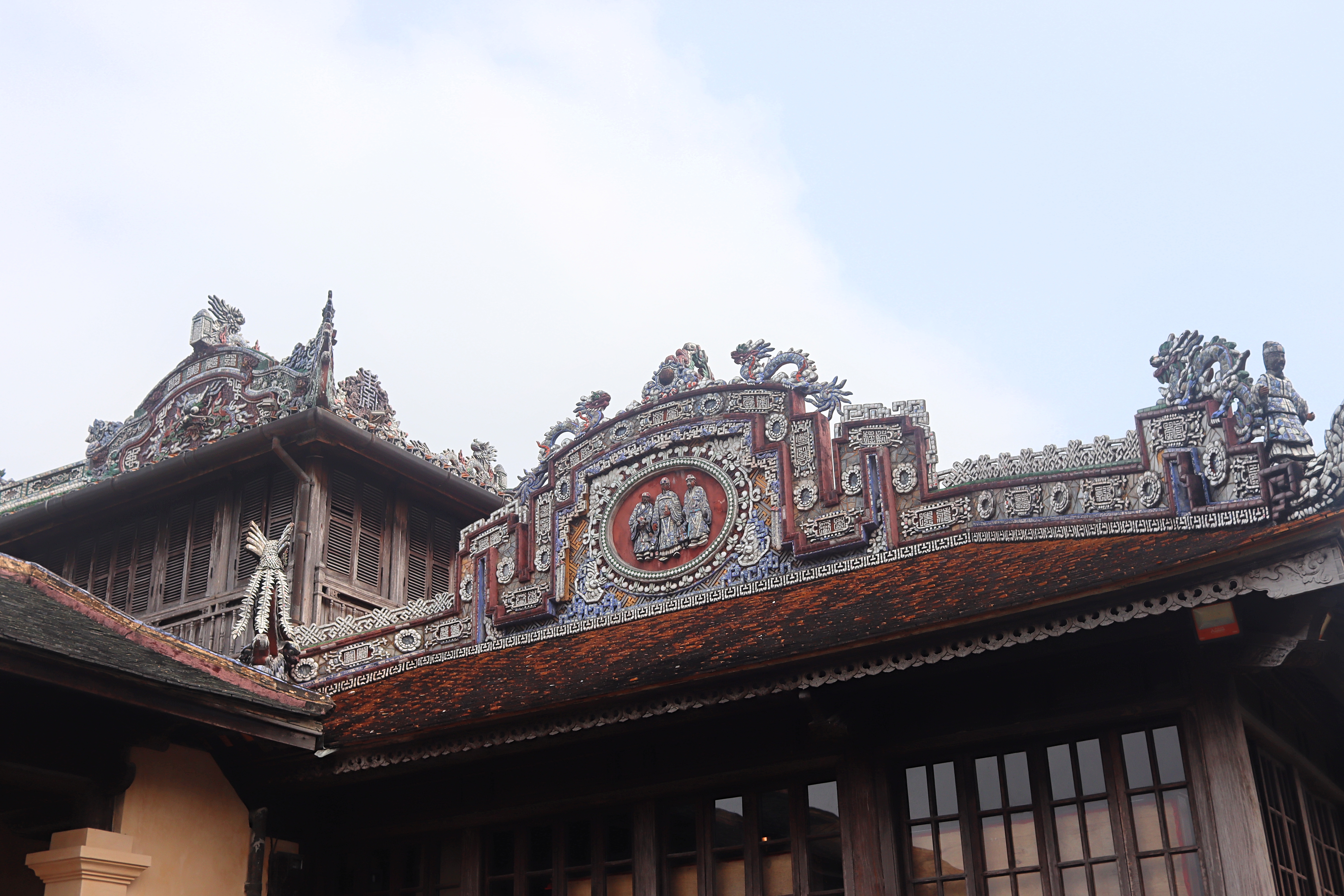
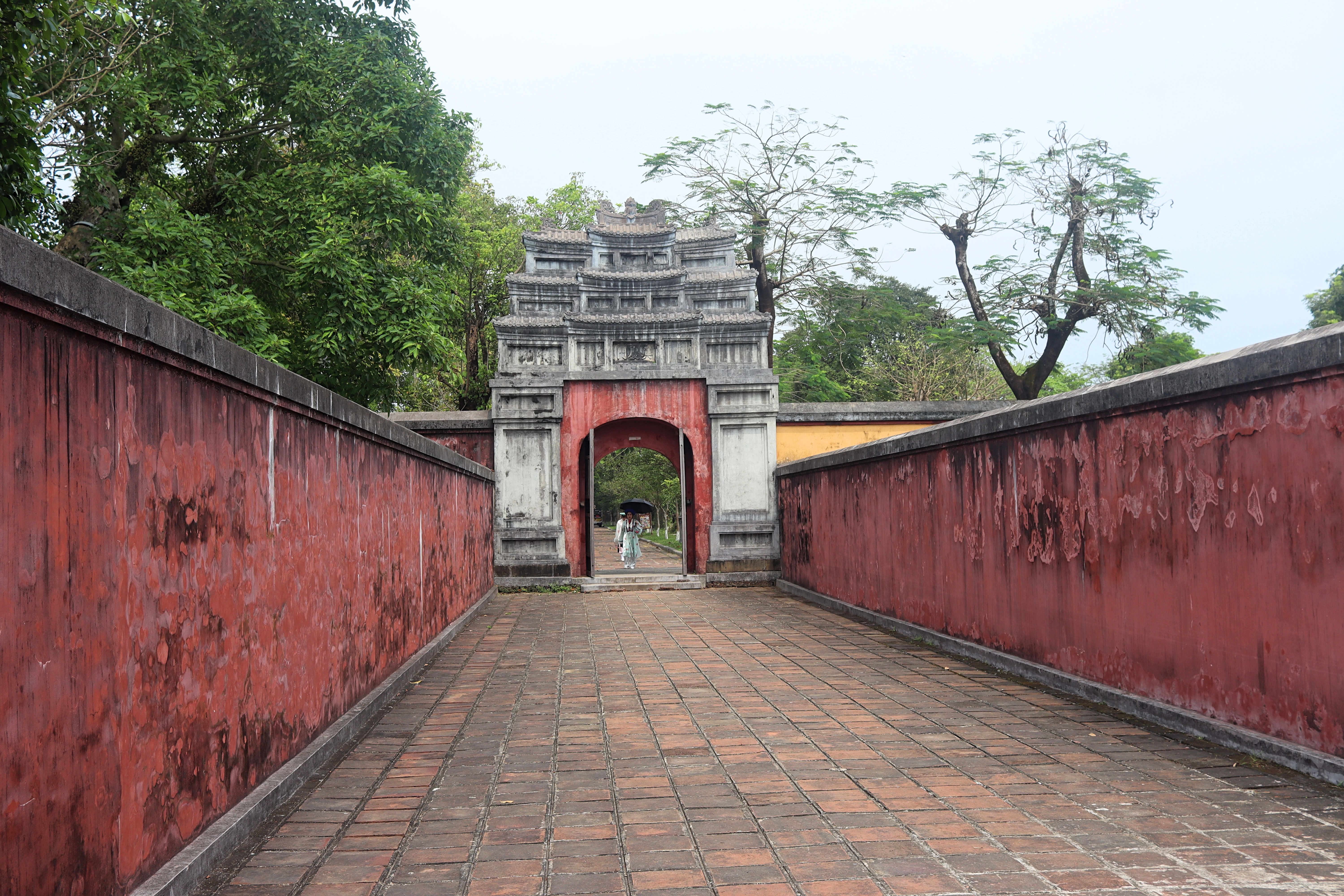
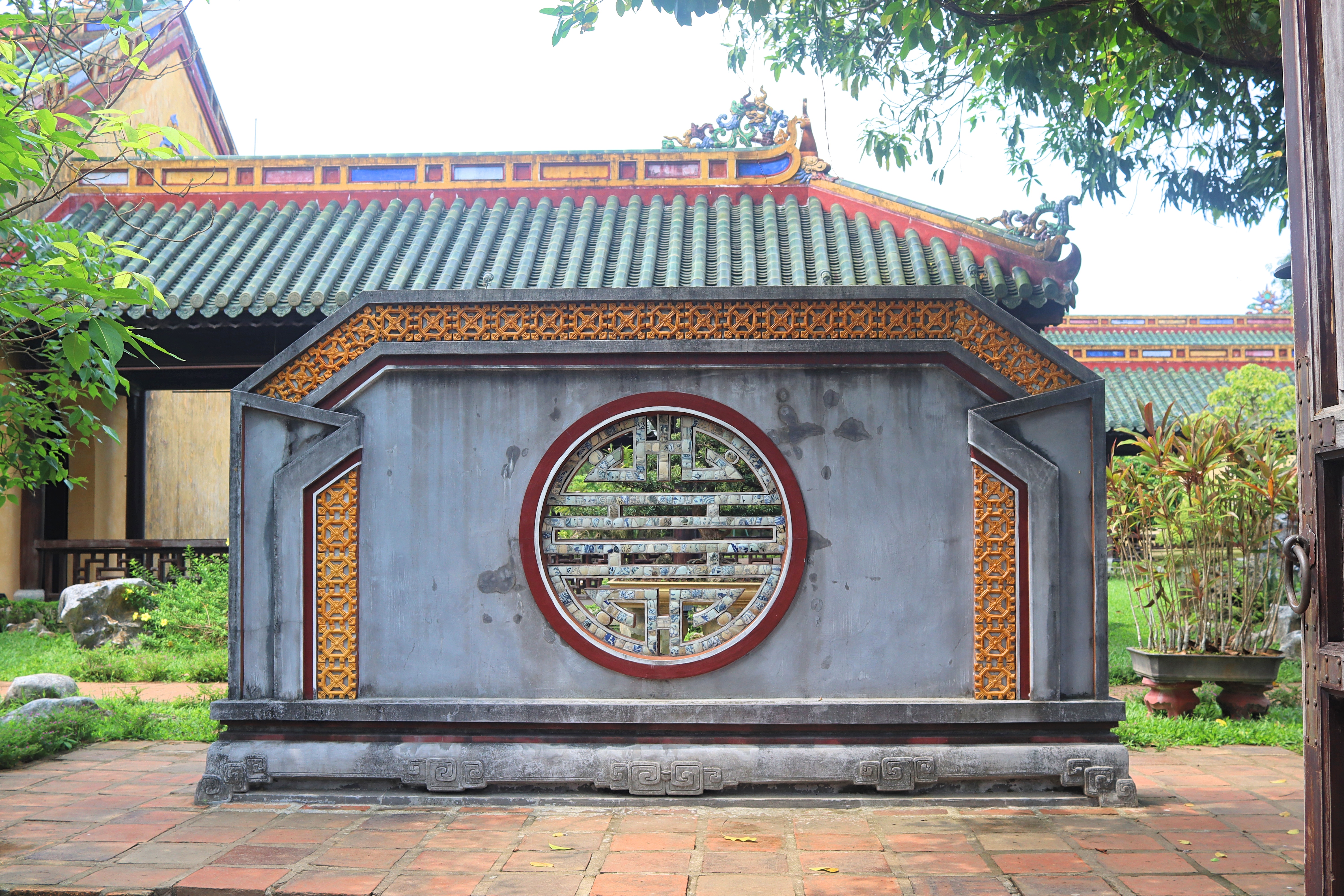
The main part of the trip was to see the imperial city (also known as the “Forbidden City” of Vietnam). It was established as the political, religious, and cultural capital of the unified Vietnam in 1802 under the Nguyen dynasty, which lasted until 1945. It was built so that the “Perfume River” could flow through it.
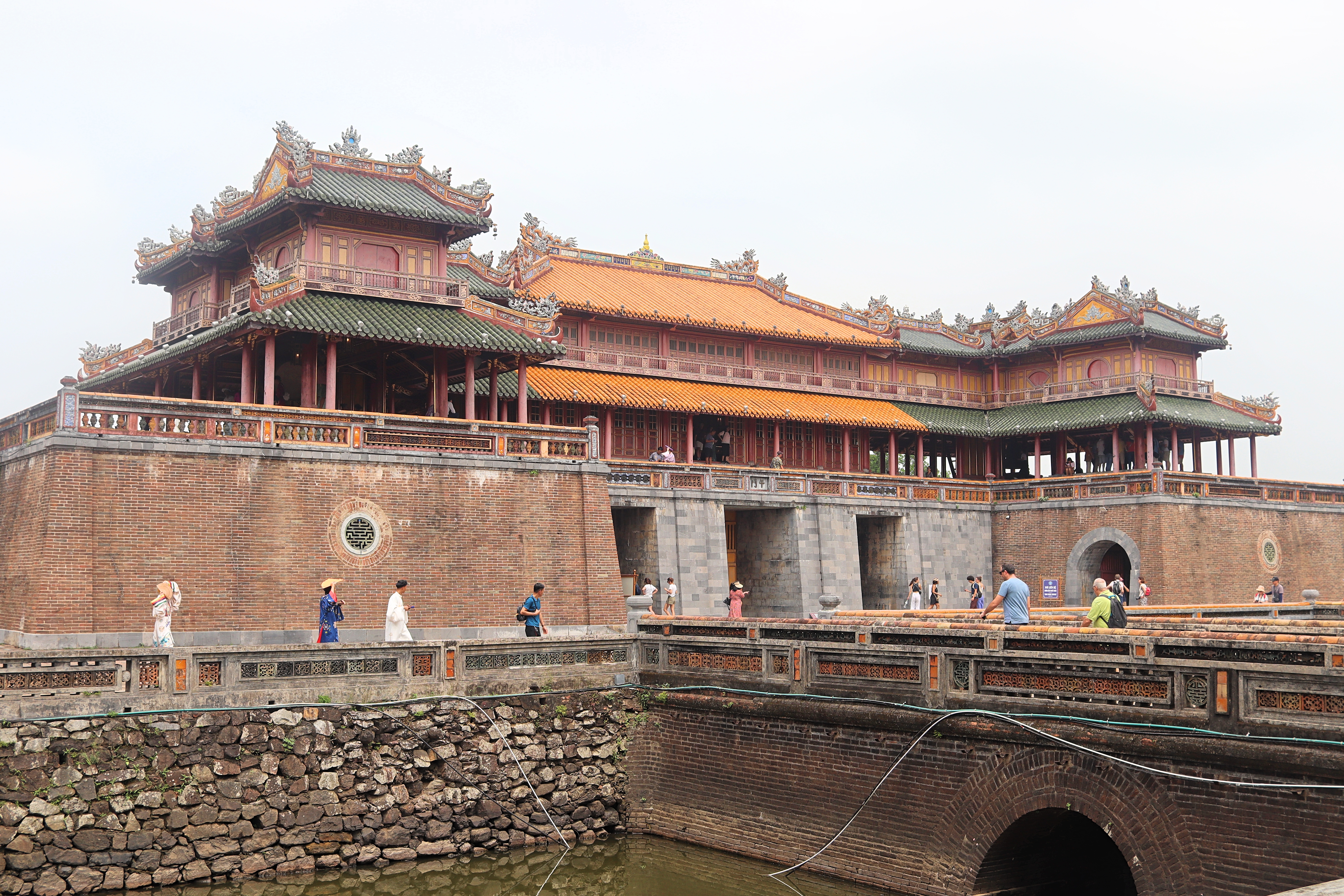

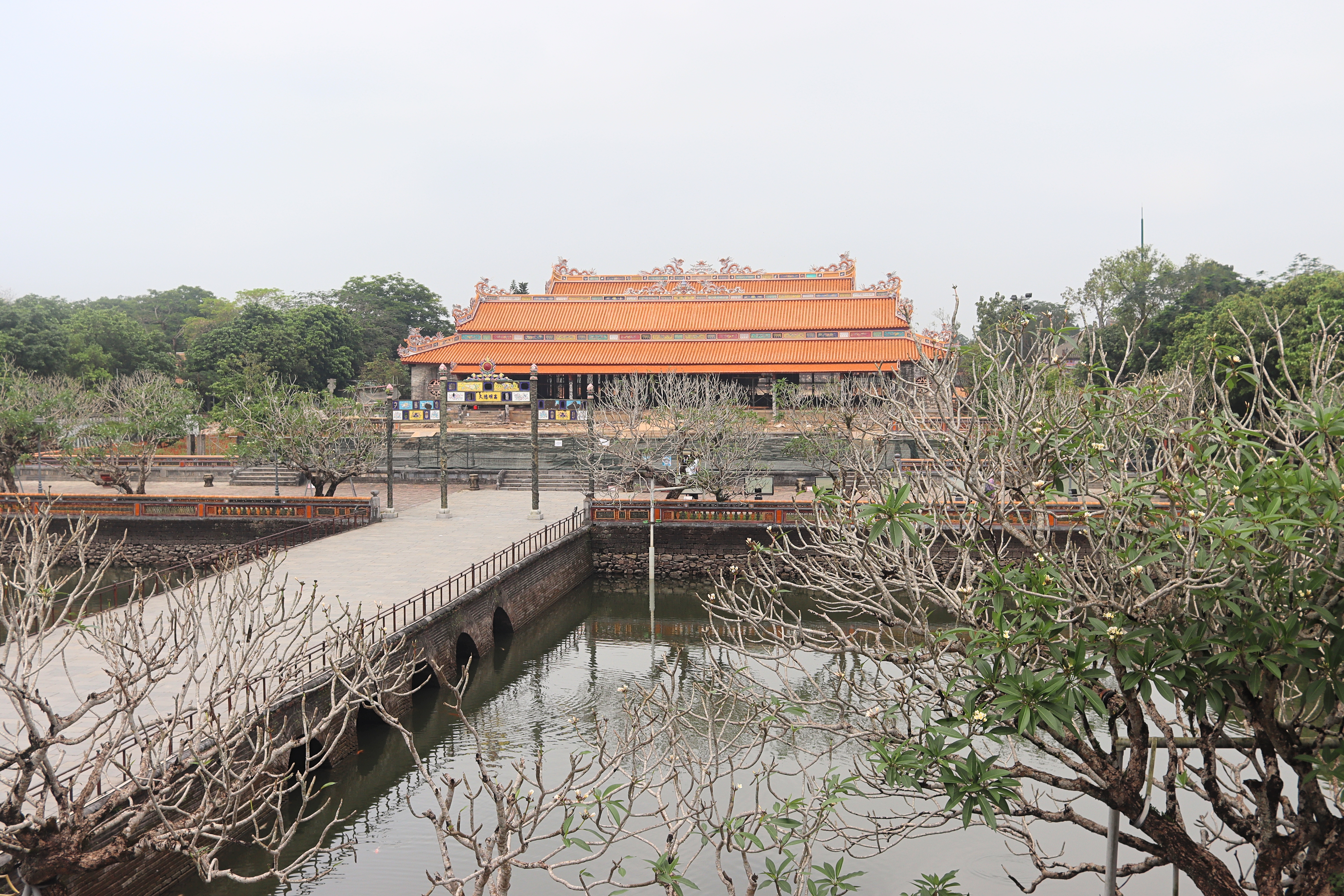
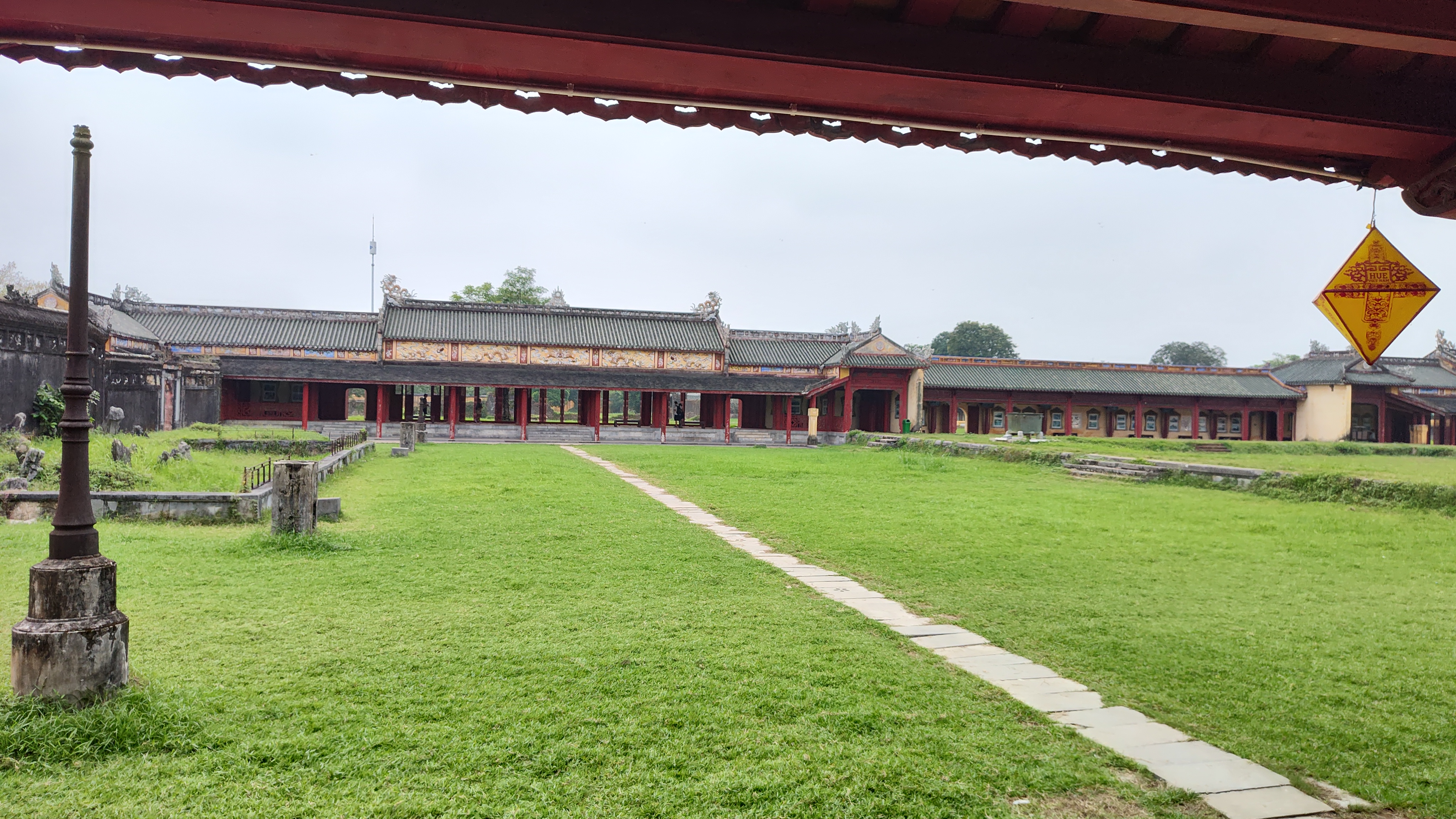
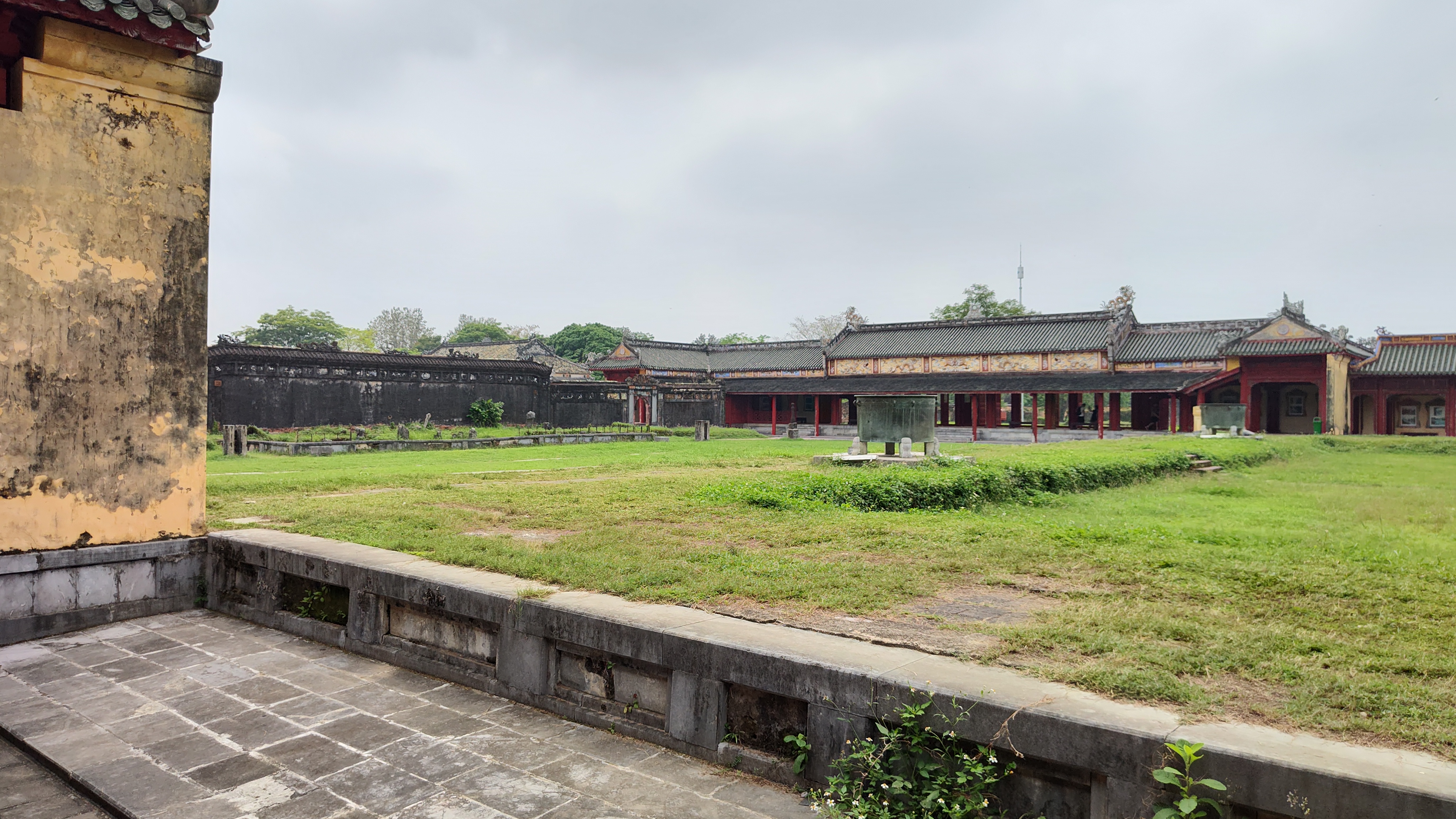
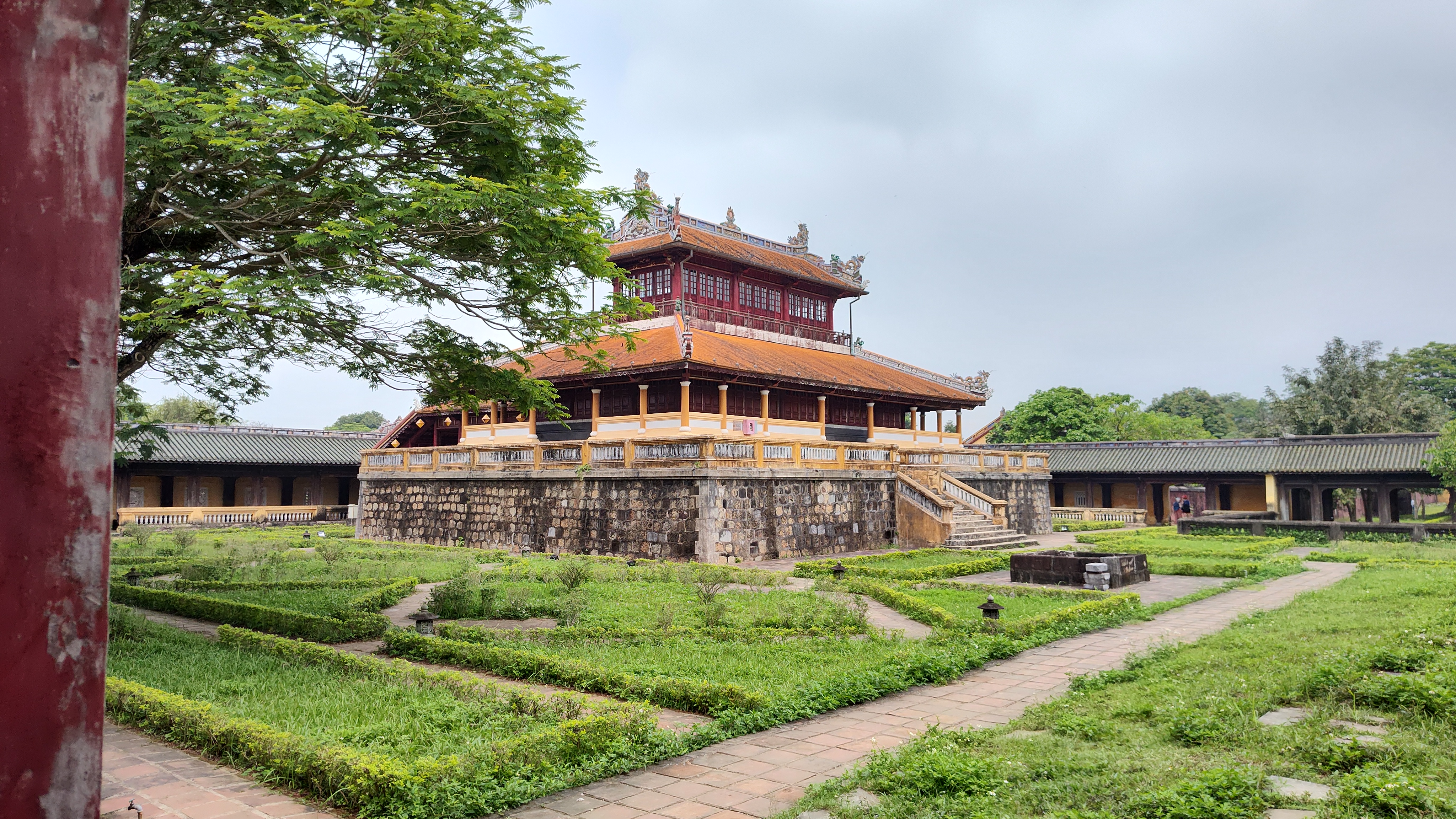
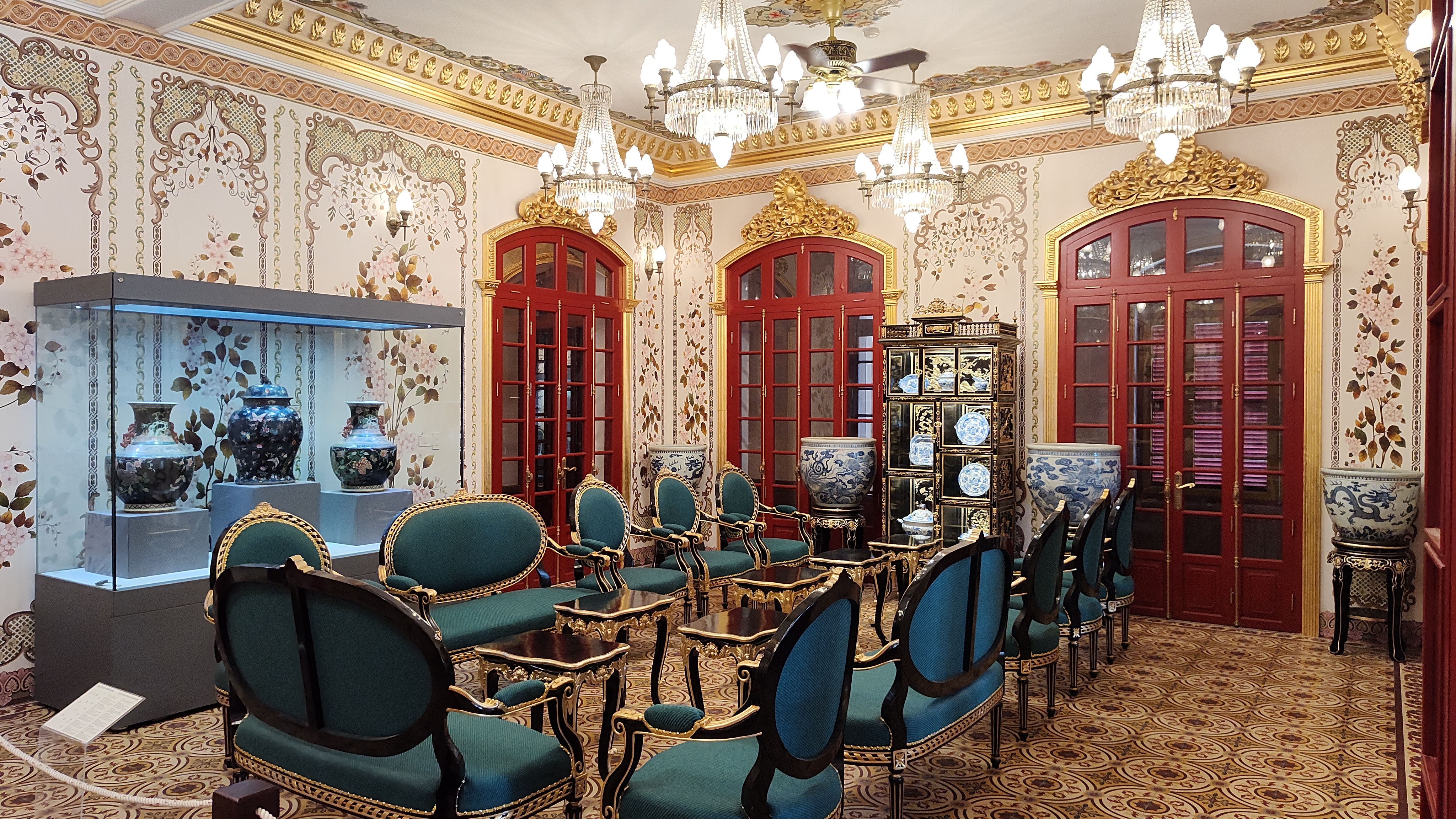
If you have not already seen the Forbidden City in Beijing, then you might appreciate these grounds more. However, since I have seen it already, I couldn’t help but feel a bit underwhelmed here. It also didn’t help that the humidity was weighing on me. It also didn’t help that when we were up inside the main hall that overlooks the whole grounds, our guide told us that the items here are not original and that this site was renovated around 2019–2020. In fairness, the Forbidden City in Beijing has also been renovated multiple times (I think I actually saw some of it being done while visiting). Some of the grounds did look like the original structure, so it wasn’t all a letdown. Still, I could tell that our guide (whose English name is Ben) took pride in this history and told us about it.
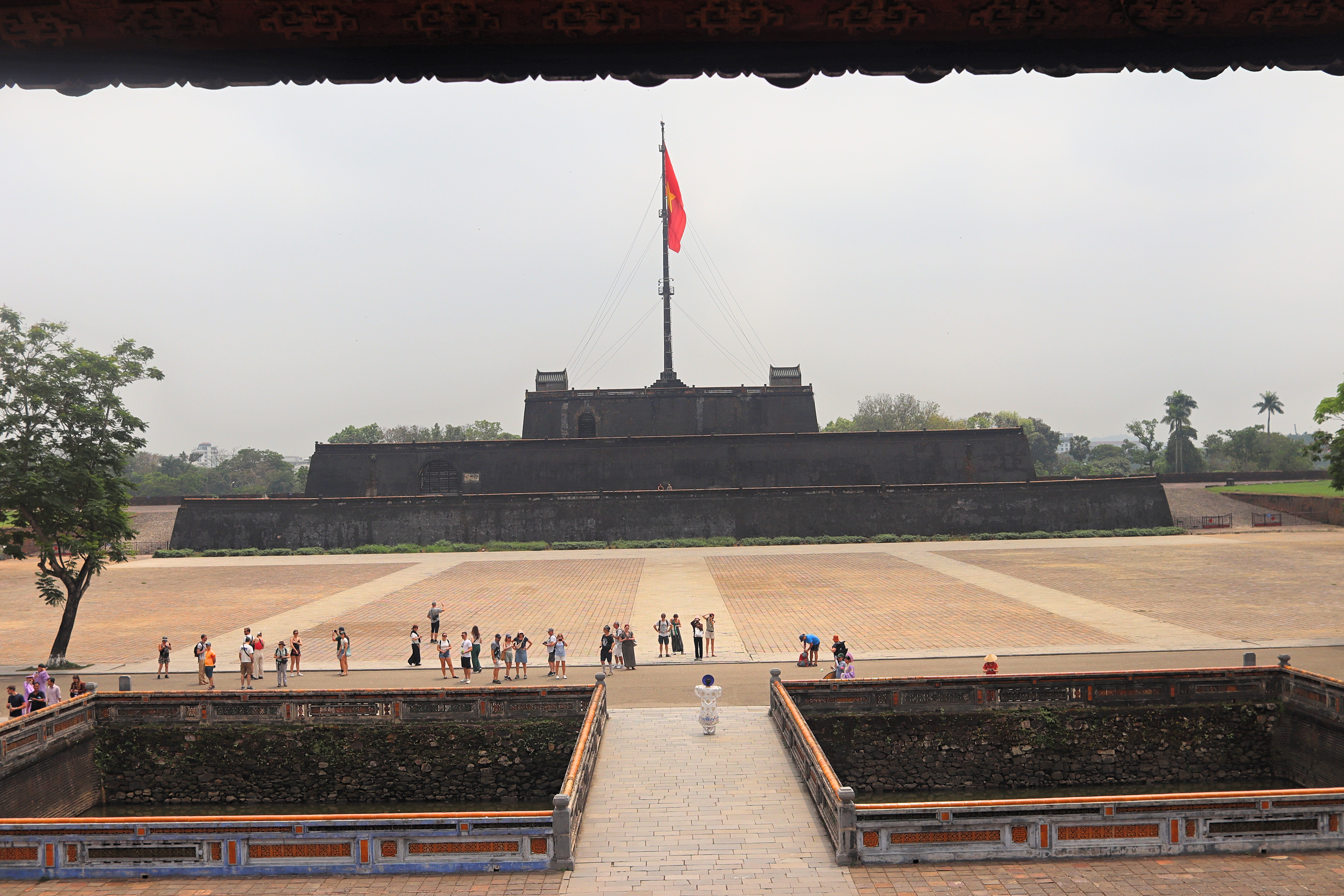

Just like at the Forbidden City in Beijing, here you can rent a traditional costume to wear as you roam the grounds.




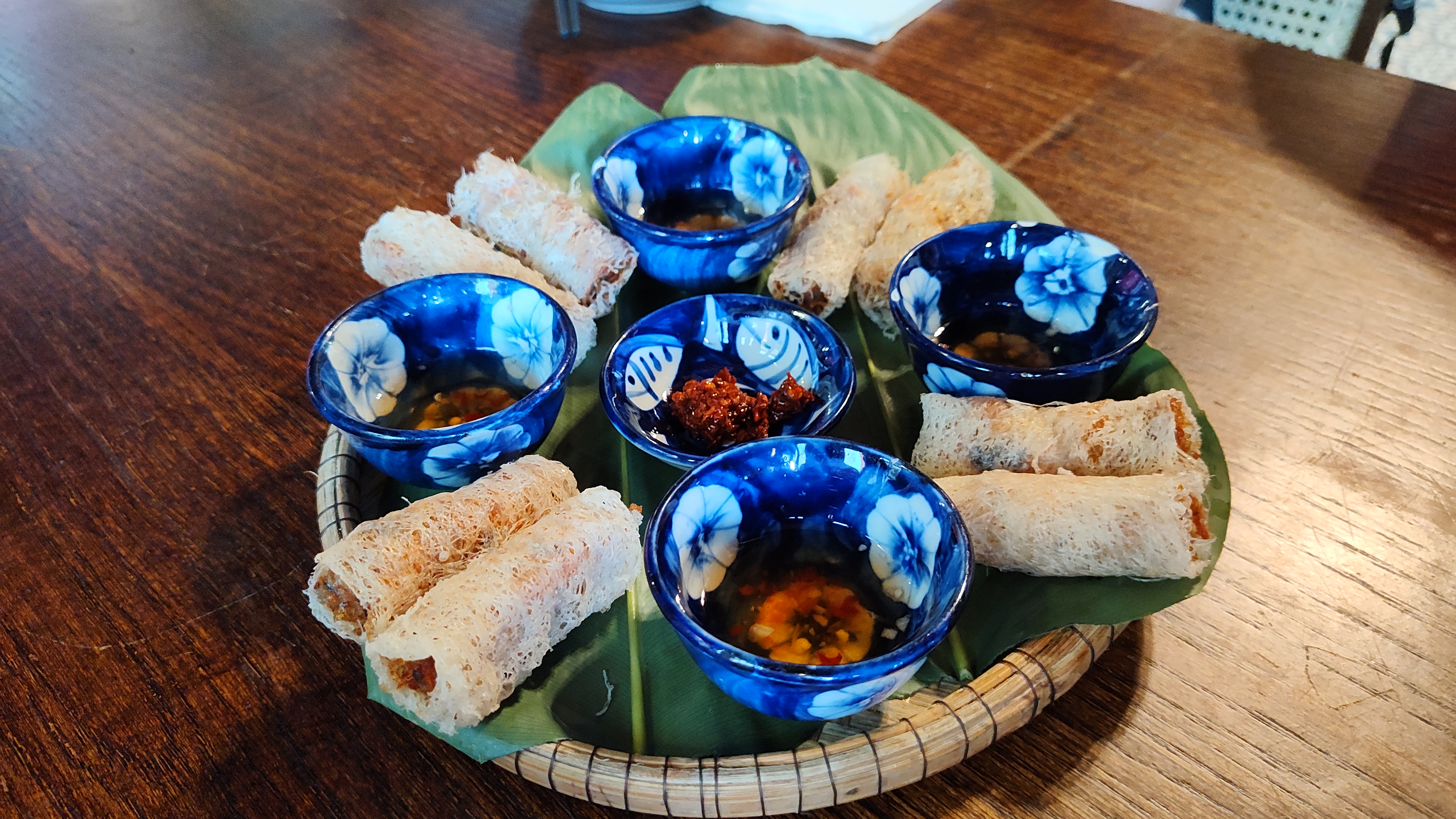
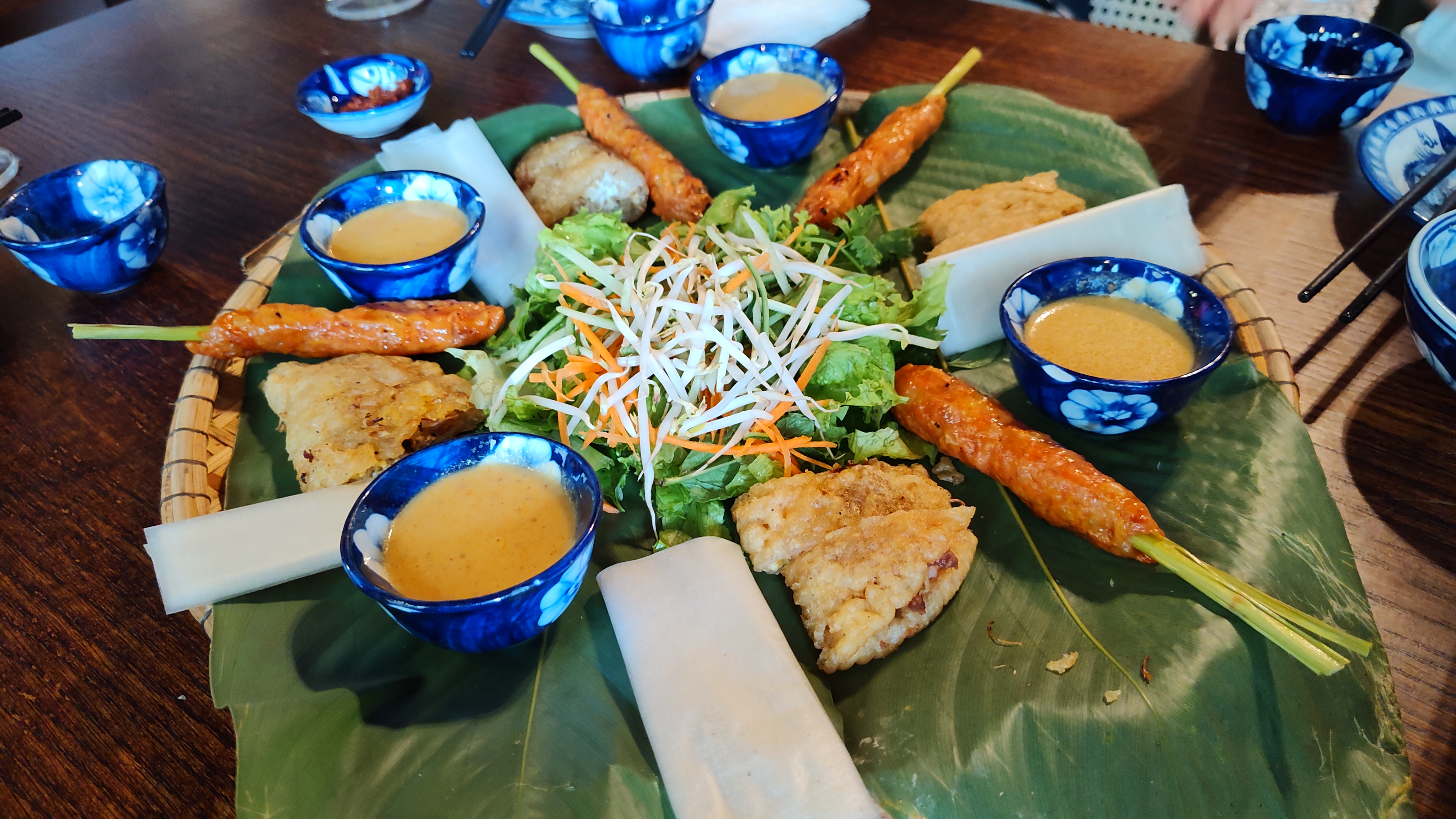

Thien Mu Pagoda
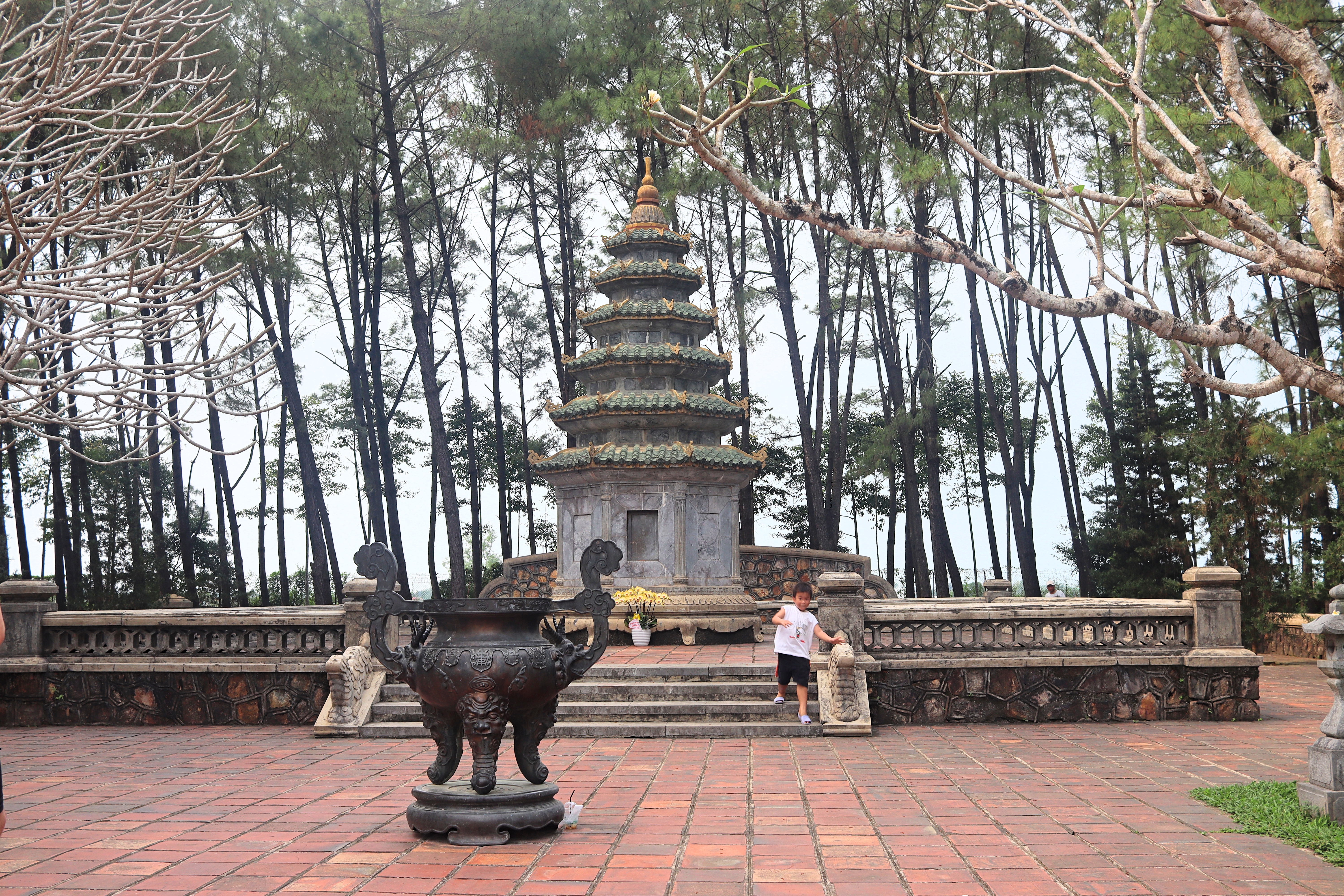
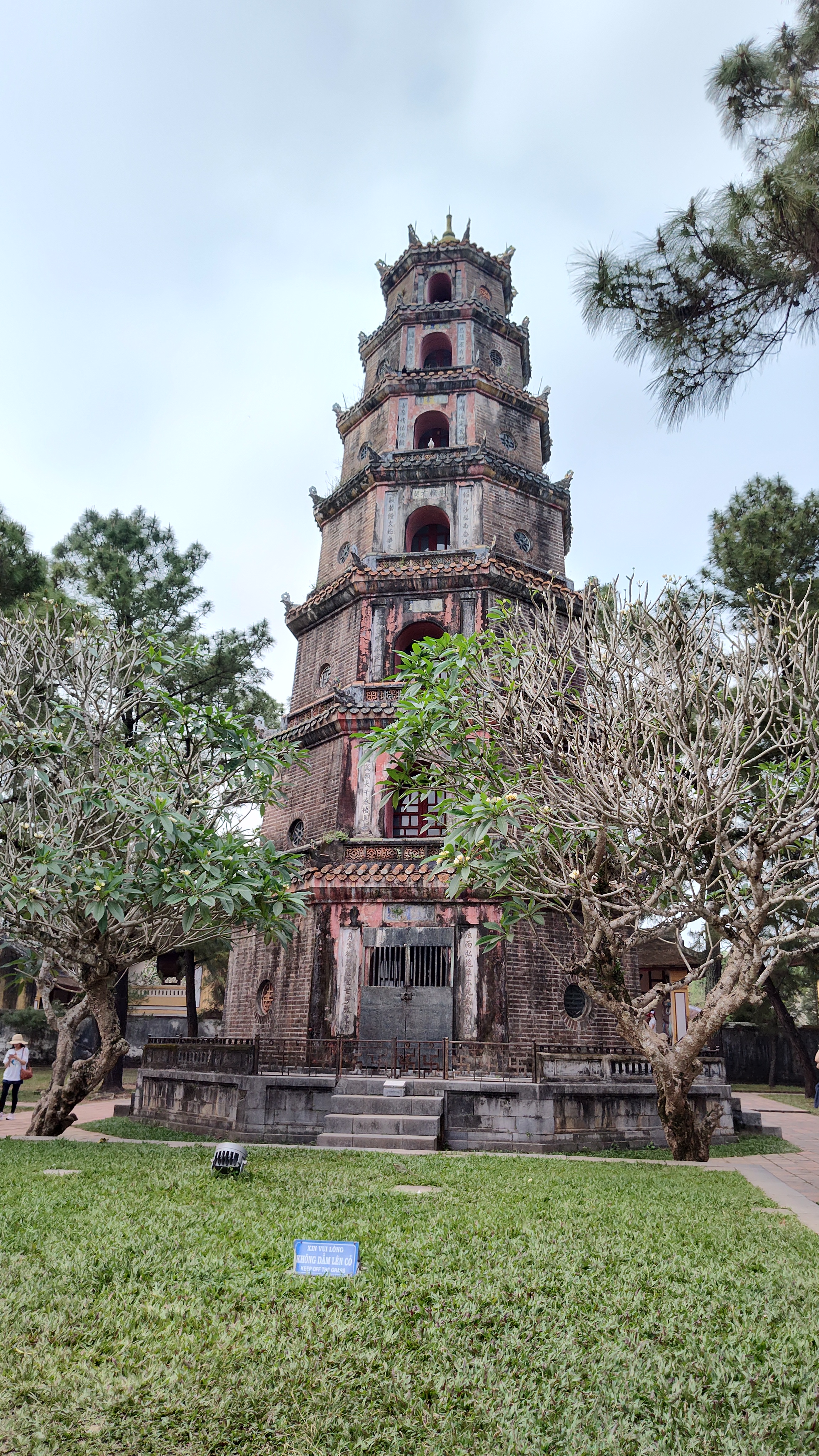
After lunch, we stopped by the Thien Mu Pagoda (translated as “Heaven Fairy Lady”). The site was built in 1601. The name of the pagoda, according to legend, stems from a woman who appeared here and told people that a Lord would arrive to build a Buddhist pagoda to help the country become more prosperous. Lord Nguyen Hoang then ordered that a pagoda be constructed here.
In 1884, Phuoc Duyen Tower (originally named Tu Nhan Tower) was built. It is seven stories high and octagonal in shape, and it is the highest stupa in Vietnam.
Unfortunately, I didn’t have my regular camera out (nor could I be bothered to get it out at that point), so I only have a photo of it from my phone. The tower seems rather distorted to look shorter from the angle that I took it at, but it’s the only photo I have of it.
Mausoleum of Emperor Khai Dinh
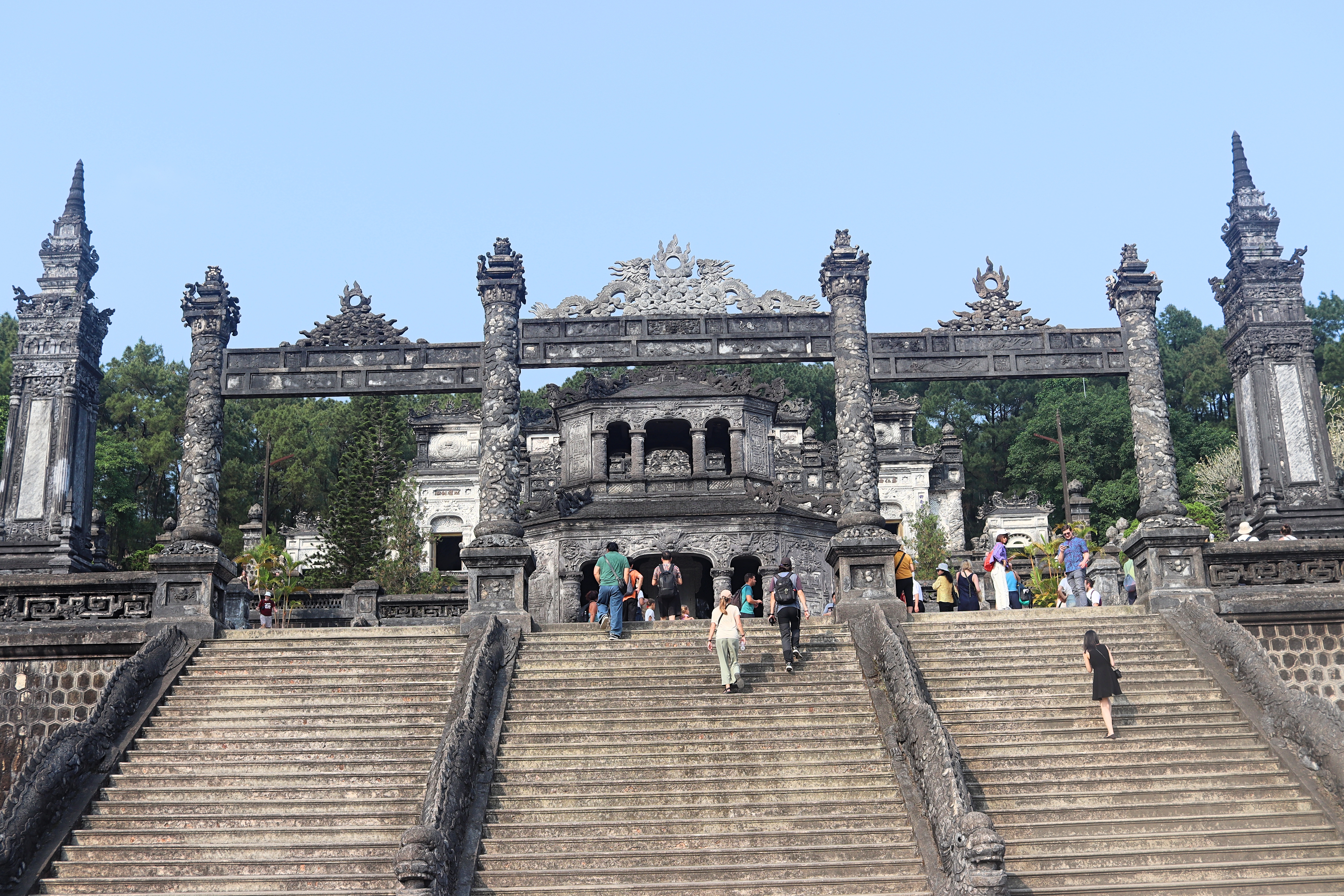
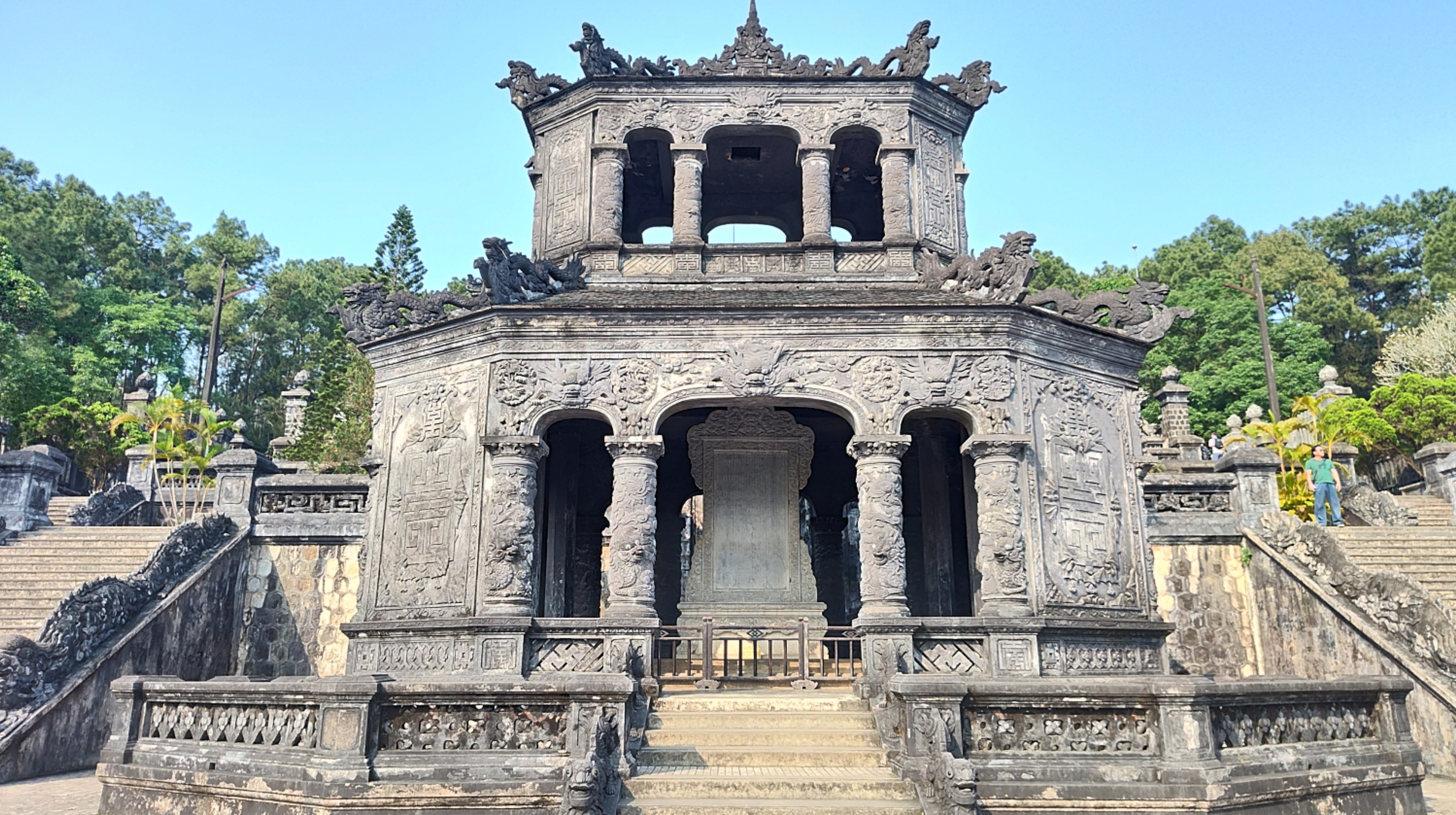
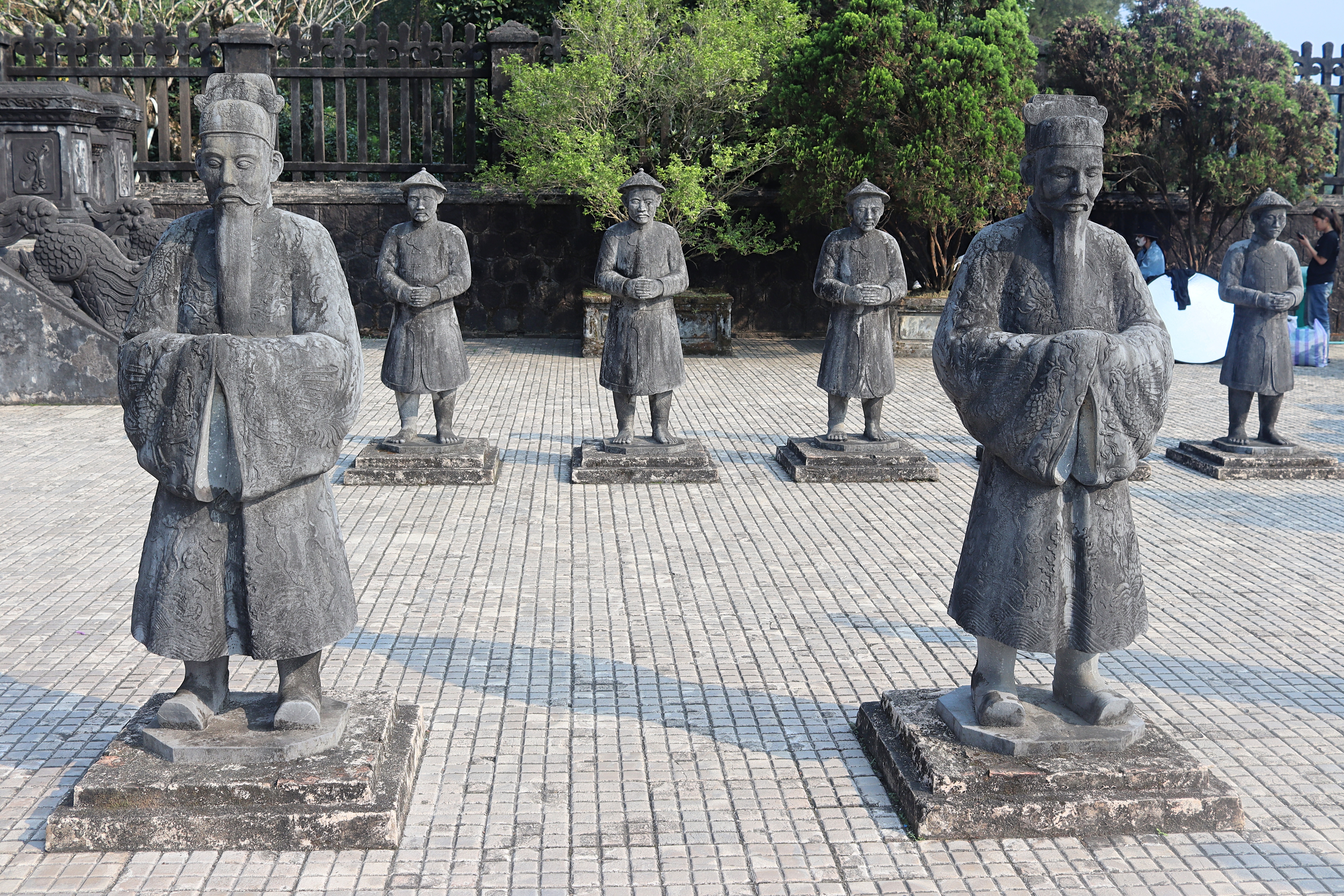
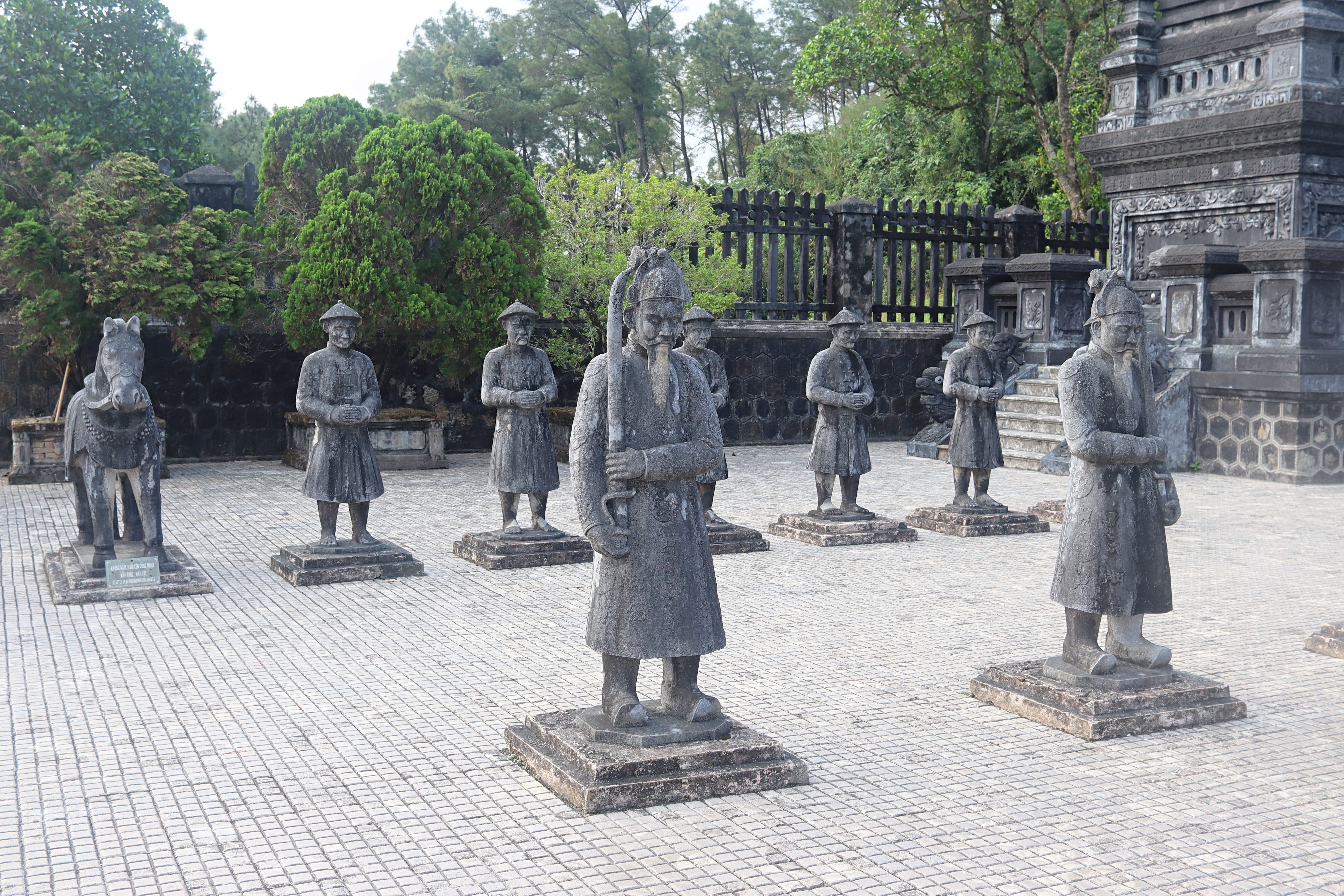
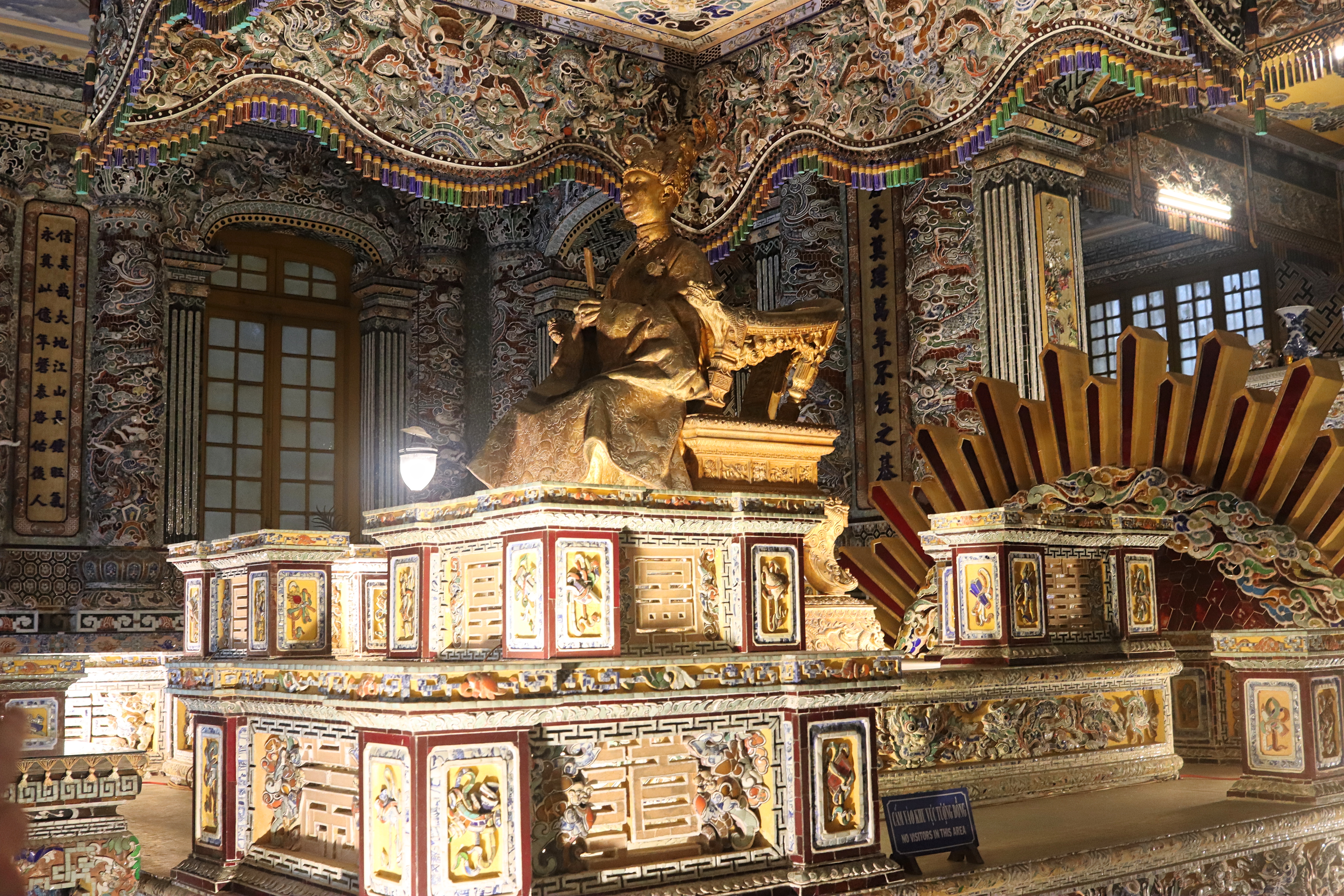
Of the seven royal tombs in Hue, this mausoleum is the most expensive, as well as being thought of as the most creative (and strange). This is due to its design and the materials used to build it. Rather than being constructed of traditional materials, like wood, and containing gardens and lakes (ponds?), it was instead built using concrete and cement, as well as glass, ceramic, and metal. In 1993, it became an official UNSECO World Heritage Site.
Our guide, Ben, told us that there are 127 steps, and I wasn’t the least bit surprised. Having spent eight and a half years in China, I was used to seeing and trekking up many steps to see a temple.

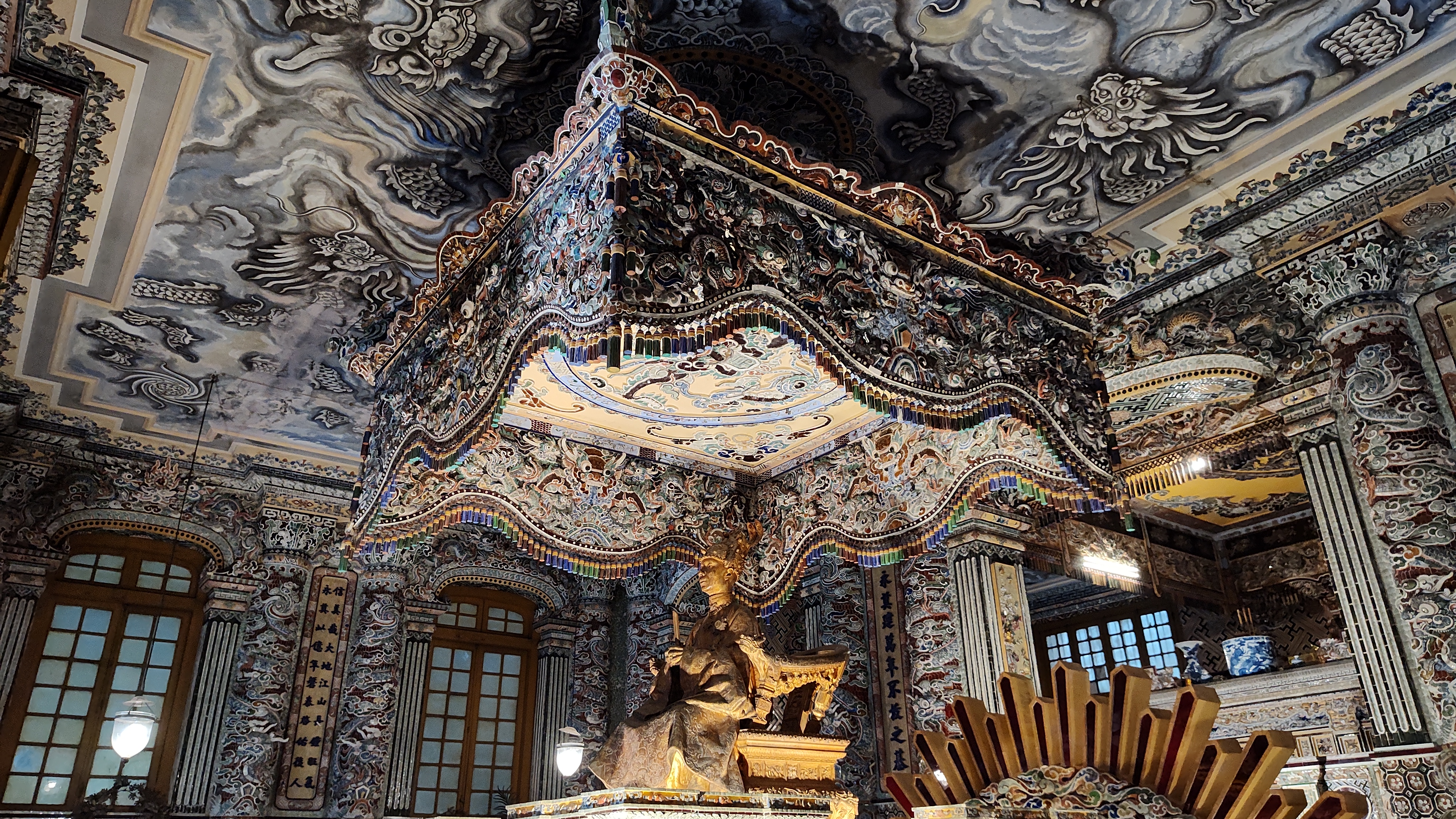

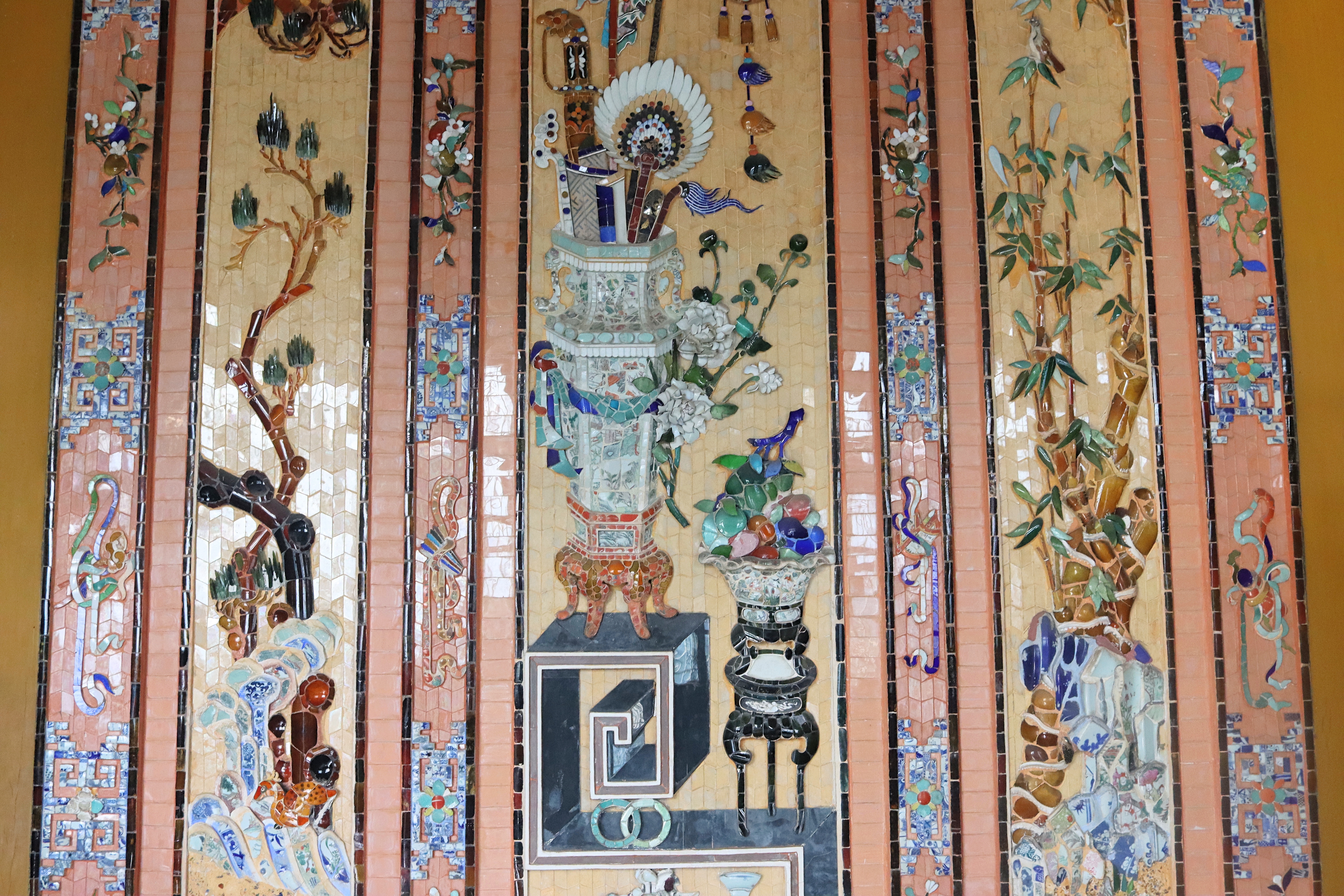
Overall, this day trip was OK. The heat and humidity definitely impacted my enjoyment level (as did some of the sites). Would I have preferred to stay at my hotel and lounge on the beach instead? Perhaps, but there was no point in wondering. Instead, I had to prepare myself for the next day to head to the next part of my trip—Hoi An.
Stay tuned.


Leave a Reply