This week, while on holiday break for Chinese New Year, I decided to check off a place on my bucket list and headed to Harbin (or Haerbin), China, to experience their internationally known ice and snow festival. Yes, it was just as cold as everyone said it would be; at one point, it got down to -22 °C (or 7 °F). But I’m glad that I at least stopped by to see what the fuss was about, and now I feel that I have met my cold winter weather quota for quite a long time.
The city itself is, for the most part, an attractive place (especially considering how dirty and mundane many Chinese cities look). They too use bright lights to coat their buildings and streets and bridges, and the snow helps to illuminate this.
I stayed at an international apartment building that I booked using Airbnb. Though it’s terribly cold up north, they do have indoor heating. That’s the good part. The bad part is that there was no way to control the temperature, and it was quite high. This resulted in my throat feeling dry, dealing with static electricity, and me having to counteract the heat at night by opening up the window so I could sleep more comfortably. One of my coworkers who used to live in Shenyang, not far from Harbin, said that the government controls the indoor heating. I don’t know if the government has direct control over the temperature or whether the building management did, but either way, I am pro-individual temperature control. I hope I didn’t ruffle any feathers with that bold statement.
While here, I was hoping to be able to immerse myself in some Dongbei (a region of north-eastern China) food, but this proved more difficult than I realized in terms of finding actual places to try where I could recognize what items they offered. Many places had menus with no pictures and no English translations (the city may be a tourist attraction, but the area I stayed in was not a big part of that scene).
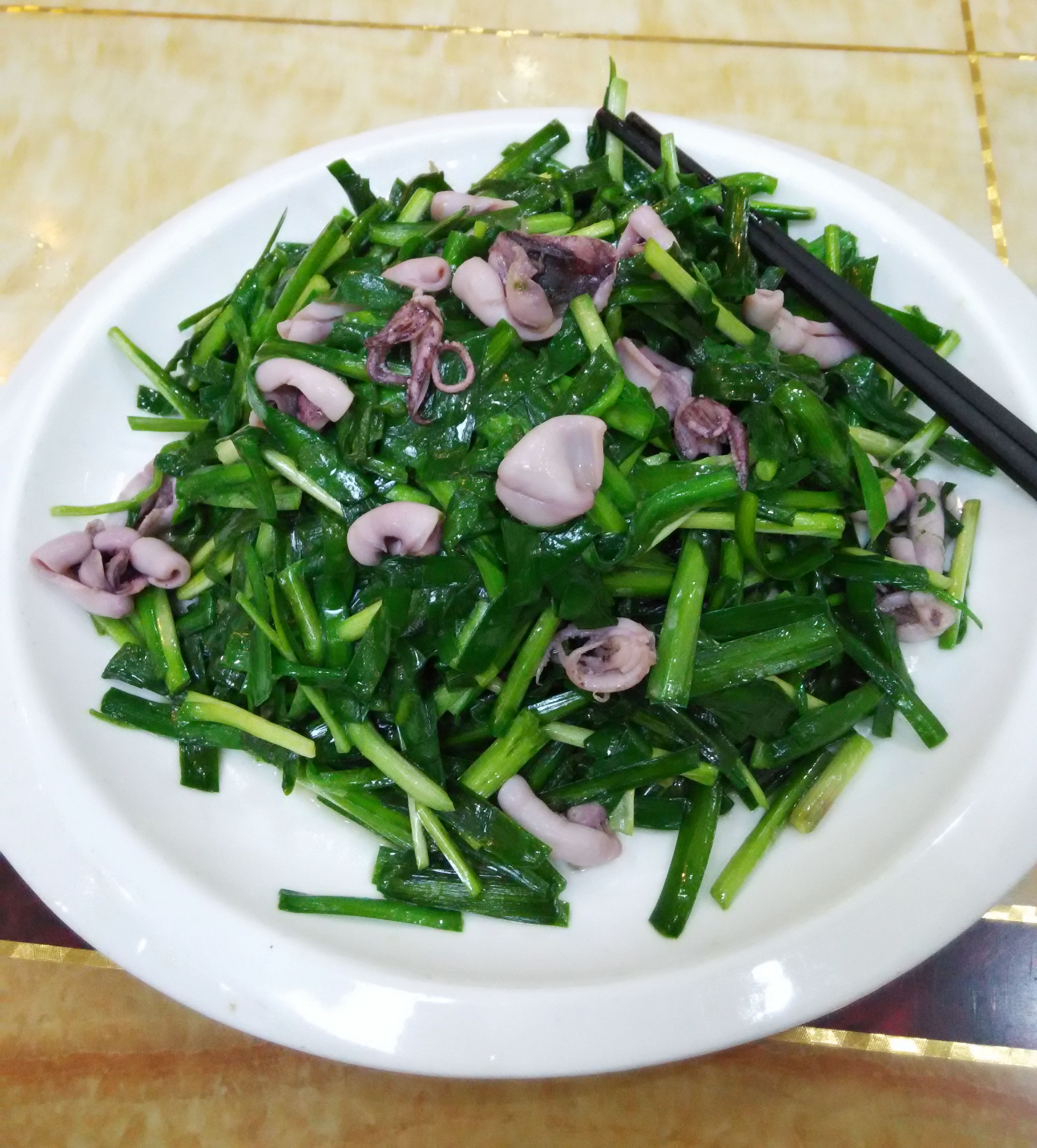
While battling the bitter cold (despite all of my winter gear), I went to one place and tried to convey that I wanted “niu rou mian” (beef noodle soup), but the server kept thinking I was only asking for beef itself and brought me a few small skewers of beef. It was good, but not what I was trying to get. I left there and found another place (that did have big pictures on their wall) and ordered what I thought would be a good dish, but it ended up being too much for me to handle. It was a huge pile of some other kind of green peppery vegetable that I want to refer to as some kind of garlicky green, but I can’t figure out the name of it. I looked up as many forms of green onions as I could, but this one wasn’t mentioned. Anyway, it was served with squid. It seemed like a great idea for getting a good dose of veggies in me, but I couldn’t take the garlicky-pepperiness (I’m sorry I can’t string together a better description). I’ll talk more about other foods later.
Anyway, onto my itinerary.
Day 1: Saint Sophia Orthodox Cathedral
Since I wasn’t that sure of my surroundings, I decided that rather than dive into one of the main sites, I would instead try to navigate the area a bit and walk towards Saint Sophia’s Cathedral. This was originally an orthodox church and is the “largest orthodox church in the east, built in the early 20th century for the Russians and the orthodox living in the area.” (www.chinahighlights.com) This neo-Byzantine-style church was originally a wood church built in 1907. Further construction was later completed in 1932. It’s interesting and evident that Russia had a big influence on this area.


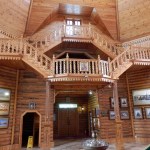
Inside, there are no real religious icons left (thanks in part to the cultural revolution that gutted the country of many religious artifacts and iconography) other than a portrait of Jesus at the Last Supper, which glows green.


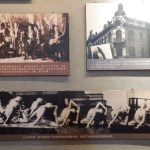
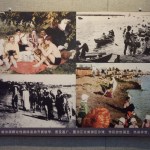
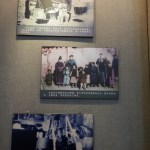
It was interesting to see the photos inside that depicted the lives and times of both the Chinese and Russian people living in the area during the construction of the church.





-

- A lunch time view
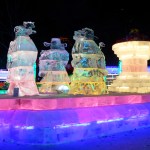
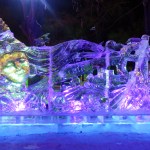
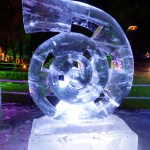
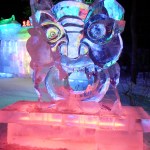
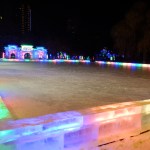
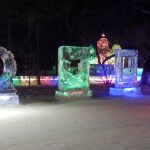
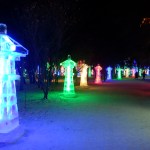
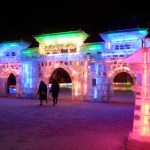
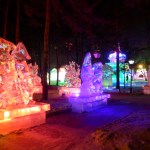
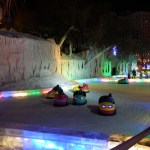
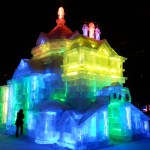
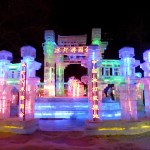
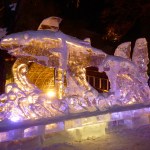
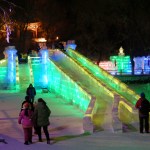
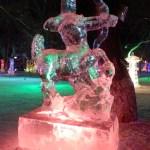
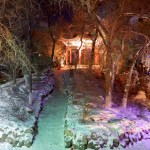
That evening, I decided to check out the Ice Lantern Festival at Zhaolin Park, which was not far from where I was staying. The 150 RMB fee to see it was a bit steep, but it still looked interesting. Here is the entrance…
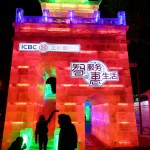
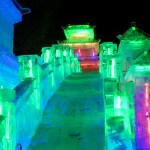
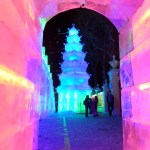
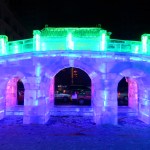
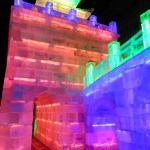
And the inside…



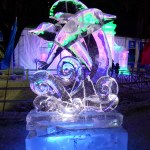
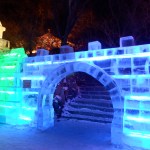


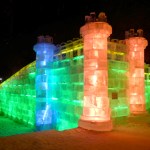

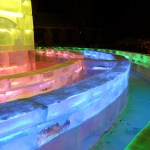





-
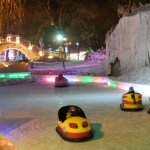
- O
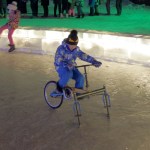


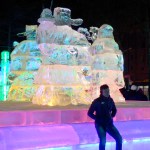
A Chinese man recently told me that ice lanterns were originally used by fishermen to light their doors at night. It’s interesting to see the evolution of something like that into the art show that it has become.
Day 2: Sun Island and the Snow Sculpture Art Exhibition, followed by Siberian Tiger Park
After arriving at Sun Island via the taxi that my wonderful Airbnb host booked for me (he’s Chinese but currently lives in the UK), He helped with all of my taxis, and I went to see the outdoor snow sculptures. The weather was sunny, and the blue skies provided a nice contrast to the stark white snow landscape.
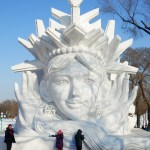

-

- They are determined to have nice looking trees, even in the winter. If these means attaching plastic leaves onto pine trees, then so be it!


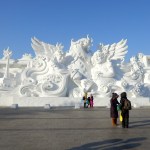




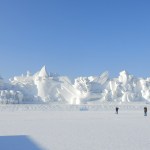
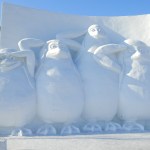
-

- Shooting a car commerical


This is footage of people who were willing to pay roughly the same price as the admission fee just to ice-sled down this.
After seeing the snow sculptures, I headed toward Siberian Tiger Park (that is, after dealing with the usual Chinese taxi drivers constantly trying to rip you off).
While there, I saw that they also had some lions. It didn’t occur to me until halfway through the trip that it was odd to have lions outside in temperatures like this since this kind of weather is not native to them. Anyway, half of the trip was spent slowly riding in a bus van and seeing the tigers both close up and from afar. We also saw several tigers being fed by having chickens (both whole and skinned) thrown to them. I apologize for some of the blurriness in my photos. I had to deal with both a moving vehicle and windows that constantly fogged up (despite the fact that the heat was not turned on).
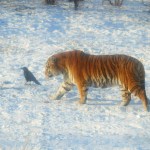

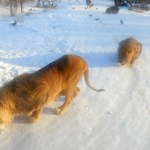


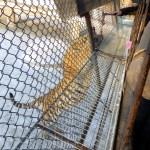
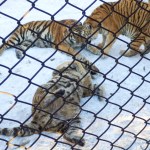
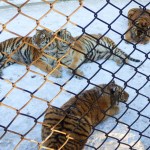
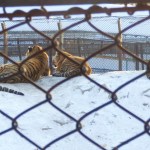


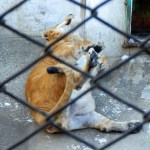
As I mentioned earlier about the white snow, this actually helped in terms of photographing the colors of the tigers. As for the bitter cold weather, not so much. Towards the end, as we walked along the covered path of the cages, I noticed there wasn’t anything in the cages to stimulate or occupy the animals. This annoys me, and it seems to be the typical conditions in which lions and tigers are kept in Chinese zoos.
I had originally intended on seeing Ice & Snow World that evening, but I was already low on money, and I didn’t see any ATMs here. That and it was just getting too cold for me to stay out much longer (the cold didn’t seem to sit well with my camera batteries either).
Day 3: Volga Manor and Ice & Snow World
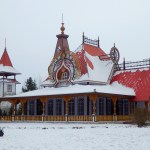
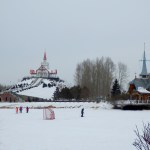
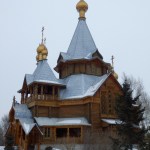
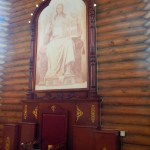
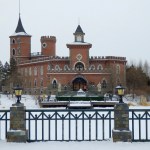
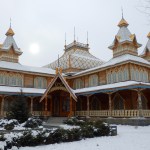
Before I came to Harbin, I had found information about a site that is about 30 minutes away from the city called Volga Manor. It’s a property that contains about 30 Russian-inspired houses and buildings. From the few photos I saw, it looked nice. After my expensive taxi ride over, it wasn’t long before I realized that perhaps this site wasn’t worth the price of the taxi and admission (440 RMB in total!). While some of the structures looked interesting, the vast majority of them were closed off, and here the snow didn’t really do much to enhance the environment as the color of the statues seemed to blend in with the background. There were some other things to do, like go “skiing” and sledding, but I didn’t want to pay extra just to do that. I’m sure this place looks nicer in the spring and summer, but I’m not planning on returning to Harbin for that.
Anyway, here are the more interesting photos that I managed to get from this place.

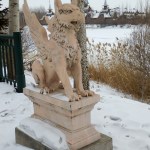
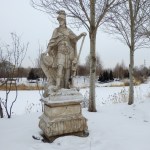

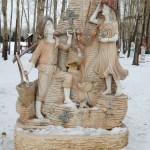
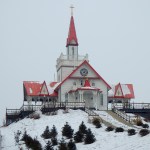

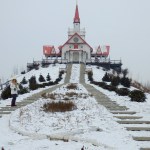
-
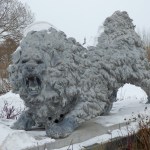
- A Chinese lion mixed with a Russian bear perhaps?
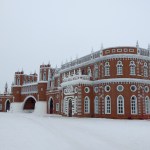


-

- Are you insane?! It’s winter in Harbin and you’re not wearing any clothes! What did you expect?



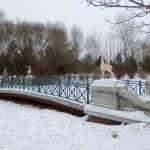
-
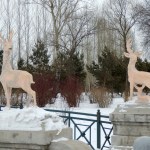
- These deer seemed shocked and appalled at my presence. I sensed that.
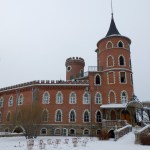

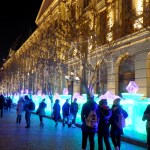
Before I get to the penultimate of Harbin, I will quickly mention that I did get to another tourist area called Central Street. This is a pedestrian street lined with many shops, restaurants, and gift stores. Though it was originally created 110 years ago, the buildings looked relatively modern, and I suspect they were built specifically to have the look of a pedestrian street attraction. With that said, the lights and ice sculptures lining the street are a nice touch.

-

- Ice sculptures aren’t just for Ice & Snow World


While speaking of Central Street, it is here that I managed to find a place to eat. It was called Orient King Dumplings, and I guess it’s a chain restaurant, but it did the trick.
-
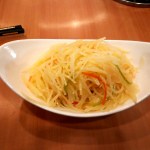
- Pickled shoe string potatoes, or “wire potatoes” as the menu translation says
-
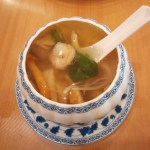
- Shrimp and mushroom soup
-
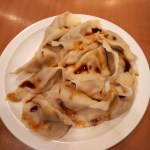
- Steamed (or possibly boiled) beef dumplings, of course
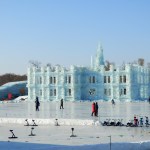
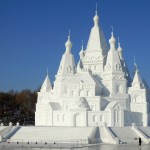
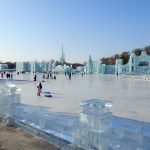
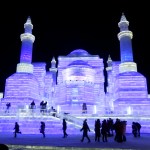
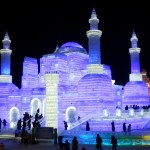
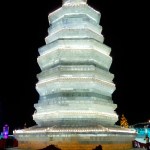
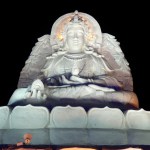
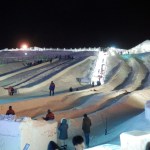
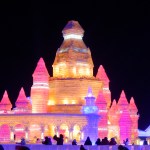
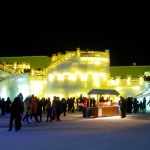
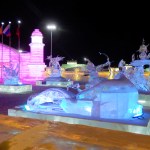
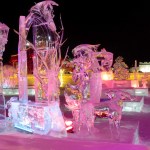
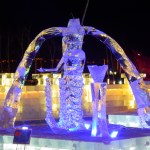
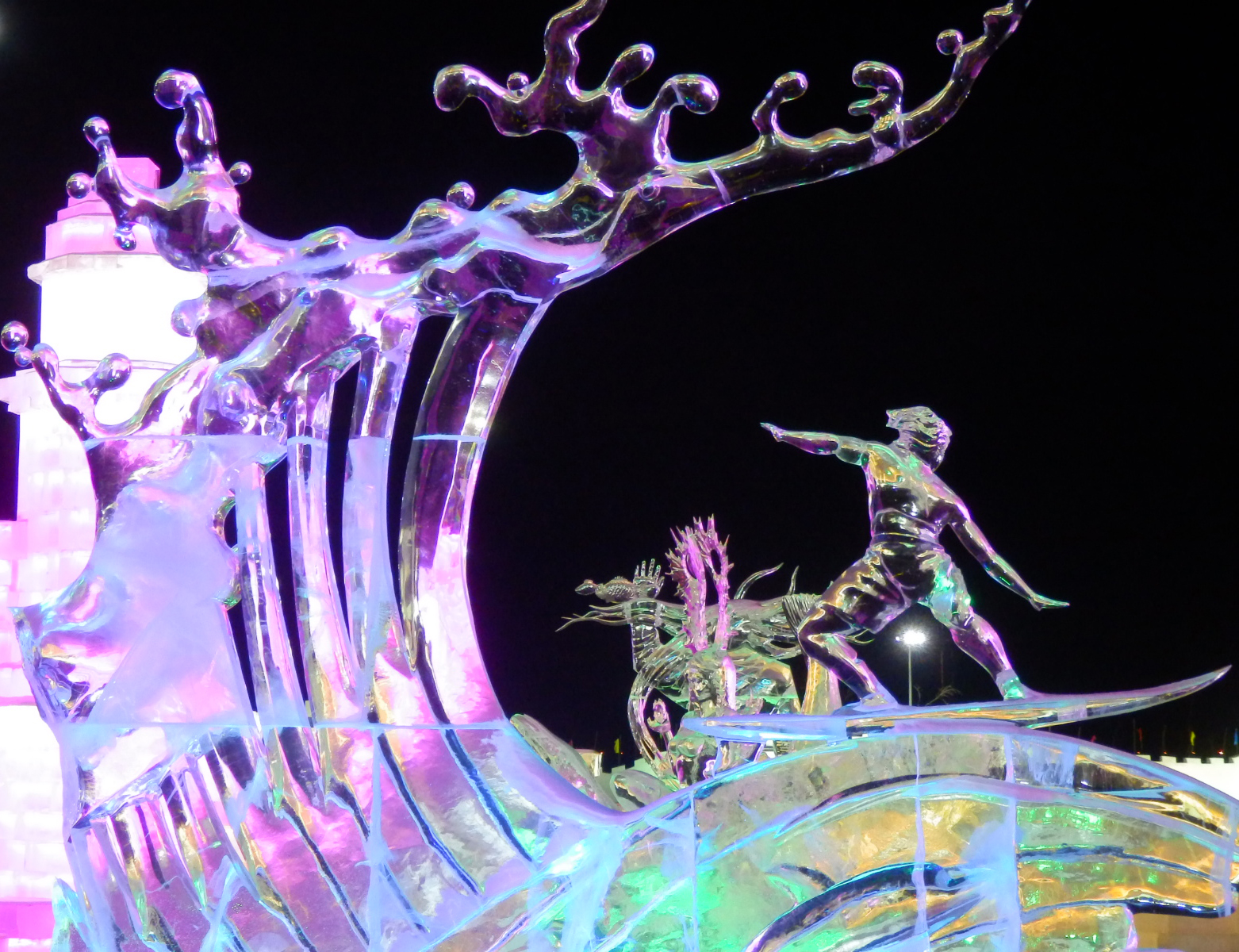
And finally, the penultimate. Ice & Snow World! This is the biggest attraction in Harbin (well, one of the biggest, aside from ski resorts and old snow villages). The ice lantern show is really just a preview of this juggernaut. It’s expensive (300 RMB expensive), but worth the visit. Aside from seeing all the massive sculptures, there is also plenty of sledding all over the grounds.


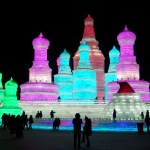

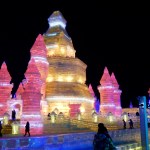
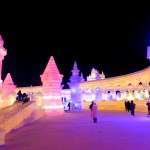

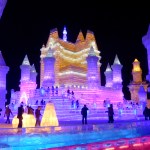


-
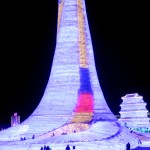
- Is this the tower of Babel?

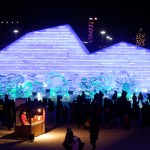







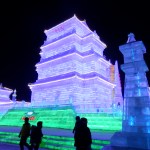
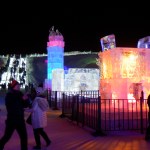
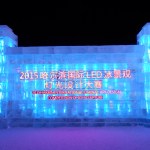
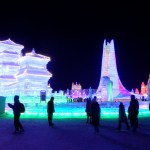






-
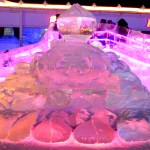
- This is as close to Moby Dick as I’ll ever get
I’m glad I decided to come here, despite the frigid temperatures. I know many people have said they would like to see this, so I’m glad I’ve got it checked off my list. I think Harbin is a cool (pardon the pun) place to see in the winter, for sure. It seemed odd to someone like me who grew up with cold, snowy winters and now hates winter, but when I arrived, something seemed “right” about experiencing this winter wonderland of sorts. This is because the winter weather where I currently live (Guangzhou) has consisted of cloudy, cold, and wet days.
As I mentioned before, there are plenty of other places to see and winter activities here. I’m sure it would be nice to go to the snow village, visit the winter-landscaped mountains, and go skiing. But if you’re like me and not that keen on winter sports or outings, there is plenty of visually appealing winter art to experience.



Leave a Reply