This year, our school decided to move the time off for the national holiday of Children’s Day (June 1st) to the day after another national holiday, the Dragon Boat Festival. This allowed us four days in a row of time off, and I decided that I would utilize this time to celebrate my 32nd birthday in Guilin and Yangshuo. This place had been on my China bucket list, and now I can officially check it off.
The almost three-hour high-speed train ride over to Guilin from Guangzhou South Railway Station (which takes a solid hour to get to once you get into the downtown area) was a preview of the many karst mountains and hillsides that pervade all across the region.
The first part of my stay here was to see the famous Longji Rice Terraces, where one can see rows upon rows of rice patties stacked up like steps up a mountainside. This is located about 2.5 hours outside of the Guilin district. The weather during my stay was mostly cloudy with some occasional light rain, so this made it difficult to get photos that weren’t filled with haze or mist. On the other hand, sometimes the haze and mist helped add to the ambiance.

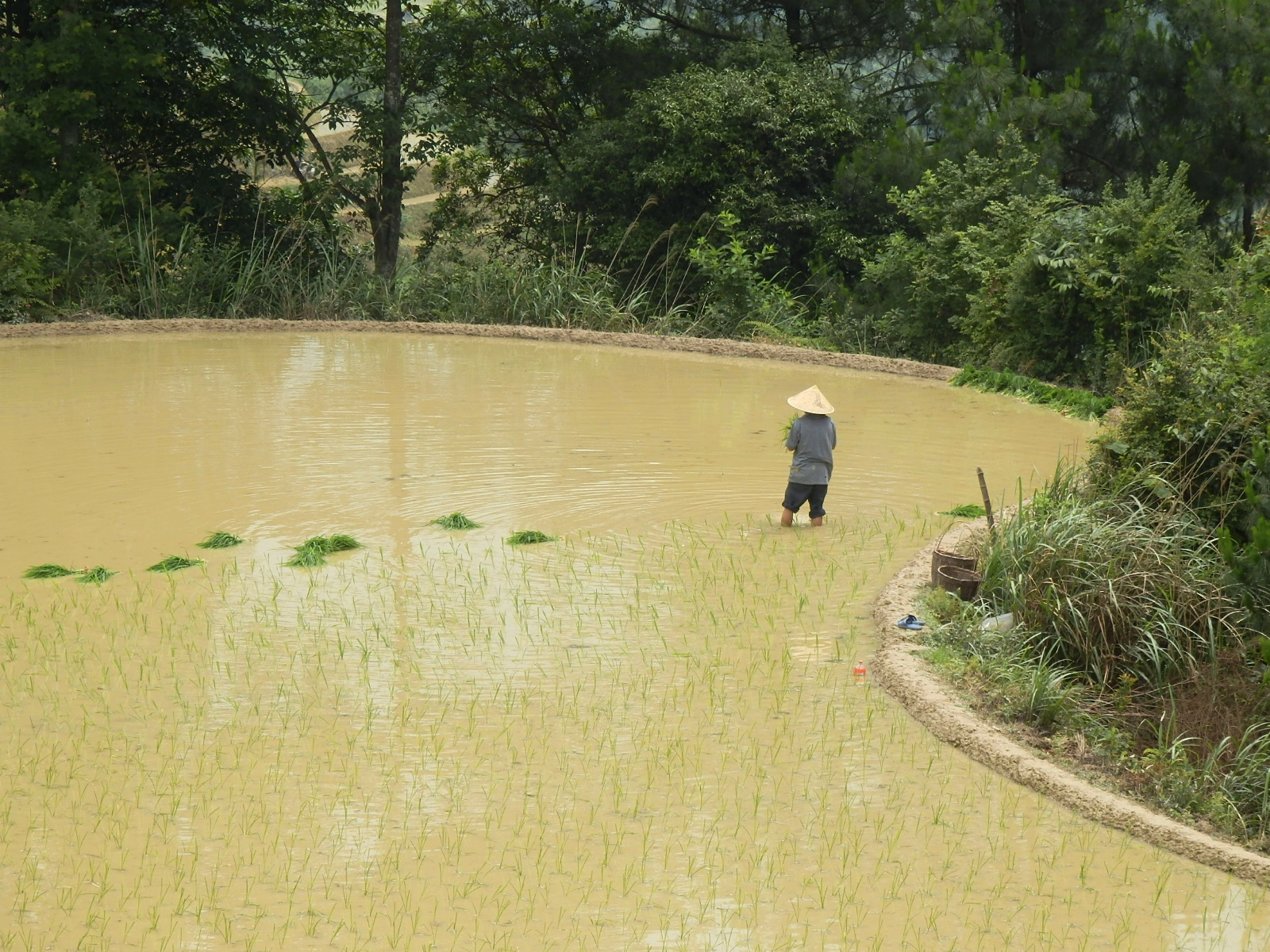


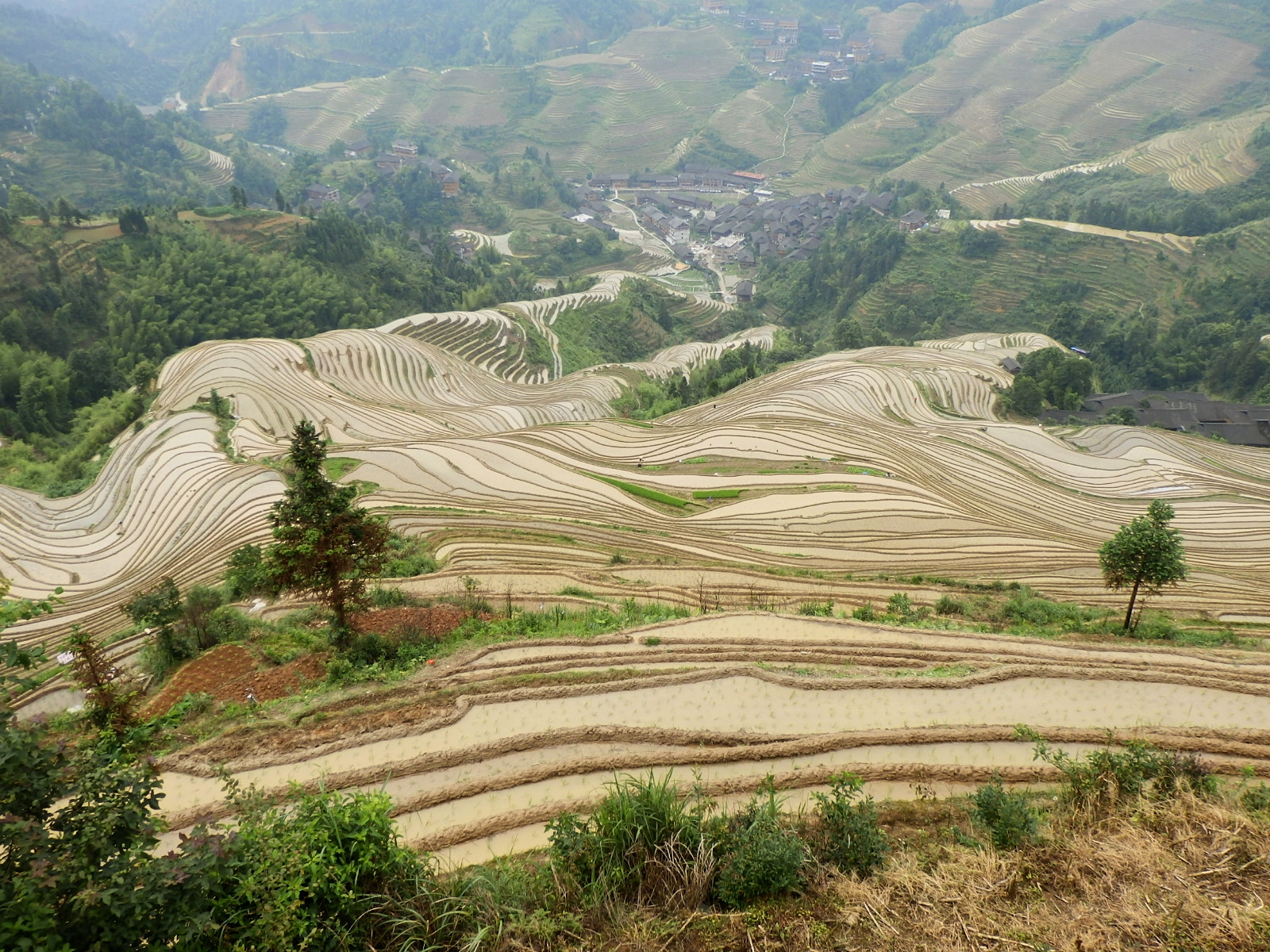
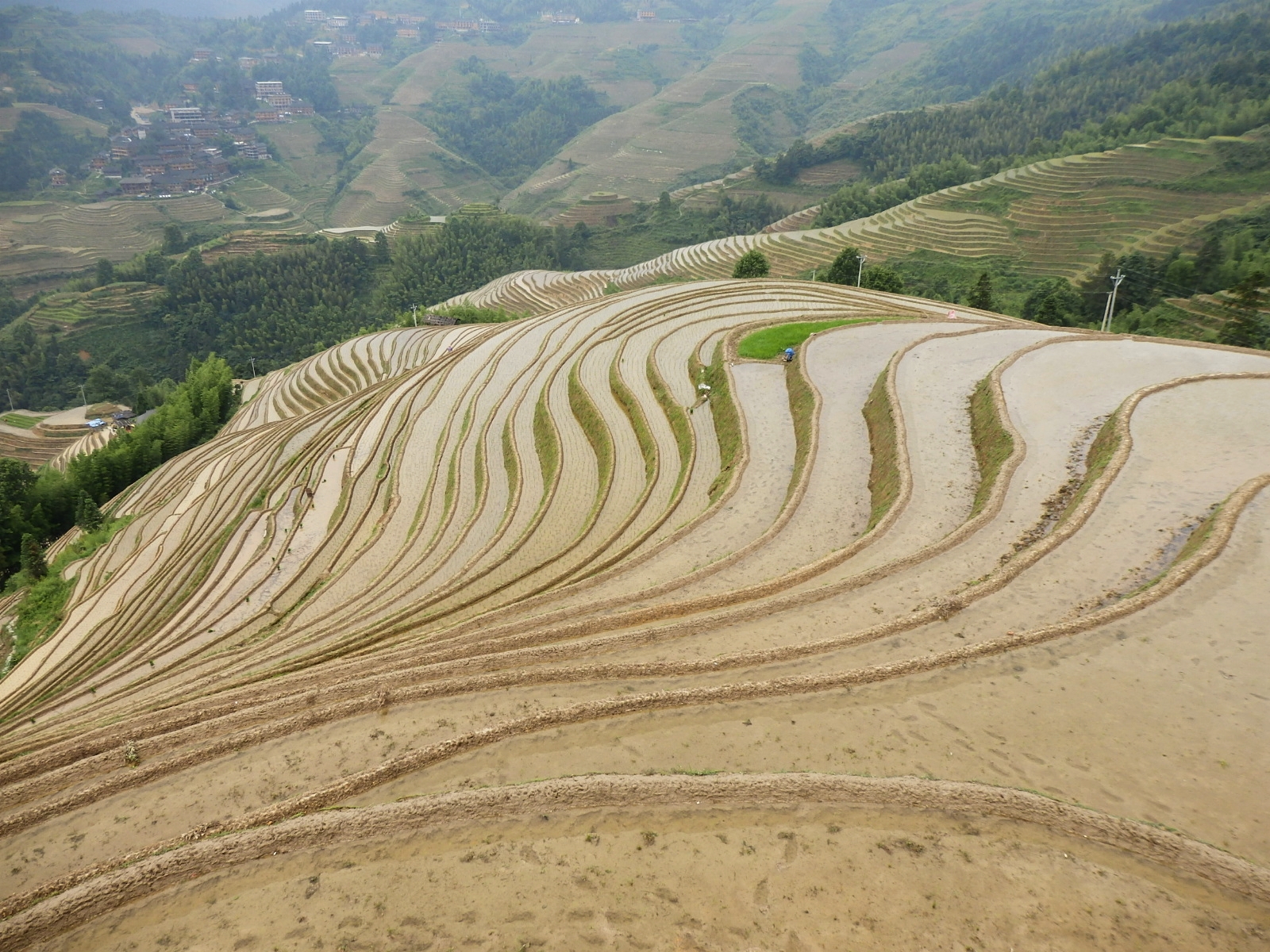
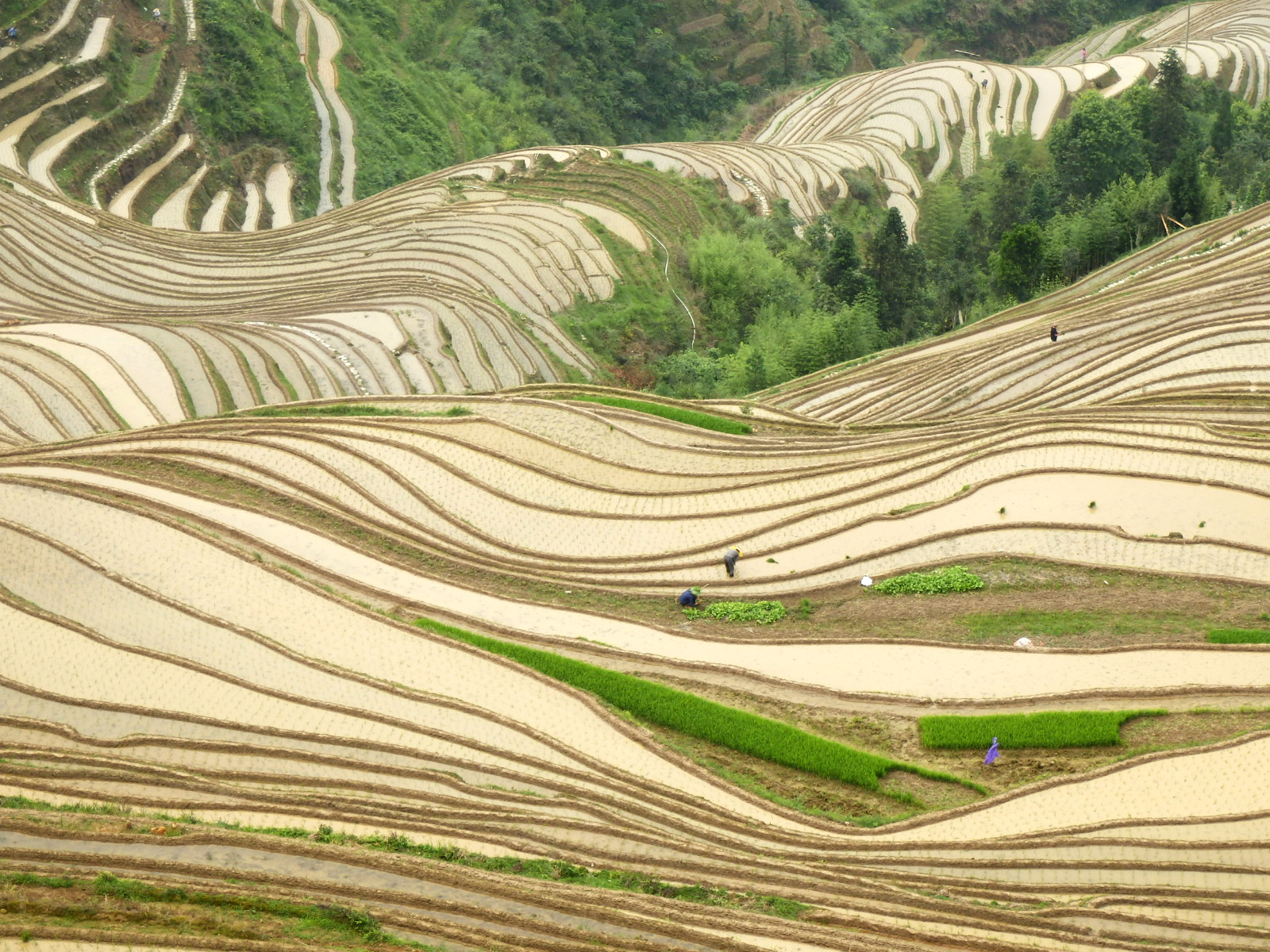


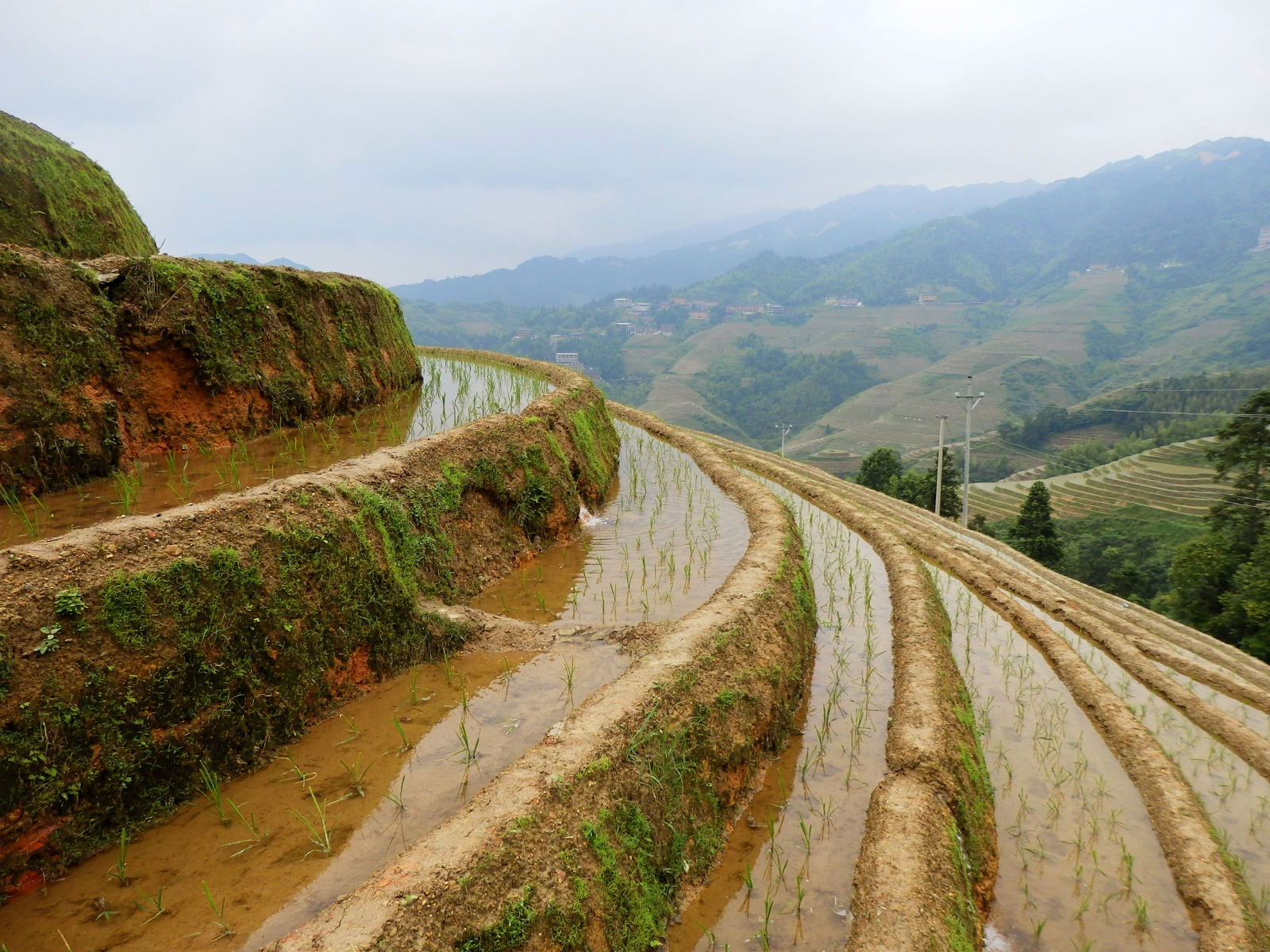



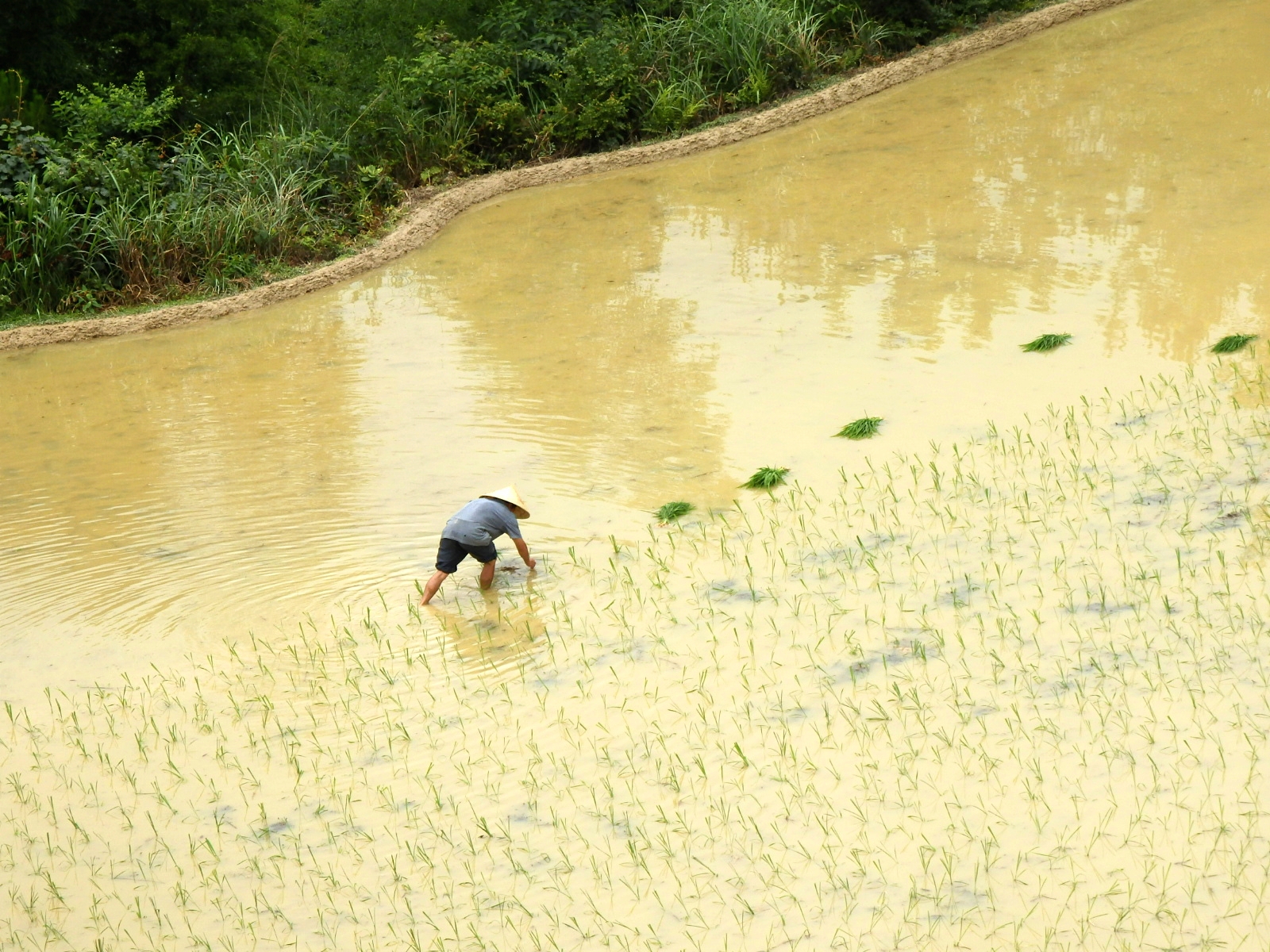

I’m glad I paid for the round-trip cable car tickets. I’m not sure I could have handled hiking all the way up the hill, especially with the additional climbing that would be needed to get to the other parts. My tour guide, Kevin, told me that naturally there was less tourism in this area before the cable car system was put in and that only adventurous hikers and photographers would trek up and around these terraces. I was also told that many people nowadays don’t want to be farmers (including my tour guide) because it’s hard work and it doesn’t pay you that much. The villagers therefore needed other ways to make money besides growing rice, so they would cut down and sell trees. He said this area used to have many more trees all along the hillside. He also told me that each family usually has a row that there’s and that they used to use horses to dig up the muddy water for the rice, but now they use motorized tills.
One thing that is still practiced here is that the women keep their hair very long, all the way down to their feet. They don’t keep their hair hanging down, though. Instead, they keep it wrapped up under a kind of hat or covering. Kevin told me that they keep it long because they believe it is good luck. This notion of things being done for good luck seems to permeate much of Chinese culture.
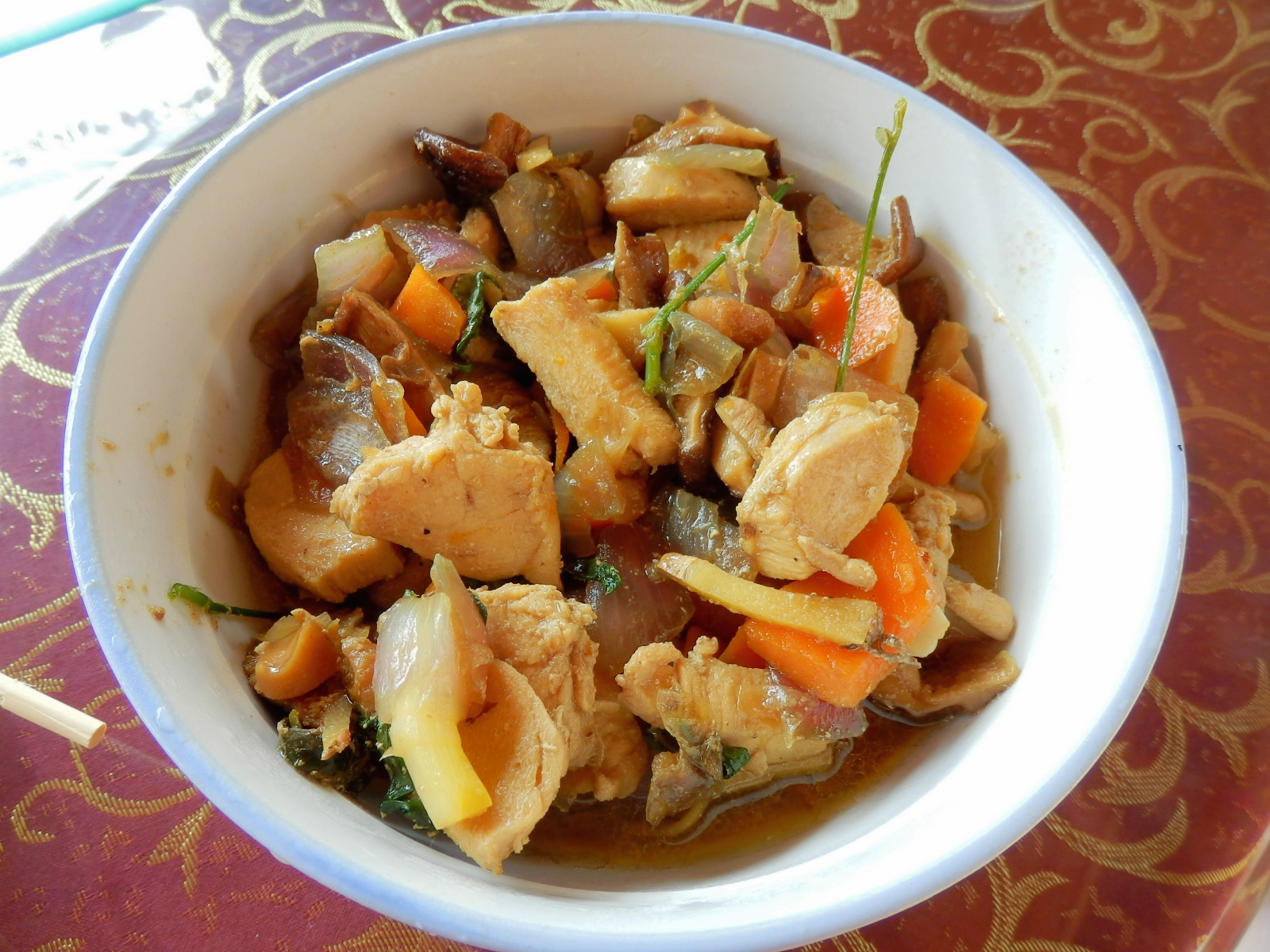
Once we went up and down the main terrace, we headed into the local village for some lunch. The local specialty is cooking chicken and sticky rice inside a big bamboo shoot. Apparently, the bigger, thicker pieces of bamboo can be used over and over. I was hungry, and I probably ordered a bit too much, but I ate as much as I could. In addition to the chicken and rice, I also ordered stewed sweet potatoes with garlic and green onions. The rice was rather bland, but the rest of my food was delicious. Kevin asked if I wanted the bones taken out, and I said yes. He informed me that Chinese people eat their meat with bones (as I’m well aware of by now), but they could make it this way for me. I thought the chicken would be served in the bamboo, like the rice was (I saw a photo of it like this), but they served it in a big bowl. I ate the entire bowl of the chicken, which was also made with mushrooms, carrots, and ginger. I was temped to ask for my sweet potatoes “da bao” (takeaway), but I decided against it.



After eating, we headed up the many steps to see the rest of the terrace. He also asked if I wanted to hike an additional 1.5 hours to the other view point, but I declined the offer. This is what I saw from the second vantage point.
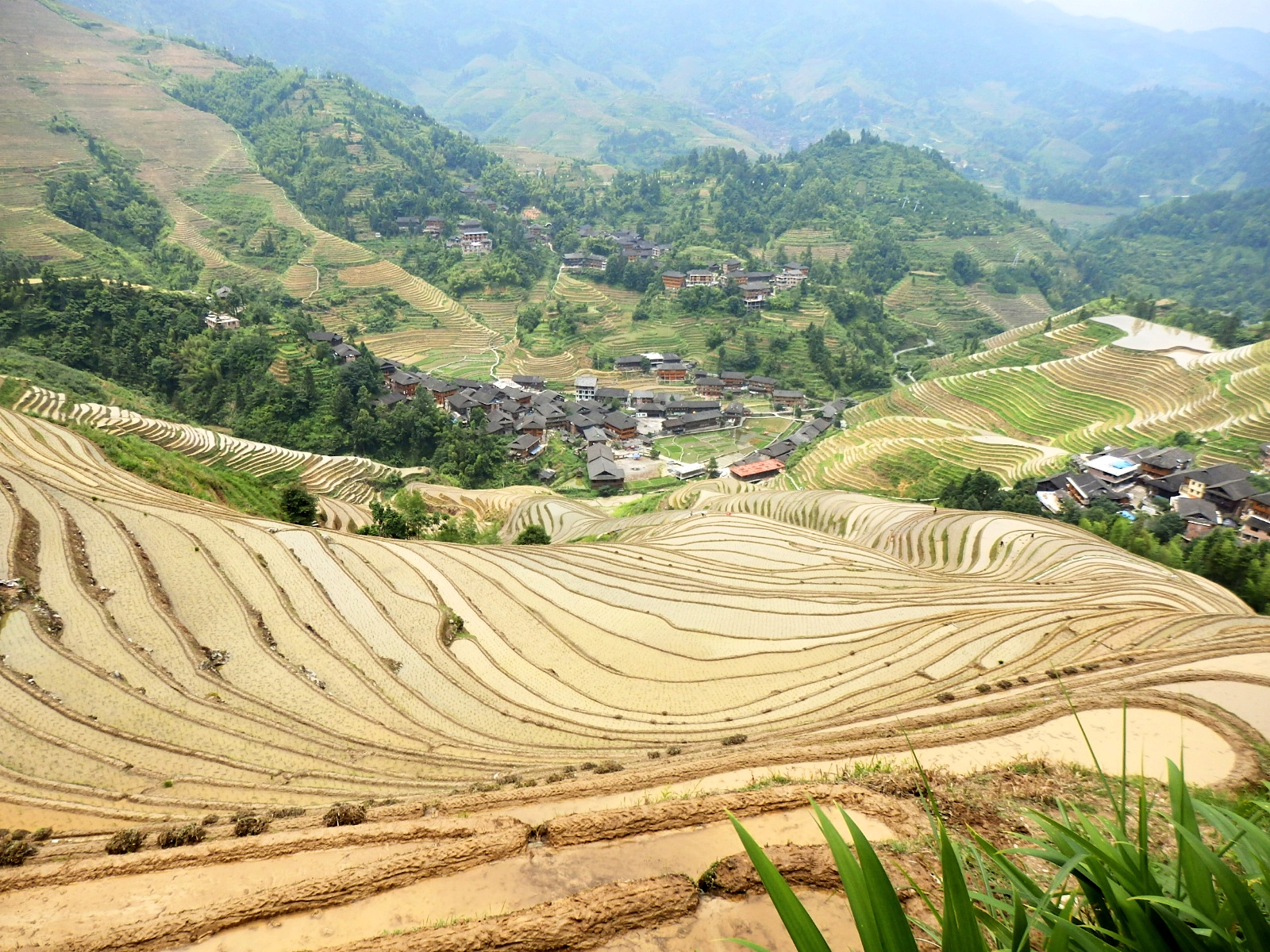
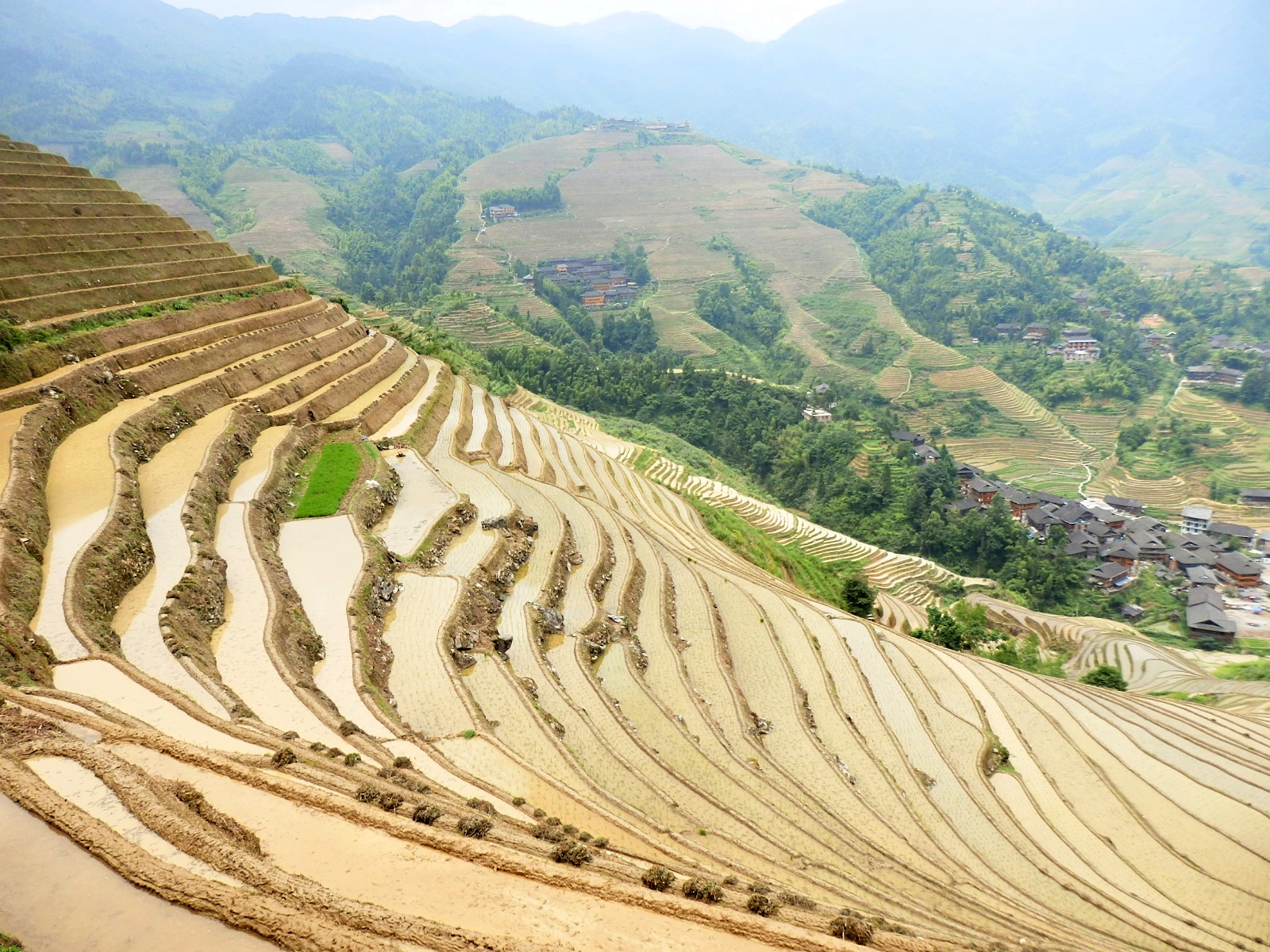

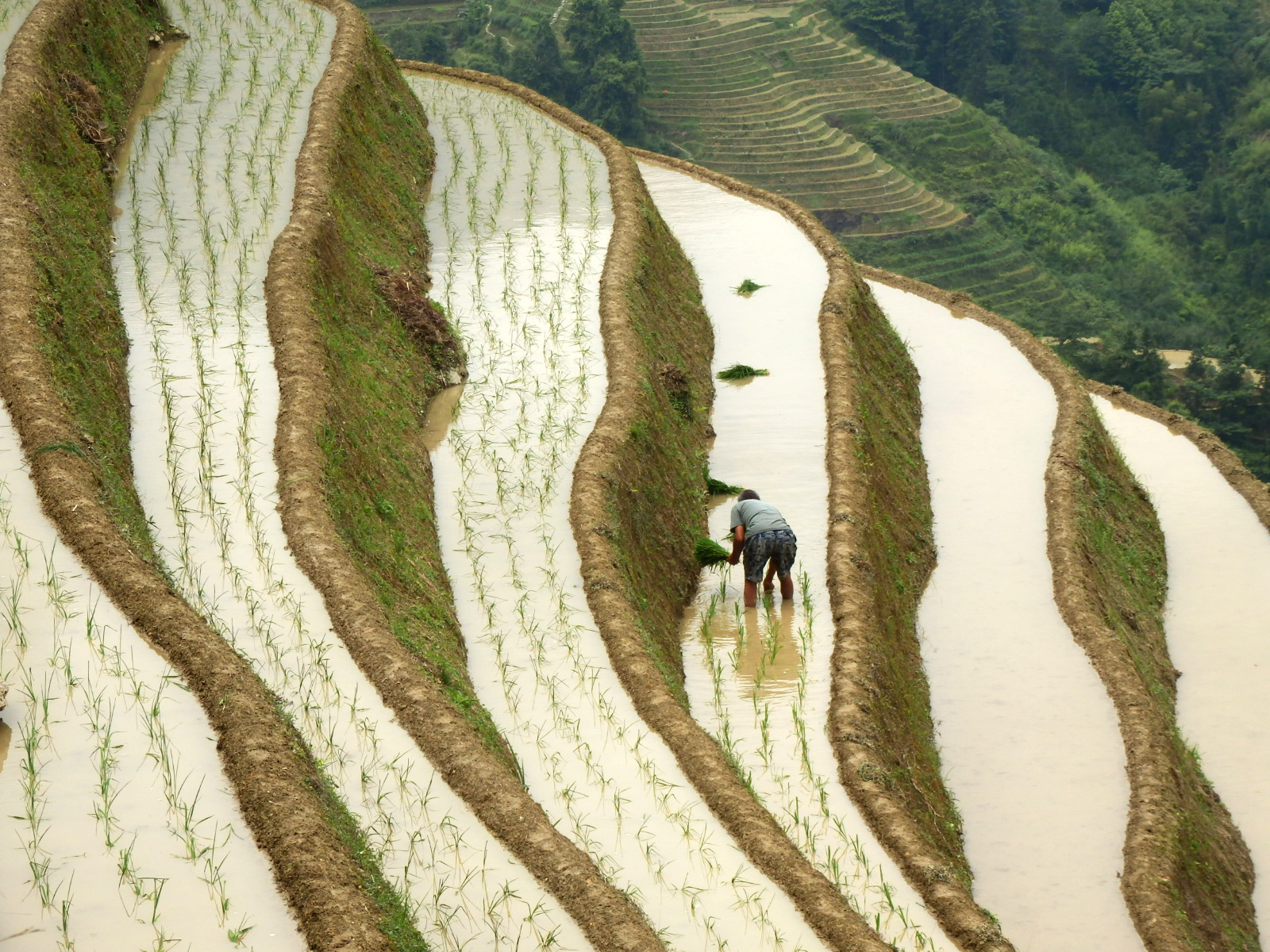
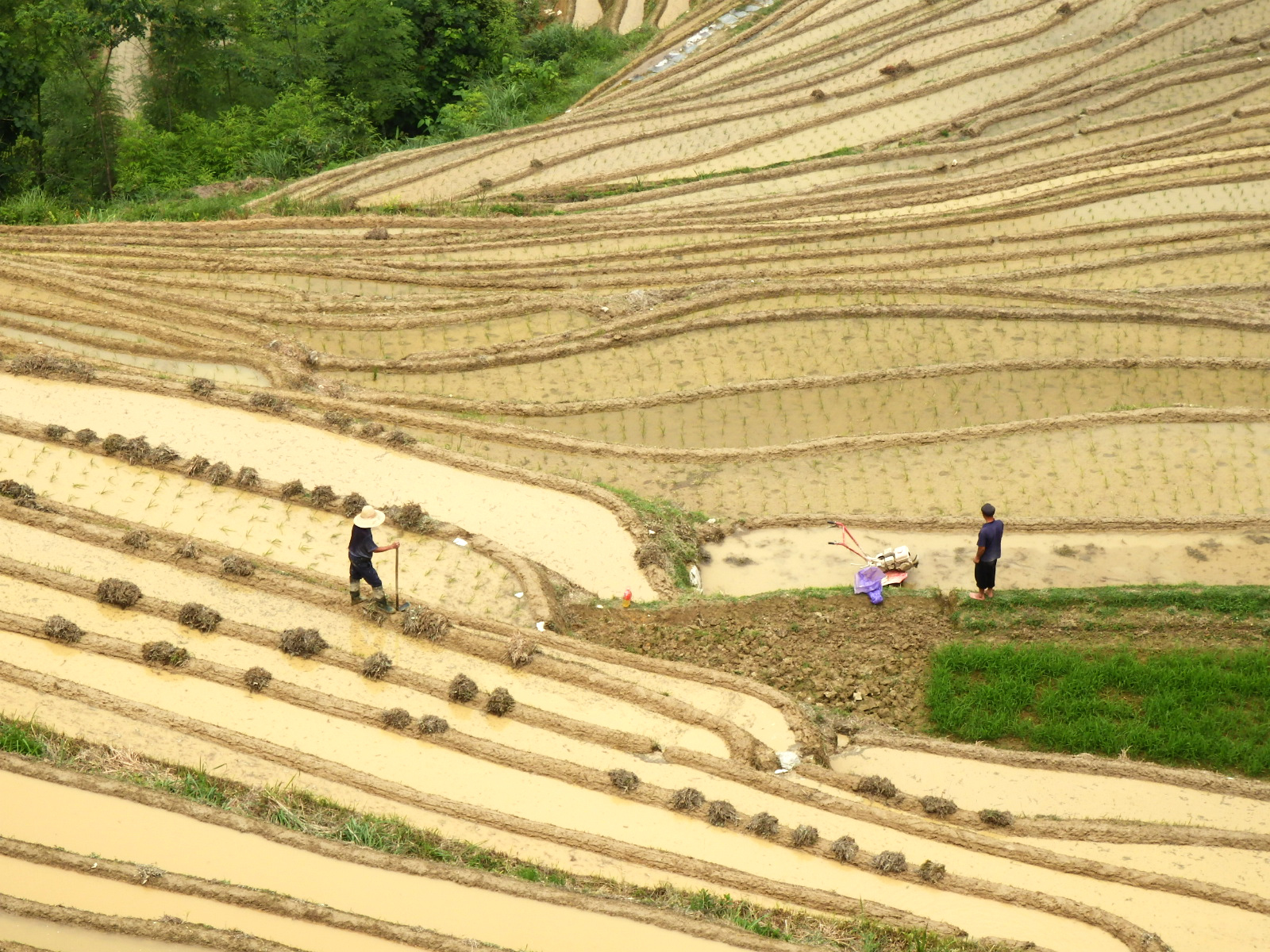
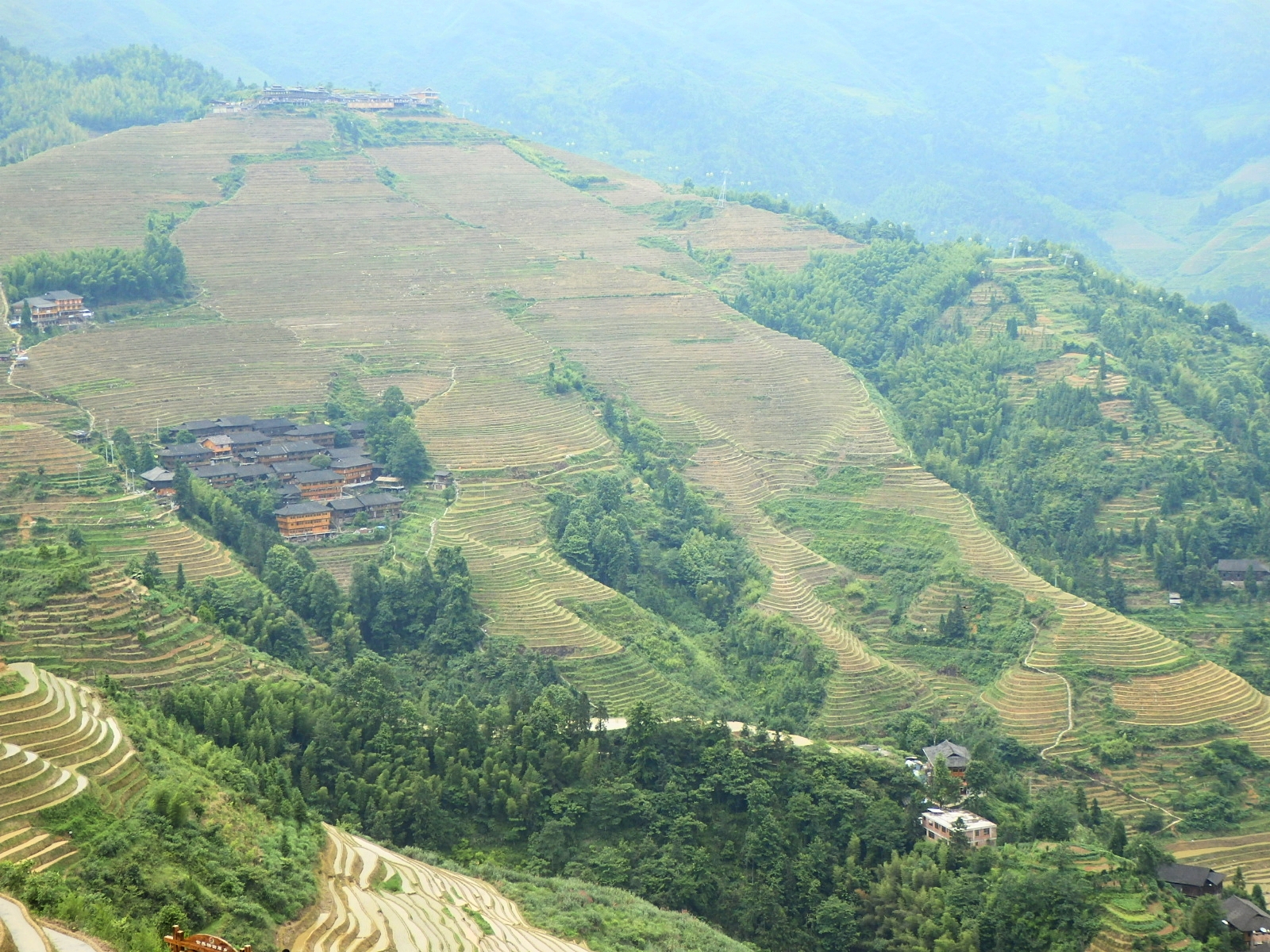
Over all, I thought the terraces were quite interesting and picturesque. I would have preferred to see them in a different season, when the rice is grown and yellow in color, but I don’t have time to travel during that time of year. At least the water created a reflective layer on the terraces. For anyone coming to Guilin to visit, I would recommend coming here.
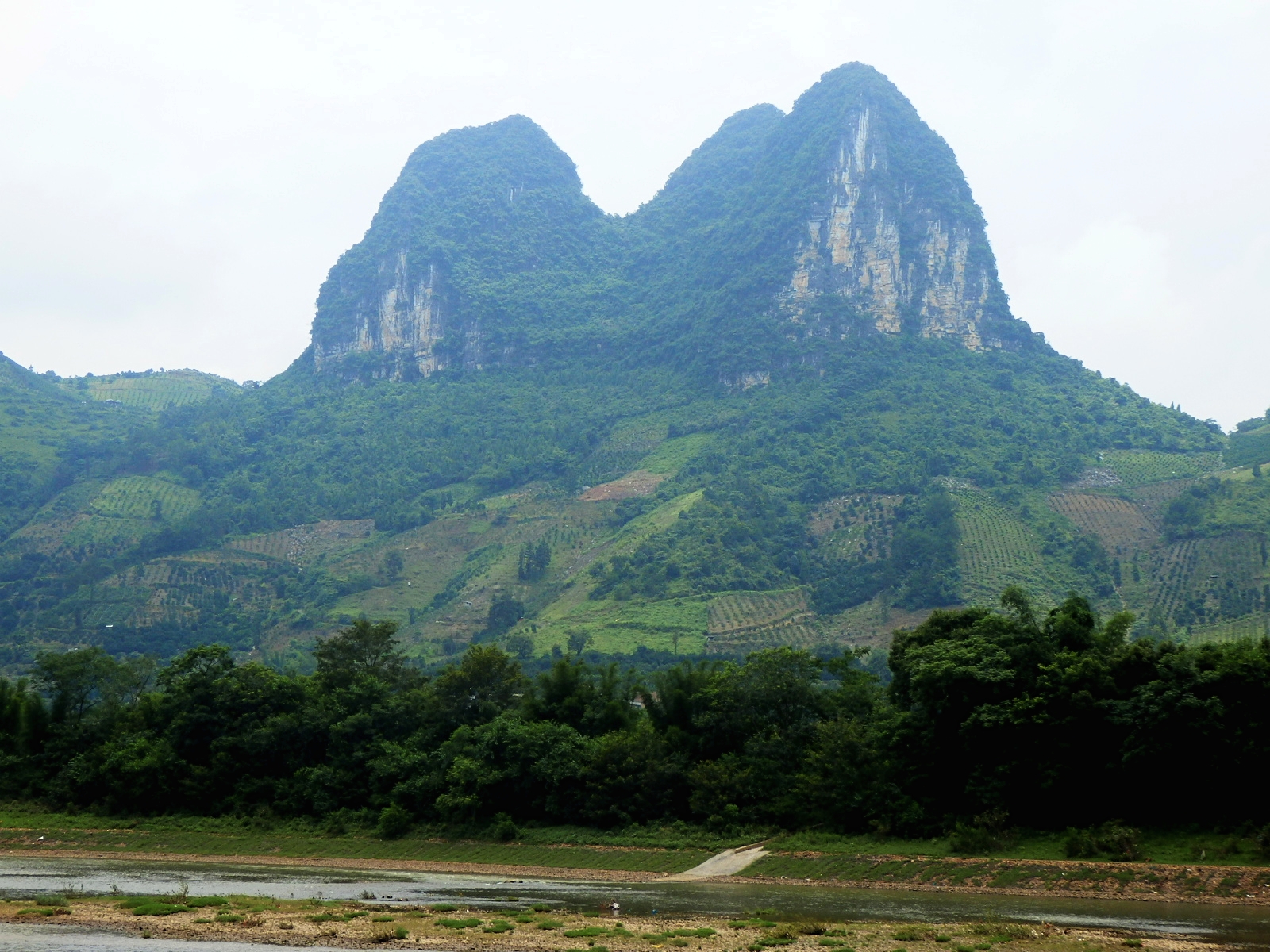
The next day, I made my way to Yangshuo via the famous Li River cruise. Along with seeing many karst peaks along the river, there is also the area that is used on the 20-yuan bank note. I tried taking a photo at that point, but it didn’t turn out well, so I decided not to include it. I did get a photo of another spot on the cruise tour, which is “Nine Horse Hill,” where you can see the outlines of nine horses (if you use your imagination).
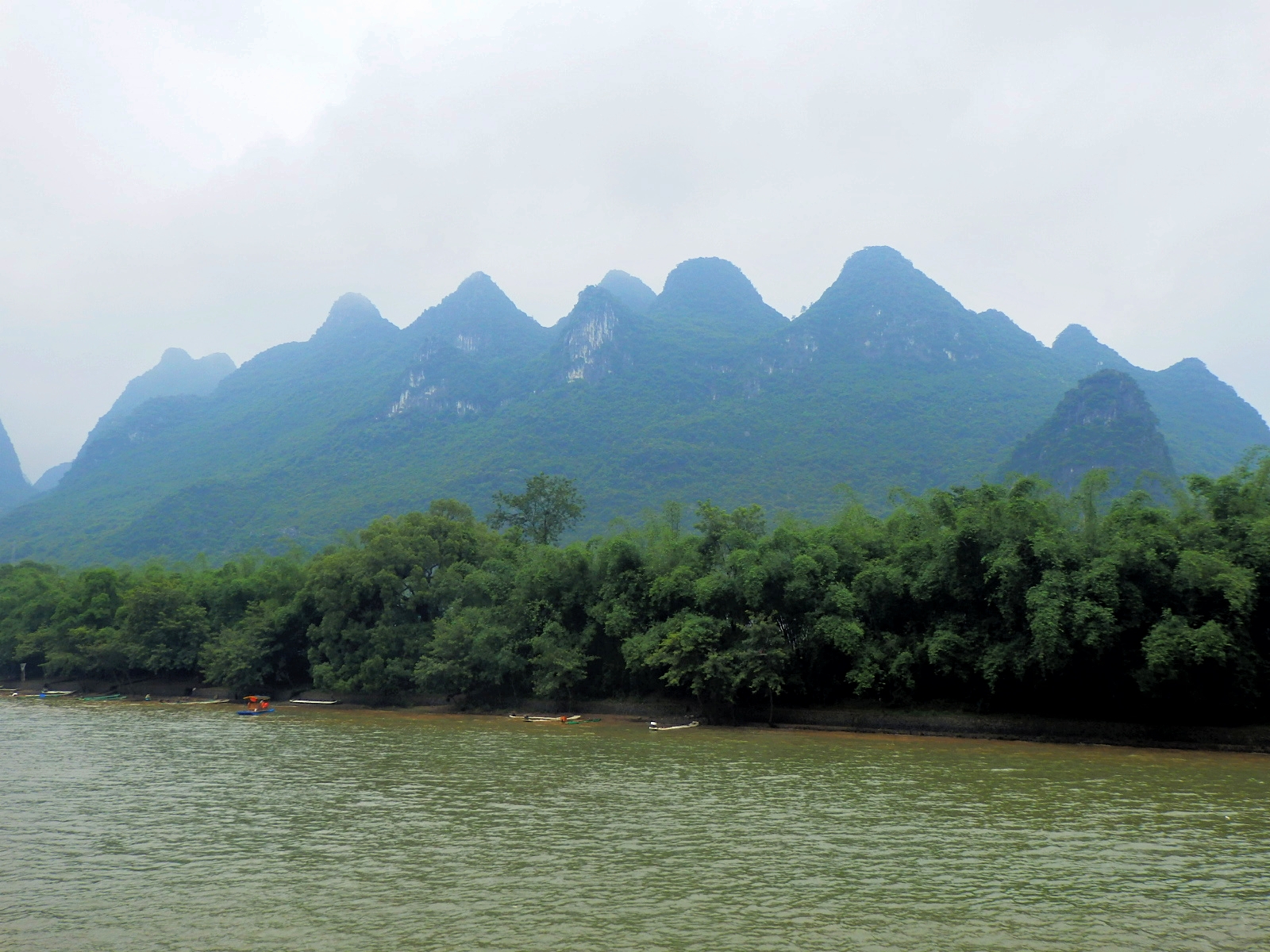

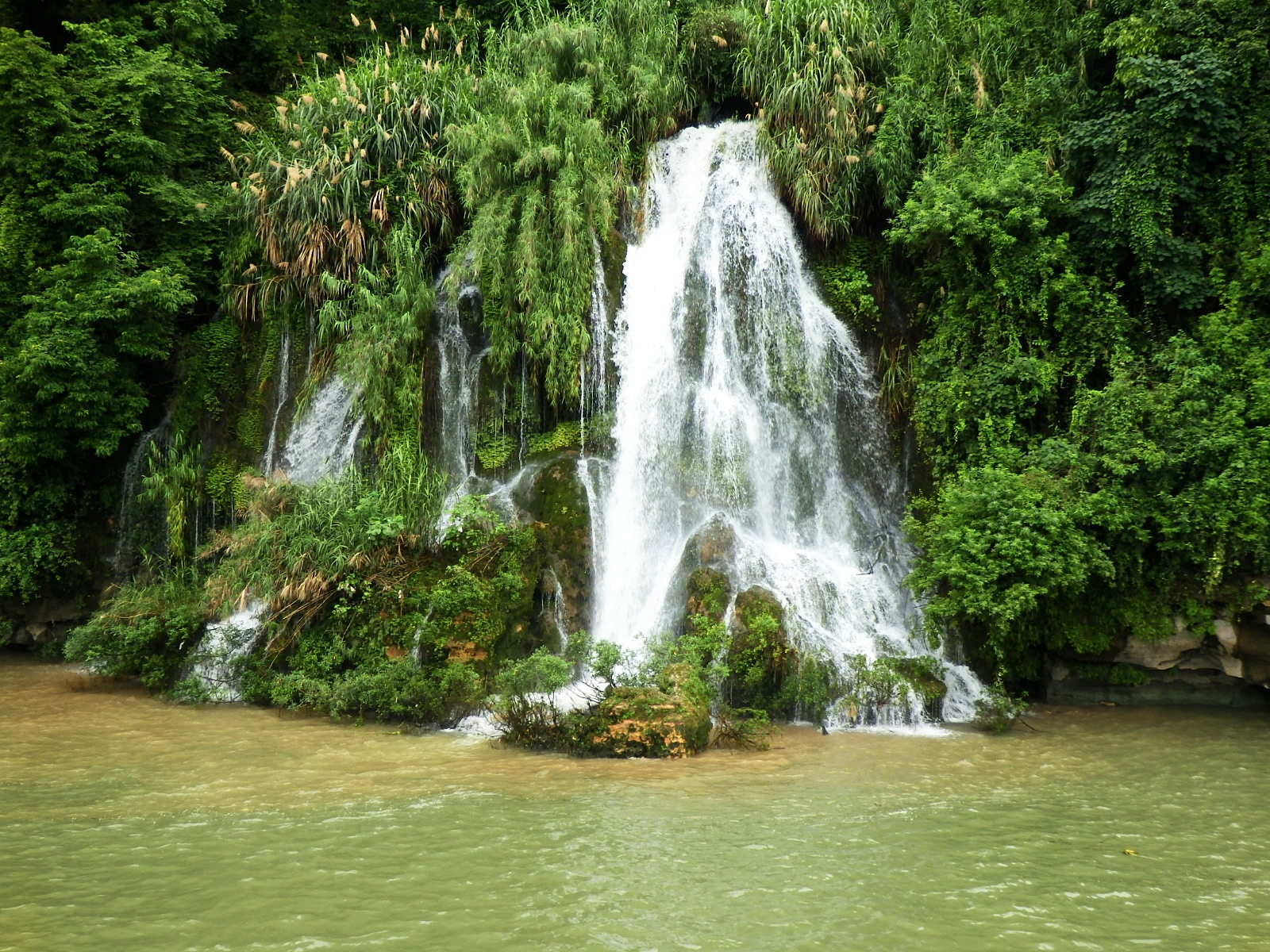
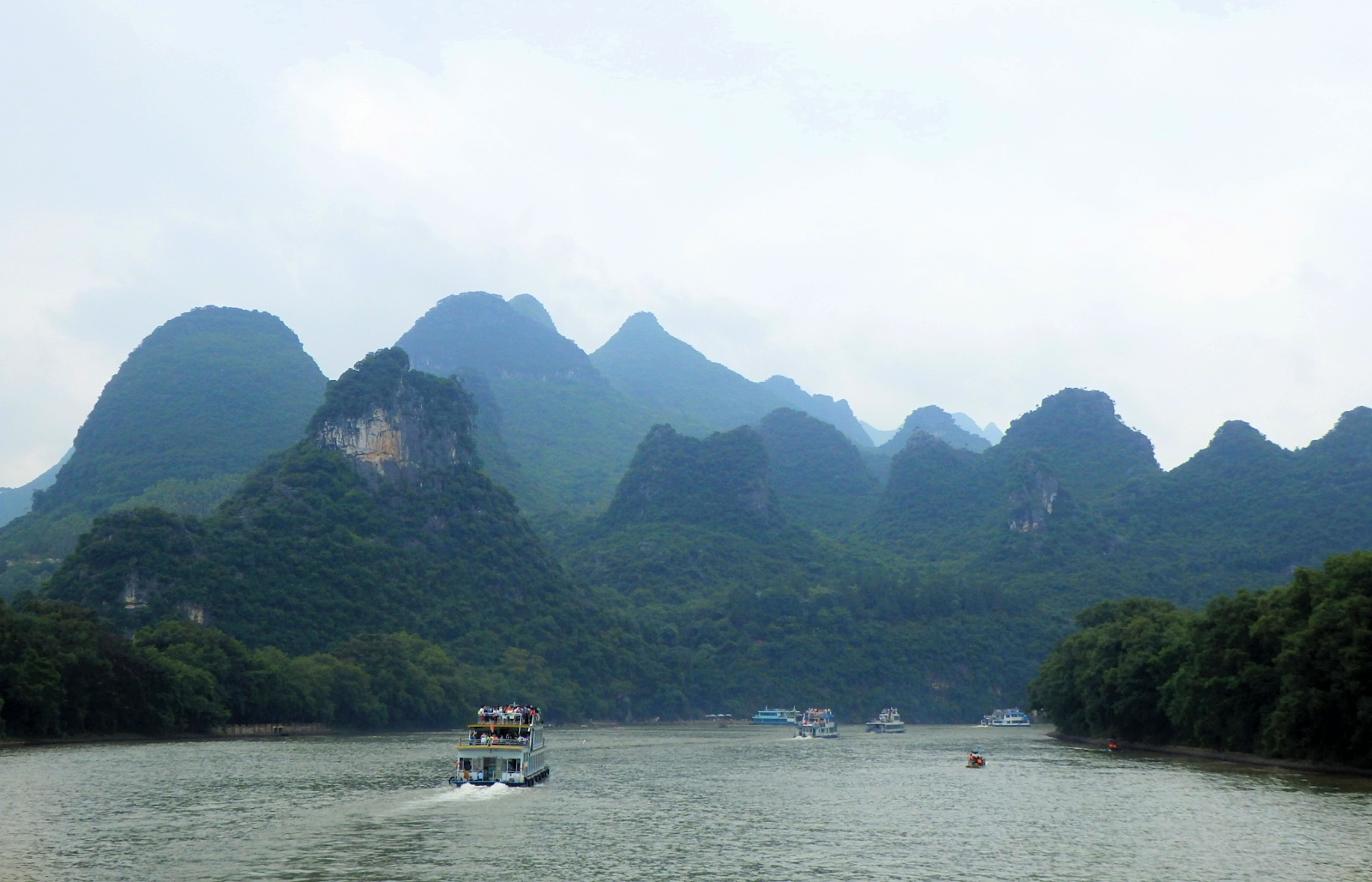
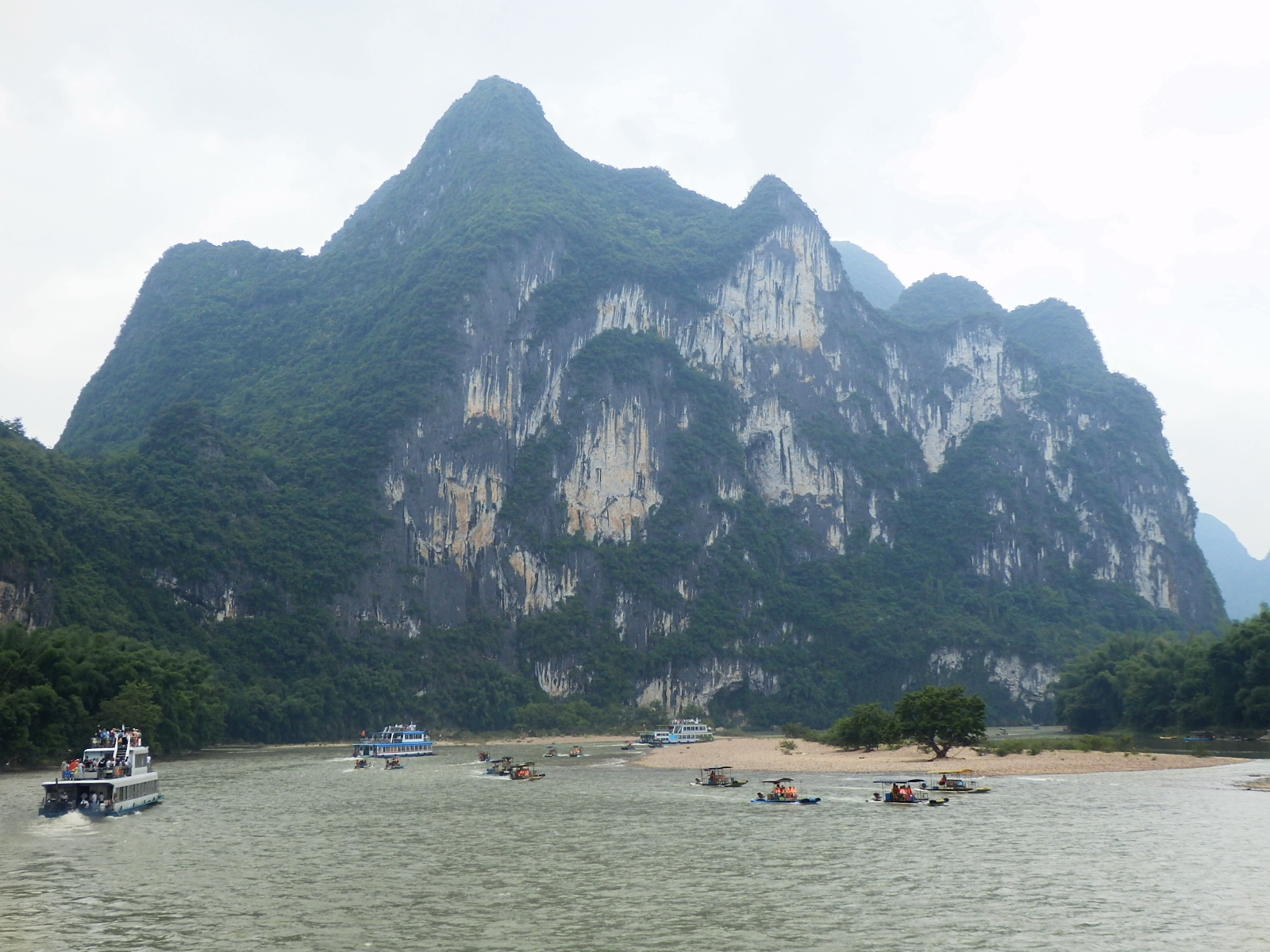
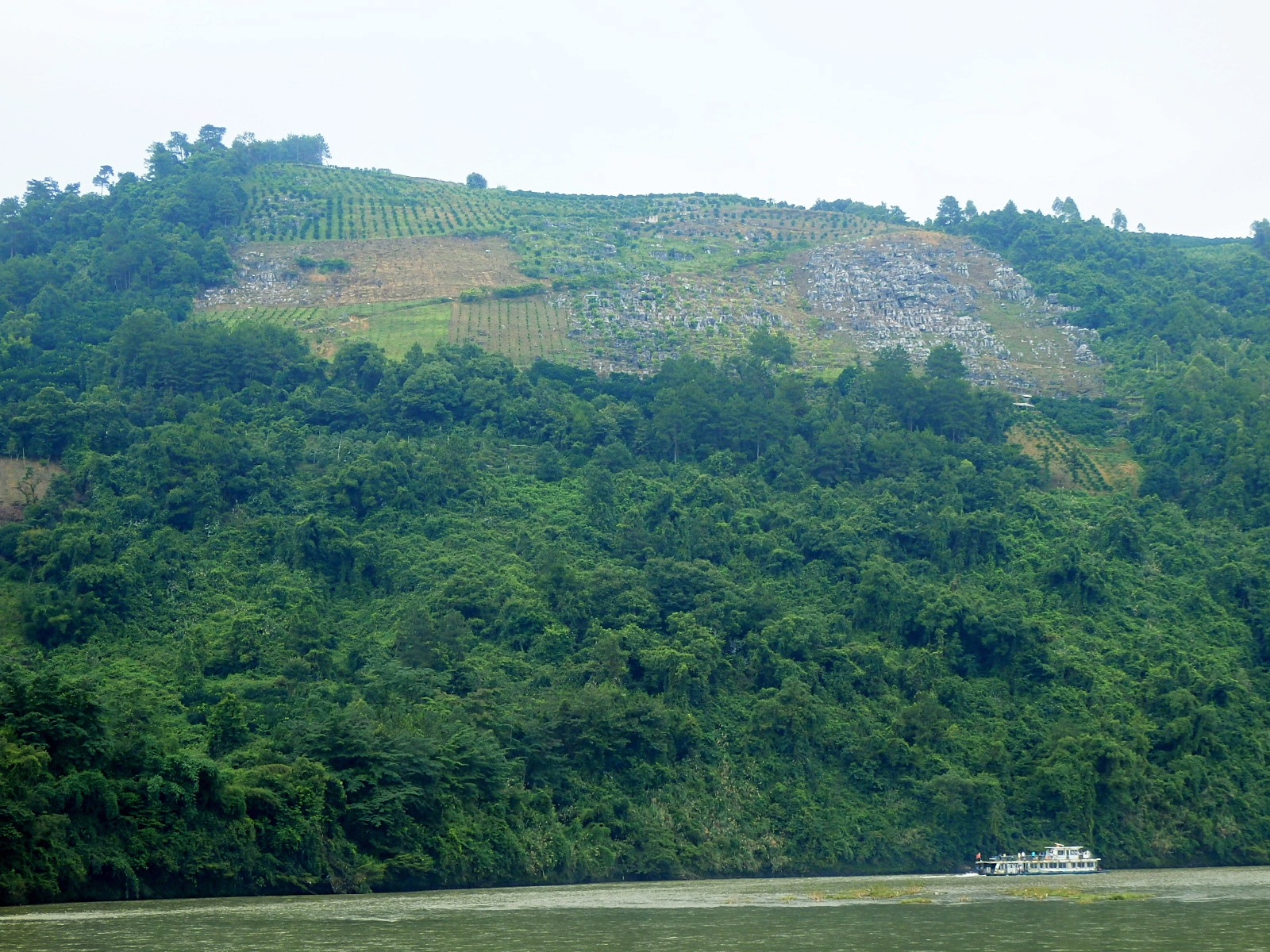
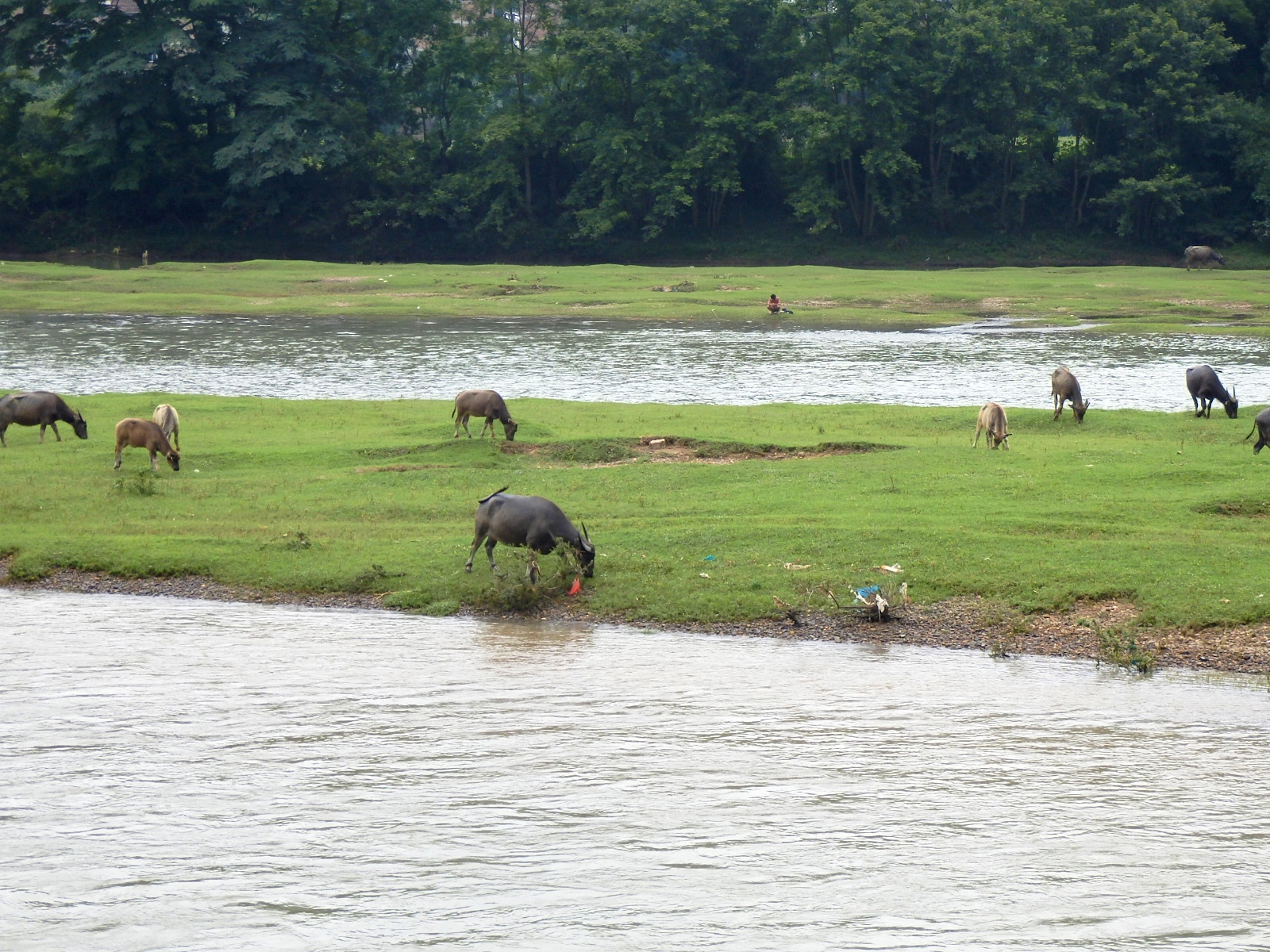
Once I arrived in Yangshuo, I walked around to find a small hotel to ask for a taxi. The place I stayed seemed nicer in the photos than in person. I booked the place through Airbnb. I guess I should have been more aware that a cheaper place like this might not be as good as pictured. During my stay there, I encountered noise issues, partly due to a late-night storm but also because a group of Chinese people were talking very loudly in the lobby, and the noise echoed up through the atrium. I finally decided to shout from the 4th floor, “Please be quiet!” It worked, but later on, I still heard some doors being slammed. Chinese people really have no concept of consideration and seem to be able to sleep through all kinds of noise. Forgetting to pack my ear plugs and eye mask, along with being a light sleeper, also didn’t help.
When one travels around China, you need to remember your ear plugs because people here create a lot more noise in general, as well as because buildings in China are not insulated. I also wasn’t a big fan of where it was located since it didn’t seem to be near many things (like transportation or convenience stores). When I arrived, my room had not been cleaned yet either.
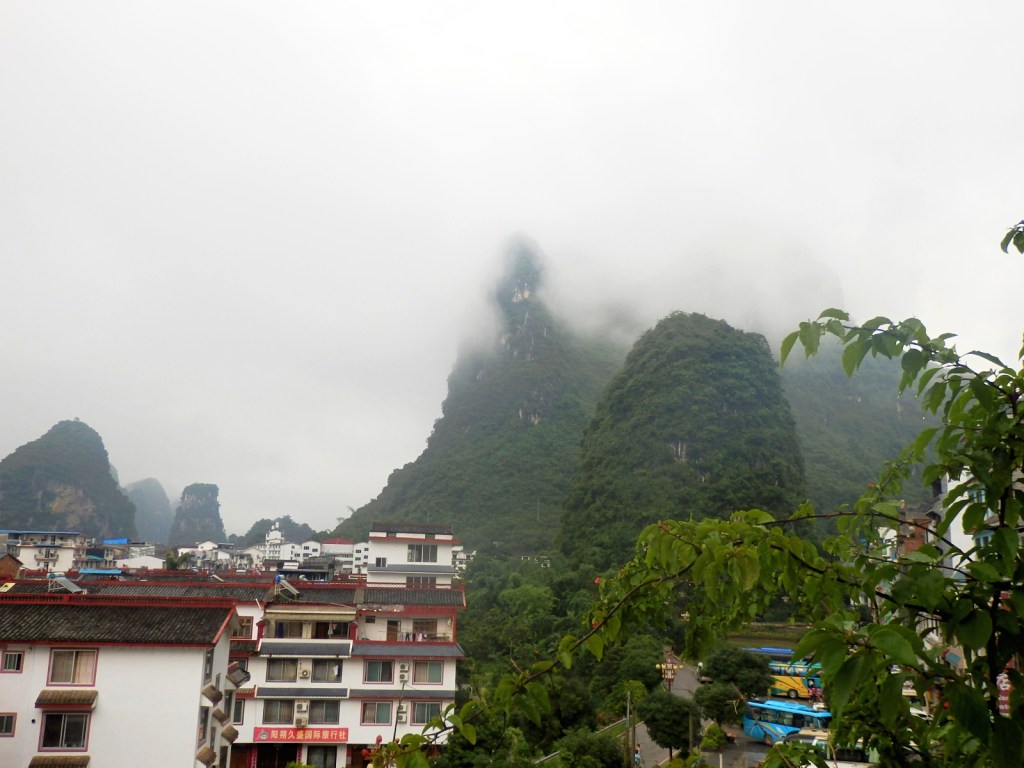
Anyway, the view itself from the hostel wasn’t bad. I was told the best view of the area was from the 6th floor, but I took some photos from my room on the 4th floor anyway.

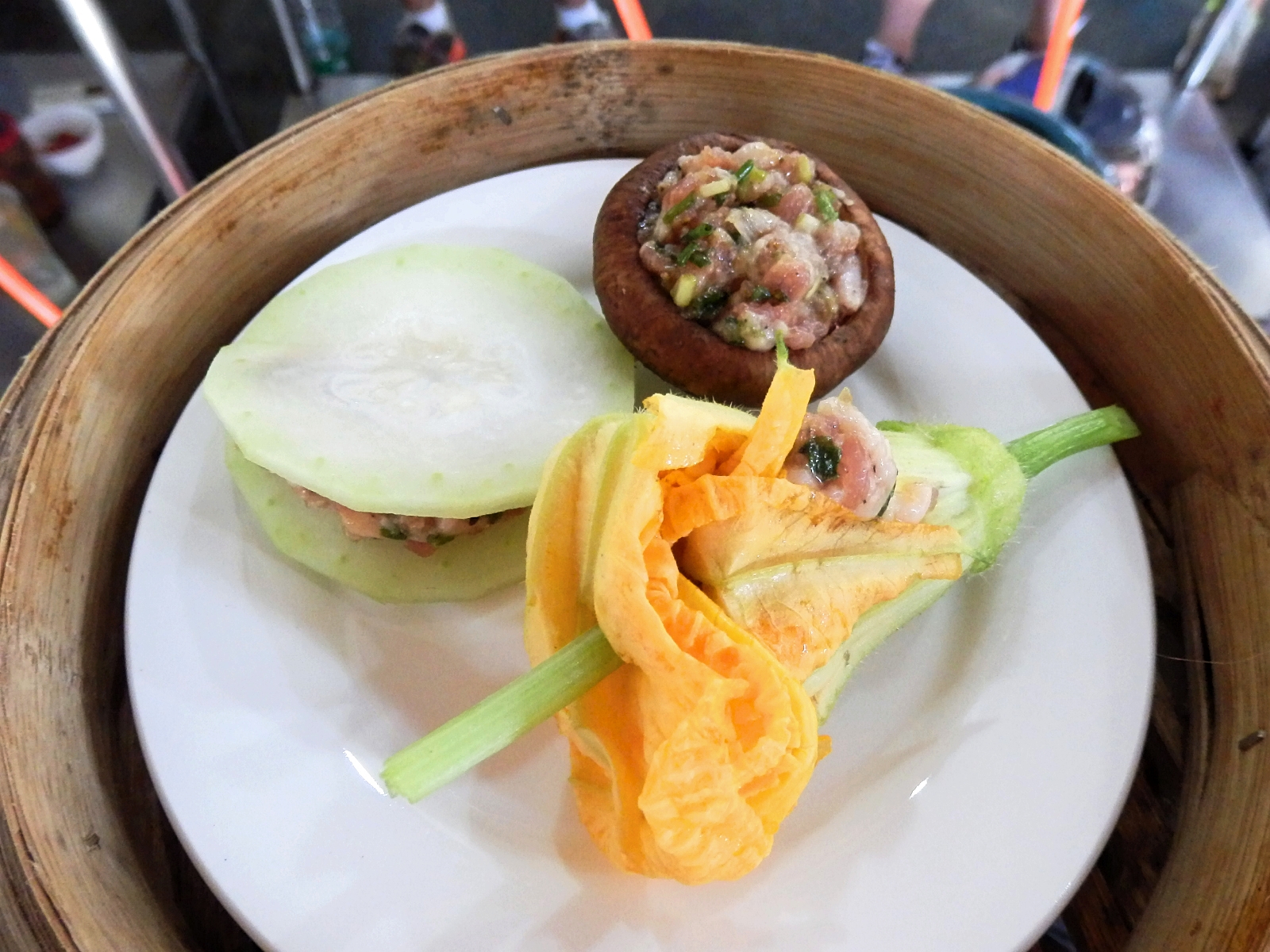
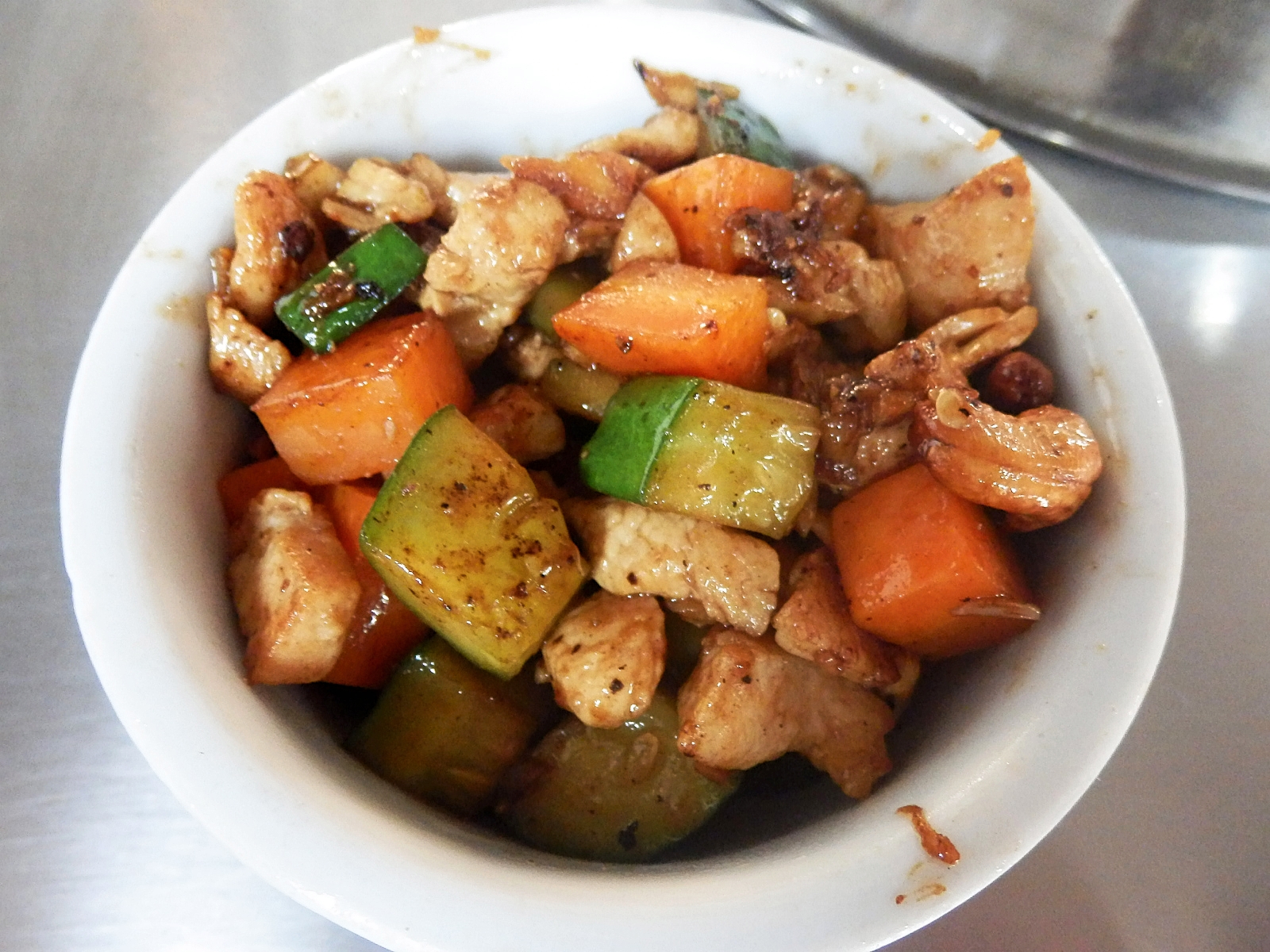
That afternoon, I had scheduled a cooking class. This is something I love to do whenever I get to travel. In short, here are the dishes that we made: steamed stuffed vegetables (including stuffing a “pumpkin flower”), Yangshuo-style fried eggplant, Yangshuo beer fish (pijiu yu), chicken with cashews, and greens with garlic.


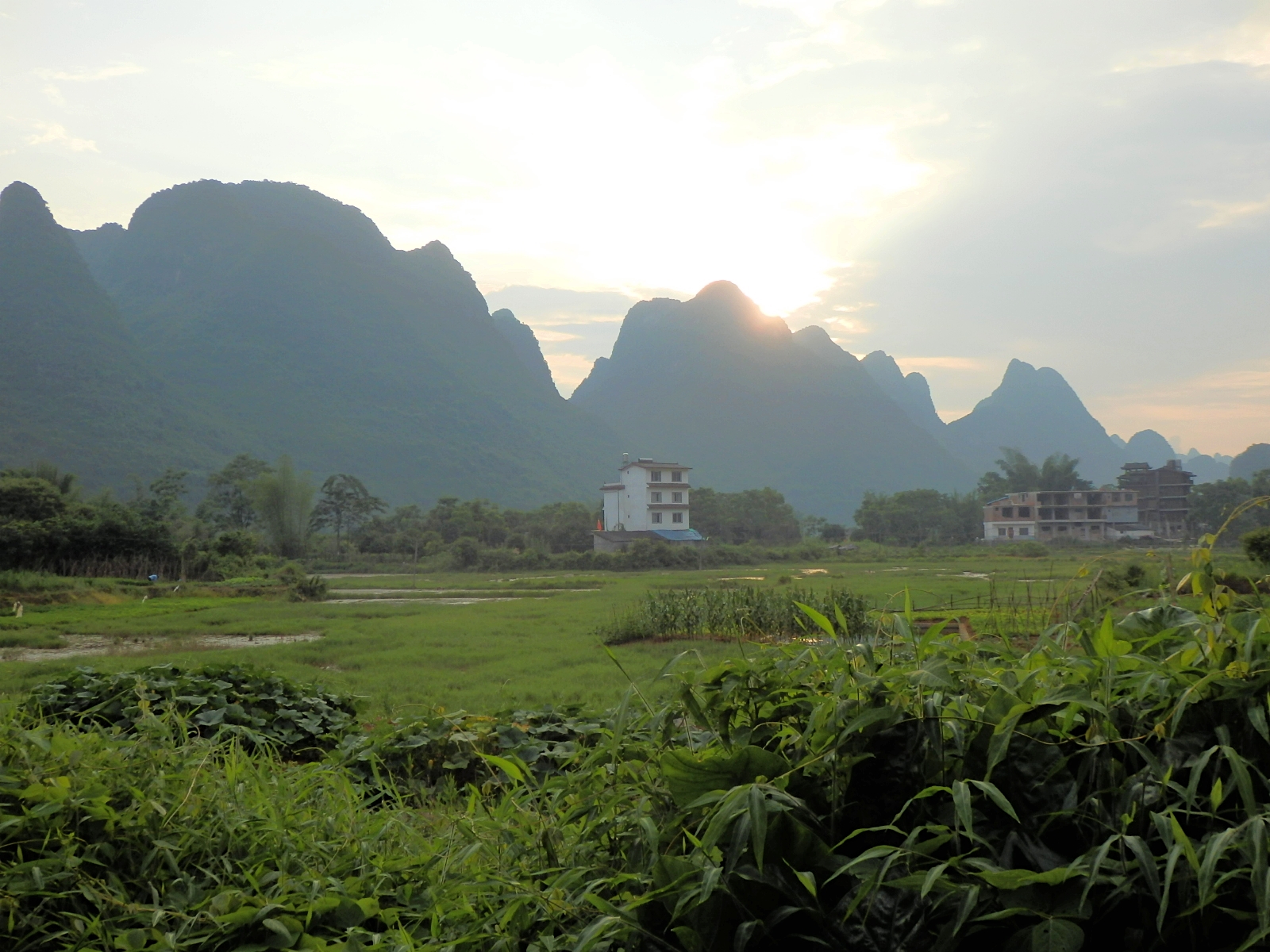
During the class, I met a fellow American, who was from Chicago, and a man from Sydney, Australia. The man said that he had recently been in Guangzhou and commented on how huge the city seemed. I told him that yes, the city is quite big, and that ever since being in China, my idea of a large city has forever been skewed. While cooking the greens and garlic, the girl next to me, who was part of a group from Italy, didn’t realize there was excess water at the bottom of the bowl and dumped it in with the greens. We all know that hot oil and water don’t mix, and I experienced this firsthand as her wok smoked and spattered some oil onto my right hand. But at least the dishes came out fine, and the scenery was countryside splendor.
The next day was my busiest. I had scheduled a tour of a tea plantation, a photography tour, a bamboo river raft ride, and finally, the Liu Sanjie River Show (performed on the river itself).
The tea plantation tour and photography tour went faster than I thought, but that may have been because I was the only one signed up (once again).
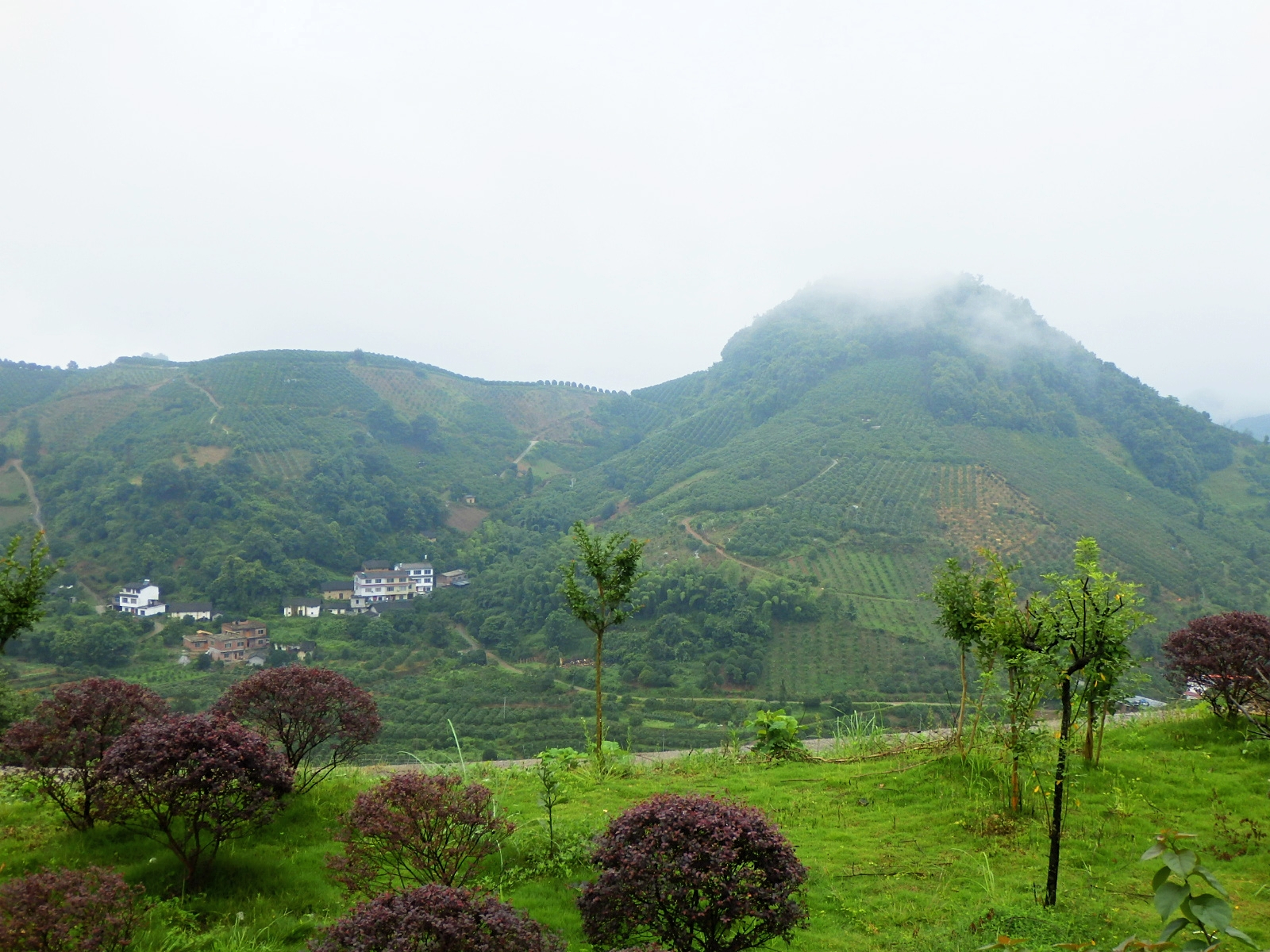
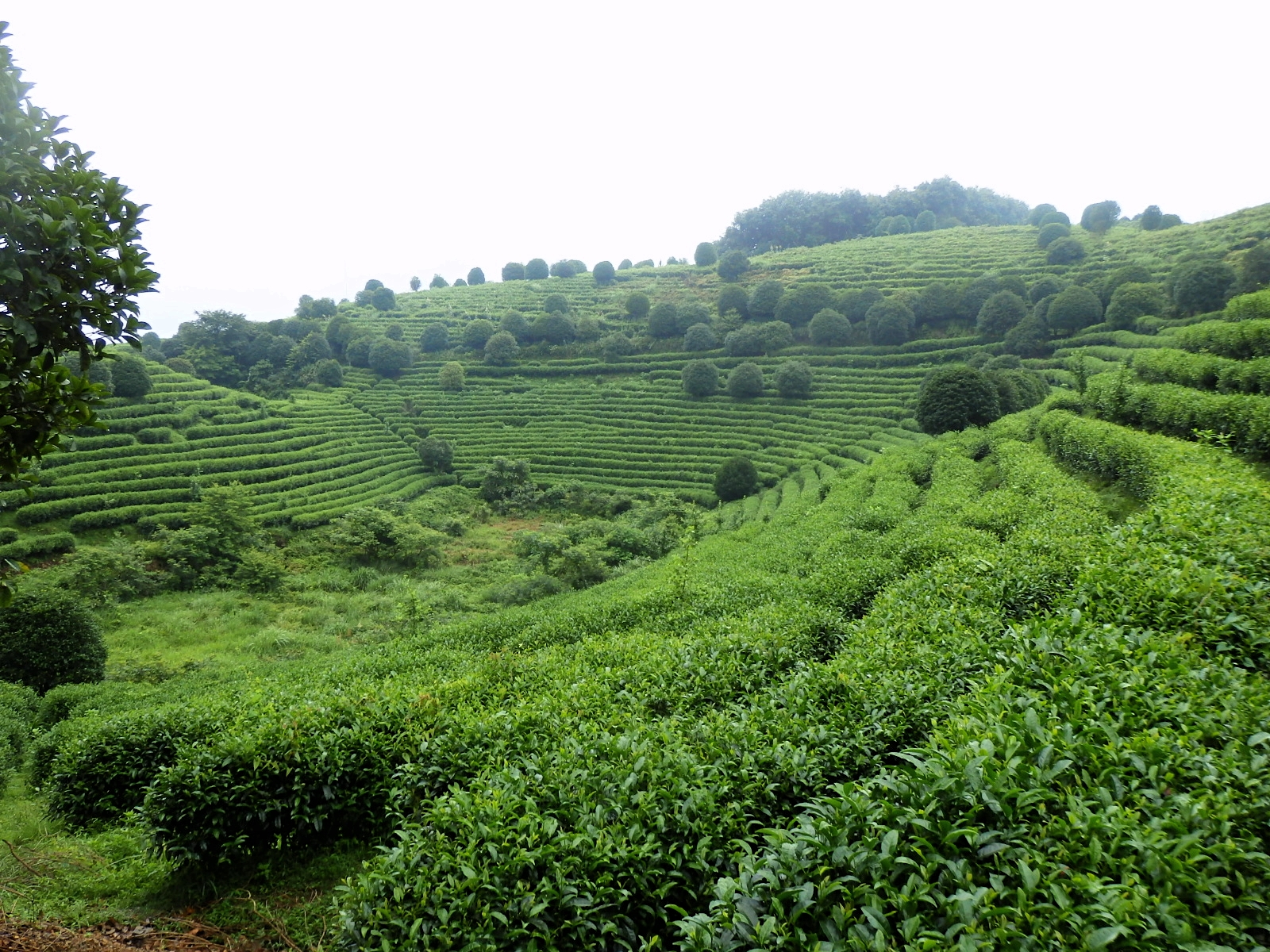


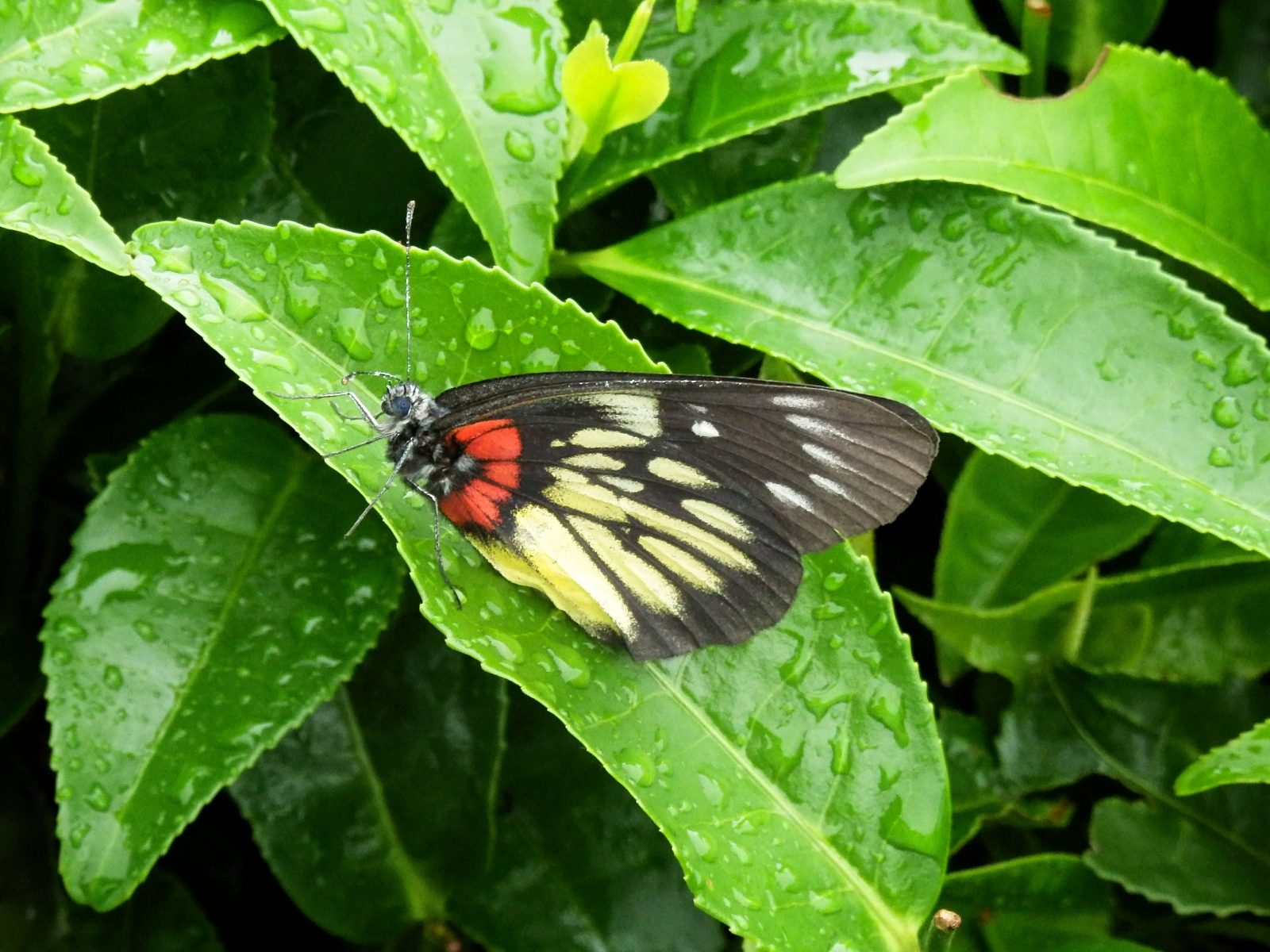
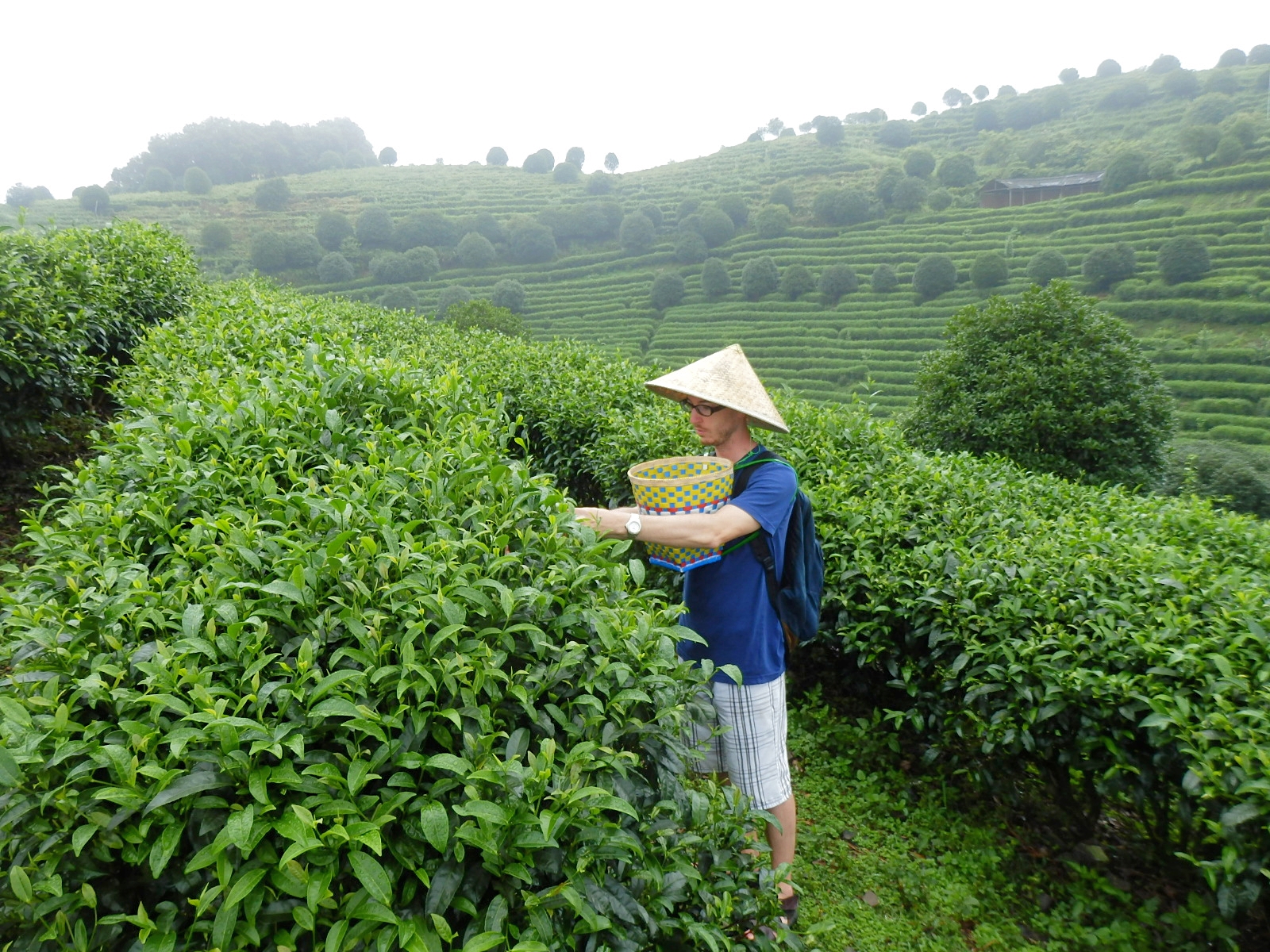

Here, the light rain added to the atmosphere and made the greenery appear more vibrant. I picked some tea along with my guide, Anna. She informed me of other plants that are used for medicinal purposes. She told me that I could also cook eggs with the tea buds that we picked. Unfortunately, my buds didn’t last long enough for me to try this out. She also insisted that I try to wear a traditional hat. I have always said that my head does not get along well with hats, and this hat was no exception. After we went inside, we got to sample a few of the local teas. Being in southern China, the tradition here is to clean off all of your cups and plates with the first batch of boiled tea. We then sampled three teas, two of which were black teas that tasted similar to the tea I tasted in Chengdu.

Afterward, she and the driver took me to an area called Xianggong Hill, which offers spectacular views of the Li River and surrounding area from above. Again, sunshine would have been nice, but the misty clouds did make for interesting photos as well.


Next up was some lunch at a small and very local place. It was a place where you just looked through the window and pointed to which items you wanted, and they would cook up the dish, which is served with rice.

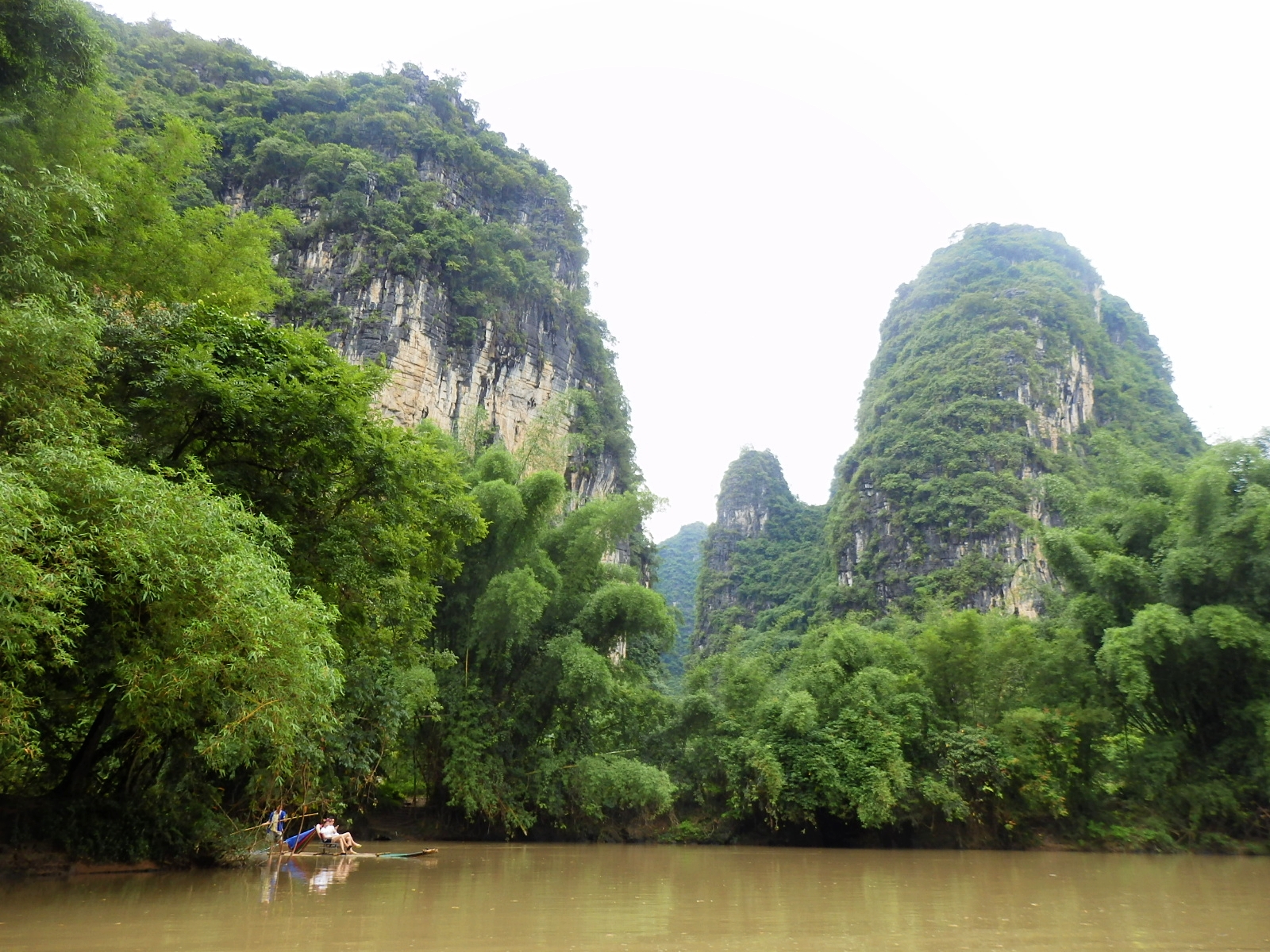
After lunch, there was the bamboo river raft ride. It only lasted 40 minutes (just as my itinerary said it would). While some of the scenery was nice and being on the raft was fine, I wished that there weren’t so many other people there at the same time. At several points during the ride, one of the other rafters kept bumping into us. This seemed uncalled for, as there was plenty of space to move around the river.


The very last thing on my schedule was the famous Liu Sanjie River Show, where dozens and dozens of performers sing, dance, and perform on the actual river itself. I had heard a lot about this show, and I was eager to see it. After it was over, I felt that even though some parts were visually interesting, other parts perhaps could have been a bit more interesting. I think the biggest aspect of this show being famous is the fact that so many people perform together, as well as using the natural scenery as part of the show. I guess I was hoping to see more exciting dancing, but the dancing that was done was quite simple. It was also hot and humid, with no fans around. I tried taking some photos, but that proved useless in the low light. I also tried getting some video, but only one seemed to work out OK.
I’m glad that I decided to go here, though I don’t feel a desire to go back. Like many other places where I won’t return, I don’t feel that I missed out on anything. I suppose I could see more of the local villages, but that’s probably all that I would want to see. I would also recommend going at a time when the rice terraces are closer to being ready to harvest and are full of color.


Leave a Reply